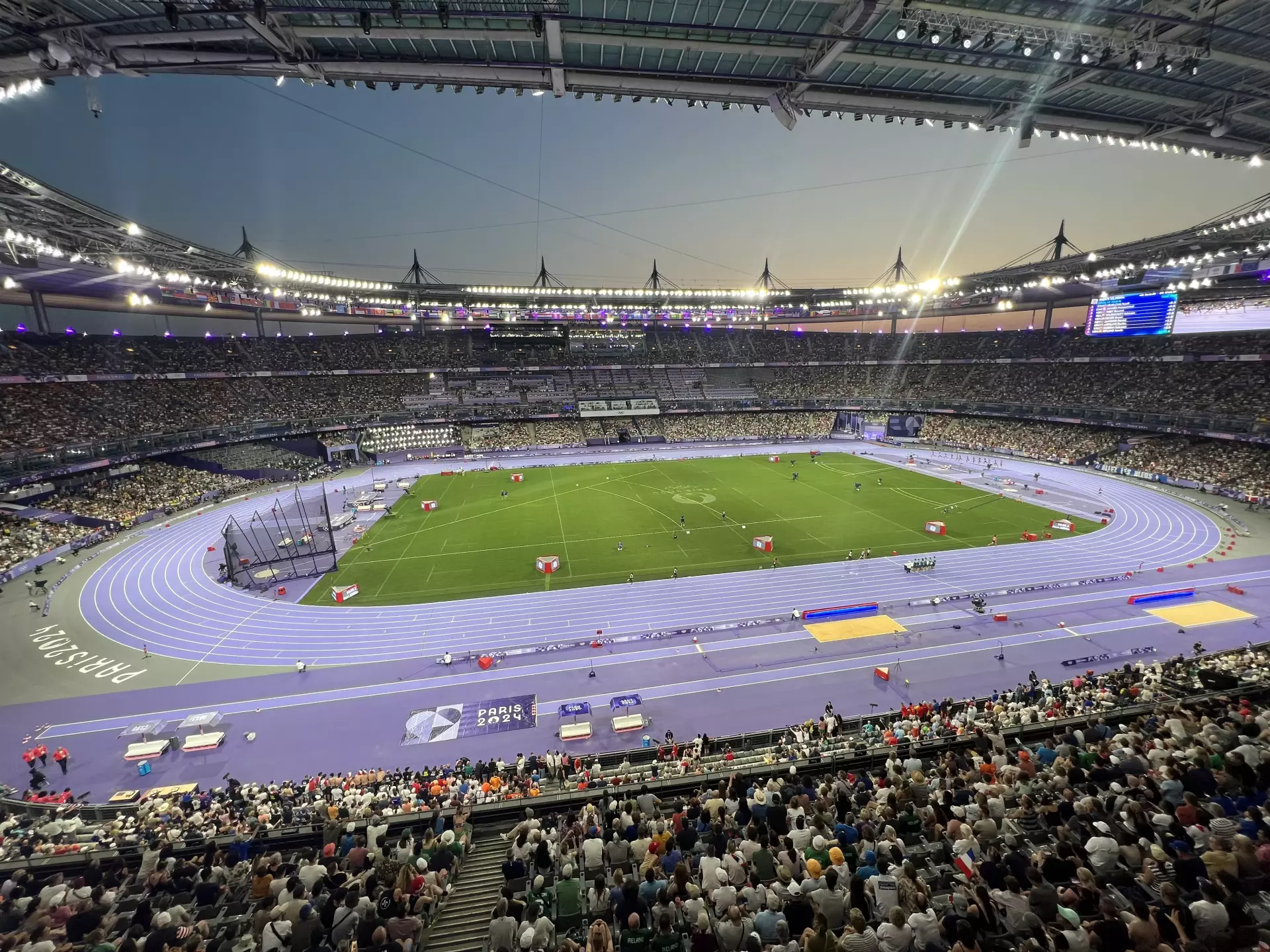
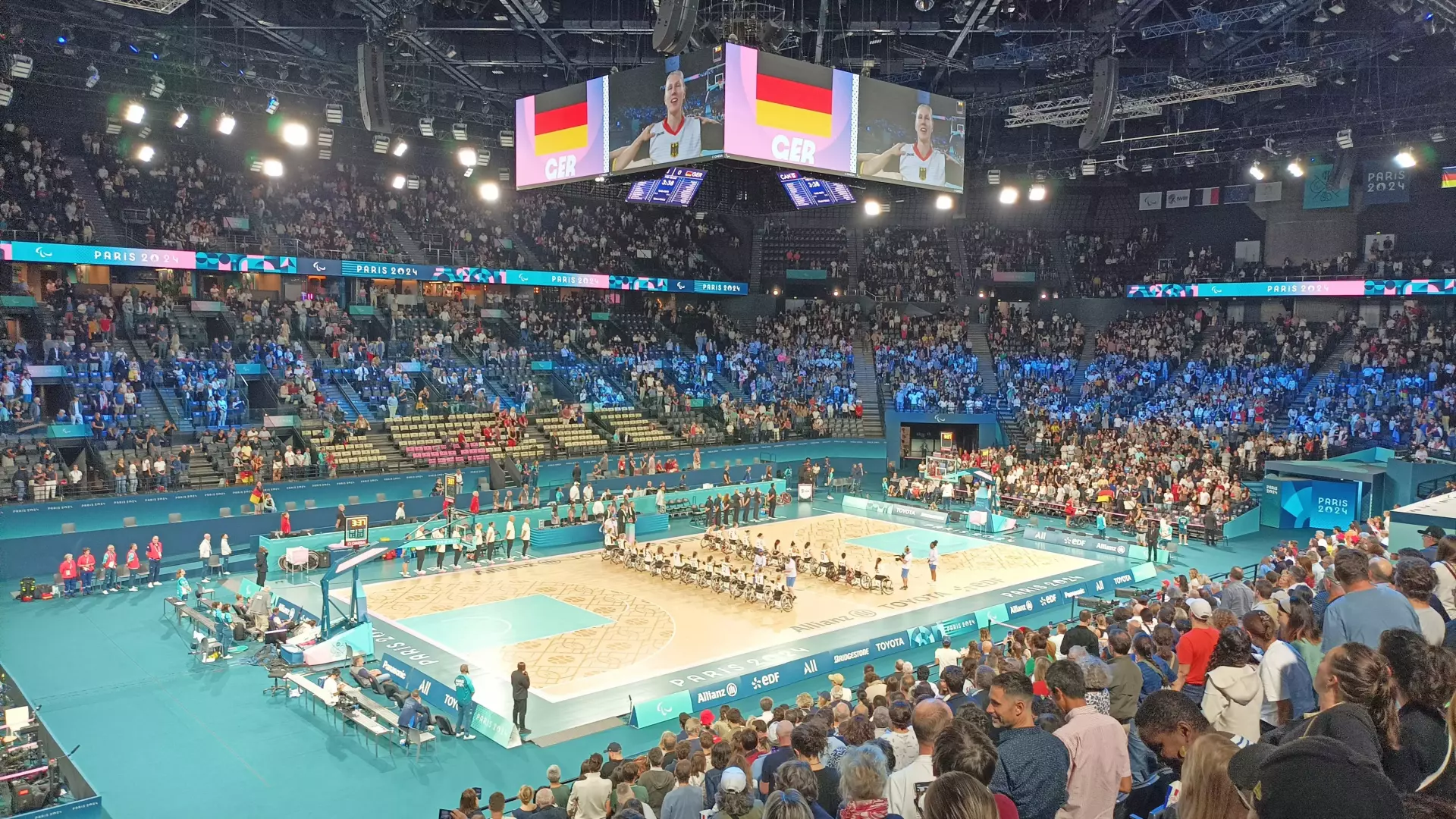
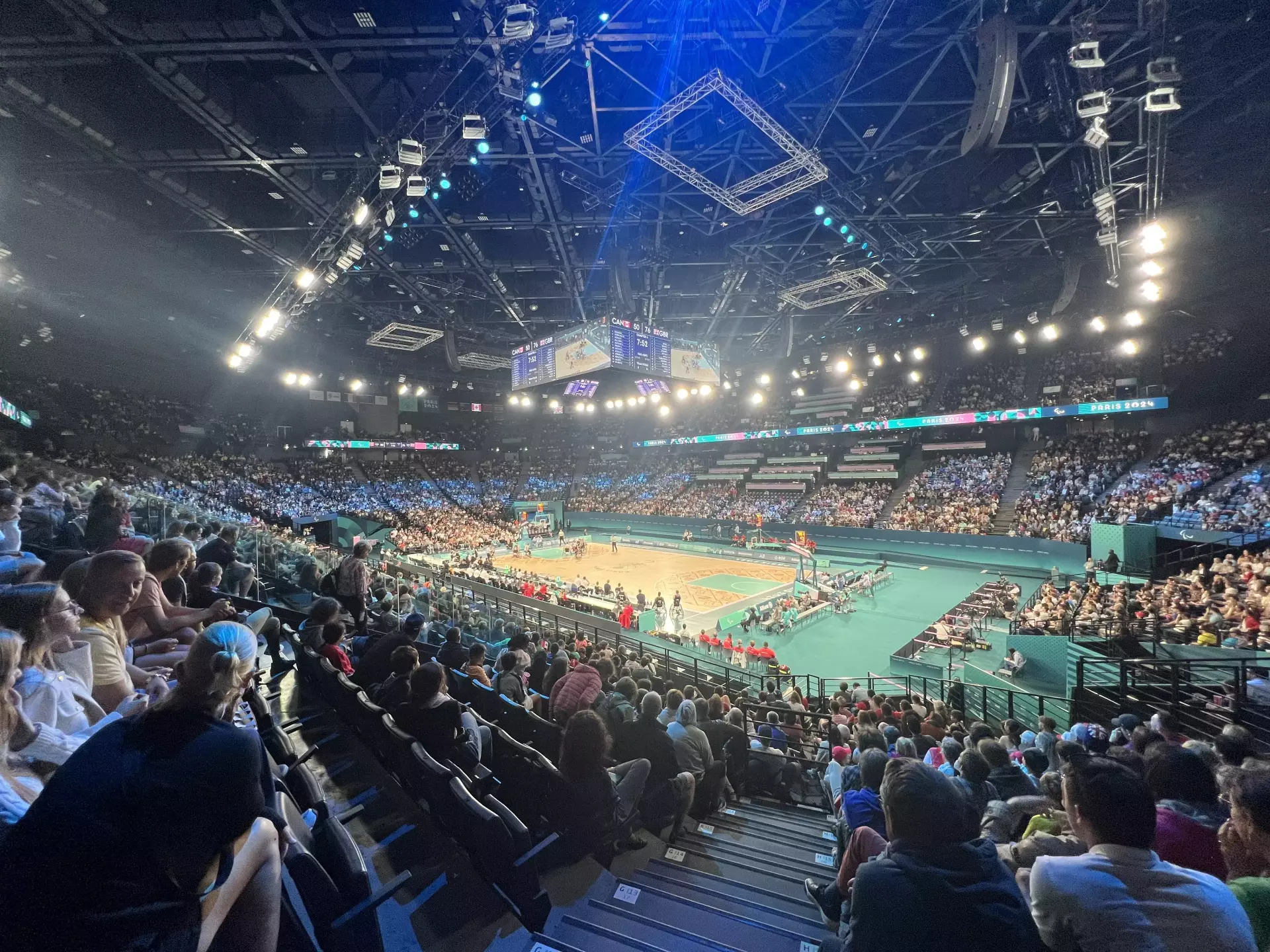
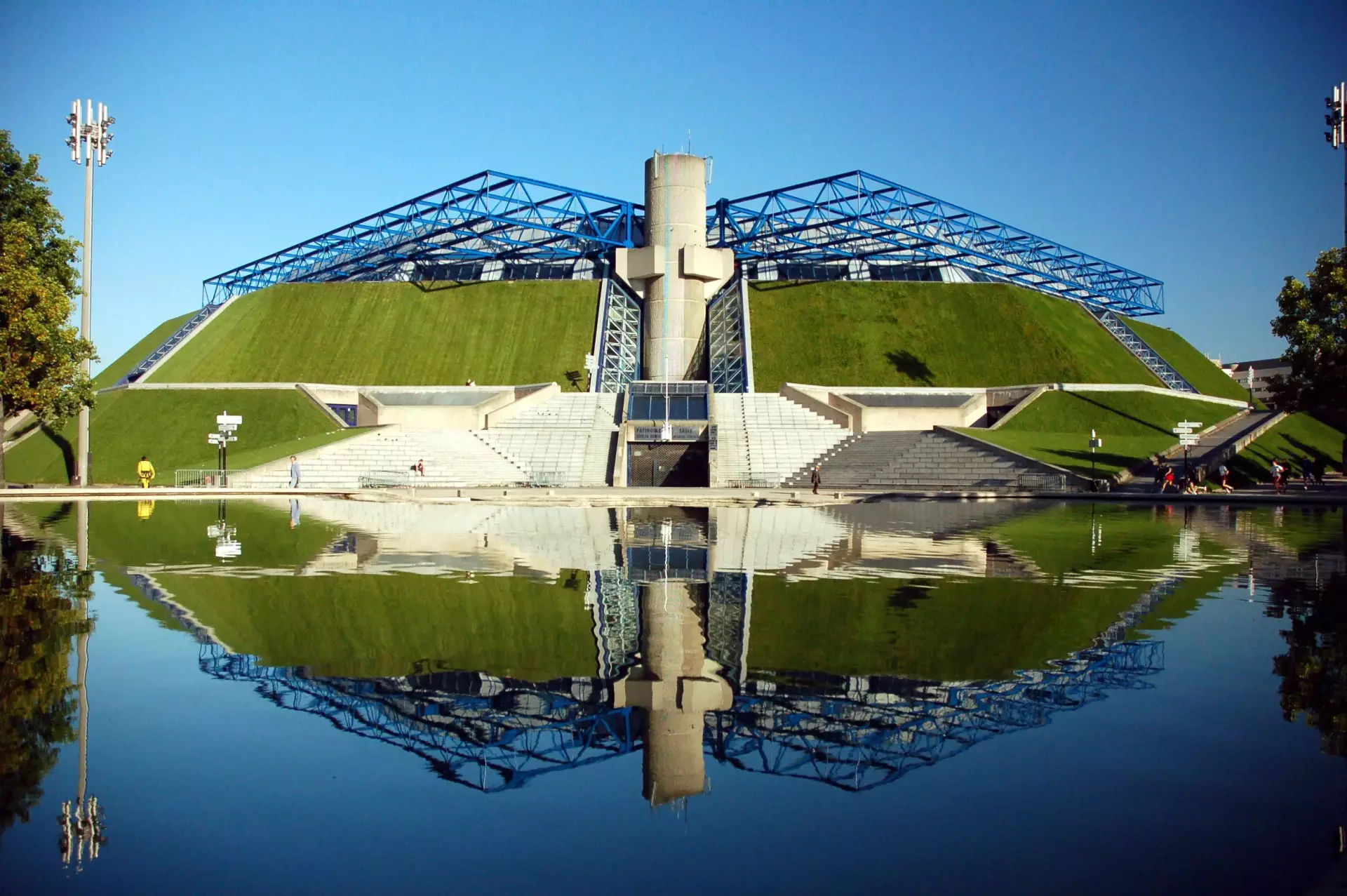
The Accor Arena is a large indoor venue located in Paris, known for hosting a wide range of events. With seating for around 17,000 people during sports competitions and space for more than 20,000 fans at major concerts, it stands out as one of the city's premier event spaces. Over the years, it has been called by different names, including Palais des Omnisports de Paris-Bercy and Bercy Arena.
This arena is famous for attracting some of the biggest names in music and entertainment, as well as top international sporting competitions. Its flexible design allows for quick changes between events, making it a popular choice for artists on world tours and organizers of major tournaments.
Among its regular sporting events, the Accor Arena is especially known for the Paris Masters, a key stop on the ATP World Tour in men's tennis. This annual tournament draws top-ranked players and large crowds, adding to the arena's reputation as a vibrant hub for sports lovers.
Source - https://en.wikipedia.org/wiki/Accor_Arena
Enter Bastille station through any entrance or on any train and then make your way to the Bobigny/Pablo Picasso-bound platform. All that's left of the fortress whose front steps used to lead up from place de la Bastille are some foundation stones which you can see while waiting for a north bound train on this metro platform. There are maps and explanations showing where the fortress used to be relative the place and surroundings (basically the location of the old front steps are now occupied by Café des Phares).
The bridge is widely regarded as the most ornate, extravagant bridge in the city. It is classified as a French Monument historique.
The Stade Charlety is a massive multi-sport arena, hosting football (soccer), tennis, rugby and squash matches.
The ancient medieval fortress and prison of the city's island, site of some remarkable medieval royal architecture and the scene of Marie Antoinette's imprisonment in the period leading to her execution in 1793; lots of revolutionary associations.
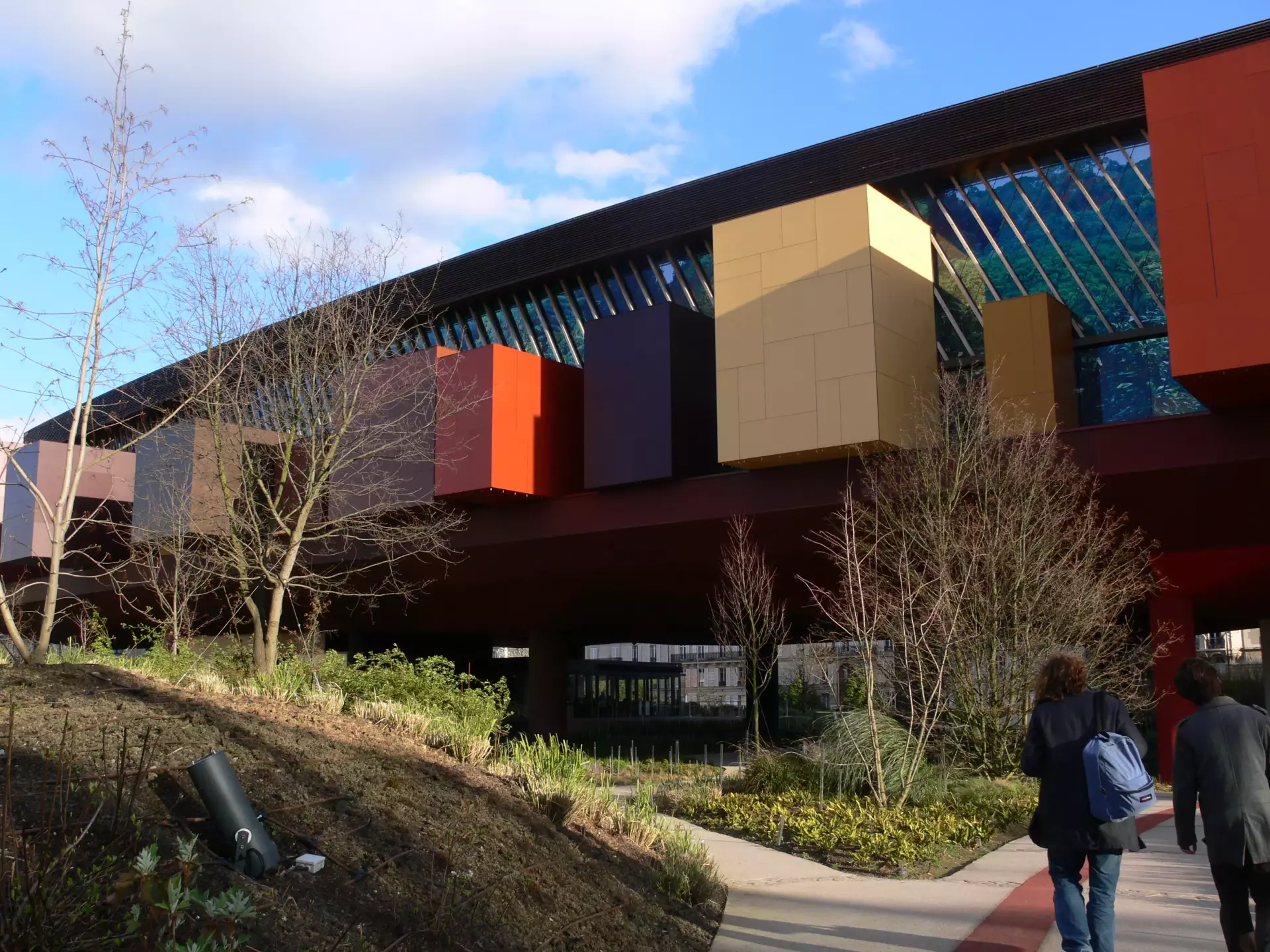
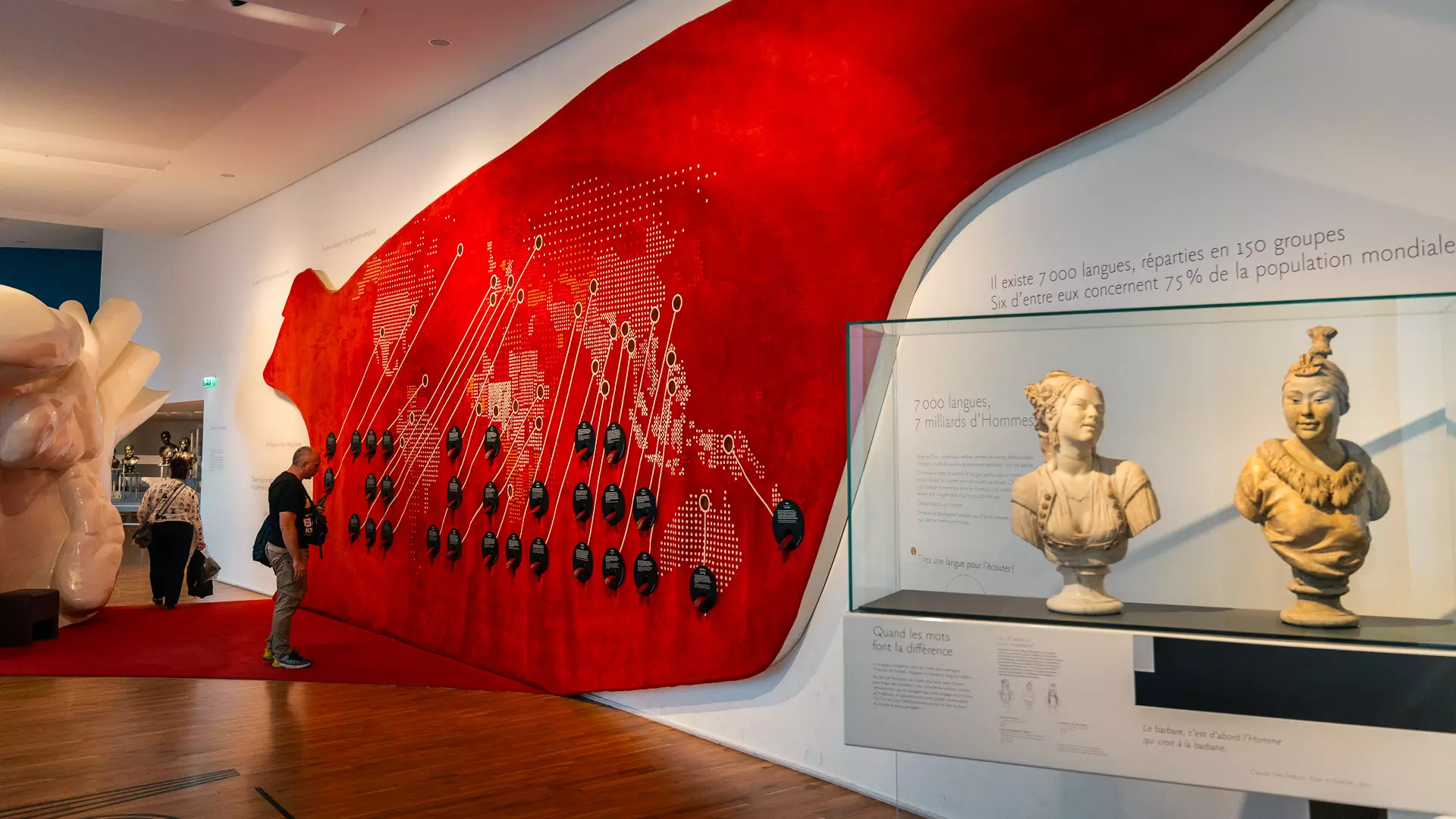
Opened in 2006, this is the newest and the most modern of Paris' great museums, housing an outstanding collection of tribal art, with a particular emphasis on France's former (and present) territories in Oceania and Africa. The museum is large and you can easily spend half a day browsing, especially if you pause to explore the multimedia presentations.
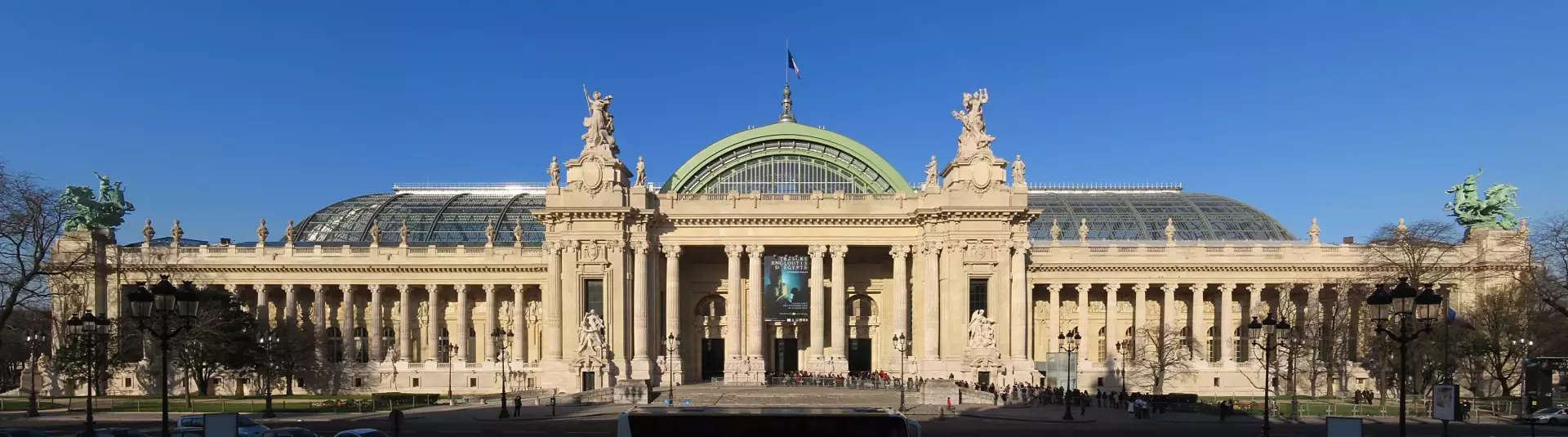
Paris's international exhibition centre (the 4th largest in Europe) has millions of visitors annually.
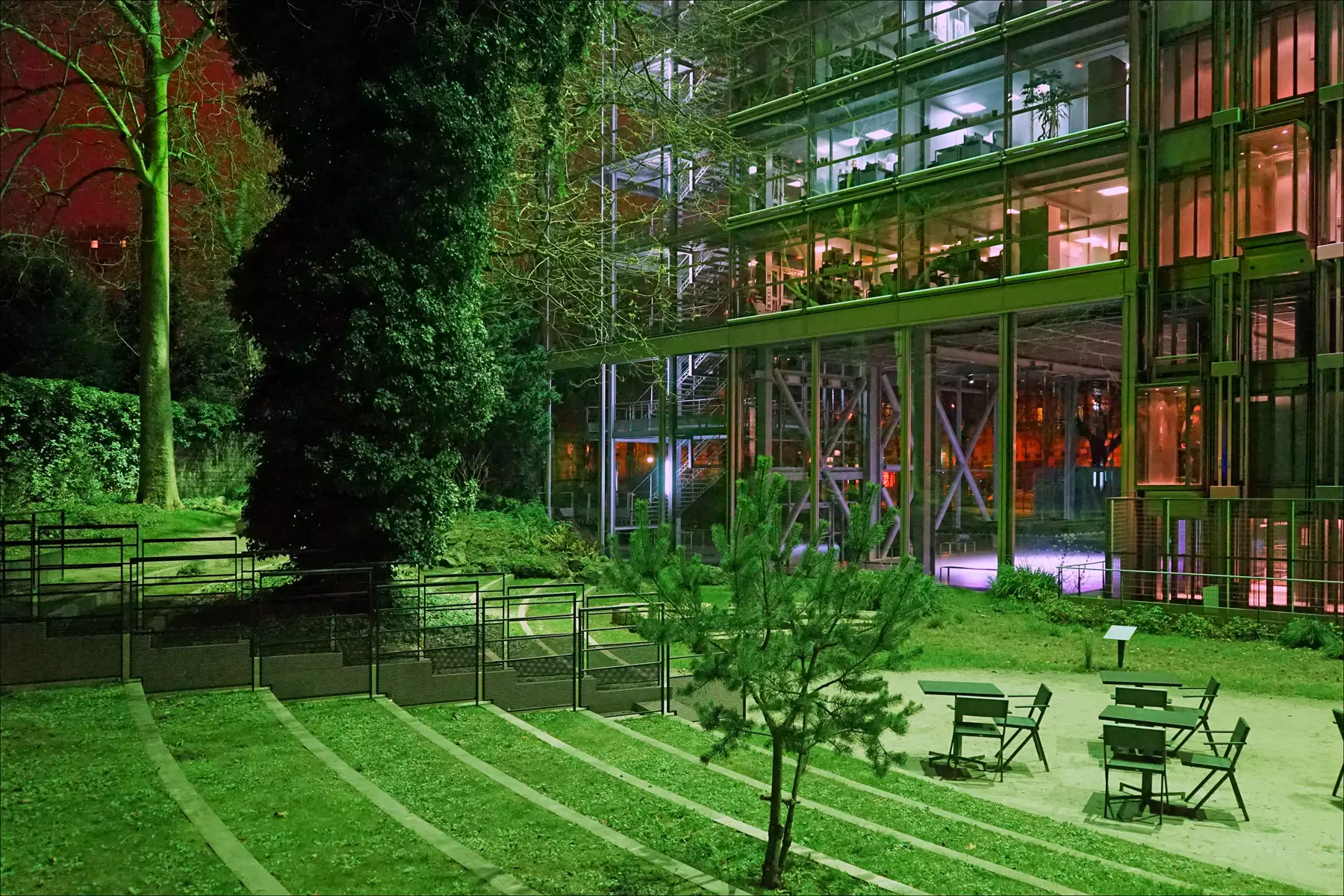
A museum of contemporary art. It was founded in 1984 by the well-known jewel and watch manufacturer, Cartier. In 1994 it moved to the new building erected on plans of the architect Jean Nouvel.
For a taste of the French countryside, a visit to Bercy Village brings to life the spirit of market shopping inside Paris.
A symbol of Paris and one of the most famous landmarks in the world. Built by Gustave Eiffel in 1887-1889, the tower was almost torn down in 1909 and only saved due to its use as a telegraphy antenna. The queues can be very long. The tower allows online reservations at its website. You can select a date and time frame. If you miss the time on your ticket, you have lost your money. The north, west, and east pillars have elevators that go to the first and second floors; the south pillar has stairs that can be climbed to the second floor. To reach the top floor, an additional elevator ride is required, and the wait for this can be very long as well. Disabled visitors are not allowed beyond the second floor due to safety concerns. Taking the Métro as far as Ecole Militiare and then strolling up the Champ de Mars is a lovely way to arrive at the tower. Another phenomenal approach is to exit the Metro at Trocadero and see the Eiffel Tower from the other side of the Ecole Militaire.
Visitable only by reservation and then only one Saturday every month. A richly decorated palace built for Marie de Medici in the early 17th century, which is now the French Senate. For those interested in seeing a Parisian monument normally unavailable to the public, or for those interested in the inner workings of the French Government. The large Luxembourg Garden is open to the public year-round. The garden is home to the Medici fountain, a children's playground, and vintage toy boats for hire that children push around in the Grand Bassin duck pond (a 90-year tradition).
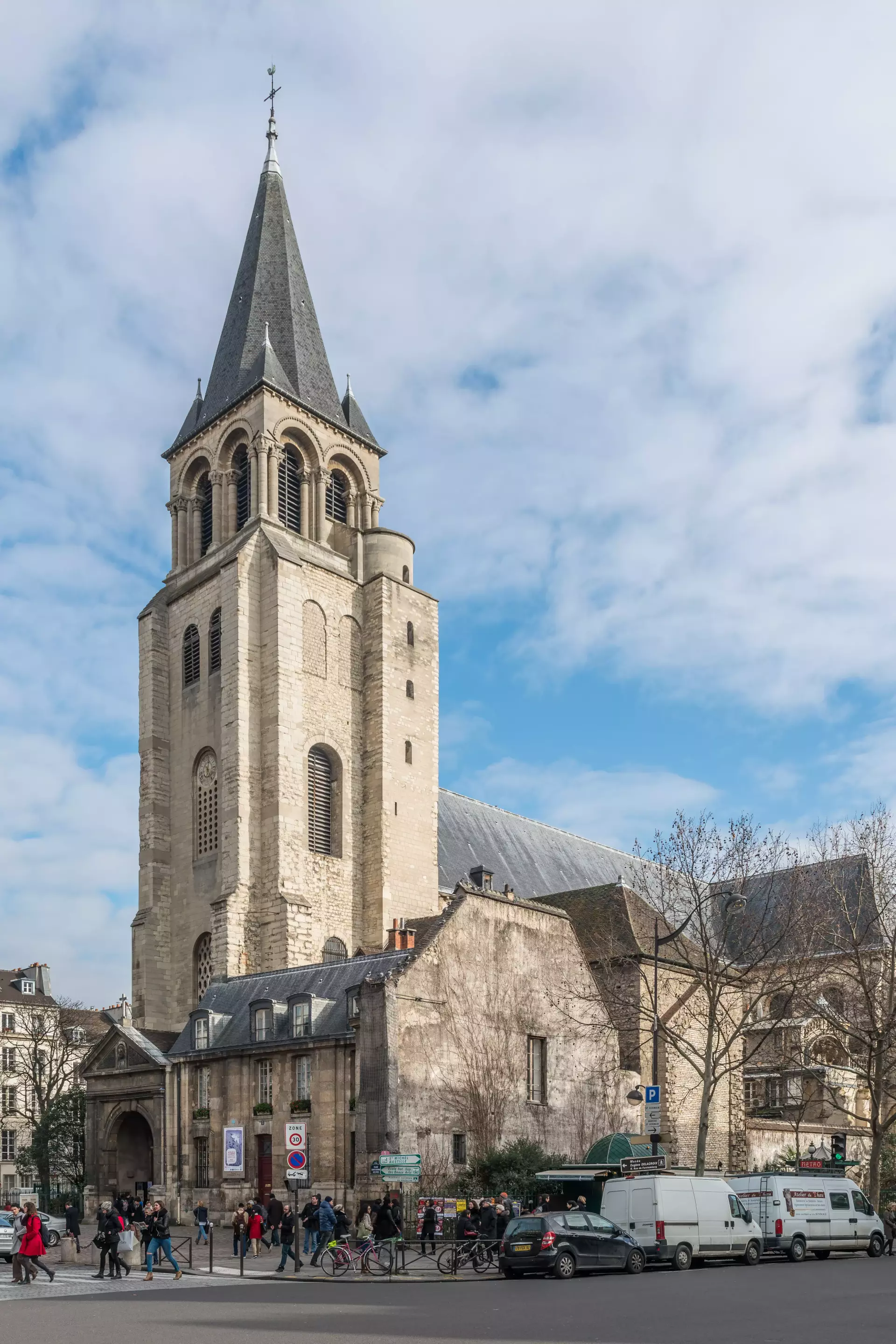
A controversial church serving as de facto headquarters of the arch-traditionalist Society of Saint Pius X, who occupied the church in 1977 and have ignored subsequent eviction orders.
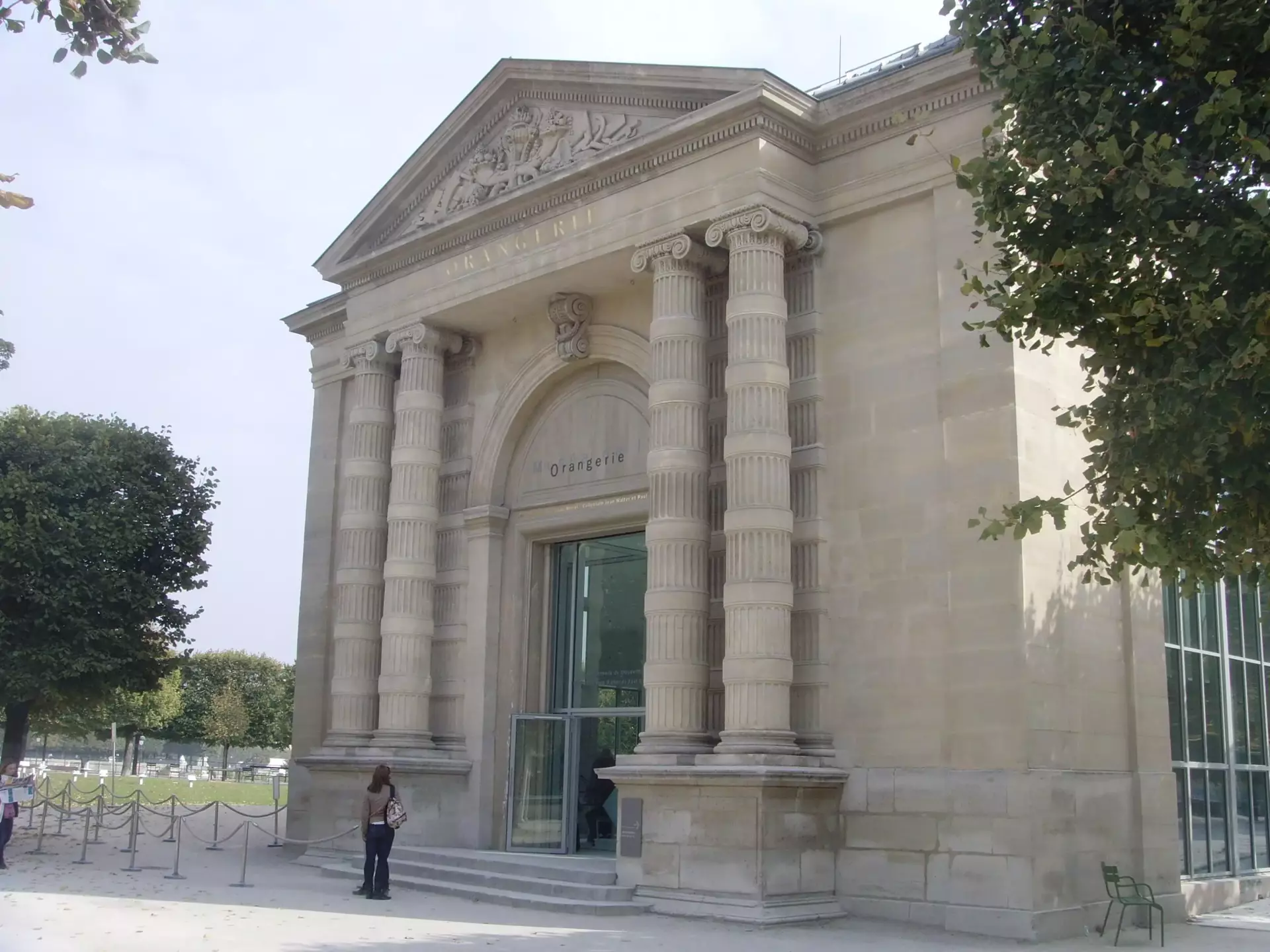
Built adjoining the now-lost royal palace of the Tuileries, these gardens lying immediately west of the Louvre offer a central open space for Parisians and visitors with semi-formal gardens (an outdoor gallery for modern sculpture), various cafés, ice cream and crépe stalls, and a summer fun fair. The gardens are frequently home to a giant Ferris wheel and enclose the Musée de la Orangerie and the Jeu de Paume.
The foundation opened its doors in May 2003. It preserves Henri Cartier-Bresson and Martine Franck’s archives. Exhibition of photographs, paintings, sculptings, and illustrations.
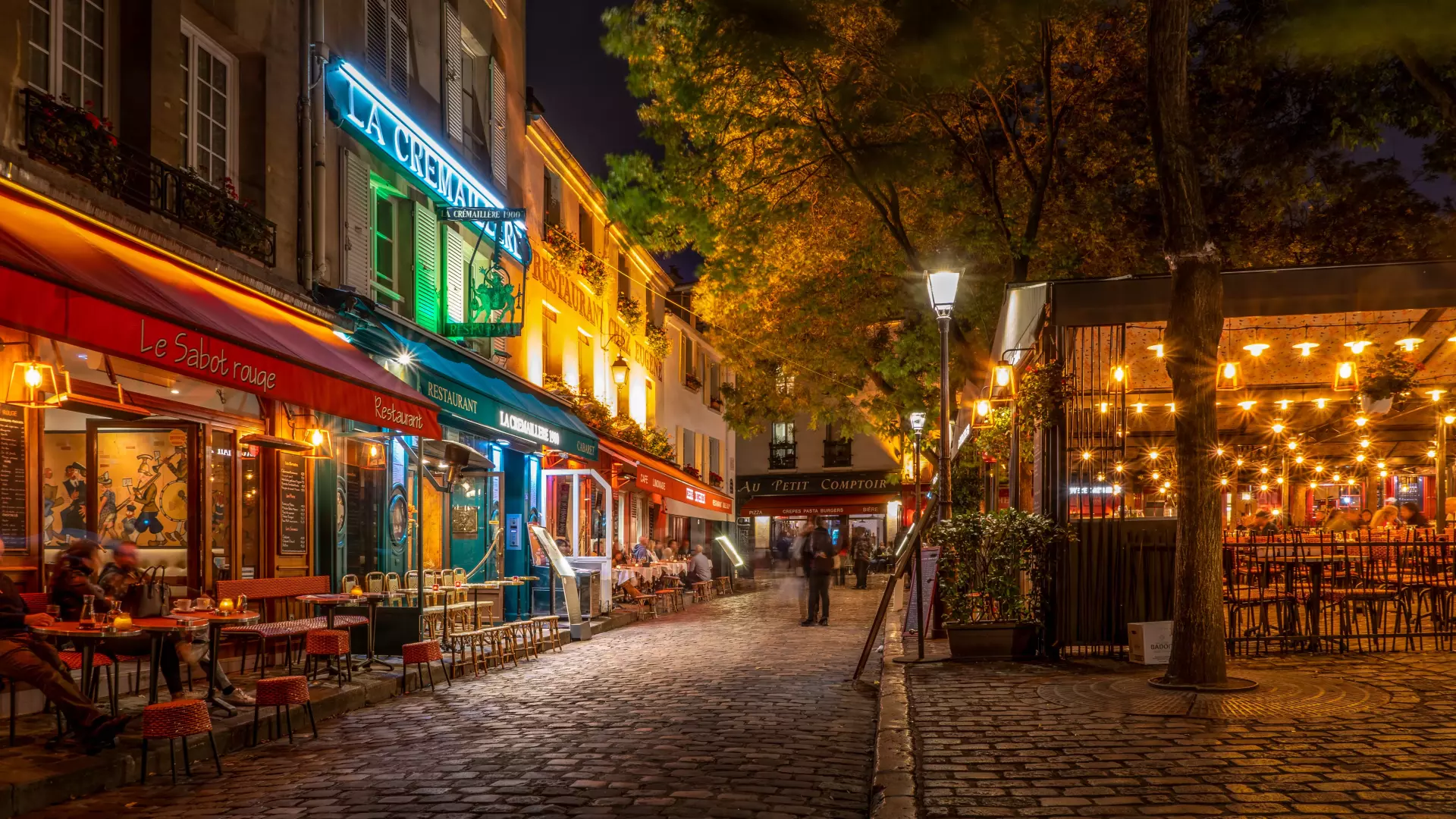
A little district within the district. Very charming little streets on a hill on the west end of the 13 district. Nice for lunching/dining activities. This is the place where the band "Mano Negra" was hanging around.
If you were a city planner in one of the great cities of our Earth and you discovered that a railroad right-of-way had been abandoned and would never be used again what might you do? Perhaps if you knew your stuff you'd convert it into a 4 mile long park, about half of which is elevated above street level on the old rail viaduct. This long narrow park pretty much allows the visitor to walk in carfree bliss from Place de Bastille to the Bois de Vincennes.
An ancient Roman theater, the only surviving above-ground ruins of the Gallo-Roman era in Paris (ancient Lutetia, French Lutèce) apart from the nearby Thermes de Cluny. The theatre could hold approximately 15,000 spectators and measures some 132 m x 100 m. Built sometime in the 2nd century CE, the location of the actor's dressing room, the platform of the stage, and lapidary remains can still be seen. The remains were rediscovered in 1869, when new streets were being built. An excavation was subsequently ordered in 1883. The theatre has been preserved as a quiet archaeological park removed from the bustle of Parisian streets.
Housed in an amazing Art Deco building, purpose-built for the 1931 Colonial Exhibition, featuring an elaborate frieze across the front facade that depicts the achievement of French overseas territories. It houses an Aquarium and an Immigration Museum. The aquarium can be seen in about an hour and is popular with families with small children.
Considered one of the most colourful Parisian parks, a local favourite, the Parc Montsouris was opened in 1878, having been designed by Alphand for Baron Haussmann. A large man-made lake and waterfalls are surrounded by long stretches of gently sloping lawns. Bronze statues are to be found studding the grounds, amongst the 1,400 trees, including such exotic varieties as the giant sequoia and the ginkgo. The park is featured in the film Cléo de 5 à 7. It is popular among families (there are two playground areas for children) and students.
Beautiful round "square" with an equestrian statue of King Louis XIV and matching 17th century buildings.