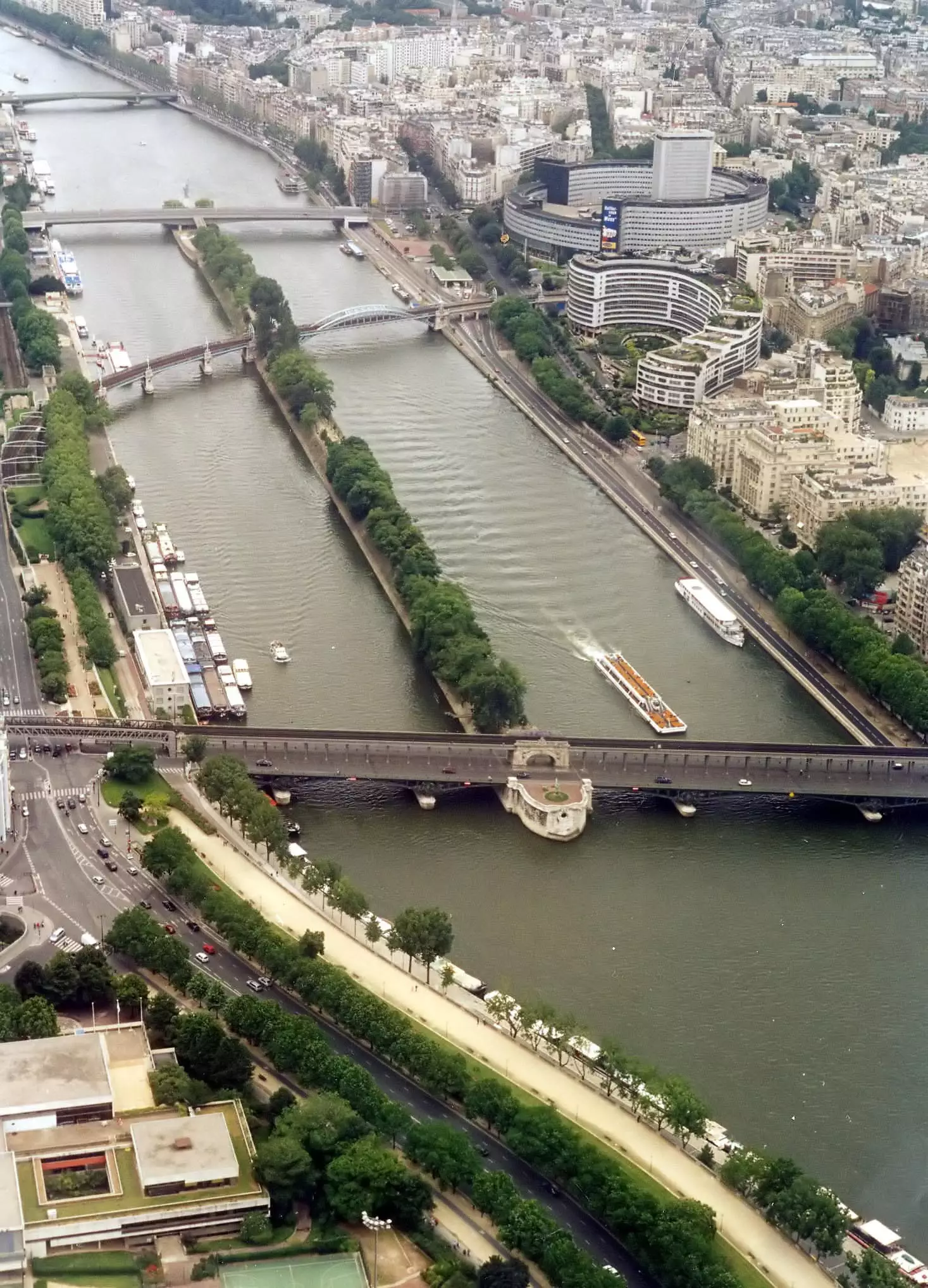
Île aux Cygnes is one of the three islands found on the River Seine in Paris. Unlike the famous Île de la Cité and Île Saint-Louis, Île aux Cygnes is much narrower and stretches for about 850 meters. The island was created in 1827 to protect the port of Grenelle from the river's currents.
Today, Île aux Cygnes serves as a quiet walkway in the middle of the river. Tall trees line the path, making it a peaceful spot for a stroll away from the busy city streets. The island is a popular place for joggers and people looking for a calm space to relax.
At the western tip of the island, visitors will find a smaller replica of the Statue of Liberty. This statue faces west, towards its larger counterpart in New York City, symbolizing the friendship between France and the United States. It was given to Paris in 1889 by the American community in France.
Île aux Cygnes is connected to the rest of Paris by three bridges: Pont de Grenelle, Pont Rouelle, and Pont de Bir-Hakeim. These bridges offer beautiful views of the Eiffel Tower and the Seine, making the island a pleasant spot for taking photos and enjoying the cityscape.
Source - https://en.wikipedia.org/wiki/%C3%8Ele_aux_Cygnes
Housed in a former Beaux-Arts railway station (completed in 1900 for the Exposition Universelle, later saved from demolition and converted to its present use), the rambling, open-plan museum is home to the works of the great artists of the 19th century (1848-1914) - Impressionists, post-Impressionists, and the rest - that were formerly displayed in the l'Orangerie. This is perhaps the most spectacular collection of European impressionism in the world—breath-taking rooms full of Manet, Renoir, Monet, Van Gogh, and many others. Impressionist represent the biggest draw, but there is much more to explore.
The Petit Palais was built as a complement to the Grand Palais for the 1900 universal exhibition, and afterwards became the prime exhibition venue for the City of Paris' vast collection of artworks spanning centuries from ancient history to around 1914. (Later material is at the Museum of Modern Art of the City of Paris in the 16th). There is a permanent exhibition of selected artworks of artifacts, complemented by temporary exhibitions of historic artworks. The Petit Palais also features an on-site cafe/restaurant, as well as a book and gift shop.
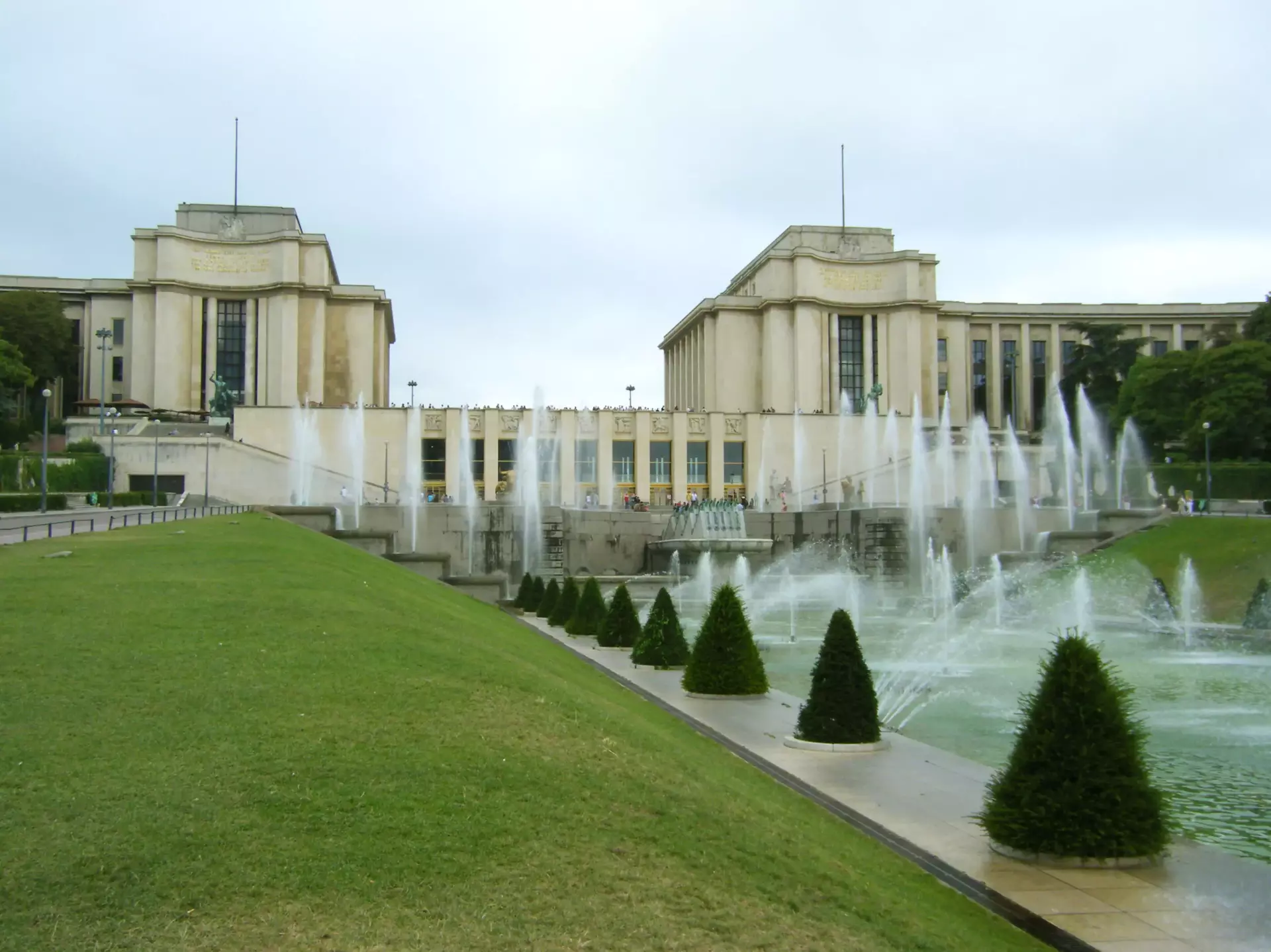
Housed in an amazing Art Deco building, purpose-built for the 1931 Colonial Exhibition, featuring an elaborate frieze across the front facade that depicts the achievement of French overseas territories. It houses an Aquarium and an Immigration Museum. The aquarium can be seen in about an hour and is popular with families with small children.
Probably the most visited graveyard in any Western city, the vast Père-Lachaise features literally thousands of often elaborately decorated graves separated by narrow lanes and avenues. The roll call of famous burials includes: Chopin, Champollion, Sarah Bernhardt, Edith Piaf, Oscar Wilde, Delacroix, Bizet, Proust, Balzac, Colette, Molière, and Jim Morrison of The Doors.
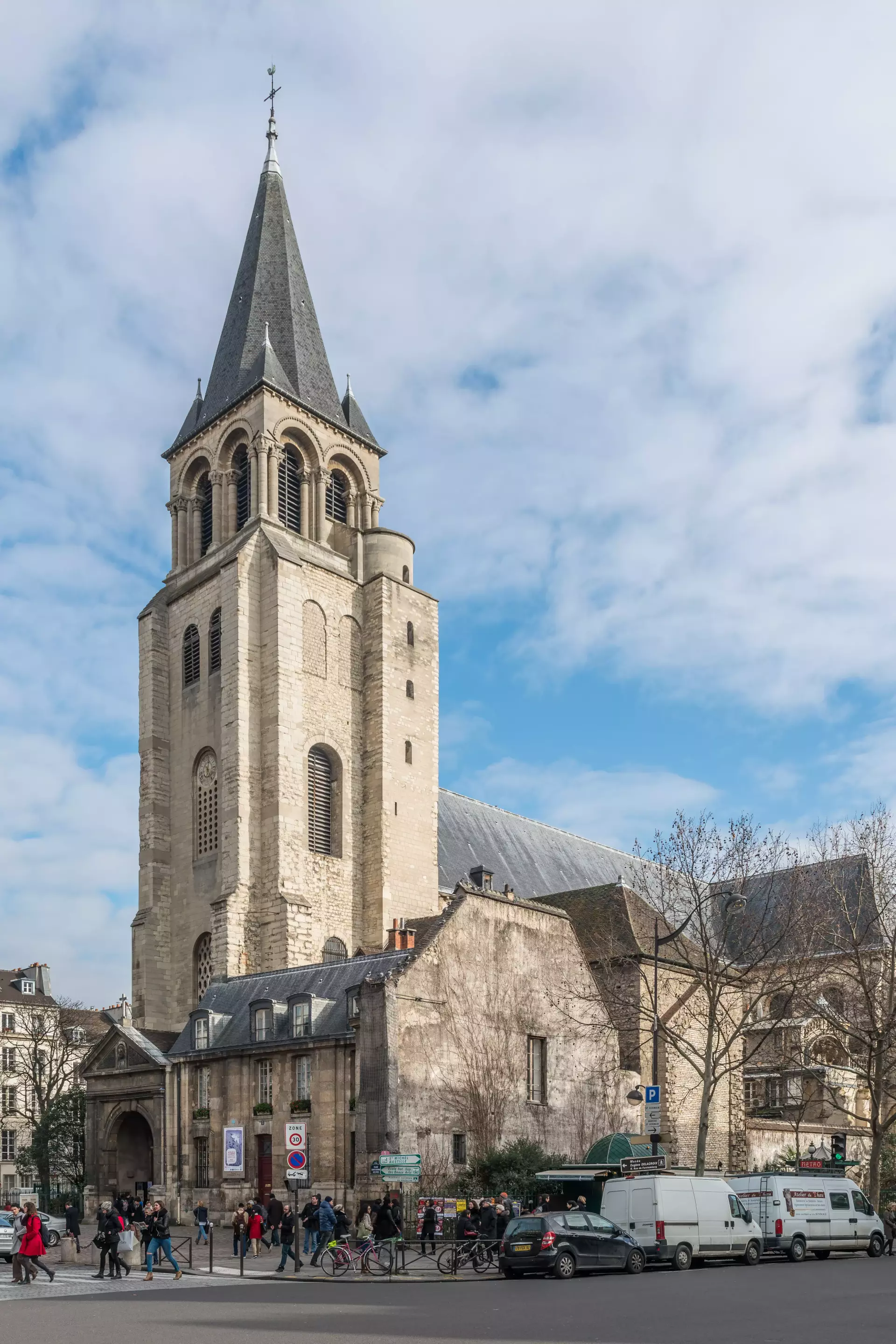
St. Geneviève was responsible for saving Paris from the Huns in 451 and her shrine in the church has been a popular place of pilgrimage ever since. The church as it stands dates from between 1492 and 1626 and is a mix of Gothic and Renaissance architectural styles. A unique feature is the Renaissance rood screen, the sole survivor in the city.
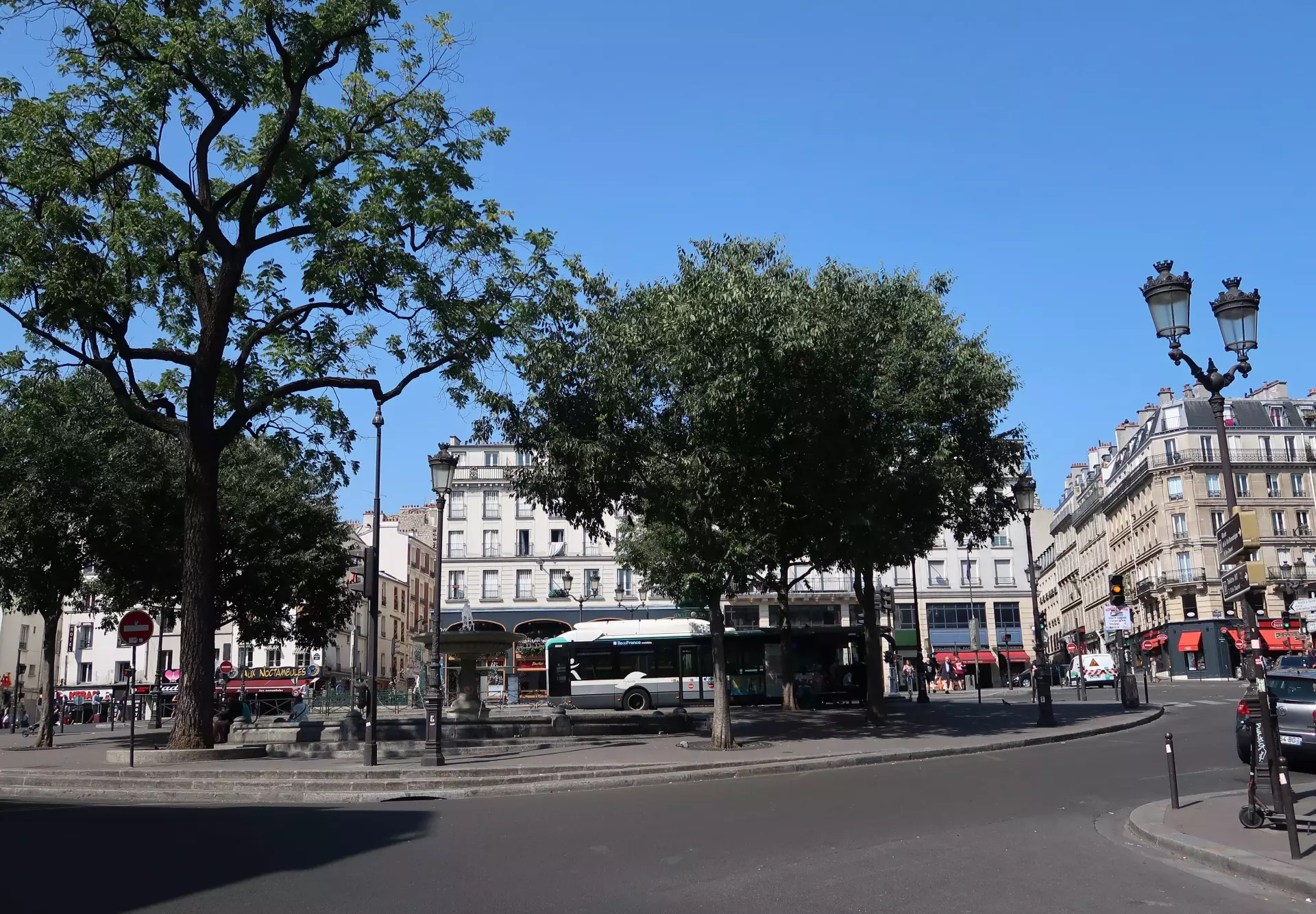
The sleaze of boulevard de Clichy between place Pigalle and place Blanche can provide a moment of distraction. Be warned if you are male it is better to do this in the company of a female fellow traveller, as the clubs often send the girls outside to attempt to physically drag passing men off of the street. These strip clubs are big ripoffs. They tempt you with a free drink for €10 entry; once in the girl who starts dancing orders a couple of drinks (Red Bull) and then before you realise you are presented with a bill ranging from €500-700. They have these big bouncers who threaten/manhandle you till you arrive at some settlement with them. The whole of Pigalle is a rip off, best avoided. The police know about these places but nothing is done.
The building has a freely accessible rooftop which allows for a beautiful bird's-eye view of the northern half of Paris.
A monument to the French art de vivre, housed in a 19th-century wing of the Louvre that has been restored to beaux-arts splendour, its galleries and period rooms showcase eight centuries of Gallic taste in interior decoration.
One of the best-known and most beautiful churches in Paris, in the guise of a Corinthian order classical temple. Construction started in 1764, although the church was not finally consecrated until 1845. The Madeleine has a lavish interior of marble and gold.
A sculpture by Auguste Rodin in memory of the French novelist Honoré Balzac. The artwork is sometimes considered the first truly modern sculpture.
A Gothic church tower in a square 150m to the west of the Hôtel de Ville was restored by Ballu, is all that remains of Eglise Saint-Jacques-de-la-Boucherie, which was the meeting place in Paris for pilgrims heading to Santiago de Compestela. As such it is included on the UNESCO World Heritage List as part of the Routes of Santiago de Compostela in France.
Built adjoining the now-lost royal palace of the Tuileries, these gardens lying immediately west of the Louvre offer a central open space for Parisians and visitors with semi-formal gardens (an outdoor gallery for modern sculpture), various cafés, ice cream and crépe stalls, and a summer fun fair. The gardens are frequently home to a giant Ferris wheel and enclose the Musée de la Orangerie and the Jeu de Paume.
The house in which the famous French novelist Victor Hugo once lived.
A symbol of Paris and one of the most famous landmarks in the world. Built by Gustave Eiffel in 1887-1889, the tower was almost torn down in 1909 and only saved due to its use as a telegraphy antenna. The queues can be very long. The tower allows online reservations at its website. You can select a date and time frame. If you miss the time on your ticket, you have lost your money. The north, west, and east pillars have elevators that go to the first and second floors; the south pillar has stairs that can be climbed to the second floor. To reach the top floor, an additional elevator ride is required, and the wait for this can be very long as well. Disabled visitors are not allowed beyond the second floor due to safety concerns. Taking the Métro as far as Ecole Militiare and then strolling up the Champ de Mars is a lovely way to arrive at the tower. Another phenomenal approach is to exit the Metro at Trocadero and see the Eiffel Tower from the other side of the Ecole Militaire.
Ordered by Cardinal de Richelieu (1585-1642), King Louis XIII's prime Minister in 1629 (completed in 1636); originally called Palais Cardinal; it became Le Palais Royal when Anne d'Autriche, Louis XIII's wife, came to live here to get away from the Louvre palace. It eventually housed Louis XIV until the move to Versailles. It includes also a beautiful garden Les jardins du Palais Royal, enclosed by the buildings. It's been the theatre of one of the seminal events of the French Revolution (Camille Desmoulins made a famous declaration here in 1789). The Théatre Français nearby was built in 1716. There are numerous restaurants inside the garden , including famous Le Grand Véfour. There's also the controversial Colonnes de Buren, striped columns installed within the inside yard amid the 17th century architecture.
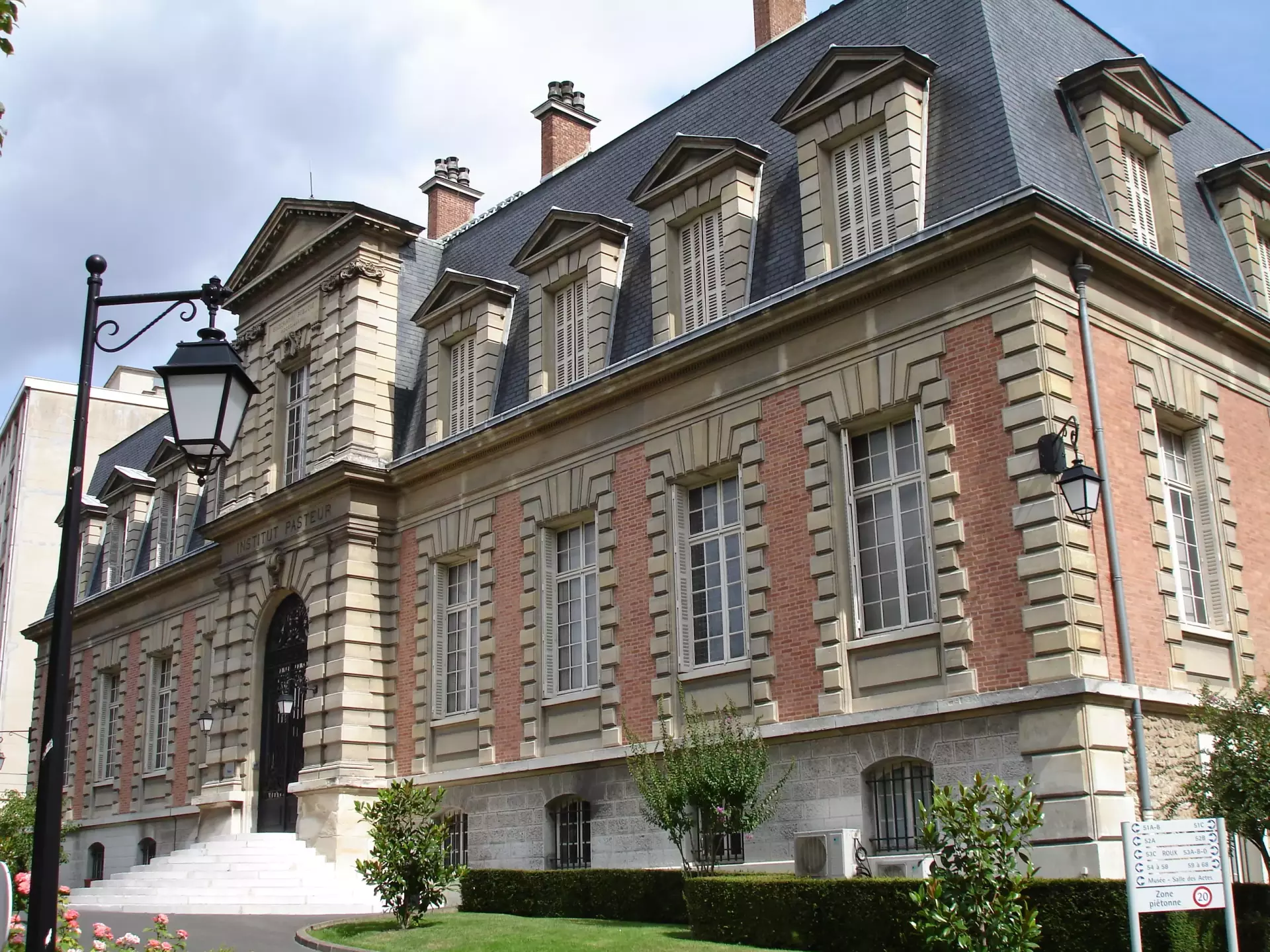
The Pasteur Museum is housed in the apartment where the great scientist spent the last 7 years of his life. Hardly touched since that time, the museum is full of personal memorabilia and scientific instruments. Pasteur is buried on the grounds in a flamboyant mosaic-decorated mausoleum. The museum was closed to individual visitors for security reasons after the 13th November 2015 Paris terrorist attacks.
CLOSED UNTIL LATE 2024 OR 2025 FOR RENOVATION WORKS. Built in 1900 for the universal exposition, the Grand Palais was an engineering feat and a milestone of design, marking the transition between historicism and modern architecture. It remain impressive today due to its unique, exquisite style and sheer volume of its main nave. The Grand Palais, managed by the state-owned institution Rnm who also manage the Musee de Luxembourg, is used both for temporary exhibitions of historic and contemporary art collections (both beaux arts and applied) and unique events, such as catwalk shows during the Paris Fashion Week, Bonhams car auctions and prestigious galas.