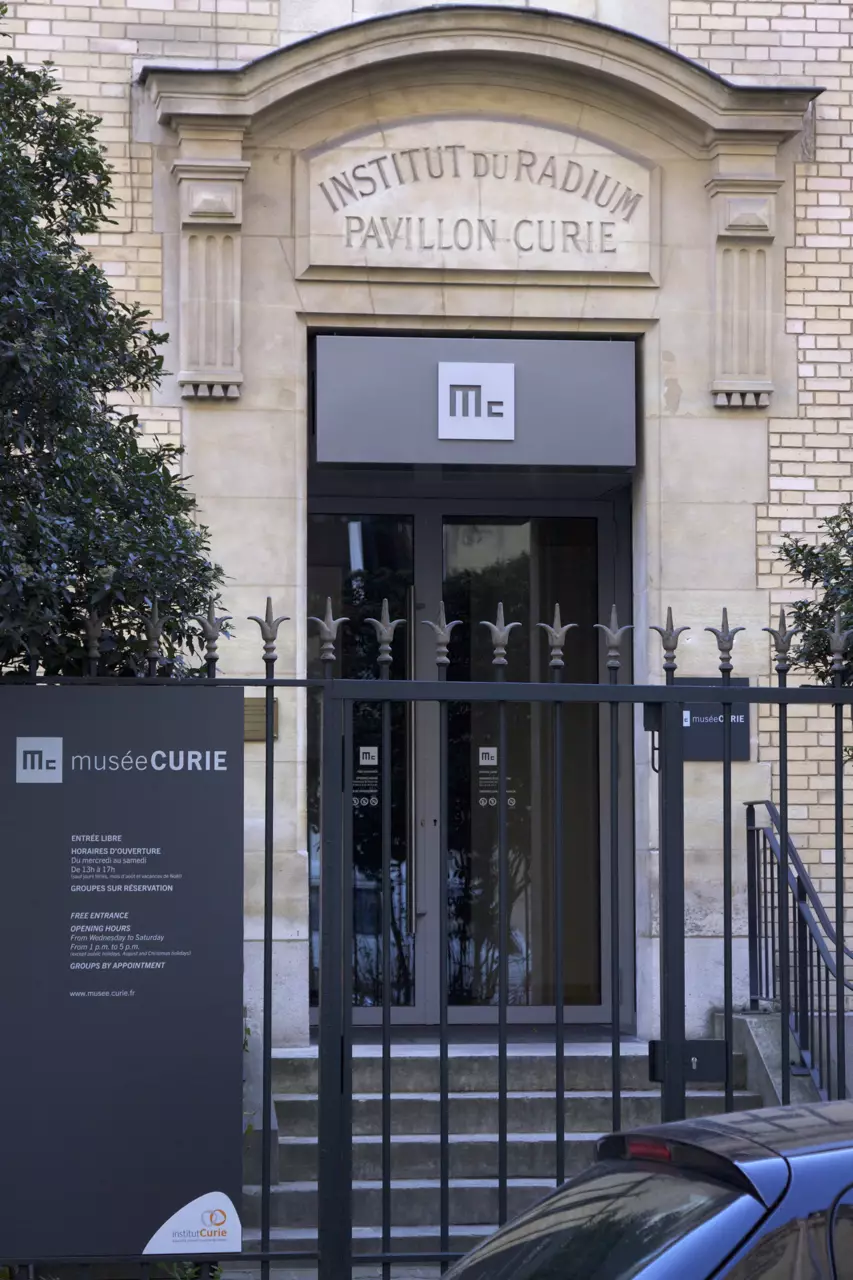
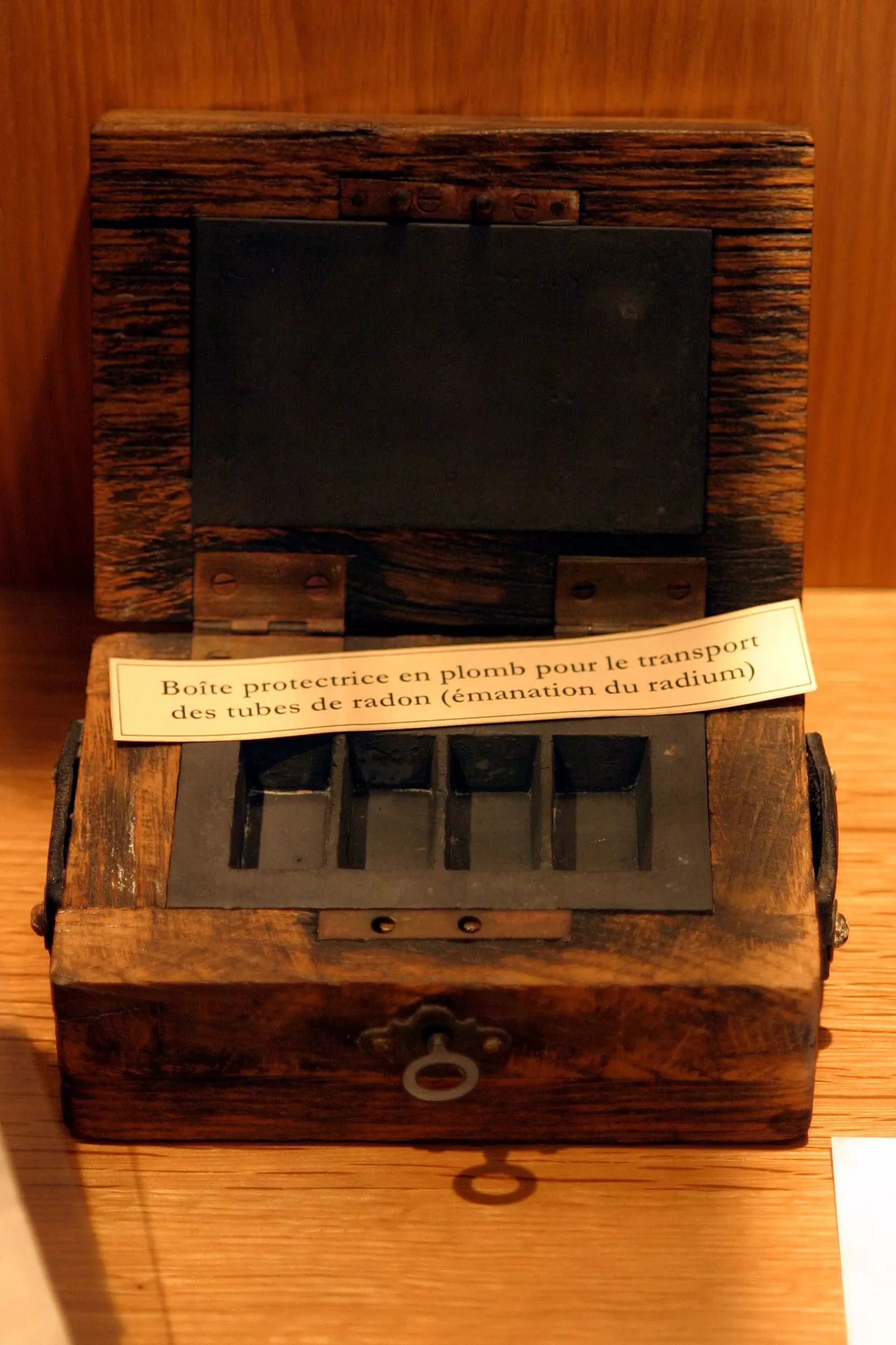
The Musée Curie offers a fascinating look into the world of scientific discovery. Located in the original laboratories and offices of Pierre and Marie Curie, the museum preserves the authentic atmosphere where groundbreaking research once took place.
Visitors can see the actual instruments, equipment, and furniture used by the Curies during their pioneering work with radioactivity. The rooms are carefully arranged to reflect how they appeared during the era of the Curies' most important experiments, providing an immersive experience of a working laboratory from the early twentieth century.
Guided tours in English are available, offering insights into the achievements of Pierre and Marie Curie, as well as the impact of their discoveries on science and medicine. The tours highlight not only the personal stories of these renowned scientists but also the significance of the equipment and documents on display.
Source - https://en.wikipedia.org/wiki/Mus%C3%A9e_Curie
St. Geneviève was responsible for saving Paris from the Huns in 451 and her shrine in the church has been a popular place of pilgrimage ever since. The church as it stands dates from between 1492 and 1626 and is a mix of Gothic and Renaissance architectural styles. A unique feature is the Renaissance rood screen, the sole survivor in the city.
Beautiful round "square" with an equestrian statue of King Louis XIV and matching 17th century buildings.
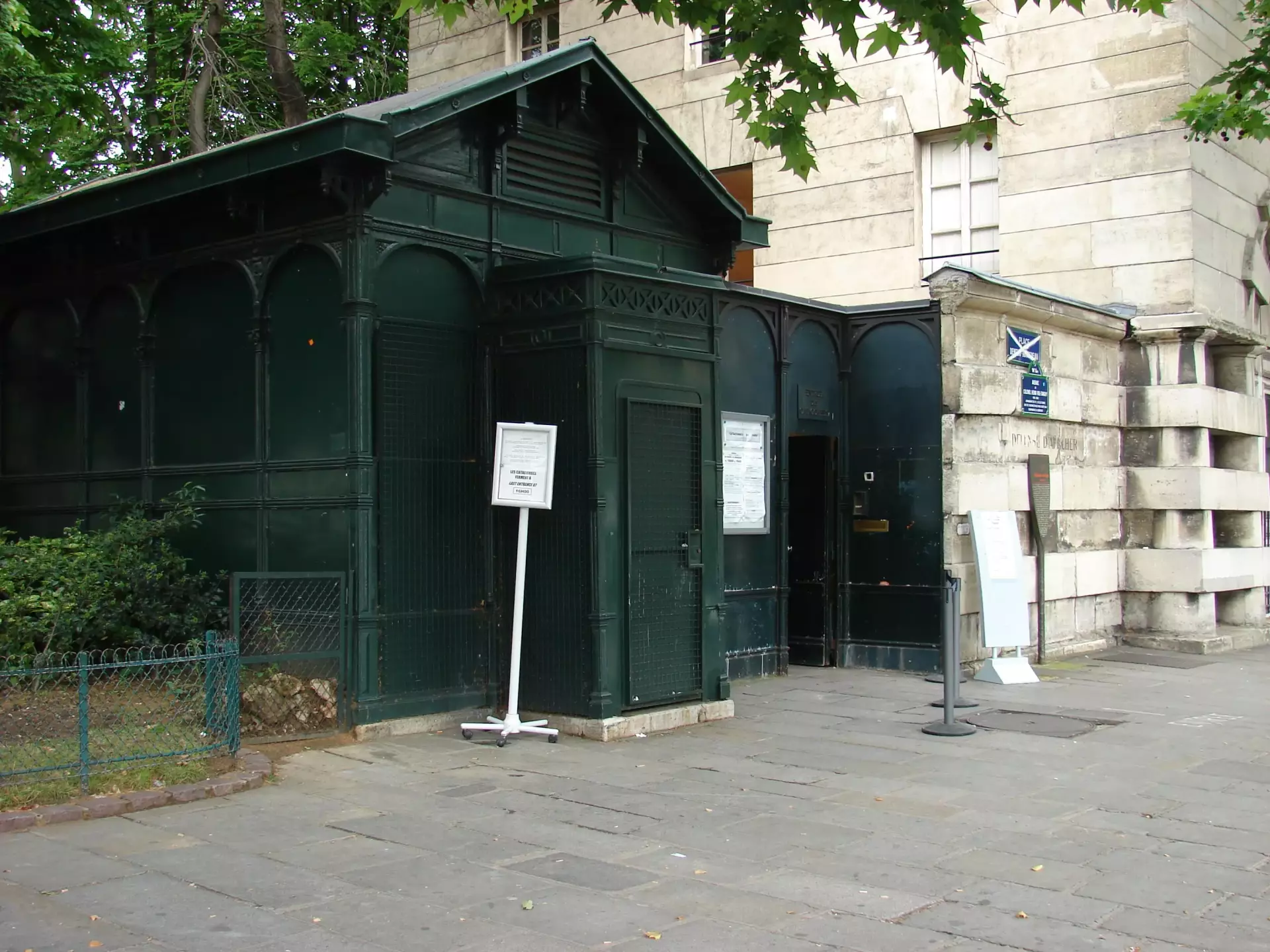
One of the most eye-popping sights of Paris, the catacombs represent a network of labyrinthine tunnels, first excavated in the Roman period, that now house the remains of over 6 million burials removed here from the various overcrowded cemeteries and charnel houses all over Paris in the late 18th and early 19th centuries. Well worth a visit: the atmosphere is suitably morbid and gloomy (without being too scary), the dark tunnels containing neatly stacked piles of skulls and long bones. There is a limit to the number of visitors allowed within the Catacombs at one time (200 persons). So, if you arrive just after opening, you must wait until someone exits, approximately 45–60 minutes, before anyone is admitted. Steep stairwell on the exit of the catacombs. Can be challenging for the elderly or the unfit. Tickets can be purchased online at a small premium (€29, includes audioguide), allows you pick a date&time and to skip the long line
The magnificent setting of The Phantom of the Opera, the inside is as opulent as the outside. However, since the opening of the Opera Bastille (12th) in 1989, the Palais Garnier has been reserved mostly for dance performances, particularly ballet.
The ancient medieval fortress and prison of the city's island, site of some remarkable medieval royal architecture and the scene of Marie Antoinette's imprisonment in the period leading to her execution in 1793; lots of revolutionary associations.
The bridge is widely regarded as the most ornate, extravagant bridge in the city. It is classified as a French Monument historique.
The largest French museum of Jewish art and history
The oldest planned square in Paris, and what many tourists as well as locals consider the heart of the Marais area.
The sleaze of boulevard de Clichy between place Pigalle and place Blanche can provide a moment of distraction. Be warned if you are male it is better to do this in the company of a female fellow traveller, as the clubs often send the girls outside to attempt to physically drag passing men off of the street. These strip clubs are big ripoffs. They tempt you with a free drink for €10 entry; once in the girl who starts dancing orders a couple of drinks (Red Bull) and then before you realise you are presented with a bill ranging from €500-700. They have these big bouncers who threaten/manhandle you till you arrive at some settlement with them. The whole of Pigalle is a rip off, best avoided. The police know about these places but nothing is done.
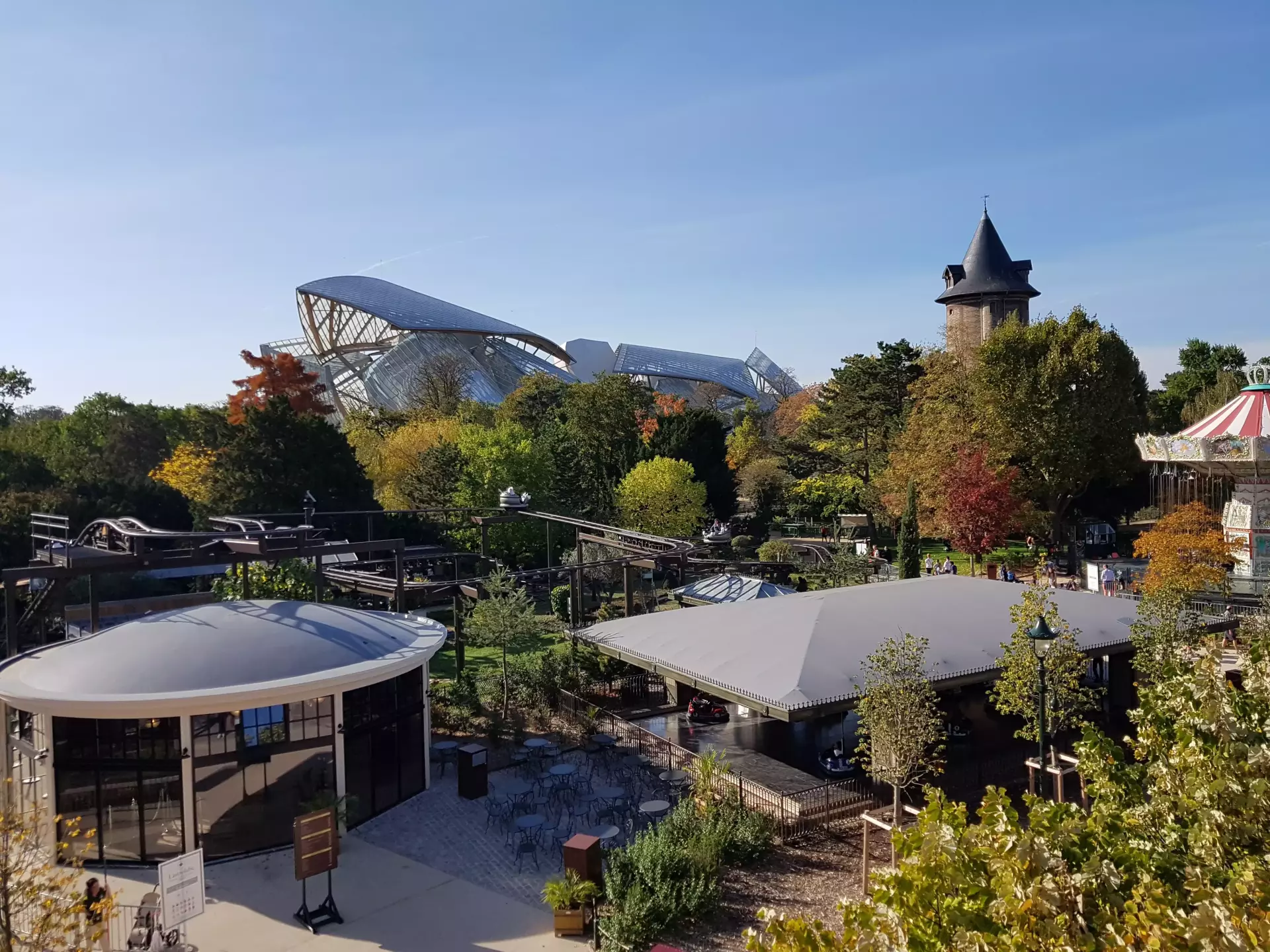
The northwest corner of the Bois de Boulogne is occupied by the oldest operating amusement park in the world, the Jardin d'Acclimatation, which is mainly known for offering a wide range of amusements which are appropriate even for very small children. They have miniature roller-coasters for children as small as three years, and the usual range of pony rides etc.
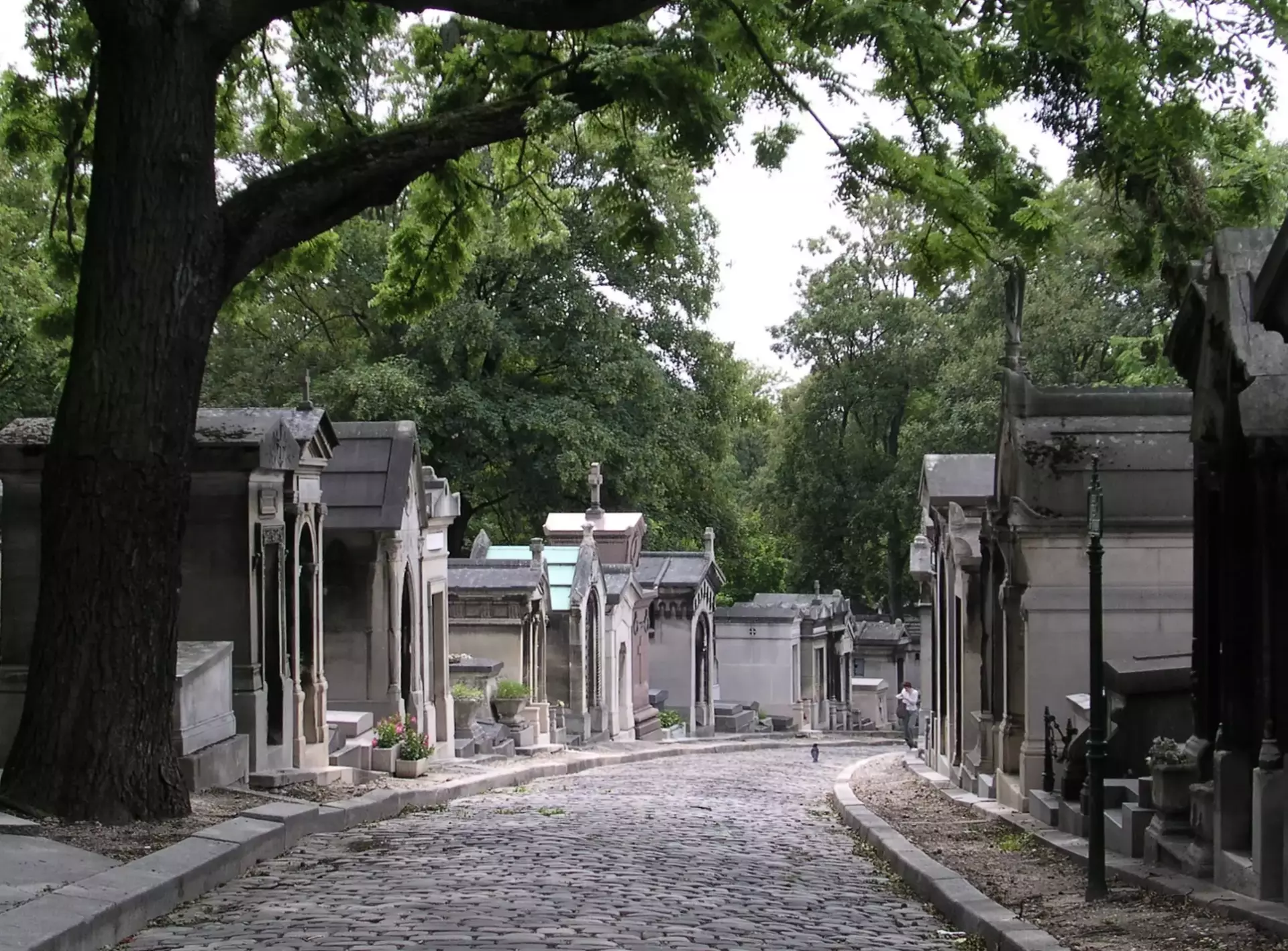
Probably the most visited graveyard in any Western city, the vast Père-Lachaise features literally thousands of often elaborately decorated graves separated by narrow lanes and avenues. The roll call of famous burials includes: Chopin, Champollion, Sarah Bernhardt, Edith Piaf, Oscar Wilde, Delacroix, Bizet, Proust, Balzac, Colette, Molière, and Jim Morrison of The Doors.
Established in 1926, it was meant to show appreciation for Muslim help in fighting the Germans. The café serves excellent mint tea and North African food.
This charming museum is owned by the French Académie des Beaux-Arts. Its main collection areas, the result of several large donations, include: First Empire art and furnishings; illuminated manuscripts; and Impressionist art, including the largest Monet collection in the world and works by Renoir, Manet, Morisot, Caillebotte and Gauguin.
One of the truly great venues for the performing arts anywhere in the world, Paris' new opera house actually managed to inspire some neighborhood protest during its planning and construction. Pretty much everybody is a believer nowadays though. Check out the website for upcoming shows, it might even make sense to plan a trip to Paris around one.
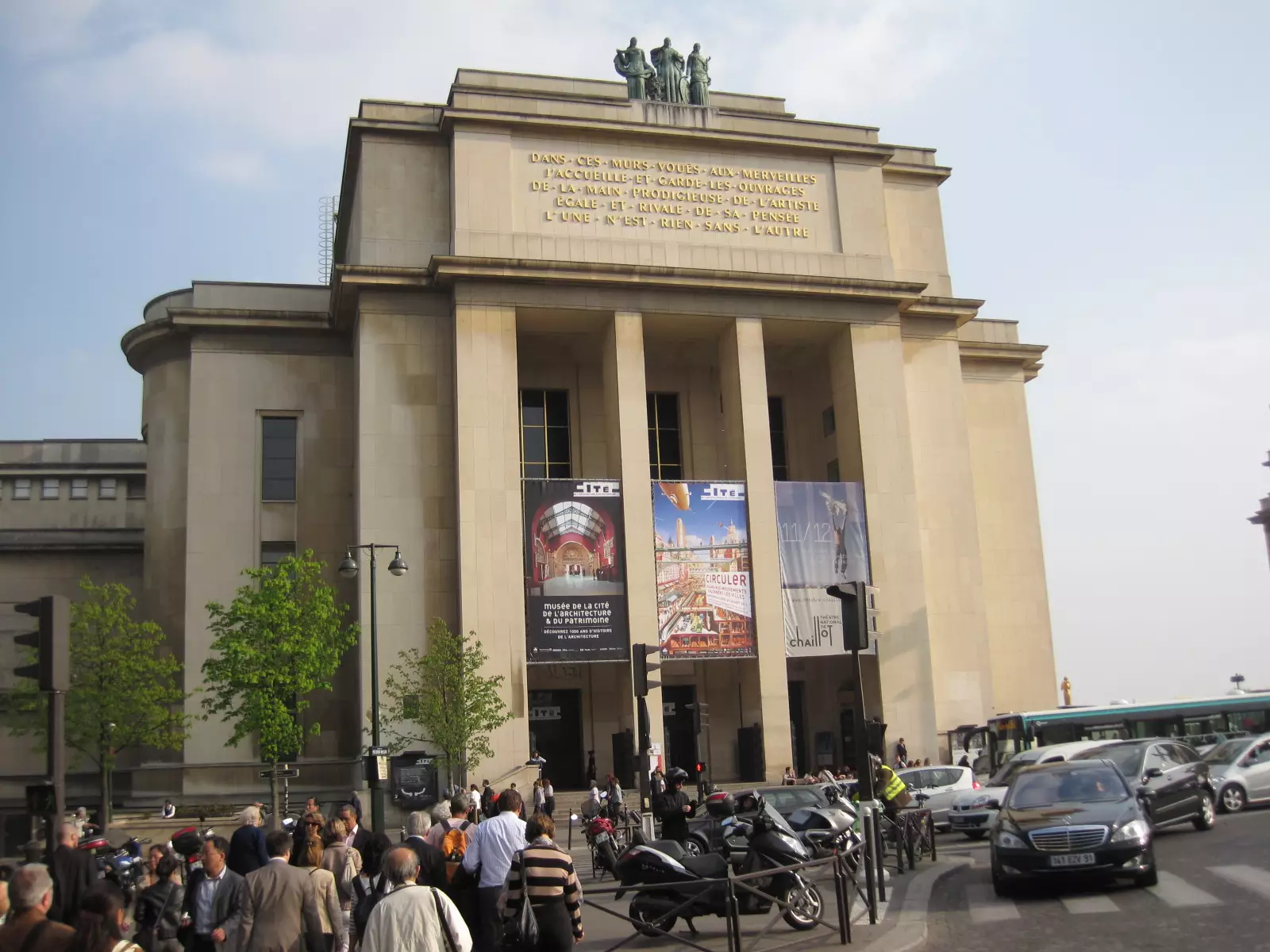
Great perspective on the Eiffel Tower and Left Bank from Place du Trocadéro in between the two buildings of the palais. Former location of the Palais du Trocadéro. It accommodates three museums, an aquarium, and the Theatre Nationale du Chaillot.
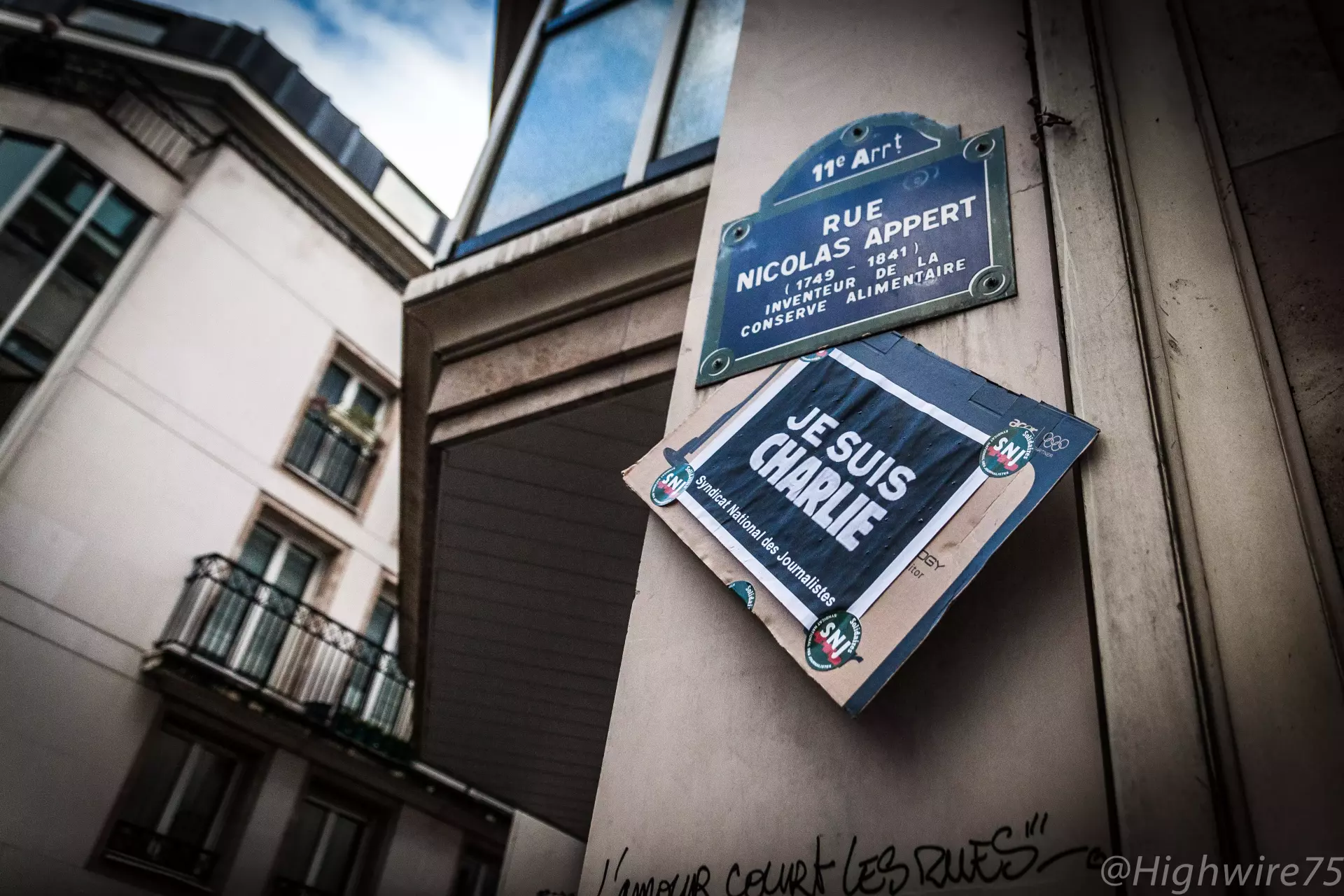
This street is named in honor for Nicolas Appert, a French businessman who invented airtight food preservation. On January 7th, 2015, it was the site of the Charlie Hebdo terrorist attack, which resulted in the deaths of 12 people. A plaque in front of a former office building memorializes the victims of the satirical magazine's staff.
Between the River Seine and the rail yards attached to Gare de Lyon and Gare de Bercy is a green space which would seem pretty huge if the 12th weren't also the home of the Bois de Vincennes. The park is a good place to hang out waiting for the line to form for sporting events and concerts at AccorHotels Arena.
Most of the works by Picasso and others which were in the master's possession at the time of his death are now on display here.
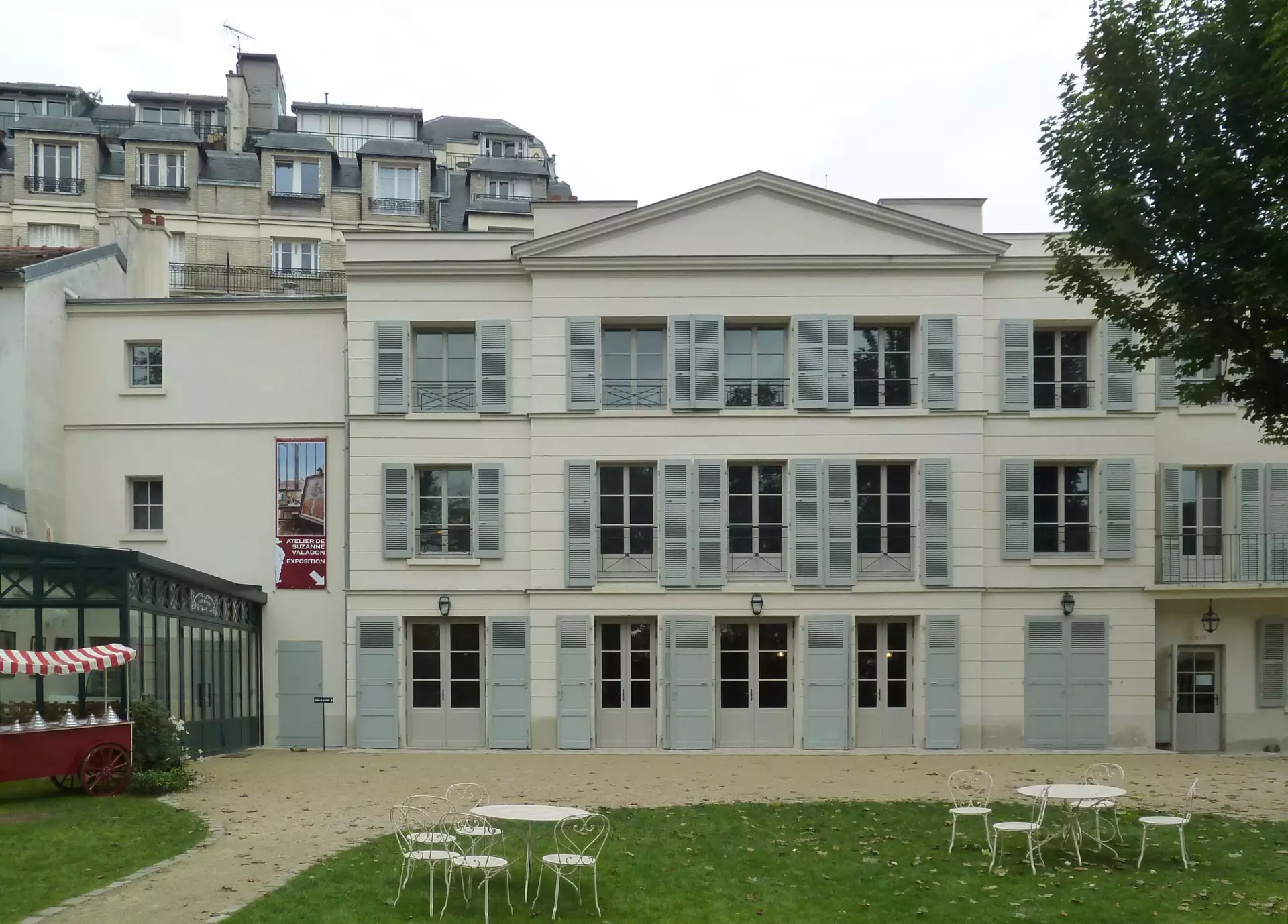
The museum is located in a 17th century house with a garden, and features the history and culture of Montmartre. Several famous artists had lived in the house including Renoir.