Considered one of the most colourful Parisian parks, a local favourite, the Parc Montsouris was opened in 1878, having been designed by Alphand for Baron Haussmann. A large man-made lake and waterfalls are surrounded by long stretches of gently sloping lawns. Bronze statues are to be found studding the grounds, amongst the 1,400 trees, including such exotic varieties as the giant sequoia and the ginkgo. The park is featured in the film Cléo de 5 à 7. It is popular among families (there are two playground areas for children) and students.
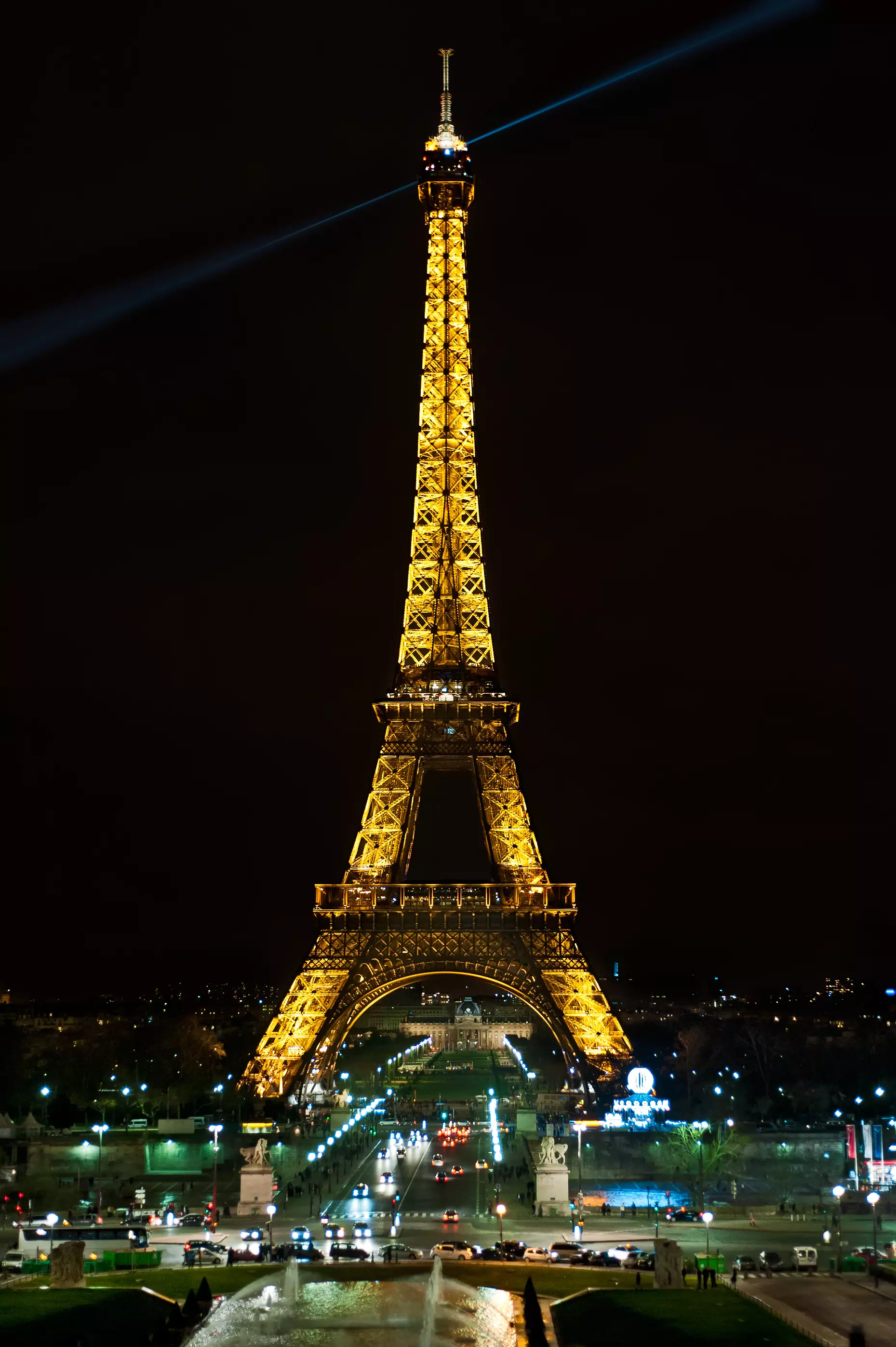
Tourists cross this park with the large fountain on the way to the Place du Trocadéro viewpoint to the Eiffel Tower.
This charming scientific museum preserves the offices and laboratories of Pierre and Marie Curie, pioneers in the discovery of radioactivity. Their instruments, equipment, and furniture is arranged as it was during their critically important research. Guided tours in English available.
Recently reconstructed, the Paris branch of the National Maritime Museum, one of the three museums in the Palais du Chaillot, cannot accommodate any full-size ships, but has a wide range of smaller artifacts, artworks and models, covering both the Navy and commercial shipping.
One of the truly great venues for the performing arts anywhere in the world, Paris' new opera house actually managed to inspire some neighborhood protest during its planning and construction. Pretty much everybody is a believer nowadays though. Check out the website for upcoming shows, it might even make sense to plan a trip to Paris around one.
Opened in January 2005, the Holocaust Memorial comprises a major documentation centre and a wall bearing 76,000 names of Jews deported from France to the Nazi camps between 1942-1944. Includes an archive of a million artefacts, including 55,000 photographs. Excursions are run from the memorial to French internment camp sites such as Drancy.
An indoor sports arena that seats around 17,000 for sports and slightly over 20,000 for major concerts; formerly known as Palais des Omnisports de Paris-Bercy and Bercy Arena. Home to numerous concerts and major sporting events, most notably the Paris Masters tournament on the ATP World Tour in men's tennis.
One of the best-known and most beautiful churches in Paris, in the guise of a Corinthian order classical temple. Construction started in 1764, although the church was not finally consecrated until 1845. The Madeleine has a lavish interior of marble and gold.
CLOSED UNTIL LATE 2024 OR 2025 FOR RENOVATION WORKS. Built in 1900 for the universal exposition, the Grand Palais was an engineering feat and a milestone of design, marking the transition between historicism and modern architecture. It remain impressive today due to its unique, exquisite style and sheer volume of its main nave. The Grand Palais, managed by the state-owned institution Rnm who also manage the Musee de Luxembourg, is used both for temporary exhibitions of historic and contemporary art collections (both beaux arts and applied) and unique events, such as catwalk shows during the Paris Fashion Week, Bonhams car auctions and prestigious galas.
If you were a city planner in one of the great cities of our Earth and you discovered that a railroad right-of-way had been abandoned and would never be used again what might you do? Perhaps if you knew your stuff you'd convert it into a 4 mile long park, about half of which is elevated above street level on the old rail viaduct. This long narrow park pretty much allows the visitor to walk in carfree bliss from Place de Bastille to the Bois de Vincennes.
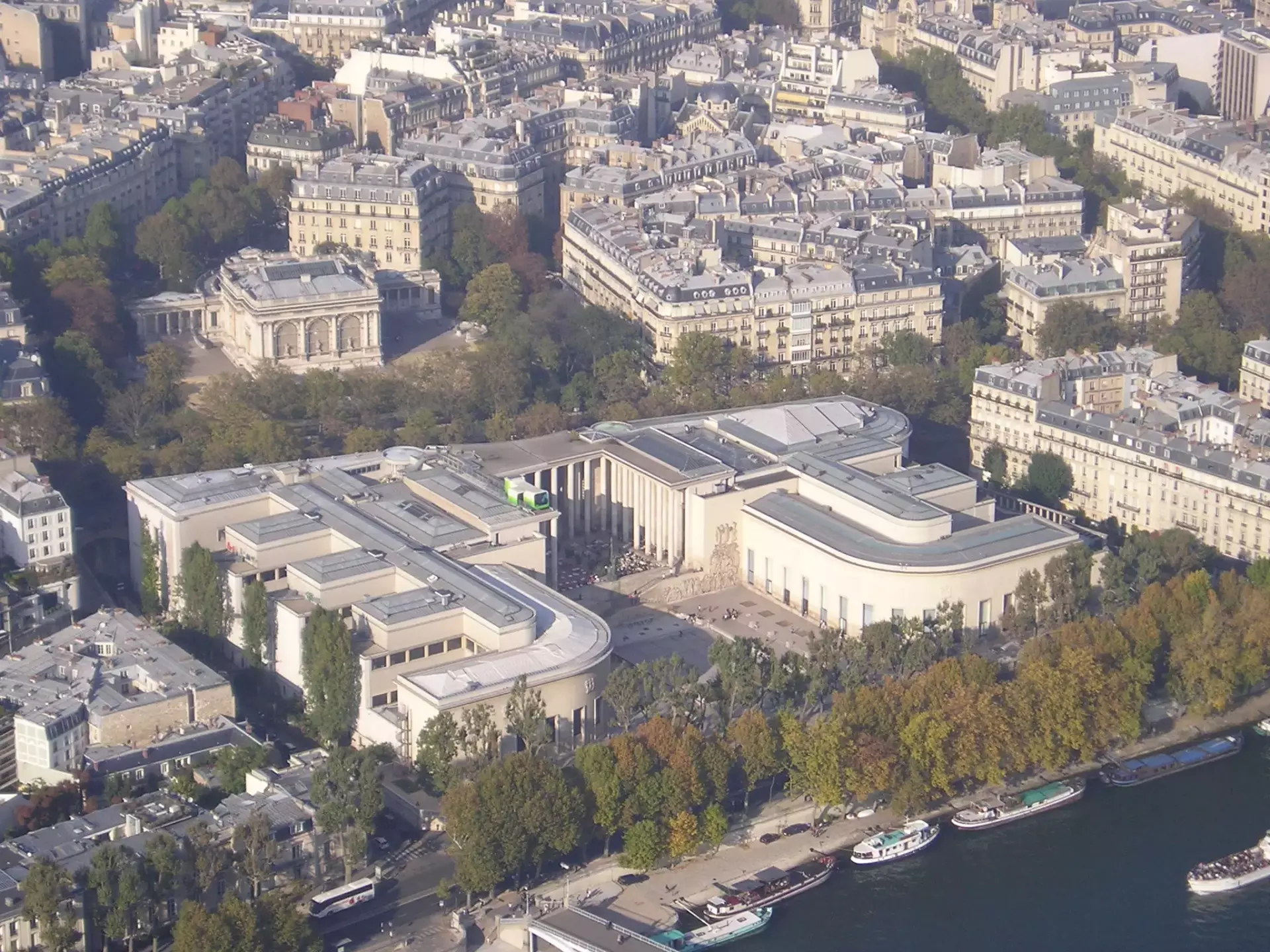
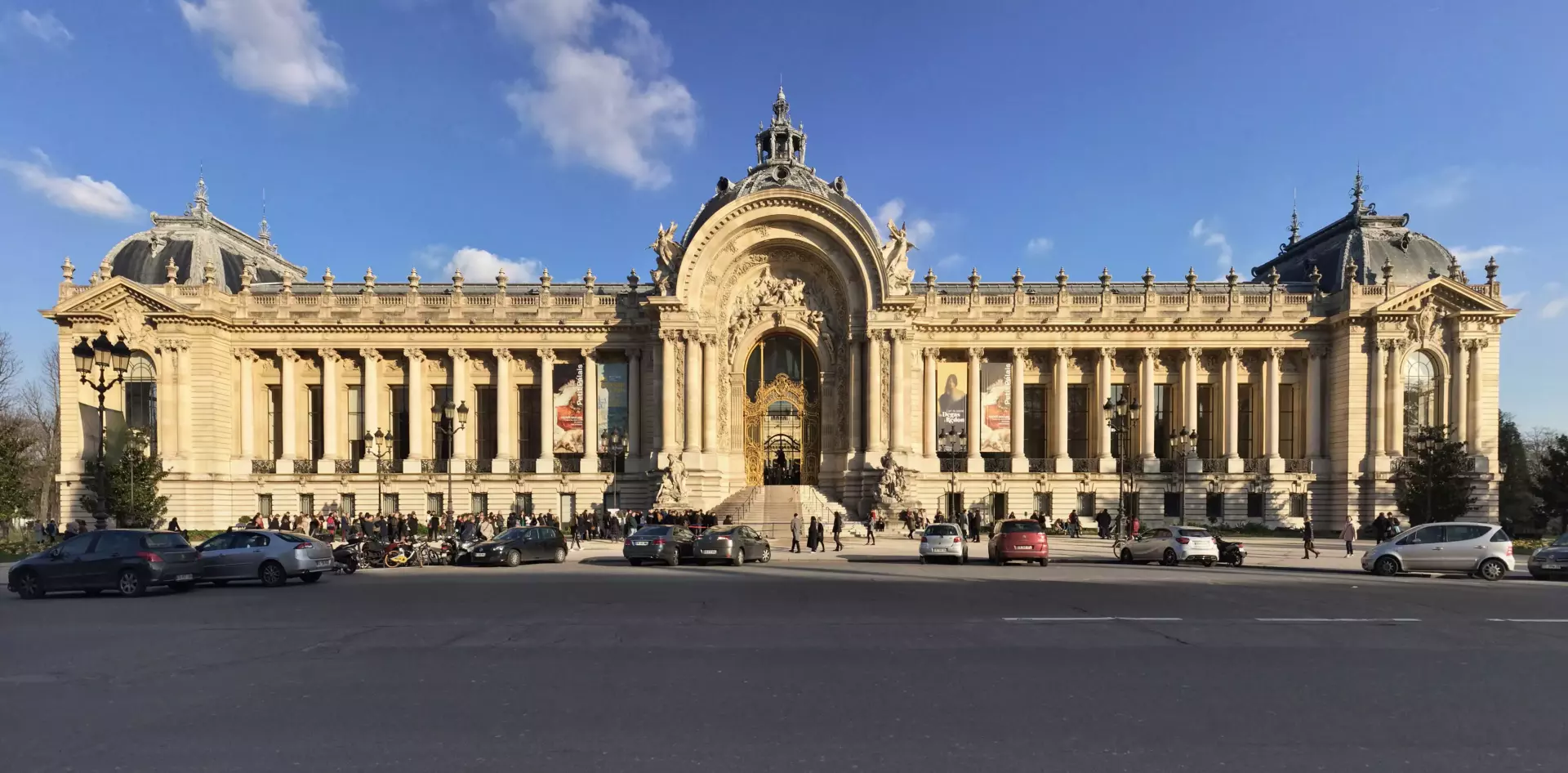
The Palais de Tokyo is Paris's largest specialist contemporary art exhibition venue, owned and operated by the national government. The building dates to 1937 and also includes the Museum of Modern Art of the City of Paris.
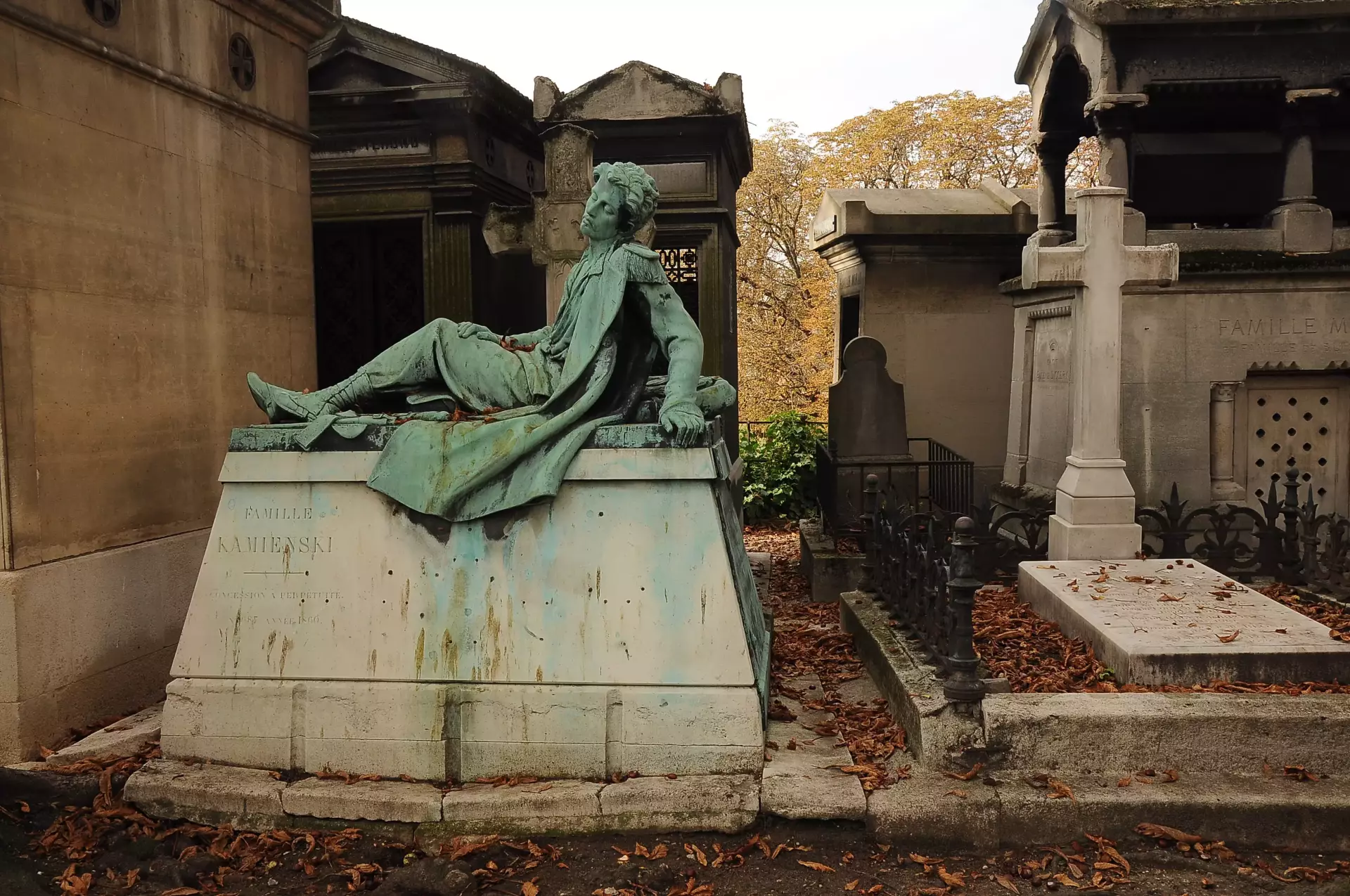
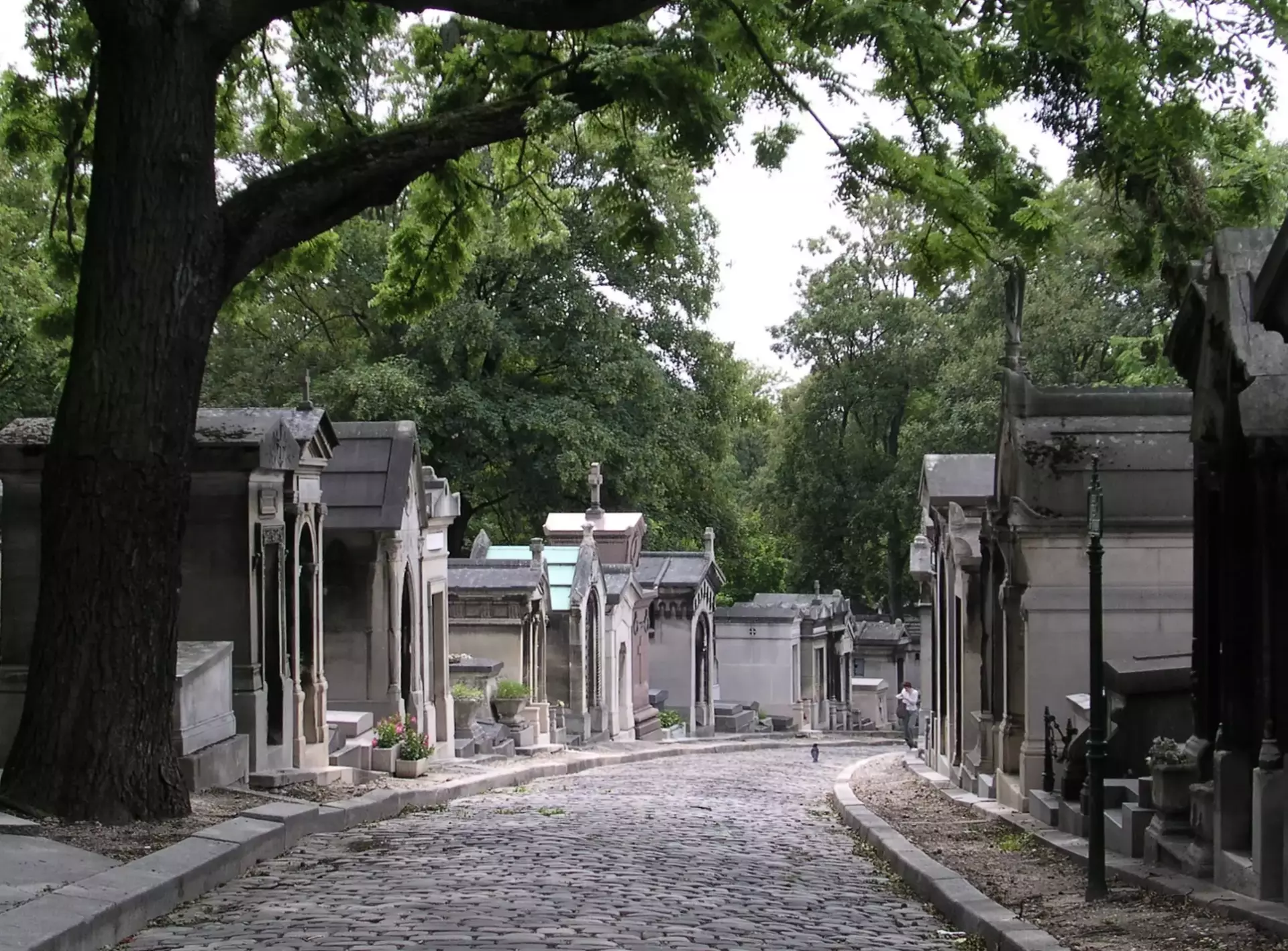
The burial place of existentialist philosopher Jean-Paul Sartre, feminist Simone de Beauvoir (both of whom lived nearby); musician Serge Gainsbourg; artist Man Ray; the poets Charles Baudelaire, Guy de Maupassant, Charles Sainte-Beuve, and Marguerite Duras; the founders of the Theatre of the Absurd Samuel Becket and Eugene Ionesco; the sculptors Constantin Brancusi and Ossip Zadkine; the composers Camille de Saint-Saens and César Franck; the actors Maria Montez and Jean Seberg; the French officer Alfred Dreyfus; the founder of the Larousse encyclopedia, Pierre Larousse; the industrialist André Citroen, and many others.
For many visitors one of the must-see places in Paris is the Avenue des Champs-Elysées which was first created in 1667 by Louis XIV's gardener, Andre Le Nôtre, in order to improve the view from the Tuileries garden. This elegant and broad avenue was extended towards the end of the 18th century, now running from the place de la Concorde to the Arc de Triomphe. It is noted today as one of the most prestigious shopping boulevards of Paris.
This iconic triumphal arch forms the focus of the main east-west road axis of Paris, running between the Louvre and the Grande Arche de la Défense in the west. The monument was commissioned by Napoleon in 1806 as a tribute to his victories as Emperor of France - it was finally completed in 1836, long after his death. 50 m (150 ft) high and 45 m wide, the Arc de Triomphe is decorated with battle scenes and martial sculptures that includes La Marseillaise by Rude. The Tomb of the Unknown Soldier was placed beneath the arch in 1920, where an eternal flame burns in tribute to the French dead of both World Wars. The arch is surrounded by a large roundabout, aptly known as l'Etoile - 'the star' - with 12 thoroughfares leading off from it. Visitors can purchase a ticket to climb to the top of the arch, from where magnificent views spread out over western Paris. Admission to a small museum devoted to the history and meaning of the monument is included. The central island and the arch are accessed by an underground passage. Do not attempt to negotiate by foot the busy multi-lane road that rings the Arc de Triomphe, which many Parisian drivers seem to consider their own personal speedway.
A museum of contemporary art. It was founded in 1984 by the well-known jewel and watch manufacturer, Cartier. In 1994 it moved to the new building erected on plans of the architect Jean Nouvel.
The house of the symbolist painter has now become a museum to his life and work.
The largest French museum of Jewish art and history
This wedding cake-white church rises visibly above the north part of Paris. The striking building, with its towers and white onion dome (83 m high), was built between 1875-1914 on the birthplace of La Commune, officially as an act of penitence for the sins committed during the civil war in which thousands of Communards were executed, as well as for the previous bloodshed of the 1870 Franco-Prussian war. A number of prominent businessmen put up the money, and a dizzying combination of architects worked to put together the mock Romano-Byzantine extravaganza. Consecration followed in 1919. The view over Paris from the dome and from the square before it (200 m above sea level) is unsurpassed, apart from that enjoyed at the Eiffel Tower (50 km on a clear day). For the athletic traveller there are stairs from several directions to the top of the hill; otherwise there is also a funicular which runs every few minutes during the daytime from Place St. Pierre. Follow the signs that say "Funiculaire De Montmartre". Beware that the guards don't like it if they catch you taking pictures inside and will even yell "No photo!" and chase you down if they see you with a camera. Be warned: along the lower steps leading up to church, groups of mostly young African men gather and reach toward you with a small string, offering to loop it round your finger. In case it happens, pull back your hand, brush them off and move on. They might claim that "This is for the church." In case your feel that things go sideways, raise your voice to get people's attention and ask them call the police.