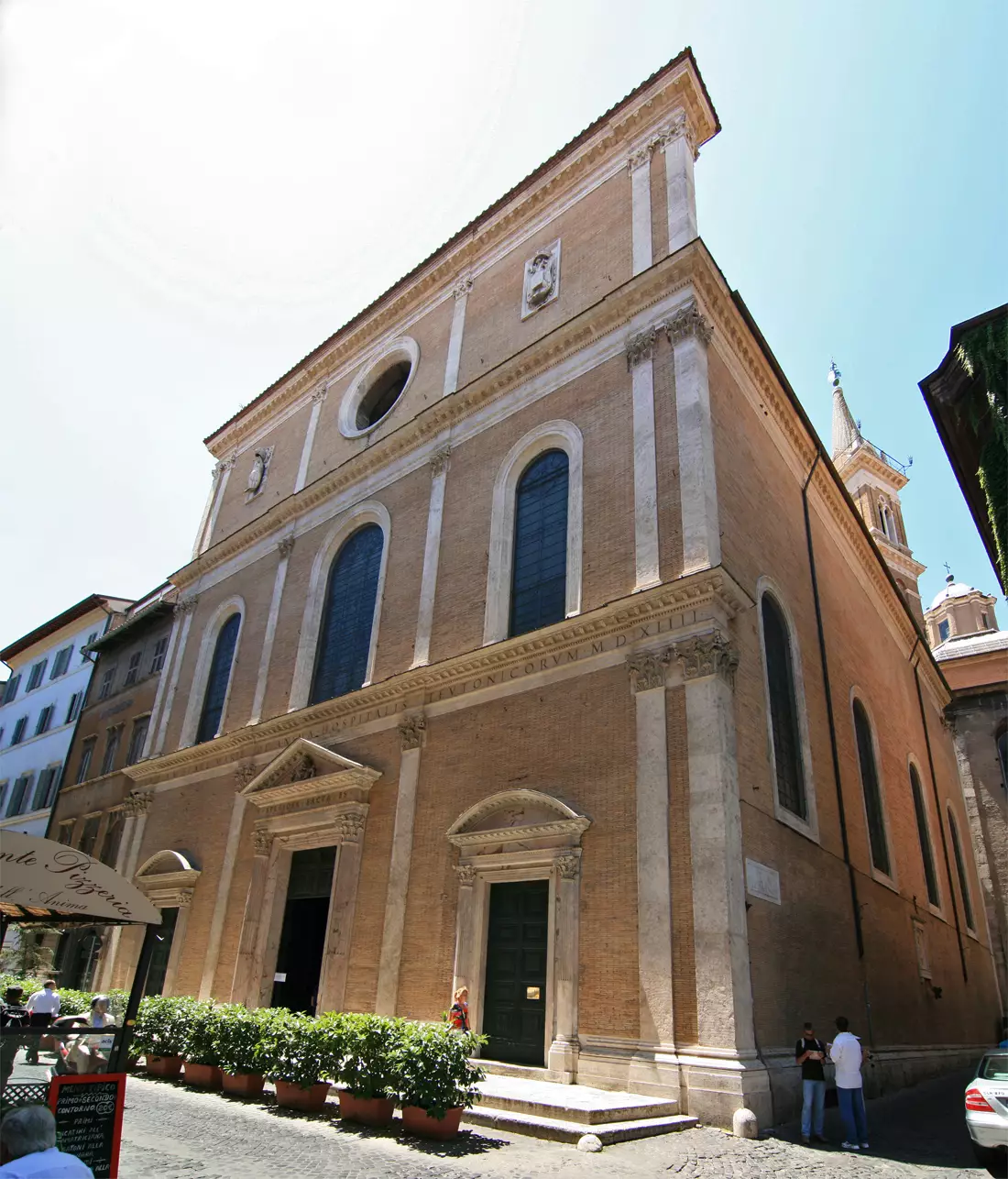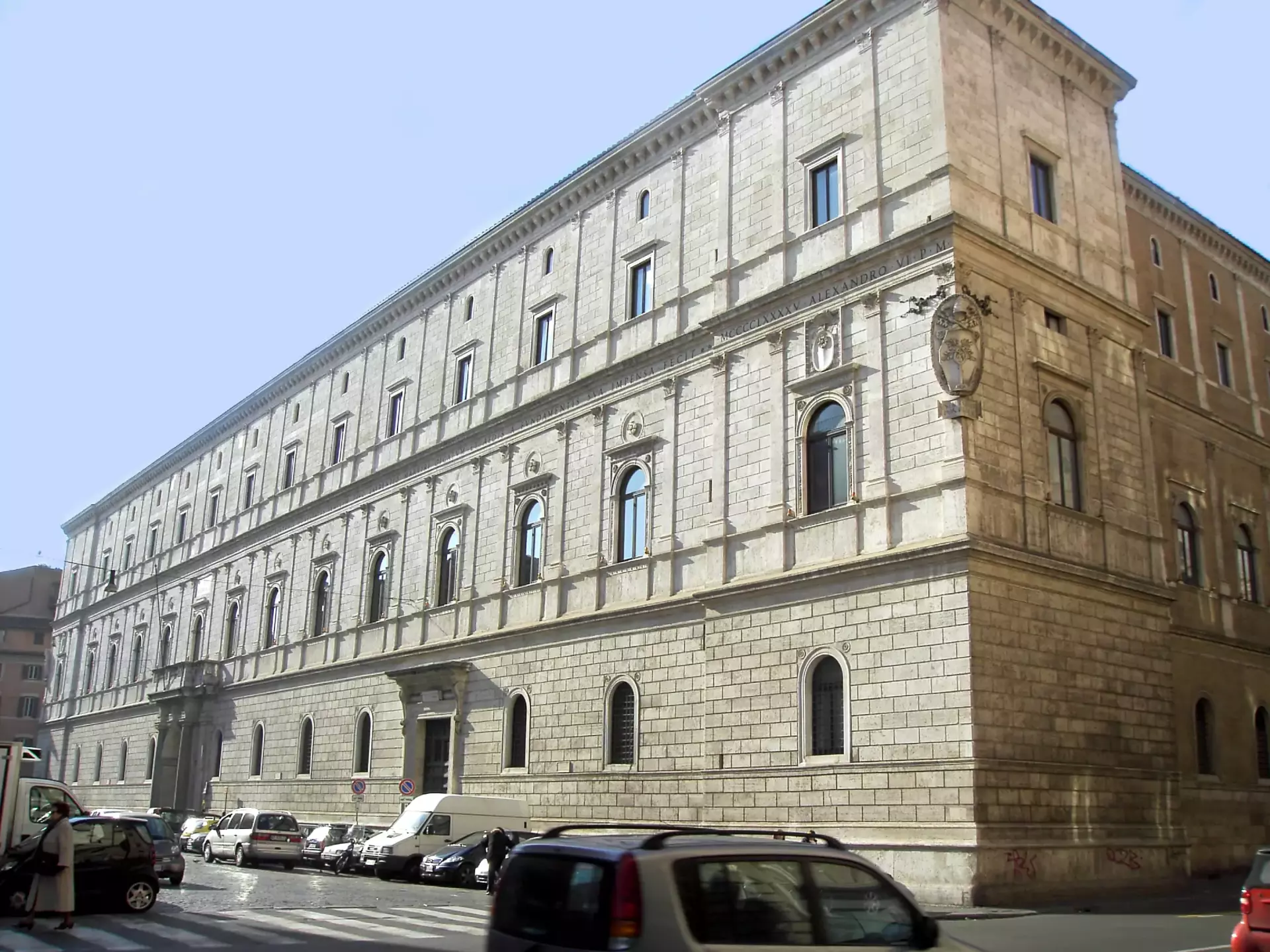
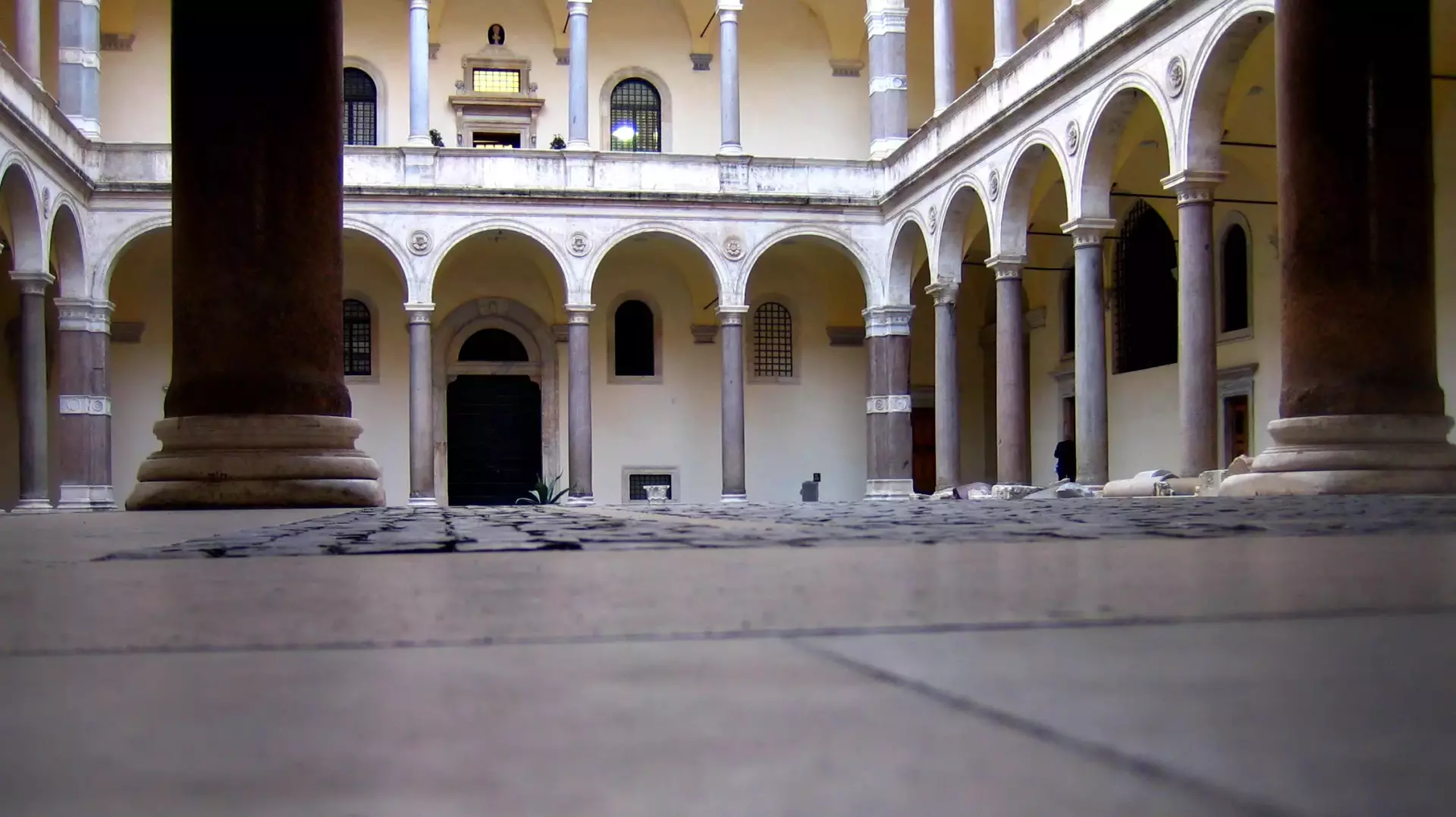
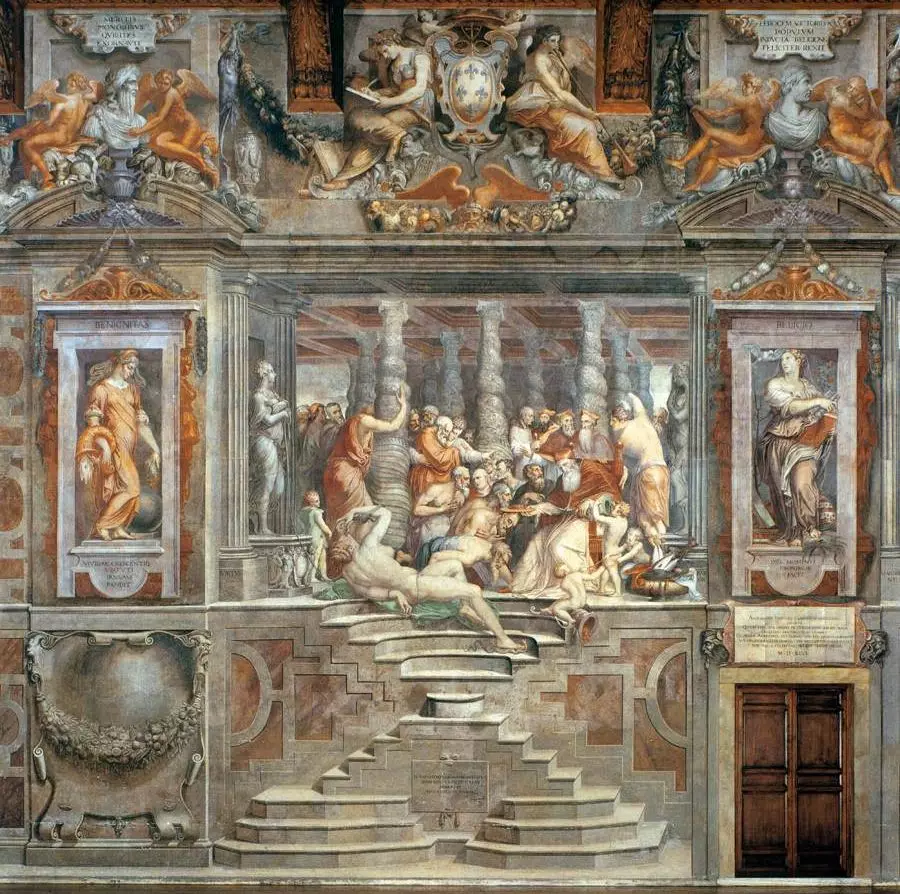
The Palazzo della Cancelleria is a historic building in Rome that once served as the offices for the Pope, known as the Apostolic Chancellery. For centuries, important documents and official papers of the Vatican were managed within these grand walls. Today, the building continues its role in the legal life of the city by housing a Vatican court.
Hidden behind the Palazzo’s impressive facade is another treasure: the Basilica of San Lorenzo in Damaso. This ancient church has its origins as a Roman house church and was rebuilt during the 15th century. Its presence inside the palace connects visitors to centuries of religious history and architectural evolution in the heart of Rome.
Source - https://en.wikipedia.org/wiki/Palazzo_della_Cancelleria
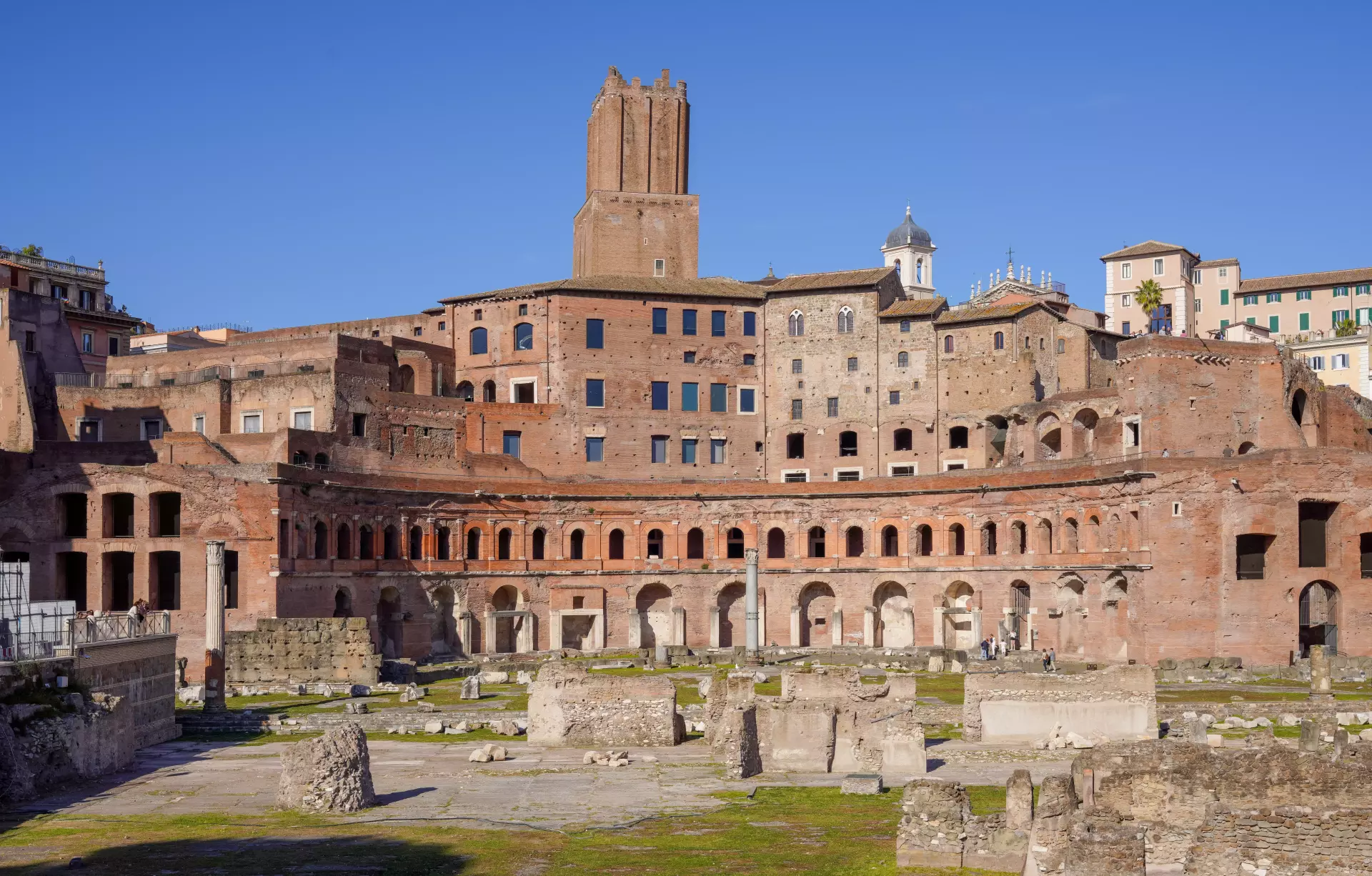
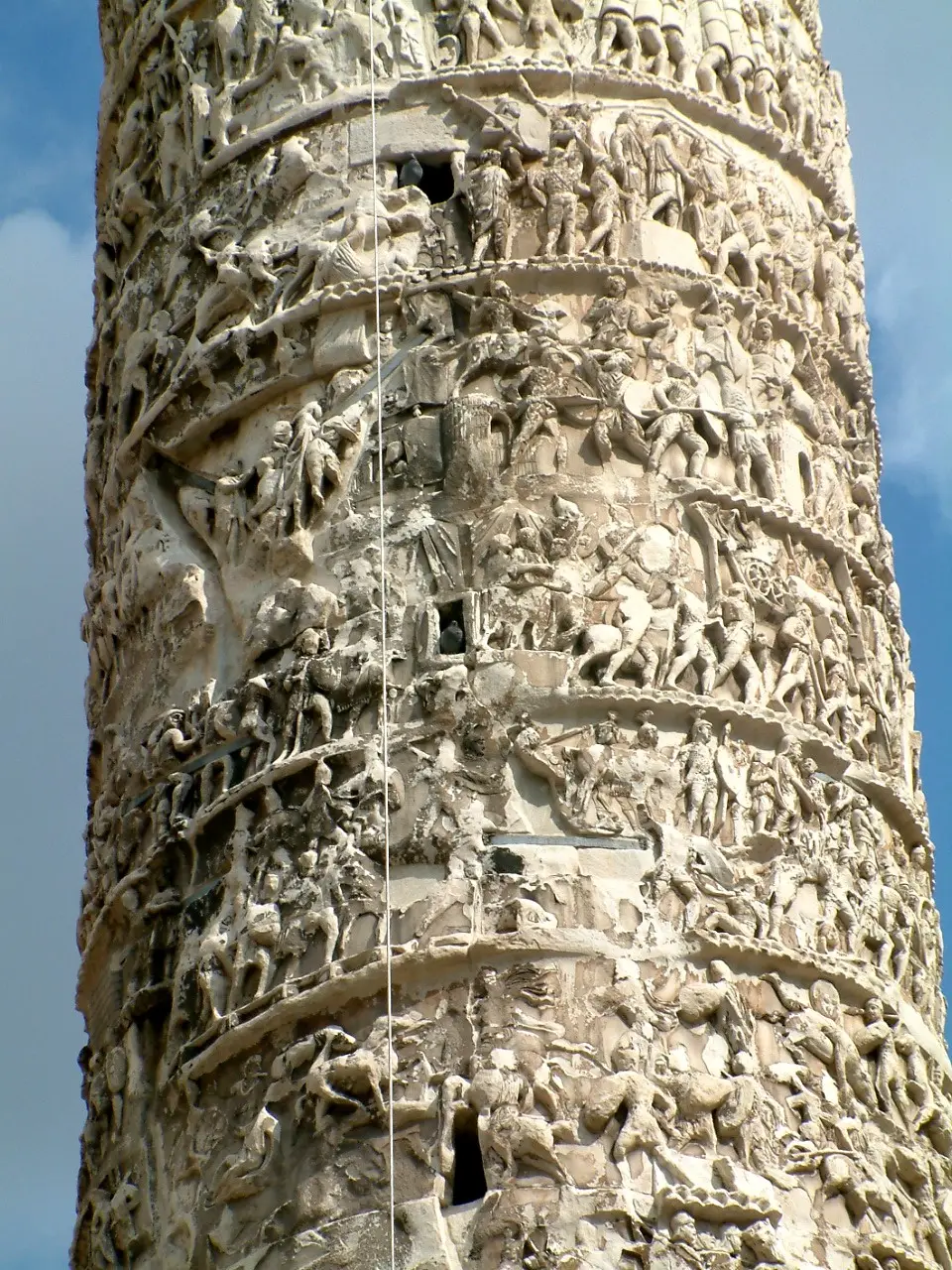
On the other side of the Via dei Fori Imperiali to the Roman Forum. Well-preserved market area that doubled as a way of stopping the Quirinal Hill from collapsing. Below in the Forum is Trajan's Column, built in 113 with reliefs depicting the Emperor Trajan's vistories in battle.
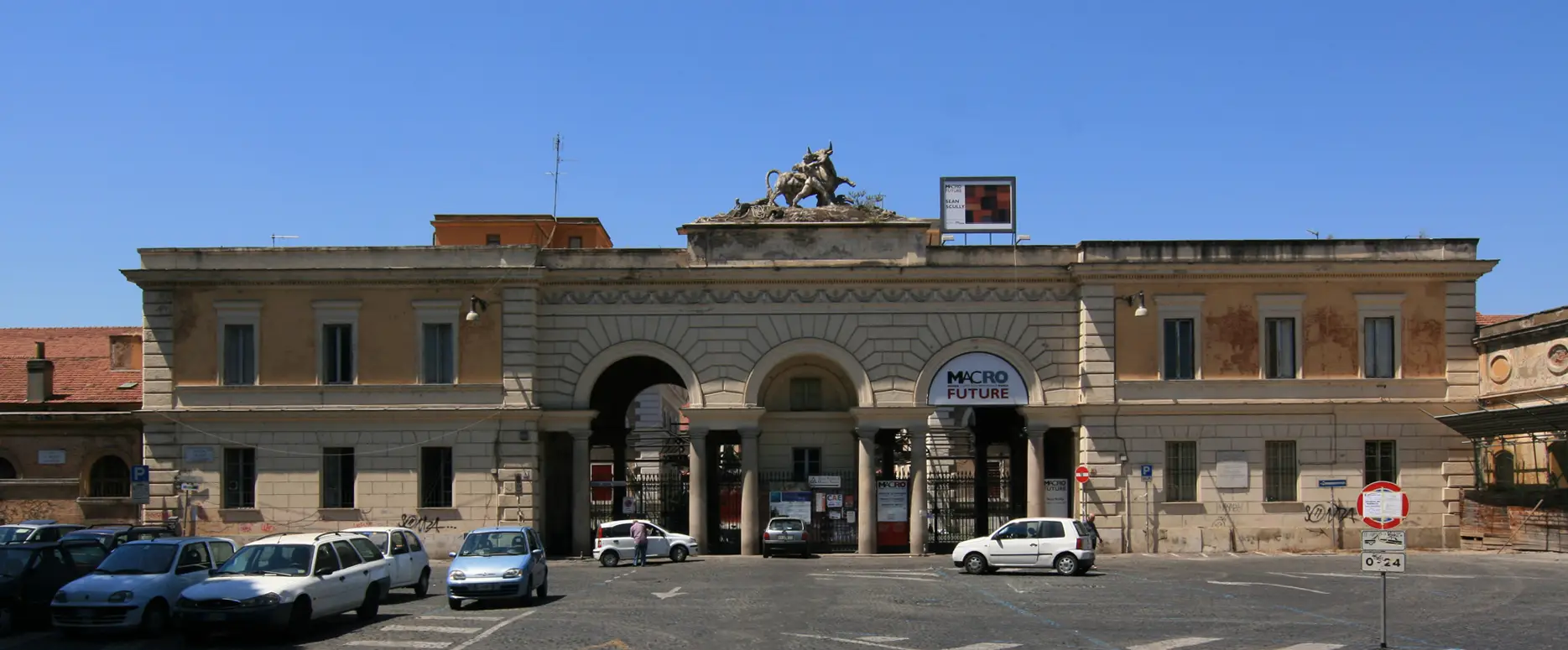
Rome's museum of contemporary art, housed in a former industrial complex. Rotating exhibitions, each one usually lasting about 4 months. The MACRO Testaccio exhibition space is located in Aventino-Testaccio.
Contains the tomb of Pope Hadrian IV, the last non-Italian pope before Pope John Paul I.
Between the Pantheon and Via del Corso. A stunning example of Baroque art. The ceiling frescoes are especially fine, including a trompe l'oeil dome by the master Andrea Pozzo.
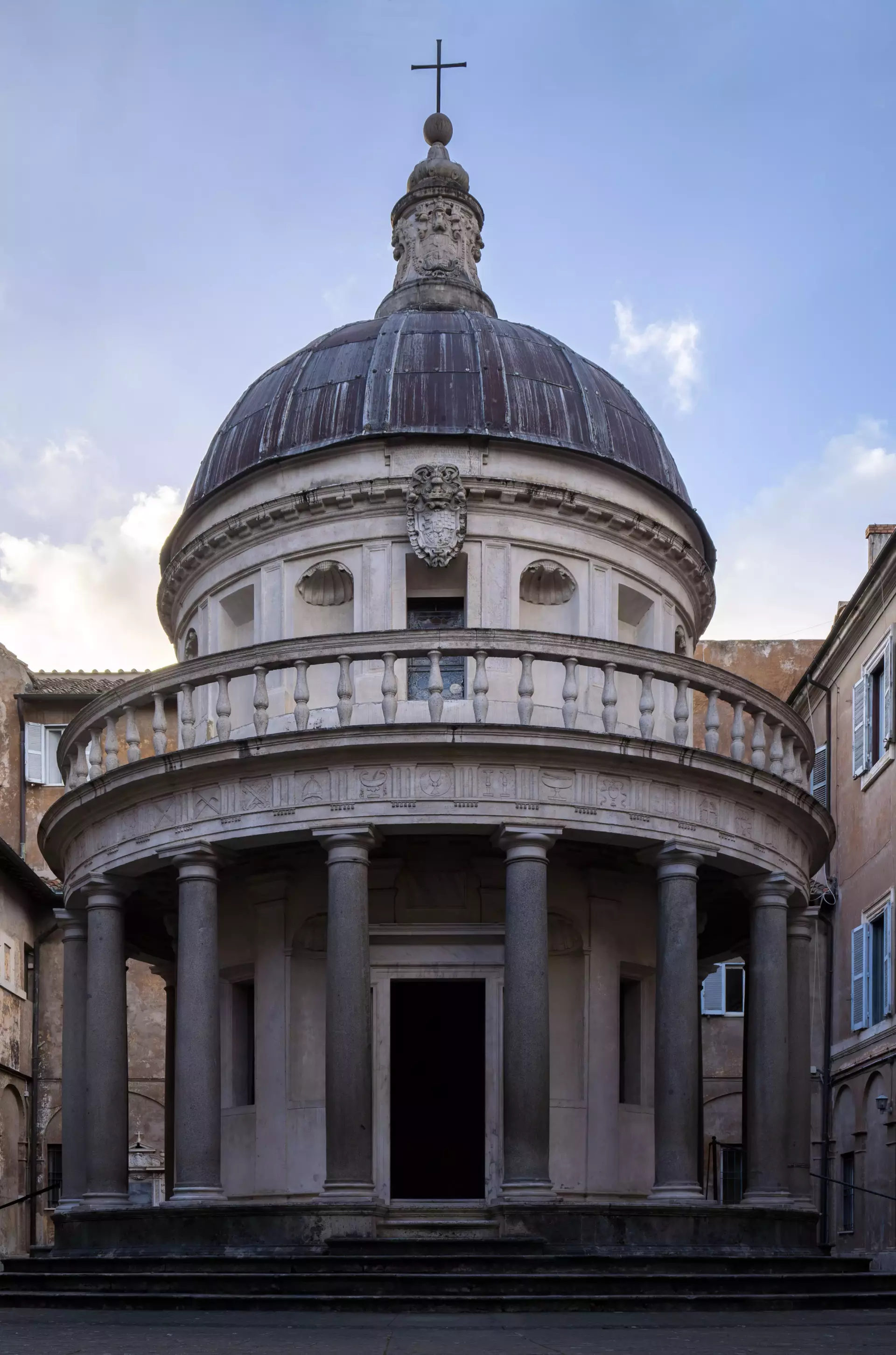
Designed by Bramante to mark the spot of St. Peter's martyrdom, this delightful miniature building is considered a masterpiece of Renaissance architecture. Open to the public.
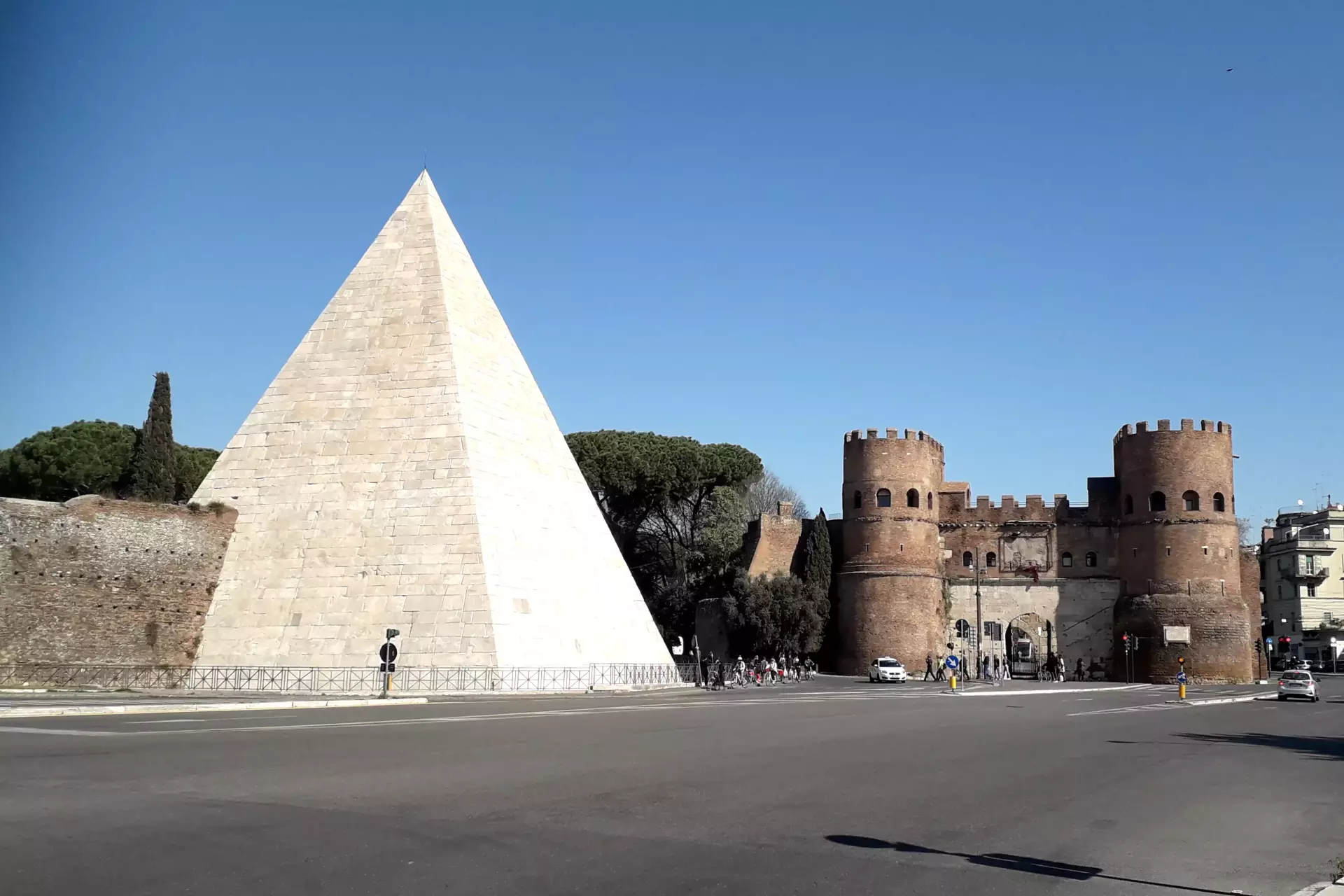
A tomb for the wealthy Gaius Cestius, who died in 12 BC. Admission to the monument only by guided tours on specific dates (2nd and 4th Saturday every month, and in combination with a ticket to the Museum of Via Ostiense also on the 1st and 3rd Saturday of every month).
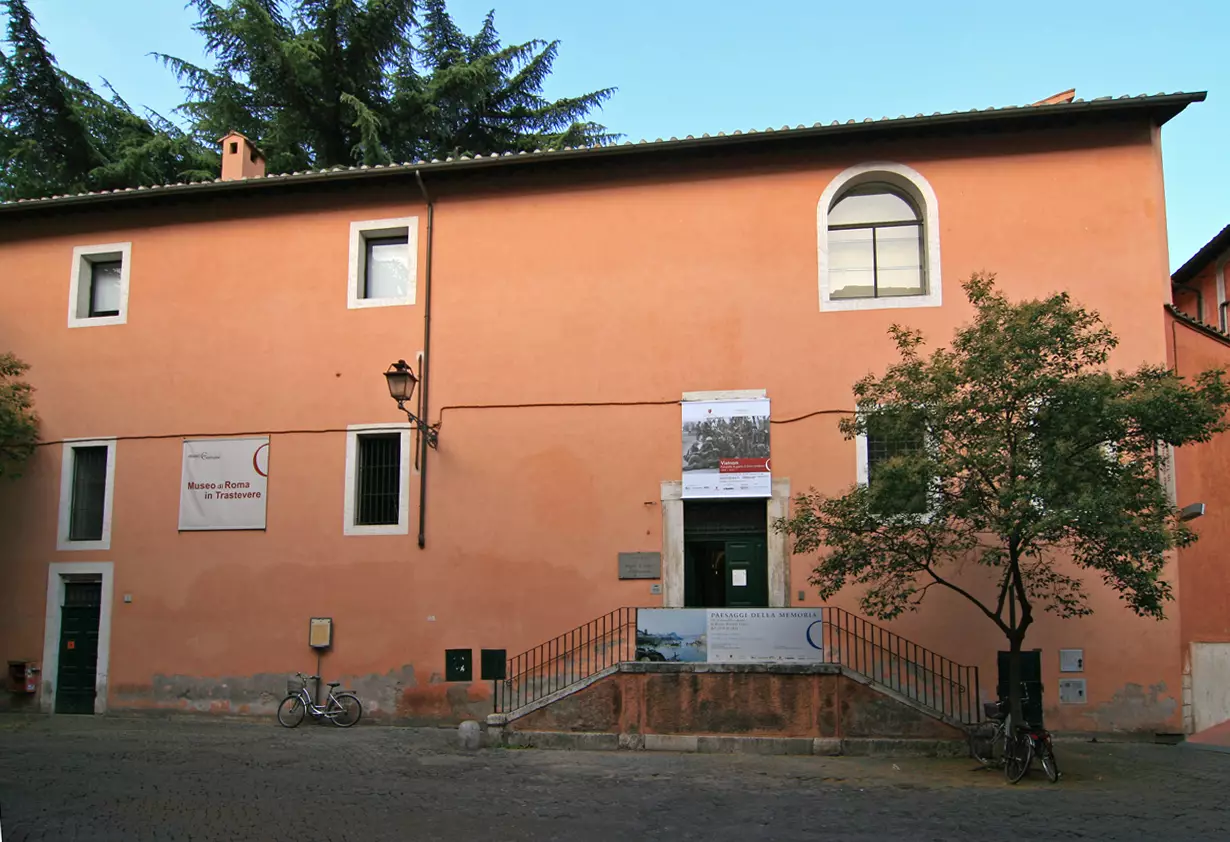
Permanent collection features paintings and drawings of Rome between the 18th and 20th centuries together with a fascinating black and white photo exhibition of Rome from 1950-80. Also offers rotating exhibitions, usually of the work of photographers.
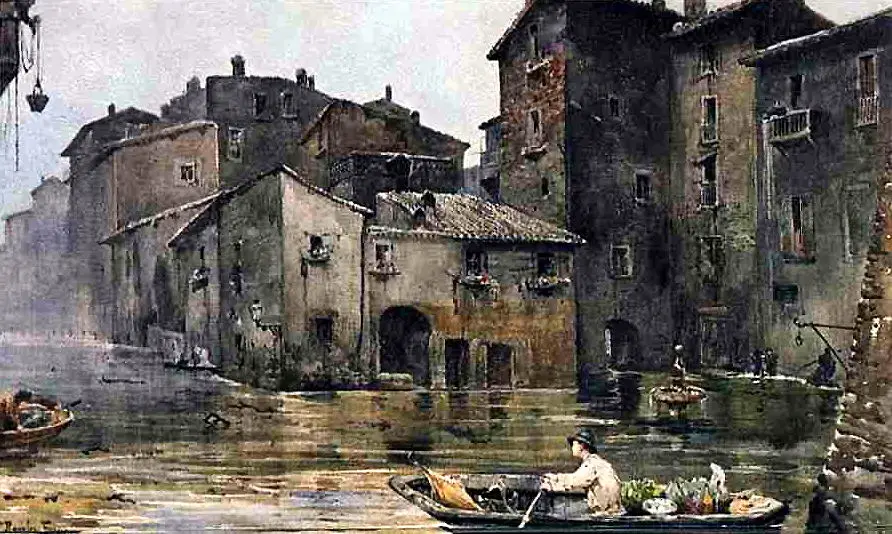
The Ghetto lies between the island in the River Tiber and the Theatre of Marcellus and includes Rome’s synagogue. It was established in 1555 as a result of a Papal Bull by Pope Paul IV that required all Jews to live in the area, considered one of the least desirable quarters of the city, as it was subject to constant flooding by the river. The area was originally enclosed by walls and gates that were only open during the day. With the end of the Papal States in 1870, the requirement that Jews live in the Ghetto came to an end. The walls were torn down in 1888 and much of the ghetto was demolished. However, there is still much to see, including walls of buildings that incorporate Roman ruins, and there are several good Jewish restaurants.
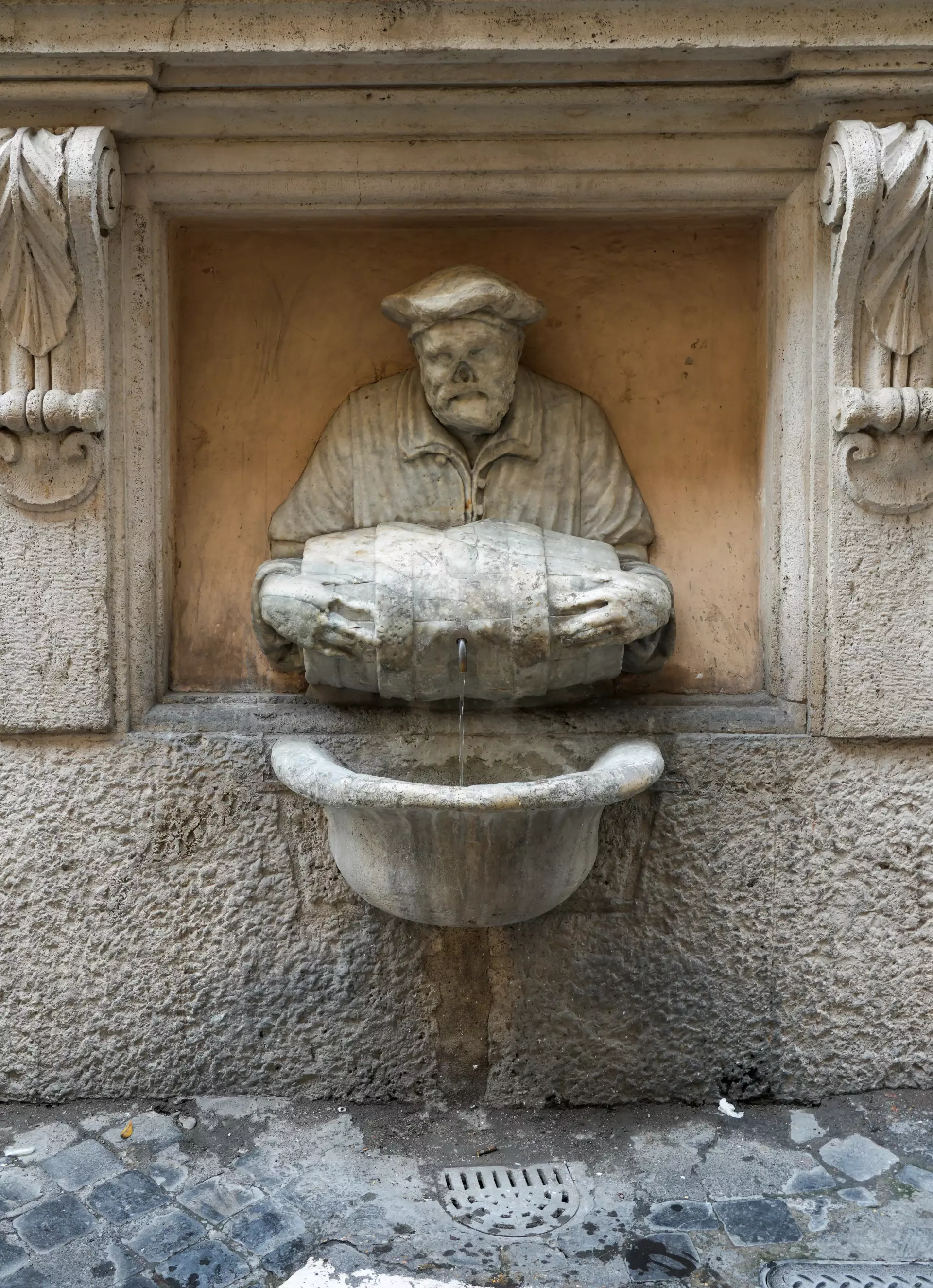
Like Pasquino, the Facchino is one the so-called "speaking figures" which are peculiar to Rome. He is looking out of the Banco di Roma building. The man depicted is holding a barrel in his hands and is carrying water. It is sometimes said that he is looking similar to Martin Luther, but more probably a porter who died while carrying a barrel is depicted here.
A relaxing place to sit and recover from the exertions of sightseeing. Permanent collection plus annual competition.
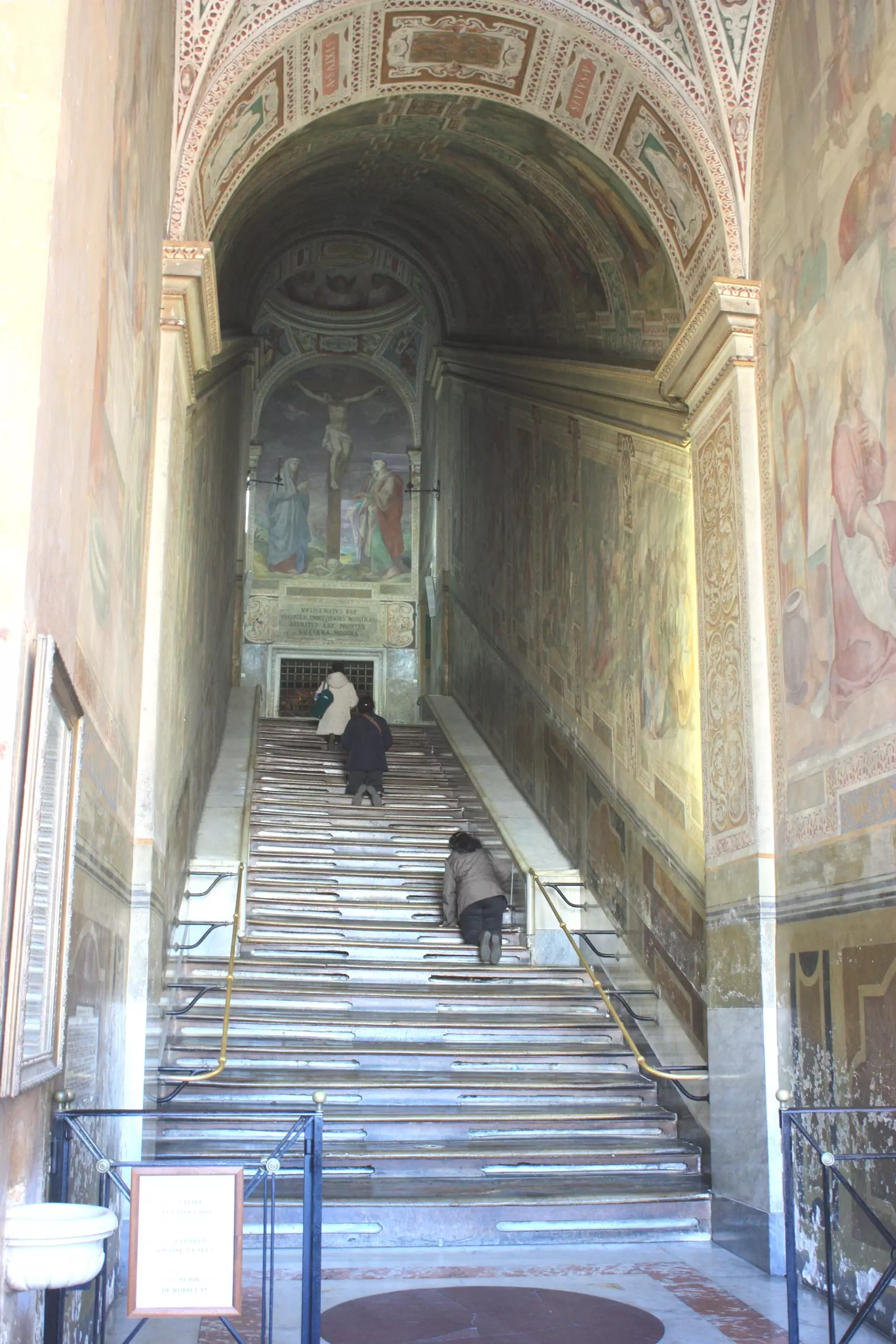
The Scala Sancta (Holy Stairs) is, according to Roman Catholic tradition, the staircase used by Jesus Christ to approach Pontius Pilate to be sentenced to death. Attracts numerous pilgrims who climb the stairs on their knees.
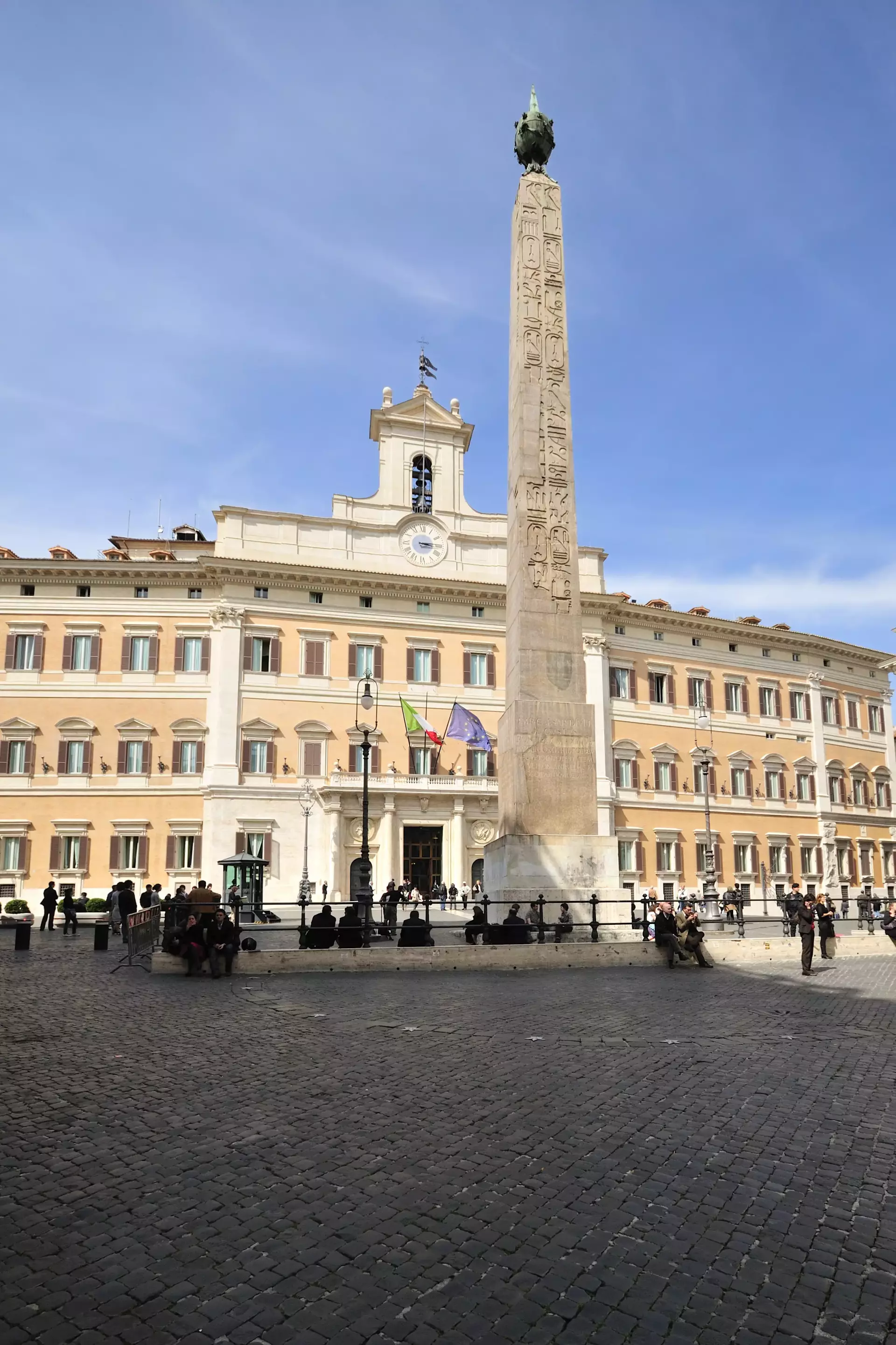
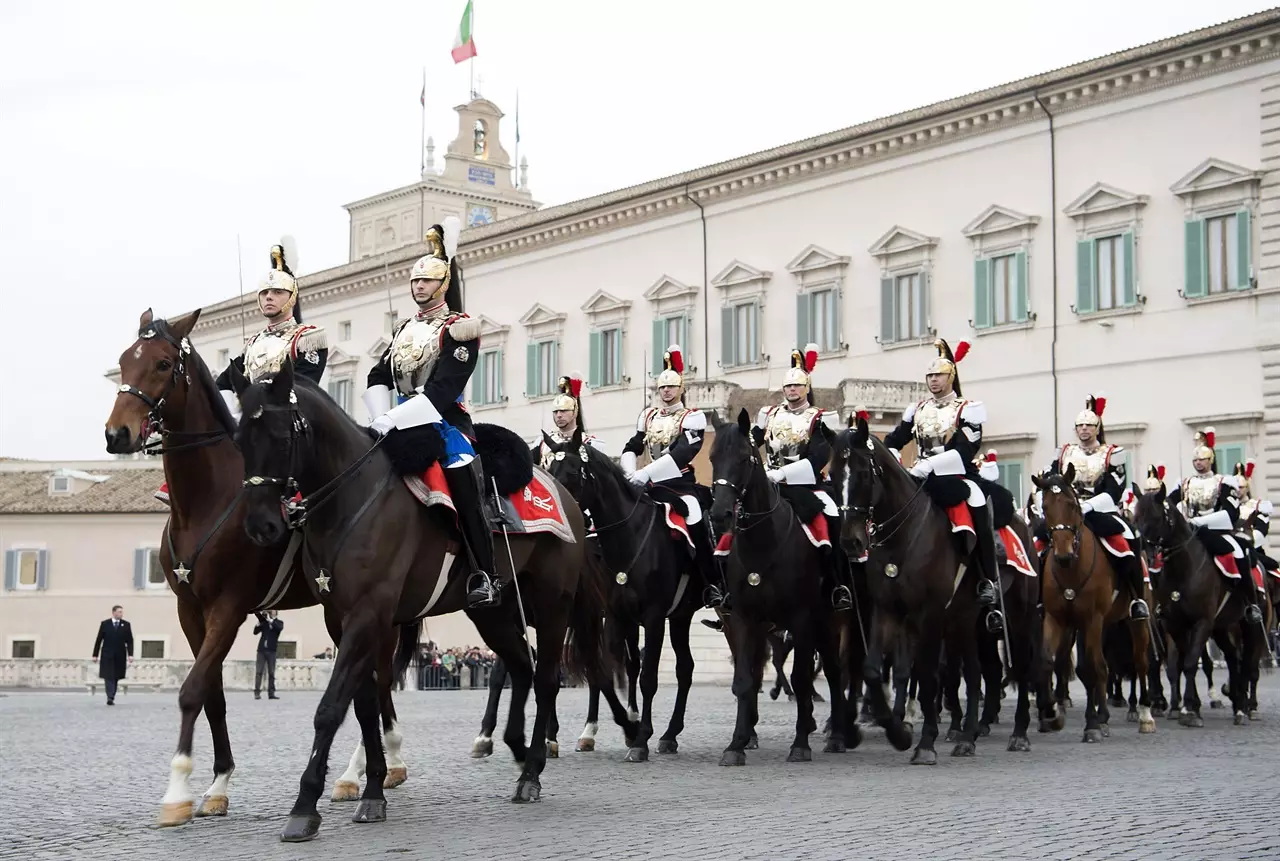
Home of the President of the Italian Republic, and the Quirinal Gardens. Built in 1573 as a papal summer residence, and has since also served as the residence for the pope and later for the king of Italy.
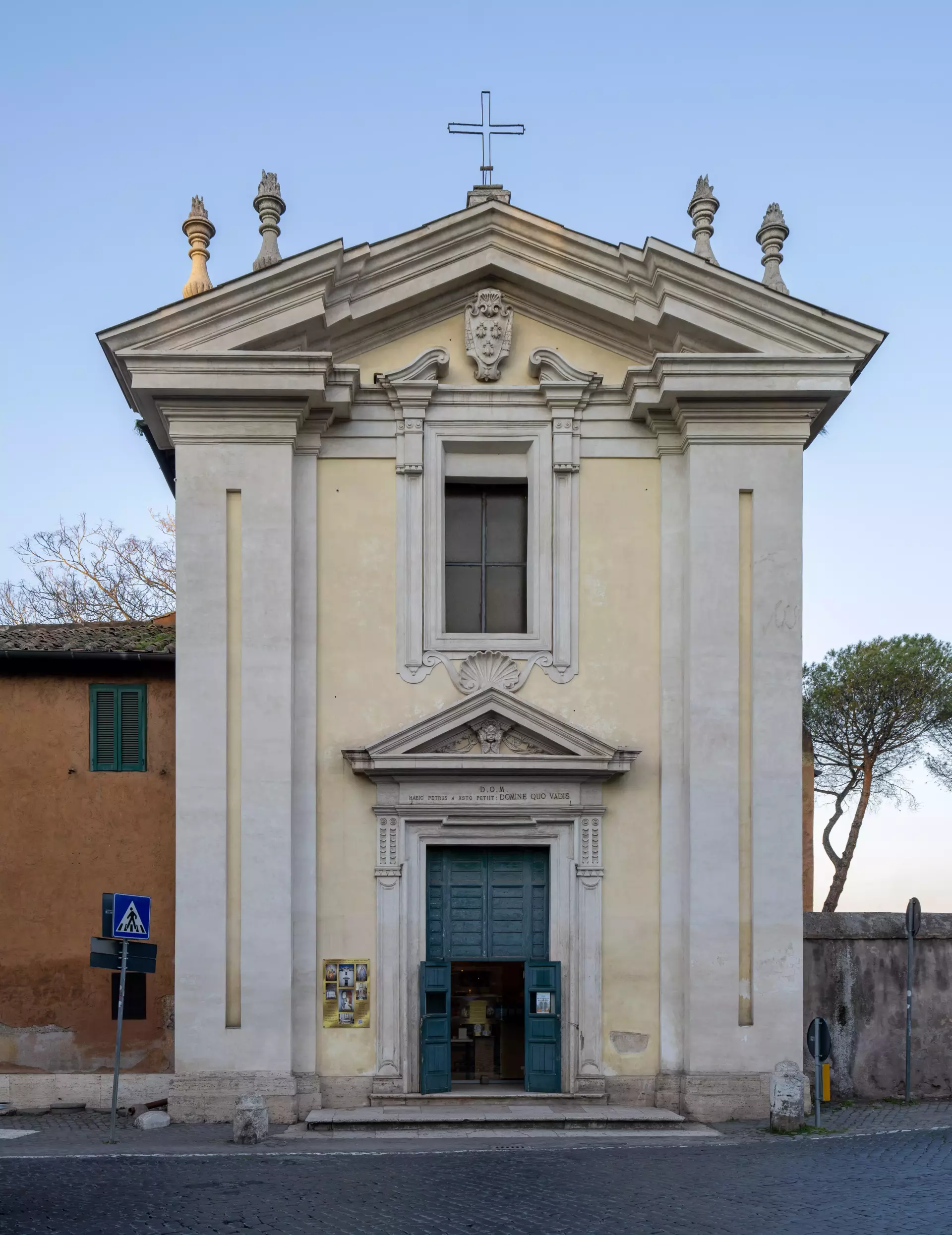
This is not the real name of the church on the corner by the main entrance to San Callisto but it is universally known by this name. By legend it is located on the spot where Saint Peter had a vision of the risen Christ while fleeing persecution in Rome. According to the tradition, Peter asked Jesus, Domine, quo vadis? “Lord, where are you going?” The current church is from 1637. Inside is a copy of a stone said to contain the imprints of the feet of Jesus; the original is maintained in San Sebastiano, further along the Appian Way
This is a treasure-trove of art. There are a couple of paintings by Caravaggio: "The Crucifixion of Saint Peter" and "The Conversion of Saint Paul" (in a dim alcove to the left of the altar, both at right angles to the viewer, with a machine wanting €2 to switch on the lighting) together with a sculpture by Bernini, frescoes by Pinturicchio and mosaics by Raphael. Part of the Dan Brown tour, this church featured in Angels and Demons, although the Vatican did not allow filming inside.