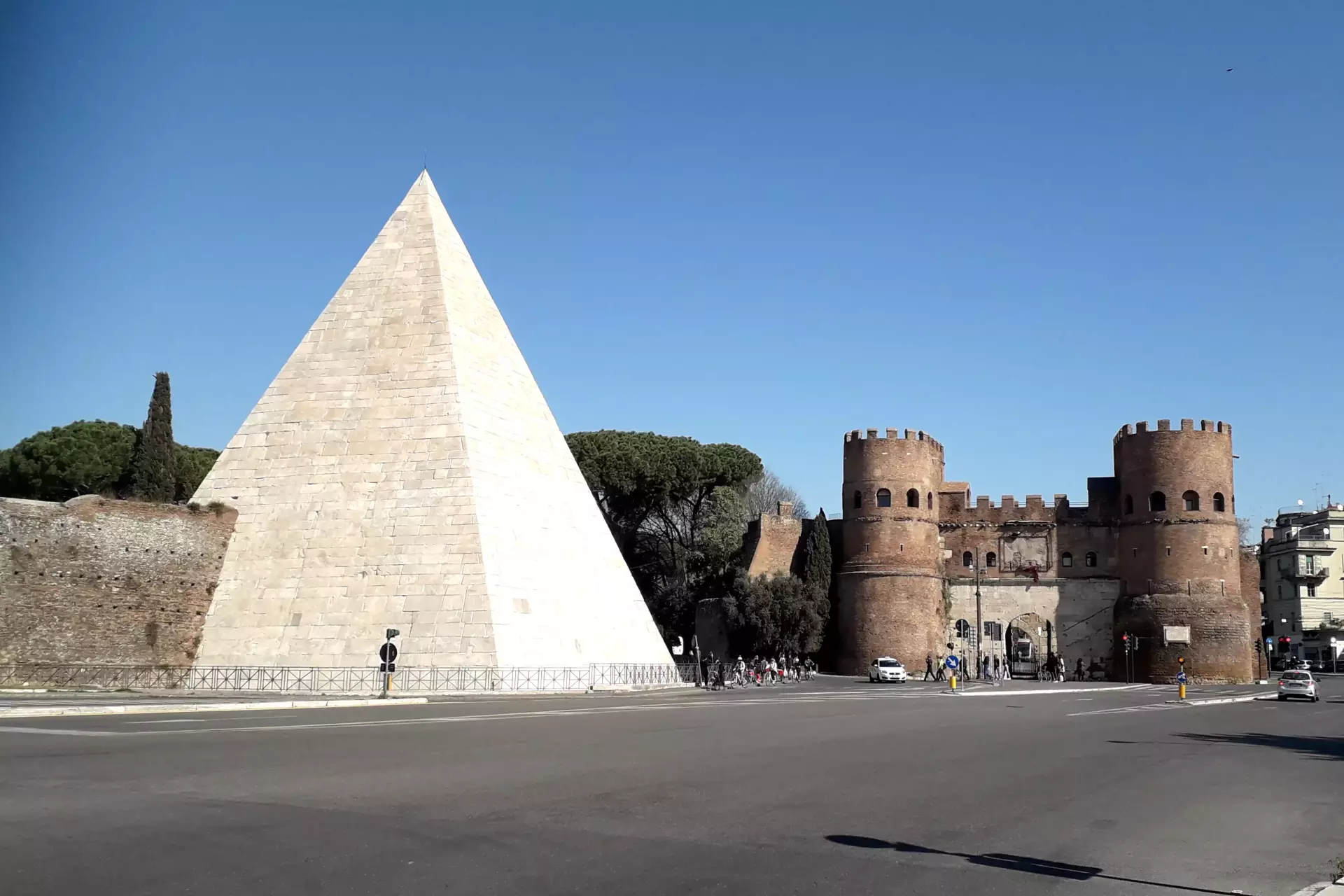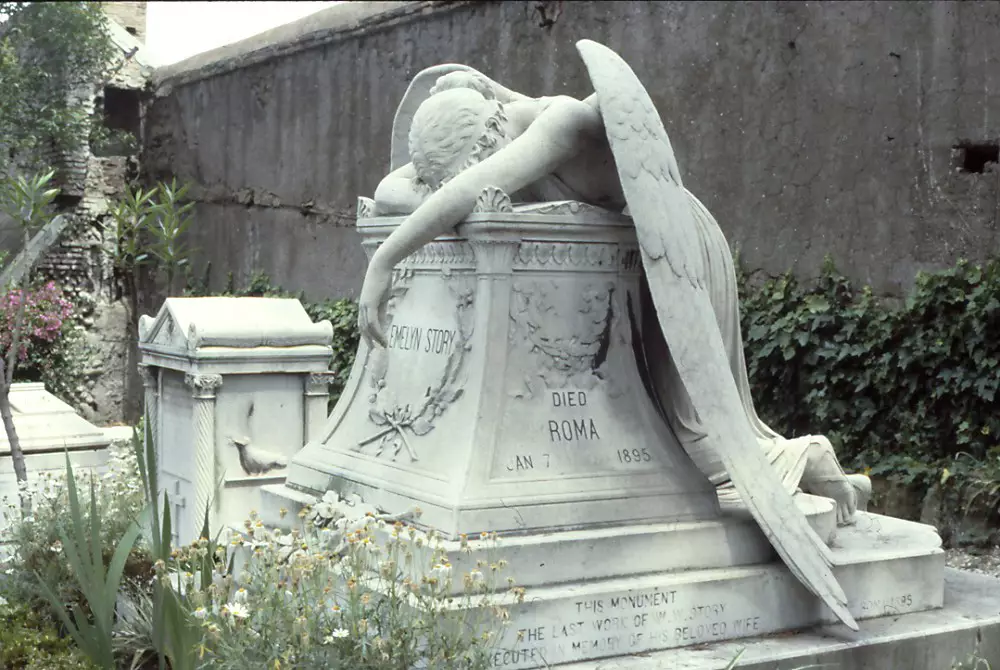
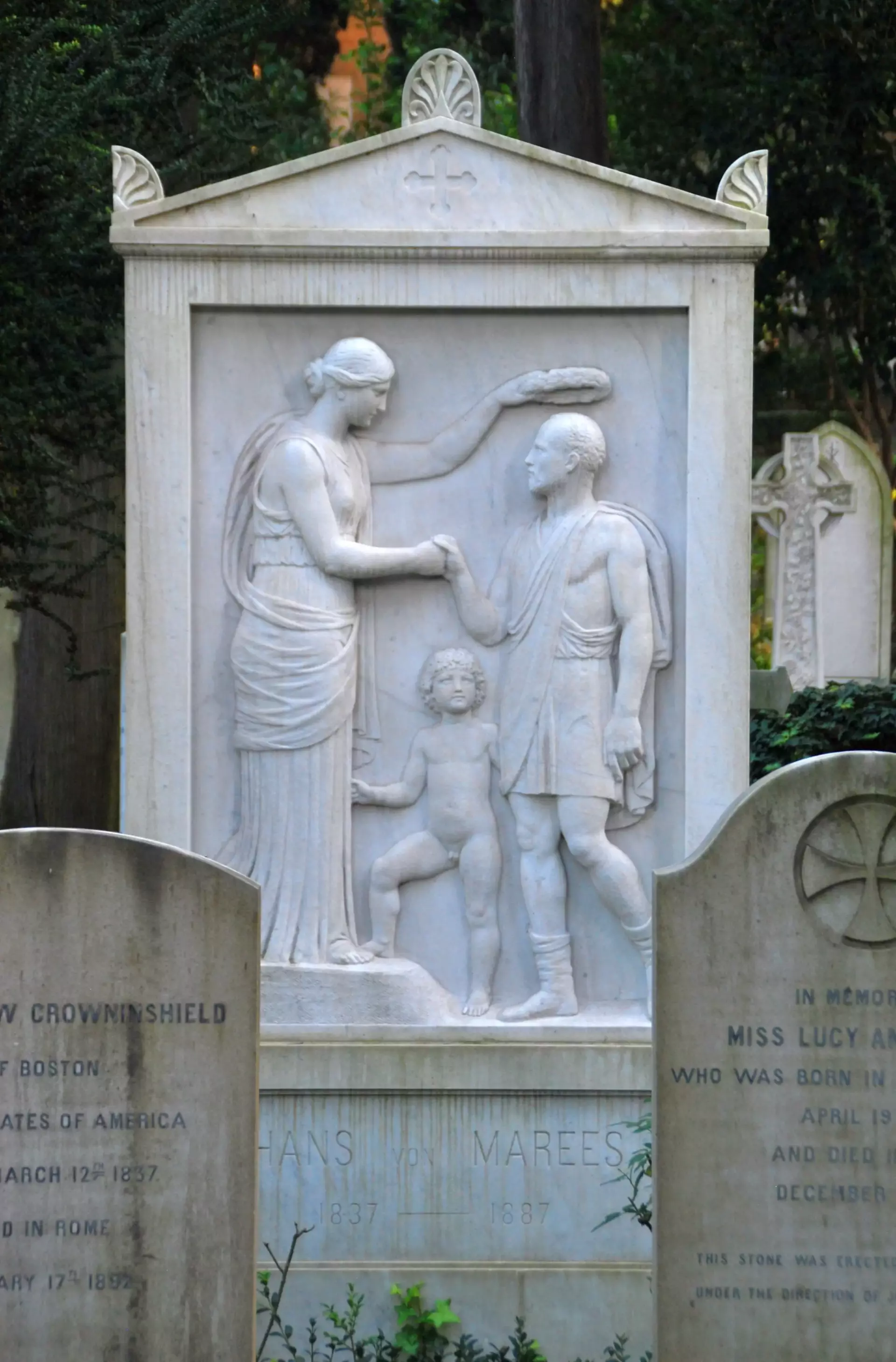
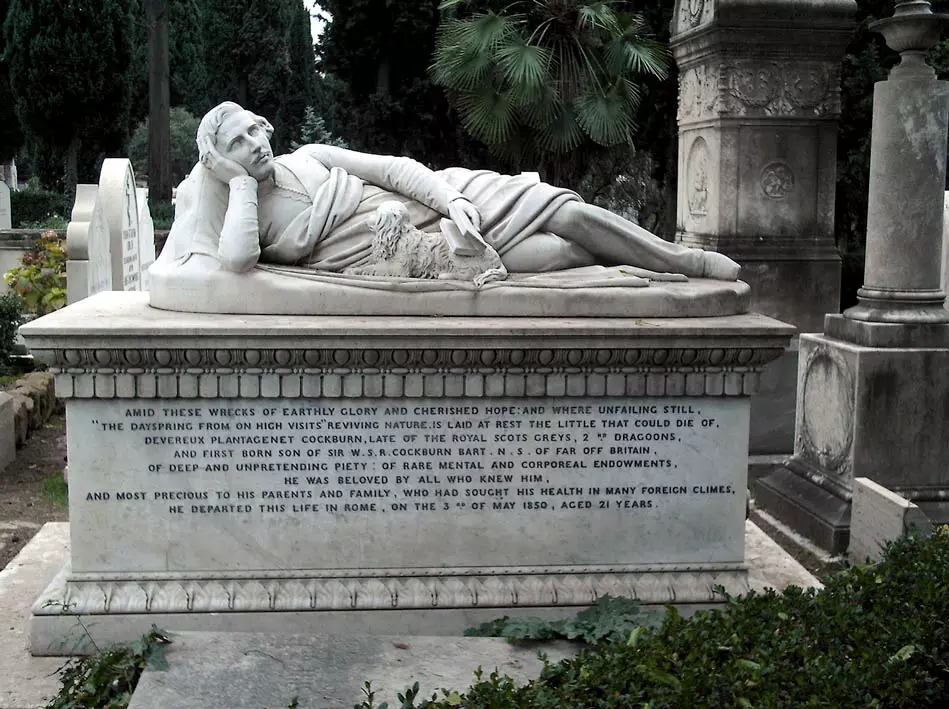
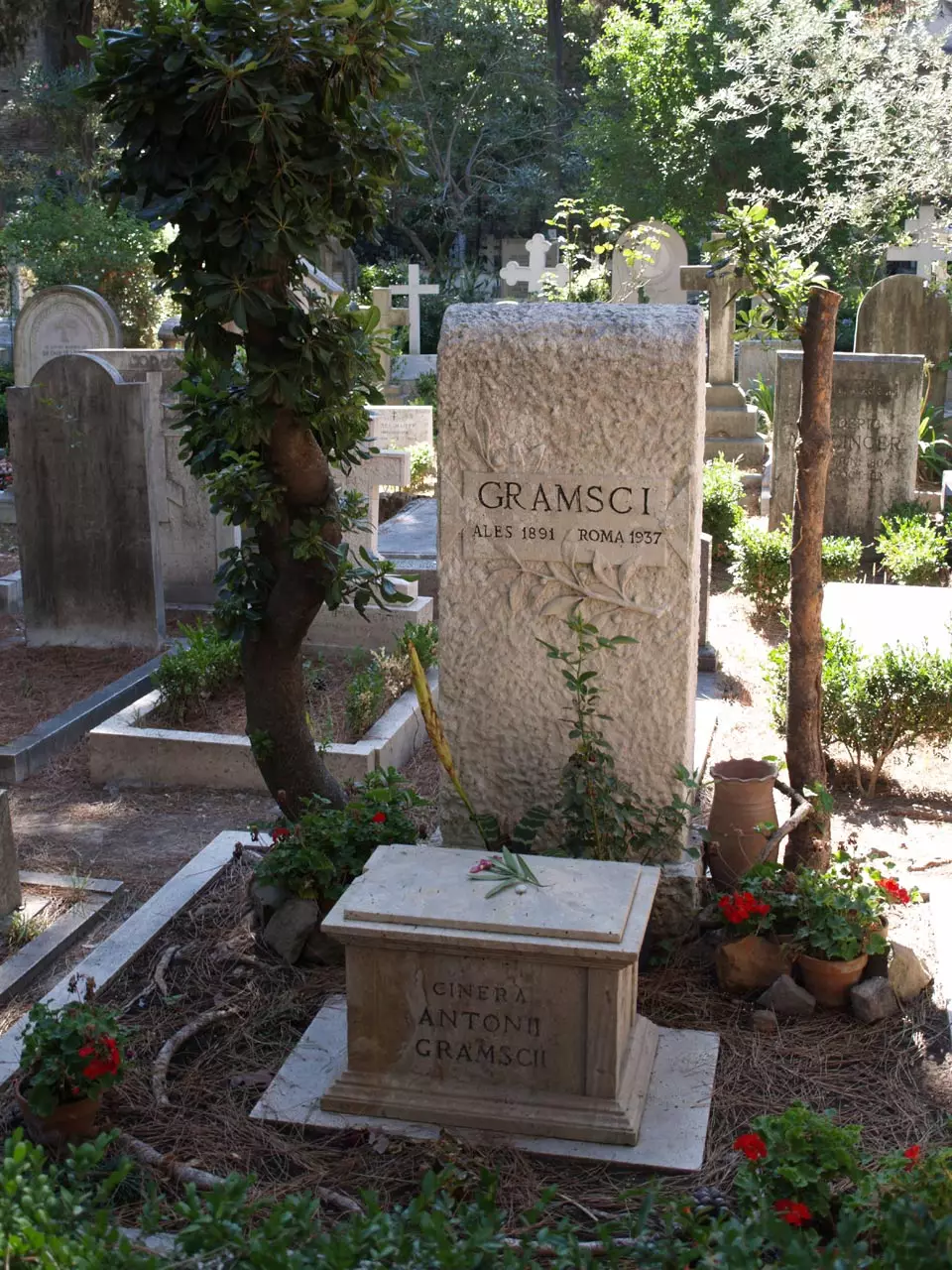
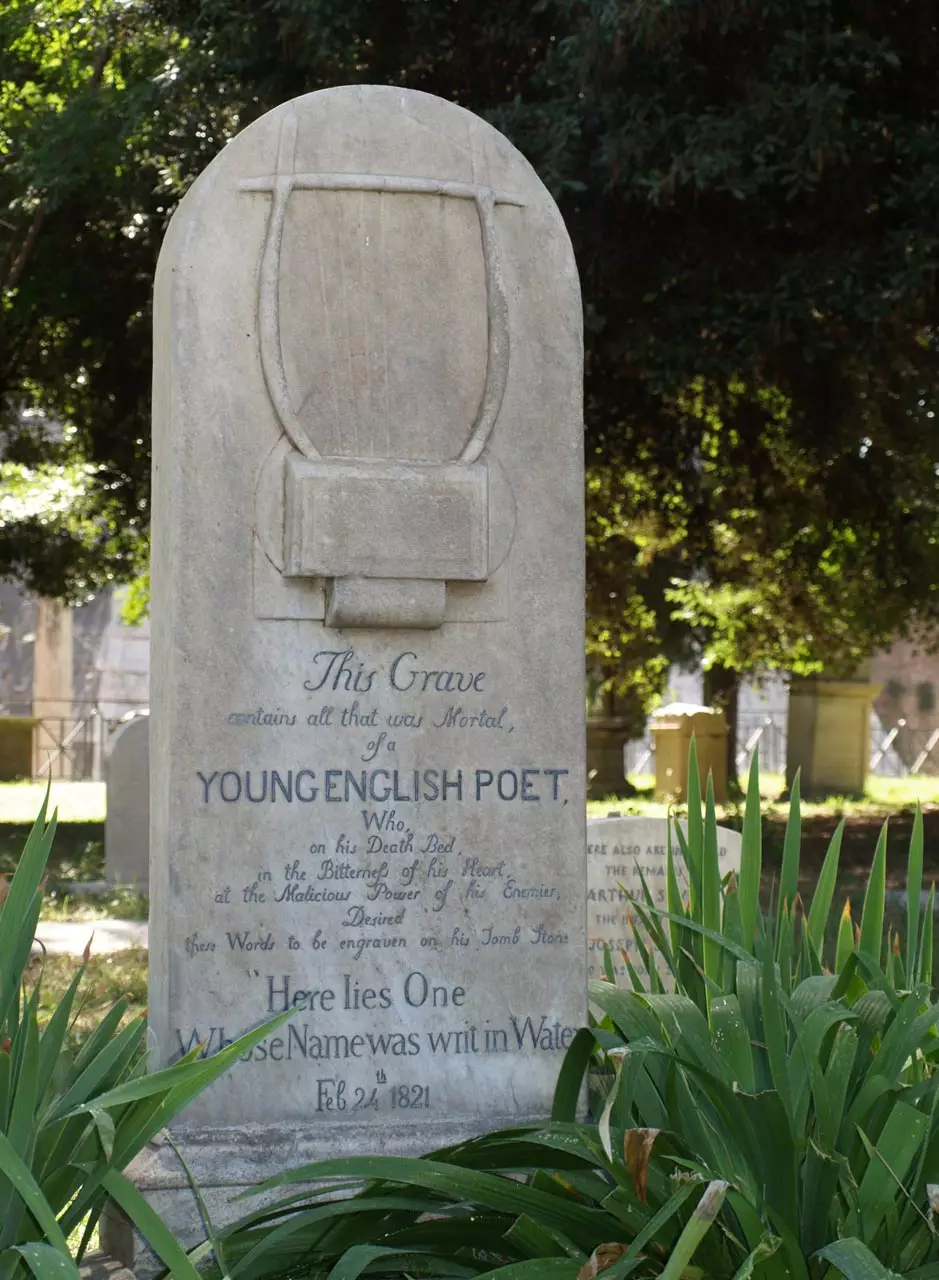
Behind the ancient pyramid of Rome, visitors will find the Protestant Cemetery. The entrance is on Via Caio Cestio, a quiet street that leads to a peaceful garden filled with history and stories from the past.
The cemetery is known for being the final resting place of several famous writers and poets. In 1821, John Keats was buried here, and his grave has become a place of reflection for many lovers of poetry. Just a year later, after drowning, Percy Bysshe Shelley’s ashes were also brought to this cemetery.
Many years later, in 1882, Richard Dana—famous for writing "Two Years before the Mast"—was also laid to rest among the quiet paths and tall cypress trees. In more recent times, the Beat Generation poet Gregory Corso was buried here in 2001, adding another chapter to the cemetery’s rich literary history.
Source - https://en.wikipedia.org/wiki/Protestant_Cemetery,_Rome
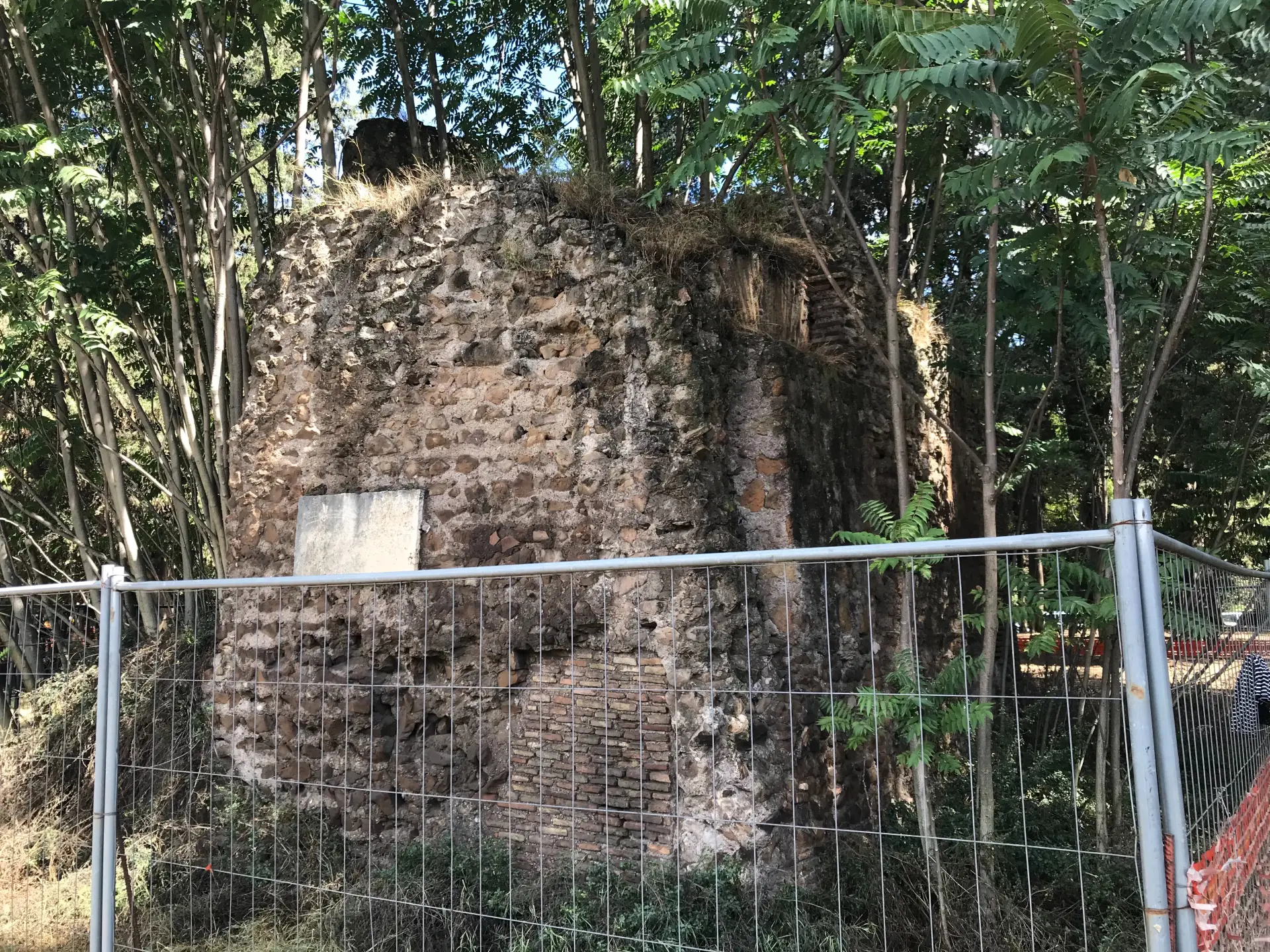
The western end of the ancient Via Appia road connecting Rome to Brindisi in the heel of Italy, and as such the third world heritage site in Rome together with the Old Center and the Vatican. As such it's an important historical location, even if the remains of the gate aren't as impressive as the city's major sites. As Via Appia heads southeast out of Rome, and after a few kilometers the route is officially named Via Appia Antica and starts looking more historical: it gets narrow as a city street, the asphalt is replaced by a rock surface and the road is lined with parks and park-like areas and walled old buildings. This section has been described as the world's longest museum.
The Collegio Romano was a college of the Jesuit order. Many popes, cardinals and bishops were educated here. Since 1870 it has been a secular (non-monastic) school. The coat of arms on the doorway is that of Pope Gregory XIII (1572–1585). The tower was erected in 1787 and served as an observatory. Until 1925 all clocks in Rome were set after that of the Collegio Romano.
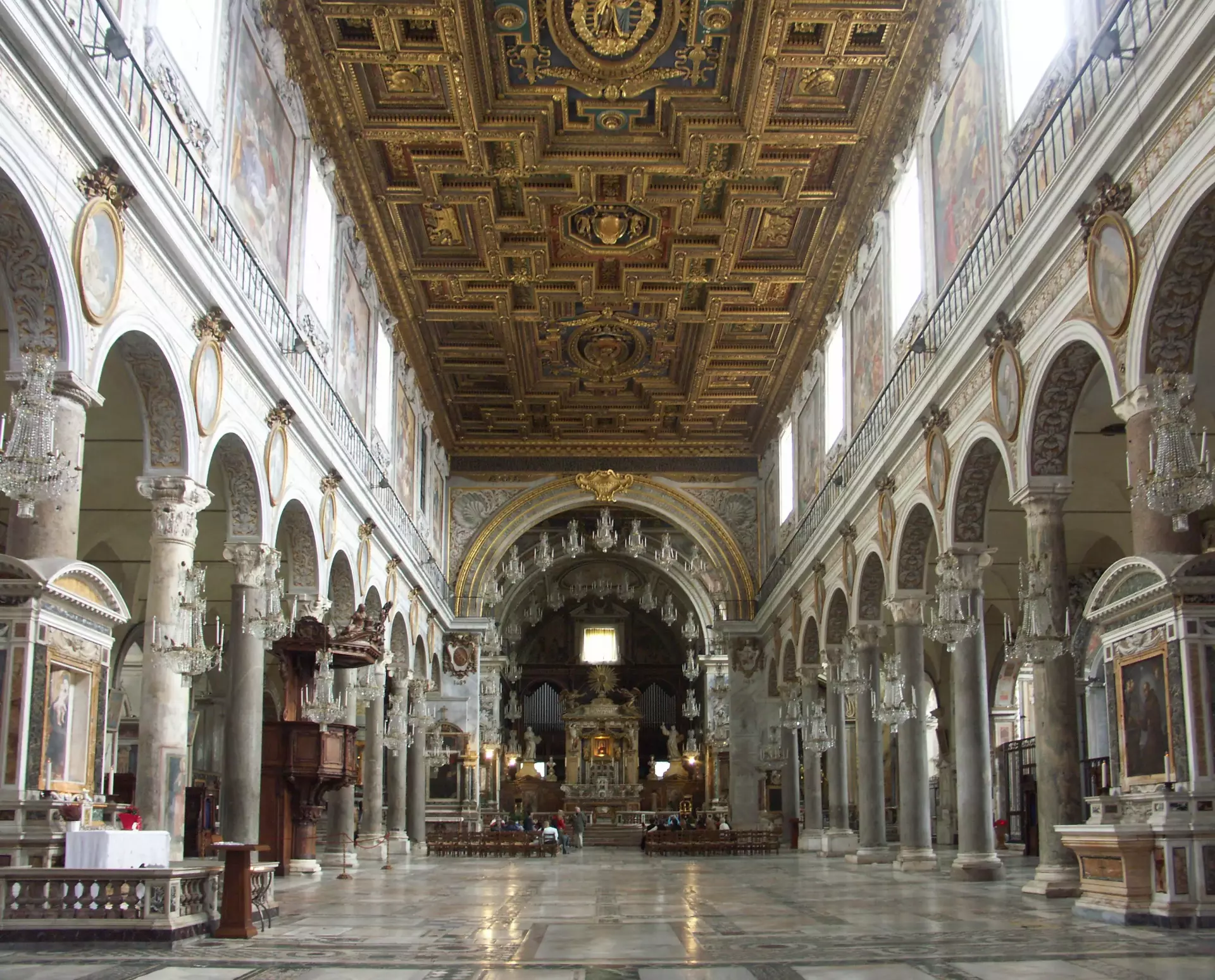
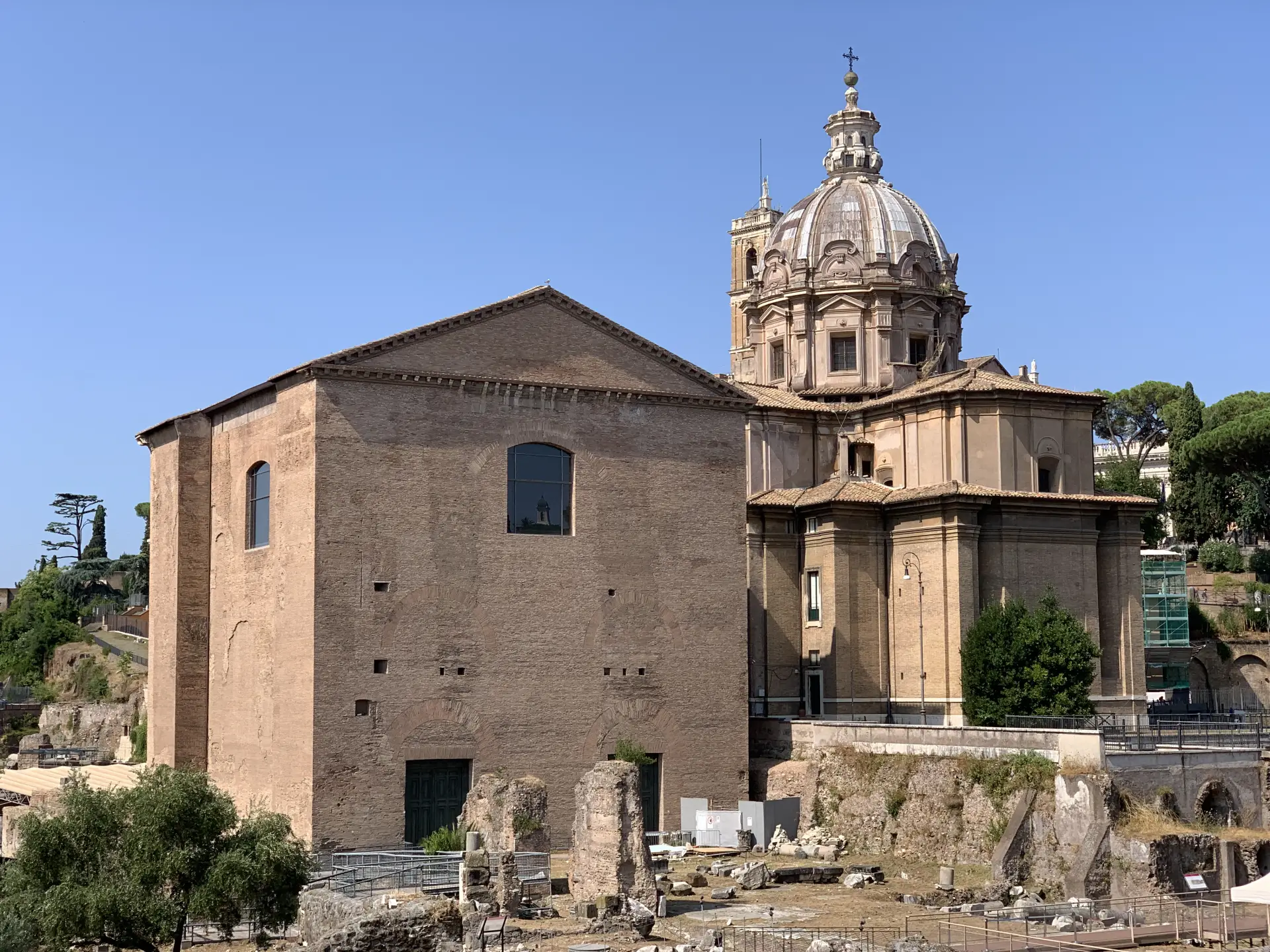
Ballroom-like church which crowns part of the Capitoline Hill. Don't be fooled by the plain stone exterior.
housed in the baroque palace Corsini where Christina, Queen of Sweden settled down in the last years of her life
Parco Savello is the name of the grounds and orange grove next to the Santa Sabina church at the top of the Aventino and also where you have one of the best views of the city. Families gather here to sit under the dozens of orange trees. The "Giardino degli Aranci" is also a well known spot for lovers at night. The best views are arguably from Janiculum hill, just across the Tevere (Tiber) river. Immediately below you, the Tiber snakes its way through the city, and directly beyond it you can see the lively medieval quarter of Trastevere. Beyond that is the majestic dome of St. Peter's Basilica, with the historic centre of Rome visible to the right.
It was constructed to hold relics of the Passion of Jesus. They include two thorns of his crown, part of a nail and three small wooden pieces of the Cross. The authenticity of these relics is much disputed, however.
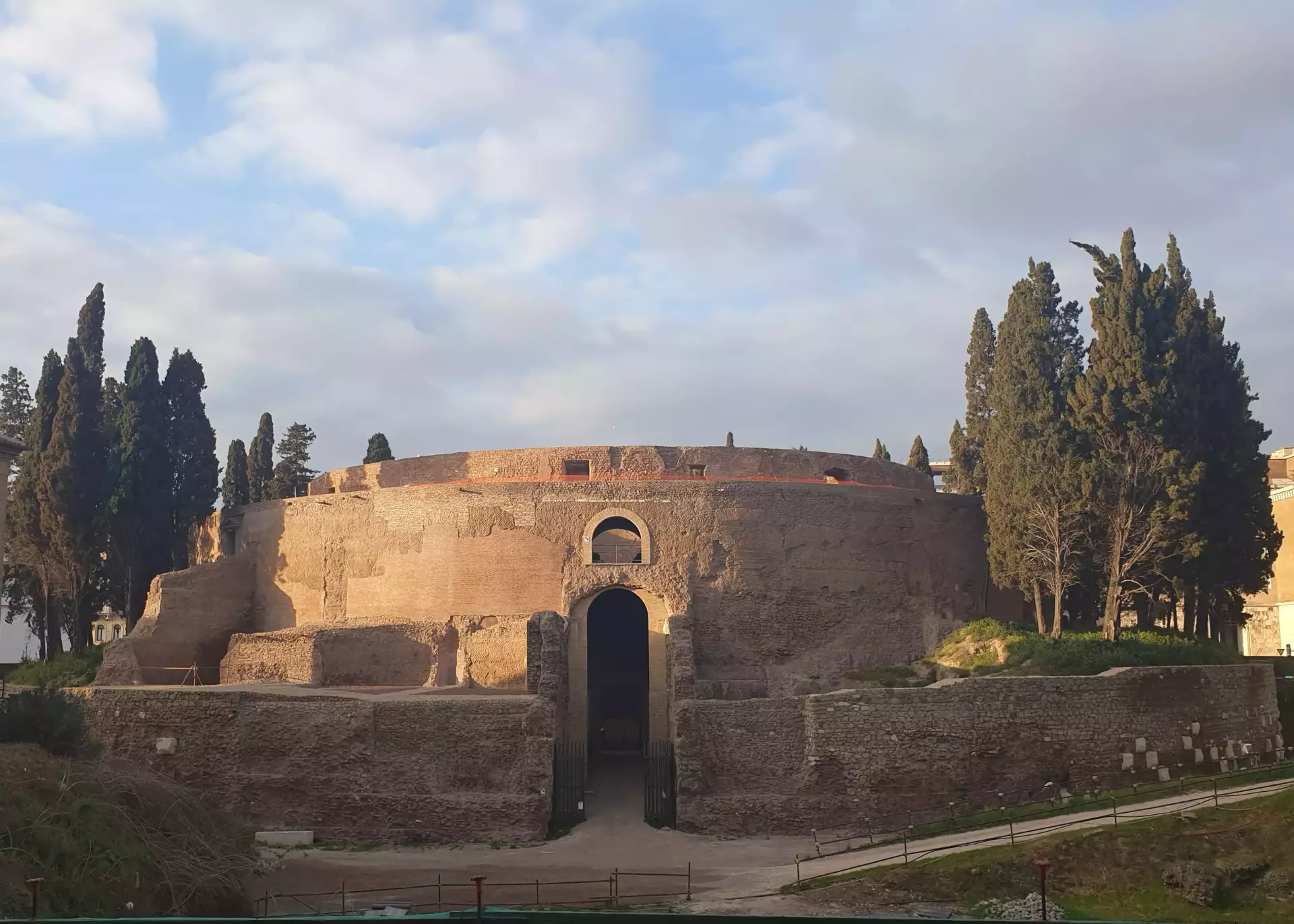
A tomb for the wealthy Gaius Cestius, who died in 12 BC. Admission to the monument only by guided tours on specific dates (2nd and 4th Saturday every month, and in combination with a ticket to the Museum of Via Ostiense also on the 1st and 3rd Saturday of every month).
Underground burial place of an ancient Roman family and of seven early popes.
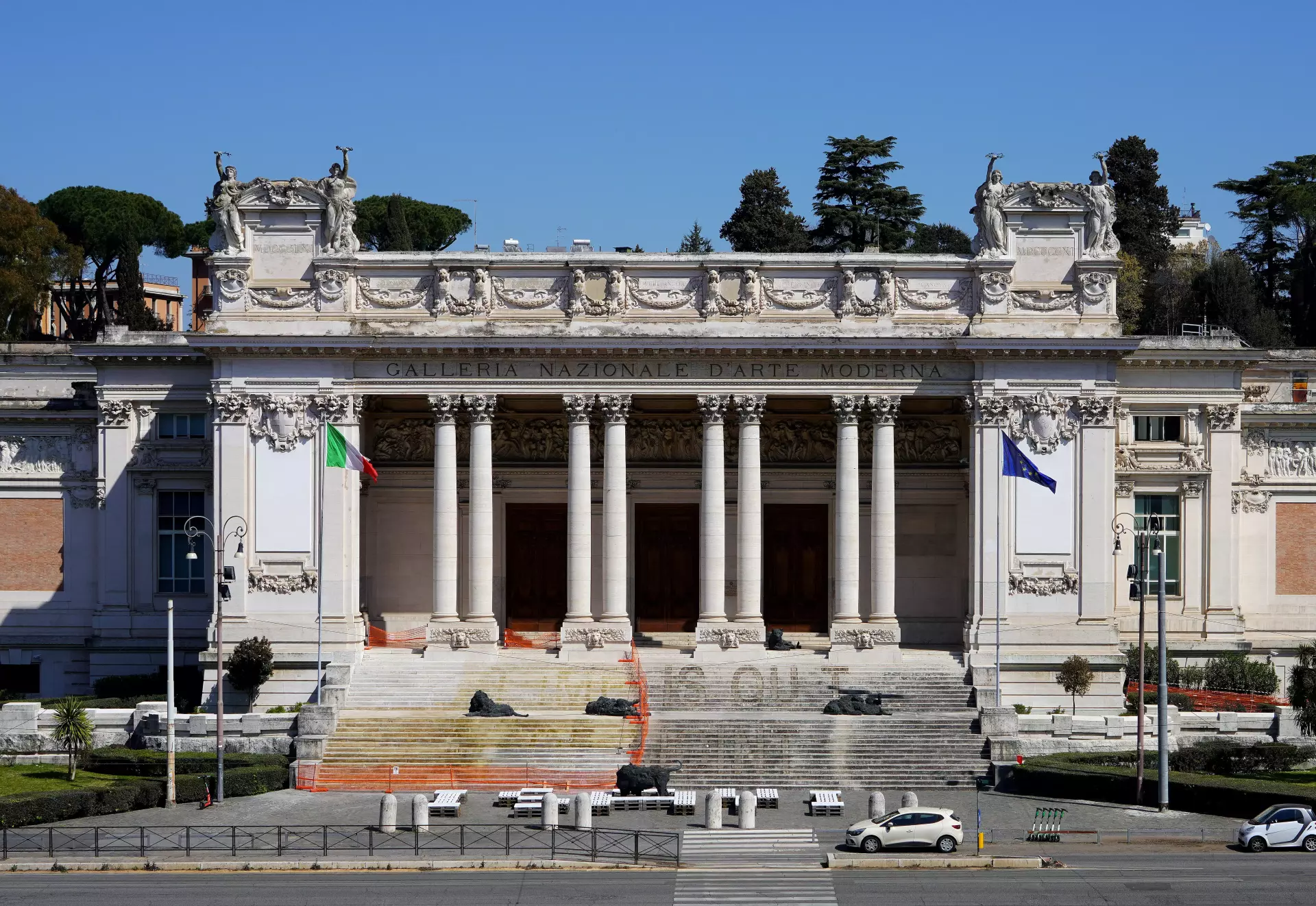
An underrated way to see fantastic art made after the Renaissance. Mainly Italian artists, notably De Chirico, but Cézanne, Degas, Kandinsky, Man Ray, Modigliani, Monet, Pollock and Van Gogh are also represented.
Early Roman houses dating back to the 1st century, believed to be homes of early Christians. Well-preserved frescoes and a small museum.
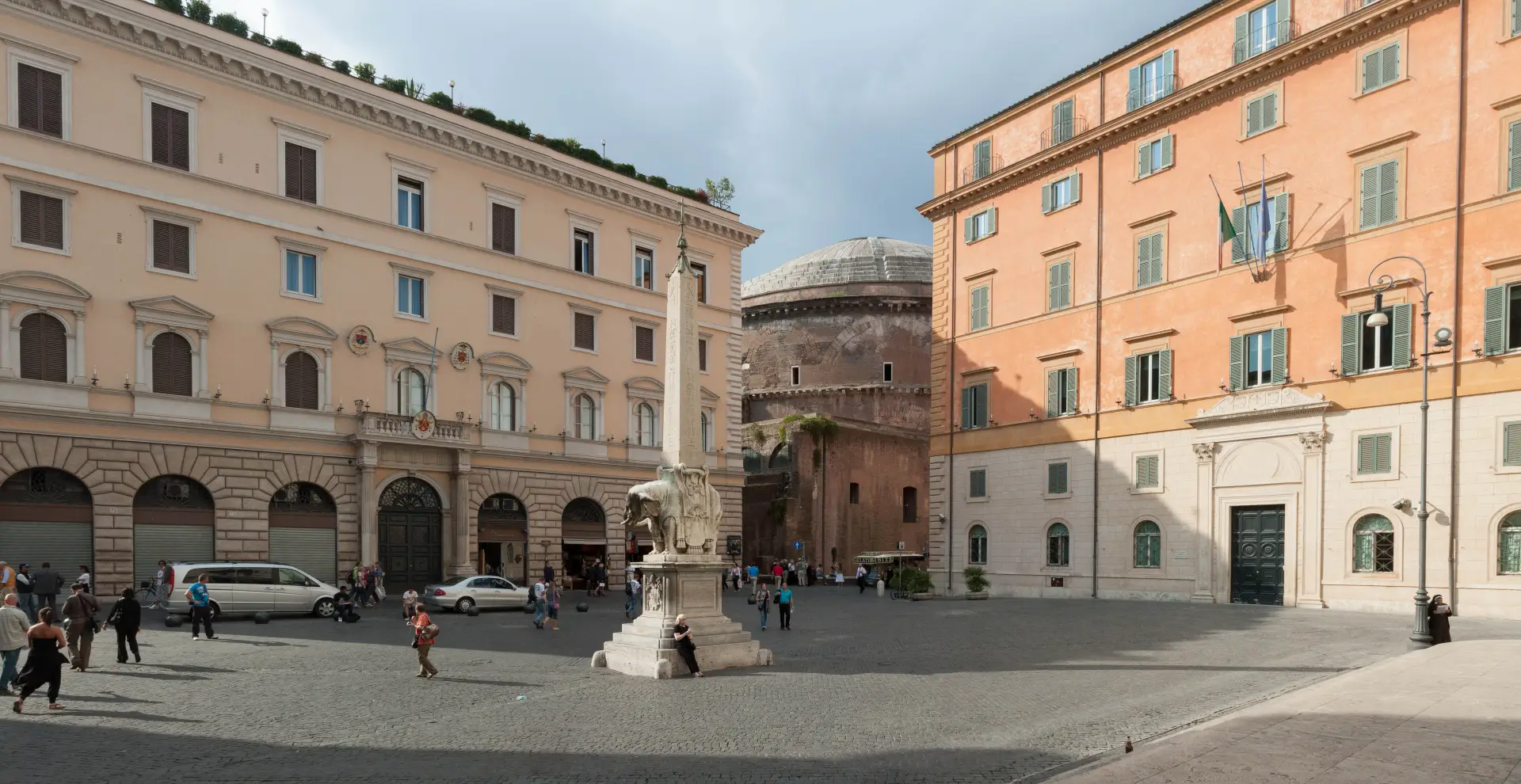
A 19th-century addition to the square, made to balance the Fontana del Moro.
This is a treasure-trove of art. There are a couple of paintings by Caravaggio: "The Crucifixion of Saint Peter" and "The Conversion of Saint Paul" (in a dim alcove to the left of the altar, both at right angles to the viewer, with a machine wanting €2 to switch on the lighting) together with a sculpture by Bernini, frescoes by Pinturicchio and mosaics by Raphael. Part of the Dan Brown tour, this church featured in Angels and Demons, although the Vatican did not allow filming inside.