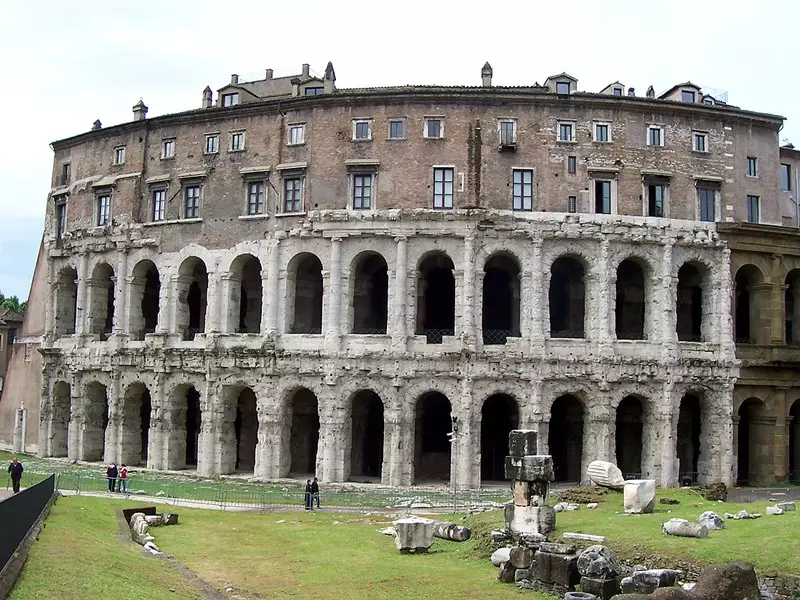
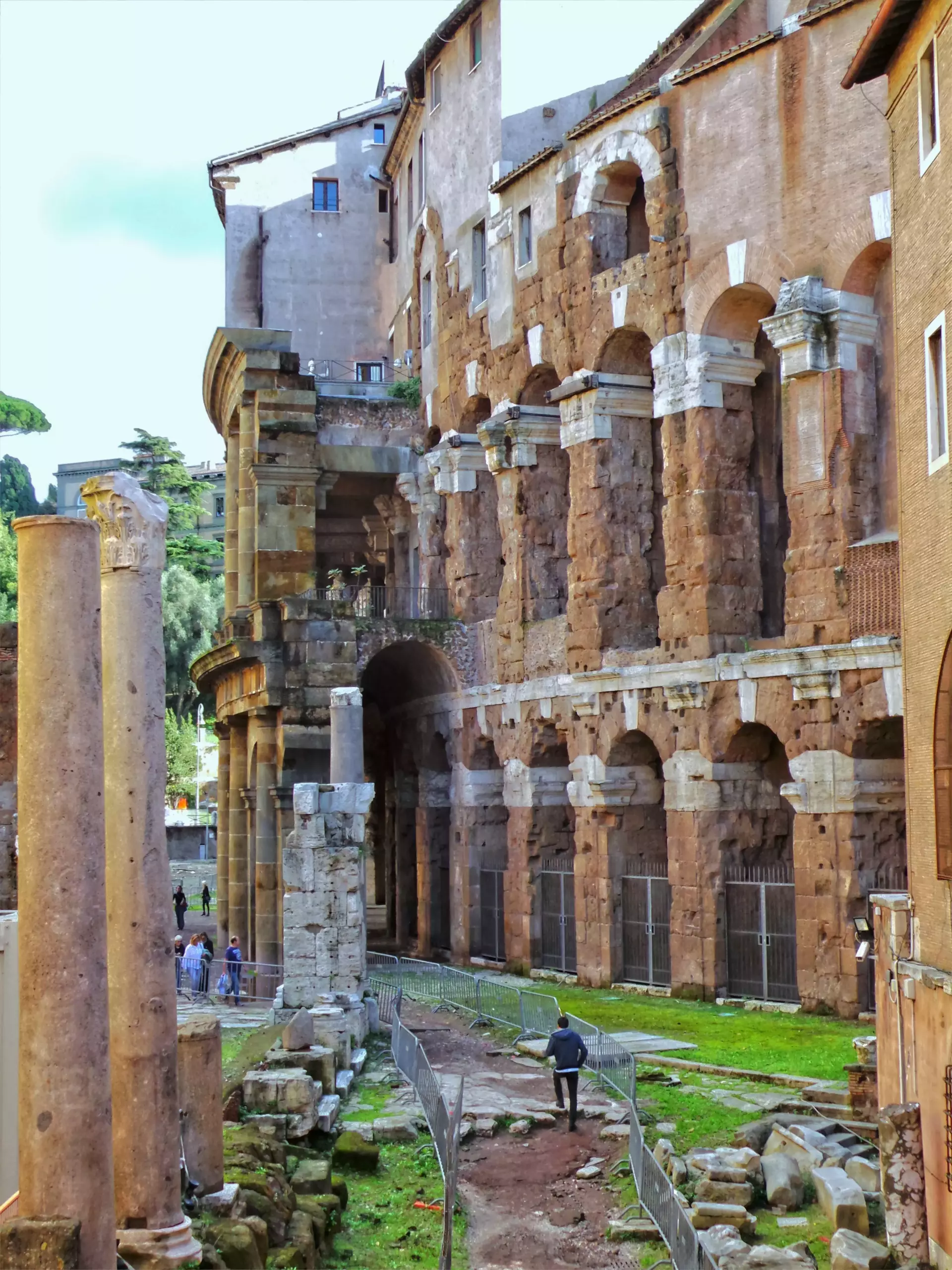
From a distance, it looks like a miniature Colosseum, its grand ancient arches rising majestically from the street. But as you draw closer, something remarkable comes into view—the very top of this ancient Roman theater is crowned with apartments where people actually live today.
The Theatre of Marcellus dates back to the closing years of the Roman Republic, completed in 13 BC under Emperor Augustus. Originally, it was one of the city’s largest open-air theaters, hosting thousands of spectators for plays and performances beneath the Mediterranean sky.
Over the centuries, as empires rose and fell, the theater’s massive stone structure found new life. By the Middle Ages, it had become the foundation for fortress-like residences, and later, elegant Renaissance apartments were built right atop the ancient ruins. Today, those homes still perch above the centuries-old arches—Rome’s history quite literally supporting modern life.
Seeing locals come and go from their homes above the ancient theater is a surreal reminder of Rome’s unique charm. Few places in the world blend antiquity and the everyday so seamlessly. The Theatre of Marcellus isn’t just a relic to be admired from afar—it’s a living, breathing part of the city, where Roman stones and Renaissance palazzi form a single, striking silhouette against the sky.
If you’re visiting Rome, make time to stroll by this incredible site, soak in its unusual beauty, and imagine the stories echoing within its walls—from ancient performances to modern lives unfolding overhead. In the Eternal City, history is never just in the past—it’s right above your head.
Source - https://en.wikipedia.org/wiki/Theatre_of_Marcellus
Built after 1631, the crypt of the church contains a macabre display - a series of chapels decorated with the bones of 3700 dead friars. The bones are glued to the walls and ceilings in bizarre and striking decorations.
Permanent collection features paintings and drawings of Rome between the 18th and 20th centuries together with a fascinating black and white photo exhibition of Rome from 1950-80. Also offers rotating exhibitions, usually of the work of photographers.
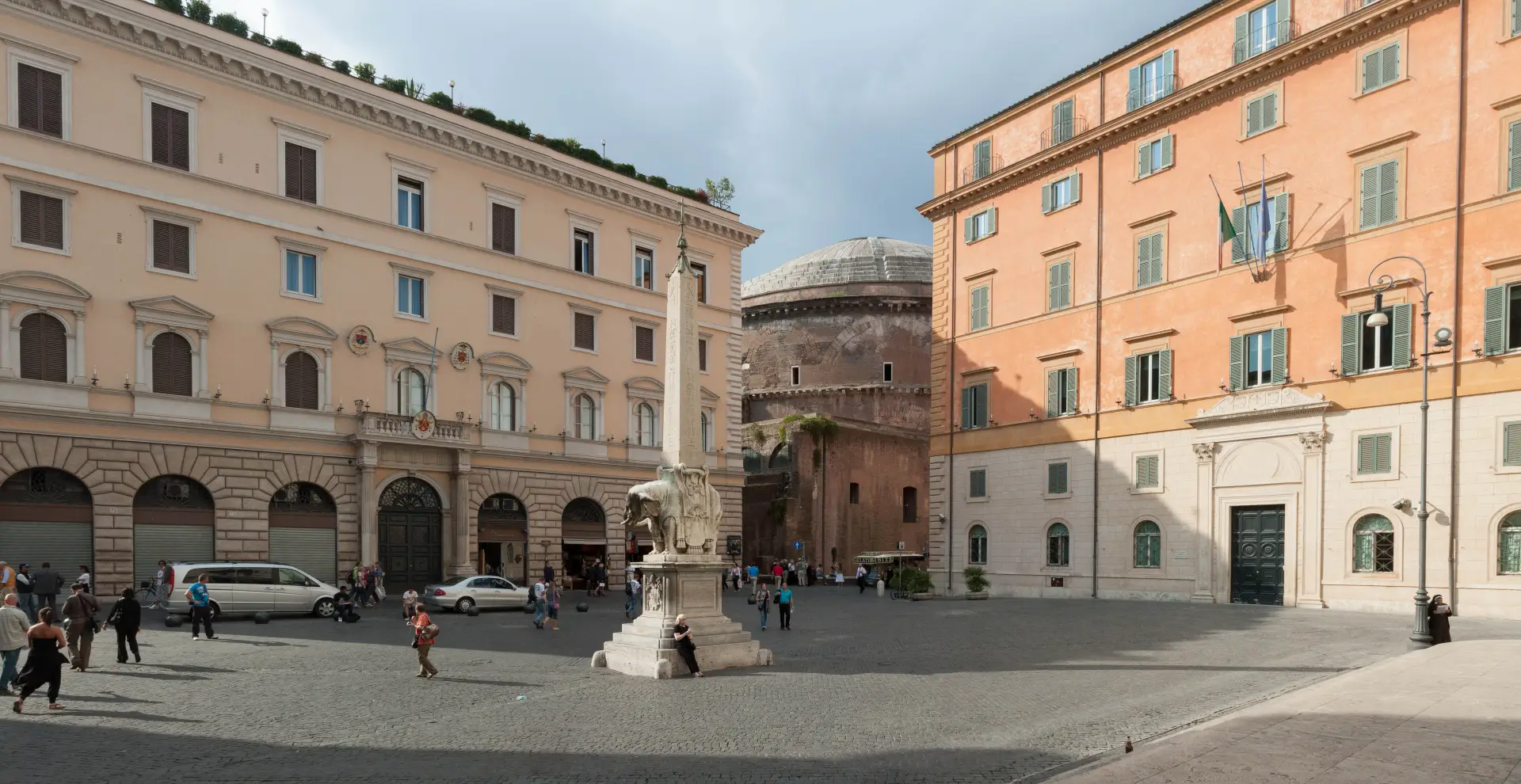
housed in the baroque palace Corsini where Christina, Queen of Sweden settled down in the last years of her life
A relaxing place to sit and recover from the exertions of sightseeing. Permanent collection plus annual competition.
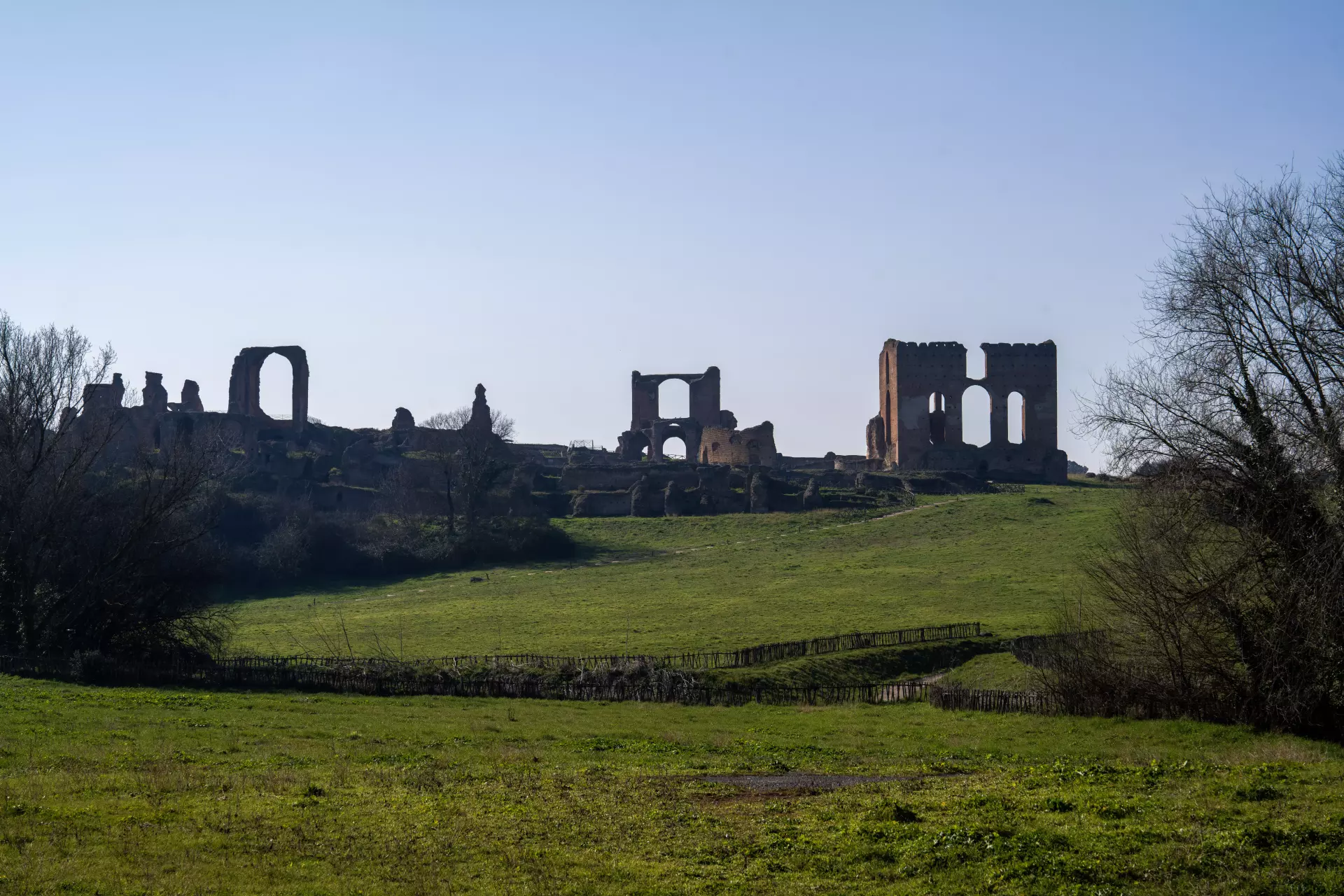
Contains the ruins of several large villas that belonged to wealthy Roman families. You can buy a combined ticket for the Palatine Hill, the Roman Forum and the Colosseum here, avoiding the long lines at the Colosseum. While the Imperial and Roman Fora are probably more spectacular, overall, there are amazing sights on the Palatine Hill, so unless you are terribly short on time or find it too challenging to climb the hill, allow an hour or more for these sights, too.
Inaugurated in 217 AD and used until the 6th Century. The baths were big enough for 1600 bathers at a time. Impressive and well-preserved. Used for operas in summer months (see Opera di Roma for details) and was the location for the famous "three tenors" concert in July 1990, at the time of the World Cup (soccer).
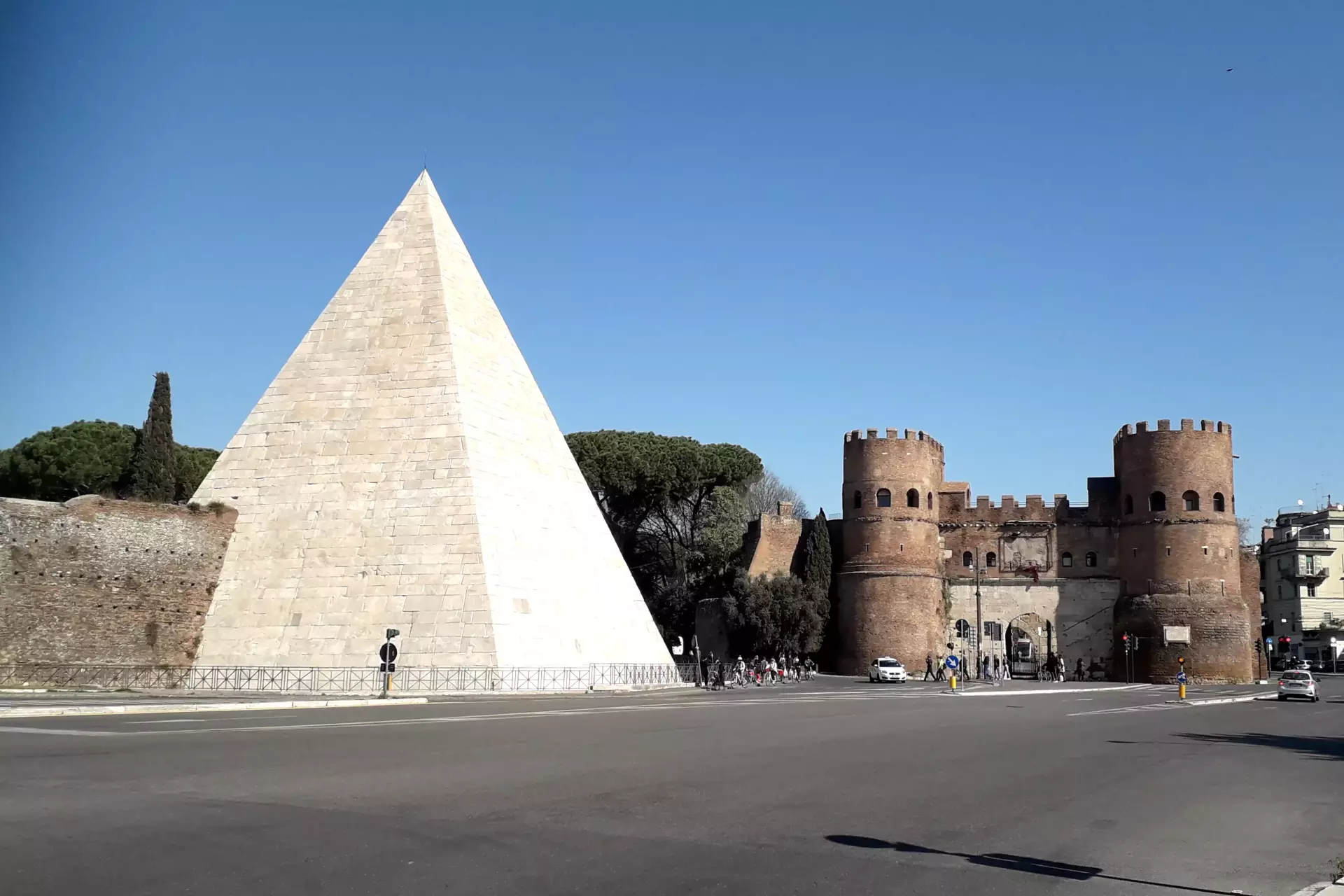
A tomb for the wealthy Gaius Cestius, who died in 12 BC. Admission to the monument only by guided tours on specific dates (2nd and 4th Saturday every month, and in combination with a ticket to the Museum of Via Ostiense also on the 1st and 3rd Saturday of every month).
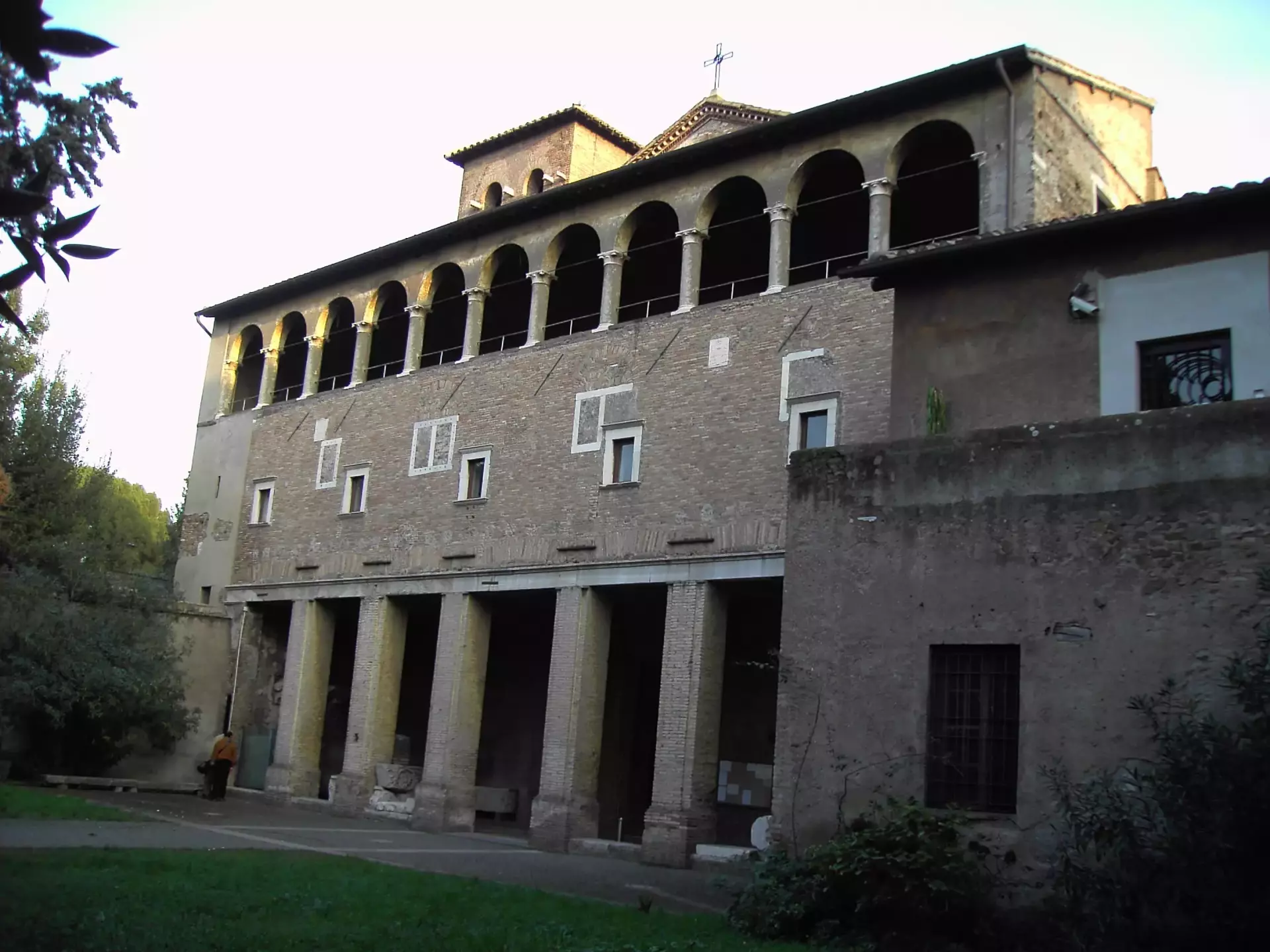
A very ancient church named after a saint who was in 1969 removed from the Roman Catholic calendar of saints for the lack of details of her life. But the church retains the name and is well worth visiting for an excellent 4th-century mosaic and attractive decorations on the facade. Visiting hours are short, but if you arrive close to 11:30, try talking to the attendant if you see him, and he might let you visit for a few minutes. The church is small, so 15 minutes should be long enough to see and absorb everything.
This small museum records the liberation of Rome from German occupation during the Second World War. During the occupation the building was used as a prison. Stair lifts and chair lifts available for wheelchair users (call ahead).
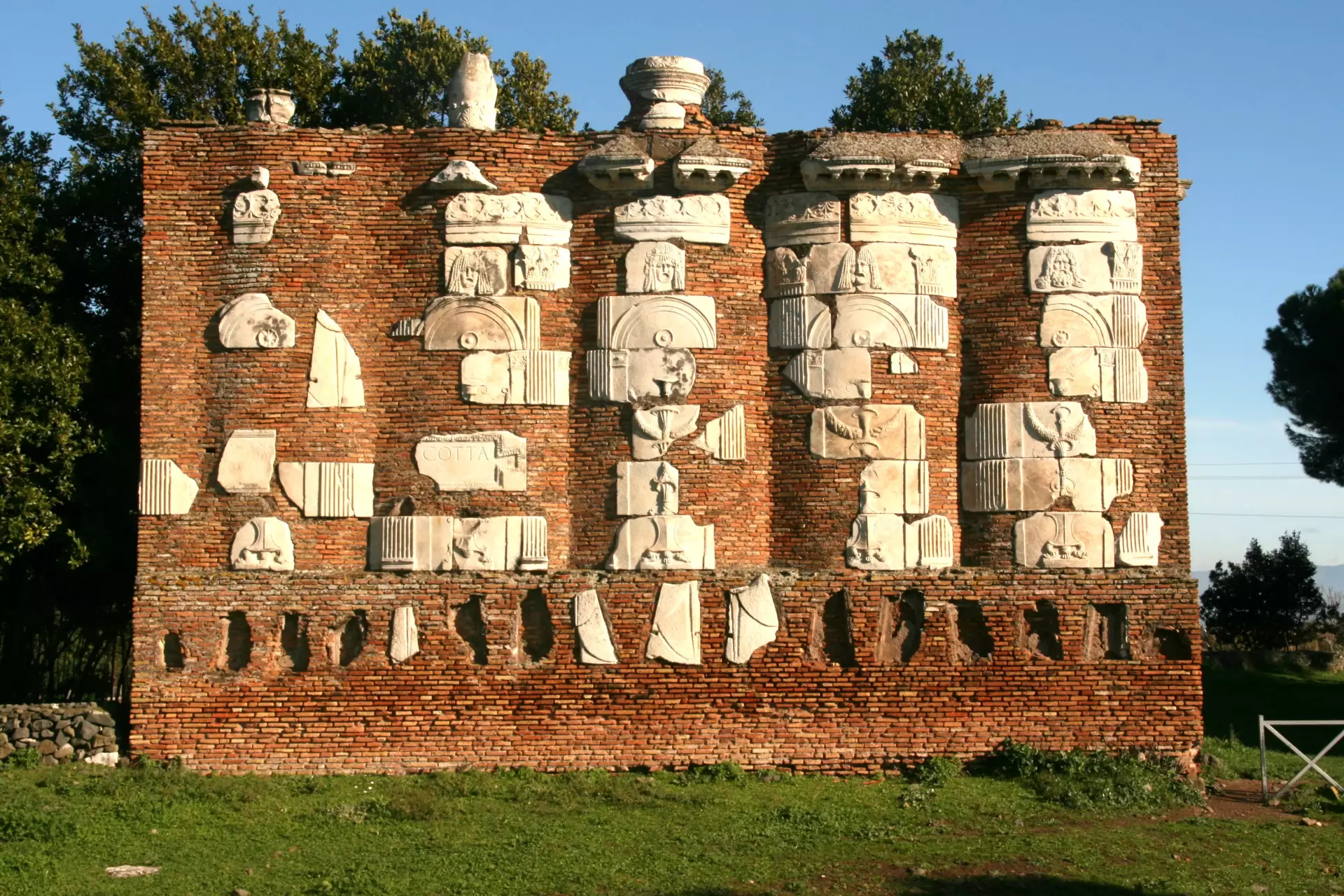
Casal Rotondo is the biggest mausoleum on the Appian Way, at about the sixth mile. It now incorporates a small private villa, originally a farmhouse. It is not known for whom it was built. The wall of fragments next to it, constructed by Luigi Canina, has ruins referring to the Cotta family but this family is now believed to not be associated with the Casal Rotondo.
It was immortalised in 1960 by the Federico Fellini film La Dolce Vita. It is also the location of the US Embassy, in the massive Palazzo Margherita. Via Veneto went into a period of decline in the 1980s but has returned to popularity and the roadside cafes are the place to be seen if you are into that sort of thing.
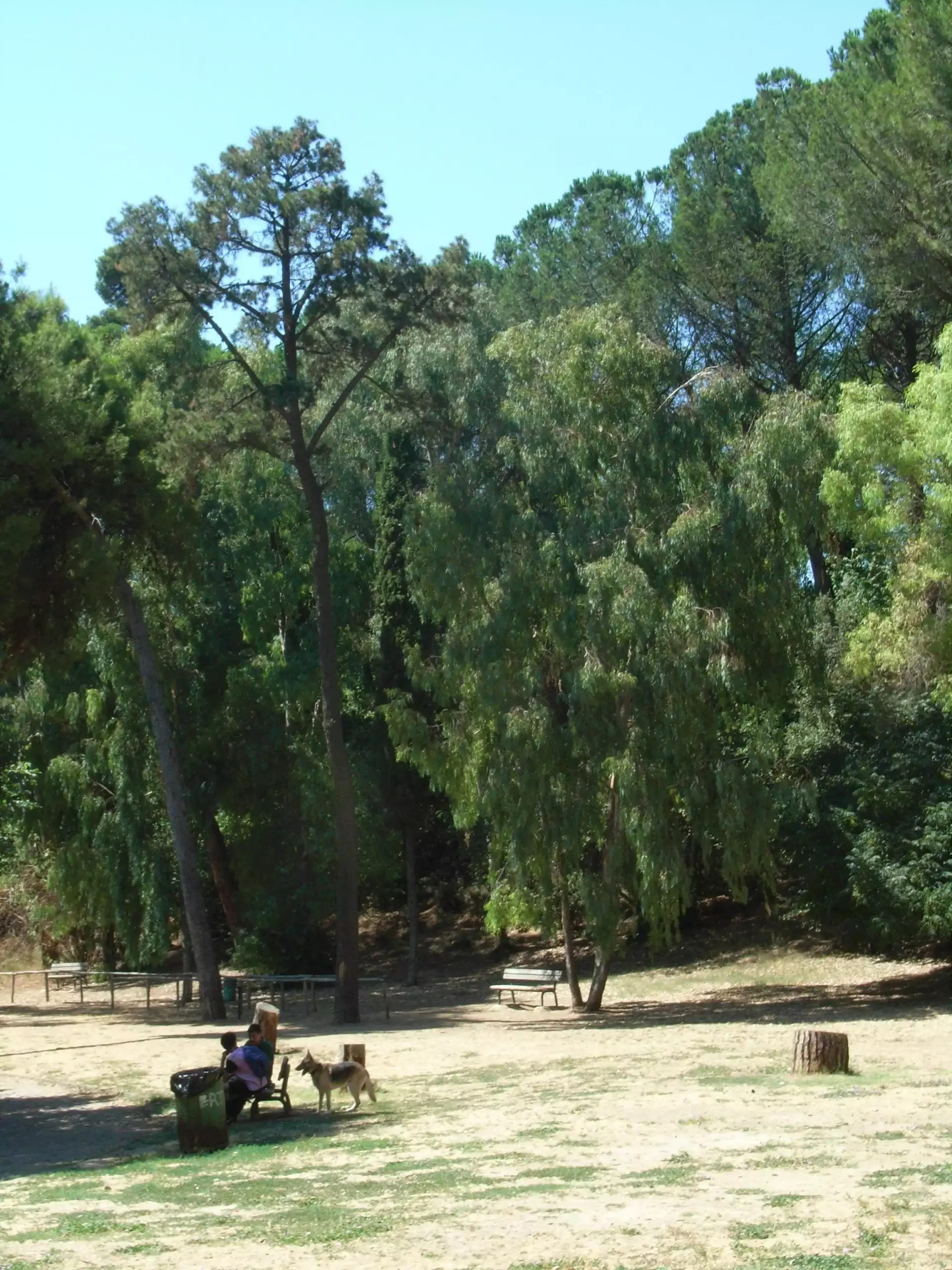
Caffarella Park covers an area of 339 ha and is part of the larger Appia Antica park. It contains both a working farm and numerous Roman ruins, some quite well preserved and is a great place for a stroll or cycle away from Rome’s traffic.
More of an enormous traffic circle than a piazza, but a good central location. The centerpiece is the enormous Vittorio Emanuele Monument (aka the Wedding Cake or the Typewriter) with the Capitoline hill next door. Mussolini used to harangue Romans from the first floor balcony of Palazzo Venezia (see under Museums), to the west of the square.