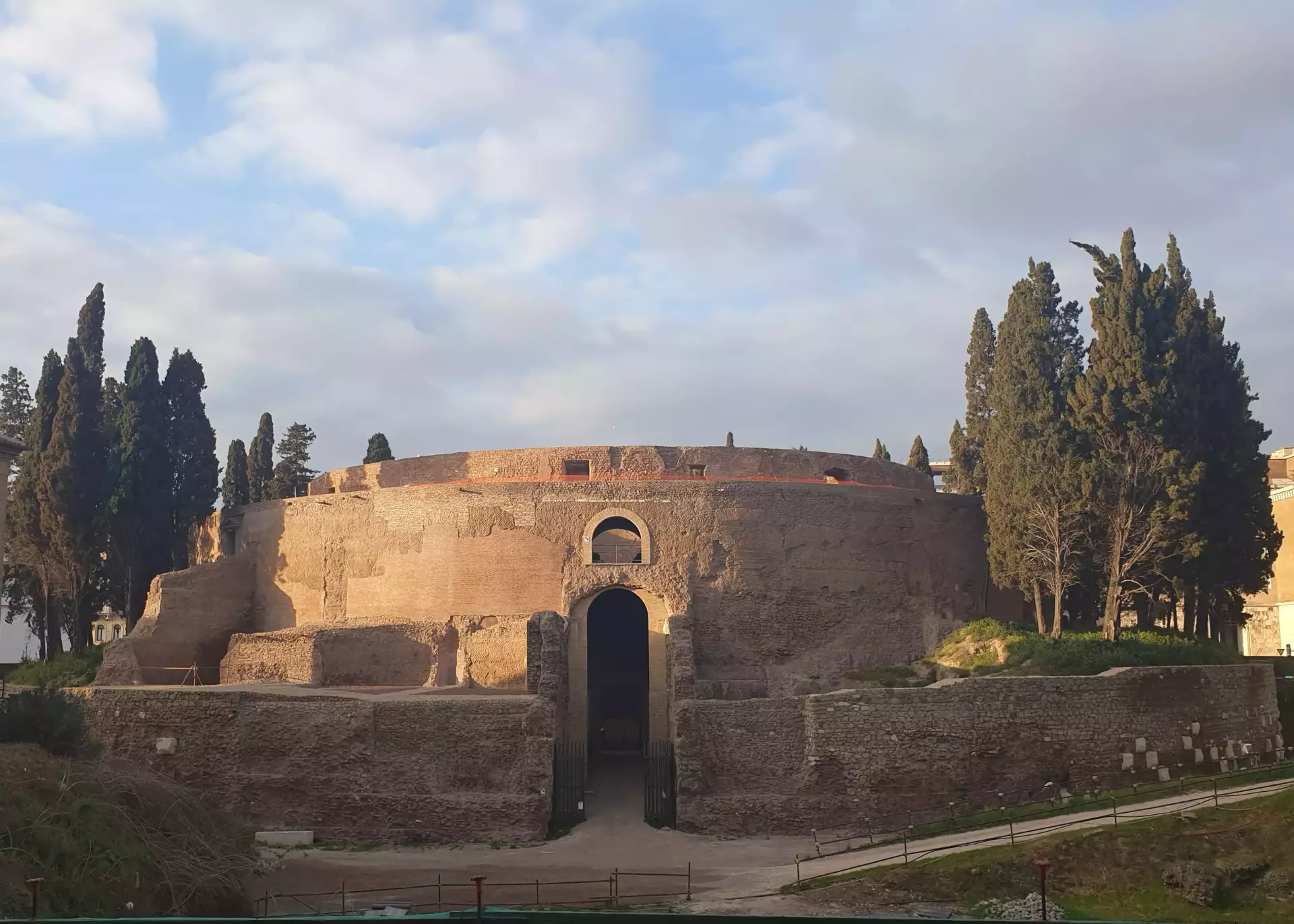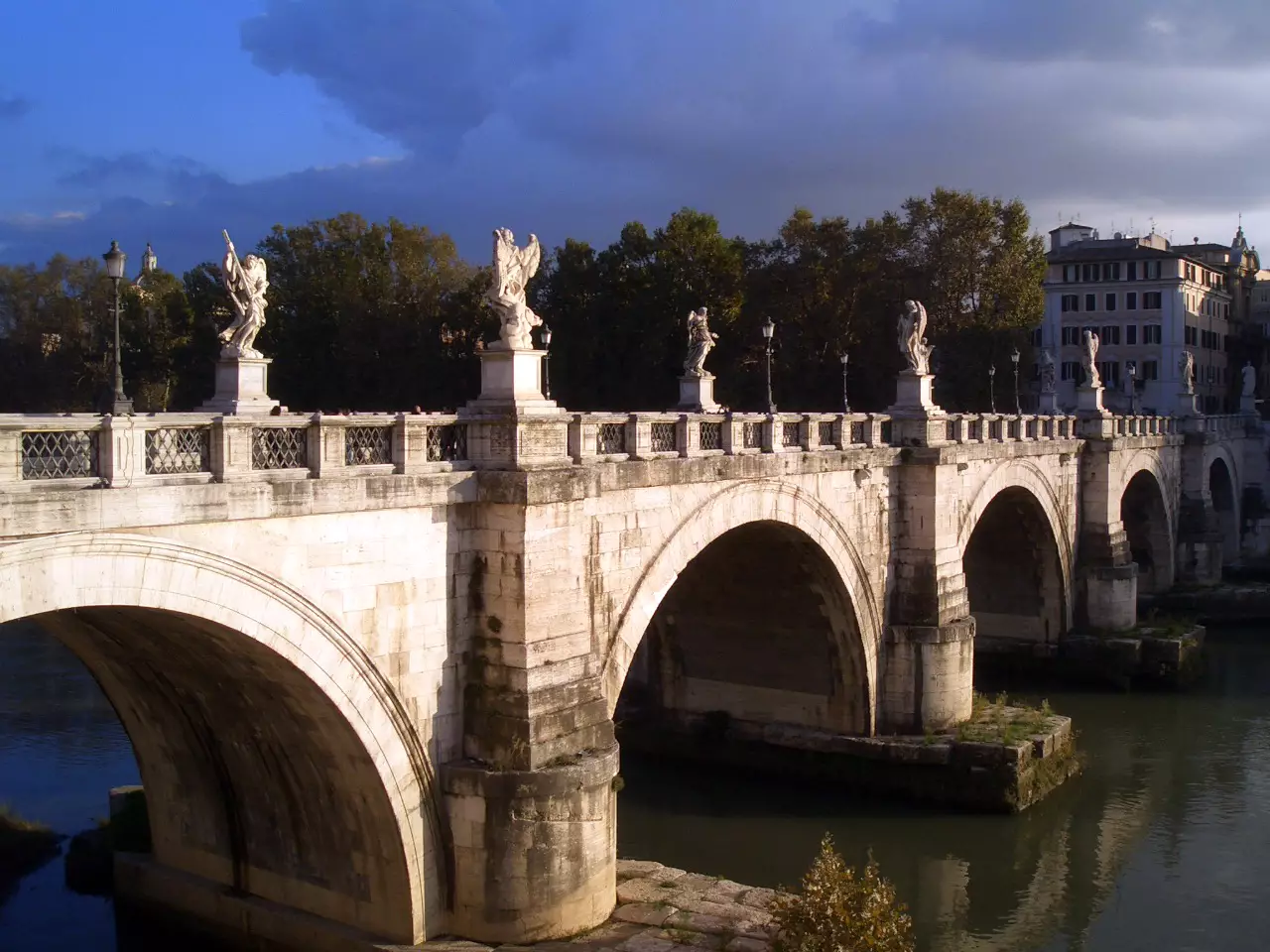
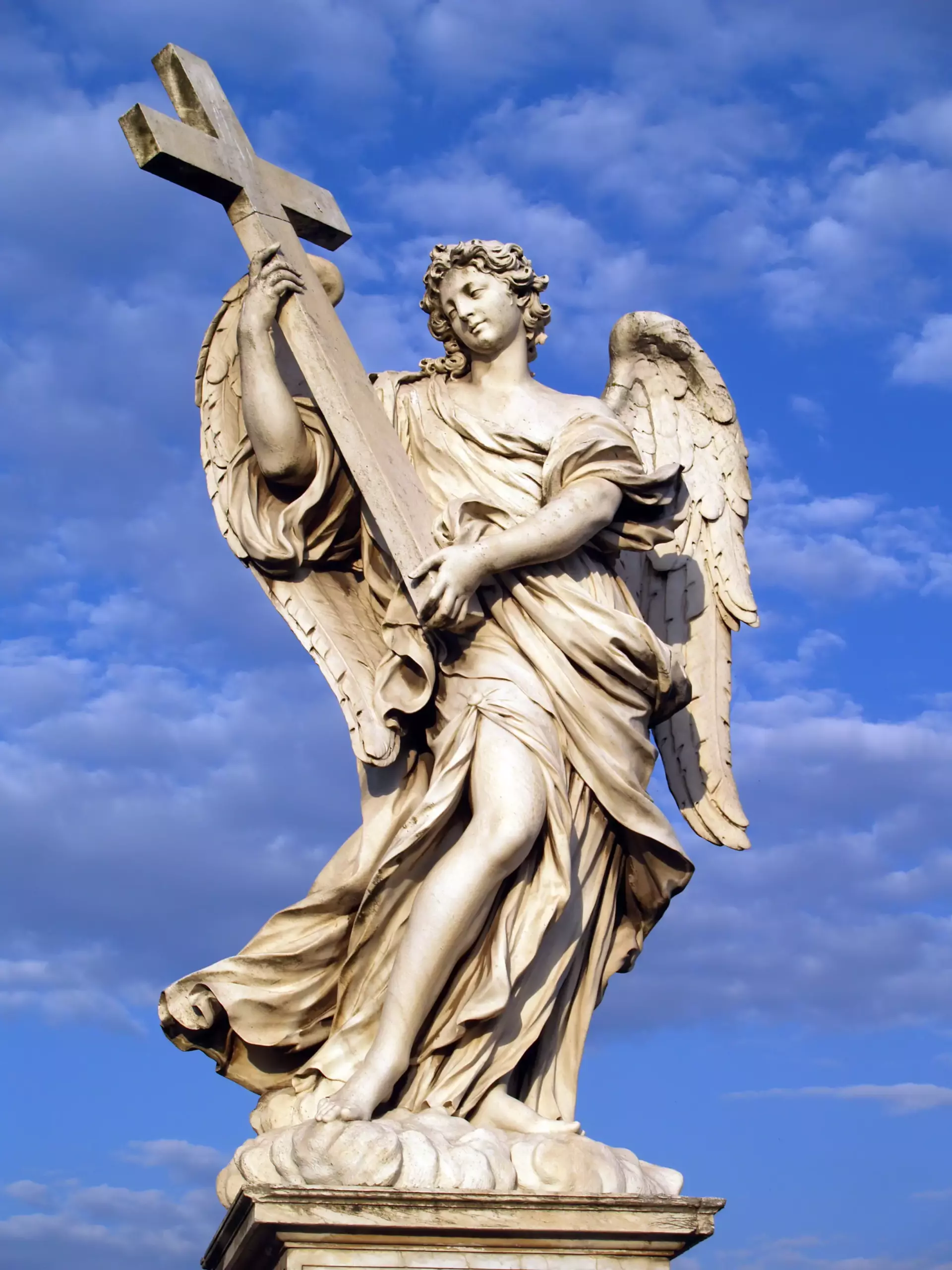
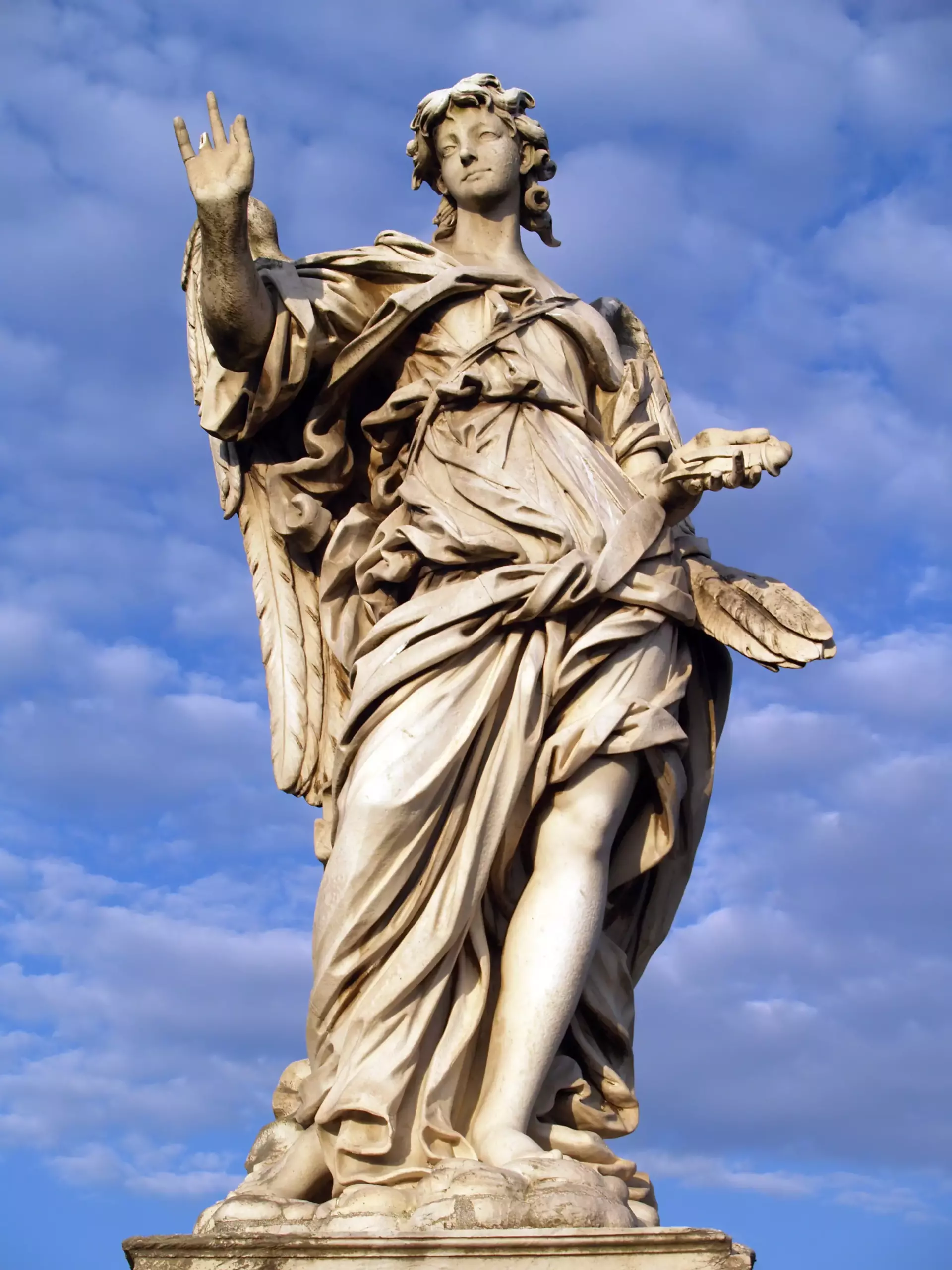
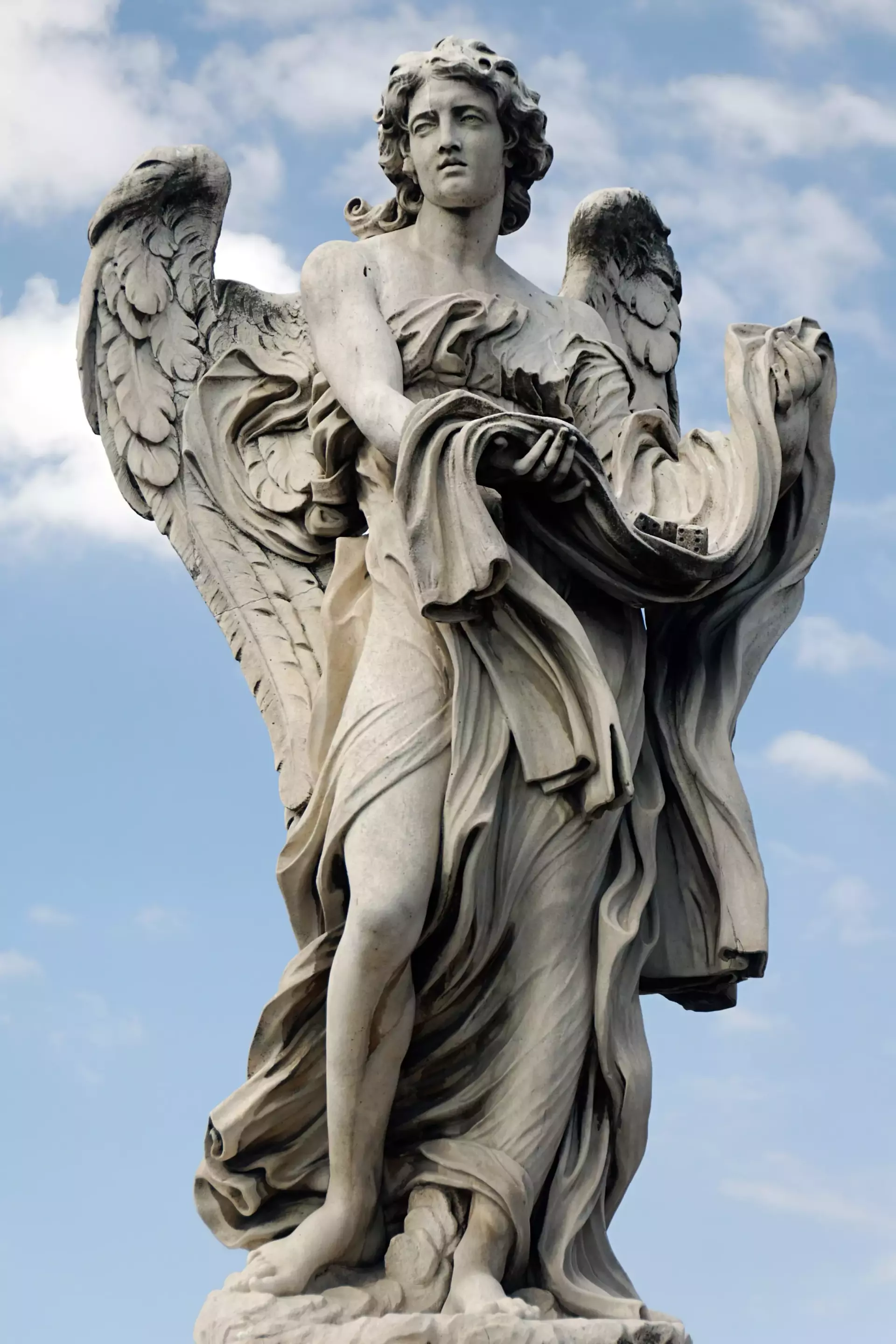
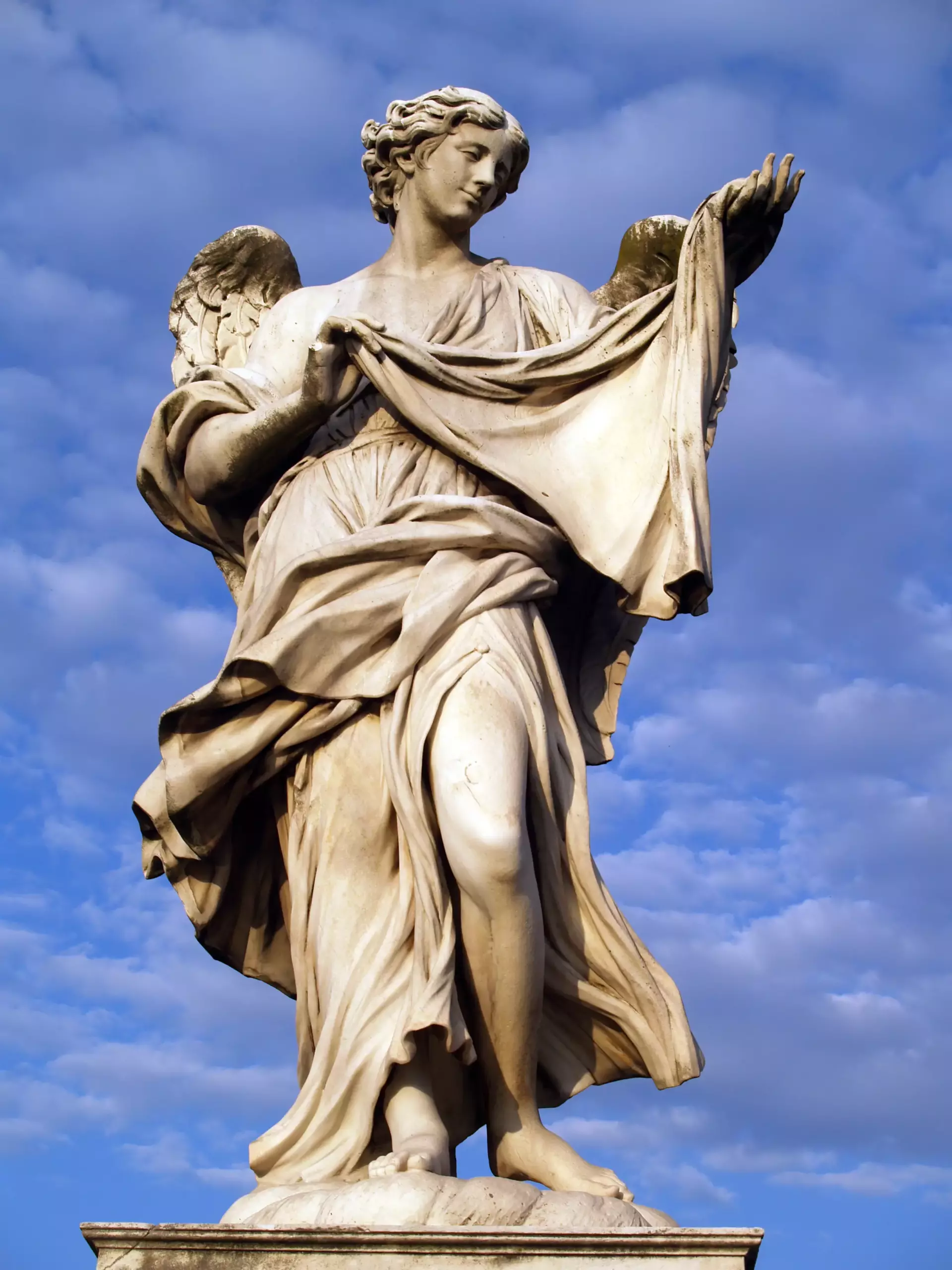
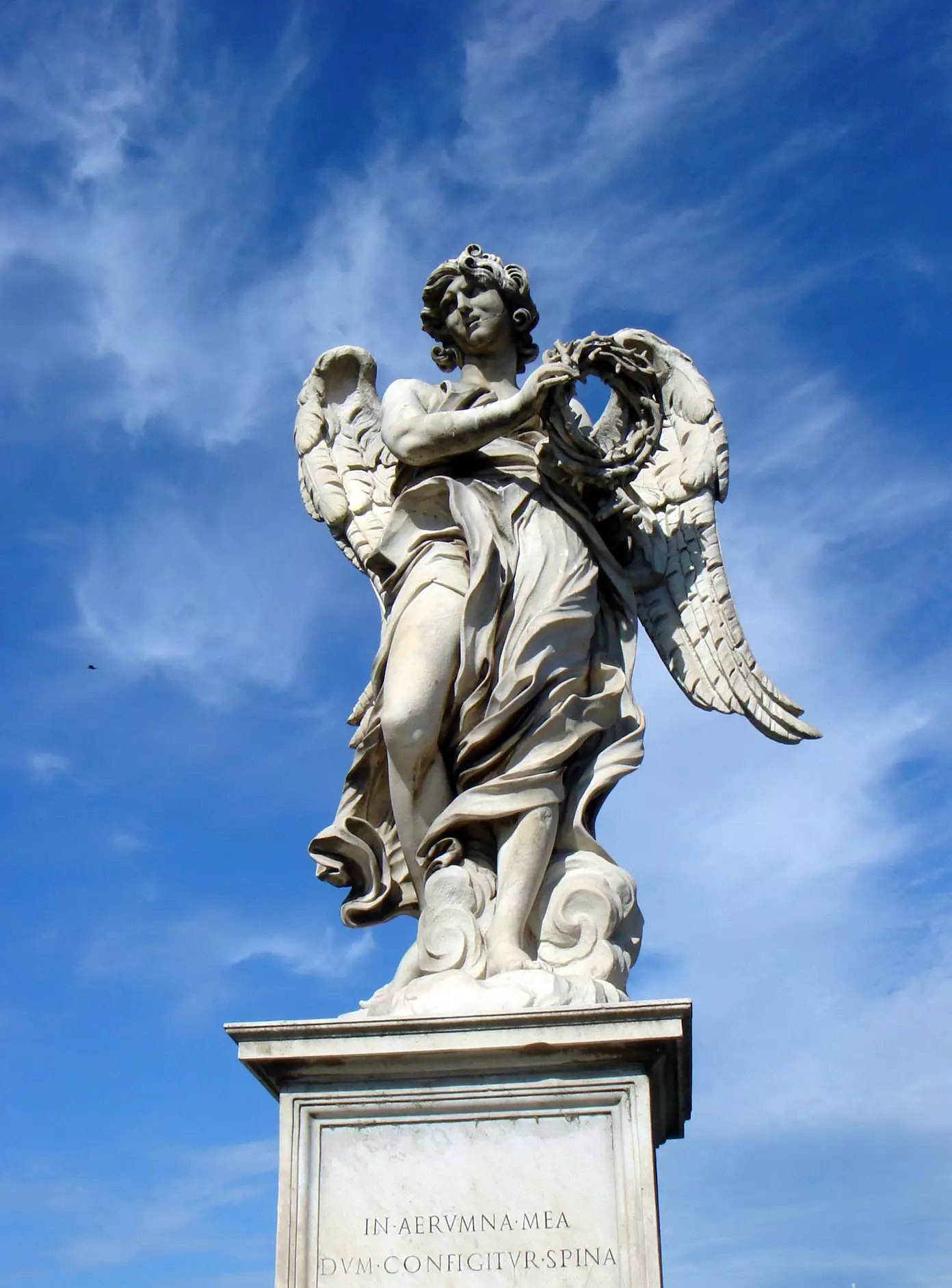
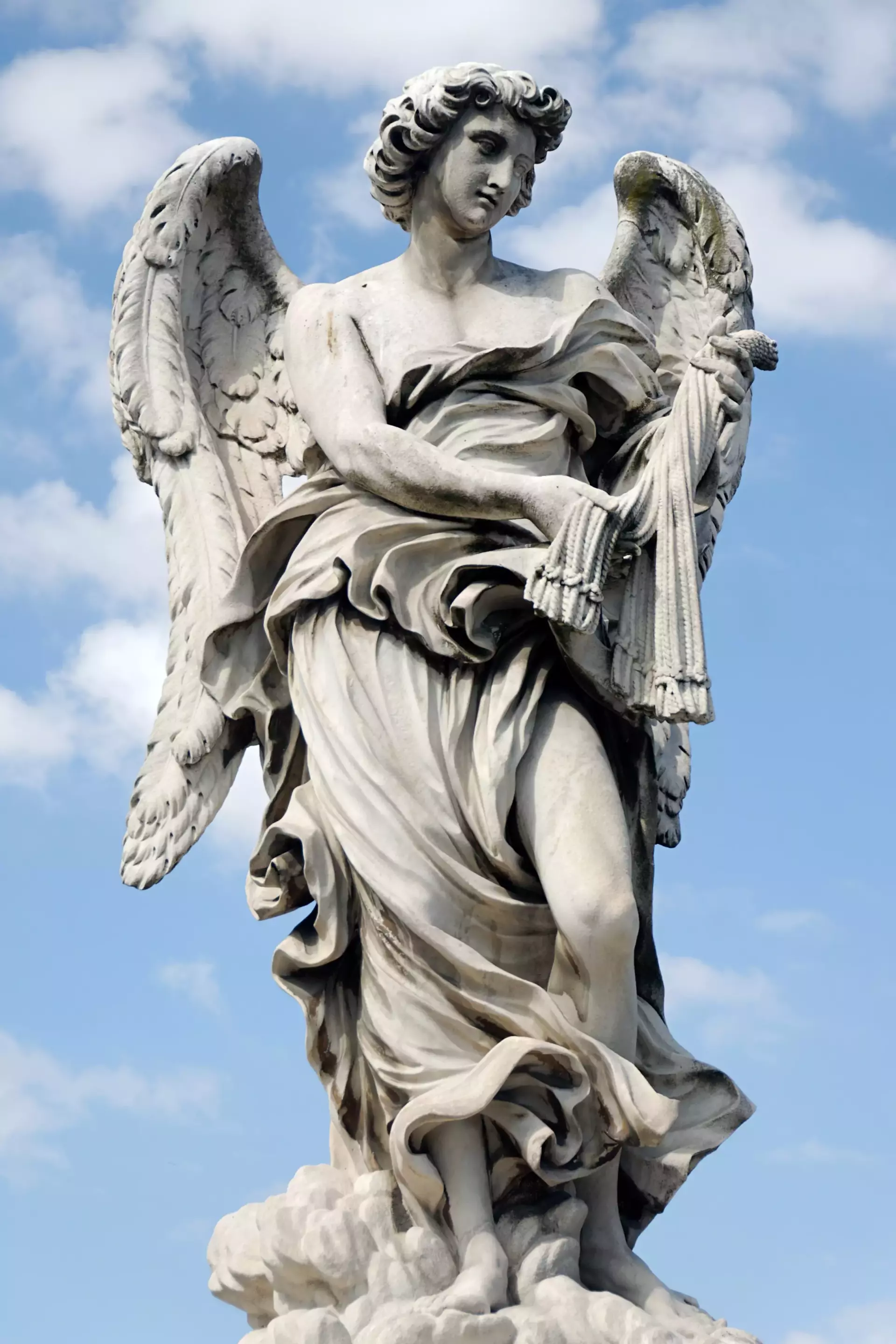
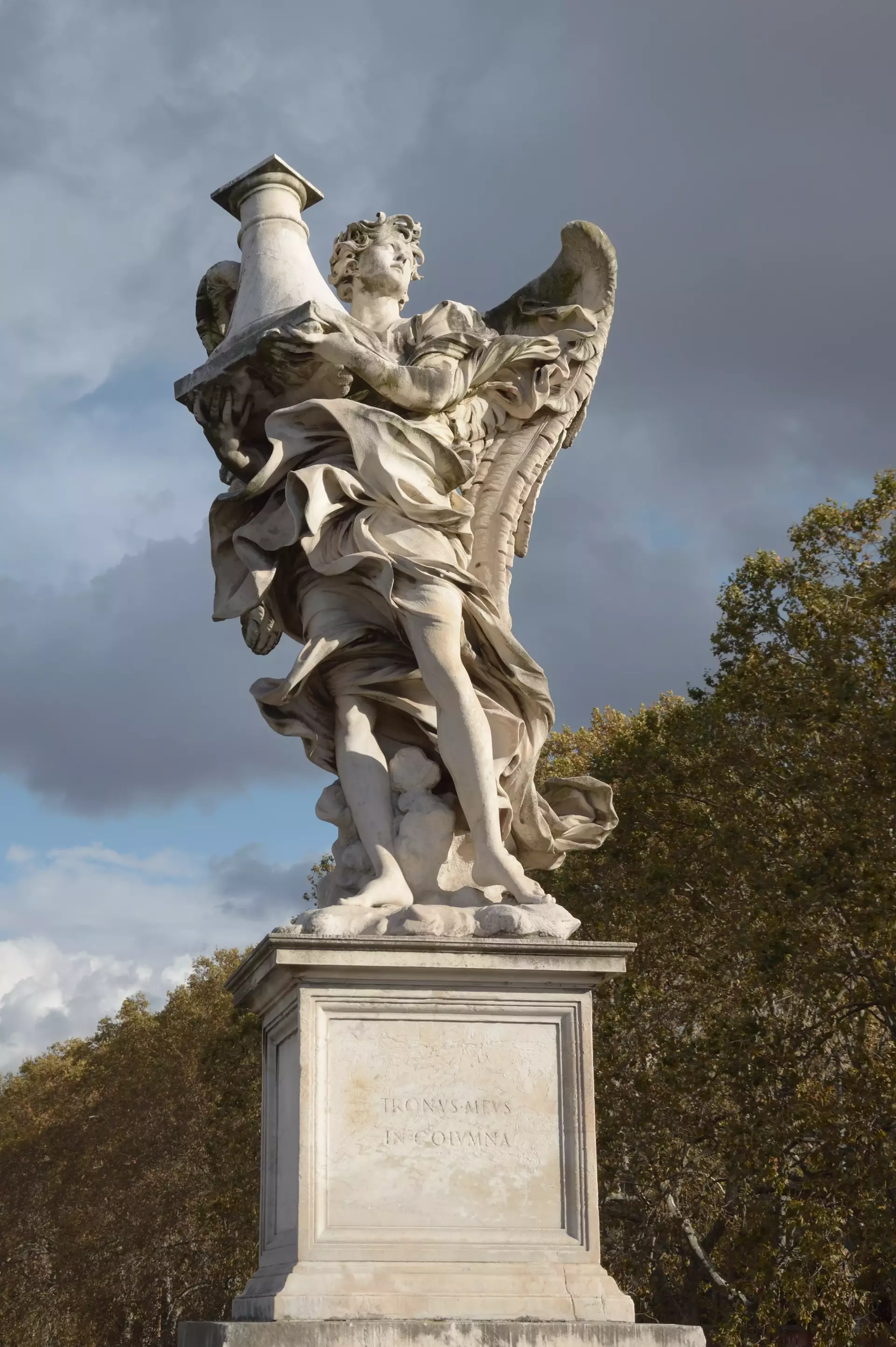
Ponte Sant’Angelo is a striking footbridge that spans the Tiber River in Rome. It connects the grand Castel Sant’Angelo to the heart of the city on the opposite bank. Built in 134 AD by the Roman Emperor Hadrian, the bridge originally provided a direct path to his impressive mausoleum, which today is known as Castel Sant’Angelo.
Over the centuries, Ponte Sant’Angelo served as an important route for religious pilgrims traveling to St Peter’s Basilica. Because of this, it was once called the “bridge of Saint Peter.” Crowds would cross here, making their way toward one of Christianity’s holiest sites.
In the seventh century, both the bridge and the castle adopted the name Sant’Angelo. According to legend, an angel appeared atop the castle’s roof to announce the end of a devastating plague in Rome. This miraculous event gave the site its current name, which means “Holy Angel.”
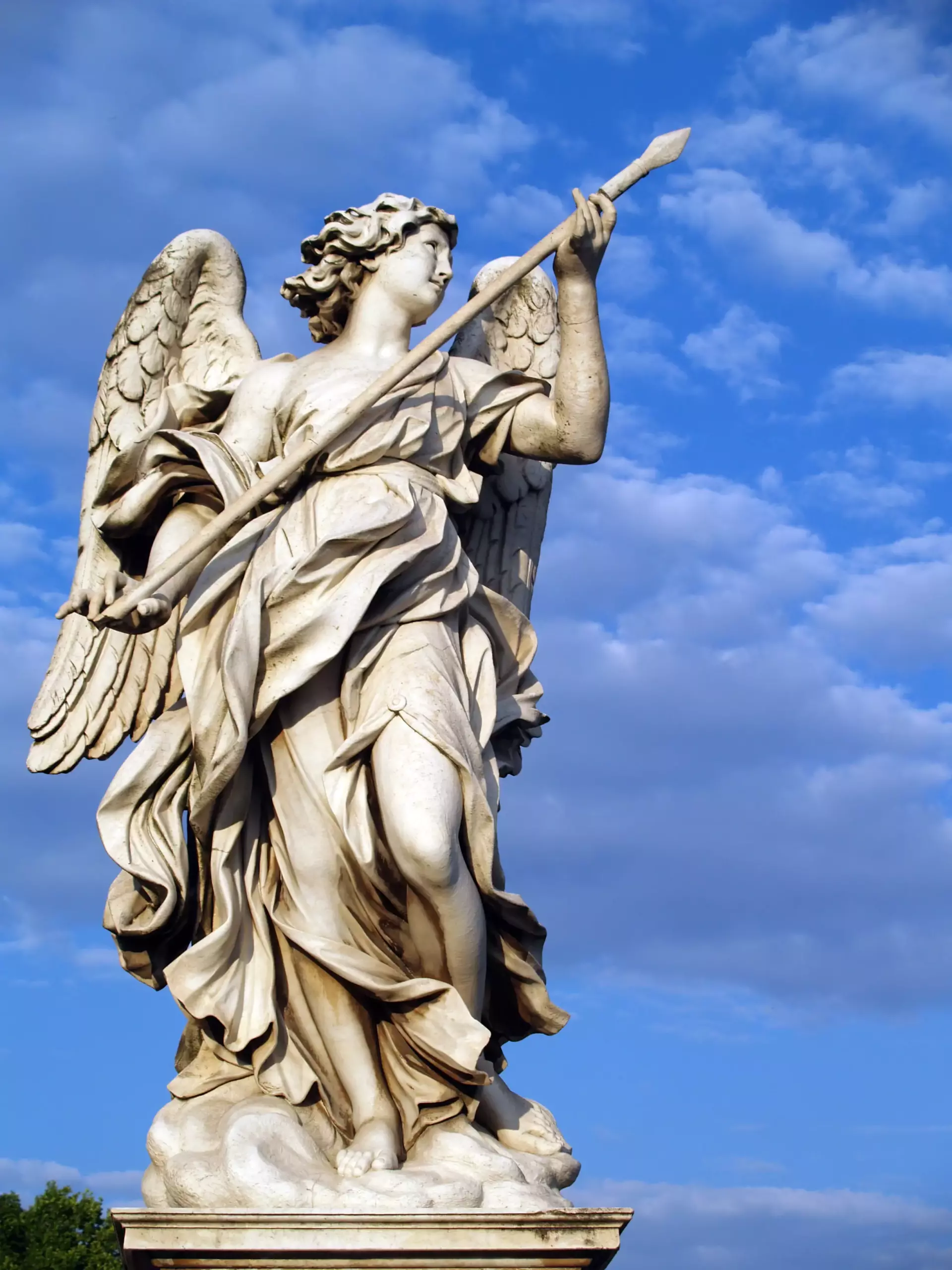
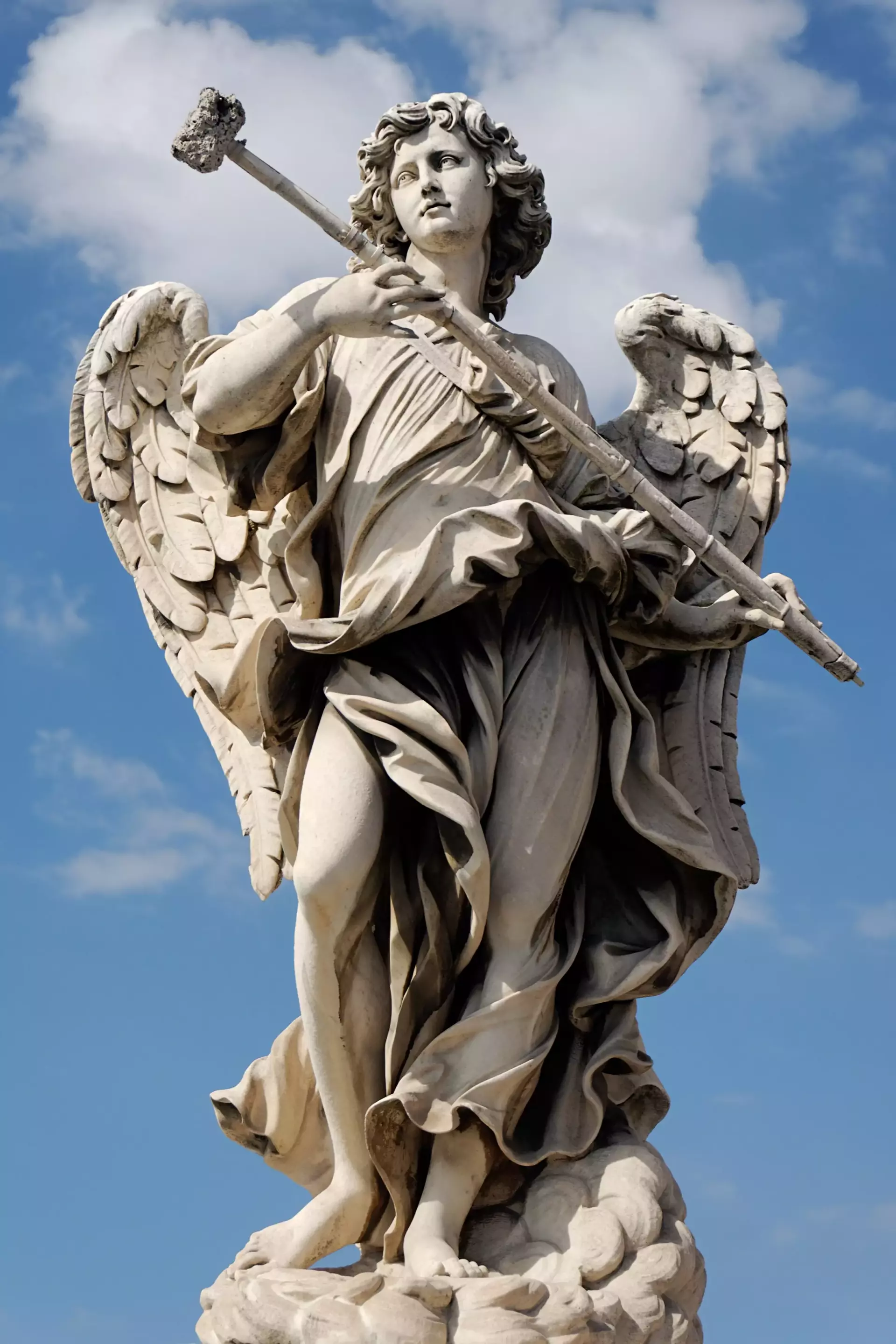
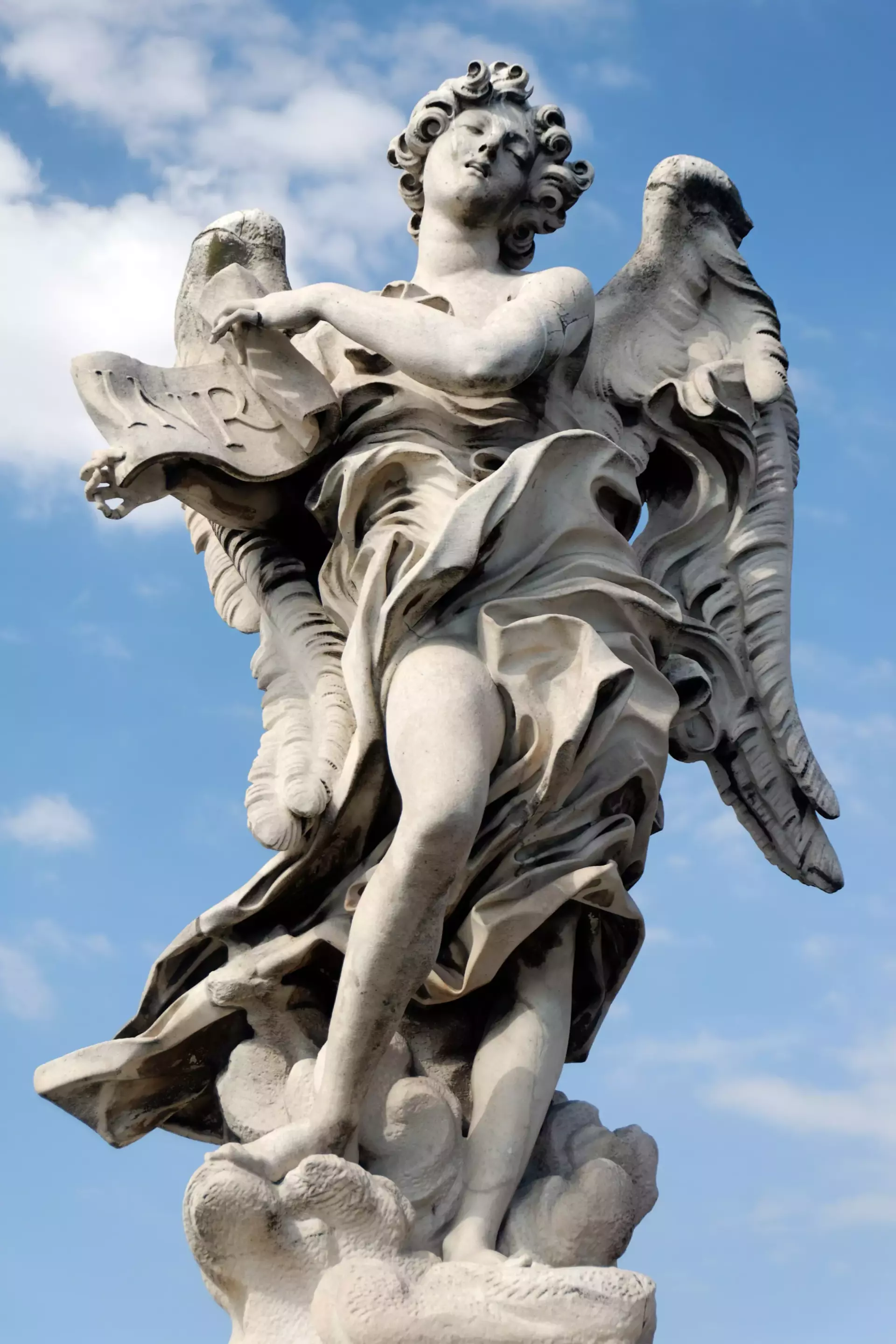
Today, visitors are greeted by the sight of ten beautiful angel statues lining the bridge. These sculptures serve as a reminder of the bridge’s legendary history and its spiritual significance throughout the ages.
Source - https://en.wikipedia.org/wiki/Ponte_Sant%27Angelo
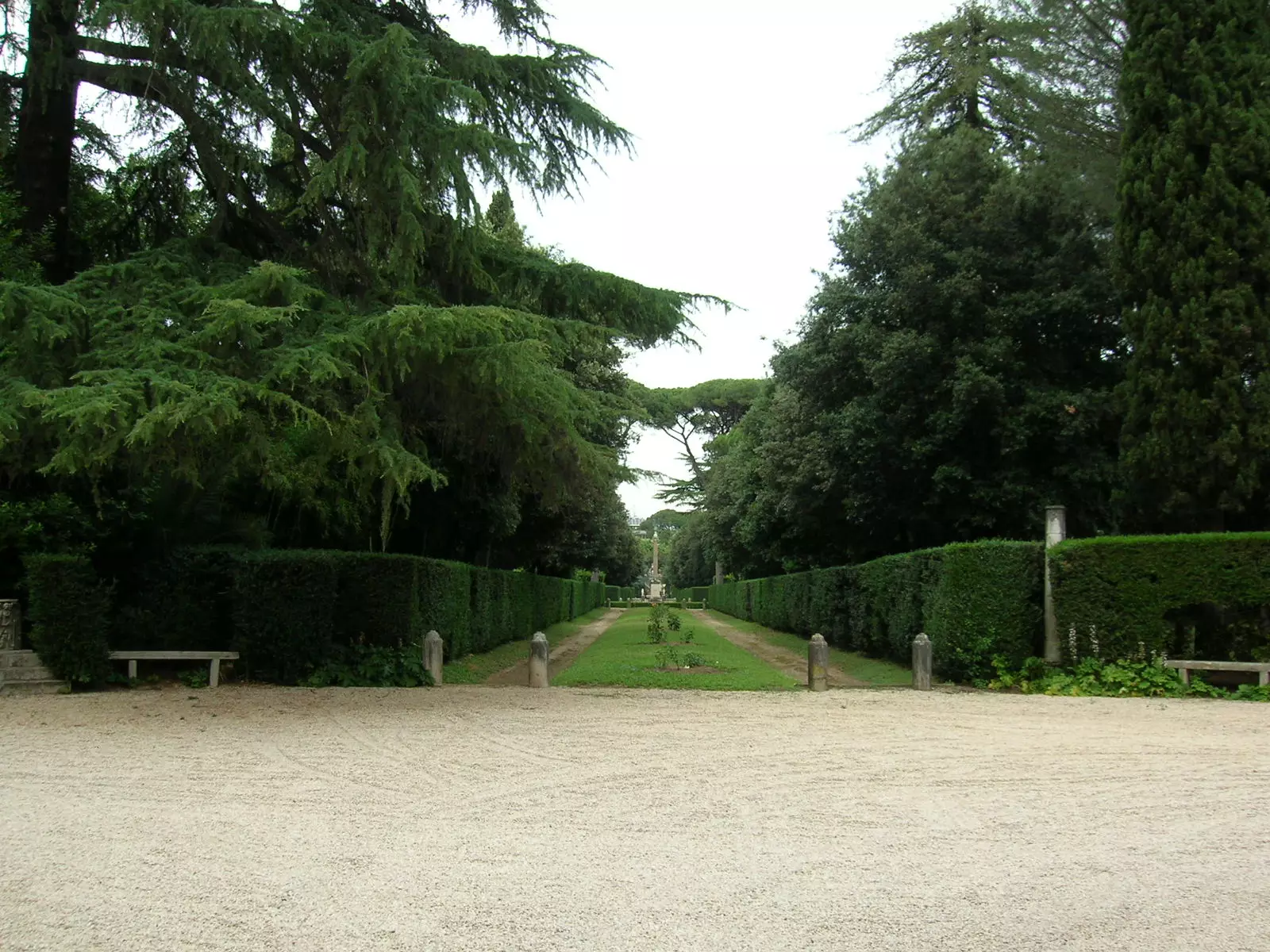
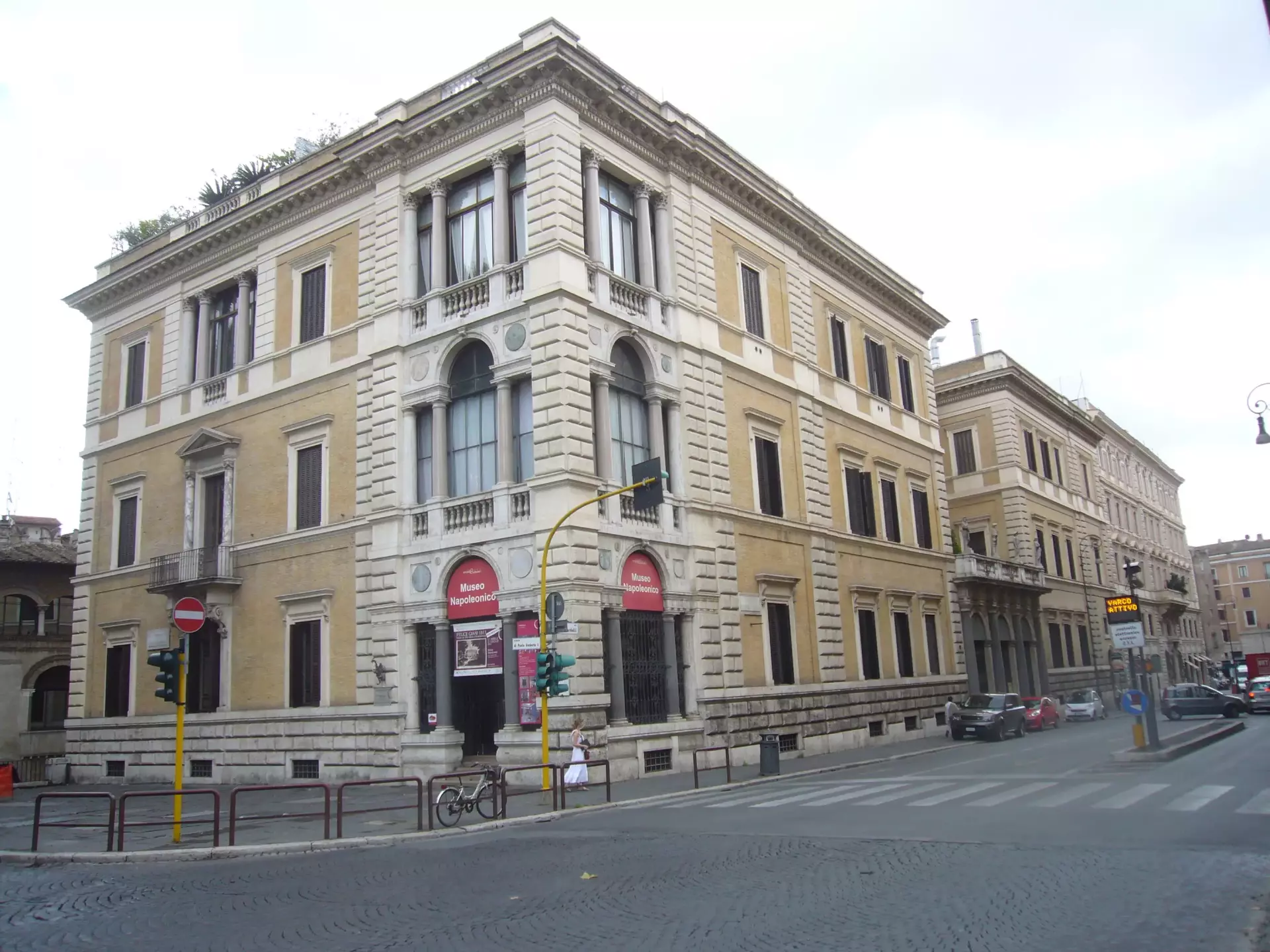
The museum is dedicated to Napoleon Bonaparte and his family. After Napoleon's death in 1821 the Pope gave permission to his family to settle down in Rome. His sister married Prince Camillo Borghese.
Permanent collection features paintings and drawings of Rome between the 18th and 20th centuries together with a fascinating black and white photo exhibition of Rome from 1950-80. Also offers rotating exhibitions, usually of the work of photographers.
An underrated way to see fantastic art made after the Renaissance. Mainly Italian artists, notably De Chirico, but Cézanne, Degas, Kandinsky, Man Ray, Modigliani, Monet, Pollock and Van Gogh are also represented.
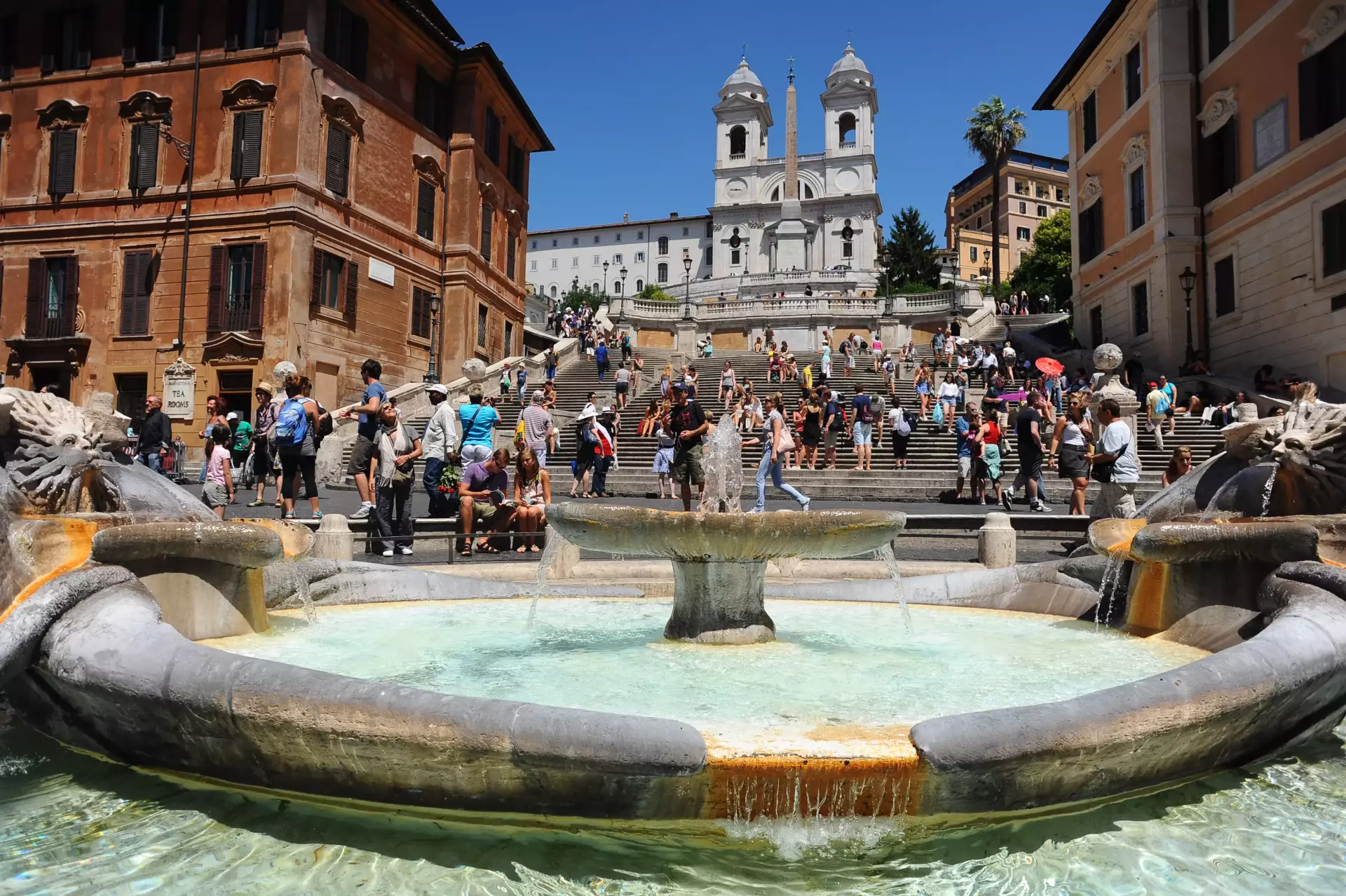
A 19th-century addition to the square, made to balance the Fontana del Moro.
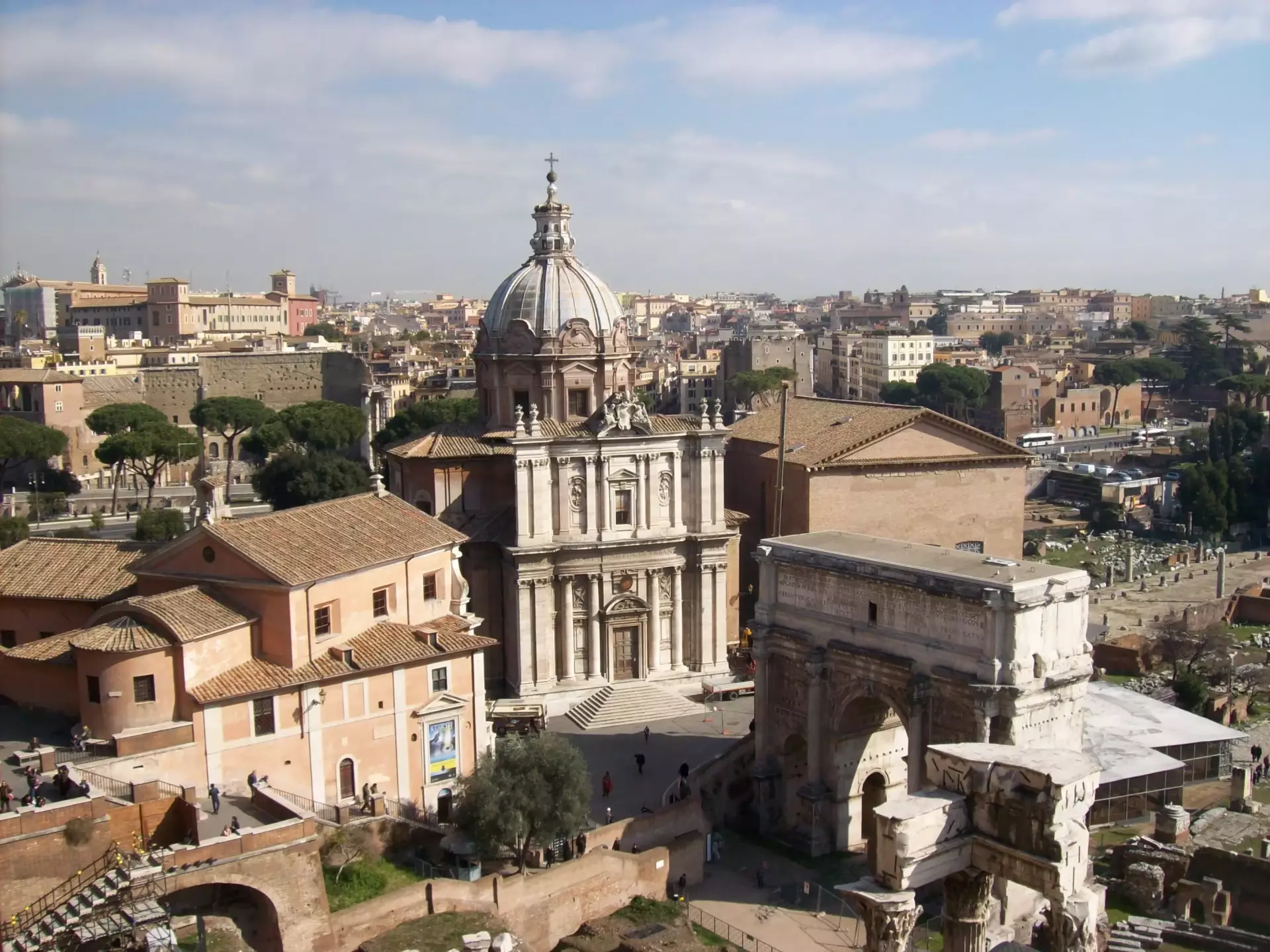
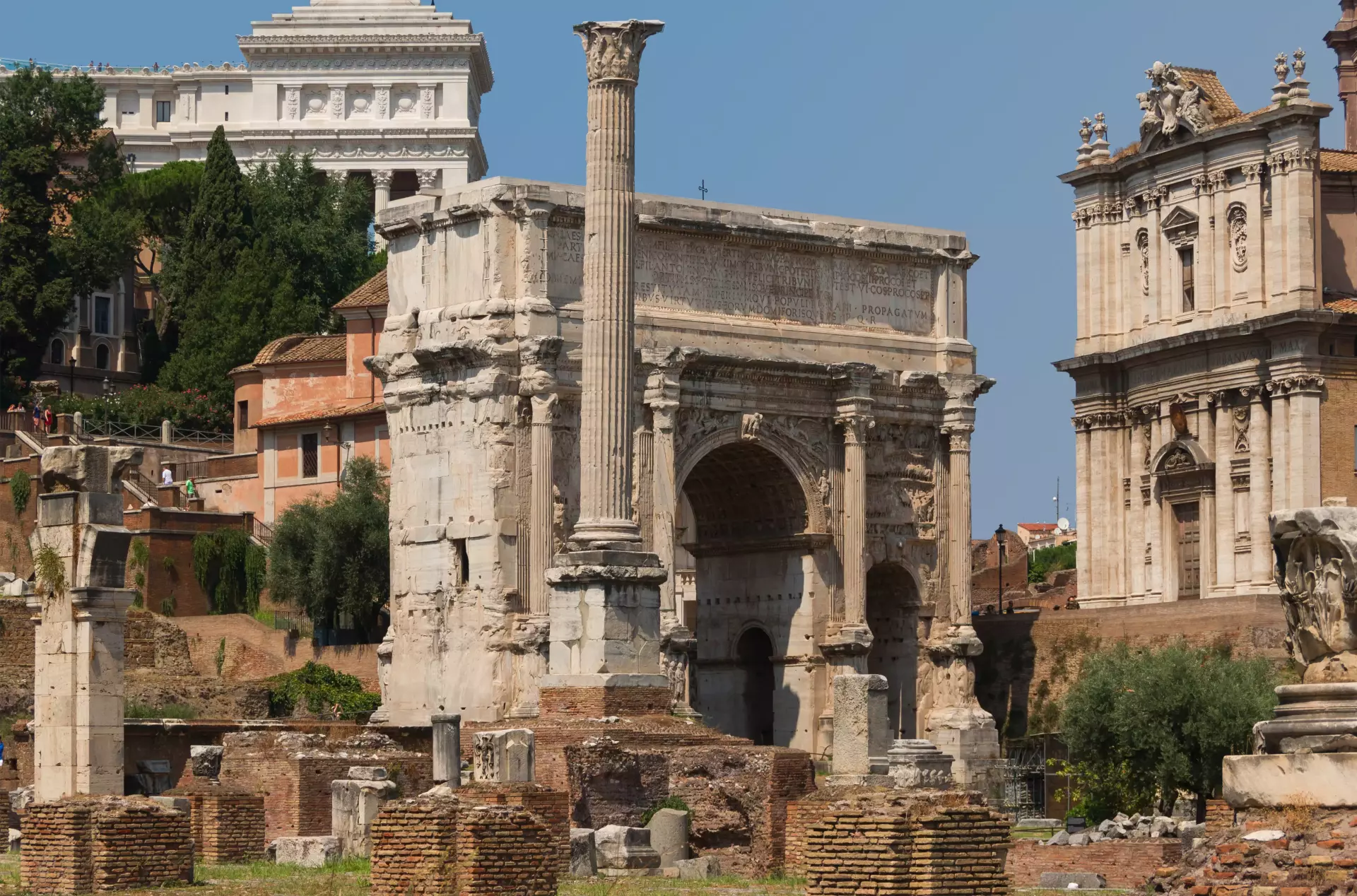
Erected in 203. You can see it close up from Via della Curia also (without entering the Forum).
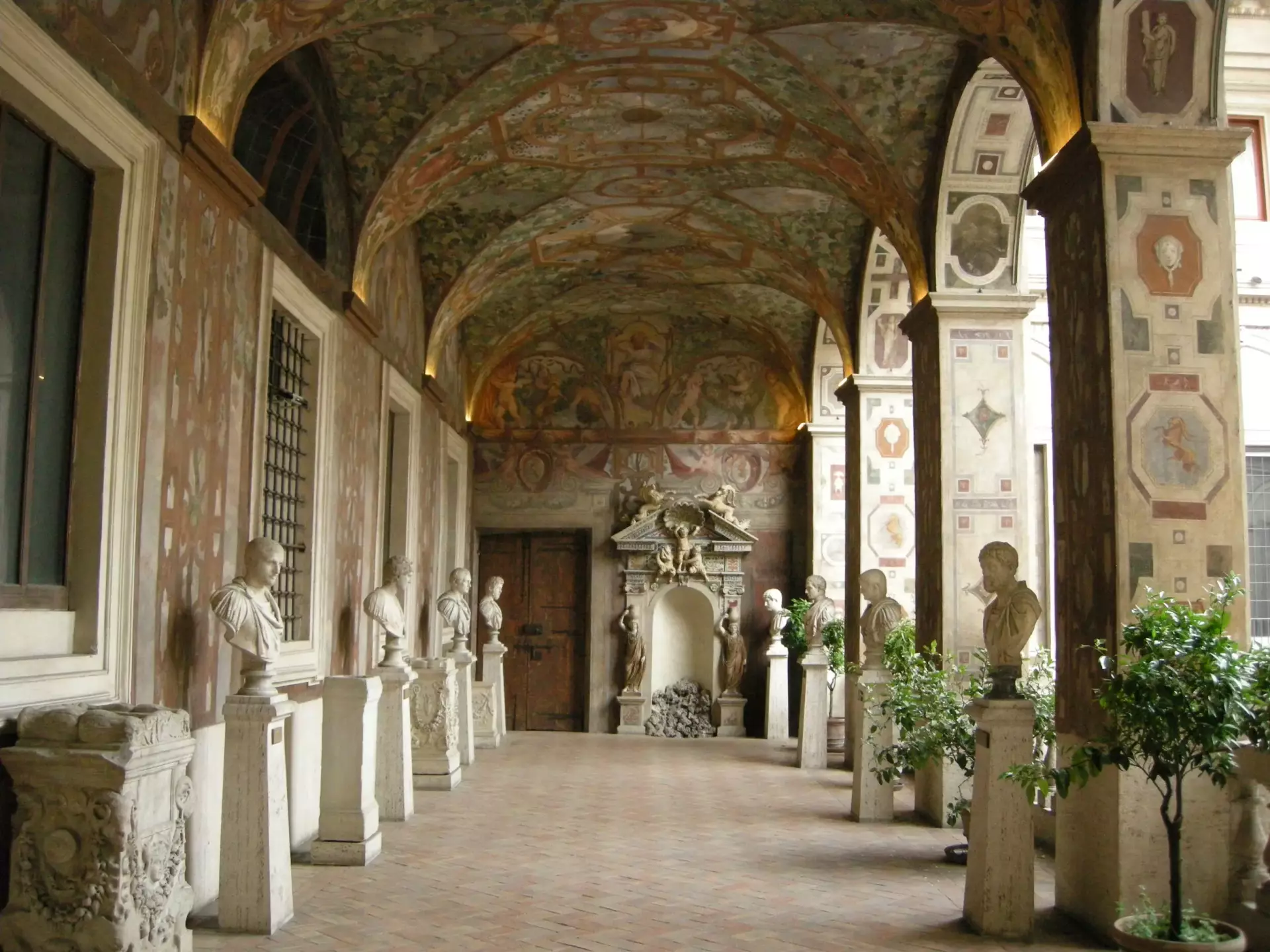
The building is in one of the most hidden corners of the city center among Piazza Navona and Castel Sant'Angelo. It served as residence for the Orsini family. Nowadays it is private property and one can only glance at the courtyard and the amazing fountain inside, erected in 1618 by architect Antonio Casoni. However, the brief moment is worth it.
The 4th rebuilding of the meeting place for the Roman Senate, once converted into a church during the Middle Ages, but now restored since the 1930s.
It was constructed to hold relics of the Passion of Jesus. They include two thorns of his crown, part of a nail and three small wooden pieces of the Cross. The authenticity of these relics is much disputed, however.
Completed in 1762 to a design by Nicola Salvi, this spectacular Baroque fountain features a mythological sculptural composition of Neptune, god of the sea, flanked by two Tritons: one Triton labours to control a violent sea-horse, the other controls a pacified creature, both symbolising the dual nature of the world's oceans. The location of the Trevi fountain marks the terminus of the ancient Aqua Virgo aqueduct, completed in 19 BCE in order to supply the Baths of Agrippa, and is so named on account of its position at the junction of three roads (tre vie). The legend says that one who throws a coin in the fountain shall one day return to Rome. The coins in the fountain are regularly collected to finance charities. The fountain has been made even more famous by the 1954 film, Three Coins in the Fountain, and by a famous scene in Federico Fellini's film La Dolce Vita. According to popular superstition and custom, throwing coins with one's right hand over one's left shoulder into the Trevi Fountain is a practice endowed with good luck. Throwing one coin ensures that the thrower will return to Rome; throwing two coins will ensure that the thrower will fall in love with a beautiful Roman girl (or handsome boy); throwing three coins, finally, ensures that the thrower will marry that girl or boy in Rome itself. The fountain is one of Rome's most famous attractions, but the square isn't exactly as large as St. Peter's, therefore it might be packed with crowds almost like at a rock festival. For this reason it's reportedly also a pickpocket hotspot, so do watch your pockets and bags here!
The Scala Sancta (Holy Stairs) is, according to Roman Catholic tradition, the staircase used by Jesus Christ to approach Pontius Pilate to be sentenced to death. Attracts numerous pilgrims who climb the stairs on their knees.
Next door to Santa Croce. A collection of around 3000 pieces, although only a third of these are displayed.
This is an important place of pilgrimage for Catholics because of the supposedly miraculous powers of an image of the Virgin Mary. The first miracle was in 1740 when a traveller being attacked by a pack of dogs called out to the Virgin’s image for rescue and the dogs calmed down. The image was moved to Rome in the Second World War and is credited with saving the city from destruction, as a result of which Romans vowed to construct this new sanctuary.
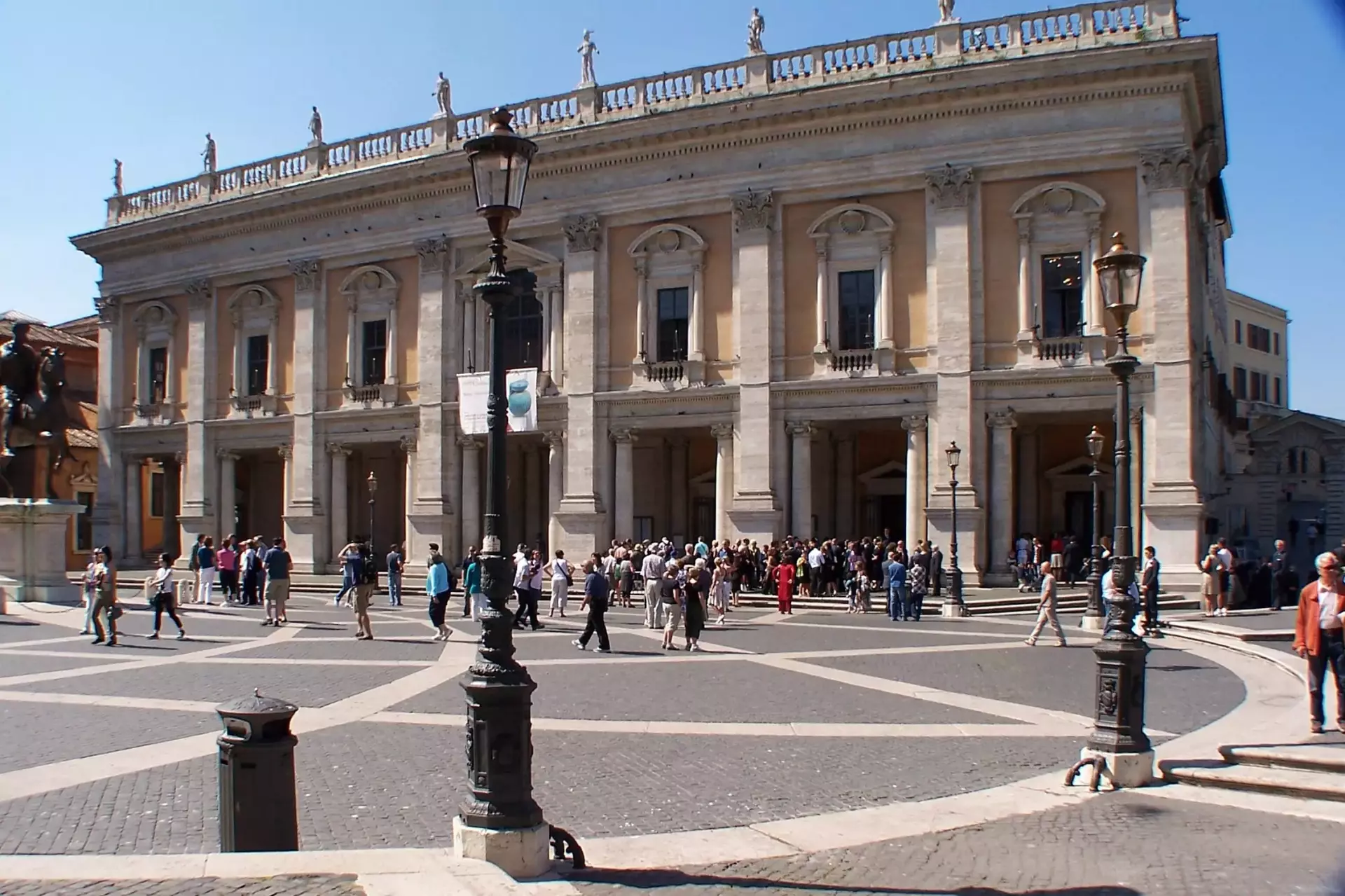
The two museums are on opposite sides of the Piazza del Campidoglio, It is recommended to book tickets online Built in the 17th century to a design based on an architectural sketch by Michelangelo. Highlights include the ancient Colossus of Constantine statue (the Colosseum was probably named for another giant statue, the Colossus of Nero which stood near the Flavian Amphitheatre as the Colosseum was originally known), The Dying Gaul, a magnificent marble sculpture that copies a bronze Greek original of the 3rd century BC and the Capitoline Venus. It also contains the remarkable original gilt bronze equestrian statue of emperor Marcus Aurelius (the one in the piazza is a replica). Also based on a Michelangelo architectural plan, this compact gallery is well endowed in classical sculpture and paintings. Highlights include the small 1st-century-BC bronze Lo Spinario, a Greek statue of a little boy picking a thorn from his foot; the Lupa Capitolina (Capitoline Wolf), a rare Etruscan bronze statue probably dating from the 5th century BC; and (in the entrance courtyard), the massive head, hands, foot and kneecap from a colossal statue of Constantine the Great. The palace also contains a Pinacoteca (Picture Gallery) with paintings mainly from the 16th and 17th centuries - highlights include: Caravaggio's Fortune-Teller and his curious John the Baptist; The Holy Family, by Dosso Dossi; Romulus and Remus, by Rubens; and Titian's Baptism of Christ.
On the other side of the Via dei Fori Imperiali to the Roman Forum. Well-preserved market area that doubled as a way of stopping the Quirinal Hill from collapsing. Below in the Forum is Trajan's Column, built in 113 with reliefs depicting the Emperor Trajan's vistories in battle.