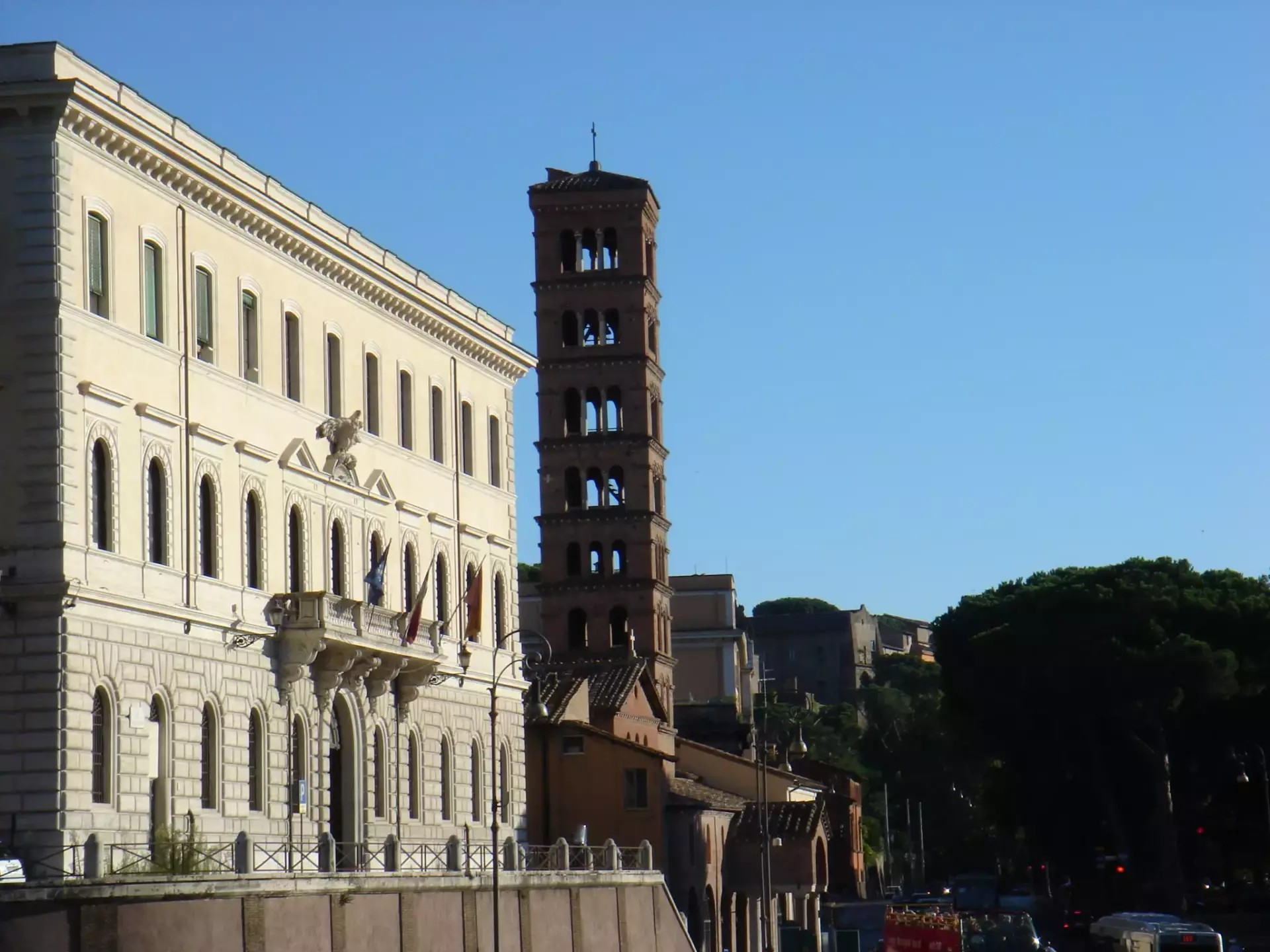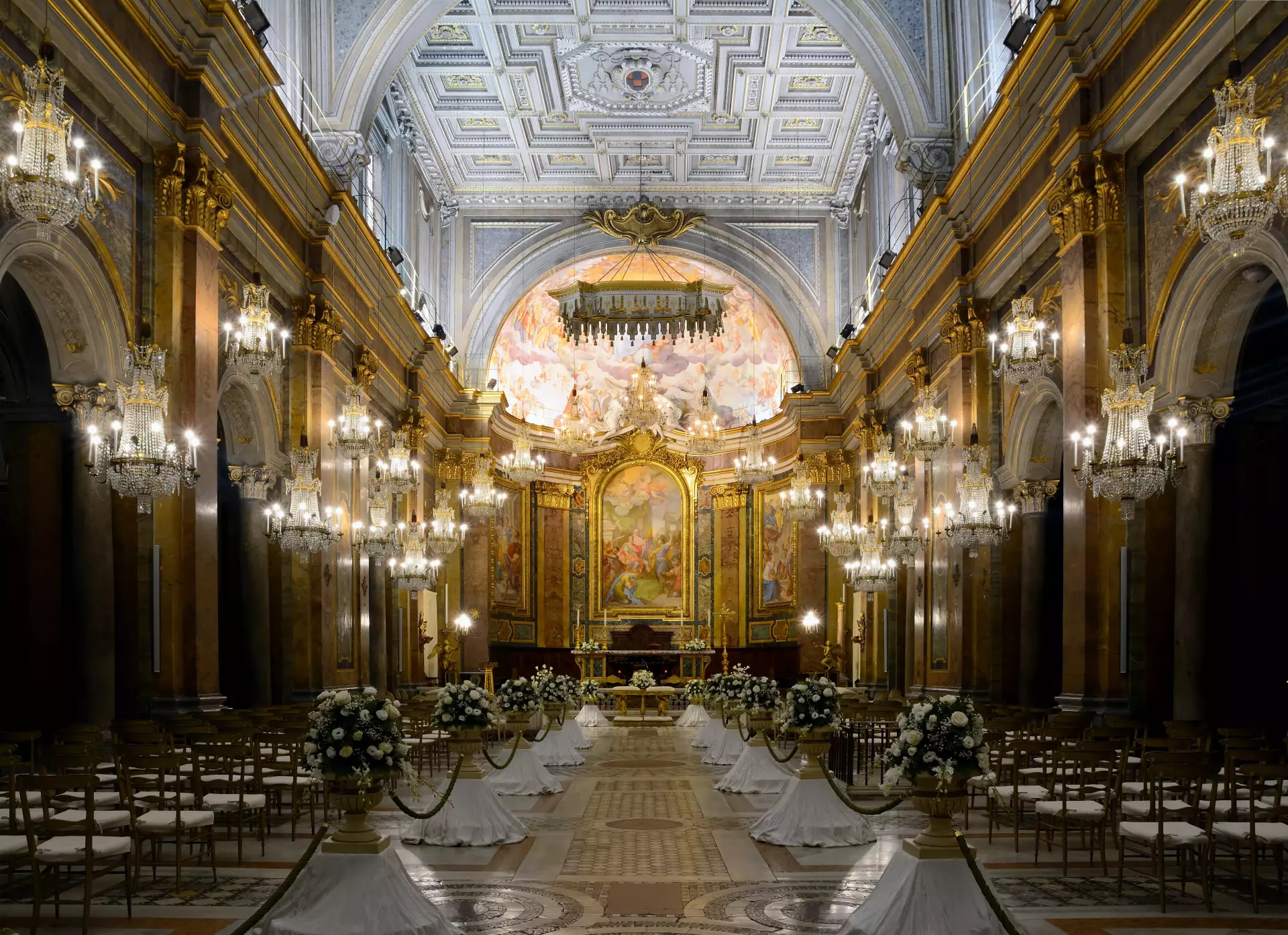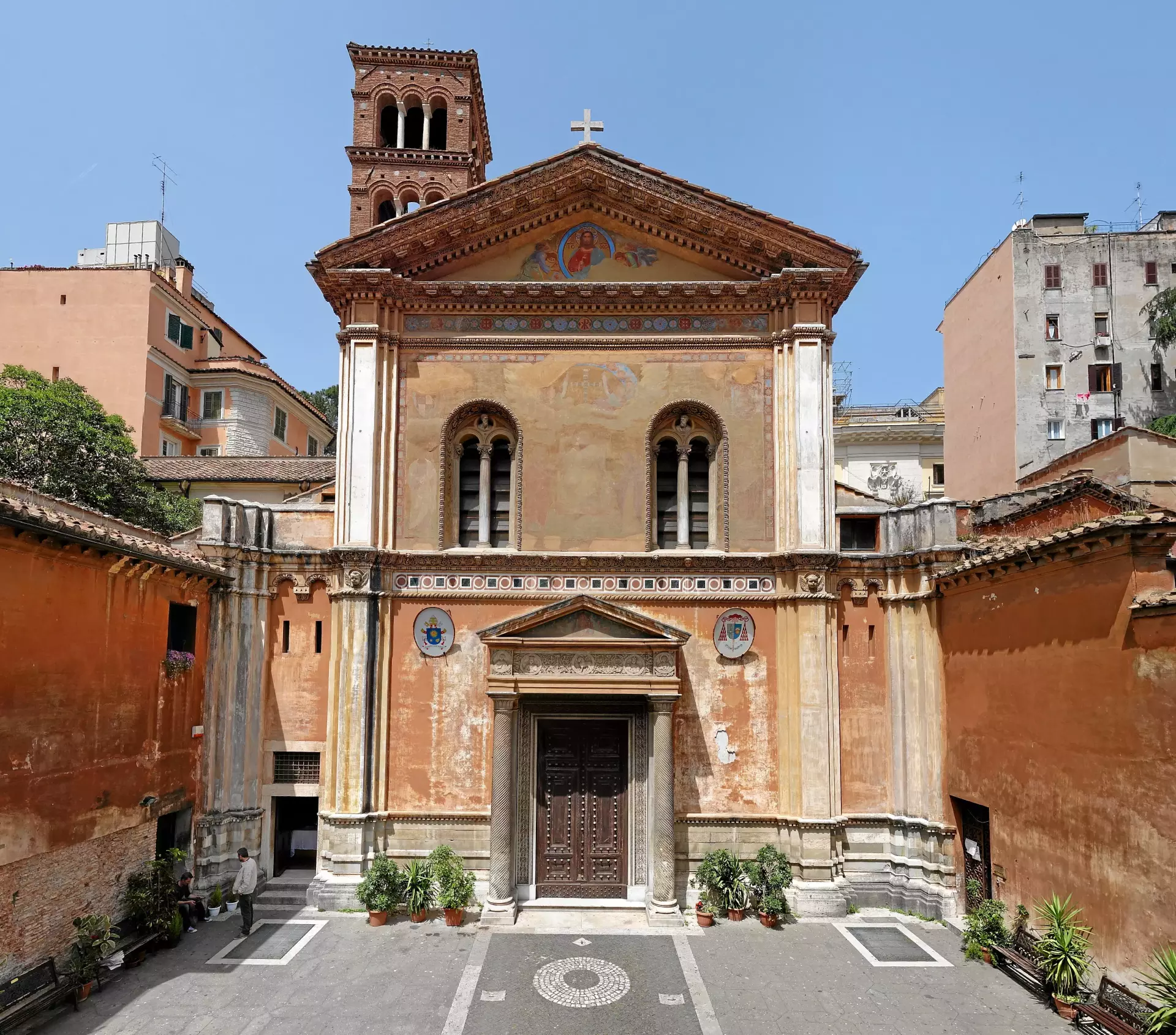
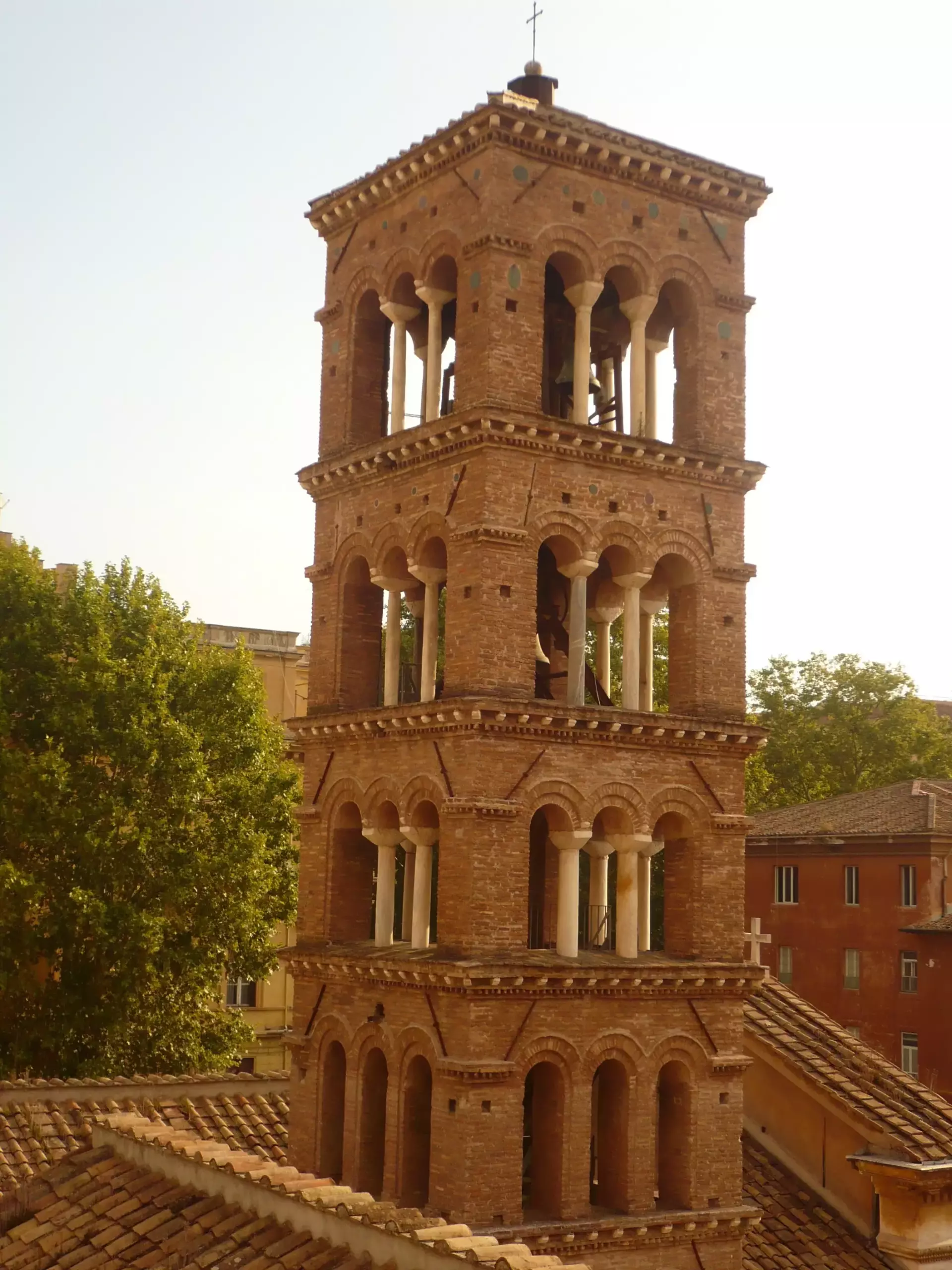
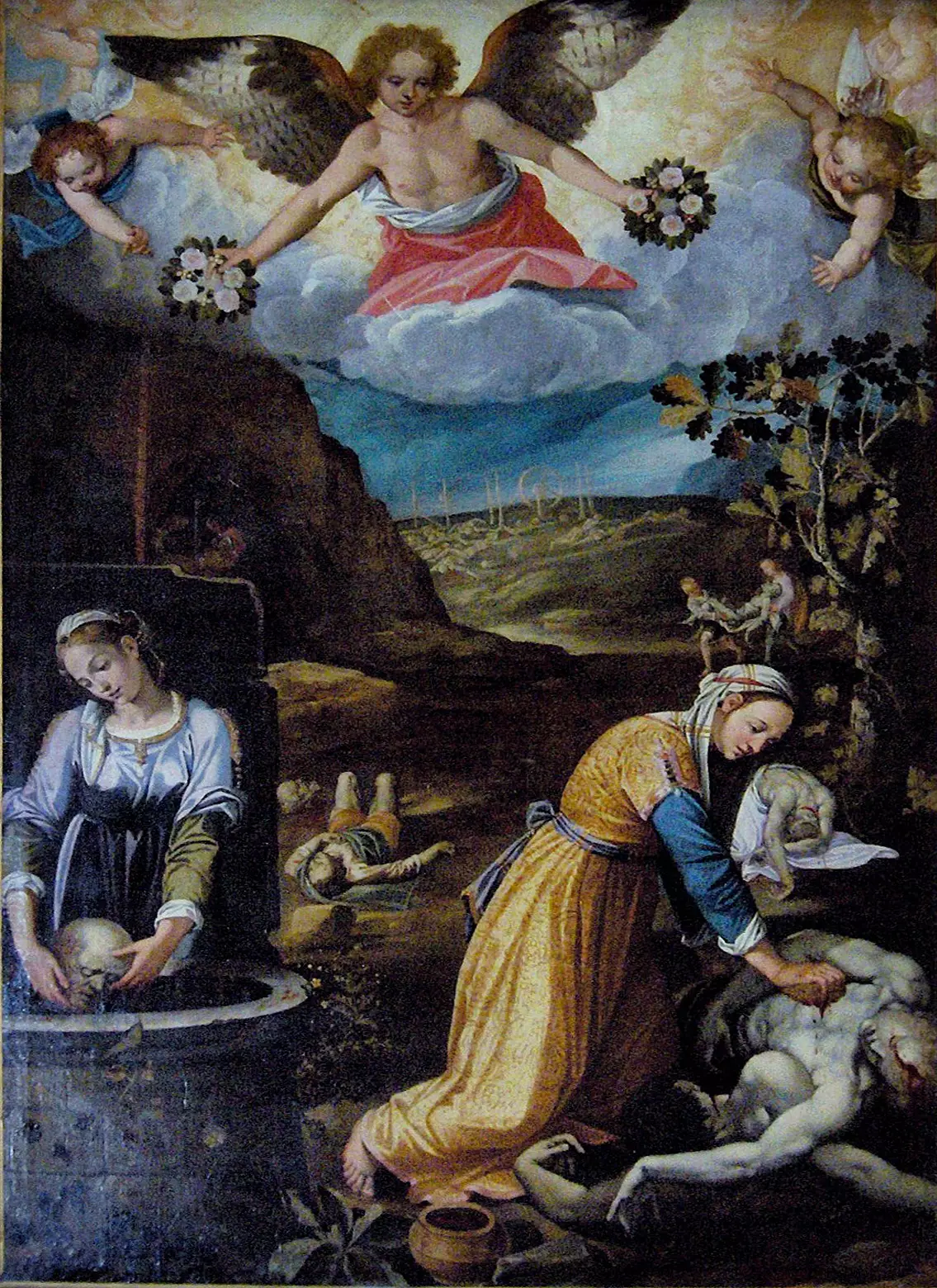
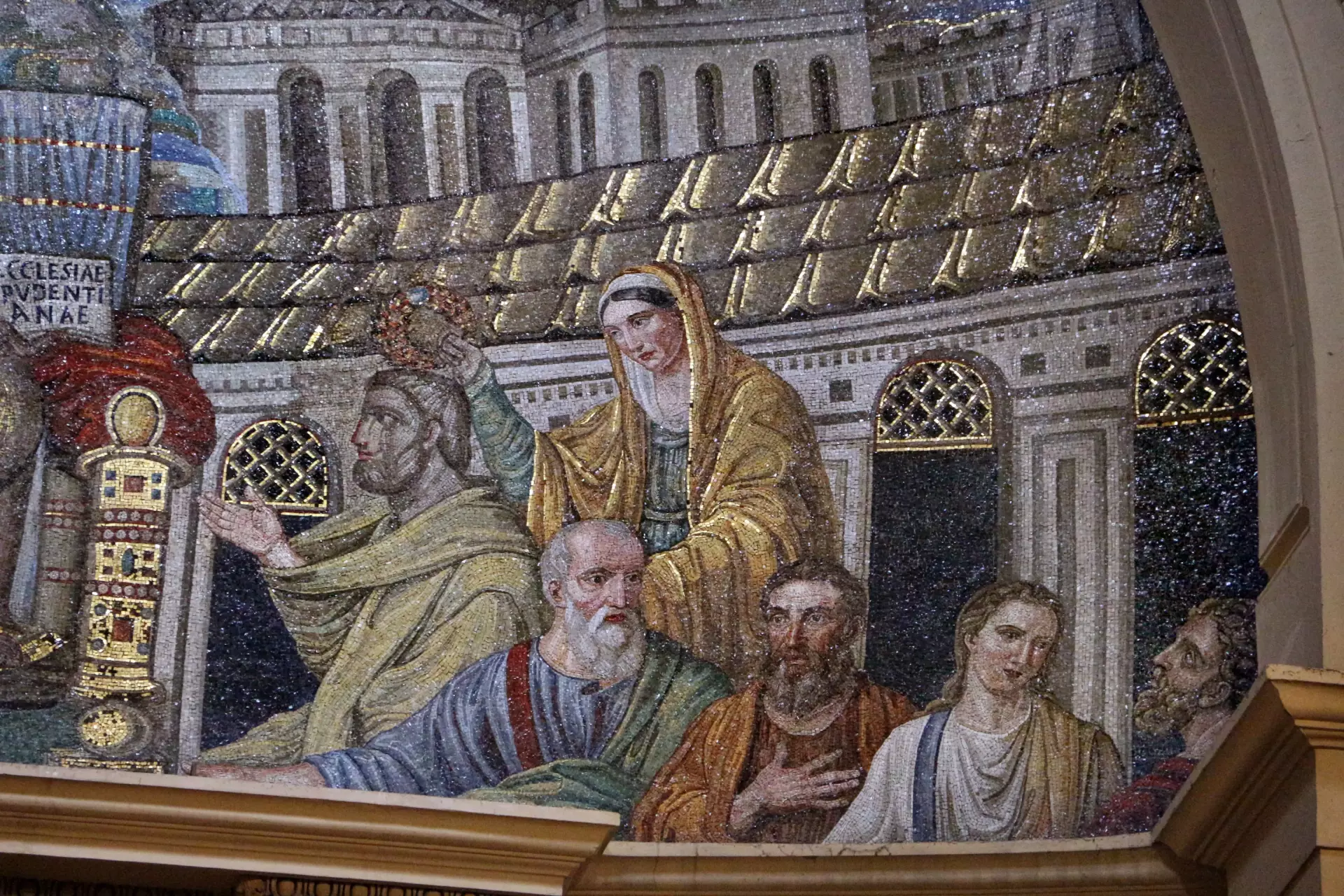
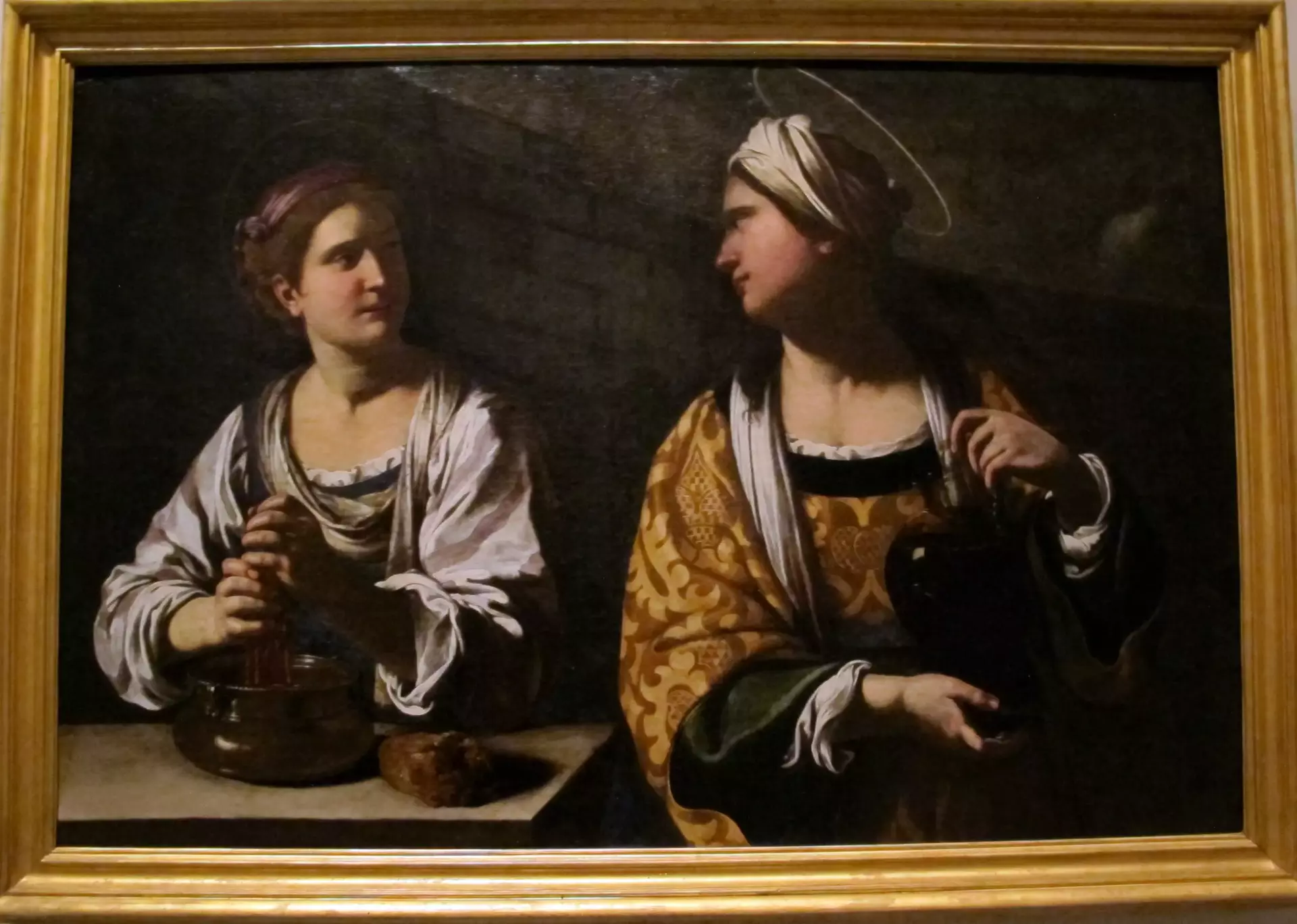
Nestled quietly in Rome, Santa Pudenziana stands as one of the city’s oldest churches, carrying with it the echoes of centuries past. Although the saint for whom it is named was removed from the official Roman Catholic calendar in 1969 due to scant historical records, the church itself preserves her legacy through its enduring name and remarkable artistry.
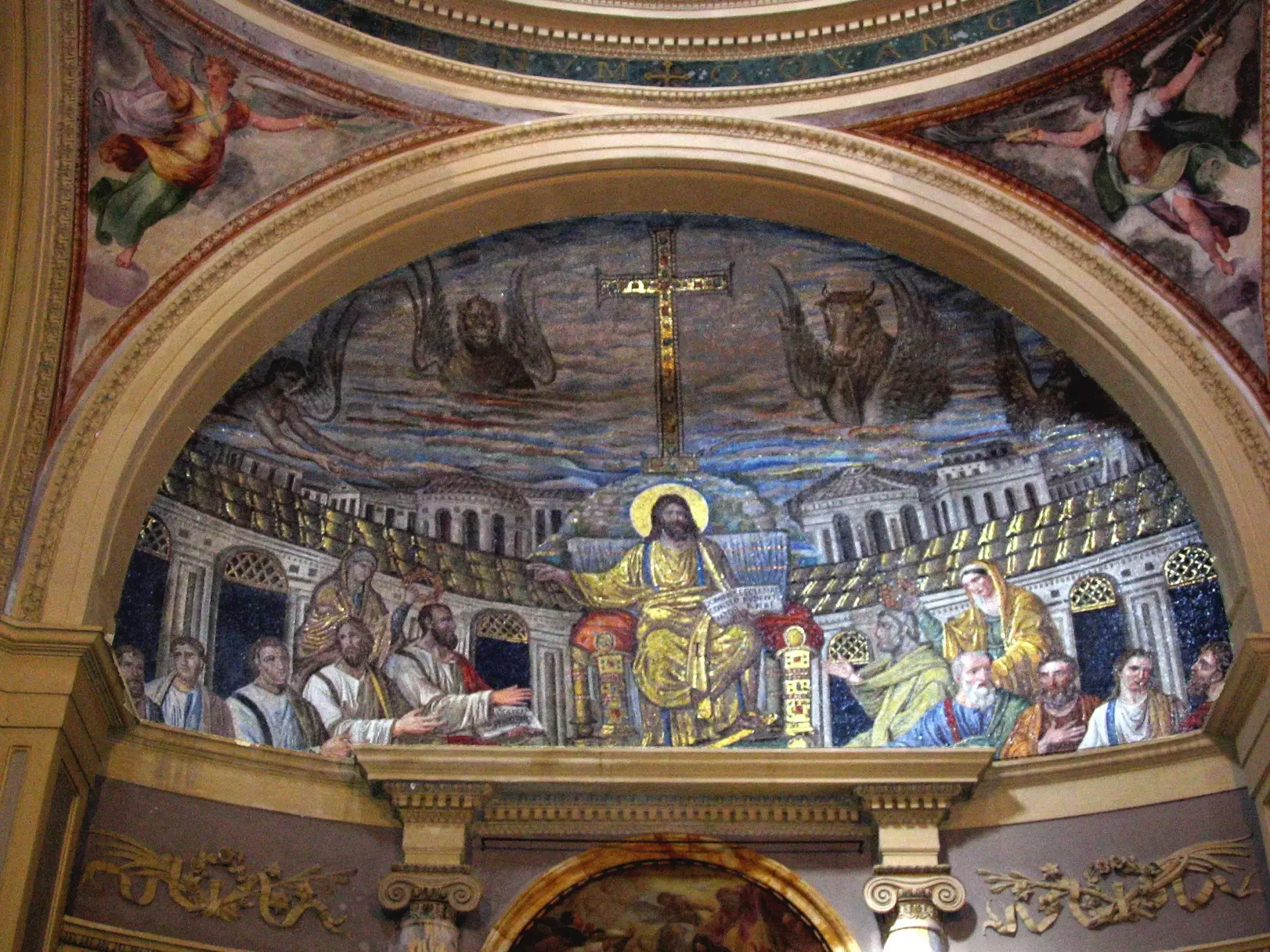
Santa Pudenziana is perhaps best known for its breathtaking 4th-century mosaic, a rare and exquisite example of early Christian art. The vibrant mosaic adorns the apse, depicting Christ among the apostles in a rich tableau of color and symbolism that has fascinated art historians and visitors alike for generations. The intimate space of the church allows for an up-close appreciation of this ancient masterpiece, making it a must-see for art lovers and history enthusiasts.
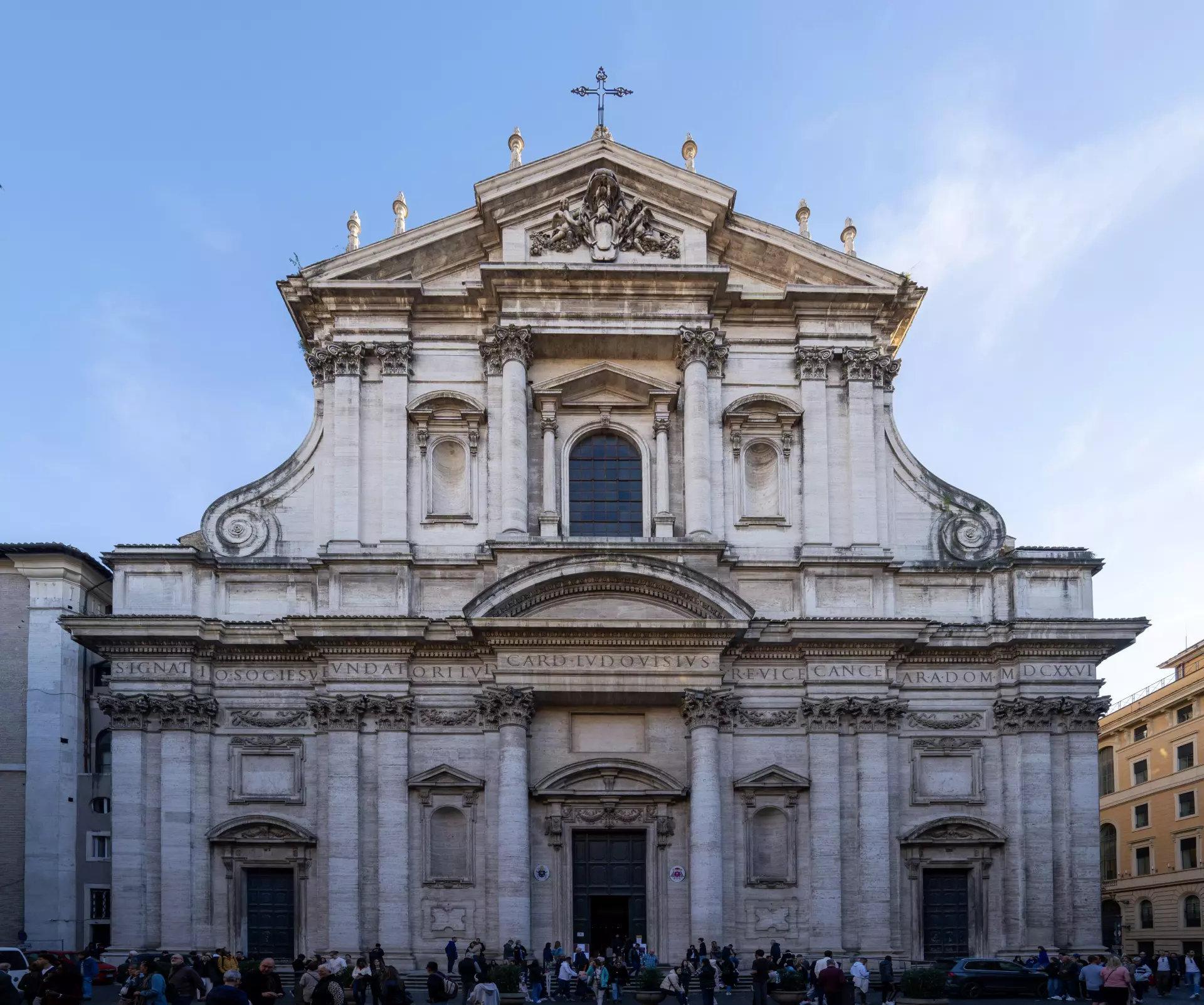
The church’s charming facade is adorned with attractive decorations that hint at the layers of history within. While Santa Pudenziana may be small, its quiet beauty and spiritual significance invite reflection and exploration. Visiting hours are limited, so planning ahead is essential. Arriving just before 11:30 may offer a unique opportunity — if the attendant is present, a polite request might grant a few precious minutes inside, enough time to take in the highlights and absorb the peaceful atmosphere. Most visitors find that 15 minutes is sufficient to fully appreciate everything this hidden gem has to offer.
Source - https://en.wikipedia.org/wiki/Santa_Pudenziana
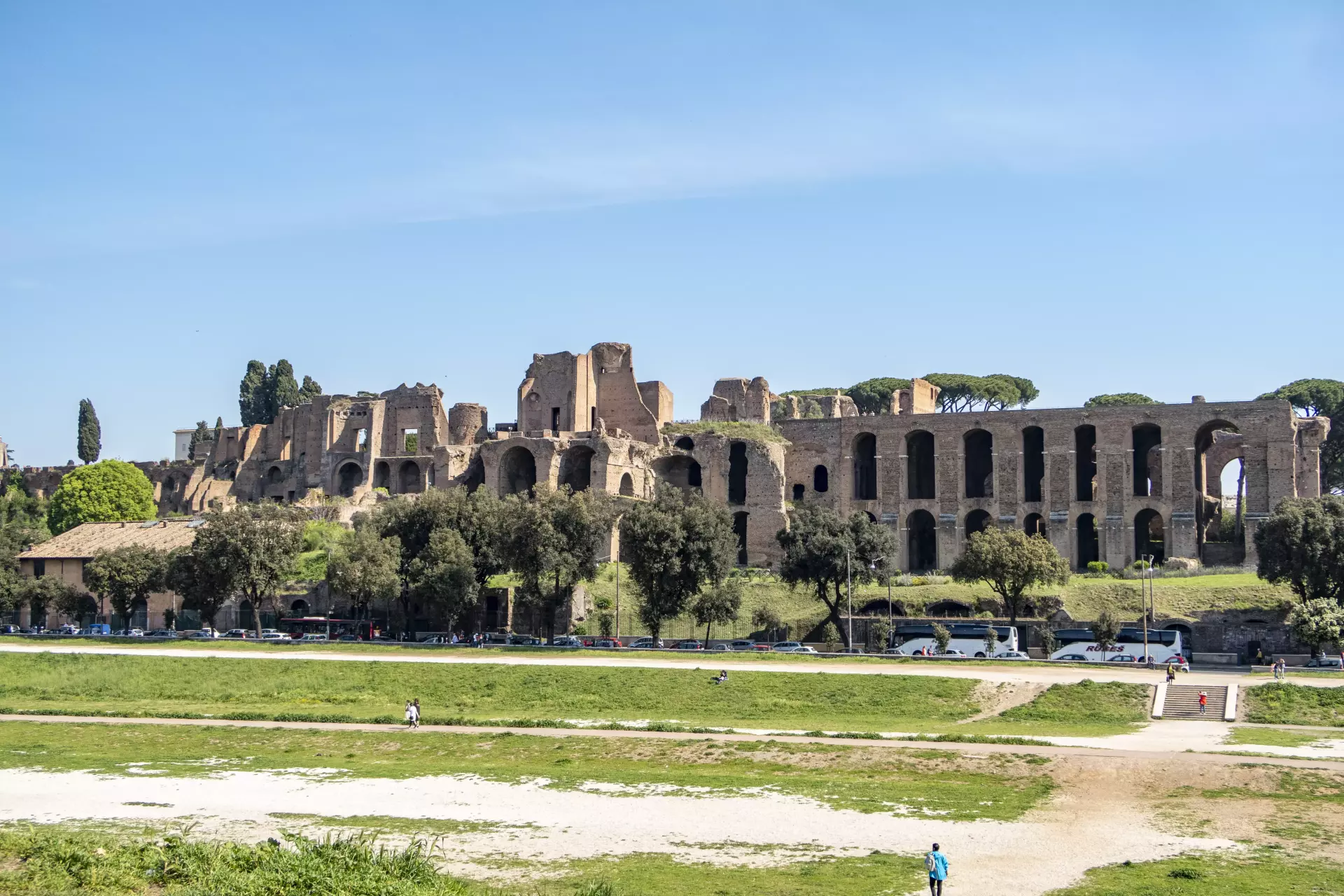
The contours of the ancient stadium, built in the 6th Century B.C., are still visible in what is now a park in the shadow of the Palatine. Circus Maximus was primarily devoted to chariot races and was used for this purpose until around 550 AD. The stadium could seat up to 150,000 people. Originally built of wood, it burnt down twice, on the second occasion starting the great fire when the Emperor Nero was said to fiddle while Rome burned. It was in one of the tunnels here that Caligula met his end. Excavations began in 2009 at the east end of the circus and are likely to go on for some years.
Perhaps most famous for a large model of imperial Rome, but also has a large display of various aspects of ancient Rome, using plaster casts, models and reconstructions of works found in museums throughout the world.
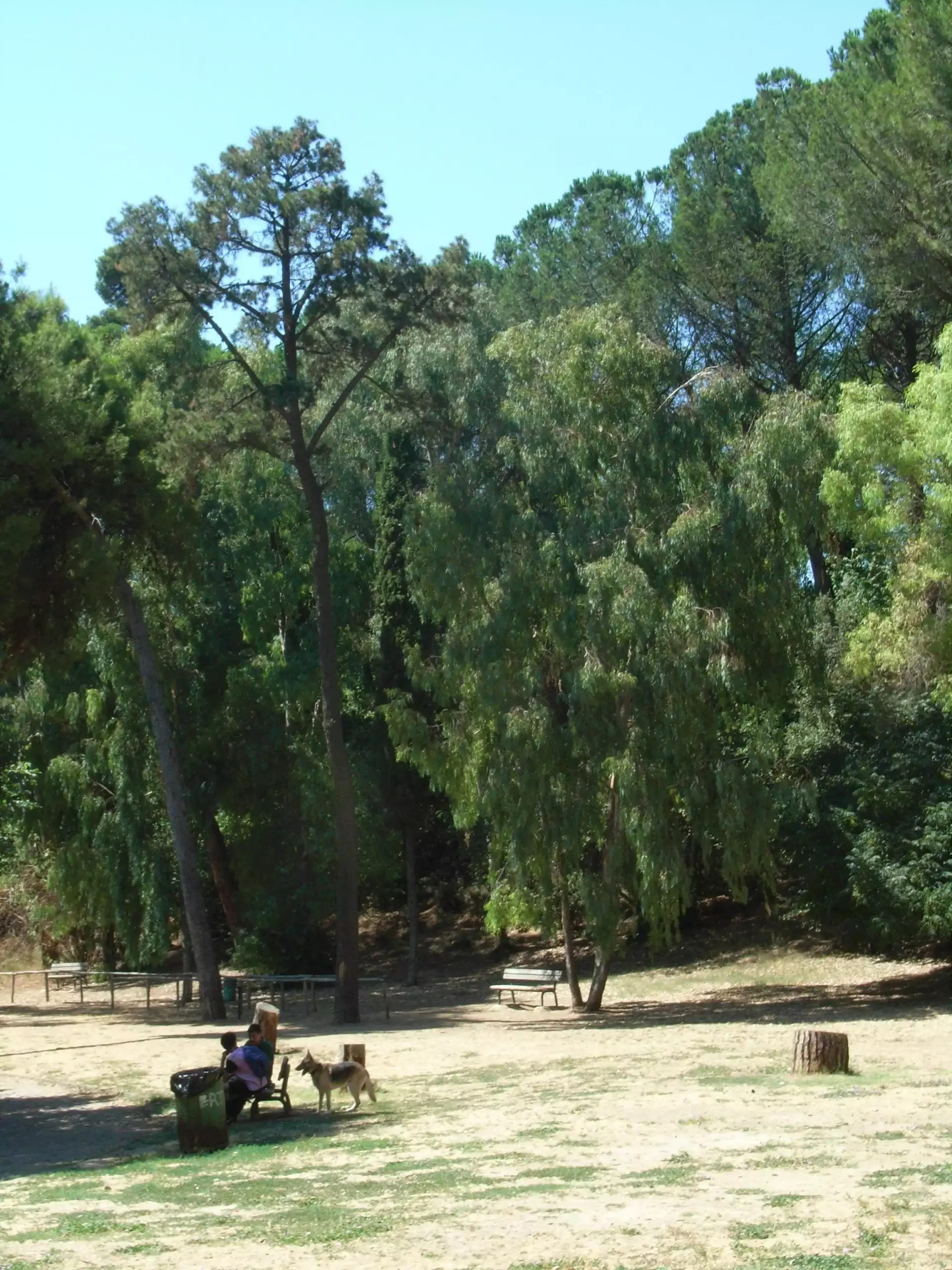
Caffarella Park covers an area of 339 ha and is part of the larger Appia Antica park. It contains both a working farm and numerous Roman ruins, some quite well preserved and is a great place for a stroll or cycle away from Rome’s traffic.
An underrated way to see fantastic art made after the Renaissance. Mainly Italian artists, notably De Chirico, but Cézanne, Degas, Kandinsky, Man Ray, Modigliani, Monet, Pollock and Van Gogh are also represented.
It was constructed to hold relics of the Passion of Jesus. They include two thorns of his crown, part of a nail and three small wooden pieces of the Cross. The authenticity of these relics is much disputed, however.
Borghese Gallery and Museum is a lovely display in a beautiful villa setting, which concentrates on the quality rather than the size of its collection. There are some very notable works by Antonio Canova and Gian Lorenzo Bernini here, Bernini's Apollo and Daphneis quite amazing. It also houses some of Caravaggio paintings, well worth the admission charge. Originally, the gallery was one of the most magnificent private art collections in the world. It was founded by Cardinal Scipione Borghese. At the beginning of the 19th century, Prince Camillo Borghese sold great parts of the collections to Paris where today they belong to the most valuable exhibits of the Louvre. Since 1902 the villa and the gallery are owned by the Italian state. The number of people admitted is limited to 360 every 2 hours, so it is best to make a well in advance for the time slot you want. Cameras and photography are allowed. Plan to arrive at the museum at least 15 minutes prior to your entry time, to obtain your ticket from Will Call and to deposit purses, strollers, backpacks, bottles, and other bulky items in the cloak room. If you are late for your reservation the museum may not allow you to use your ticket.
Early Roman houses dating back to the 1st century, believed to be homes of early Christians. Well-preserved frescoes and a small museum.
Rome's museum of contemporary art, housed in a former industrial complex. Rotating exhibitions, each one usually lasting about 4 months. The MACRO Testaccio exhibition space is located in Aventino-Testaccio.
This is the island located in the middle of the Tiber River (Il Fiume Tevere) that separates Central Rome and Trastevere. It boasts both a major hospital, called Fatebenefratelli, and a small synagogue that was secretly used in the Second World War when Rome's main synagogue nearby was closed down. It also has a café and gelateria on the Rome side. It is a nice way of getting to and from Trastevere. Be sure to get photos from Ponte Garibaldi as Isola Tiberina truly is beautiful. The island is 270 m long and up to 67 m broad. According to the legend envoys were sent to the temple of Asklepius in Epidauros in Greece in 291BC in order to get relief from an epidemic in Rome. The envoys brought one of the holy snakes back with them. The snake swam to the Tiber Island thus determining the place where a temple for Asklepius was built. The successor of the Asklepius sanctuary is the Church San Bartolomeo which was built by the German Emperor Otto III around the year 1000. The Ponte Rotto is what is left from the ancient Pons Aemilius, the oldest stone bridge over the Tiber erected around 180 BC. The bridge was partly destroyed during a flood in 1557, re-erected by Pope Gregor XIII and finally pulled down in 1598. In 62 BC the Senatorial road construction office replaced the wooden footbridge by the Ponte Fabricio.
The chains that allegedly held St. Peter are displayed in a case before the altar. More importantly, contains the impressive statue of Moses by Michelangelo. It's close to the Colosseum, but a little hard to find. Take the steps opposite the Colosseum on Via dei Fori Imperiali, cross the road at the top and seek directions. Also reachable through steps to the right leading off Via Cavour.
Baroque church more noted for its position at the top of the Spanish Steps than it is for the church. Backdrop for numerous movies including Audrey Hepburn and Gregory Peck in Roman Holiday.
A relaxing place to sit and recover from the exertions of sightseeing. Permanent collection plus annual competition.
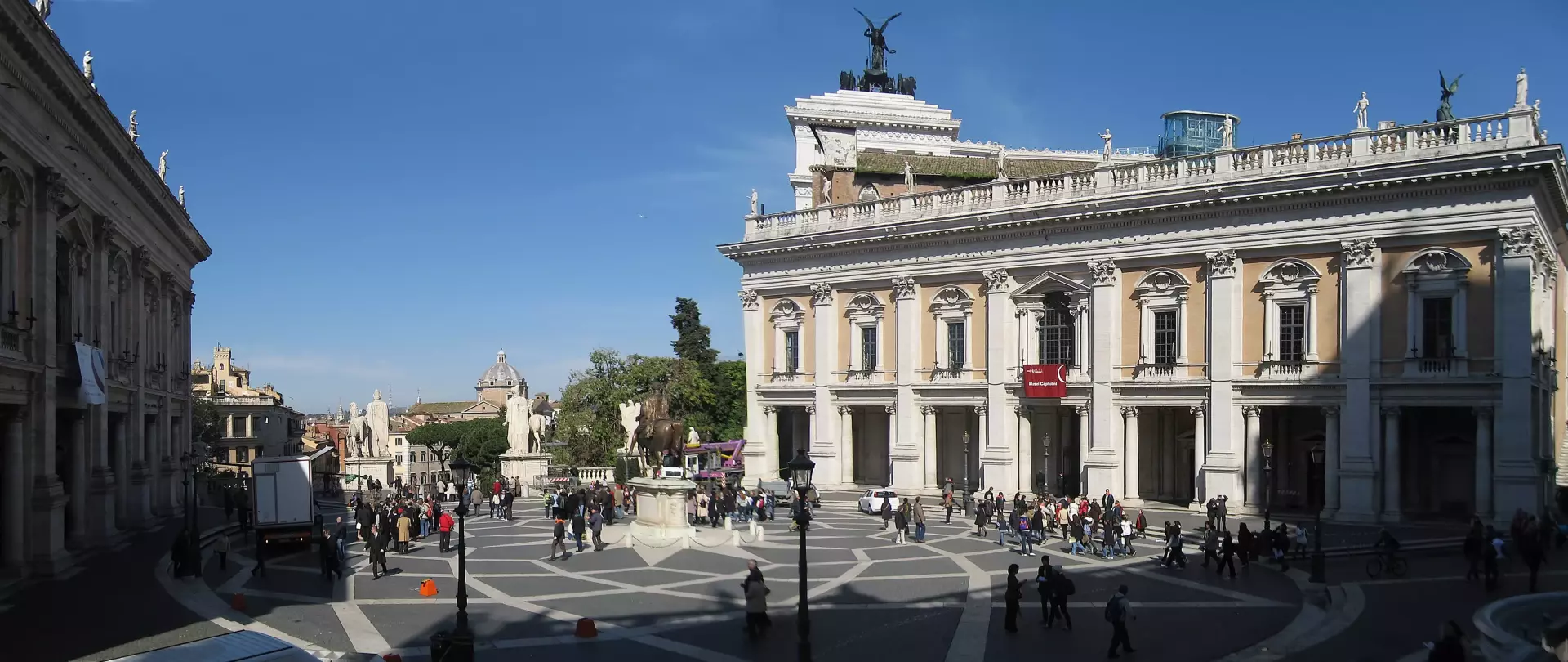
Ballroom-like church which crowns part of the Capitoline Hill. Don't be fooled by the plain stone exterior.
Beautiful park, the 2nd largest in Rome (after Villa Doria Pamphili) at 450 acres/182 hectares. Hosts concerts on summer evenings. former summer residence of Italian monarchs. Also known for it's bunker.
Parco Savello is the name of the grounds and orange grove next to the Santa Sabina church at the top of the Aventino and also where you have one of the best views of the city. Families gather here to sit under the dozens of orange trees. The "Giardino degli Aranci" is also a well known spot for lovers at night. The best views are arguably from Janiculum hill, just across the Tevere (Tiber) river. Immediately below you, the Tiber snakes its way through the city, and directly beyond it you can see the lively medieval quarter of Trastevere. Beyond that is the majestic dome of St. Peter's Basilica, with the historic centre of Rome visible to the right.
Casal Rotondo is the biggest mausoleum on the Appian Way, at about the sixth mile. It now incorporates a small private villa, originally a farmhouse. It is not known for whom it was built. The wall of fragments next to it, constructed by Luigi Canina, has ruins referring to the Cotta family but this family is now believed to not be associated with the Casal Rotondo.