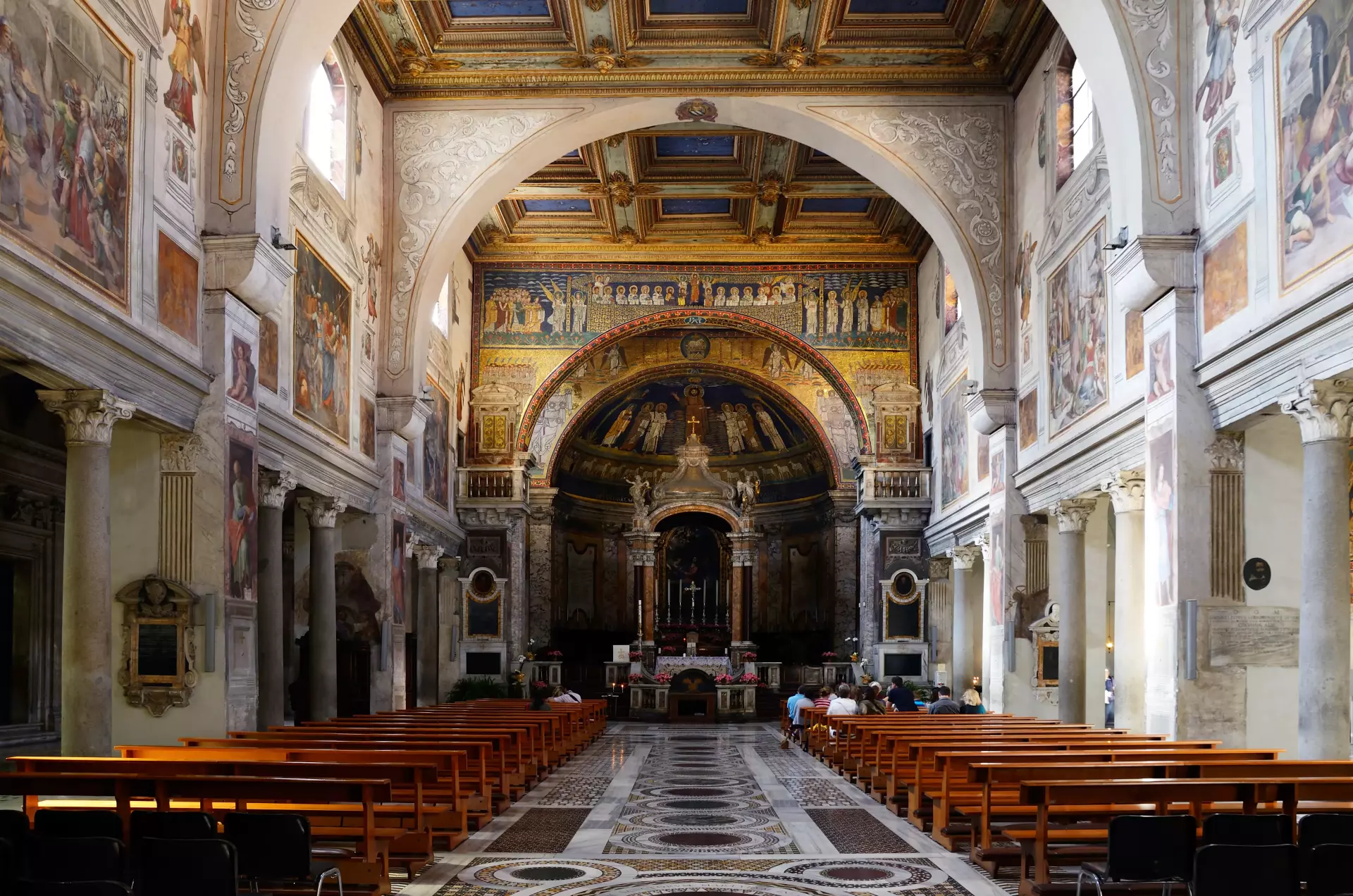
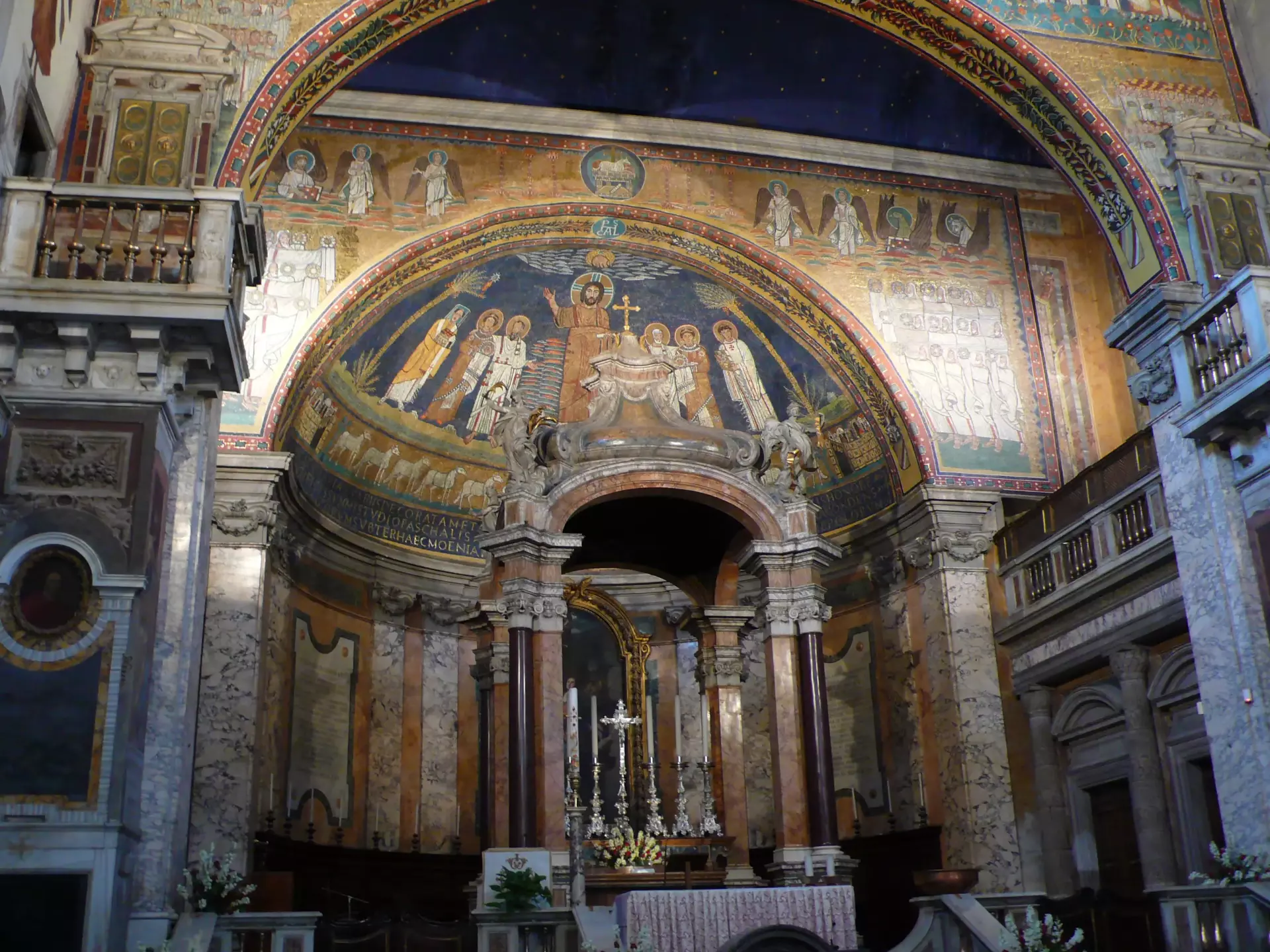
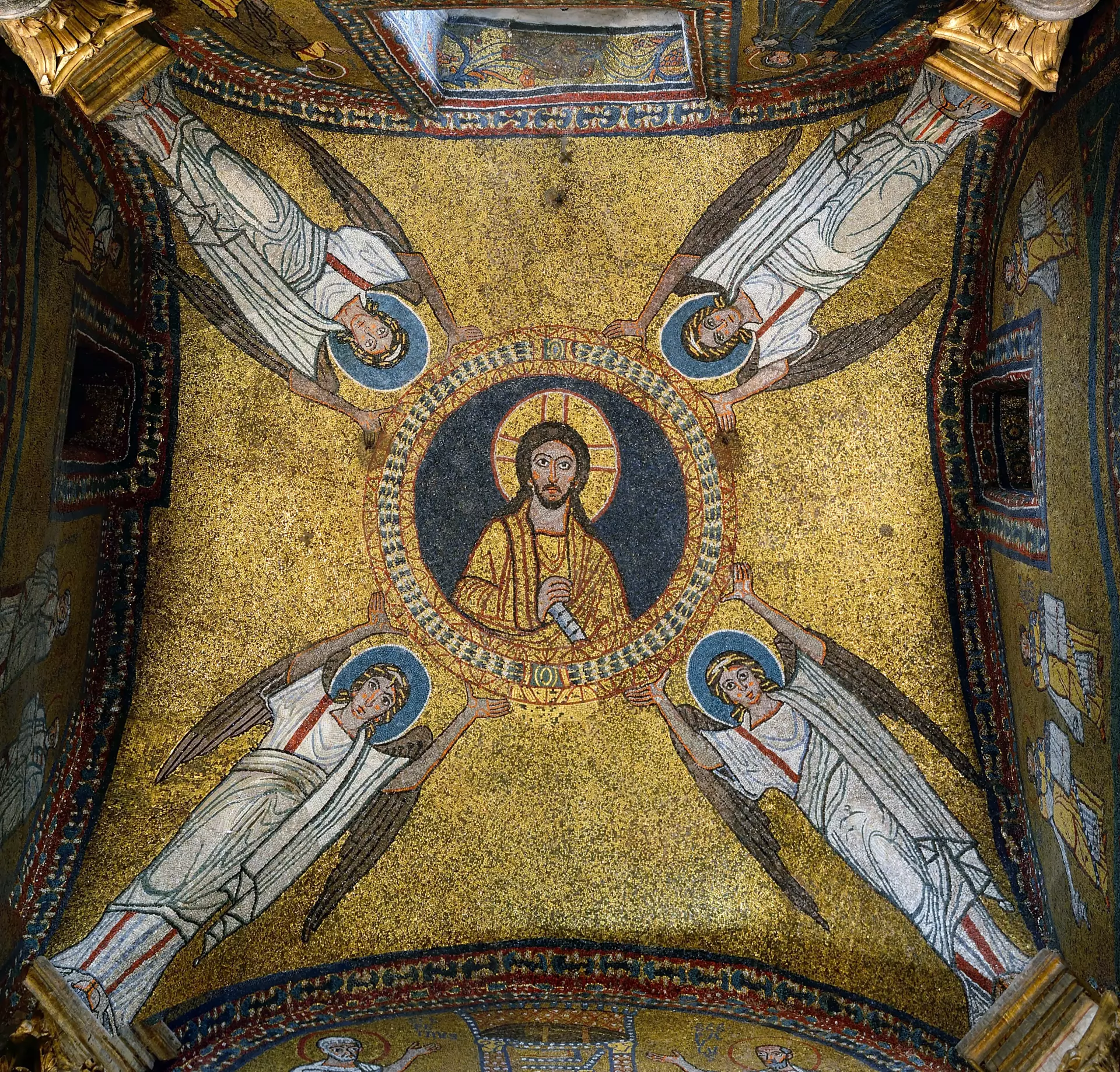
Hidden away from the bustling crowds of Rome’s main attractions, Santa Prassede offers a serene escape into a world of shimmering gold and ancient artistry. The moment you step inside, you’re greeted by a hushed, almost sacred atmosphere and a visual feast that transports you back over a thousand years.
The true stars of Santa Prassede are its breathtaking Byzantine mosaics. These intricate artworks, with their vibrant colors and delicate details, adorn the apse and chapels, telling stories of saints and miracles in glimmering glass and gold. Even if you’ve seen the city’s more famous churches, the mosaics here have a quiet power that’s uniquely captivating. It feels as though you’ve stumbled upon a hidden gem, more intimate and less crowded than many of Rome’s grand basilicas.
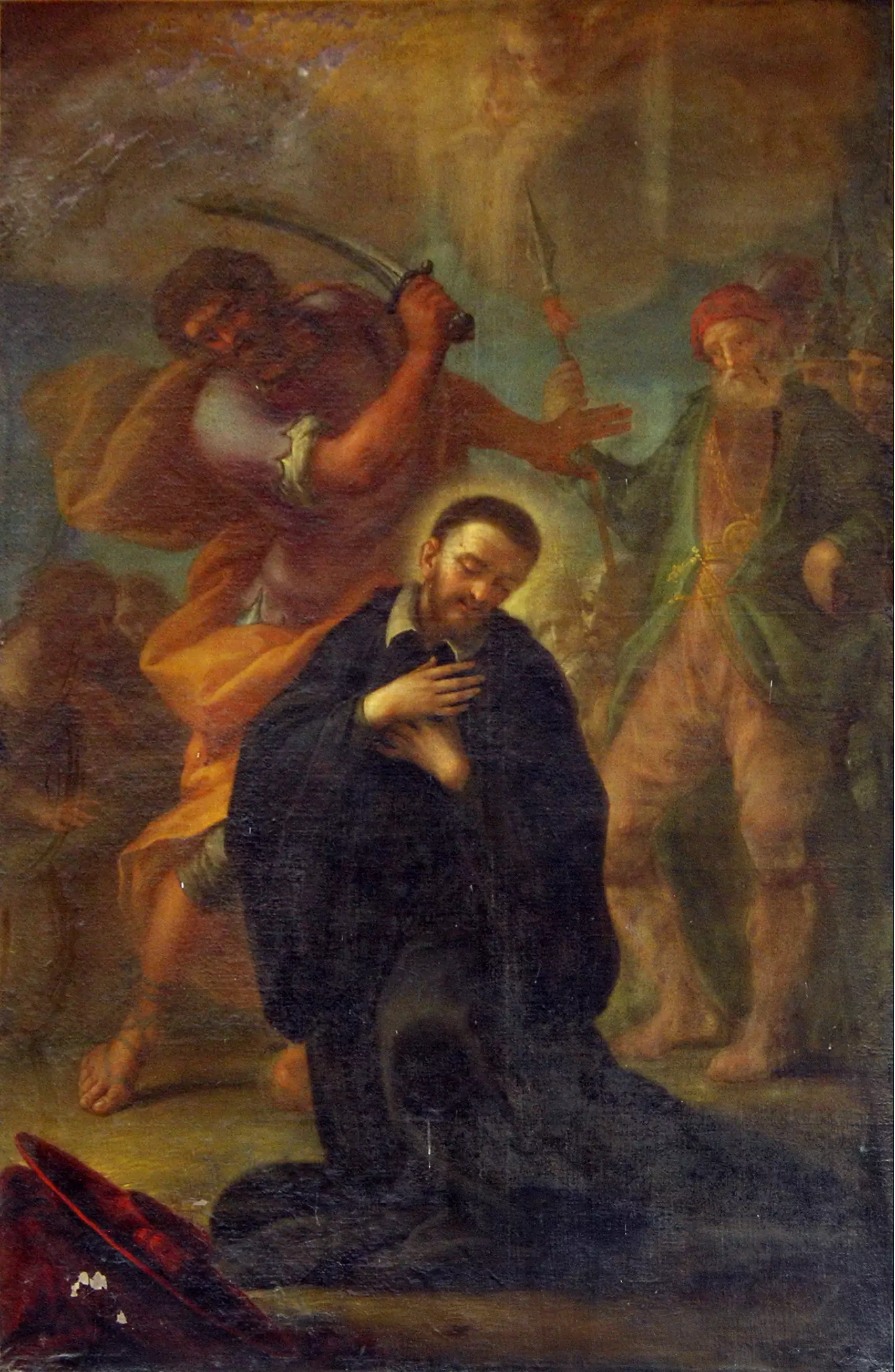
Beyond the mosaics, you’ll discover other intriguing pieces of religious art, each adding to the church’s rich tapestry of history and devotion. The gentle light filtering through the windows illuminates ancient frescoes and marble columns, making it easy to linger and soak up the tranquil ambience.
Best of all, you don’t need hours to appreciate Santa Prassede. In just 30 minutes, you can enjoy a relaxed visit, take in the highlights, and leave feeling inspired by both the art and the peaceful surroundings. If you’re exploring Rome and crave a moment of beauty and calm, this is one site you truly shouldn’t miss.
Source - https://en.wikipedia.org/wiki/Santa_Prassede
A truly monumental stairway of 135 steps (similar to climbing eight flights of stairs), built with French funds between 1721 and 1725 in order to link the Bourbon Spanish embassy to the Holy See (still located in the piazza below), with the Bourbon French church (its monastery founded in 1495) above. Don't sit on them though, or eat, or push a baby stroller on them, or do anything else that might obstruct pedestrians, make them dirty, or cause additional wear and tear, or else you will have to pay a fine that ranges from €250 to €400.
The Servian Wall was the first wall around Rome, built around the 3rd century BC. This well-preserved section provides a good opportunity to observe the construction methods of that time, particularly the use of tufa rock blocks
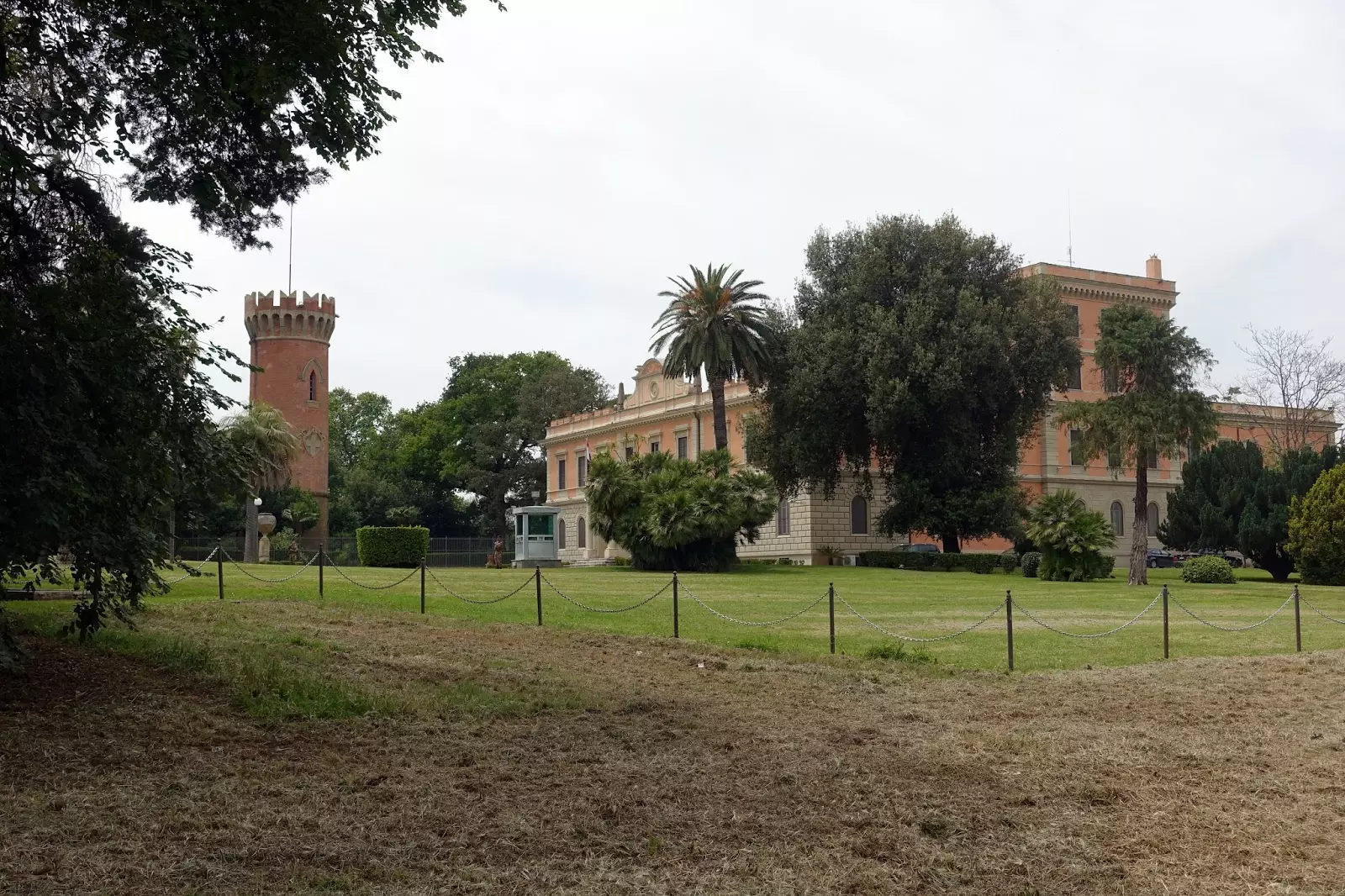
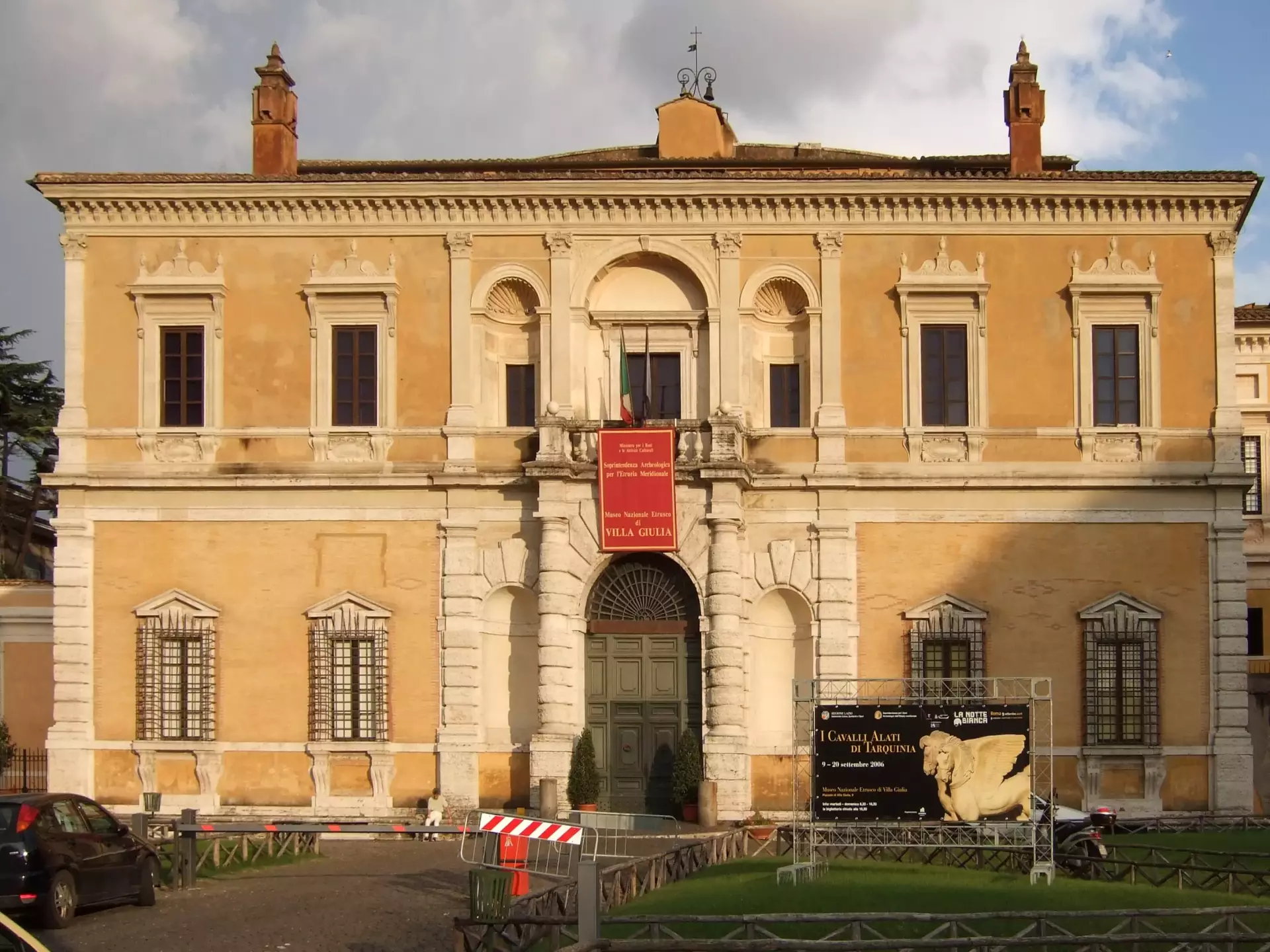
The most extensive collection of Etruscan art and artifacts anywhere. Fantastic collection and well worth the admission charge. A difficult museum to find, but a lovely display in a beautiful villa setting.
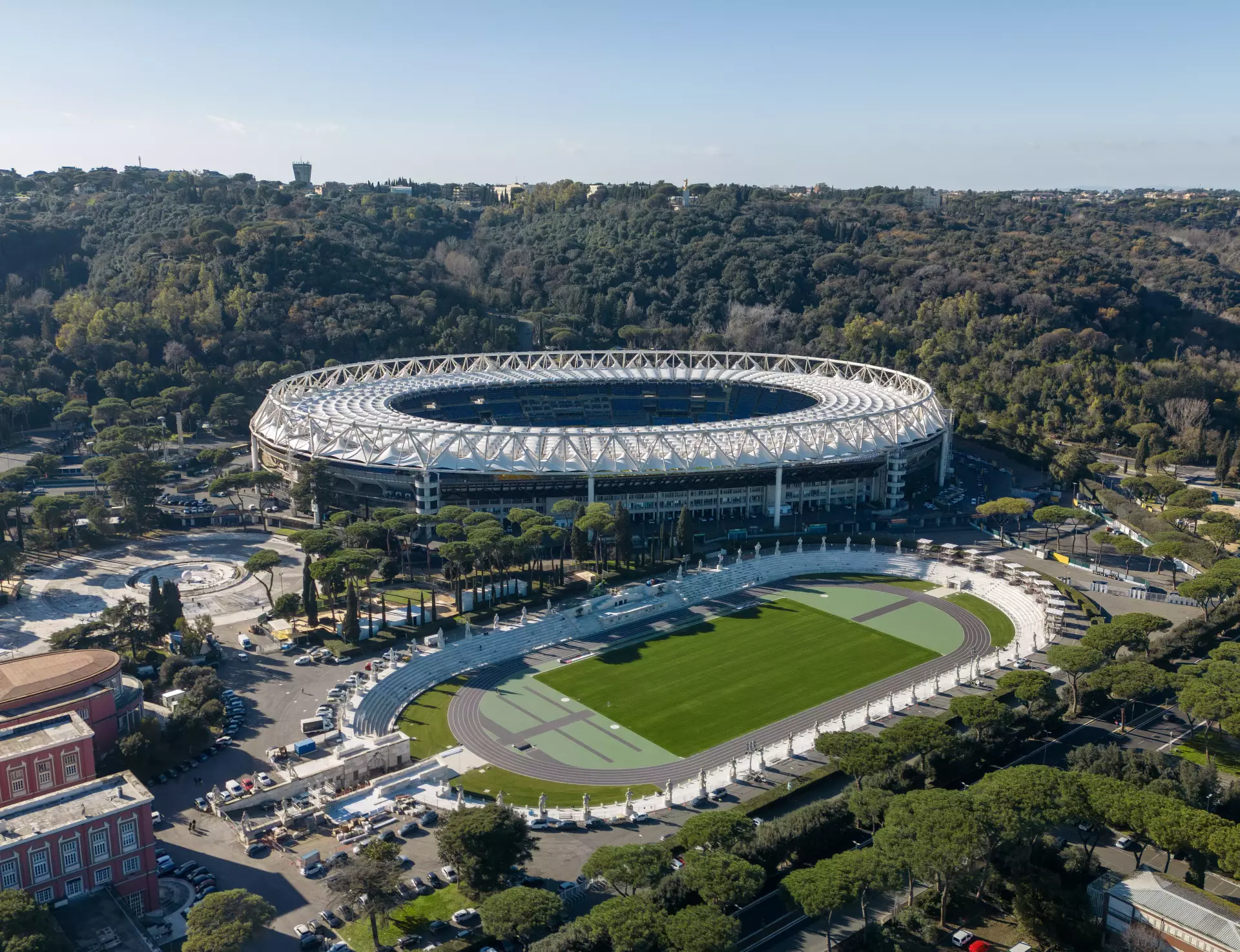
Inaugurated in 217 AD and used until the 6th Century. The baths were big enough for 1600 bathers at a time. Impressive and well-preserved. Used for operas in summer months (see Opera di Roma for details) and was the location for the famous "three tenors" concert in July 1990, at the time of the World Cup (soccer).
Perhaps most famous for a large model of imperial Rome, but also has a large display of various aspects of ancient Rome, using plaster casts, models and reconstructions of works found in museums throughout the world.
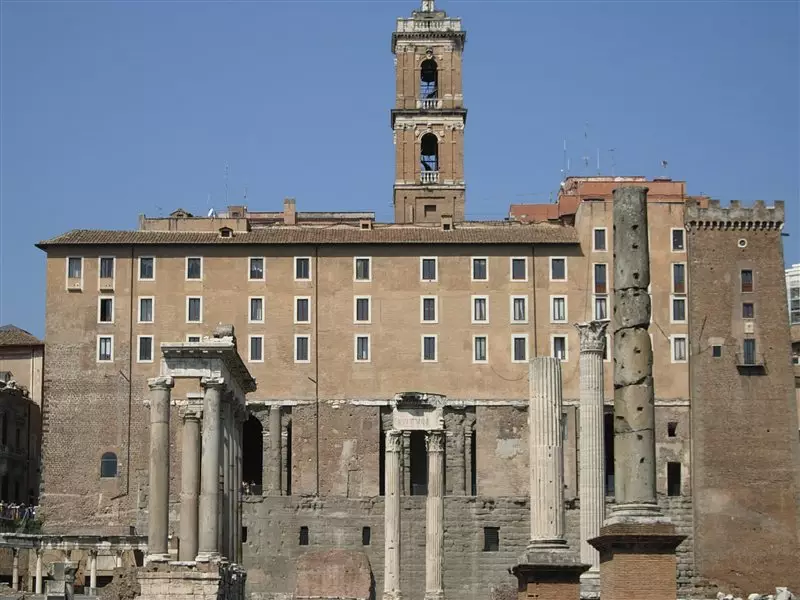
On top of the Capitoline hill. The piazza was designed by Michelangelo. The Capitoline Museum is housed in the palaces flanking the piazza. You can walk behind the Palazzo Senatorio, where Rome's government meets, to a wonderful viewpoint which overlooks the entire Roman Forum. In the centre of the square you can admire an exact copy of the Statue of Marcus Aurelius on horseback; the original is kept in one of the two museums, to preserve it from pollution.
Underground burial place of an ancient Roman family and of seven early popes.
Completed in 1762 to a design by Nicola Salvi, this spectacular Baroque fountain features a mythological sculptural composition of Neptune, god of the sea, flanked by two Tritons: one Triton labours to control a violent sea-horse, the other controls a pacified creature, both symbolising the dual nature of the world's oceans. The location of the Trevi fountain marks the terminus of the ancient Aqua Virgo aqueduct, completed in 19 BCE in order to supply the Baths of Agrippa, and is so named on account of its position at the junction of three roads (tre vie). The legend says that one who throws a coin in the fountain shall one day return to Rome. The coins in the fountain are regularly collected to finance charities. The fountain has been made even more famous by the 1954 film, Three Coins in the Fountain, and by a famous scene in Federico Fellini's film La Dolce Vita. According to popular superstition and custom, throwing coins with one's right hand over one's left shoulder into the Trevi Fountain is a practice endowed with good luck. Throwing one coin ensures that the thrower will return to Rome; throwing two coins will ensure that the thrower will fall in love with a beautiful Roman girl (or handsome boy); throwing three coins, finally, ensures that the thrower will marry that girl or boy in Rome itself. The fountain is one of Rome's most famous attractions, but the square isn't exactly as large as St. Peter's, therefore it might be packed with crowds almost like at a rock festival. For this reason it's reportedly also a pickpocket hotspot, so do watch your pockets and bags here!
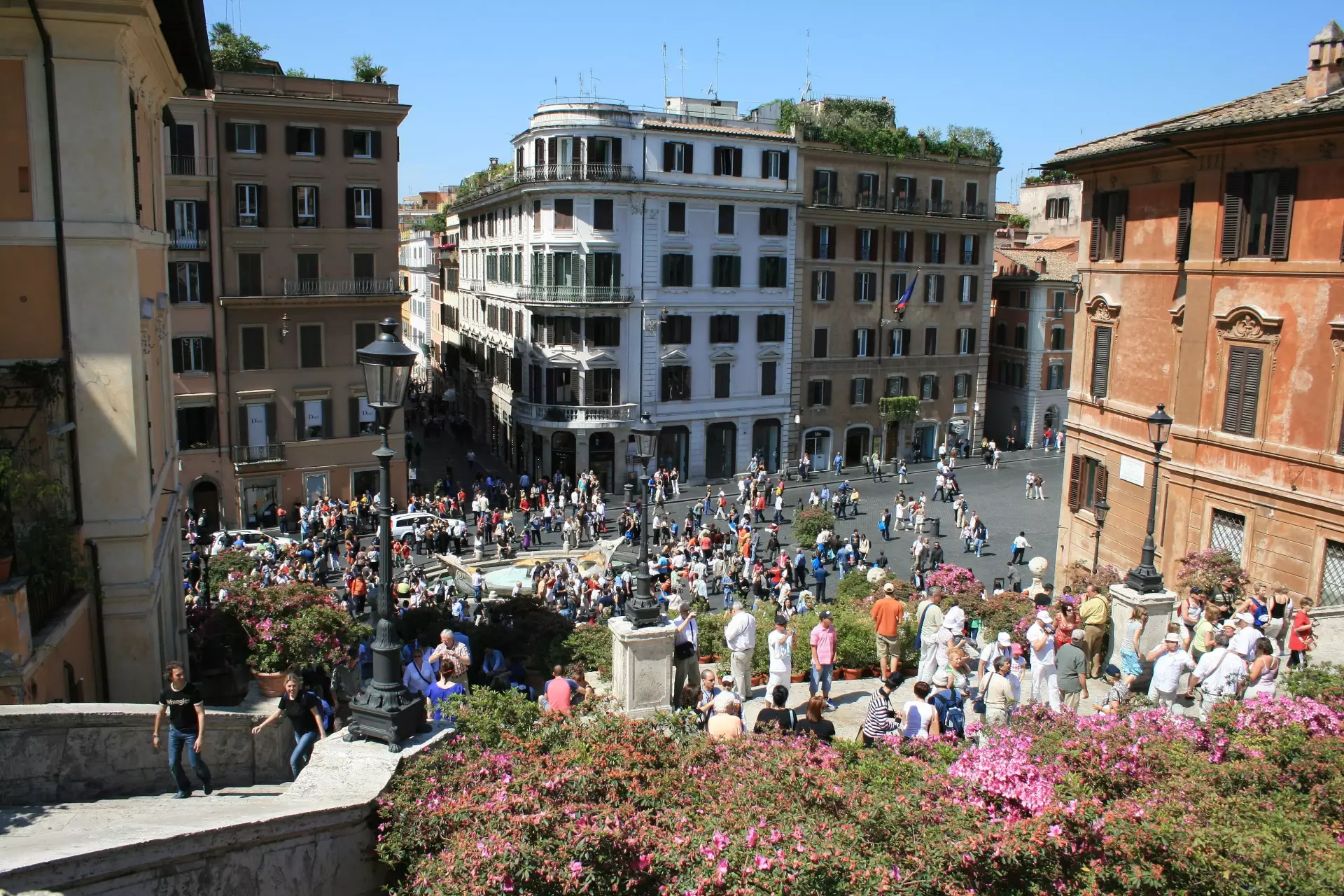
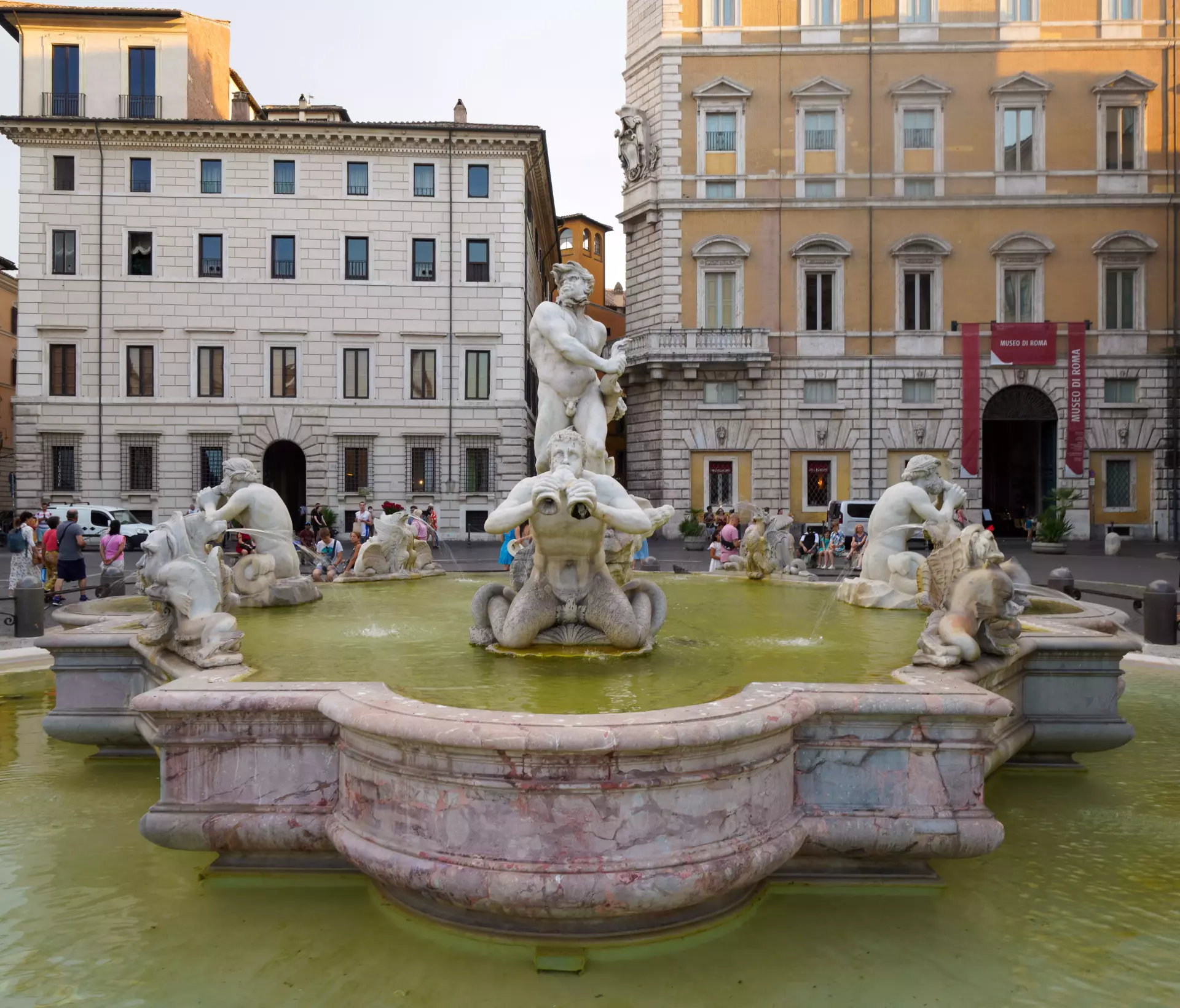
The Piazza di Spagna (Spanish Square) is the most famous square in Rome. For a very long time it was the meeting point of all foreigners coming to Rome. In the 17th century it was the residence of the Spanish Ambassador to the Holy See. The area around the residence was Spanish territory and foreigners who stayed here without permission were forced to serve in the Spanish army. The Fontana della Barcaccia (Old Boat Fountain) on Piazza di Spagna was designed and built in 1627-29 by Pietro Bernini, father of the more famous Gian Lorenzo Bernini. The fountain celebrates the fact that before high walls were built along the banks of the Tiber Rome often used to flood. Once the waters were so high that a boat ended up in the square. The decorations on the fountain imitate the coat of arms of Pope Urban VII, Barberini'p, who ordered the fountain to be built. A less aesthetic occupant of the square is Italy's first McDonalds, dating back to 1986. Also in the piazza is a column erected in 1856 to commemorate the Immaculate Conception. The column is topped by a statue of the Virgin Mary, and rests on a base with statues of Moses, David, Isaiah and Ezekiel. The Pope visits the Piazza every year on December 8th to celebrate Immaculate Conception.
The mausoleum of Cecilia Metella, who died in 69 BC, is the best preserved monument on the Appian Way and dominates the surroundings. In the Middle Ages it was transformed into a fortress and battlements were added. At that time there was considerable competition for ownership because of its strategic location.
This well-preserved Roman circus was built at the beginning of the fourth century. It was part of an imperial villa built by Maxentius and the complex also contains the Mausoleum of his son, Romolo.