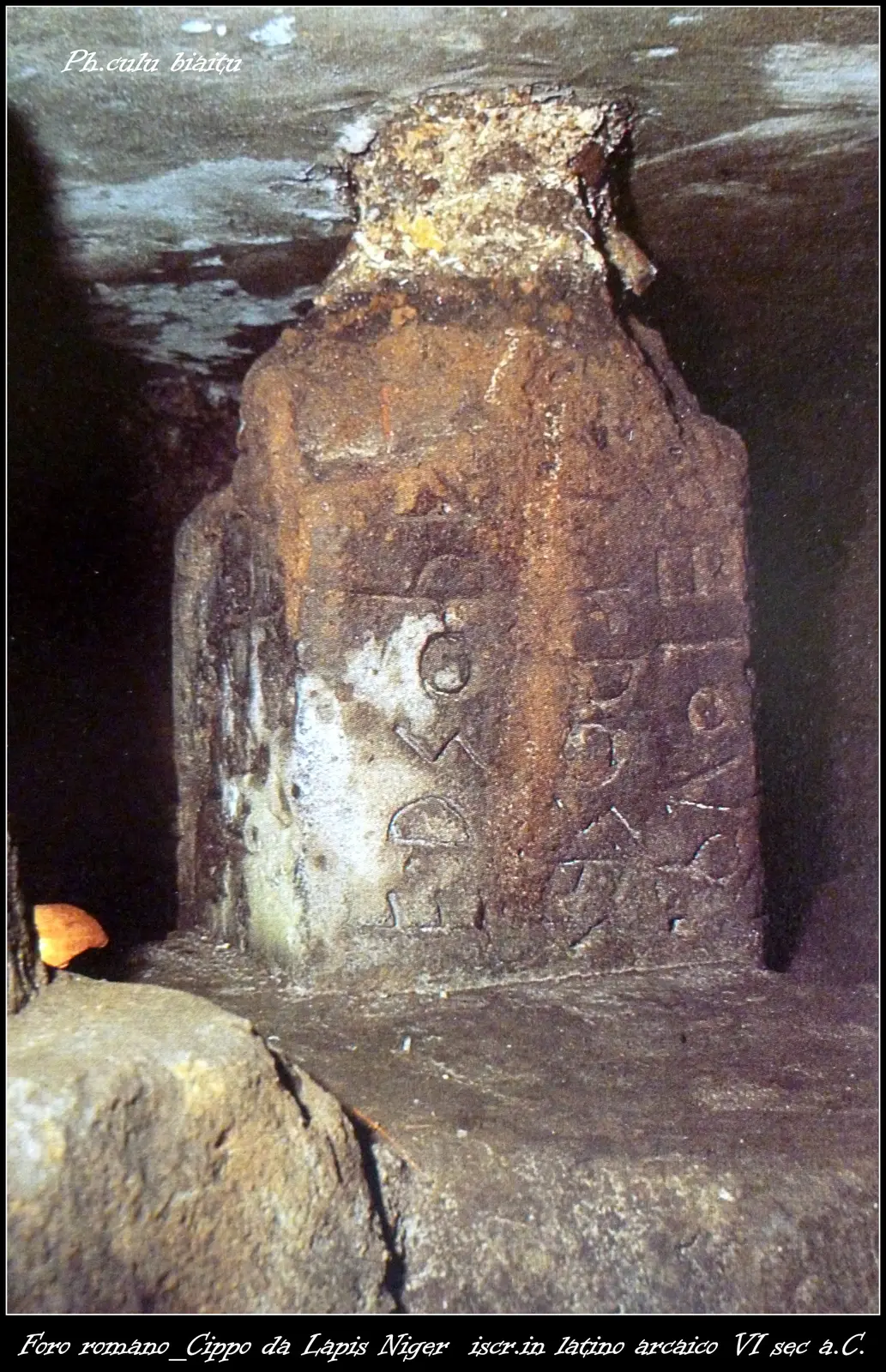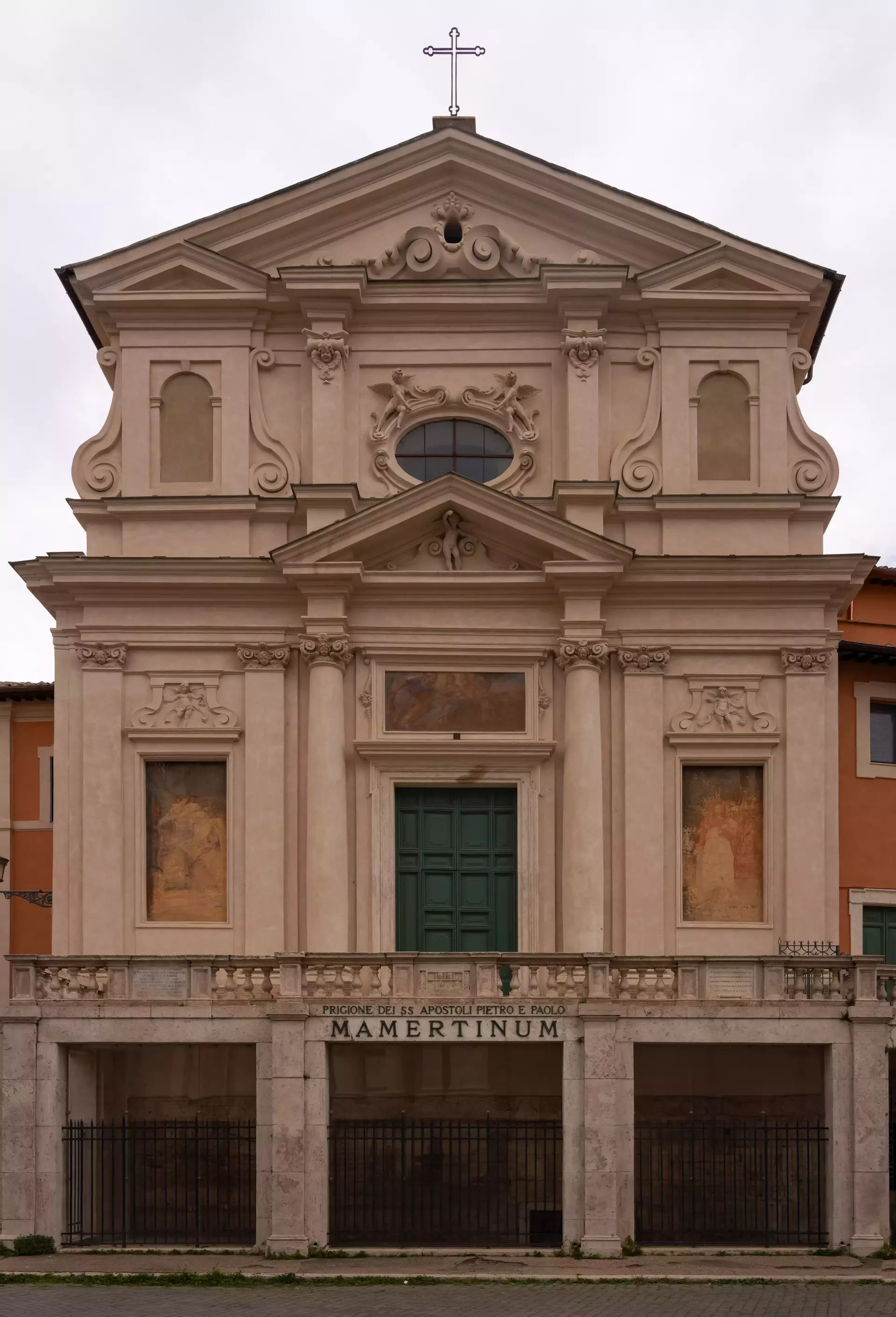
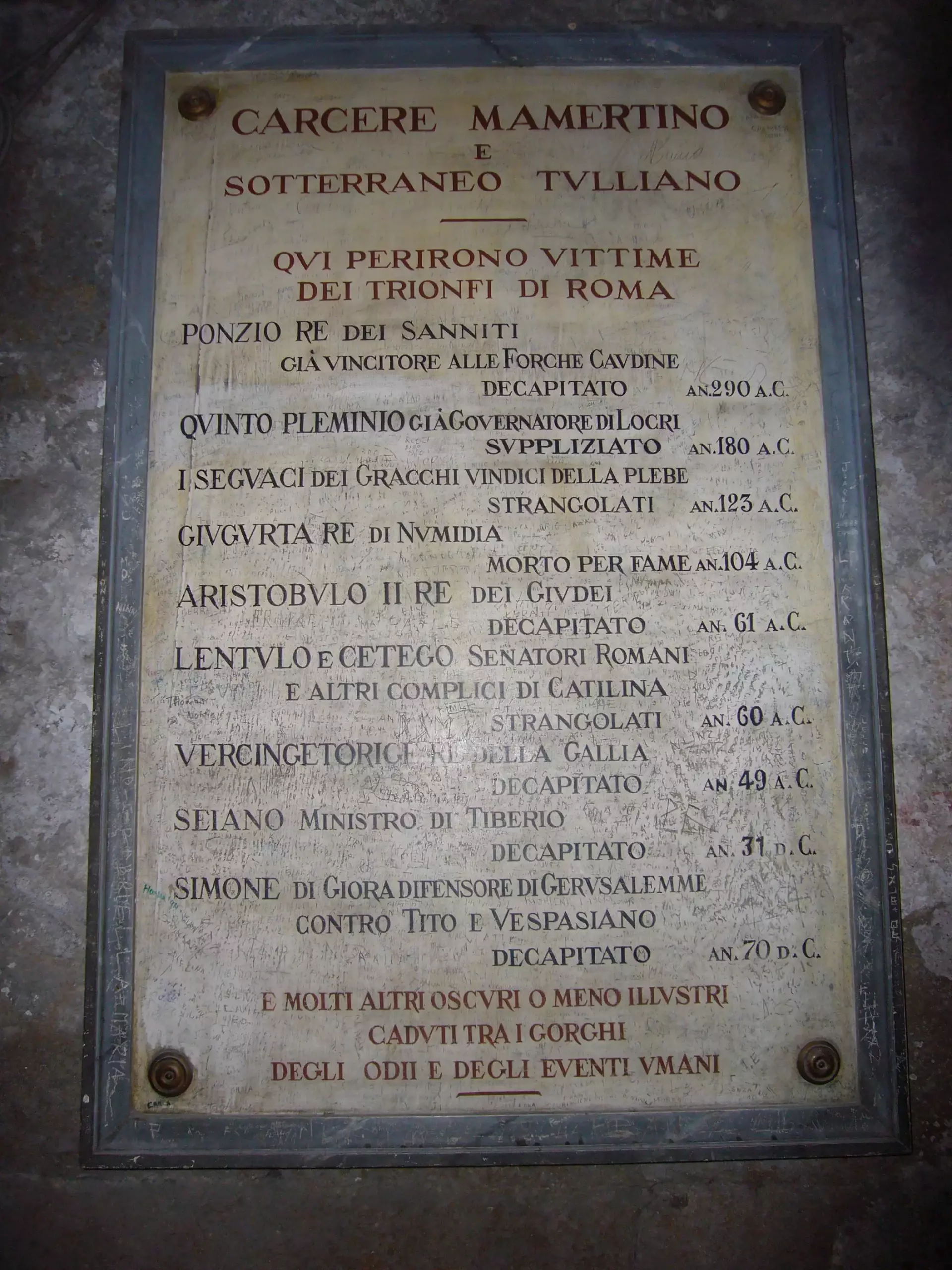
Hidden beneath the bustling streets of Rome, the Mamertine Prison holds centuries of dark and fascinating history. This ancient structure, dating back to the earliest days of the Roman Republic, once served as the last stop for some of the city's most notorious prisoners. It is a place where power, punishment, and legend intertwine, echoing the stories of those who met their fate within its stone walls.
The Mamertine Prison, originally known as the Tullianum, was not just any holding cell. It was reserved for Rome’s most significant captives: defeated enemy leaders and disgraced Romans who had fallen from grace. The conditions within were notoriously harsh. Prisoners often faced a slow death from starvation, or a more immediate end by strangulation, as decreed by the authorities. For centuries, passing through the Mamertine Prison meant the end of the road for those brought within its confines.
The prison is also deeply intertwined with legend. Most famously, it is said to be the place where St. Peter, one of the founders of the Christian church, was held captive before his martyrdom. According to tradition, he performed miracles even while imprisoned, such as causing a spring to well up in order to baptize his fellow prisoners. These stories have elevated the Mamertine Prison from a mere historical site to a destination of spiritual significance for many visitors.
Today, the Mamertine Prison stands as a testament to Rome’s turbulent past. Nestled near the Roman Forum, it attracts history enthusiasts, pilgrims, and curious travelers alike. Exploring its underground chambers offers a rare glimpse into the ancient world — a world where justice was often harsh, and where the stories of prisoners still linger in the shadows of its stone corridors.
Source - https://en.wikipedia.org/wiki/Mamertine_Prison
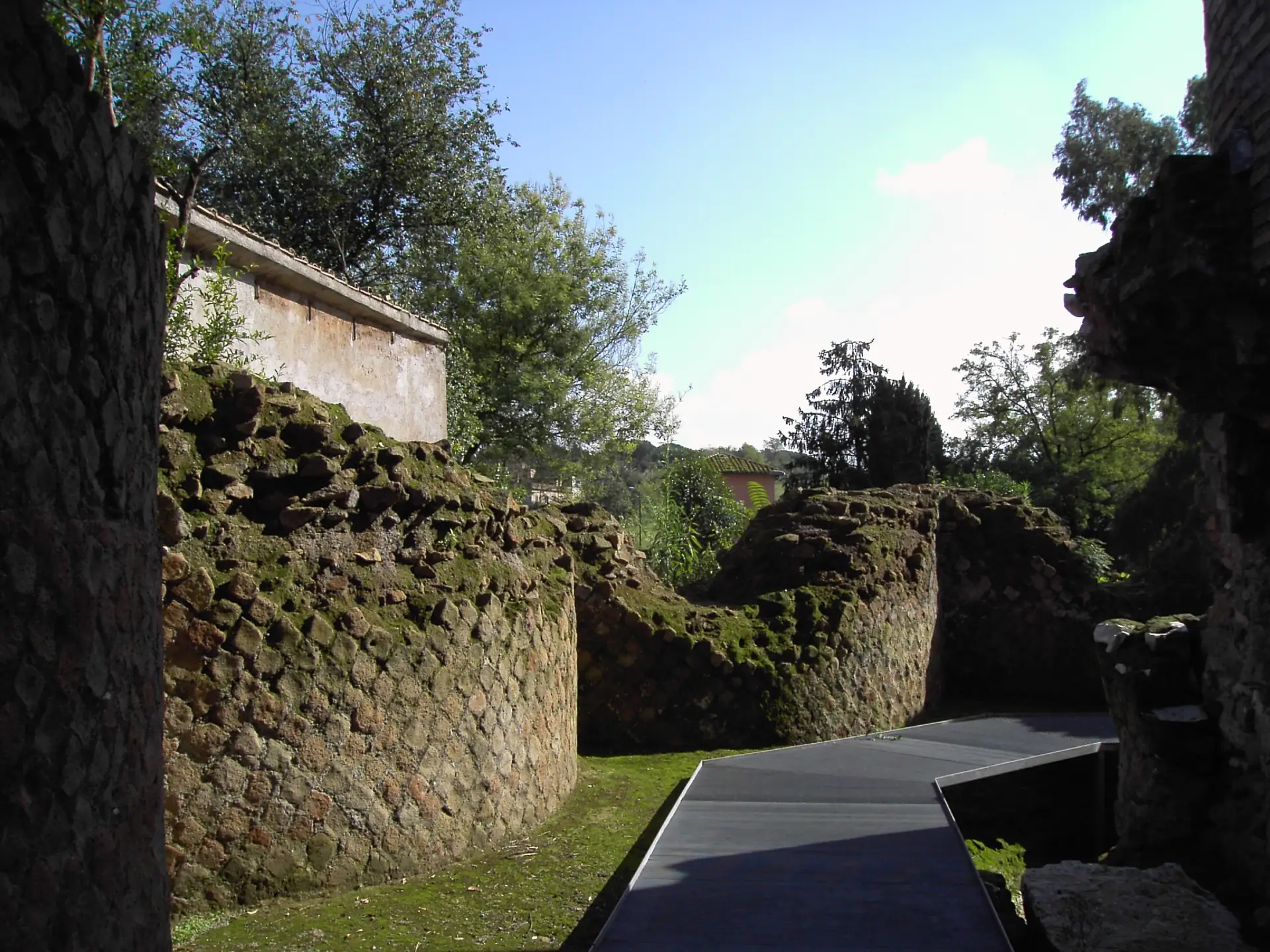
This well-preserved Roman circus was built at the beginning of the fourth century. It was part of an imperial villa built by Maxentius and the complex also contains the Mausoleum of his son, Romolo.
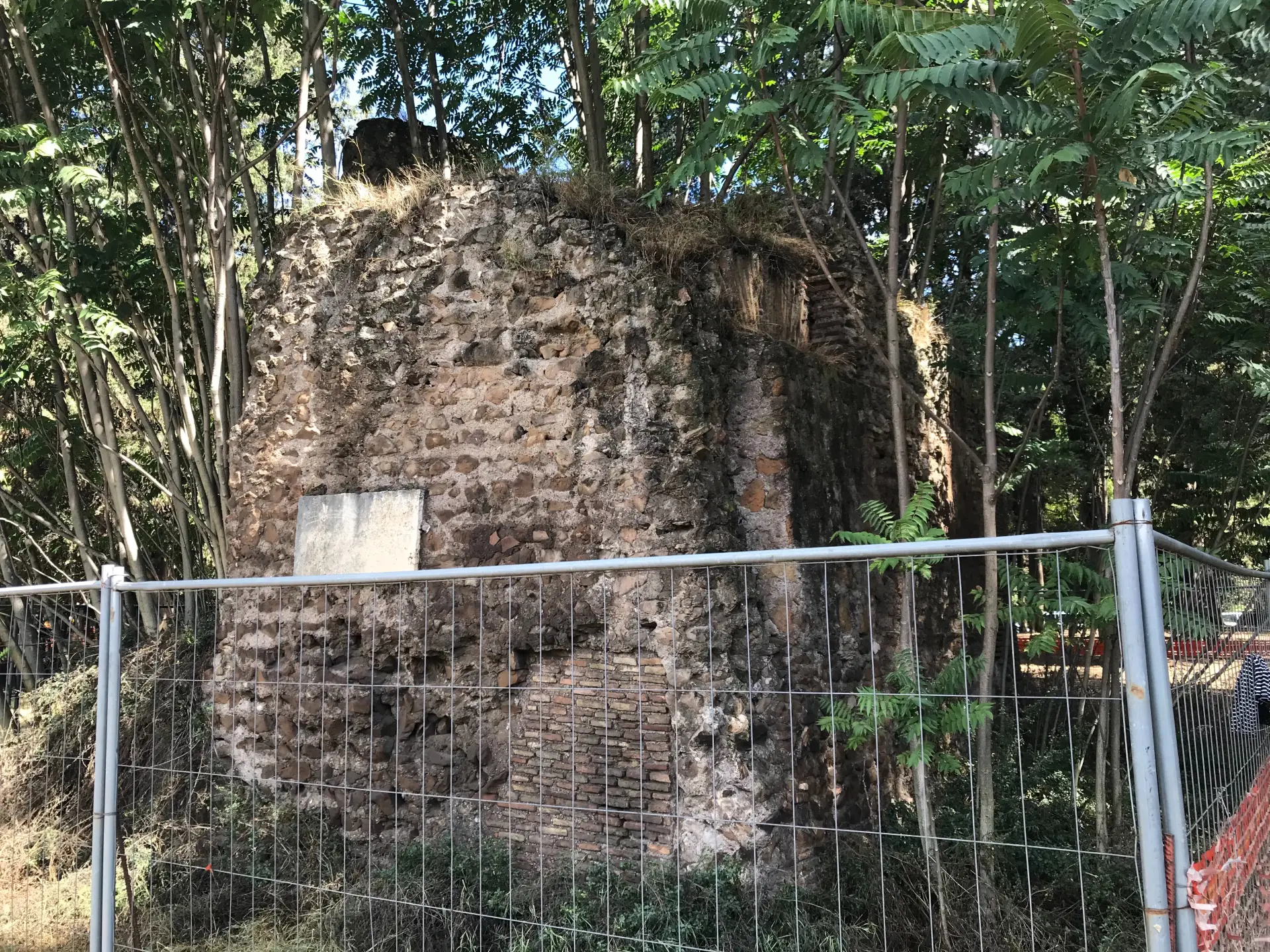
Casal Rotondo is the biggest mausoleum on the Appian Way, at about the sixth mile. It now incorporates a small private villa, originally a farmhouse. It is not known for whom it was built. The wall of fragments next to it, constructed by Luigi Canina, has ruins referring to the Cotta family but this family is now believed to not be associated with the Casal Rotondo.
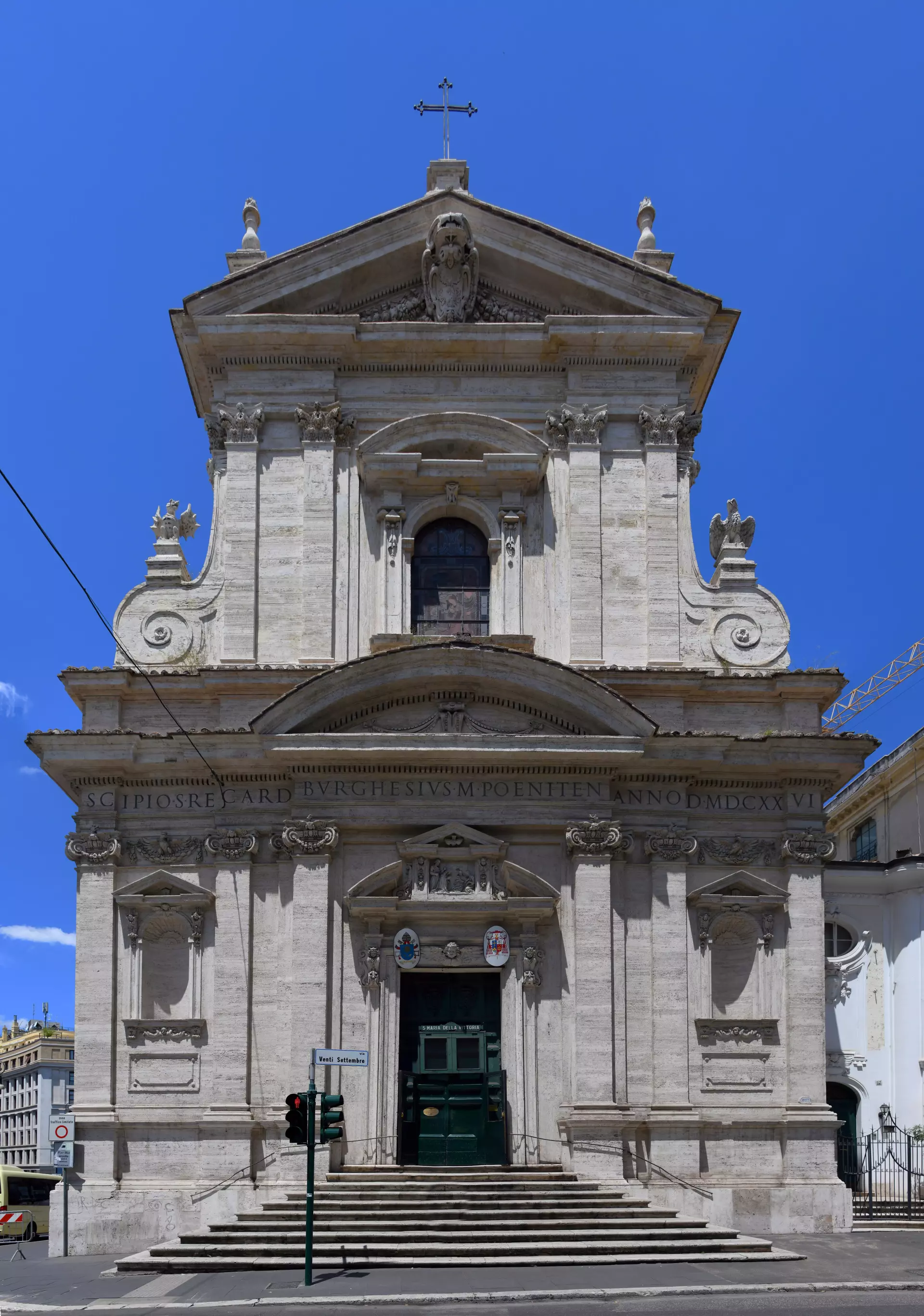
Borghese Gallery and Museum is a lovely display in a beautiful villa setting, which concentrates on the quality rather than the size of its collection. There are some very notable works by Antonio Canova and Gian Lorenzo Bernini here, Bernini's Apollo and Daphneis quite amazing. It also houses some of Caravaggio paintings, well worth the admission charge. Originally, the gallery was one of the most magnificent private art collections in the world. It was founded by Cardinal Scipione Borghese. At the beginning of the 19th century, Prince Camillo Borghese sold great parts of the collections to Paris where today they belong to the most valuable exhibits of the Louvre. Since 1902 the villa and the gallery are owned by the Italian state. The number of people admitted is limited to 360 every 2 hours, so it is best to make a well in advance for the time slot you want. Cameras and photography are allowed. Plan to arrive at the museum at least 15 minutes prior to your entry time, to obtain your ticket from Will Call and to deposit purses, strollers, backpacks, bottles, and other bulky items in the cloak room. If you are late for your reservation the museum may not allow you to use your ticket.
An underrated way to see fantastic art made after the Renaissance. Mainly Italian artists, notably De Chirico, but Cézanne, Degas, Kandinsky, Man Ray, Modigliani, Monet, Pollock and Van Gogh are also represented.
The temple of the Emperor Hadrian was consecrated in 145 AD by Emperor Antoninus Pius. The remains of the antique temple were incorporated into a new building that served as the Papal Customs House. It was finished around 1690 and today accommodates the Stock Exchange (Borsa).
It was immortalised in 1960 by the Federico Fellini film La Dolce Vita. It is also the location of the US Embassy, in the massive Palazzo Margherita. Via Veneto went into a period of decline in the 1980s but has returned to popularity and the roadside cafes are the place to be seen if you are into that sort of thing.
Built in the 9th century, this ancient basilica crowns the top of the Esquiline Hill. Tons of gold decorate the interior together with impressive mosaics (particularly when the floodlights are turned on), and there is a museum on the premises. If you are in Rome on Corpus Christi (Corpus Domini), which is the Thursday after the 8th Sunday after Easter, an early-evening service is held in San Giovanni by the Pope followed by a procession along Via Merulana to Santa Maria. Good opportunity for a close up view of the Pope. This is a very large church with lots to see, as for example, the main part of the church has two layers of mosaics and paintings high on the walls, the altar and apse are spectacular, and then there are several more or less large chapels you won't want to miss, including the one with the amazing golden baptismal font. Allow at least an hour if not an hour and a half or more to visit the interior, even if you do not take any special tours, and also allow time to view the exterior from all sides. Overall, at least 2 hours would not be too much time to allot.
Caffarella Park covers an area of 339 ha and is part of the larger Appia Antica park. It contains both a working farm and numerous Roman ruins, some quite well preserved and is a great place for a stroll or cycle away from Rome’s traffic.
Inaugurated in 217 AD and used until the 6th Century. The baths were big enough for 1600 bathers at a time. Impressive and well-preserved. Used for operas in summer months (see Opera di Roma for details) and was the location for the famous "three tenors" concert in July 1990, at the time of the World Cup (soccer).
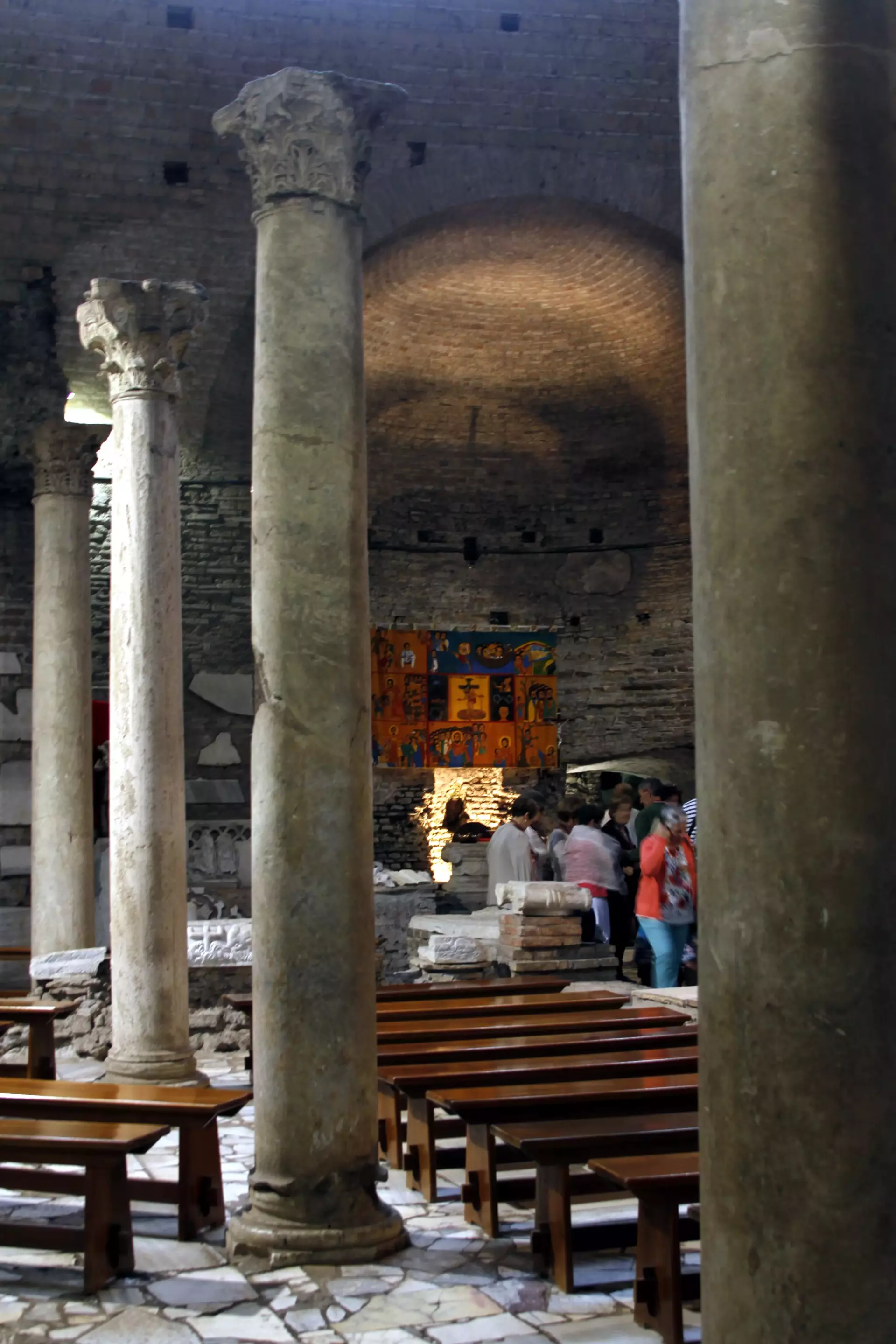
According to the legendary passio, two brothers, John and Paul, who were officials at the imperial court, suffered martyrdom in 362 in their home on the Caelian hill, during the reign of emperor Flavius Claudius Julianus. This basilica dedicated to these two Roman officers was erected starting from 398 and was used first as a domus ecclesiae by the Christian community.
A very ancient church named after a saint who was in 1969 removed from the Roman Catholic calendar of saints for the lack of details of her life. But the church retains the name and is well worth visiting for an excellent 4th-century mosaic and attractive decorations on the facade. Visiting hours are short, but if you arrive close to 11:30, try talking to the attendant if you see him, and he might let you visit for a few minutes. The church is small, so 15 minutes should be long enough to see and absorb everything.
This is the largest square in Rome. It sometimes hosts pop concerts and is the focal point for Rome's New Year's Eve celebrations. The twin churches Santa Maria dei Miracoli (1681) and Santa Maria in Montesanto (1679) used to provide a clear welcome to Rome for those coming from the north. Much older, to the north of the piazza is yet another Santa Maria (see below). The Piazza del Popolo is considered as one of the most beautiful squares in Europe. It was enlarged and two streets, the Via di Ripetta and the Via del Babuino were added by order of Pope Sixtus V. In the middle of the square is an obelisk (see below). In 1809-1816, Giuseppe Valadier, Roman architect of French origin, gave the square its characteristic oval shape.
The Scala Sancta (Holy Stairs) is, according to Roman Catholic tradition, the staircase used by Jesus Christ to approach Pontius Pilate to be sentenced to death. Attracts numerous pilgrims who climb the stairs on their knees.