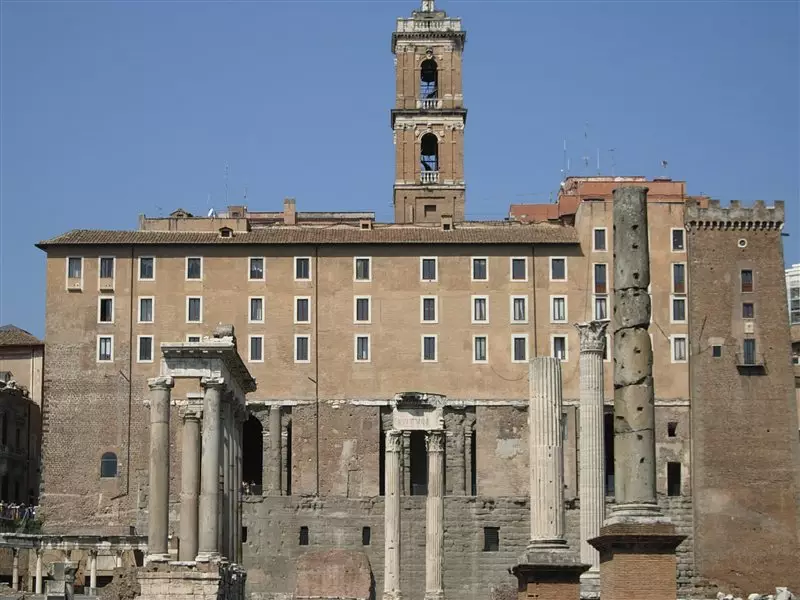
Standing at the crossroads of ancient history and vibrant present-day Rome, the Tabularium is a lesser-known gem that whispers stories of the city’s illustrious past. Once the official archives of ancient Rome, this monumental structure housed records and documents that shaped the course of an empire. Imagine Cicero and Seneca, two of Rome’s most famed thinkers, poring over scrolls and state decrees within these very walls as they crafted their legendary works.
The Tabularium sits on the edge of the Roman Forum, its sturdy remains a testament to centuries of history. From its grand corridors, visitors are treated to one of the most breathtaking views of the Forum—columns, temples, and arches sprawled out in timeless majesty. It’s a vantage point that offers both a moment of quiet reflection and a spectacular photo opportunity, away from the bustle found elsewhere in Rome’s ancient heart.
Though the Tabularium might be missed by many wandering tourists, it’s easily accessible through the Capitoline Museum. As you explore the museum’s vast collection of sculpture and art, you’ll eventually find yourself in the Tabularium’s remains. Walking through its sturdy stone passageways, you can almost sense the gravity of the decisions made here—a place where the fate of a civilization was preserved in ink and parchment.
Source - https://en.wikipedia.org/wiki/Tabularium
Church built on the site of three Roman pagan temples, which can be explored underground for a small fee paid at a desk near the church entrance.
A 19th-century addition to the square, made to balance the Fontana del Moro.
By Bernini, in the very centre of Piazza Navona. Incorporates an Egyptian obelisk and symbolises four of the world's great rivers (the Ganges, the Nile, the Danube and the Plata), representing the four continents known at the time.
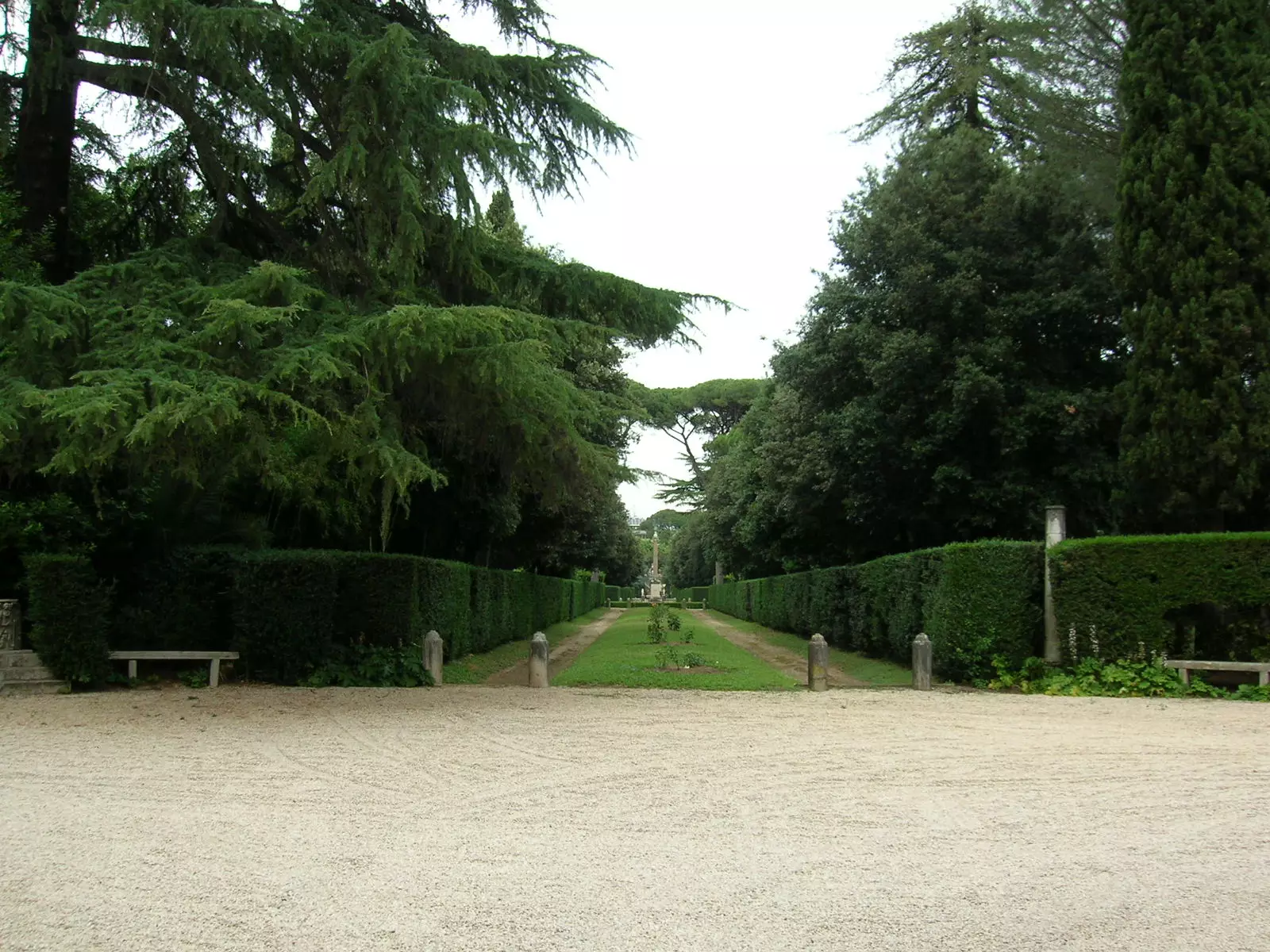
Caffarella Park covers an area of 339 ha and is part of the larger Appia Antica park. It contains both a working farm and numerous Roman ruins, some quite well preserved and is a great place for a stroll or cycle away from Rome’s traffic.
A relaxing place to sit and recover from the exertions of sightseeing. Permanent collection plus annual competition.
Romans and leaders of Rome's defeated enemies were imprisoned here where they either died of starvation or strangulation. According to legend, St. Peter was also imprisoned here.
Although started in the 2nd century, San Callisto has had many more recent burials, including 16 popes. The burial arcades are almost 20 km long.
The western end of the ancient Via Appia road connecting Rome to Brindisi in the heel of Italy, and as such the third world heritage site in Rome together with the Old Center and the Vatican. As such it's an important historical location, even if the remains of the gate aren't as impressive as the city's major sites. As Via Appia heads southeast out of Rome, and after a few kilometers the route is officially named Via Appia Antica and starts looking more historical: it gets narrow as a city street, the asphalt is replaced by a rock surface and the road is lined with parks and park-like areas and walled old buildings. This section has been described as the world's longest museum.
On the site of the Roman baths, this museum houses an enormous collection of statues, etc.
This is one of the two main Jesuit churches in Rome, the other being the nearby Sant'Ignazio. The interior is Baroque art on steroids. Simply astounding.