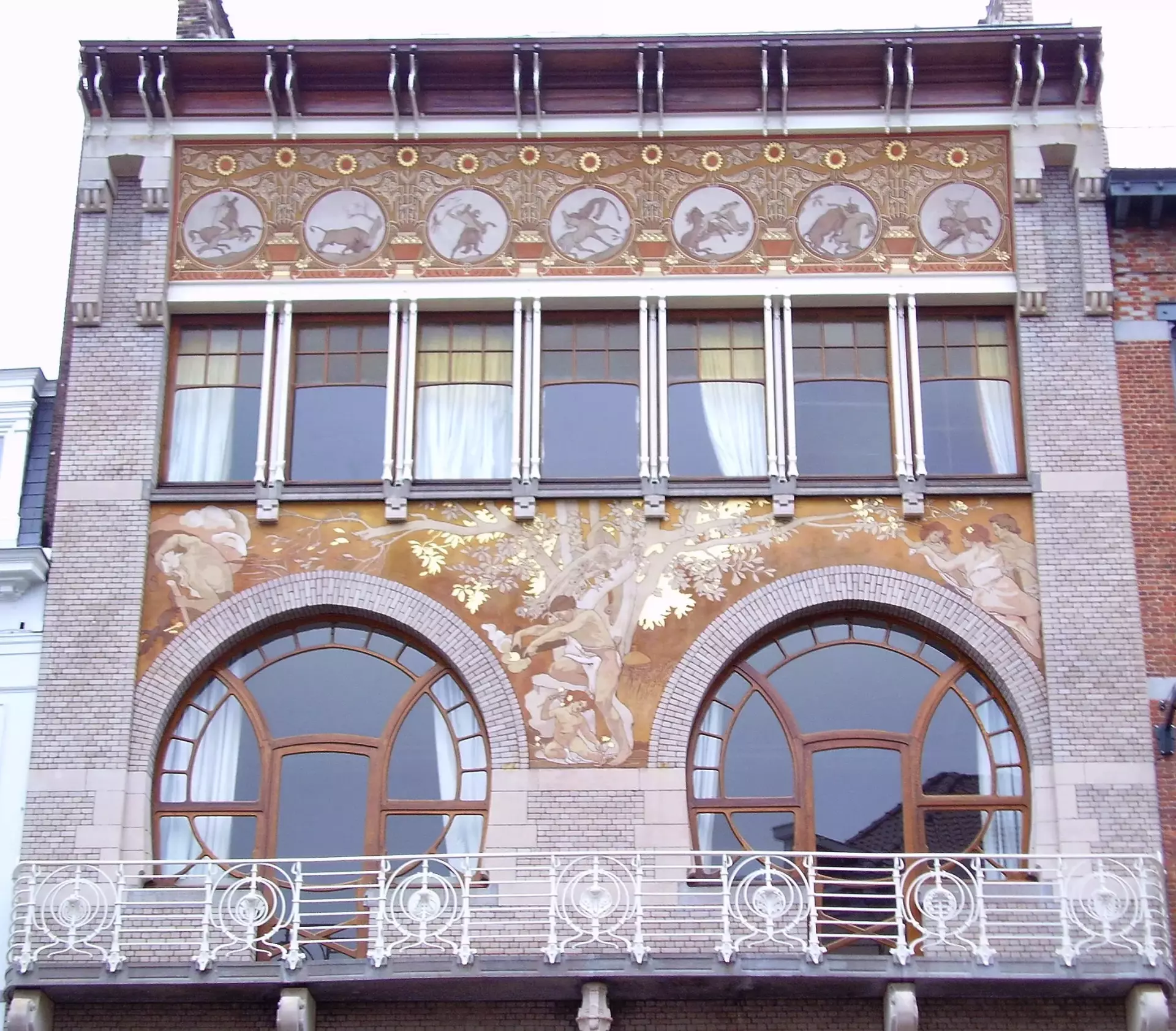
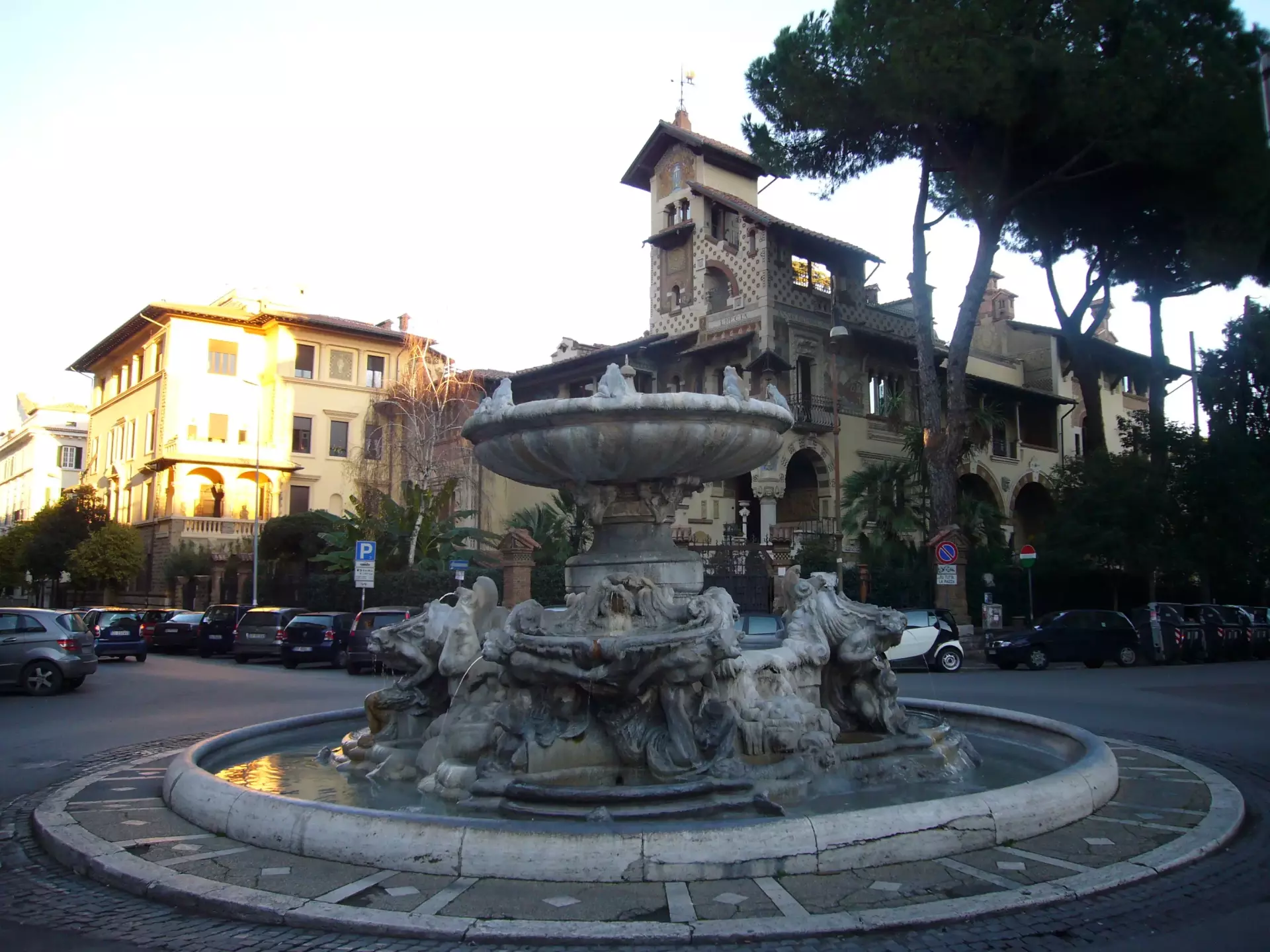
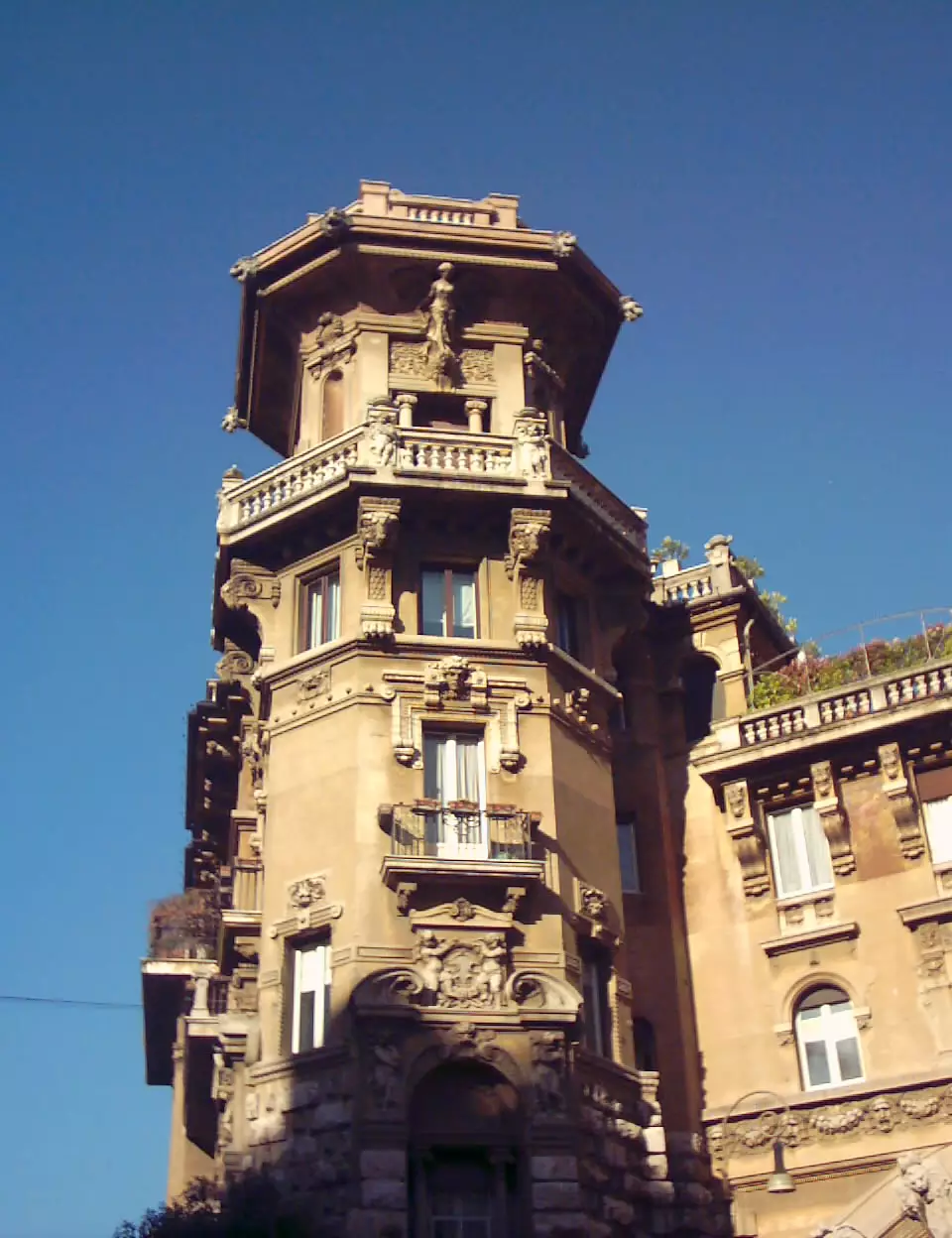
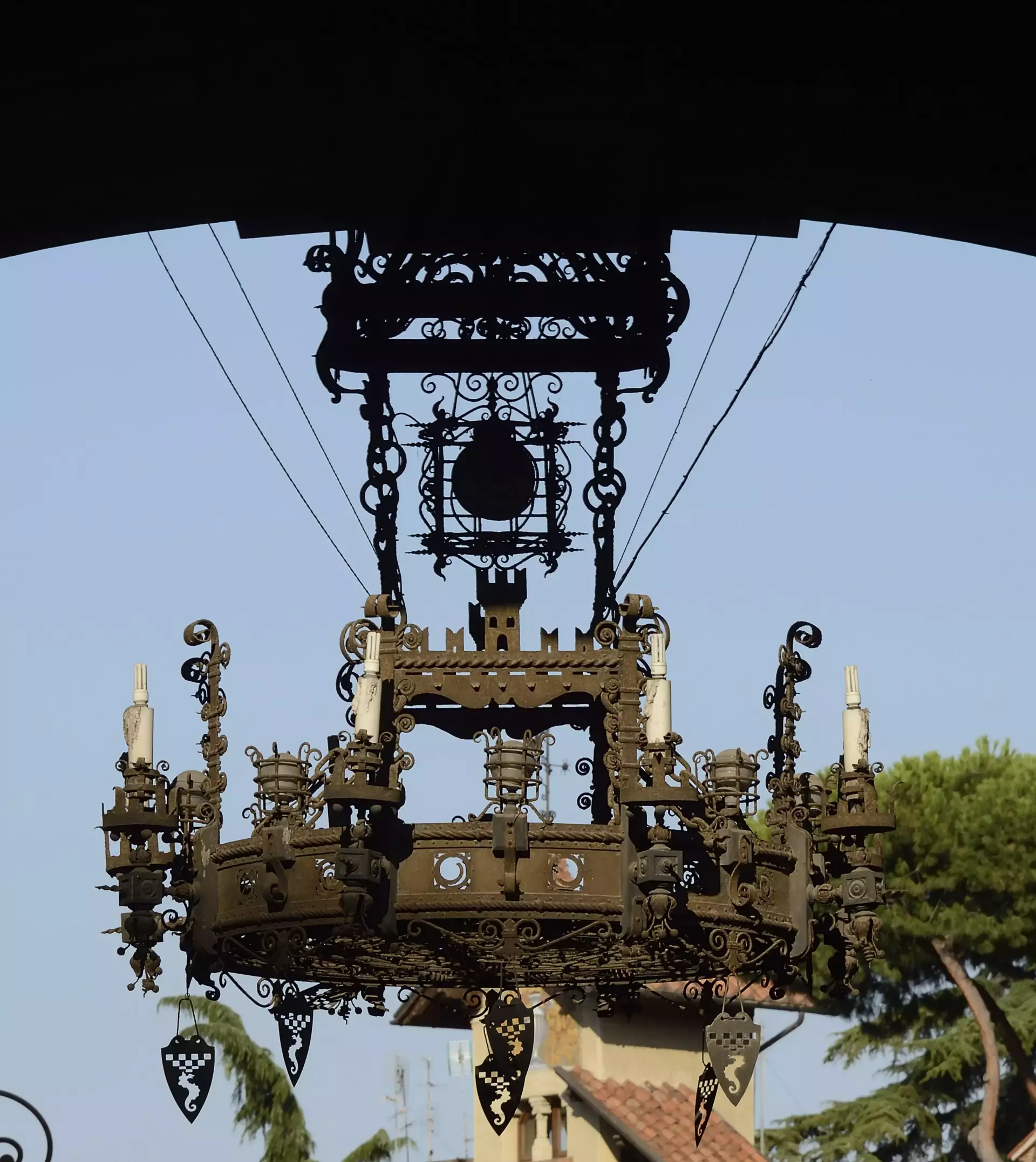
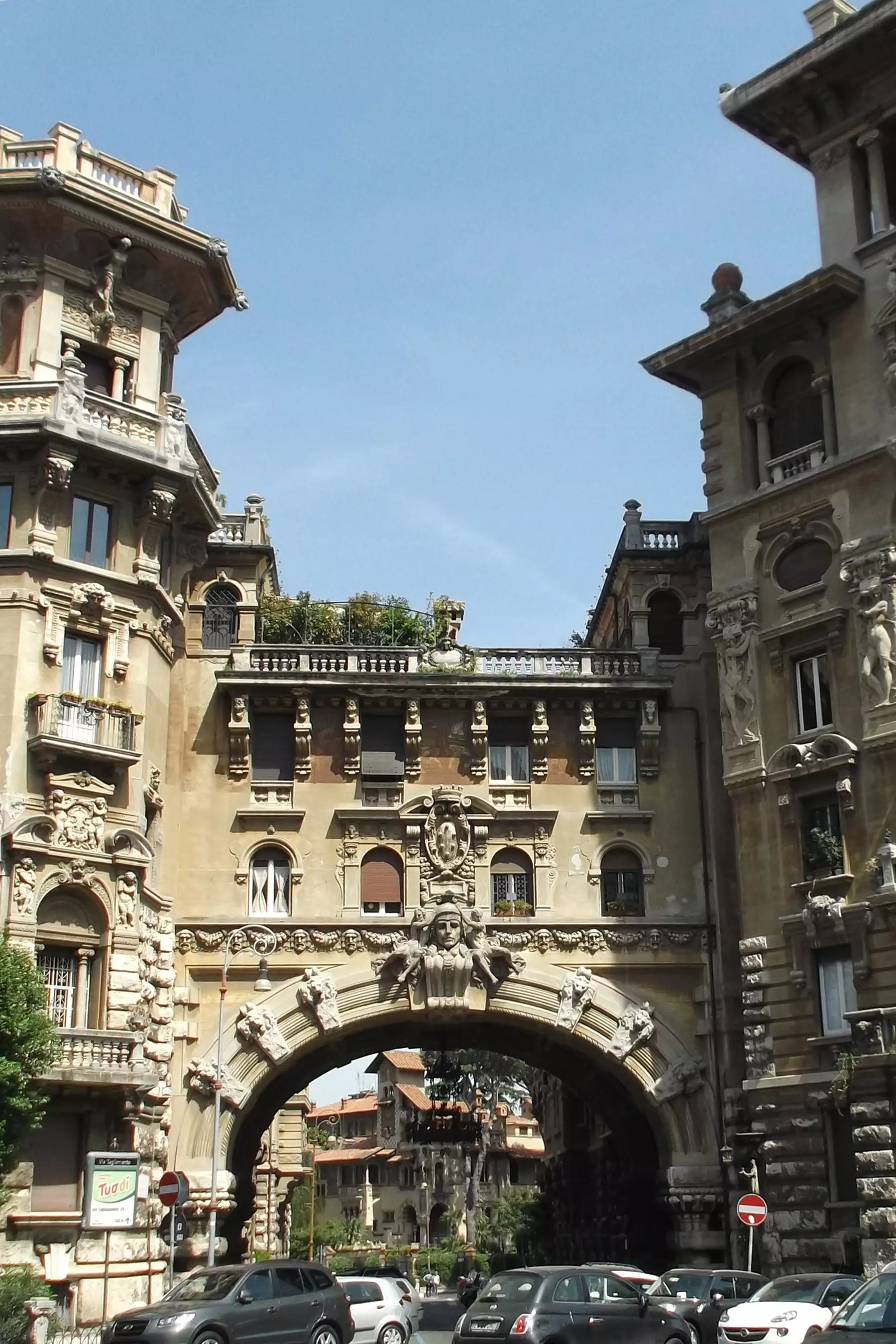
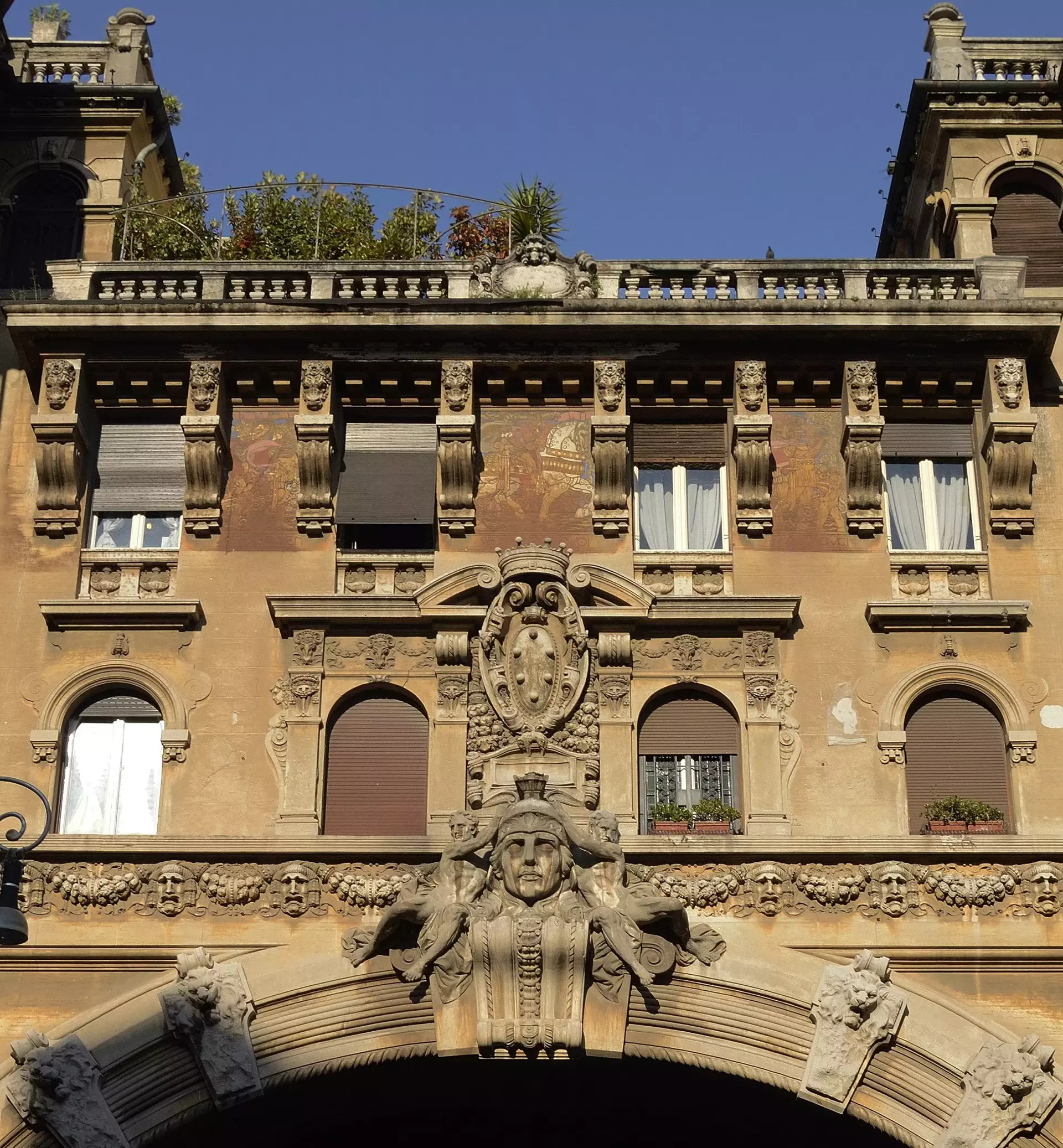
Quartiere Coppedè is a small collection of city blocks known for its unusual buildings that blend Liberty style with Art Nouveau influences from the 1920s. These structures stand out for their unique shapes and detailed decorations, creating an intriguing atmosphere that feels quite different from the rest of the city.
This area has become one of the most interesting architectural landmarks in the city, though it remains less known among visitors. The imaginative designs and artistic details on each building reveal a creative approach to architecture rarely found elsewhere in Rome.
Contains the tomb of Pope Hadrian IV, the last non-Italian pope before Pope John Paul I.
They are posted at entrances to the Vatican City to provide security and protect the Pope. They wear very colourful clothing, similar to the uniforms worn by Renaissance-era soldiers. The Pontifical Swiss Guards is also the smallest and oldest standing army in the world, founded in 1506 by Pope Julius II. The origins of the Swiss guards, however, go back much further as the popes had regularly imported Swiss mercenaries during the 1400s.
This church, which was commissioned by Ferdinand and Isabella of Spain, marks the point where, according to tradition, St. Peter was crucified. Particularly interesting for Irish visitors as it contains the graves of three Gaelic Chiefs who fled Ireland in 1607.
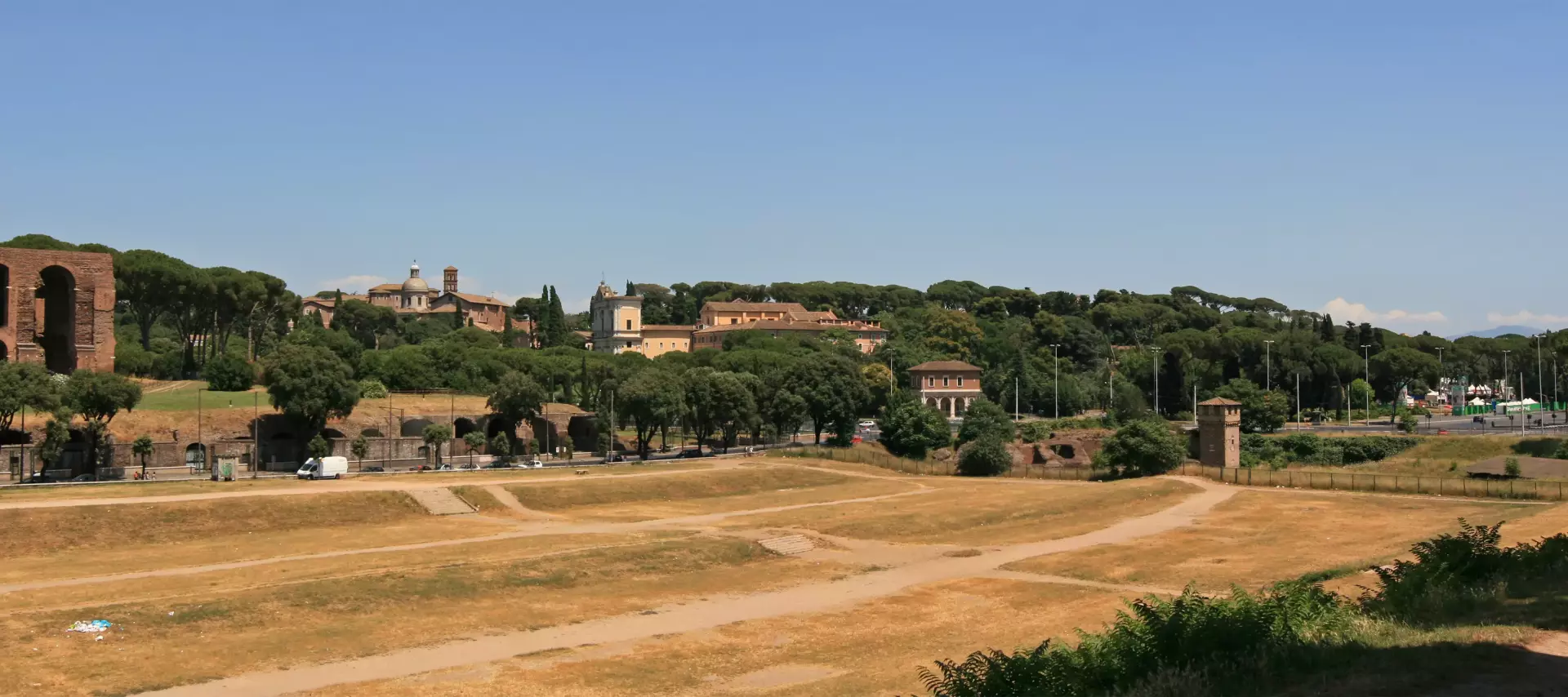
According to an inscription Emperor Augustus dedicated the obelisk to the sun in the 11th year of his consulate (10BC), after he had annexed Egypt to Rome. The obelisk is 24 m high. It was erected in Heliopolis in Egypt and was dedicated to Pharao Sethos I (1313-1292 BC) and Pharoa Ramses II (1292-1275 BC). Augustus brought the obelisk to the Circus Maximus, where it was rediscovered in 1587, broken into three pieces and was relocated to Piazze del Popolo on the orders of Pope Sixtus V in 1589.
Located a short walk west of the Colosseum, this well-preserved monumental arch was erected (soon after 315) to commemorate the victory of Constantine, the first Christian emperor, over his rival Maxentius at the Battle of the Milvian Bridge in 312. In general design, the Arch of Constantine imitates the century-earlier Arch of Septimius Severus (nearby in the Forum). The three arches are decorated utilizing mainly materials plundered from other imperial monuments by Trajan, Hadrian and Marcus Aurelius. The quality of its sculptural decoration, however, betrays the slow degradation that Classical Roman sculpture had experienced in the 3rd century AD.
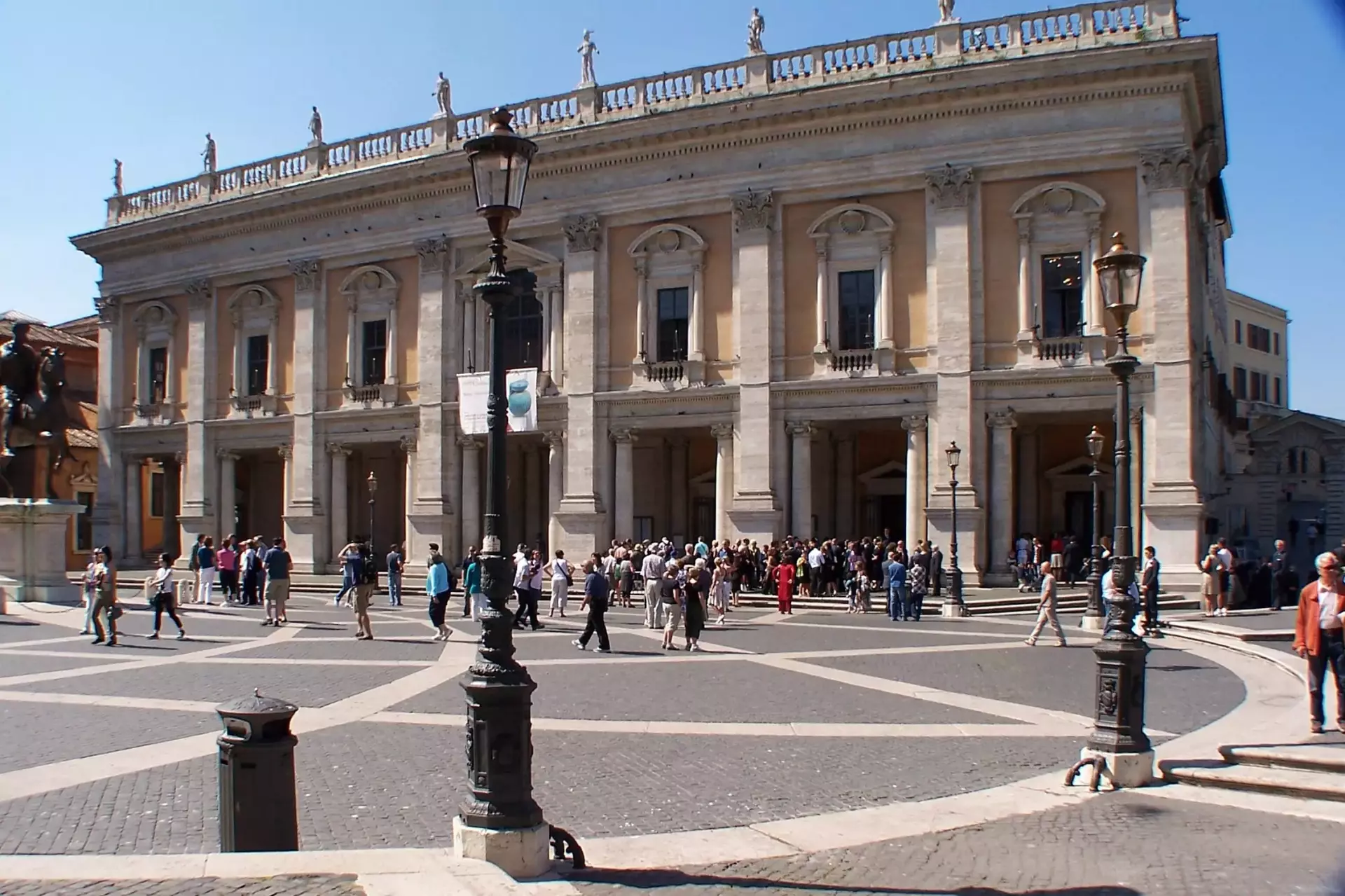
The two museums are on opposite sides of the Piazza del Campidoglio, It is recommended to book tickets online Built in the 17th century to a design based on an architectural sketch by Michelangelo. Highlights include the ancient Colossus of Constantine statue (the Colosseum was probably named for another giant statue, the Colossus of Nero which stood near the Flavian Amphitheatre as the Colosseum was originally known), The Dying Gaul, a magnificent marble sculpture that copies a bronze Greek original of the 3rd century BC and the Capitoline Venus. It also contains the remarkable original gilt bronze equestrian statue of emperor Marcus Aurelius (the one in the piazza is a replica). Also based on a Michelangelo architectural plan, this compact gallery is well endowed in classical sculpture and paintings. Highlights include the small 1st-century-BC bronze Lo Spinario, a Greek statue of a little boy picking a thorn from his foot; the Lupa Capitolina (Capitoline Wolf), a rare Etruscan bronze statue probably dating from the 5th century BC; and (in the entrance courtyard), the massive head, hands, foot and kneecap from a colossal statue of Constantine the Great. The palace also contains a Pinacoteca (Picture Gallery) with paintings mainly from the 16th and 17th centuries - highlights include: Caravaggio's Fortune-Teller and his curious John the Baptist; The Holy Family, by Dosso Dossi; Romulus and Remus, by Rubens; and Titian's Baptism of Christ.
This museum is built on top of the excavation site of the Balbi Crypt, a building from the first century A.D. which underwent considerable modifications in the following centuries. Through the building's history, the museum gives us glimpses of what Roman life across the ages was like. Free visits of the ruins are possible. The Essedra ruins are only accessible on Saturdays and Sundays, at 10:45, 11:45, 12:45, 14:45 and 15:45.
The Ghetto lies between the island in the River Tiber and the Theatre of Marcellus and includes Rome’s synagogue. It was established in 1555 as a result of a Papal Bull by Pope Paul IV that required all Jews to live in the area, considered one of the least desirable quarters of the city, as it was subject to constant flooding by the river. The area was originally enclosed by walls and gates that were only open during the day. With the end of the Papal States in 1870, the requirement that Jews live in the Ghetto came to an end. The walls were torn down in 1888 and much of the ghetto was demolished. However, there is still much to see, including walls of buildings that incorporate Roman ruins, and there are several good Jewish restaurants.
The temple of the Emperor Hadrian was consecrated in 145 AD by Emperor Antoninus Pius. The remains of the antique temple were incorporated into a new building that served as the Papal Customs House. It was finished around 1690 and today accommodates the Stock Exchange (Borsa).
Casal Rotondo is the biggest mausoleum on the Appian Way, at about the sixth mile. It now incorporates a small private villa, originally a farmhouse. It is not known for whom it was built. The wall of fragments next to it, constructed by Luigi Canina, has ruins referring to the Cotta family but this family is now believed to not be associated with the Casal Rotondo.
An example of urban planning that goes back to Pope Julius II, who, in 1508, envisioned it as a street that would connect all major government buildings. It is around a kilometer long and is in a straight line, an unusual feature for the time. It is lined with some interesting palaces but these days is more known for its antique shops. Via Giulia runs parallel with and one block from the River Tiber.