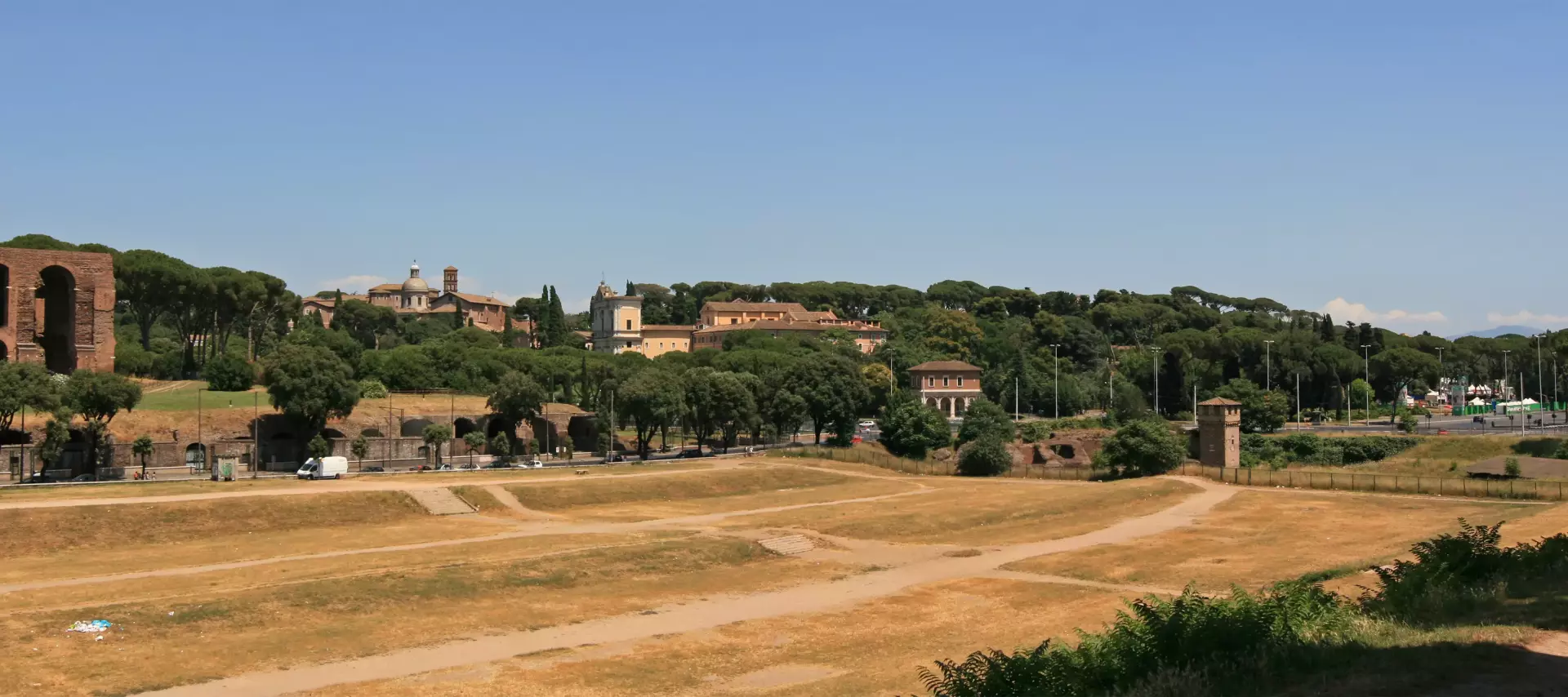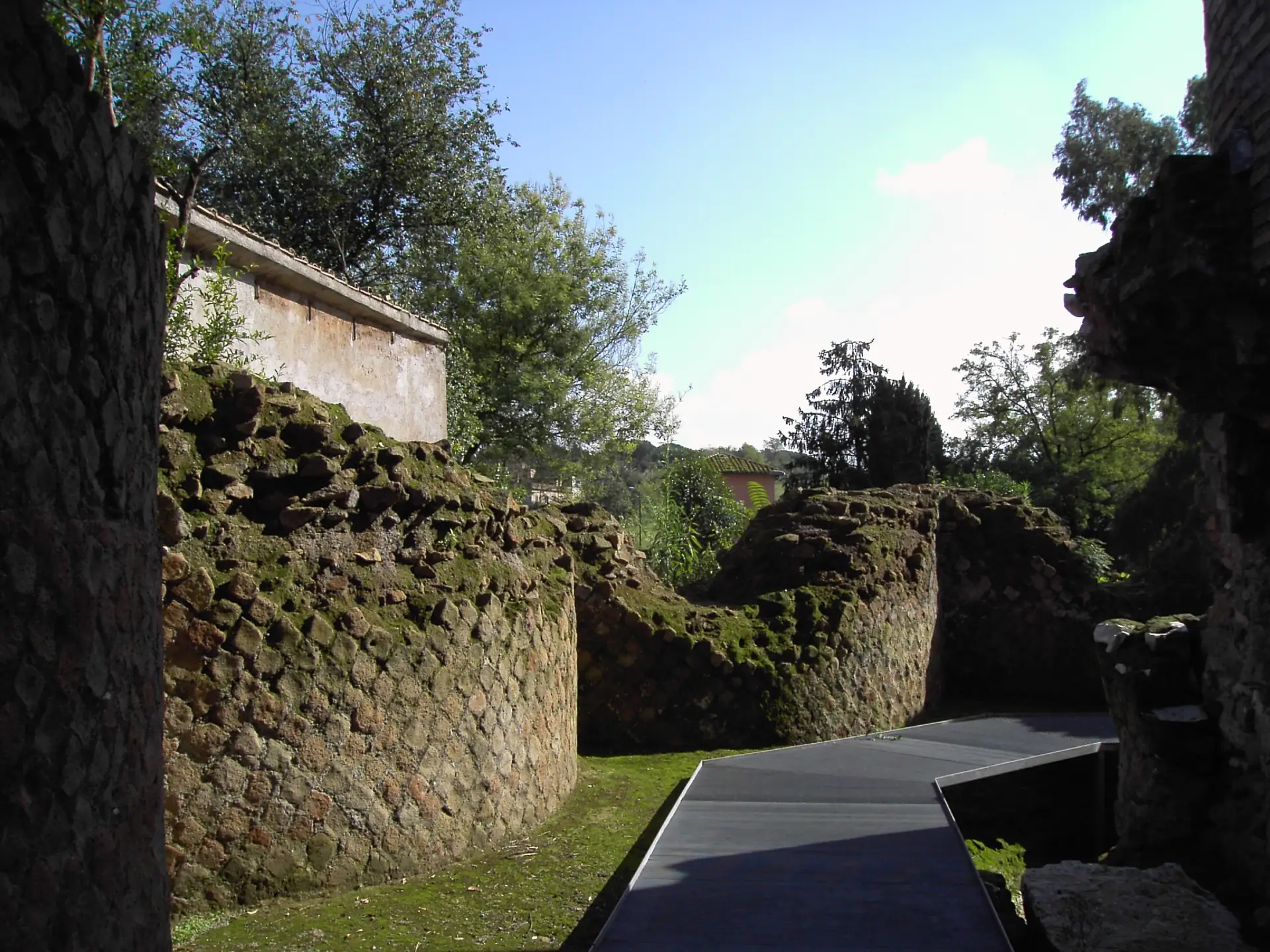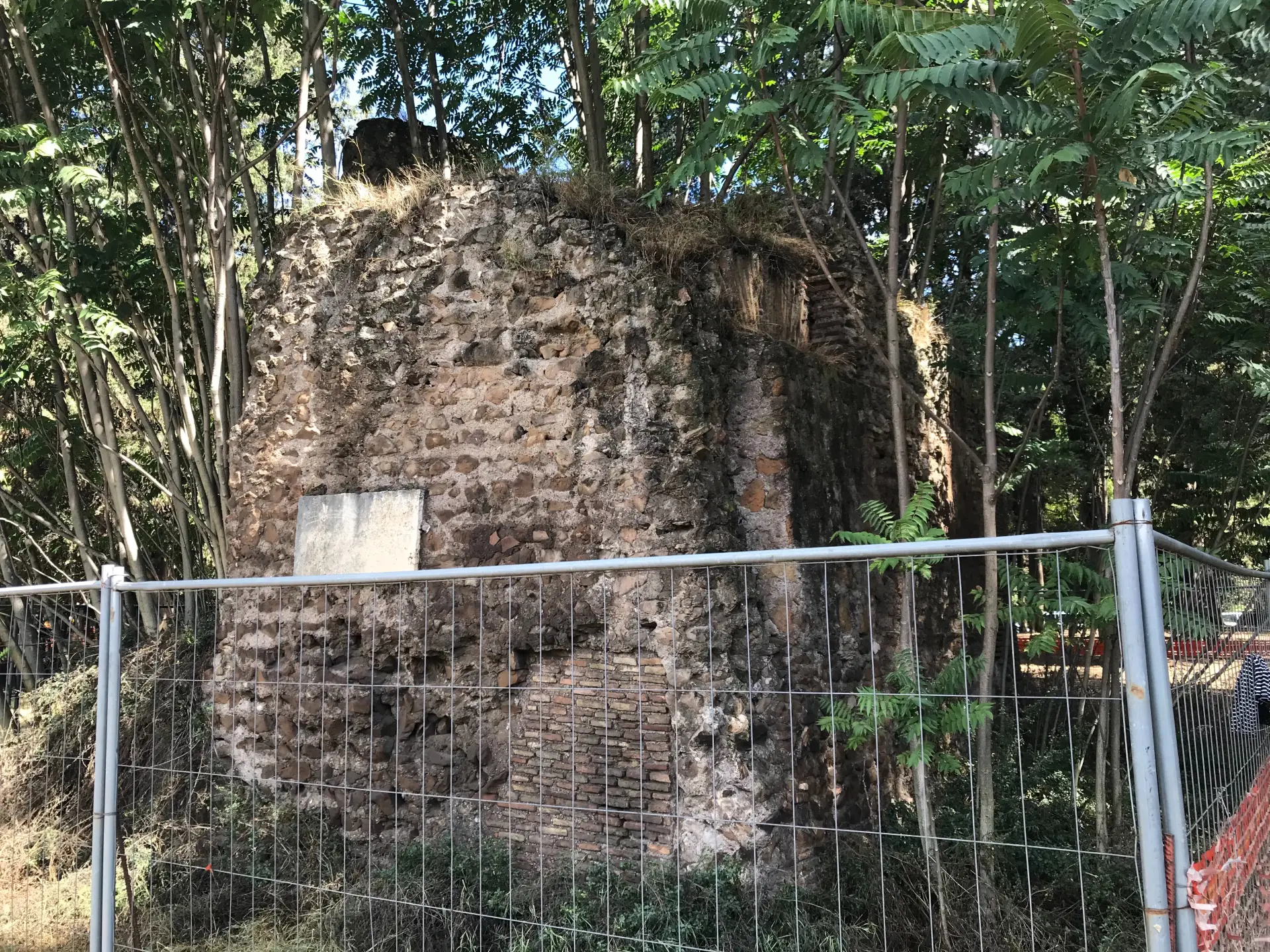
Porta Capena marks the western end of the ancient Via Appia, the legendary road that once connected Rome to Brindisi in the southern heel of Italy. Alongside the Old Center and the Vatican, this area is recognized as one of three World Heritage Sites in Rome. While the remains of the original gate no longer command the attention of some of the city’s grander ruins, the spot holds great historical value.
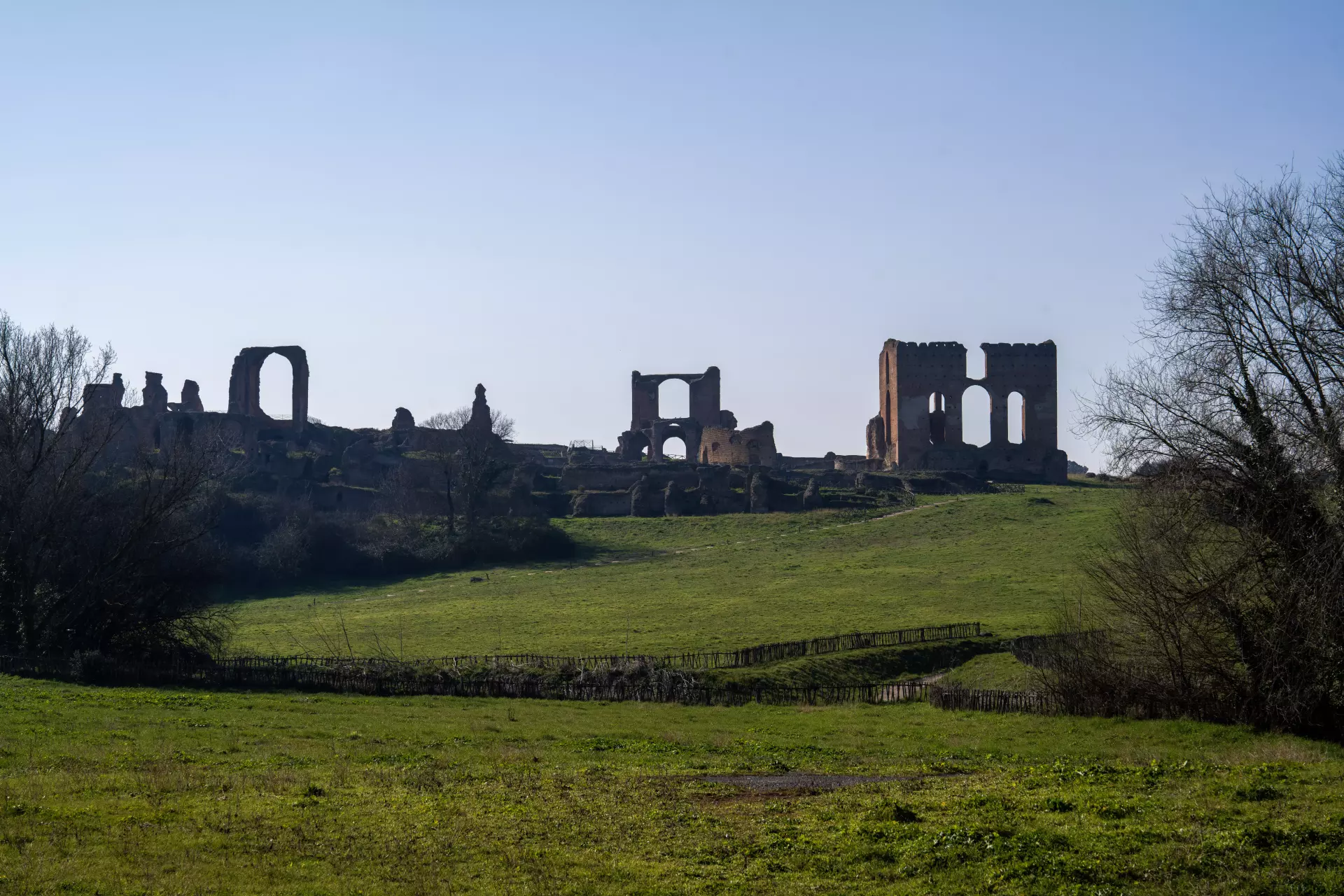
As the Via Appia leaves the busy center of Rome and travels southeast, it eventually takes on the name Via Appia Antica. Here, the atmosphere begins to change. The wide modern street narrows, and city traffic gives way to the quiet of cobbled stones underfoot. Asphalt disappears, replaced by the original rock surface that has lasted through ages.
On both sides of the road, greenery takes over. Parks and gardens line the way, and centuries-old walls rise behind clusters of trees. Old buildings stand quietly, hinting at the many travelers who have passed through this historic corridor. This stretch of road is often called the world’s longest museum, where ancient history and nature come together just outside the heart of Rome.
Source - https://en.wikipedia.org/wiki/Porta_Capena
Brand new museum designed to celebrate the art and architecture of the 21st century.
This is the largest square in Rome. It sometimes hosts pop concerts and is the focal point for Rome's New Year's Eve celebrations. The twin churches Santa Maria dei Miracoli (1681) and Santa Maria in Montesanto (1679) used to provide a clear welcome to Rome for those coming from the north. Much older, to the north of the piazza is yet another Santa Maria (see below). The Piazza del Popolo is considered as one of the most beautiful squares in Europe. It was enlarged and two streets, the Via di Ripetta and the Via del Babuino were added by order of Pope Sixtus V. In the middle of the square is an obelisk (see below). In 1809-1816, Giuseppe Valadier, Roman architect of French origin, gave the square its characteristic oval shape.
A strange building, constructed by Reginald Pole, an English cardinal and later Archbishop of Canterbury, allegedly on the spot where he was able to escape from assassins sent by the English King Henry VIII.
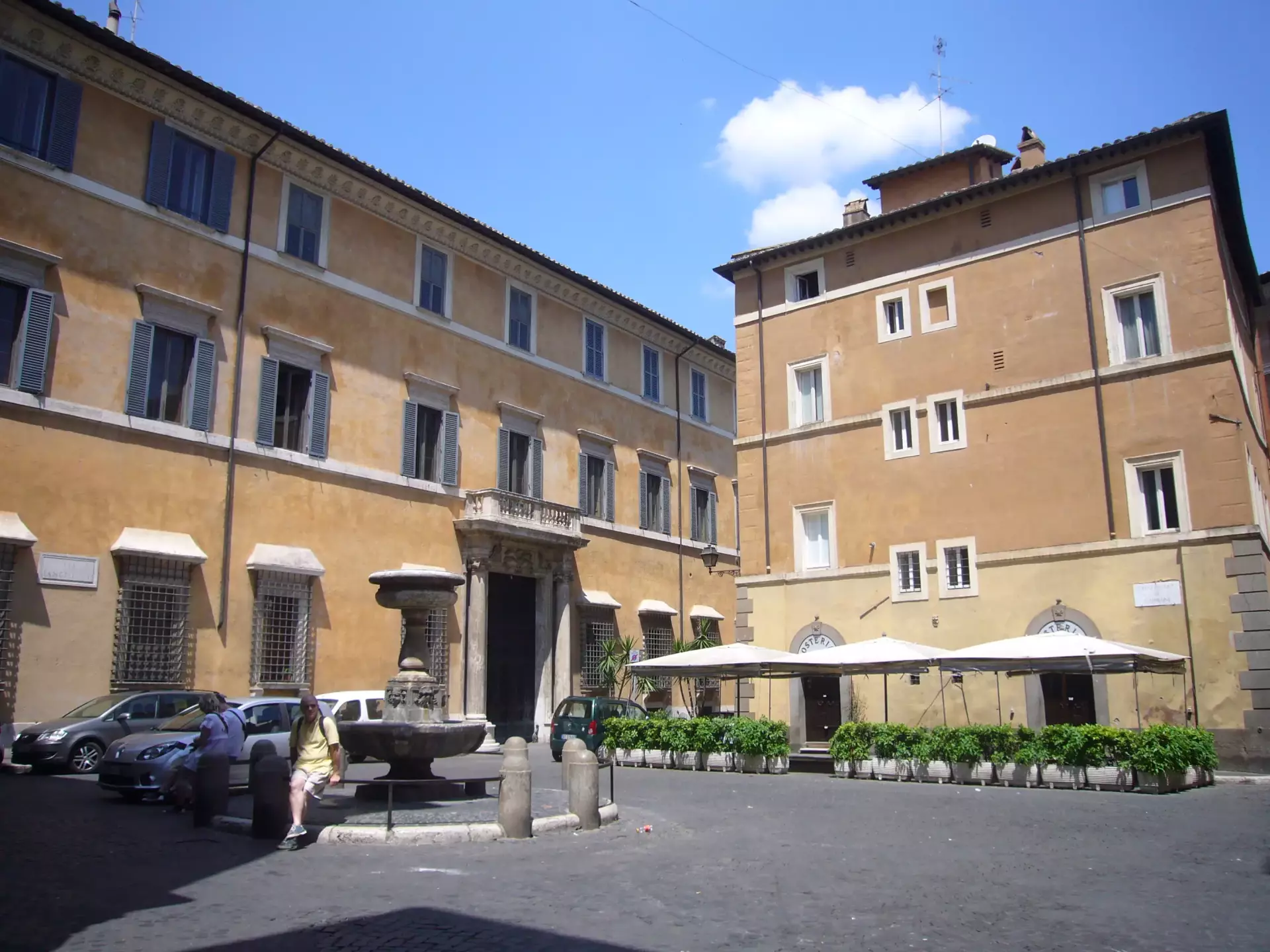
This little church is hard to find but well worth the extra effort although it is often closed when you get there. One of Borromini's masterpieces. It is located only a block from Piazza Navona, but not usually visible from the street, as you must enter the courtyard of an old palazzo to reach the church. Sant'Ivo is a small church the dome of which is shaped like the Star of David, but with every other point rounded. The steeple seen from the outside looks like it has a staircase wrapped around it that ascends to heaven. As the church was commissioned by the Barberini family that produced a number of popes and whose family symbol was the bee—some say the steeple resembles the stinger of the insect.
Known properly as the Flavian Amphitheatre, this most famous of Roman landmarks takes its name from the giant statue of the emperor Nero that once stood near this location. The amphitheatre was capable of seating 50,000 spectators for animal fights and gladiatorial combats. It was a project started by the Emperor Vespasian in 72 and completed by his son Domitian sometime in the 80s. The Colosseum when completed measured 48 m high, 188 m in length, and 156 m in width. The wooden arena floor was 86 m by 54 m, and covered by sand.;Expect a long queue and an even longer wait. You can skip the queue if you decide to take a tour, but if you don't want a tour, you can STILL skip the queue. If you walk to the entrance for the Roman Forum, you can buy tickets there which allow you to bypass the queues. You can also buy tickets online. There are lots of people offering tours in English just outside the entrance to the Colosseum. Inside you can take a tour (English, Spanish, or German) every 30 minutes or so for an additional fee. The tours are given by knowledgeable archeologists, but they don't take you to any areas you couldn't visit on your own.
They are posted at entrances to the Vatican City to provide security and protect the Pope. They wear very colourful clothing, similar to the uniforms worn by Renaissance-era soldiers. The Pontifical Swiss Guards is also the smallest and oldest standing army in the world, founded in 1506 by Pope Julius II. The origins of the Swiss guards, however, go back much further as the popes had regularly imported Swiss mercenaries during the 1400s.
Not, as commonly believed, named after the country but after the city of Strasbourg (Argentoratum in Latin), from which came a courtesan of Pope Alexander VI who lived nearby. Four Roman Republican-era temples, Pompey's theater and a Roman public toilet ("Latrina") have been excavated. The Pompey Theater is the site where Julius Caesar was stabbed to death by senators in 44 BC. The largo is also home to a large number of cats which are tended by the local animal rights organization - purportedly a jab at Mussolini who excavated the area and is said to have hated cats. As of September 2024 no cats could be seen at least from the street.
A tomb for the wealthy Gaius Cestius, who died in 12 BC. Admission to the monument only by guided tours on specific dates (2nd and 4th Saturday every month, and in combination with a ticket to the Museum of Via Ostiense also on the 1st and 3rd Saturday of every month).
Caffarella Park covers an area of 339 ha and is part of the larger Appia Antica park. It contains both a working farm and numerous Roman ruins, some quite well preserved and is a great place for a stroll or cycle away from Rome’s traffic.
Regular shows plus an excellent astronomical museum.
This well-preserved Roman circus was built at the beginning of the fourth century. It was part of an imperial villa built by Maxentius and the complex also contains the Mausoleum of his son, Romolo.
Ballroom-like church which crowns part of the Capitoline Hill. Don't be fooled by the plain stone exterior.
Located a short walk west of the Colosseum, this well-preserved monumental arch was erected (soon after 315) to commemorate the victory of Constantine, the first Christian emperor, over his rival Maxentius at the Battle of the Milvian Bridge in 312. In general design, the Arch of Constantine imitates the century-earlier Arch of Septimius Severus (nearby in the Forum). The three arches are decorated utilizing mainly materials plundered from other imperial monuments by Trajan, Hadrian and Marcus Aurelius. The quality of its sculptural decoration, however, betrays the slow degradation that Classical Roman sculpture had experienced in the 3rd century AD.
The two museums are on opposite sides of the Piazza del Campidoglio, It is recommended to book tickets online Built in the 17th century to a design based on an architectural sketch by Michelangelo. Highlights include the ancient Colossus of Constantine statue (the Colosseum was probably named for another giant statue, the Colossus of Nero which stood near the Flavian Amphitheatre as the Colosseum was originally known), The Dying Gaul, a magnificent marble sculpture that copies a bronze Greek original of the 3rd century BC and the Capitoline Venus. It also contains the remarkable original gilt bronze equestrian statue of emperor Marcus Aurelius (the one in the piazza is a replica). Also based on a Michelangelo architectural plan, this compact gallery is well endowed in classical sculpture and paintings. Highlights include the small 1st-century-BC bronze Lo Spinario, a Greek statue of a little boy picking a thorn from his foot; the Lupa Capitolina (Capitoline Wolf), a rare Etruscan bronze statue probably dating from the 5th century BC; and (in the entrance courtyard), the massive head, hands, foot and kneecap from a colossal statue of Constantine the Great. The palace also contains a Pinacoteca (Picture Gallery) with paintings mainly from the 16th and 17th centuries - highlights include: Caravaggio's Fortune-Teller and his curious John the Baptist; The Holy Family, by Dosso Dossi; Romulus and Remus, by Rubens; and Titian's Baptism of Christ.