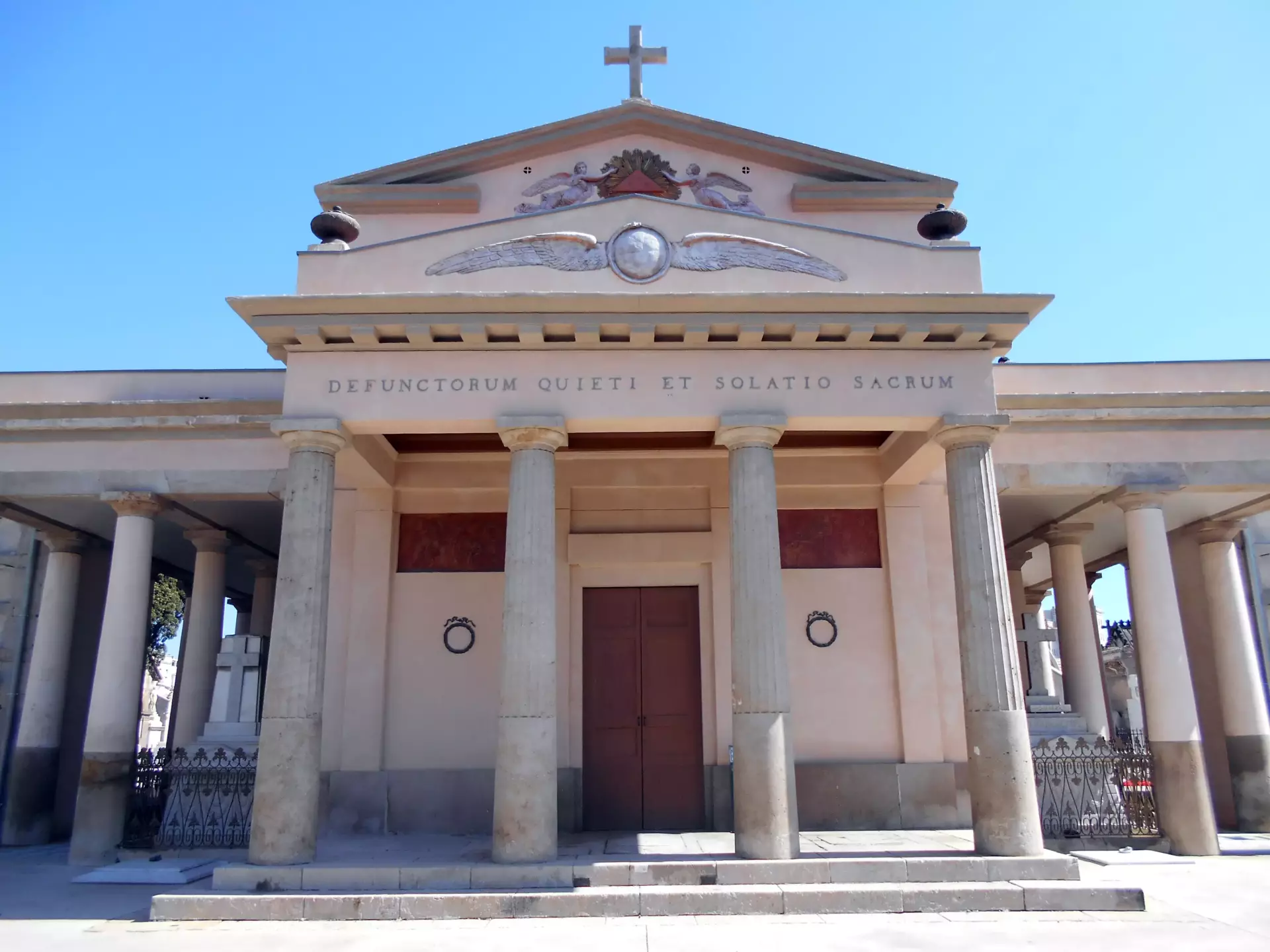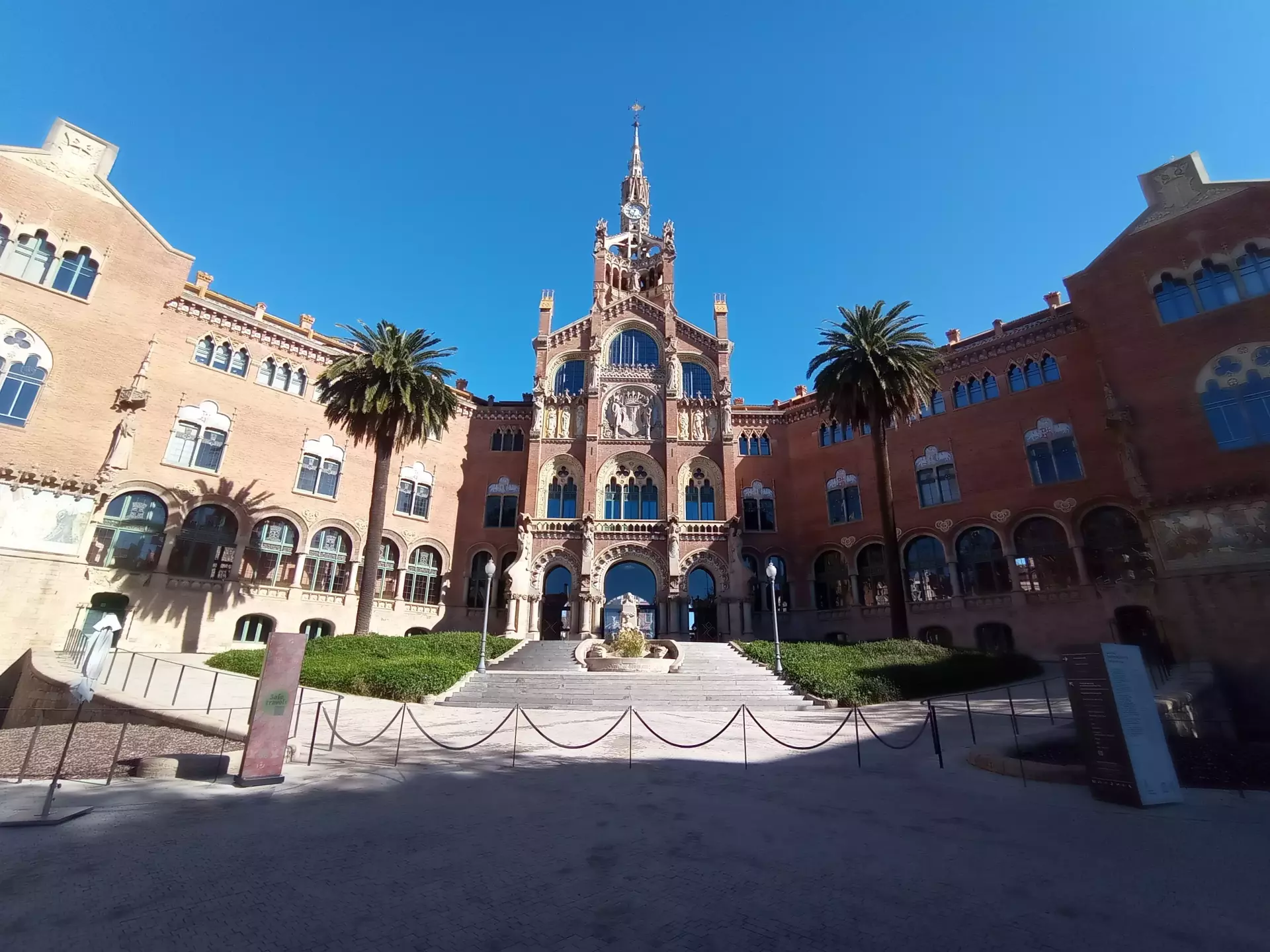
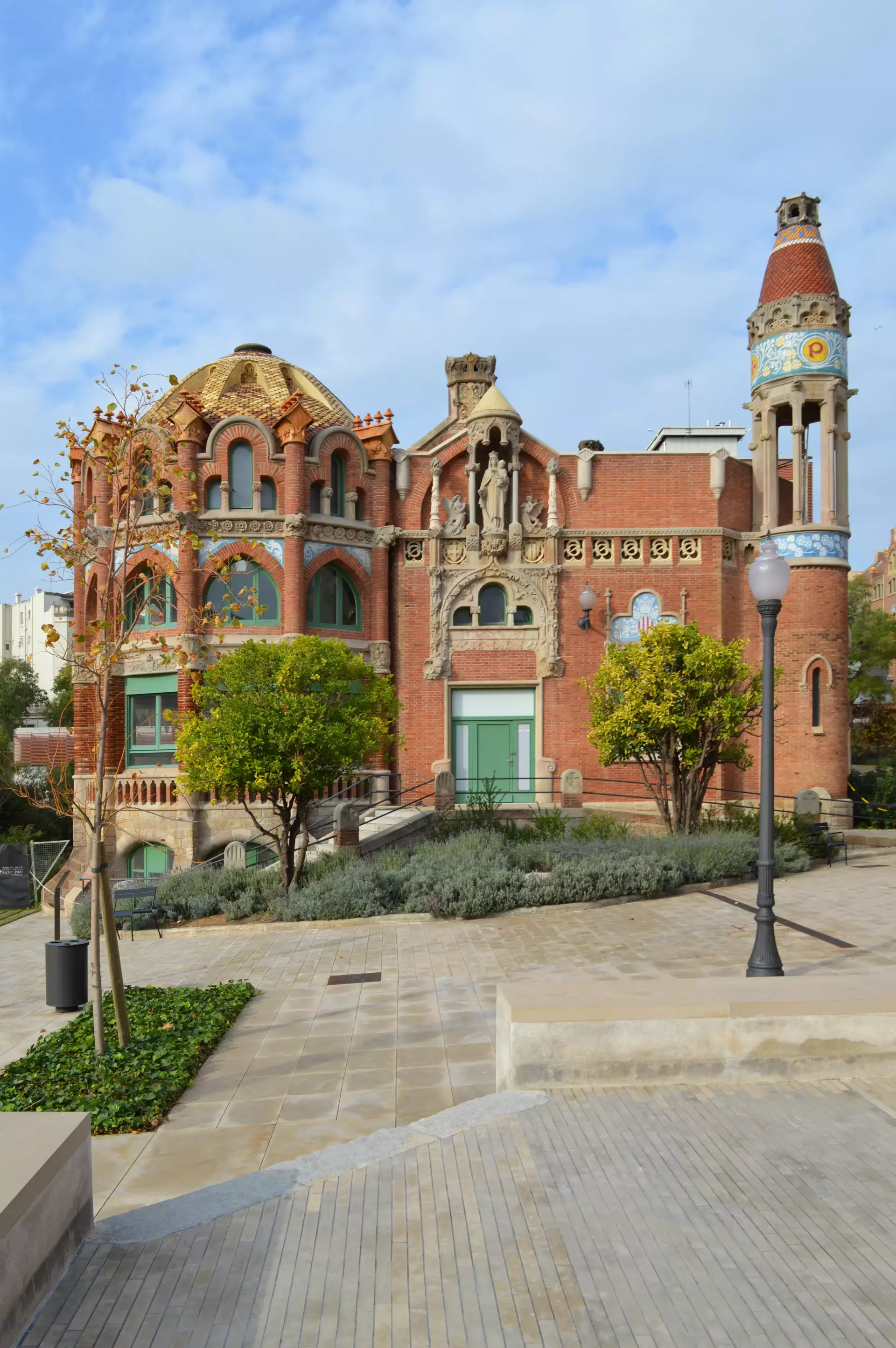
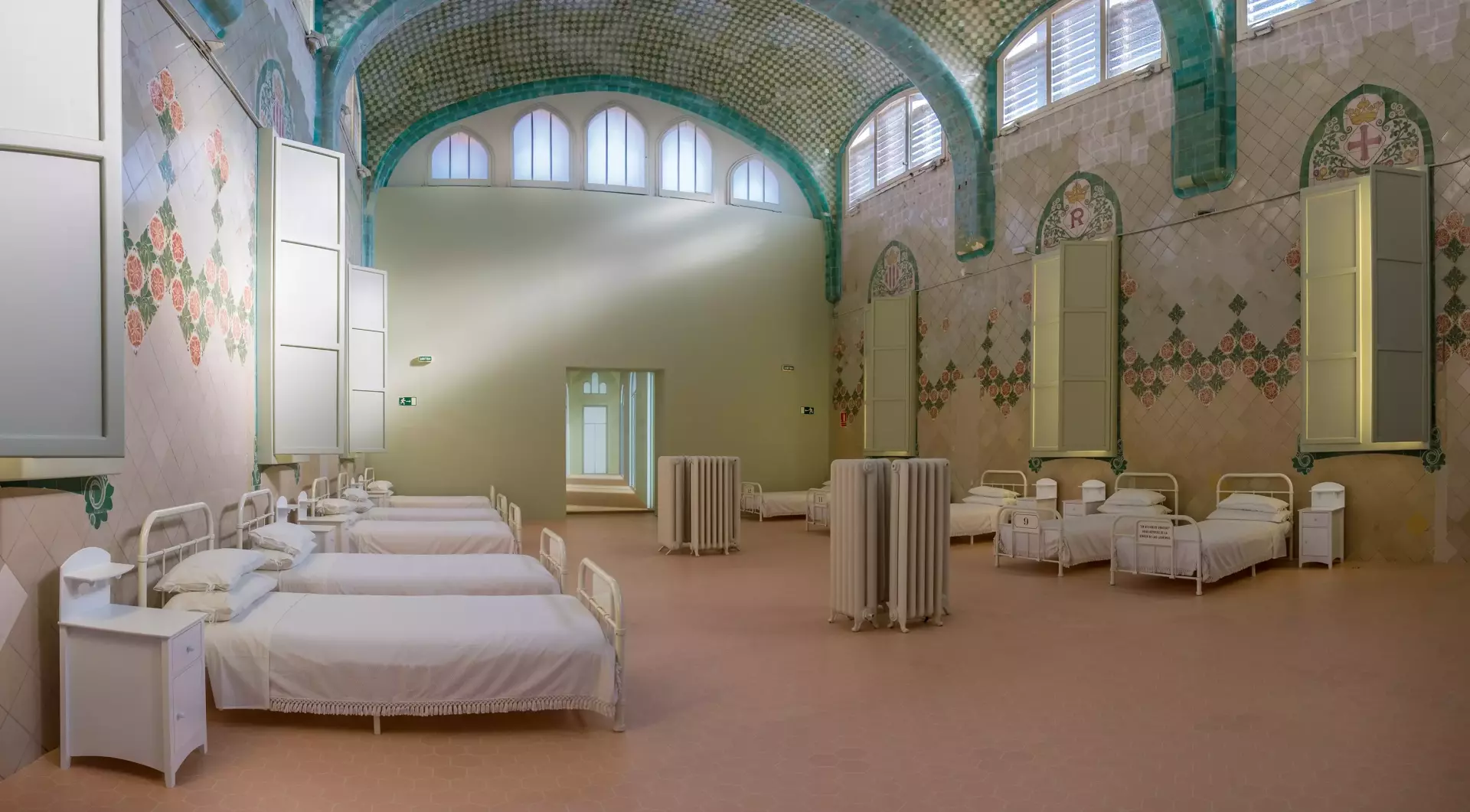
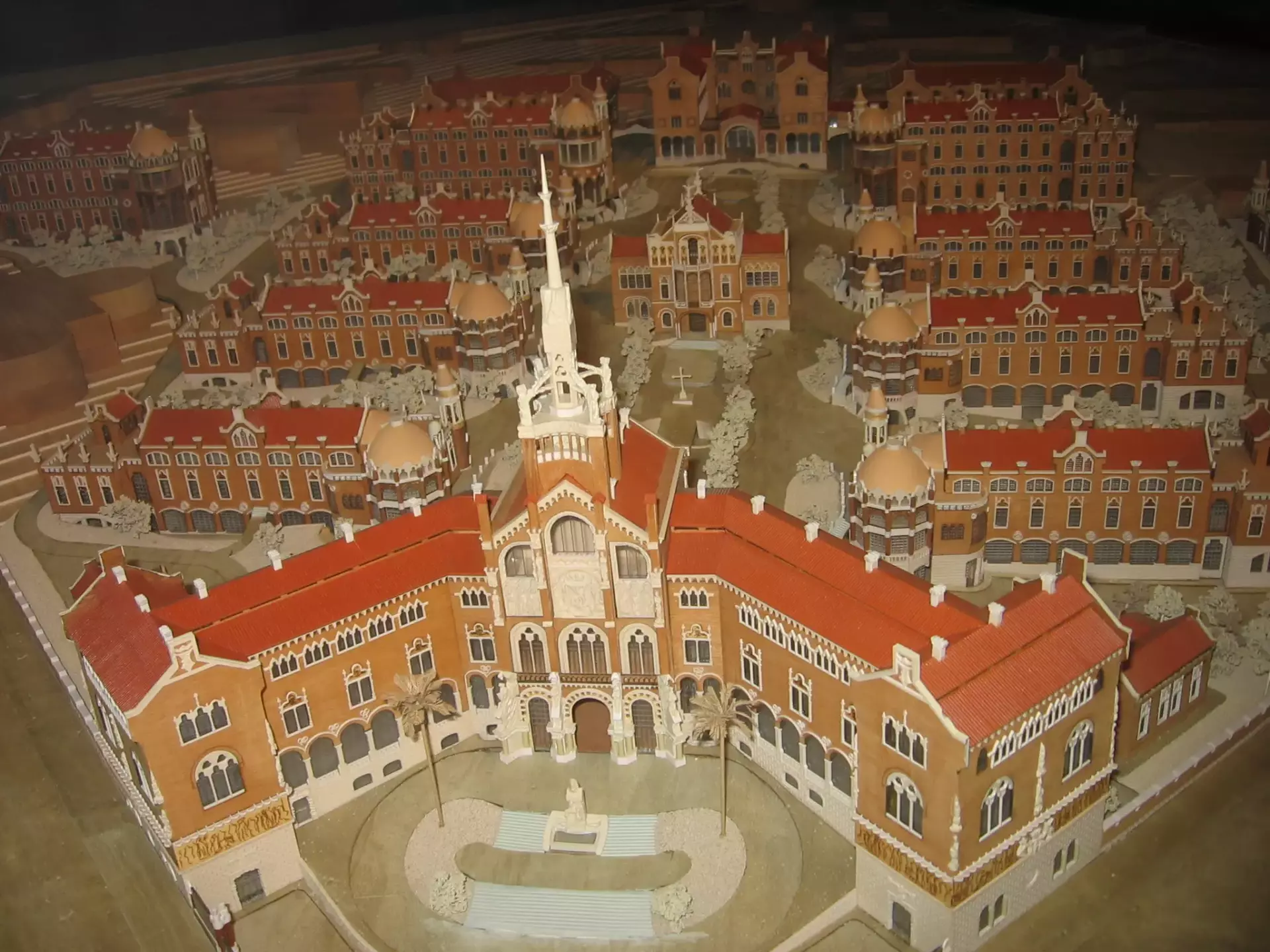
The Hospital de la Santa Creu i Sant Pau is a stunning architectural masterpiece that has transitioned from a bustling healthcare facility to a remarkable site open for visitors. Originally serving as a hospital, the inpatient wards and most outpatient services have since moved to the new Nou Hospital building.
Exploring this historic site is now more accessible, allowing visitors to fully appreciate its intricate designs and historical significance. Among its intriguing features is a network of underground passages. These hidden corridors, once used for the hospital's operations, still house small carriages. Visitors can access these passages near the WCs located at the central square, nestled between the Banc de Sang and Quiròfans.
Source - https://en.wikipedia.org/wiki/Hospital_de_Sant_Pau
Has the single best collection of Romanesque art in the world, and a fine Gothic collection as well. Includes the Pantocrator from the Taüll Romanesque church. The building itself is also very beautiful.
The museum has limited opening hours but the park it is situated in is also interesting. Check website before going to the museum as it will eventually relocate to The Can Bagaria building.
Although a botanic garden had been established in Barcelona as early as 1888, the current gardens date from 1999.
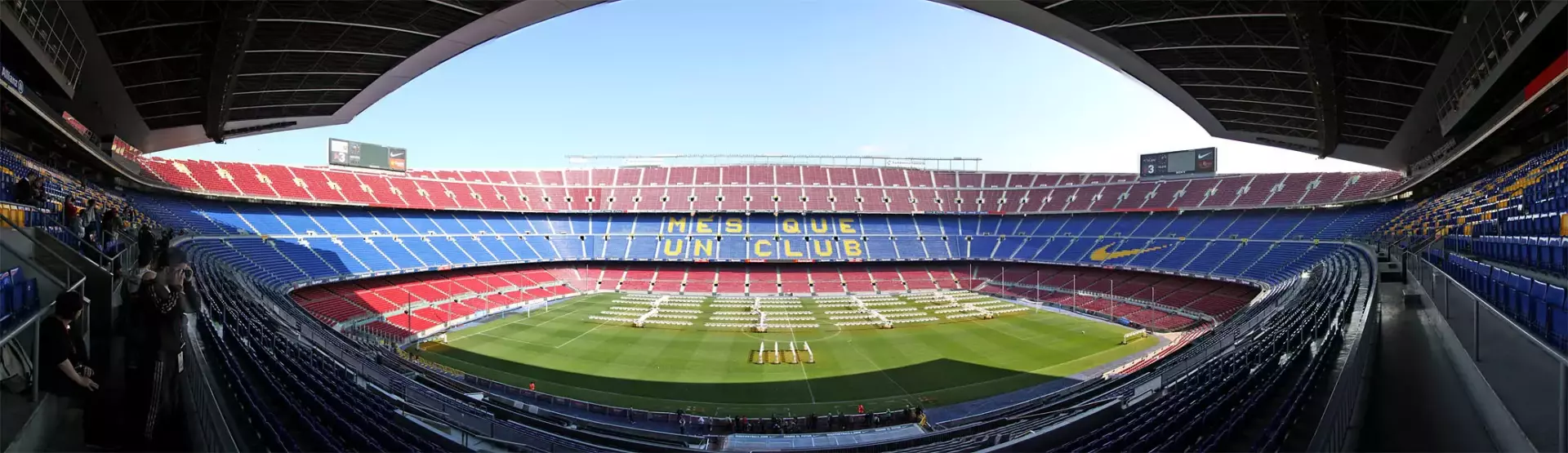
If you're a football fanatic, then you can't miss a visit to this football temple, the home ground for Barcelona's biggest and most popular team and one of Europe's greatest footballing 'cathedrals'. During the Franco era, FCB was the only way that oppressed Catalans could vent their anger against his dictatorship. Because of that, it became and still is a symbol of Catalan identity. Camp Nou is the biggest stadium in Europe with a capacity of 98,600 people, with shops and a museum of the club's history. Match tickets start at about €42 and games hardly ever completely sell out, unless it is a match against the hated rivals Real Madrid (a match commonly dubbed El Clásico), one of the other top teams (Atlético Madrid, Valencia or Sevilla) or in the Champions League. With the quality in the current team, there are always a few goals, and it is nearly always a resounding win for Barça. For stadium tours check the entry below.
This museum mainly exhibits exponents, which were imported by Catalan sailors as they explored the new world. Free on the first Sunday each month (11:00 to 15:00)
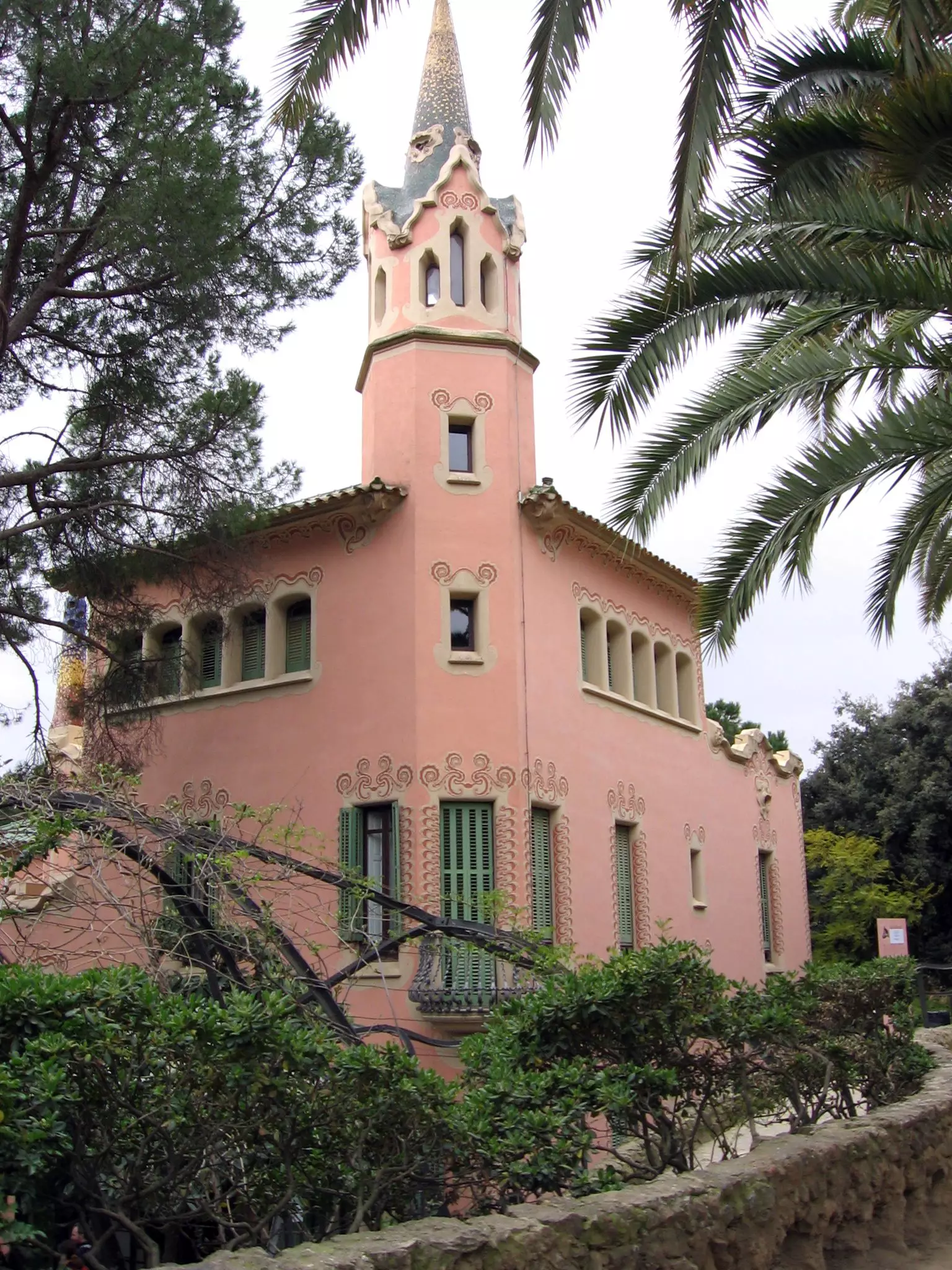
Distinctive pink house that Gaudi lived in for nearly 20 years (although not designed by him). It features furniture designed by Gaudi and other objects relating to Gaudi's life. The gift shop has a large selection of Gaudi-themed souvenirs that are generally better quality than what's available in the normal tourist shops.
The university has many interesting buildings, libraries and courtyards.
The museum displays high-performance sport competitions, recreational sports, sports in general and sports for disabled people. It shows how sport can promote values, educate, innovate and renew. The museum has a sport idols space with outstanding players.
Placa d'Espanya was created for the 1929 World Exhibition, on a site once used for public hangings. The fountain in the center of the square is a great attraction and plays music during the summer. Plaça Espanya is located at the base of Montjuic hill.
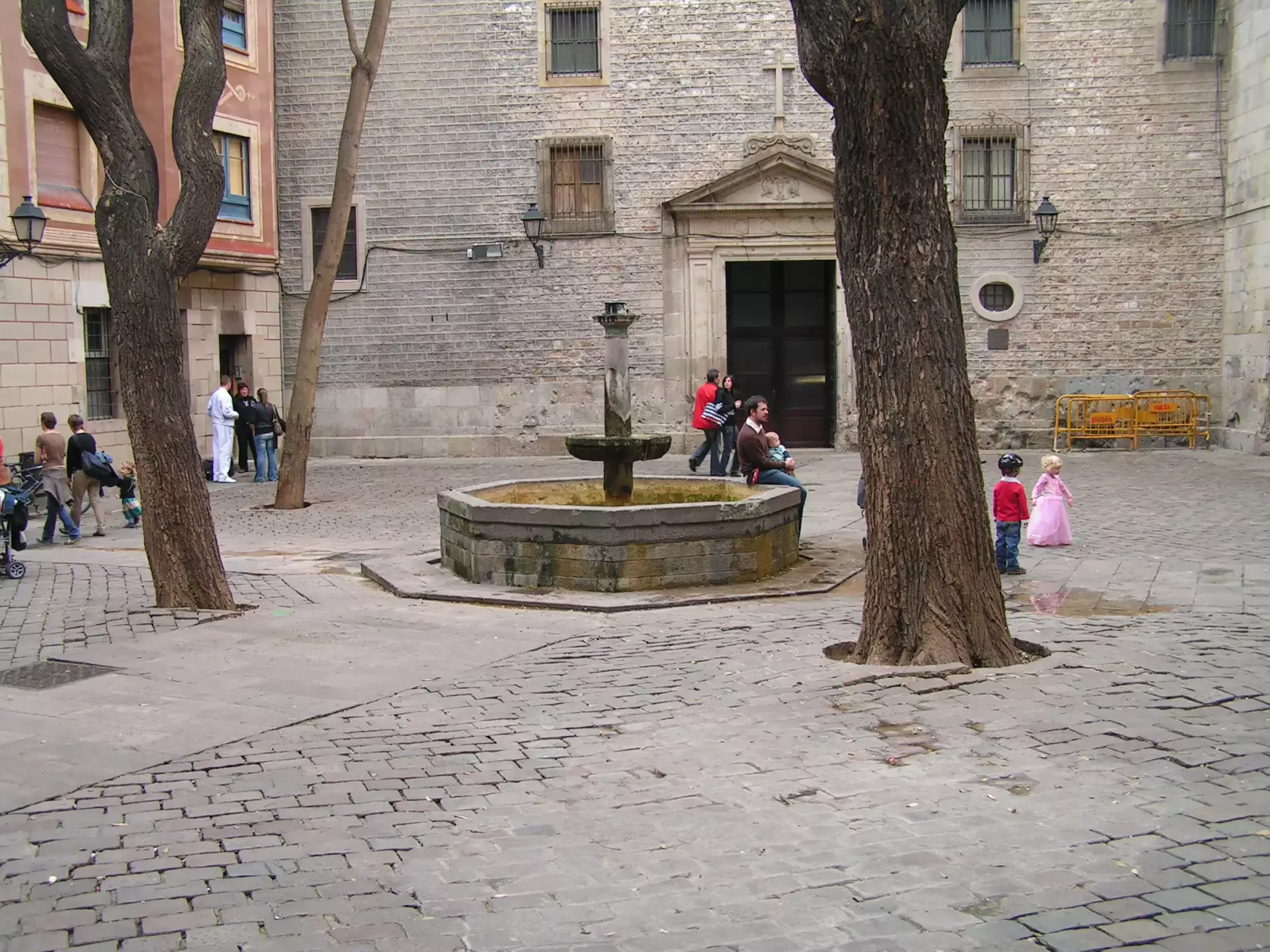
One of the most romantic squares in Barcelona, it hides a dark history in that it was built over the city's old cemetery. Barcelona's most famous architect, Antonio Gaudi, was on his way to visit the church there when he was run over and killed in 1928. There is a baroque church (Sant Felip Neri), a 14th-century palace and a fountain in the middle. To arrive, take the narrow street next to the cathedral cloister. The palace was moved from its original location in the street Via Laietana during the 1920s. If you look the front of the church, you can see some holes made by a civil war bomb. If you go out the square through the other street, you'll arrive to the street Baixada de Santa Eulàlia, where is said that the Barcelona's protector was tormented.
Museum dedicated to the FC Barcelona. It occupies 3,500 m² and attracts 1.2 million visitors a year, ranking it second to the Museu Picasso, which attracts 1.3 million visitors, as the most visited museum in the city of Barcelona. All of the Barcas trophies and jerseys of many famous players of the team are exhibited. The museum can be visited by booking the Camp Nou Experience package, which includes also a stadium tour. The stadium tour is not fantastic and the audio guide is not really worth it either, but for a quick recent history of matches played there, consult the backs of the doors in the cubicles. Most have a lot of graffiti championing the team that played there. It is also unfortunate that the home team changing rooms are not open to the public, only the somewhat dated guest's team dressing rooms, which are not that impressive.
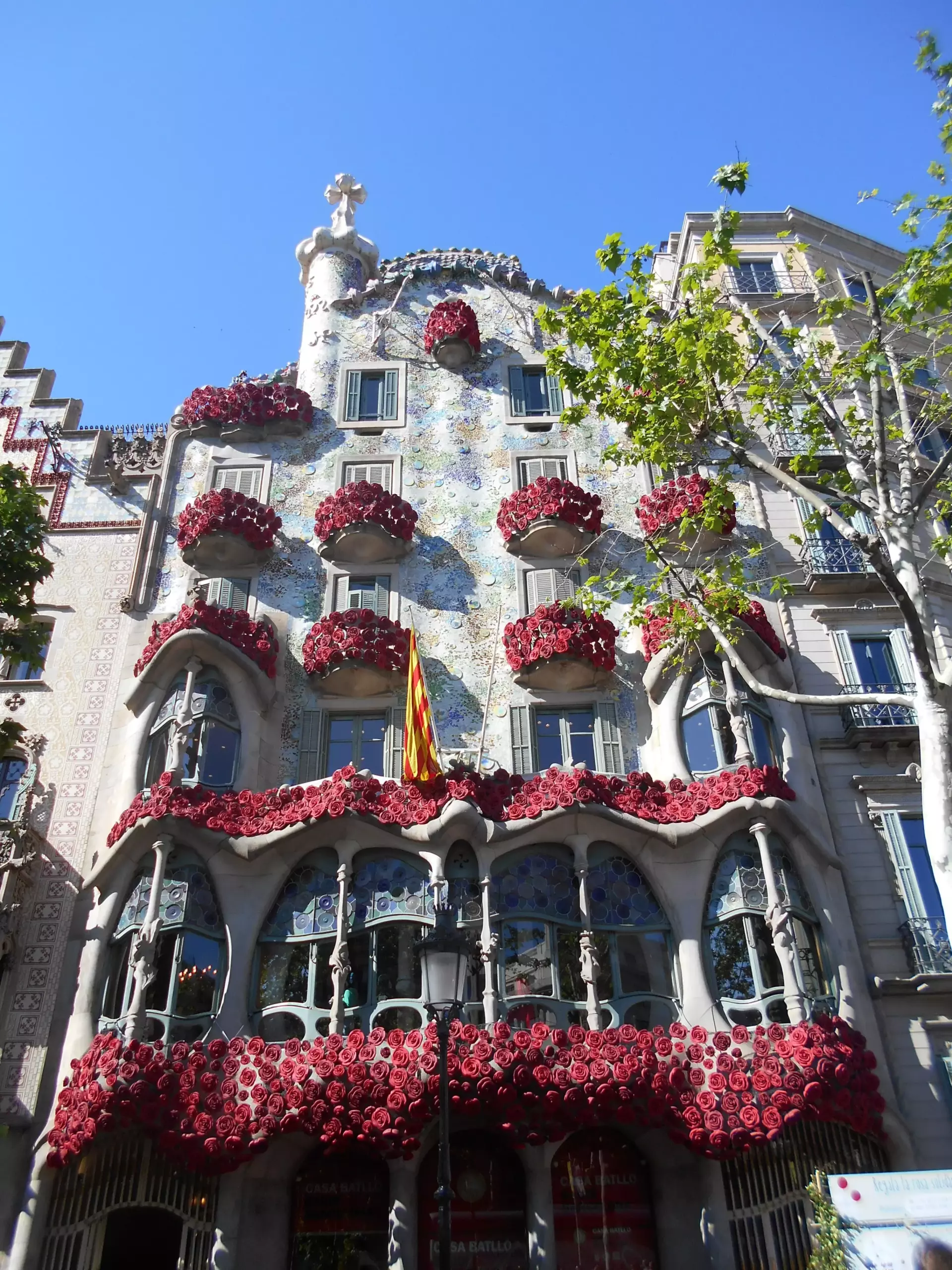
Another Gaudi masterpiece along the same avenue as La Pedrera. Open to the public. No straight line or right angles appear anywhere in the house. Often overlooked for La Pedrera, (also by Gaudi), La Casa Batlló is equally as stunning with its unique architecture and infamous two ornamental pillars in the entrance to the terrace. Open for visitors from ground floor to the roof, and down by an old-time elevator.
Created in 1984 by the artist Antoni Tàpies to promote the study and knowledge of modern and contemporary art.
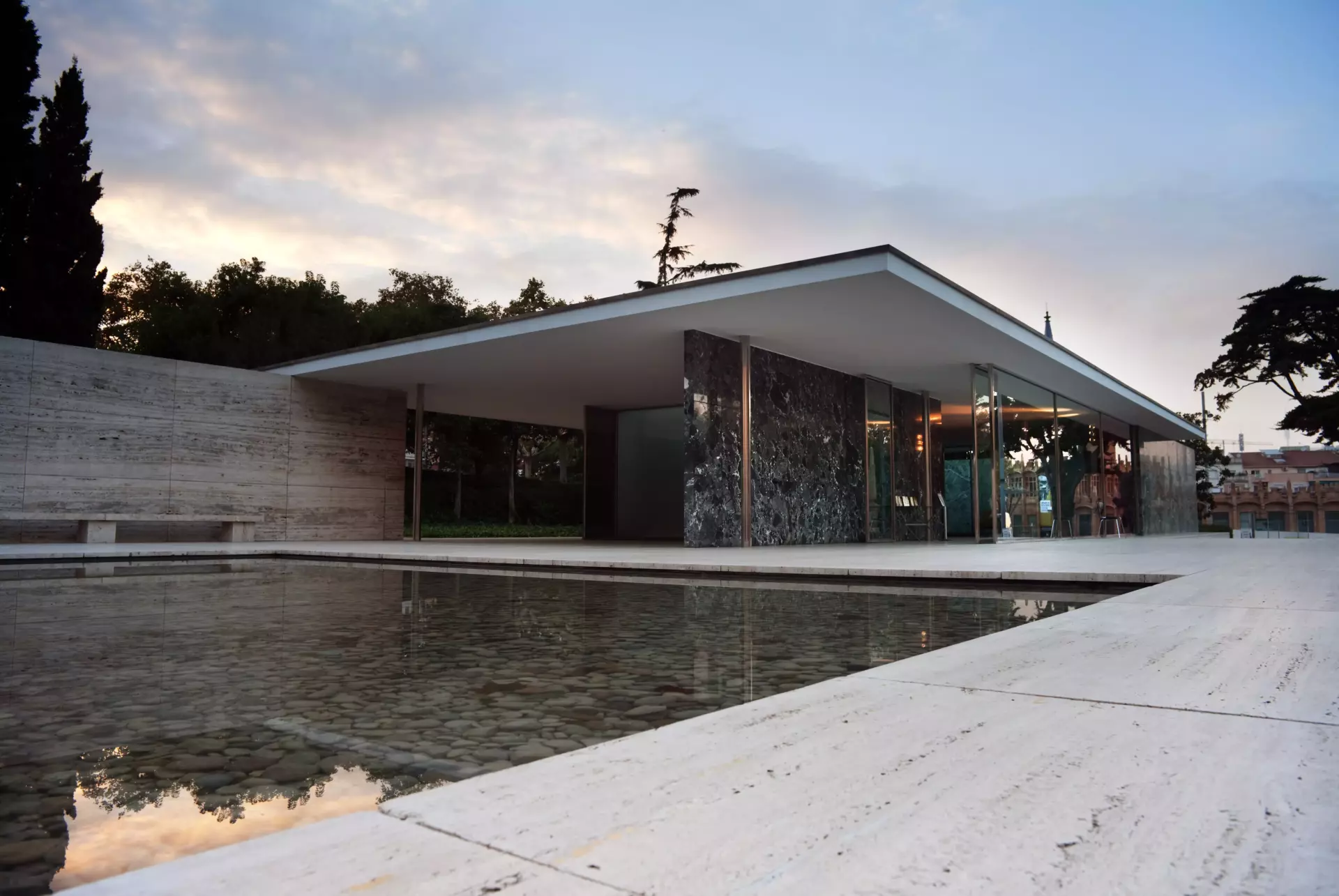
The Pavilion is one of the emblematic works of Mies van der Rohe and key reference architecture of the twentieth century. The famous German Pavilion was designed for the 1929 Barcelona International Exhibition and reconstructed in 1986 on its original site. Its innovative architectural structure marked a radical change in the layout of space and greatly influenced the development of modern architecture. Furthermore, the Pavilion exhibits the Barcelona Chair, also designed by Mies van der Rohe, along with a bronze reproduction of Georg Kolbe’s sculpture Morning. The Fundació Mies van der Rohe veils for the conservation of the Pavilion.
A fake village built in 1929, with replicas of characteristic buildings in Spain (like the Avila walls, the Vall-de-roures town hall, etc.). The village hosts the Fondation Fran Daurel, where you can enjoy an interesting Modern Art collection boasting Miró, Picasso, Tapiès and other, mostly Spanish and Catalan, contemporary artists. The audio tour is very worthwhile there. Also worth seeing - the flamenco show at Tablo de Carmen. You can also step into several of the workshops to see craftsmen at work such as glassblowers and leather workers.