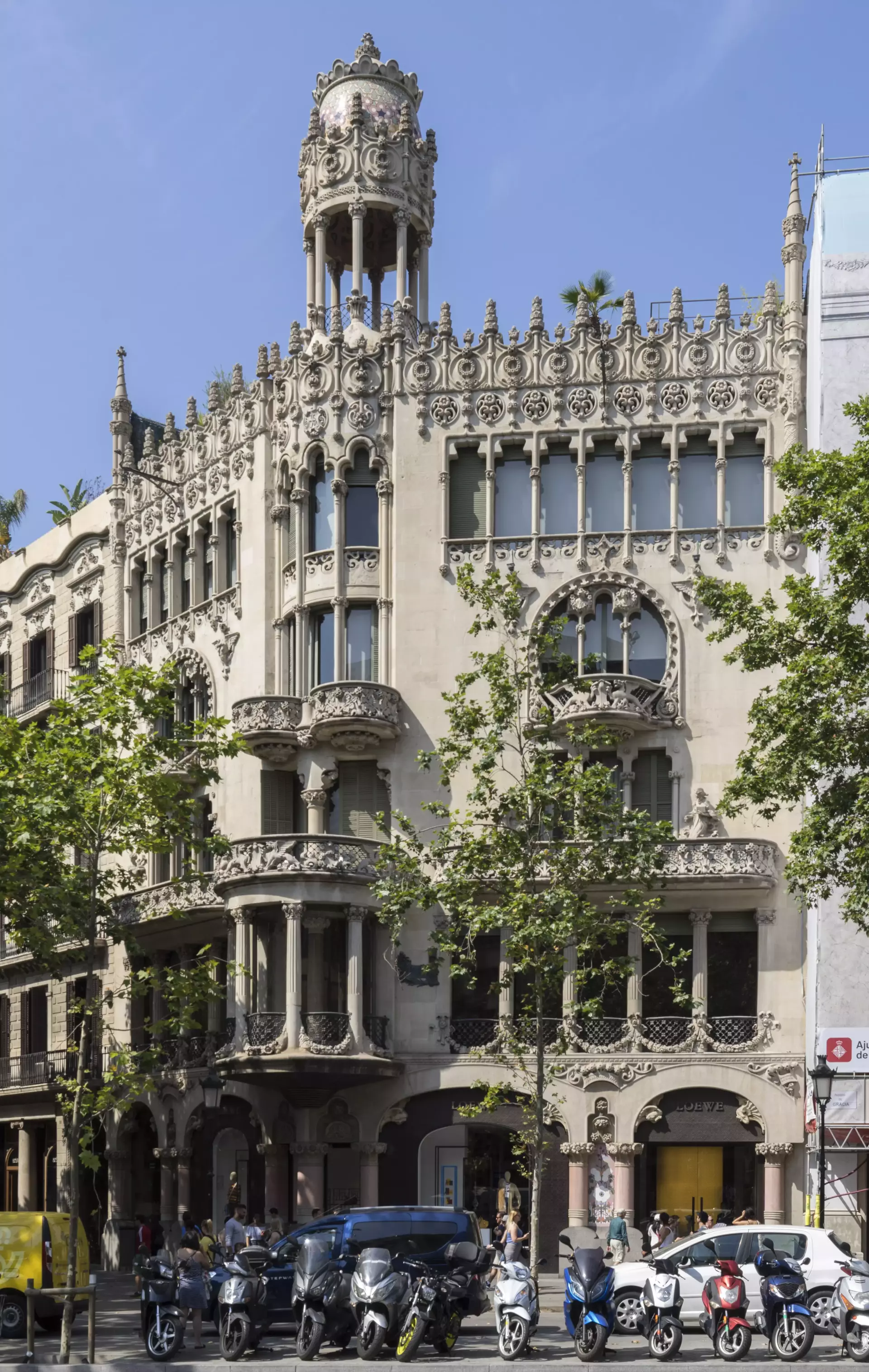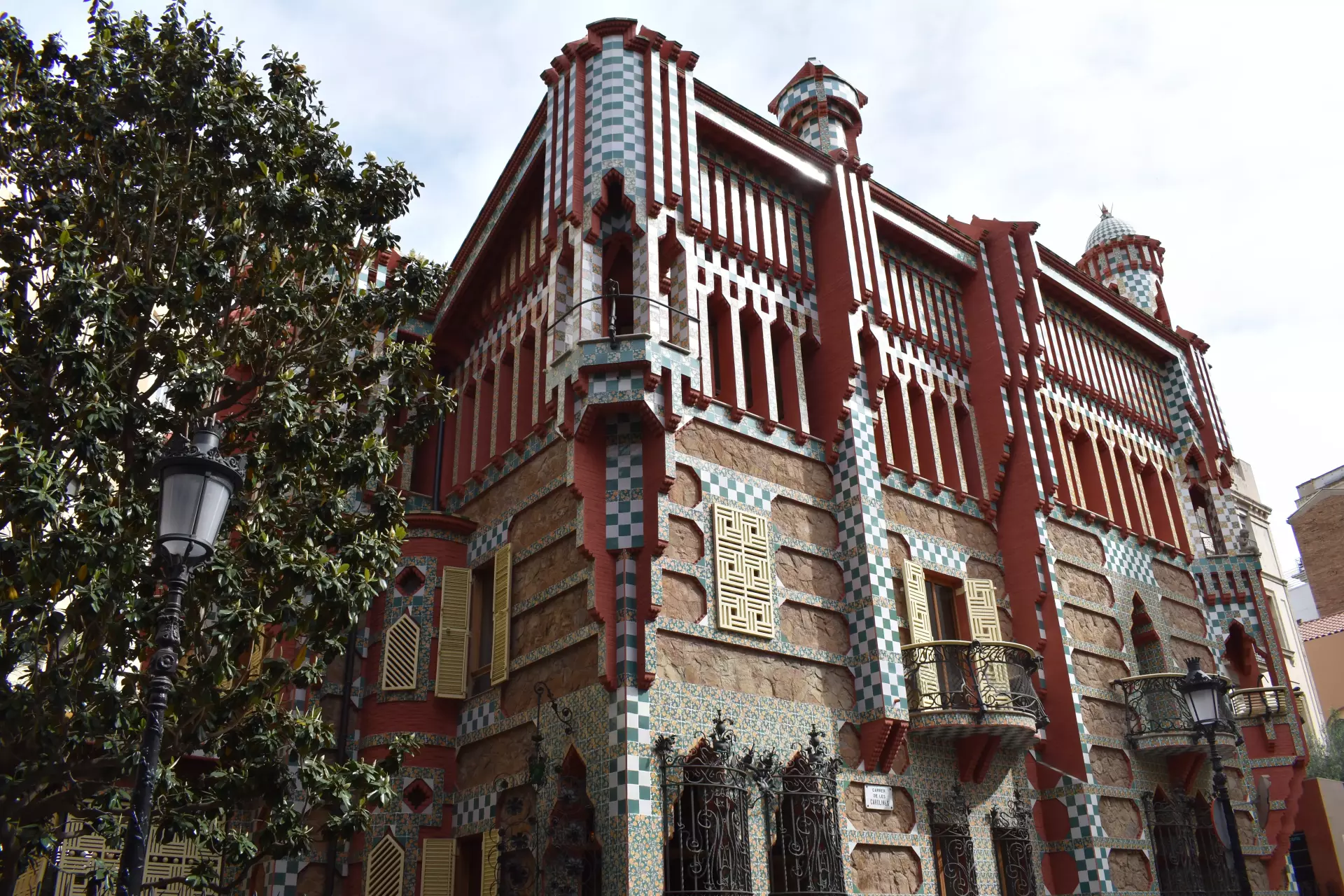
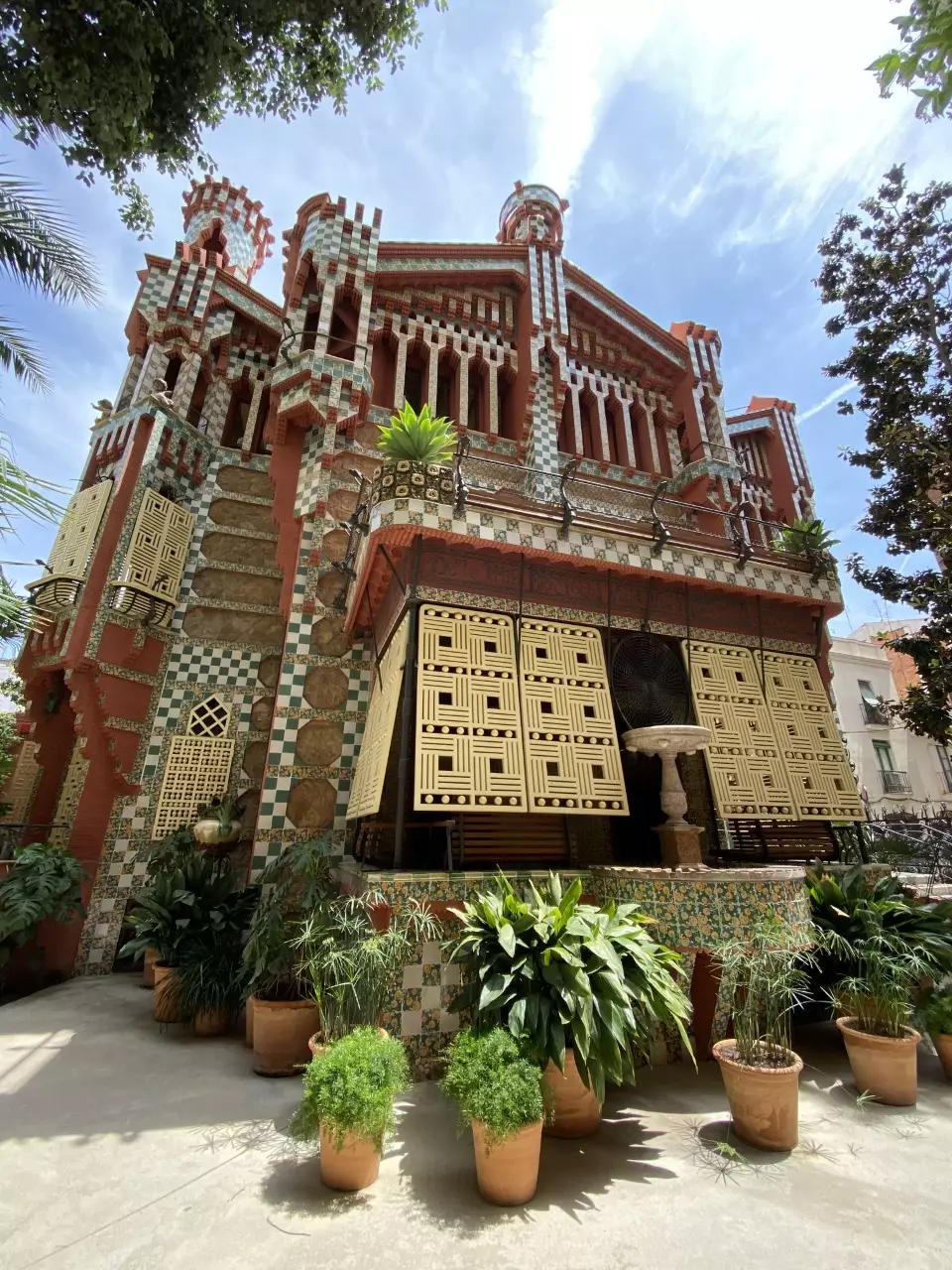
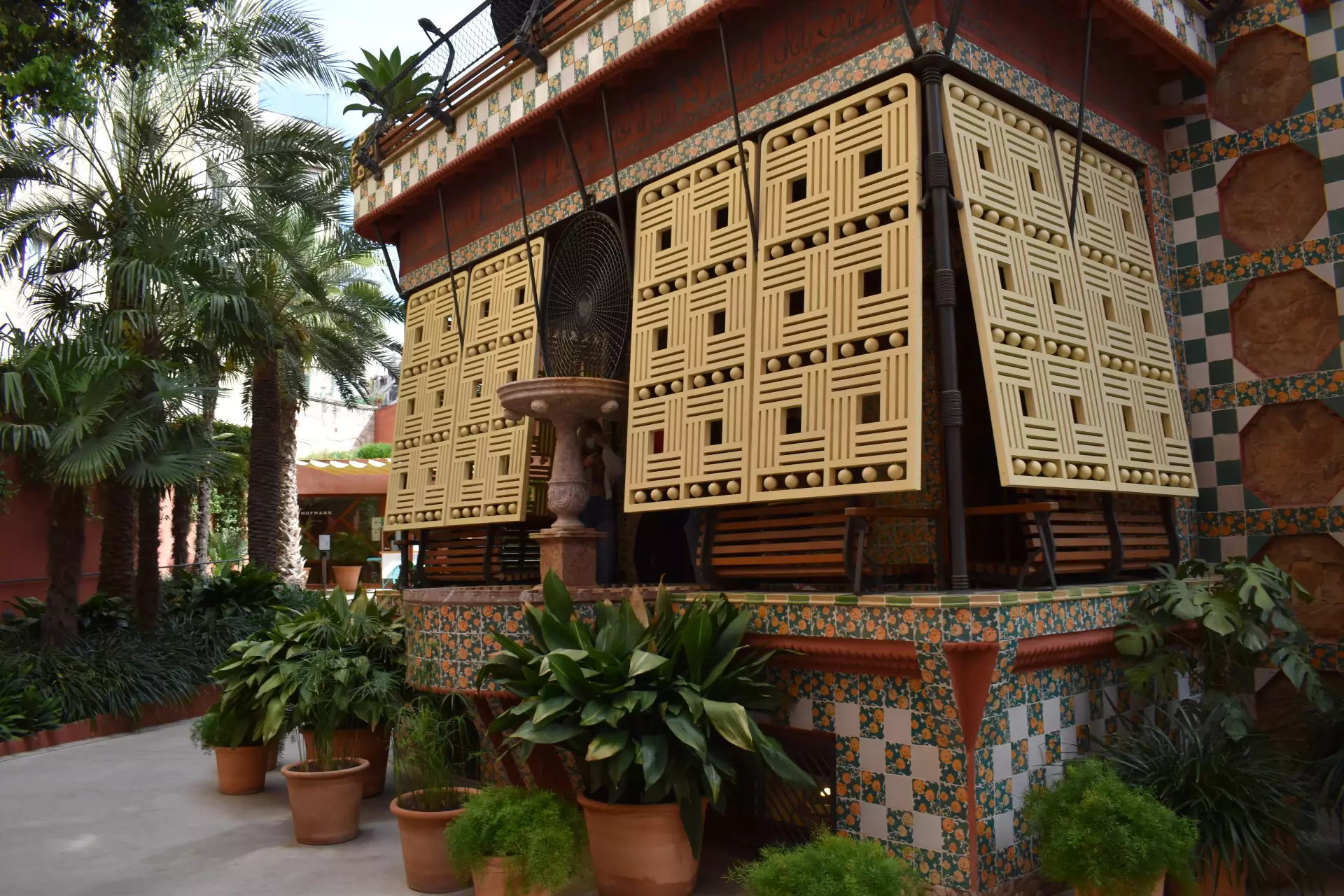
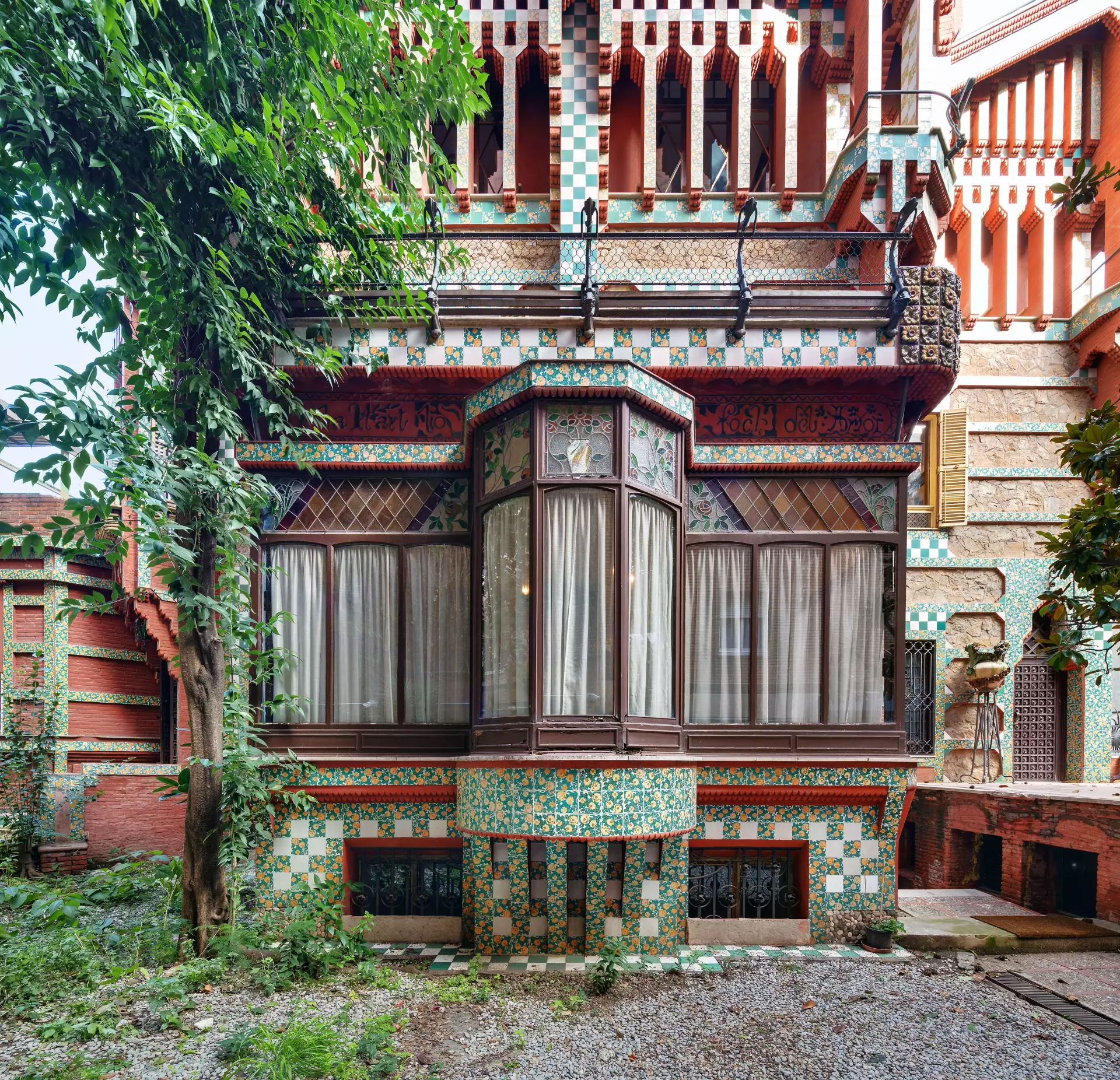
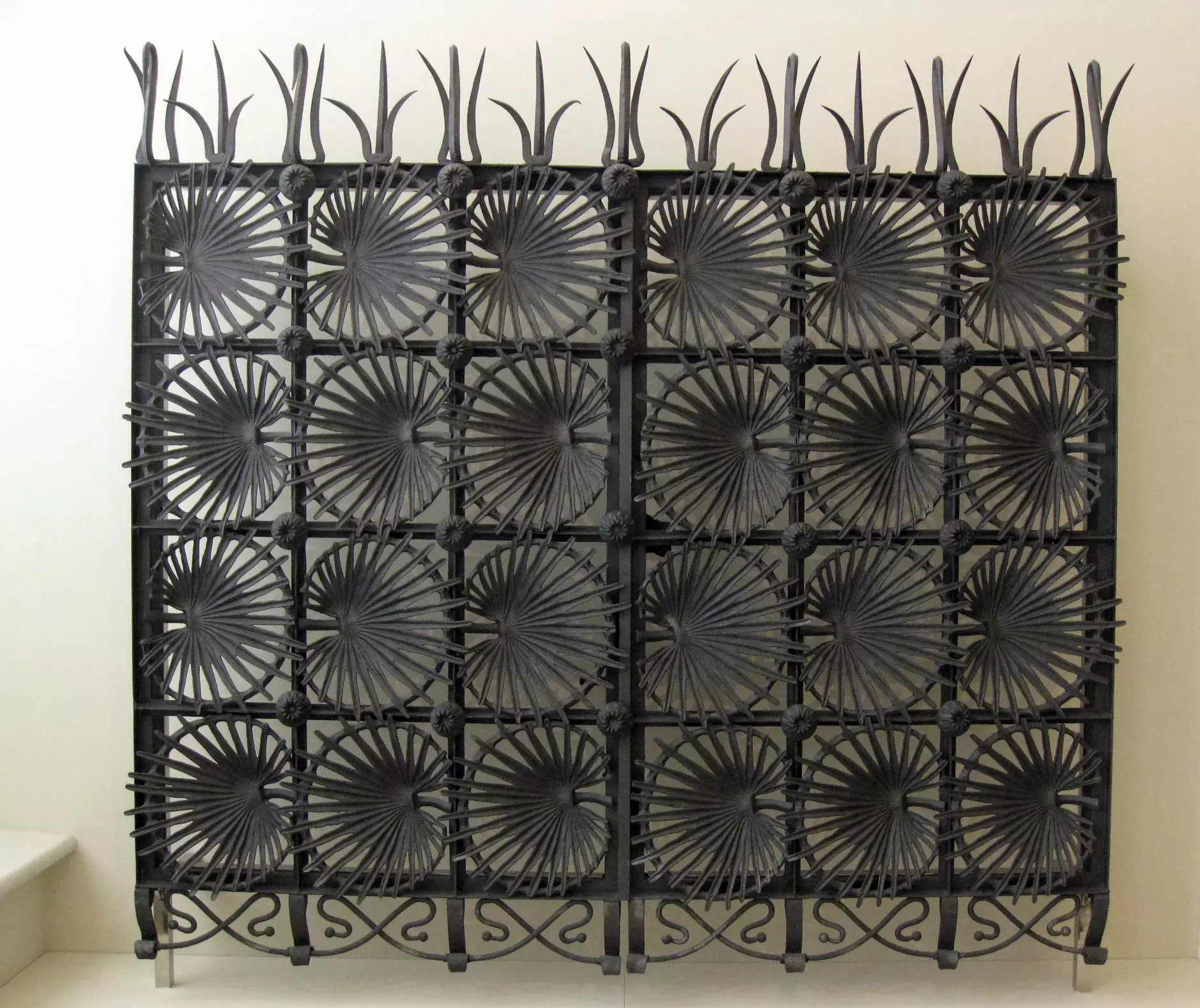
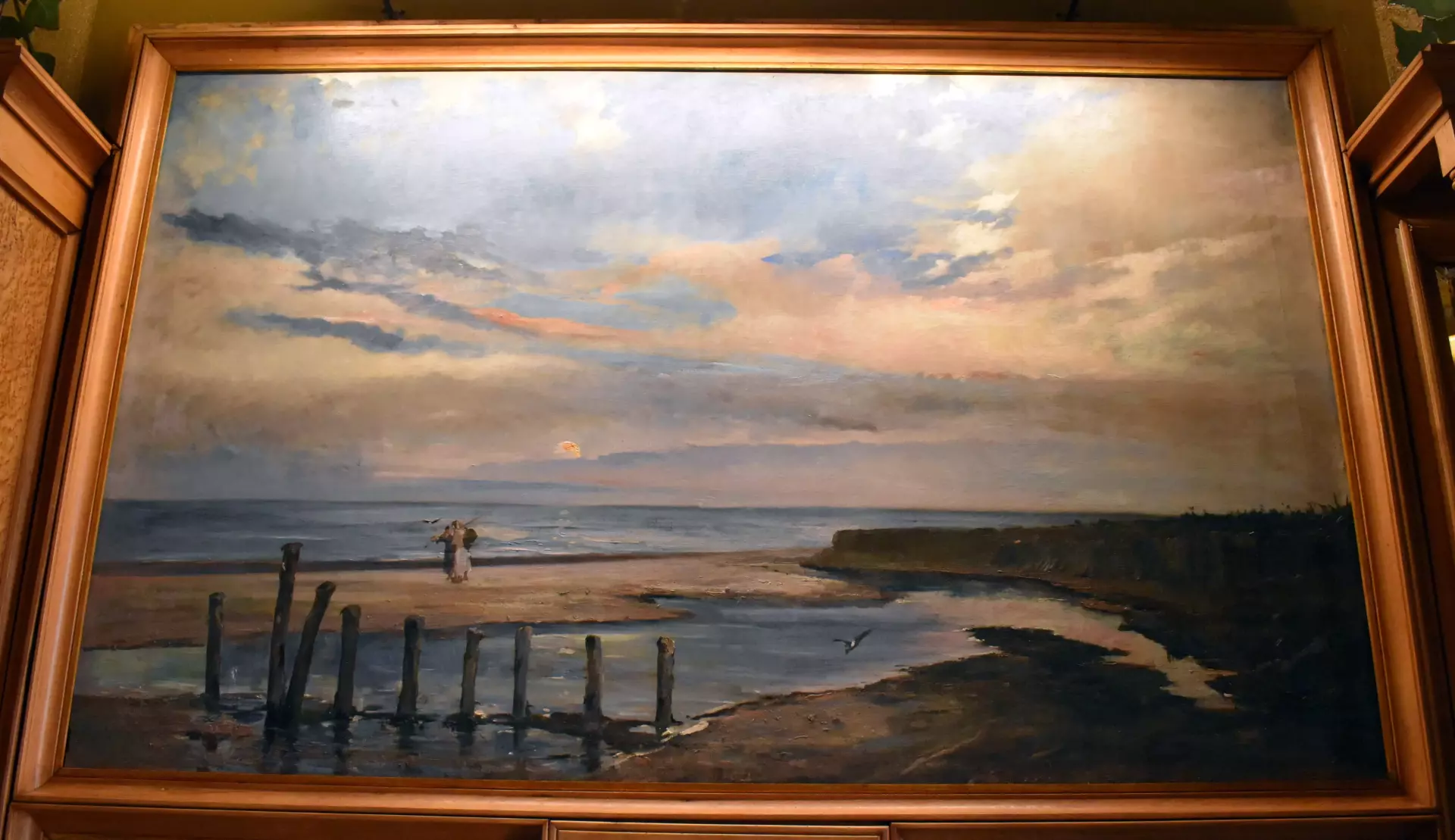
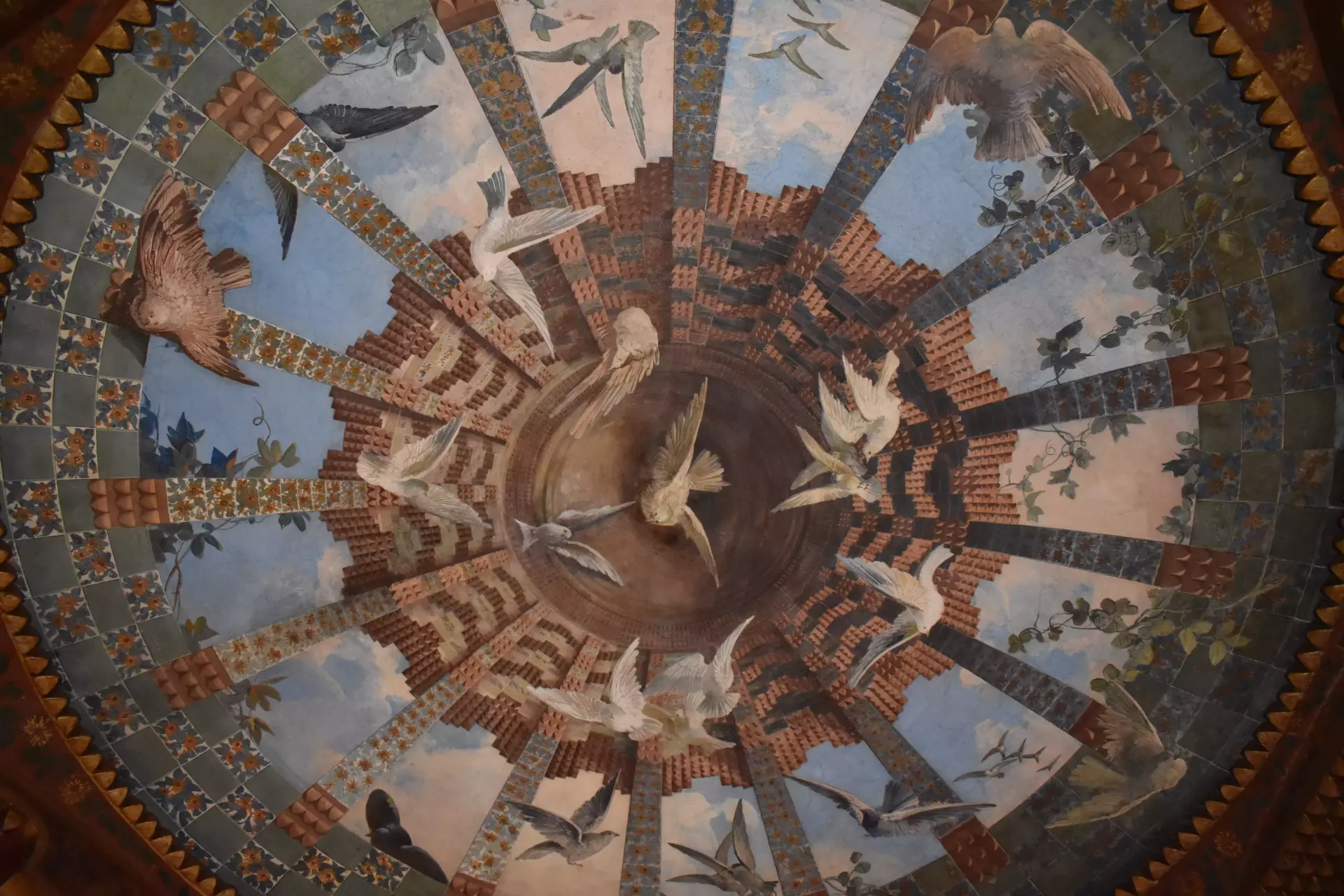
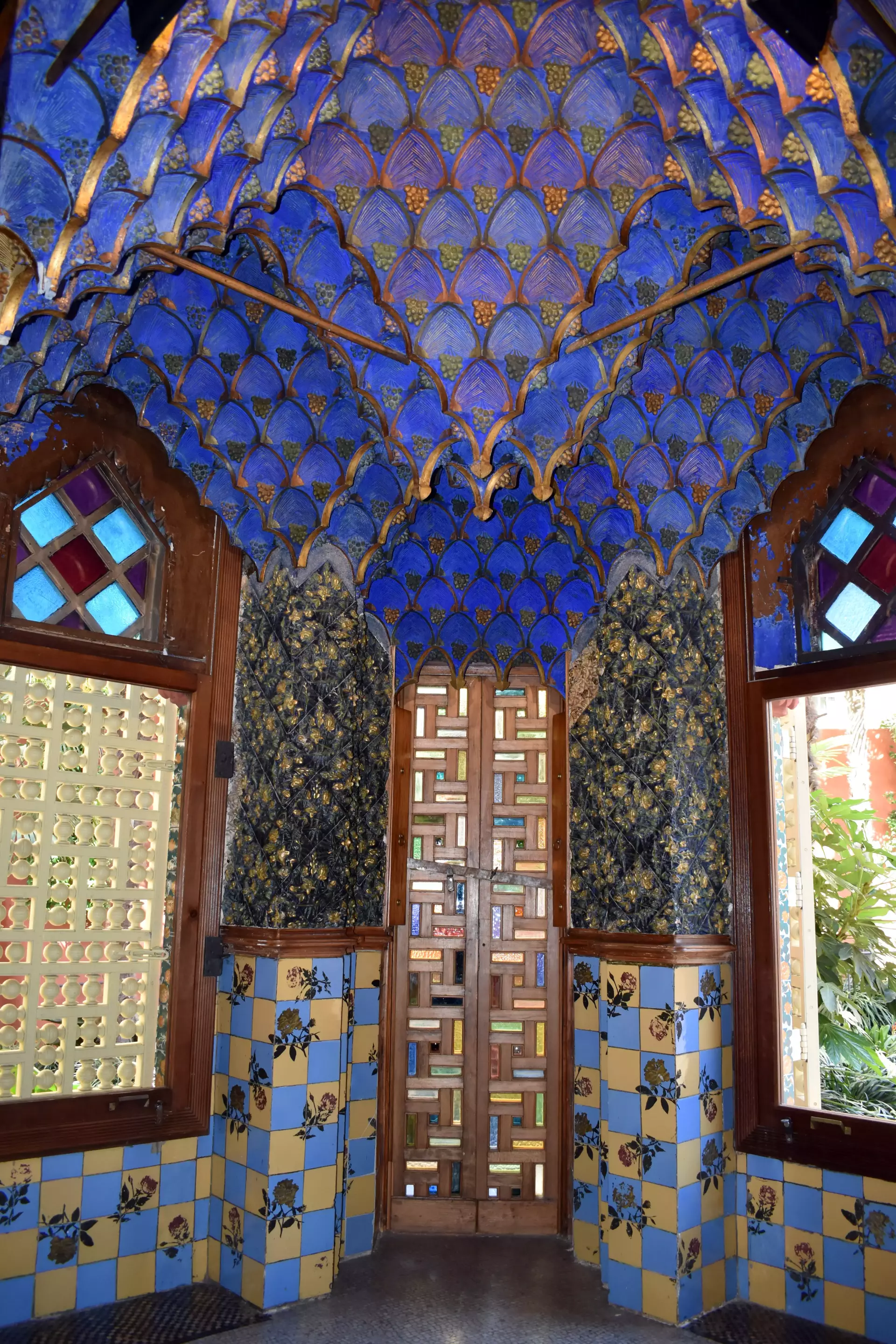
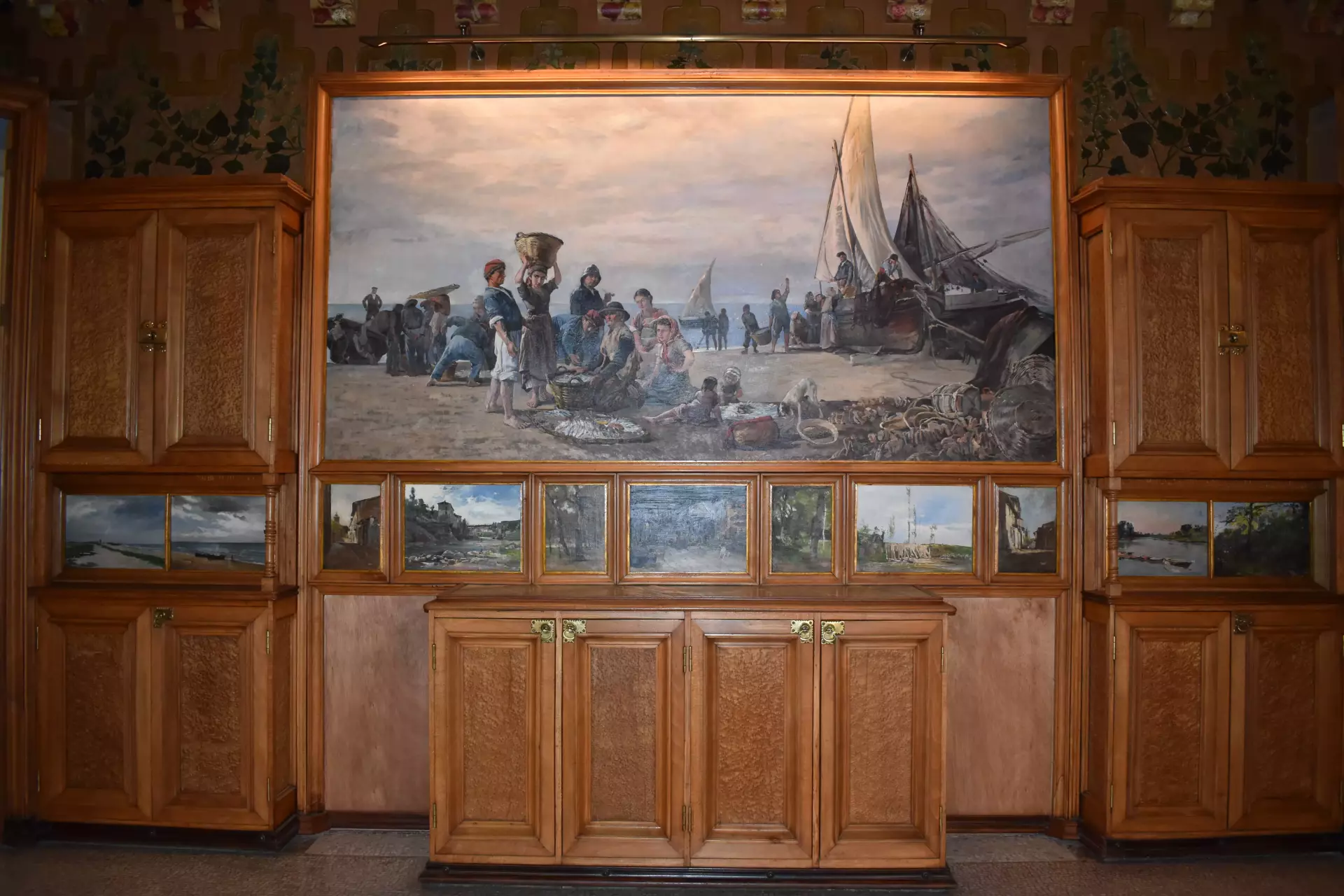
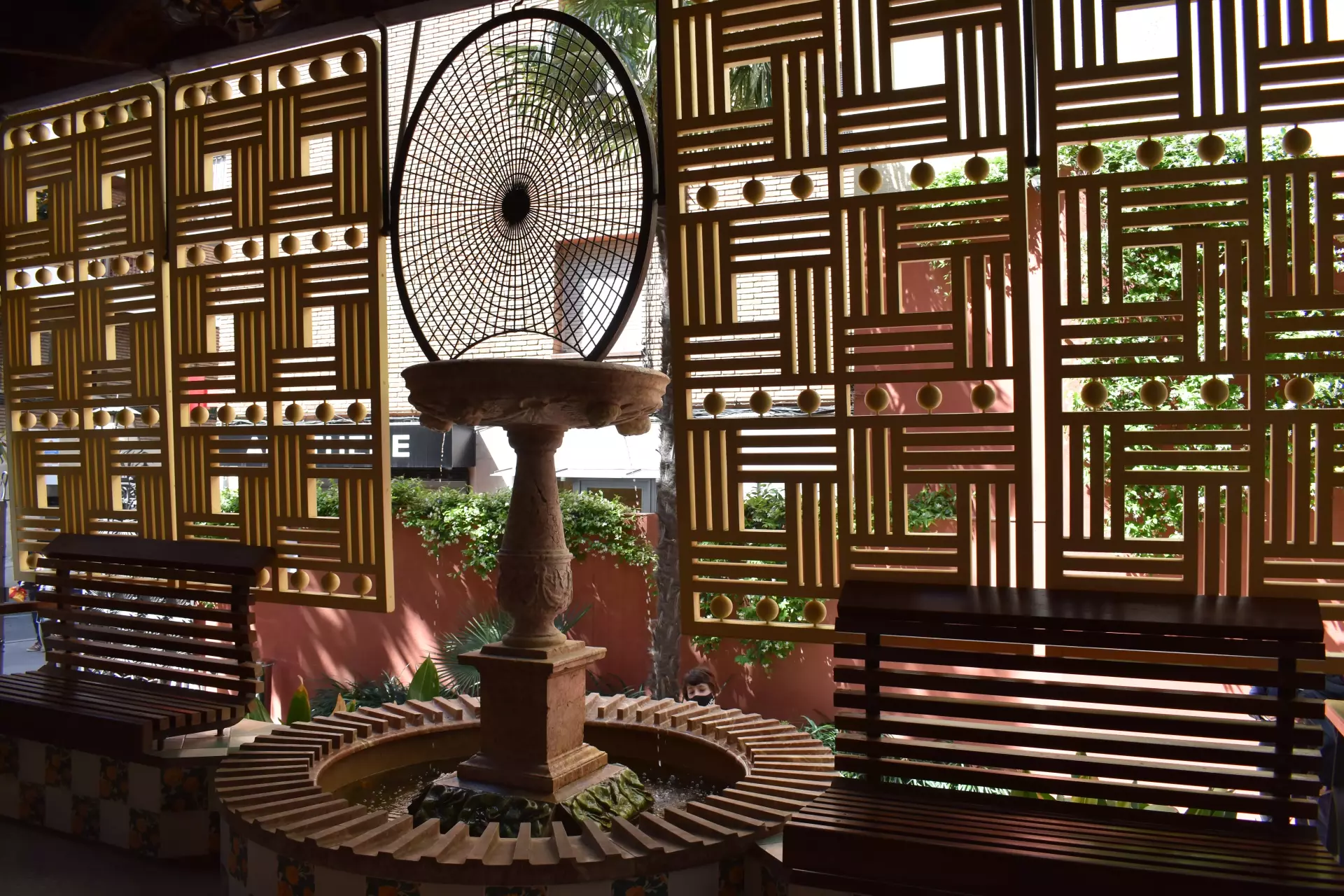
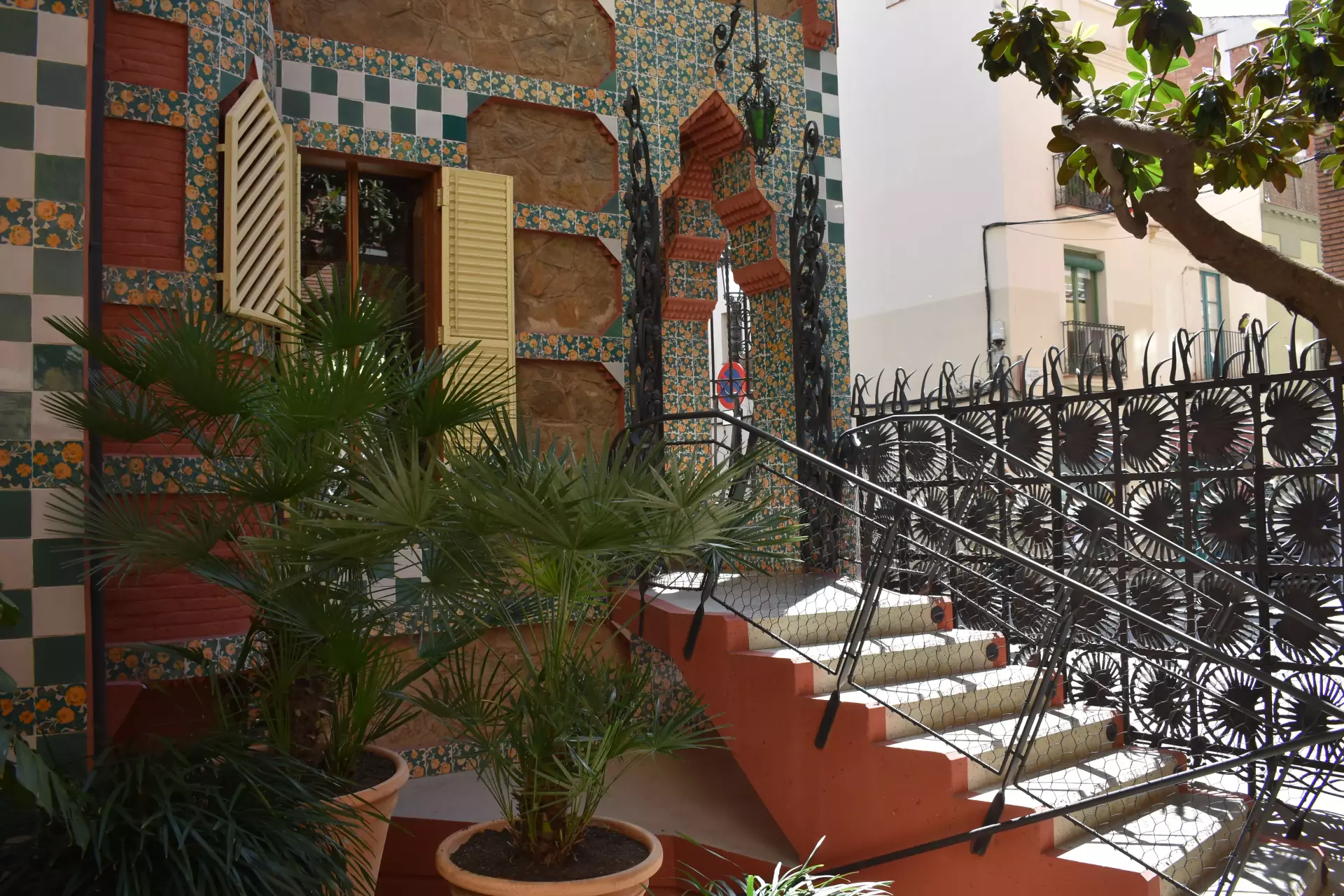
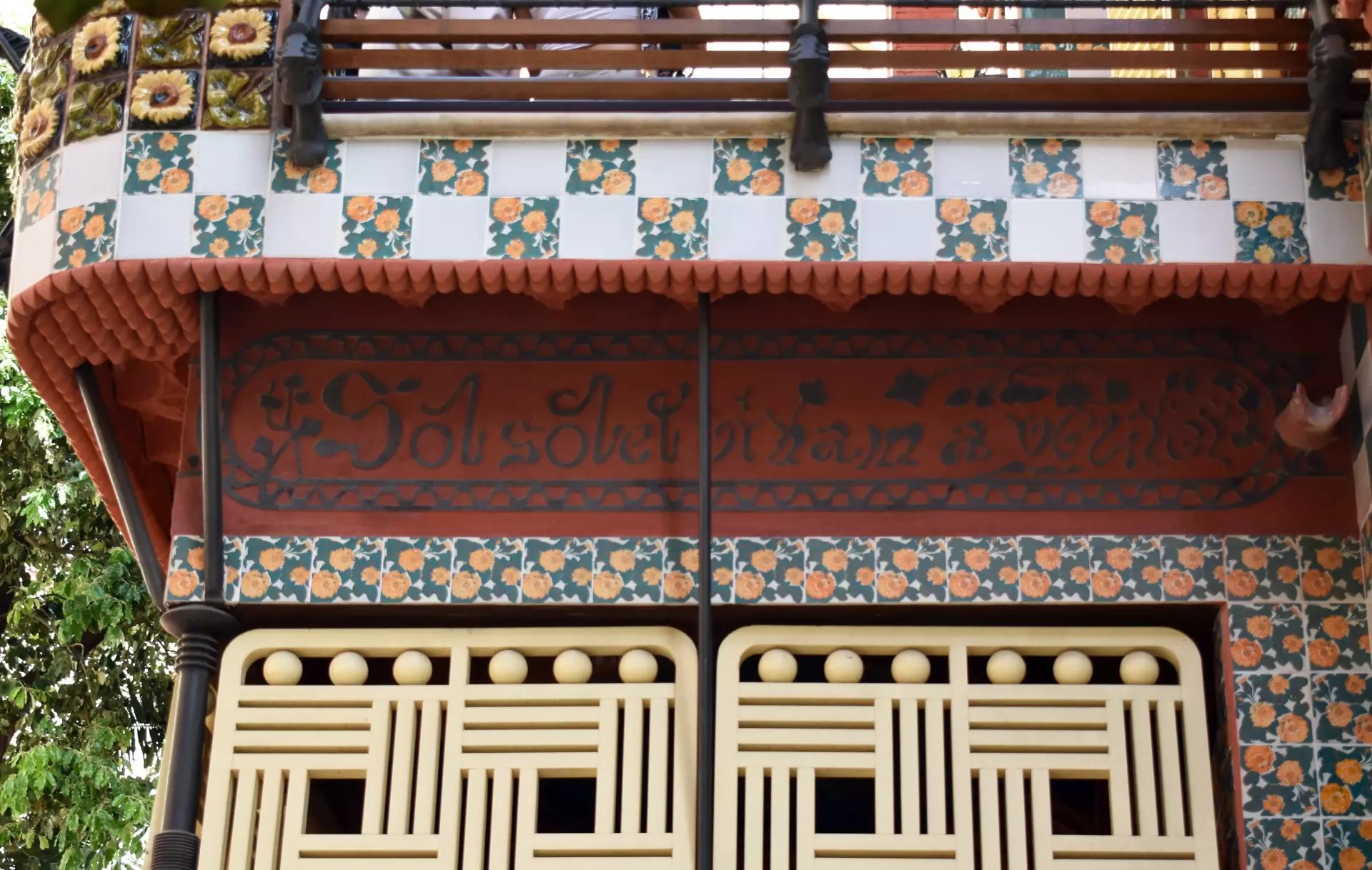
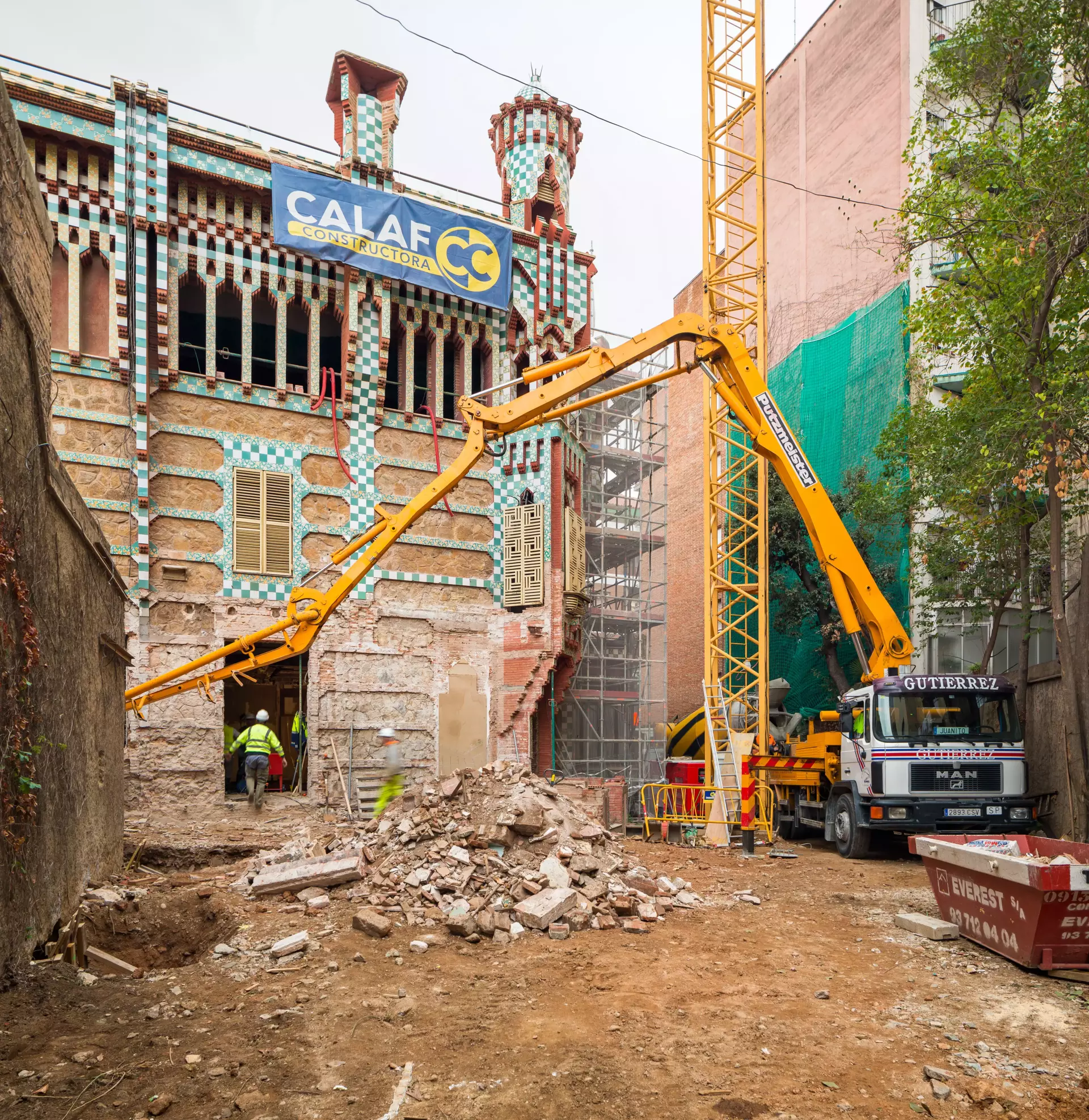
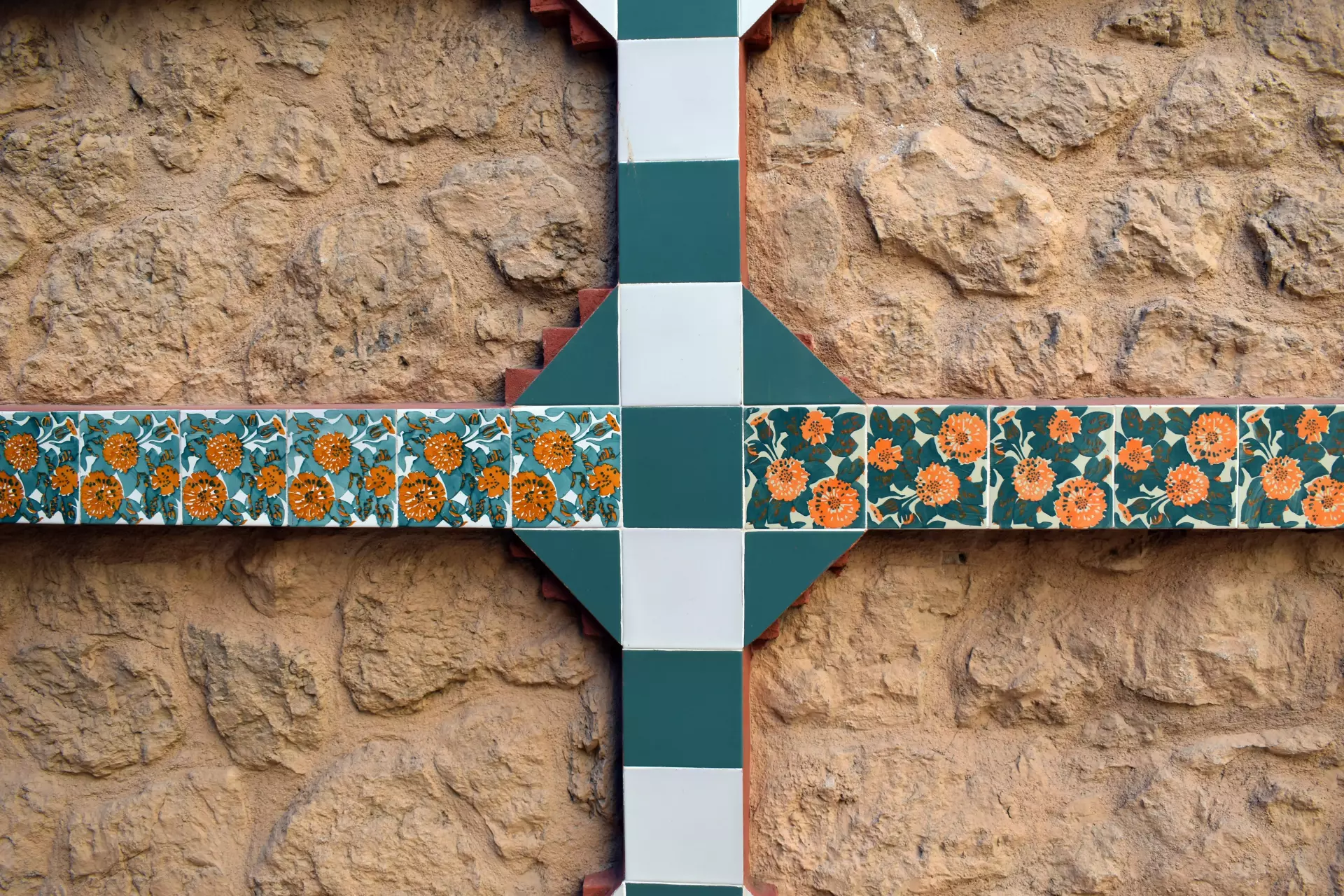
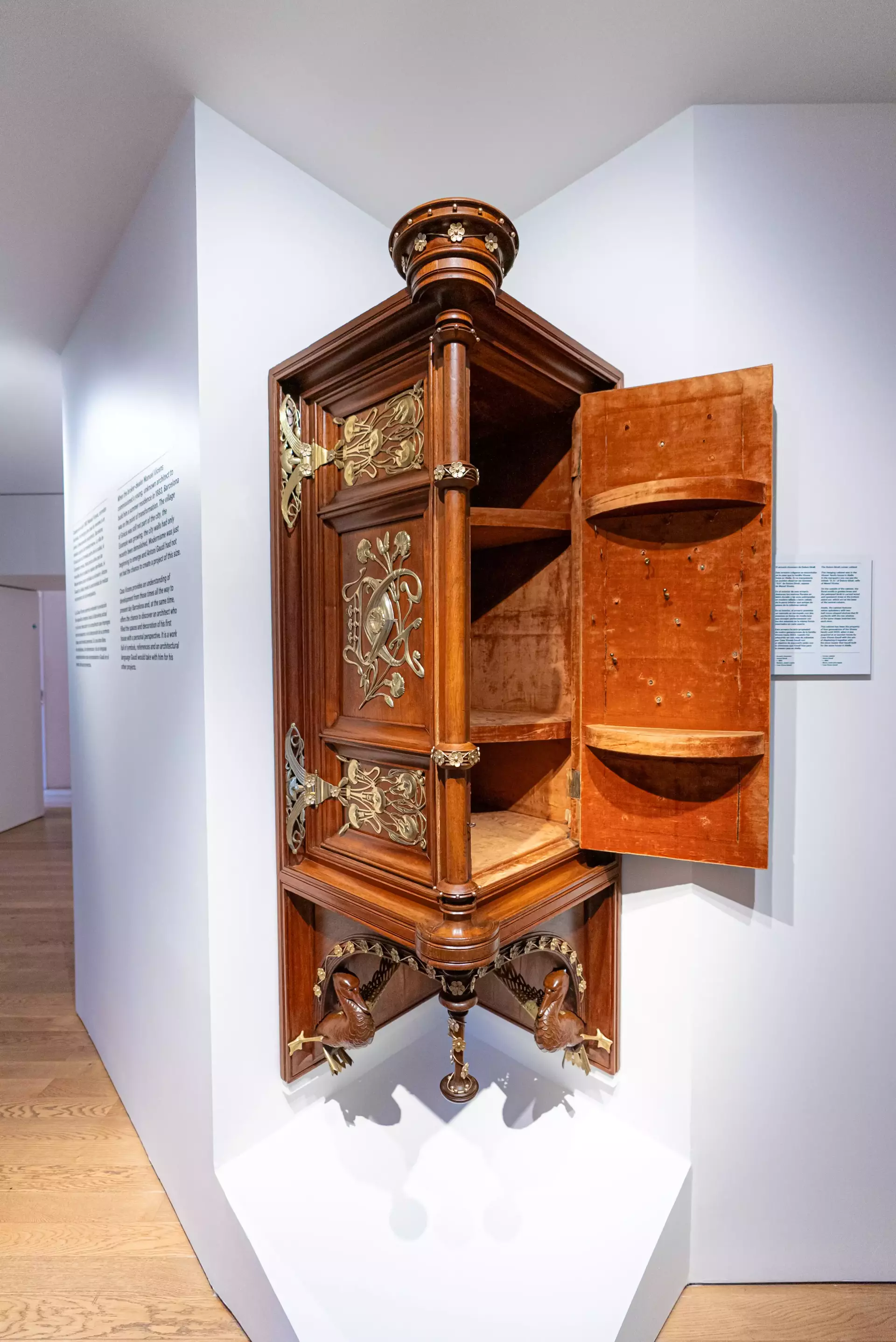
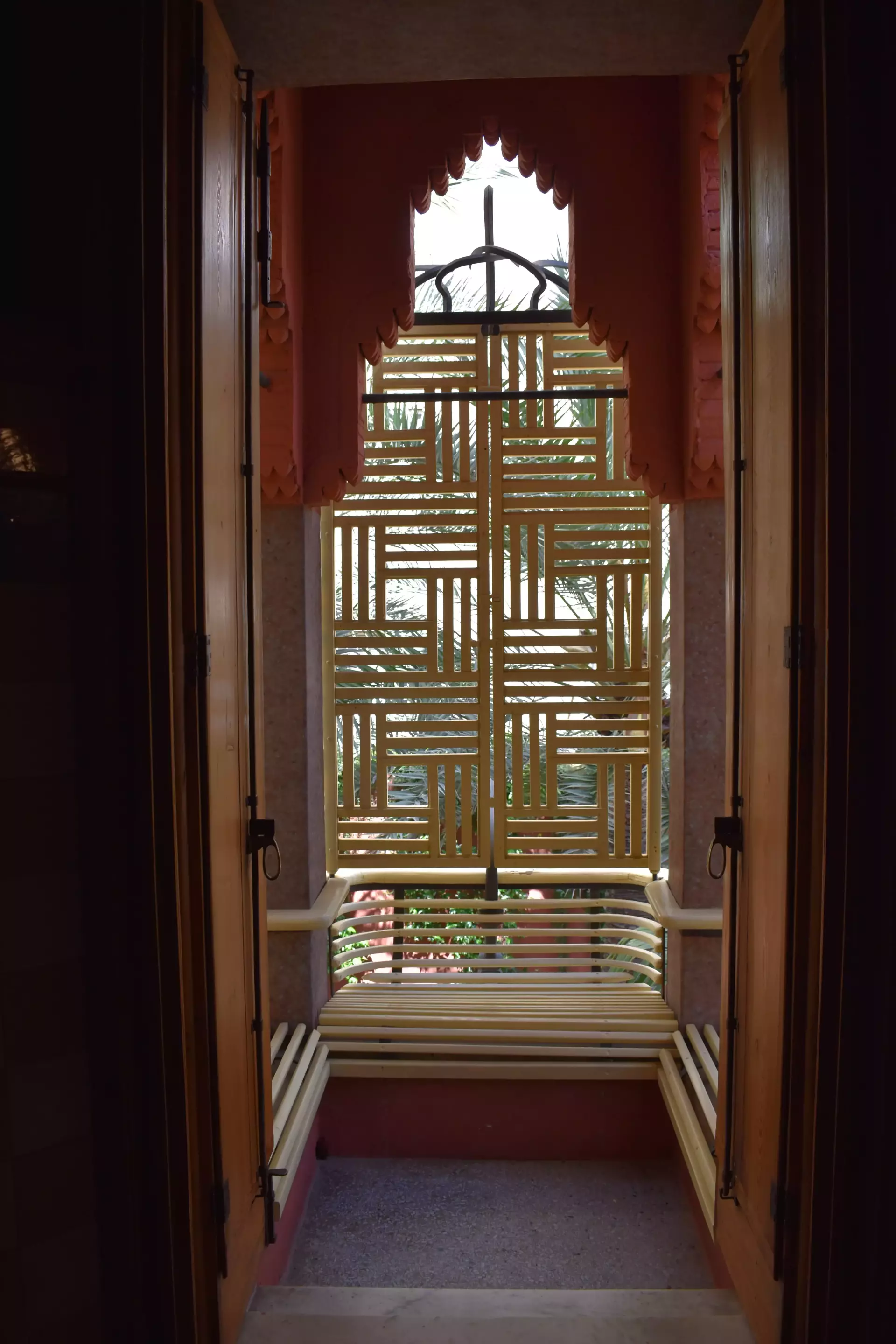
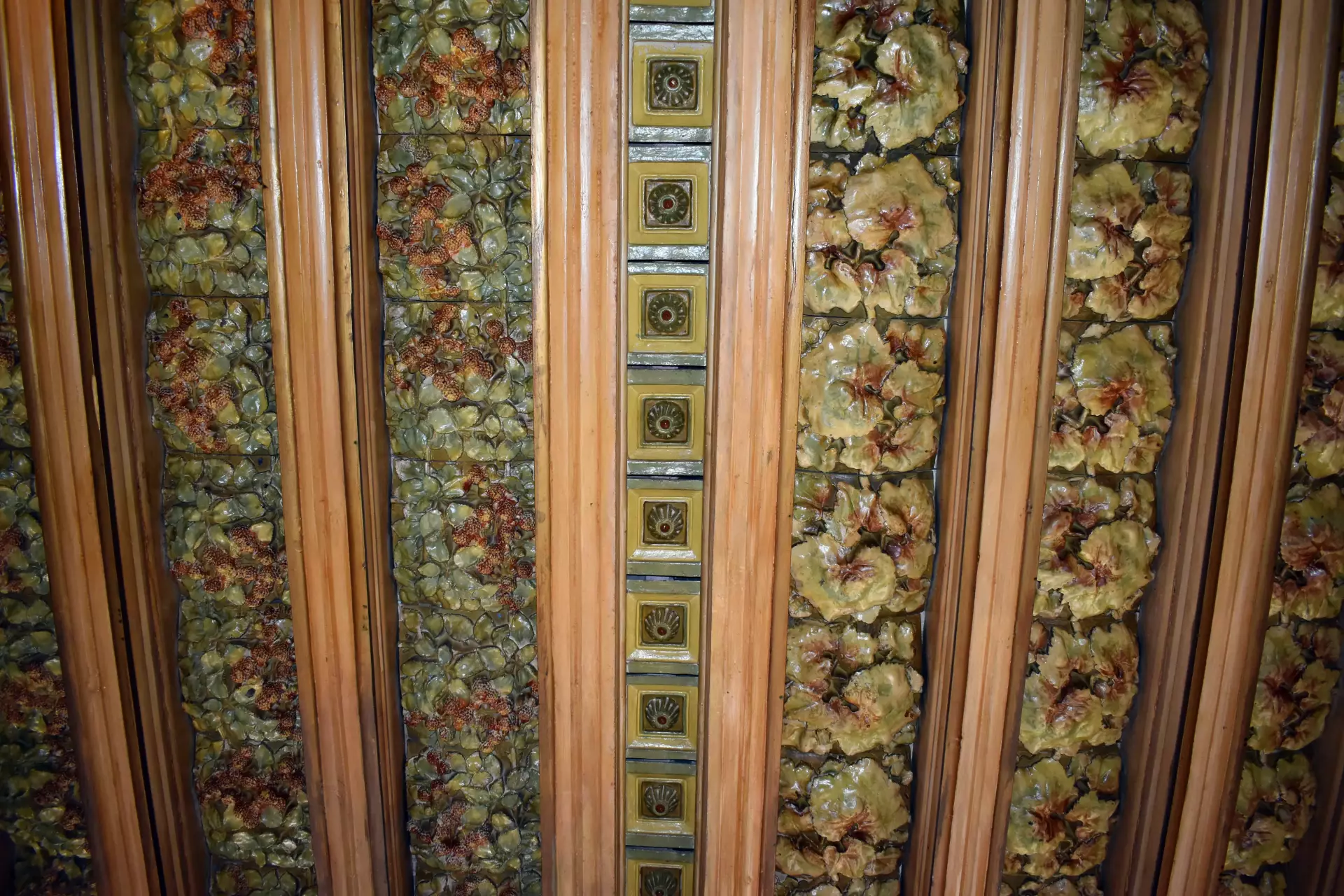
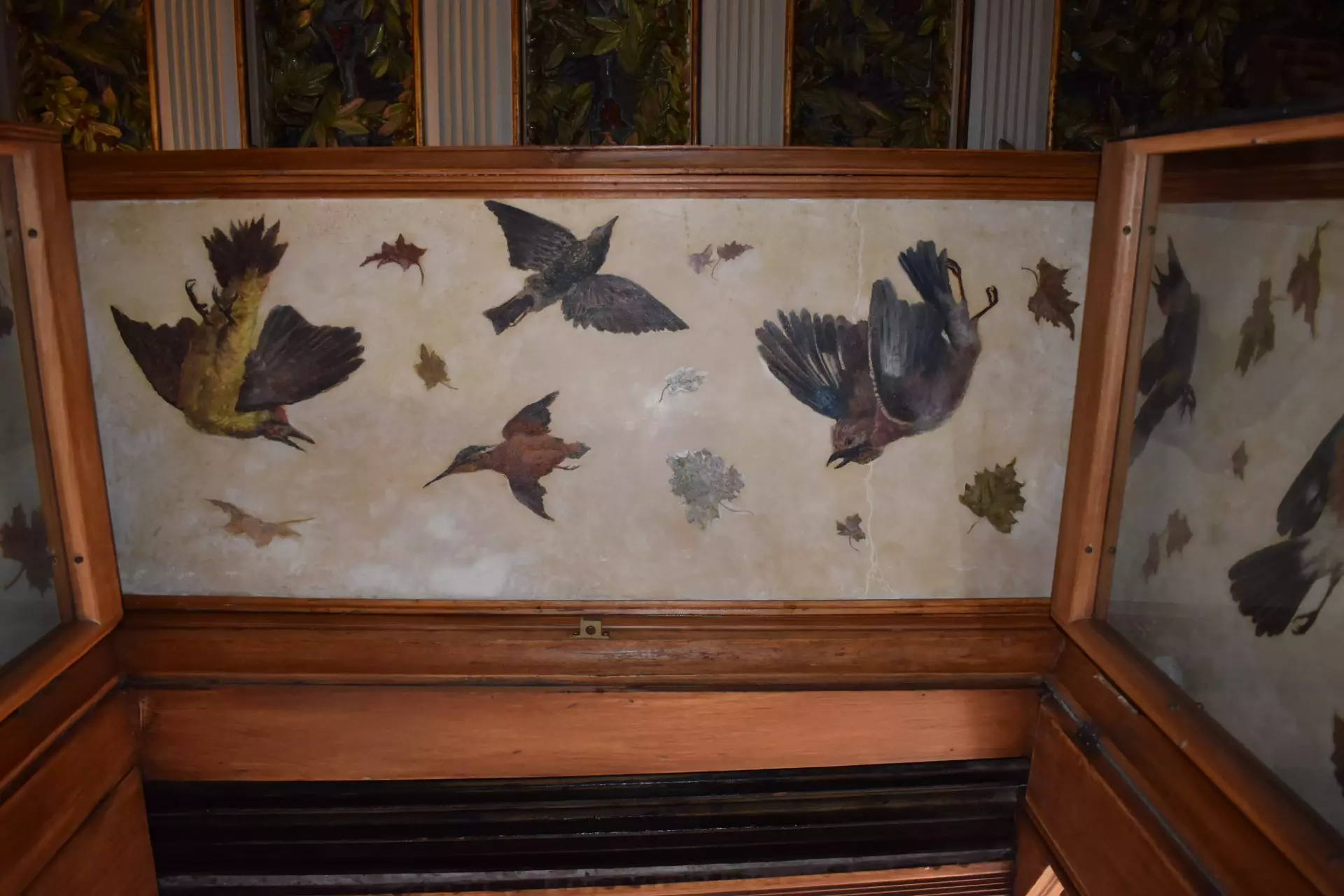
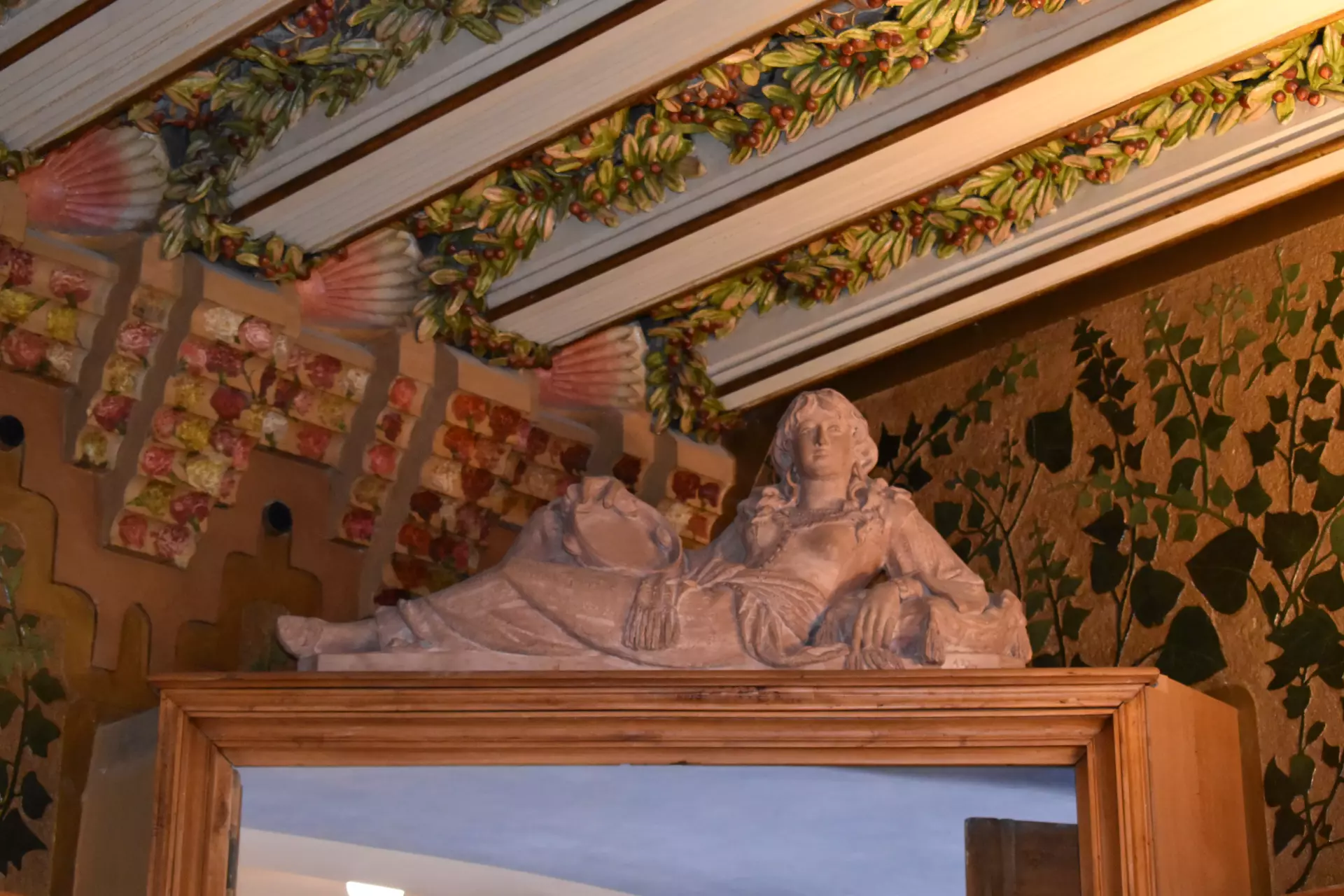
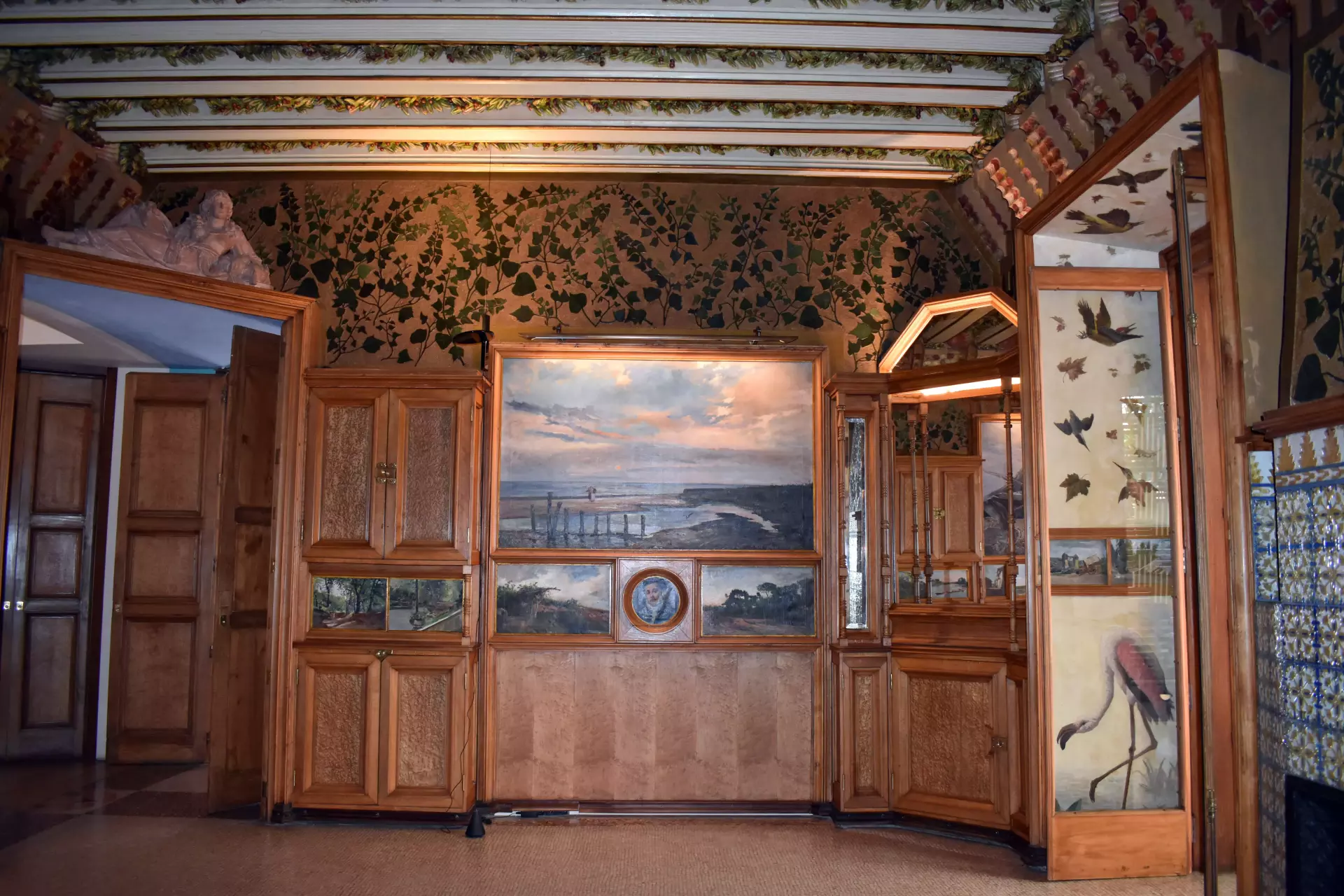
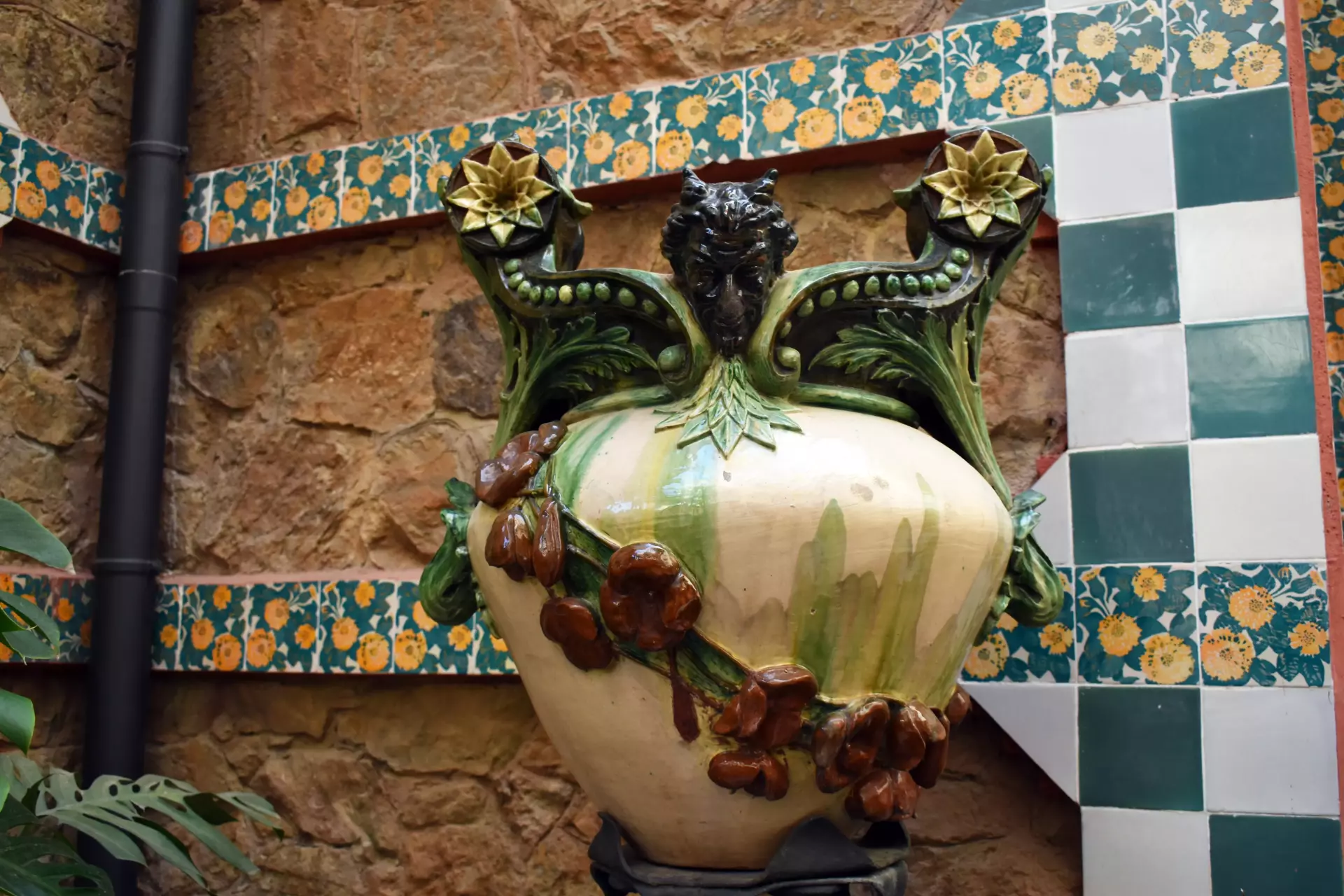
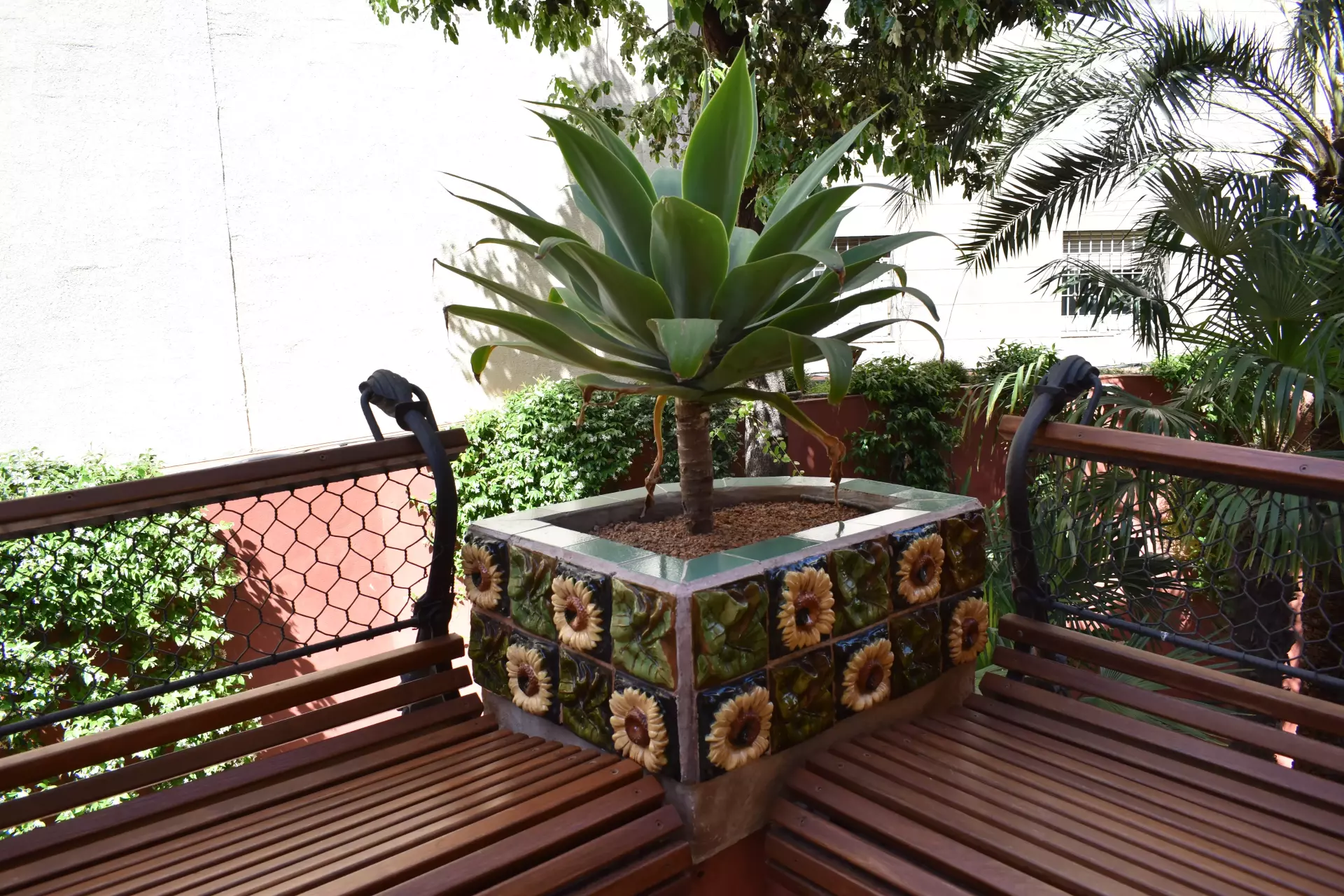
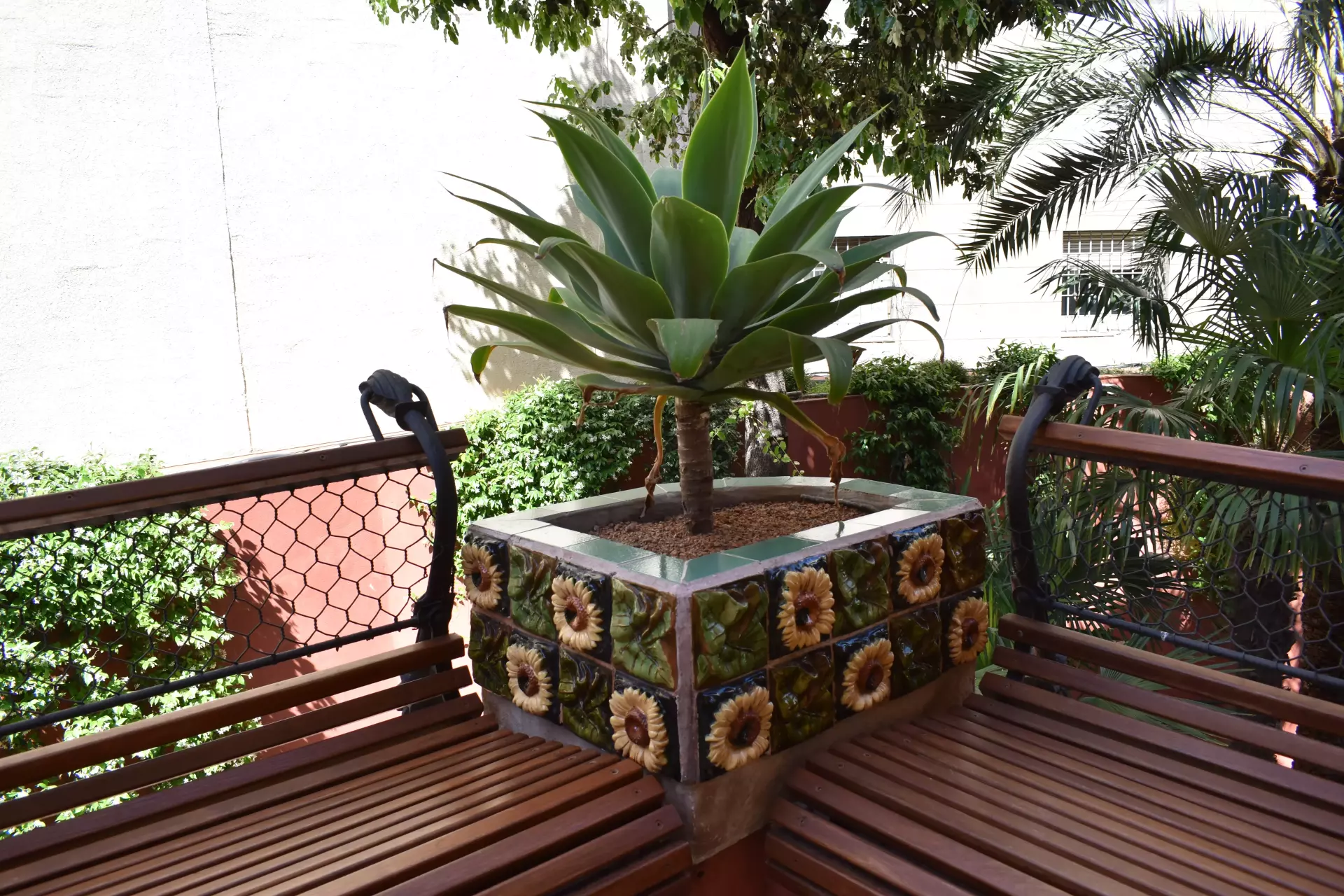
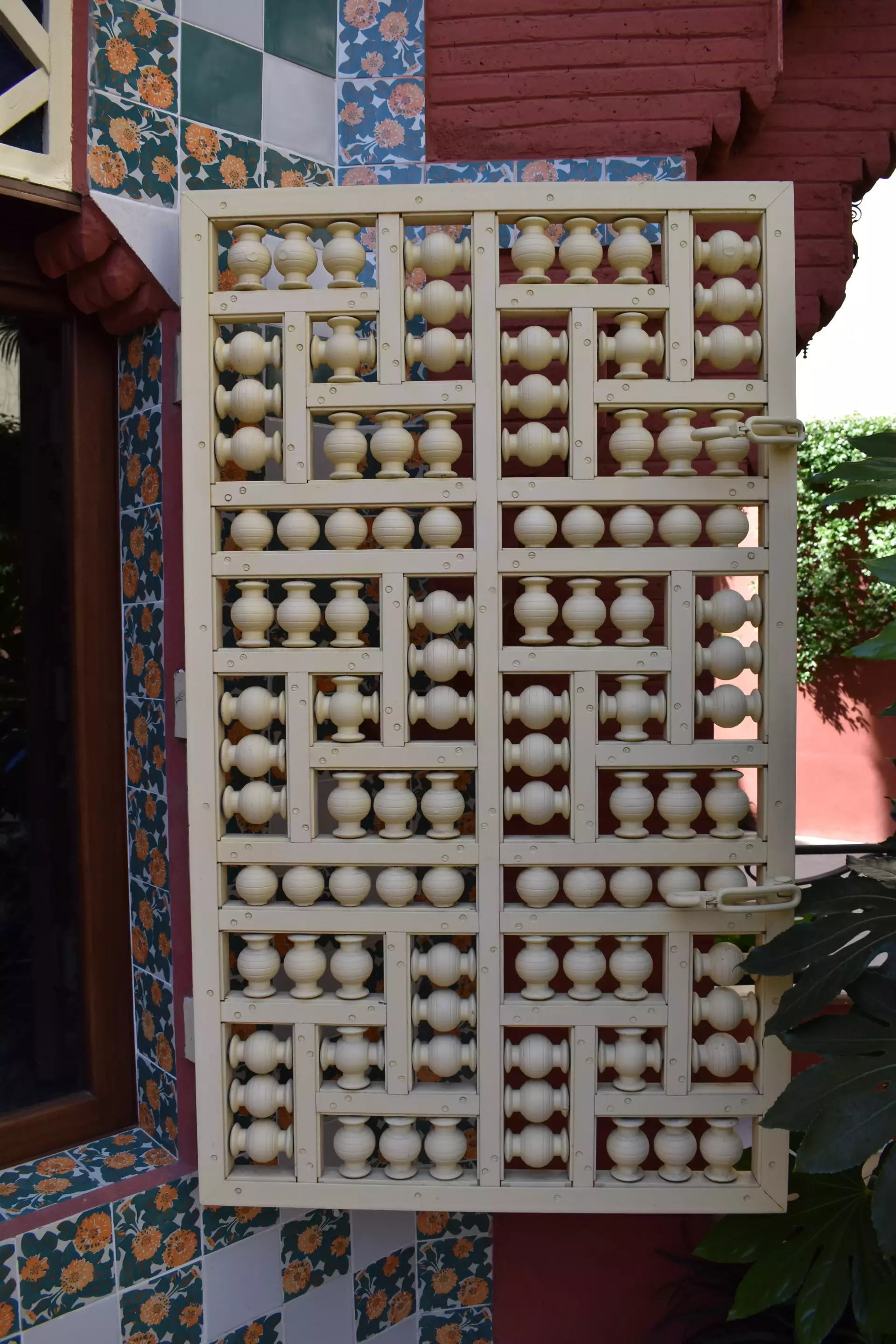
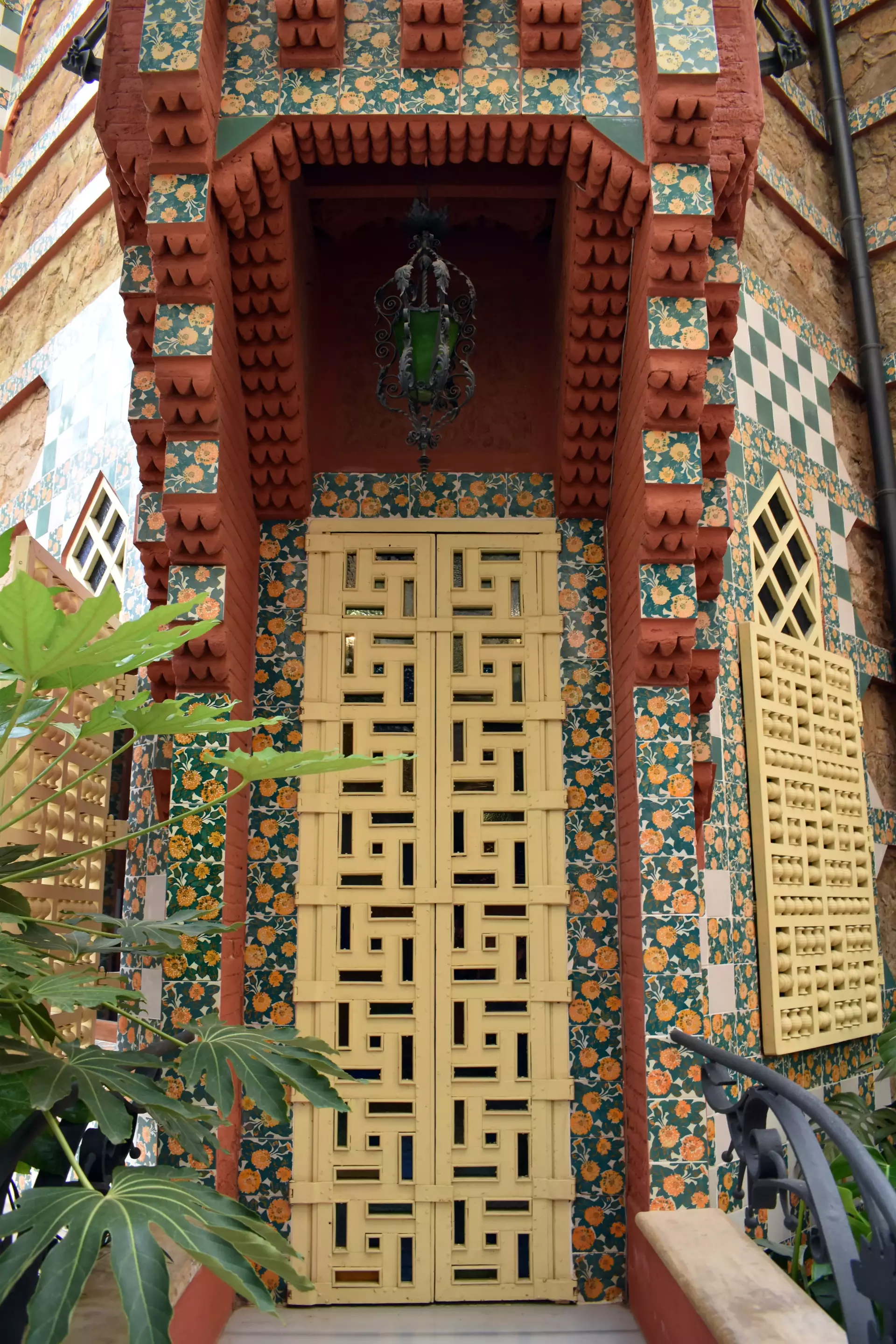
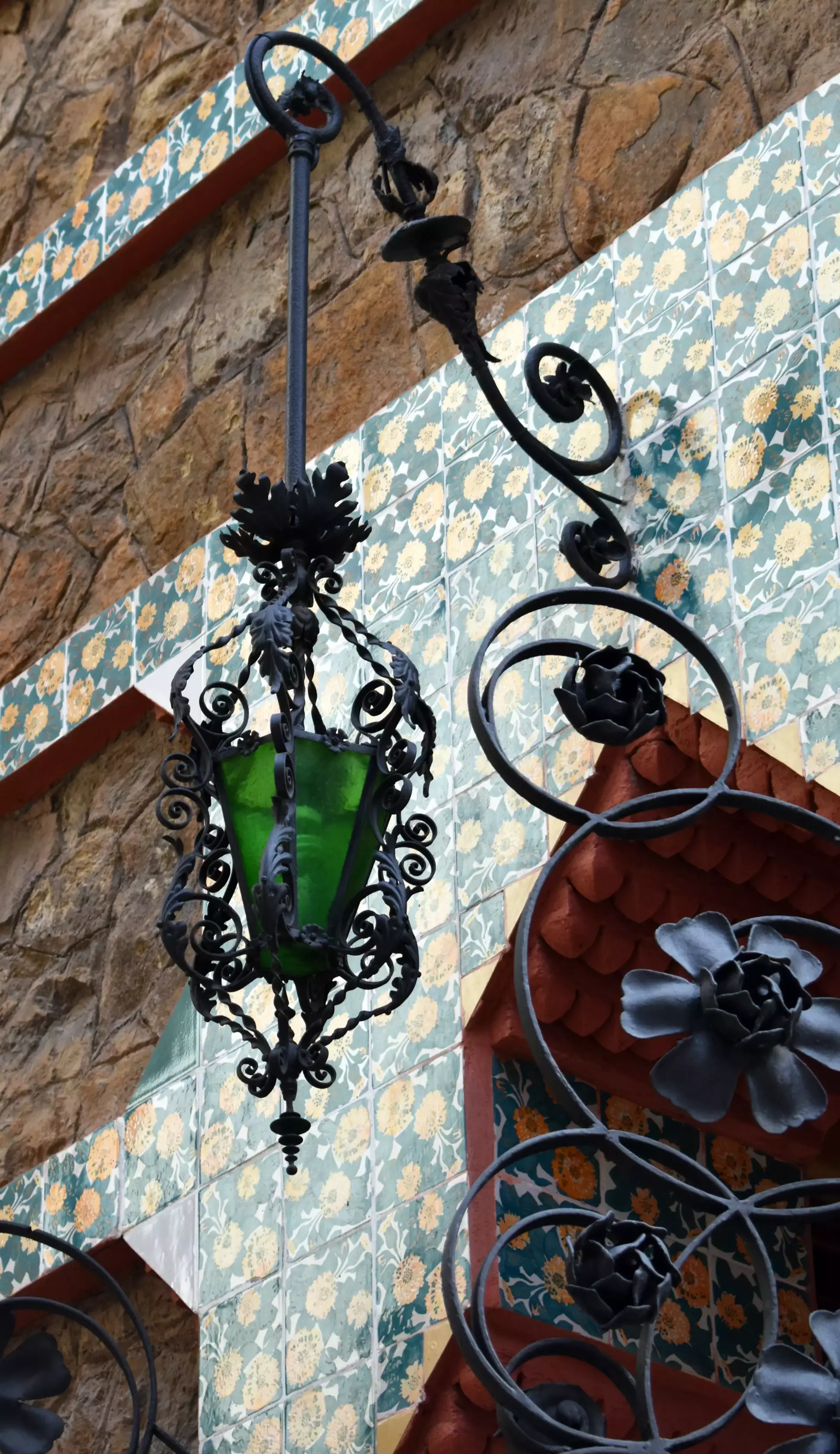
Casa Vicens stands as the first architectural masterpiece designed by Antoni Gaudí in Barcelona. Originally a private residence, it now welcomes visitors as a museum. This iconic landmark showcases Gaudí's innovative style and offers a unique glimpse into his early creative vision.
The vibrant building, adorned with colorful tiles and intricate details, was completed in the late 19th century. It reflects Gaudí's departure from traditional architectural styles and his embrace of natural forms and organic shapes. As one strolls through the museum, both the interior and the garden reveal the intricate artistry that has made Gaudí's work internationally renowned.
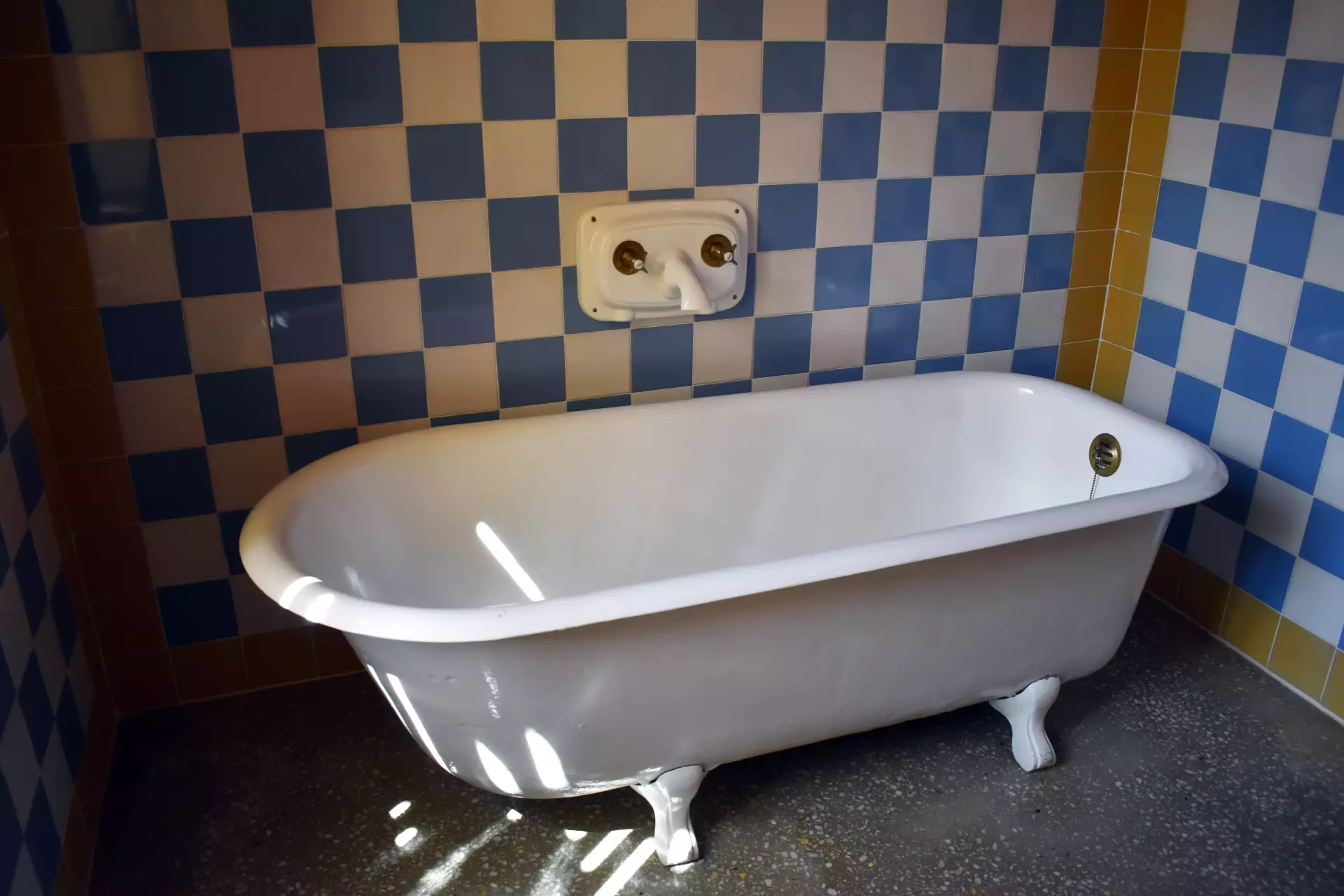
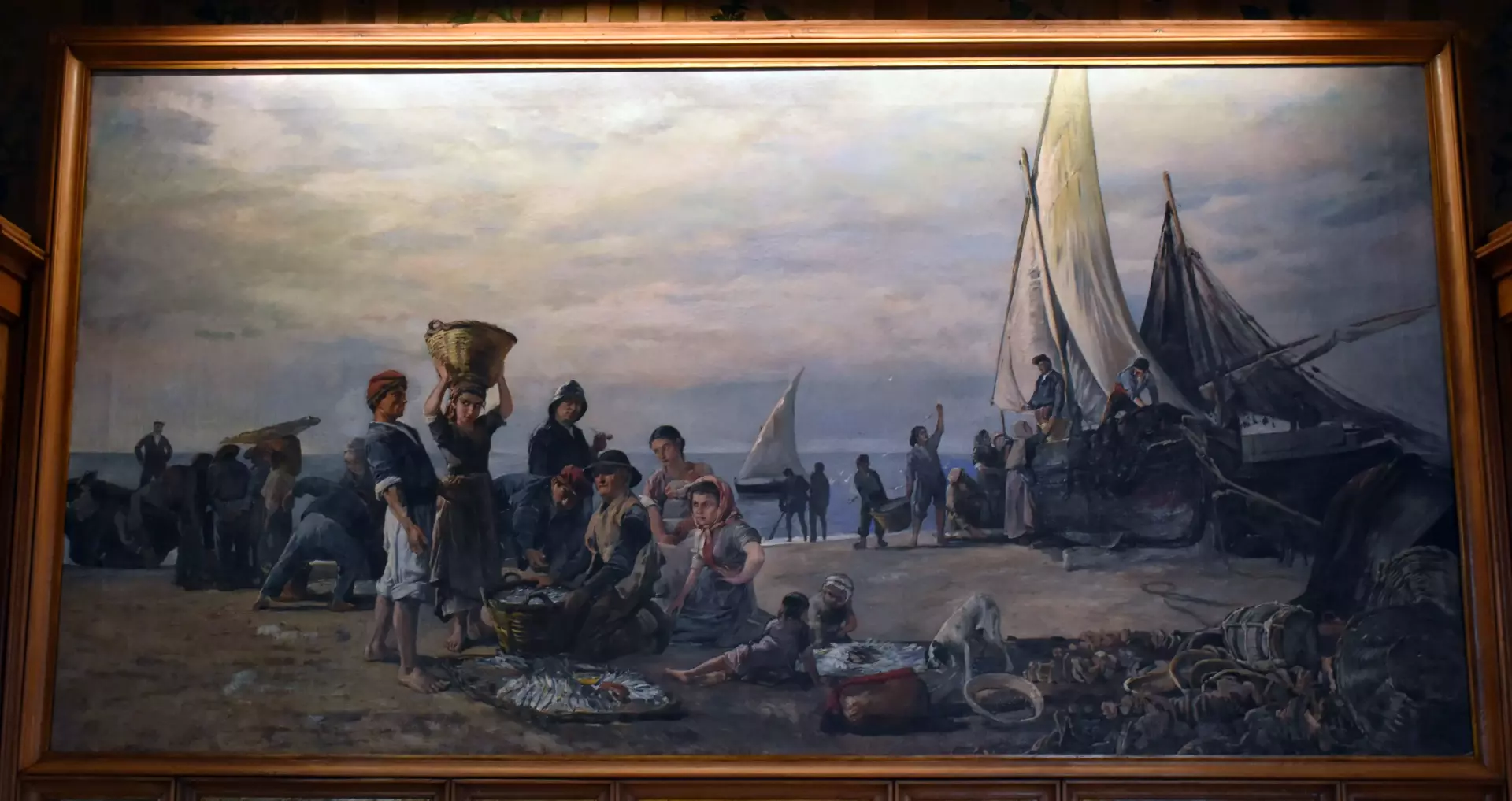
Visitors to Casa Vicens can explore every part of this monumental enclosure. The garden is a delightful space that echoes the natural themes present throughout the building. Inside, each room tells a story of innovation and design, inviting curious minds to delve deeper into the world of Gaudí.
In 2005, Casa Vicens earned its place on the UNESCO World Heritage Sites list. This recognition highlights its cultural and architectural significance, ensuring its preservation for future generations to appreciate and enjoy.
Source - https://en.wikipedia.org/wiki/Casa_Vicens
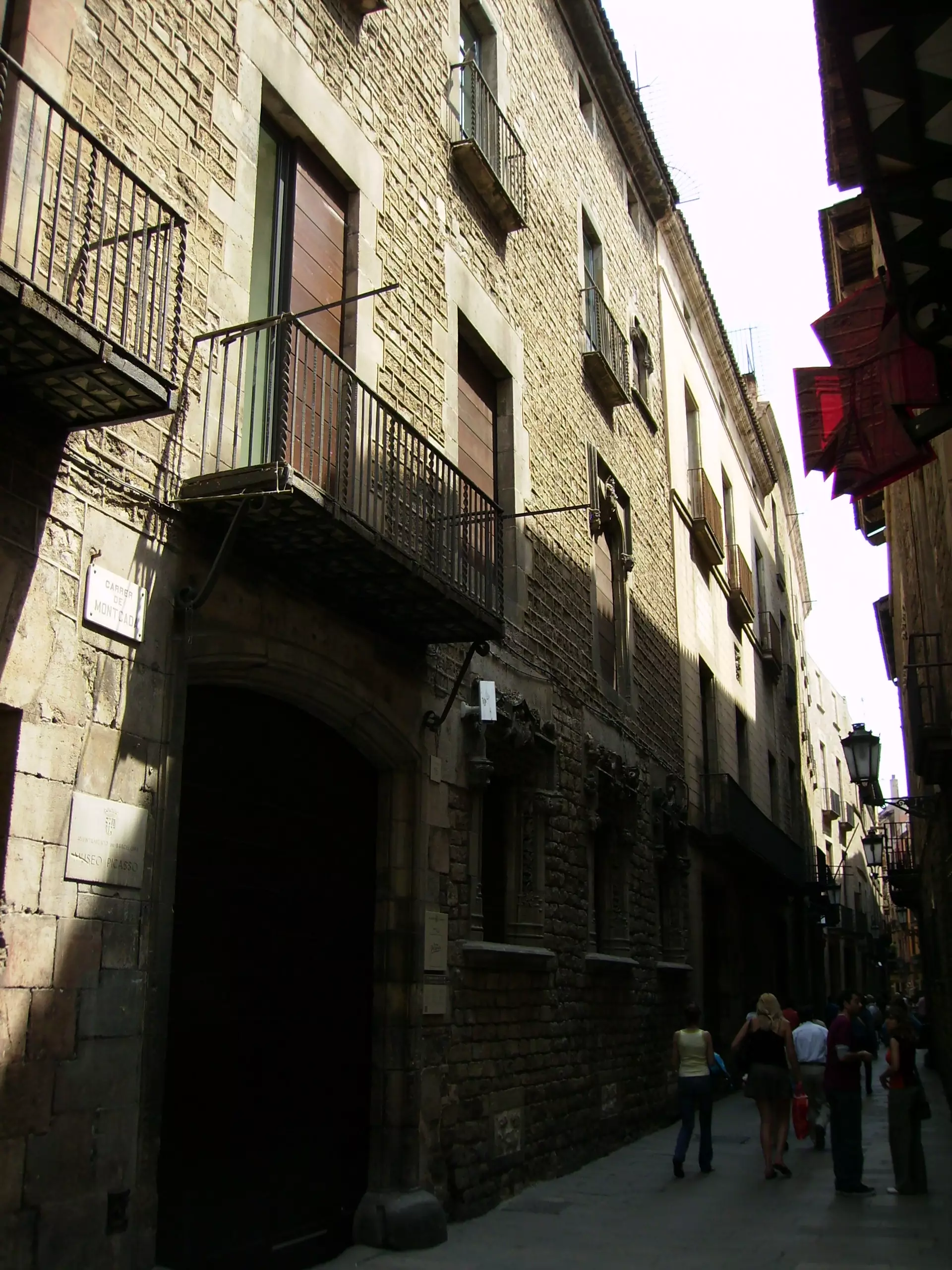
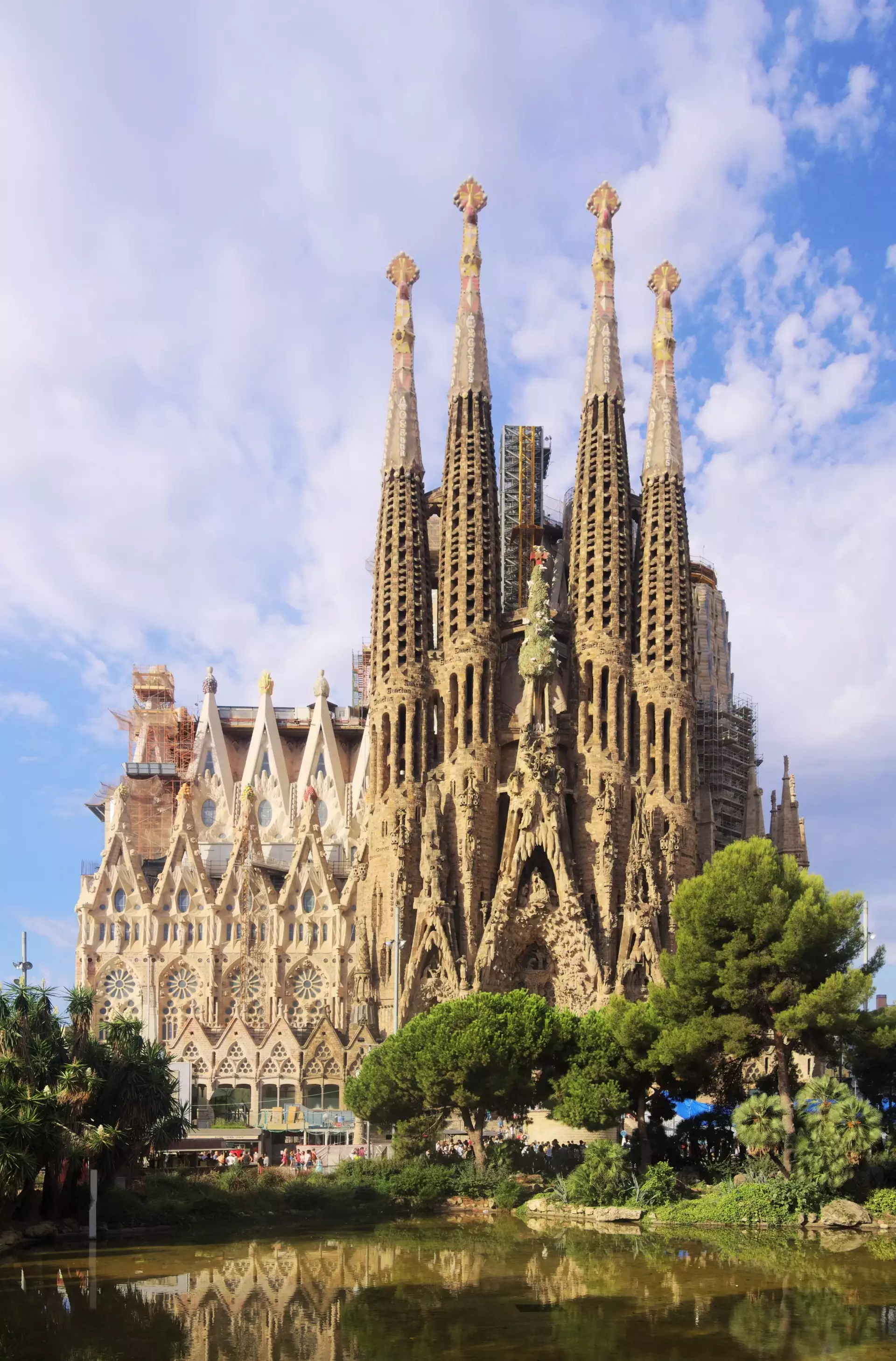
This street has the biggest collection of Gothic houses in Barcelona. In amongst these houses is the Picasso Museum, which is definitely worth a visit. There are also smaller museums along the street, and many tapas restaurants though they may be more expensive on this street.
Barcelona's most popular and famous attraction, the Sagrada Família is a testament to Antonio Gaudi's modernist style and unlike any other church in the world. The texture and detail on the façades are intricate and incorporate forms seen in nature as much of Gaudi's work does. The inside is huge — it's estimated that it can hold 13,000 people — with vaulted ceilings and columns designed to be reminiscent of trees. The church is still under construction, but the central nave, apse and crypt are open. Seeing the Sagrada Família at night with lights on is impressive — this is the time when you understand why people say that it is built of bones.
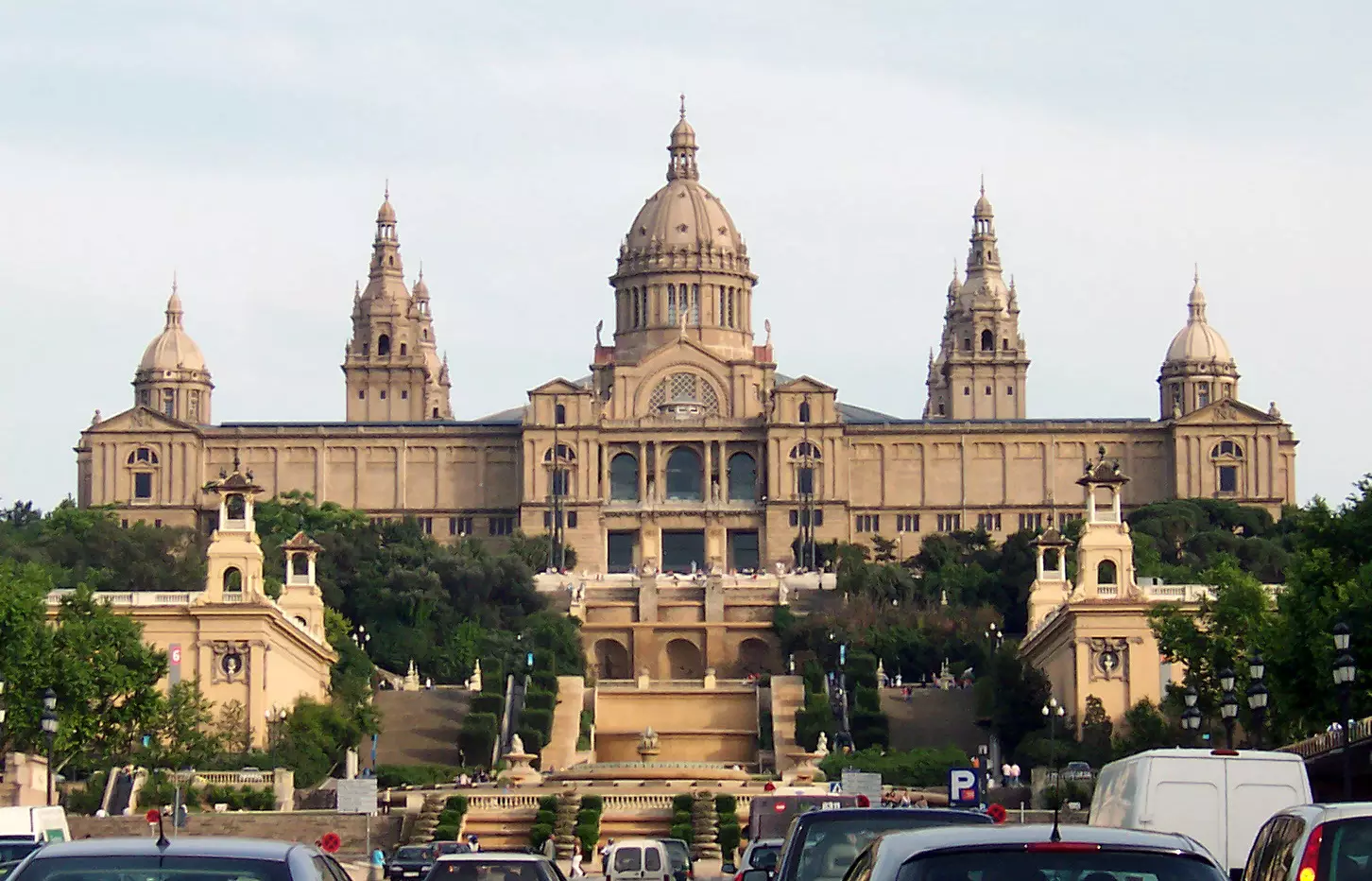
Has the single best collection of Romanesque art in the world, and a fine Gothic collection as well. Includes the Pantocrator from the Taüll Romanesque church. The building itself is also very beautiful.
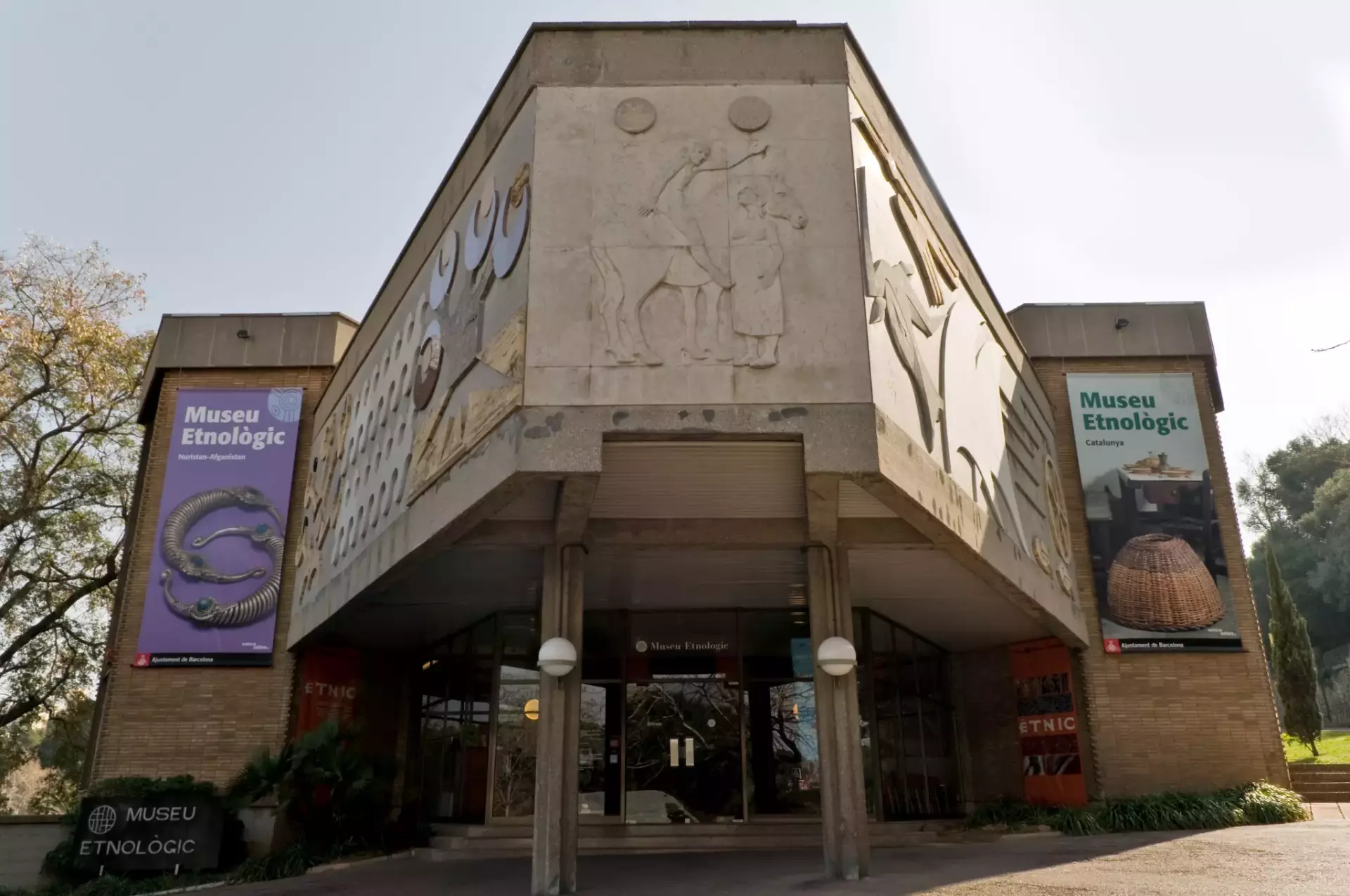
This museum mainly exhibits exponents, which were imported by Catalan sailors as they explored the new world. Free on the first Sunday each month (11:00 to 15:00)
Urban park created from redeveloping industrial land. It covers 14 hectares and includes seven areas like a children's play area, a lake with sculptures and a central plaza.
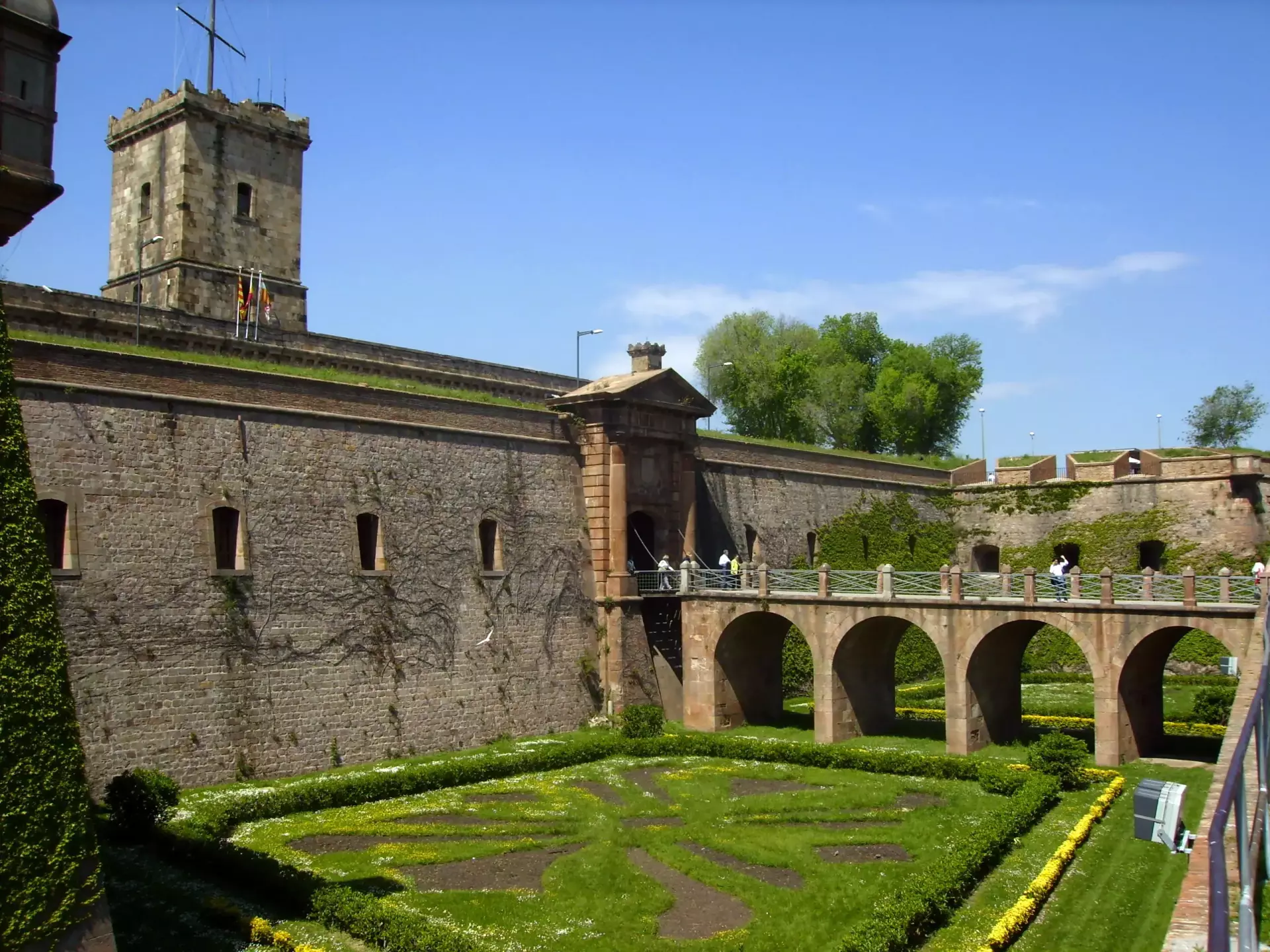
Provides a beautiful panorama view over the rest of the city. The Montjuic Castle is in the Montjuic hill. From the Montjuïc Castle, take the harbor cable car to Barceloneta for more splendid views.
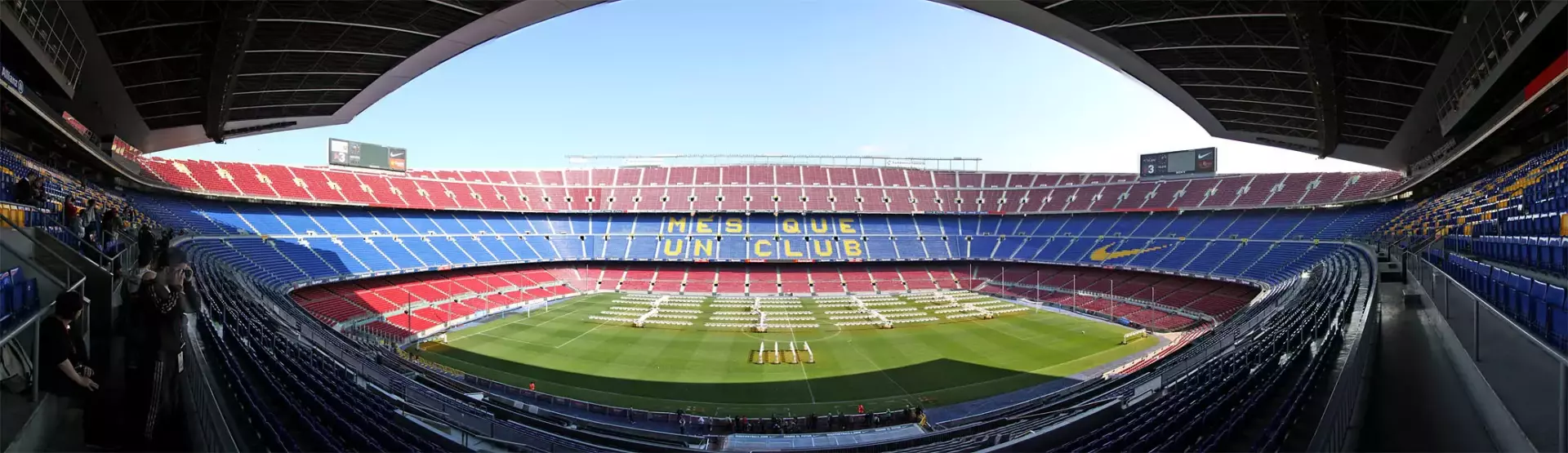
If you're a football fanatic, then you can't miss a visit to this football temple, the home ground for Barcelona's biggest and most popular team and one of Europe's greatest footballing 'cathedrals'. During the Franco era, FCB was the only way that oppressed Catalans could vent their anger against his dictatorship. Because of that, it became and still is a symbol of Catalan identity. Camp Nou is the biggest stadium in Europe with a capacity of 98,600 people, with shops and a museum of the club's history. Match tickets start at about €42 and games hardly ever completely sell out, unless it is a match against the hated rivals Real Madrid (a match commonly dubbed El Clásico), one of the other top teams (Atlético Madrid, Valencia or Sevilla) or in the Champions League. With the quality in the current team, there are always a few goals, and it is nearly always a resounding win for Barça. For stadium tours check the entry below.
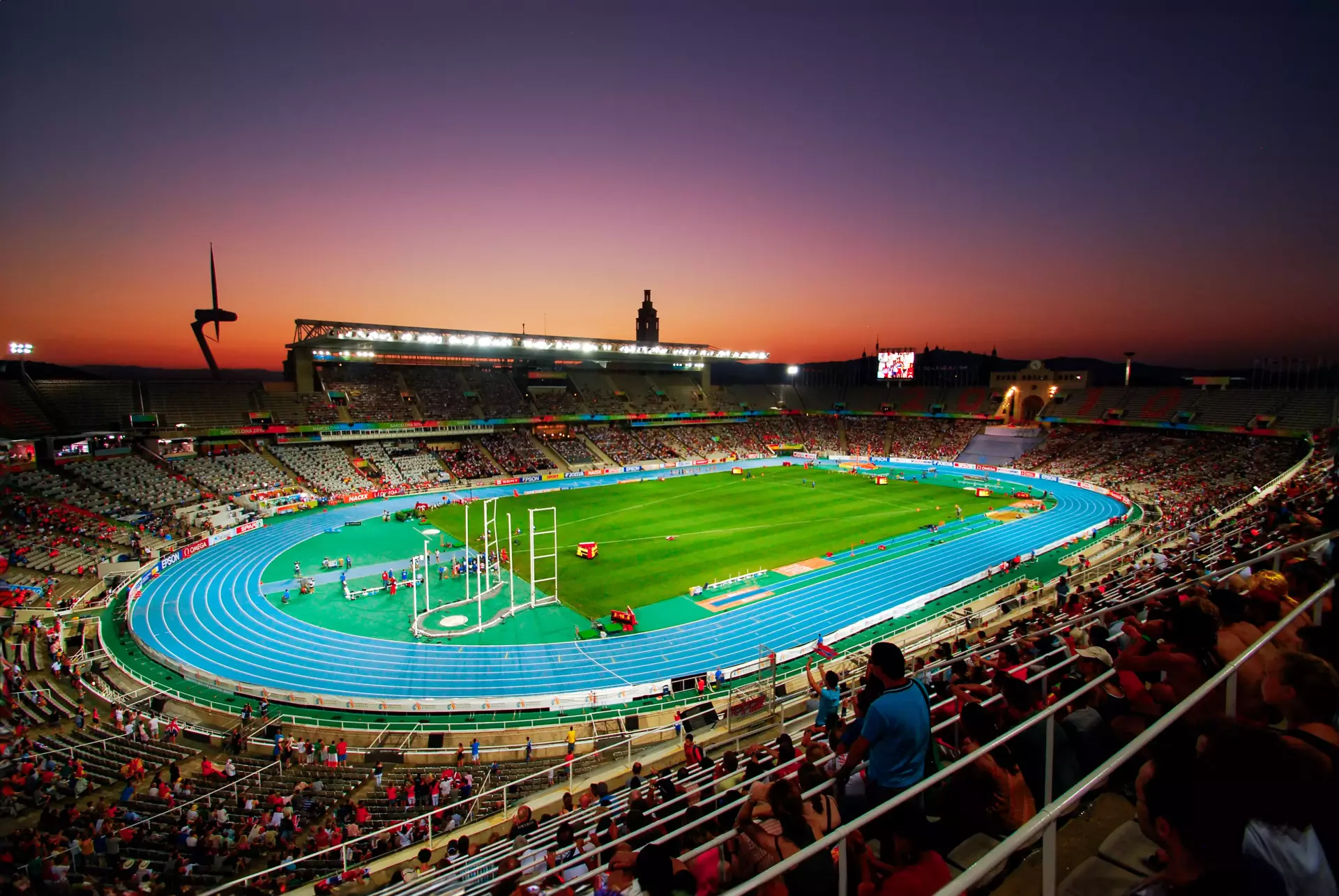
The stadium and its surroundings built in 1927 and renovated for the 1992 Summer Olympics provides nice architectonic and city views. Since it's not too crowded outside sport events, it's usually a pretty calm place.
This former hospital is an architectural masterpiece that is now open for visitors. Inpatient wards (and most outpatient facilities) have been moved to a new building of Nou Hospital, but in terms of touring the area, that makes it all the easier. One of "small hidden features" is a network of underground passages where small carriages can be seen, you can get there near WCs on a central square, between Banc de Sang and Quiròfans.
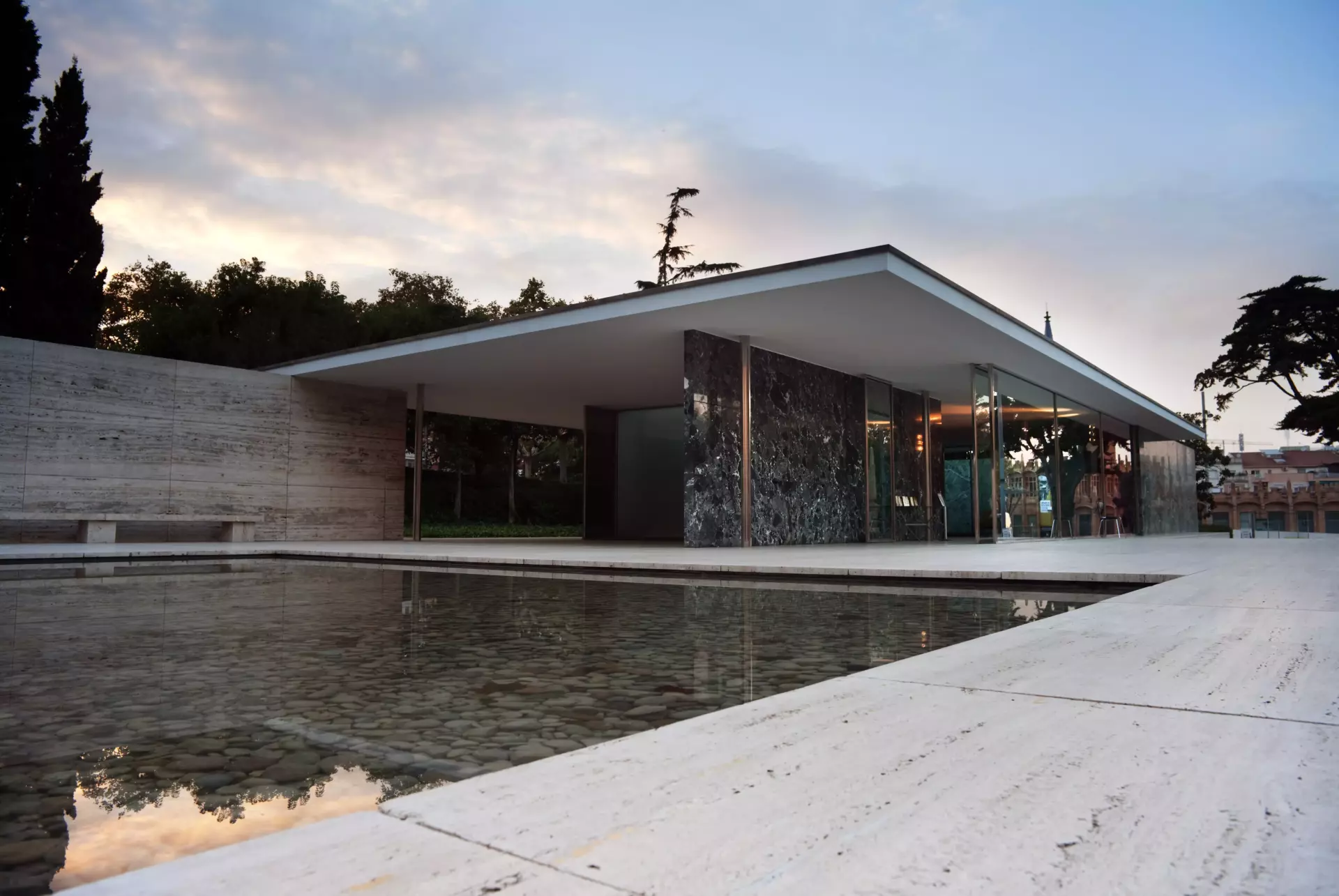
The Pavilion is one of the emblematic works of Mies van der Rohe and key reference architecture of the twentieth century. The famous German Pavilion was designed for the 1929 Barcelona International Exhibition and reconstructed in 1986 on its original site. Its innovative architectural structure marked a radical change in the layout of space and greatly influenced the development of modern architecture. Furthermore, the Pavilion exhibits the Barcelona Chair, also designed by Mies van der Rohe, along with a bronze reproduction of Georg Kolbe’s sculpture Morning. The Fundació Mies van der Rohe veils for the conservation of the Pavilion.
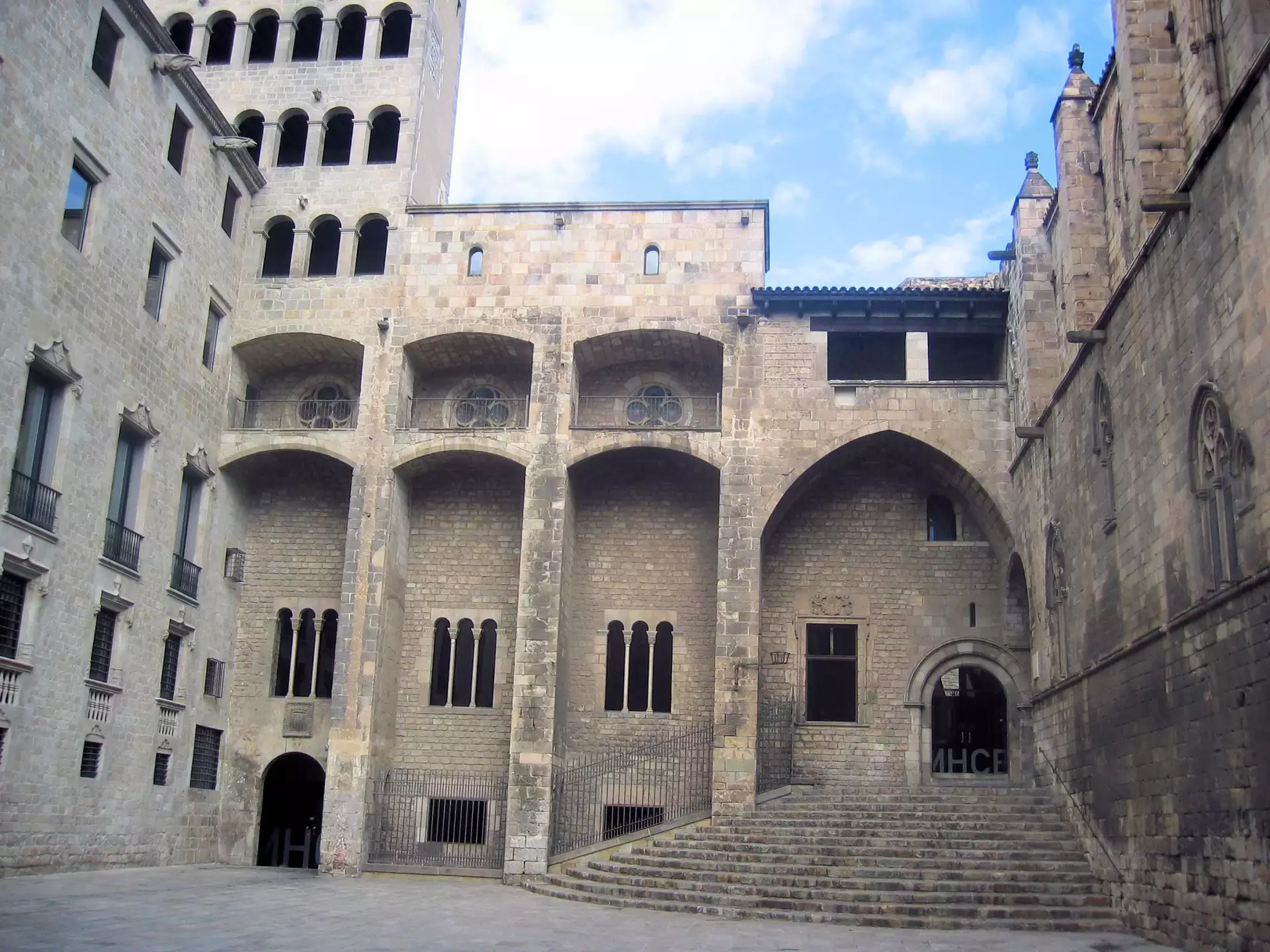
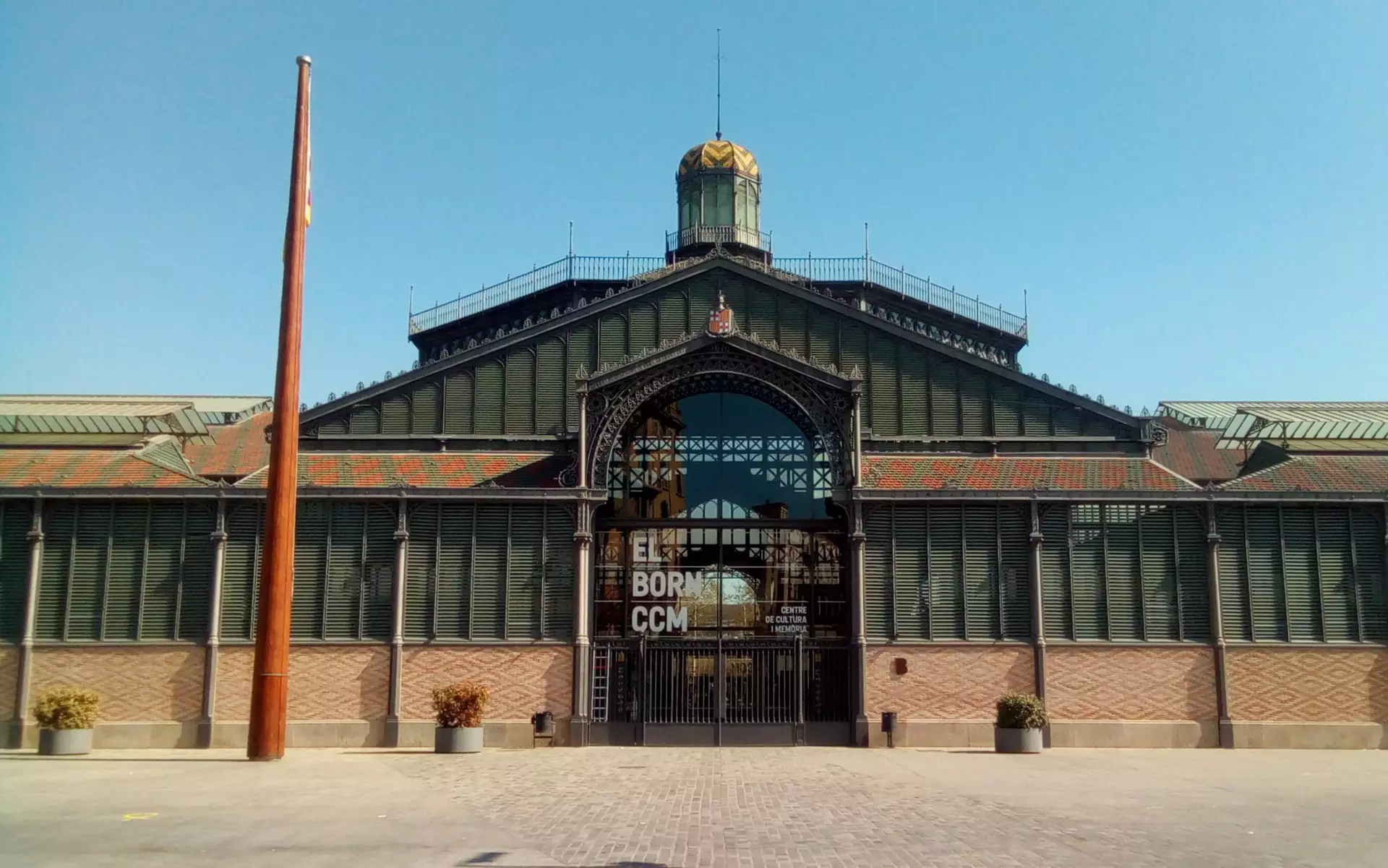
This market was the central market for Barcelona until 1973 and its closing marked the beginning of the neighborhood's decline before its current resurgence. While undergoing renovations, whole streets and homes that had been demolished by Phillipe V's orders were discovered and archaeologists who worked to transform the market in to a cultural centre and history museum. Entrance and street level is free, but to visit the ruins requires paying for a ticket.
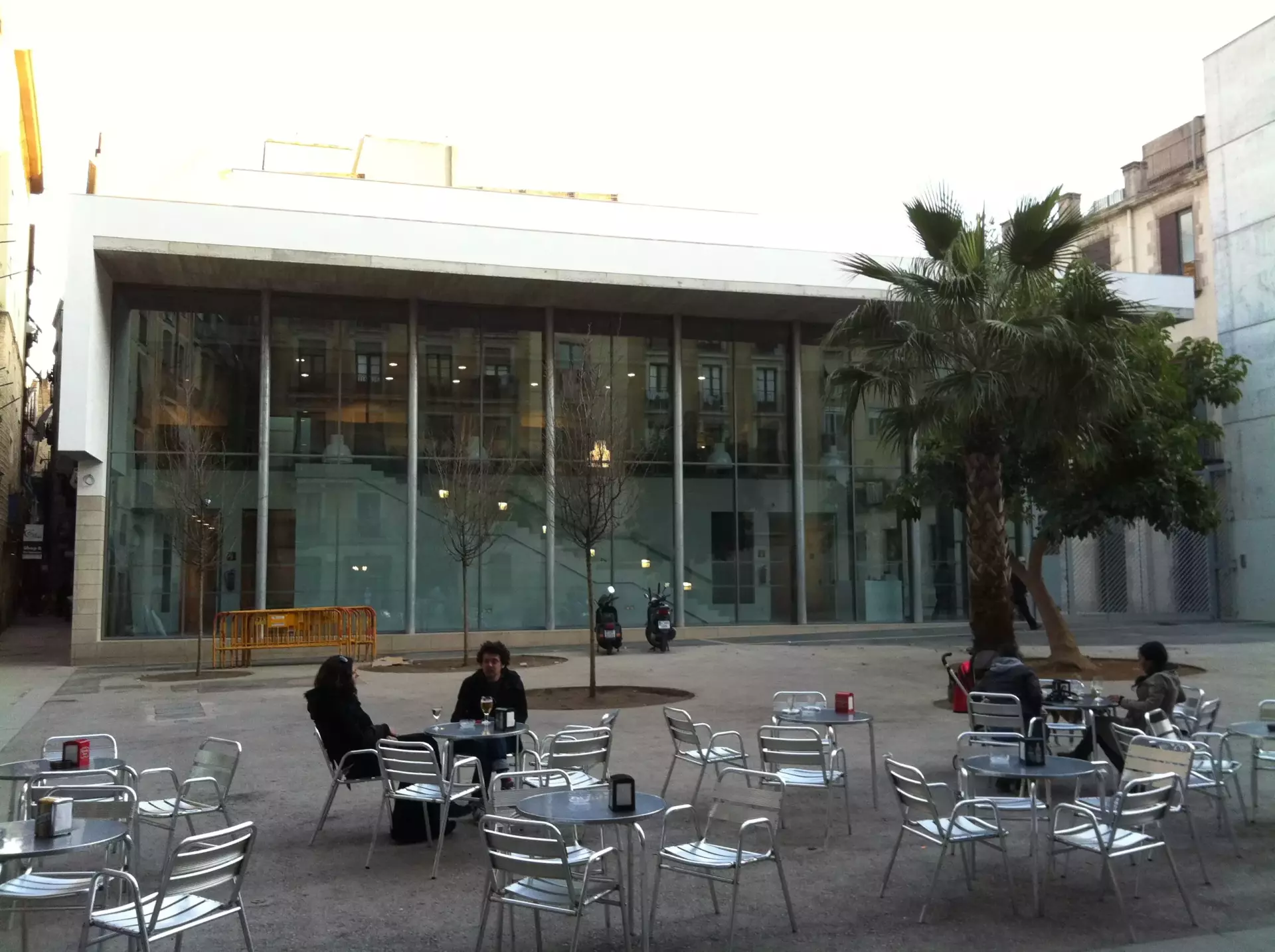
Has a lot of art from his first period, before the cubism, but almost none of his most famous works. Pictures are described only in Spanish, but overview texts for each period are available in English. Luggage over 30x30cm needs to be left at the checkroom and there's no liability for lost valuables.
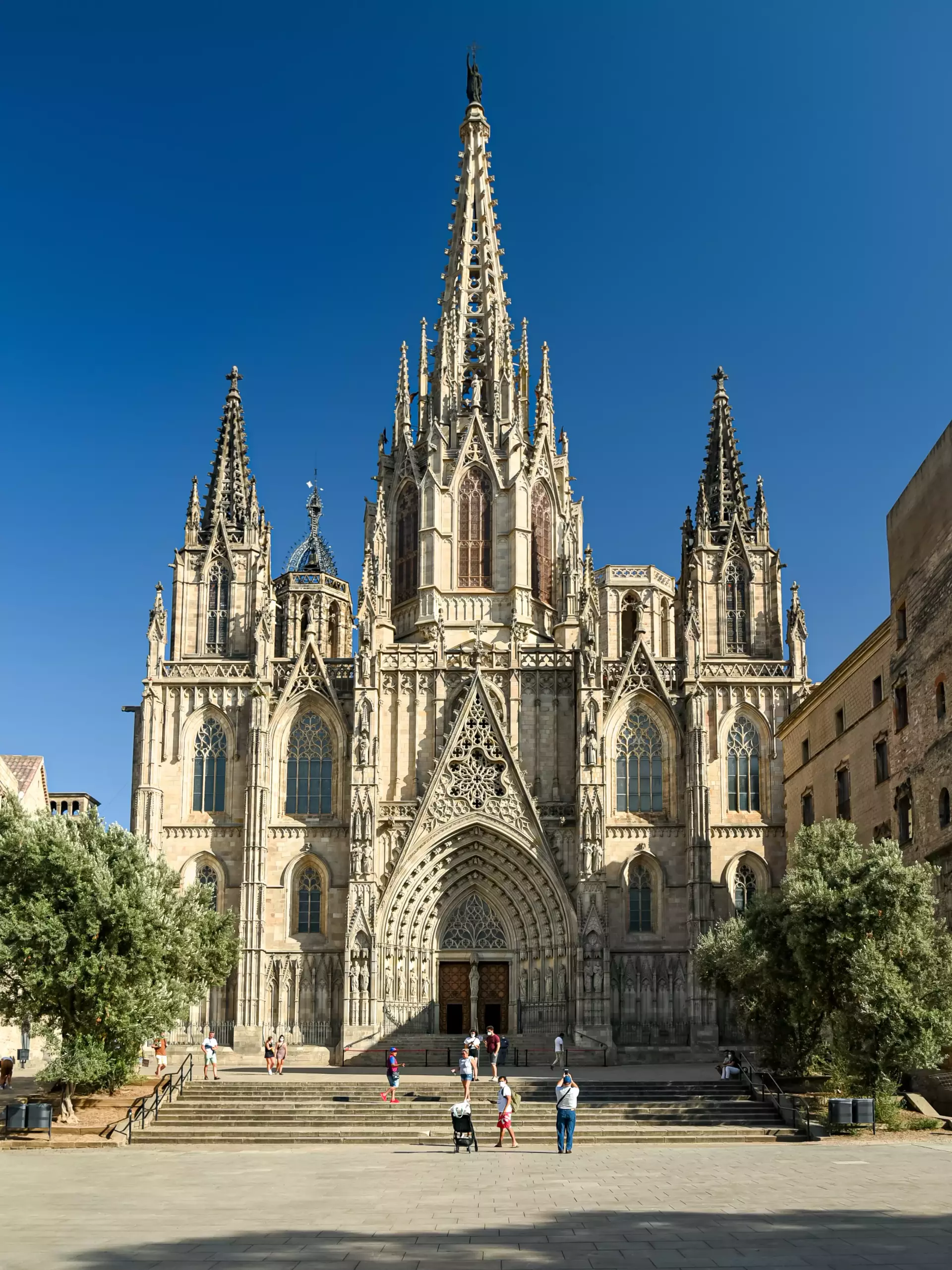
The main Gothic church in Barcelona. The cloister is maybe the most interesting part.
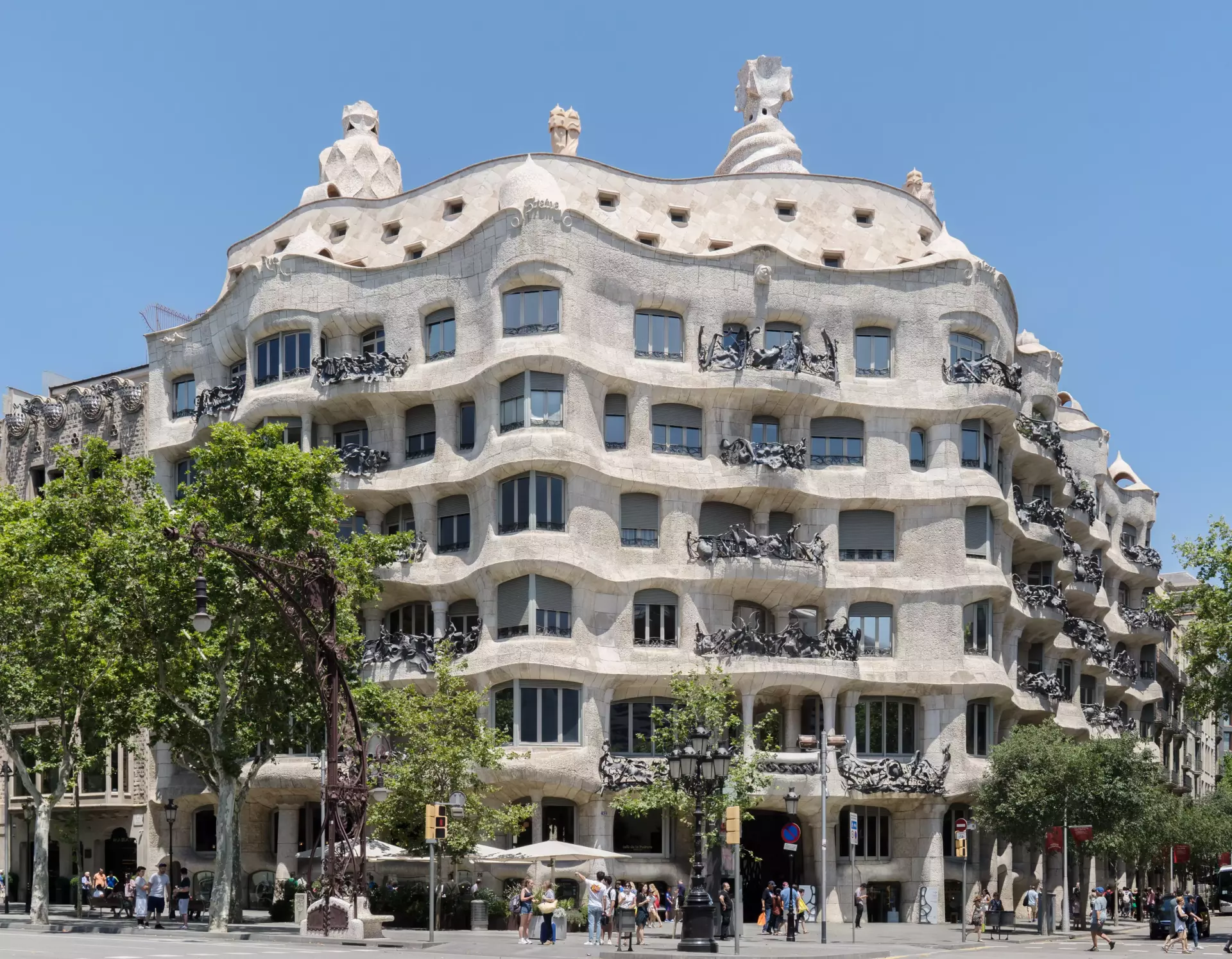
One of Gaudi's masterpieces, there is not one straight edge on the exterior and the structure is one of Gaudi’s most eccentric and enticing architectural creations. Tours of the interior and the incredible roof structures are available. Great views of the tall buildings (especially La Sagrada Familia) from the roof. Hosts a large exposition of Gaudi works, covering Sagrada Familia and Casa Batlio, not only La Pedrera itself. The exposition is a good place to start your exploration of Gaudi; it reveals many hidden details for the art novice.
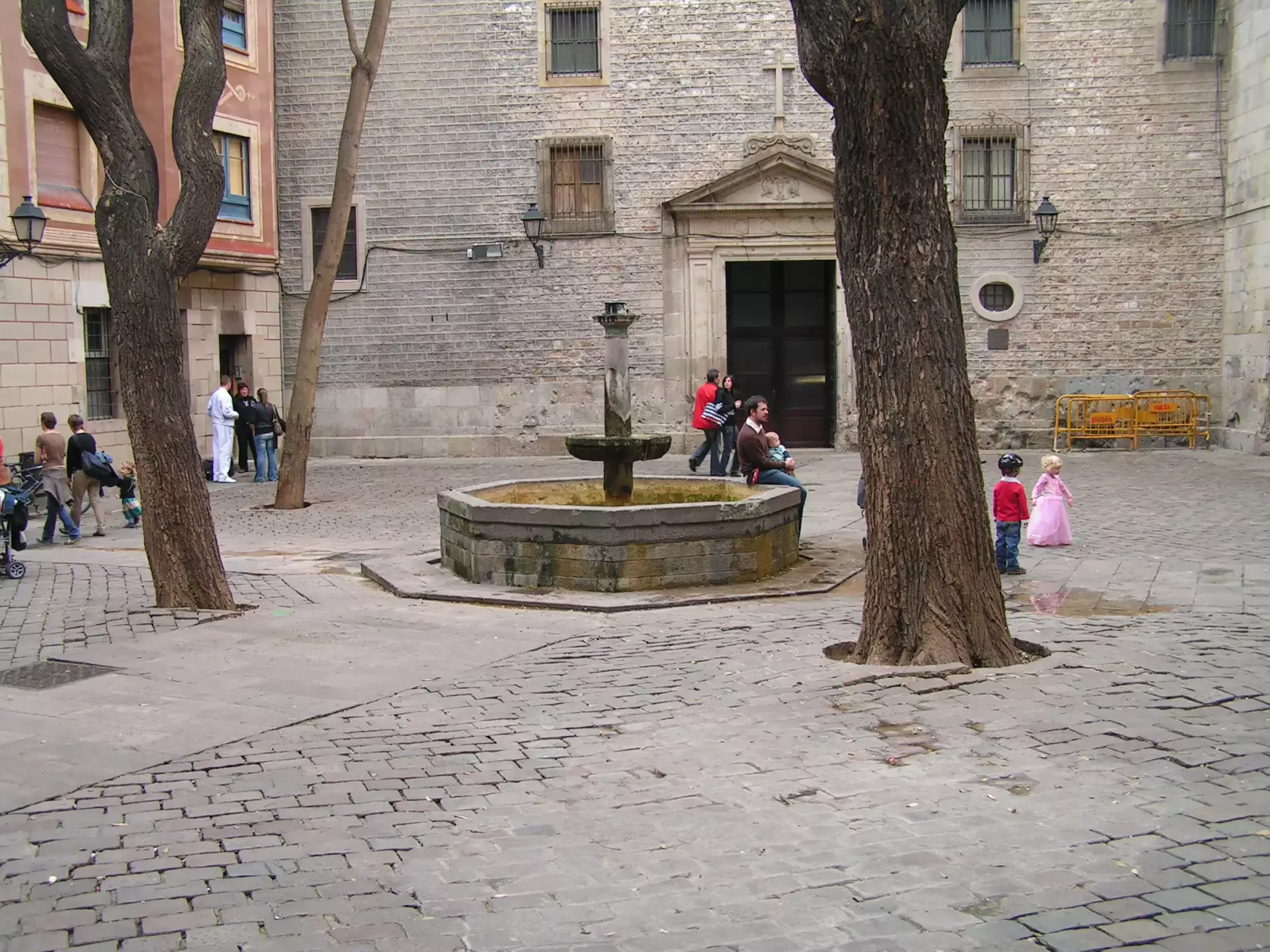
One of the most romantic squares in Barcelona, it hides a dark history in that it was built over the city's old cemetery. Barcelona's most famous architect, Antonio Gaudi, was on his way to visit the church there when he was run over and killed in 1928. There is a baroque church (Sant Felip Neri), a 14th-century palace and a fountain in the middle. To arrive, take the narrow street next to the cathedral cloister. The palace was moved from its original location in the street Via Laietana during the 1920s. If you look the front of the church, you can see some holes made by a civil war bomb. If you go out the square through the other street, you'll arrive to the street Baixada de Santa Eulàlia, where is said that the Barcelona's protector was tormented.