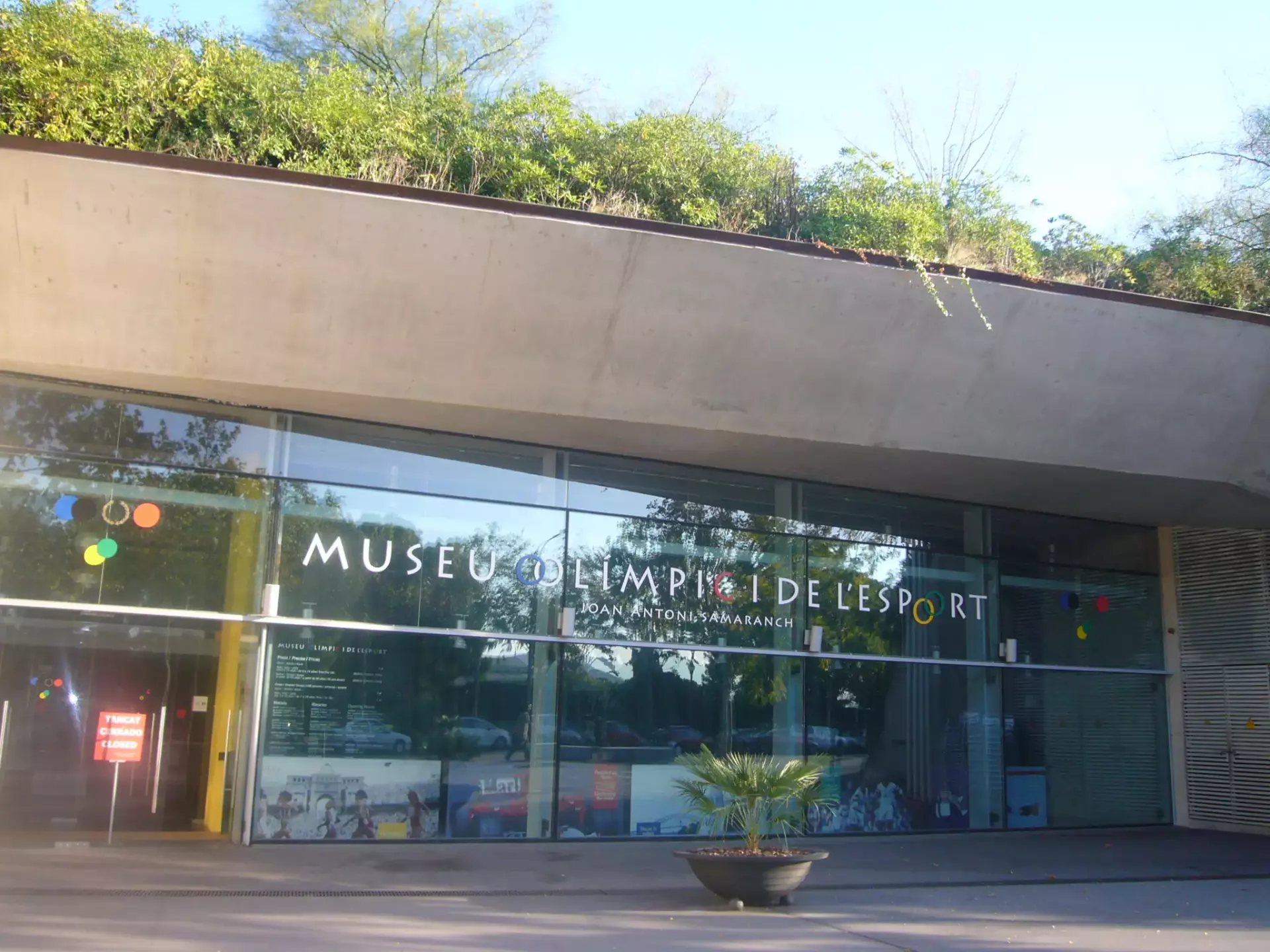
In a tribute to athleticism and perseverance, the Olympic and Sports Museum Joan Antoni Samaranch presents a wide array of exhibits. Visitors are introduced to the thrilling world of high-performance sports, alongside displays that celebrate both recreational activities and inclusive sports for people with disabilities.
The museum highlights the powerful role sports play in promoting important values. Educational displays show how sporting endeavors encourage innovation and renewal. Through engaging exhibits, the museum emphasizes how sports can be a force for positive change and education in society.
A dedicated section pays homage to sports idols, showcasing the achievements of outstanding athletes from various disciplines. Visitors can explore stories of dedication and triumph, gaining inspiration from the lives of these remarkable players.
Source - https://en.wikipedia.org/wiki/Joan_Antoni_Samaranch_Olympic_and_Sport_Museum
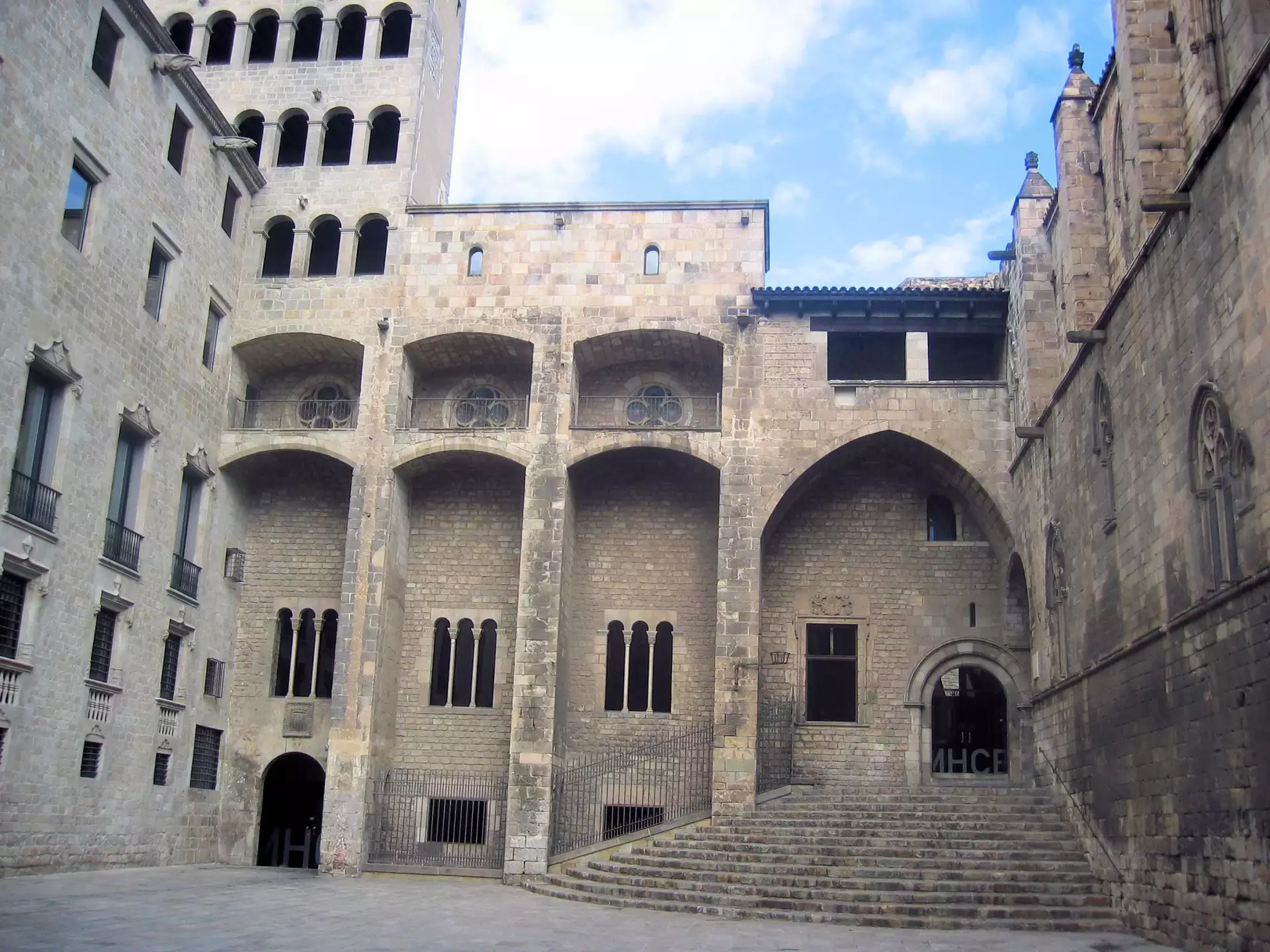
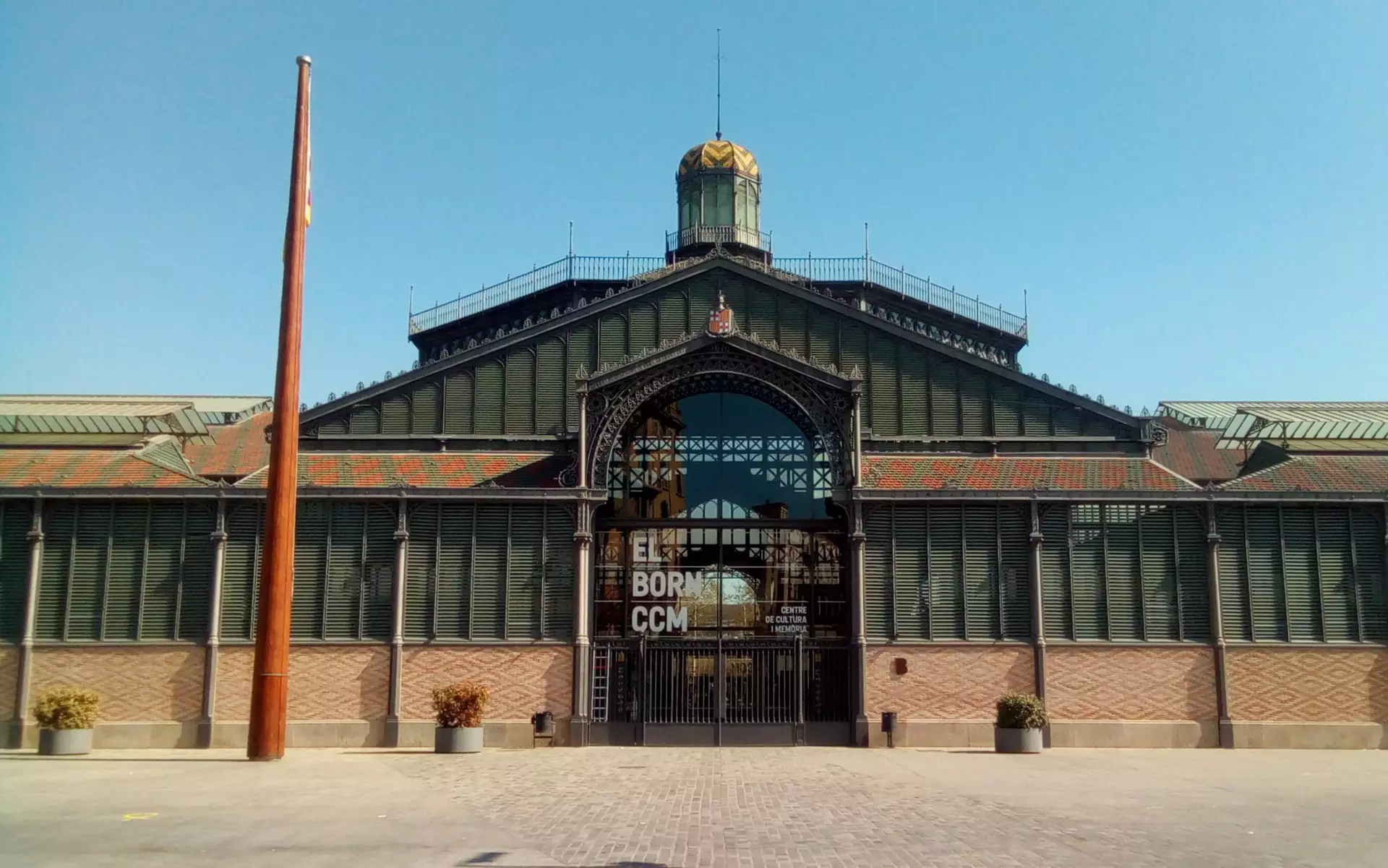
This market was the central market for Barcelona until 1973 and its closing marked the beginning of the neighborhood's decline before its current resurgence. While undergoing renovations, whole streets and homes that had been demolished by Phillipe V's orders were discovered and archaeologists who worked to transform the market in to a cultural centre and history museum. Entrance and street level is free, but to visit the ruins requires paying for a ticket.
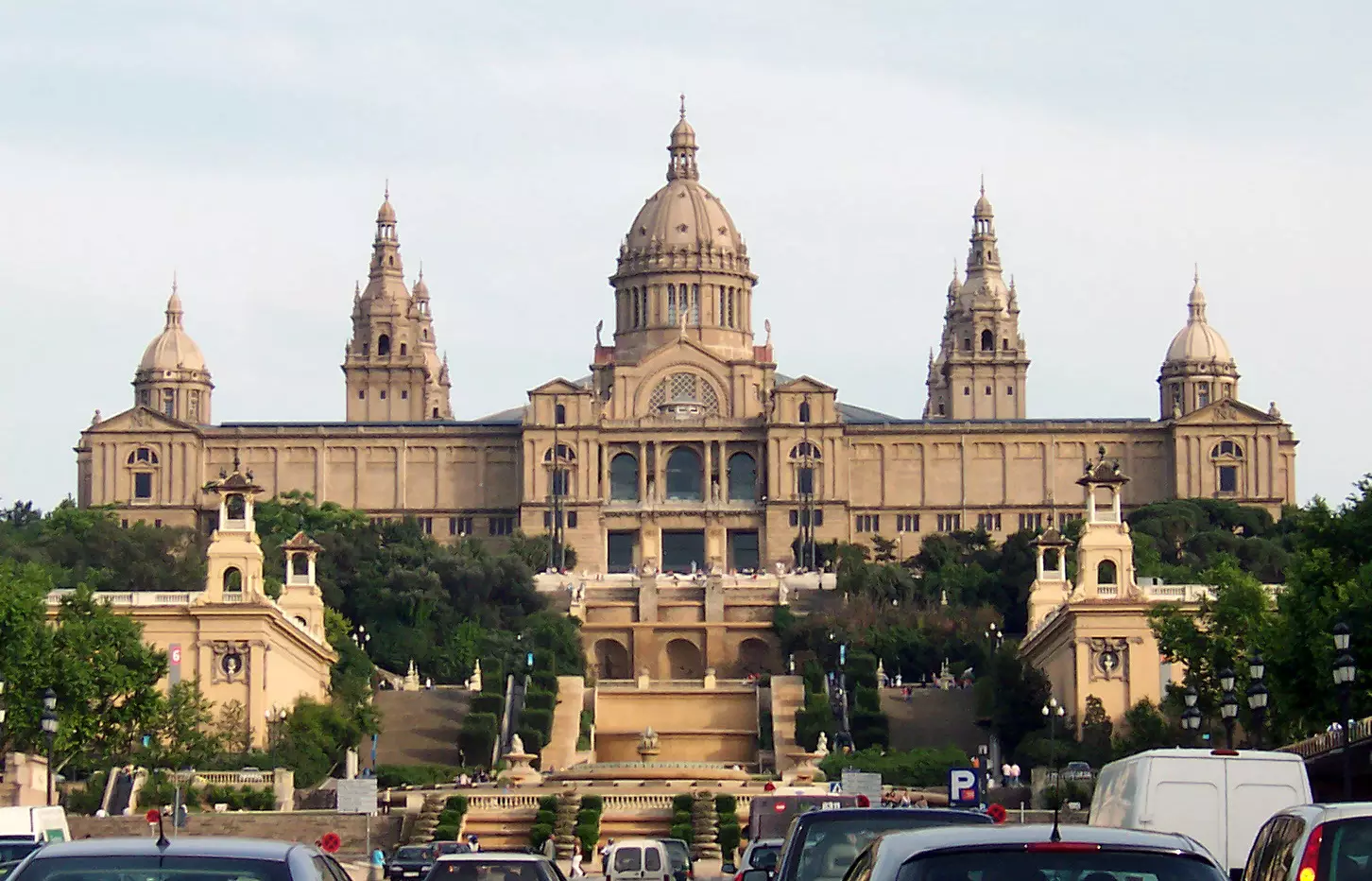
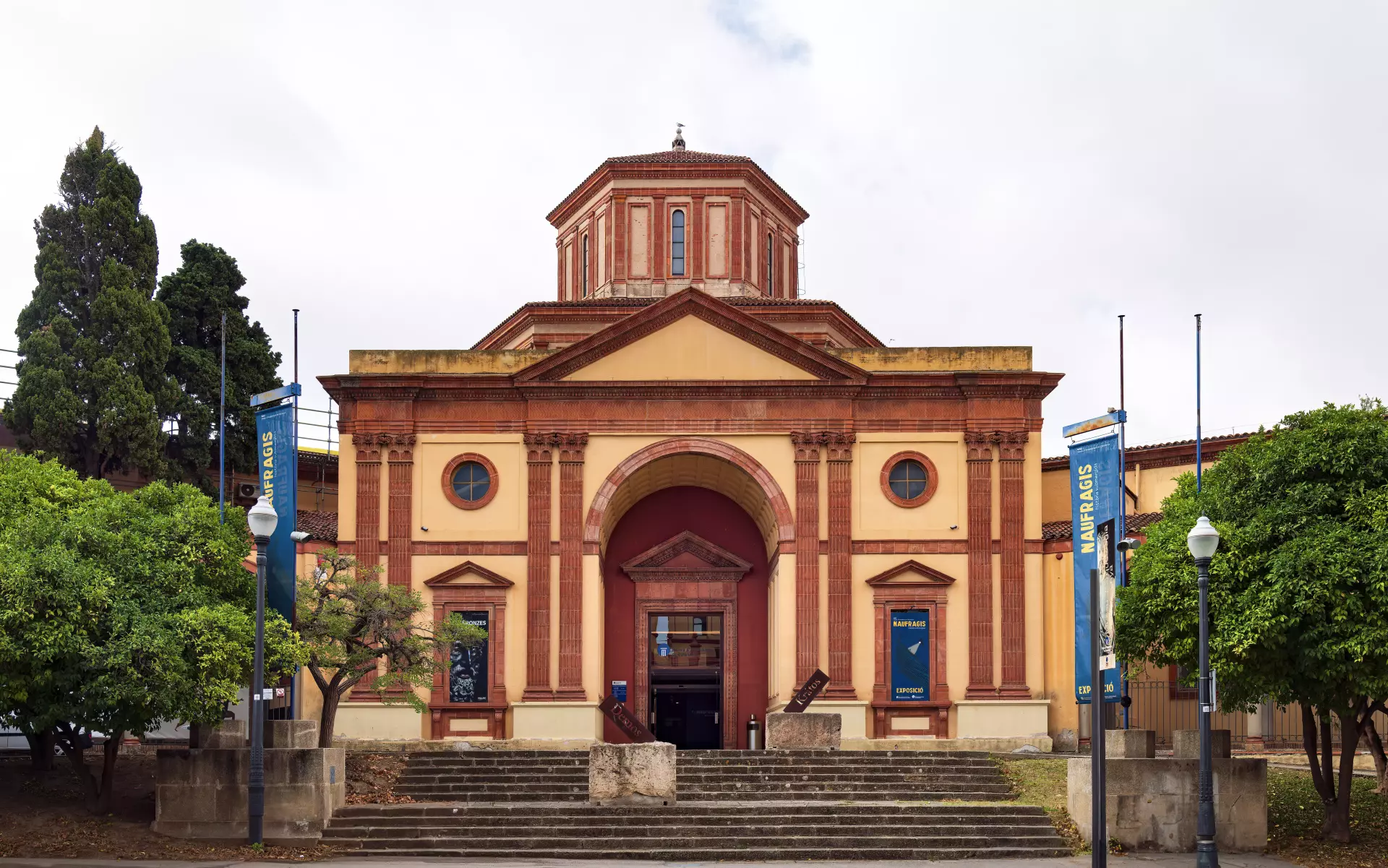
Situated on the Montjuic, it exhibits archaeological findings from Catalunia from different periods. Under 16 and 65+ free. €3 for others. Special discounts for other groups.
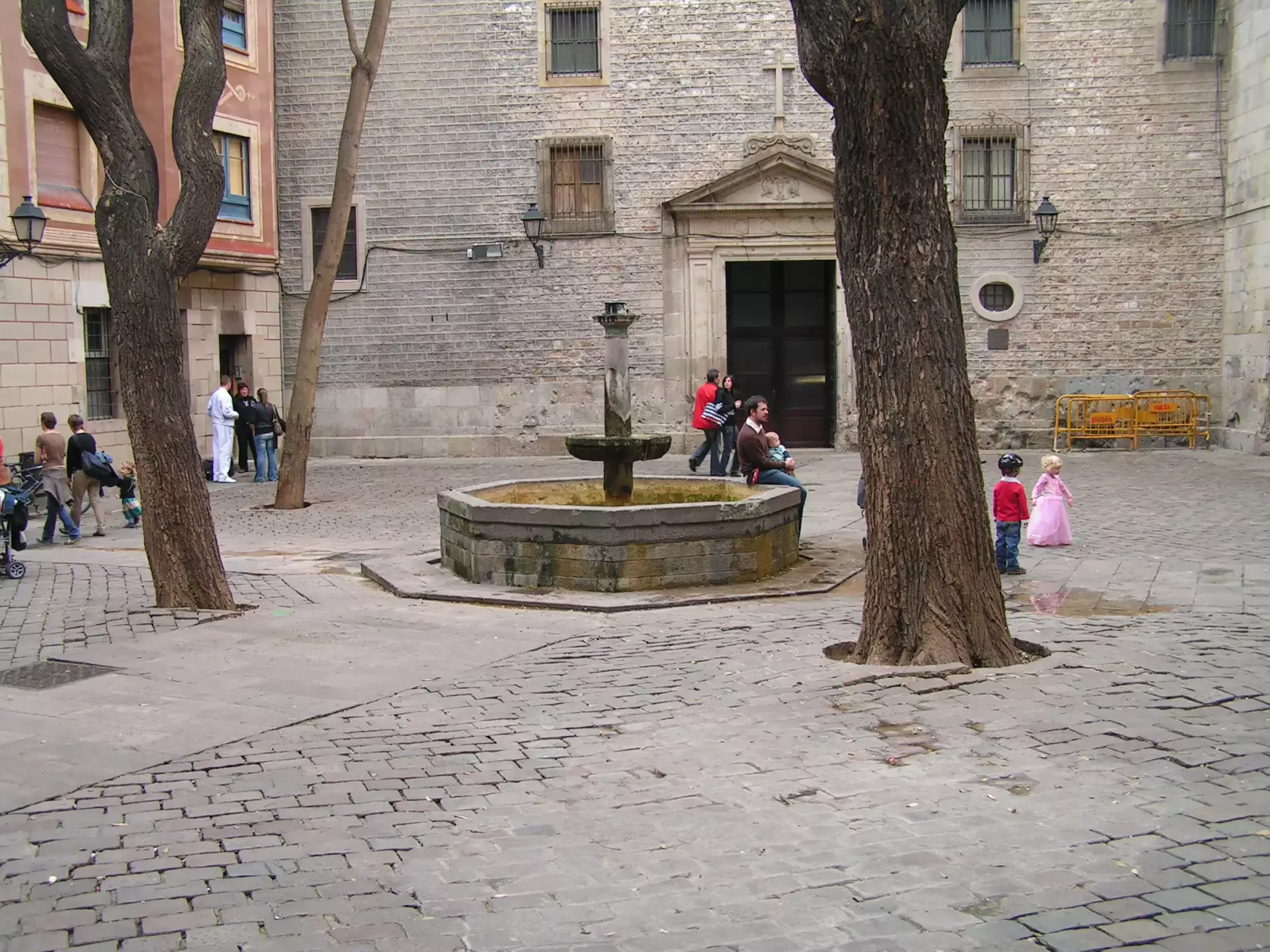
The main Gothic church in Barcelona. The cloister is maybe the most interesting part.
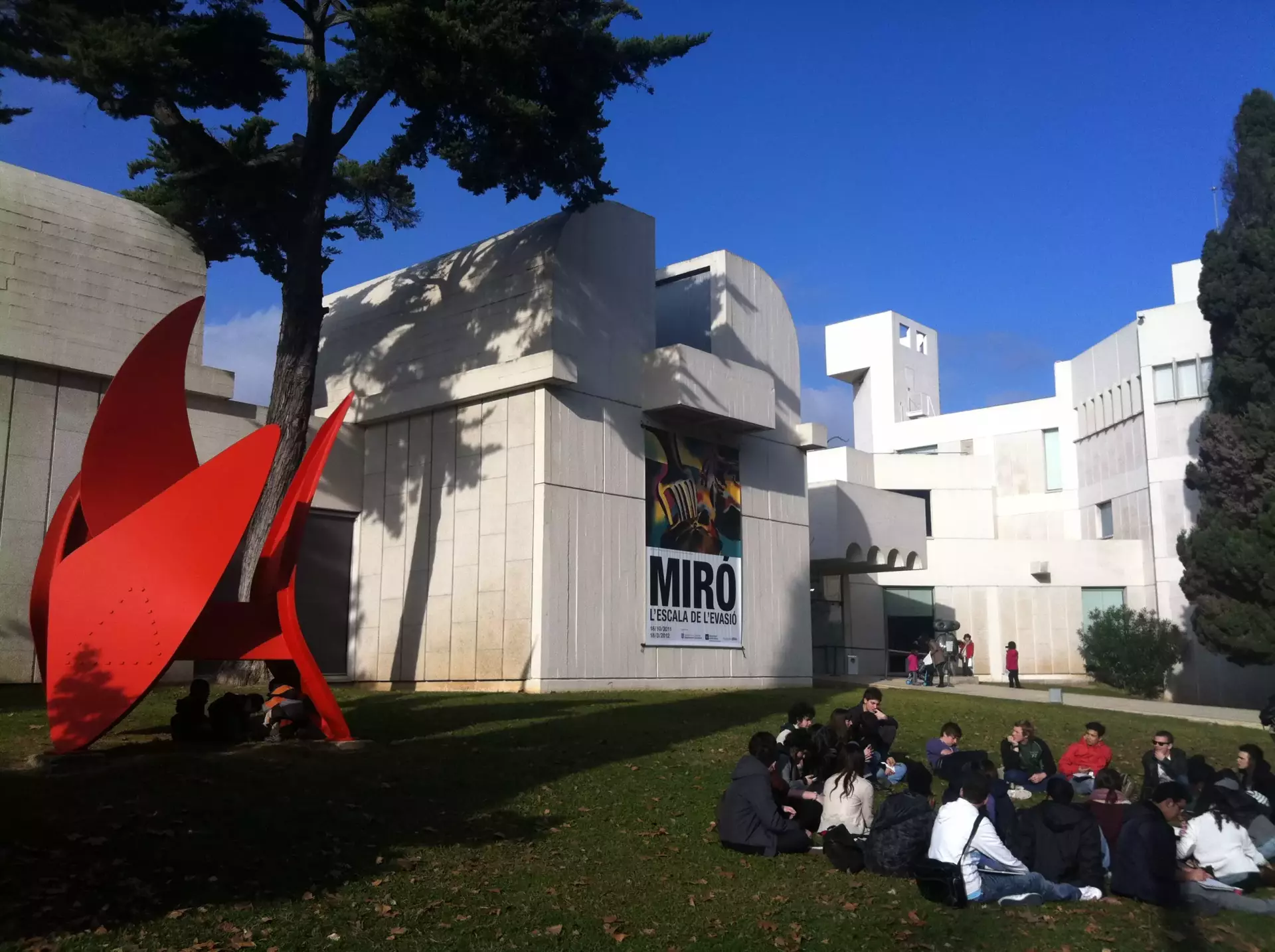
Has a lot of art from his first period, before the cubism, but almost none of his most famous works. Pictures are described only in Spanish, but overview texts for each period are available in English. Luggage over 30x30cm needs to be left at the checkroom and there's no liability for lost valuables.
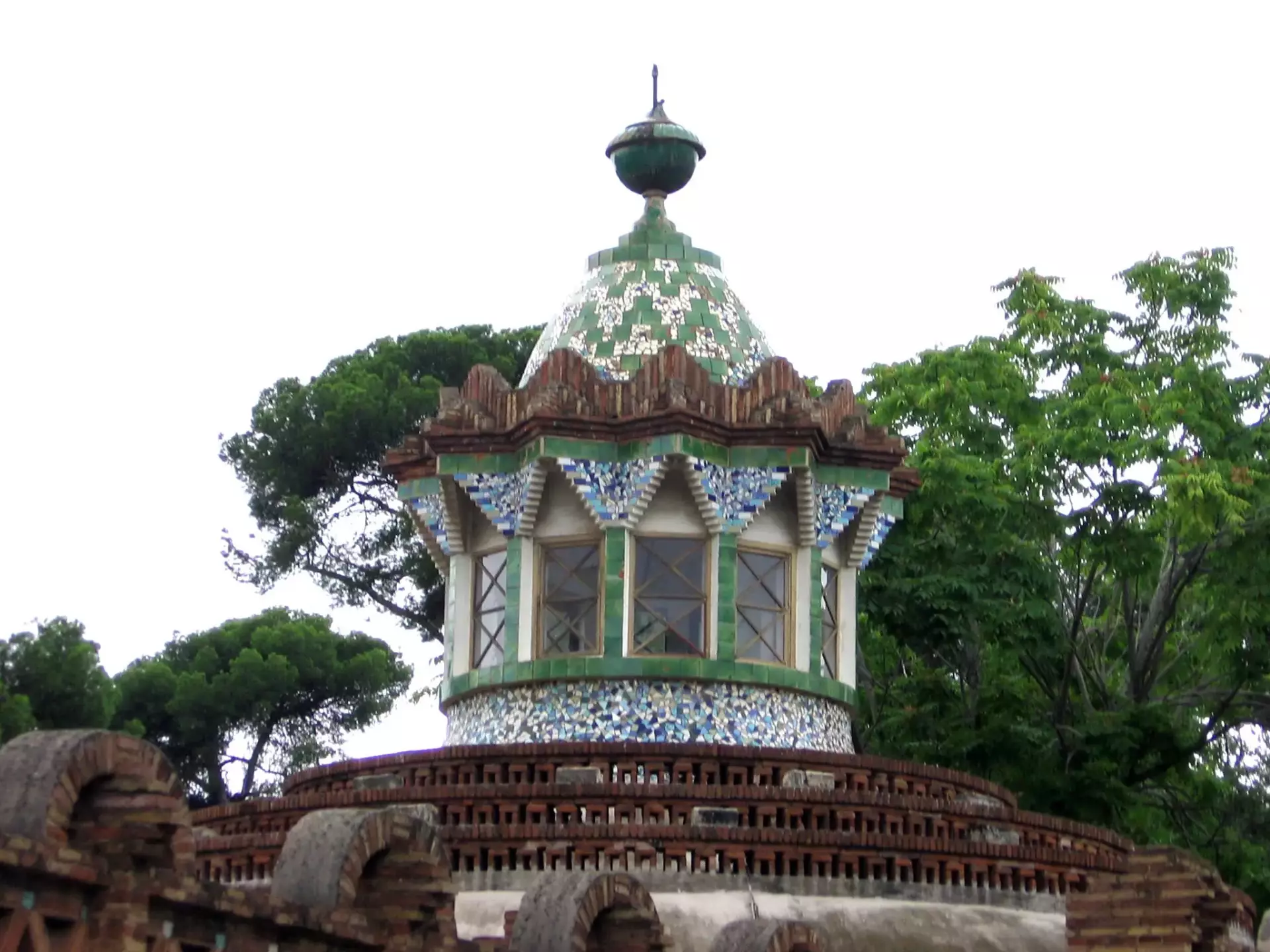
A complex of two pavilions by Antonio Gaudi. 2024 closed for renovation.
Provides a beautiful panorama view over the rest of the city. The Montjuic Castle is in the Montjuic hill. From the Montjuïc Castle, take the harbor cable car to Barceloneta for more splendid views.
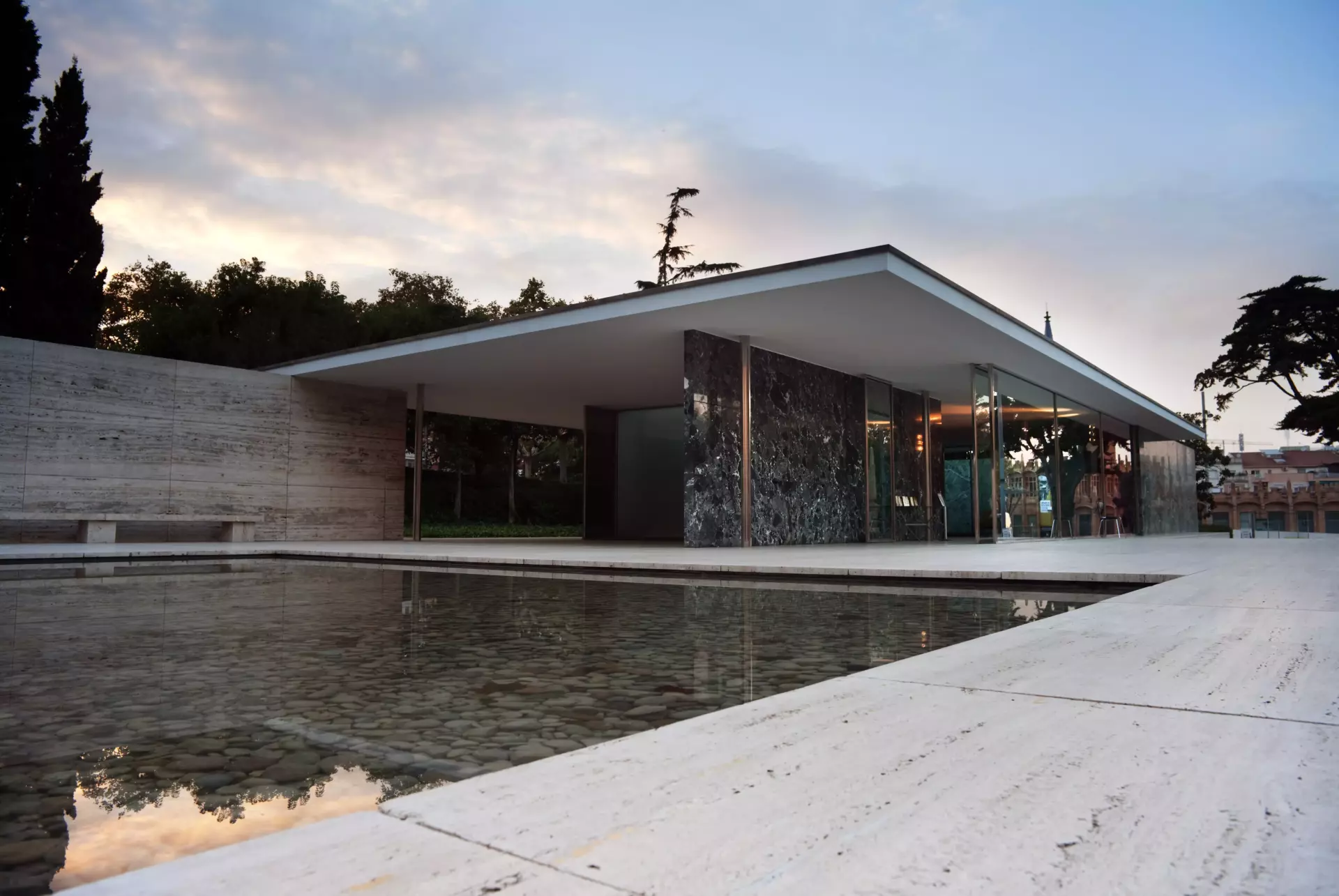
The Pavilion is one of the emblematic works of Mies van der Rohe and key reference architecture of the twentieth century. The famous German Pavilion was designed for the 1929 Barcelona International Exhibition and reconstructed in 1986 on its original site. Its innovative architectural structure marked a radical change in the layout of space and greatly influenced the development of modern architecture. Furthermore, the Pavilion exhibits the Barcelona Chair, also designed by Mies van der Rohe, along with a bronze reproduction of Georg Kolbe’s sculpture Morning. The Fundació Mies van der Rohe veils for the conservation of the Pavilion.
Museum dedicated to the FC Barcelona. It occupies 3,500 m² and attracts 1.2 million visitors a year, ranking it second to the Museu Picasso, which attracts 1.3 million visitors, as the most visited museum in the city of Barcelona. All of the Barcas trophies and jerseys of many famous players of the team are exhibited. The museum can be visited by booking the Camp Nou Experience package, which includes also a stadium tour. The stadium tour is not fantastic and the audio guide is not really worth it either, but for a quick recent history of matches played there, consult the backs of the doors in the cubicles. Most have a lot of graffiti championing the team that played there. It is also unfortunate that the home team changing rooms are not open to the public, only the somewhat dated guest's team dressing rooms, which are not that impressive.
This museum mainly exhibits exponents, which were imported by Catalan sailors as they explored the new world. Free on the first Sunday each month (11:00 to 15:00)
Palace designed by Gaudí for the industrial tycoon Eusebi Güell. There is a basement and three levels of the palace to explore, the highest featuring a small exhibition. It is in a different style to Gaudi's apartment blocks La Pedrera and Casa Batlló, as well as being cheaper and less crowded than those sites. The rooftop of Palau Güell features the more standard Gaudi style chimneys, and views across El Raval.
This former hospital is an architectural masterpiece that is now open for visitors. Inpatient wards (and most outpatient facilities) have been moved to a new building of Nou Hospital, but in terms of touring the area, that makes it all the easier. One of "small hidden features" is a network of underground passages where small carriages can be seen, you can get there near WCs on a central square, between Banc de Sang and Quiròfans.
The museum has limited opening hours but the park it is situated in is also interesting. Check website before going to the museum as it will eventually relocate to The Can Bagaria building.
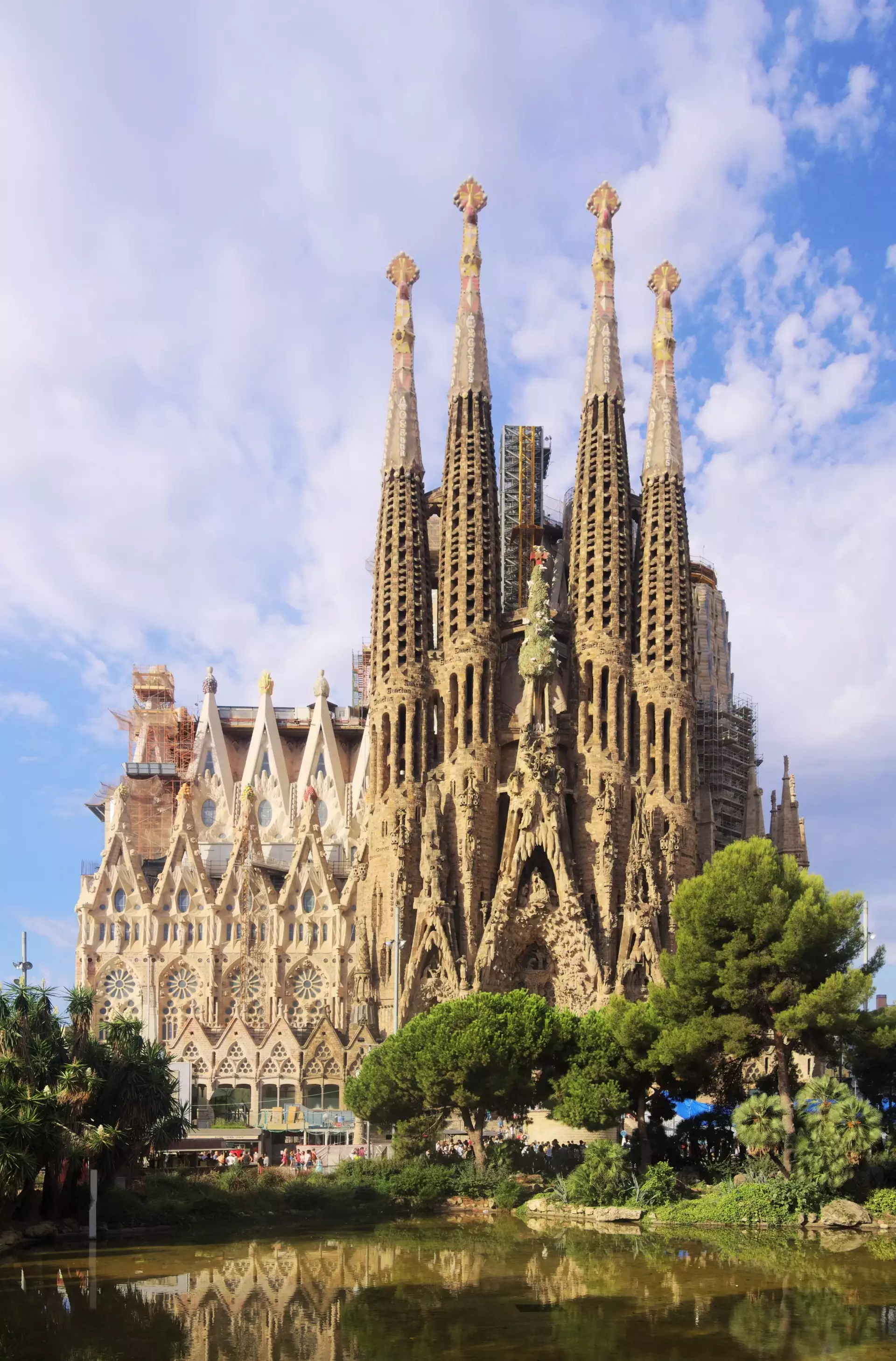
Barcelona's most popular and famous attraction, the Sagrada Família is a testament to Antonio Gaudi's modernist style and unlike any other church in the world. The texture and detail on the façades are intricate and incorporate forms seen in nature as much of Gaudi's work does. The inside is huge — it's estimated that it can hold 13,000 people — with vaulted ceilings and columns designed to be reminiscent of trees. The church is still under construction, but the central nave, apse and crypt are open. Seeing the Sagrada Família at night with lights on is impressive — this is the time when you understand why people say that it is built of bones.
Urban park created from redeveloping industrial land. It covers 14 hectares and includes seven areas like a children's play area, a lake with sculptures and a central plaza.
One of the most unusual landmarks in this otherwise ultra-modern area is this 19th-century (finished in 1882) brick water tower. Standing 62 metres tall, it is now overshadowed by neighbouring residential, office and hotel towers and easy to miss unless you know where to look for it.
The first building Gaudi built in Barcelona. It has been opened as a museum. It's possible to walk the whole monumental enclosure, including the garden and the interior of the building. In UNESCO World Heritage Sites list since 2005.