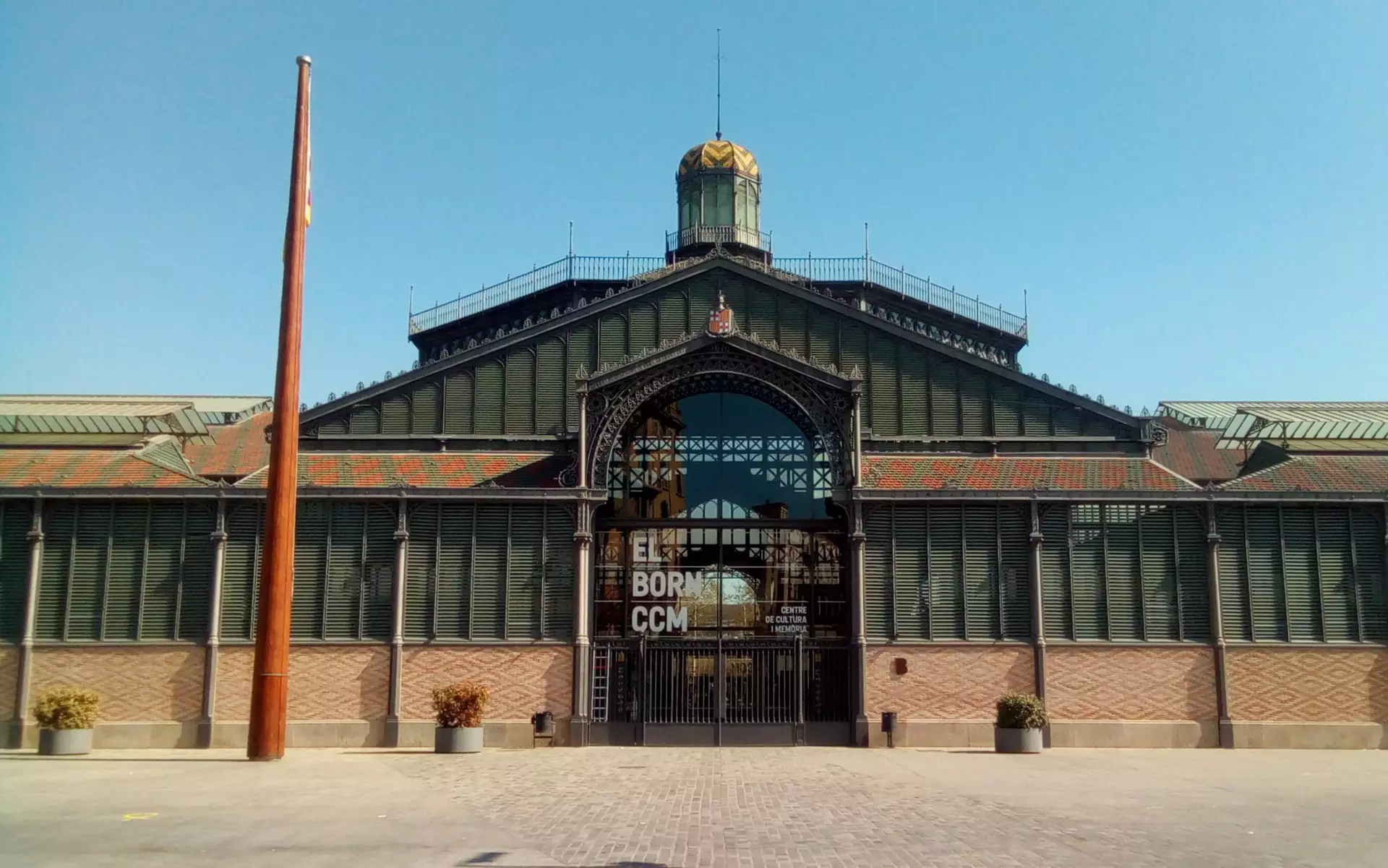
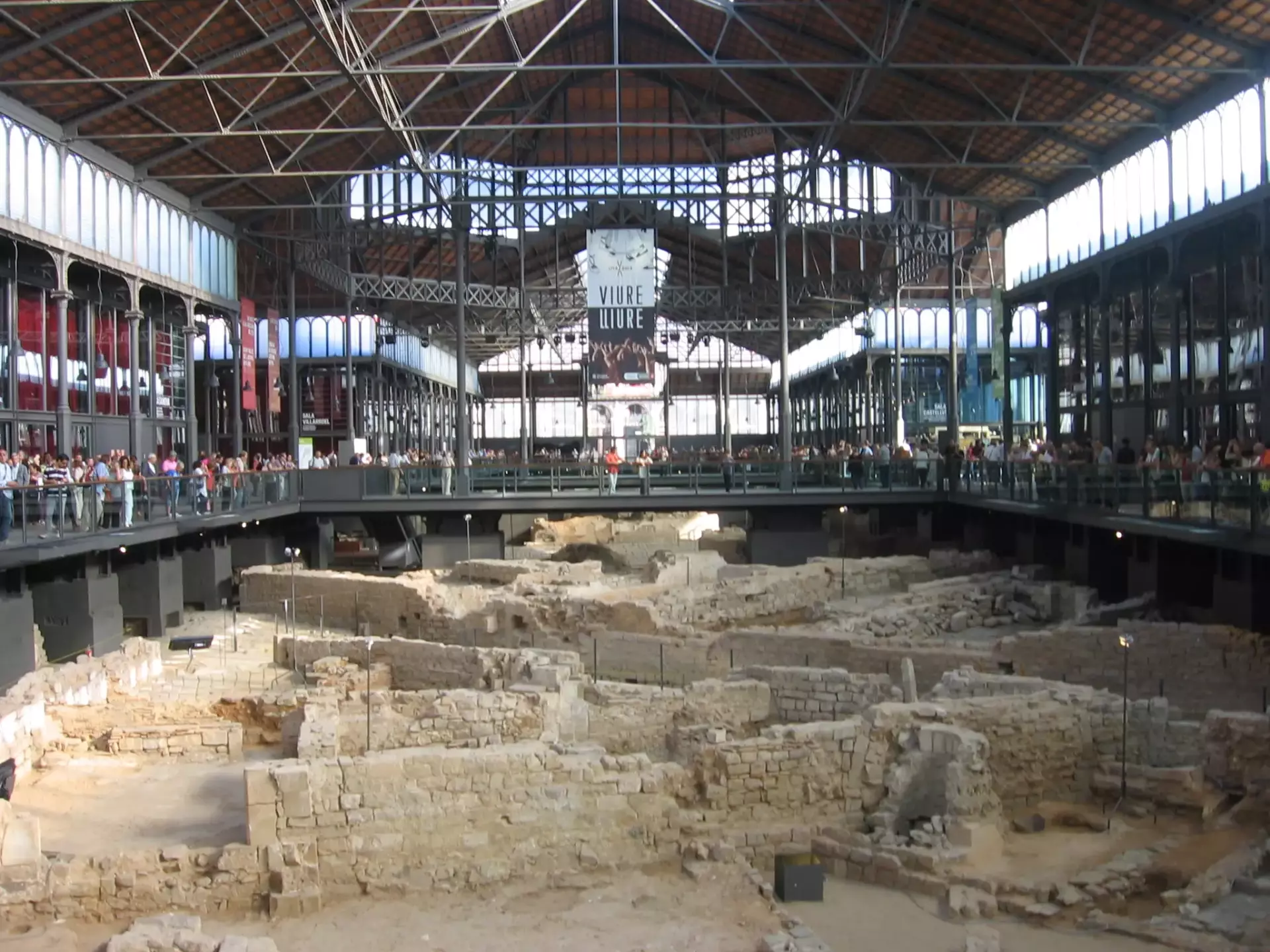
The Mercat del Born was once the bustling heart of Barcelona's trade until its closure in 1973. This marked the beginning of a downturn for the surrounding neighborhood, which has since seen a vibrant revival. During renovations aimed at transforming the market into a cultural hub, something remarkable was uncovered.
Archaeologists discovered entire streets and homes beneath the market. These structures had been demolished by orders of King Philip V. This fascinating find has been preserved, offering a glimpse into the city's rich history. The site now serves as both a cultural center and a museum, bridging the past with the present.
Visitors can explore the market at street level for free. However, to experience the fascinating ruins below, a ticket is required. This adds an extra layer to the experience, turning a simple visit into an educational journey through time.
Source - https://en.wikipedia.org/wiki/Mercat_del_Born
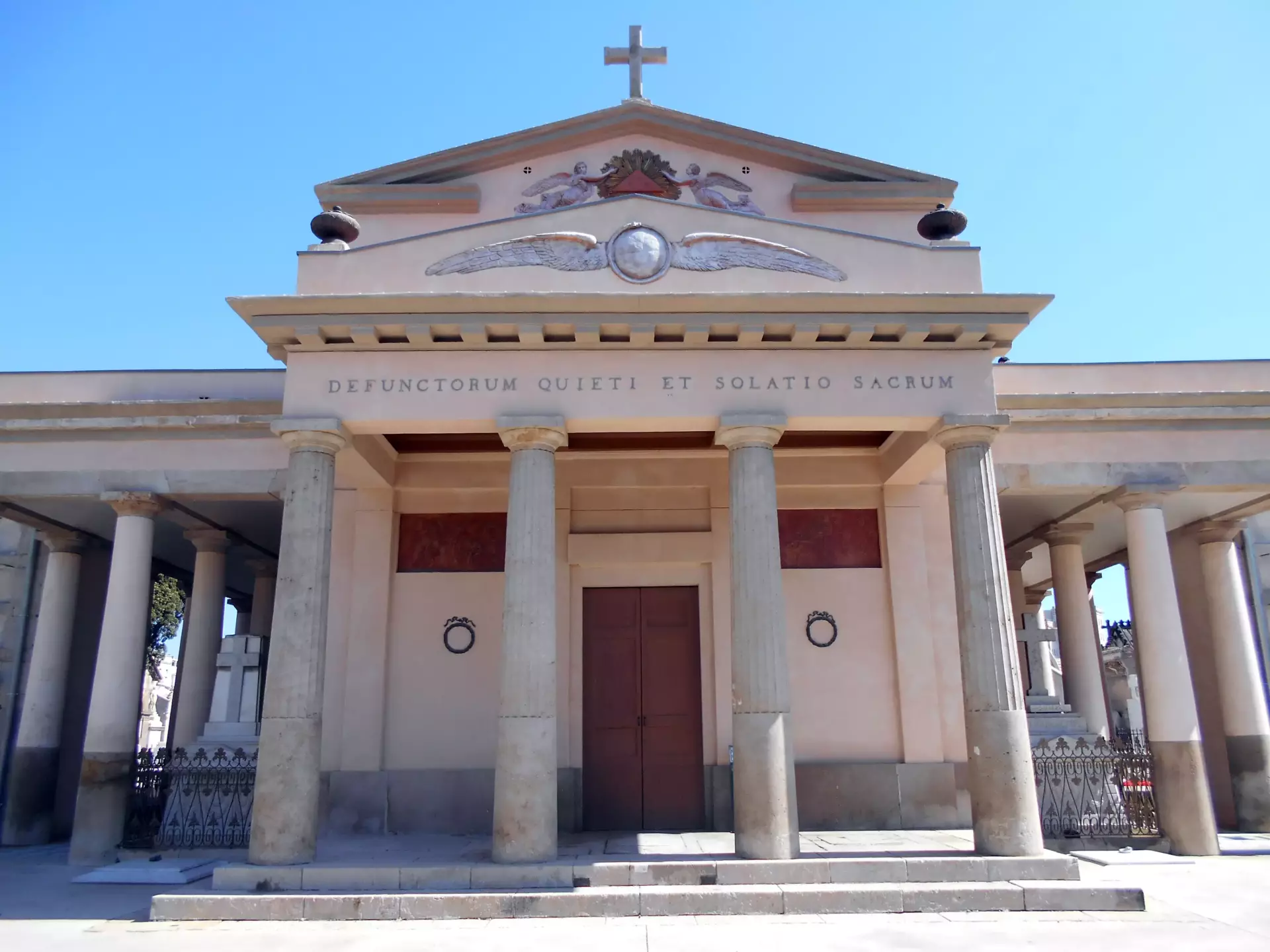
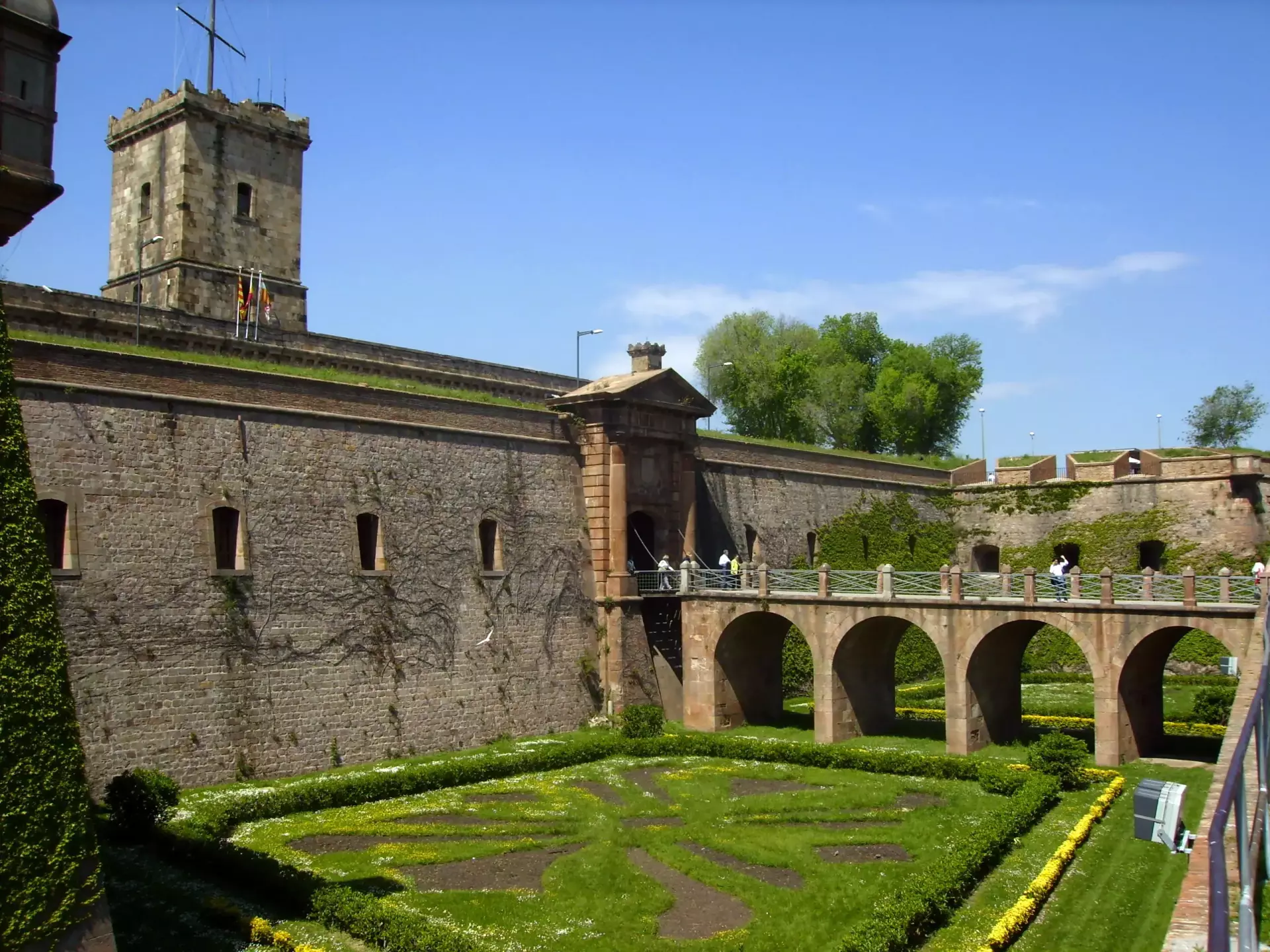
Provides a beautiful panorama view over the rest of the city. The Montjuic Castle is in the Montjuic hill. From the Montjuïc Castle, take the harbor cable car to Barceloneta for more splendid views.
The stadium and its surroundings built in 1927 and renovated for the 1992 Summer Olympics provides nice architectonic and city views. Since it's not too crowded outside sport events, it's usually a pretty calm place.
One of Gaudi's masterpieces, there is not one straight edge on the exterior and the structure is one of Gaudi’s most eccentric and enticing architectural creations. Tours of the interior and the incredible roof structures are available. Great views of the tall buildings (especially La Sagrada Familia) from the roof. Hosts a large exposition of Gaudi works, covering Sagrada Familia and Casa Batlio, not only La Pedrera itself. The exposition is a good place to start your exploration of Gaudi; it reveals many hidden details for the art novice.
Although a botanic garden had been established in Barcelona as early as 1888, the current gardens date from 1999.
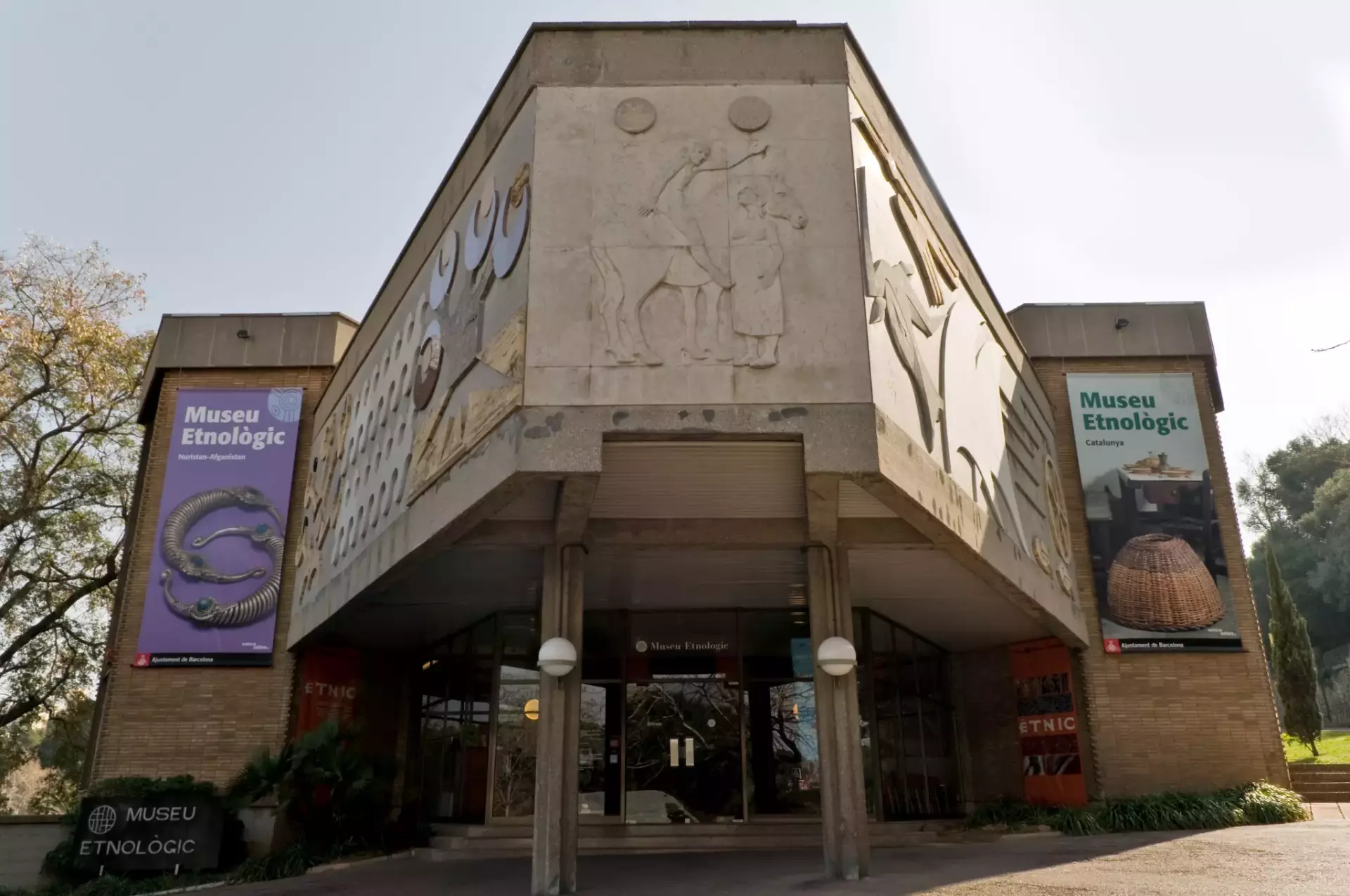
This museum mainly exhibits exponents, which were imported by Catalan sailors as they explored the new world. Free on the first Sunday each month (11:00 to 15:00)
Situated on the Montjuic, it exhibits archaeological findings from Catalunia from different periods. Under 16 and 65+ free. €3 for others. Special discounts for other groups.
Urban park created from redeveloping industrial land. It covers 14 hectares and includes seven areas like a children's play area, a lake with sculptures and a central plaza.
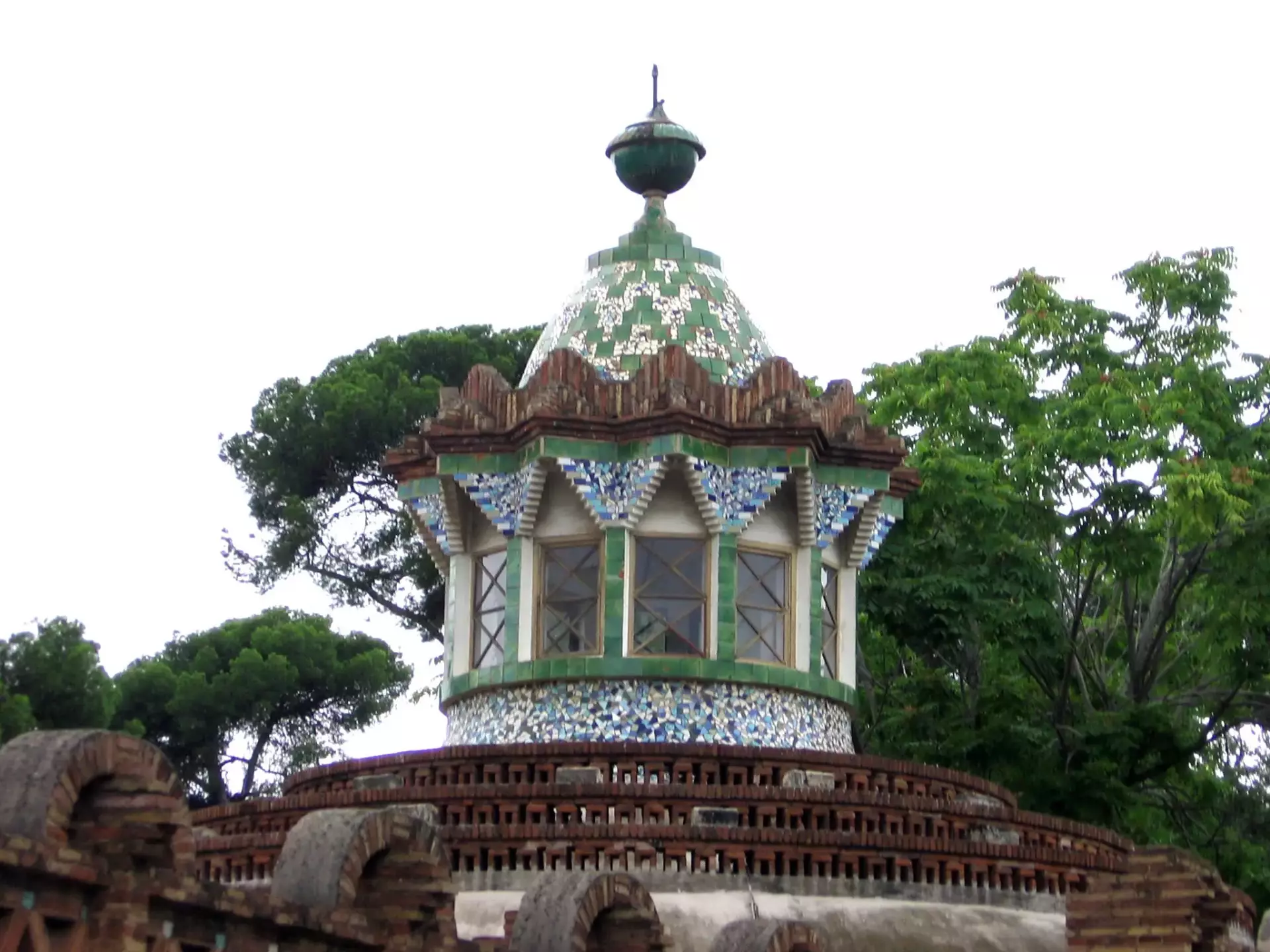
A complex of two pavilions by Antonio Gaudi. 2024 closed for renovation.
Has the single best collection of Romanesque art in the world, and a fine Gothic collection as well. Includes the Pantocrator from the Taüll Romanesque church. The building itself is also very beautiful.
This former hospital is an architectural masterpiece that is now open for visitors. Inpatient wards (and most outpatient facilities) have been moved to a new building of Nou Hospital, but in terms of touring the area, that makes it all the easier. One of "small hidden features" is a network of underground passages where small carriages can be seen, you can get there near WCs on a central square, between Banc de Sang and Quiròfans.
The first building Gaudi built in Barcelona. It has been opened as a museum. It's possible to walk the whole monumental enclosure, including the garden and the interior of the building. In UNESCO World Heritage Sites list since 2005.
The university has many interesting buildings, libraries and courtyards.
The museum has limited opening hours but the park it is situated in is also interesting. Check website before going to the museum as it will eventually relocate to The Can Bagaria building.