Barcelona, a city full of vibrant culture and history, offers more than just its famous beaches and architecture. Tucked away among bustling neighborhoods lies Parc del Clot, a unique green space that provides a peaceful retreat from the city's lively streets.
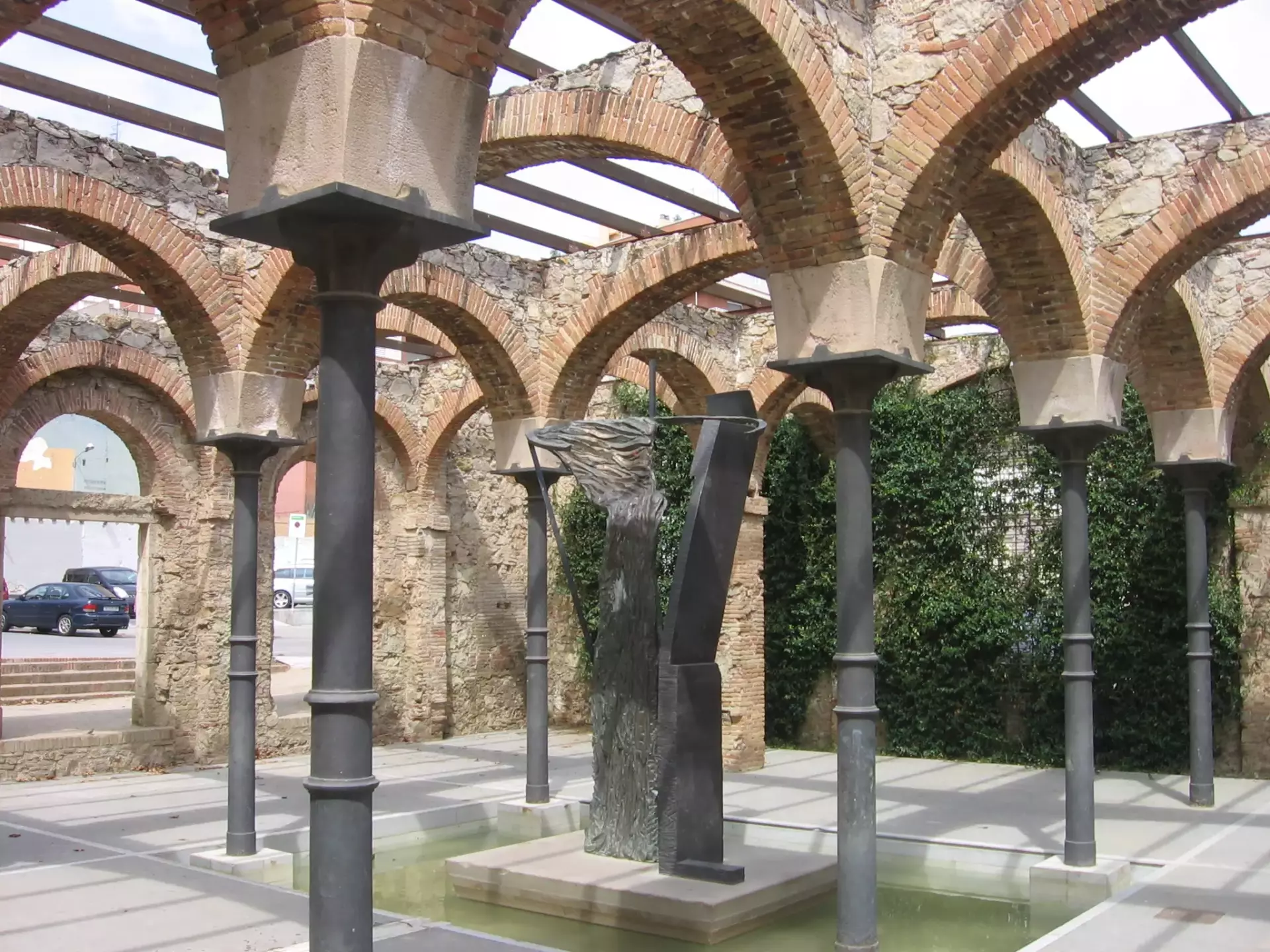
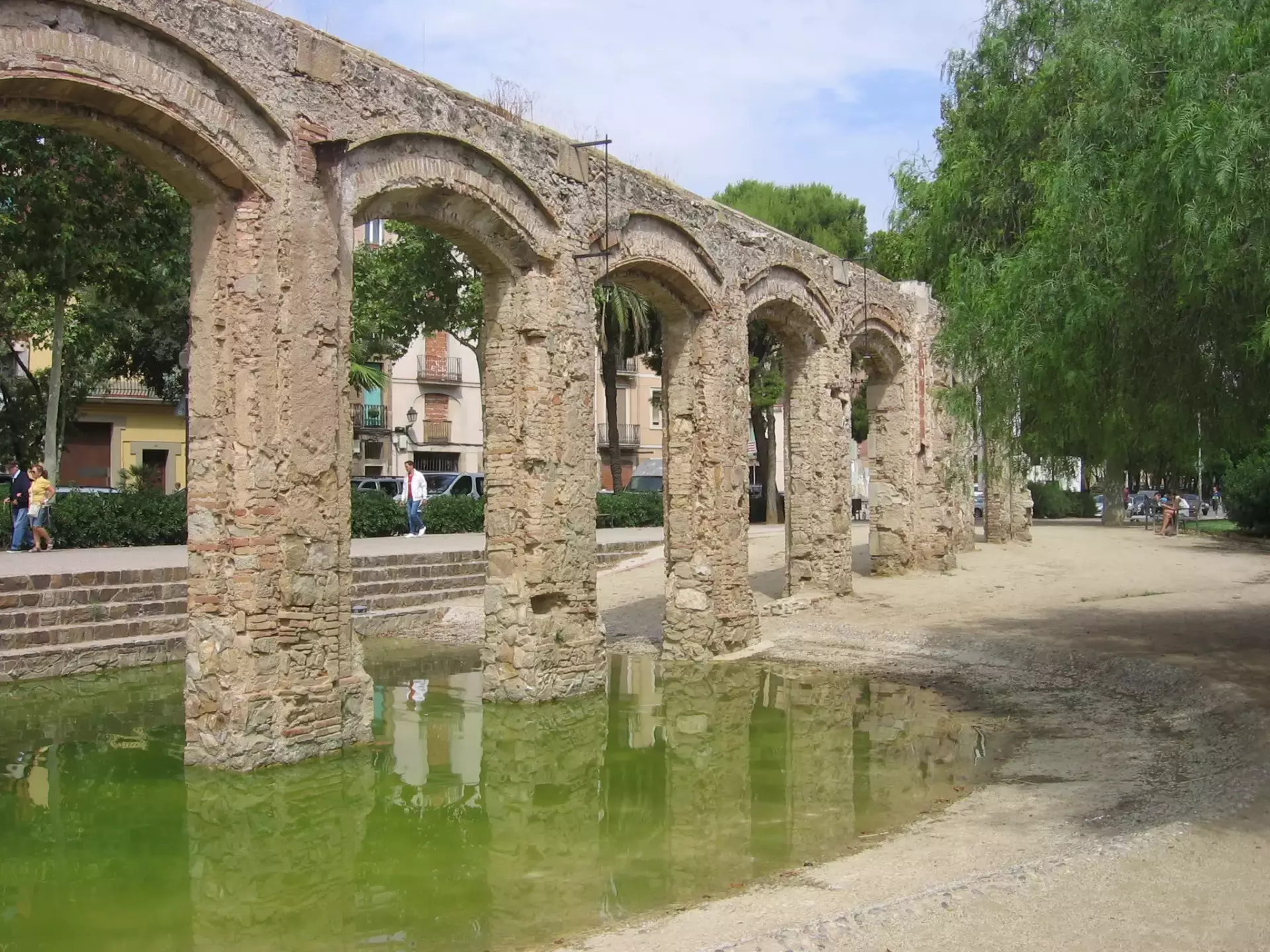
Parc del Clot is a fascinating blend of old and new. Once an industrial site, it has been transformed into a public park, yet many of its original features remain. Visitors can see the red brick arches and structures that are remnants of its past life. These historical elements are beautifully integrated into the landscape, creating a striking contrast with the lush greenery.
The park is a hive of activity, offering something for everyone. Families gather here, enjoying picnics on the grassy lawns while children play in the dedicated playgrounds. Sports enthusiasts can take advantage of the basketball courts and soccer fields, ensuring there's always a lively atmosphere.
For those seeking relaxation, walking paths wind through the park, shaded by trees and surrounded by flowers. Benches are scattered throughout, providing perfect spots to sit and read or simply enjoy the serenity. The gentle sound of water flowing through the park's small streams adds to the calming ambiance.
Parc del Clot is more than just a park; it's a community hub. Throughout the year, various events and festivals take place here, bringing people together to celebrate local culture and traditions. These gatherings highlight the strong community spirit and make the park an integral part of neighborhood life.
Palace designed by Gaudí for the industrial tycoon Eusebi Güell. There is a basement and three levels of the palace to explore, the highest featuring a small exhibition. It is in a different style to Gaudi's apartment blocks La Pedrera and Casa Batlló, as well as being cheaper and less crowded than those sites. The rooftop of Palau Güell features the more standard Gaudi style chimneys, and views across El Raval.
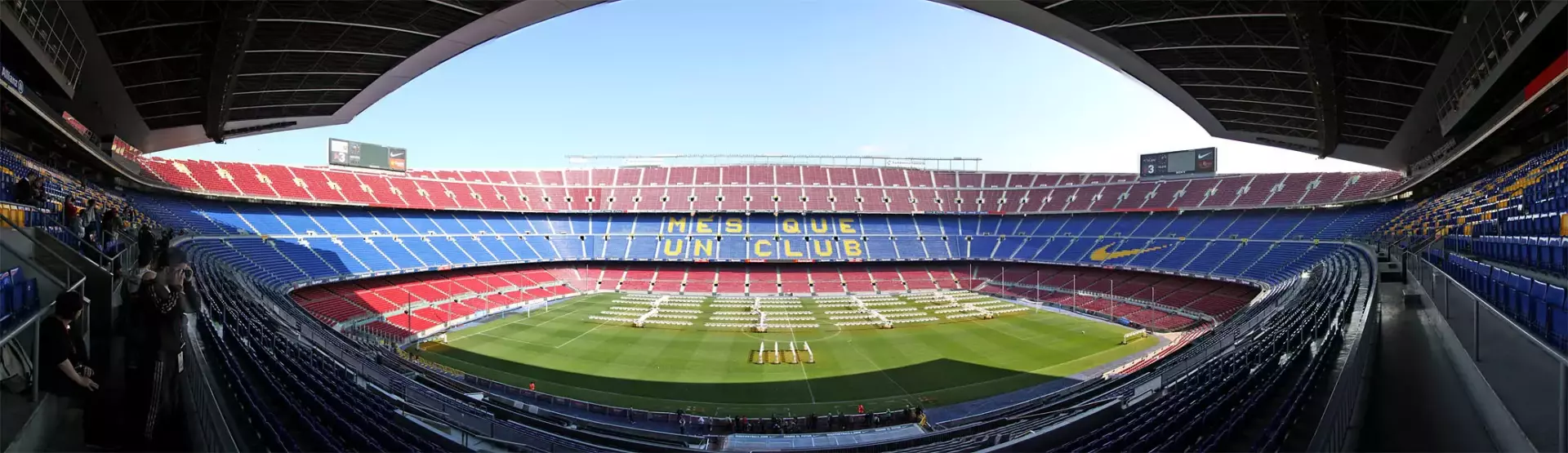
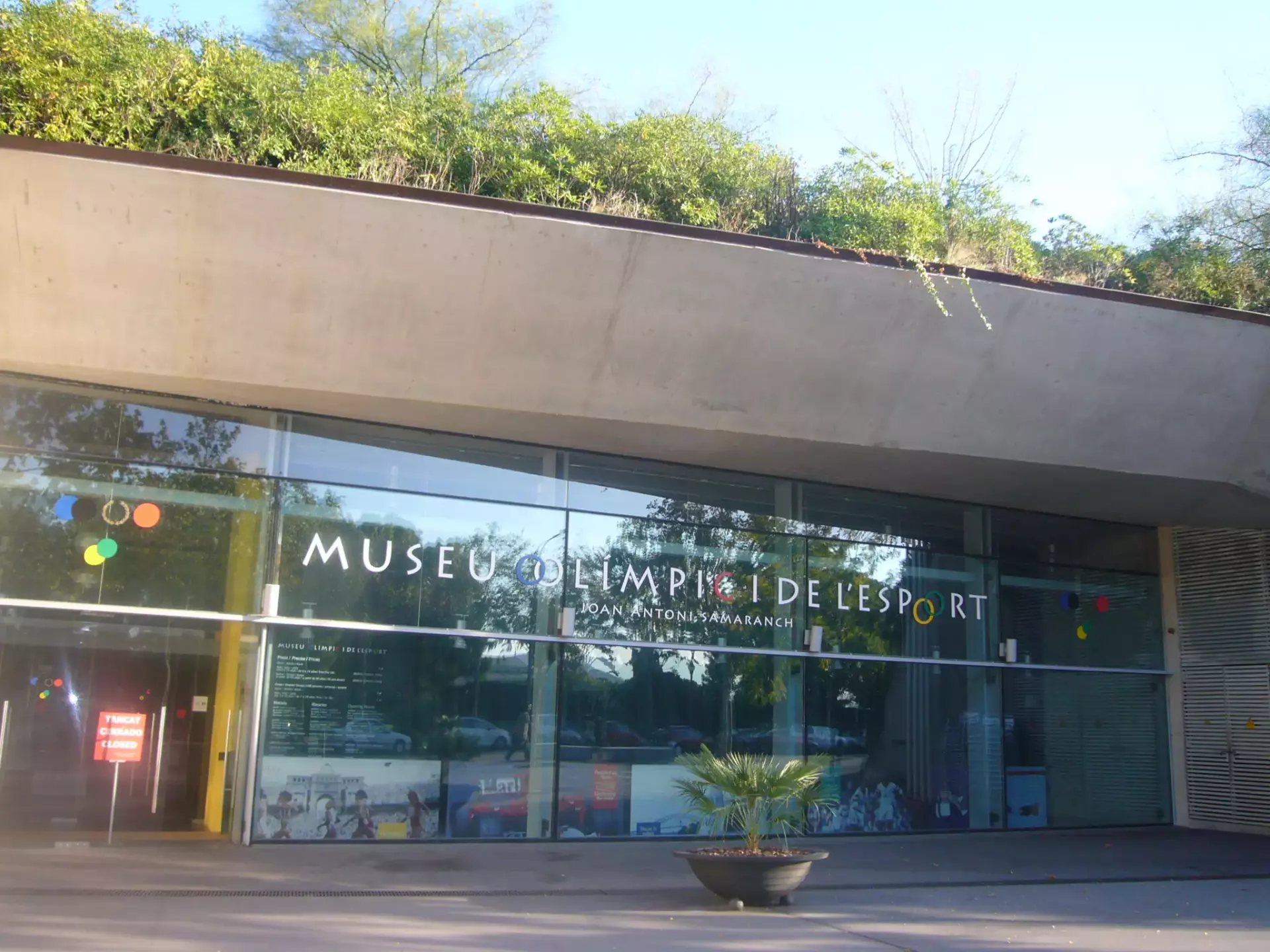
The museum displays high-performance sport competitions, recreational sports, sports in general and sports for disabled people. It shows how sport can promote values, educate, innovate and renew. The museum has a sport idols space with outstanding players.
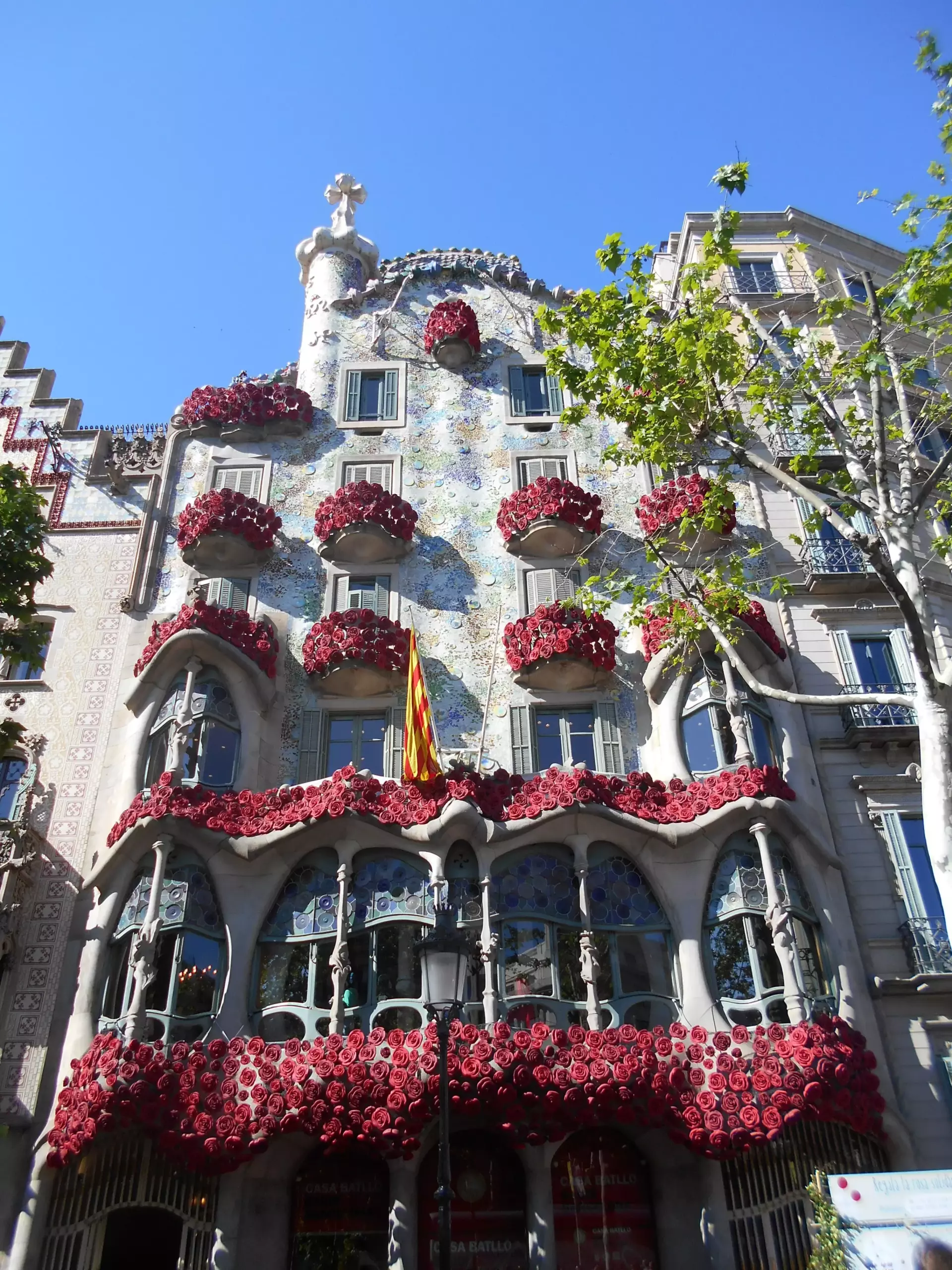
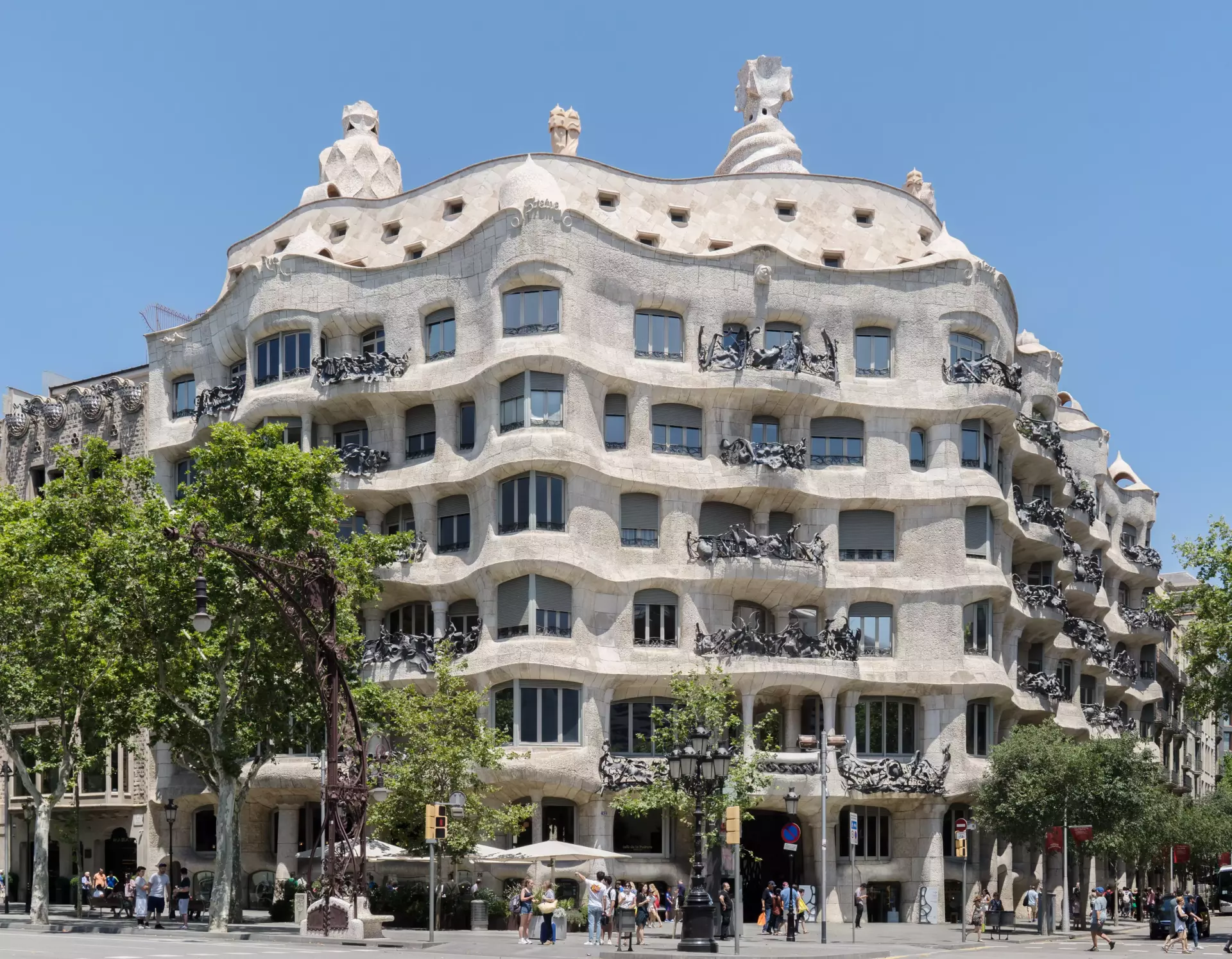
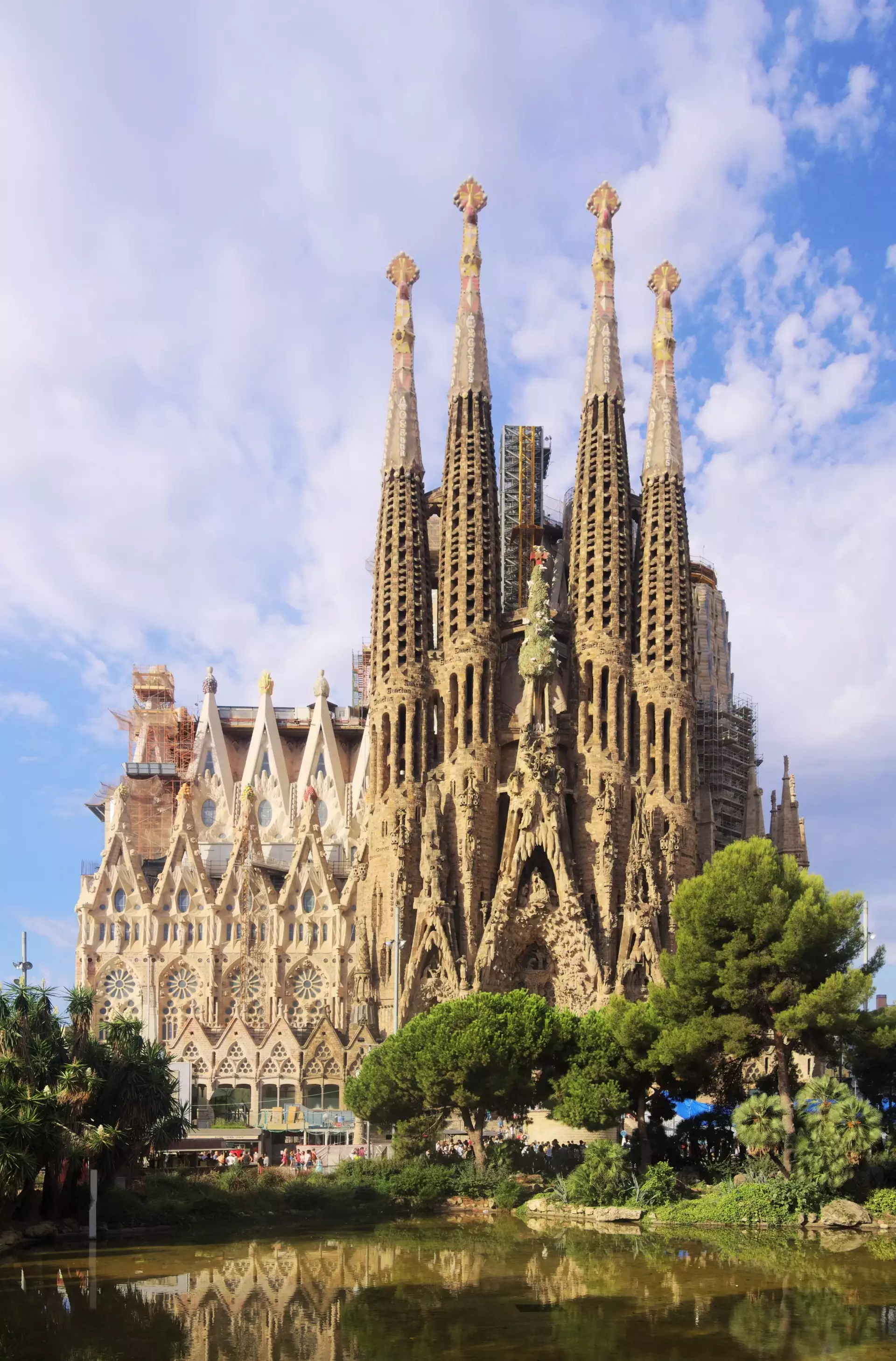
One of Gaudi's masterpieces, there is not one straight edge on the exterior and the structure is one of Gaudi’s most eccentric and enticing architectural creations. Tours of the interior and the incredible roof structures are available. Great views of the tall buildings (especially La Sagrada Familia) from the roof. Hosts a large exposition of Gaudi works, covering Sagrada Familia and Casa Batlio, not only La Pedrera itself. The exposition is a good place to start your exploration of Gaudi; it reveals many hidden details for the art novice.
Has a lot of art from his first period, before the cubism, but almost none of his most famous works. Pictures are described only in Spanish, but overview texts for each period are available in English. Luggage over 30x30cm needs to be left at the checkroom and there's no liability for lost valuables.
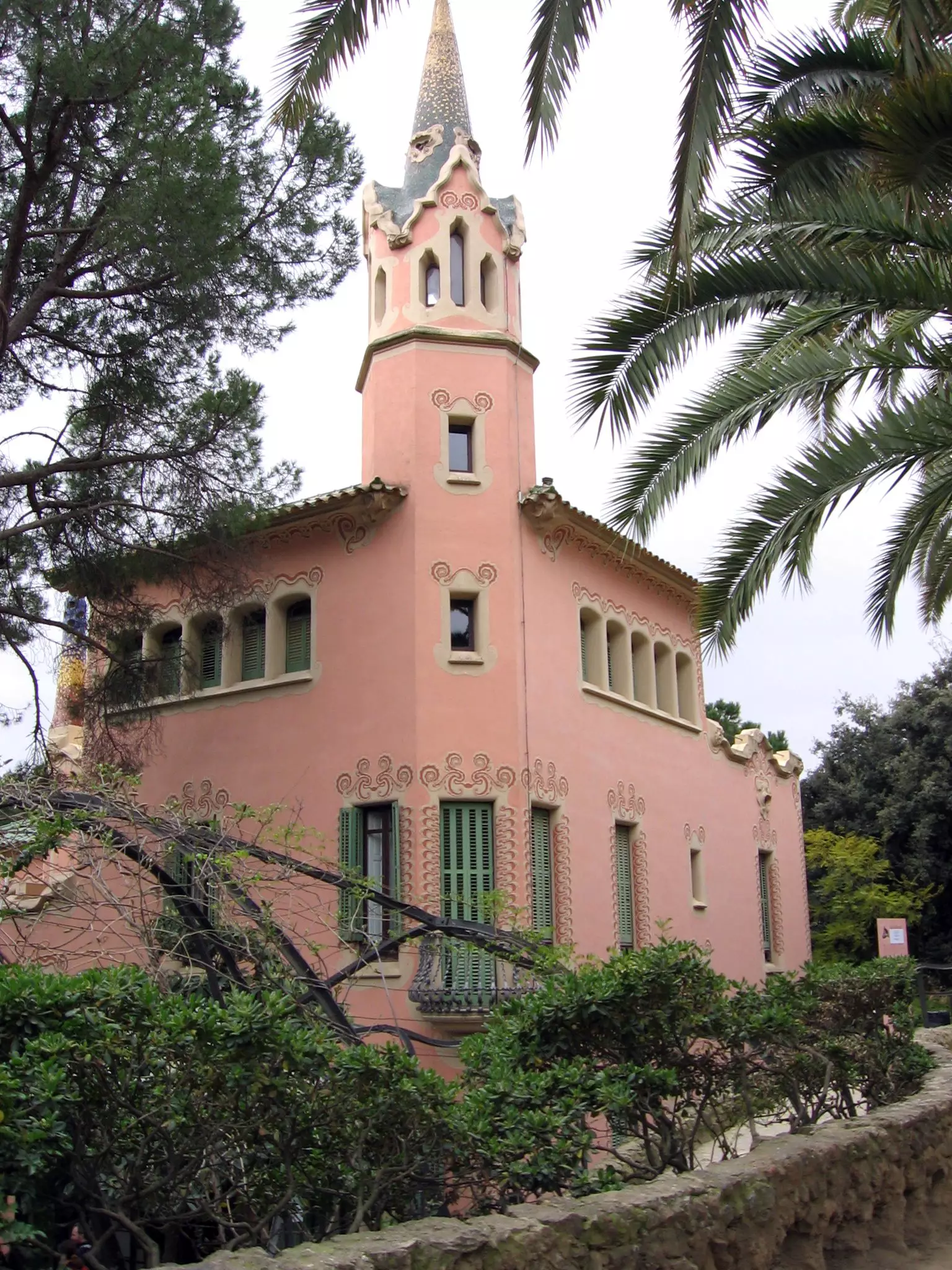
Distinctive pink house that Gaudi lived in for nearly 20 years (although not designed by him). It features furniture designed by Gaudi and other objects relating to Gaudi's life. The gift shop has a large selection of Gaudi-themed souvenirs that are generally better quality than what's available in the normal tourist shops.
Provides a beautiful panorama view over the rest of the city. The Montjuic Castle is in the Montjuic hill. From the Montjuïc Castle, take the harbor cable car to Barceloneta for more splendid views.
The museum has limited opening hours but the park it is situated in is also interesting. Check website before going to the museum as it will eventually relocate to The Can Bagaria building.
This square is famous for the nightlife and the uniform architecture, and features fountains and palm trees. It was built during the 19th century on the site of a monastery, after the Mendizábal law expelled the monks. After some years Antoni Gaudí designed the streetlights which are still there. It has lots of activity during the day, thanks to the many terraces of the bars and restaurants.
A fake village built in 1929, with replicas of characteristic buildings in Spain (like the Avila walls, the Vall-de-roures town hall, etc.). The village hosts the Fondation Fran Daurel, where you can enjoy an interesting Modern Art collection boasting Miró, Picasso, Tapiès and other, mostly Spanish and Catalan, contemporary artists. The audio tour is very worthwhile there. Also worth seeing - the flamenco show at Tablo de Carmen. You can also step into several of the workshops to see craftsmen at work such as glassblowers and leather workers.
A complex of two pavilions by Antonio Gaudi. 2024 closed for renovation.
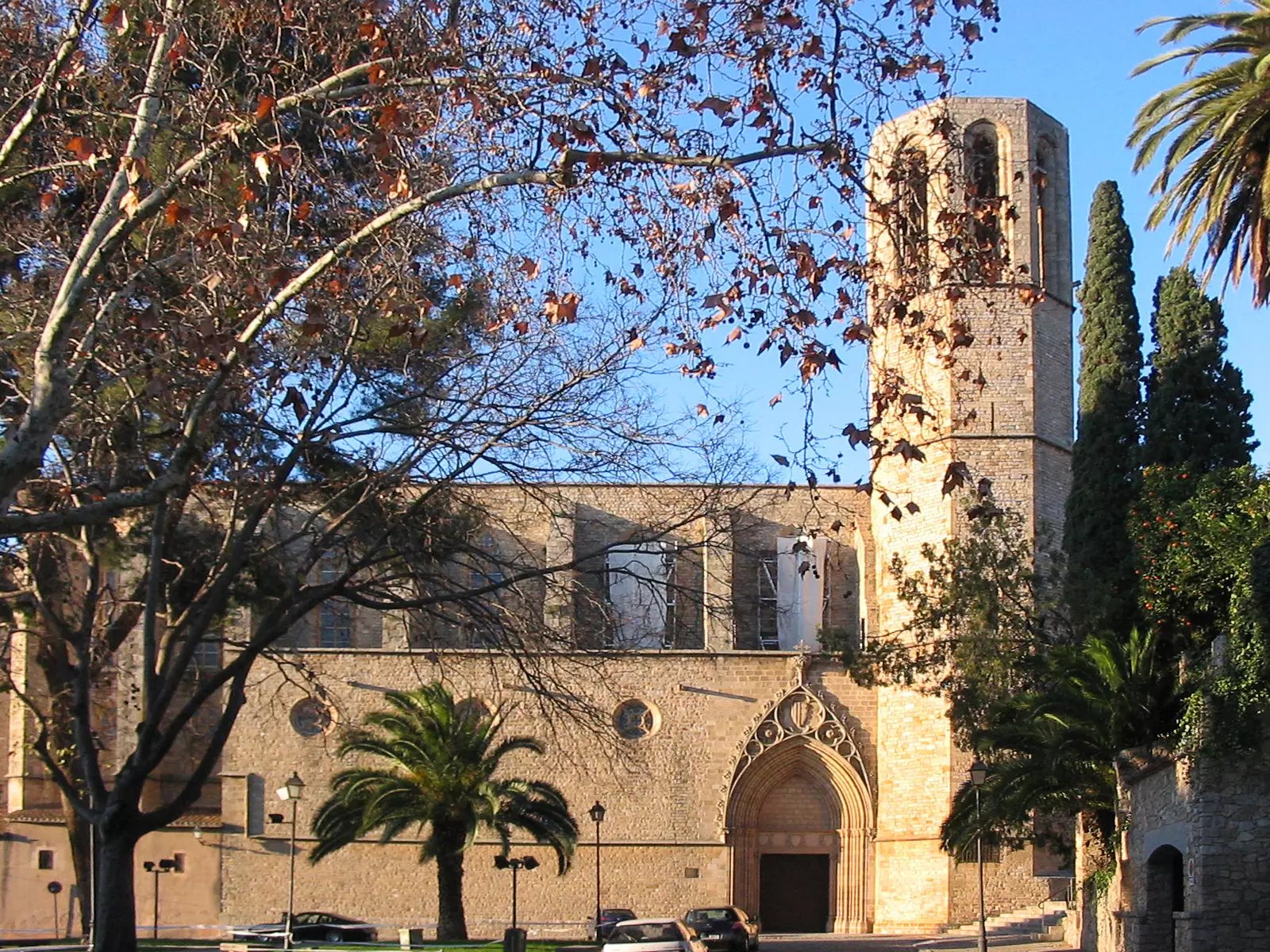
The main Gothic church in Barcelona. The cloister is maybe the most interesting part.
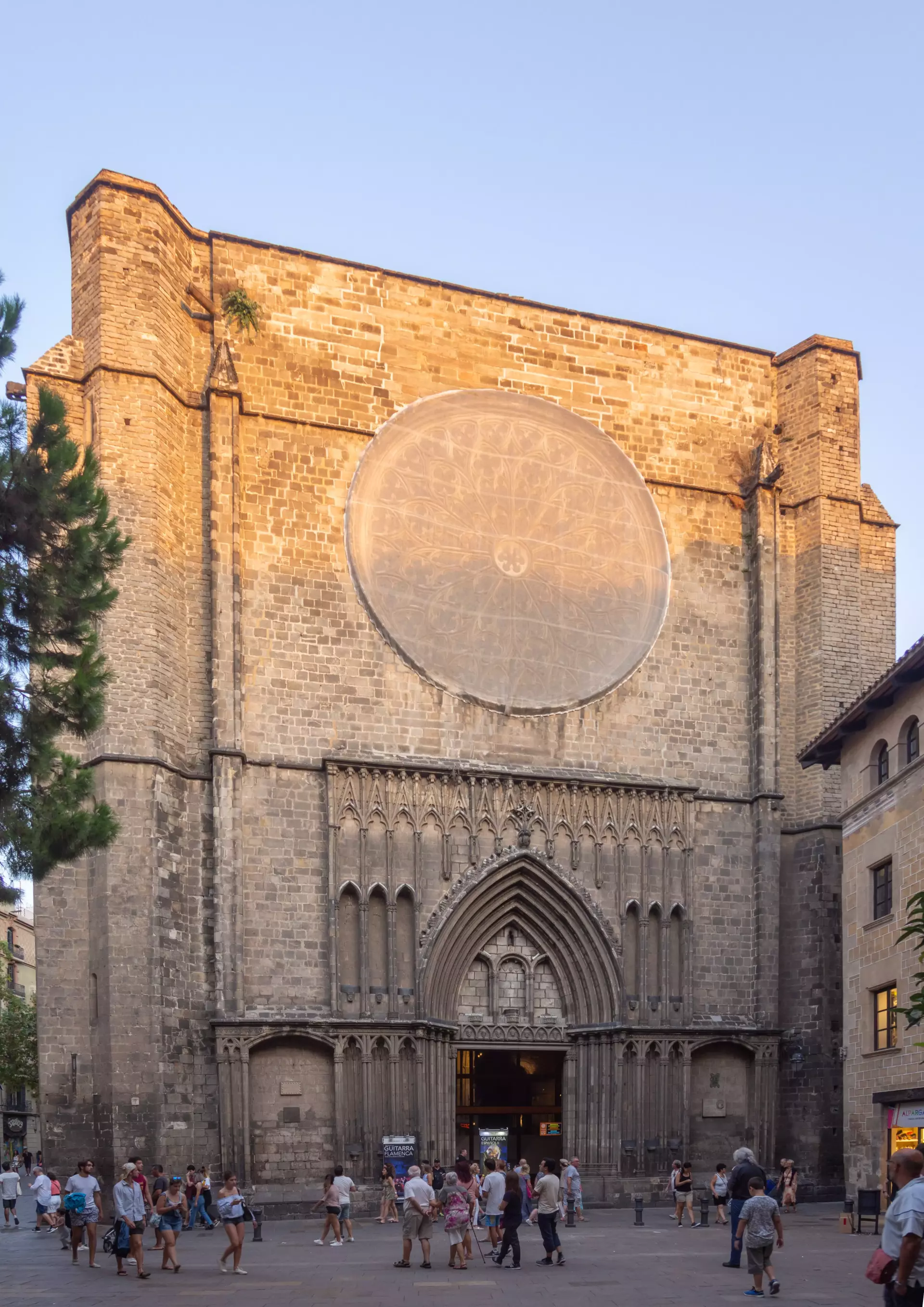
One of the most representative examples of Catalan Gothic architecture, it features a sombre but beautiful interior. The upsweeping verticality and lightness of the interior are especially surprising considering the blocky exterior surfaces. Built between 1329 and 1383, it was once was home to a Christian cult in the late 3rd century. The church is dedicated to Saint Mary of the Sea, since the quarter was dedicated to the jobs related to the sea, from sailors to harbor works, commerce, even coin exchange. The inside was burned during the civil war, but it is still very interesting. Next to the church, you can see a monument, called Fossar de les Moreres, which is the place where many fighters where buried after the Barcelona defeat in 1714, so it is an important monument for Catalan nationalism.
Placa d'Espanya was created for the 1929 World Exhibition, on a site once used for public hangings. The fountain in the center of the square is a great attraction and plays music during the summer. Plaça Espanya is located at the base of Montjuic hill.
Modernist design by Lluís Domènech i Montaner is a UNESCO World Heritage site, a masterpiece of Catalan's modernist architecture. This auditorium designed by Ramon Muntaner is the most important Modernist example in Ciutat Vella. It was the headquarters of the Orfeó Català, the oldest Catalan choir. The most beautiful part is the stalls with its fine detailing, although all the building is impressive. There are plenty of allegories about music and Catalonia, since the Orfeó Català is strongly bounded with the Catalan Renaixença, the romantic movement that tried to recuperate the Catalan history, language and traditions. It is also the best place in Barcelona to listen to symphonic music.
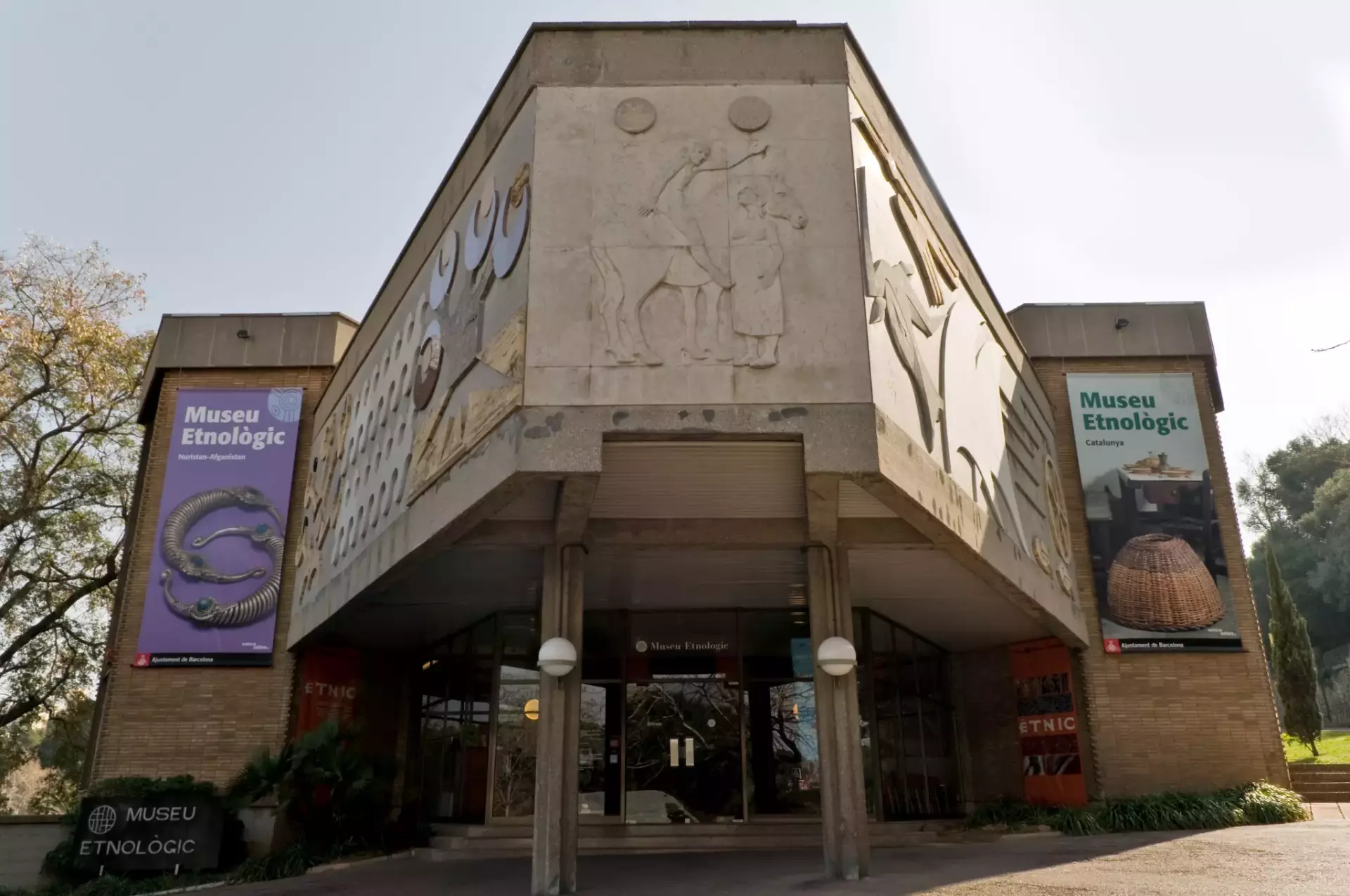
This museum mainly exhibits exponents, which were imported by Catalan sailors as they explored the new world. Free on the first Sunday each month (11:00 to 15:00)
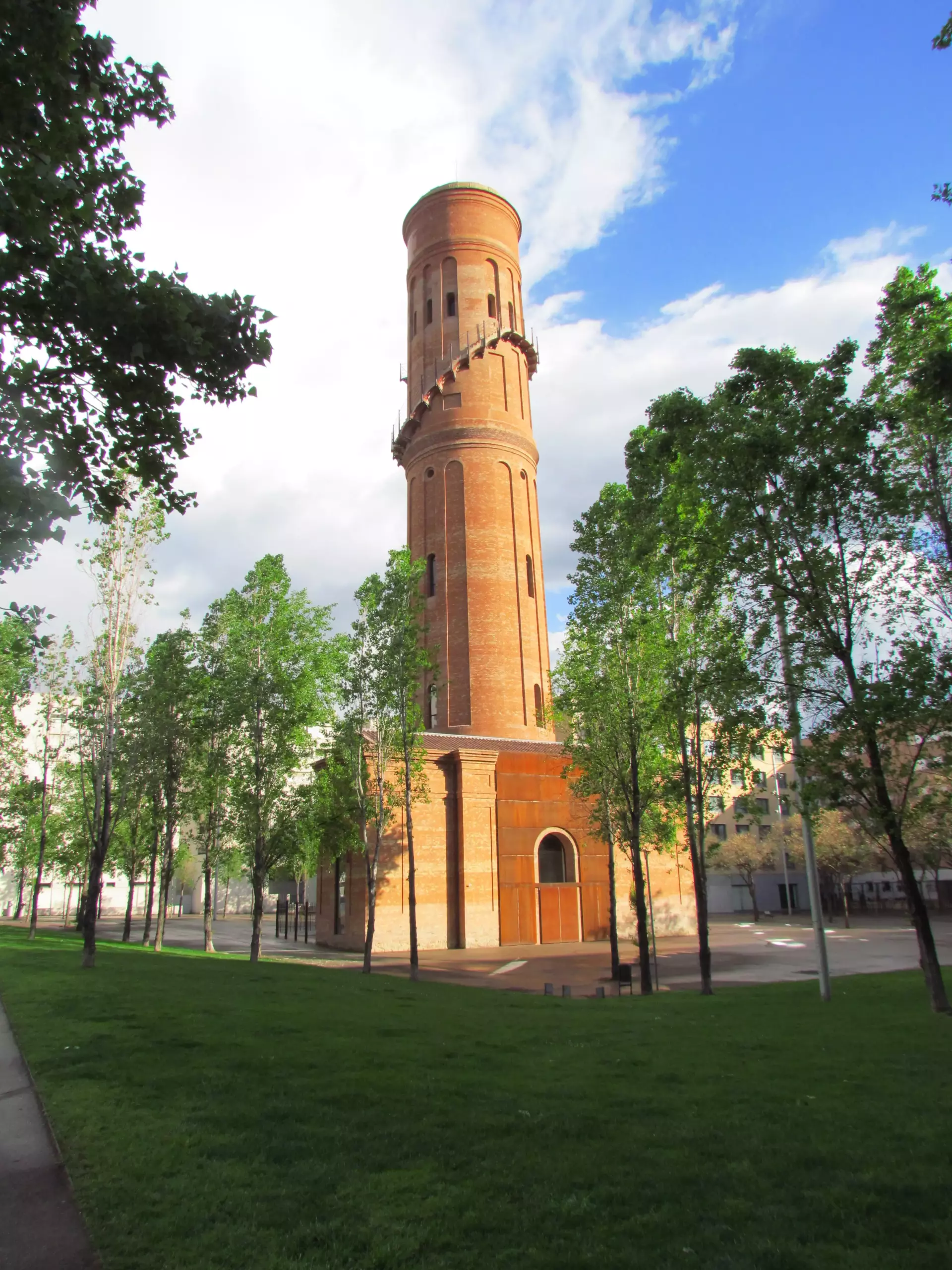
One of the most unusual landmarks in this otherwise ultra-modern area is this 19th-century (finished in 1882) brick water tower. Standing 62 metres tall, it is now overshadowed by neighbouring residential, office and hotel towers and easy to miss unless you know where to look for it.