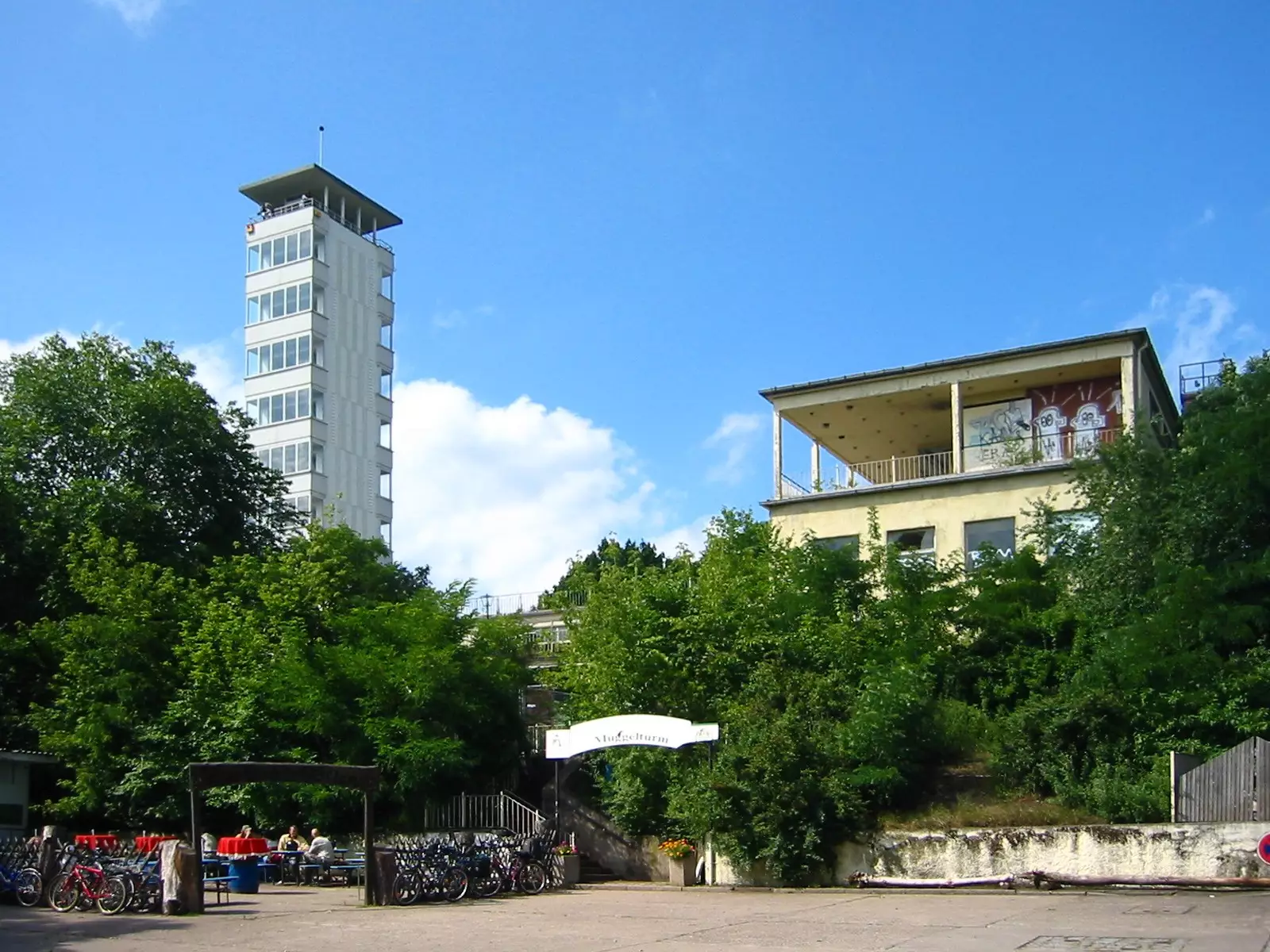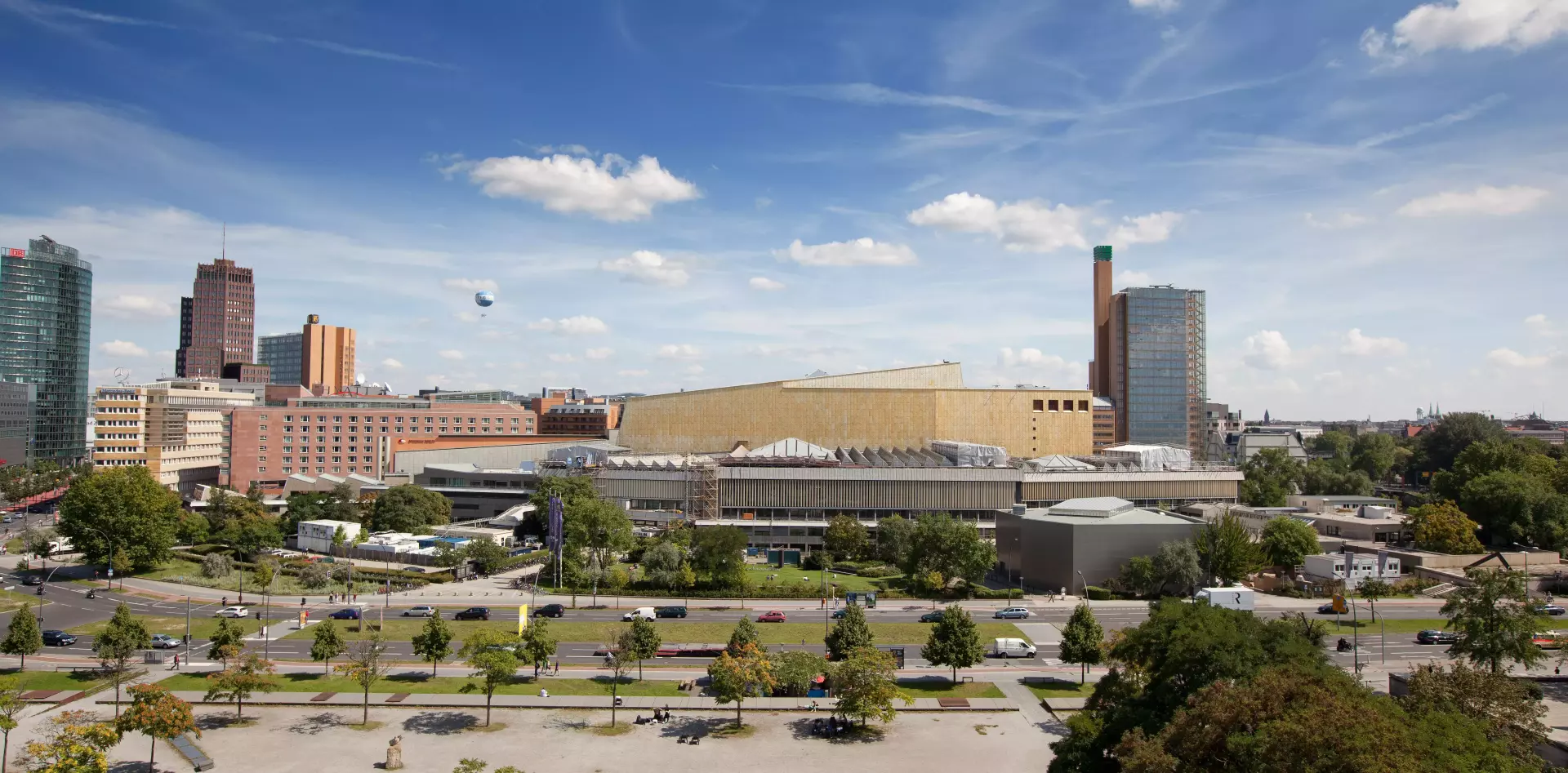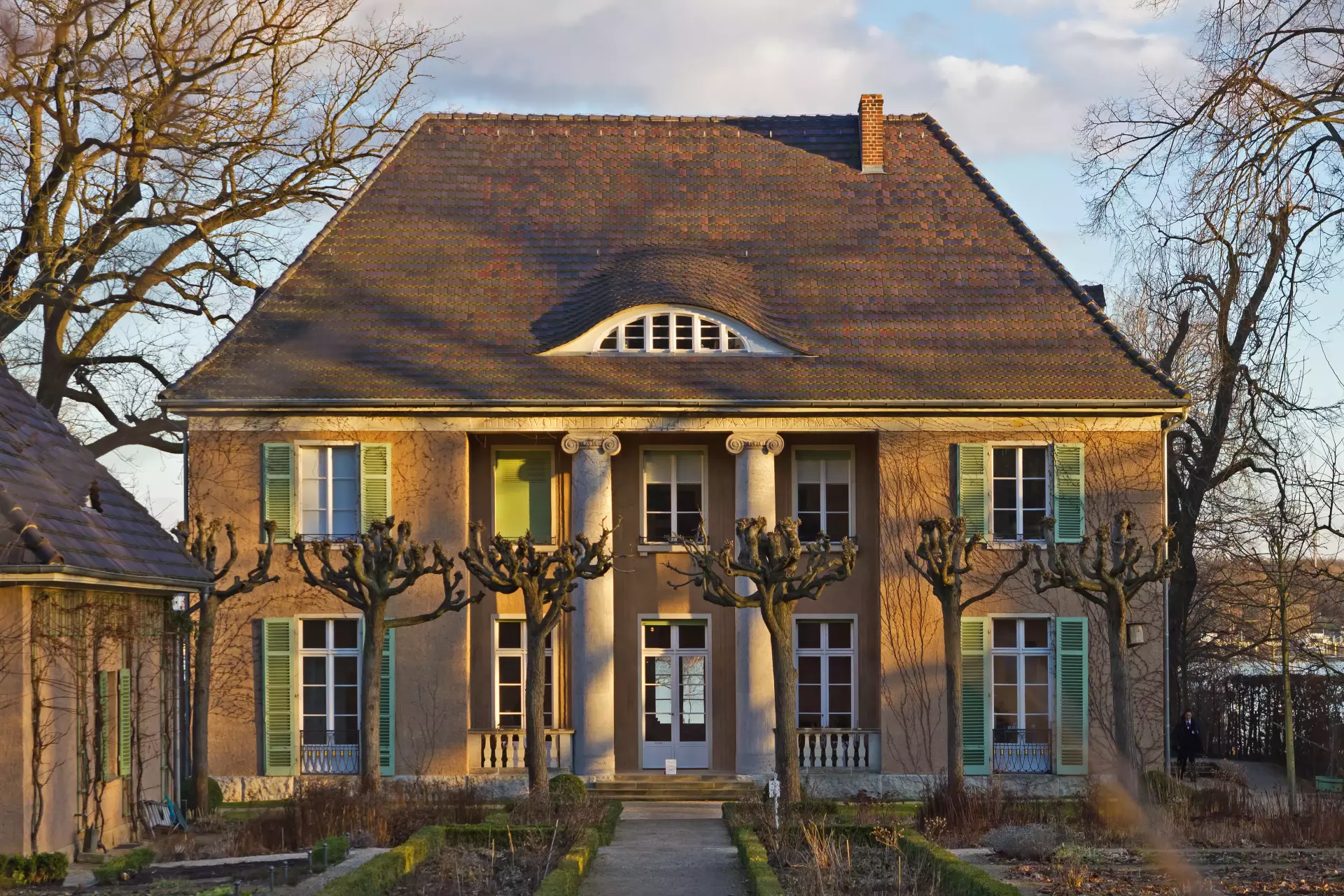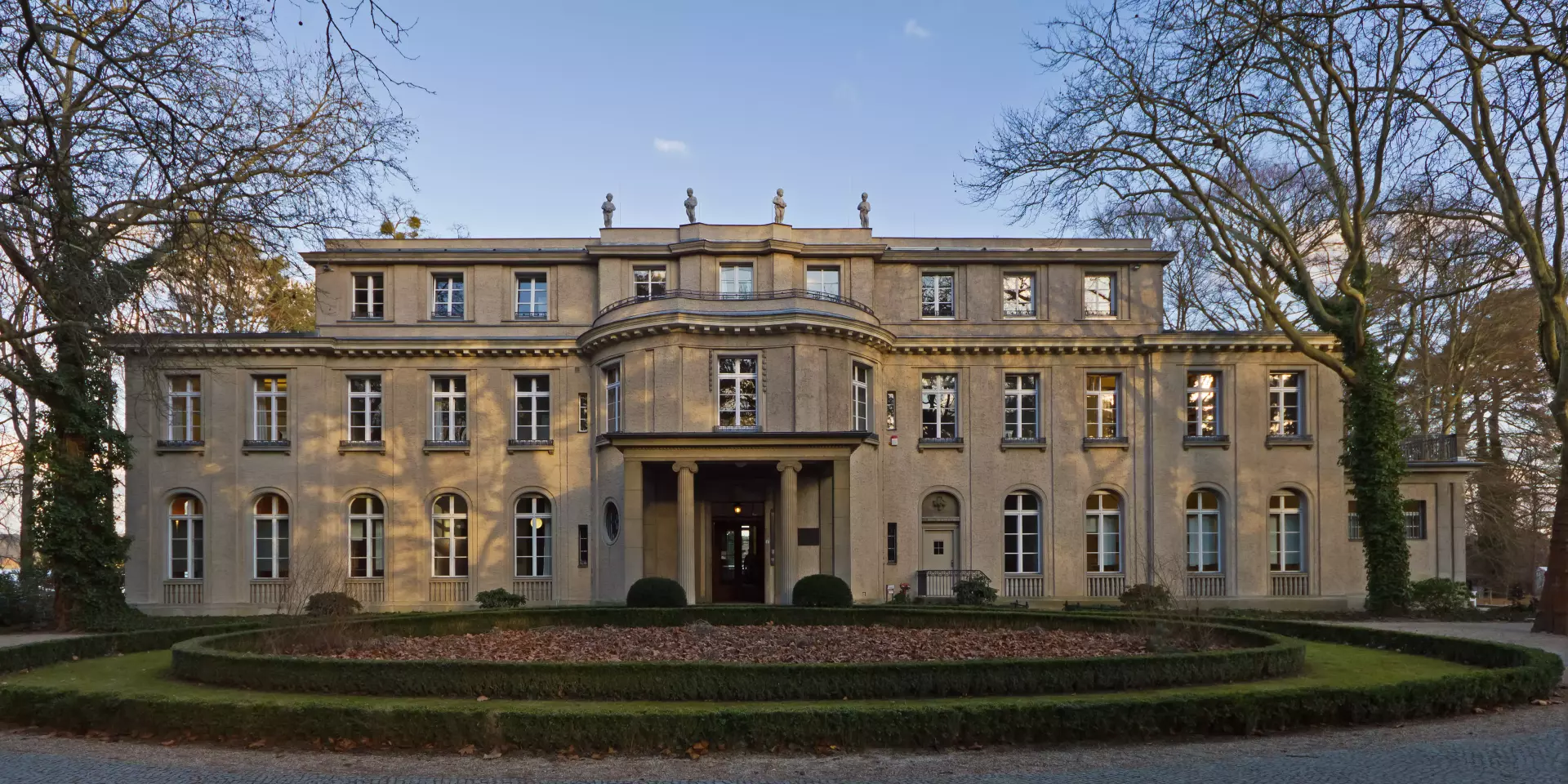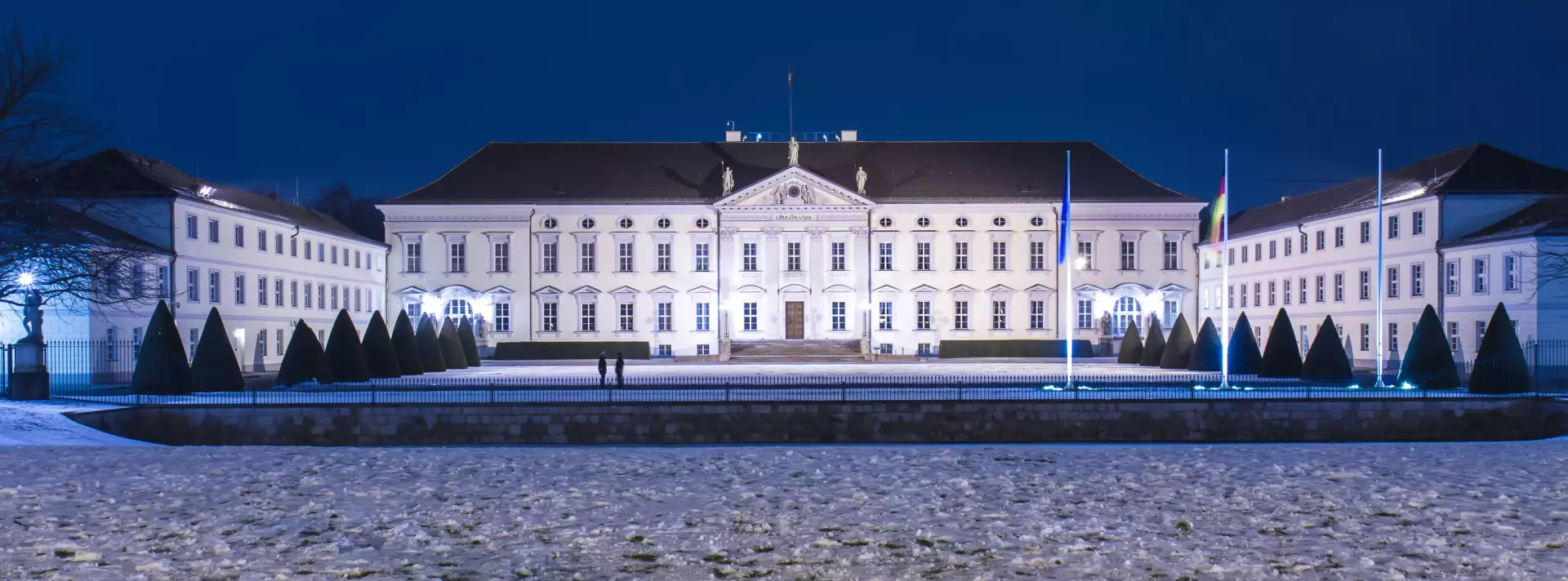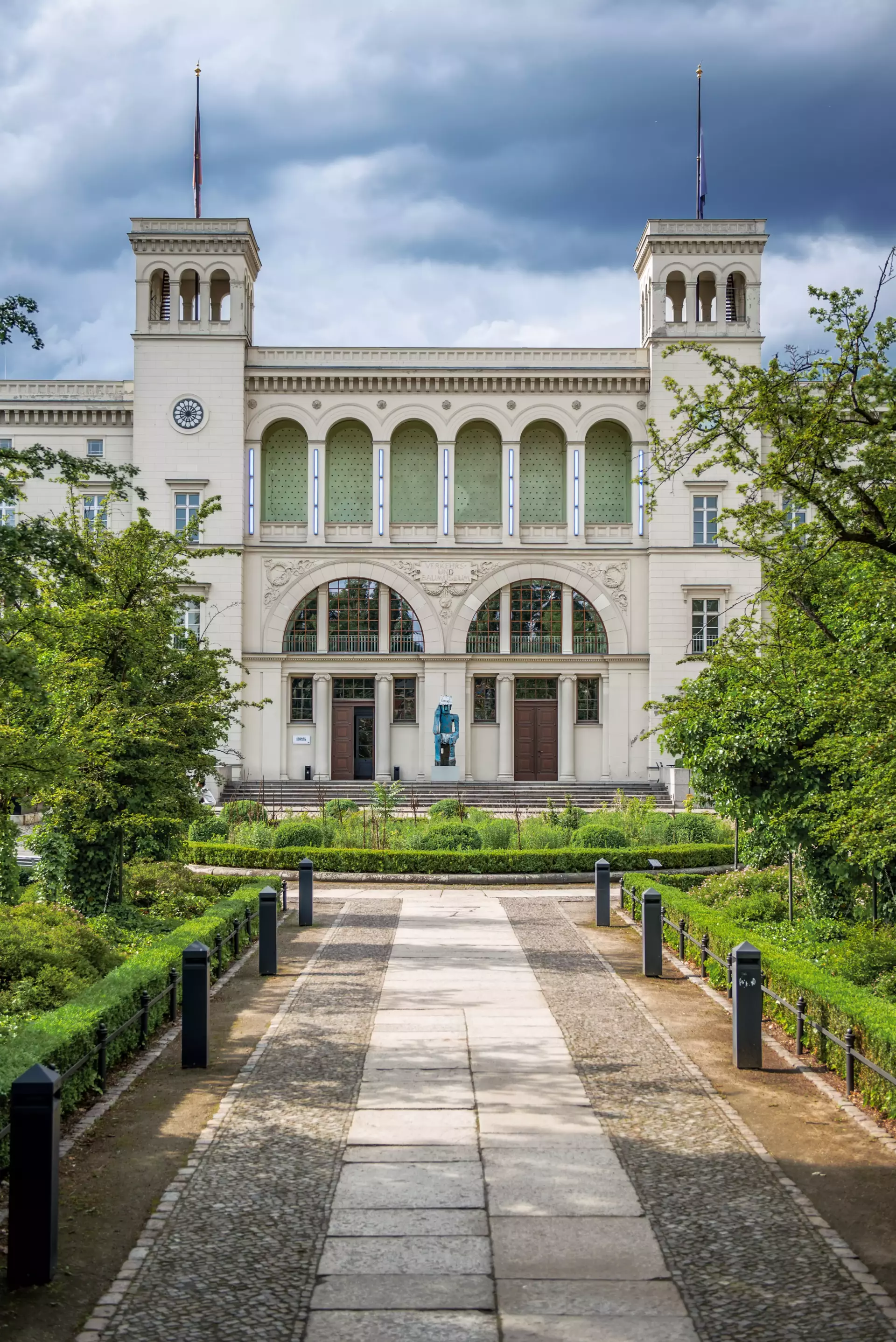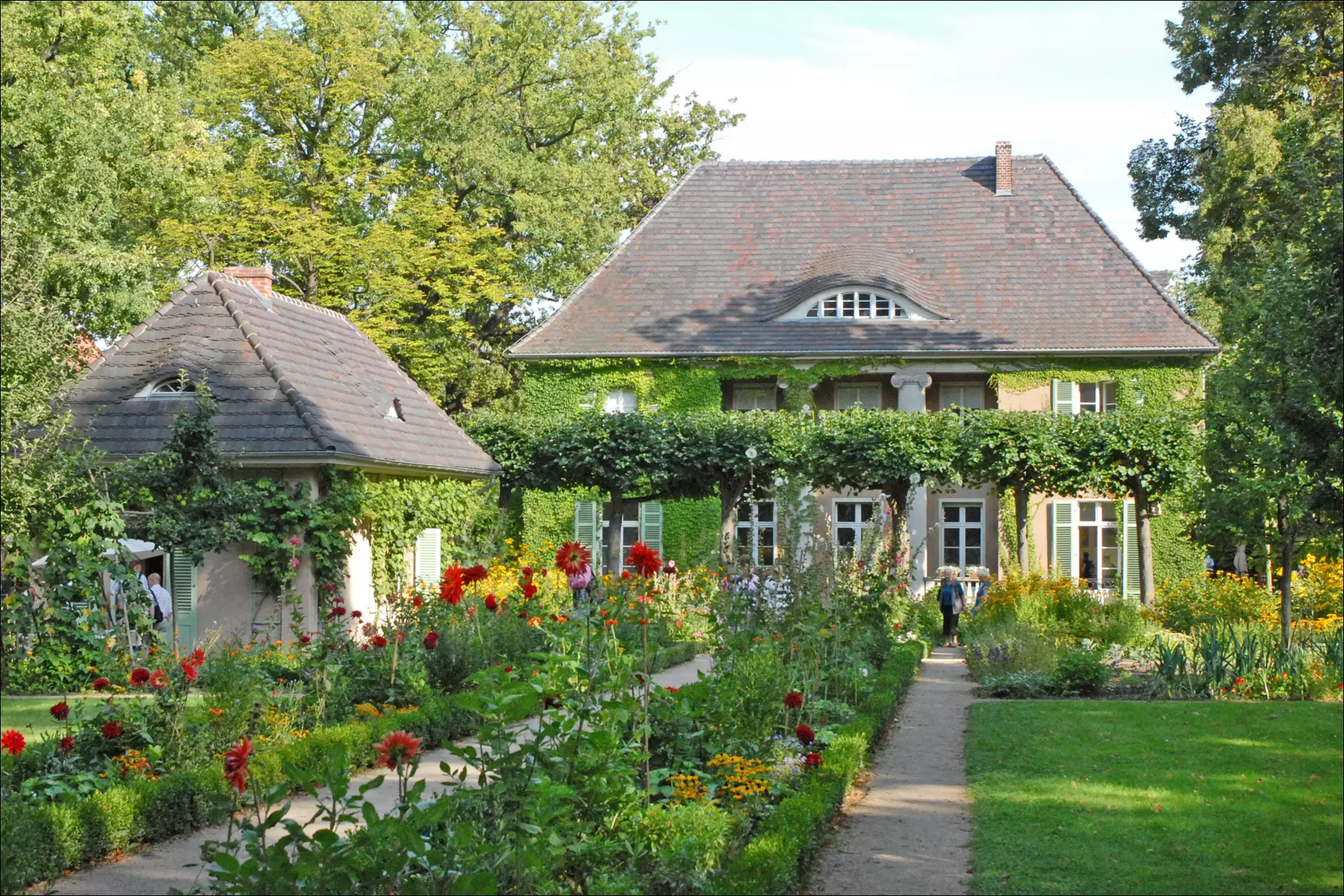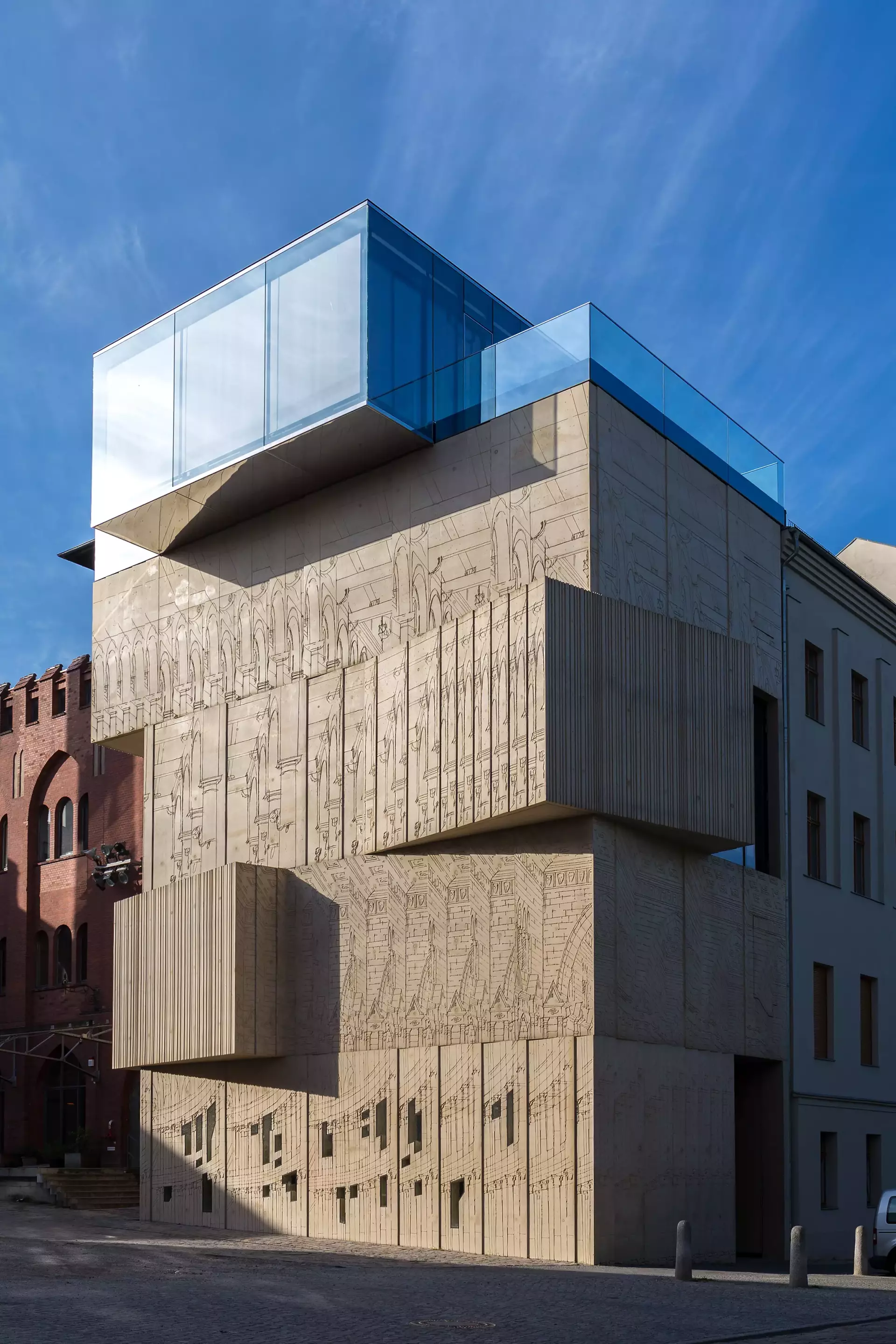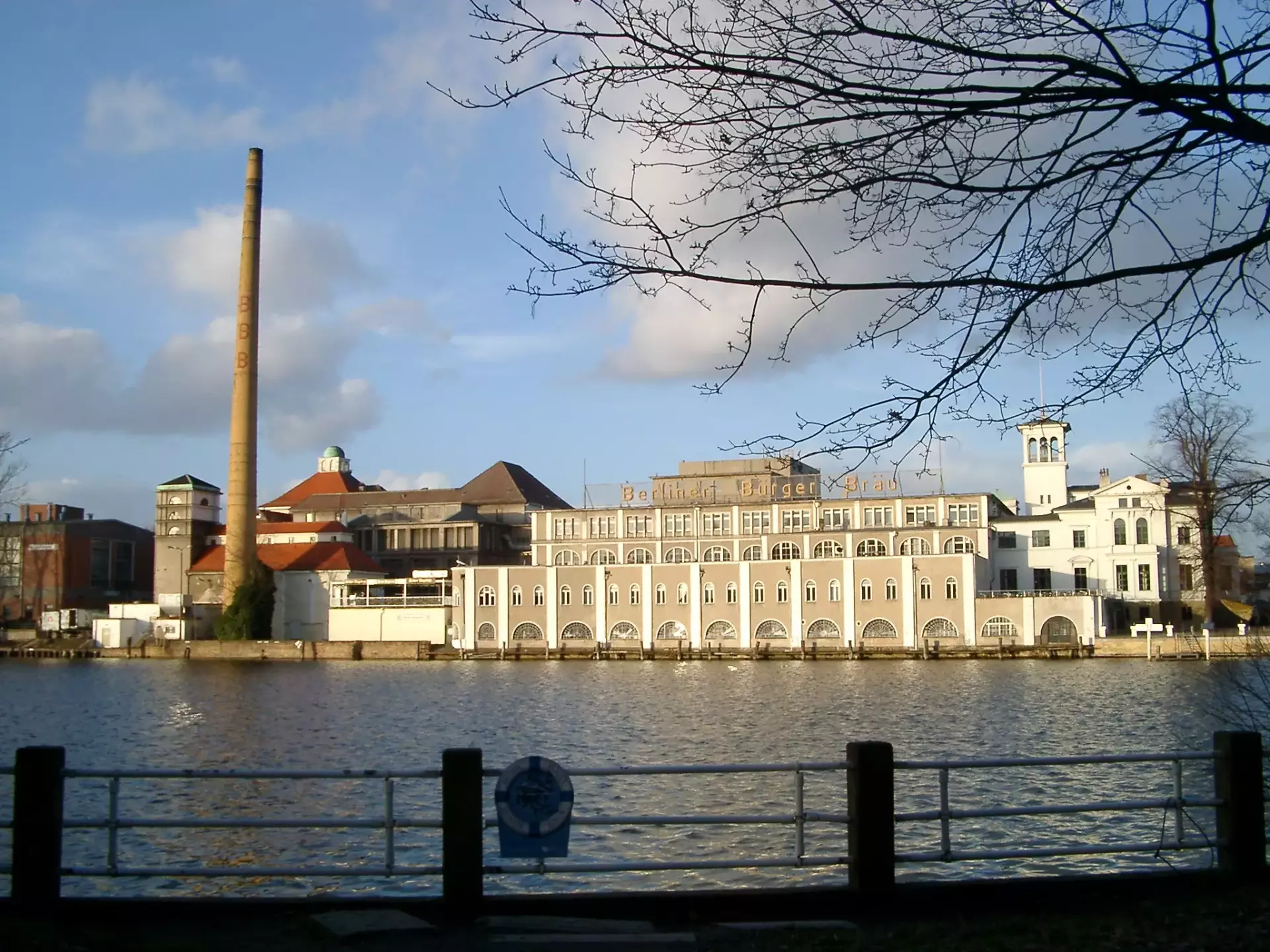
The building of one of Berlin’s oldest breweries stands along the Spree as a striking piece of industrial history. Its red brick façades, ornate gables, and tall windows show the craftsmanship of a different era. Protected as a heritage site, the former brewery tells the story of a city that grew with industry, innovation, and beer.
The complex blends functional design with decorative detail. Brick patterns frame doors and arches, metal fittings hint at machinery once inside, and a chimney rises like a landmark. Even without production noise, the site keeps an atmosphere of work and skill. Light catches the brickwork at different times of day, revealing textures and lines that photographers love.
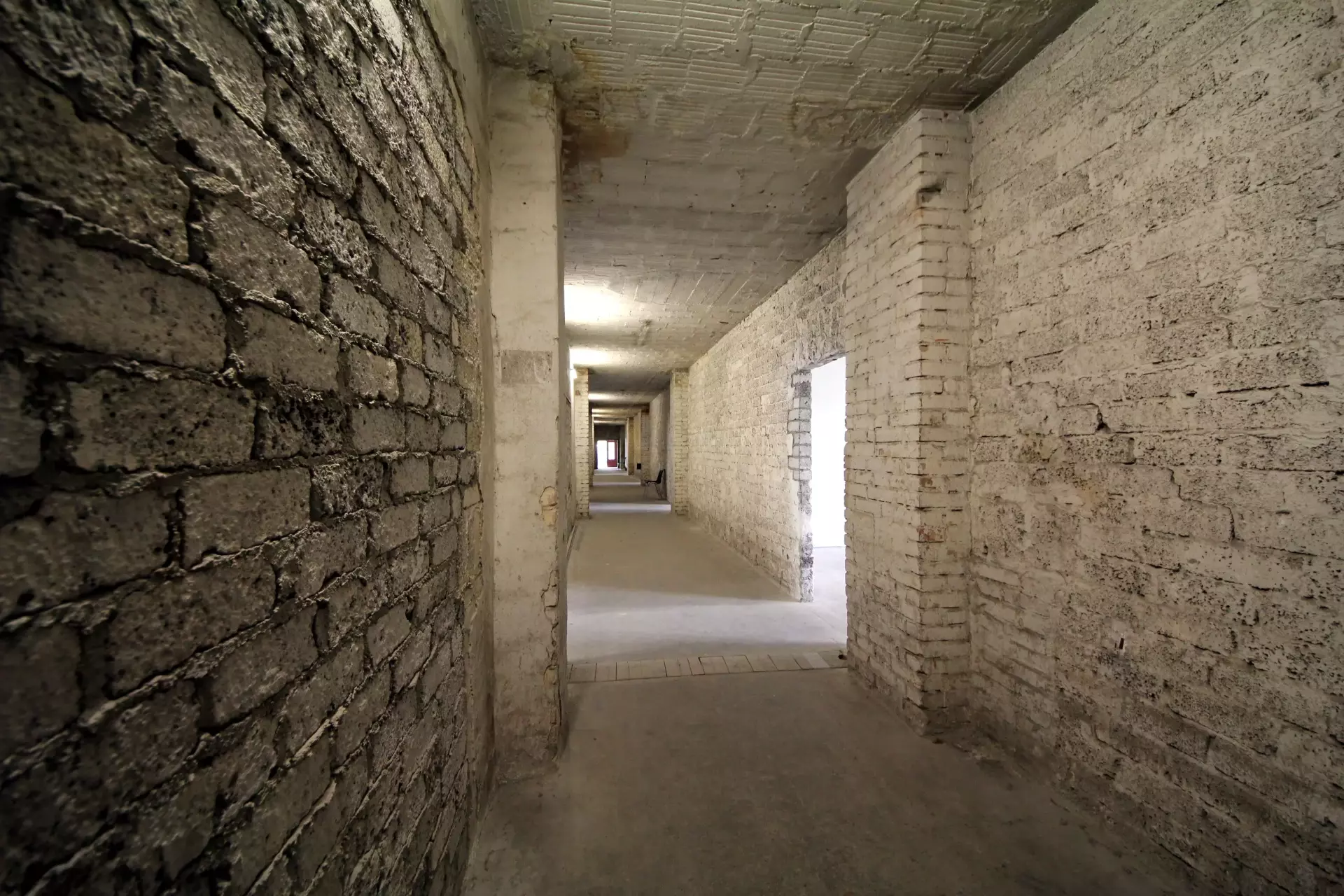
As one of Berlin’s early breweries, the place once powered daily life with barrels headed to taverns and street corners. Cellars stored cooling ice, courtyards bustled with carts, and fermentation rooms filled the air with a warm, malty scent. The preserved structures make it easy to imagine the rhythm of shifts, the clink of bottles, and the hum of engines.
Set beside the river, the site connects industrial architecture with waterside calm. Trees line the banks, and boats move slowly along the Spree. The contrast between solid brick walls and moving water adds a quiet drama, turning the old brewery into a scene that feels both urban and timeless.
Like many historic industrial sites in Berlin, the brewery has shifted roles over time. While production has stopped, the buildings remain as a cultural marker, protected for their design and history. This transformation allows the past to stay visible in a modern city, where new uses can fit into old walls without losing their character.
One of the oldest buildings in Charlottenburg and actually the reason for the whole city to be built.
Started in the 15th century and finished in the mid-18th century, the baroque palace was the residence of electors, kings and emperors until 1918, when it became a museum. The palace was badly damaged during World War II and later razed in 1950, replaced by the GDR with a modernist Palast der Republik. The Palast was in turn gradually dismantled at the turn of the century, as it was discovered to contain asbestos and its former function of housing the GDR parliament became obsolete. Berlin has started in June 2013 construction on a new version of its historic Stadtschloss. The Schlüterhof, an inner courtyard, was also rebuilt. The building opened with a delay in 2021 with museums inside and a roof terrace with a good view. Among the Berlin museums this is perhaps the most controversial due to reconstruction of a monarchist palace being seen as a questionable political statement and due to the fact that many of the exhibits were sourced from German colonies under ethically questionable circumstances leading to demands to return some or all of them to their places of origin.
With an impressive, circus-tent-like roof over its courtyard and remains of the pre-war Hotel Esplanade incorporated into the modern structure.
This imposing building houses the Federal German Parliament or "Bundestag" and was completed in 1894 to meet the need of the newly-unified German Empire of the Kaisers for a larger parliamentary building. The Reichstag was intended to resemble a Renaissance palace, and its architect, Paul Wallot, dedicated the building to the German people. The massive inscription in front still reads: "Dem Deutschen Volke" - 'For the German people'. The Nazi leader Adolf Hitler exploited the fire which gutted the Reichstag building in 1933 by blaming the Communists for the arson and for attempted revolution. There is good evidence to suggest, however, that his followers were actually responsible and that this was a manufactured crisis. The iconic photo symbolizing the Soviet victory over Nazi Germany shows a Soviet soldier planting the Soviet flag on top of the building and there are to this day graffiti left by Soviet soldiers on some walls of the Reichstag which were deliberately preserved by the new Germany as a memento of the war. It's perhaps the only national parliament to have traces left by a foreign army deliberately preserved. When German reunification became a reality, the new republic was proclaimed here at midnight on 2 October 1990. The Reichstag building is well-known in the art world thanks to Paris-based Bulgarian artist Christo's mammoth 'Wrapped Reichstag' project in 1995. The entire building was swathed in silver cloth for two weeks that summer.The Reichstag has undergone considerable restoration and alteration, including the addition of a spectacular glass dome designed by the British architect Norman Foster completed in 1999. You can visit the Reichstag building proper and even listen to a parliamentary debate but you need to book on their website sometimes weeks or even months in advance. Fortunately its much easier to visit the glass dome. You can reserve a visiting time and date on their website or in the small building across Scheidmannstrasse, except during the high season you should be able to arrange a time later the same day or the next day. Photo ID or passport is required to make the booking. A passsport is required during your visit. This is a very popular tourist attraction in Berlin and can get quite crowded however it is worth the effort. The helical path up the inside of the dome is a lot of fun and the 360 degree views at the top are splendid.
Places with markets on Wednesdays and Saturdays are popular with locals at Winterfeldplatz. Buy a coffee and browse amongst the stalls; this is a place to unearth hidden gems. Breakfast is served usually until 14:00-15:00.
A beautiful landscape of water canals and vegetation with charming little fish restaurants.
This aeronautical experimental park on the grounds of Germany's first air field Johannisthal consists of a group of several individual technical monuments such as the walkable Großer Windkanal (High-speed wind channel, 1932–34), the Trudelturm (Fatty tower), a vertical wind tunnel for spinning tests (1934–36), the Schallgedämpfter Motorenprüfstand (Sound-insulated engine test bed, 1933–35) and the Isothermische Kugellabore (Adlershofer Busen, Isothermal spheric laboratories, 1959–1961), which are about 500 metres away from the other monuments.
Again one of the world's most comprehensive ones. At the museum district of Dahlem.
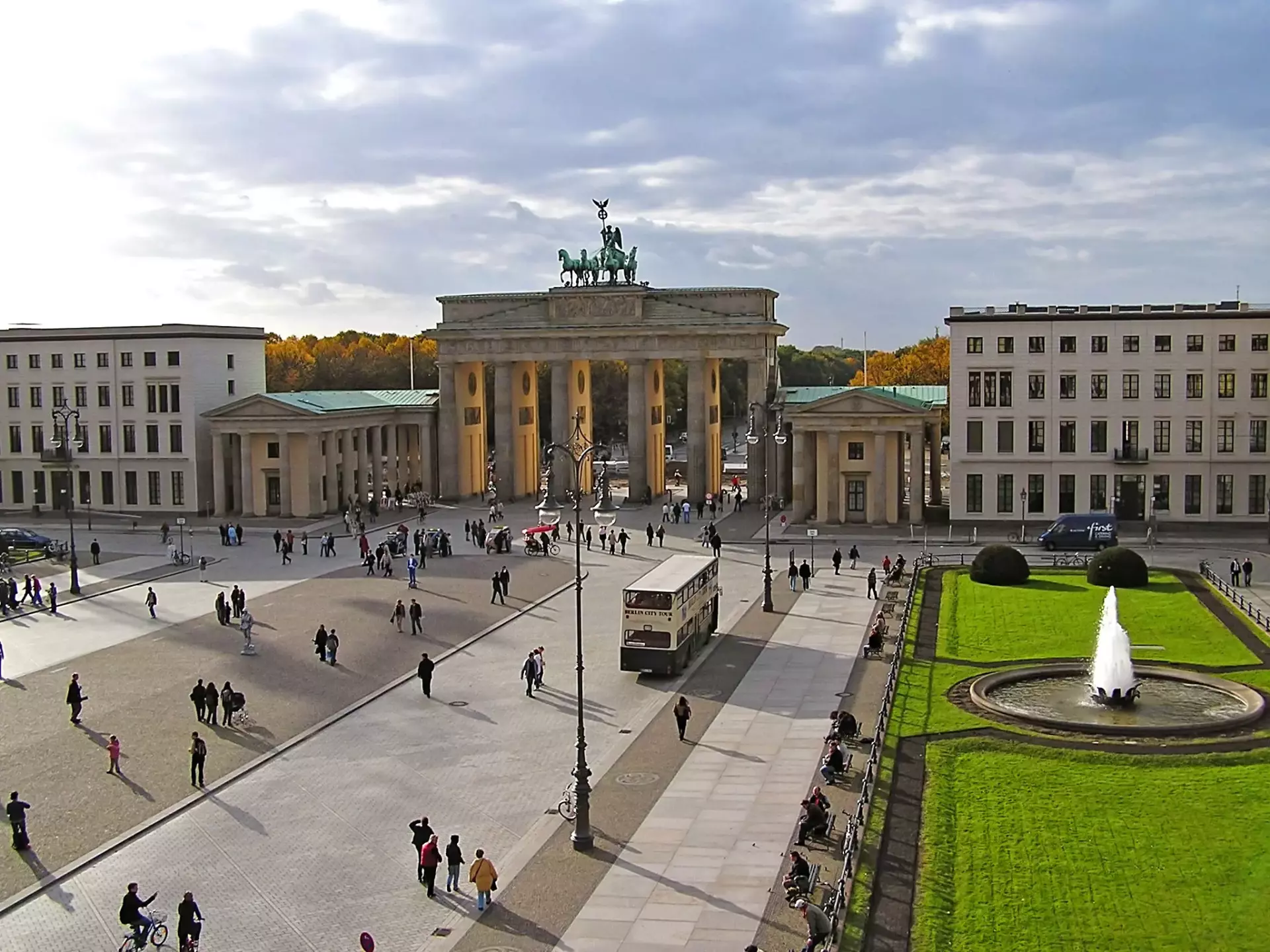
The only surviving Berlin city gate and a potent symbol of the city. This is the point where Straße des 17. Juni becomes Unter den Linden. The gate was designed by Carl Gotthard Langhans in 1791 and was intended to resemble the Acropolis in Athens. The Brandenburg Gate now symbolizes reunification, after dividing East and West Berlin for decades. This is the site of Reagan's "Mr. Gorbachev open this gate, Mr. Gorbachev tear down this wall" speech.
More than 30 million objects in the scientific collection and a fascinating exhibition in one of the most significant institutions of its kind in the world. Some parts still under construction.
The complex consists of eight interconnected courtyards. Plenty of designer boutiques can be found here.