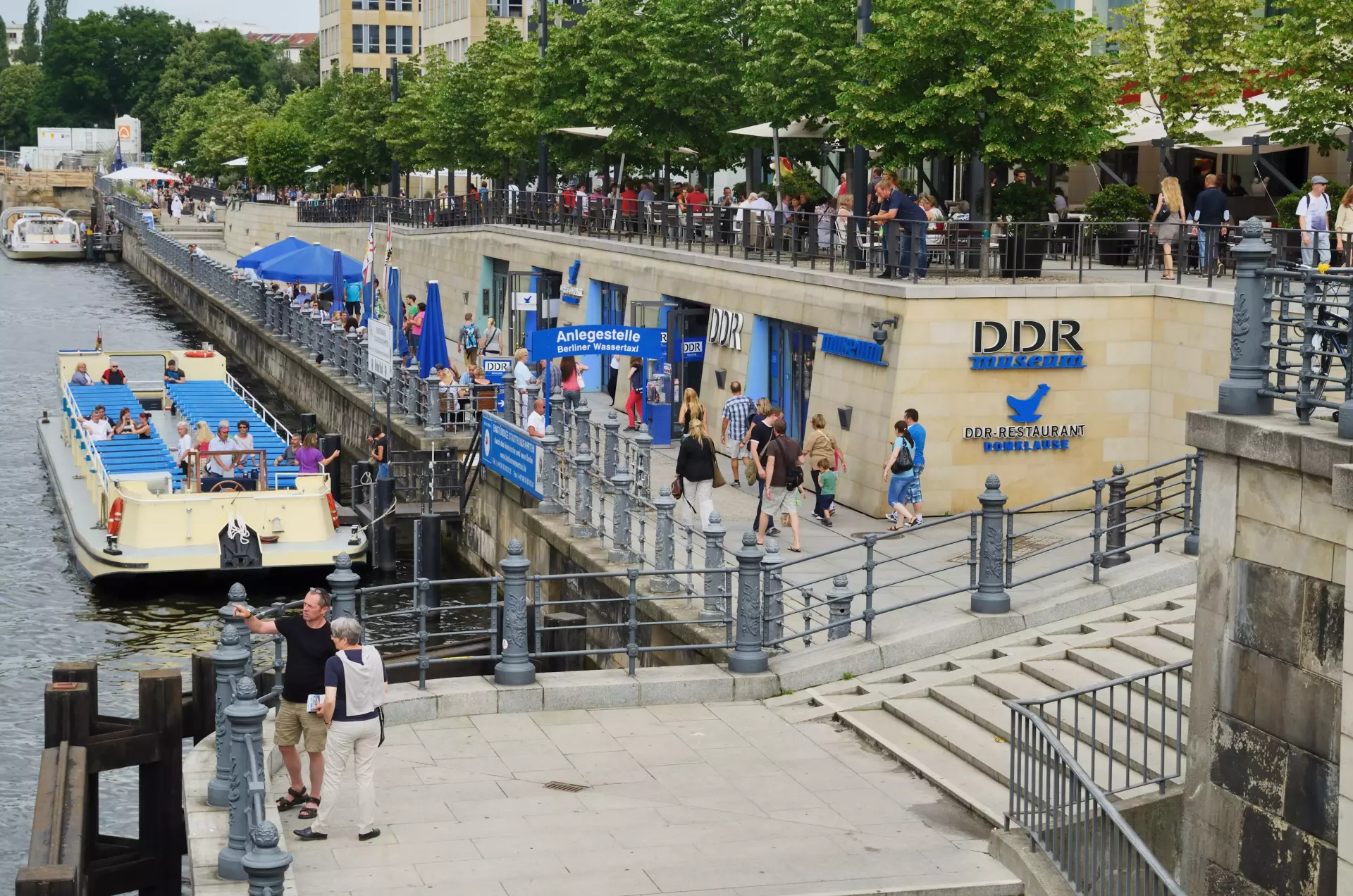
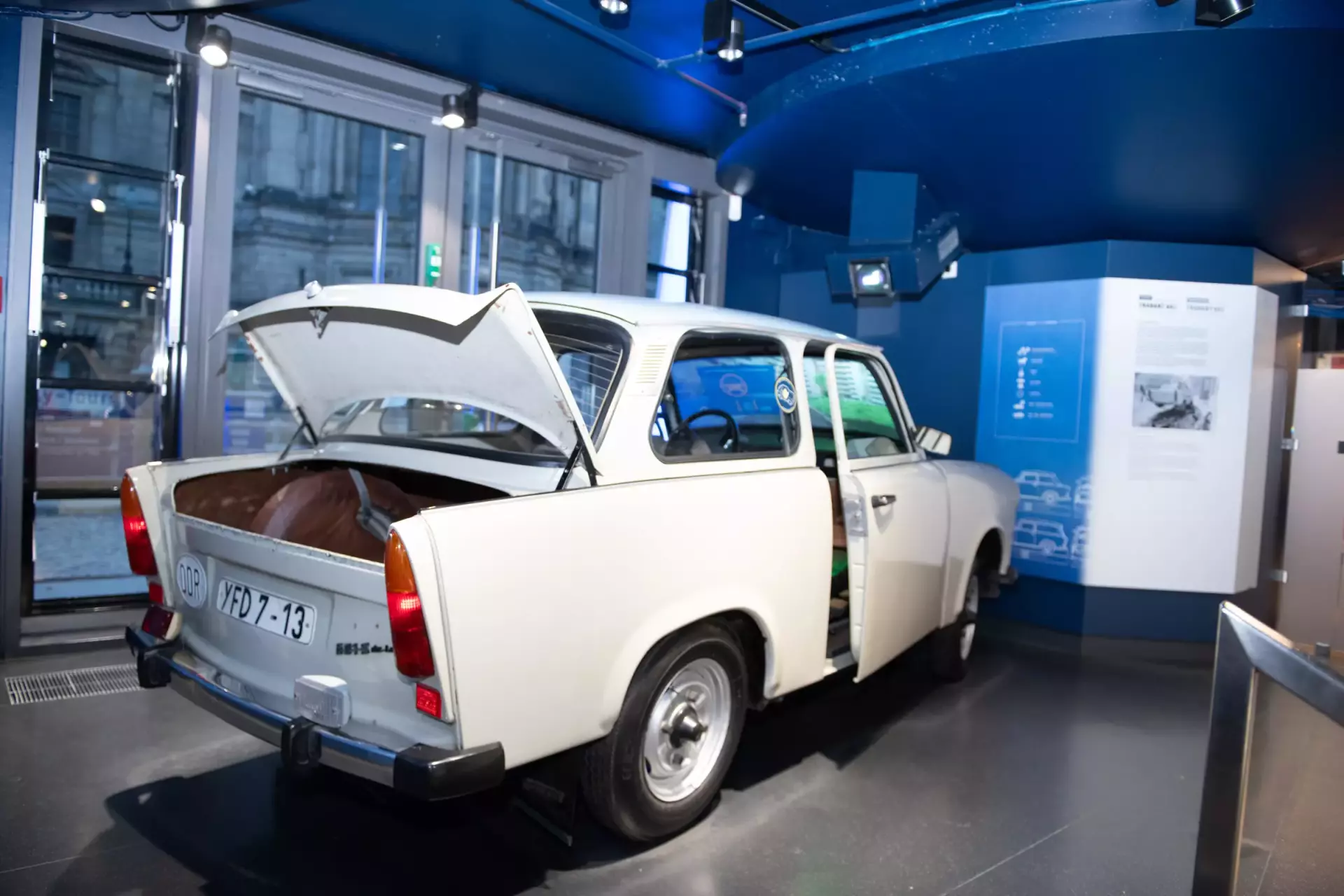
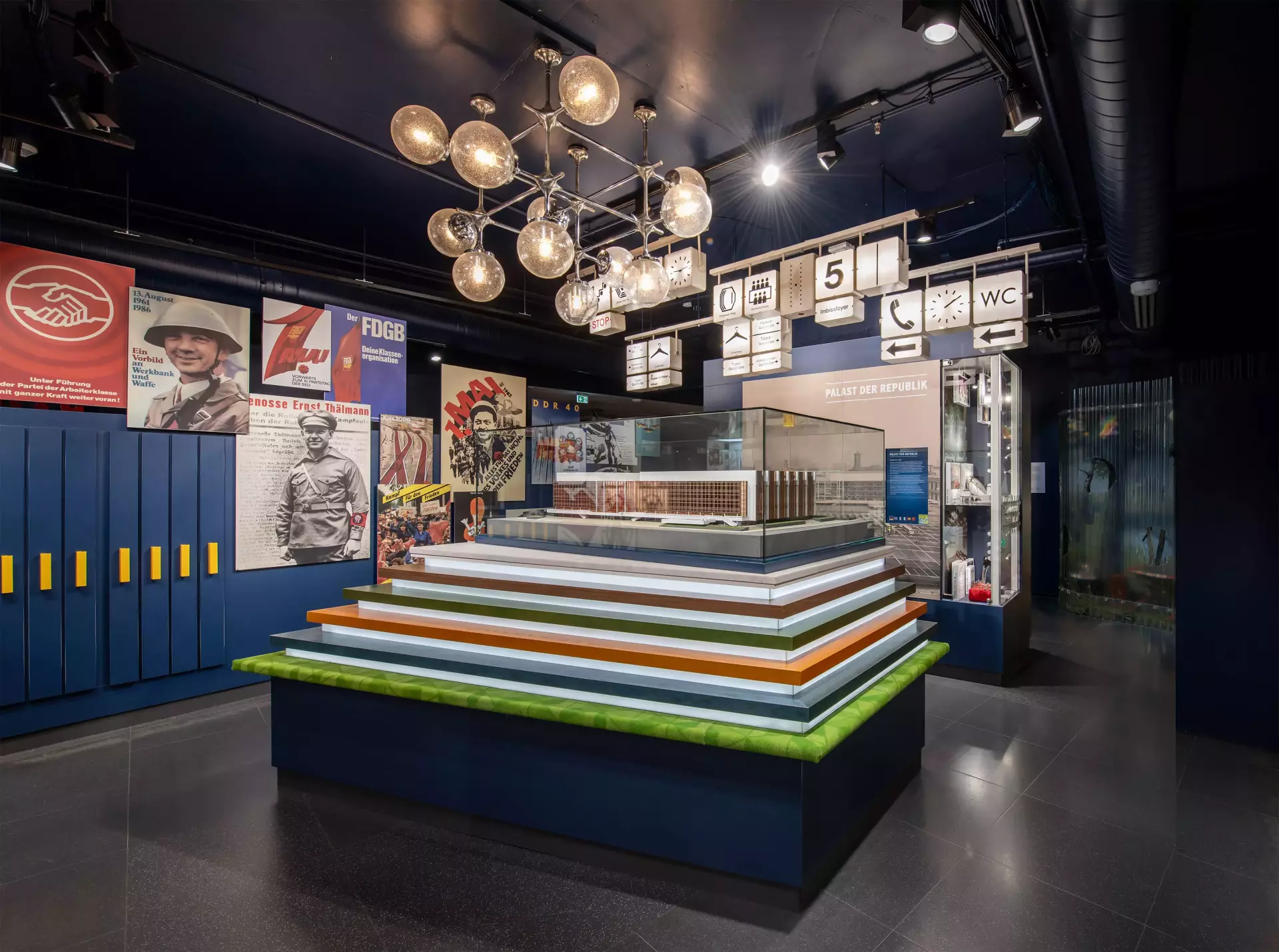
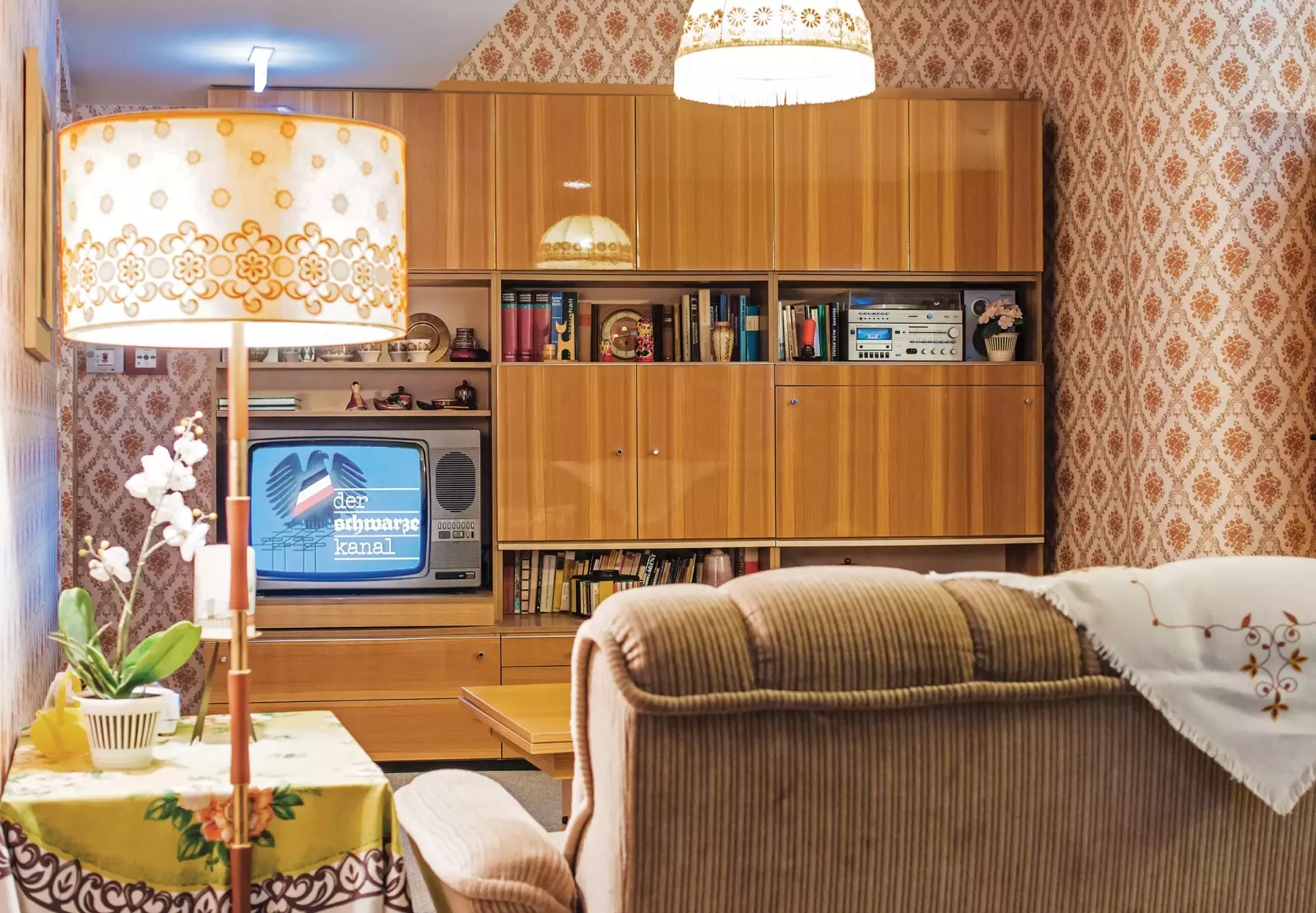
A museum devoted to everyday life in communist East Germany offers a close look at the routines, objects, and spaces that shaped the era. Exhibits focus on ordinary things—apartment interiors, clothing, school materials, and consumer goods—bringing the period into clear view through familiar details.
The museum’s rules are notably relaxed. Visitors are encouraged to touch, open, and examine many of the objects on display. Drawers slide out to reveal ration cards and manuals, cupboards hold tableware and packaged food, and desk drawers hide work tools and documents. This tactile approach turns static displays into scenes that feel lived-in.
Interactive stations recreate the atmosphere of the time: radios switch between broadcasts, rotary phones ring to recorded messages, and typewriters invite a try at official forms. By handling these items, the textures and sounds of daily life come through, making abstract history more concrete.
Reconstructed rooms show how a typical East German apartment was organized, from compact kitchens to modest living rooms with wall units and patterned textiles. School corners display notebooks, uniforms, and educational charts, while leisure sections present board games, travel souvenirs, and music players. The layout moves from work and home to leisure and public life, creating a layered picture of a society built on planning and rationing.
Consumer culture appears in small details—labels on jars, standardized packaging, and the design of household appliances. These objects highlight both the limits and the creativity of life under a centrally planned system, where repairs, substitutions, and improvisation were common.
Posters, newspapers, and instructional films provide background on politics, propaganda, and daily messaging. Alongside them, personal photos and letters add intimate voices. The combination of official materials and private items helps explain how public ideals met personal realities.
Together, the hands-on access and carefully staged scenes create a vivid portrait of East German daily life, told through the things people used, saved, and passed down.
Source - https://en.wikipedia.org/wiki/DDR_Museum
This heritage-protected 120-m-long pedestrian tunnel below the river Spree was the first ferro-concrete tunnel in Germany that has been built using pneumatic caissons. Two beaches can be accessed via the tunnel which are not far from its south entrance.
The synagogue in the backyard of an apartment house is one of the biggest in Germany.
Became famous from the film named after this street. During the Cold War, the street was split, with one section belonging to East Berlin and one to West Berlin.
Jewish cemetery and lapidarium with old tombstones.
Spectacular building by Mies van der Rohe contains its own collection and temporary exhibitions.
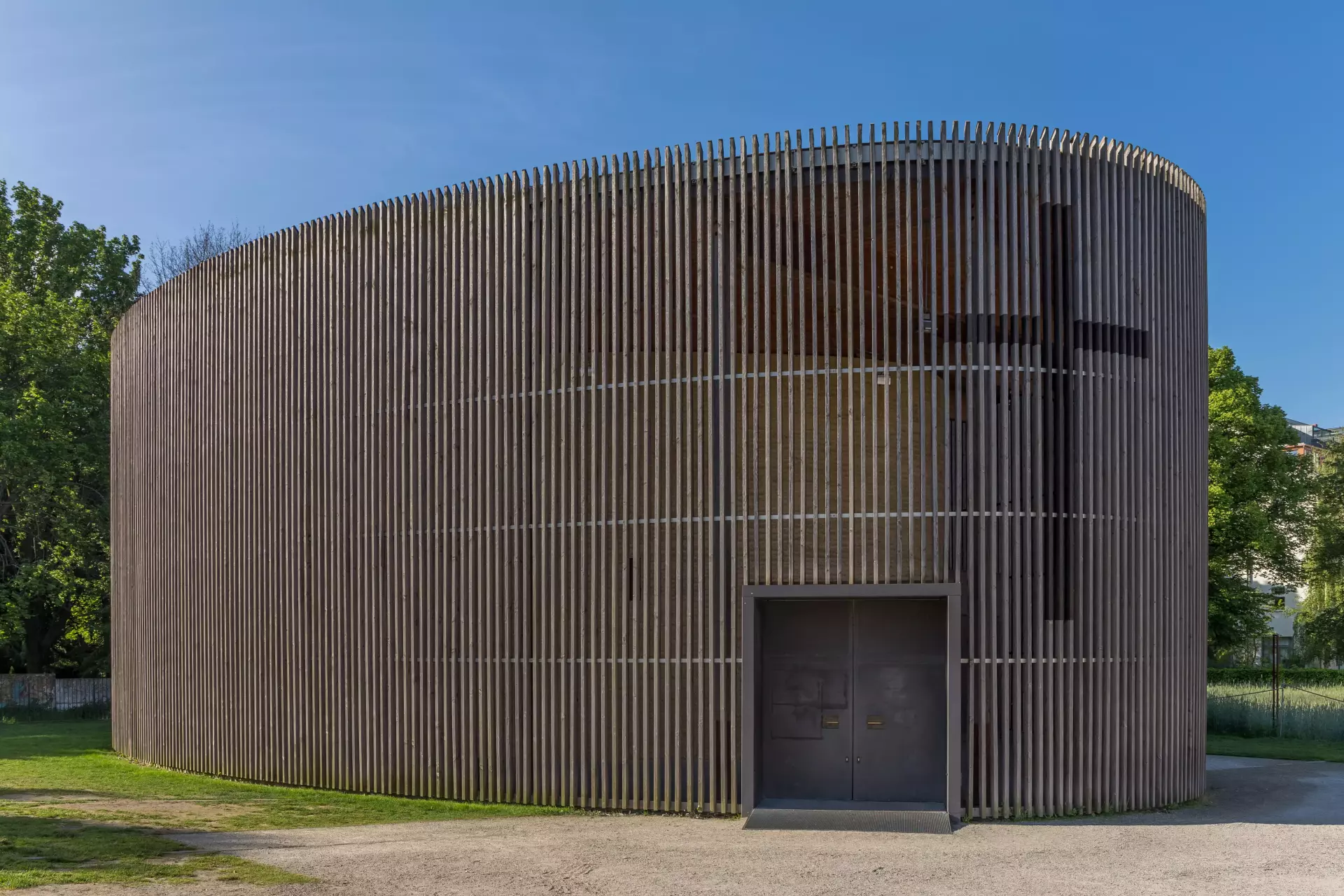
This chapel was built on the site of a church built in 1894 which sat on the "death strip" and was thus blown up by the GDR authorities in 1985. The chapel is the site of occasional memorial services for victims of the wall.
A beautiful landscape of water canals and vegetation with charming little fish restaurants.
Designed by Daniel Libeskind with an excellent exposition on the Jewish life in Berlin and the impact of the Holocaust. You can easily spend a day here. There is a metal scanner and other security features you'd rather expect at an airport than a museum.
It was a museum of applied arts and a listed historical monument since 1966, and it is now a well-known Berlin exhibition hall.
Official residence of the (largely ceremonial) President of Germany since 1994. Only Roman Herzog (president 1994-1999) actually lived here, his successors have preferred a quiet apartment on the outskirts of Berlin, but this is where the president will usually host guests and do public events. Guided tours are possible, but plan to book up to nine months ahead and be prepared for having to reschedule if the president decides to hold an event on short notice which preempts tours.
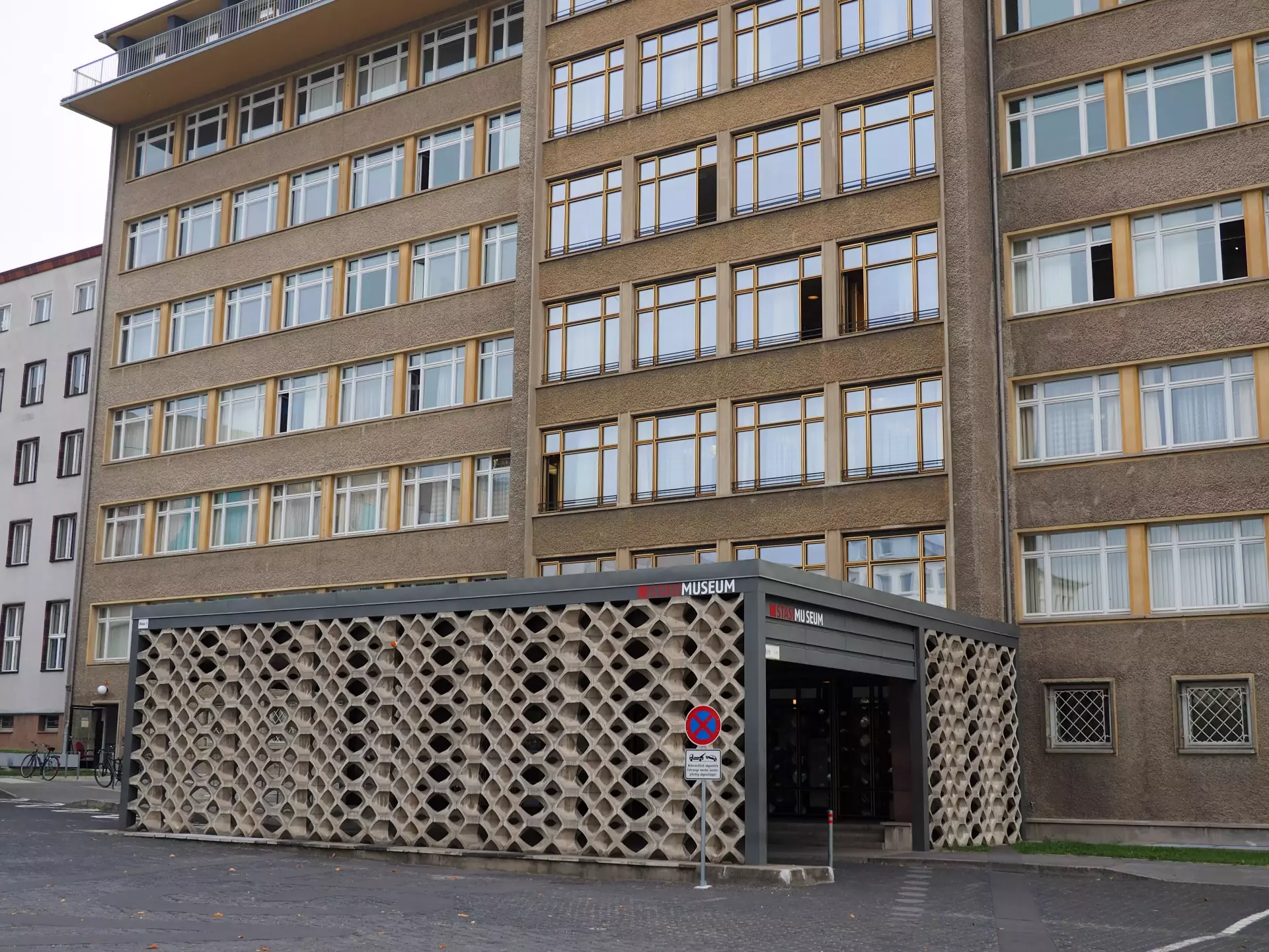
Experience the Stasi Secret Police Prison first-hand. Tours are compulsory. Some of the tours are done by former inmates.
The meeting point of one of the leading oppositions against the GDR regime and is a great Neogothic church. Also the only ecumenical Lord's supper with Protestants and Catholics together took place in the Gethsemanekirche (2003).
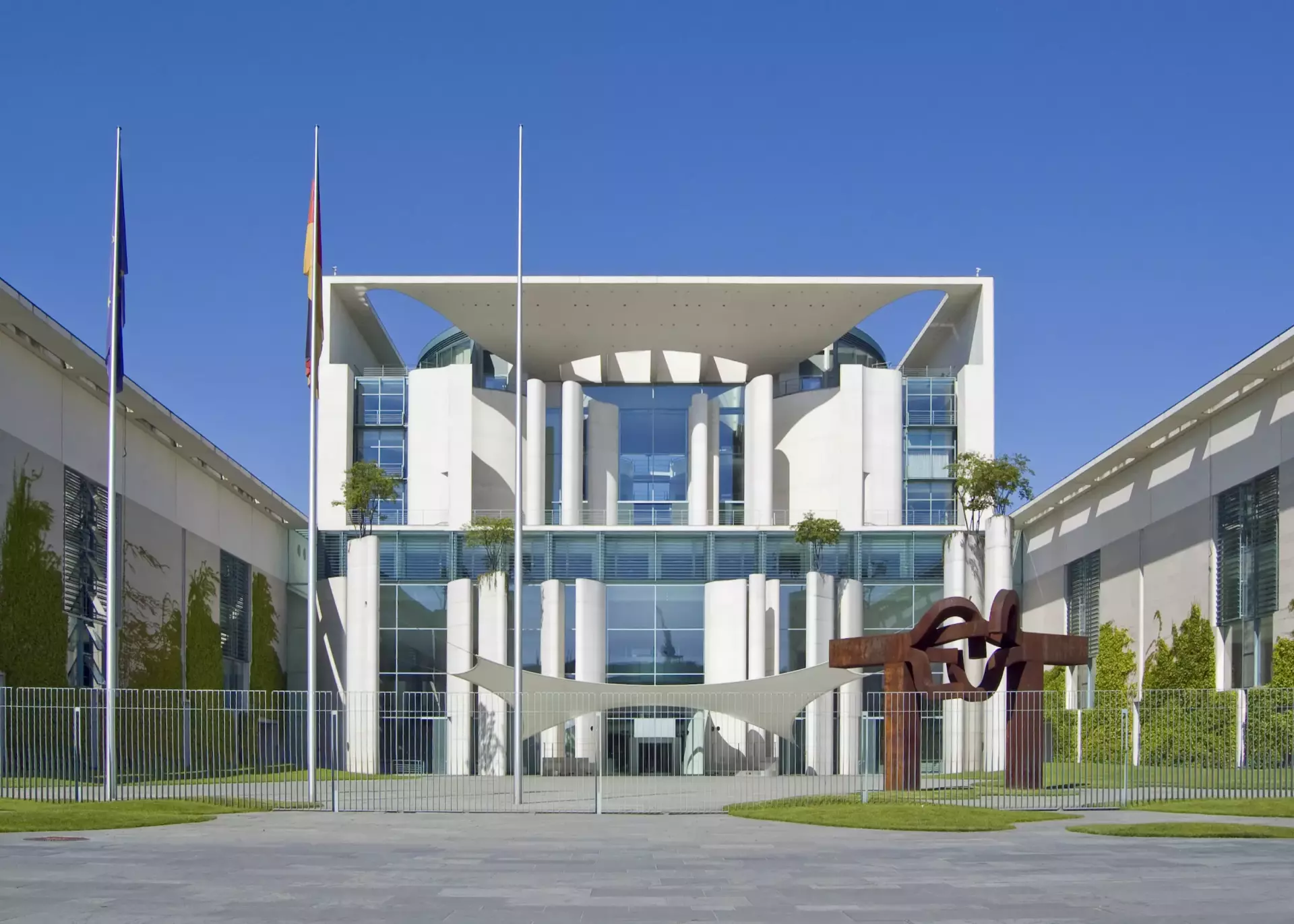
The area to the north of Tiergarten, along the bow of the river Spree (Spreebogen), is home to the German federal institutions such as the parliament (Bundestag, in the historic Reichstag building) and the federal government, as well as the new central train station (Hauptbahnhof) across the river.
The city's Protestant cathedral and the burial place of the Prussian kings. You can climb to the top and get a view of the city.