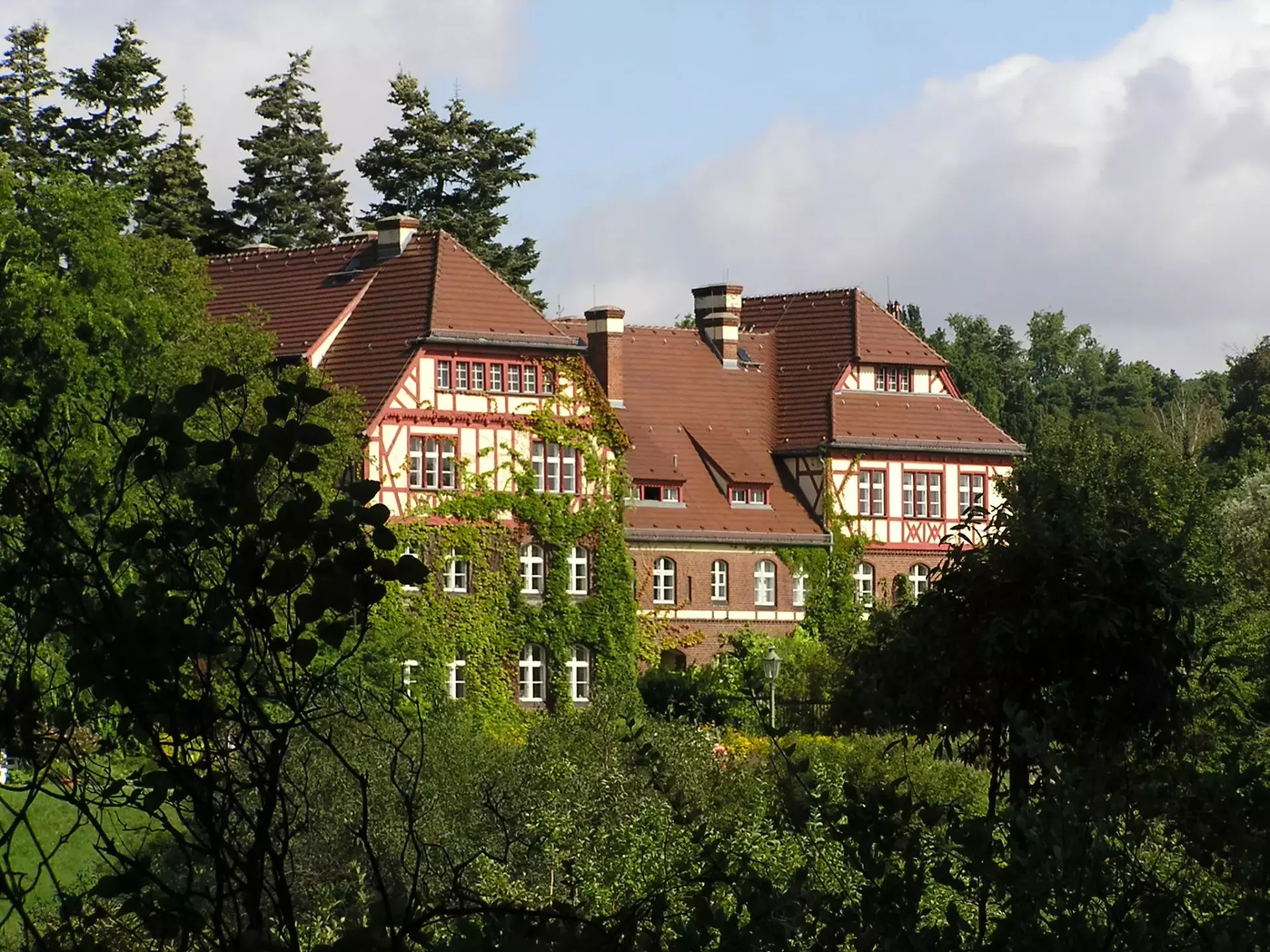
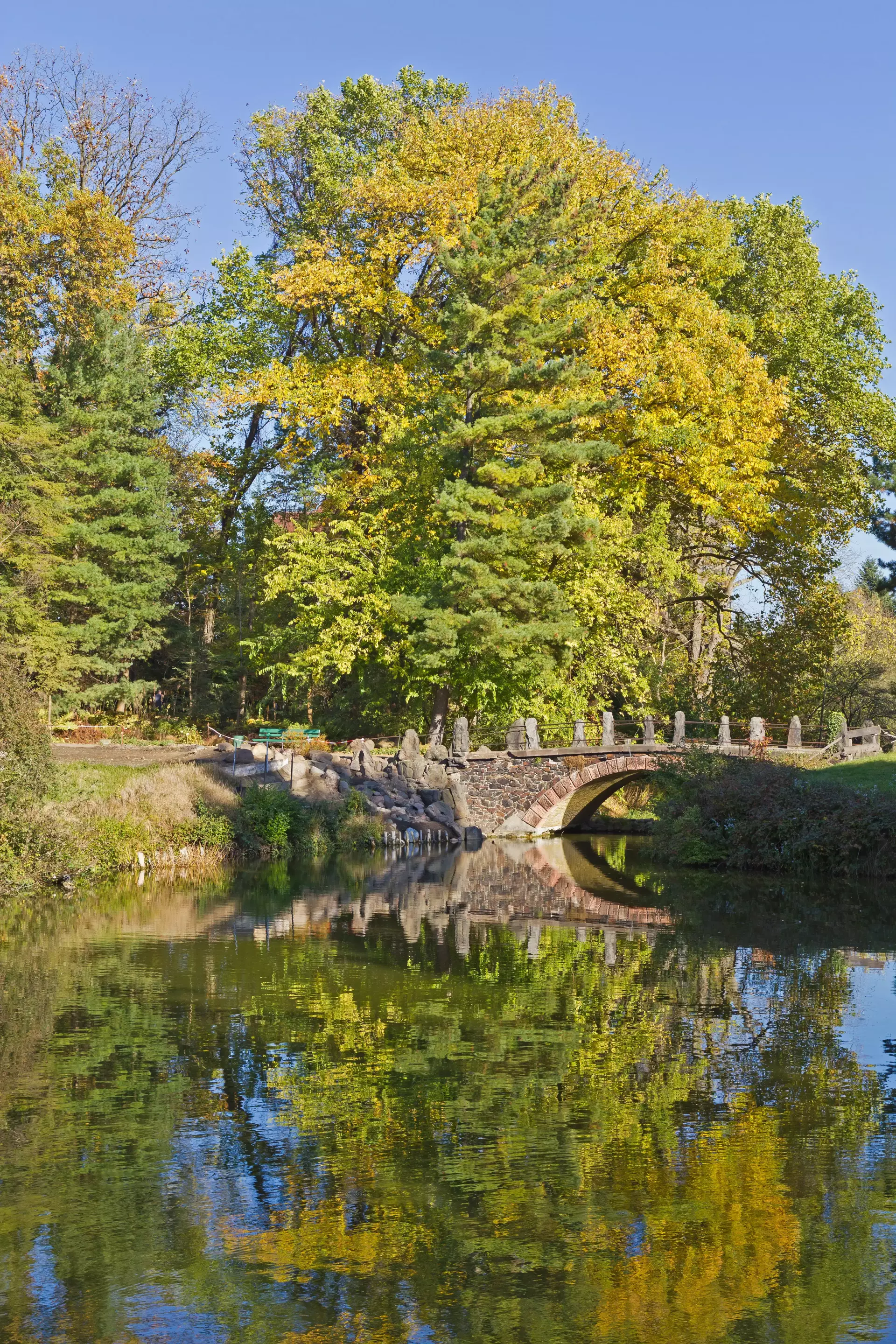
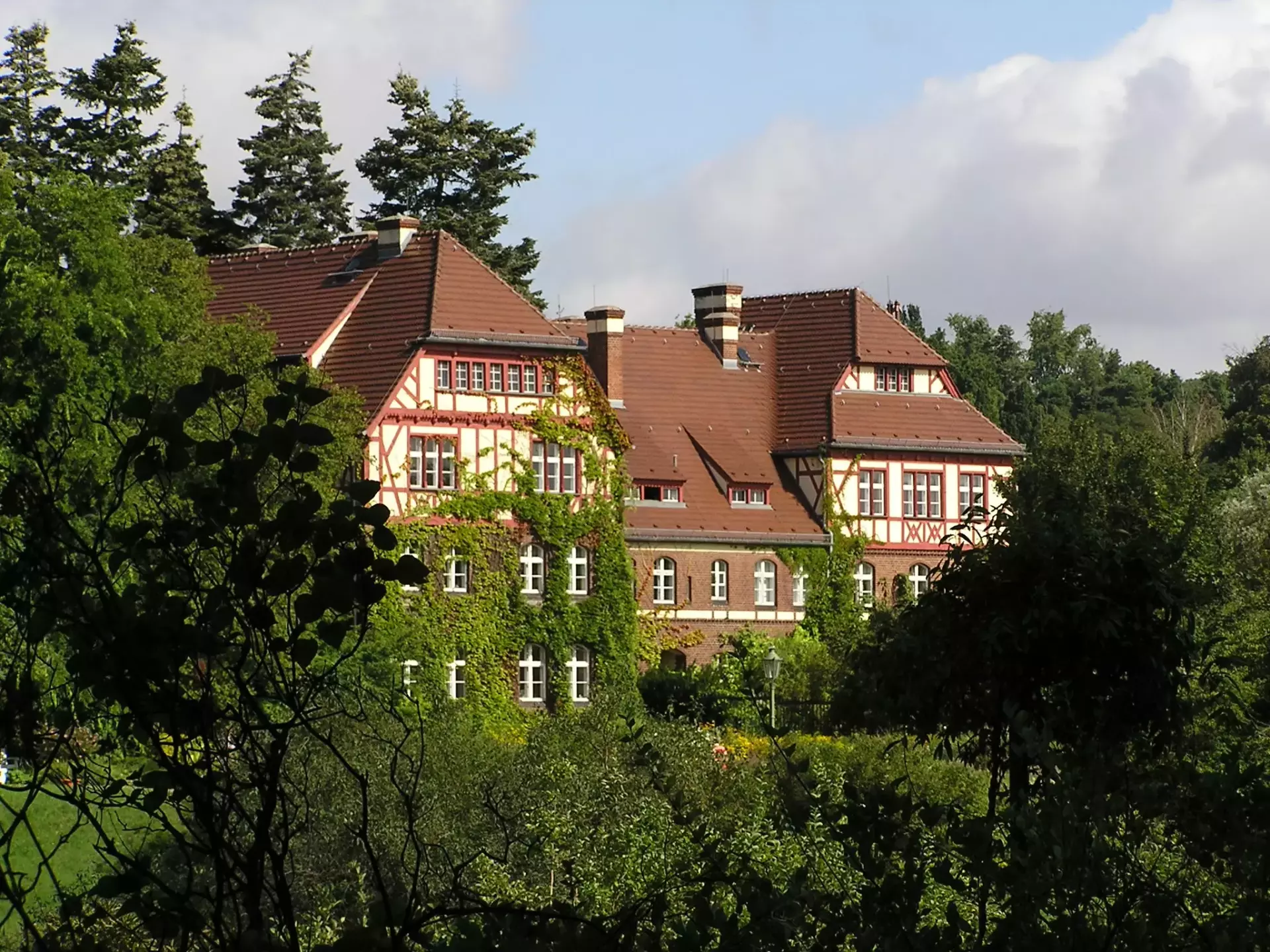
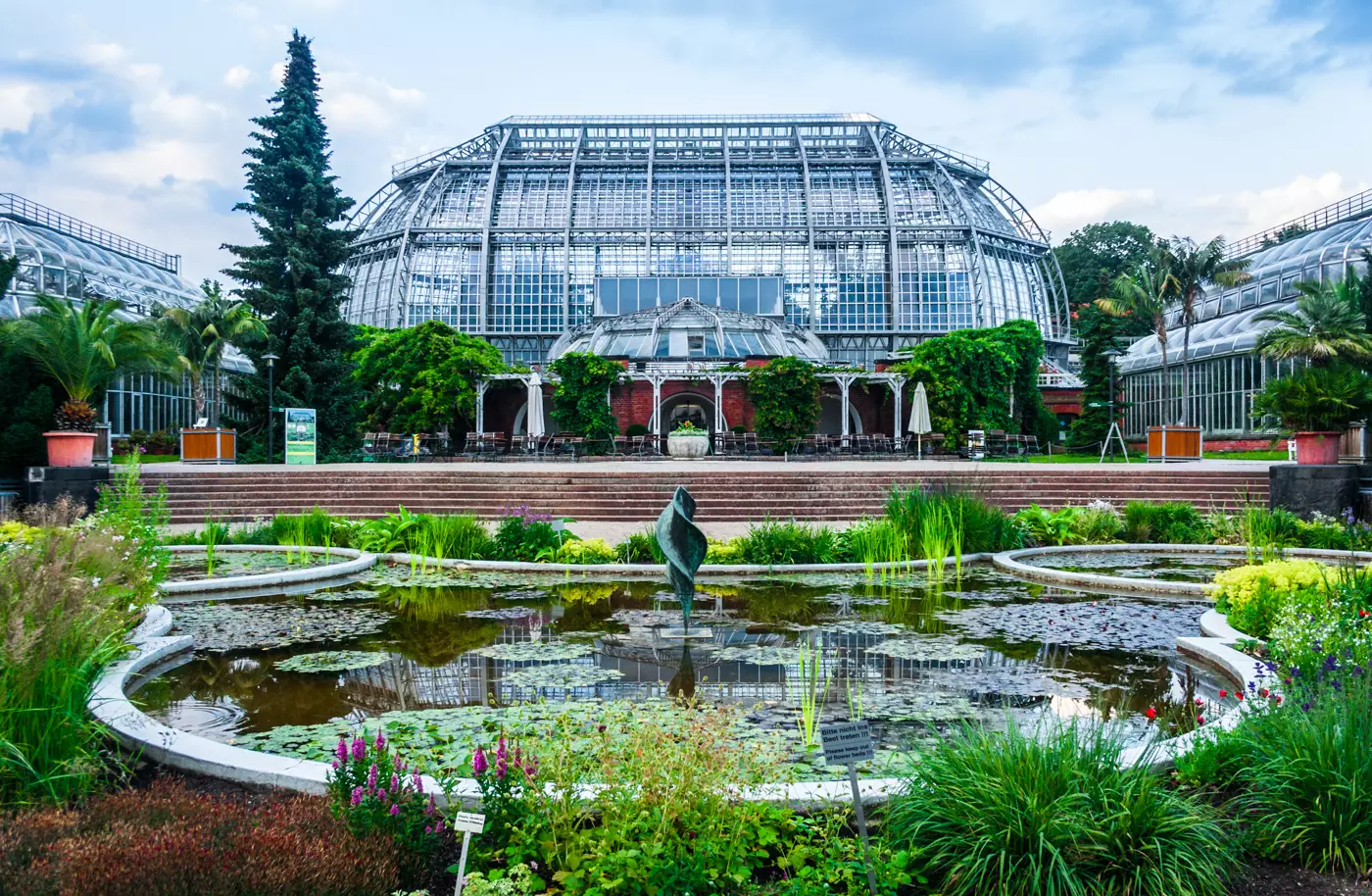
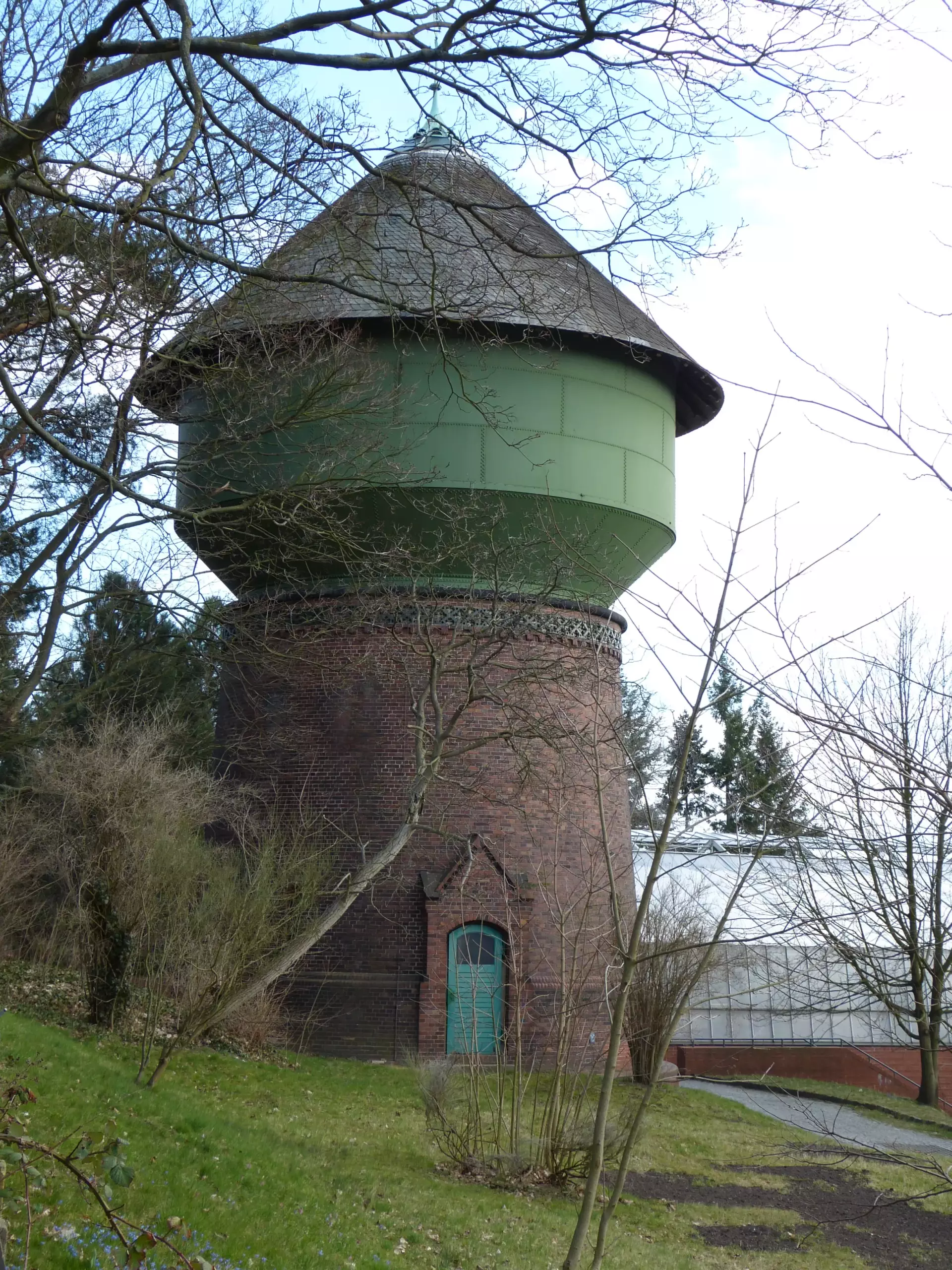
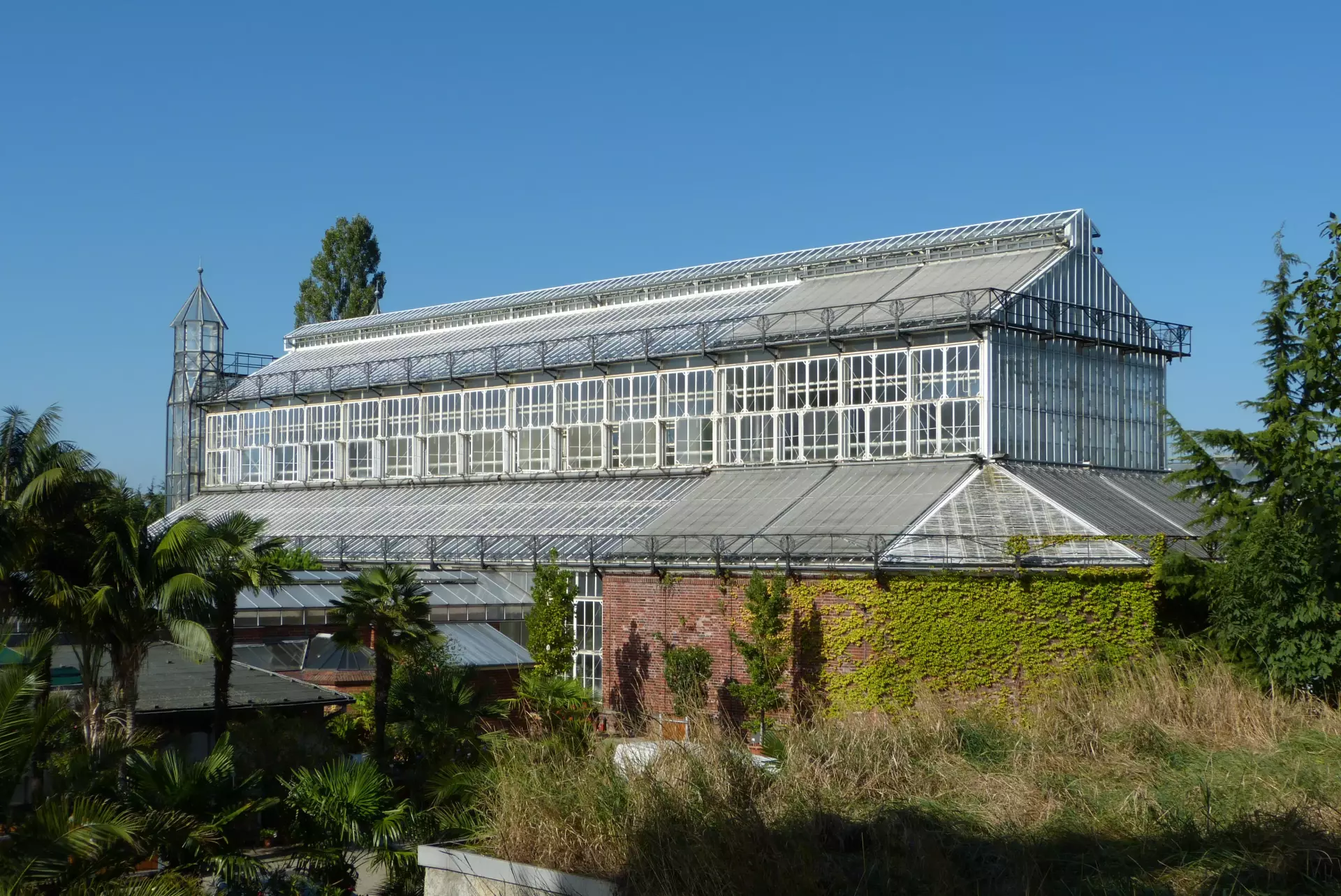
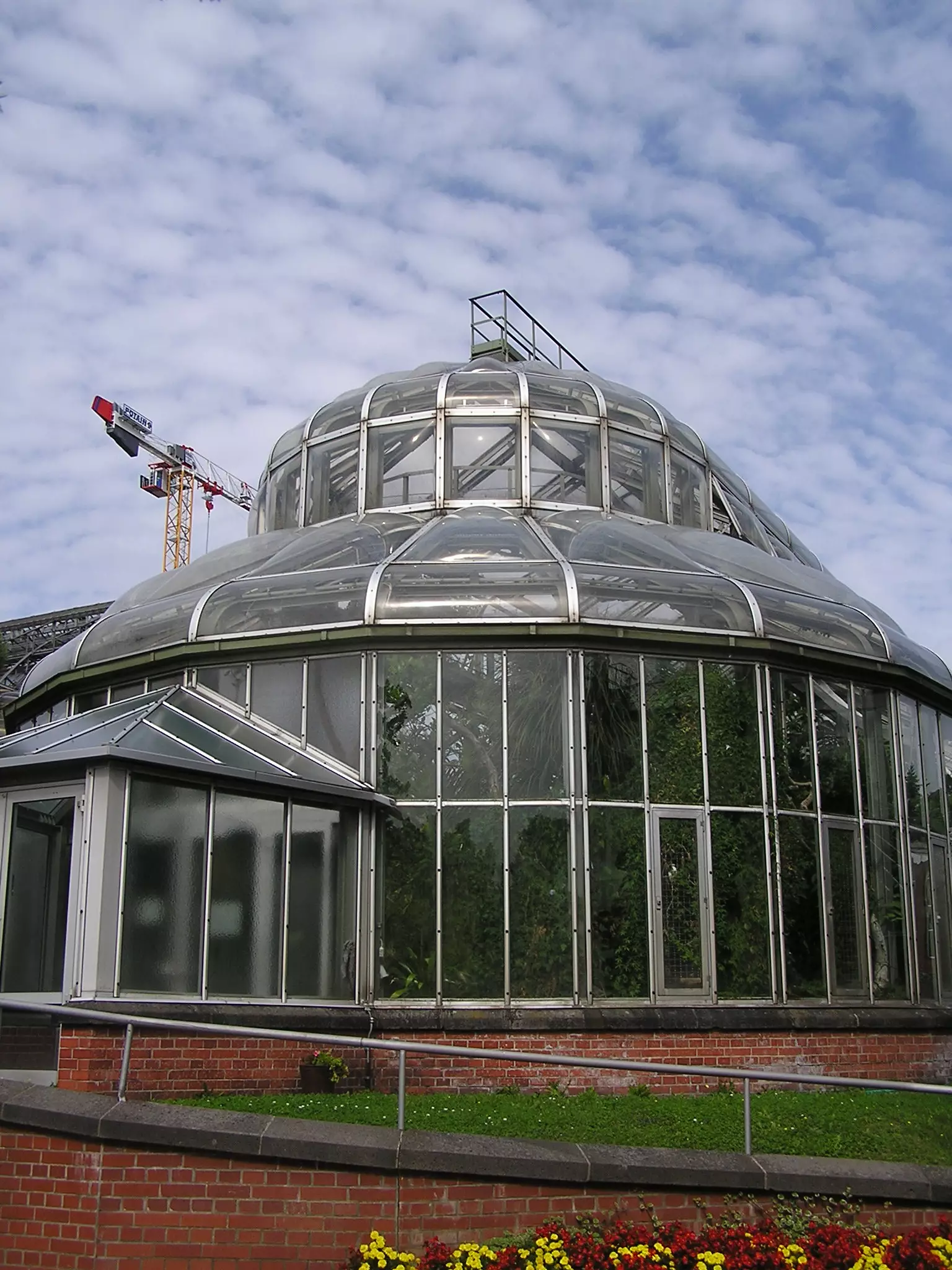
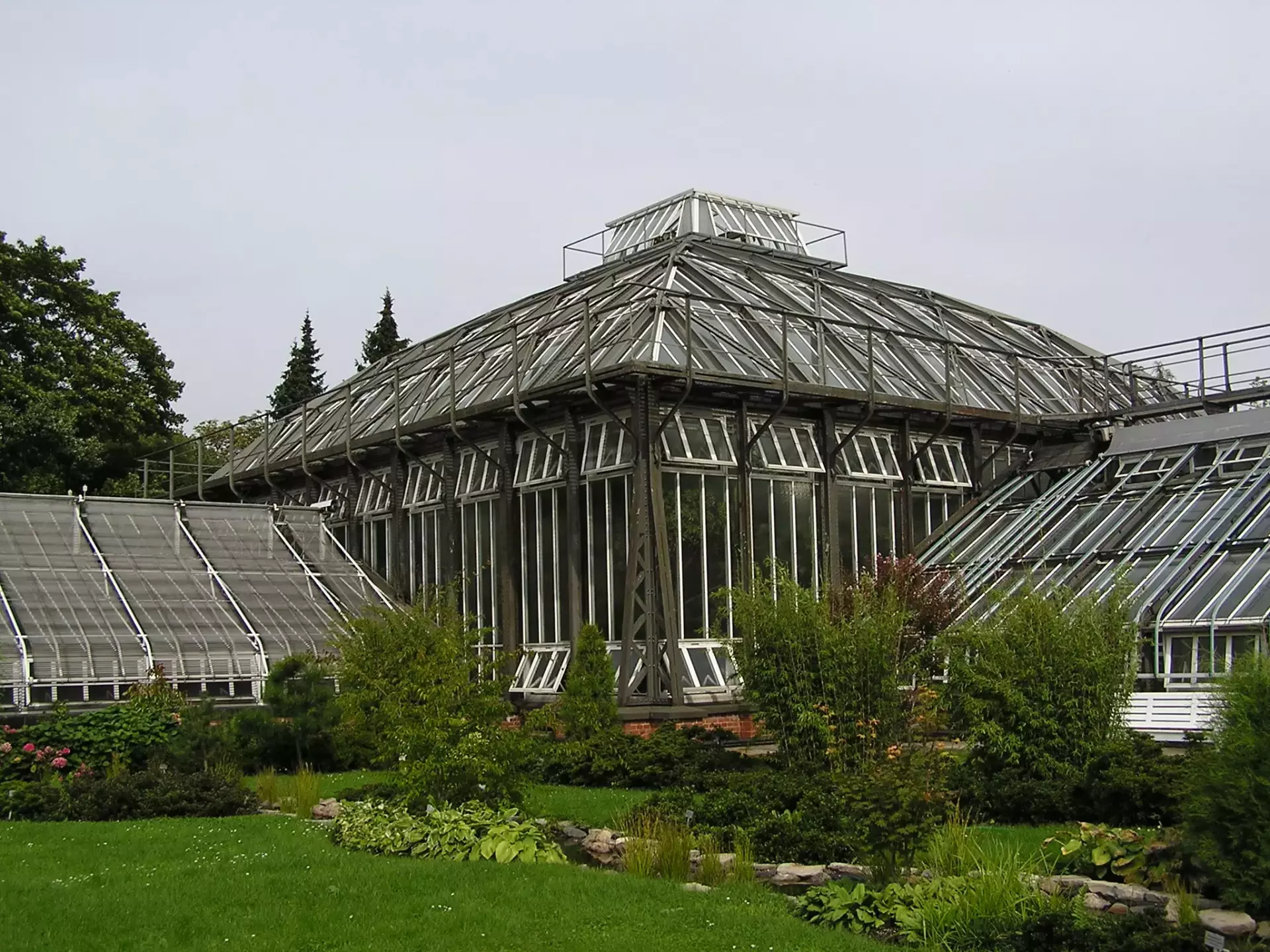
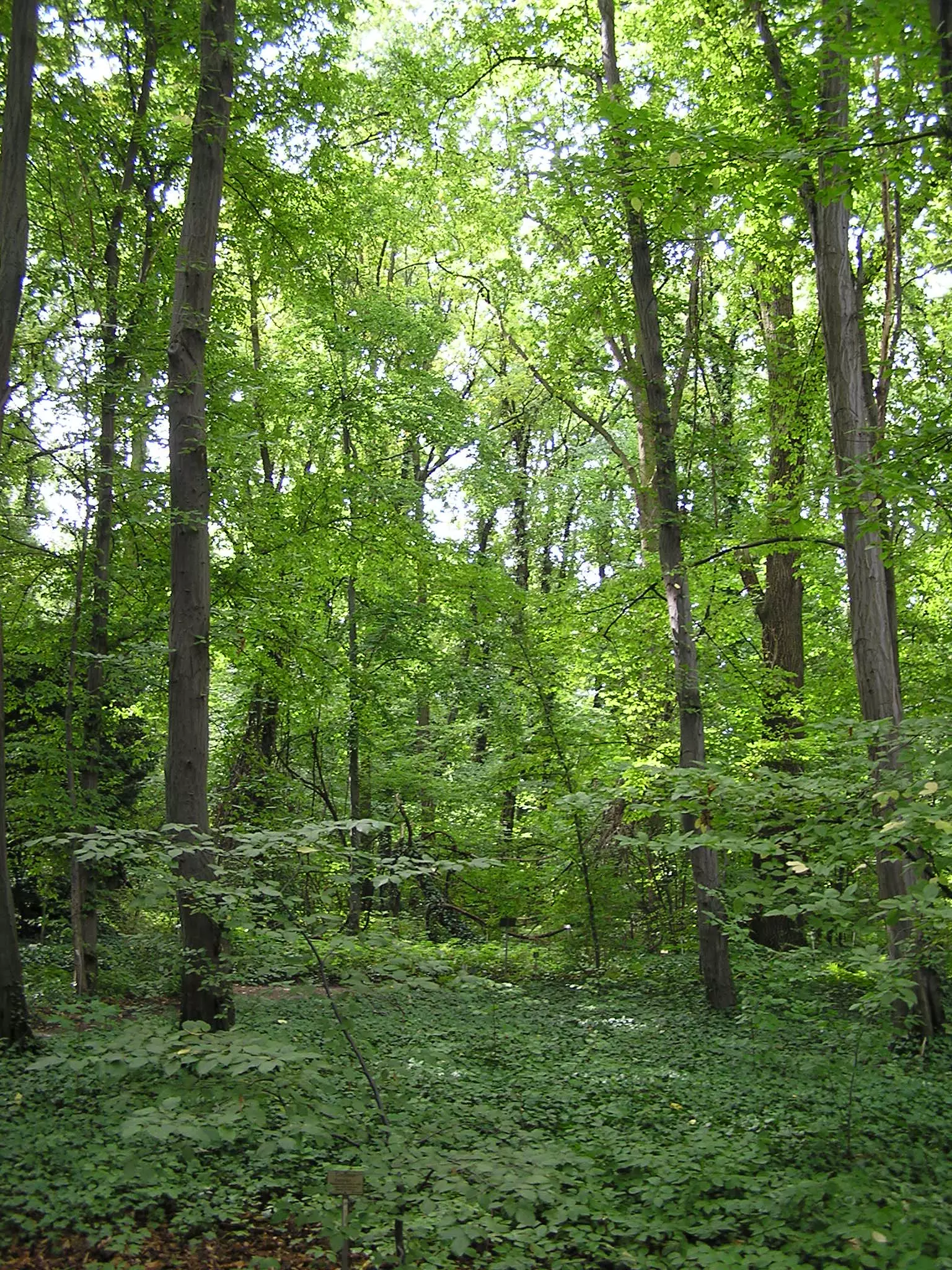
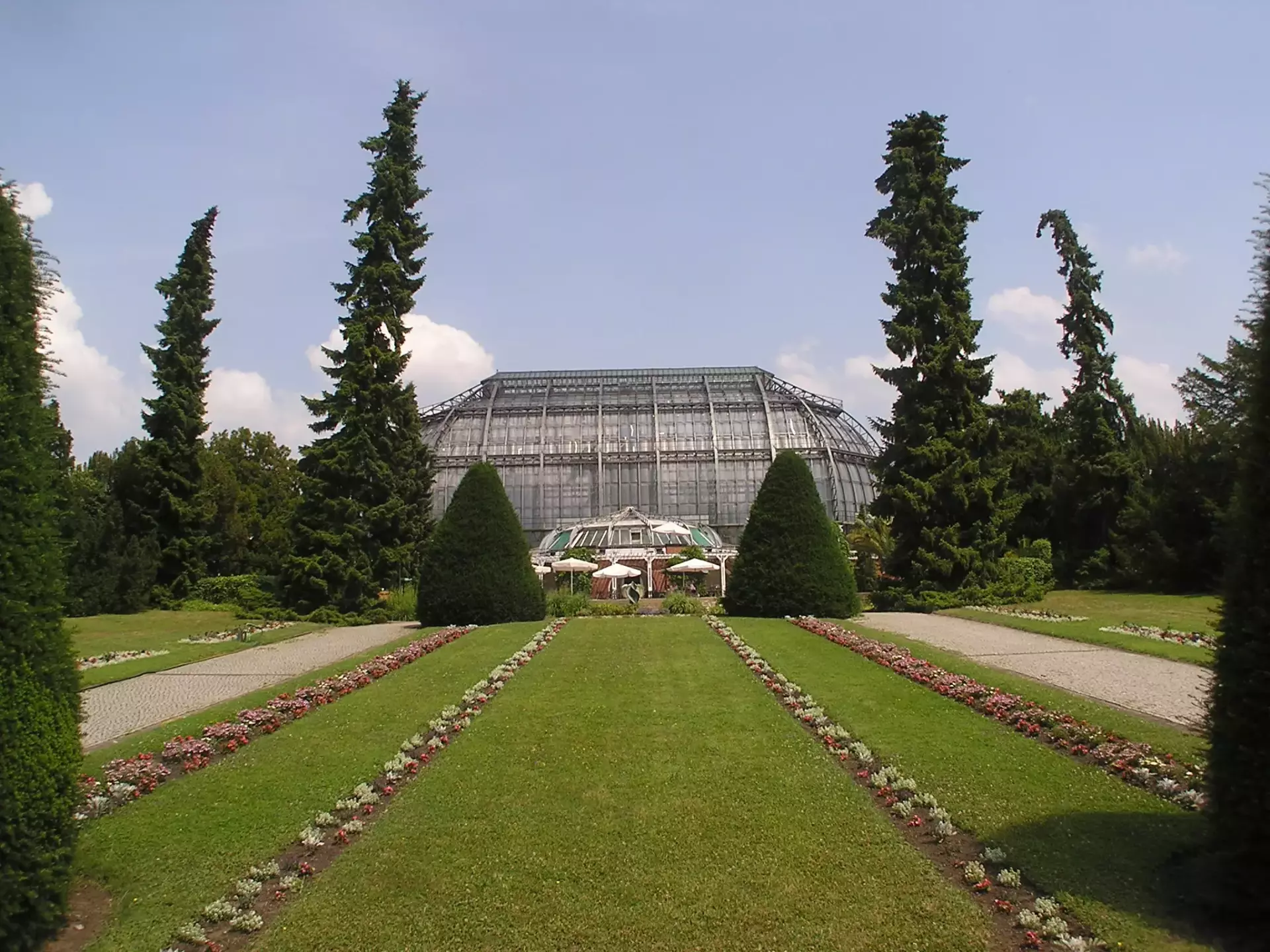
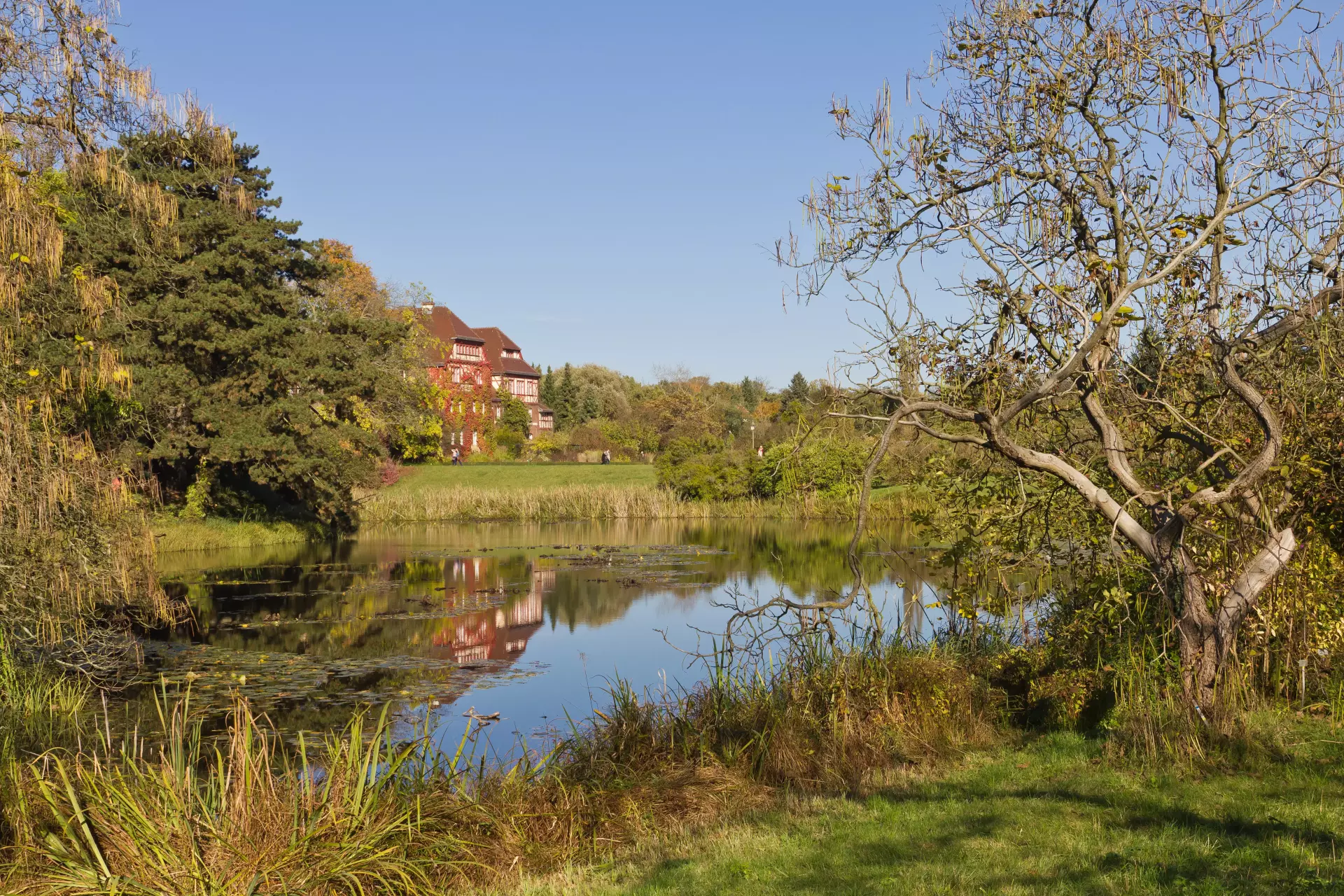
Botanical Garden and Botanical Museum Berlin-Dahlem form one of the city’s key centers for plant research and public education. Established over a century ago, the site spans extensive outdoor grounds and glasshouses, alongside a museum that explores the science, history, and cultural meaning of plants. Together, they offer a clear look at global plant life, from local flora to rare and endangered species.
The garden is part of the Free University of Berlin. As an academic institution, it supports teaching, fieldwork, and long-term research projects. Botanists study plant taxonomy, ecology, and conservation, while students gain hands-on experience in living collections and laboratories. The museum complements this with curated exhibits, archives, and a herbarium used by scholars from around the world.
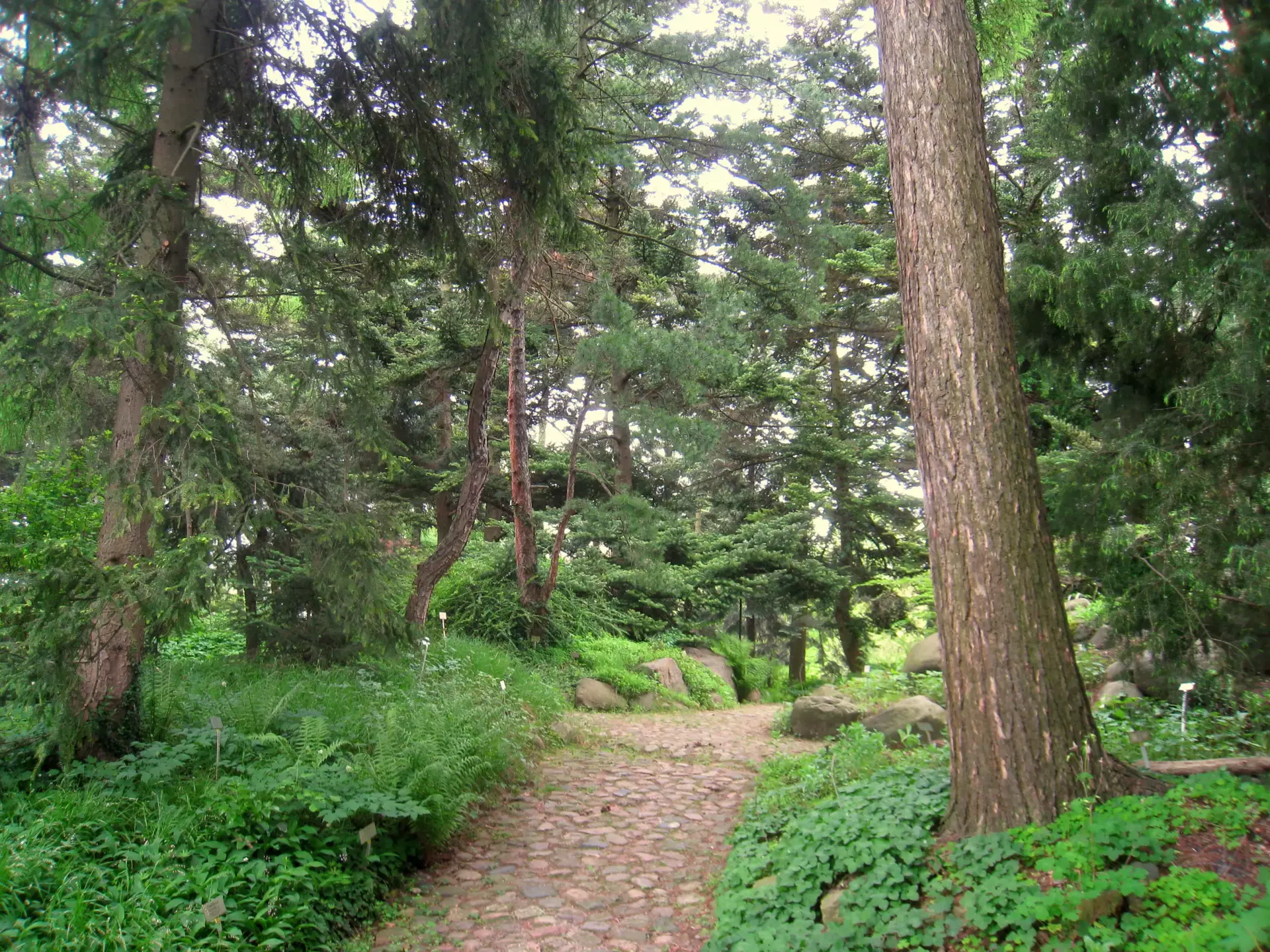
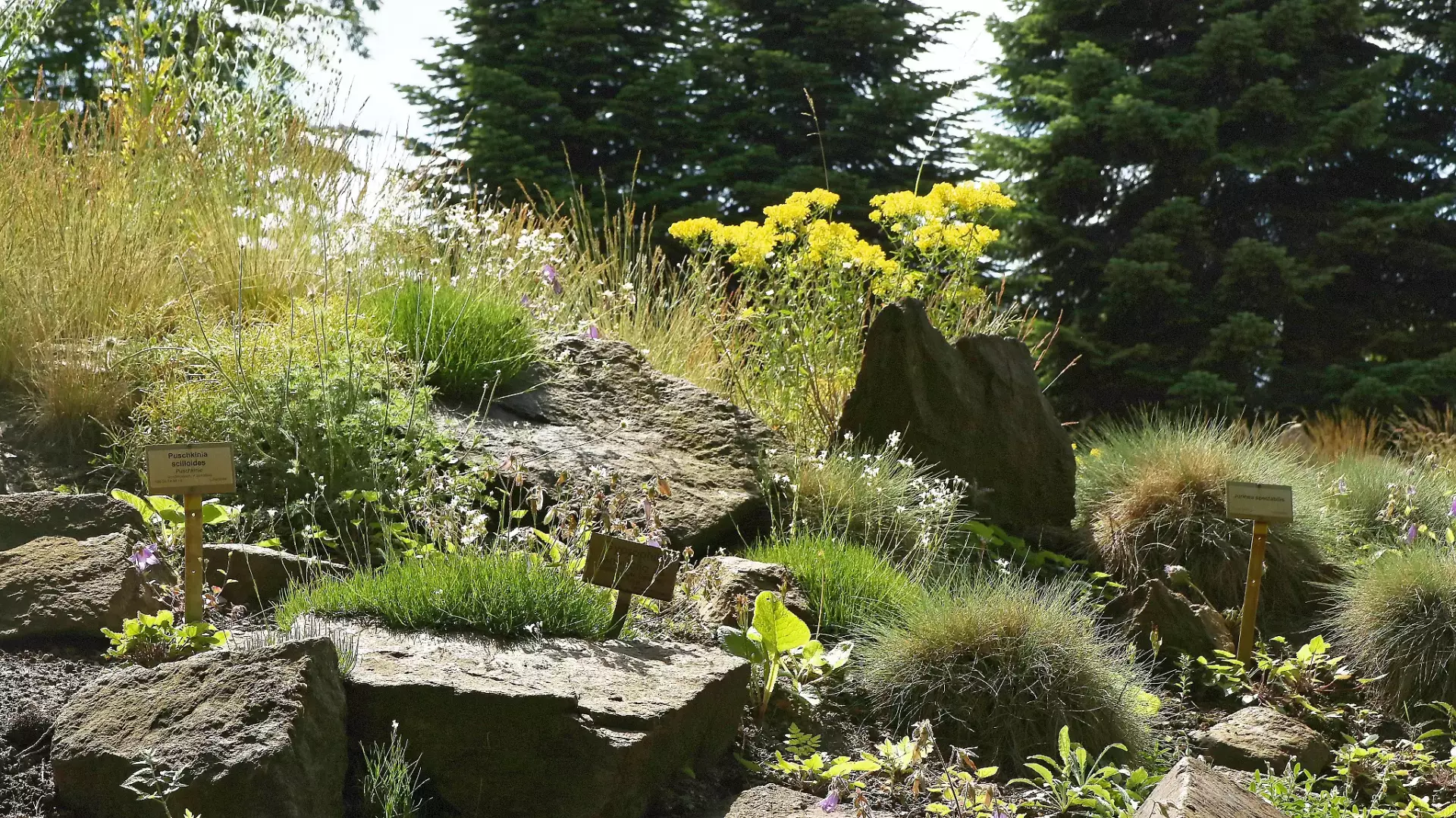
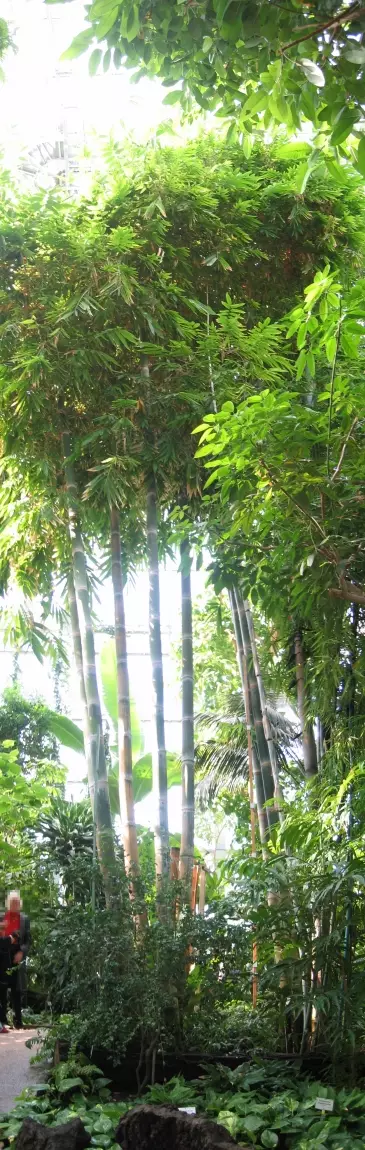
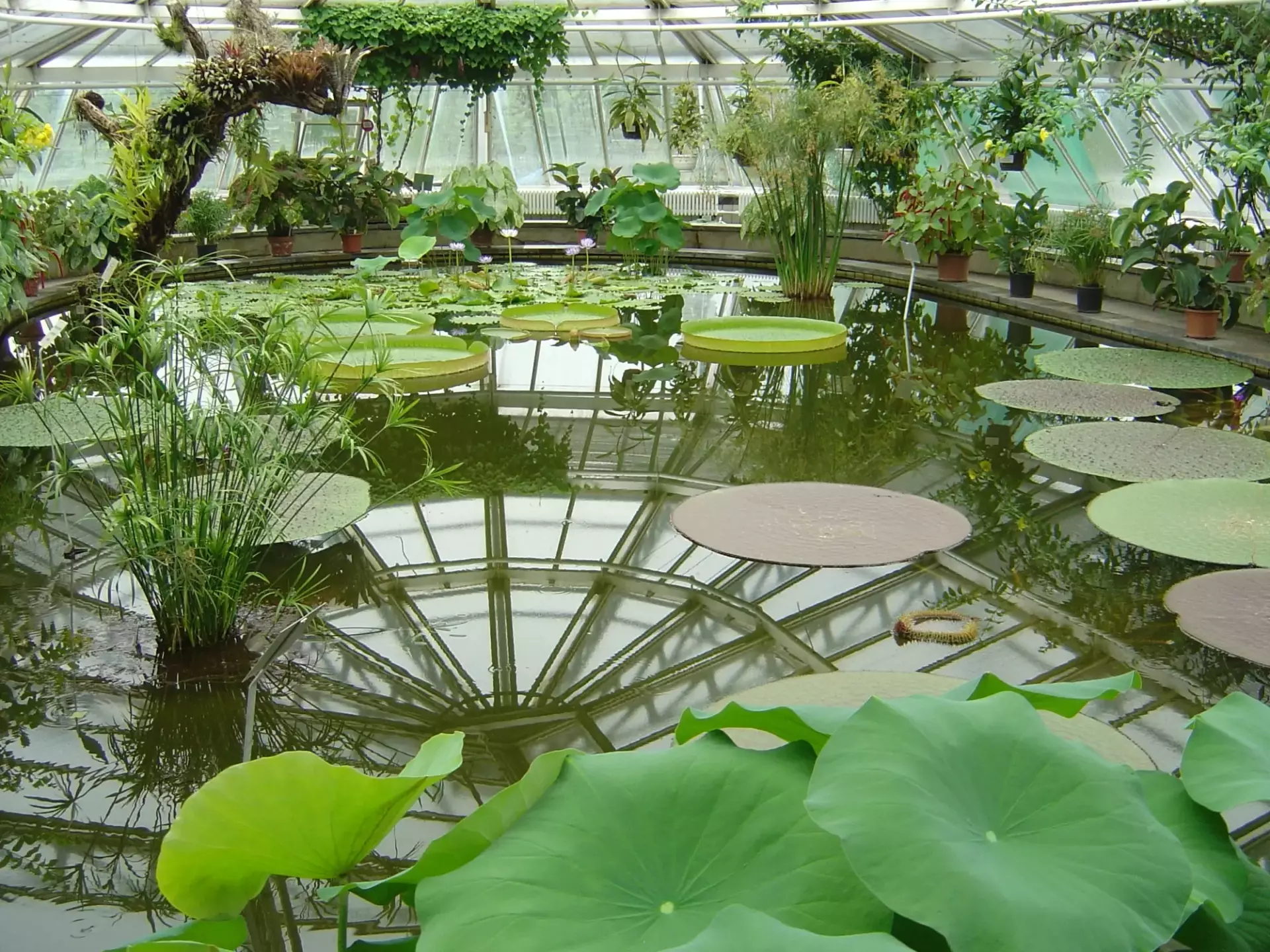
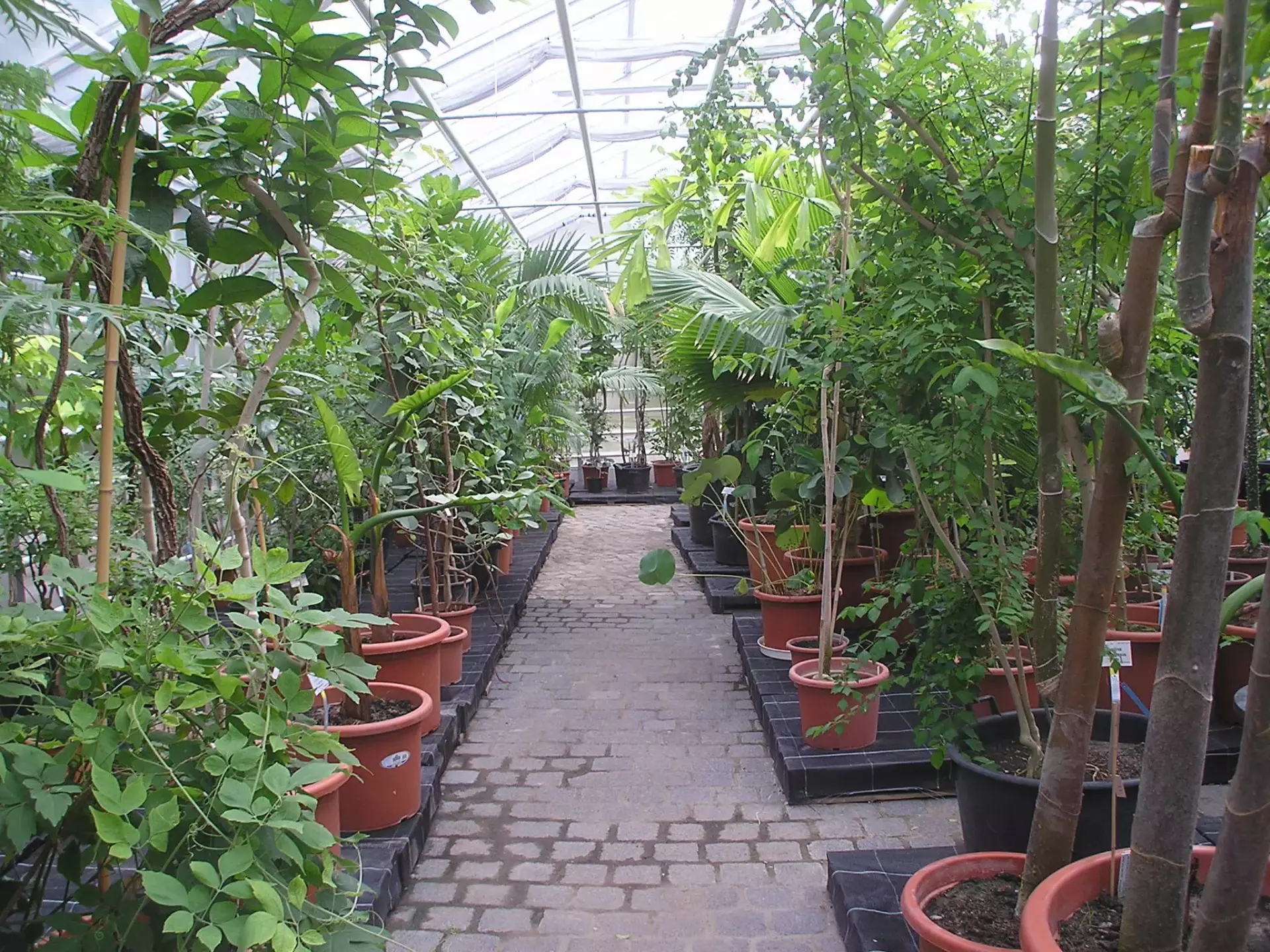
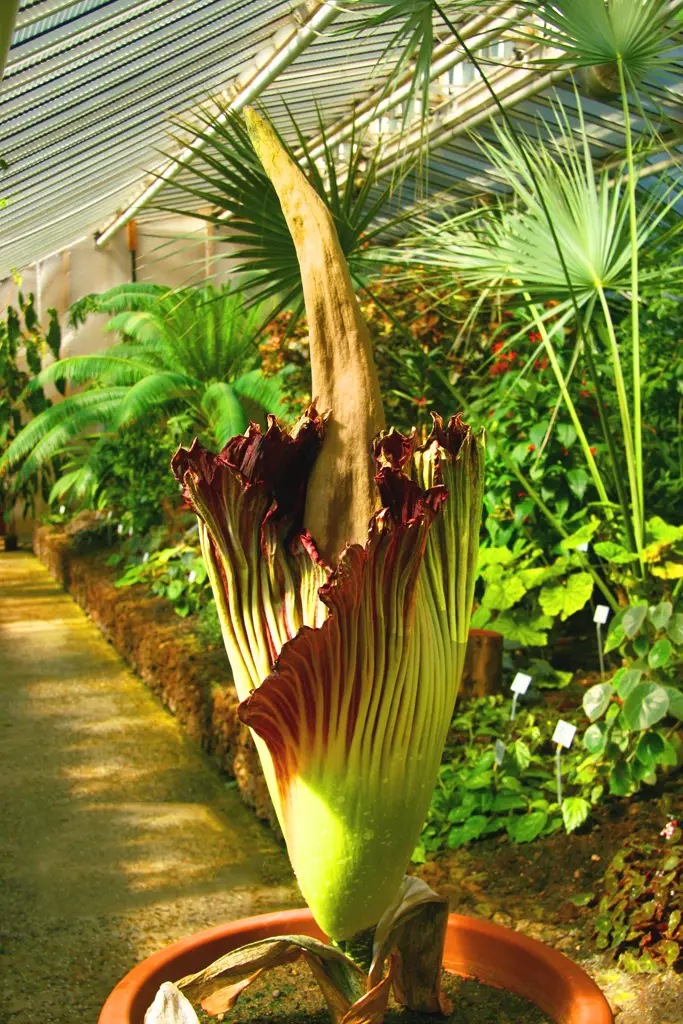
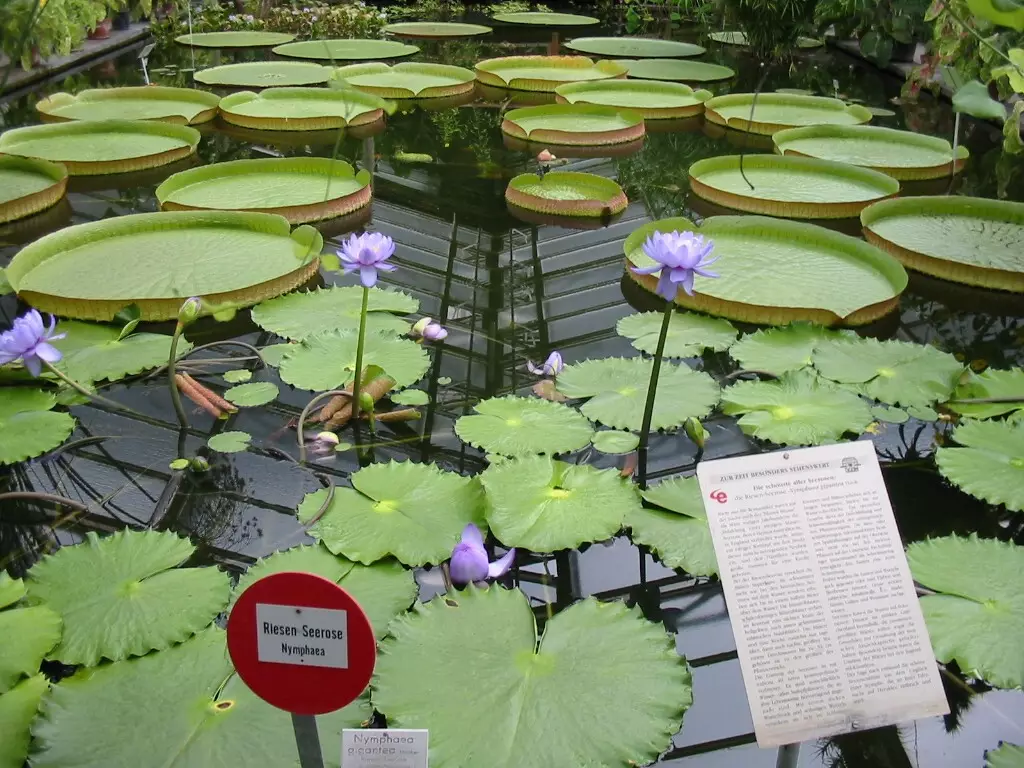
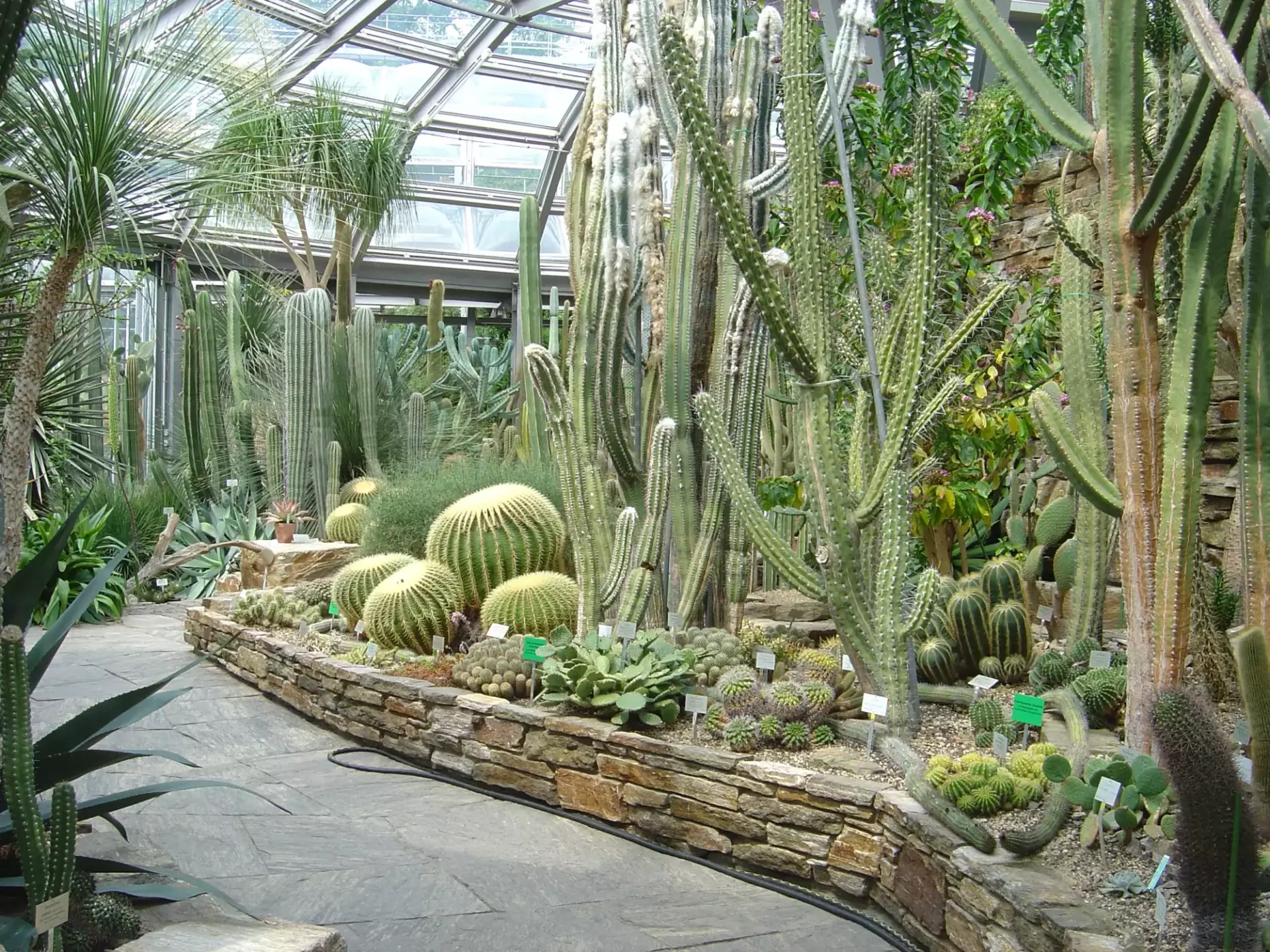
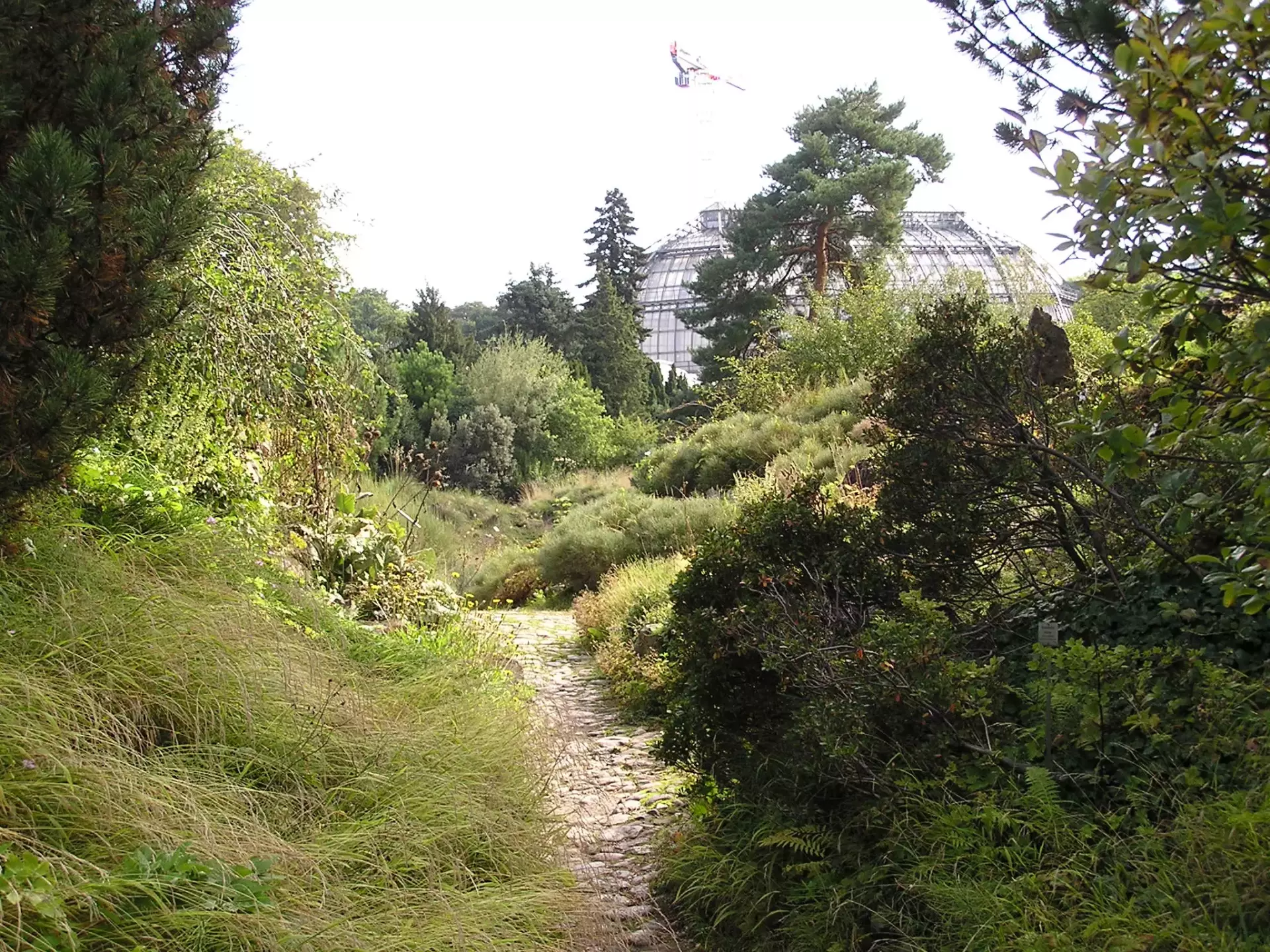
Across the grounds, themed sections group plants by region and habitat. Paths lead through meadows, forests, and alpine rock gardens, with labels that identify species and share brief notes. The glasshouses recreate climates from tropical rainforests to arid deserts, featuring towering palms, orchids, succulents, and aquatic plants. Seasonal highlights shift through the year, from spring blossoms to summer waterlilies.
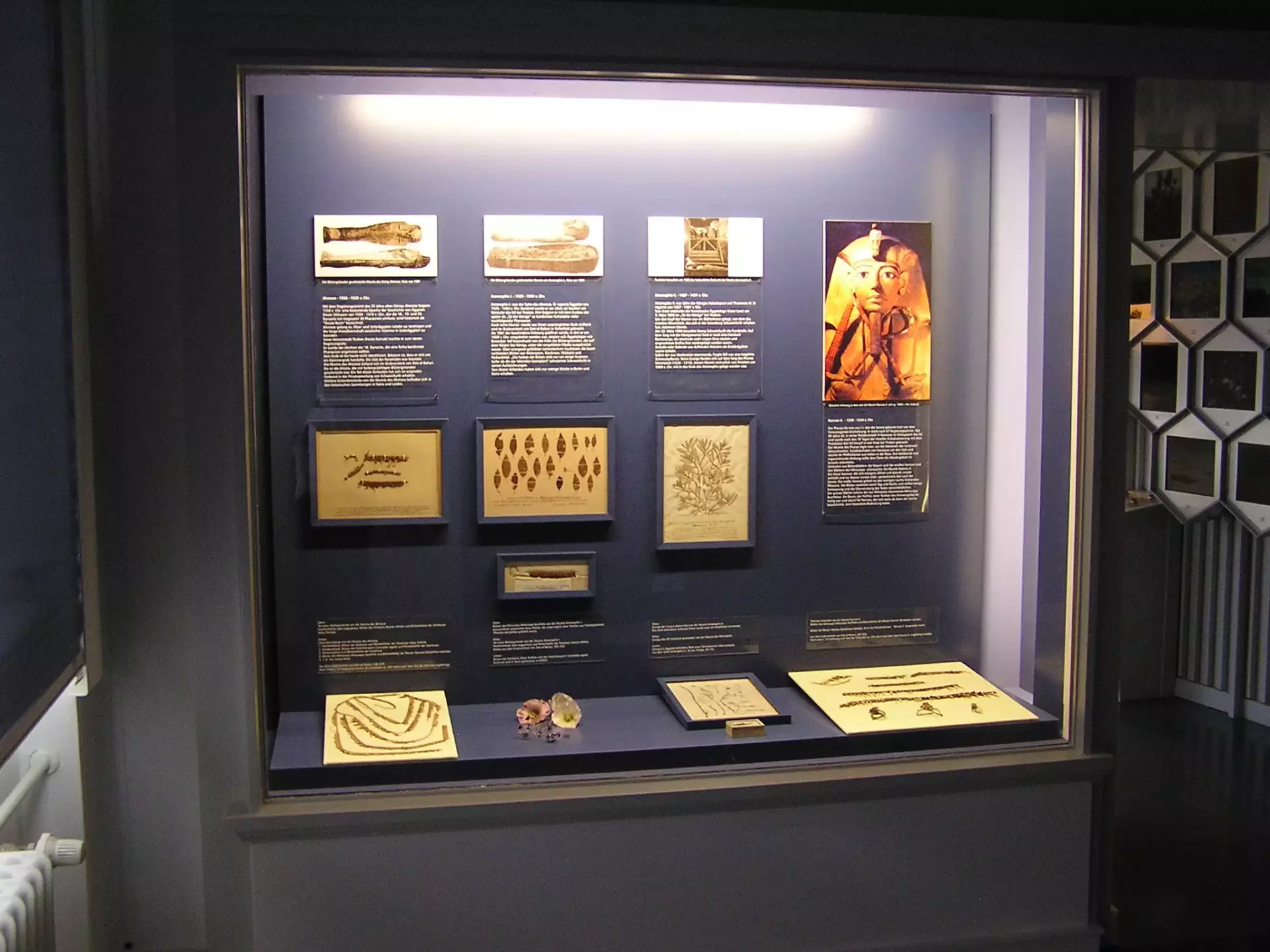
The Botanical Museum presents plant science in an accessible way. Displays explain how plants evolve, adapt, and interact with people. Historic instruments, botanical illustrations, and seed collections reveal how researchers document biodiversity. Special exhibitions often focus on topics such as medicinal plants, pollination, or changing ecosystems.
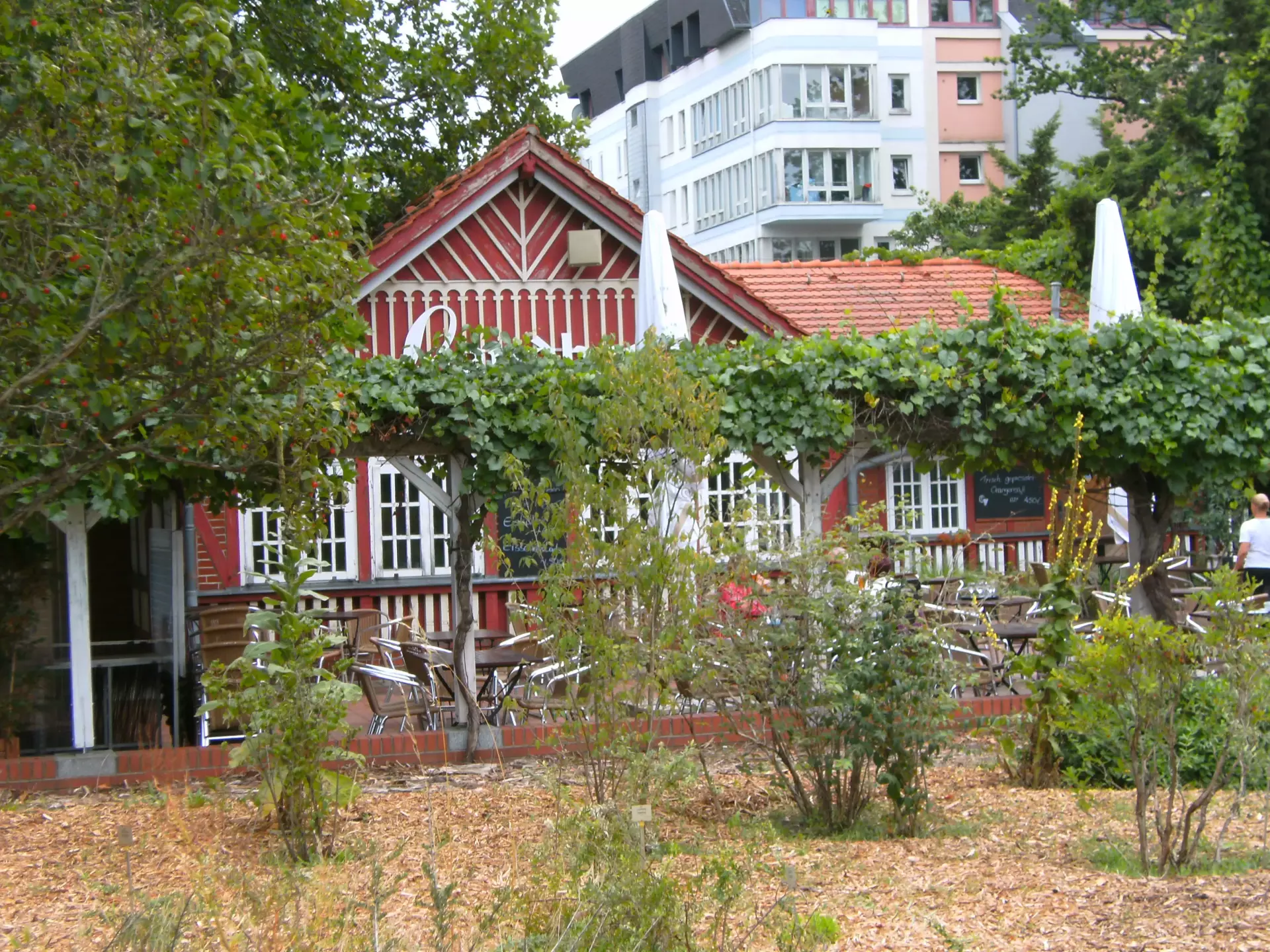
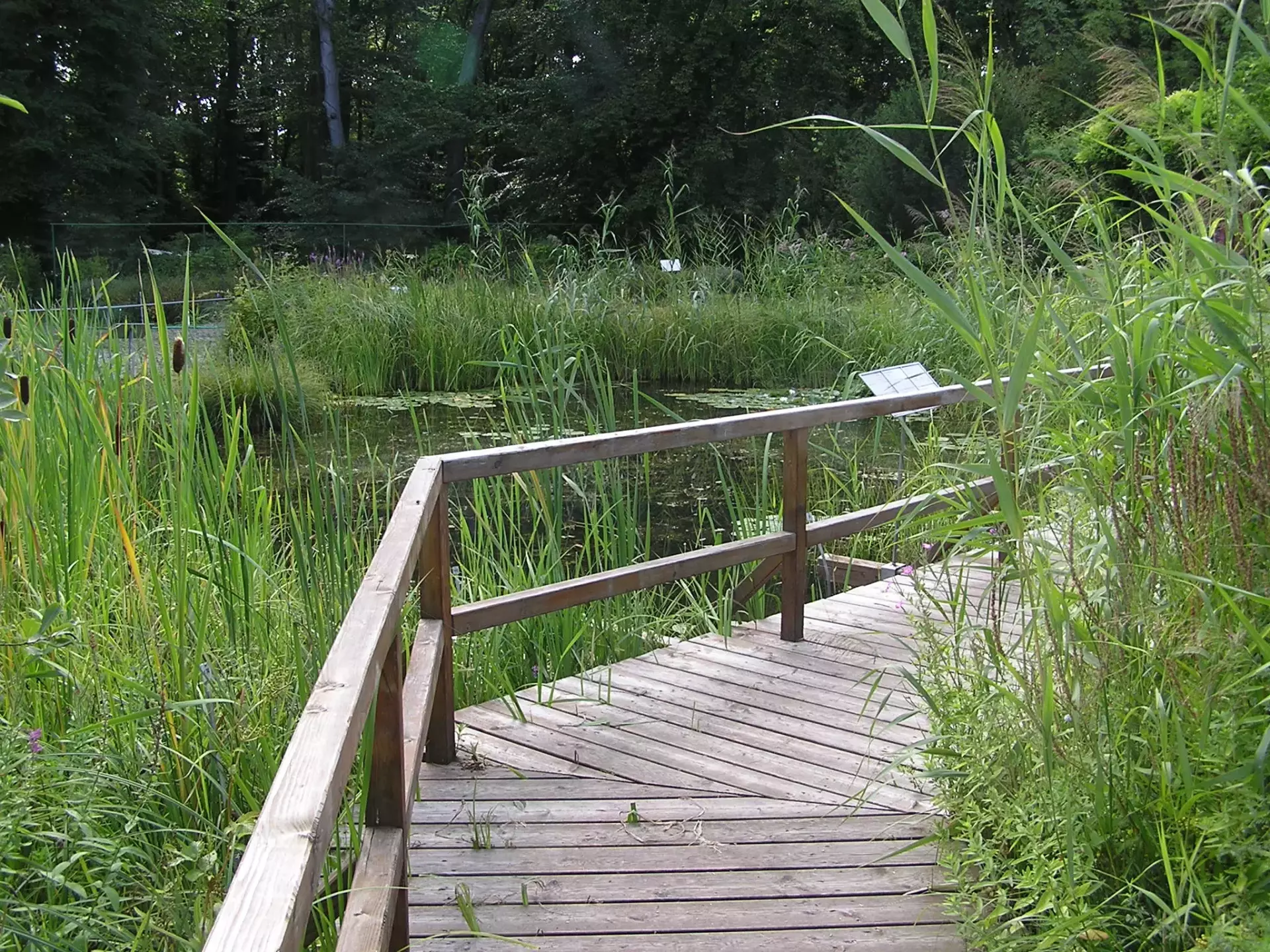
Trails wind around ponds and shaded lawns, offering many places to pause and observe. Birdsong, insect activity, and the sound of water shape the atmosphere. Benches appear beside herb beds and along tree-lined avenues, creating a calm setting for unhurried exploration.
Public programs include guided tours, lectures, and workshops led by experts. Families find interactive stations and kid-friendly displays that explain plant life cycles and habitats. The garden’s clear signage and museum’s multilingual information support visitors with different levels of knowledge.
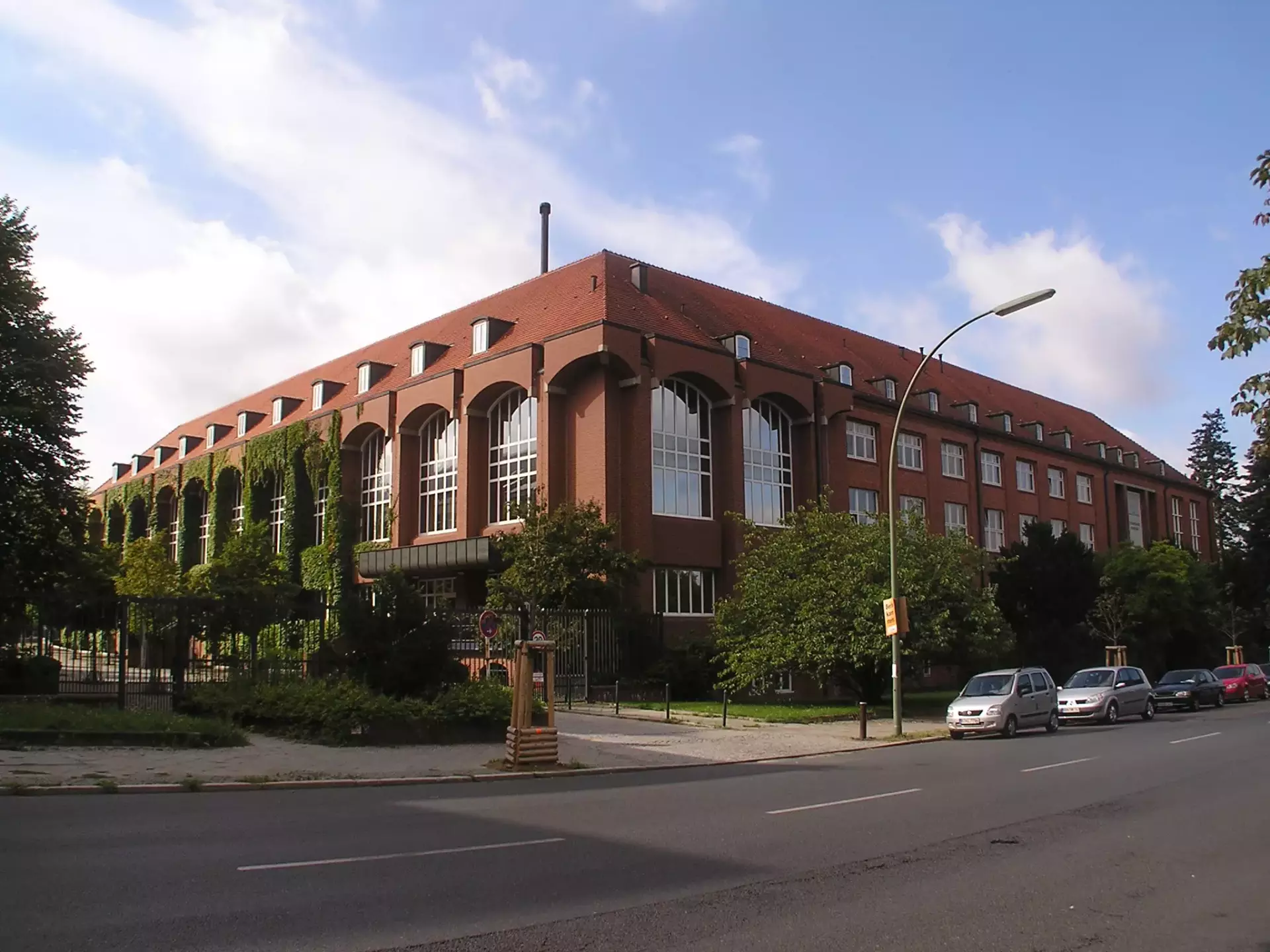
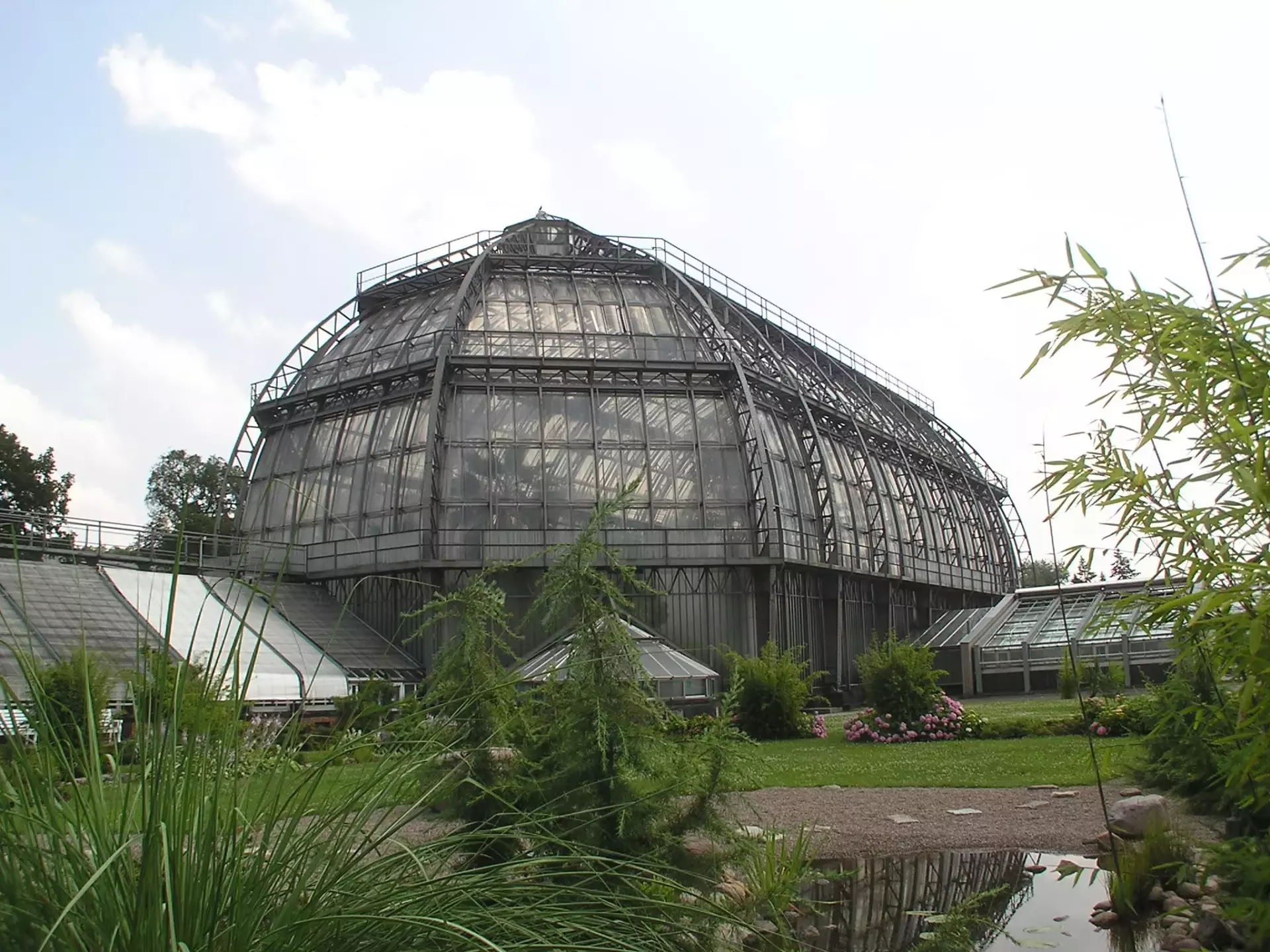
Located in the Dahlem district, the garden connects urban life with global biodiversity. Historic architecture, including the large tropical greenhouse, contrasts with modern research spaces. Throughout the seasons, the site serves both as a scientific resource and a green landscape open to the public.
Source - https://en.wikipedia.org/wiki/Berlin_Botanical_Garden_and_Botanical_Museum
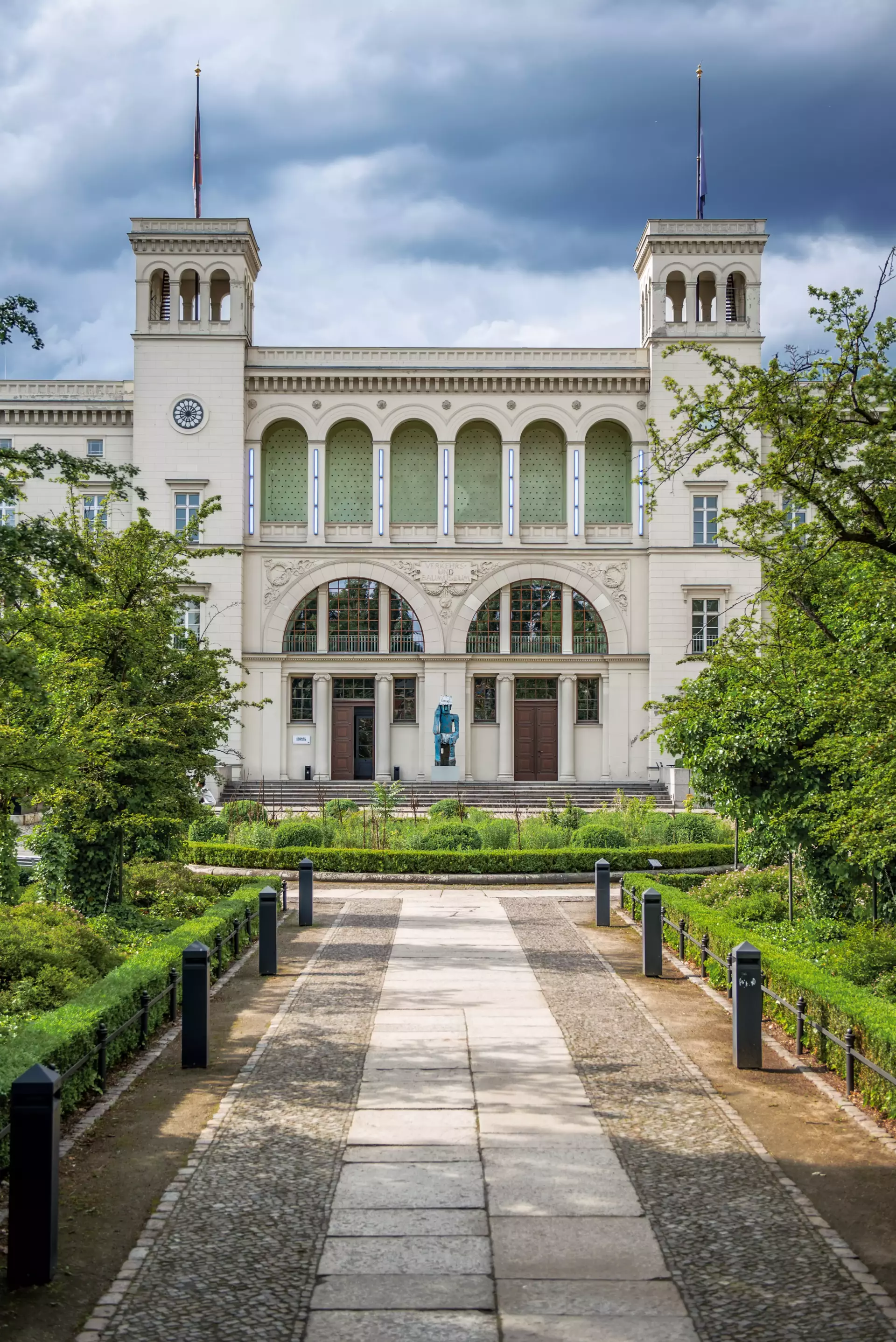
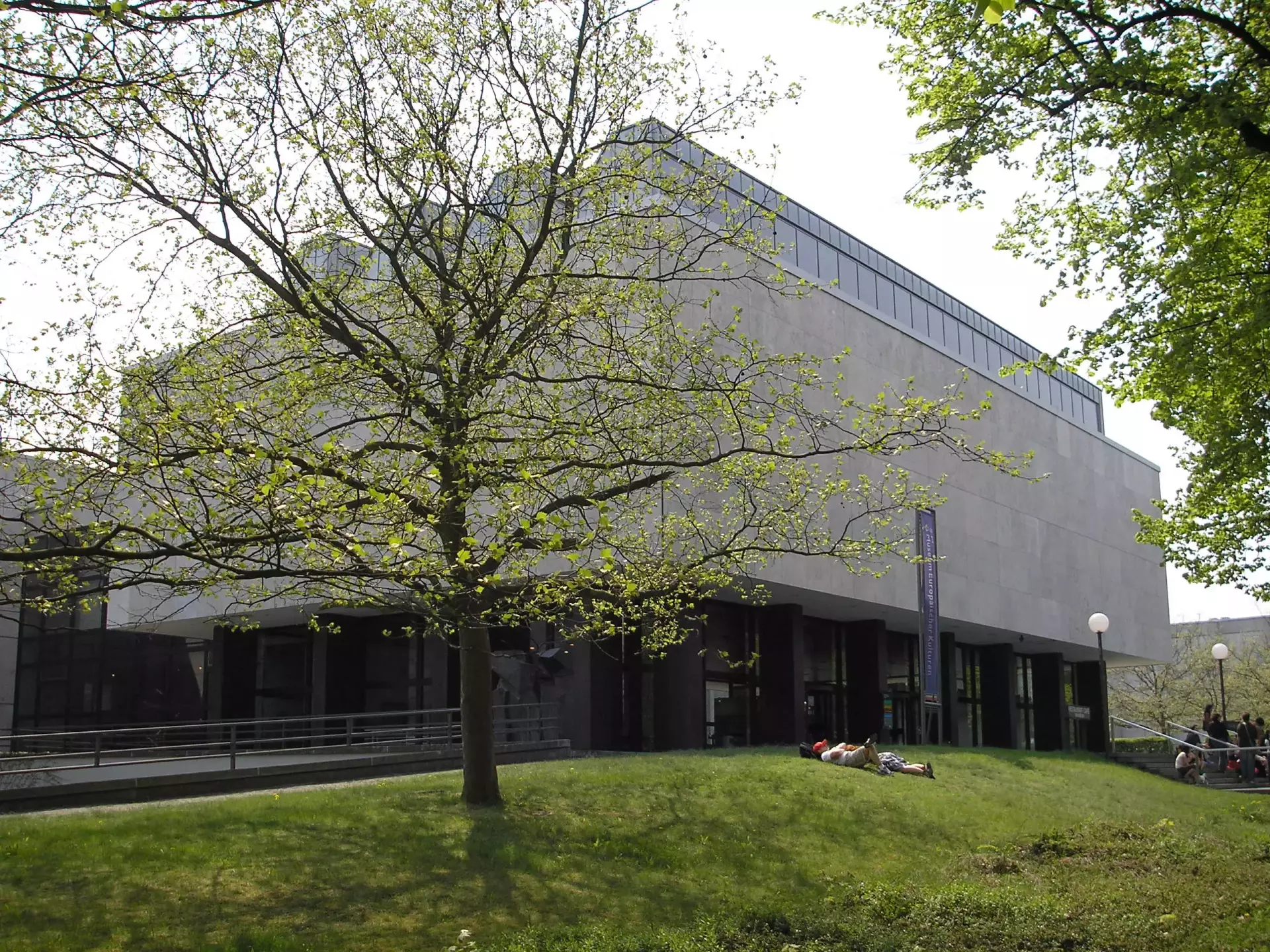
The oldest museum of its kind in Germany which, despite great losses during the World War II, still possesses one of the world's primary collections of European applied art. There are two sections to the collection: one located at the Kulturforum in Tiergarten, the other at Köpenick Palace.
The building houses the personal offices of the Chancellor and the Chancellery staff. The Berlin Chancellery is one of the largest government headquarters buildings in the world. By comparison, the new Chancellery building is ten times the size of the White House. A semi official Chancellor's apartment is on the top floor of the building. The 200-m², two-room flat has thus far only been occupied by Gerhard Schröder chancellors since then have lived elsewhere. It is usually not possible to visit the building, but on occasion there are tours, usually around August. The building was deliberately designed in a way to symbolize the German constitutional system - it's in the line of sight of the Bundestag and lower in height, symbolizing the role of parliament in controlling government and "the people's house" being the higher power in the relationship between the two. Or at least that's the idea.
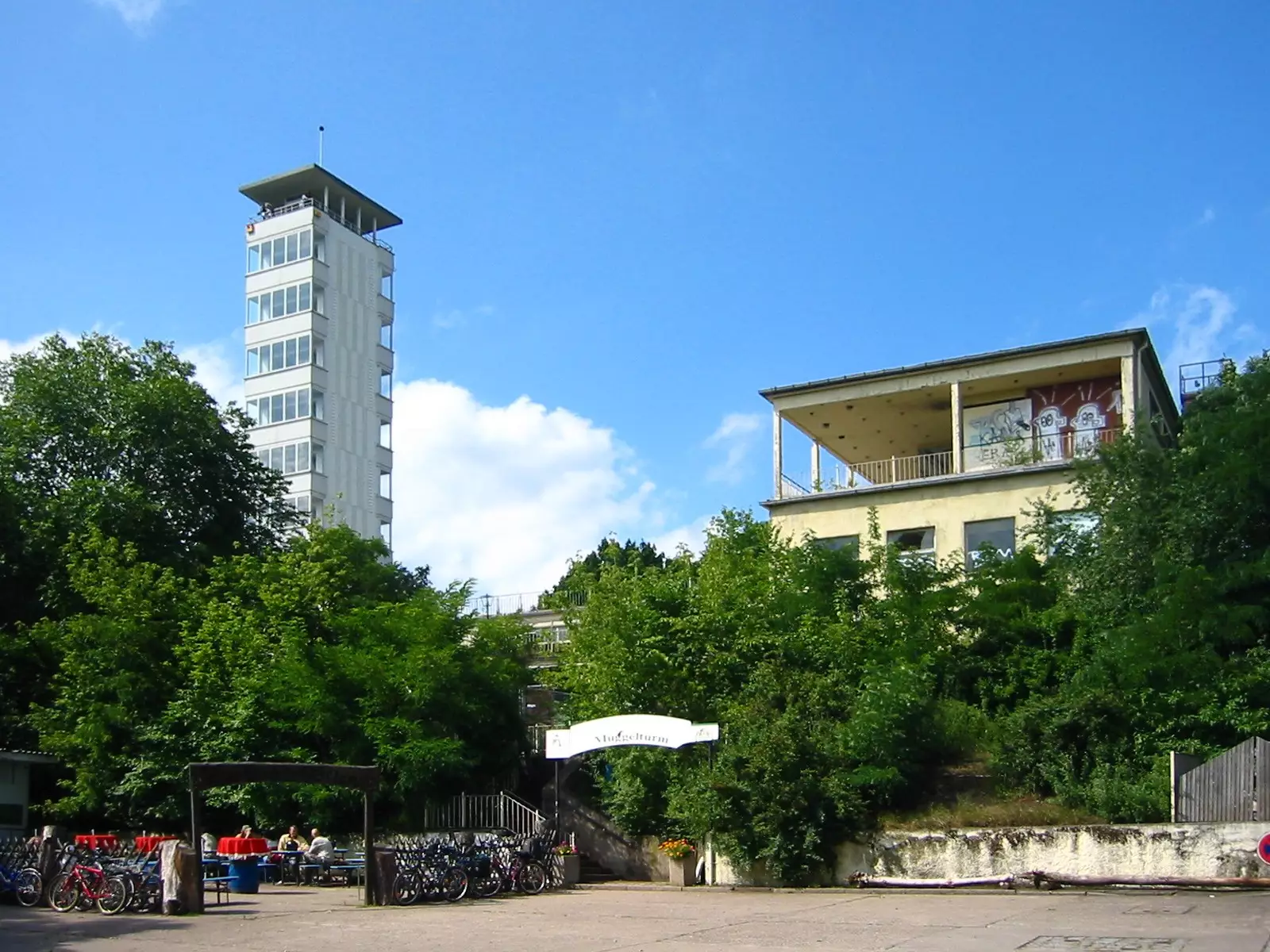
A man-made hill of about 120 m in the Grunewald, created after the Second World War from debris of the city. On top is the Field Station Berlin, a former US listening station. Inside the building complex you can see lots of graffiti art. The hill can be accessed without any restrictions and is free; however, the building complex is surrounded by fences and requires a ticket (tours are available as well).
A cuboid made of concrete. On the front side of the cuboid is a window, through which visitors can see a short film of two kissing men. The video will be changed every two years and will also show kissing lesbians.
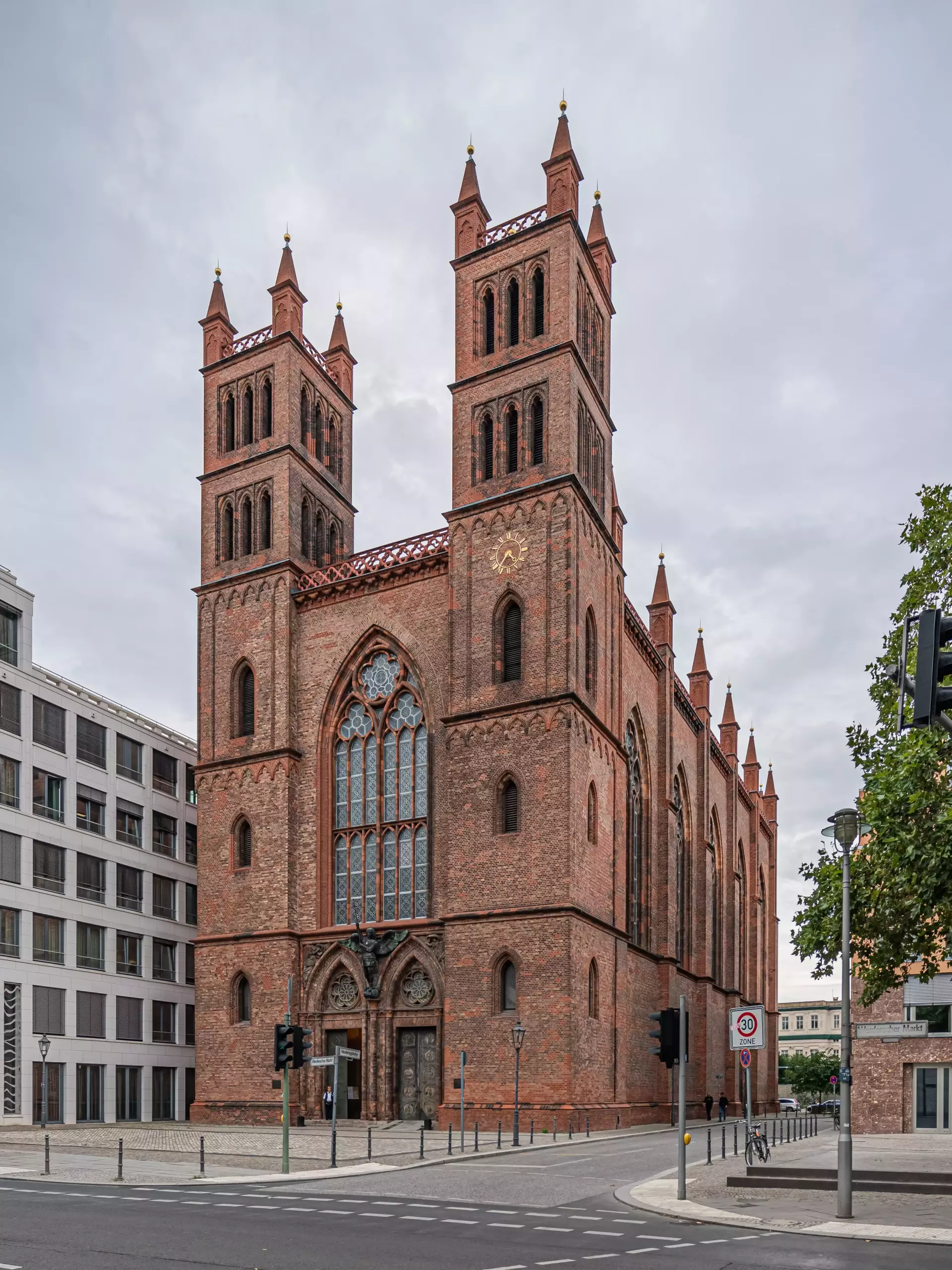
Nice church near Unter den Linden/Museum Island, finished in 1830 by Schinkel in English Neogothic style. Nice exhibition inside (neoclassical statues and an exhibition about Schinkel's life and work upstairs).
Started in the 15th century and finished in the mid-18th century, the baroque palace was the residence of electors, kings and emperors until 1918, when it became a museum. The palace was badly damaged during World War II and later razed in 1950, replaced by the GDR with a modernist Palast der Republik. The Palast was in turn gradually dismantled at the turn of the century, as it was discovered to contain asbestos and its former function of housing the GDR parliament became obsolete. Berlin has started in June 2013 construction on a new version of its historic Stadtschloss. The Schlüterhof, an inner courtyard, was also rebuilt. The building opened with a delay in 2021 with museums inside and a roof terrace with a good view. Among the Berlin museums this is perhaps the most controversial due to reconstruction of a monarchist palace being seen as a questionable political statement and due to the fact that many of the exhibits were sourced from German colonies under ethically questionable circumstances leading to demands to return some or all of them to their places of origin.
Small park in the heart of West Berlin. Great place to chill on a sunny day. There are many great cafés and restaurants nearby. Linger over a coffee here and watch people passing by.
The city's Protestant cathedral and the burial place of the Prussian kings. You can climb to the top and get a view of the city.
In this house the surrender of Germany was signed on May 9th, 1945, ending WWII in Europe. This museum describes the history of the war between Germany and the Soviet Union between 1941 and 1945 and the GDR/German-Russian relationship ever since. Historic rooms, permanent exhibition and special exhibits.
Built 1859-1866 this is one of the most architecturally stunning synagogues in Germany to survive both the Nazi era and the war.
The Gemäldegalerie contains an astounding array of paintings, including works by Rembrandt, Rubens, Botticelli, Raphael, Titian, Goya, Velasquez and Watteau. The collection contains works from the old Bodemuseum on Museumsinsel in the East, now closed, and the former Gemäldegalerie in Dahlem. Its strong points are German paintings of the 13-16th centuries, Netherlandish painting of the 15th and 16th centuries, Flemish paintings of the 17th century, and miniature paintings of the 16th-19th centuries. In the newer section of the museum, designed by architects Heinz Hilmer and Christoph Sattler, there is enough space to display 1,150 masterpieces in the main gallery and 350 in the studio gallery - of the almost 2,900 pieces in the European painting collections. Established in 1830, the newly built gallery from 1998 has about 7,000 sq m of exhibition space (a complete tour of the 72 rooms covers almost 2 km).
The main floor houses the antiquities collection in an ongoing exhibit called "Neue Antike im Alten Museum" (New Antiquities in the Old Museum). Directly through the front door, entering from the Lustgarten (Pleasure Garden, now under reconstruction), there is a domed rotunda with red and white cameos, Greek-style, with statues of the gods. To reach the Hildesheim silver collection, go to the back of the rotunda, turn left, walk through the long gallery and turn left into a small room at the end.