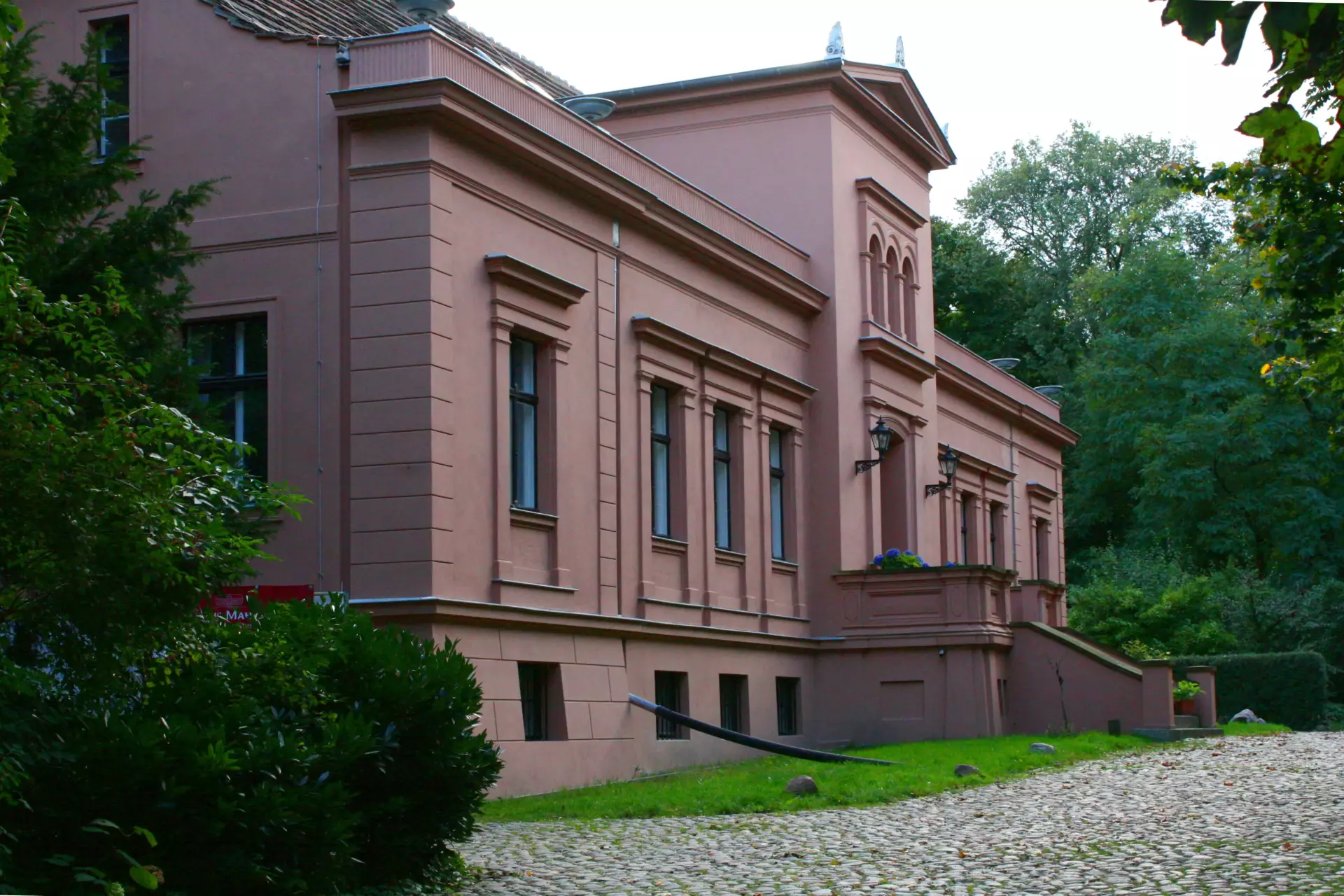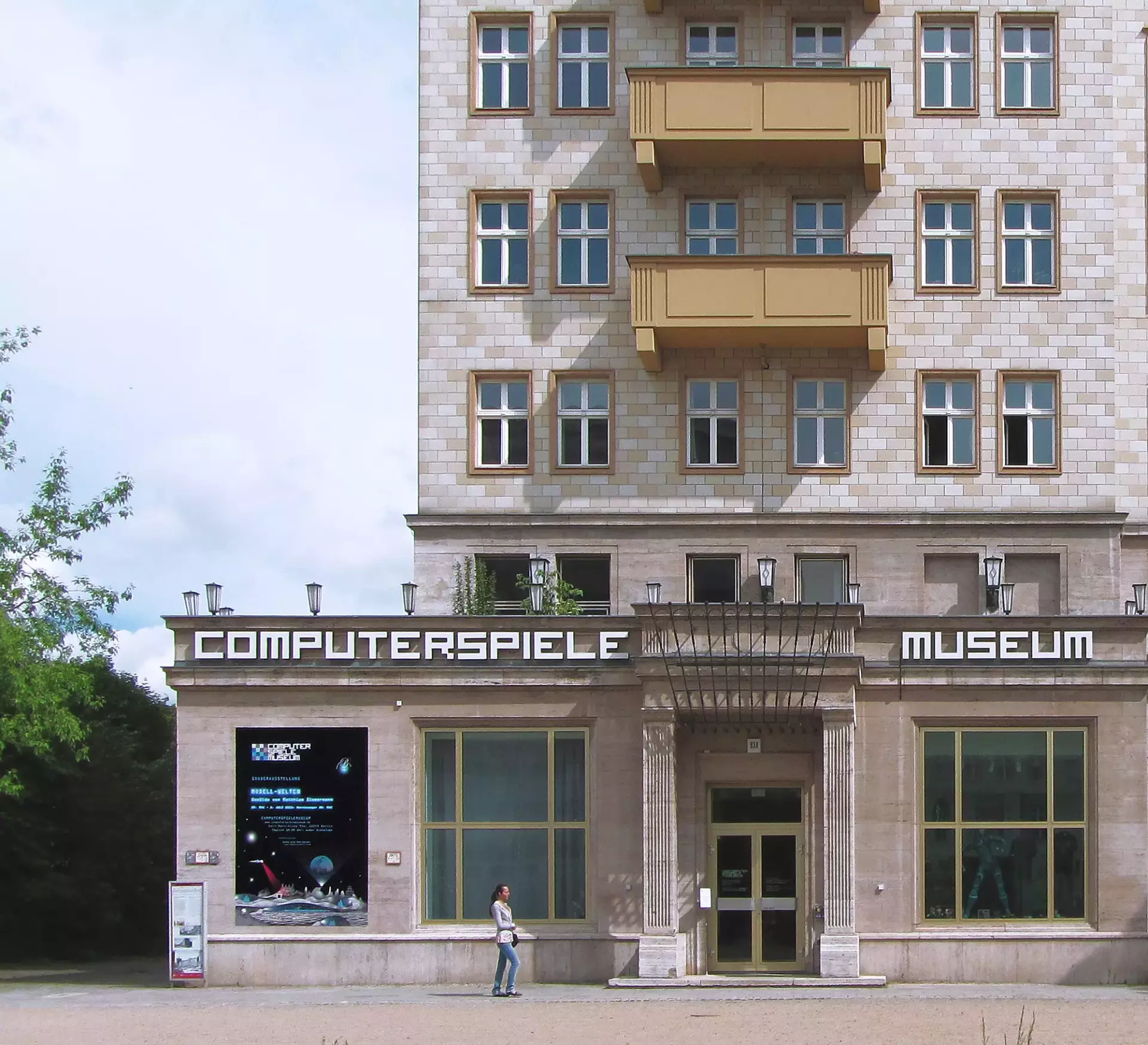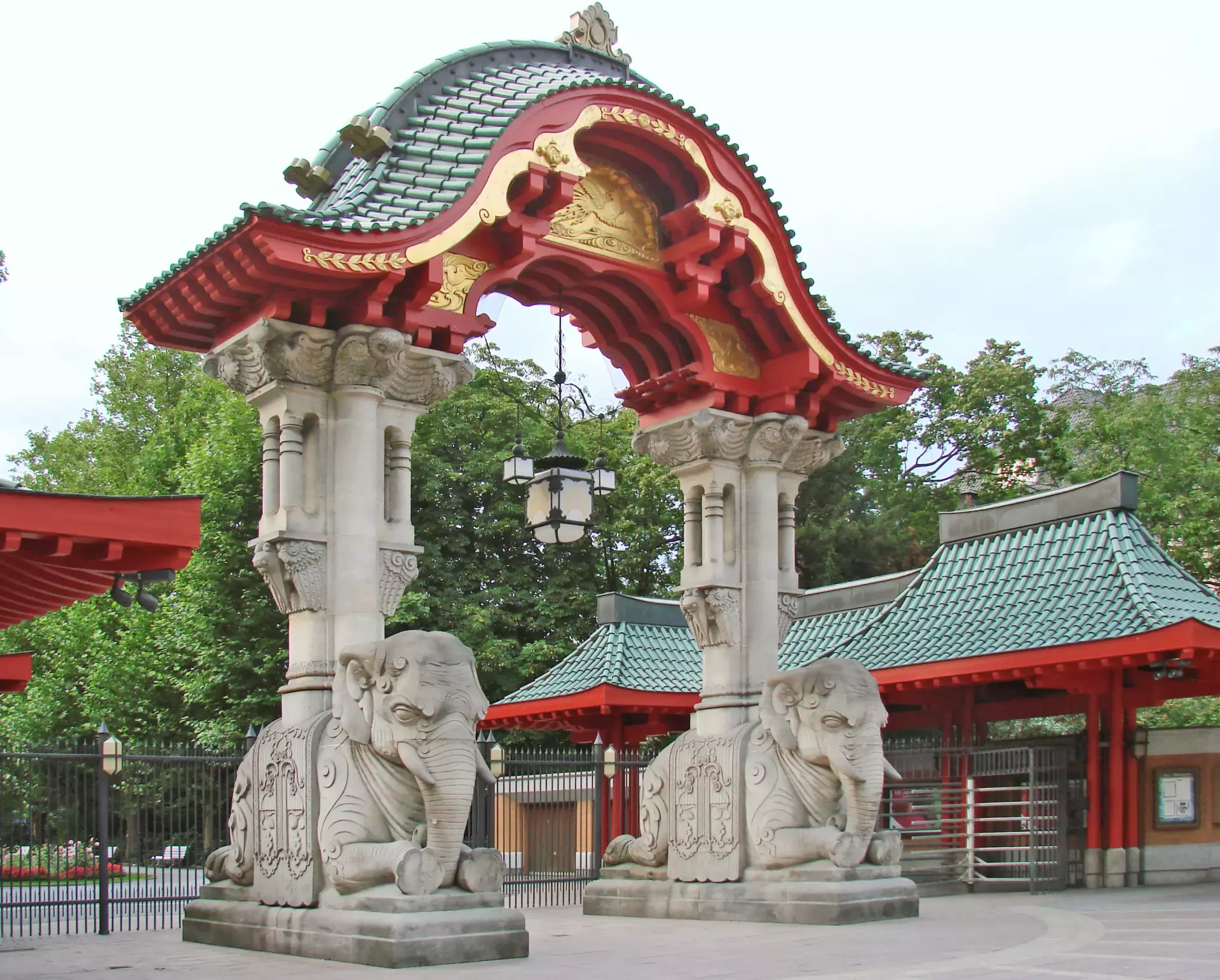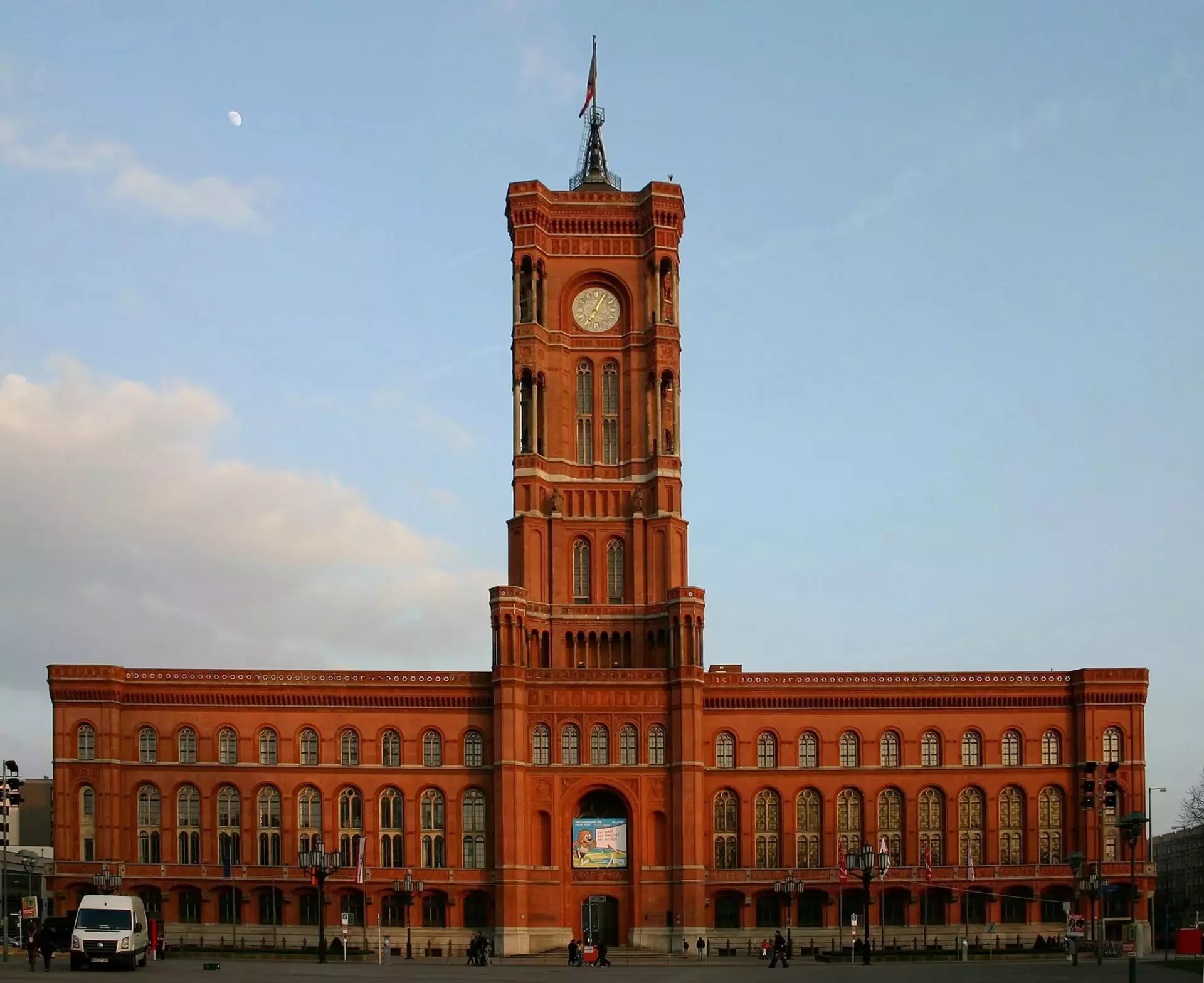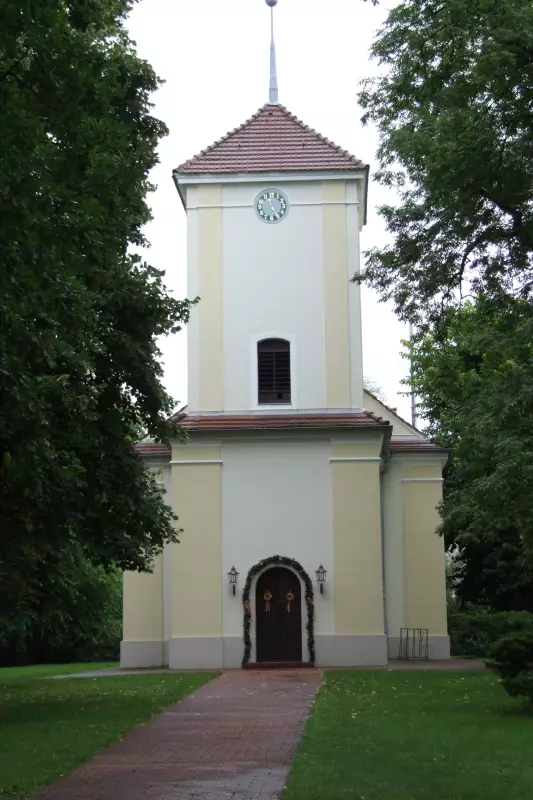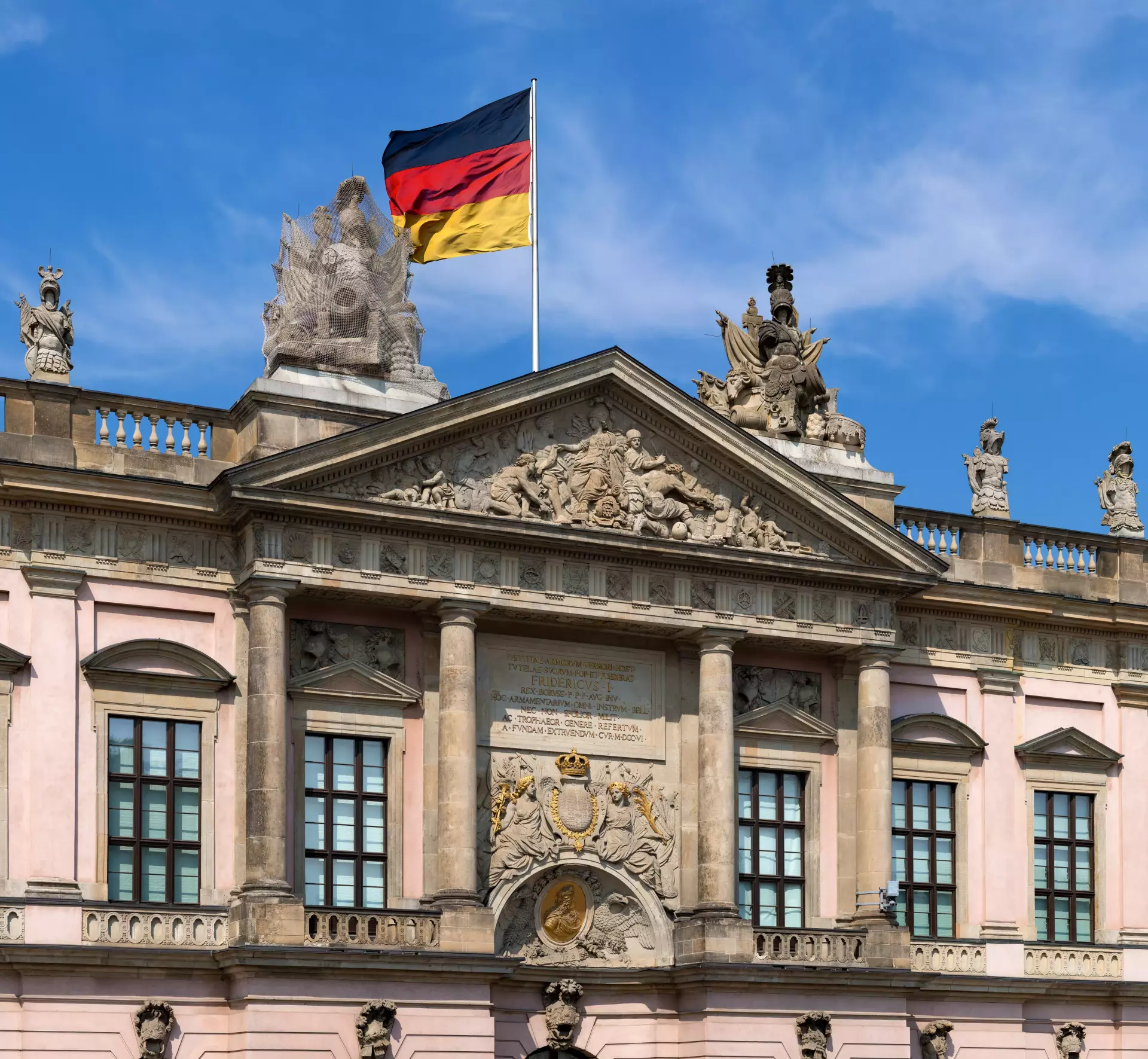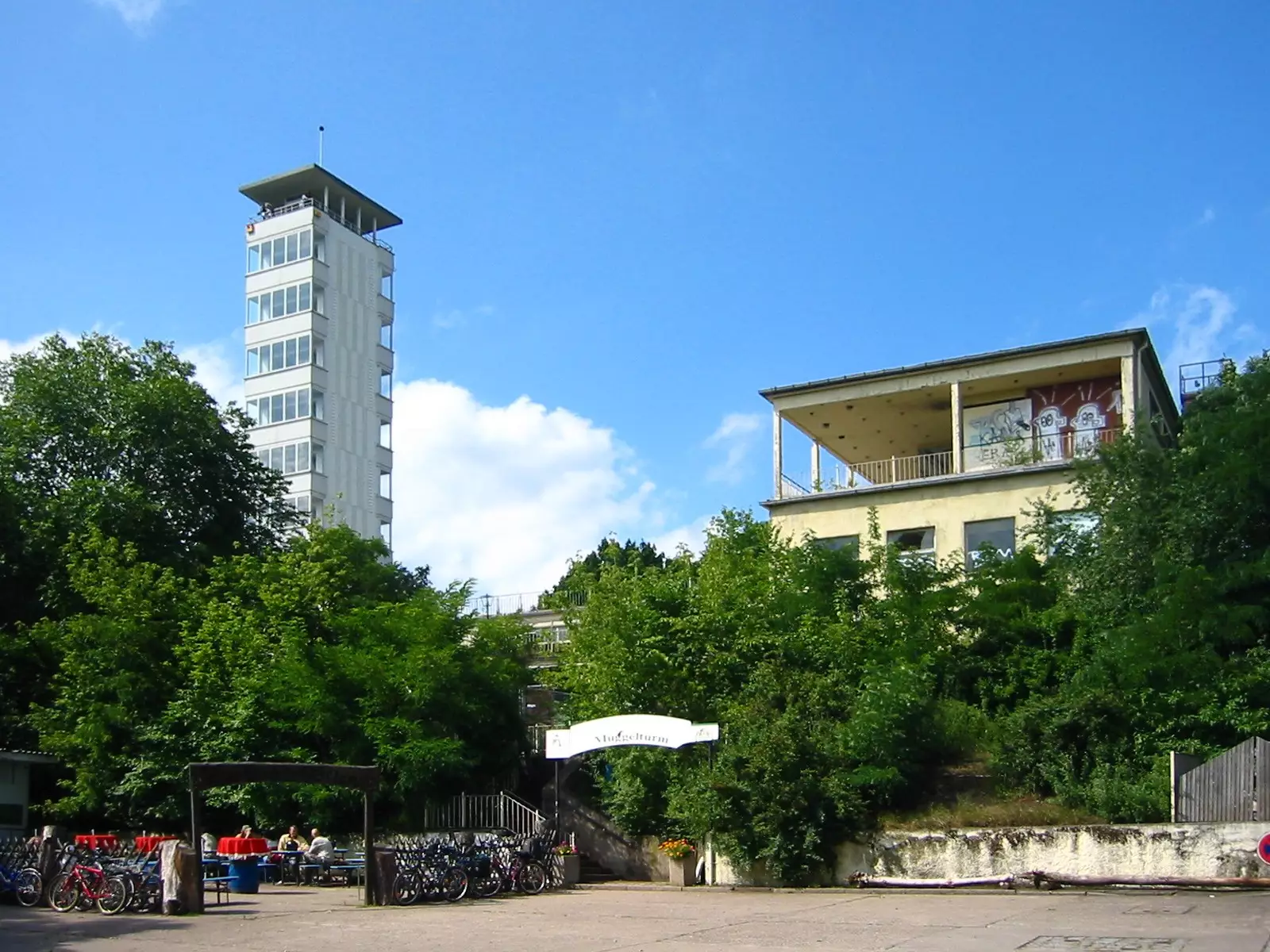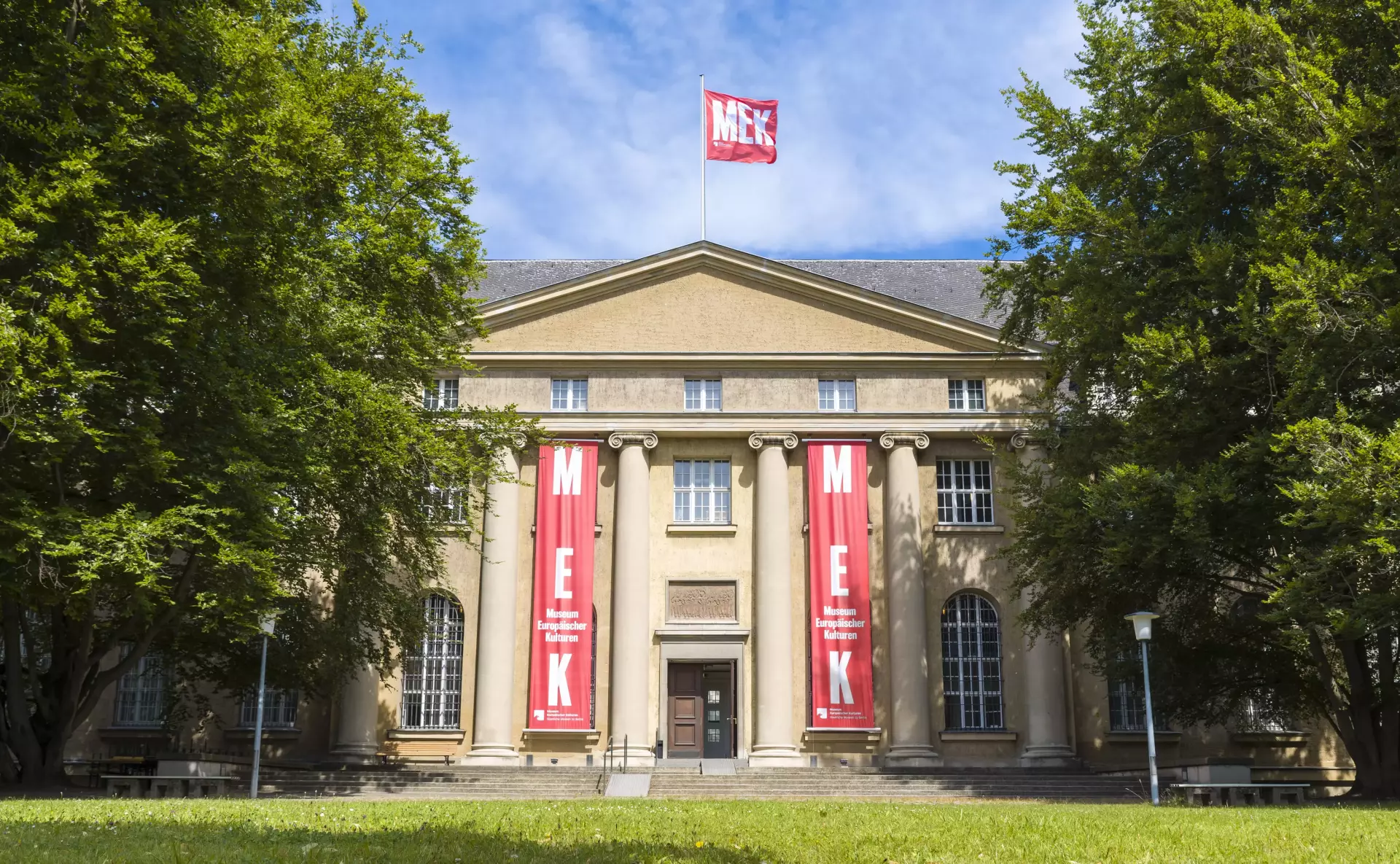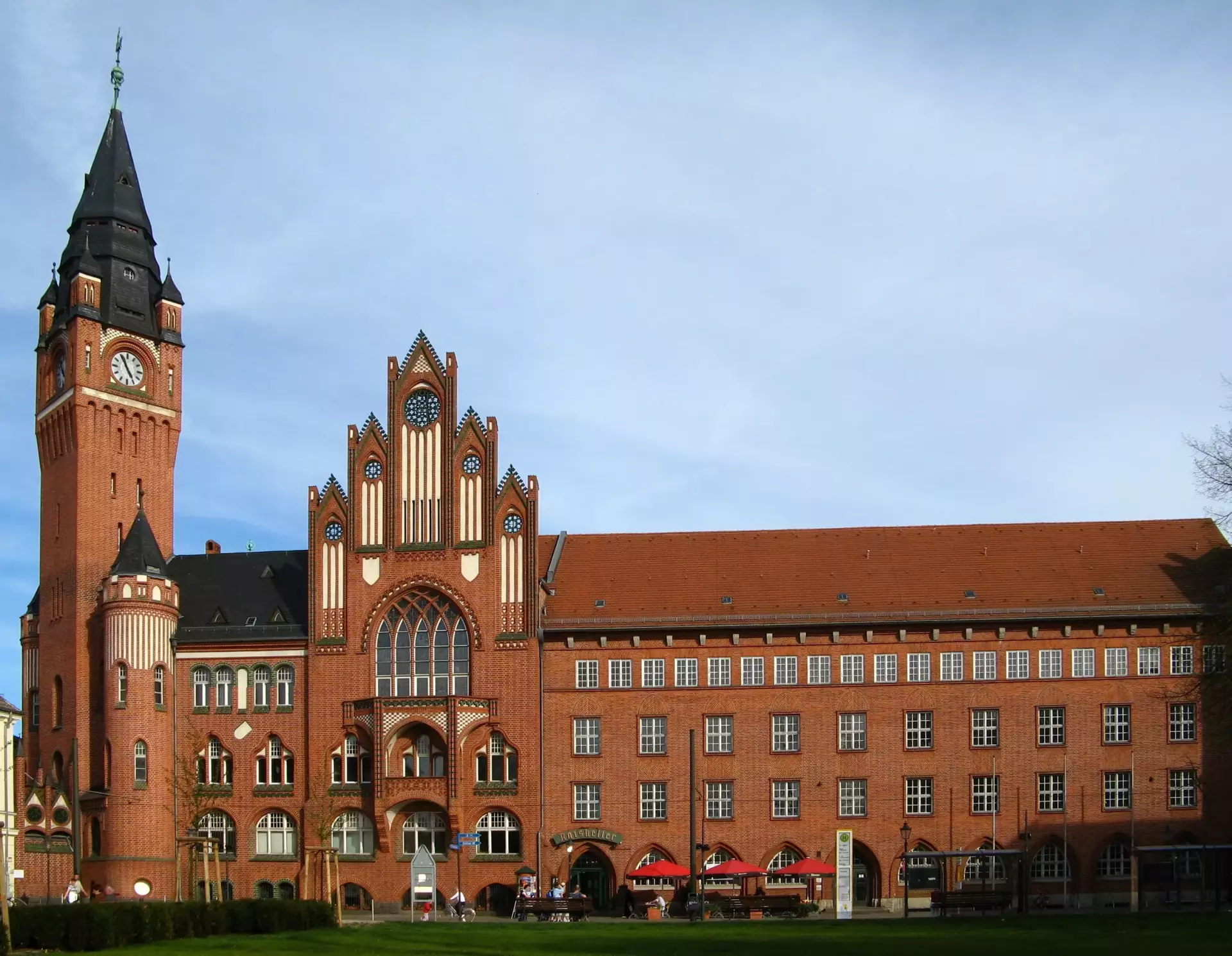
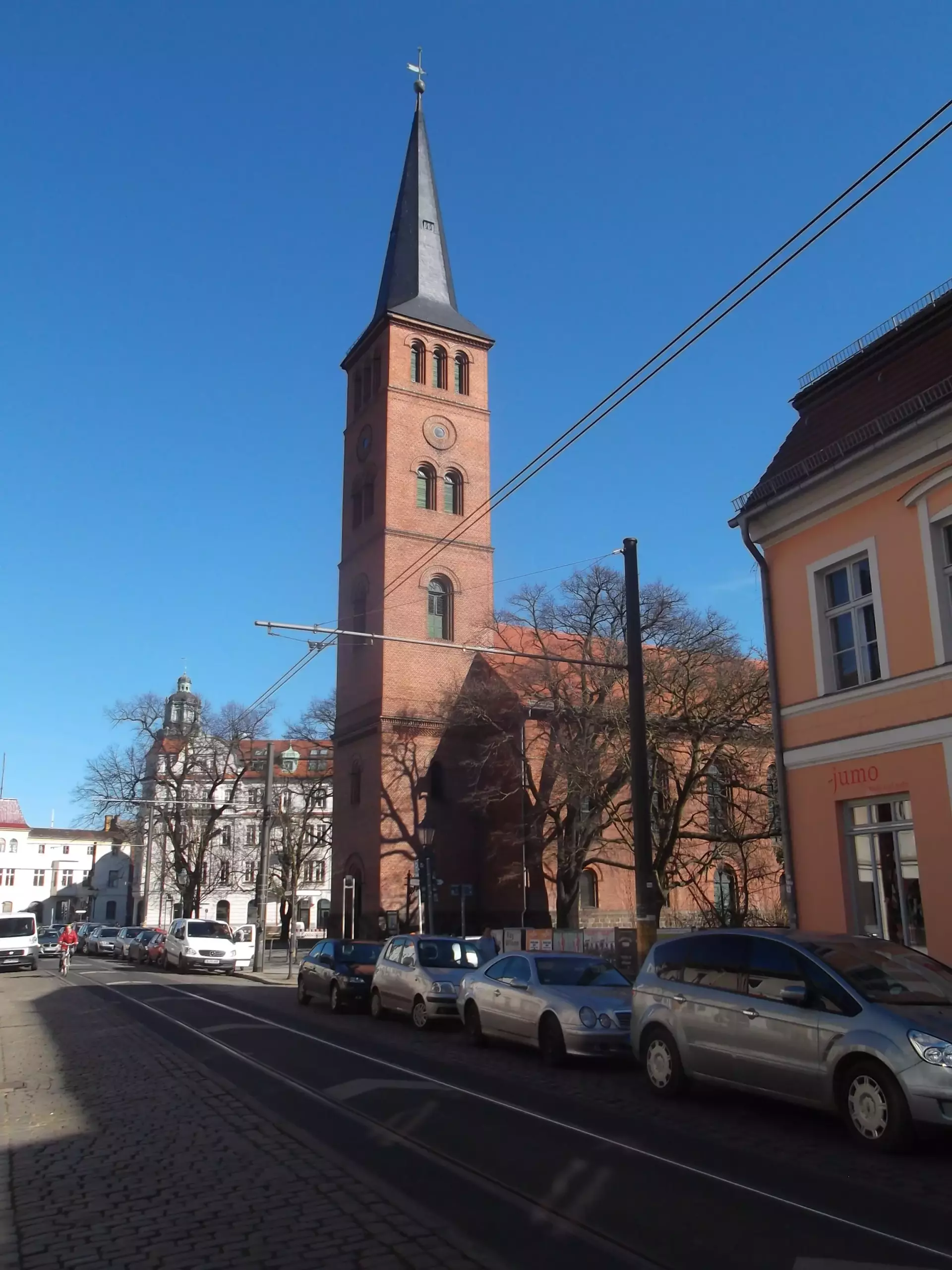

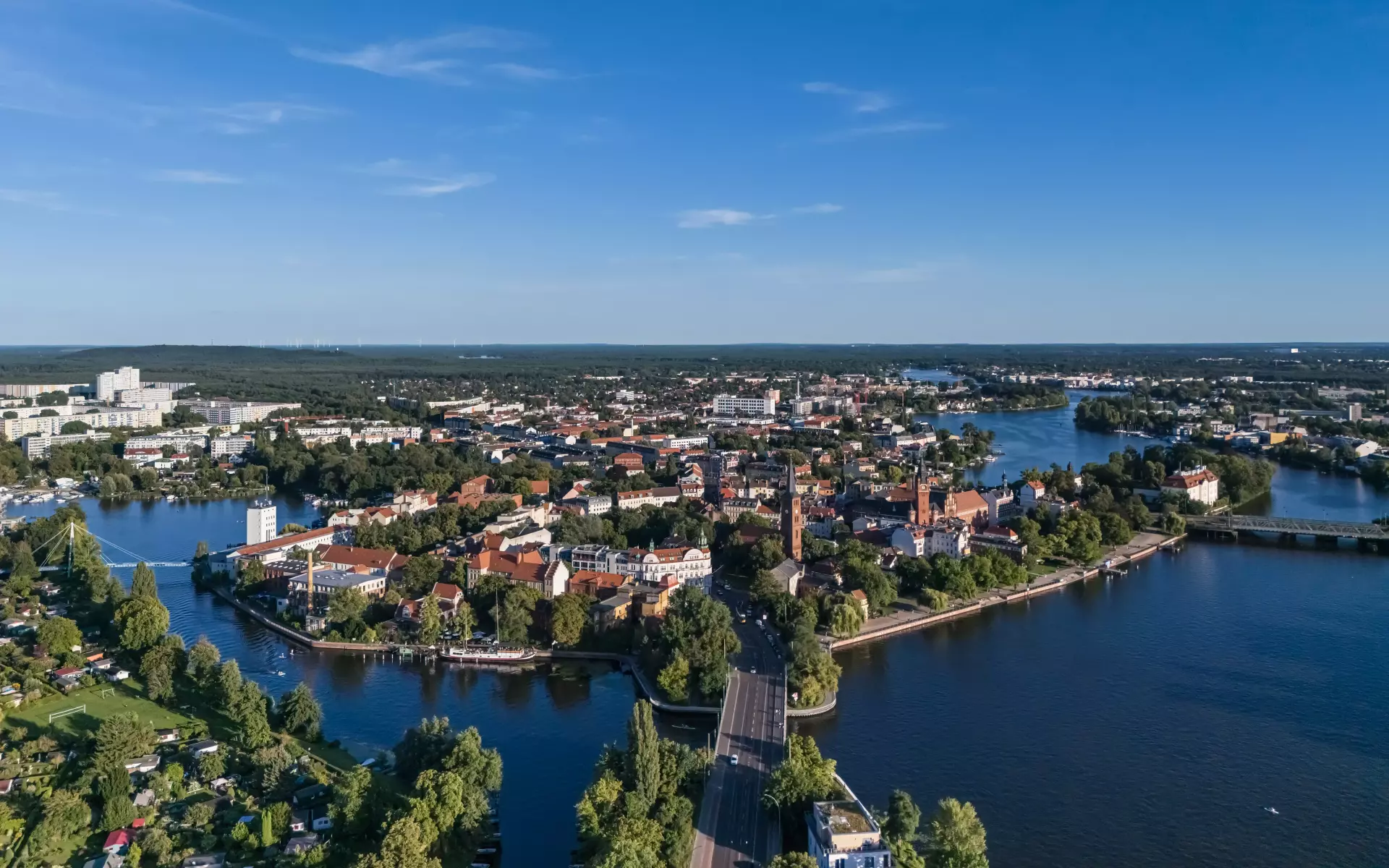
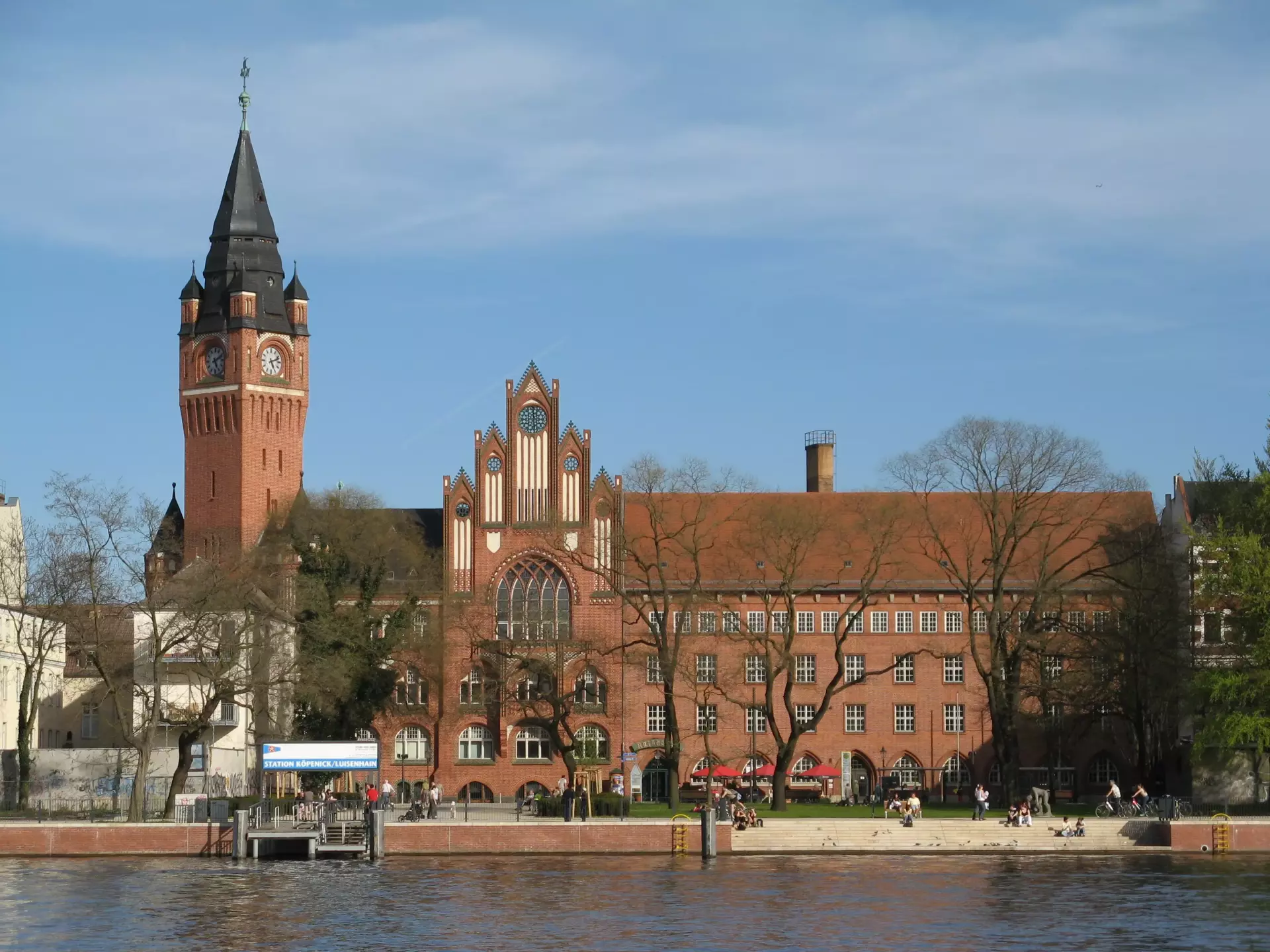
The old town of Köpenick sits on an island formed by rivers and lakes, giving its streets and squares a waterside atmosphere. Bridges lead into a compact center where historical buildings line quiet lanes and open onto views of the Dahme and Spree.
Köpenick Palace stands at the tip of a small island, framed by gardens and water. The baroque residence now serves as a museum of applied art. Inside, rooms display fine furniture, ornate textiles, tableware, and decorative objects that show craftsmanship across different centuries. The palace itself adds to the experience with stucco ceilings, tall windows, and a calm, elegant setting.
Not far away, the Neogothic town hall rises with pointed arches and a clock tower, its red brick catching light throughout the day. Built in the early 20th century, it reflects a style that looks back to medieval forms while using modern construction. The building is a local landmark, visible from many corners of the old town and from paths along the water.
Source - https://en.wikipedia.org/wiki/K%C3%B6penick
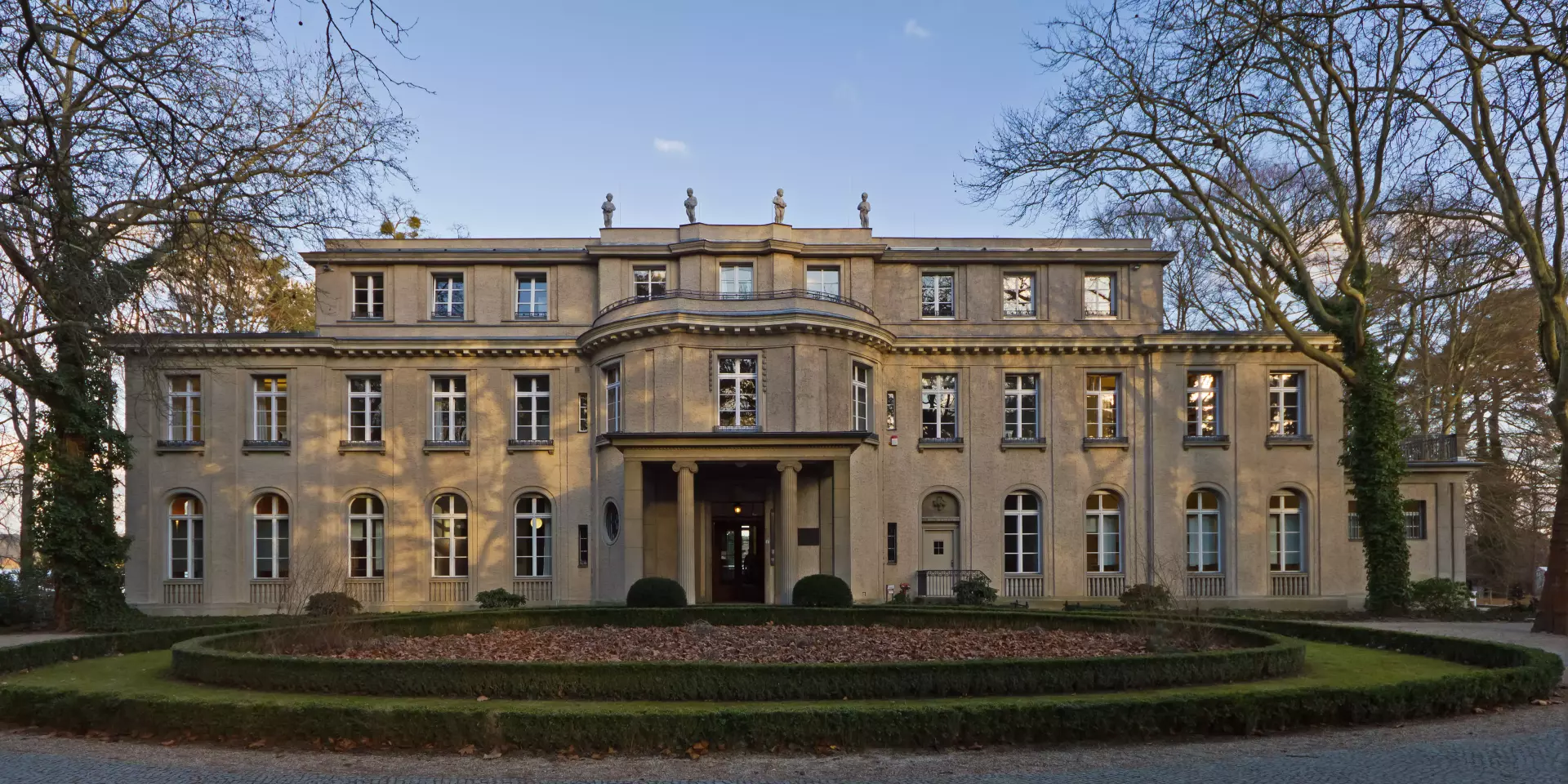
The building houses the personal offices of the Chancellor and the Chancellery staff. The Berlin Chancellery is one of the largest government headquarters buildings in the world. By comparison, the new Chancellery building is ten times the size of the White House. A semi official Chancellor's apartment is on the top floor of the building. The 200-m², two-room flat has thus far only been occupied by Gerhard Schröder chancellors since then have lived elsewhere. It is usually not possible to visit the building, but on occasion there are tours, usually around August. The building was deliberately designed in a way to symbolize the German constitutional system - it's in the line of sight of the Bundestag and lower in height, symbolizing the role of parliament in controlling government and "the people's house" being the higher power in the relationship between the two. Or at least that's the idea.
This castle is one of Berlin's oldest castles and where Prince Carl used to reside. Be sure to check out Glienicke Bridge, the bridge that became renowned for the exchange of Western and Eastern secret agents. You can also visit Glienicke Park.
Heritage listed Art Nouveau railway station and charming surrounding city square.
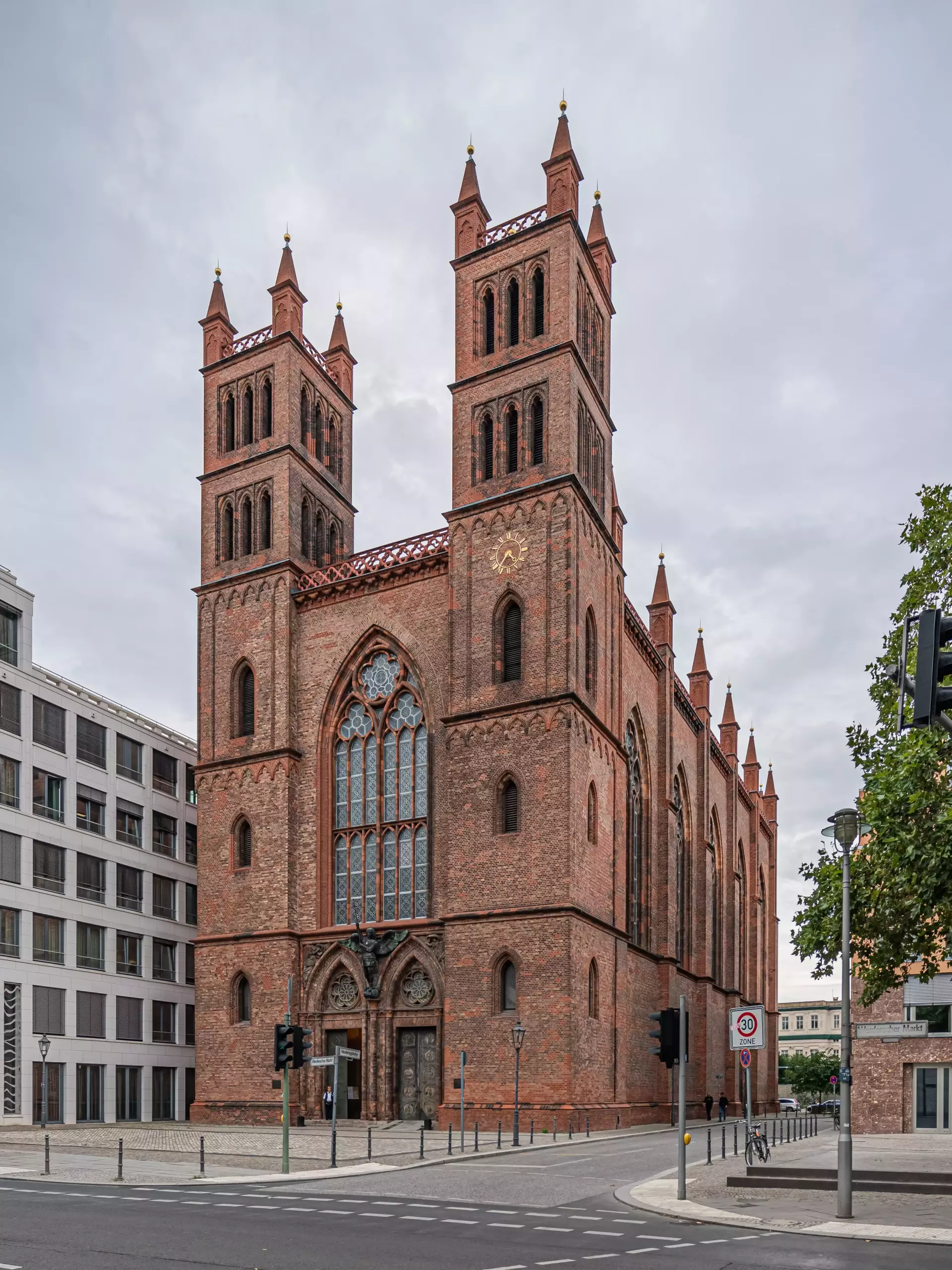
Nice church near Unter den Linden/Museum Island, finished in 1830 by Schinkel in English Neogothic style. Nice exhibition inside (neoclassical statues and an exhibition about Schinkel's life and work upstairs).
Huge technical museum, on a former railroad depot, featuring from ancient water and wind mills to computer pioneer Konrad Zuse's inventions, a collection of old to new vehicles of all types -bicycles, boats, trains, etc - and the interactive Spectrum science center with various hands-on experiments. There's an actual C-17 "Candy Bomber" airplane hanging on its façade. The railroad and aeronautical sections are hard to beat.
150-200 m along the Wiener Straße (bypassing the fire house and the public swimming pool) from U-Bahn Görlitzer Bahnhof, the park is famous for the Turkish families barbecuing on summer weekends, failed contemporary art and relaxed atmosphere of students. It does have a reputation of being full of pickpockets and drug dealers though and the police makes regular visits to this place to check on the situation.