Search ×
Home Berlin
Ethnological Museum
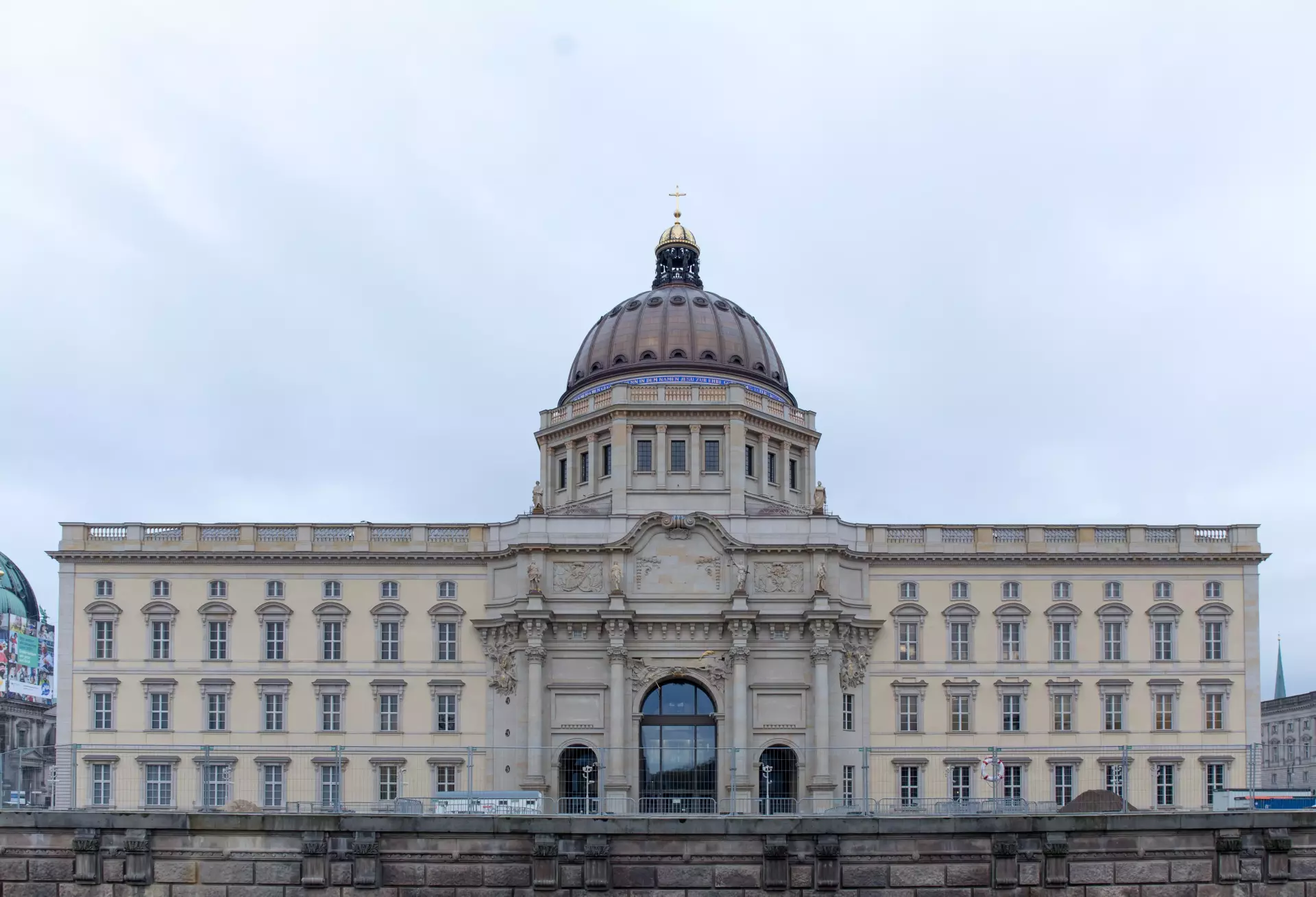
Humboldt Forum, December 2020.
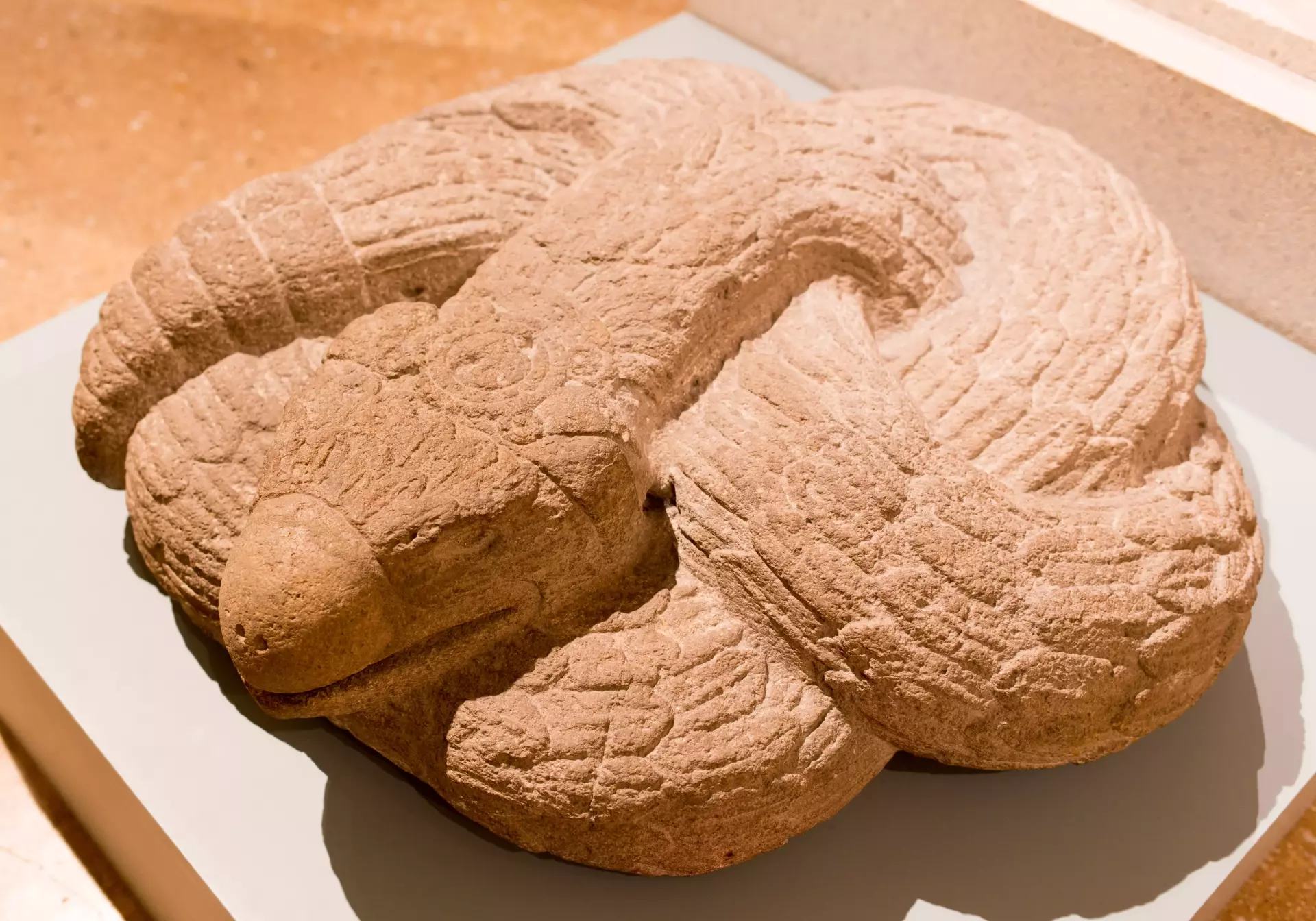
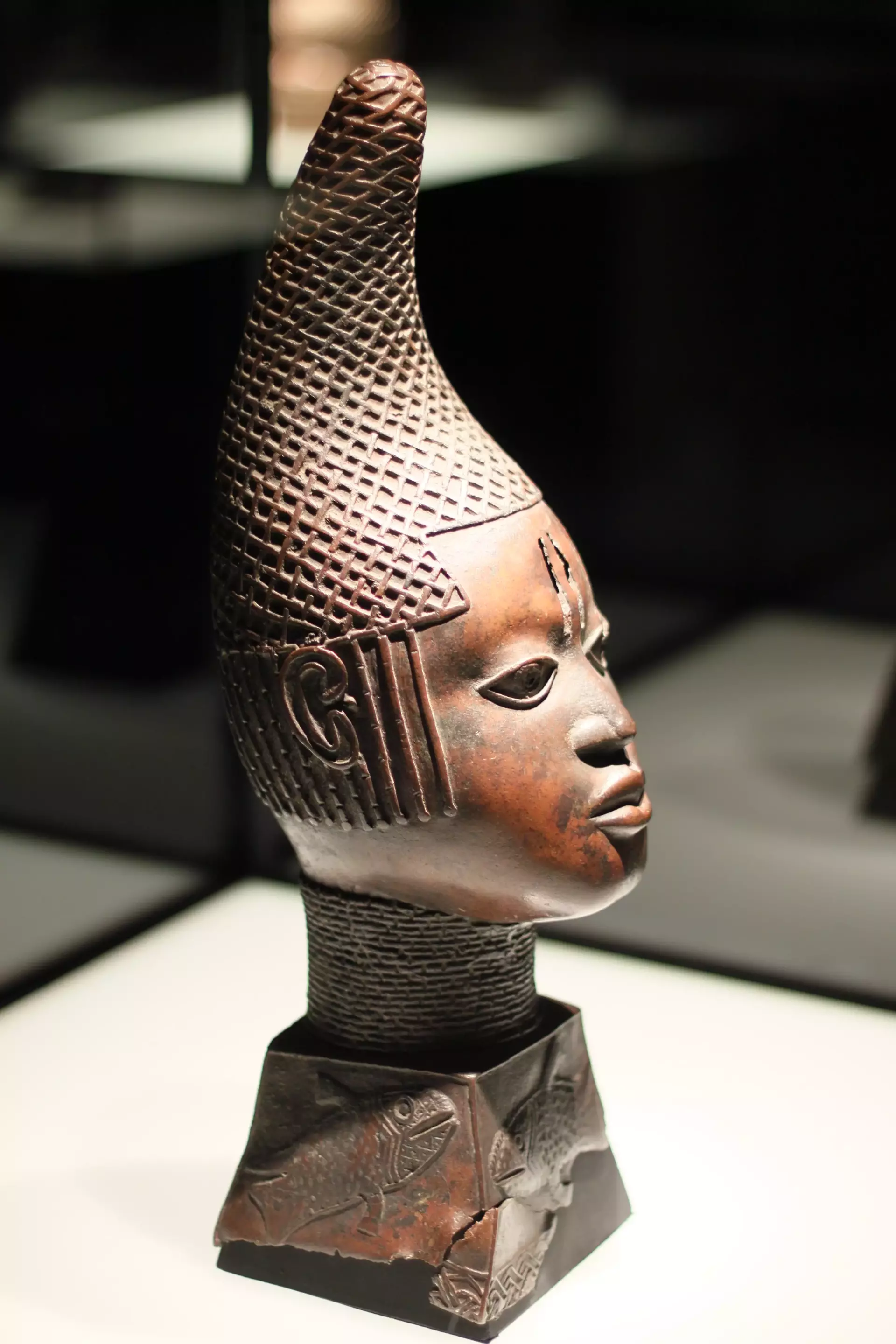
Cuauhcoatl; Humboldt Forum Highlights
Head of a queen mother ioyba, Nigeria, Kingdom of Benin, early 16th century, gun bronze; Africa Department, Ethnological Museum, Berlin, Germany, Inv. No. III C 12507 (collection Theodor Francke, acquired in 1901).
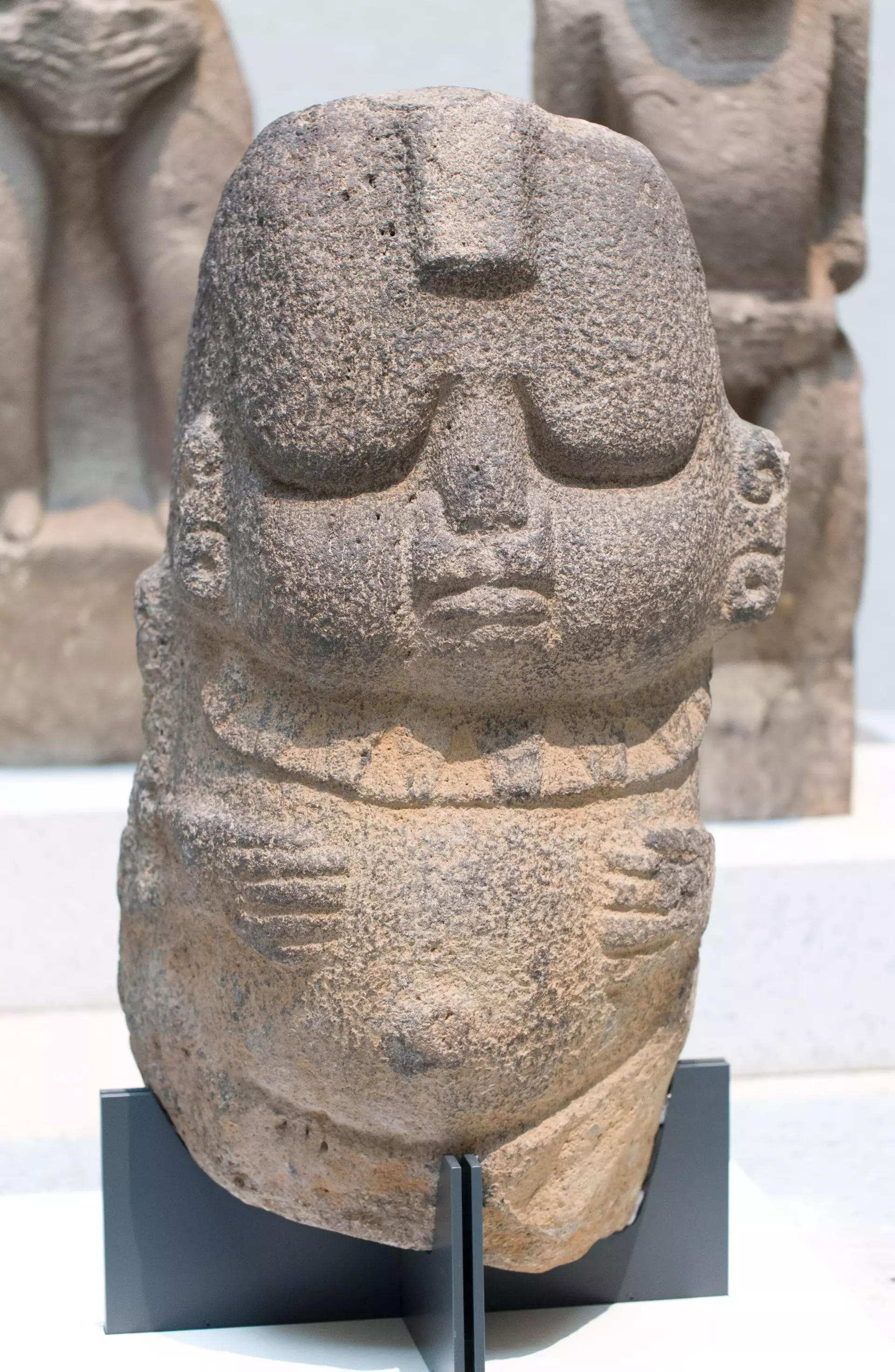
Barrigon; Humboldt Forum Highlights
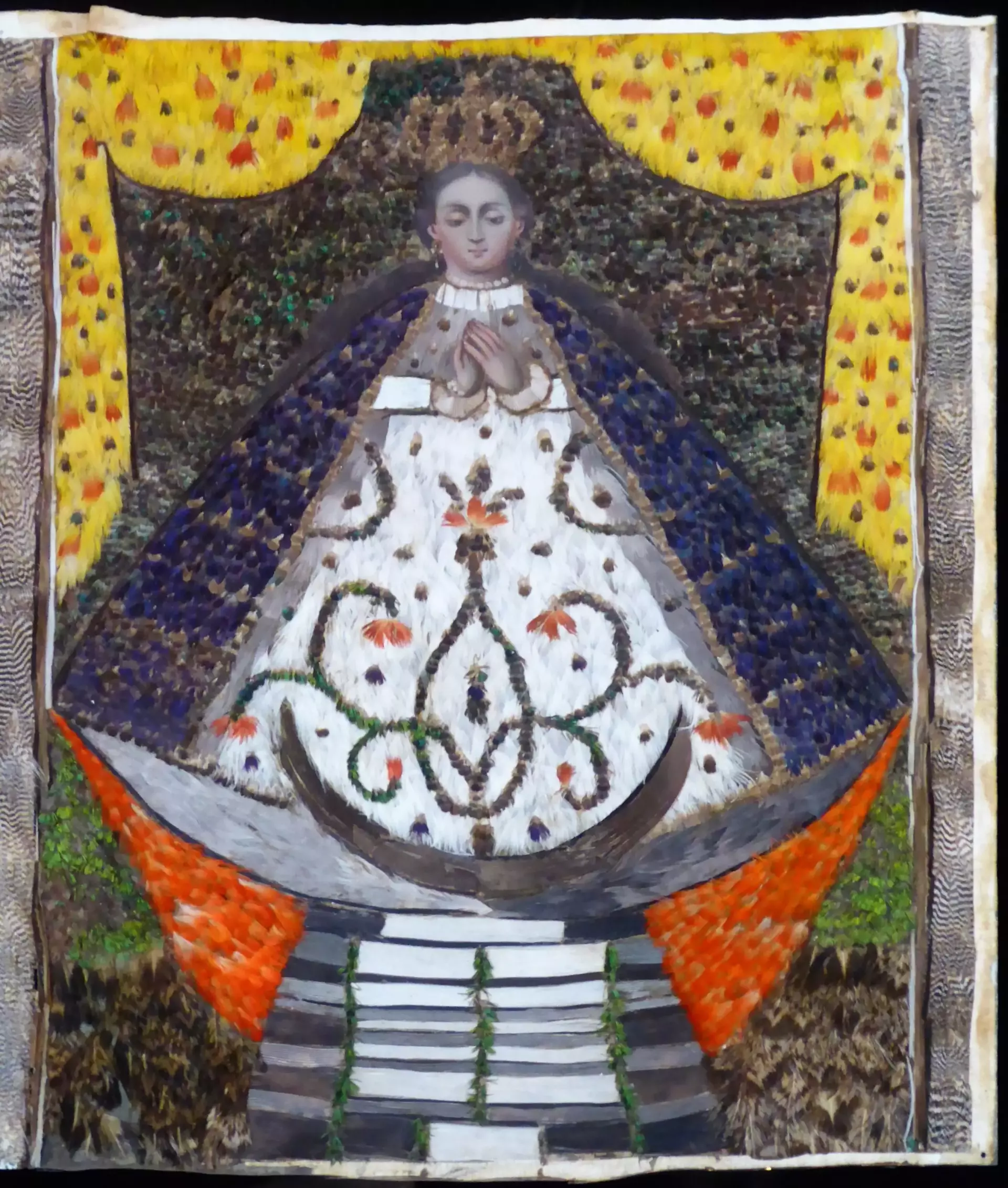
Feather Madonna brought to Berlin by Alexander von Humboldt in 1803/1804.
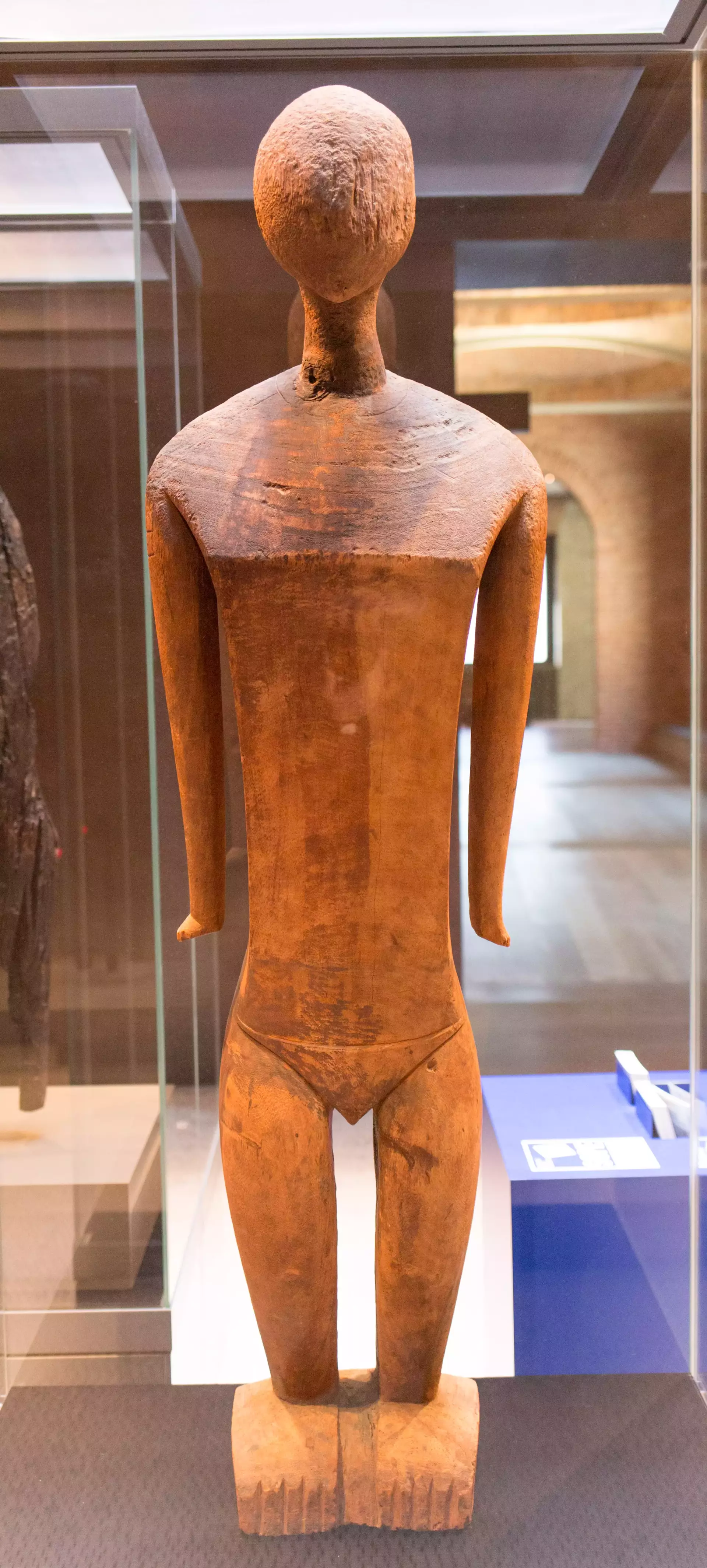
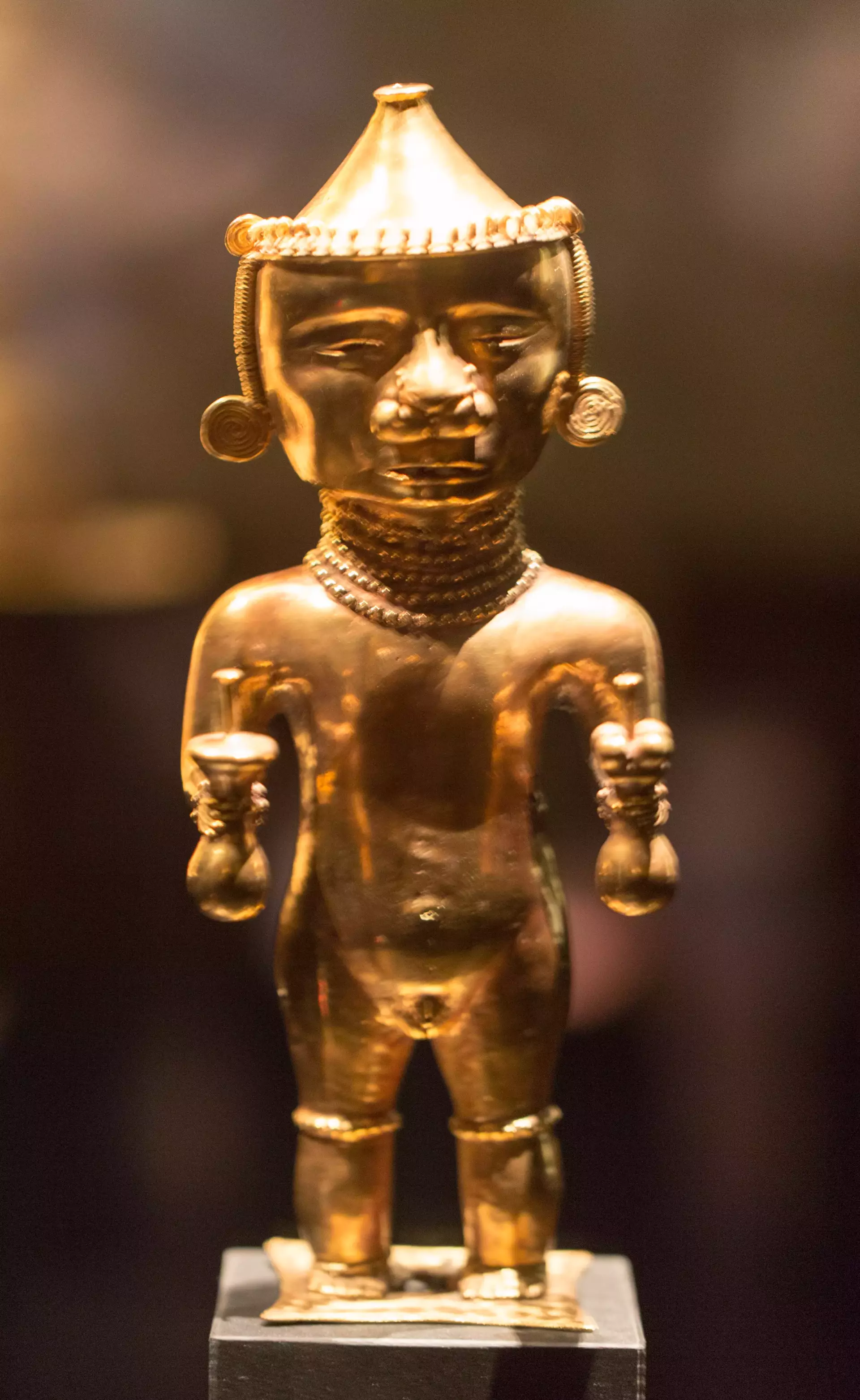
Chief; Humboldt Forum Highlights
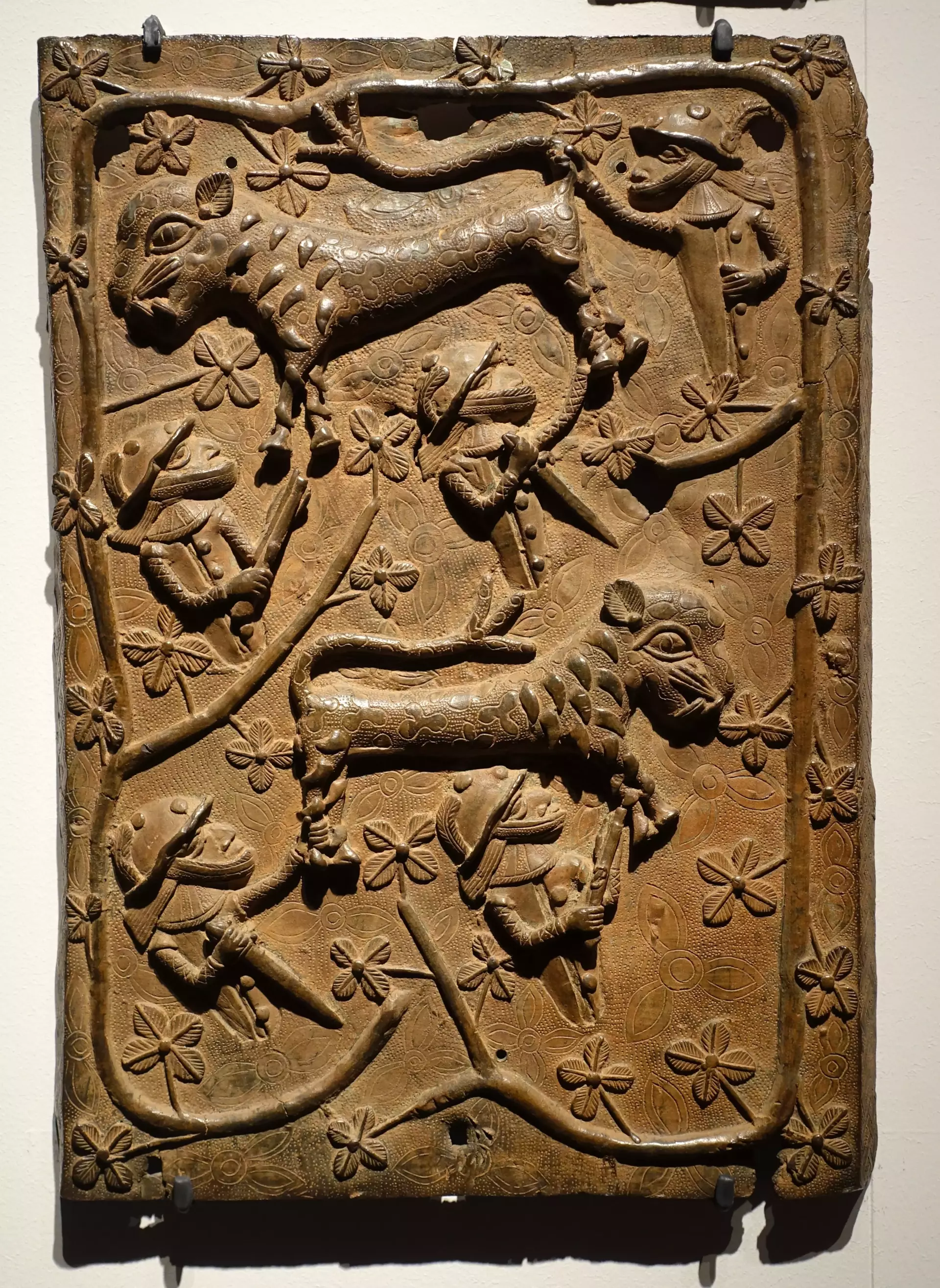
Brass plaque from the Kingdom of Benin, 16th–17th century, exhibited in the Ethnological Museum, Berlin, Germany. This artwork is in the public domain because the artist died more than 70 years ago.
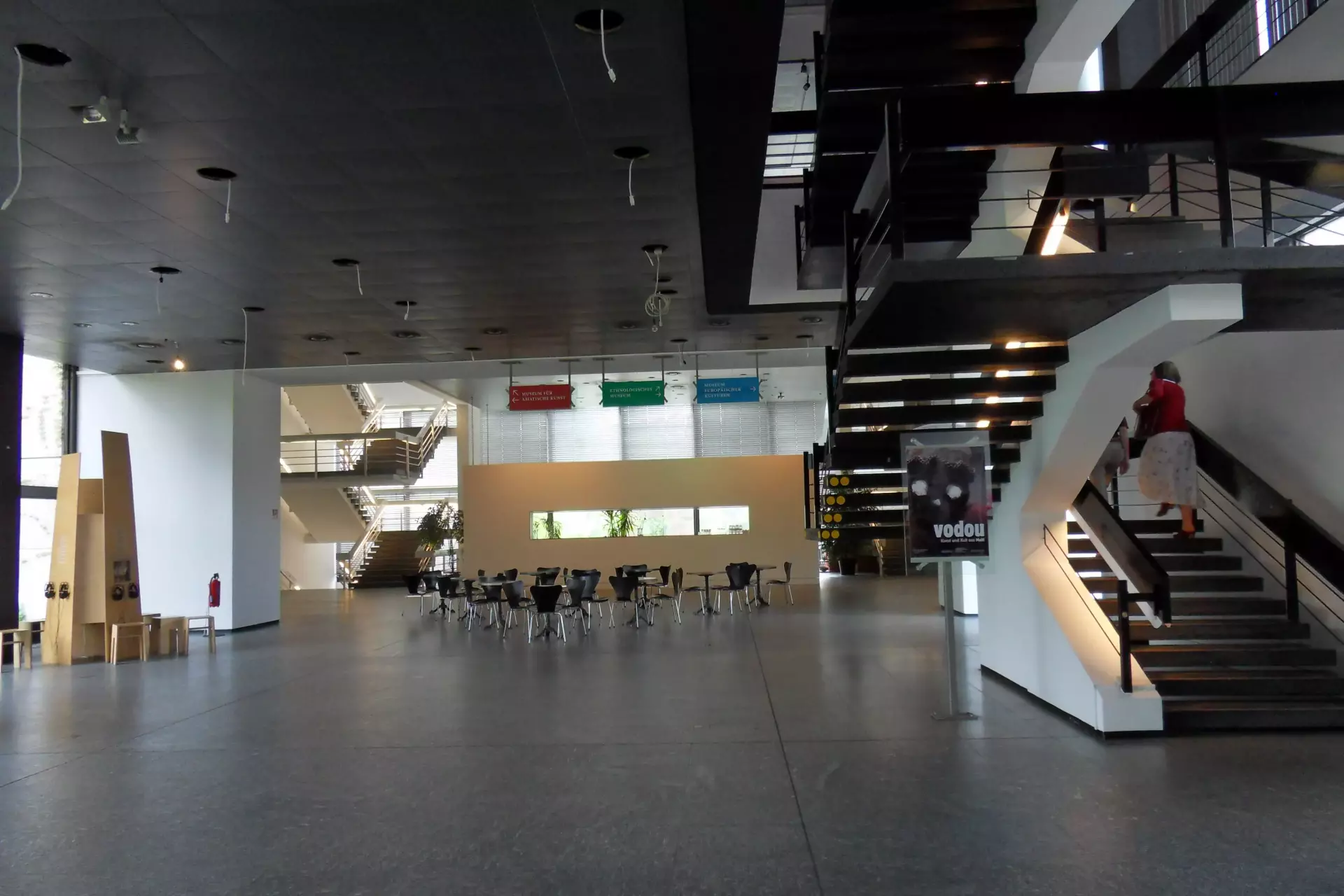
Entrance area of the Dahlem Museums: houses the Ethnological Museum, the Museum of Asian Art, and the Museum of European Cultures.
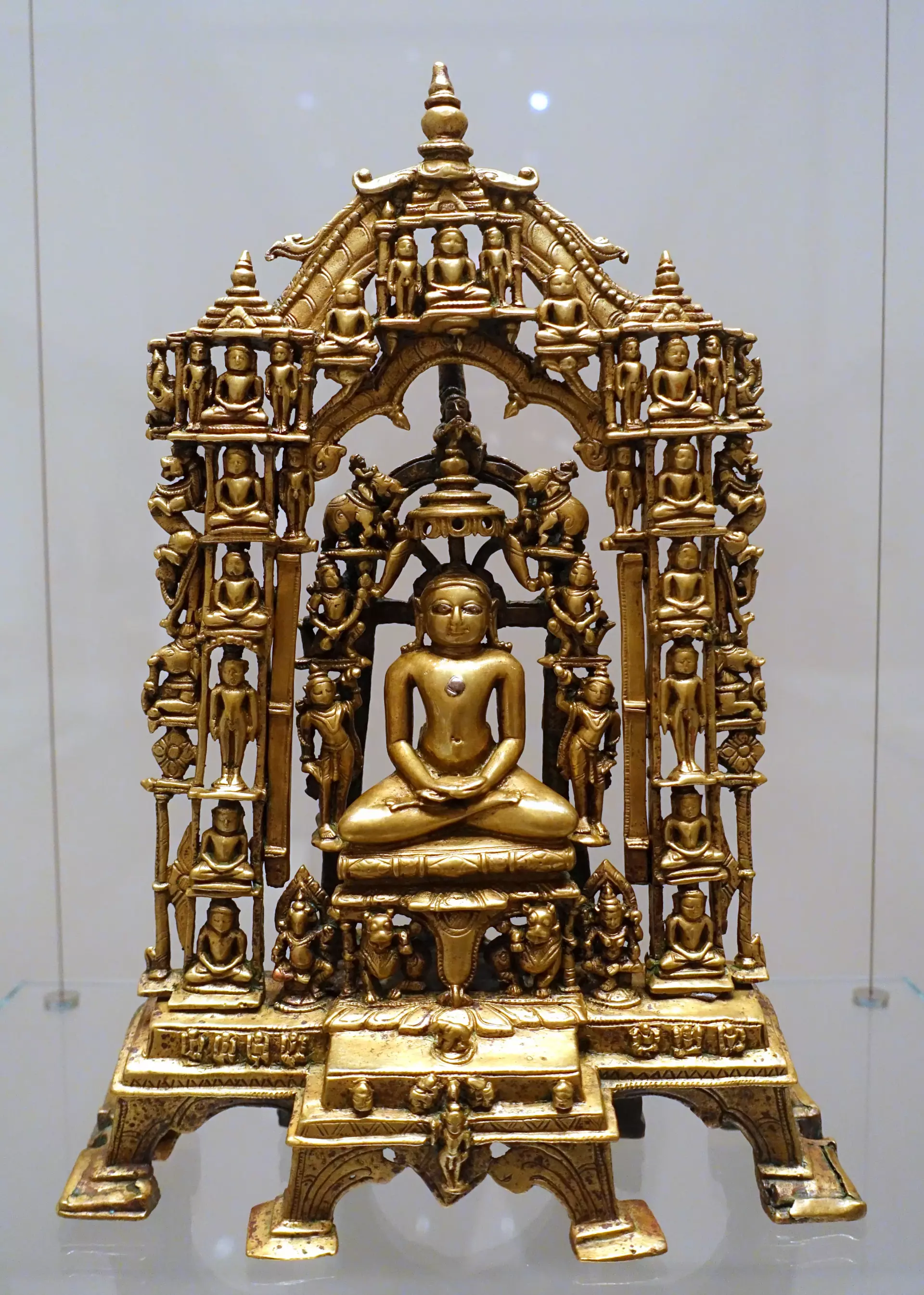
Exhibit in the Ethnological Museum, Berlin, Germany. Photography was permitted in the museum without restriction.
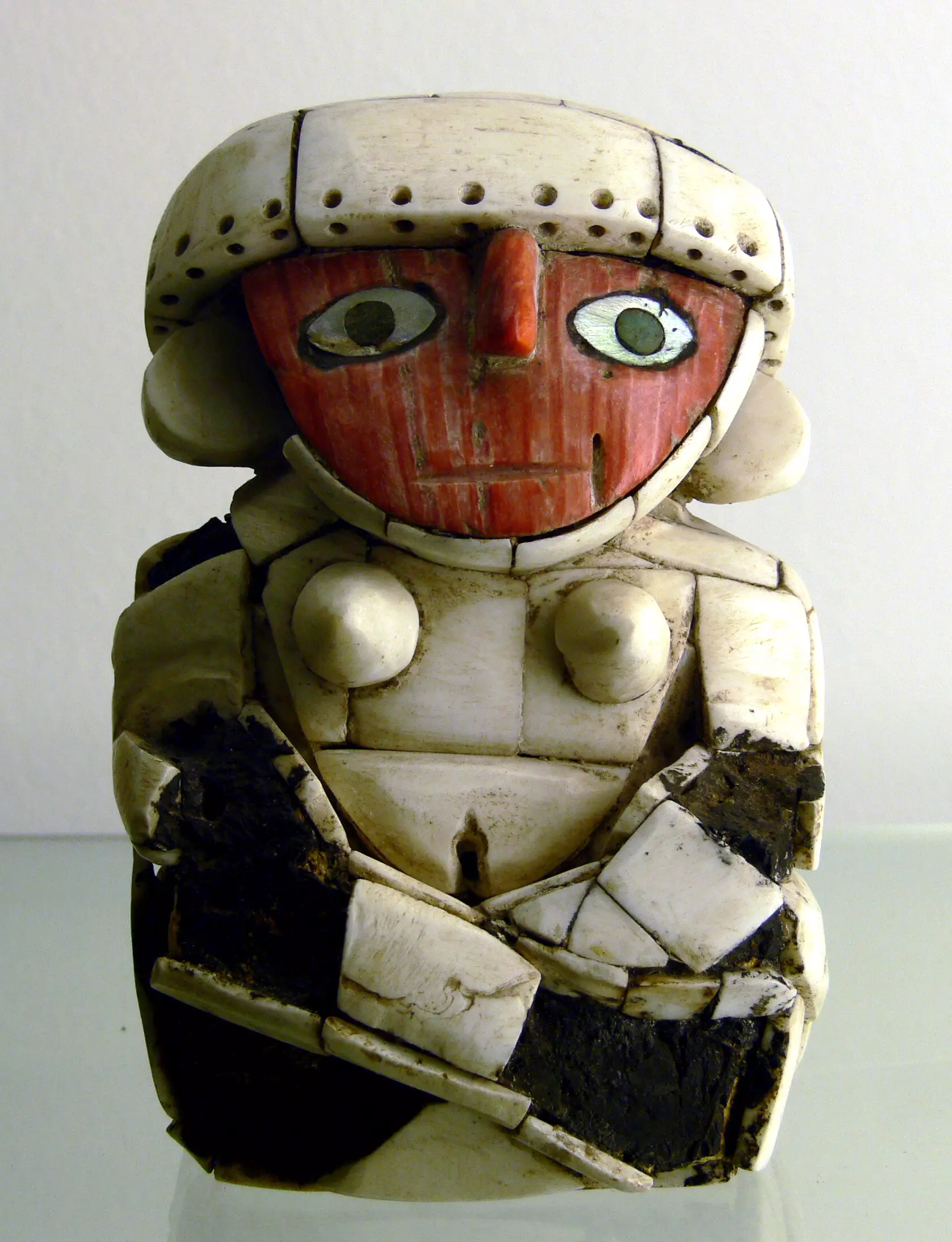
Figurine, Inca (c. 1400–1532 AD), made from Spondylus; Ethnological Museum, Berlin, Germany.
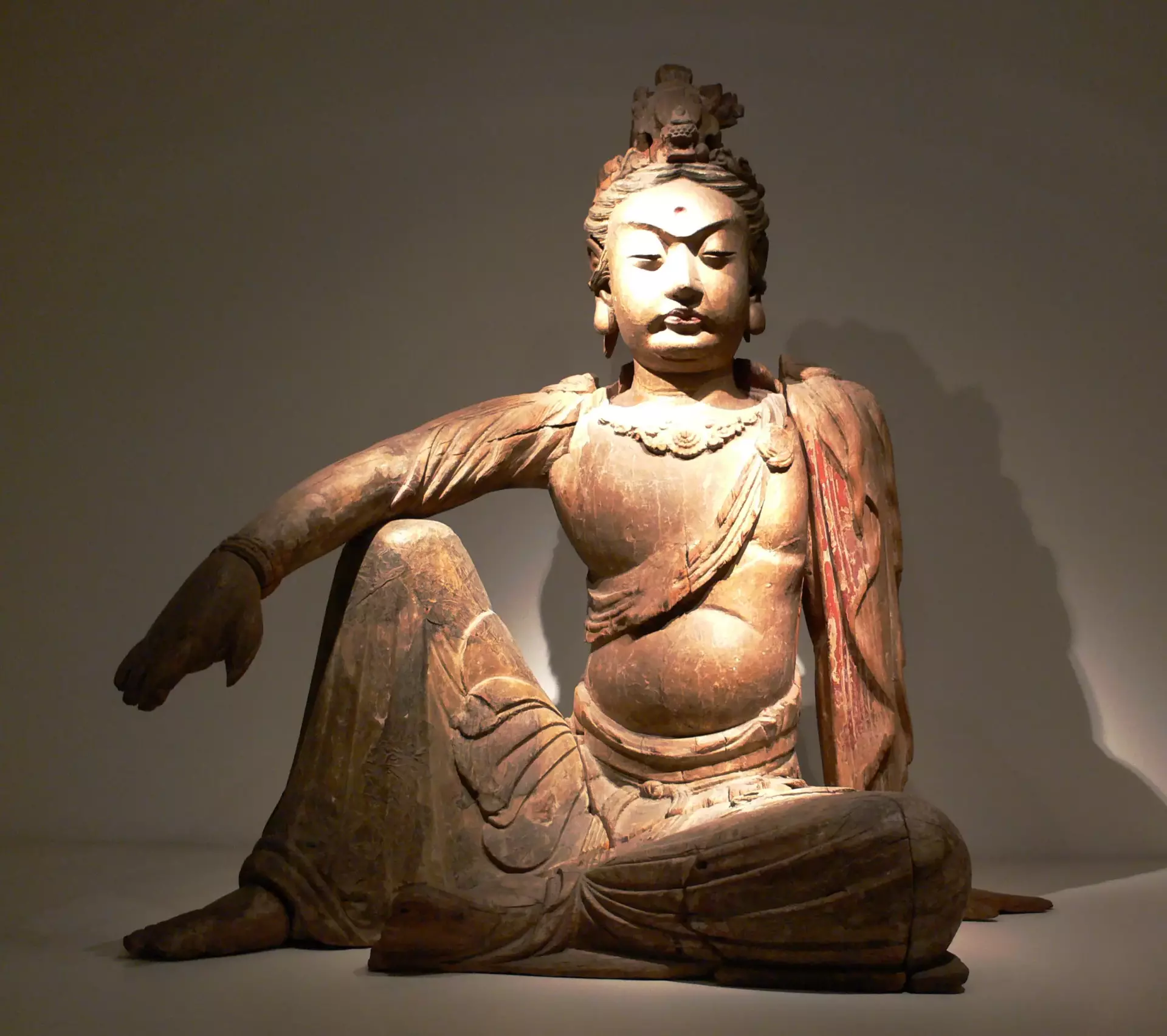
Guan Yin, wooden sculpture, China, Song Dynasty, 12th century AD; Ethnological Museum, Berlin, Germany.
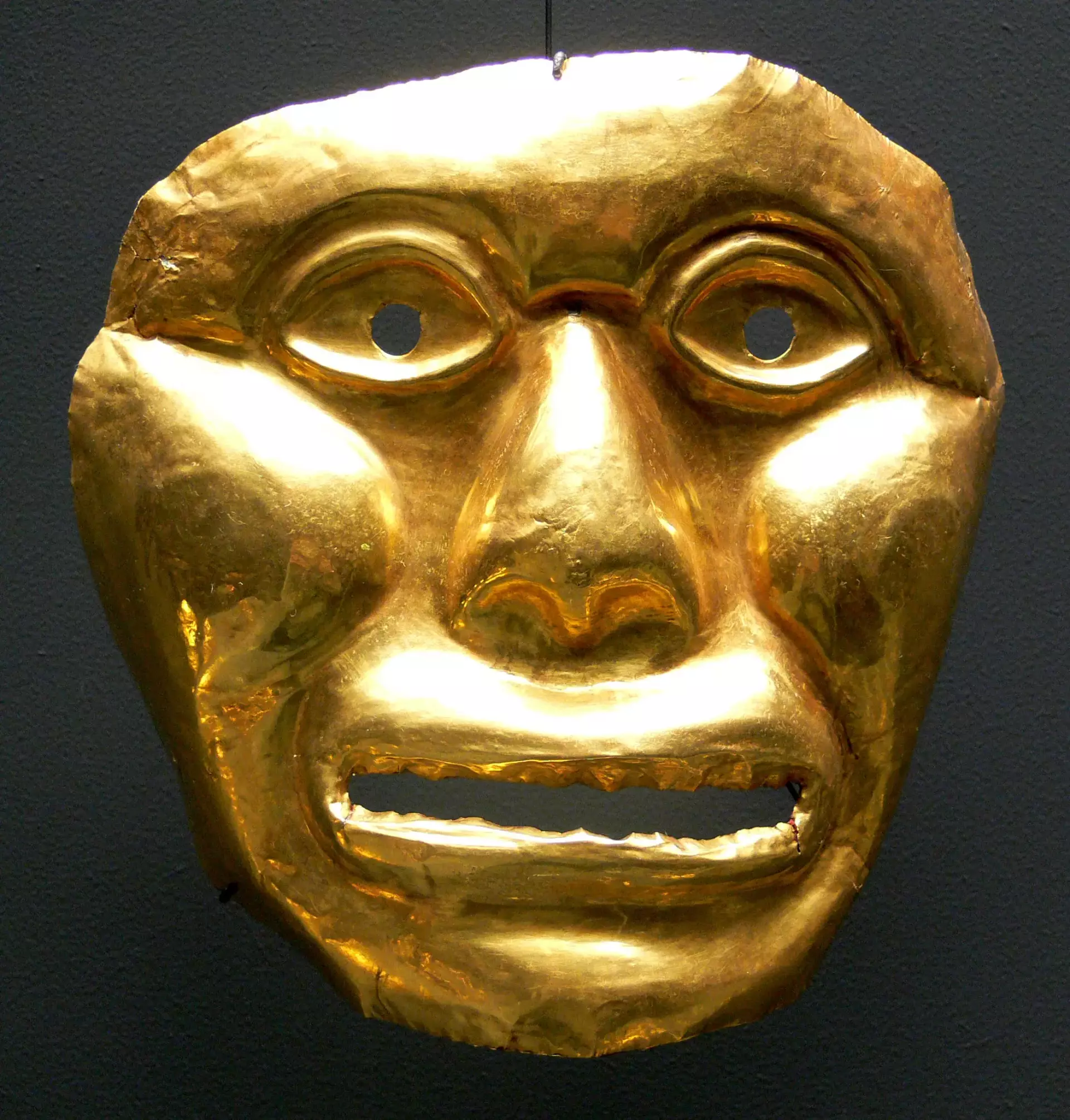
Funerary mask, Ilama (Yotoco Calima), Colombia, 1st millennium BC, gold sheets. Ethnological Museum, Berlin-Dahlem.
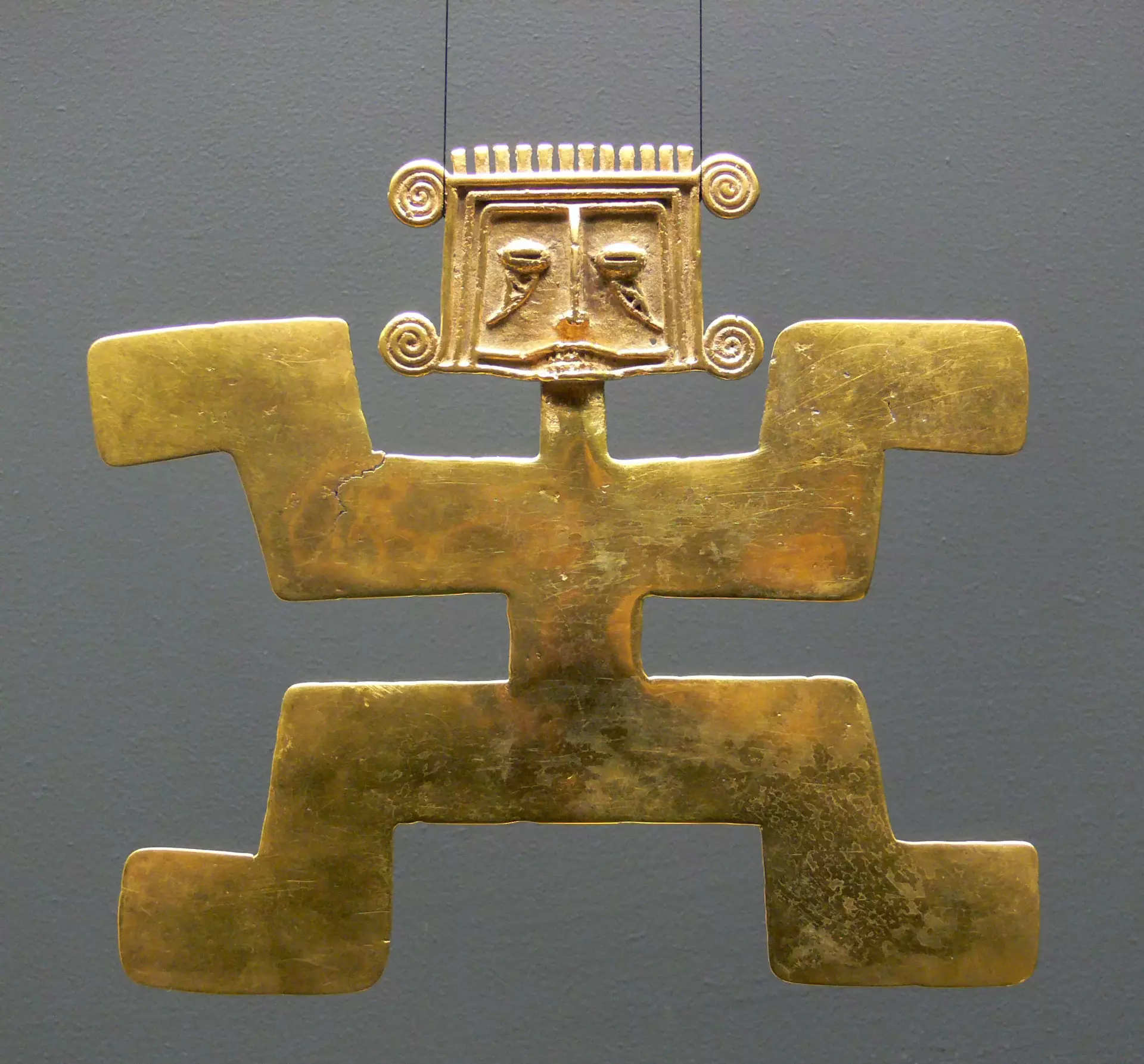
Bridal jewellery, Tolima, Colombia, c. 400–1000 AD; Ethnological Museum, Berlin, Germany.
Ethnological Museum Berlin
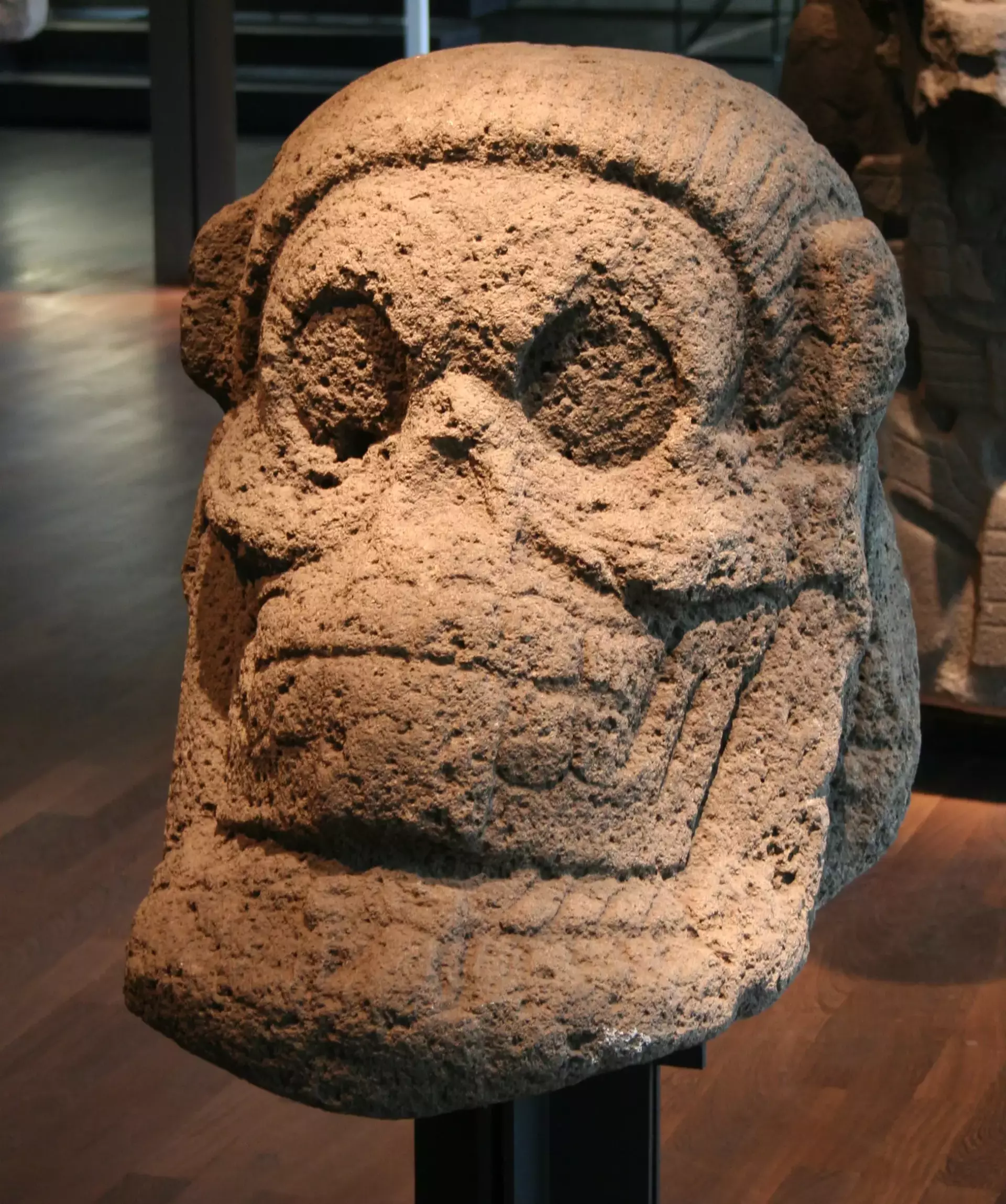
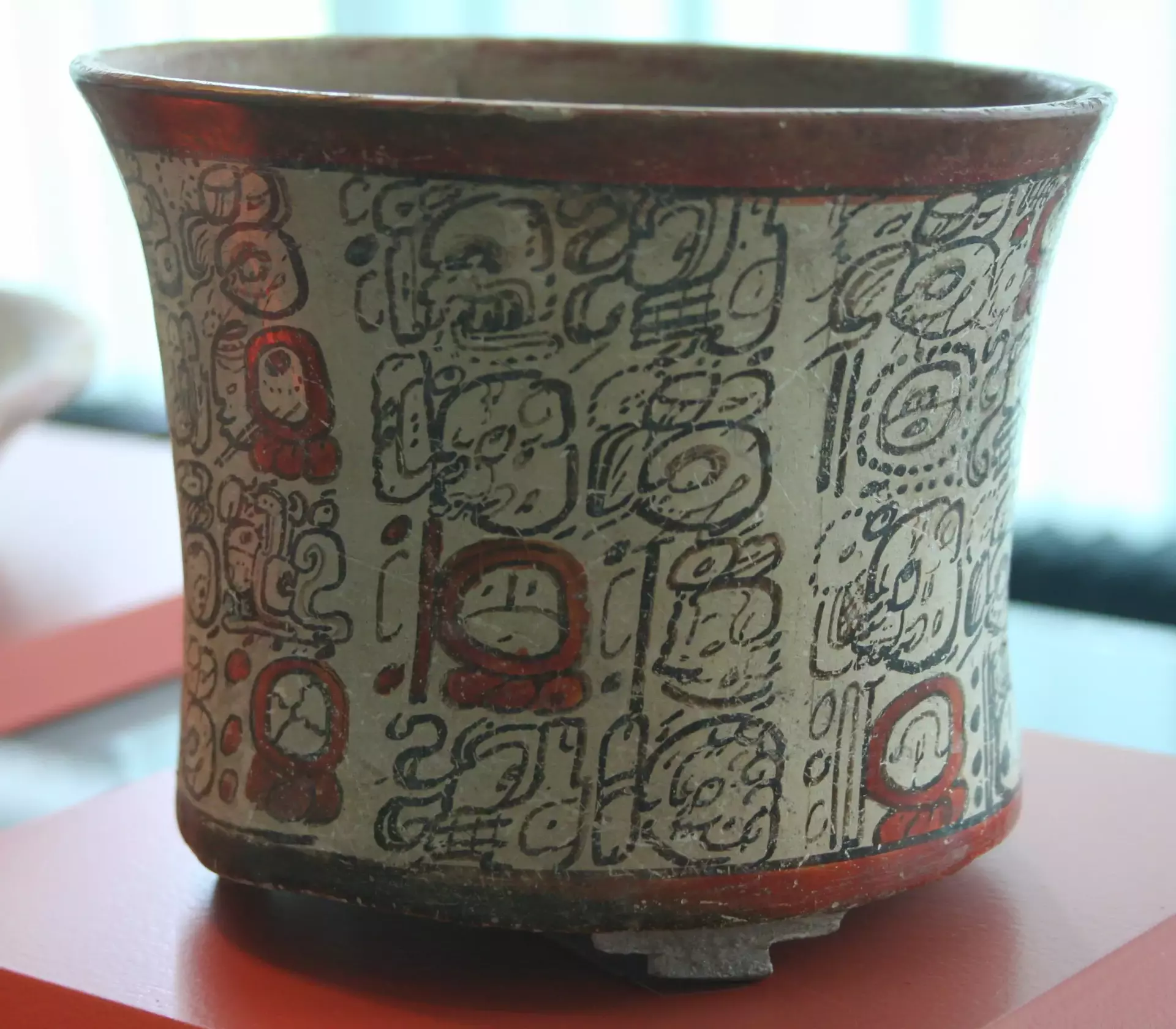
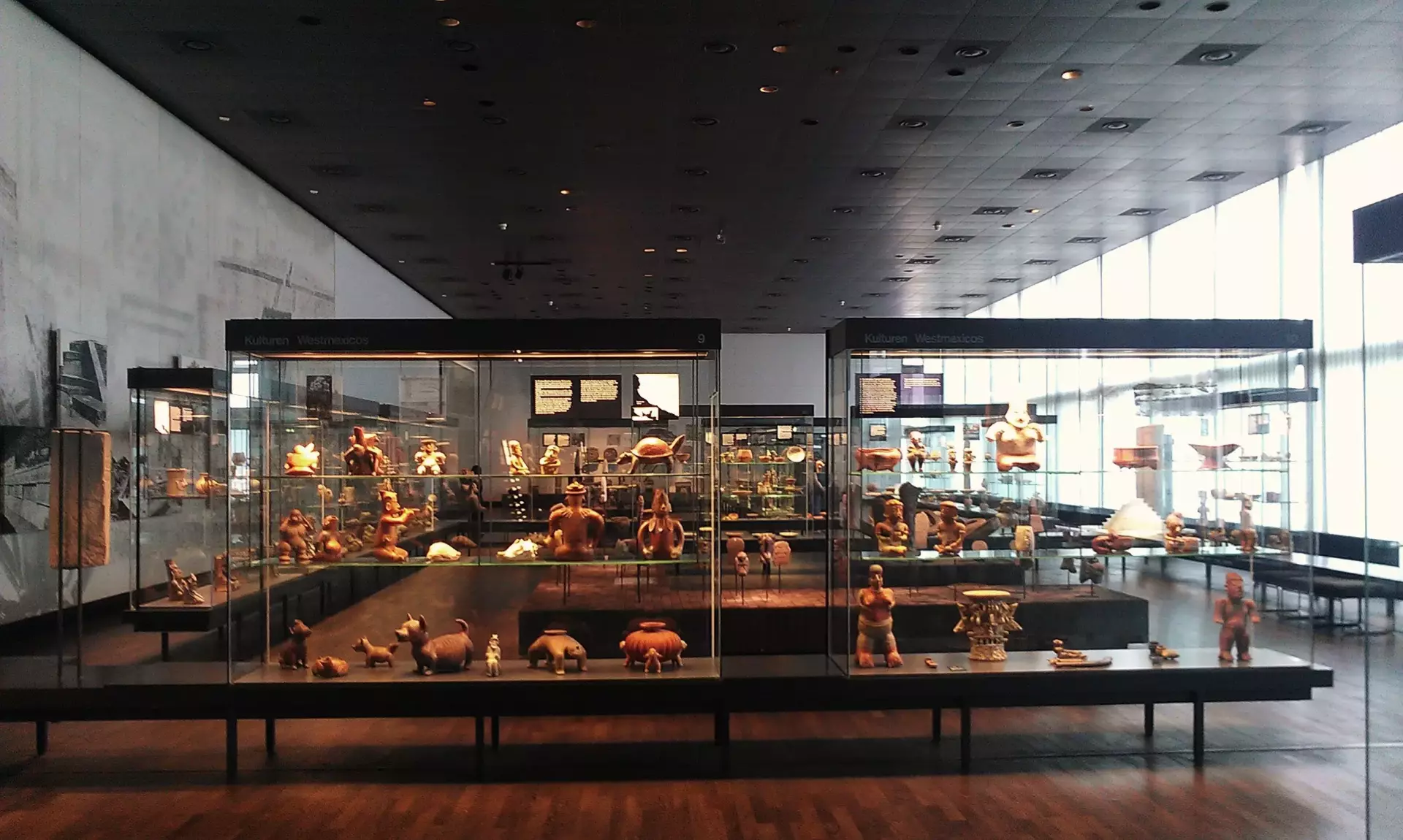
The Mesoamerican collection at the Ethnological Museum of Berlin in the Dahlem Museum, Berlin.
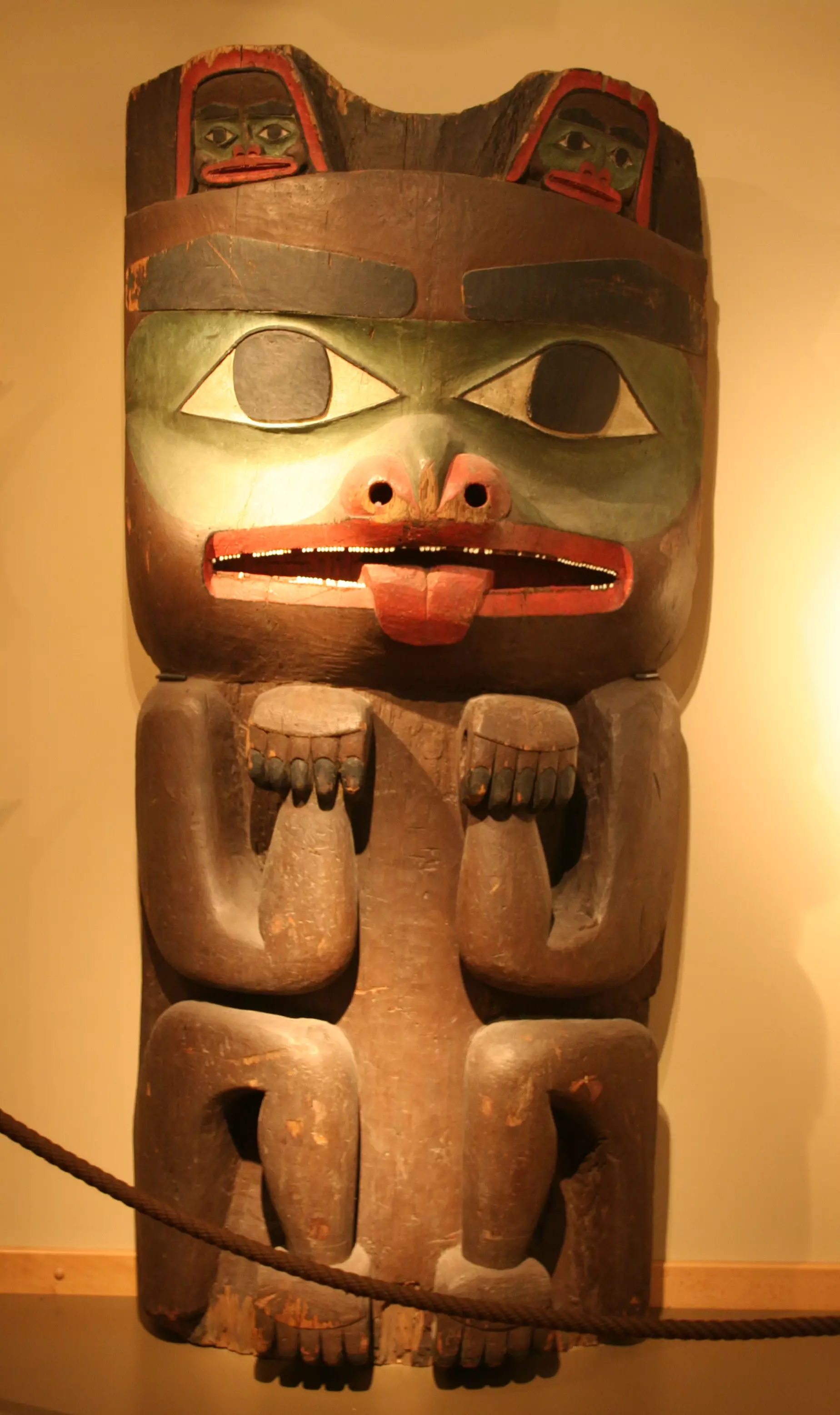
Shaman's mask, Yupik people; North America Department, Ethnological Museum, Berlin, Germany.
Ethnological Museum Berlin
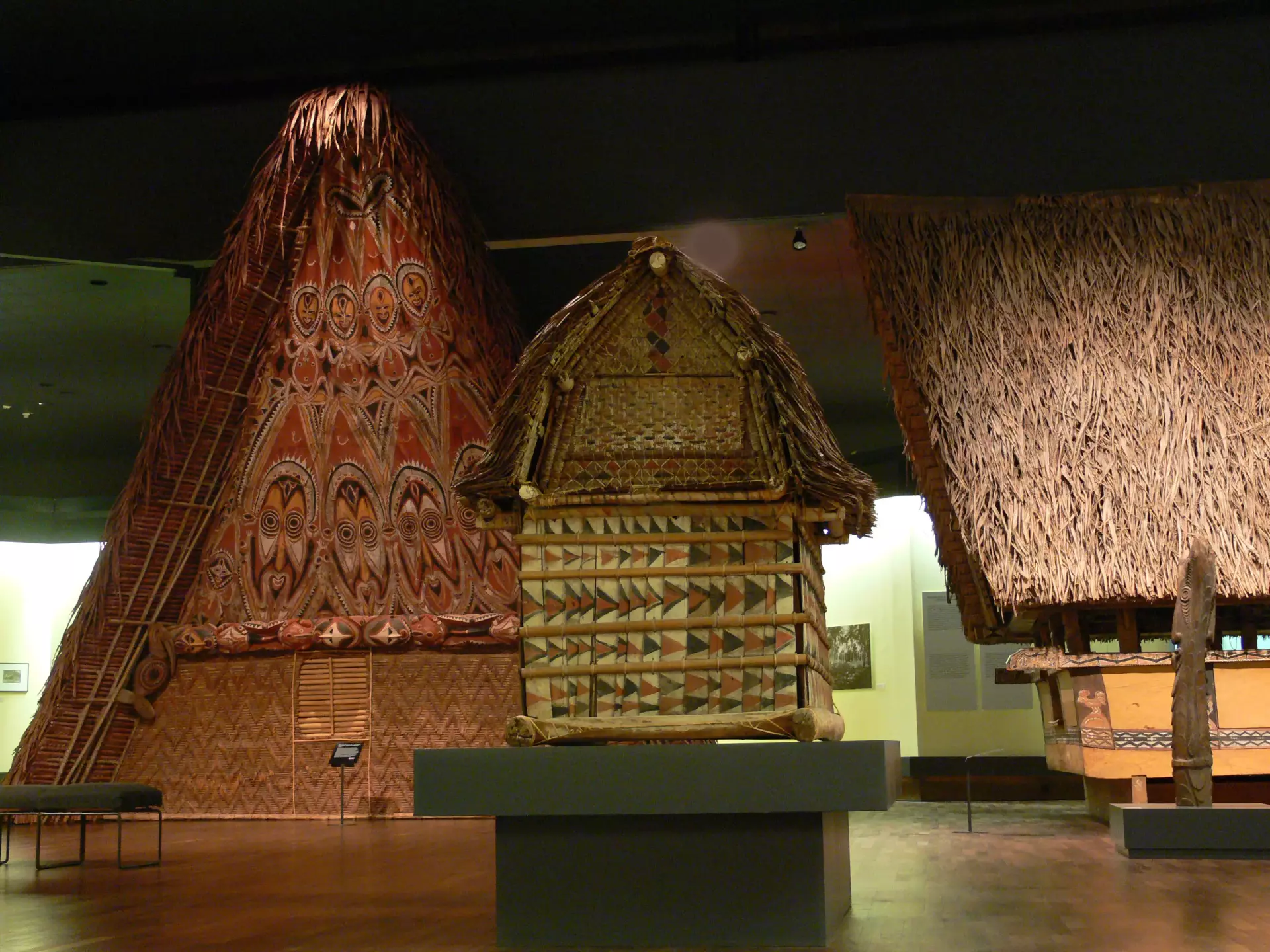
Melanesia department. Ethnological Museum, Berlin-Dahlem.
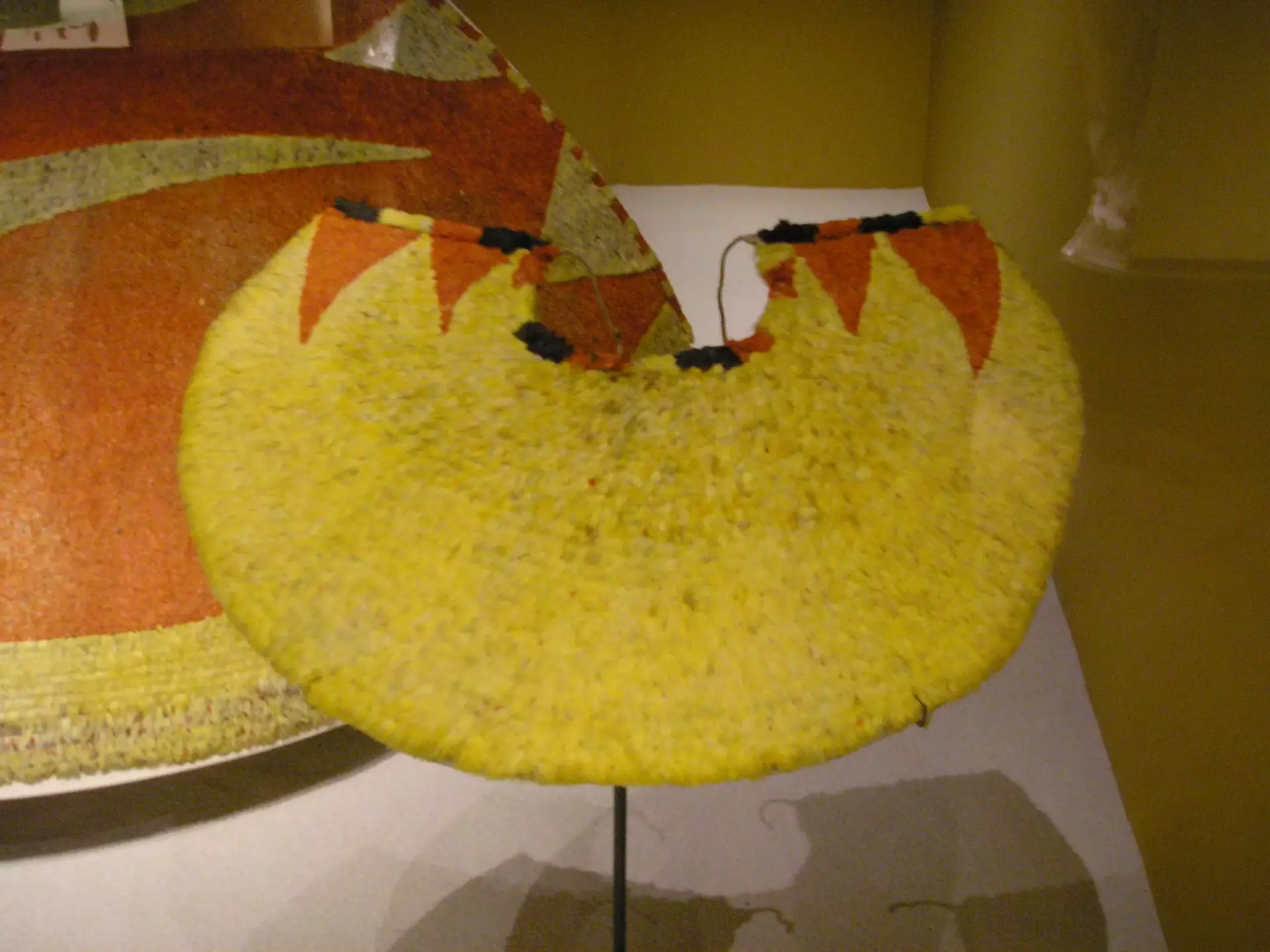
A feather-coat, an insignia that had very high status in the old culture of Hawaii, at the Ethnologisches Museum, Berlin-Dahlem. The big feather cloak in the background is the ʻahu ʻula of the Hawaiian King Kamehameha I.
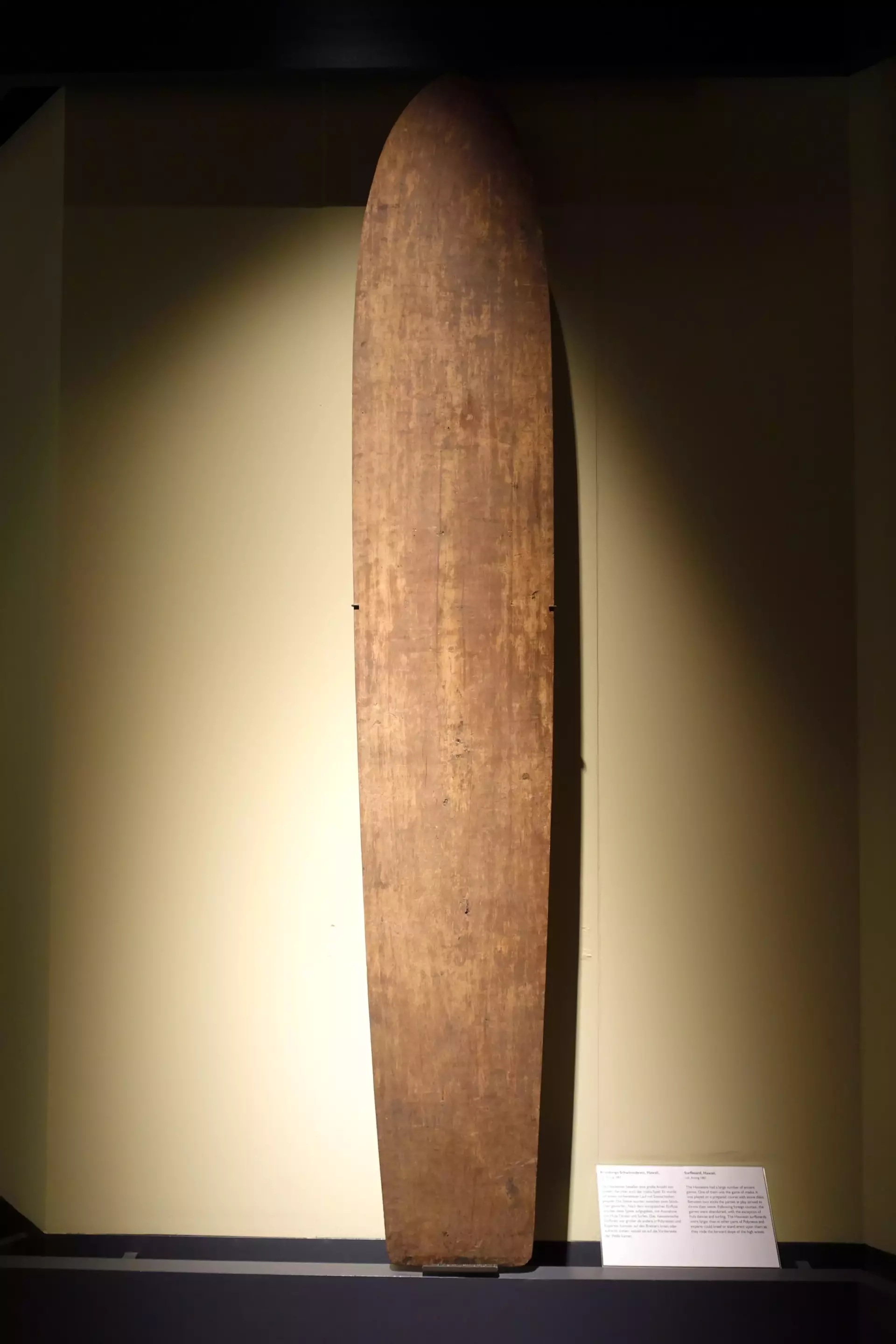
Exhibit in the Ethnological Museum, Berlin, Germany. Photography was permitted in the museum without restriction.
Uli statues (Dahlem Museum, Berlin) Statues Uli, New Ireland, 19th century, wood, Franke Collection, Dahlem Museum of Ethnology (South Seas and Oceania part), Berlin. The hermaphroditic character of Uli statuettes contributed to their collection by Europeans from the beginning of the 20th century. They were only shown during major funeral rituals; during the rest of the year, they were kept in “men’s houses.”
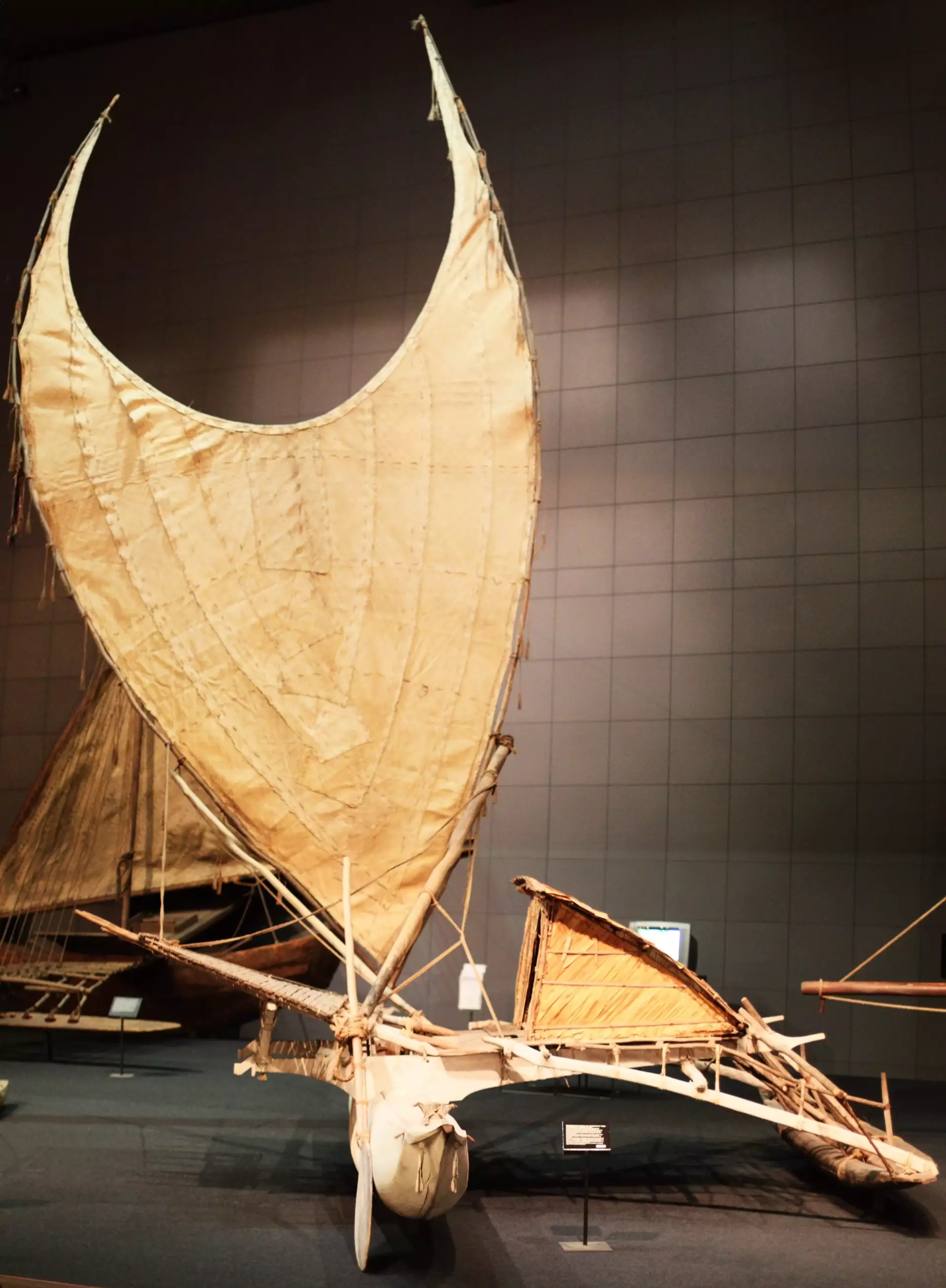
Bluewater outrigger boat with a crab-claw sail; Taumako / Nifiloli; Santa Cruz Islands. The crab-claw sail is as efficient as a square sail of the same overall dimensions (as tested in wind tunnels). Presumably the scooped-out outline of the sail prevents flow separation by channeling the wind across the sail, avoiding concentrations of pressure. The dangling “ornaments” on the sail provide turbulence control (near edge of picture). When reaching, the boat can reverse direction without turning: only the sail must be turned from “forward” to “astern.” This boat (te puke or folafolau) was built on Taumako and sailed out of Nifiloli; it was used for travel and trading within the Santa Cruz archipelago. Her owner named her “Maunga Nefe,” after a mountain on the island Vanikoro, the home of the dead. The boat is the last of its kind. It was brought to Berlin in 1967. The hull is prepared for bluewater travel in the traditional manner, with clay slip made from ocean-bottom sediments.
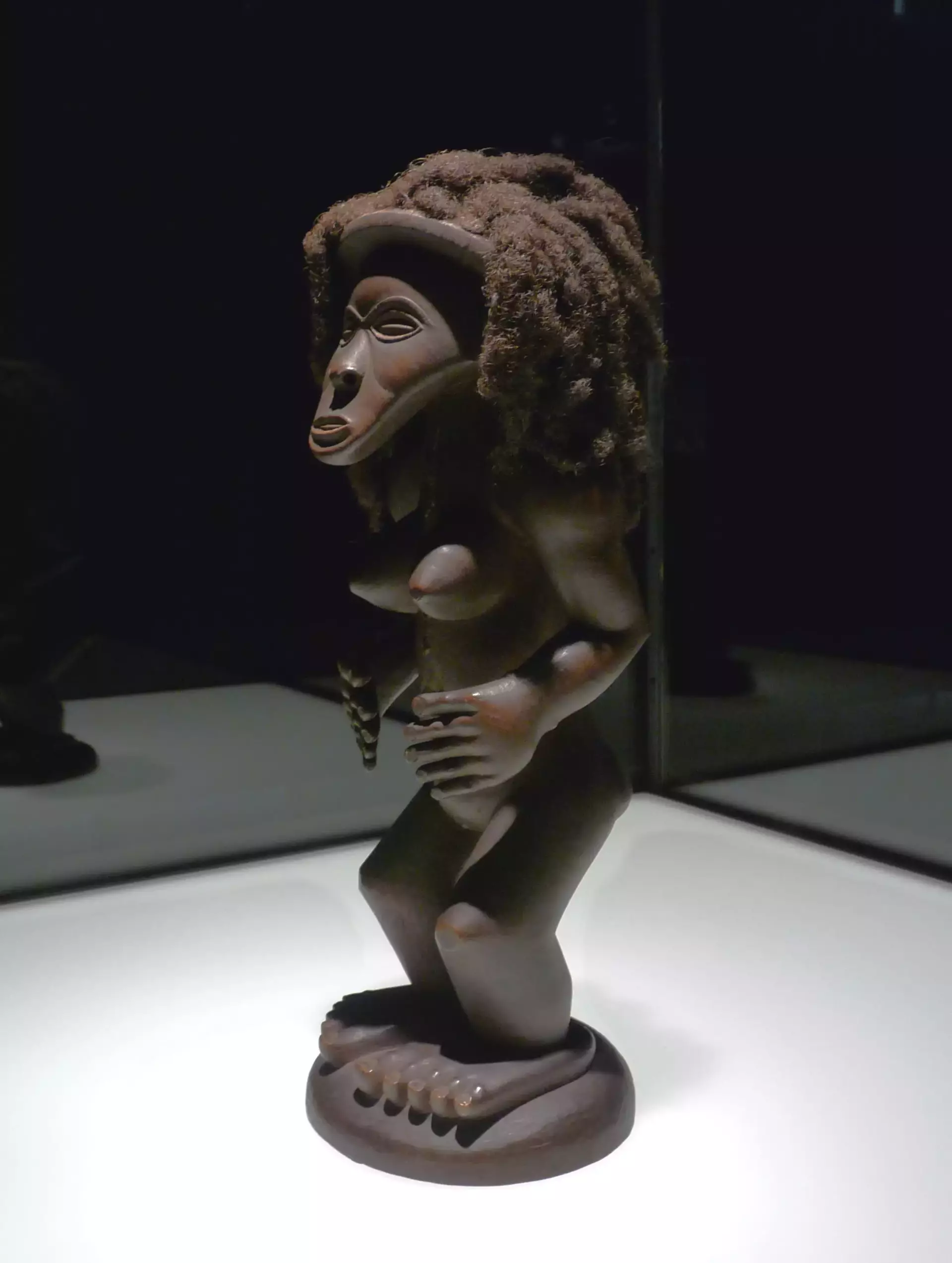
Figure of a queen mother or primary wife of the king; Angola, Chokwe, 19th century; wood/human hair; Africa department, Ethnological Museum, Berlin, Germany, Inv. No. III C 2969 (collection Gustav Nachtigal, acquired in 1886).
Ethnological Museum Berlin
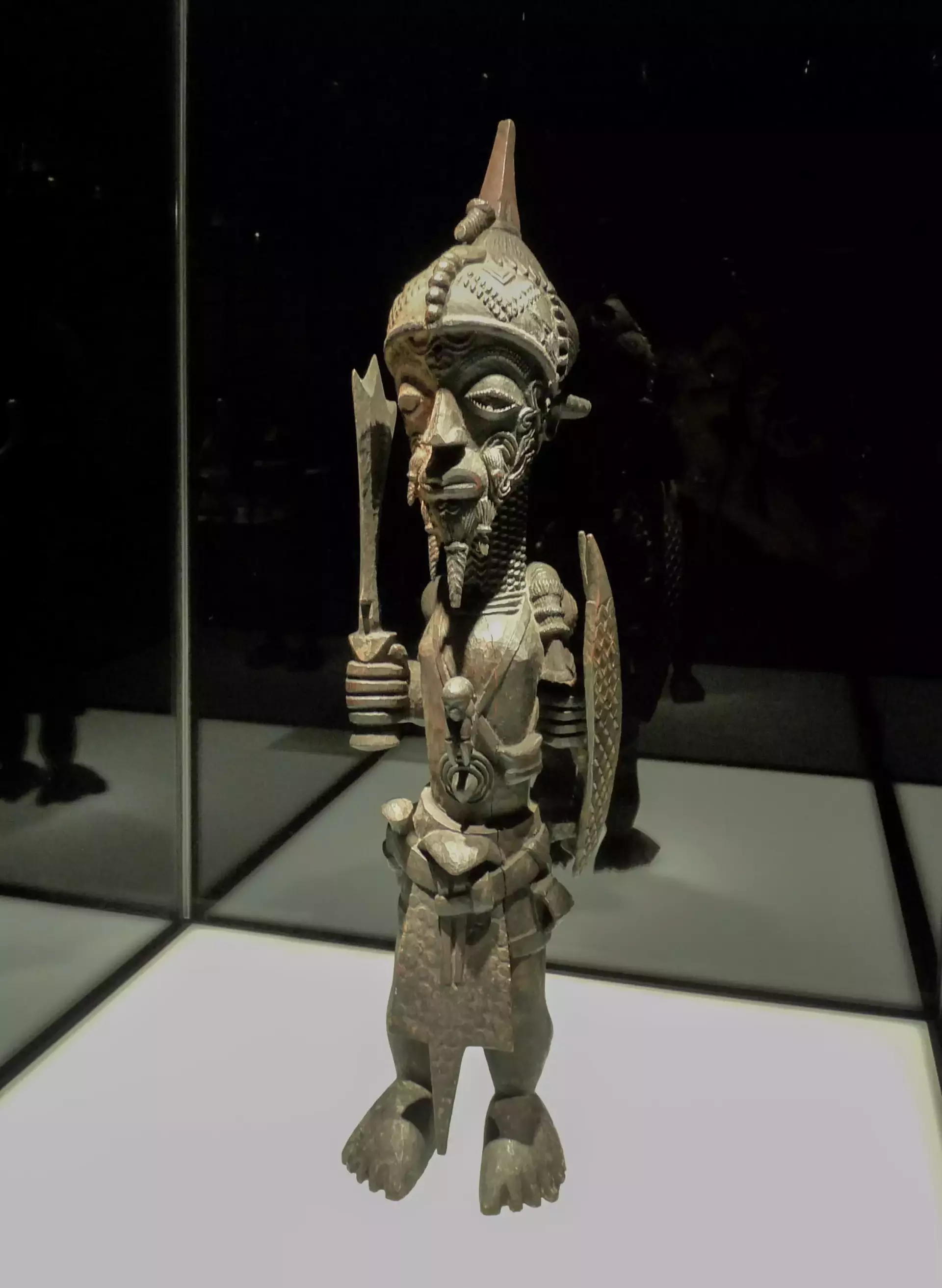
Male figure (leopard chief), Democratic Republic of Congo, Luluwa; 19th century; wood; Africa Department, Ethnological Museum Berlin, Inv. No. III C 3246 (Collection Hermann von Wissmann, acquired 1886).
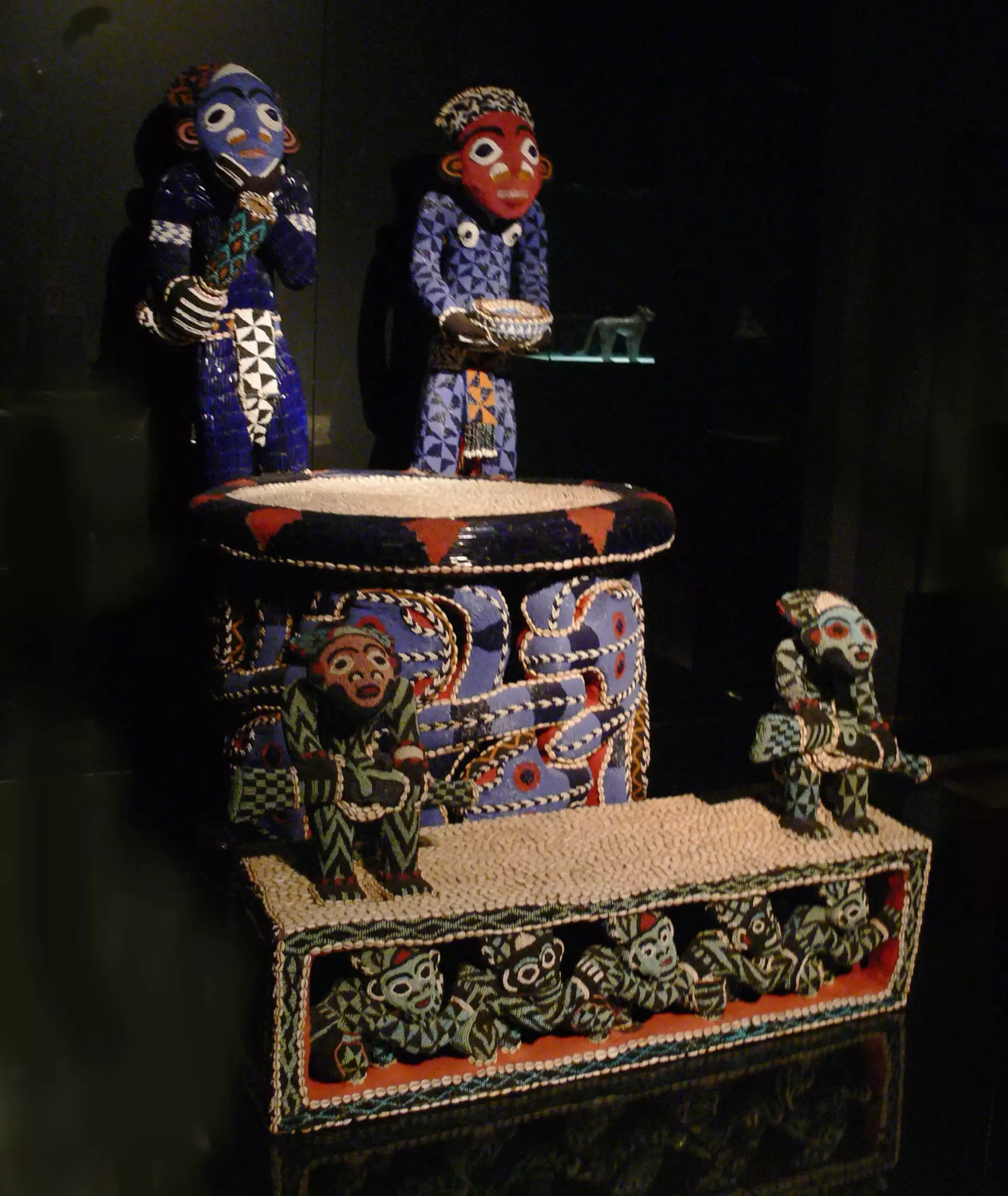
Royal throne mandu yenu, Cameroon, Bamum; 19th century; Africa department, Ethnological Museum, Berlin, Germany, Inv. No. III C 33341a,b.
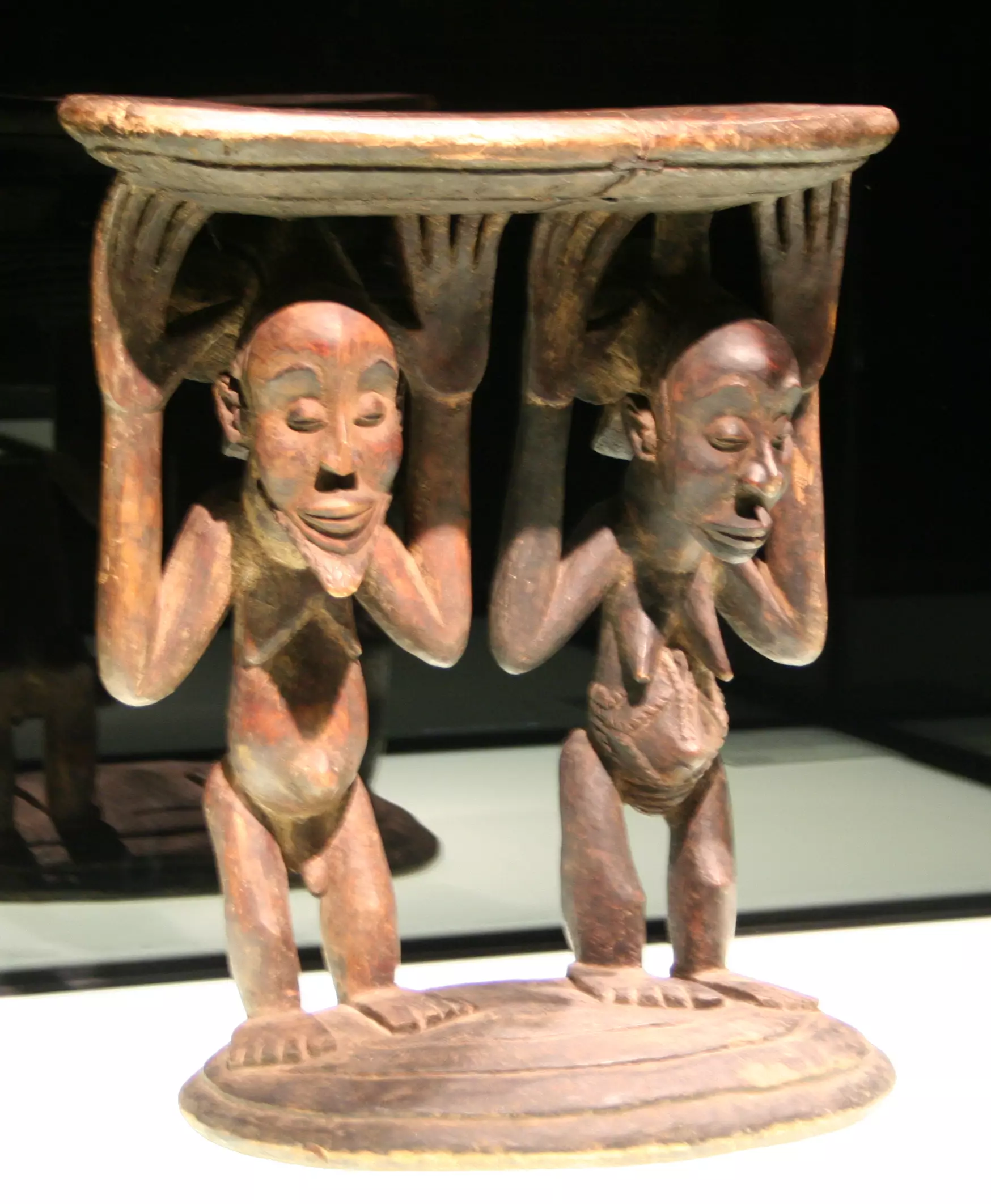
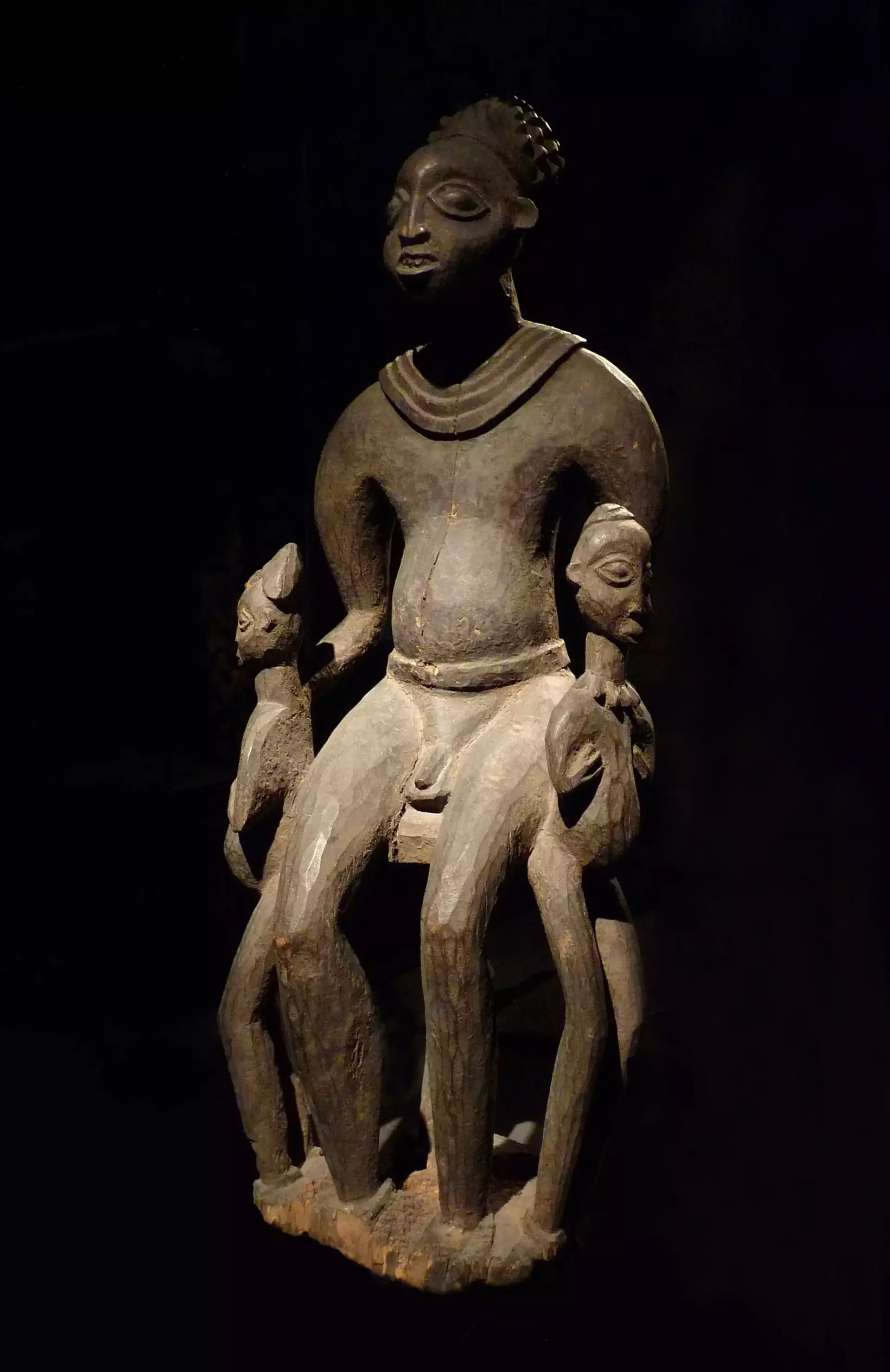
Male figure with twins. Cameroon, Bangwa. Wood. 89 cm. 19th century (Berlin Ethnological Museum) (Cf. Hans-Joachim Koloss (ed.), "Männliche Figur mit Zwillingen", in Afrika. Kunst and Kultur. Meisterwerke afrikanischer Kunst. Museum für Völkerkunde Berlin, Prestel, München, London, New York, 1999, p. 211)
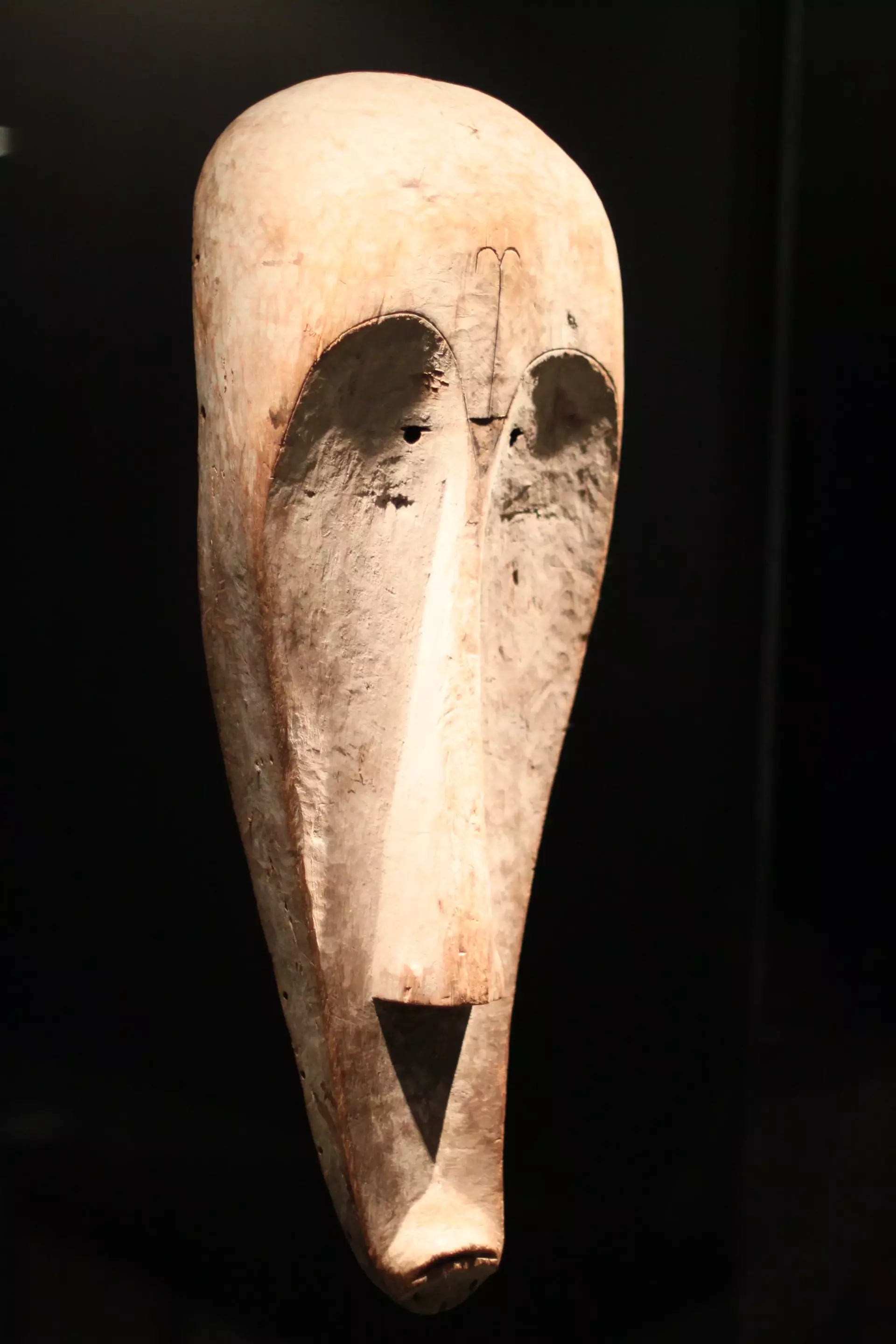
Ngil mask from Gabon or Cameroon; Fang people; wood, kaolin (china clay); African Department, Ethnological Museum, Berlin; Inv. No. III C 6000 (Abel collection, acquired from H. Oelert, 1895).
Ethnological Museum Berlin

Ethnological Museum

Berlin, Germany

The Ethnological Museum ranks among the most comprehensive institutions of its kind, presenting a wide range of cultures, objects, and histories from across the world. Its collections trace daily life, ritual, craft, and exchange, offering a layered view of human experience through time.

Location and Setting

Located in the museum district of Dahlem, the museum sits within a quiet academic neighborhood known for research institutes and cultural venues. The setting creates a focused environment for study and reflection, away from the city’s busiest streets. Visitors encounter a campus-like cluster of buildings where galleries, archives, and conservation spaces come together.

Collections and Themes

Exhibitions span continents, with highlights that include materials from the Americas, Africa, Asia, and Oceania. Objects range from everyday tools and textiles to ceremonial pieces, musical instruments, and large-scale carvings. Many displays explore how items were made, used, and traded, placing craftsmanship and social meaning at the center.

Rotating exhibitions often draw on the museum’s deep reserves to explore specific topics, such as migration, global exchange, or the movement of design ideas between cultures. Archival photographs, field notes, and historic recordings add context, showing how knowledge was collected and interpreted over generations.

Research and Conservation

The museum is also a research hub. Curators, conservators, and partner communities work together to document provenance, care for sensitive materials, and share knowledge in multiple languages and formats. Conservation labs support detailed restoration and scientific study, while collaborative projects bring new perspectives to familiar collections.

Source - https://en.wikipedia.org/wiki/Ethnological_Museum_of_Berlin
Developed by Reflex.com.ua
Contacts
  • info@reflex.com.ua
Social media