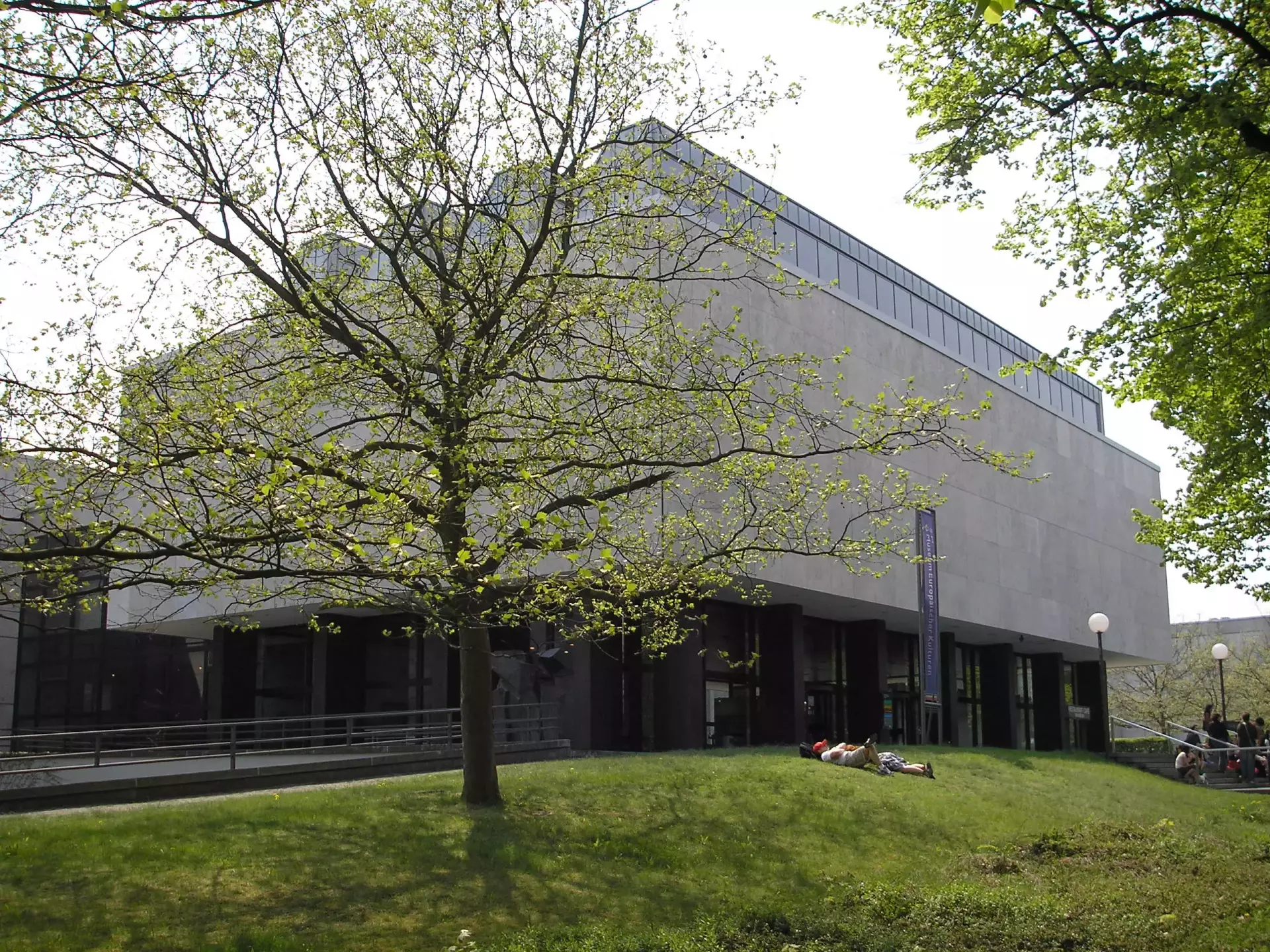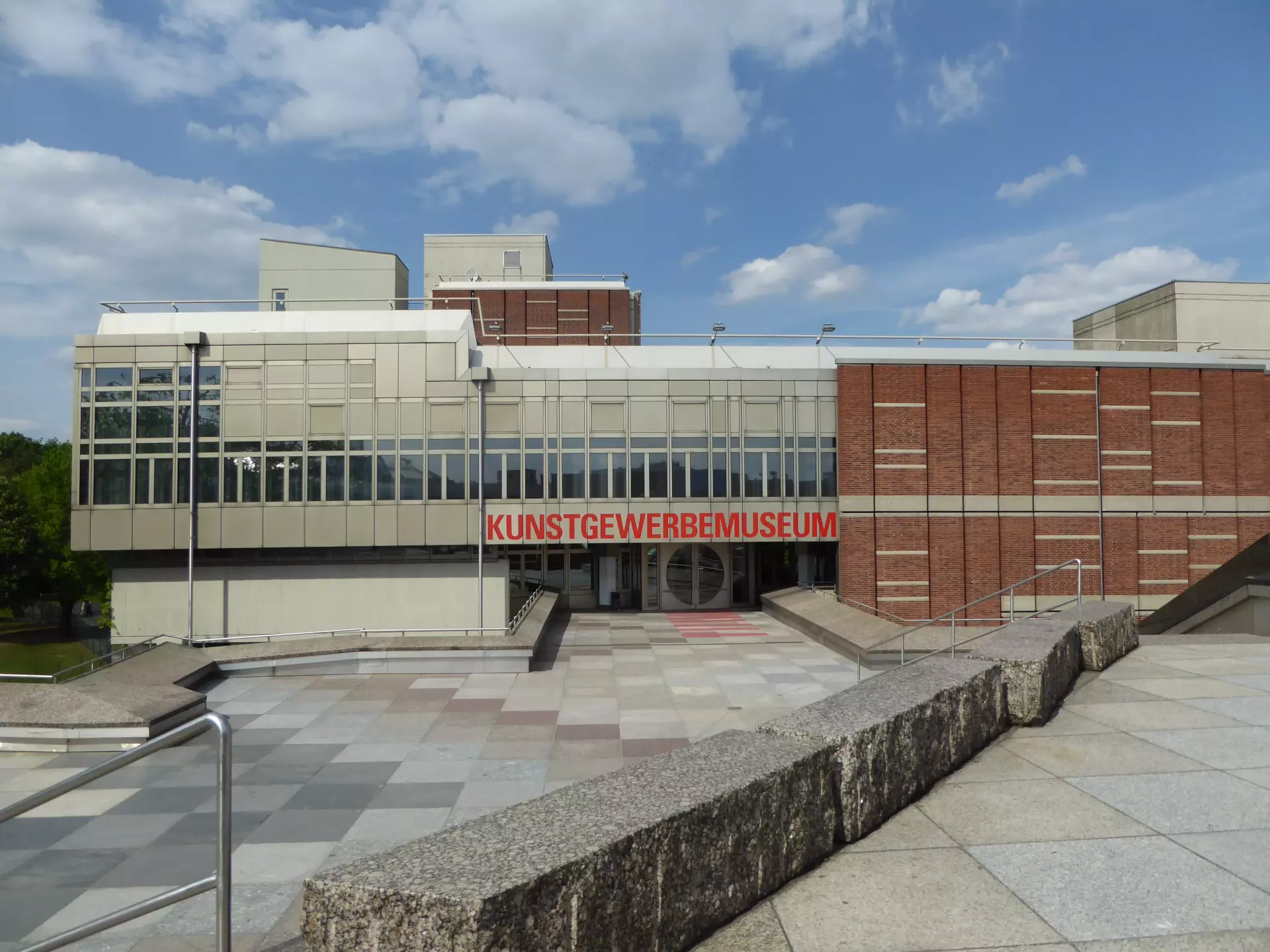
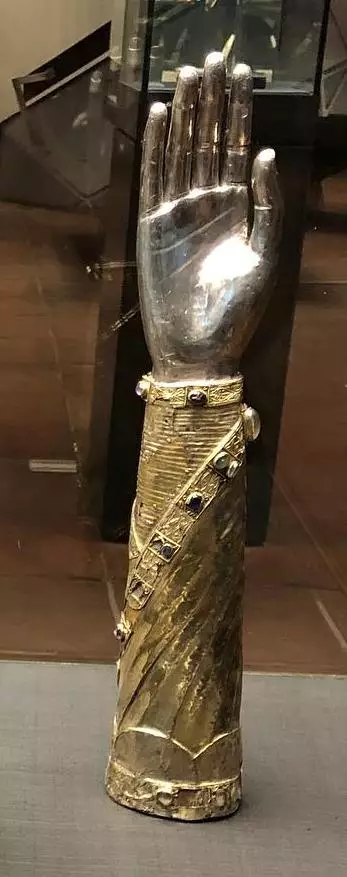
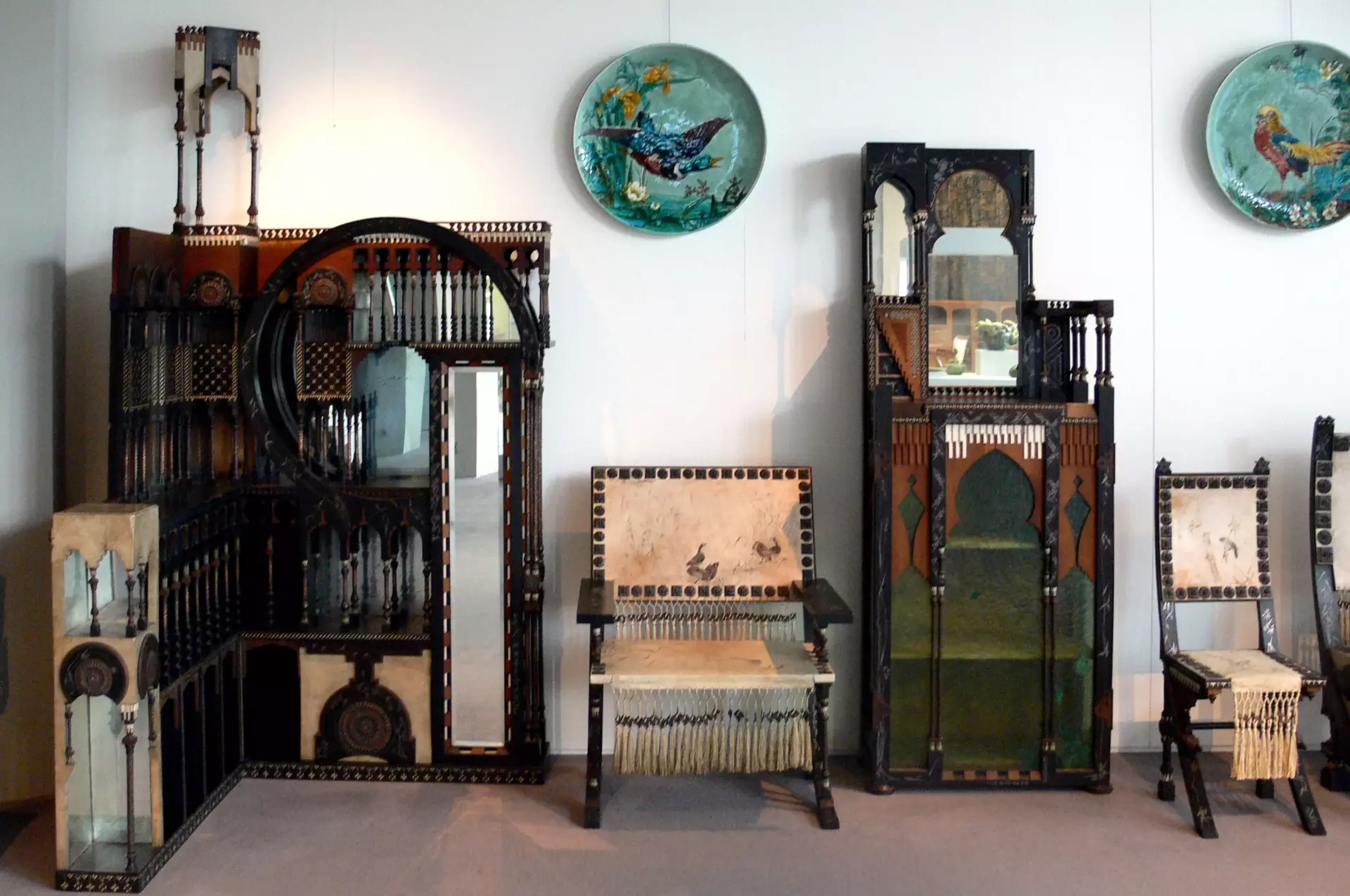
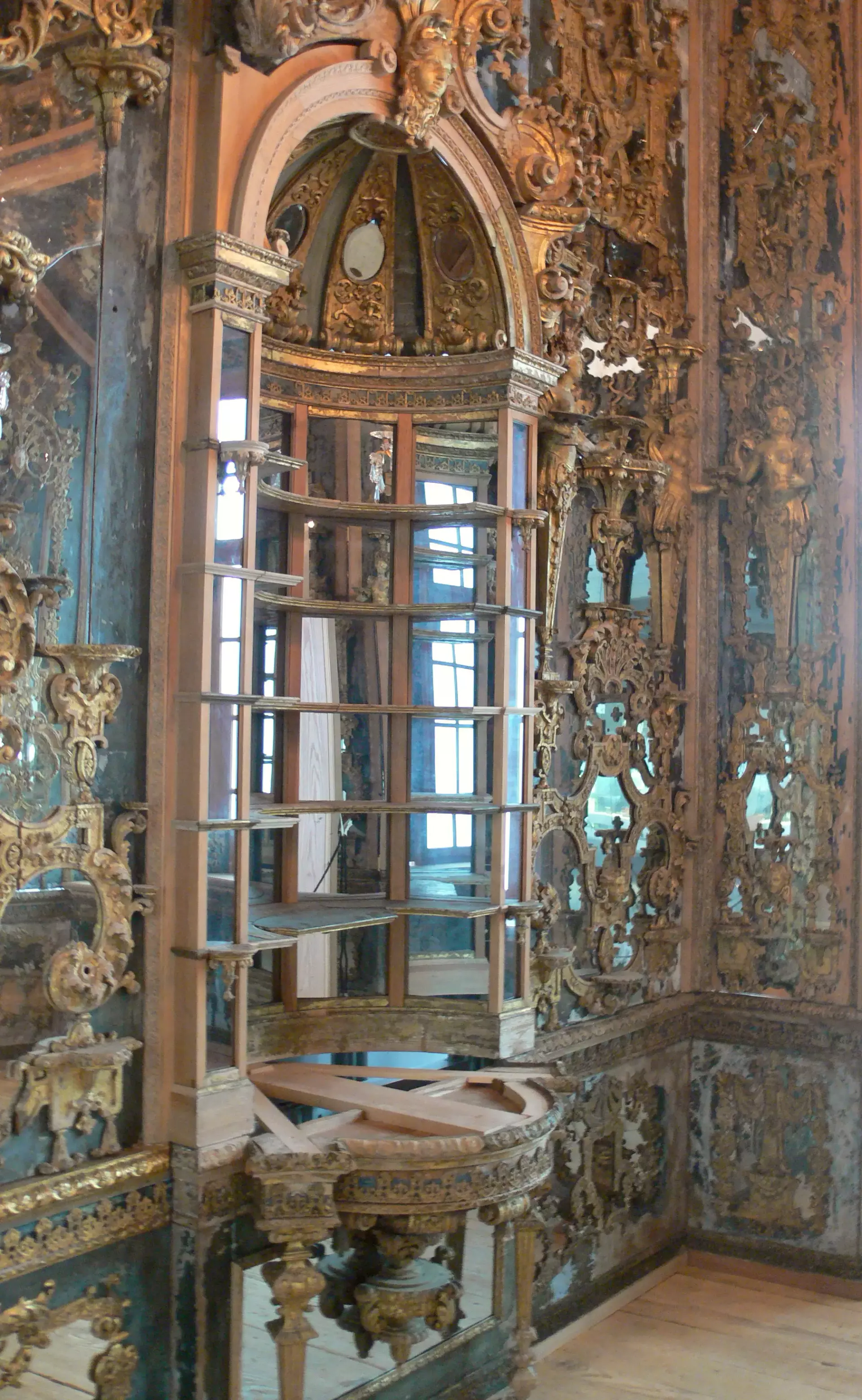
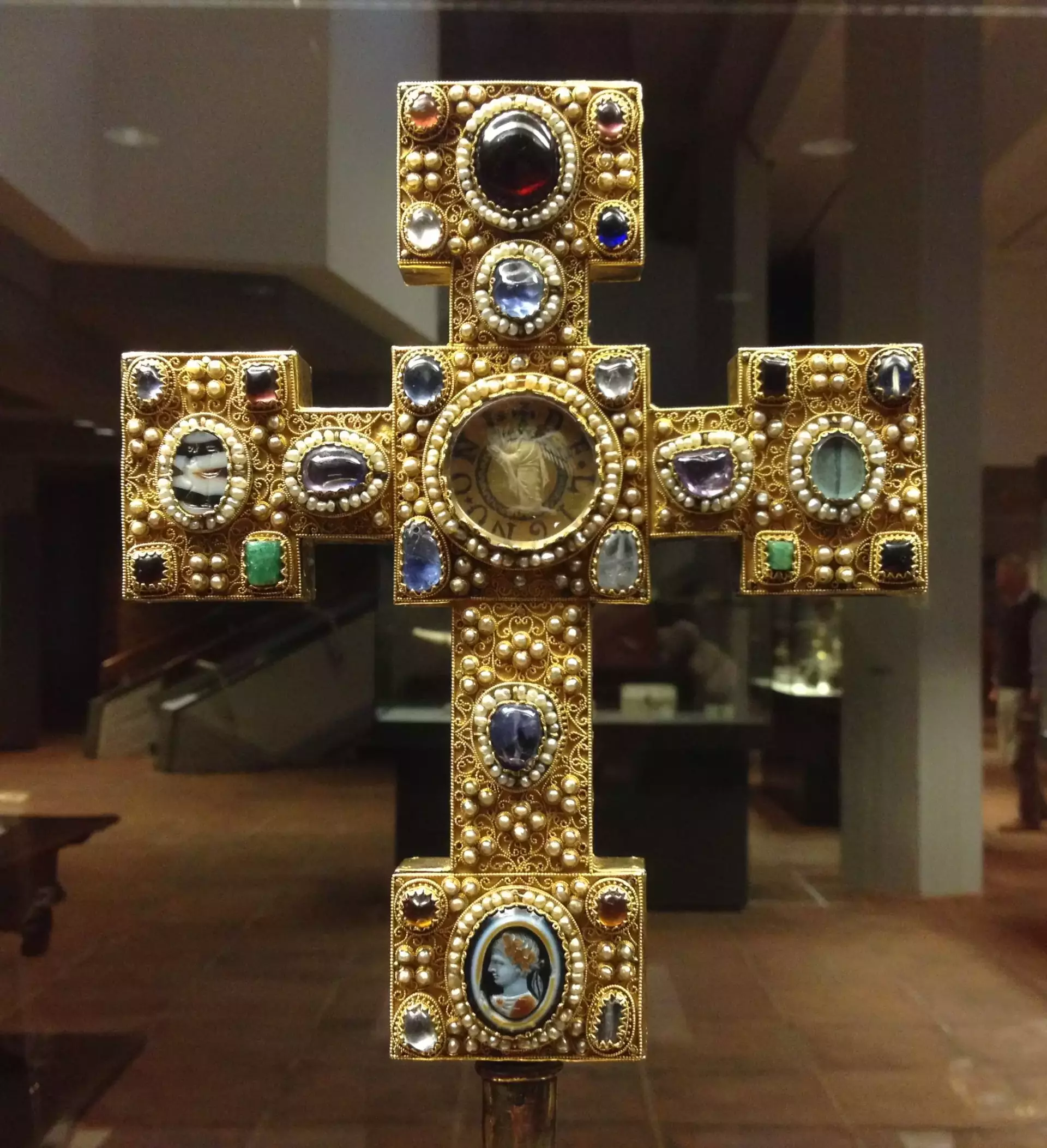
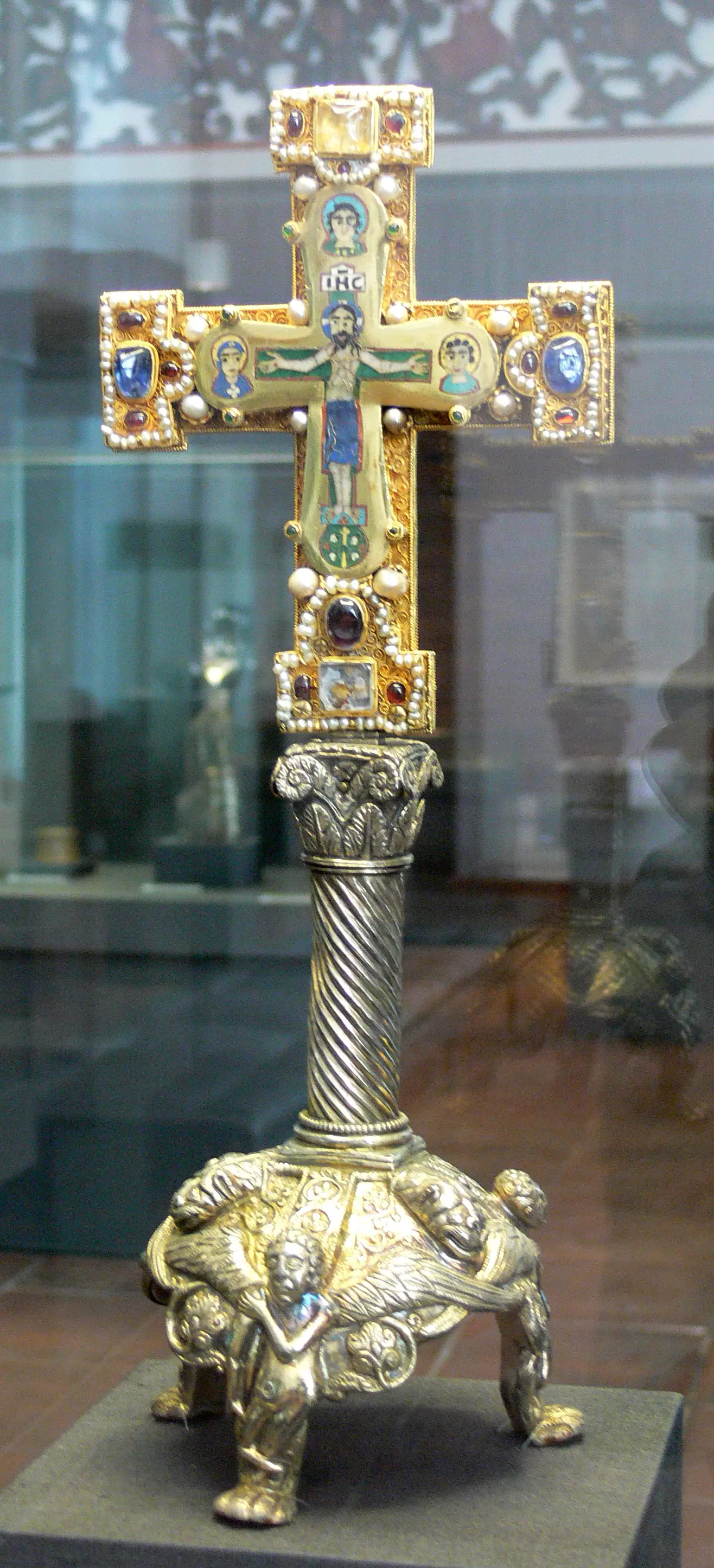
The Kunstgewerbemuseum is the oldest museum of its kind in Germany. Despite heavy losses during World War II, it still holds one of the most important collections of European applied art in the world. Its galleries present centuries of craftsmanship, from fine furniture and textiles to metalwork, glass, and ceramics.
The museum is split between two sites. One part is at the Kulturforum in Tiergarten, a cultural complex that brings together major arts institutions. Here, visitors find a broad overview of European design and decorative arts, arranged to show changing styles and techniques over time.
The other part sits at Köpenick Palace, a Baroque residence on an island in the Dahme River. This setting focuses on historic interiors and courtly objects, offering a close look at how art and design once shaped daily life and ceremonial spaces.
Source - https://en.wikipedia.org/wiki/Kunstgewerbemuseum_Berlin
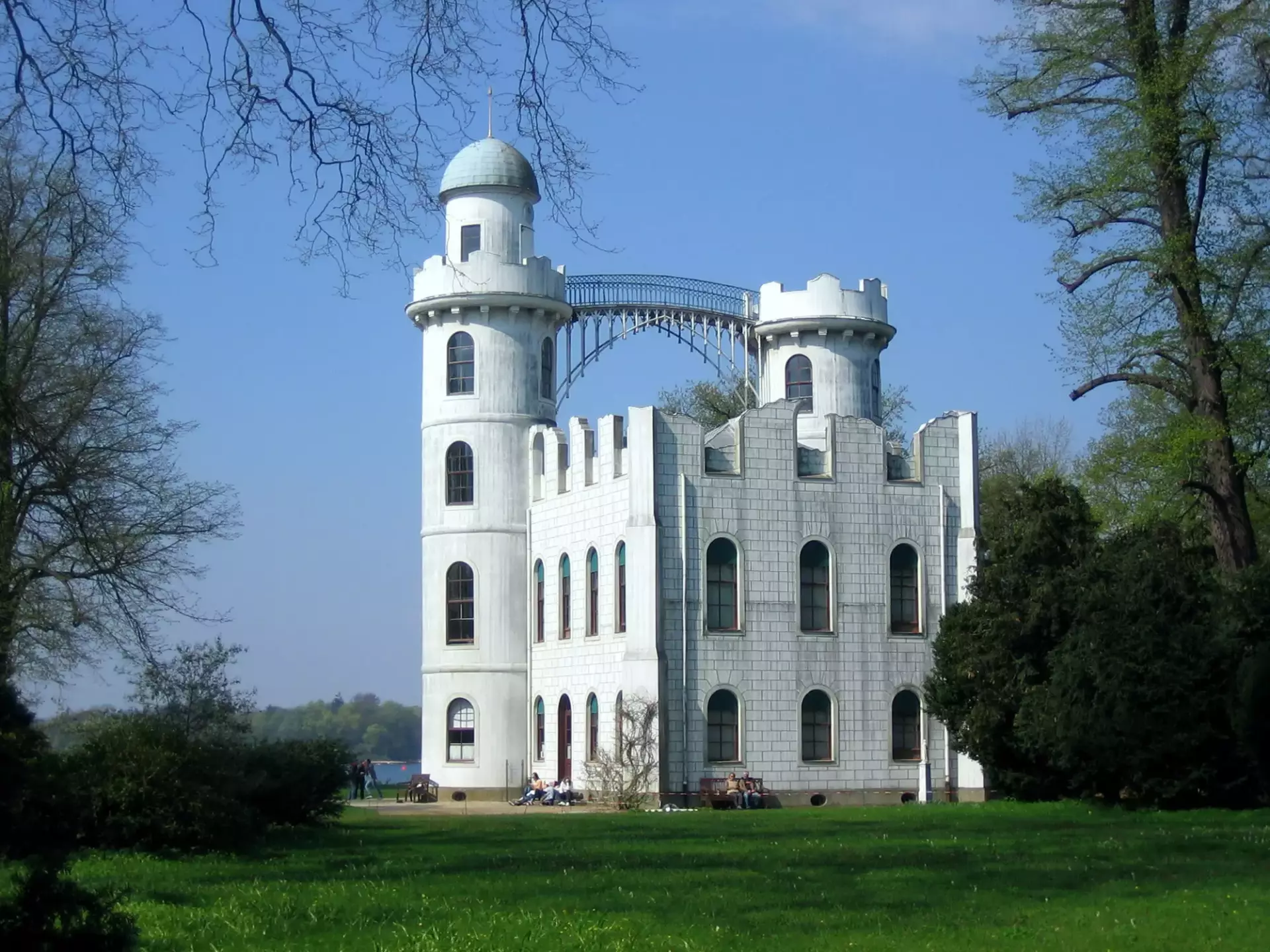
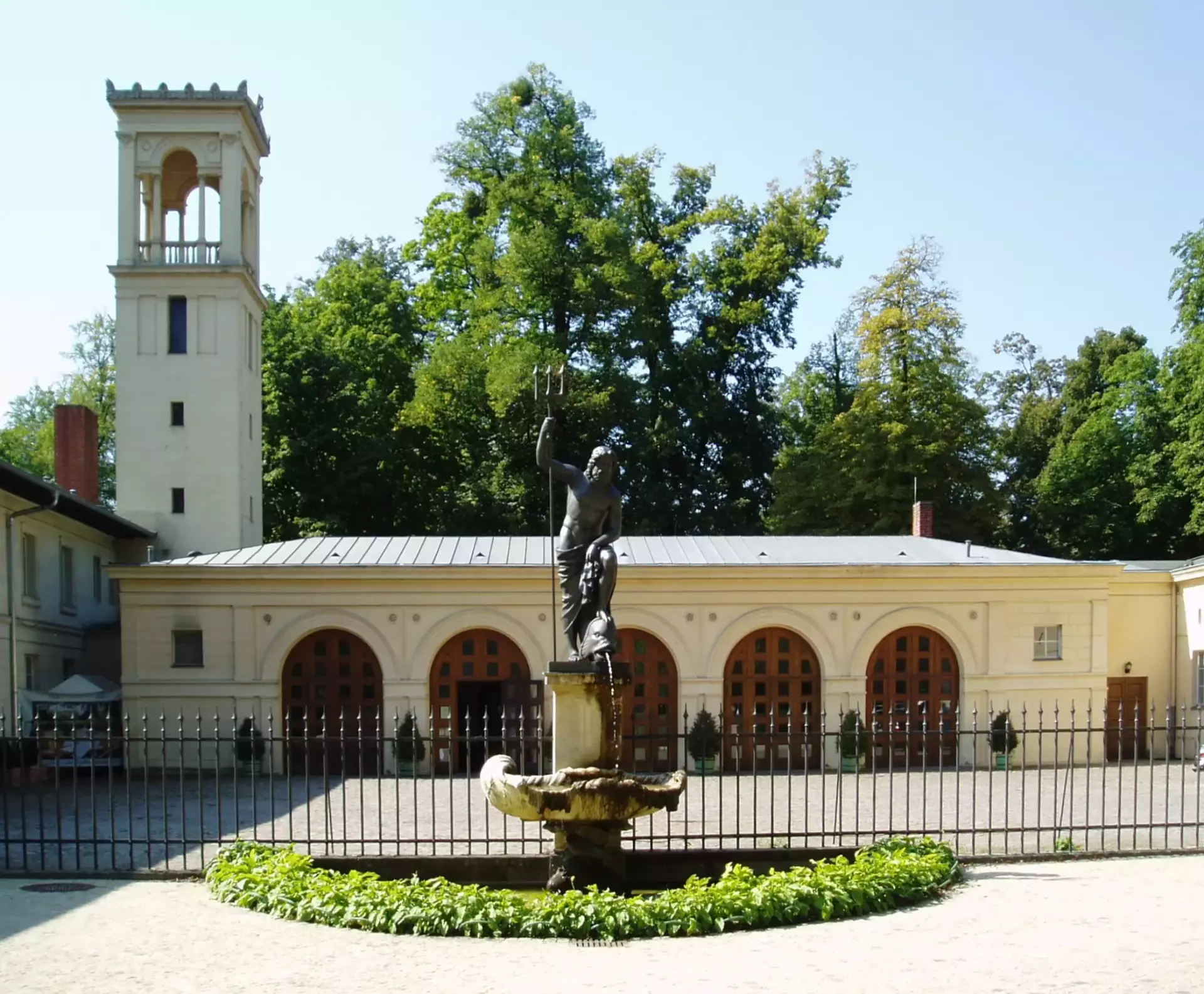
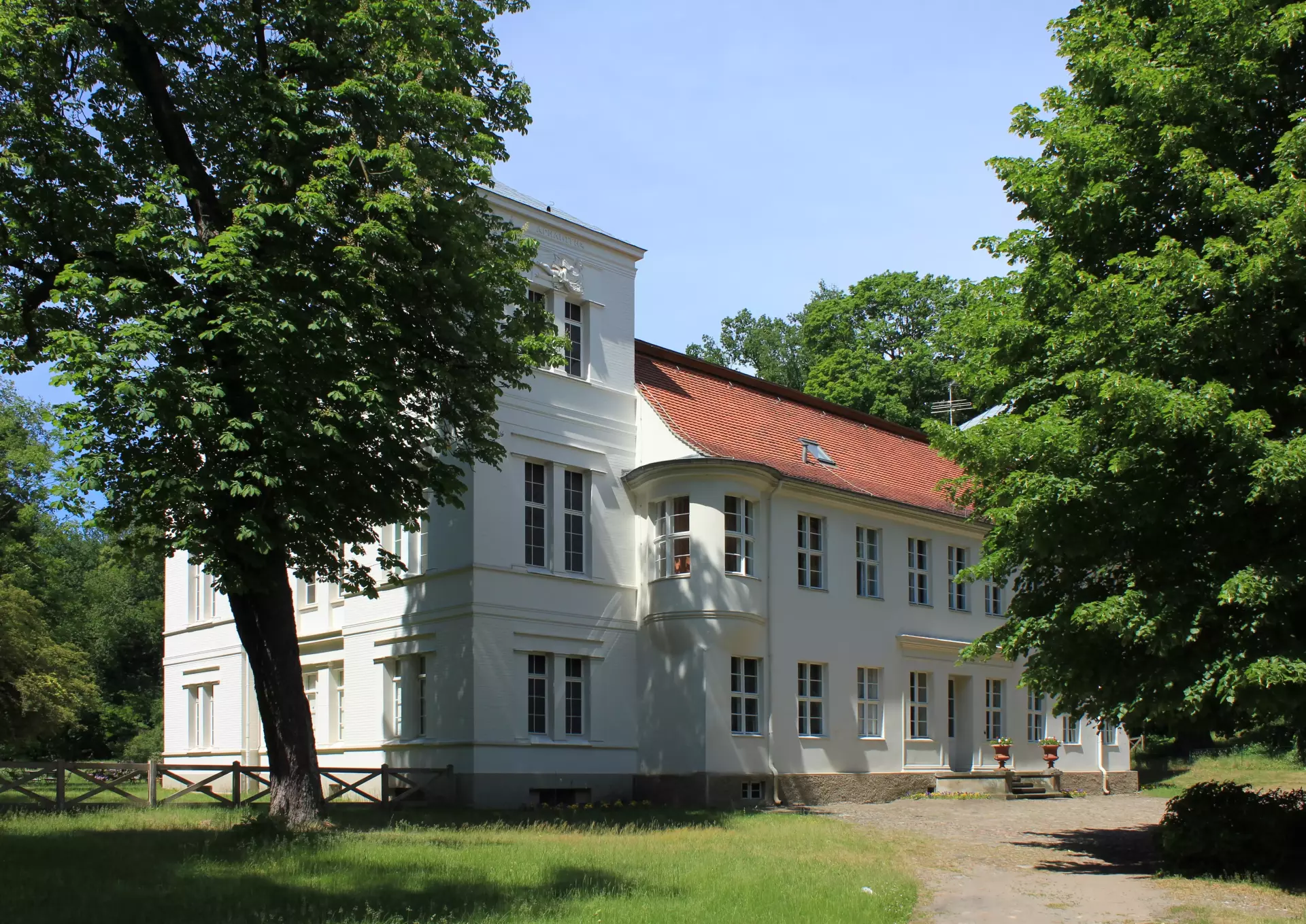
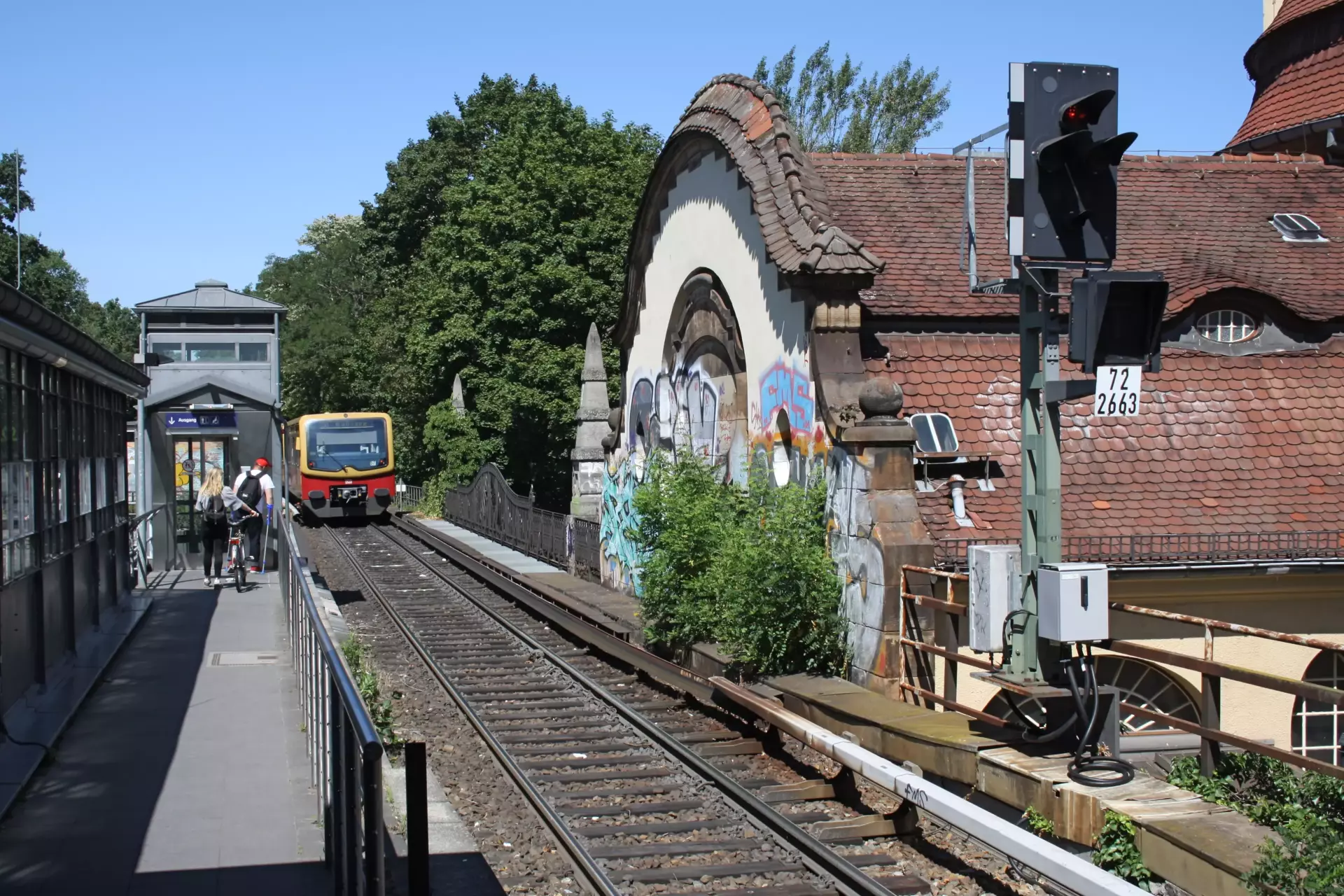
A small castle in late classical style. It was built 1868 by Martin Gropius (uncle of the Bauhaus-founder and other architects, the von Siemens family changed the castle a bit around 1900 and they enlarged the dimensions of the park, which is today renovated and nice to wander around when the sun is shining. Located within a few minutes' walking distance from Biesdorf station (take the S5 from the city centre) or Elsterwerdaer Platz station (U5).
Designed by Hans Poelzig in 1929, it is the first self-contained broadcasting house in the world and it is still in use today.
Jewish cemetery and lapidarium with old tombstones.
The Bierpinsel ("beer brush") is a building in Steglitz which resembles an observation tower and is famous for its pop-art appearance. The futuristic, landmarked building was built from 1972 to 1976 and has since been used as restaurant, night club, bar, radio station and art café.
An eerie memorial to victims of the Nazi regime built on the place of a former execution room, where nearly 2900 people where put to death between 1933 and 1945.
150 m high lattice tower with open-air observation deck 124 m above ground.
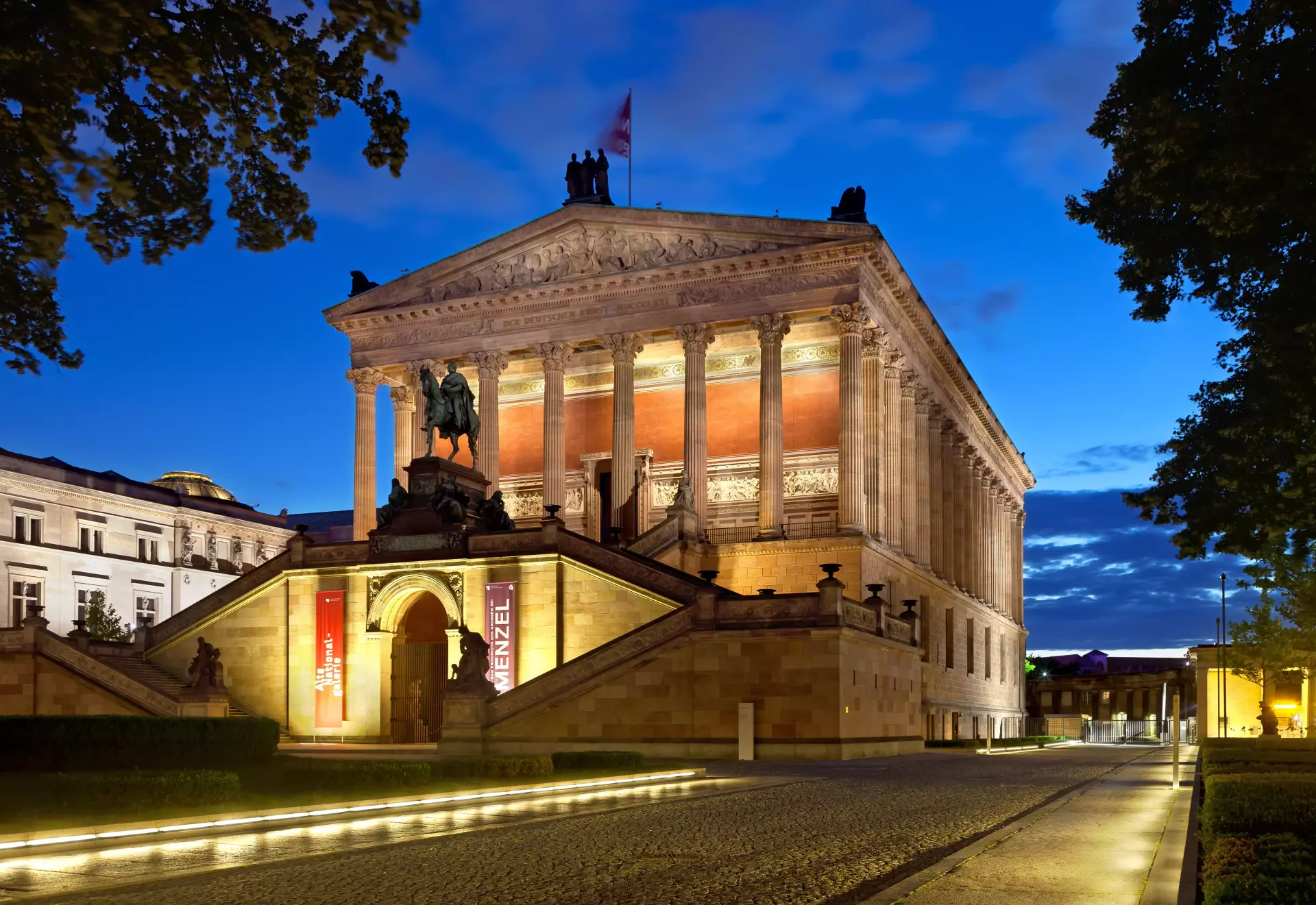
Specializes in 19th-century painting and sculpture; Monet, Manet, Cézanne, C. David Friedrich and other important 18th- and 19th-century artists are well-represented.
Erected in 1818 to a classically-inspired design by Karl Friedrich Schinkel as a guardhouse for the imperial palace, since 1993 this compact building has housed a small, but extremely powerful war cenotaph, the Central Memorial of the Federal Republic of Germany, continuing its use under East German rule as the primary "Memorial to the Victims of Fascism and Militarism". The interior of the Doric column-fronted building is intentionally empty, but for a small but moving sculpture by Käthe Kollwitz depicting a mother cradling a dead child. The statue is positioned beneath a round hole in the ceiling, exposing the figures to the rain and snow.
Nice church near Unter den Linden/Museum Island, finished in 1830 by Schinkel in English Neogothic style. Nice exhibition inside (neoclassical statues and an exhibition about Schinkel's life and work upstairs).