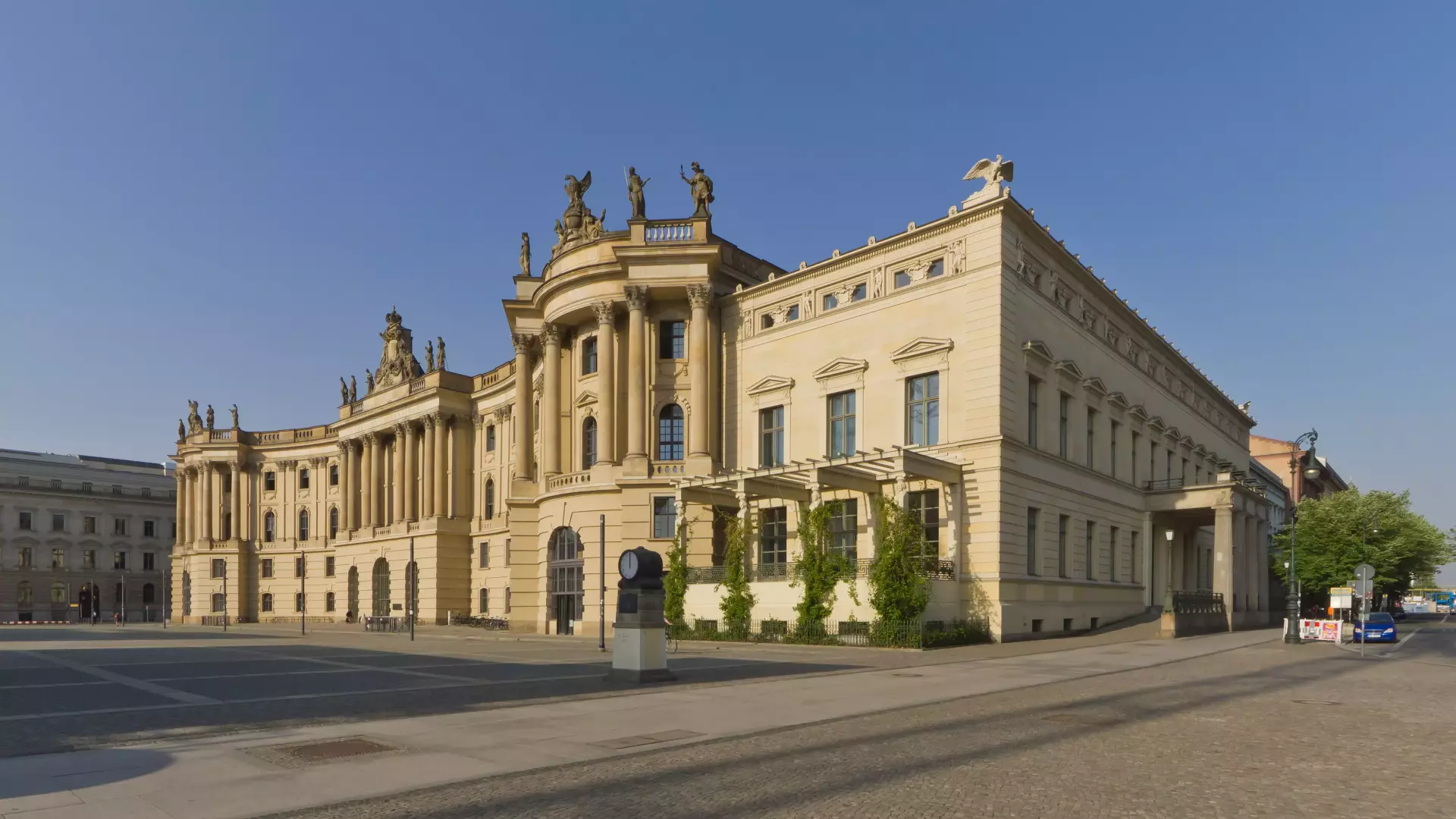
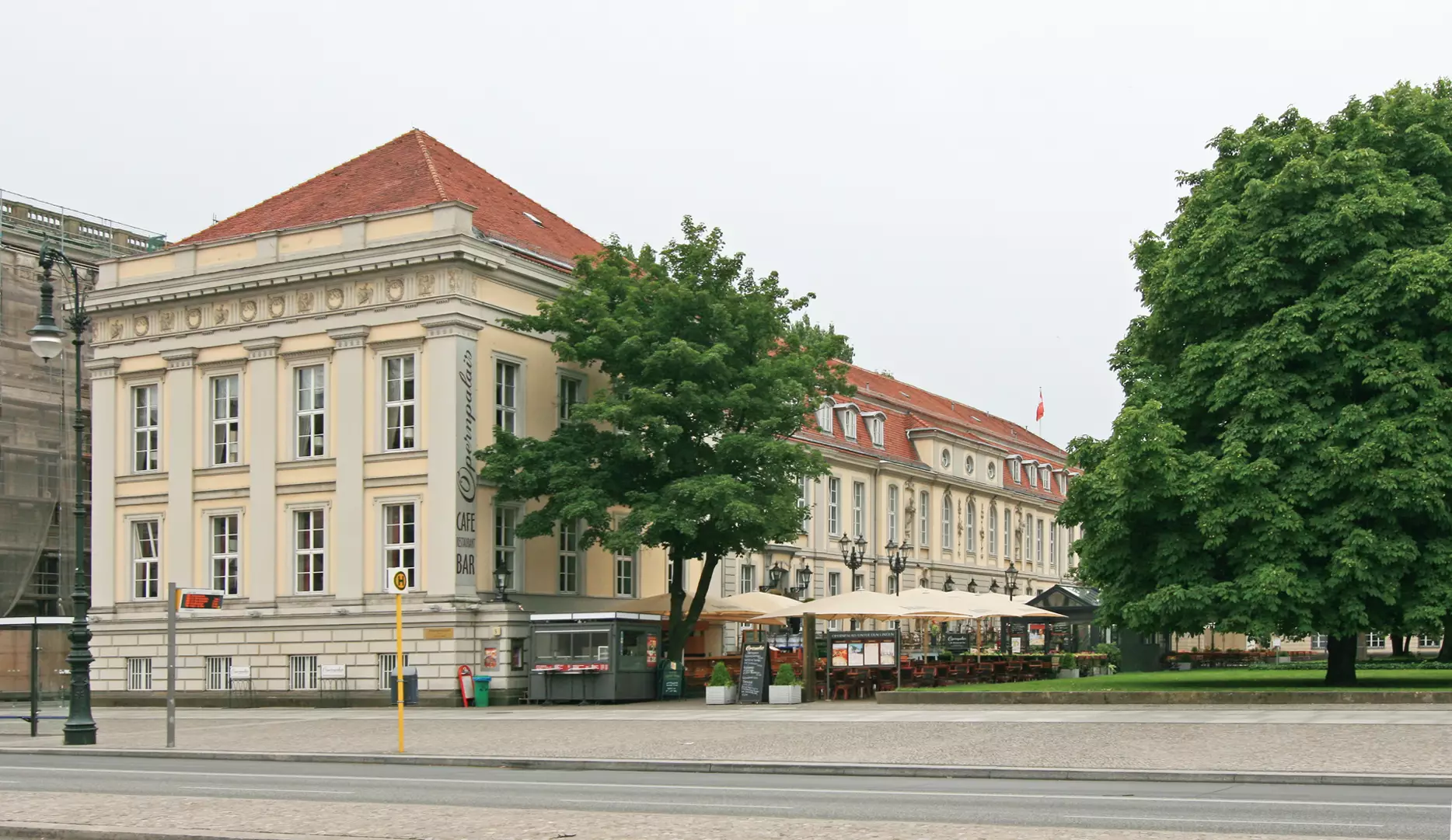
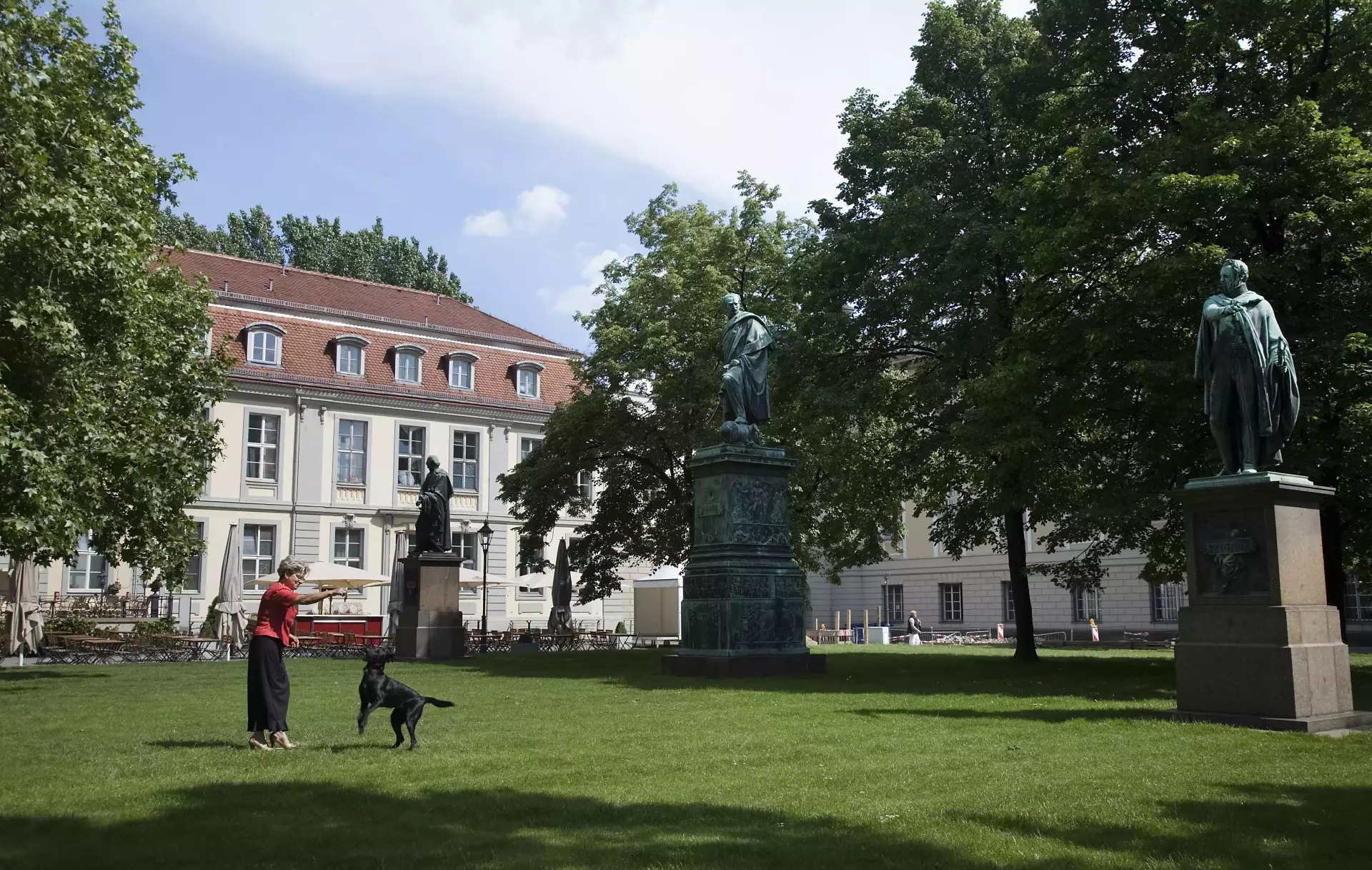
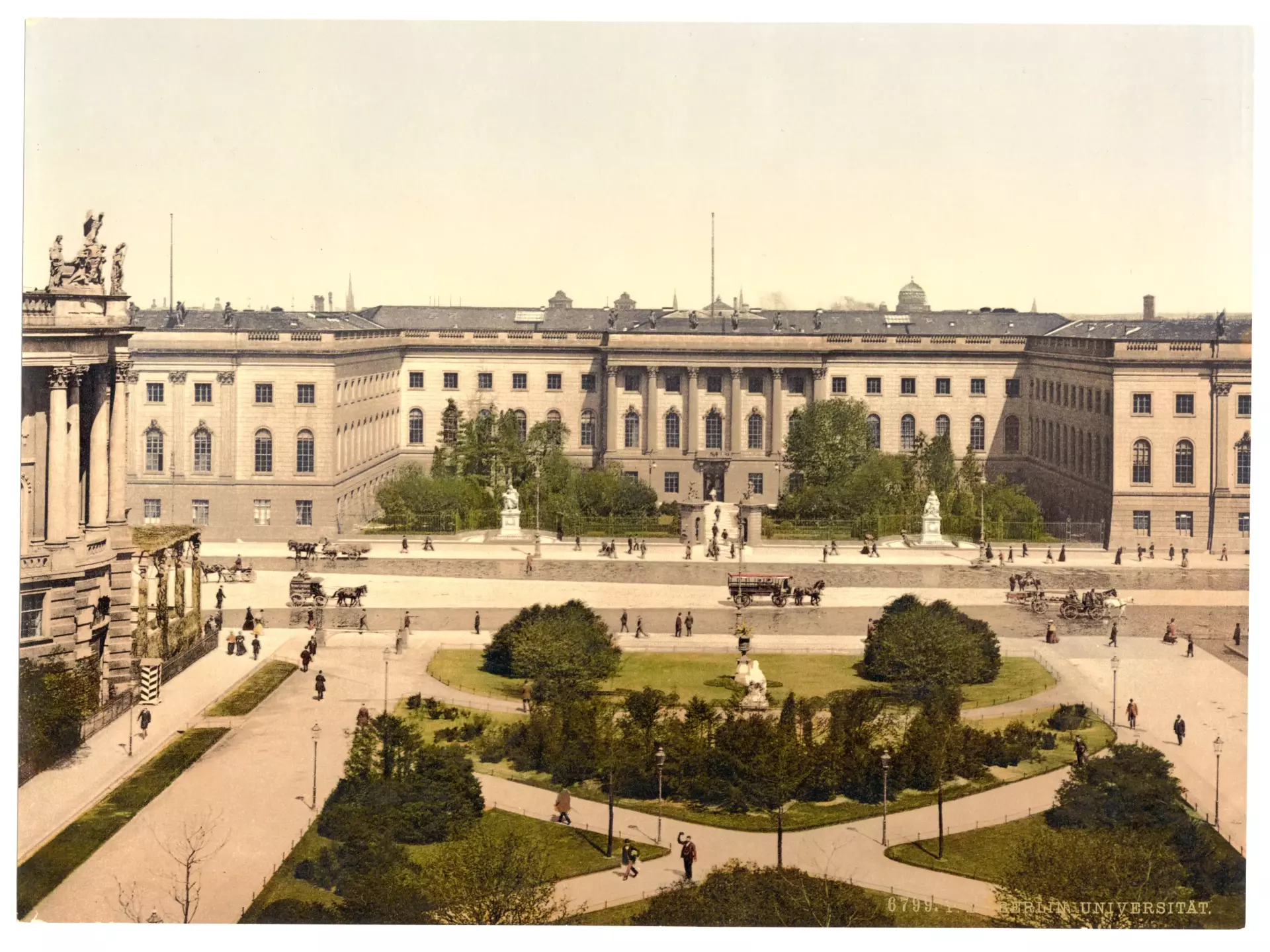
On May 10, 1933, Bebelplatz, then known as Opernplatz, became the site of a grim event orchestrated by Nazi Propaganda Minister Josef Goebbels. It was here, across from Humboldt University, that Goebbels organized the burning of 20,000 books. These books were authored by individuals deemed "immoral" by the Nazis, including renowned writers such as Thomas and Heinrich Mann, Arnold Zweig, Kurt Tucholsky, and Sigmund Freud.
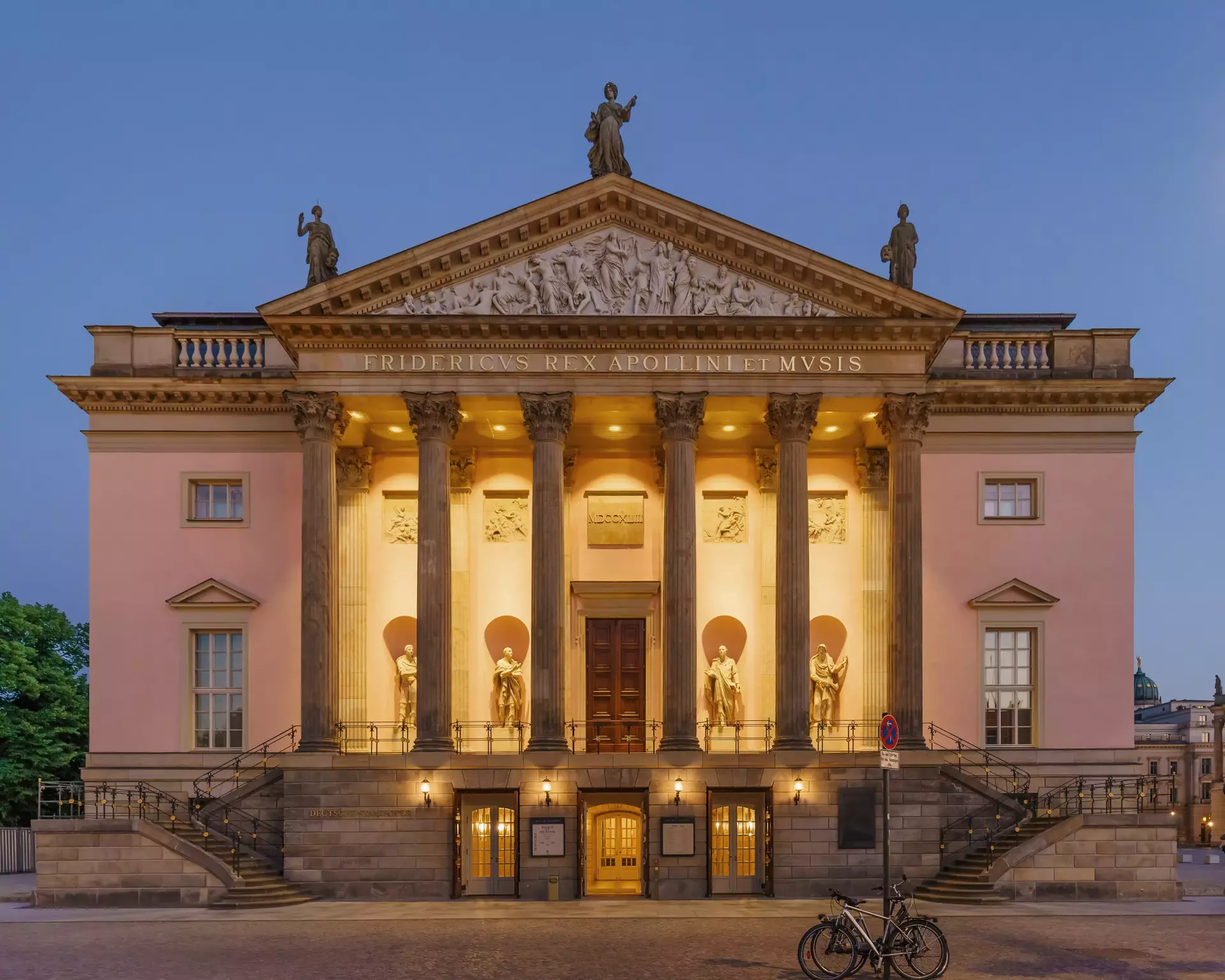
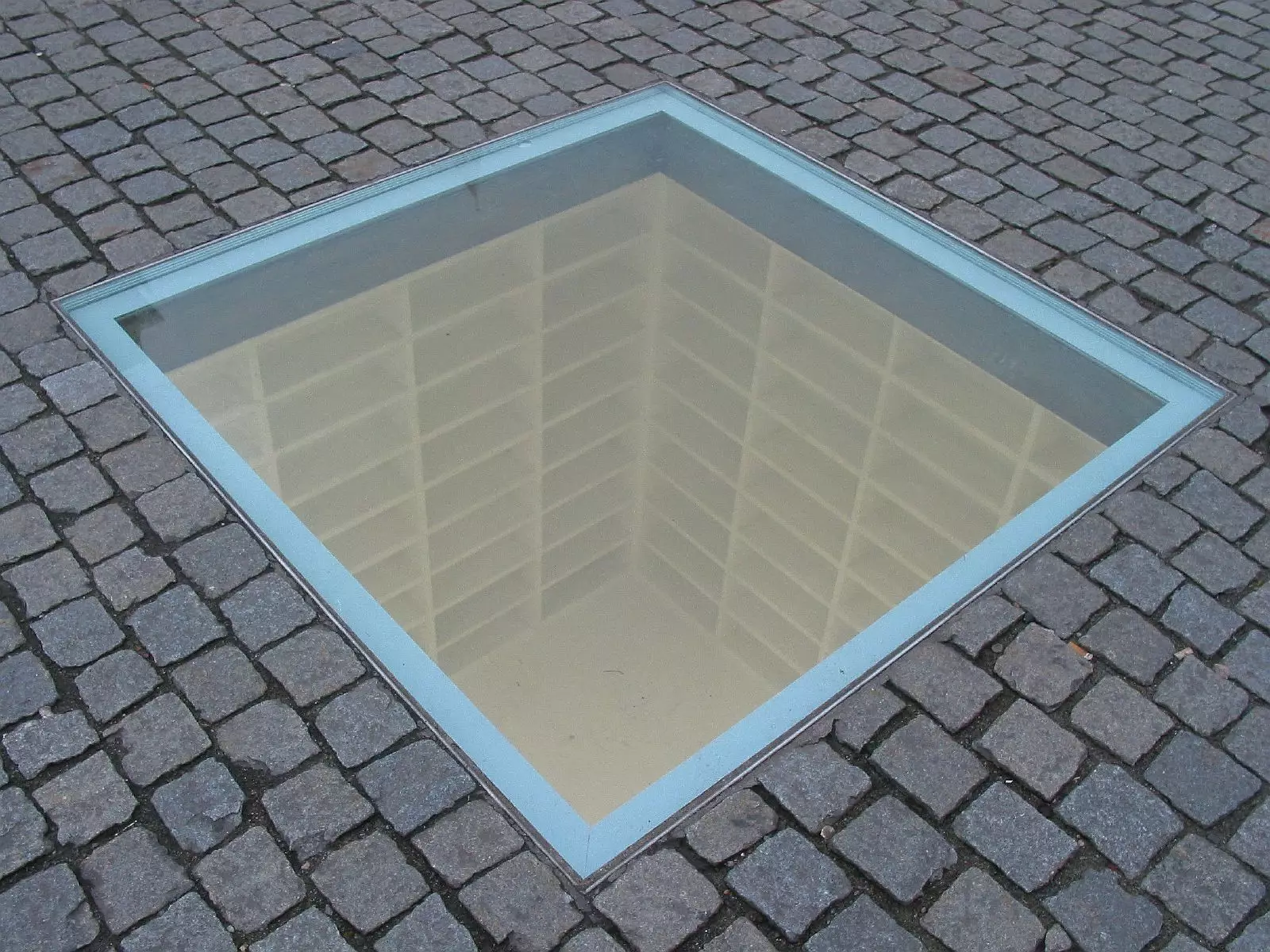
Today, a monument stands as a solemn reminder of this historical event, though it attributes the act to Nazi students. Located in the section of Bebelplatz bordered by the Opera House and Humboldt University, the monument is easy to overlook at first glance. Its placement is underground, marked by a piece of plexiglass set into the ground at the center of the square.
Through this plexiglass, viewers can peer into a stark, white room beneath the surface. The room is lined with empty, white bookcases, symbolizing the 20,000 books that were once burned above. This emptiness speaks volumes about the loss of ideas and knowledge that occurred here.
The book burning at Bebelplatz foreshadowed darker times ahead. Among the authors whose works were destroyed was Heinrich Heine, a Jewish philosopher and writer. His words from an 1821 play resonate with chilling accuracy: "This was only the foreplay. Where they burn books, they will also burn people." Sadly, his prediction came true.
Source - https://en.wikipedia.org/wiki/Bebelplatz
The charming Baroque water palace of the Hohenzollern electors surrounded by the Dahme river and an English garden.
Arguably the most beautiful bridge in Berlin and the only connection between Friedrichshain and Kreuzberg. As signage on the bridge indicates, it was built twice - once in the 1890s and once in the 1990s. Before reunification the border ran where the bridge now is.
The old town of Köpenick is surrounded by water. Especially noteworthy are the Köpenick Palace which houses a museum of applied art and the Neogothic town hall.
Also known as "der hohle Zahn" (the Hollow Tooth), this church in Breitscheidplatz is a memorial to Kaiser Wilhelm, and one of Berlin's most famous landmarks. Thick walls and plain decor mark it as neo-Romanesque, but with what's left of the Gedächtniskirche, it's tough to distinguish it as any one style. Allied bombing left only one tower standing on 22 November 1943, but a new location for worship designed by Egon Eiermann was completed in December 1961 (it's the octagonal structure with blue stained glass windows). There is a small memorial museum beneath the tower filled with artifacts from the original church, which was built from 1891-95 to architect Franz Schwechten's specifications.Controversy arose after the war over the various options presented by the half-ruined cathedral - should it be torn down completely and rebuilt? Or should the destroyed sections be left standing as a memorial? The four major sections of the Kaiser-Wilhelm-Gedächtniskirche (central space, foyer, new tower and chapel) surround the ruined tower of the old church bridge and show the time gap between old and new. Mosaics and other remnants from the old church serve as a monument against war.
This abandoned amusement park with its iconic large Ferris wheel opened in the German Democratic Republic in 1969. After its closing in 2002 the rotting theme park and its apocalyptic atmosphere became a target of international media coverage, amongst others by the New York Times. In 2016 it was announced that the venue will be restored and reopened as an art and culture park.
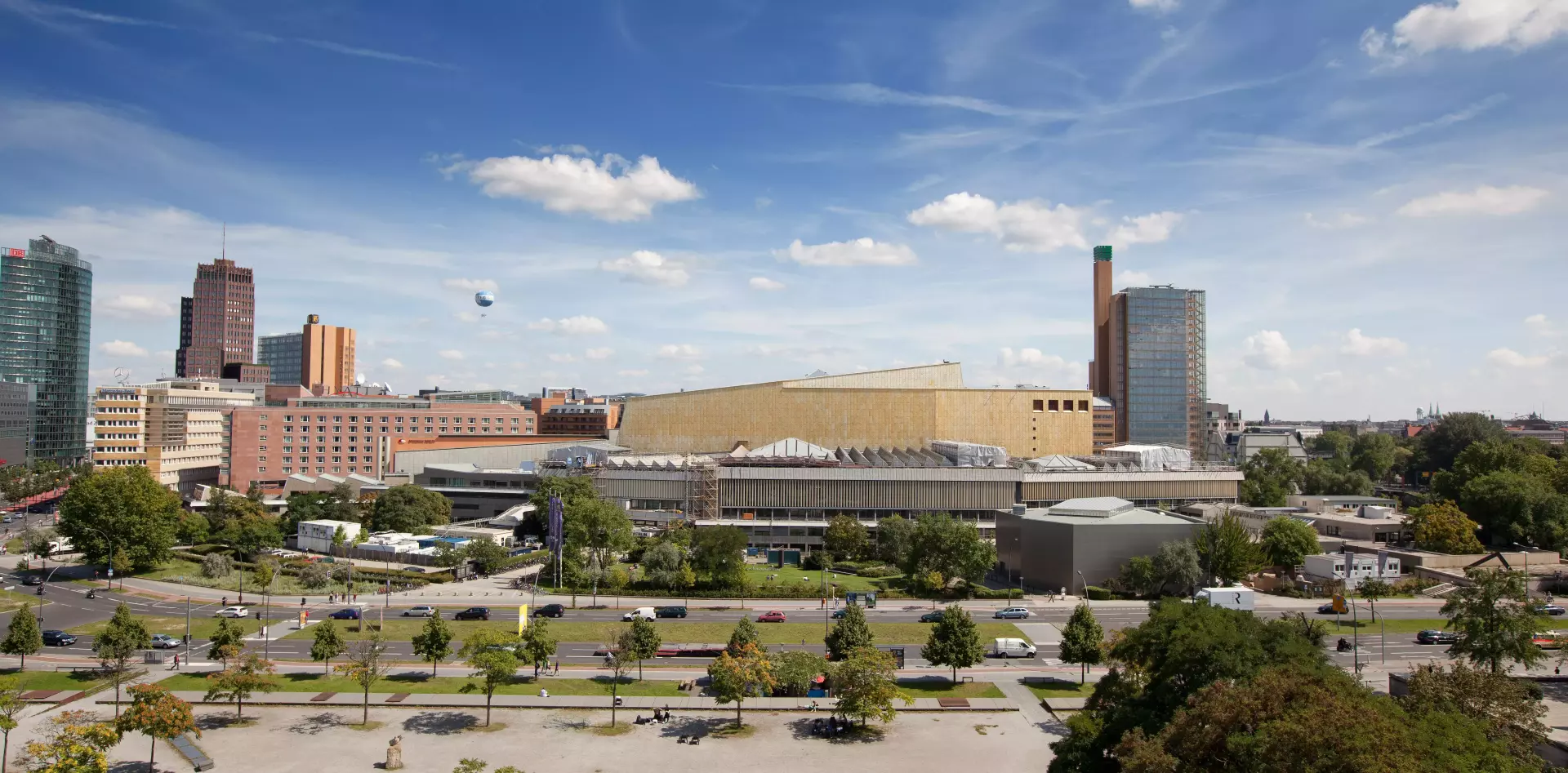
Germany's national centre for contemporary non-European art. The house is a leading centre for the contemporary arts and a venue for projects breaking through artistic boundaries. This architectural landmark was an American contribution to the international building exhibition INTERBAU 1957 as an embodiment of the free exchange of ideas. Colloquially called Schwangere Auster (Pregnant Oyster).
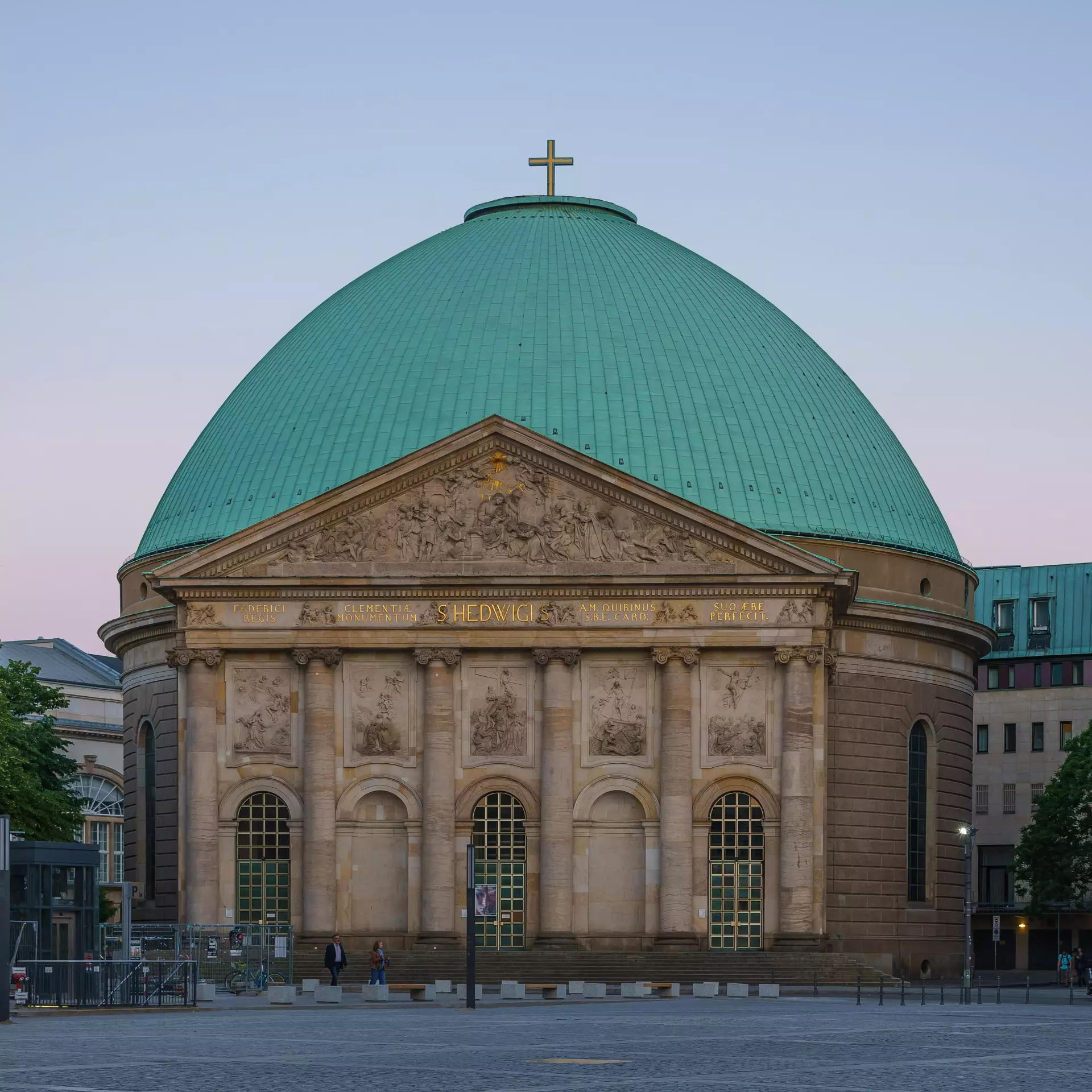
A domed church at Bebelplatz/Unter den Linden, the oldest (mid-18th century) and one of the biggest Catholic churches in Berlin. Interior was redesigned in a modern style in the 1950s, but there are still many treasure chambers in the basement.
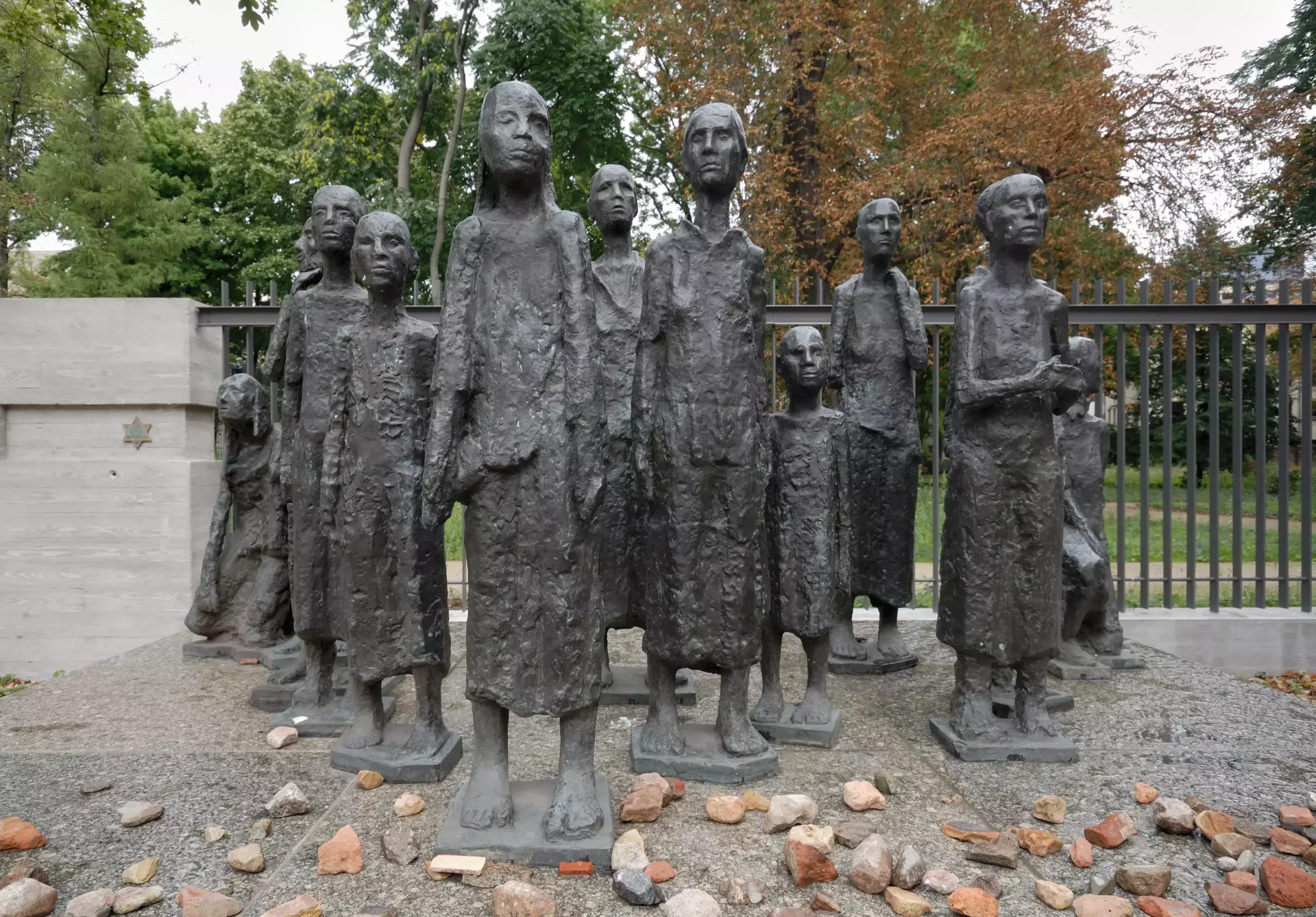
Jewish cemetery and lapidarium with old tombstones.
Museum of Contemporary Art located in former Hamburger Bahnhof train station. Big halls filled with artworks made since 1960s. In 2004 Rieckhallen, former Lehrter Bahnhof, was opened and now provides exhibition space for the Friedrich Christian Flick Collection. Free public guided tours (in English): Sa and Su at 12:00.
The Bayerischer Platz is the centre of the Bayerisches Viertel ("Bavarian district", with many streets named after Bavarian cities), which was destroyed a lot more during World War II (about 60%). Somewhere around there Albert Einstein lived once. You’ll find several memorial signs providing information about the Nazi regime's persecution of gays and Jews.
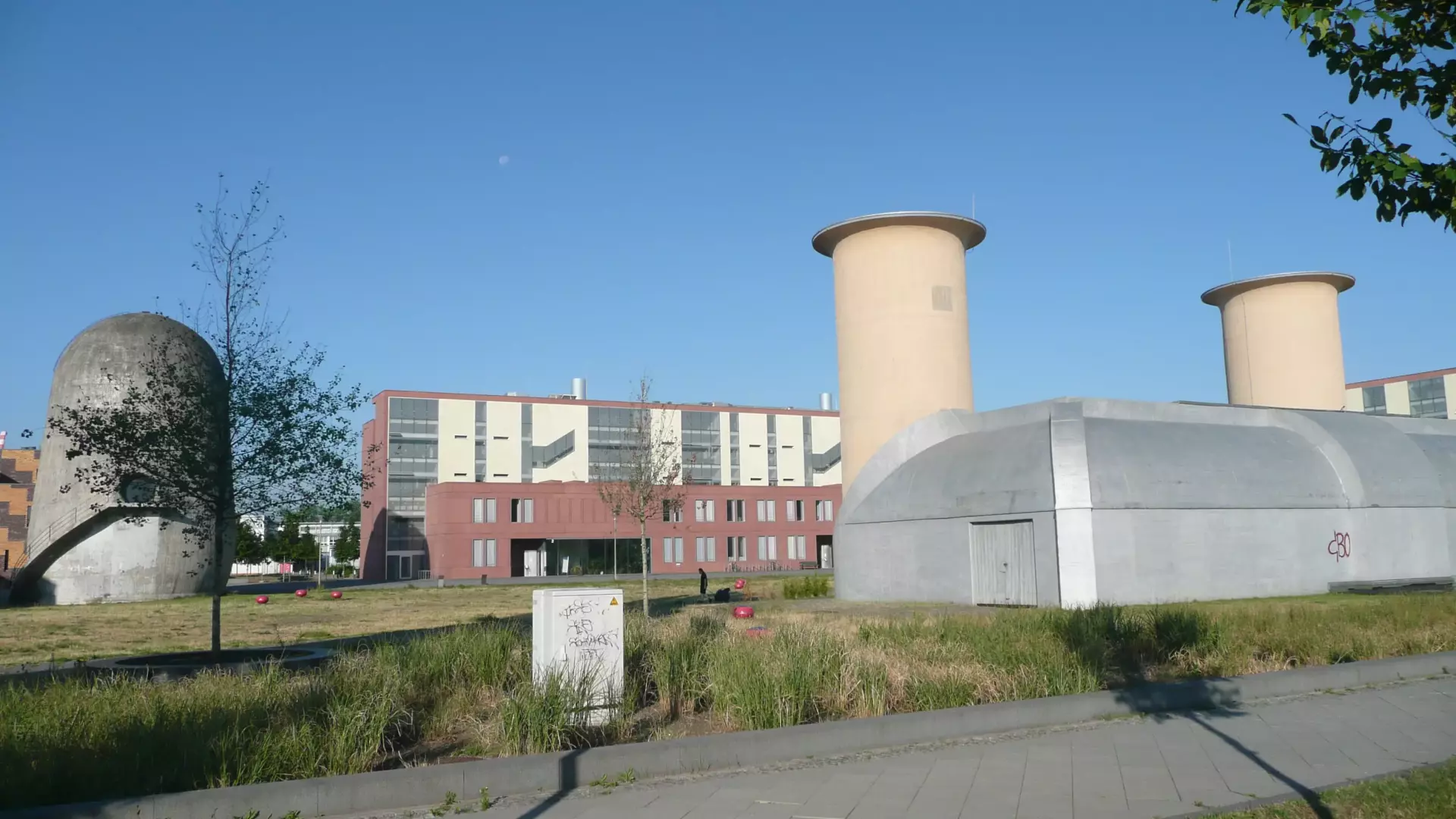
This aeronautical experimental park on the grounds of Germany's first air field Johannisthal consists of a group of several individual technical monuments such as the walkable Großer Windkanal (High-speed wind channel, 1932–34), the Trudelturm (Fatty tower), a vertical wind tunnel for spinning tests (1934–36), the Schallgedämpfter Motorenprüfstand (Sound-insulated engine test bed, 1933–35) and the Isothermische Kugellabore (Adlershofer Busen, Isothermal spheric laboratories, 1959–1961), which are about 500 metres away from the other monuments.
This heritage-protected public bathing beach which opened in 1907 is one of the largest inland lidos in Europe and has a 1275-m-long sand beach, a capacity for up to 30,000 guests and a popular nudist area.
A splendid 15th-century Gothic church with many fine accoutrements.