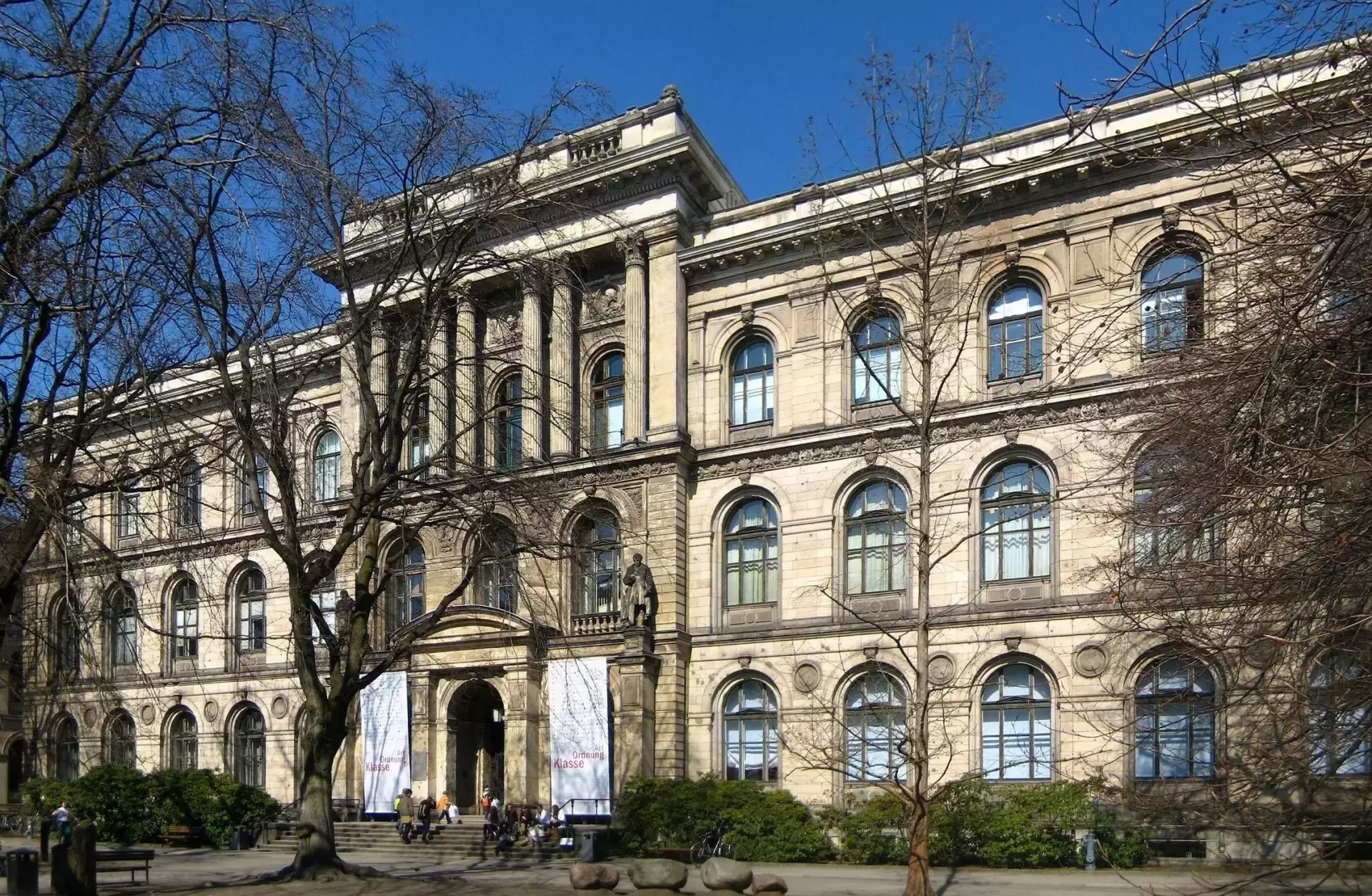
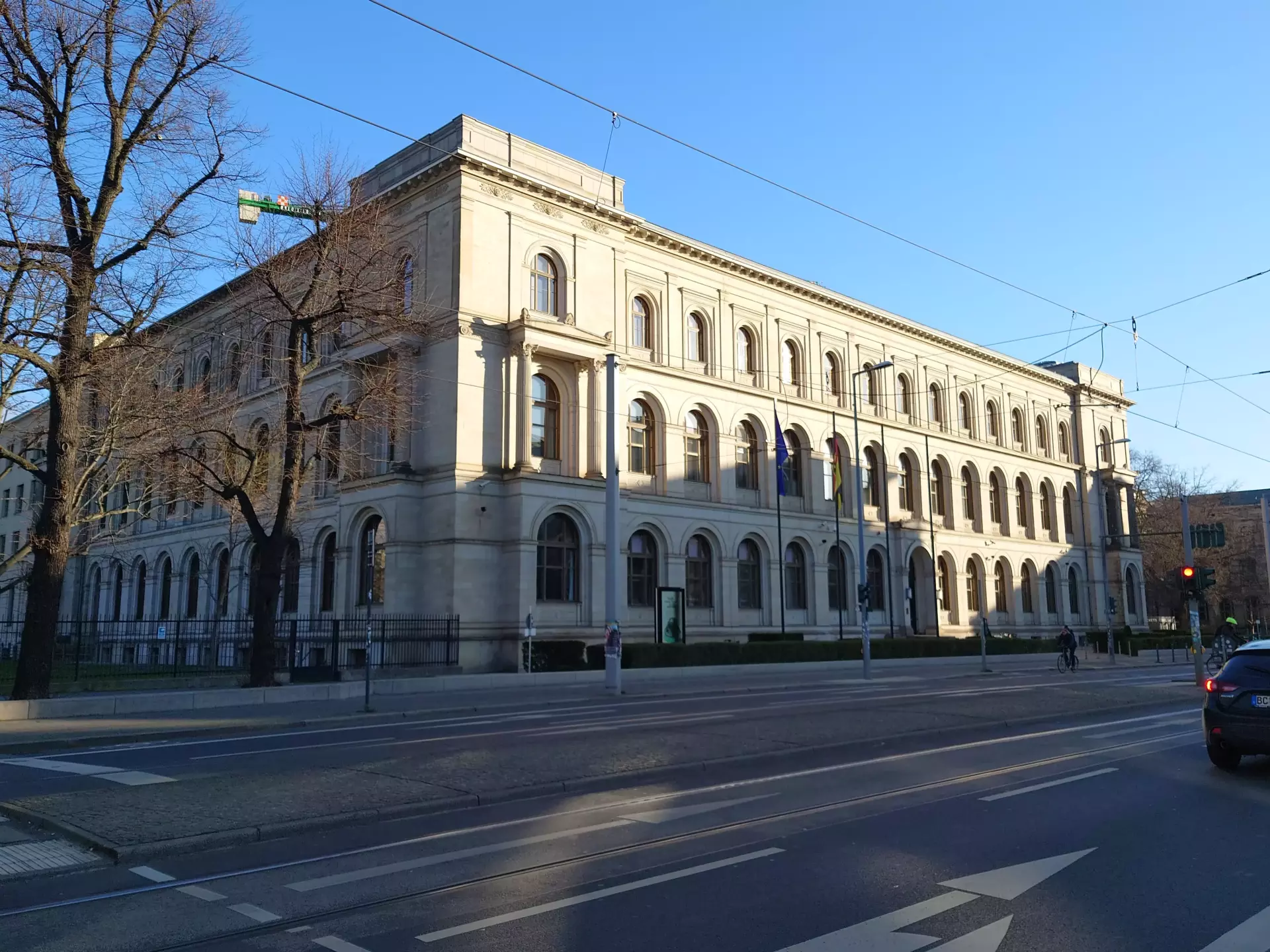
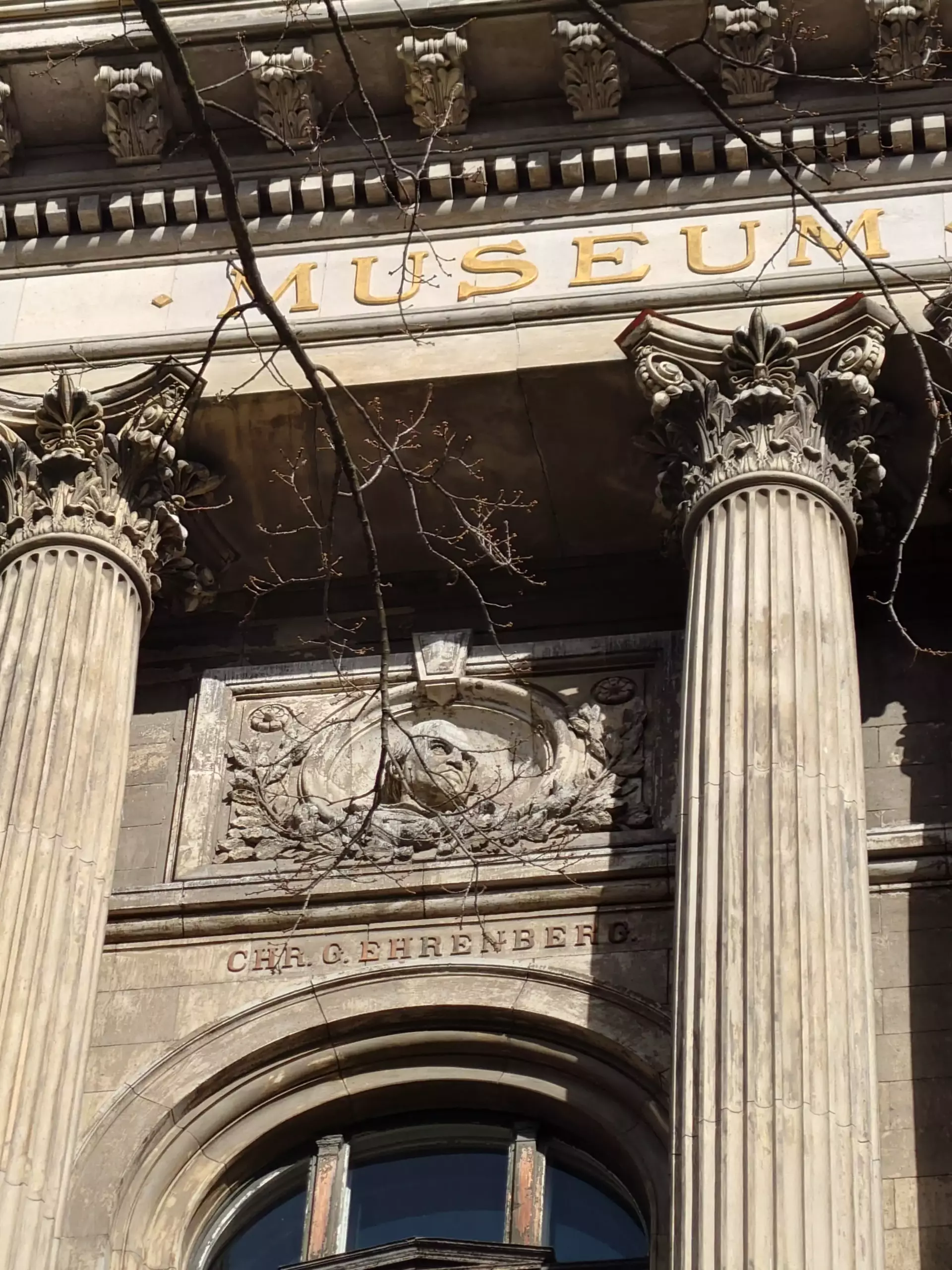
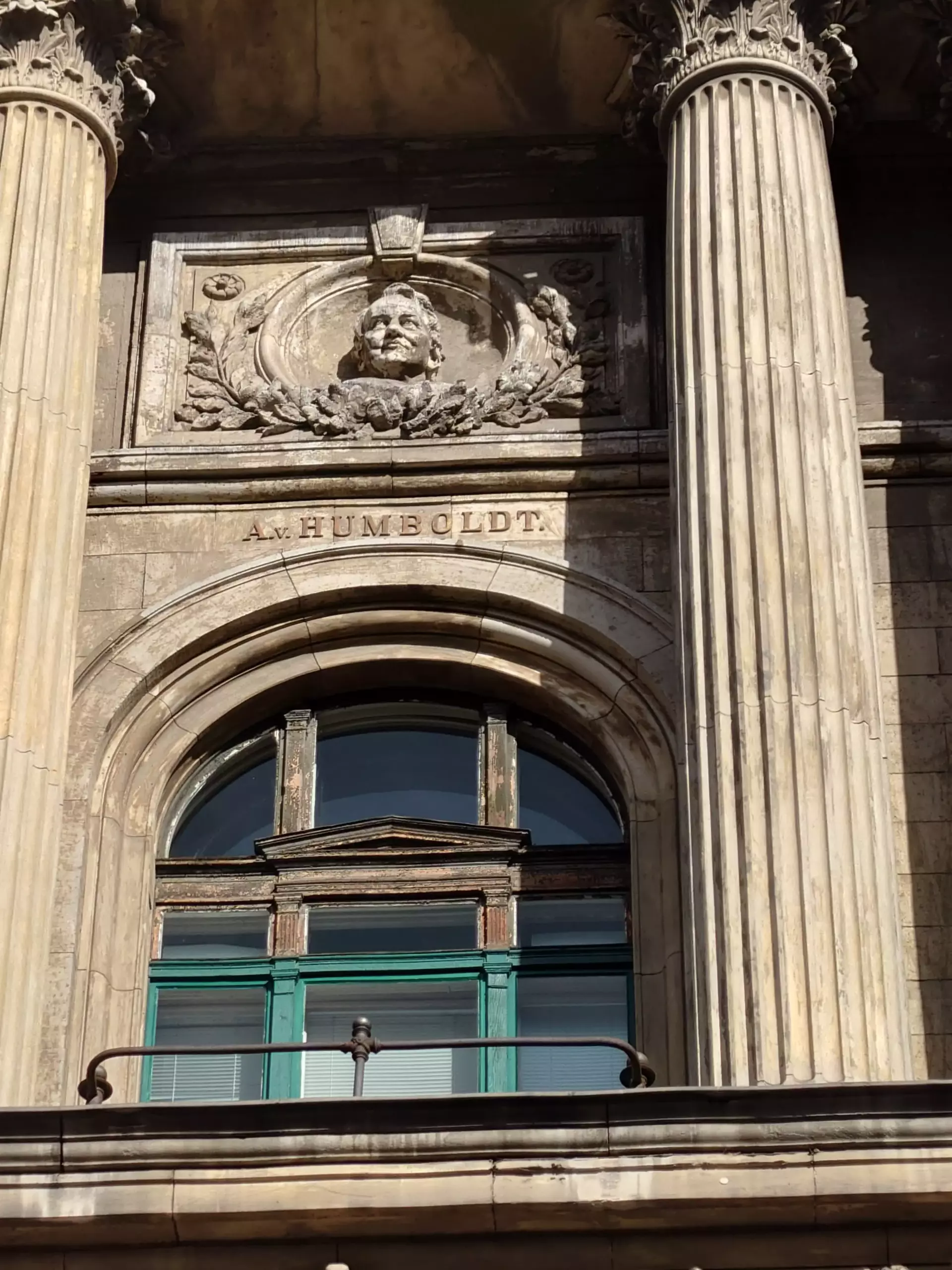
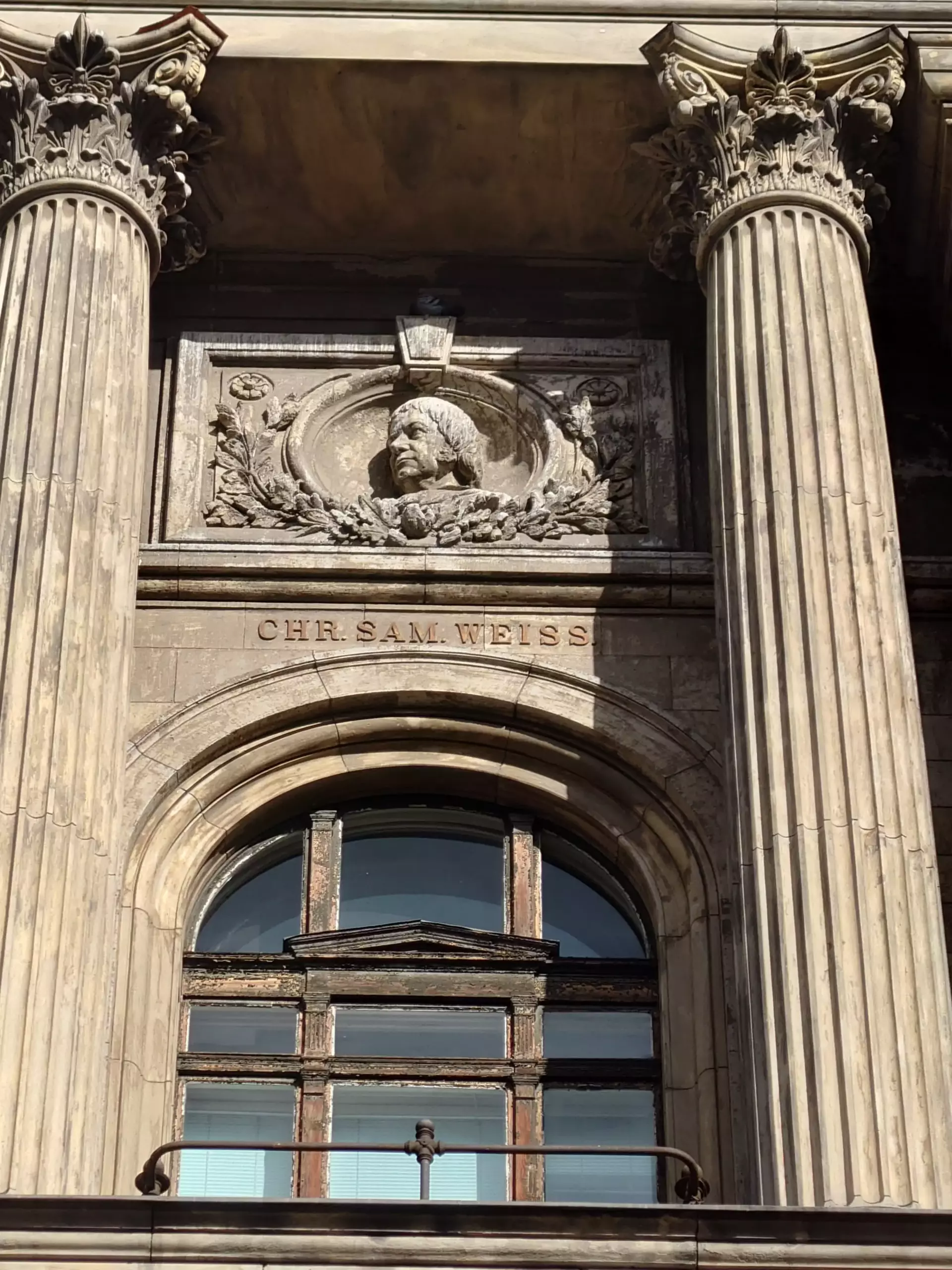
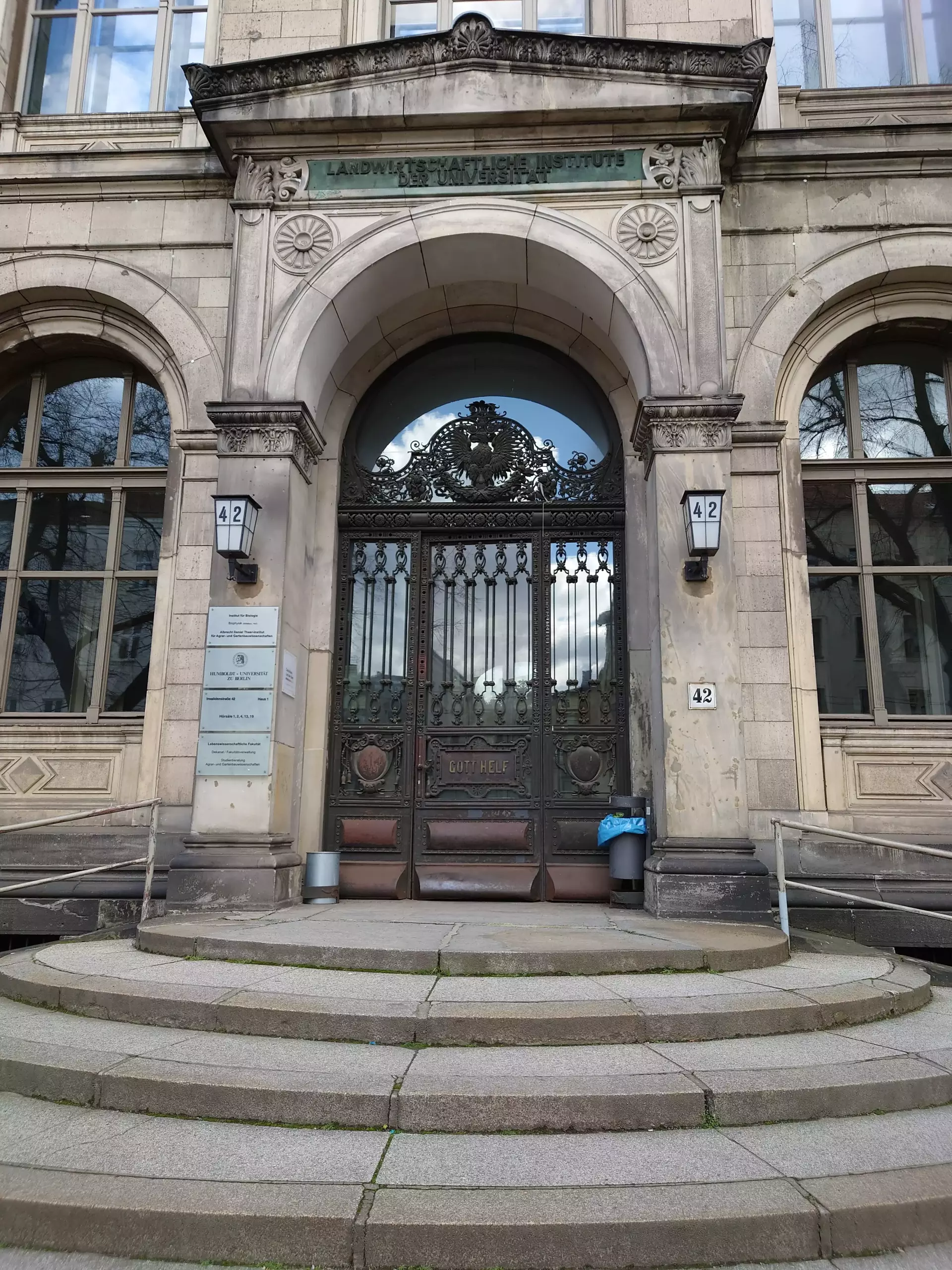
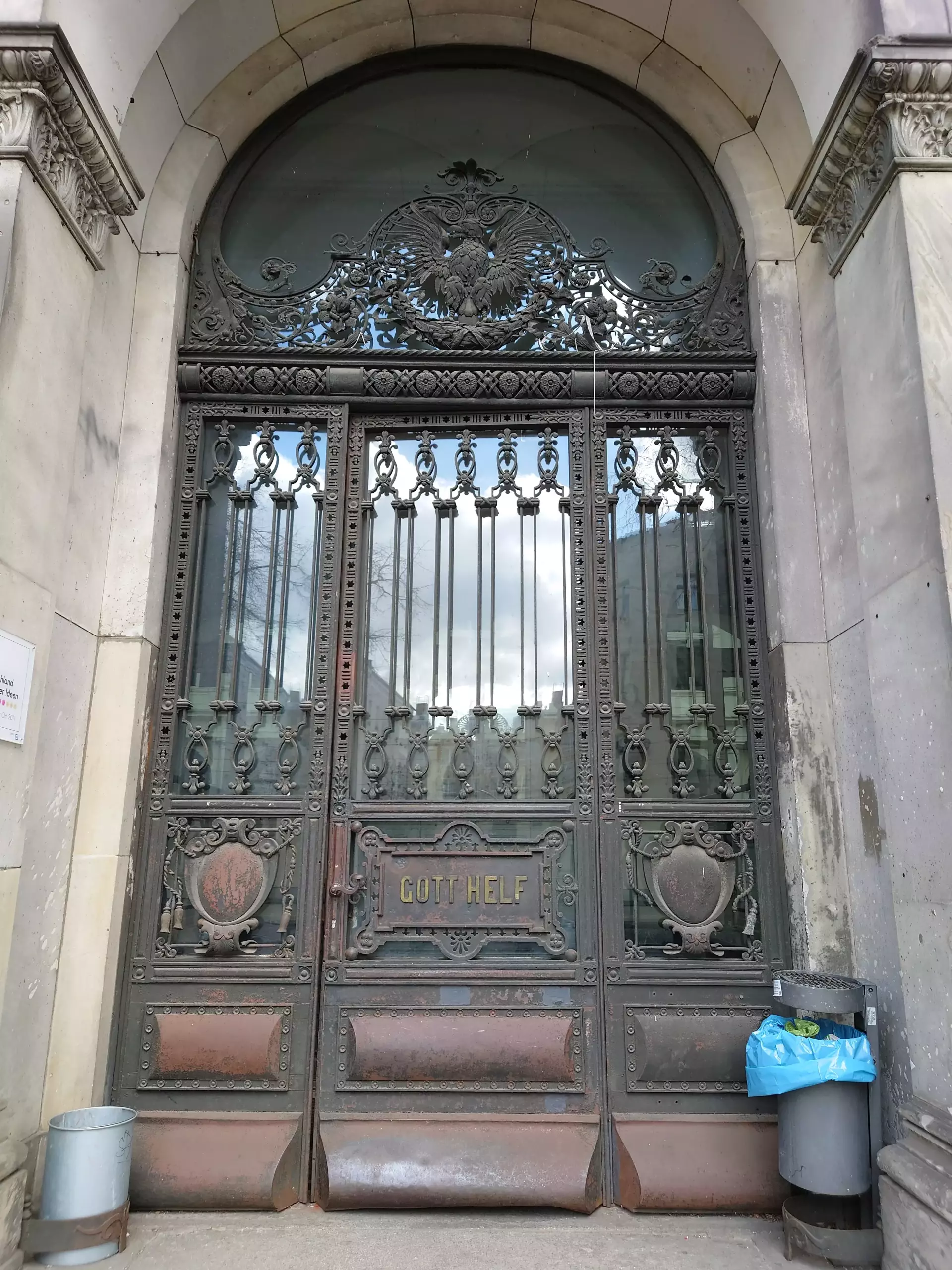
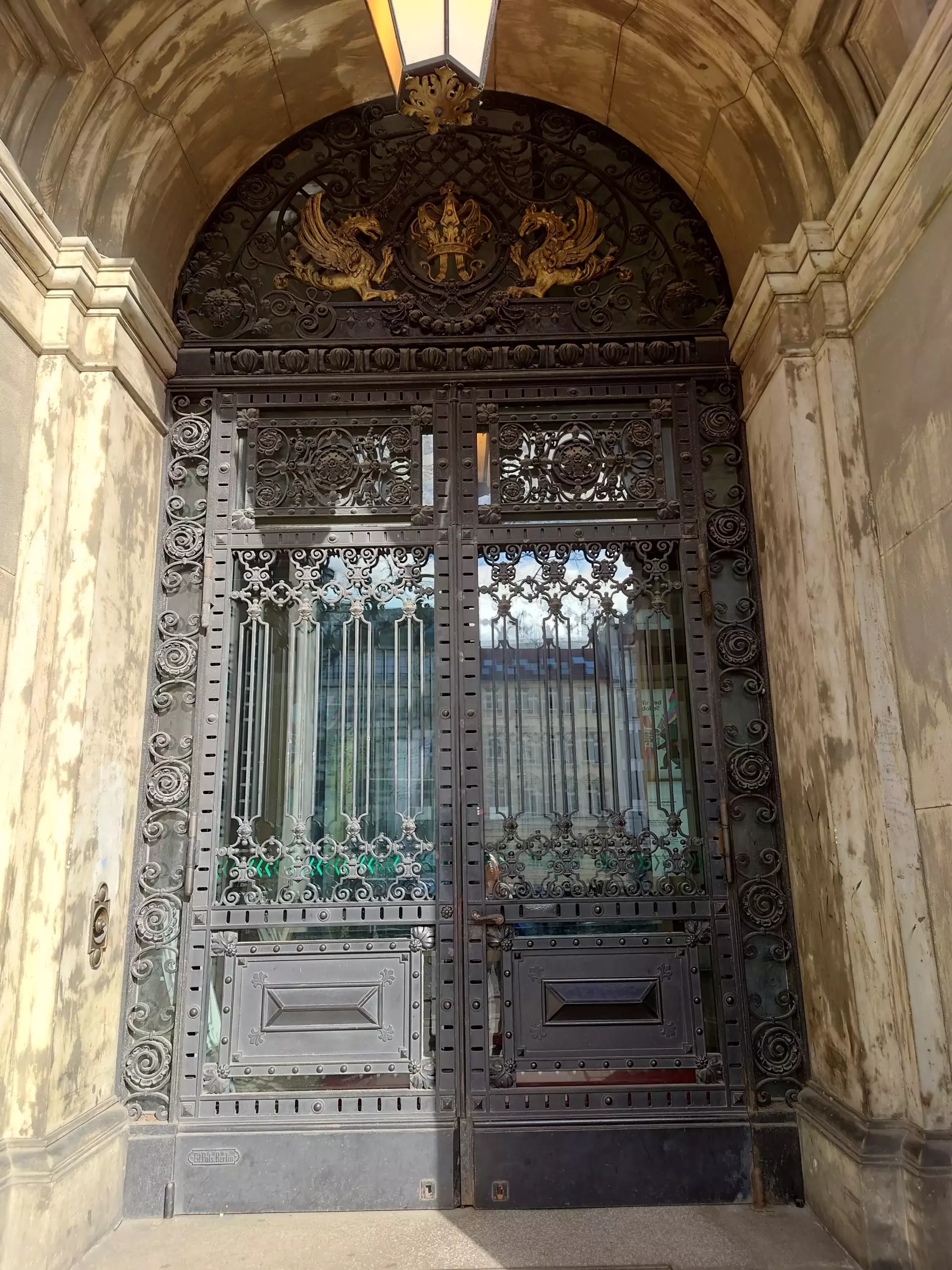
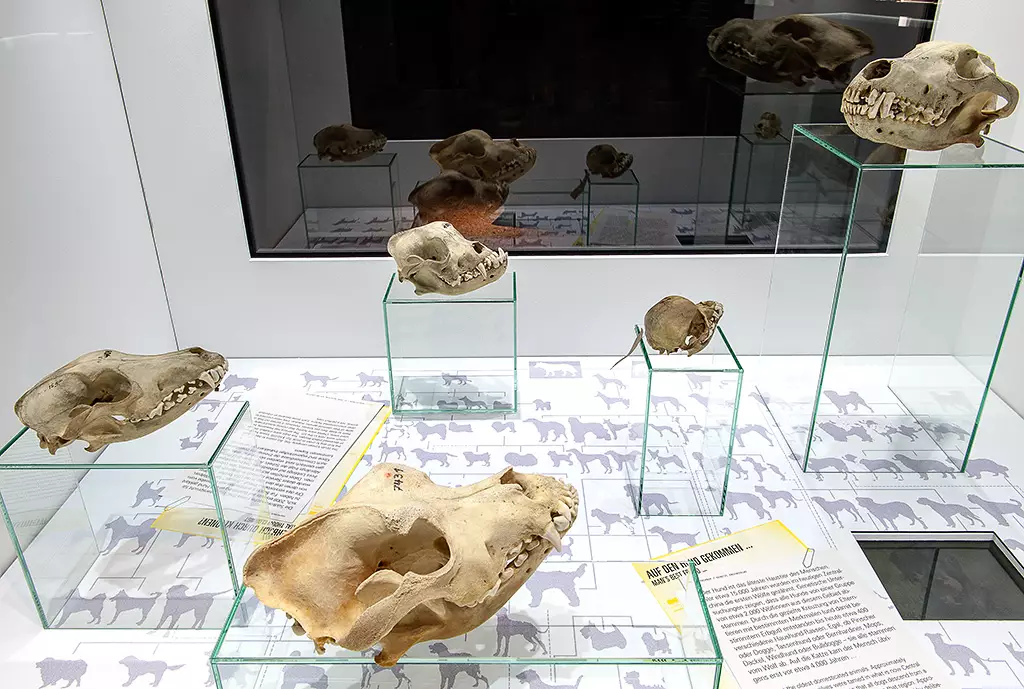
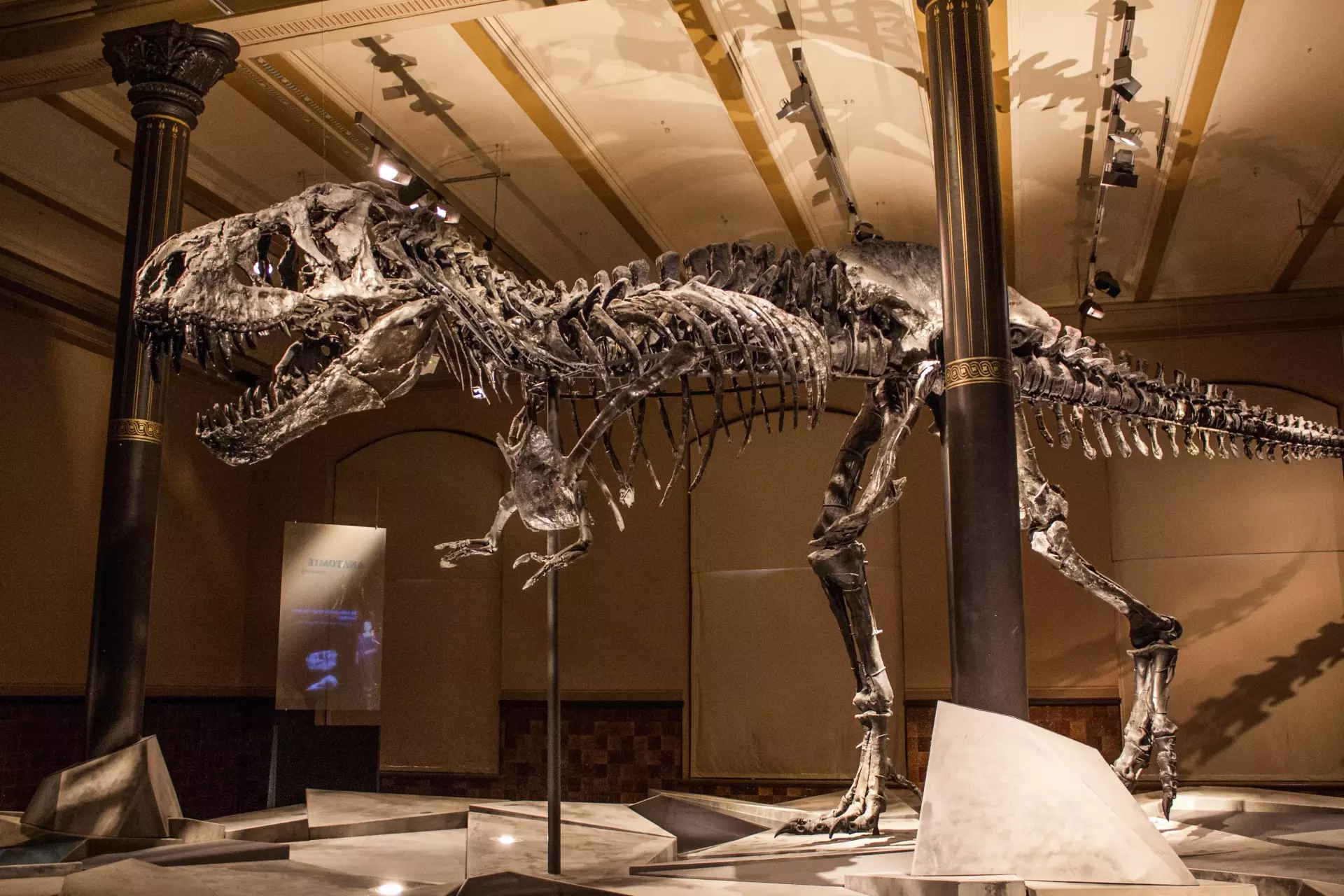
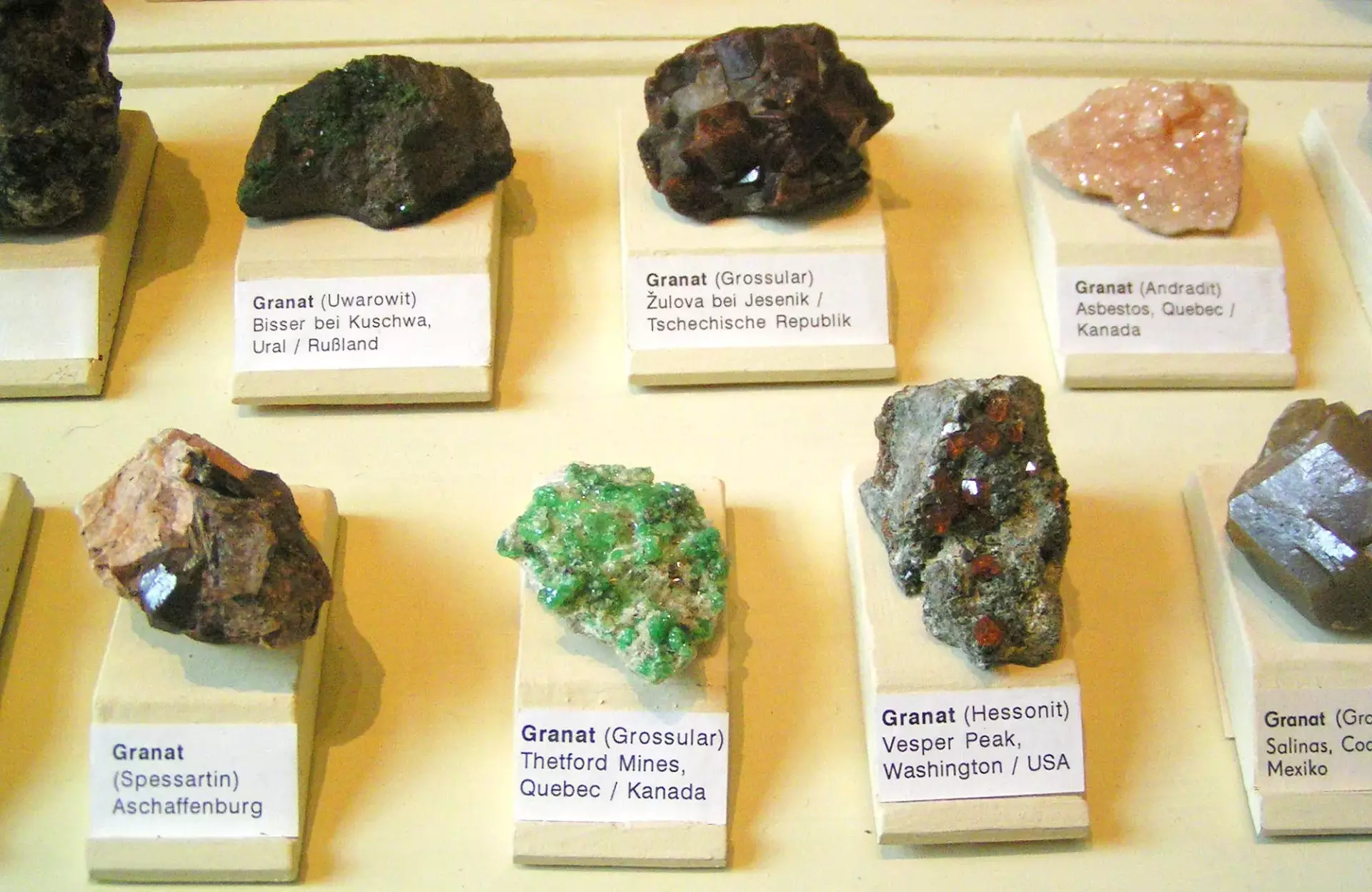
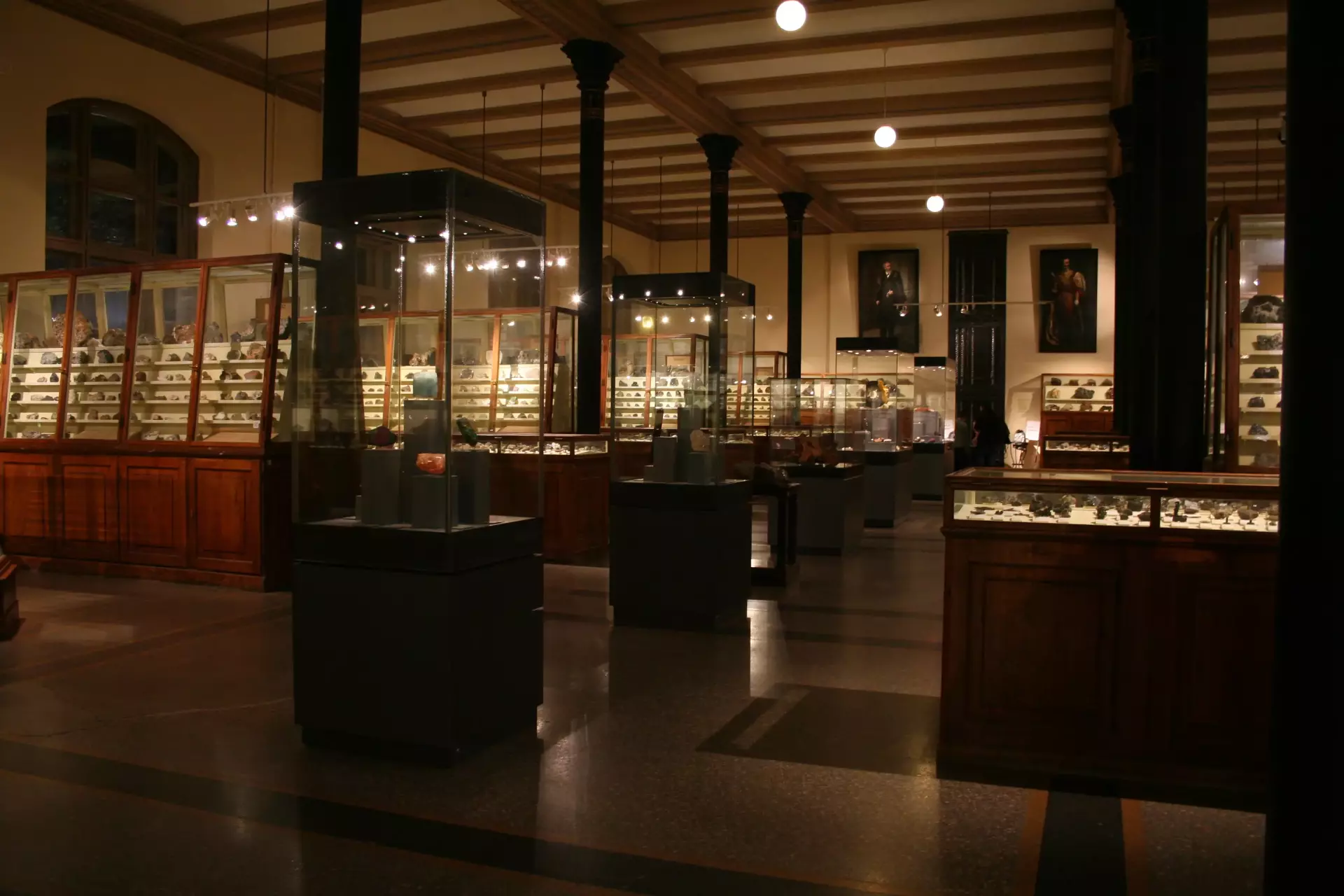
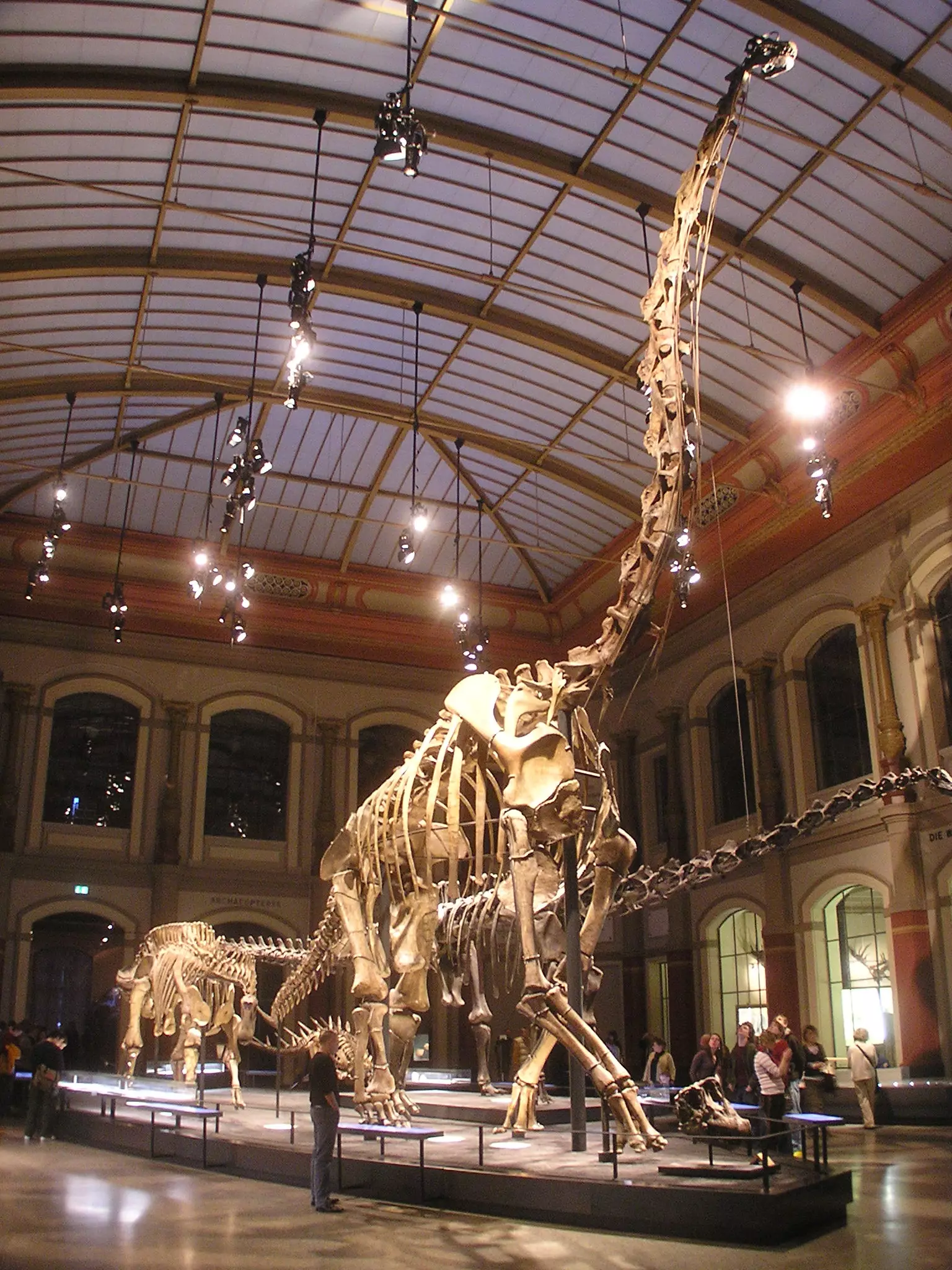
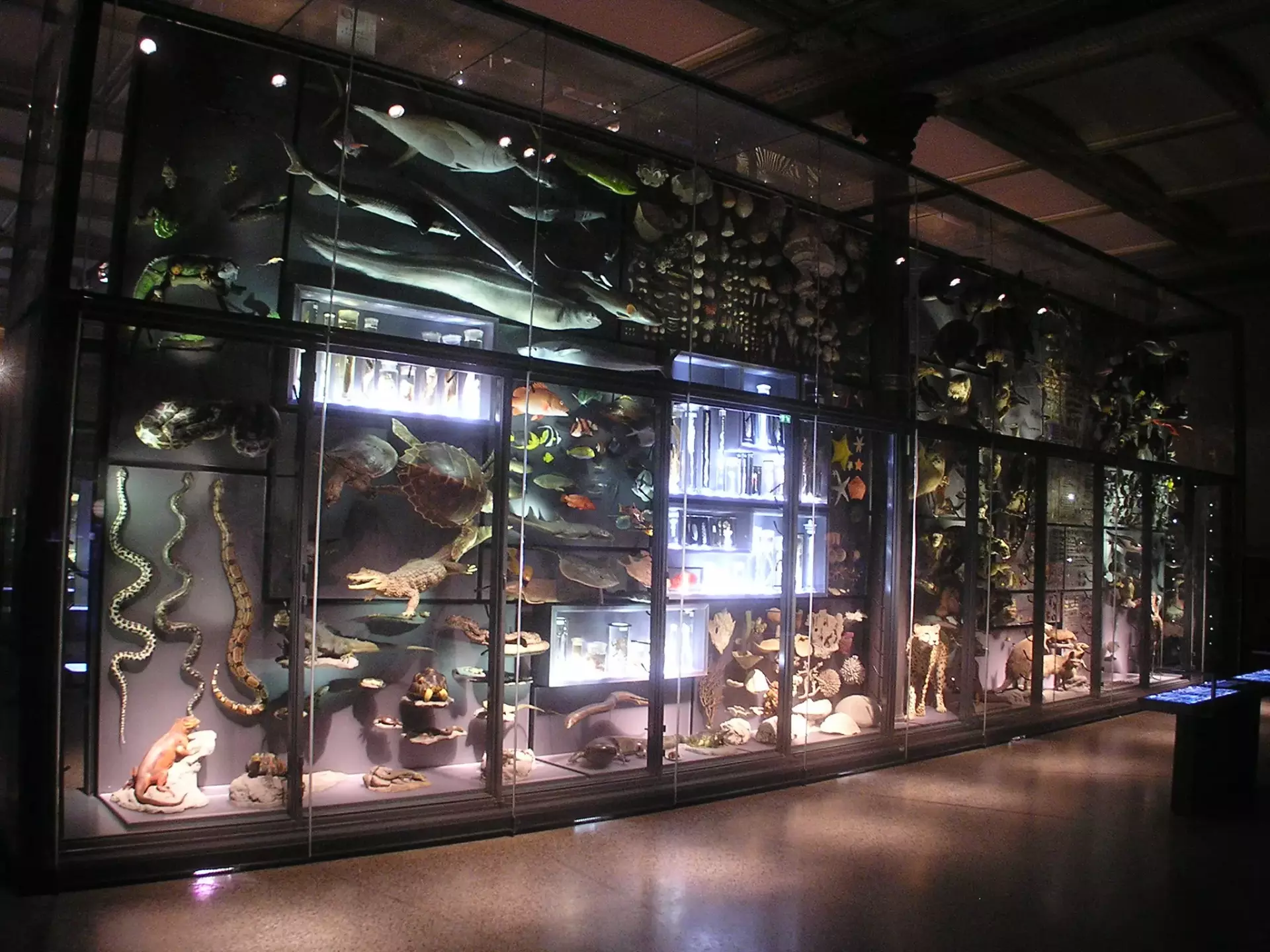
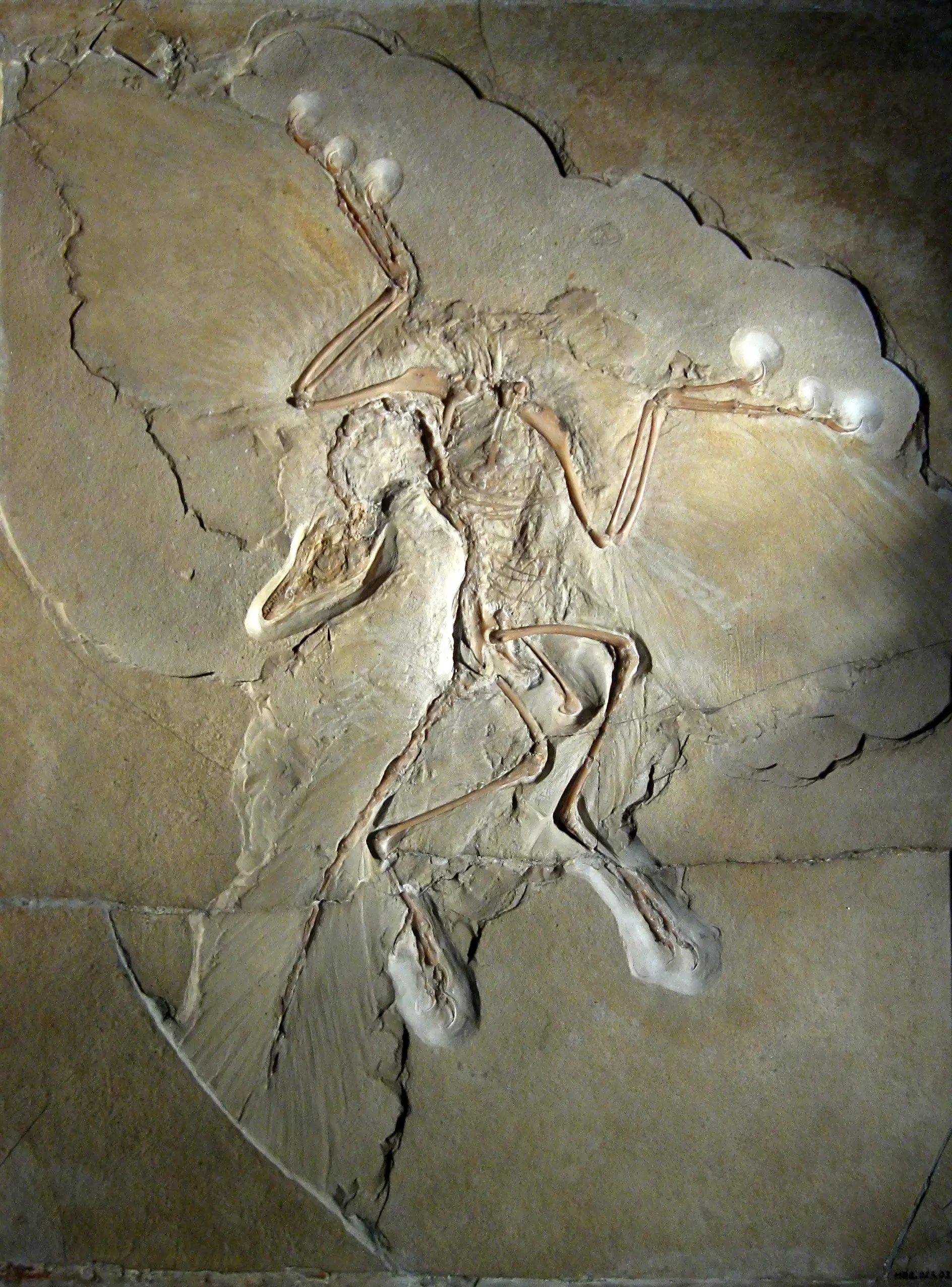
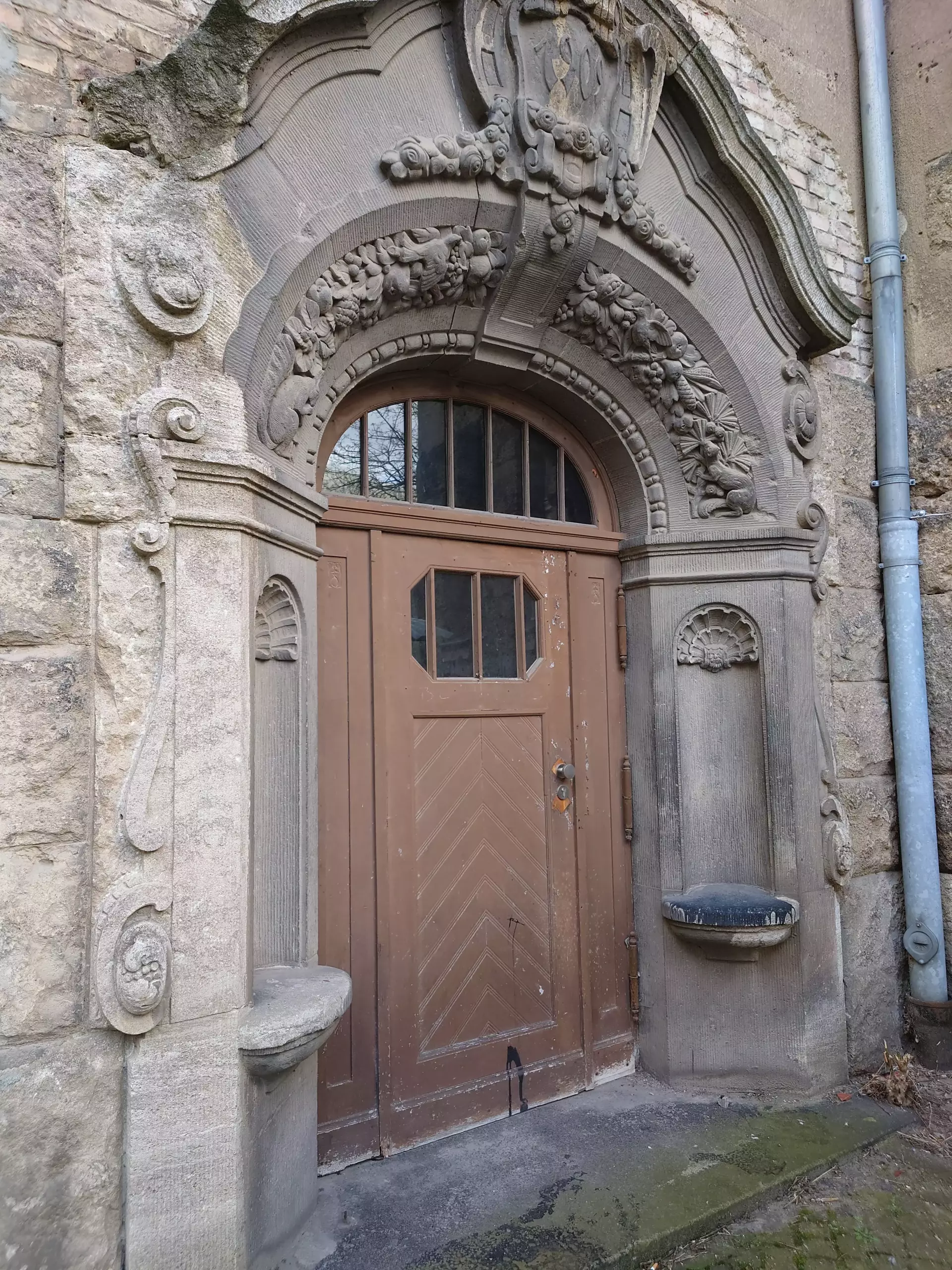
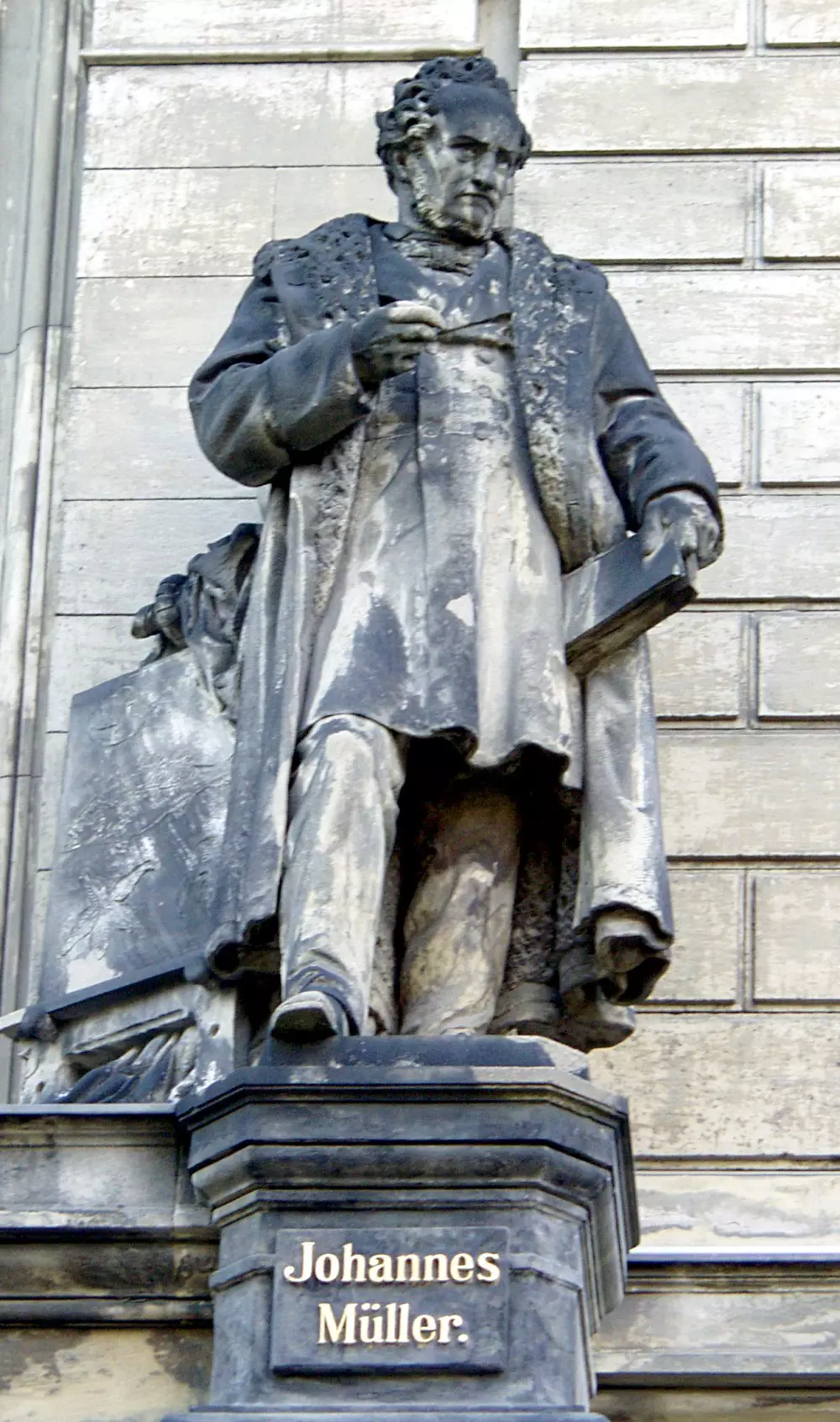
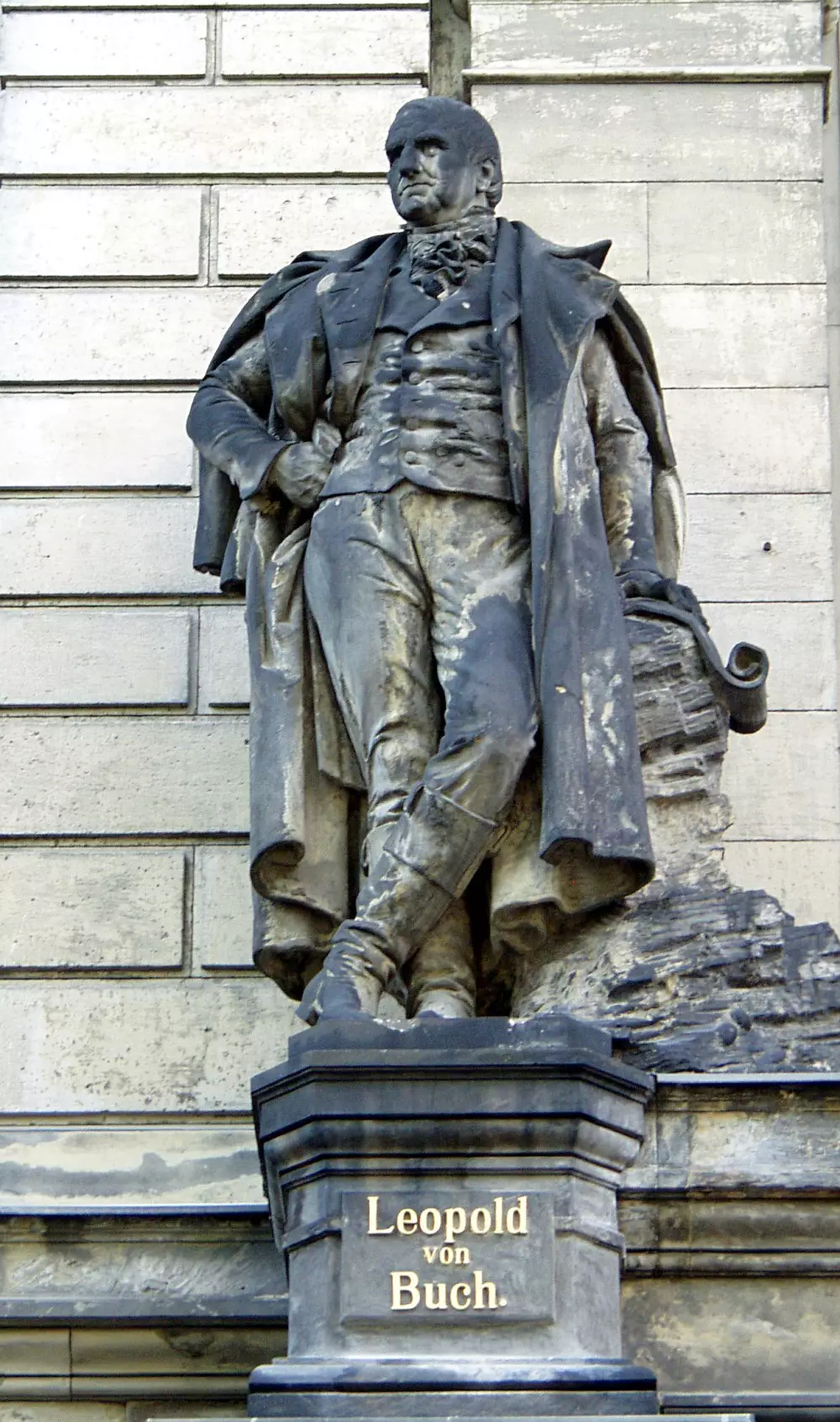
More than 30 million objects form the scientific collection at the Museum für Naturkunde in Berlin, one of the most significant natural history institutions in the world. Its galleries showcase the scope of life on Earth, from deep time to the present day, while behind the scenes researchers work with specimens that rarely meet the public eye. Some areas are currently under construction, adding a sense of transition to a place already shaped by discovery.
The museum’s holdings span fossils, minerals, meteorites, animals preserved in jars, birds, insects, and DNA samples. Together they trace evolution, climate shifts, and biodiversity across millions of years. Display highlights often include towering dinosaur skeletons and meticulously restored prehistoric creatures that tell the story of ancient ecosystems. Smaller specimens — beetles, shells, feathers — reveal the fine detail of nature’s design and the methods scientists use to classify it.
Beyond the exhibition halls, laboratories and storage rooms contain carefully cataloged specimens used for ongoing research. These collections support studies in taxonomy, conservation, and environmental change. The museum functions as both a public gallery and an academic hub, where data from historic expeditions meets modern techniques such as imaging and genetic analysis.
Parts of the building are being renewed, and some galleries may be temporarily closed or reconfigured. Construction brings updated displays, improved accessibility, and better preservation for sensitive materials. Visitors encounter a mix of completed spaces and areas in transition, reflecting the museum’s continuous effort to share its collection in new and engaging ways.
Source - https://en.wikipedia.org/wiki/Natural_History_Museum,_Berlin
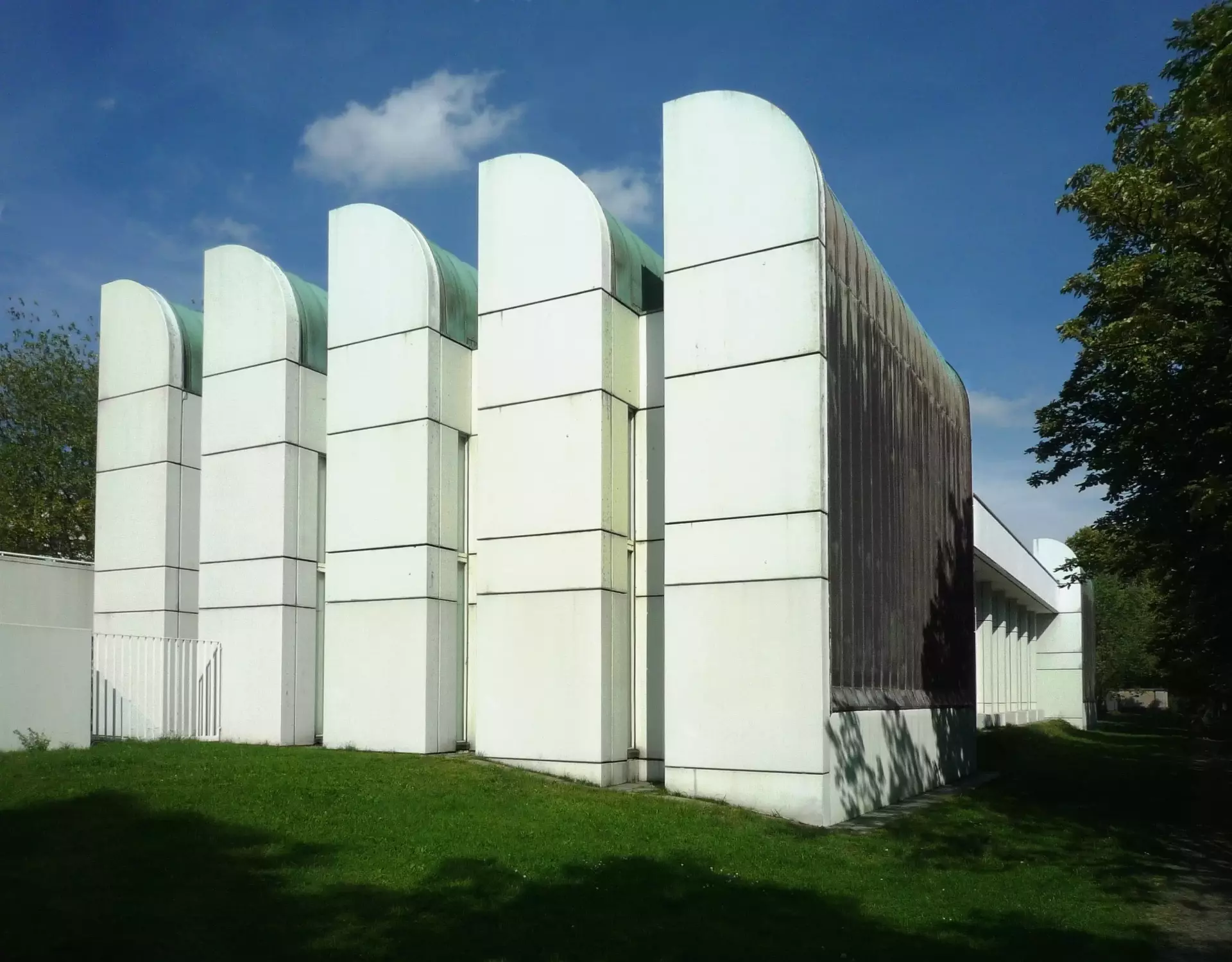
It is the only hemp museum in Germany; you can see the history of hemp, the culture and use of it. You can see hemp grow. There is a cafe downstairs, with an open WiFi access. Everything going on here is legal - including the hemp growing under artificial light (a low THC strain grown with a special permit) - but they do not refrain from political commentary on the legal situation of cannabis in their exhibits.
A domed church at Bebelplatz/Unter den Linden, the oldest (mid-18th century) and one of the biggest Catholic churches in Berlin. Interior was redesigned in a modern style in the 1950s, but there are still many treasure chambers in the basement.
Museum established in 1888, with a collection of 3,500 instruments.
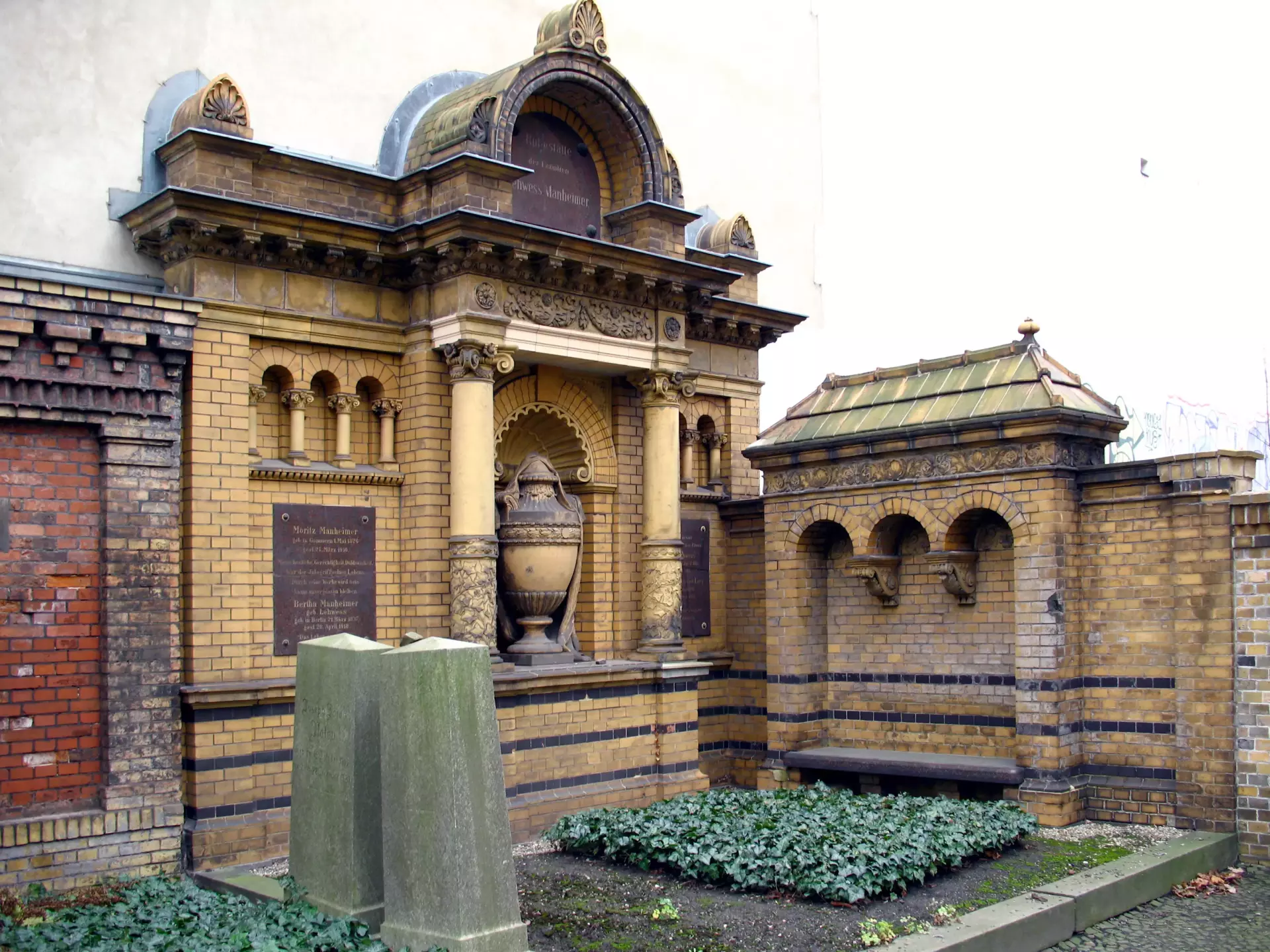
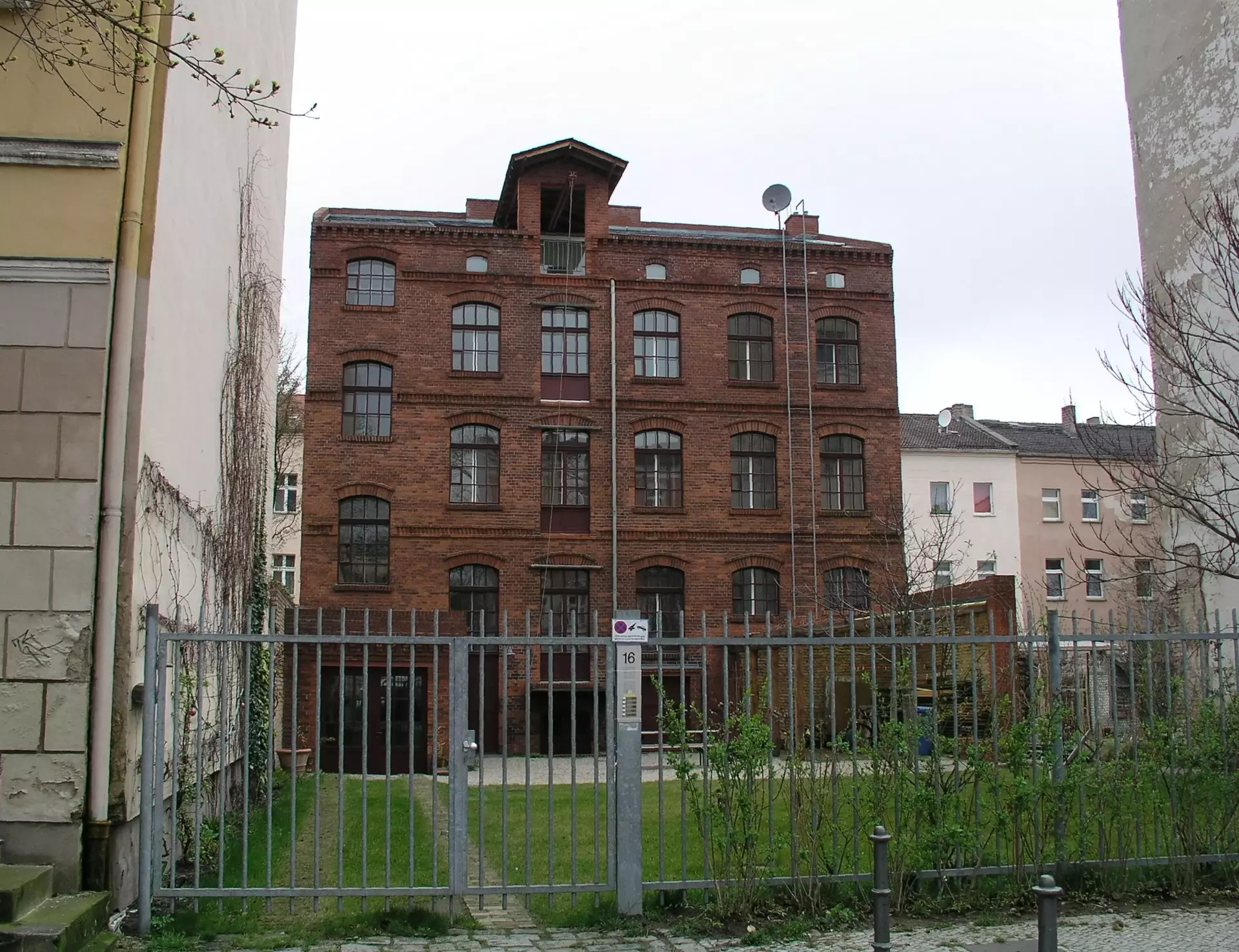
The synagogue in the backyard of an apartment house is one of the biggest in Germany.
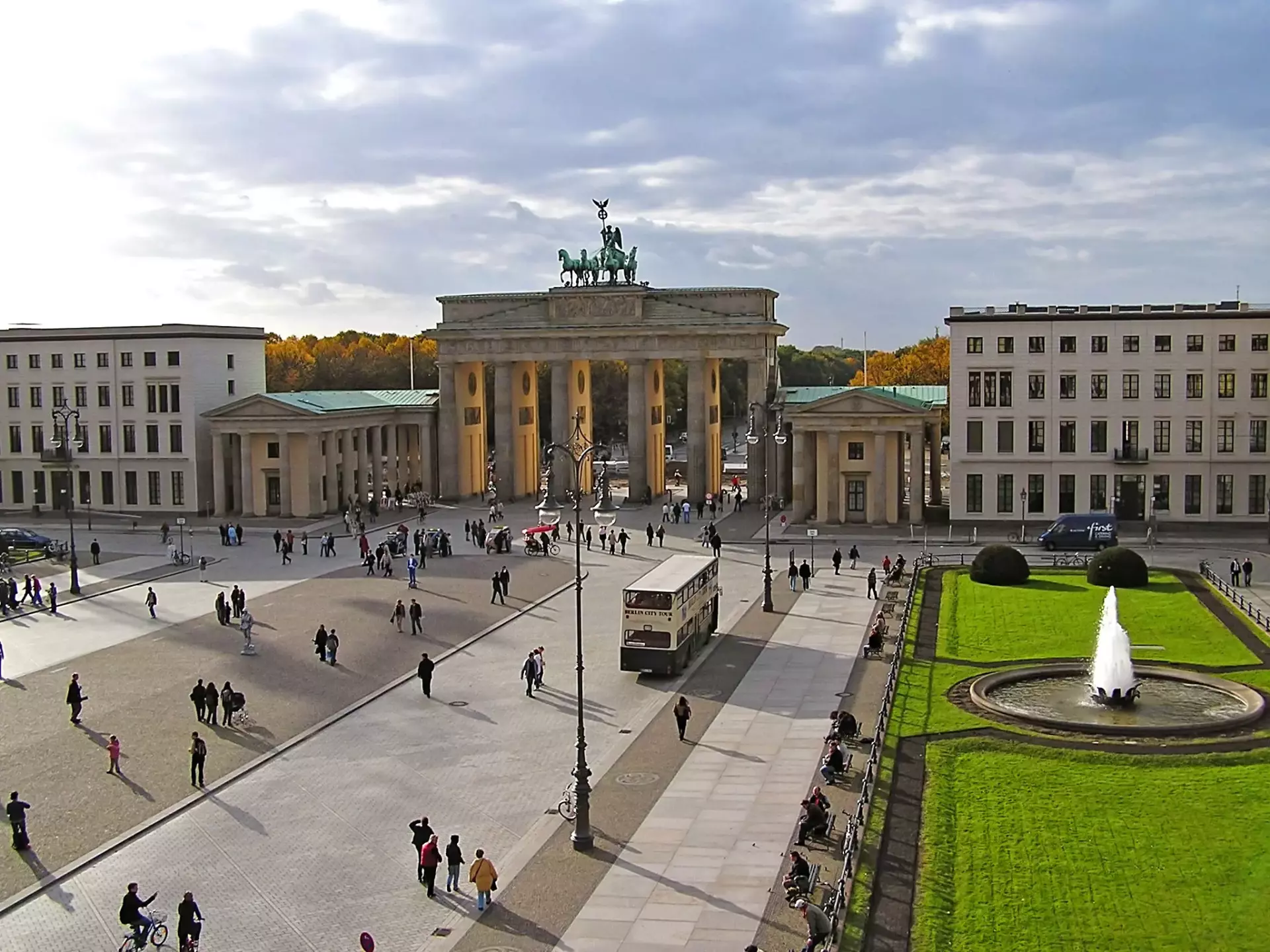
The Gendarmenmarkt is a square in the Friedrichstadt with the Konzerthaus (concert hall) and in front of the statue of Germany's poet Friedrich Schiller, the Neue Kirche (New church) and the Französischer Dom (French cathedrals). Berlin’s Deutscher Dom on the magnificent Gendarmenmarkt square is not to be confused with the Berliner Dom. It was built in 1708. Since 1992 a German Parliament exhibition can be seen here entitled “Paths, Loosing Track and Detours” or the development of parliamentary democracy in Germany – ways and roundabouts. No religious services are held here. The French cathedral houses the Hugenottenmuseum. It represents the ongoing influence on Berlin by the Huguenots who emigrated from France after the revocation of the Edict of Nantes. Crown Prince Friedrich William encouraged them to settle here because most of them were skilled workers or otherwise useful to the kingdom. One memorable artwork, in room nine of the museum, pictures Crown Princess Dorothea exclaiming "But he's a refugee!" upon being presented a very valuable set of jewels by Pierre Fromery. The generally agreed-upon view of refugees as poor, without resources let alone diamonds, was blown apart by the talented French Protestants forced to leave their country due to religion. One of the most notable effects of having such a large French population was their influence on the infamous Berlin dialect. Berlinerisch words such as Kinkerlitzchen (from French "quincaillerie" - kitchen equipment) and Muckefuck (from French "mocca faux" - artificial coffee, though that etymology is not universally accepted) are unique to the area. The Französischen Dom (cathedral) itself was built to resemble the main church of the Huguenots in Charenton, France, destroyed in 1688. It has housed the museum since 1929. Closed till 2019
The memorial site stretches along the full 1.5-km length of Bernauer Straße. The listing marker points to the visitor centre. Various monuments can be found along the entire length of the street, documenting nearby escape attempts and tunnels; captions are in German and English. The documentation centre across the street on Bernauer Straße/Ackerstraße is excellent (although most of the documentation is in German). The viewing platform next to the documentation centre gives you a tiny hint of the true scale of the Wall and how terrifying the "no man's land" between the two sections of walls must have been. The monument (that you can see from the platform) is a complete section of 4th generation wall - both inside and outside sections, and you can peer through from the east side to see the remains of the electric fence and anti-tank devices in the death strip. It really helps you understand what an incredible feat it was to get from one side to the other -- and why so many died doing it. The memorial site is often missed by tourists but an absolute must for anyone interested in this part of the city's history. It's a memorial to those who died crossing, so you won't, fortunately, get the tackiness of the Checkpoint Charlie area; instead you will be left with a haunting feeling of what life with the wall may have been really like.Bernauer Straße is a street with a great deal of Wall history: it came to tragic prominence on August 13, 1961 when East German authorities closed the border and the street (with houses in the East but the street in the West). Border guards walled the doors and windows shut to keep Easterners from escaping by jumping out the window while Westerners (including police and fire brigades who brought life nets to help catch refugees) looked on in horror. The first recorded Wall-related death - the notorious Peter Fechter case (he bled to death in the "no-man's-land" with both sides unwilling or unable to help him) - was here, as was one of the famous tunnels and the famous photograph of the GDR border guard leaping over the barbed wire.
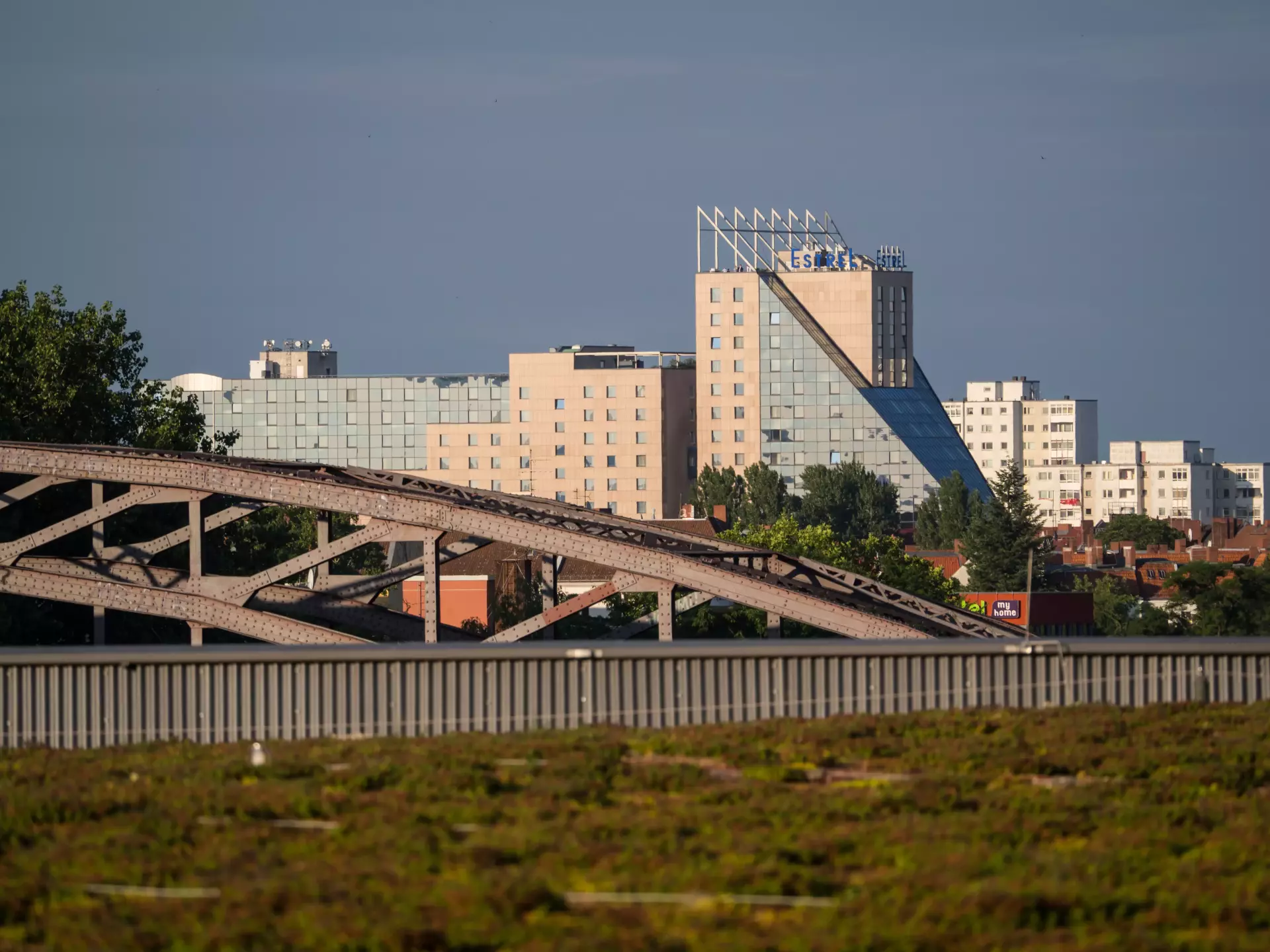
Arguably the most beautiful bridge in Berlin and the only connection between Friedrichshain and Kreuzberg. As signage on the bridge indicates, it was built twice - once in the 1890s and once in the 1990s. Before reunification the border ran where the bridge now is.
At a former Luftwaffe and Royal Air Force (RAF) airfield, RAF Gatow. The museum's focus is on military history, particularly the history of the Luftwaffe of the Bundeswehr, with a collection of more than 200,000 items, including 155 aeroplanes, 5,000 uniforms and 30,000 books. There are also displays (including aeroplanes) on the history of the airfield when it was used by the RAF. Aircraft include reproductions of Otto Lilienthal's gliders, of World War I planes such as the Fokker E.III, and World War II planes such as the Bf 109 and Me-262, as well as at least one aircraft of every type ever to serve in the air forces of East and West Germany. Most of those postwar aircraft are stored outside on the tarmac and runways, however, and many are in bad condition. There are long term restoration projects, including a Focke-Wulf Fw 190. RAF Gatow is notable as the "missing third airport" of West Berlin. Each sector used to have its own airport; the French sector had Tegel, the American sector had Tempelhof and the British had Gatow. However, RAF Gatow never saw much traffic of any kind, was more kept as a political statement than for transportation value, and thus was shut down after reunification. Tempelhof, after having been shut down for civilian traffic from 1975 to 1981, closed for all flights in 2008, while Tegel shut down in November 2020.
Built in 1542. An impressive traditional country estate with stately architecture, it is an enclave of untouched regional cultural history and architectonic epochs. The 80-hectare mixed forest also provides a wide network of paths for walking and rambling.
One of the most authentic and oldest villages (1247) in the outskirts of Berlin, it looks the same way it did some hundred years ago. Take S-Bahn 1 to Waidmannslust and then bus 222 to Alt-Lübars.
Heritage listed Art Nouveau railway station and charming surrounding city square.
The longest stretch of the Berlin Wall still in existence, painted by artists in 1991 and restored in 2009, after years of decay. At Mühlenstraße, next to the river Spree. The murals are painted on the east side of the wall after the fall of Communism; so they are not from the Cold War, during which murals could only be painted on the west side. Make sure not to miss the famous mural of a car seemingly crashing through the wall with Leonid Brezhnev and Erich Honecker kissing above it. It is actually on the back side of the gallery (it is facing away from the street.) It is just inside the entrance of the Eastern Comfort Hostel, near the east end of the gallery.