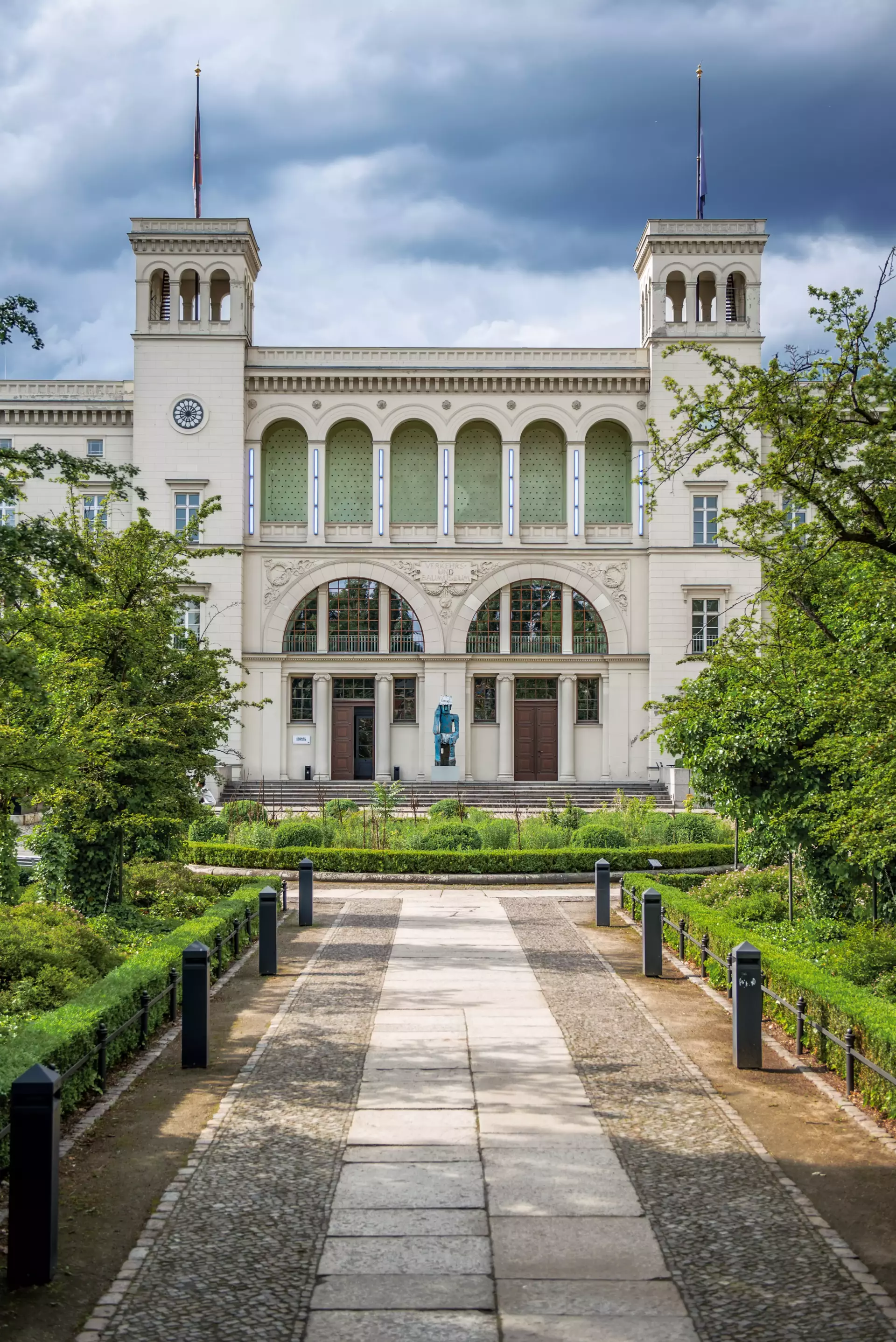
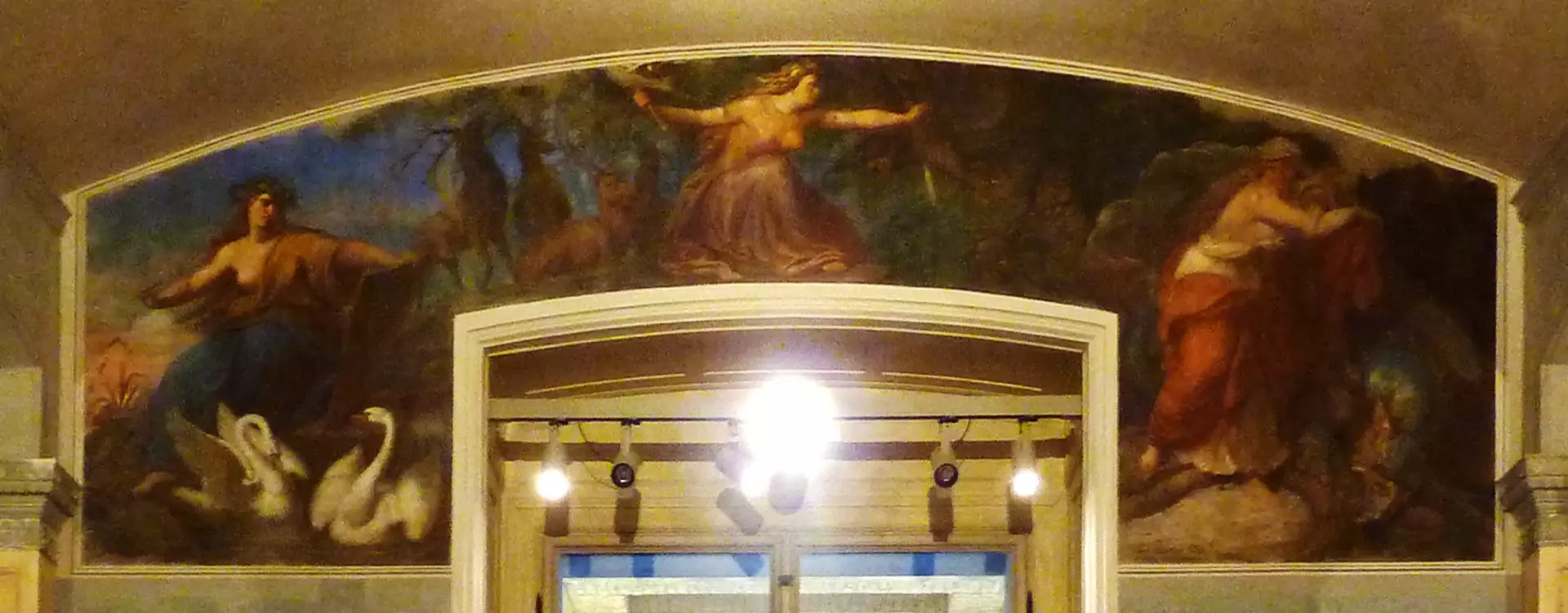
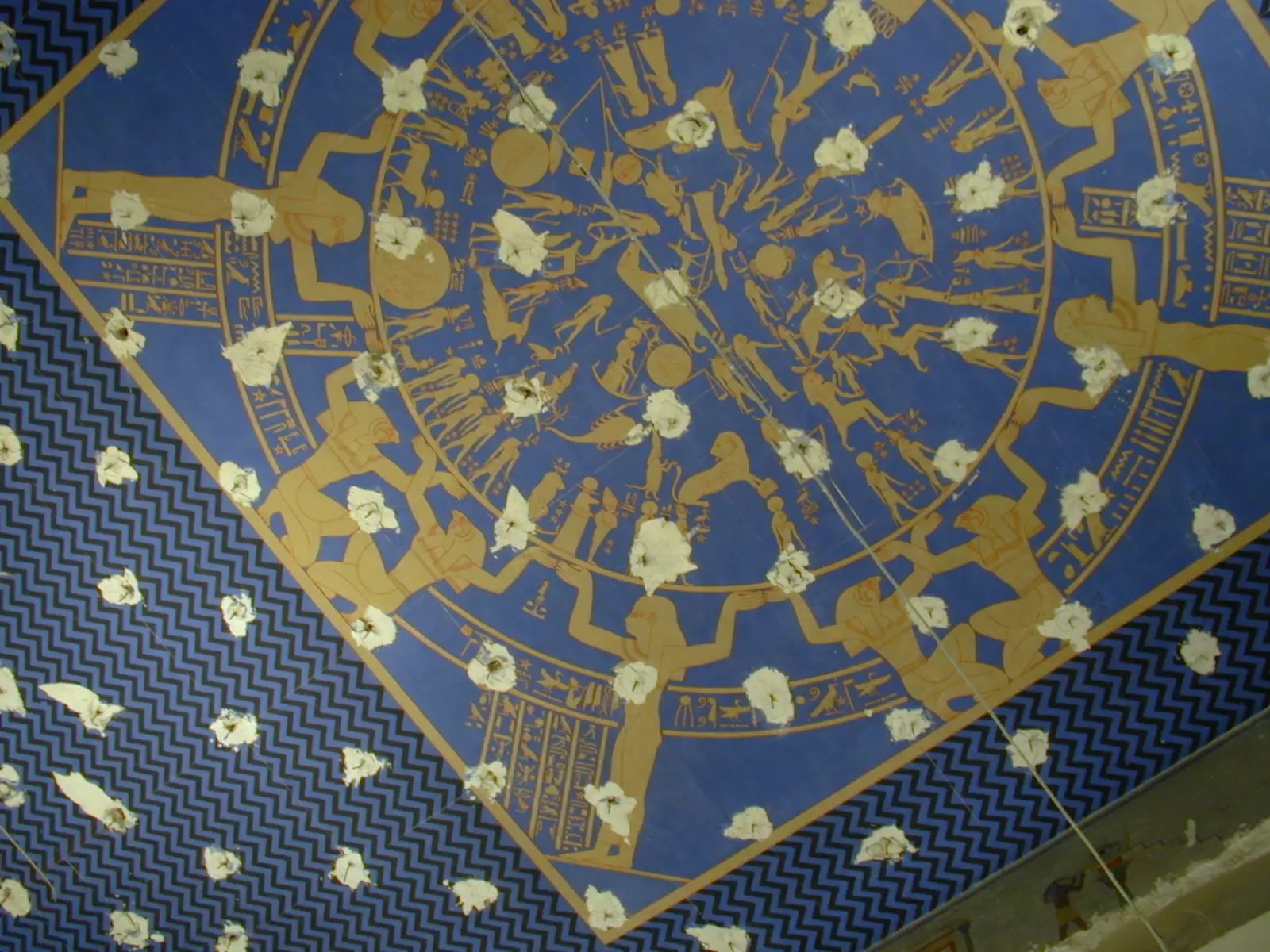
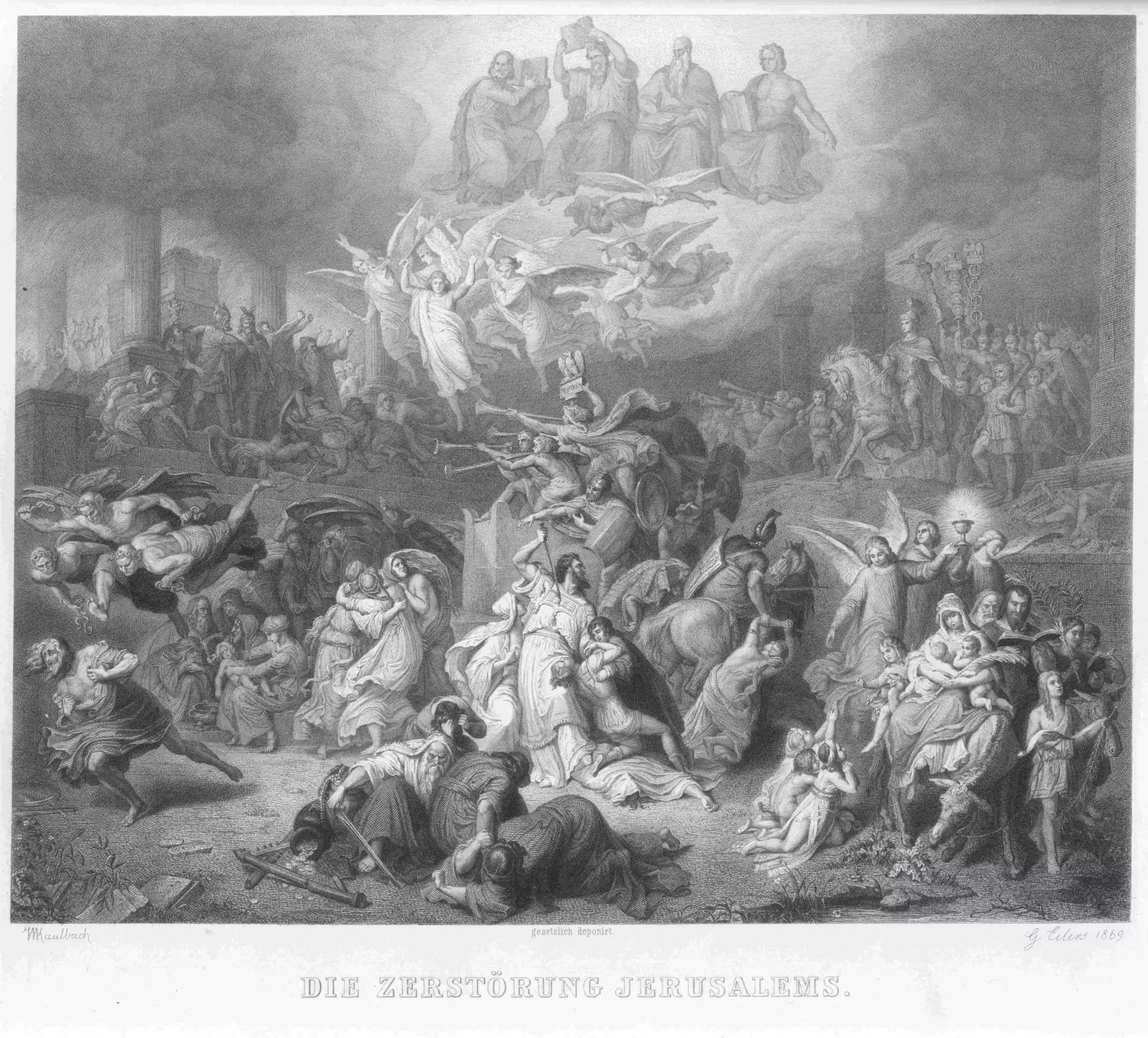
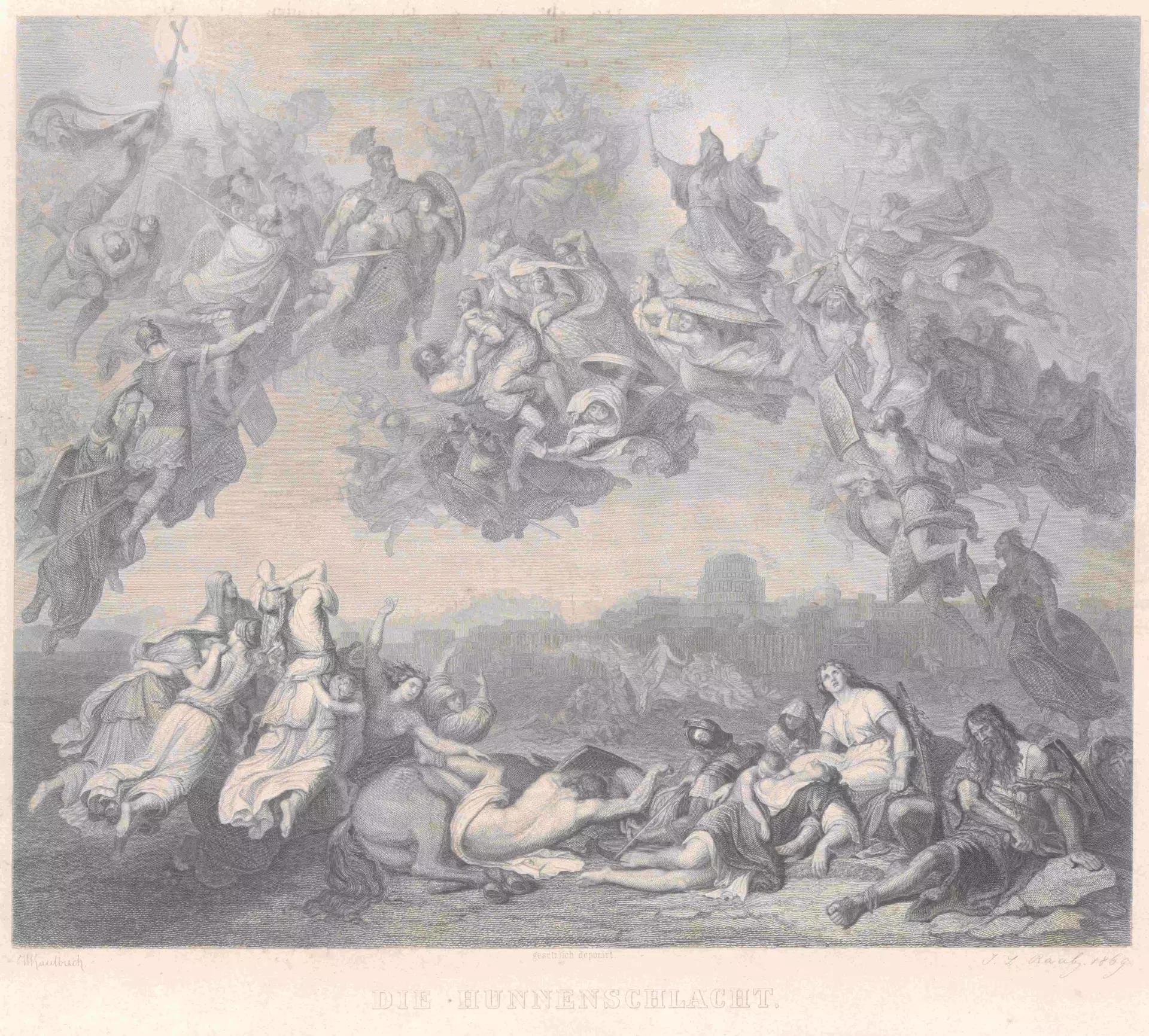
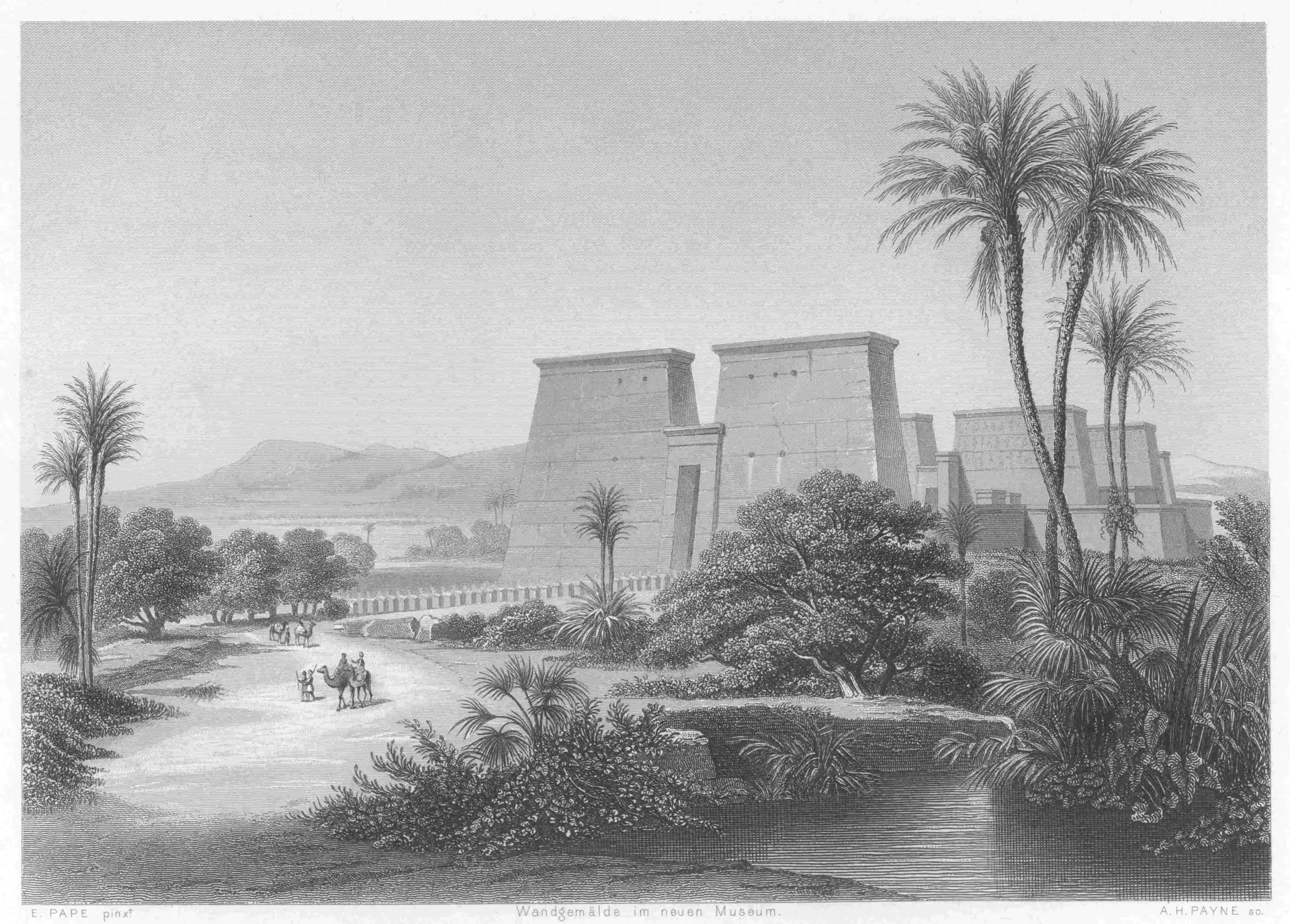
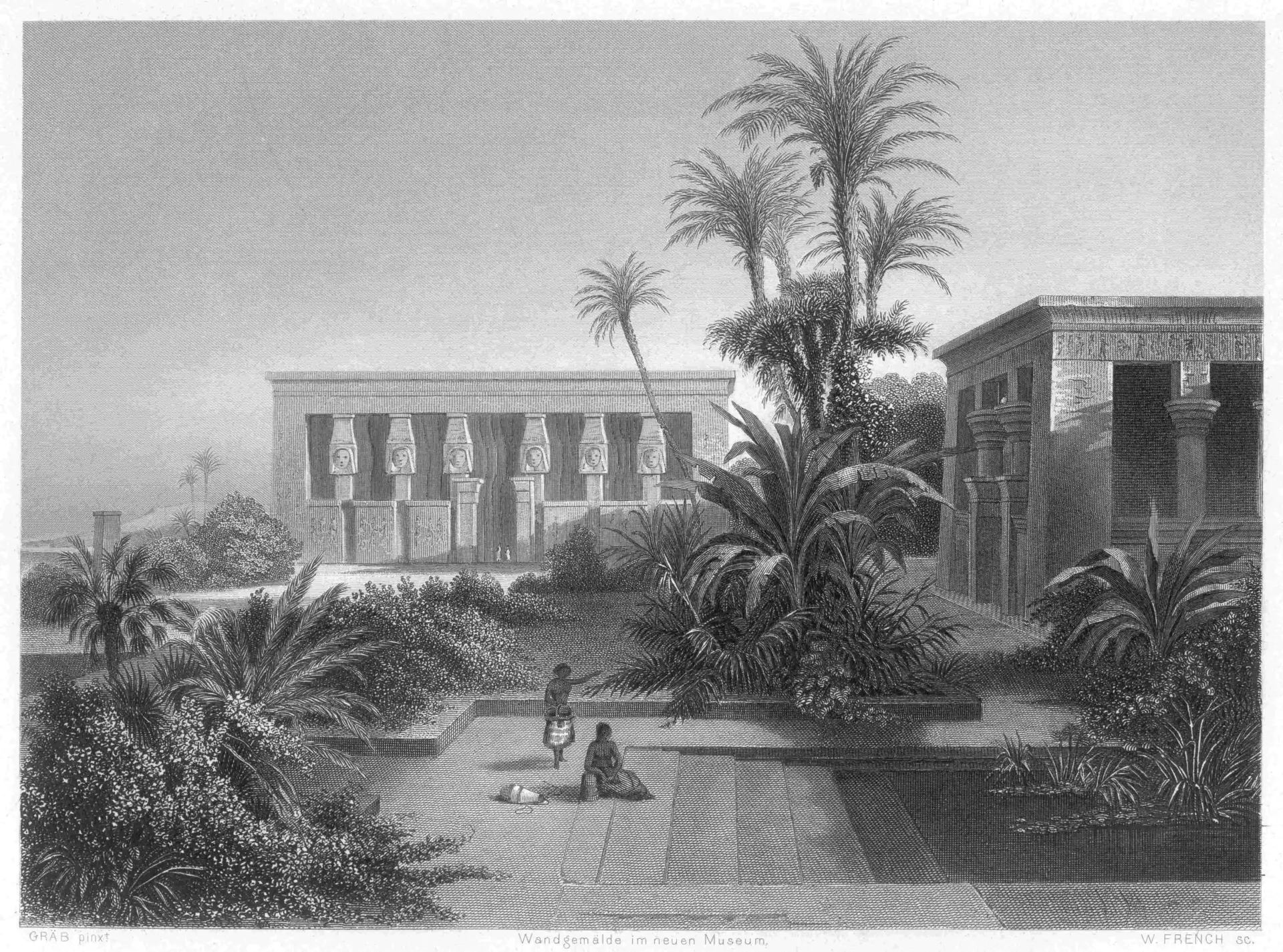
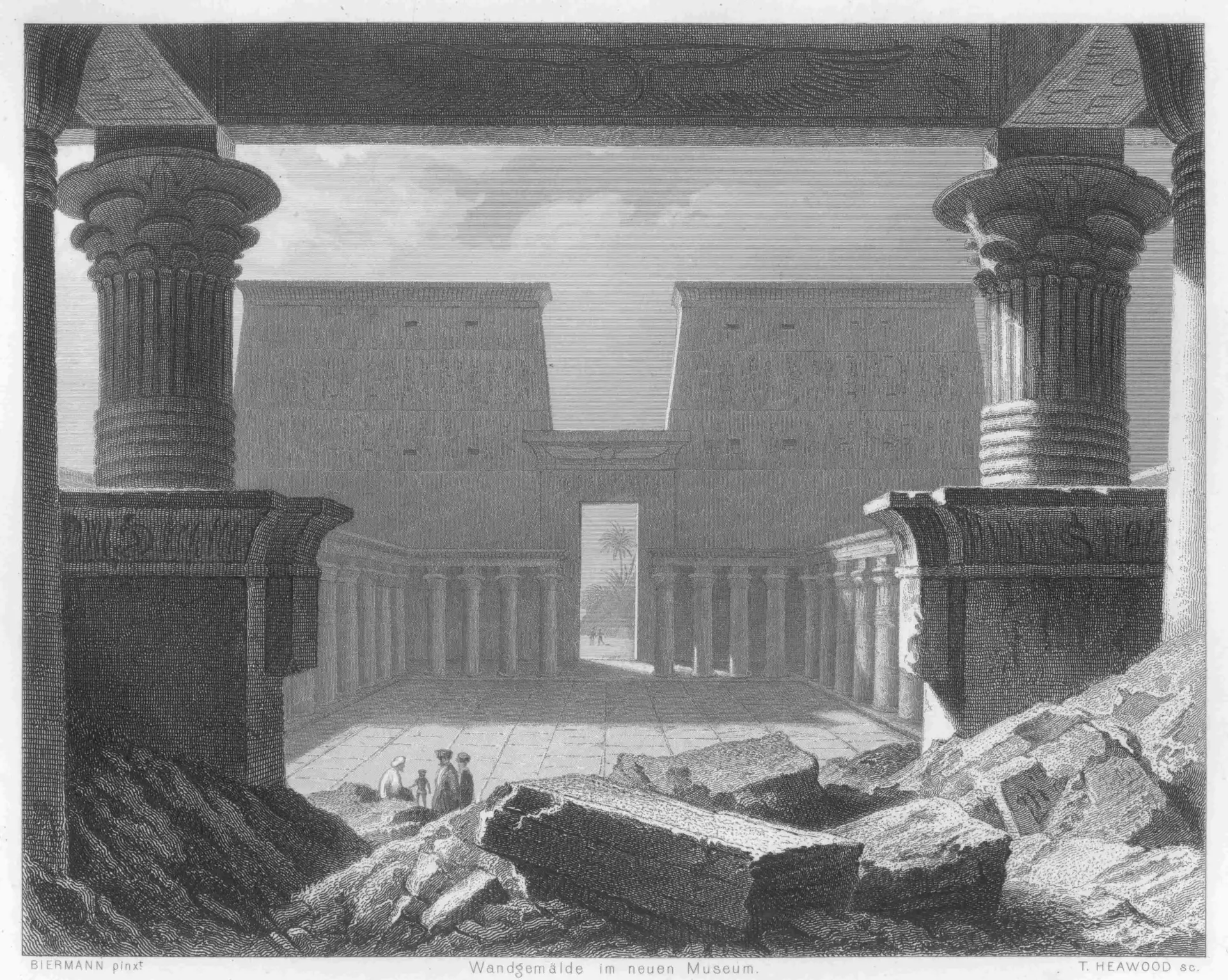
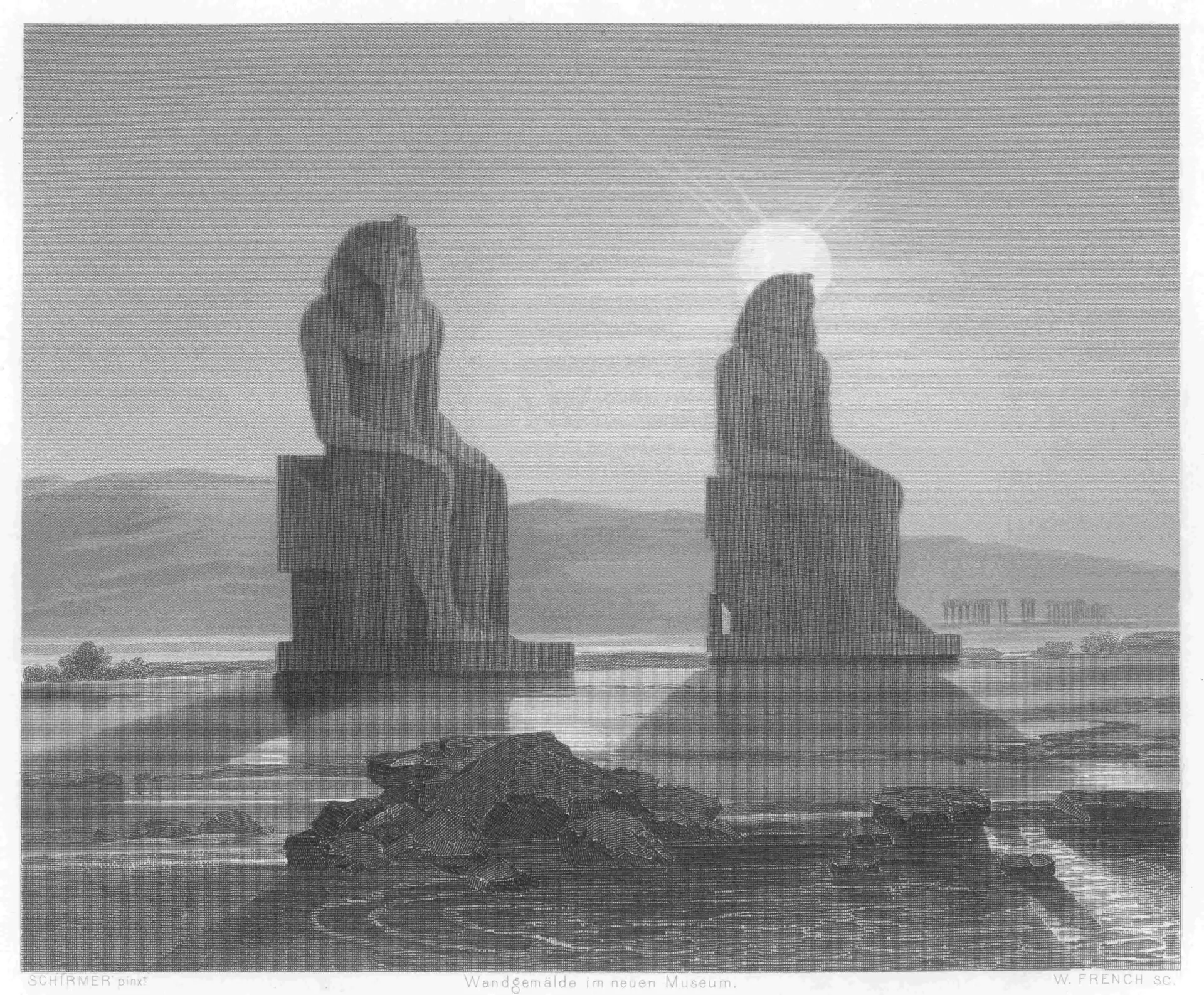
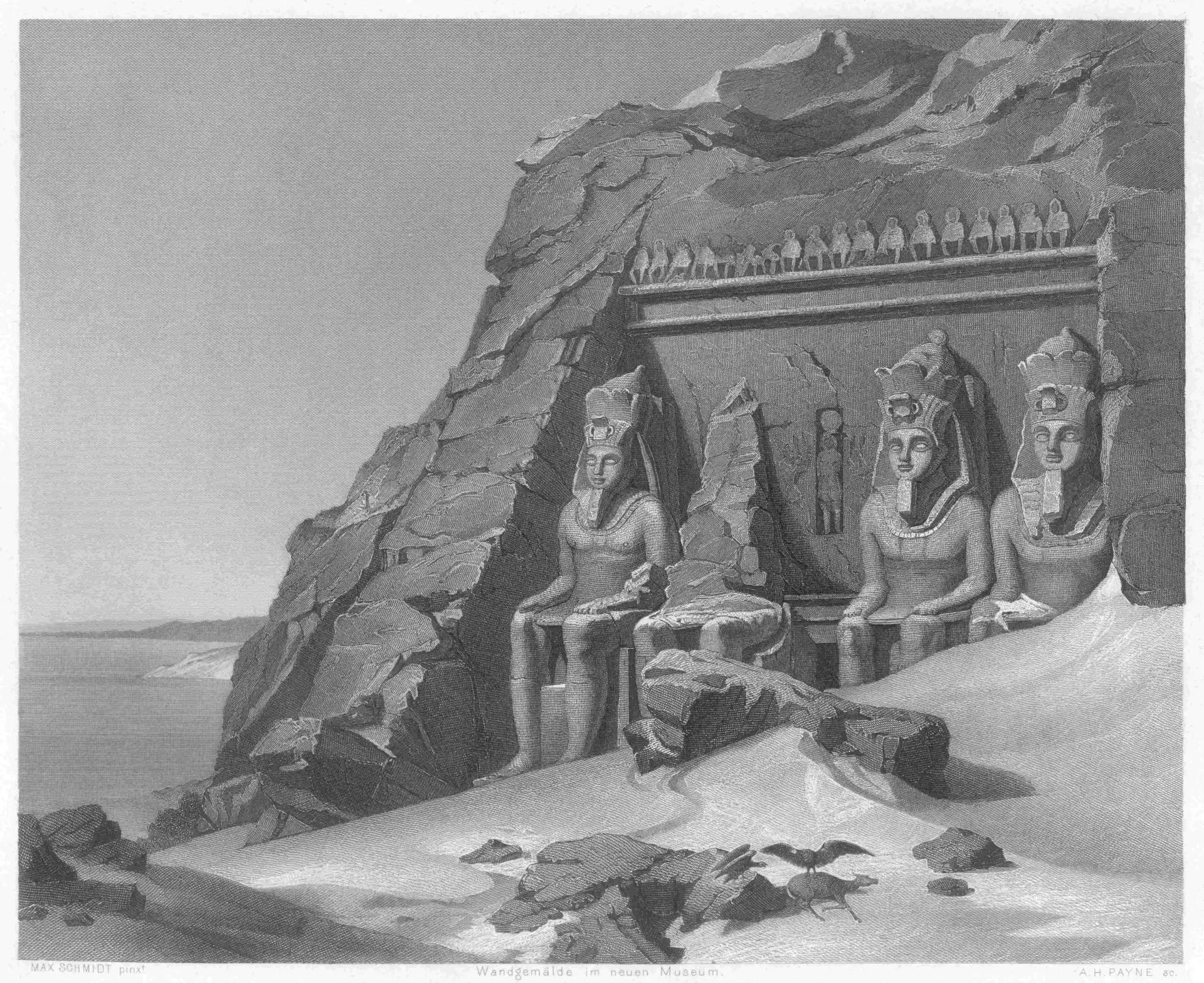
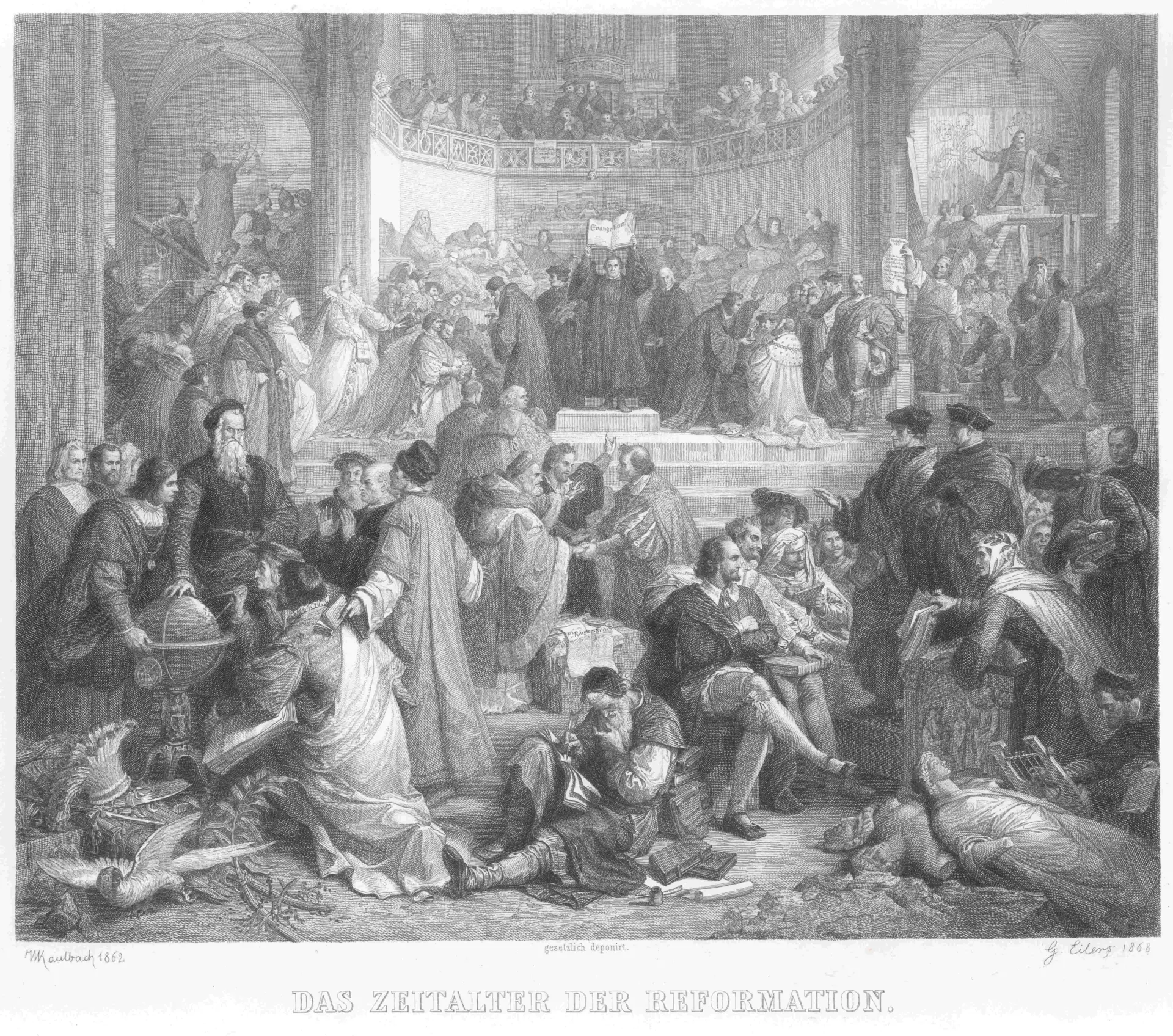
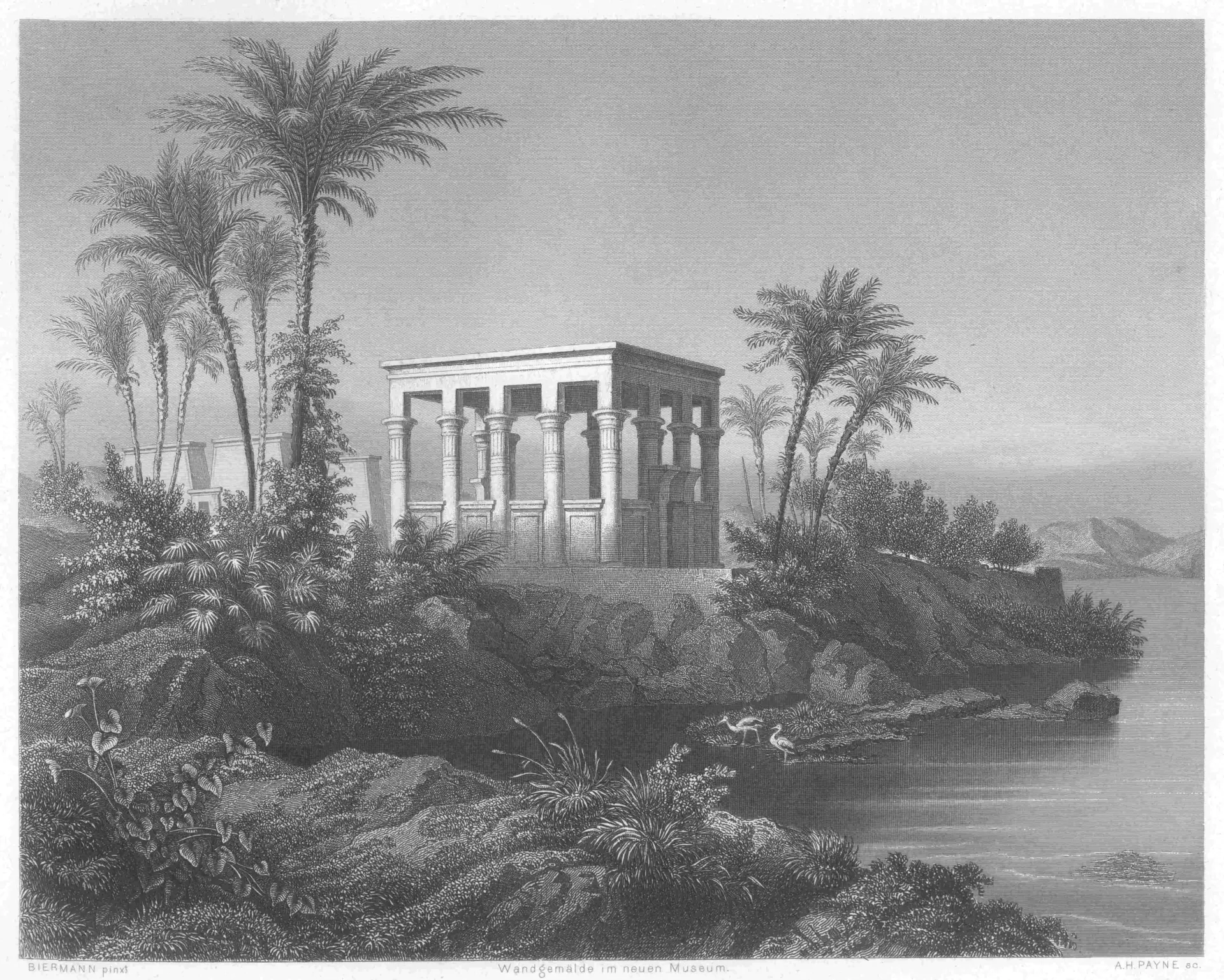
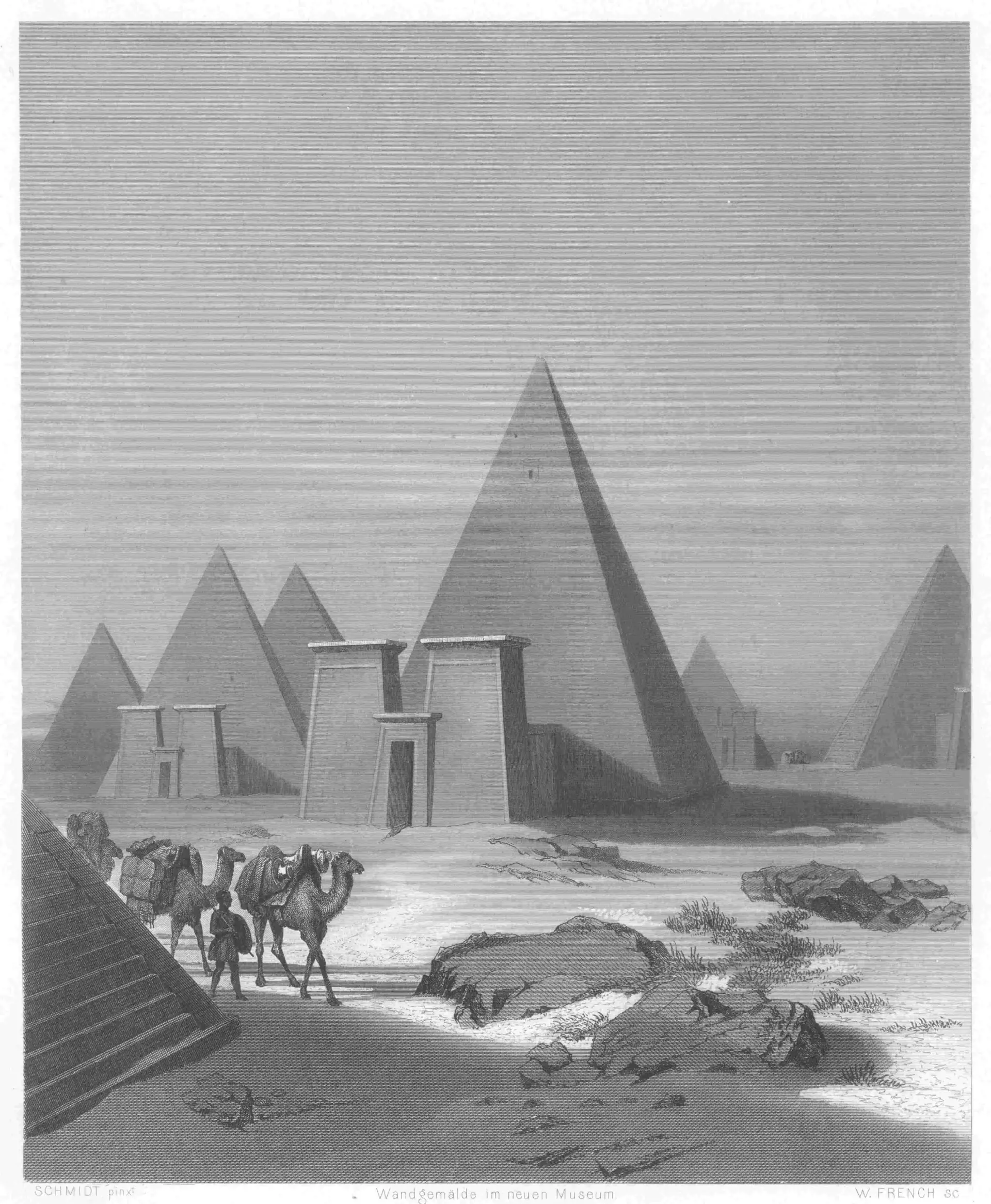
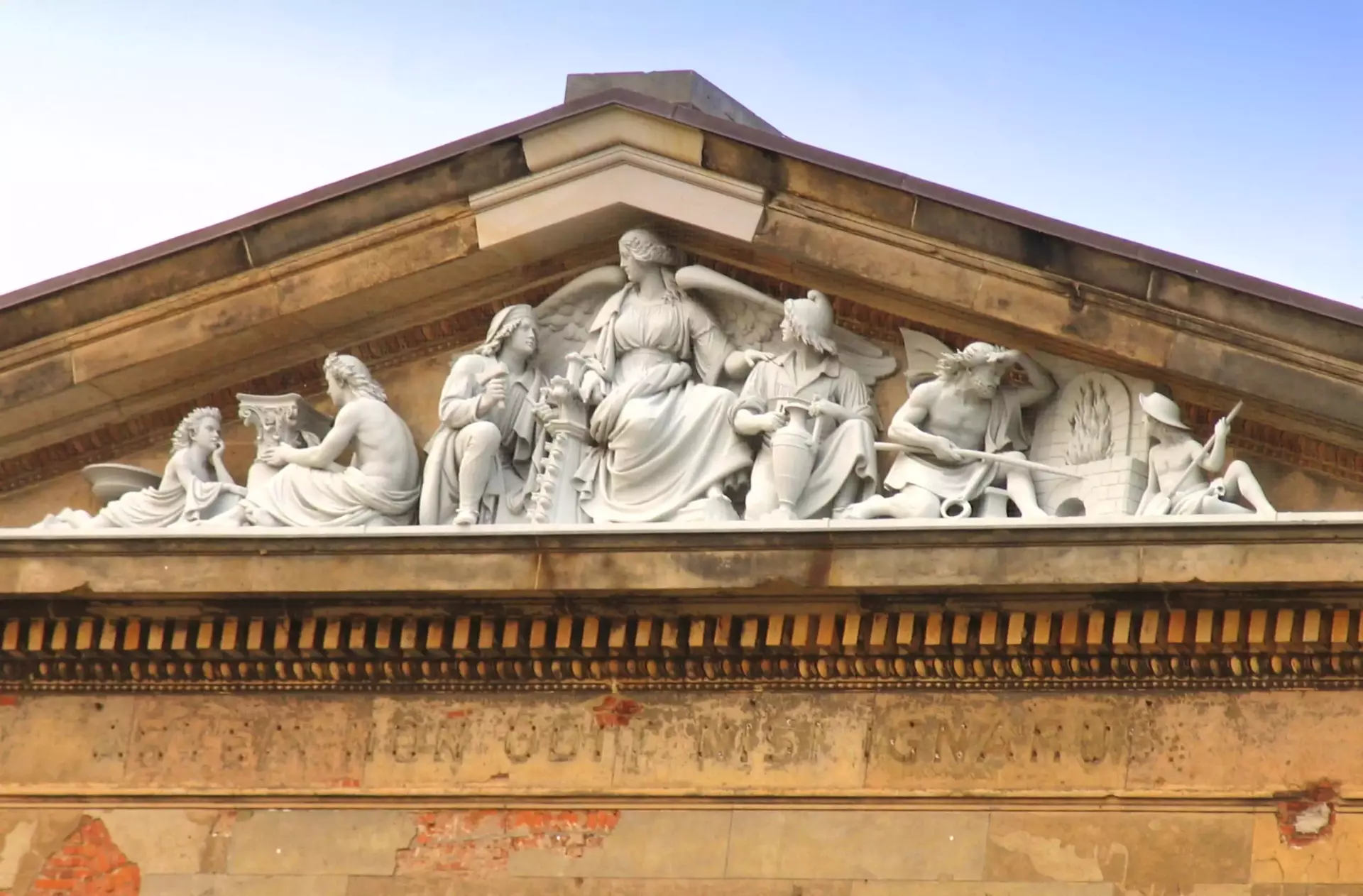
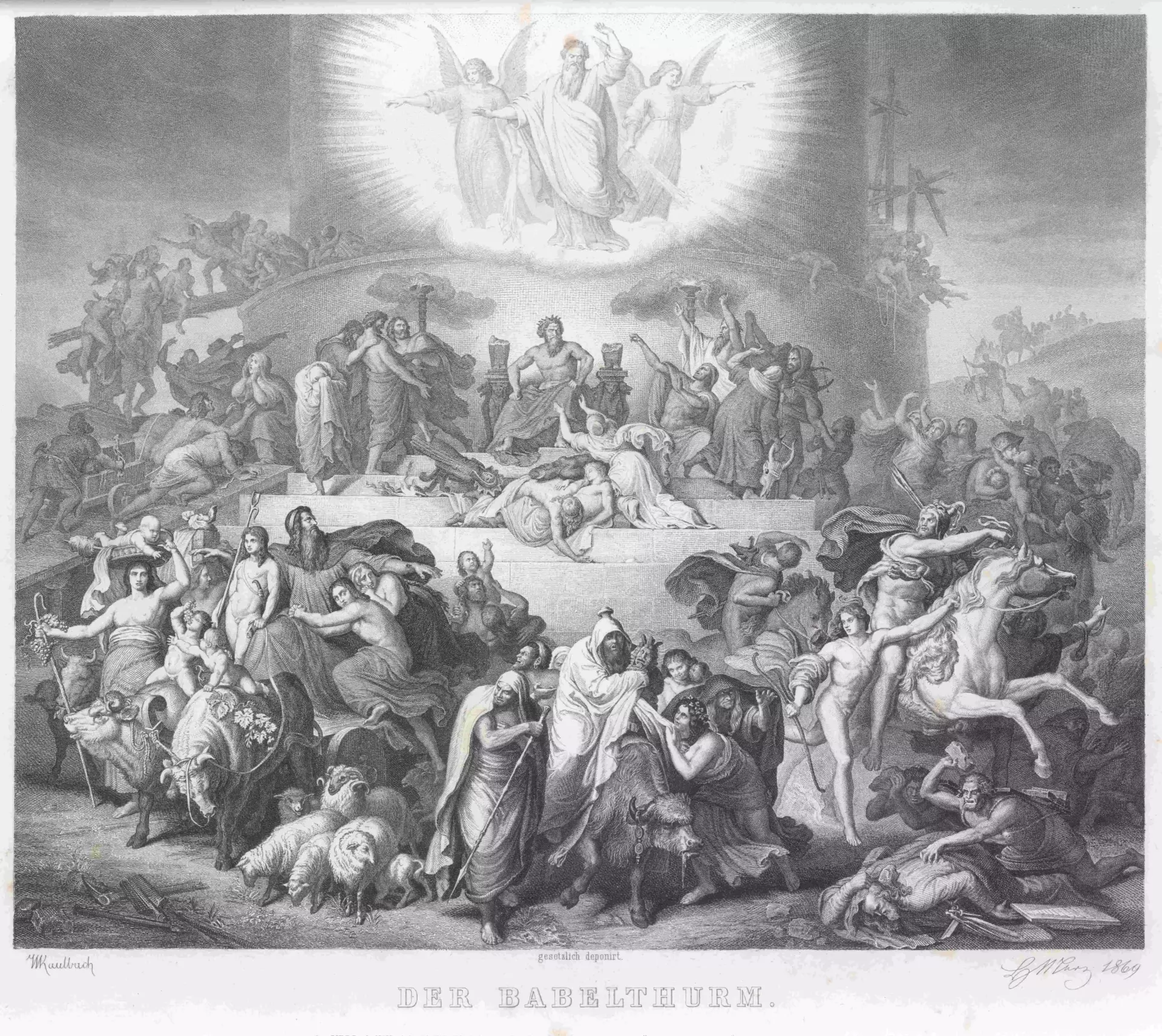
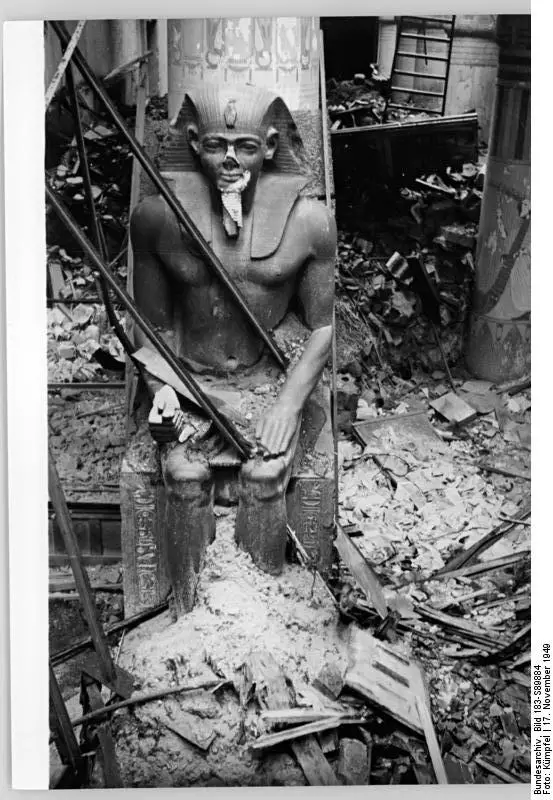
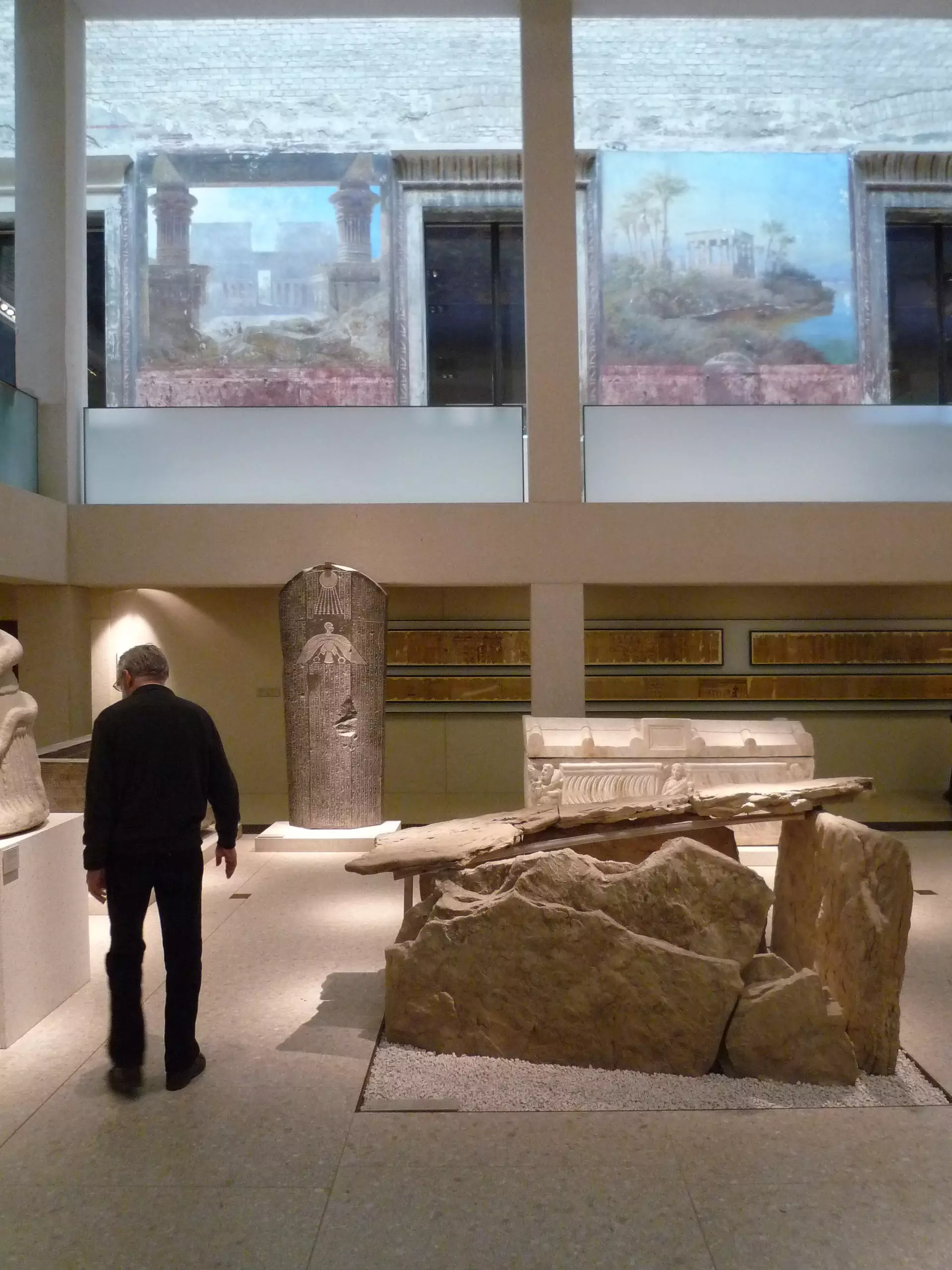
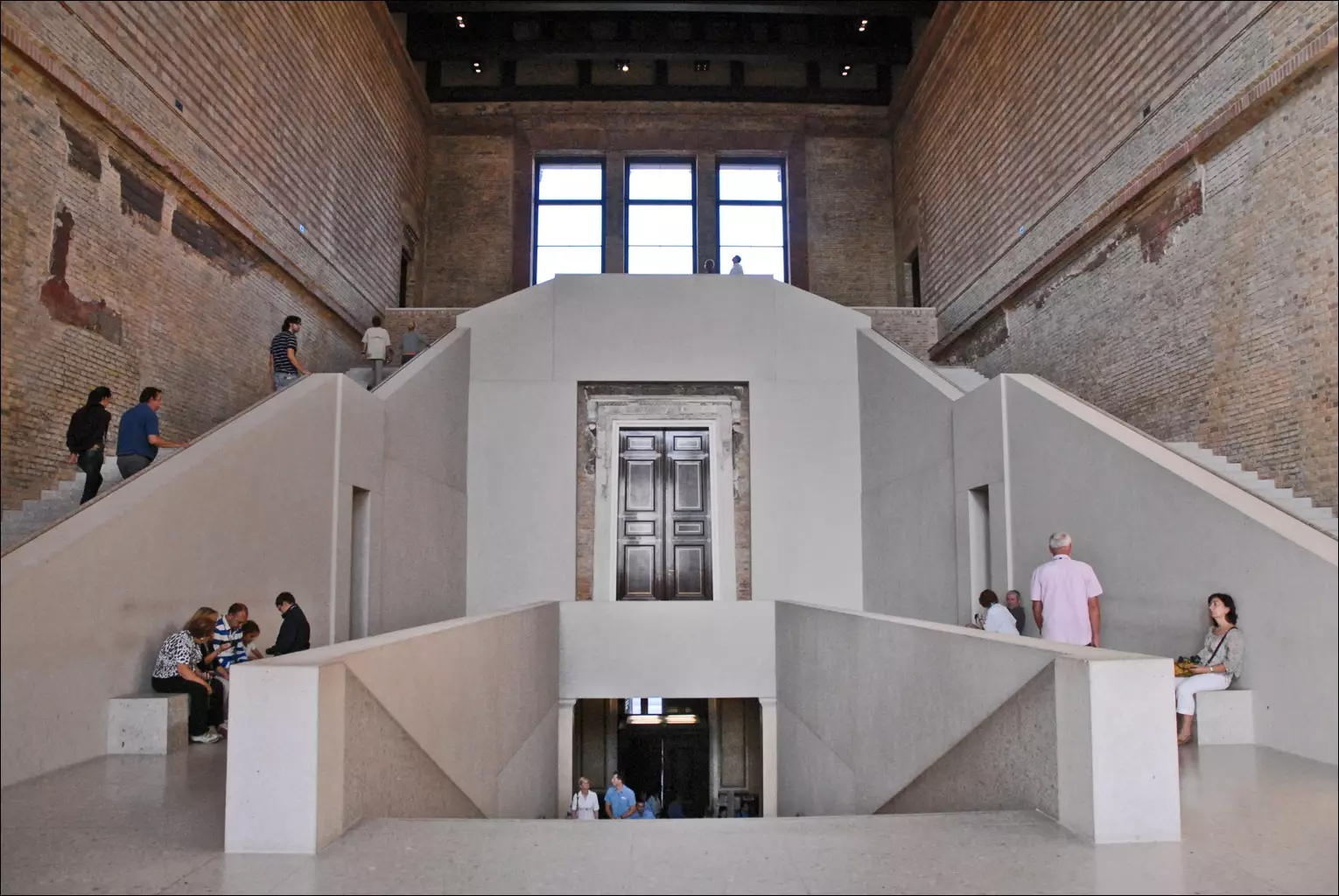
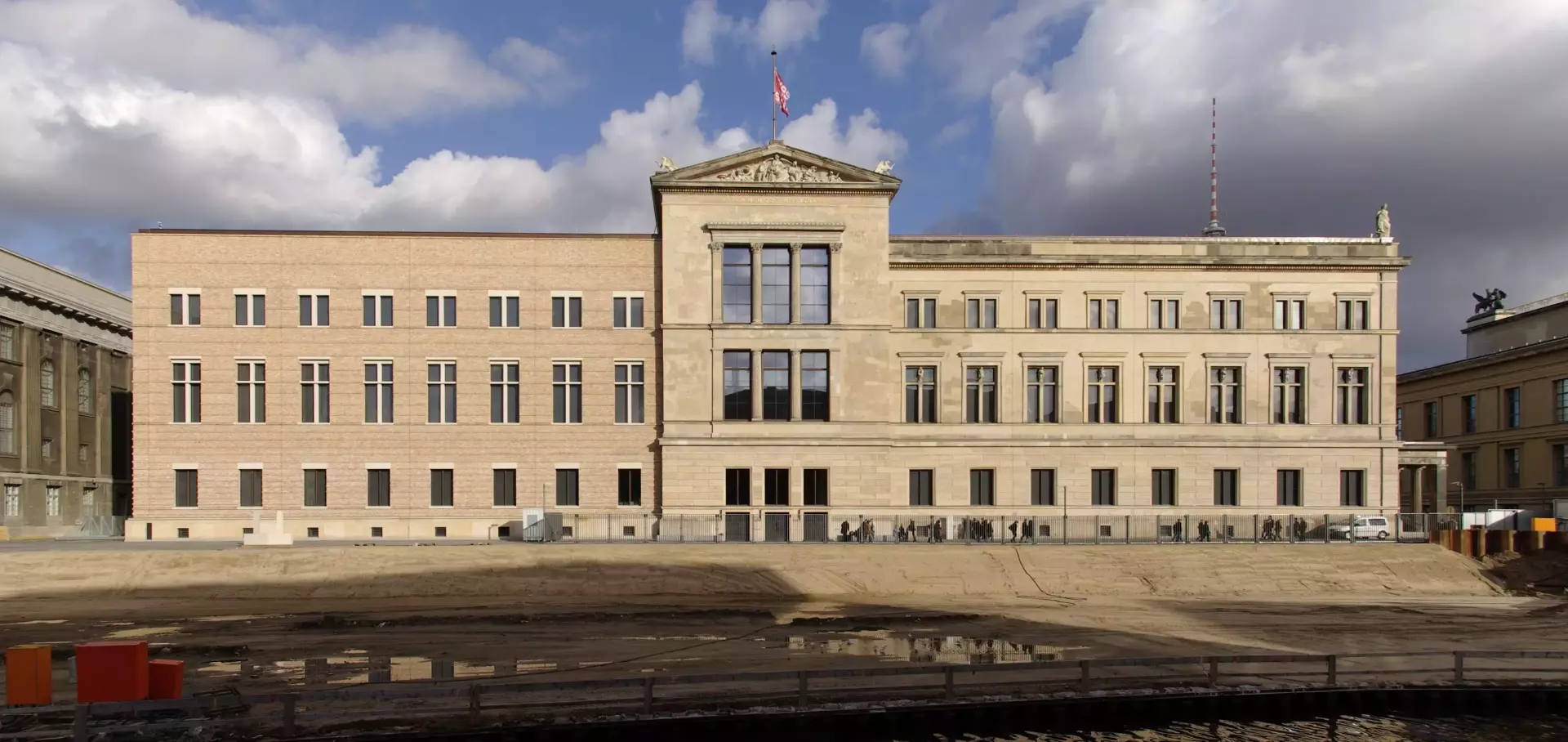
The Neues Museum in Berlin brings together art, archaeology, and design in a building that tells its own story. First opened in the 19th century, it was heavily damaged during World War II and stood as a ruin for decades. Today, the museum combines careful restoration with modern architecture, allowing original scars and textures to remain visible alongside new materials. This blend creates a striking backdrop for collections that span thousands of years.
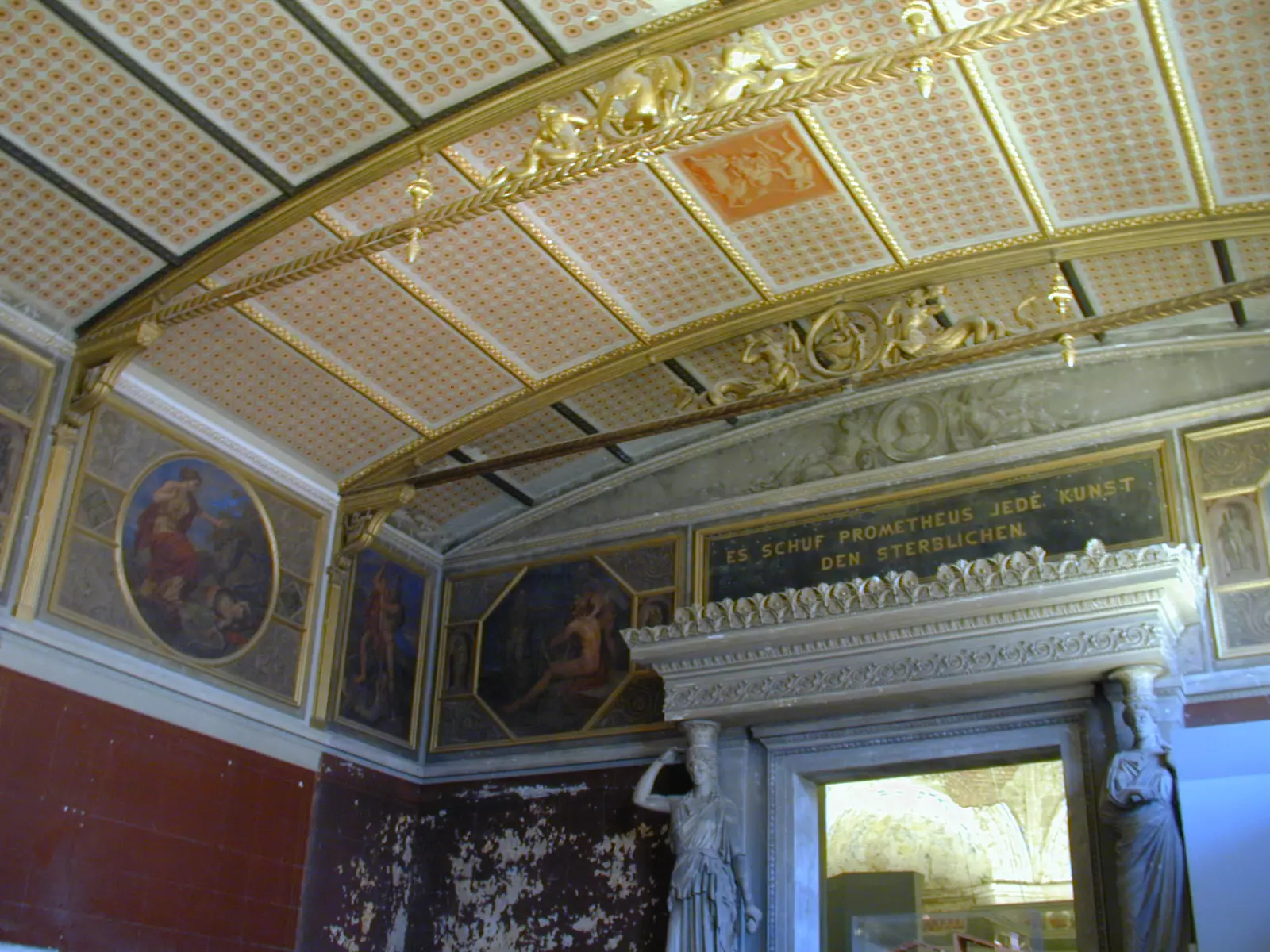
The reconstruction, led by architect David Chipperfield, preserves fragments of painted walls, crumbling brickwork, and historic staircases. New elements—smooth concrete, quiet lighting, and clear sightlines—support the old rather than cover it. Walking through the building feels like moving between time periods, with galleries opening onto light-filled halls and narrow passages revealing layers of history.
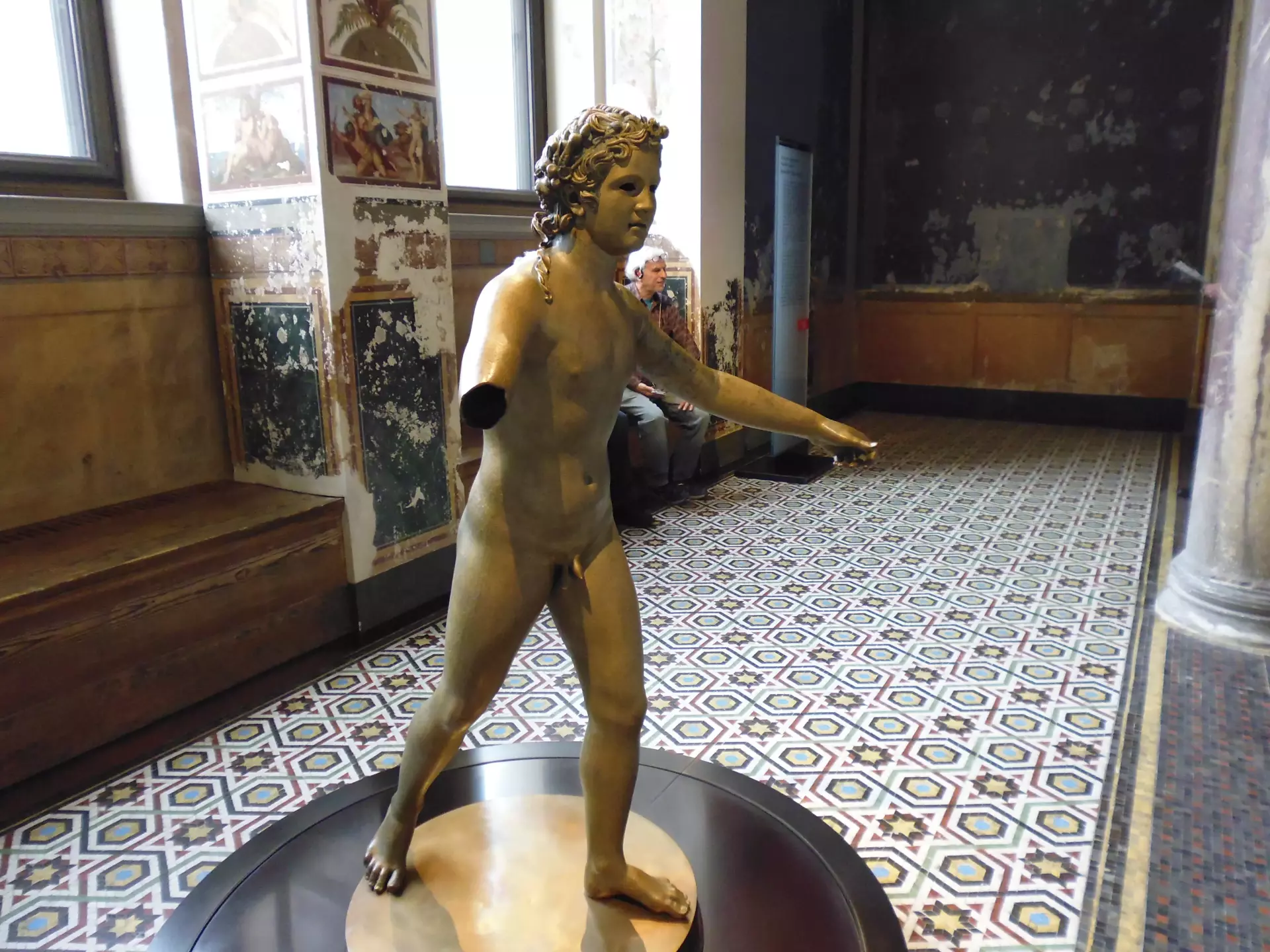
The museum is home to the Egyptian Museum and Papyrus Collection, the Museum of Prehistory and Early History, and selected antiquities. Objects range from small amulets and papyrus fragments to large sarcophagi and monumental sculptures. Labels and layouts are designed to help visitors follow the development of writing, religion, craftsmanship, and burial customs across different cultures.
One of the most recognized works is the painted limestone bust of Nefertiti, displayed in a quiet, darkened room that focuses attention on its delicate features and vivid color. The piece, over 3,300 years old, highlights the artistry of the Amarna period and often serves as a gateway to broader discussions about ancient Egypt’s royal court and artistic style.
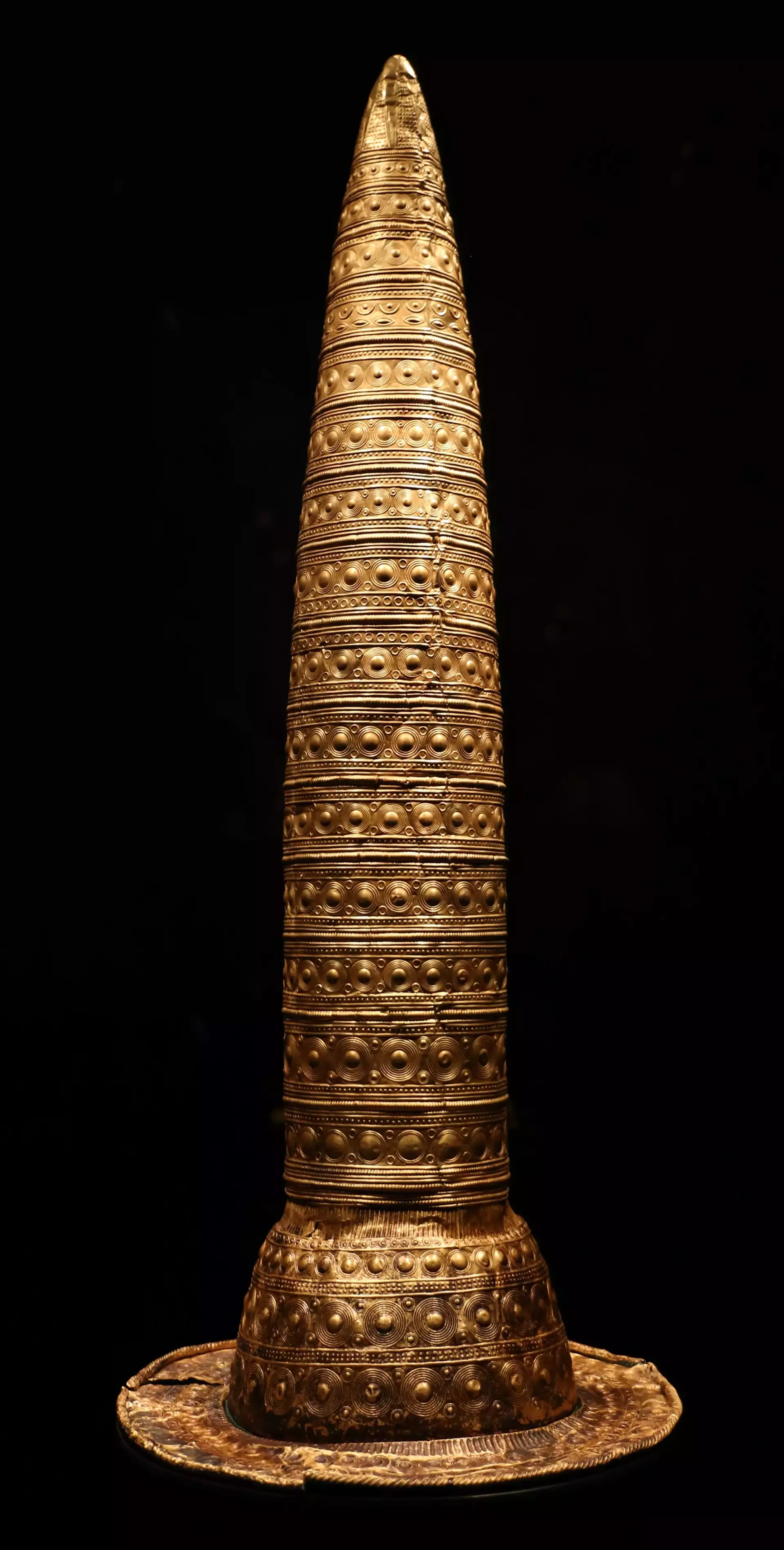
Beyond Egypt, the galleries trace human development across Europe and the Near East. Exhibits cover the Stone, Bronze, and Iron Ages with tools, jewelry, and ritual objects that show changing technologies and social structures. Reconstructions and models offer context for how communities lived, traded, and adapted to their environments.
The Neues Museum sits on Museum Island, a UNESCO World Heritage site that gathers several major museums along the Spree River. Its collections link to neighboring institutions through shared themes, from classical antiquity to 19th-century art. Together, these museums form a network where objects and stories can be explored across time and place.
Source - https://en.wikipedia.org/wiki/Neues_Museum
Gothic church, the second oldest (built in late 13th century) of the historical centre of Berlin. It's the highest church tower of Berlin (about 90 m), but seems rather small beneath the gigantic TV tower. The church tower was built in the late 18th century by Carl Gotthard Langhans, the architect of the Brandenburg Gate.
A domed church at Bebelplatz/Unter den Linden, the oldest (mid-18th century) and one of the biggest Catholic churches in Berlin. Interior was redesigned in a modern style in the 1950s, but there are still many treasure chambers in the basement.
The last Mies van der Rohe building (a dwelling house) in Germany before his emigration to the U.S. (1938). Now there are small contemporary/modern art exhibitions.
Specializes in 19th-century painting and sculpture; Monet, Manet, Cézanne, C. David Friedrich and other important 18th- and 19th-century artists are well-represented.
With an impressive, circus-tent-like roof over its courtyard and remains of the pre-war Hotel Esplanade incorporated into the modern structure.
This museum describes the procedures applied by the East German secret police. Every Friday to Monday, there is a guided tour in English at 15:00 (5€).
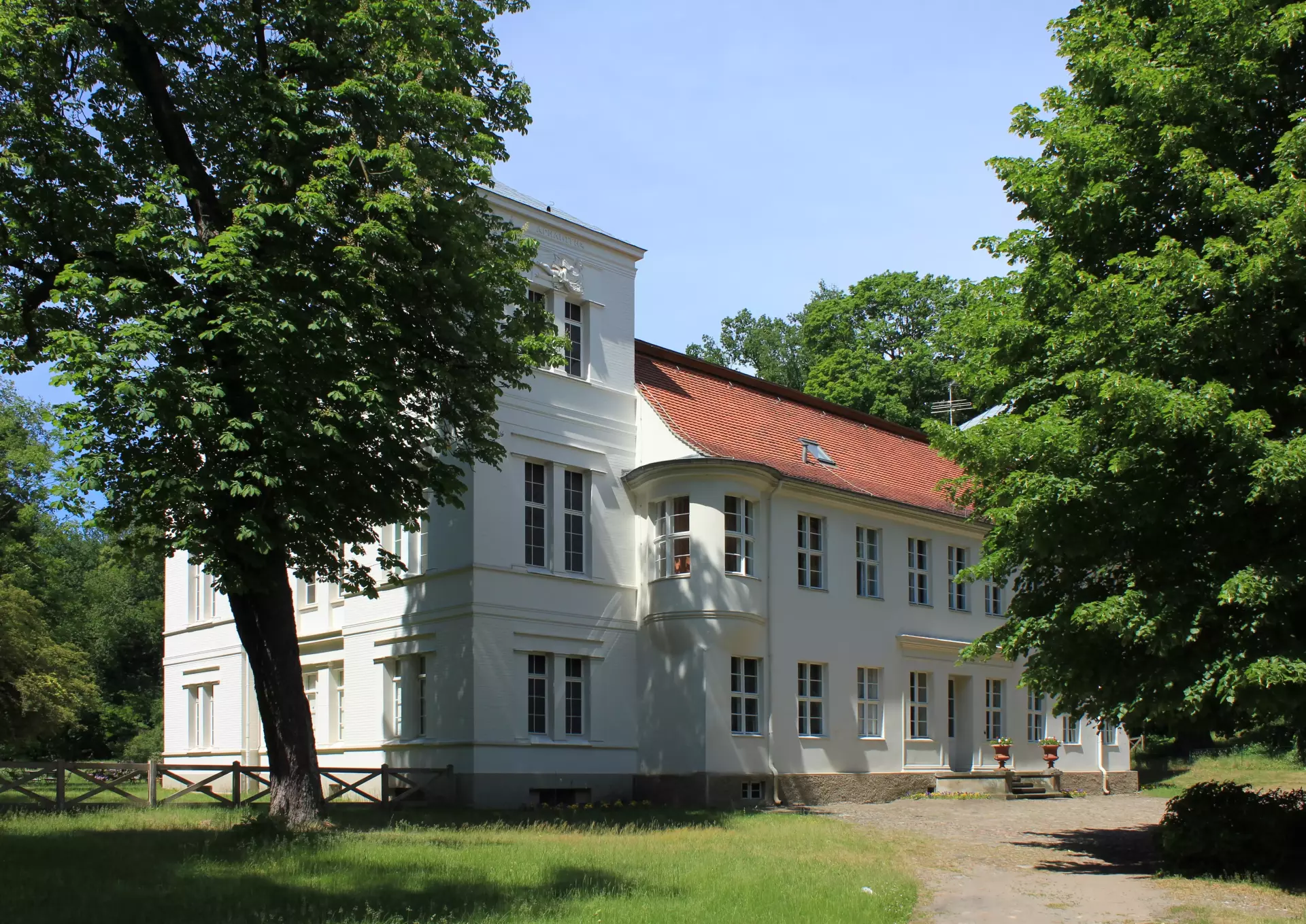
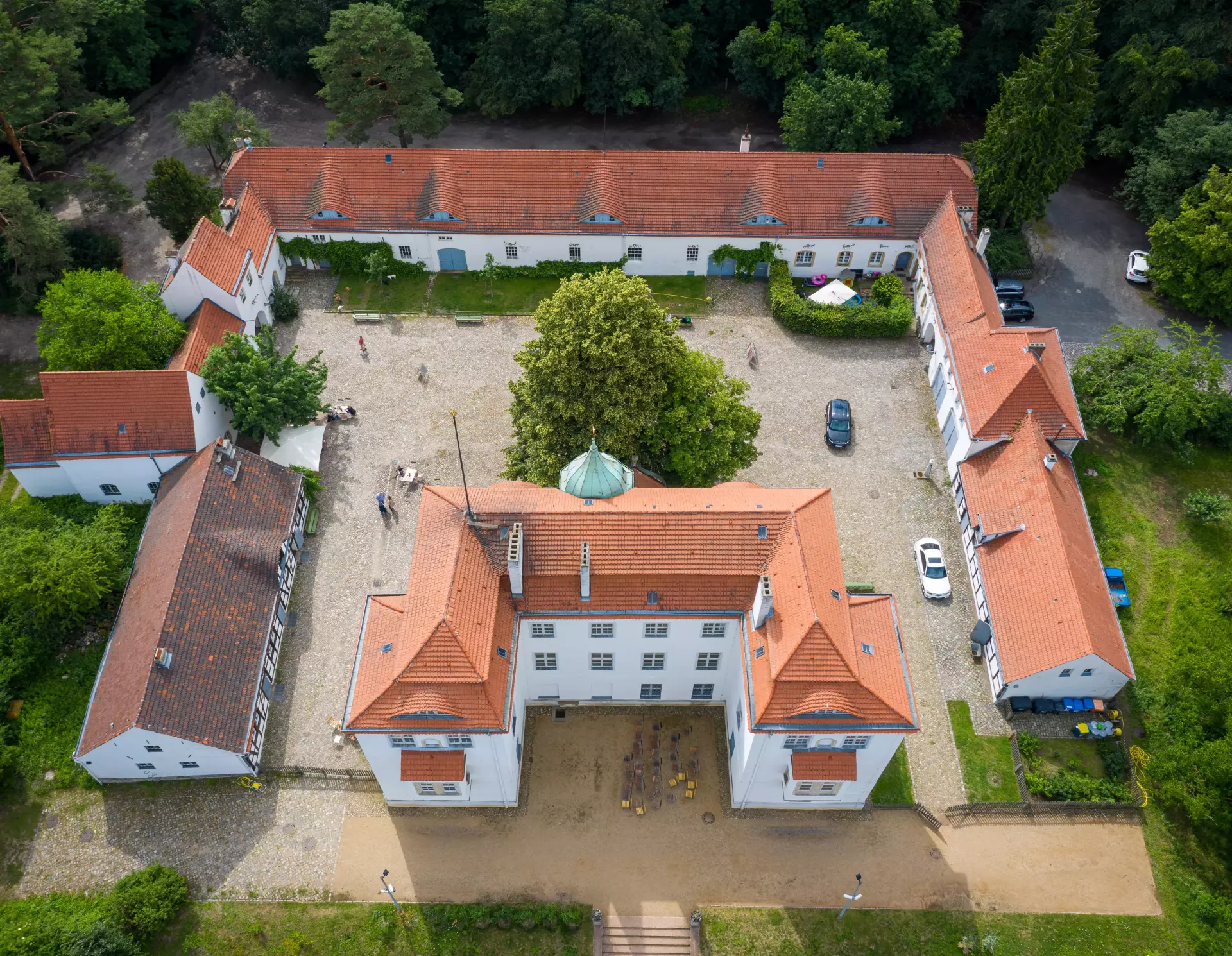
A small castle in late classical style. It was built 1868 by Martin Gropius (uncle of the Bauhaus-founder and other architects, the von Siemens family changed the castle a bit around 1900 and they enlarged the dimensions of the park, which is today renovated and nice to wander around when the sun is shining. Located within a few minutes' walking distance from Biesdorf station (take the S5 from the city centre) or Elsterwerdaer Platz station (U5).
The longest stretch of the Berlin Wall still in existence, painted by artists in 1991 and restored in 2009, after years of decay. At Mühlenstraße, next to the river Spree. The murals are painted on the east side of the wall after the fall of Communism; so they are not from the Cold War, during which murals could only be painted on the west side. Make sure not to miss the famous mural of a car seemingly crashing through the wall with Leonid Brezhnev and Erich Honecker kissing above it. It is actually on the back side of the gallery (it is facing away from the street.) It is just inside the entrance of the Eastern Comfort Hostel, near the east end of the gallery.
The old town of Köpenick is surrounded by water. Especially noteworthy are the Köpenick Palace which houses a museum of applied art and the Neogothic town hall.
Small terrace on the top of the Park Inn, publicly accessible. Take the elevator to the 40th floor, and follow the signs up the stairs. Pay the attendant who also serves beer and coffee. Great views of the Fernsehturm. In the summer, consider base jumping off the roof with Jochen Schweizer. It is often closed in bad/windy weather, so look for a notice posted near the elevator that the terrace is closed.