



Schloss Pfaueninsel
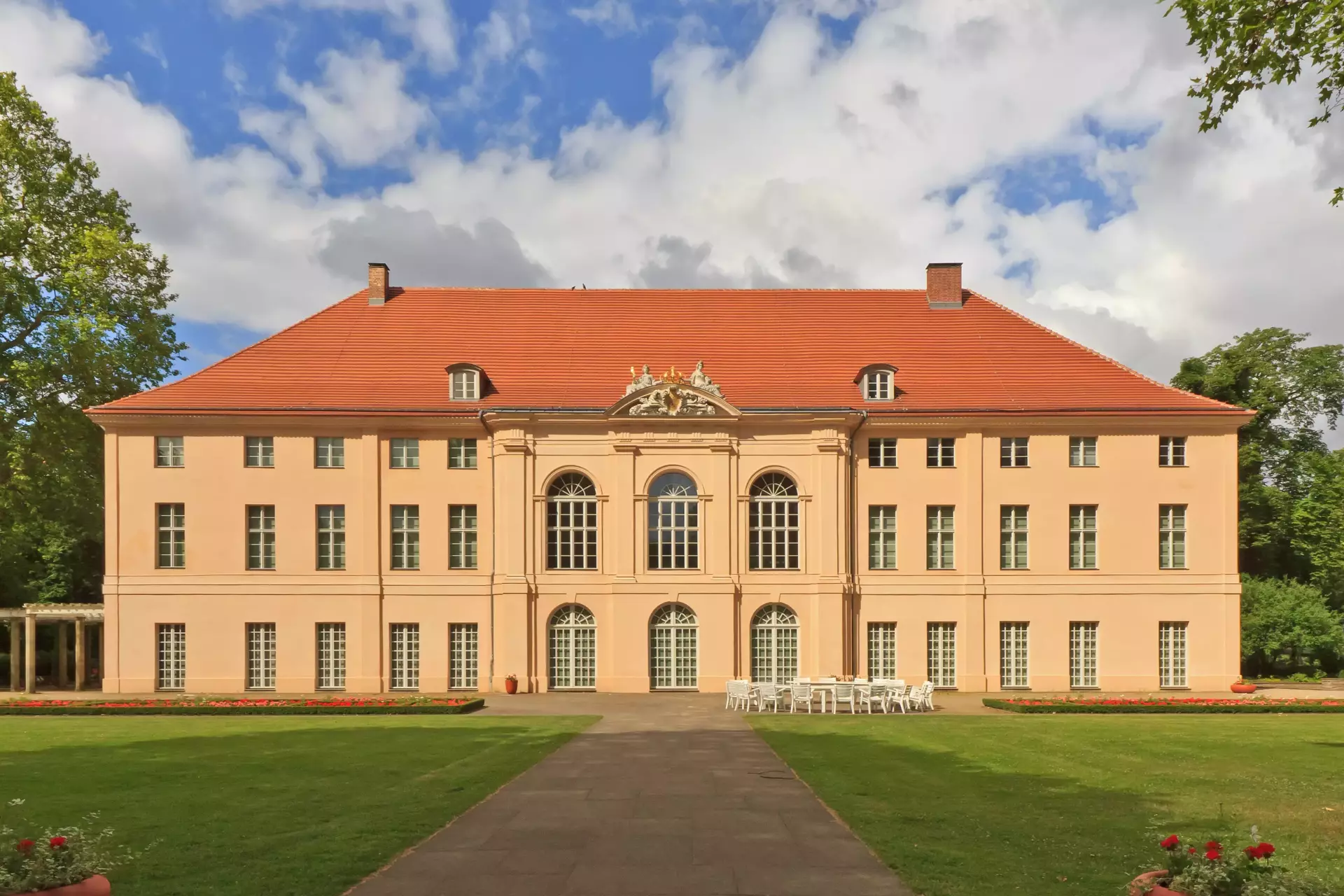
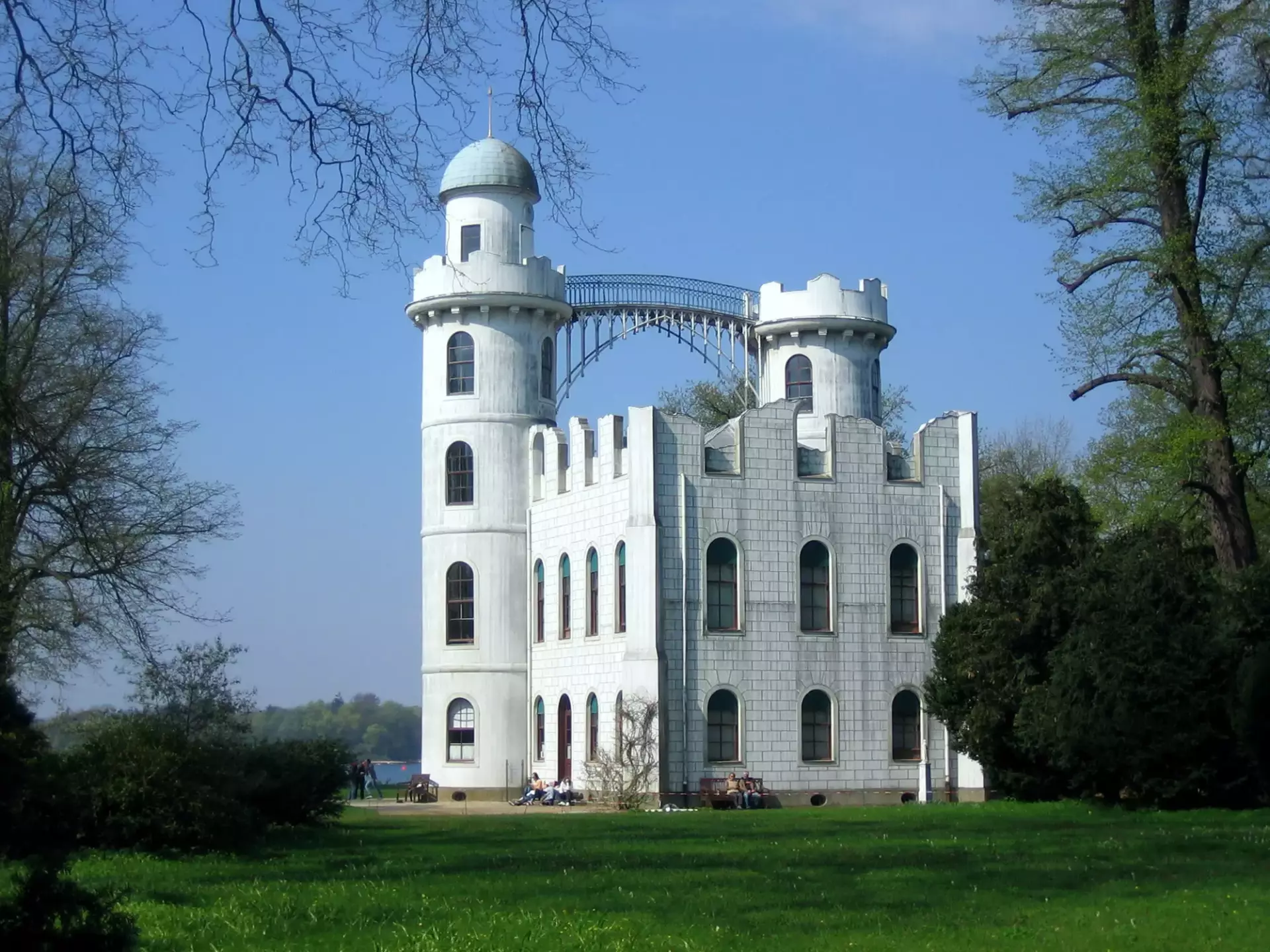
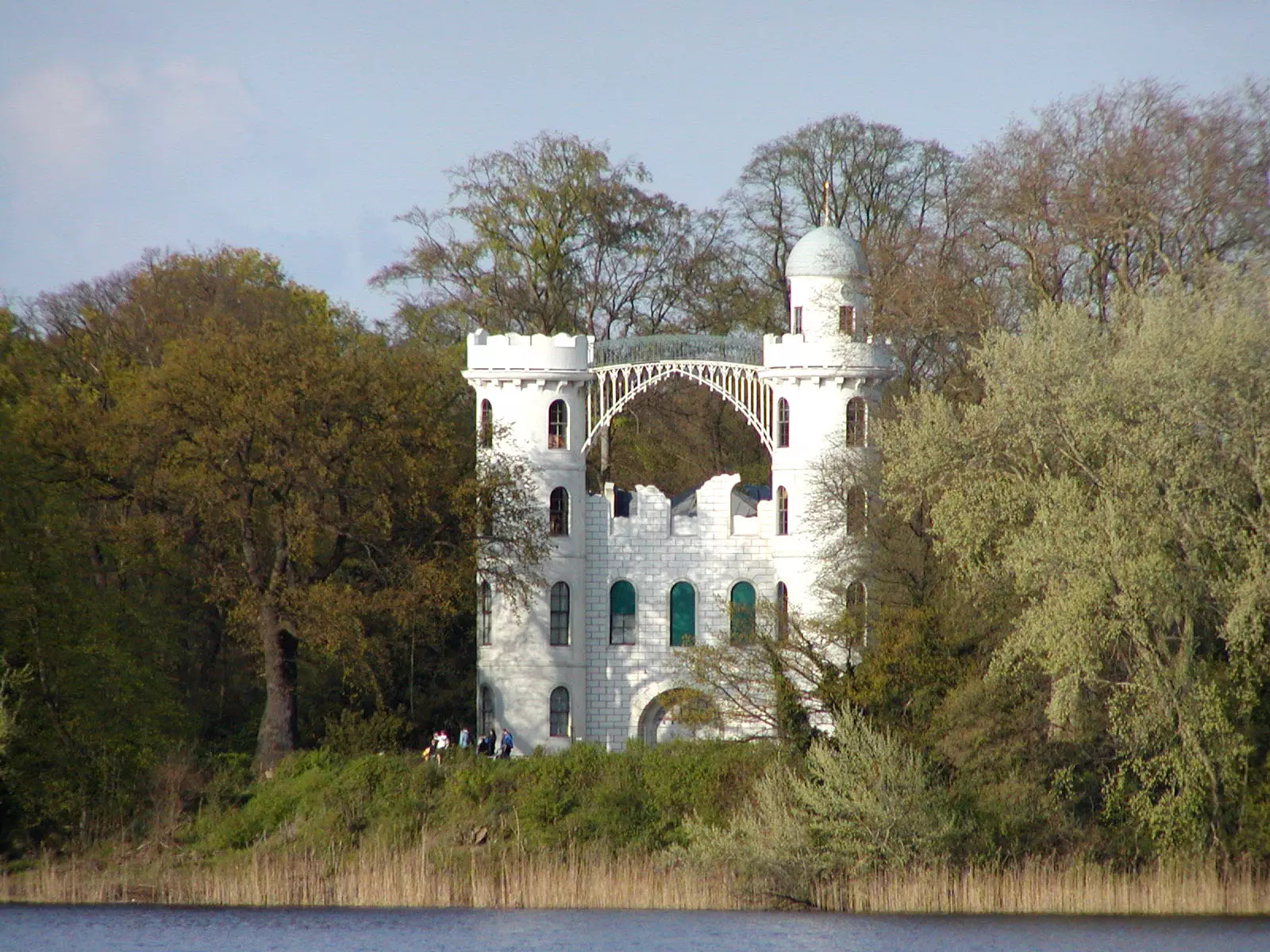
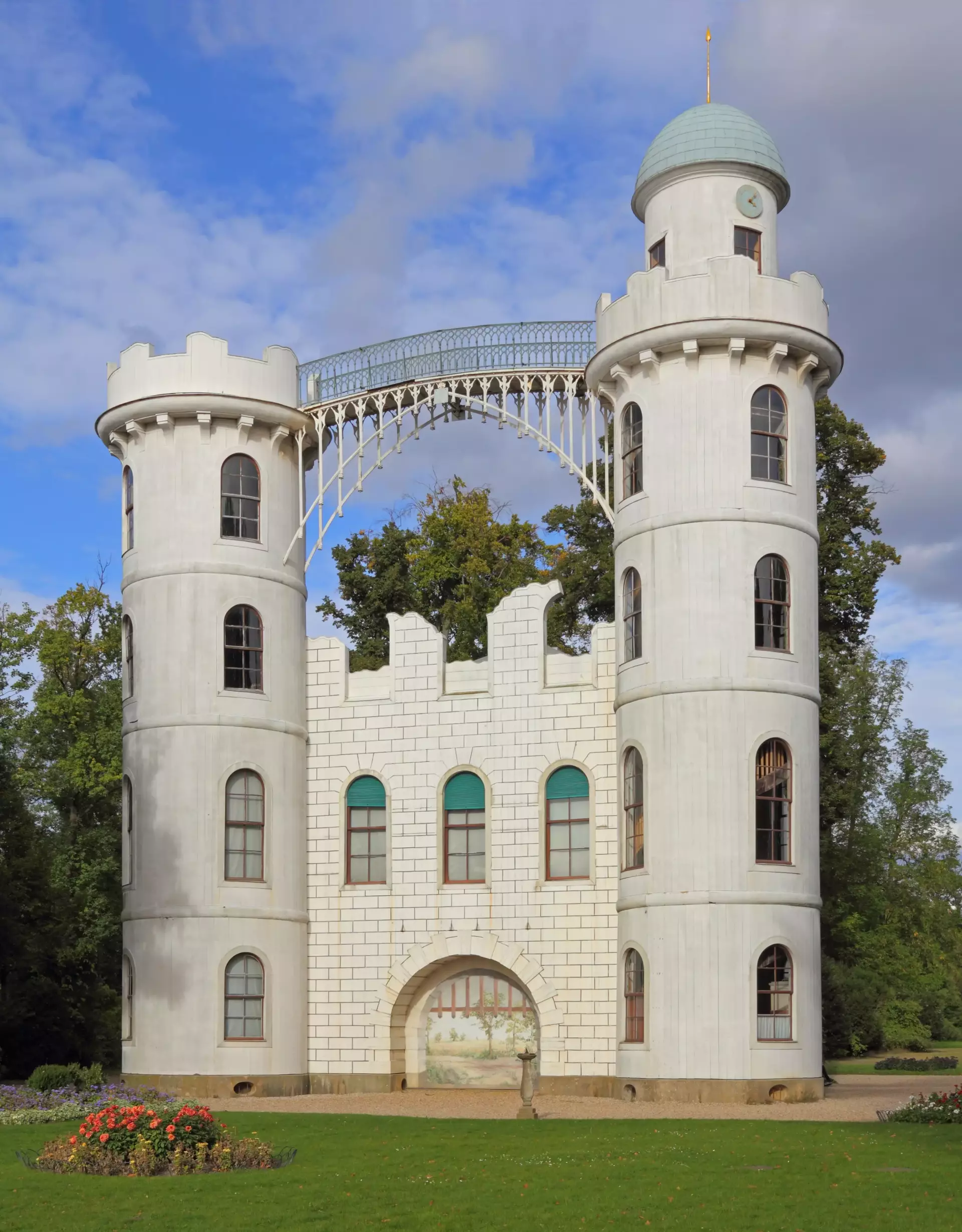
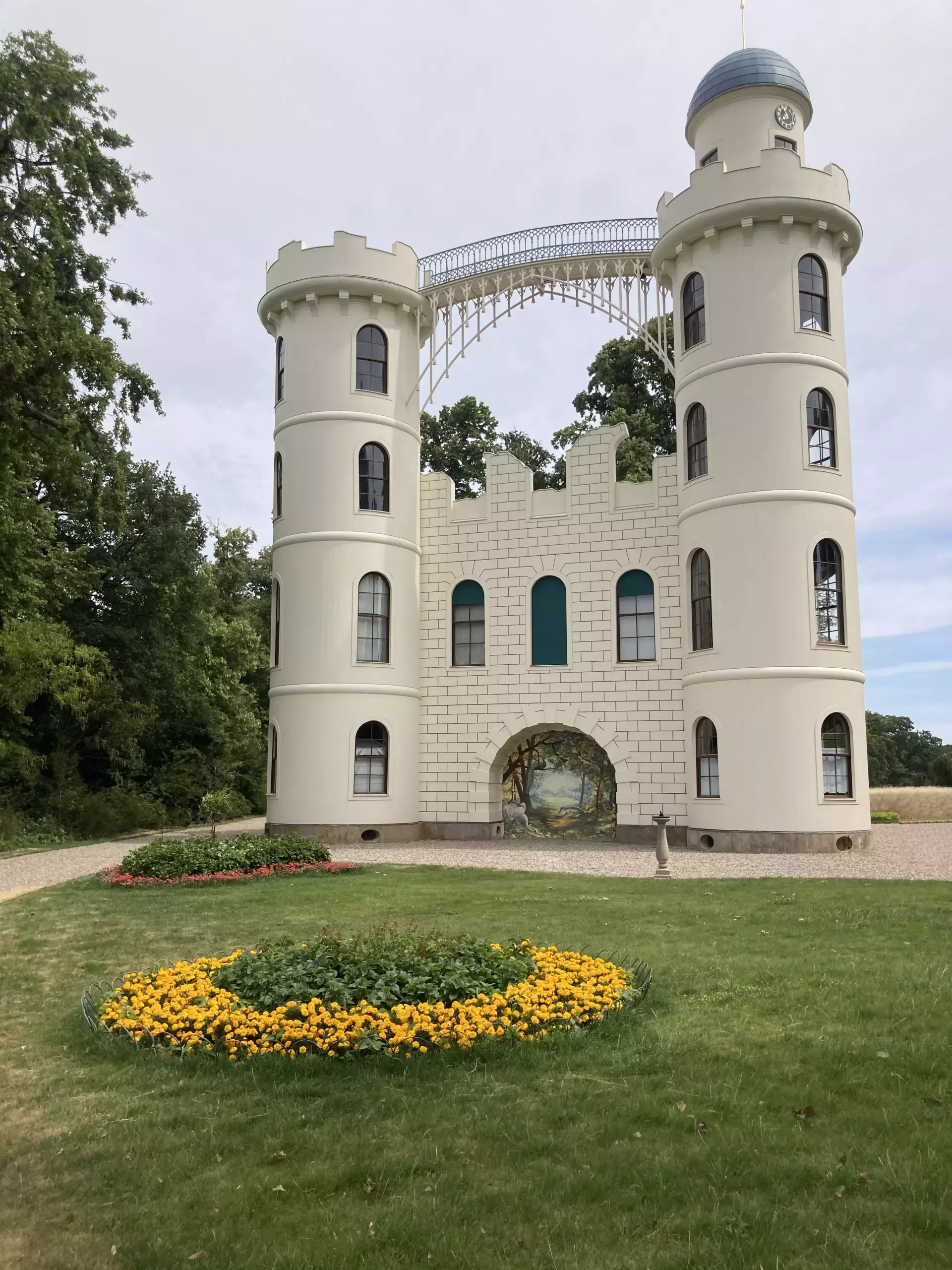
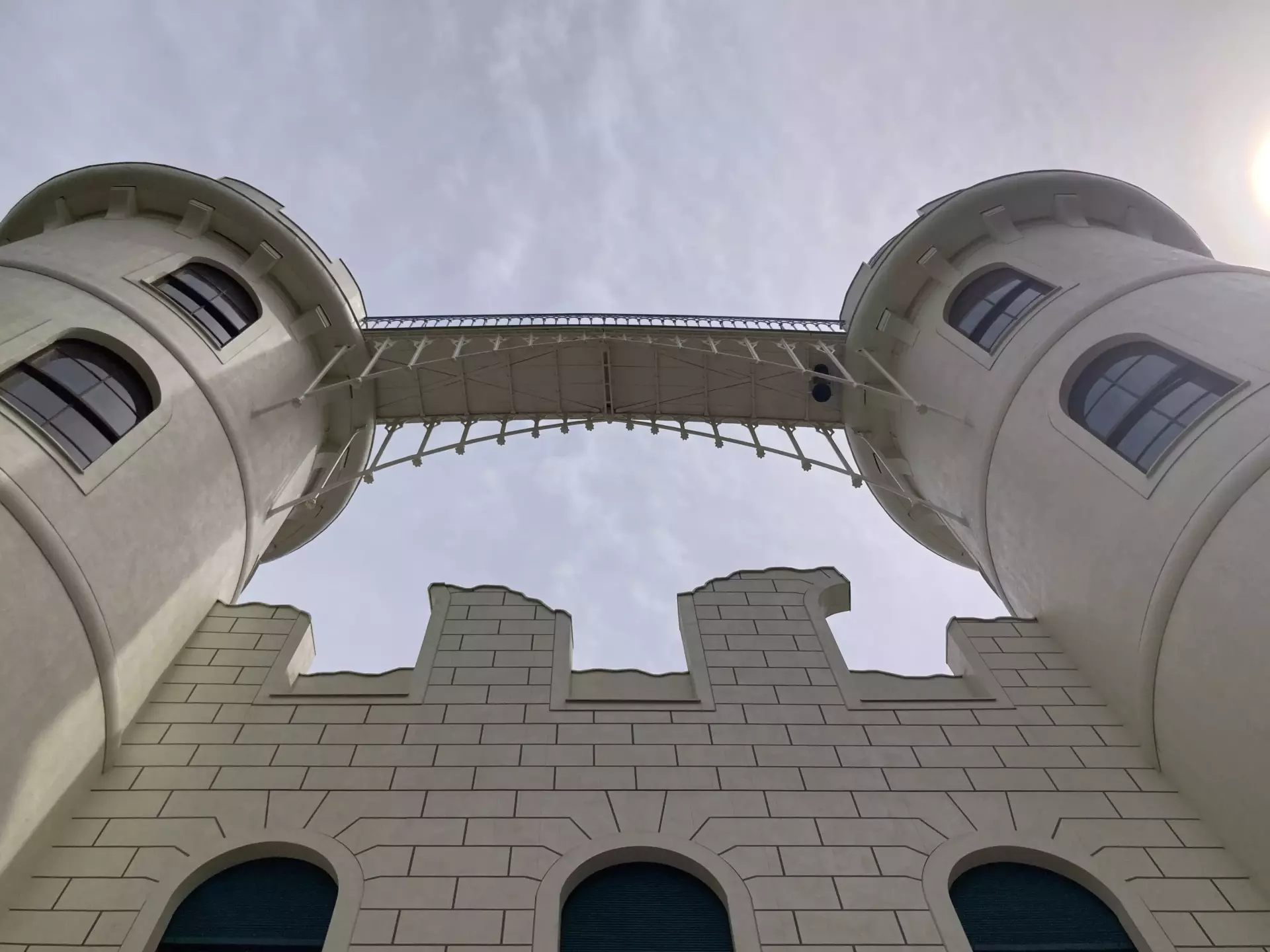
Schloss Pfaueninsel is a small, romantic palace set on an island in the Havel River in southwest Berlin. Built between 1794 and 1797 for King Frederick William II of Prussia, the palace was designed as a playful summer retreat. Its white, castle-like façade with mock ruins and delicate balconies stands against broad lawns, old trees, and gentle water views. The island takes its name from the peacocks that roam freely, adding flashes of color and a touch of theater to the landscape.
From royal escape to landscaped stage
The palace and island were shaped as part of a larger vision for royal residences around Potsdam and Berlin. Architect Johann Gottlieb Brendel created the palace in a light, picturesque style, while landscape designer Peter Joseph Lenné later refined the grounds into a sweeping English garden. Winding paths, open meadows, and carefully framed views turn the island into a living backdrop, where architecture and nature appear to play together.
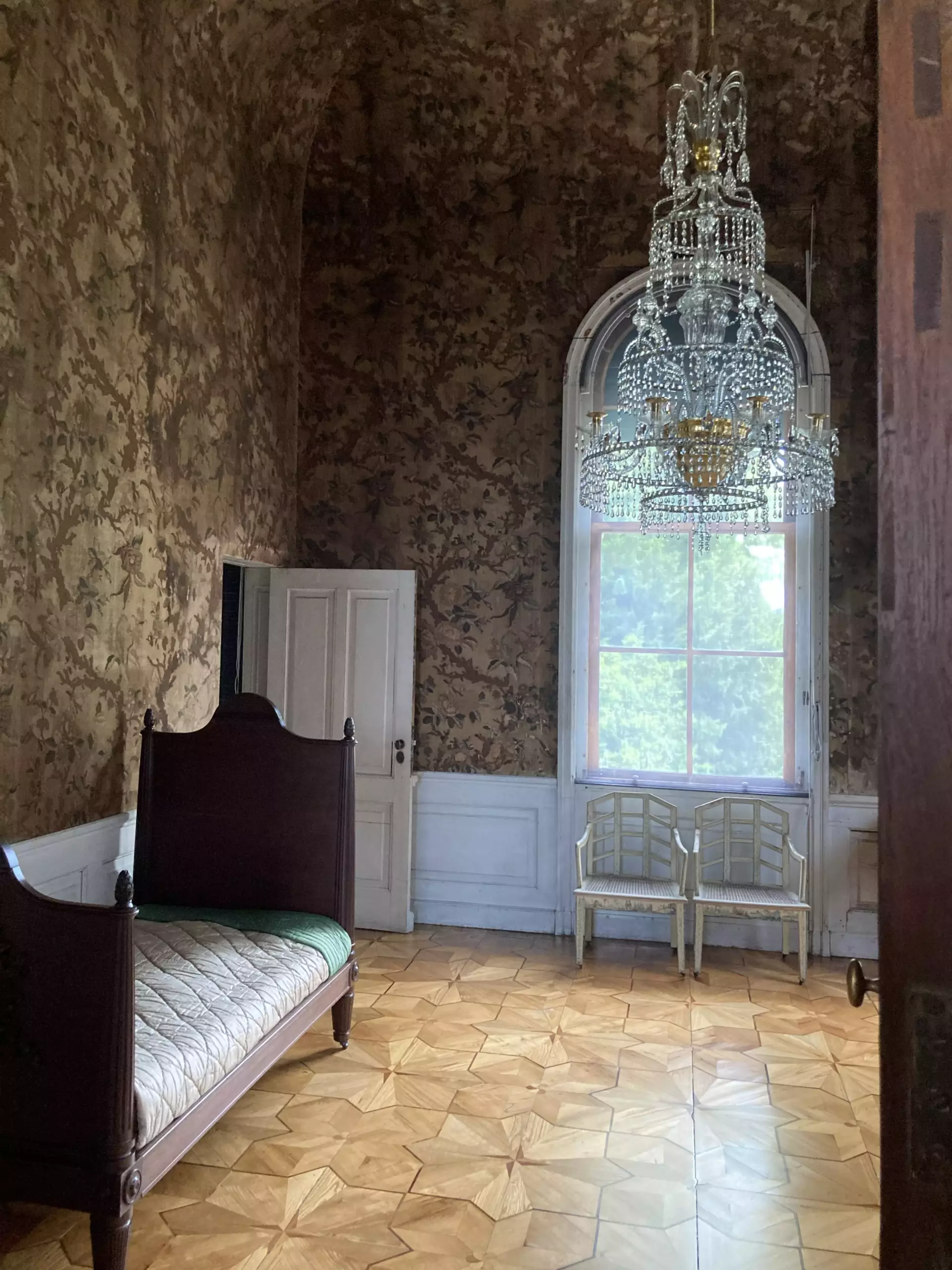
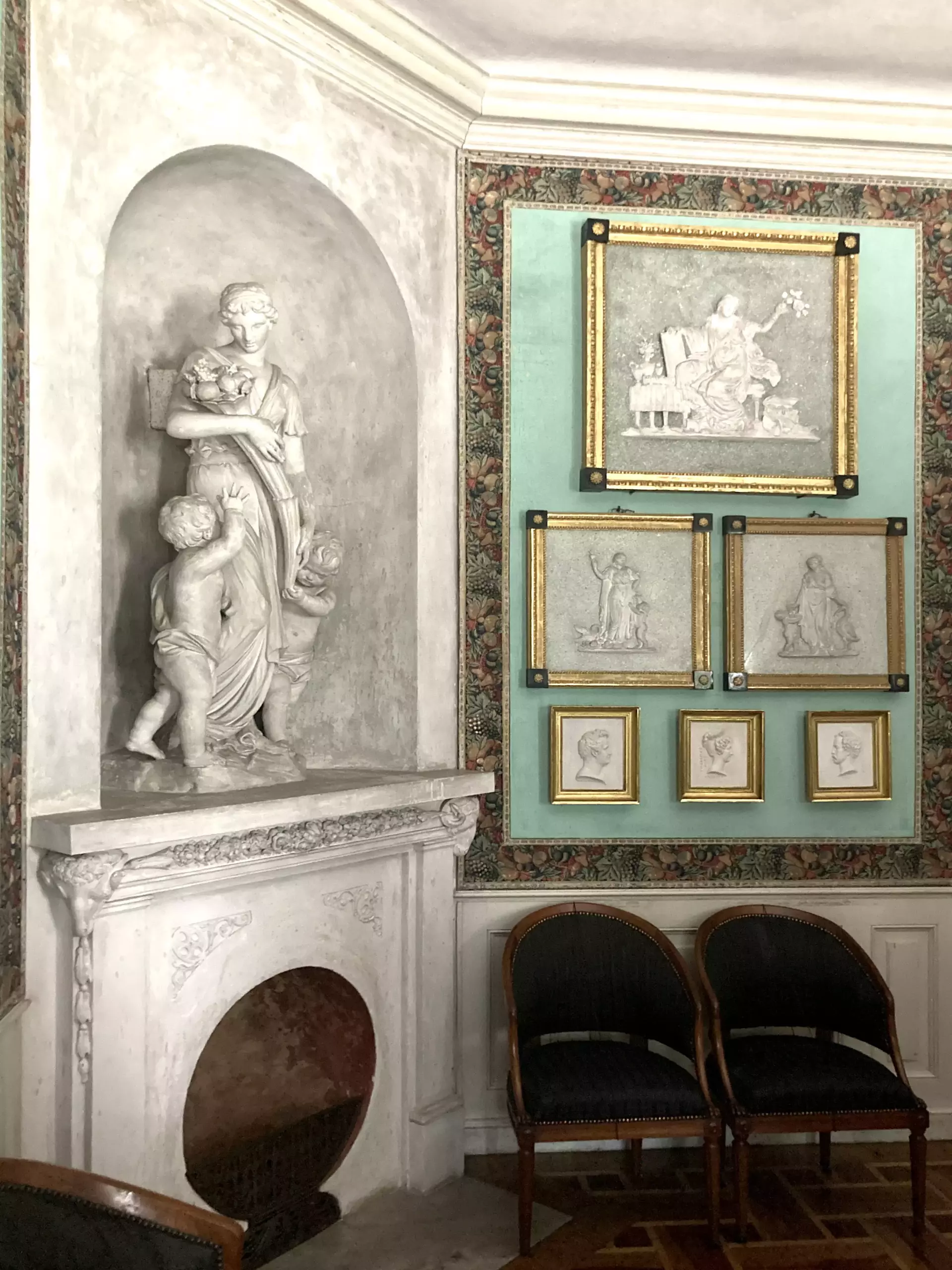
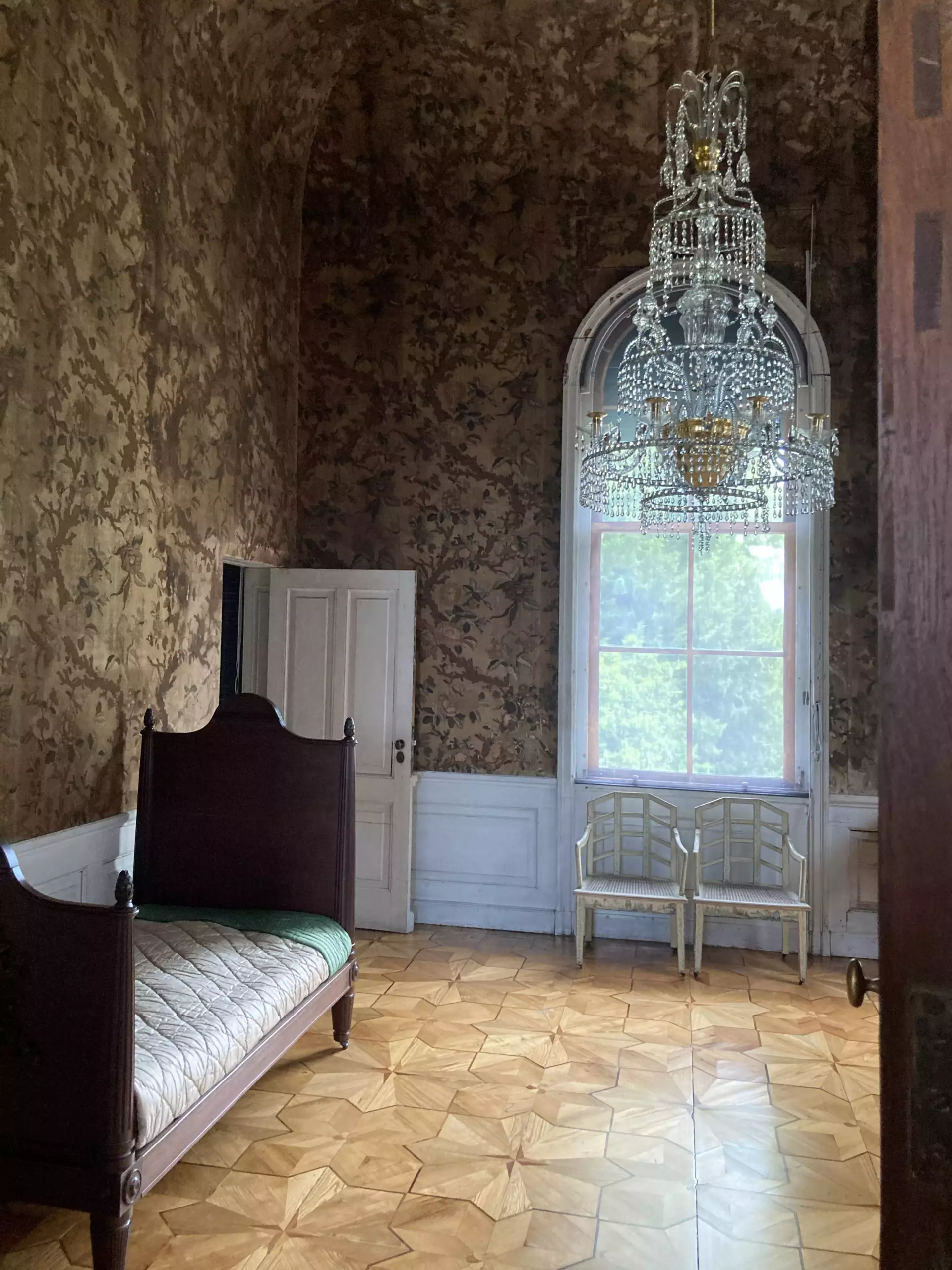
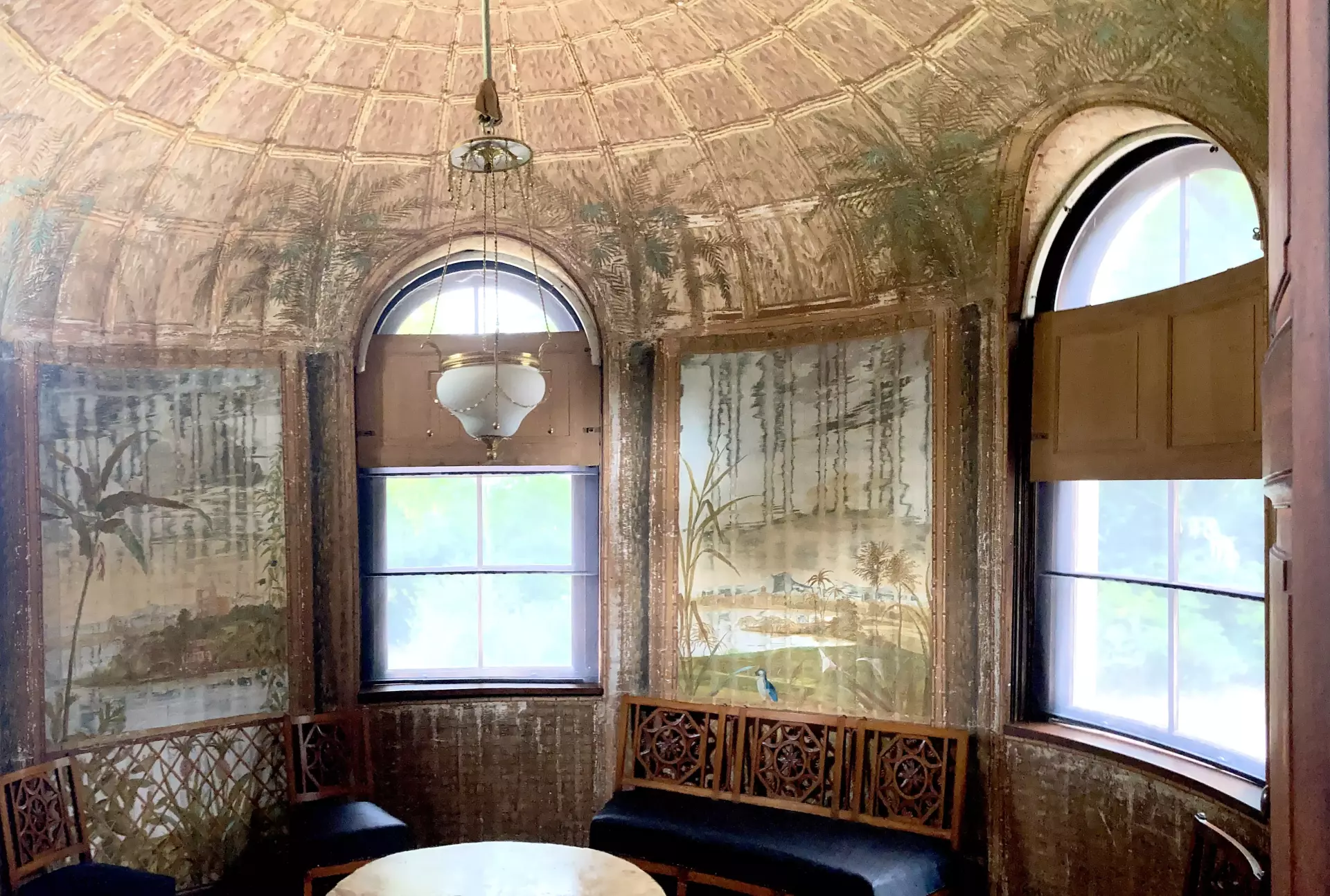
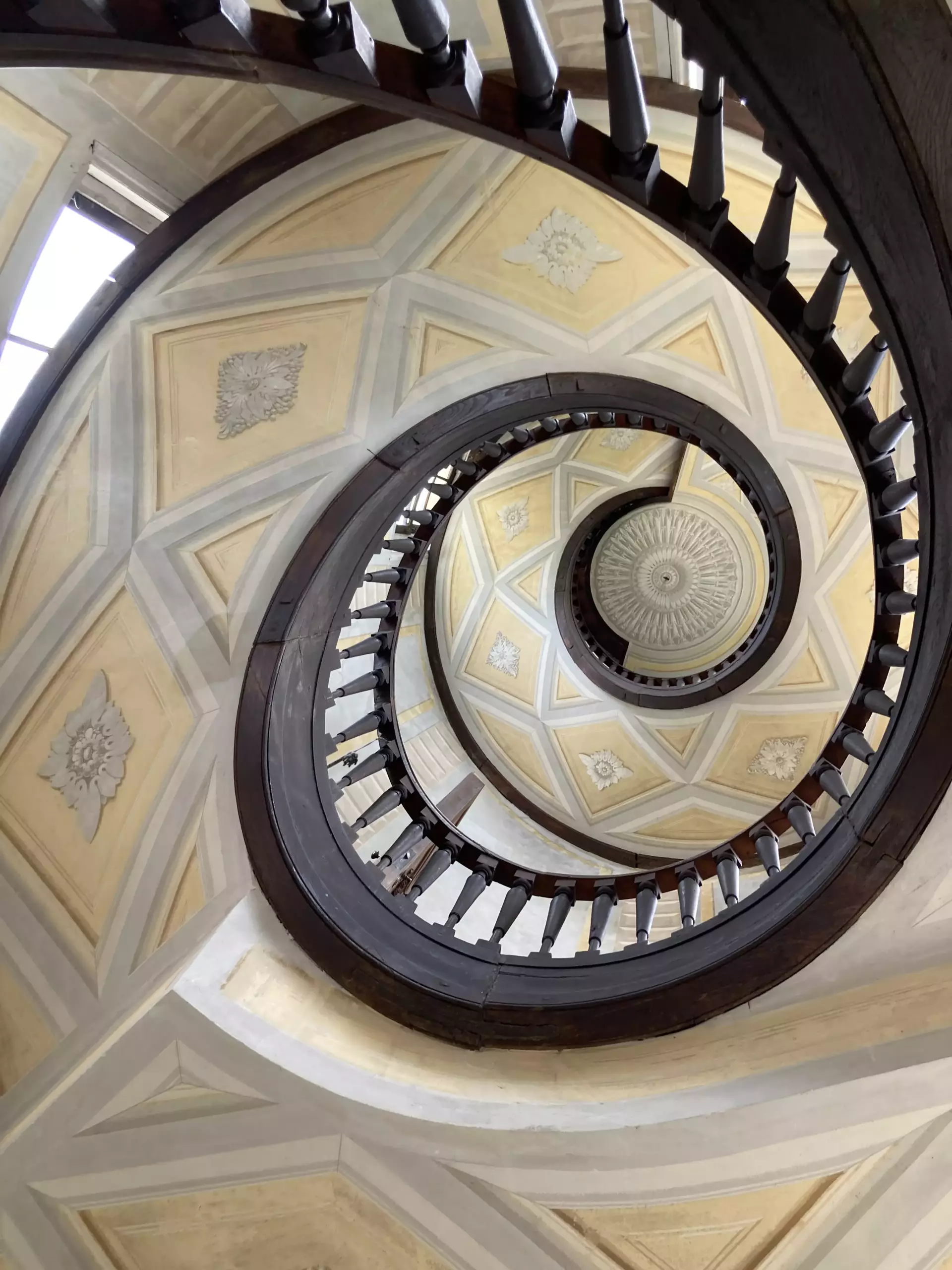
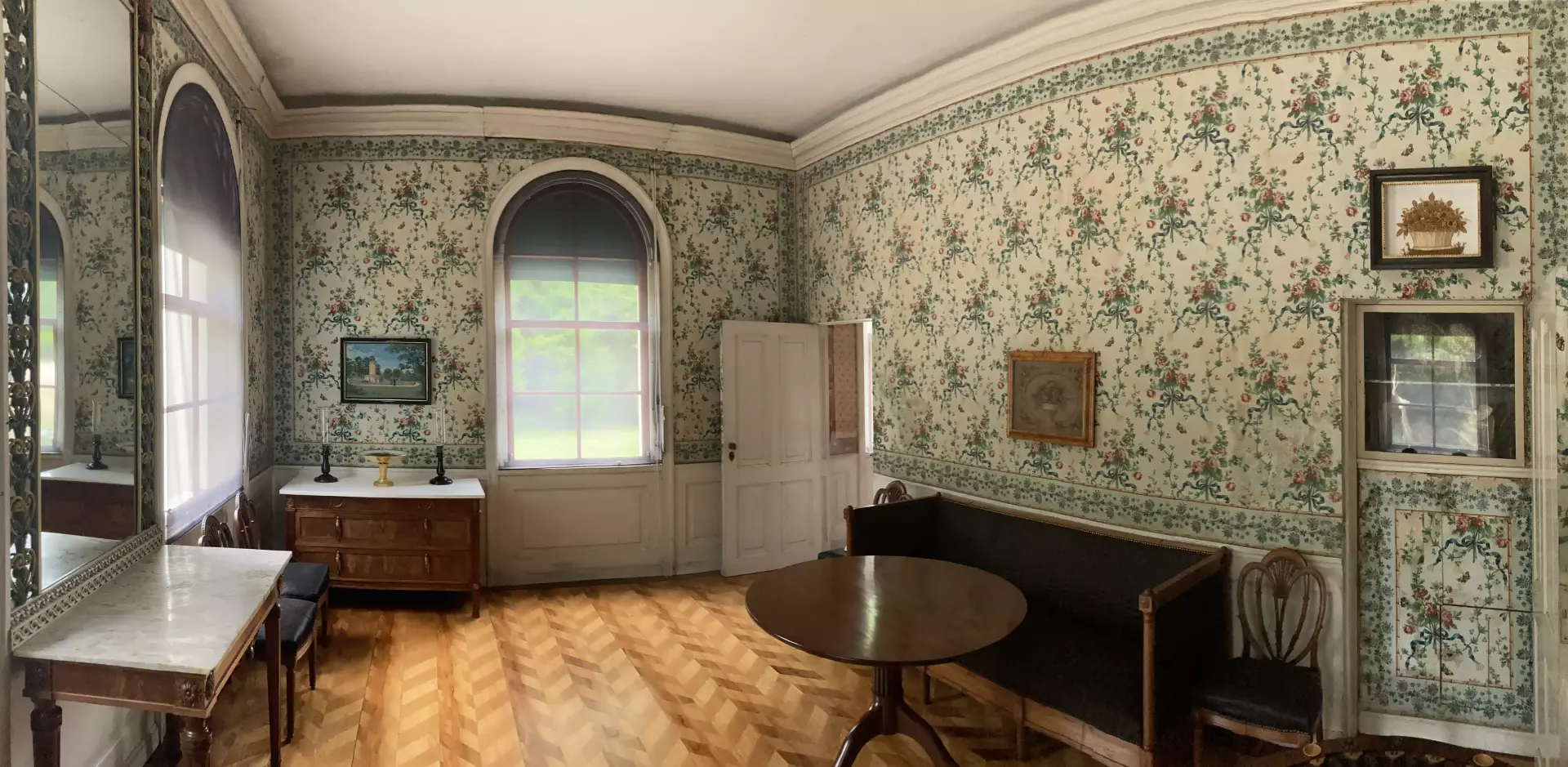
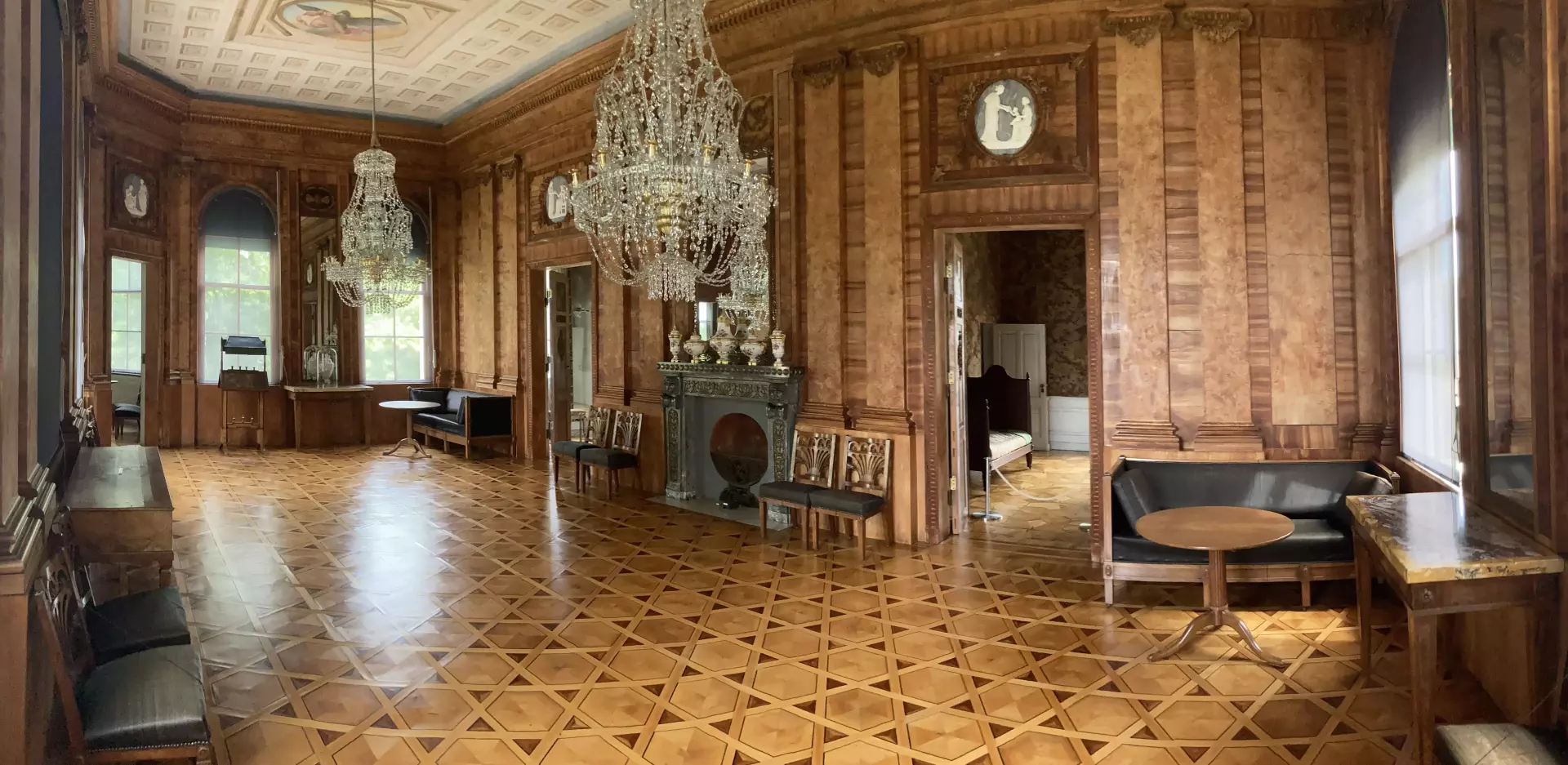
In the 19th century, Pfaueninsel became a scene for courtly life. Small receptions, strolls, and garden amusements filled the summer months. The palace interior echoed this spirit with intimate rooms, delicate decorative details, and views toward the water. Though modest in scale, the setting carried a sense of theater, as if each turn in the path revealed a new stage.
Nature, wildlife, and quiet water
Pfaueninsel is protected as a nature reserve and part of the UNESCO World Heritage listing for the palaces and parks of Potsdam and Berlin. Ancient oaks and rare plantings shelter birds and small animals. The island’s namesake peacocks display their feathers in open glades, while the soft call of waterfowl carries across the Havel. In spring and summer, the meadows brighten; in autumn, the trees deepen to gold and copper tones. Even in winter, the palace’s pale walls create a striking contrast with the bare branches and silver water.
Getting there and practical notes
The island sits within the Berlin district of Steglitz-Zehlendorf, near the border with Potsdam. Access is by a short ferry ride from the mainland jetty; motor vehicles are not allowed on the island, which keeps the paths calm and quiet. The palace can be viewed from the outside year-round, and interior visits are possible during set hours, typically in warmer months. Information on opening times and tickets is available through the Prussian Palaces and Gardens Foundation.
Simple amenities are located near the ferry landing, and waymarked paths lead around the island. The circuit offers frequent water views, shaded groves, and clear sightlines back to the palace—reminders of a late 18th-century idea of leisure, where nature and architecture were meant to be enjoyed at an easy pace.
Source - https://en.wikipedia.org/wiki/Pfaueninsel_Palace