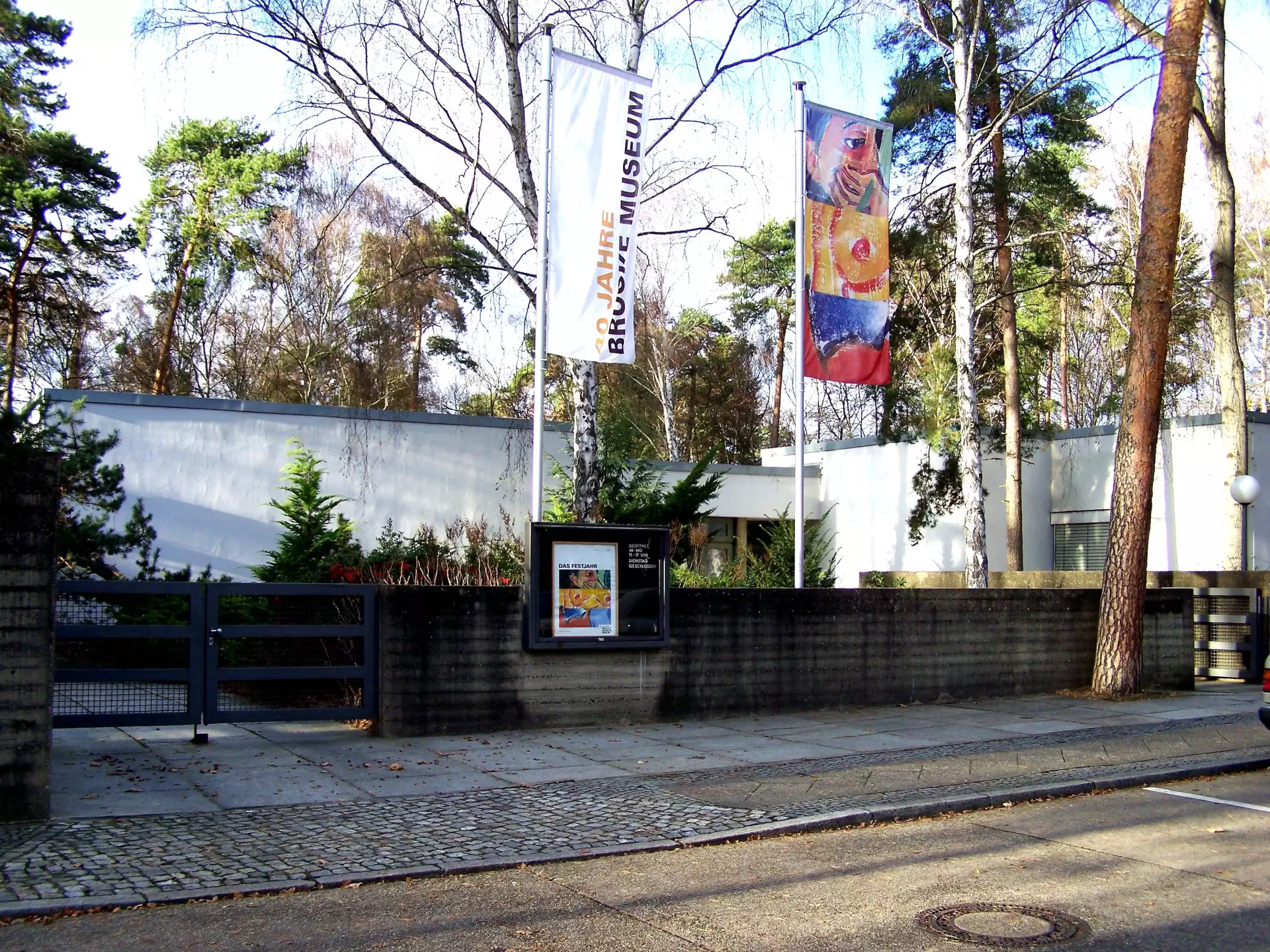
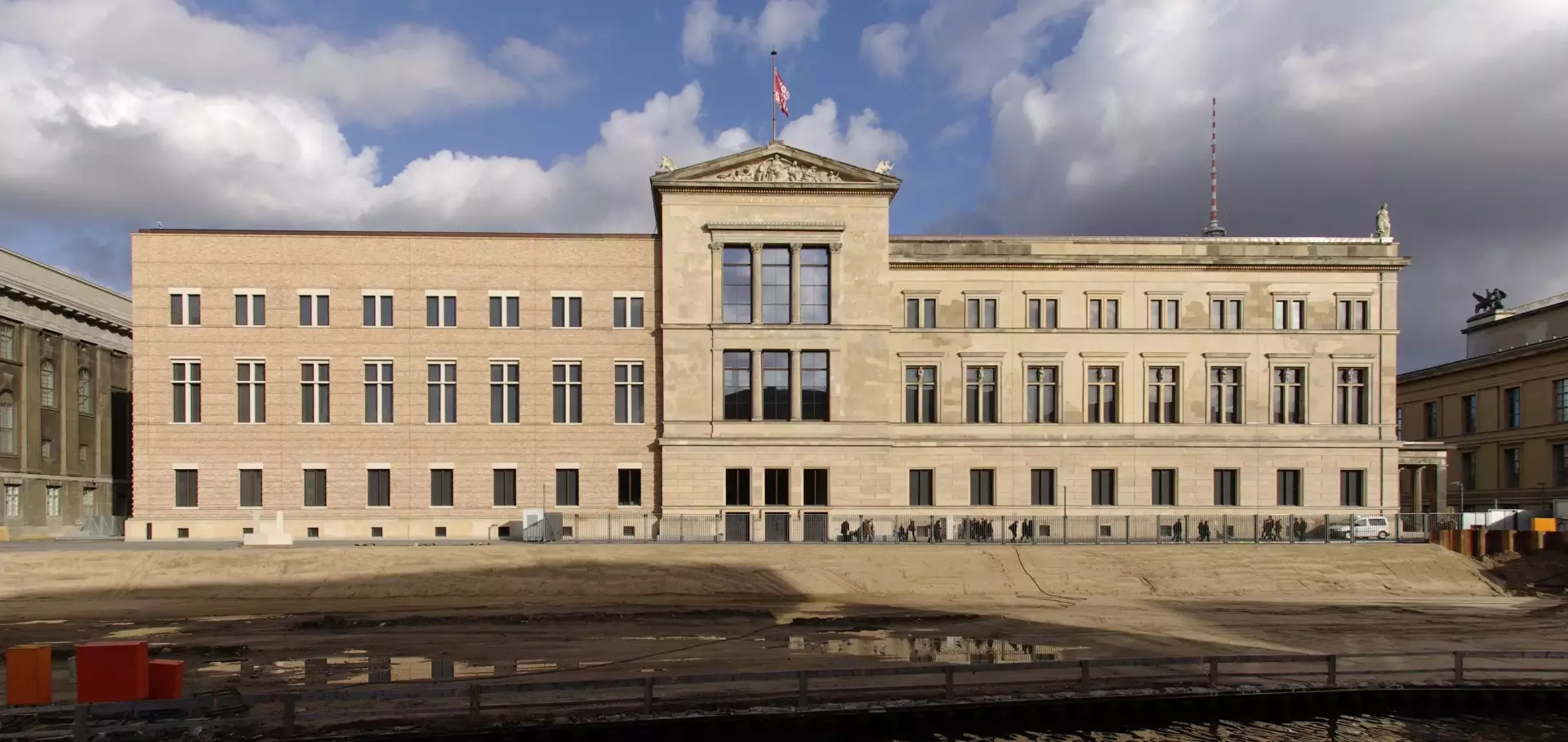
Collection Scharf-Gerstenberg is a museum dedicated to surrealist art. It brings together paintings, sculptures, prints, and drawings that explore dreams, the subconscious, and unexpected combinations of imagery. Visitors encounter works where reality bends, logic twists, and ordinary objects take on strange significance.
The collection highlights the roots of surrealism in earlier movements, showing how symbolist and fantastical ideas paved the way for 20th-century breakthroughs. Well-known names mingle with lesser-known voices, allowing a broader view of the movement’s reach. Themes such as metamorphosis, masks, puppetry, and the uncanny repeat across rooms, linking different artists and decades.
Painted canvases share space with etchings and small bronzes, revealing how surrealist ideas moved between mediums. Detailed prints sit beside bold, dreamlike compositions, creating a rhythm of quiet observation and sudden surprise.
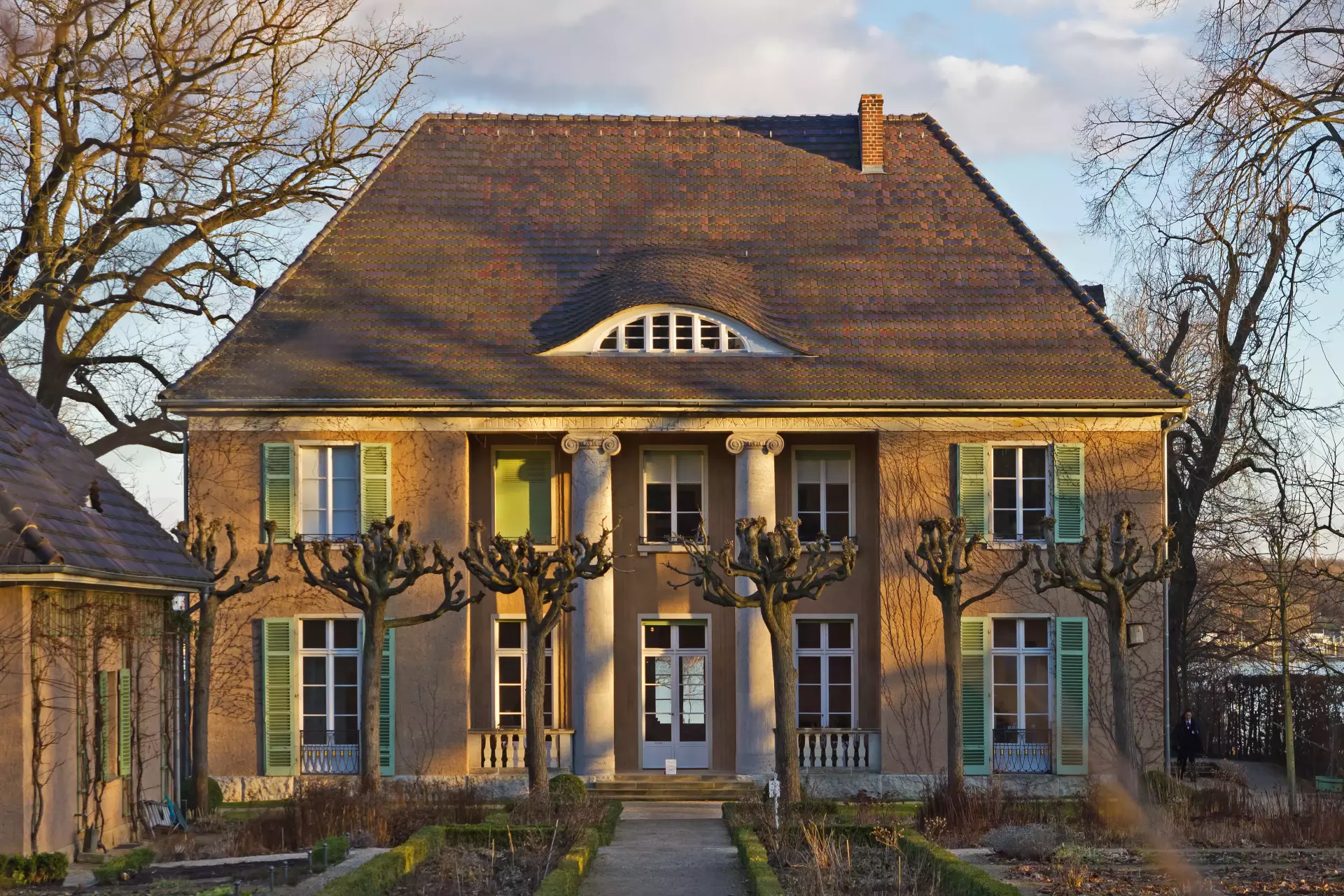
Housed in a historic building in Berlin, the museum’s galleries are arranged to encourage slow looking. Light and shadow play a role in how the works are experienced. Narrow corridors open into high rooms; intimate spaces lead to dramatic sightlines where a single sculpture or a haunting face draws the eye from a distance.
Labels give context without overwhelming the artwork. Short texts point to recurring motifs—eyes, animals, architectural fragments—while leaving space for individual interpretation. The layout invites visitors to connect images across rooms, tracing how surrealist ideas shift in tone and technique.
Many works focus on dream states, doubling, and transformations. Figures morph into objects; landscapes reveal hidden faces; everyday items gain a theatrical presence. Mirrors and windows appear often, suggesting thresholds between inner and outer worlds. A series of prints might emphasize delicate line and texture, while neighboring paintings use saturated color and bold shapes to build unsettling scenes.
Sculptures add a tactile dimension to the experience. Smooth surfaces contrast with rough, improvised materials, echoing the surrealist love of chance and assemblage. The result is a conversation between weight and weightlessness, order and accident.
The museum encourages a non-linear path. Some visitors move room to room, following dates and schools; others focus on a single motif and trace it through the collection. Pauses between galleries act like breaths between dreams, resetting the eye before the next encounter.
Together, these elements create a sustained exploration of surrealism’s language—one that moves from whispers to shocks, from meticulous craft to raw intuition, while keeping imagination at the center.
Source - https://en.wikipedia.org/wiki/Scharf-Gerstenberg_Collection
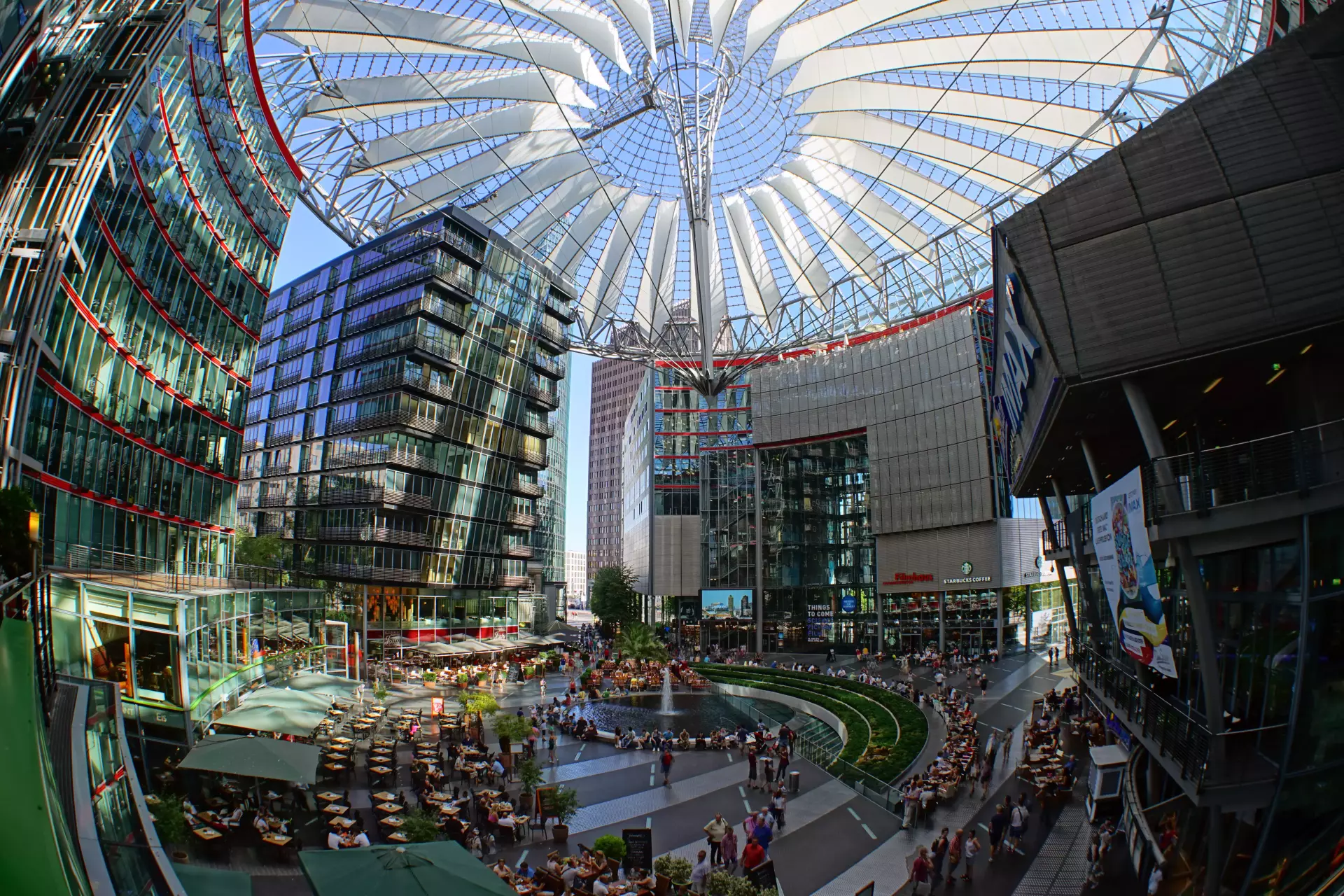
With an impressive, circus-tent-like roof over its courtyard and remains of the pre-war Hotel Esplanade incorporated into the modern structure.
Berlin's biggest lake and popular resort for bathing and watersports. You can also travel there by tram, which is an experience by itself.
Designed by Daniel Libeskind with an excellent exposition on the Jewish life in Berlin and the impact of the Holocaust. You can easily spend a day here. There is a metal scanner and other security features you'd rather expect at an airport than a museum.
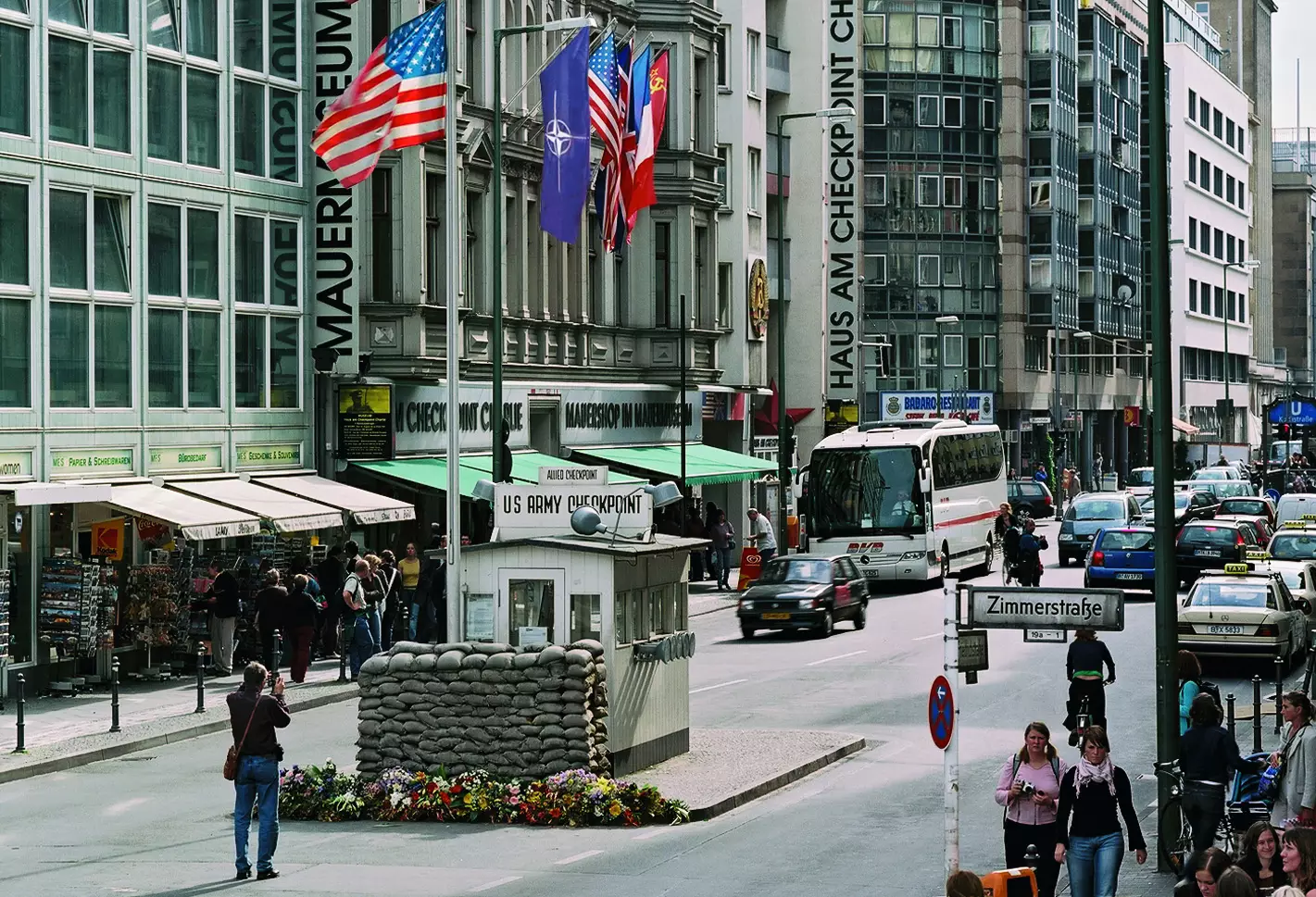
It was the only border crossing between East and West Berlin that permitted foreigners passage. Residents of East and West Berlin were not allowed to use it. This contributed to Checkpoint Charlie's mythological status as a meeting place for spies and other shady individuals. Checkpoint Charlie gained its name from the phonetic alphabet; checkpoints "Alpha" and "Bravo" were at the autobahn checkpoints Helmstedt and Dreilinden respectively. Checkpoint Charlie's atmosphere was not improved at all on 27 Oct 1961 when the two Cold War superpowers chose to face each other down for a day. Soviet and American tanks stood approximately 200 m apart, making an already tense situation worse. Now the remains of the Berlin Wall have been moved to permit building, including construction of the American Business Center and other institutions.At the intersection of Zimmerstraße and Friedrichstraße (U-Bahn Kochstraße U6) is the famous "You Are Leaving the American Sector" sign. The actual guardhouse from Checkpoint Charlie is now housed at the Allied Museum on Clayallee. For a more interesting exhibit go to the Haus am Checkpoint Charlie. This is a private museum with kitschy memorabilia from the Wall and the devices GDR residents used to escape the East (including a tiny submarine!). There are also people who set up booths here offering to stamp your passport with souvenir stamps in exchange for a small fee. You are highly advised not to put these stamps in your passport, as these are not official stamps and could invalidate it. Instead, bring along an expired passport or a small booklet to put the stamps in.
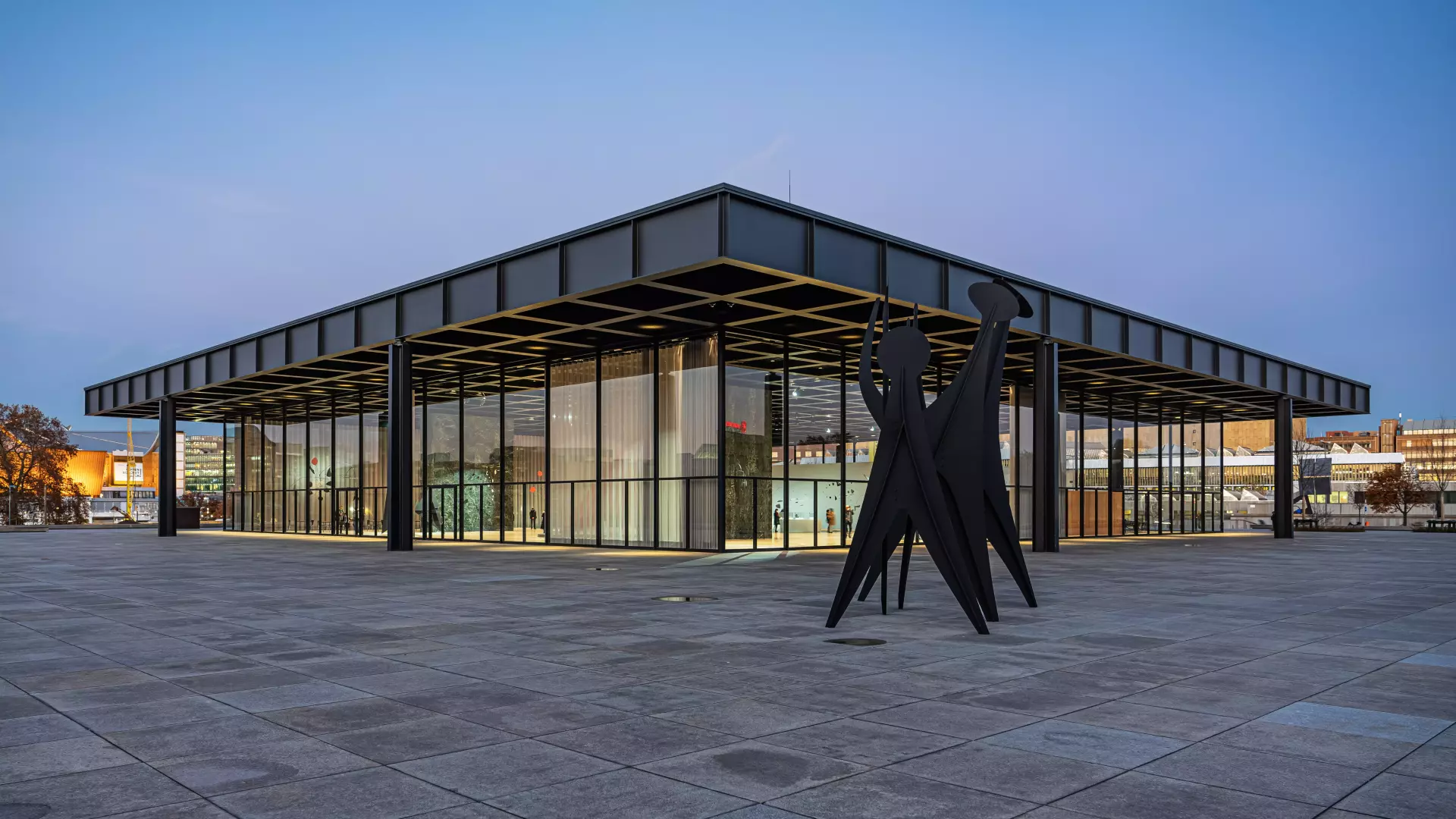
Spectacular building by Mies van der Rohe contains its own collection and temporary exhibitions.
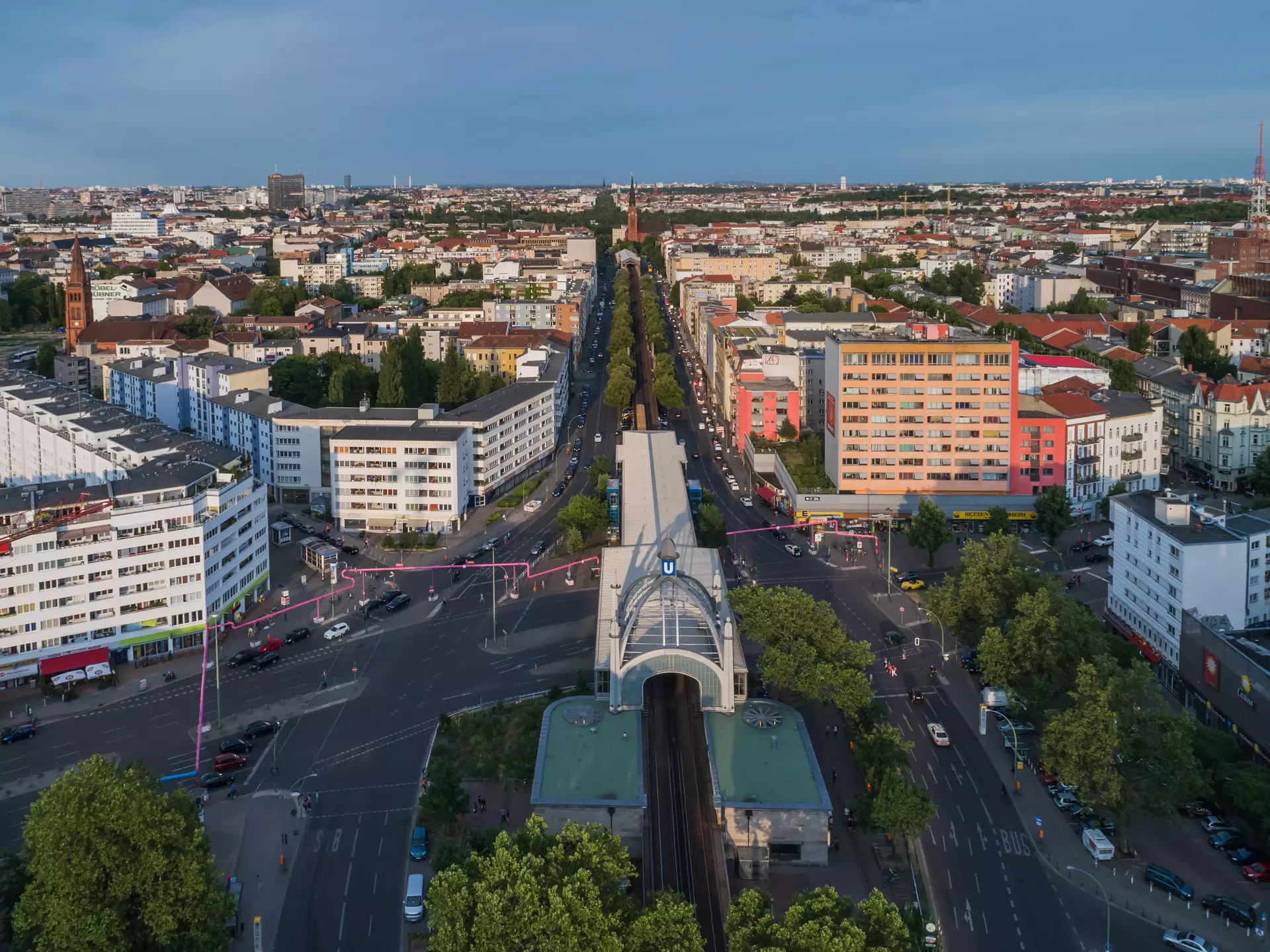
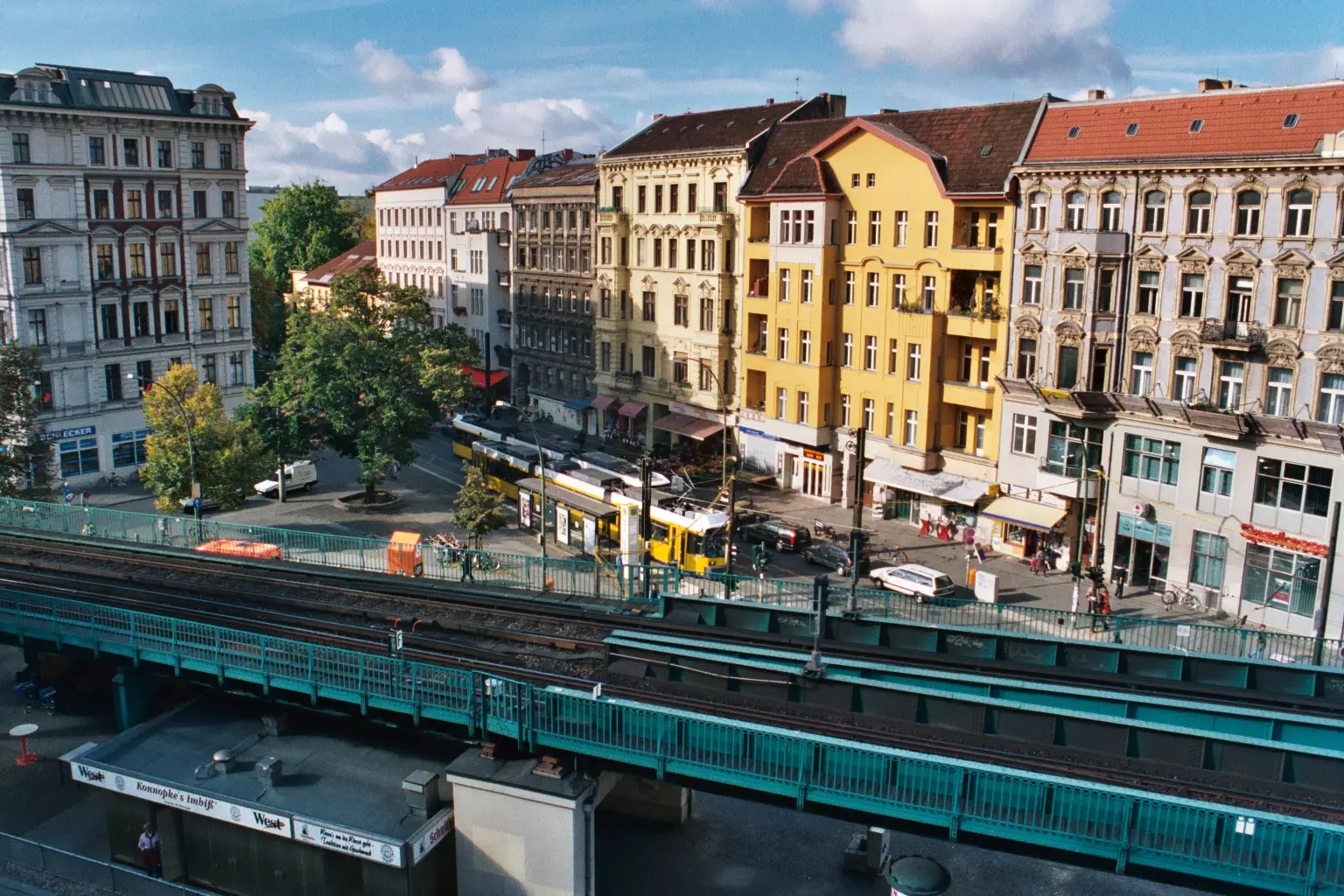
This area was Gay Central during the Weimar Republic, and it is today. But of course all are welcome. There is a diverse mix of restaurants and stores, several of which are open till midnight or later every day. The U-Bahn station has a superstructure and towers that echo the appearance of the Art Nouveau Neues Schauspielhaus across the street, now the Metropol, where radical left-wing dramas used to be presented in the 20s and 30s, and it is lit in rainbow colors.
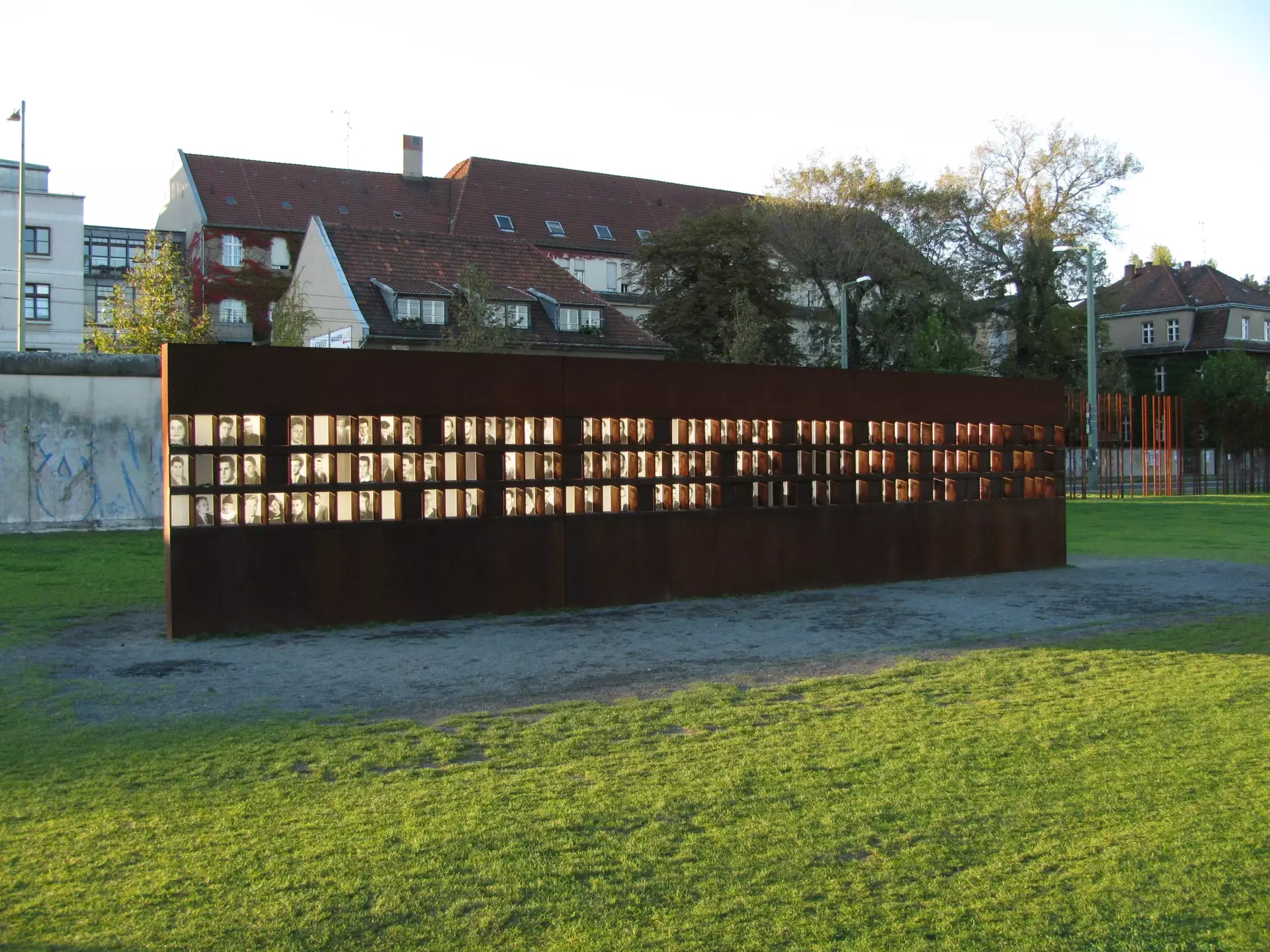
The memorial site stretches along the full 1.5-km length of Bernauer Straße. The listing marker points to the visitor centre. Various monuments can be found along the entire length of the street, documenting nearby escape attempts and tunnels; captions are in German and English. The documentation centre across the street on Bernauer Straße/Ackerstraße is excellent (although most of the documentation is in German). The viewing platform next to the documentation centre gives you a tiny hint of the true scale of the Wall and how terrifying the "no man's land" between the two sections of walls must have been. The monument (that you can see from the platform) is a complete section of 4th generation wall - both inside and outside sections, and you can peer through from the east side to see the remains of the electric fence and anti-tank devices in the death strip. It really helps you understand what an incredible feat it was to get from one side to the other -- and why so many died doing it. The memorial site is often missed by tourists but an absolute must for anyone interested in this part of the city's history. It's a memorial to those who died crossing, so you won't, fortunately, get the tackiness of the Checkpoint Charlie area; instead you will be left with a haunting feeling of what life with the wall may have been really like.Bernauer Straße is a street with a great deal of Wall history: it came to tragic prominence on August 13, 1961 when East German authorities closed the border and the street (with houses in the East but the street in the West). Border guards walled the doors and windows shut to keep Easterners from escaping by jumping out the window while Westerners (including police and fire brigades who brought life nets to help catch refugees) looked on in horror. The first recorded Wall-related death - the notorious Peter Fechter case (he bled to death in the "no-man's-land" with both sides unwilling or unable to help him) - was here, as was one of the famous tunnels and the famous photograph of the GDR border guard leaping over the barbed wire.
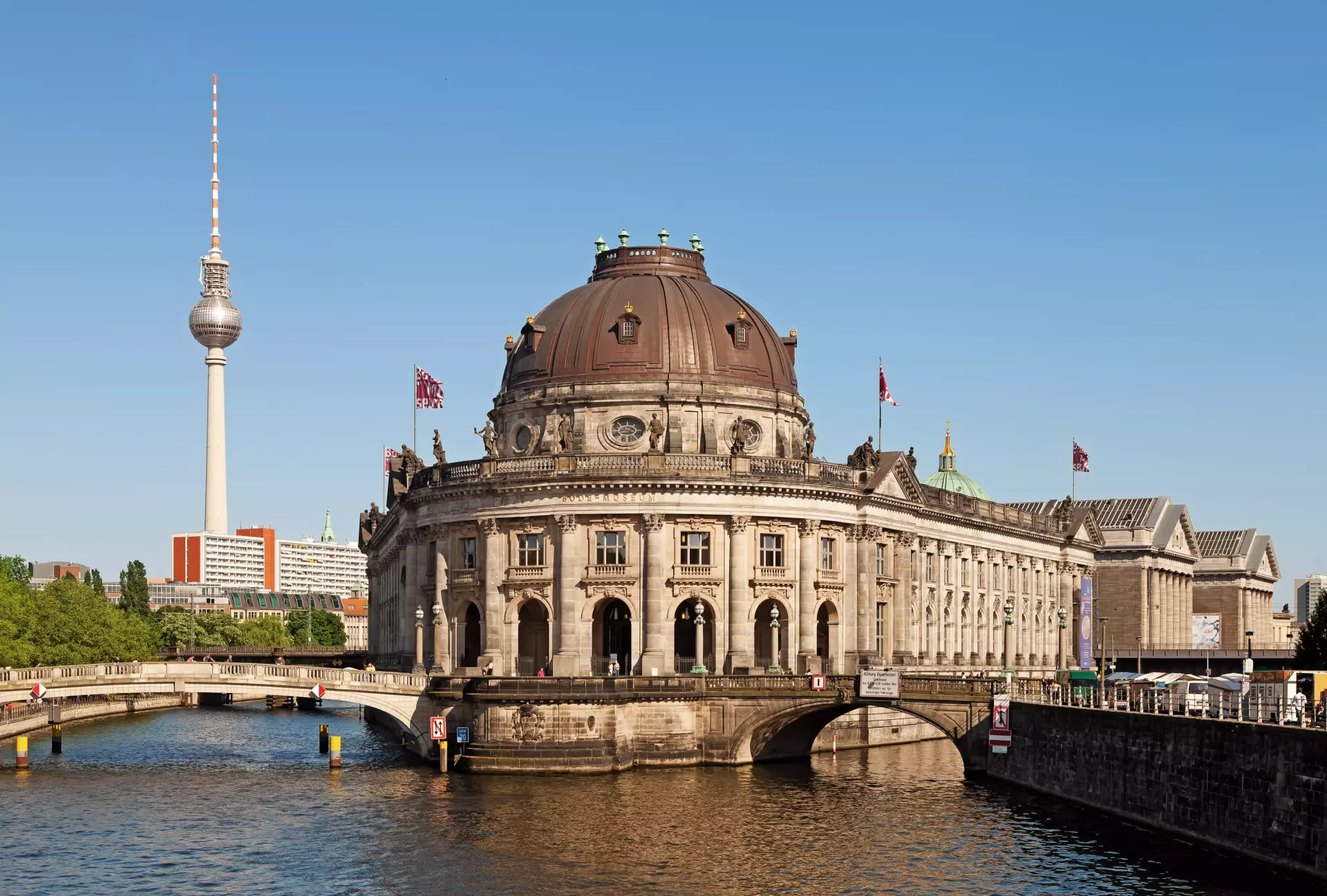
The museum’s treasures include the sculpture collection with works of art from the middle ages to the 18th century. The Bode museum is best known for its Byzantine art collection and the coin cabinet.
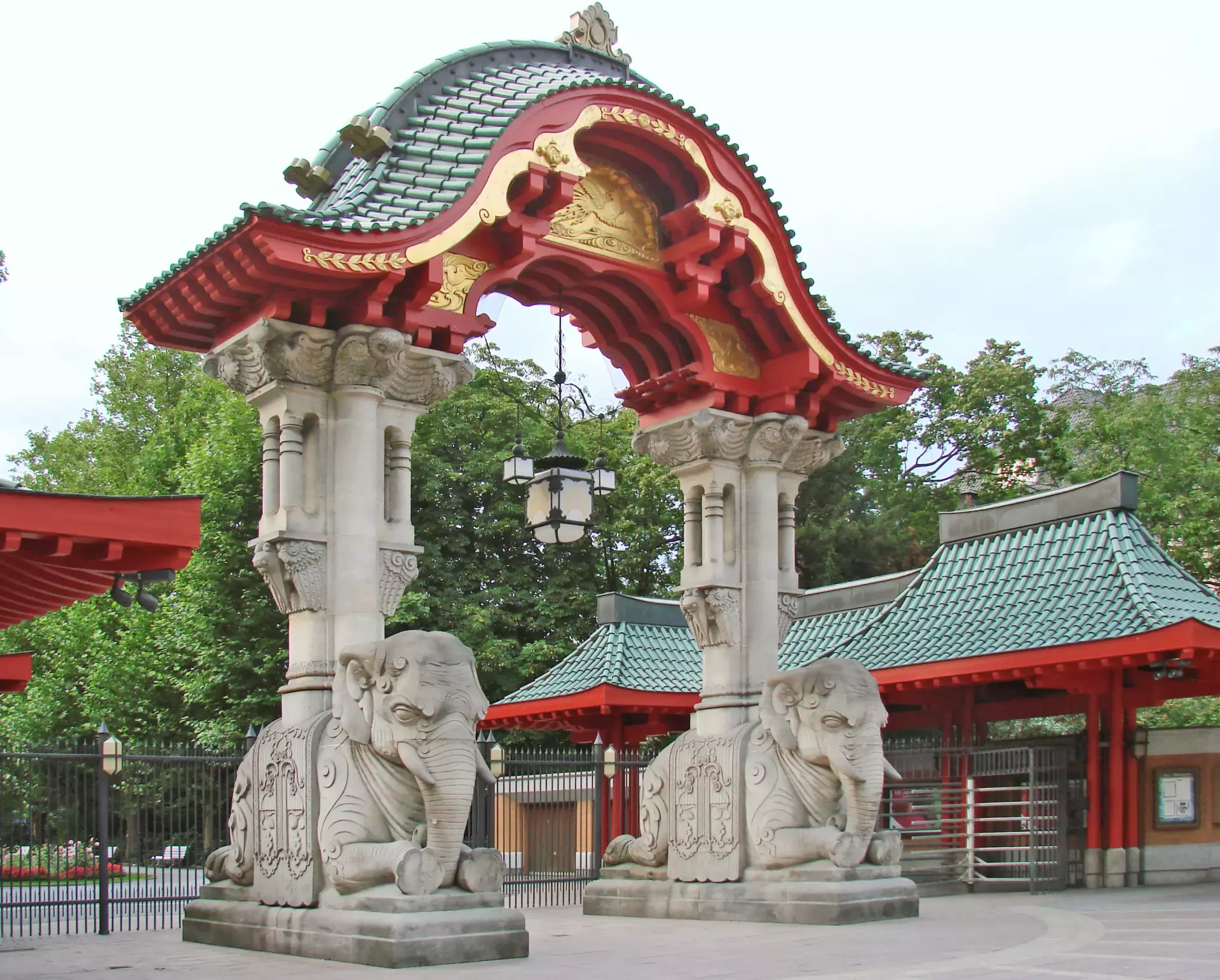
The largest zoo in the world, both in terms of number of species (1500) and animal population (14,000). It is especially famous for its pandas. The Elephant Gate (Budapester Straße), one of the two entrances and next to the Aquarium, is a traditional photo stop for most visitors because of the architecture.
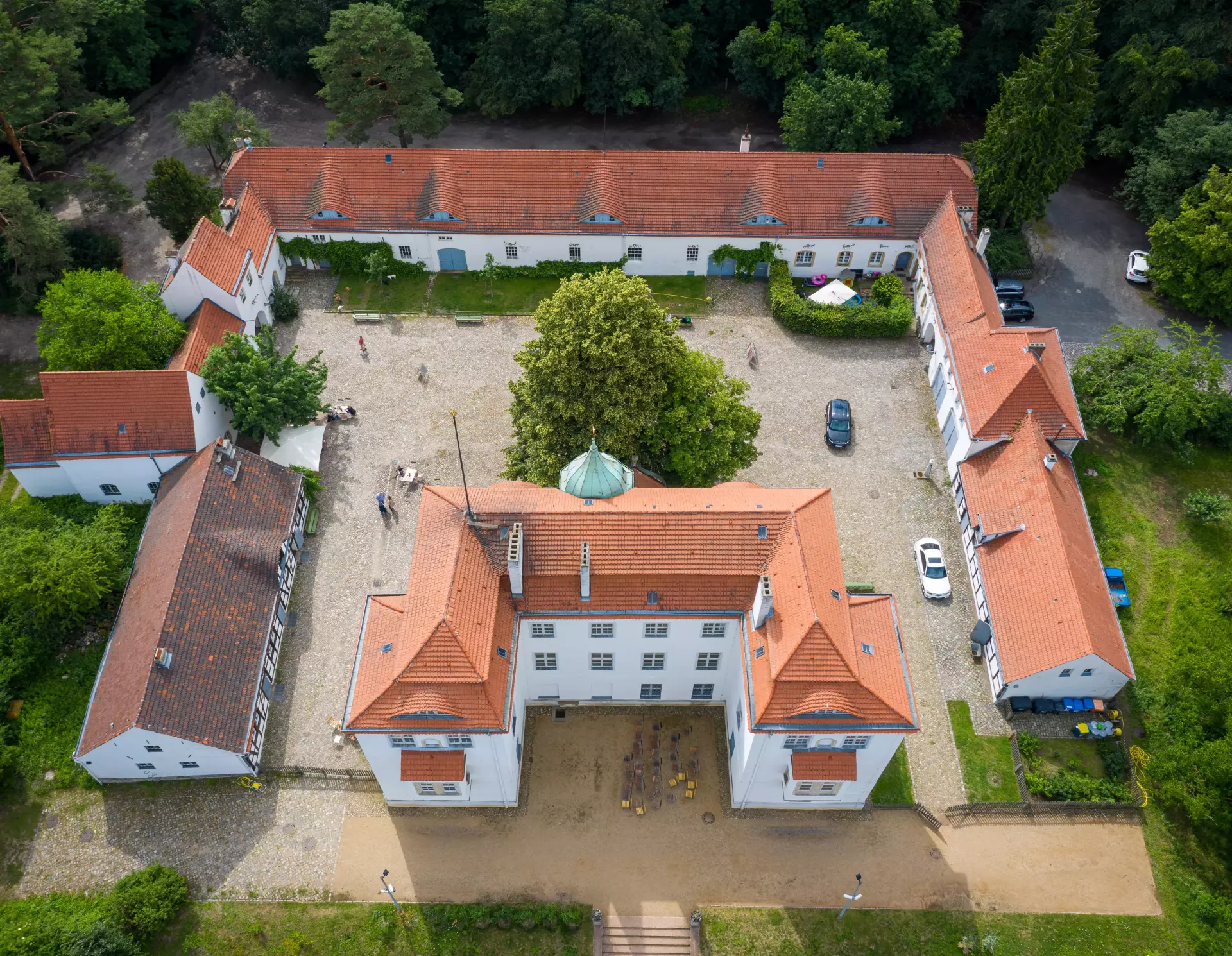
Built in 1542. An impressive traditional country estate with stately architecture, it is an enclave of untouched regional cultural history and architectonic epochs. The 80-hectare mixed forest also provides a wide network of paths for walking and rambling.