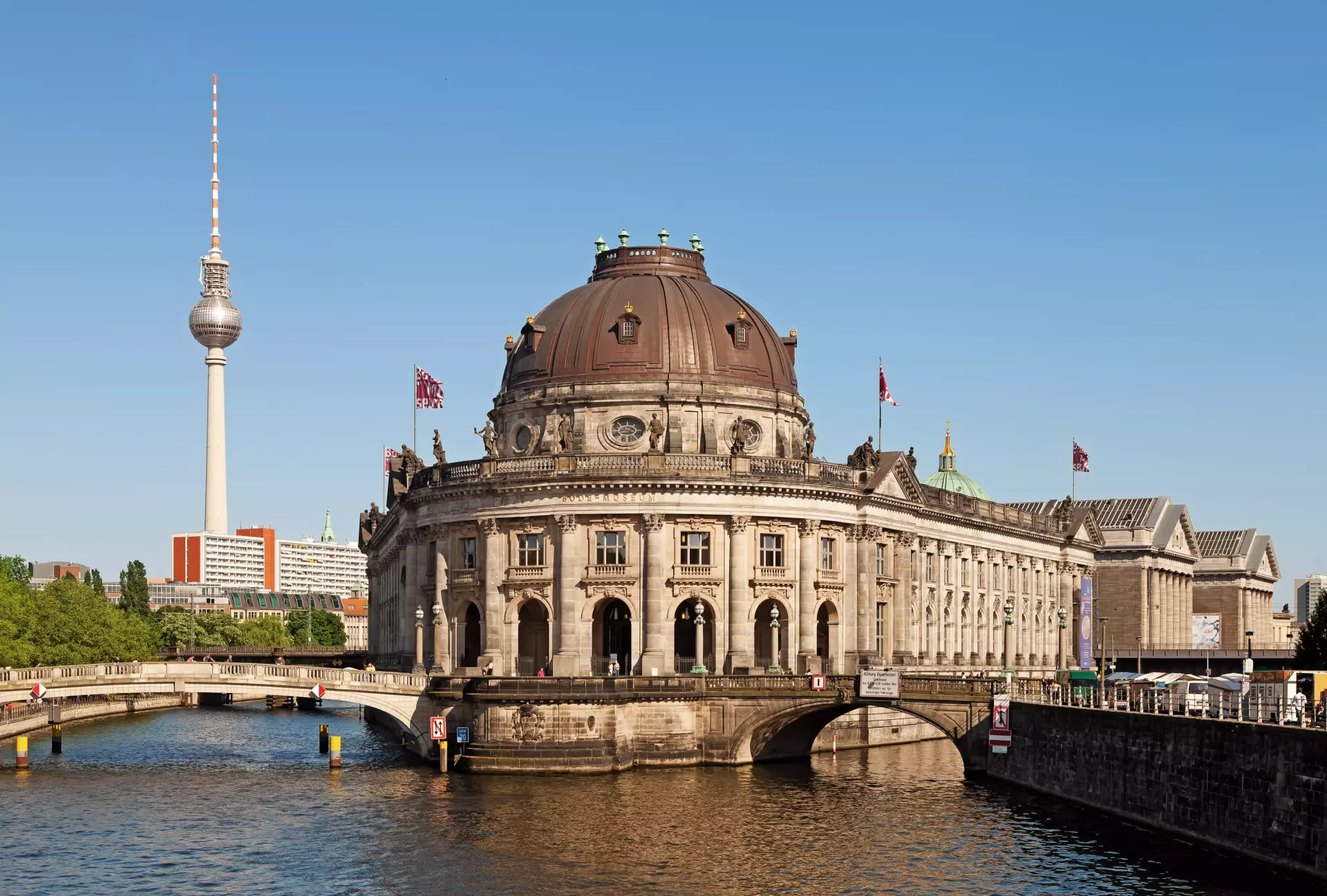
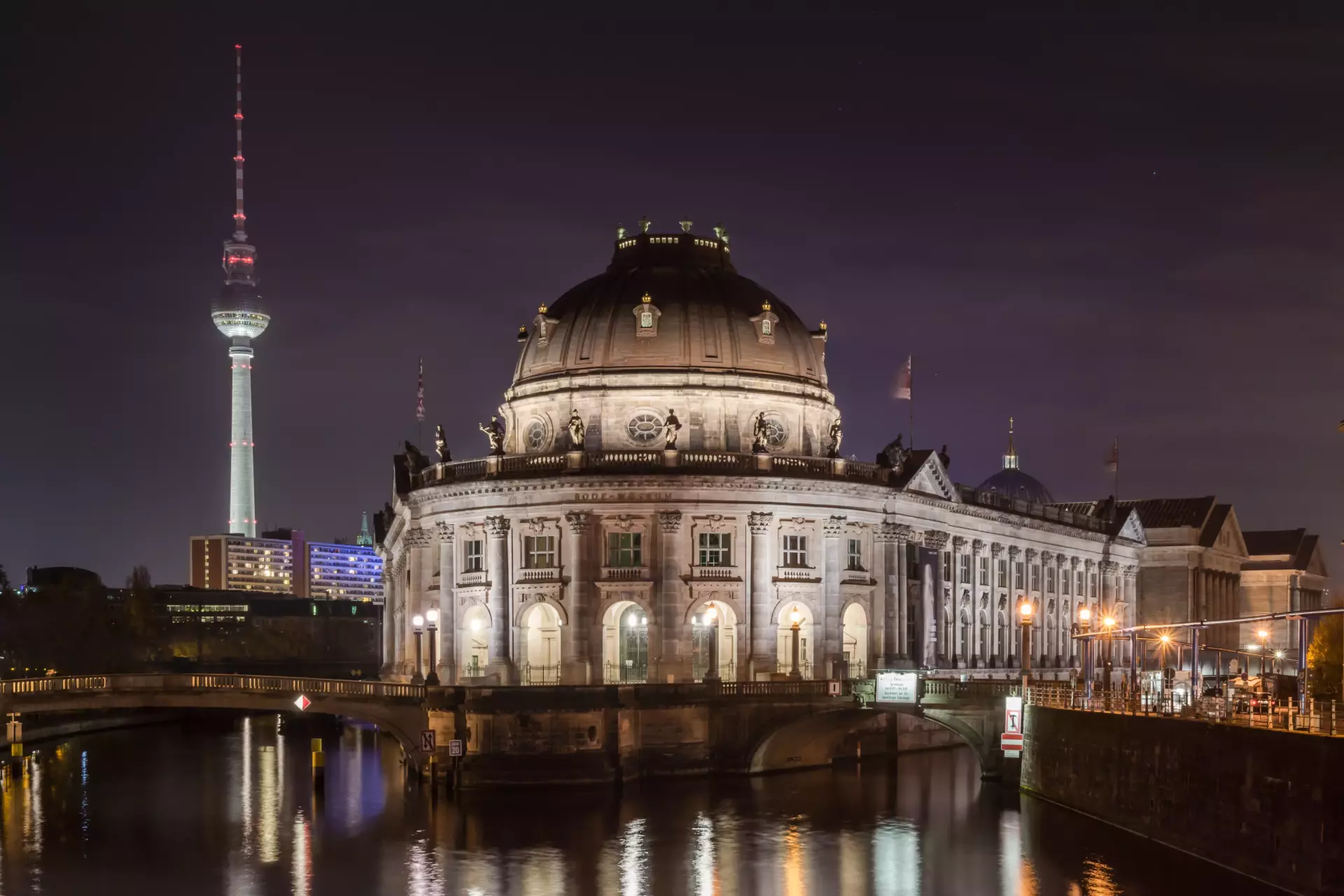
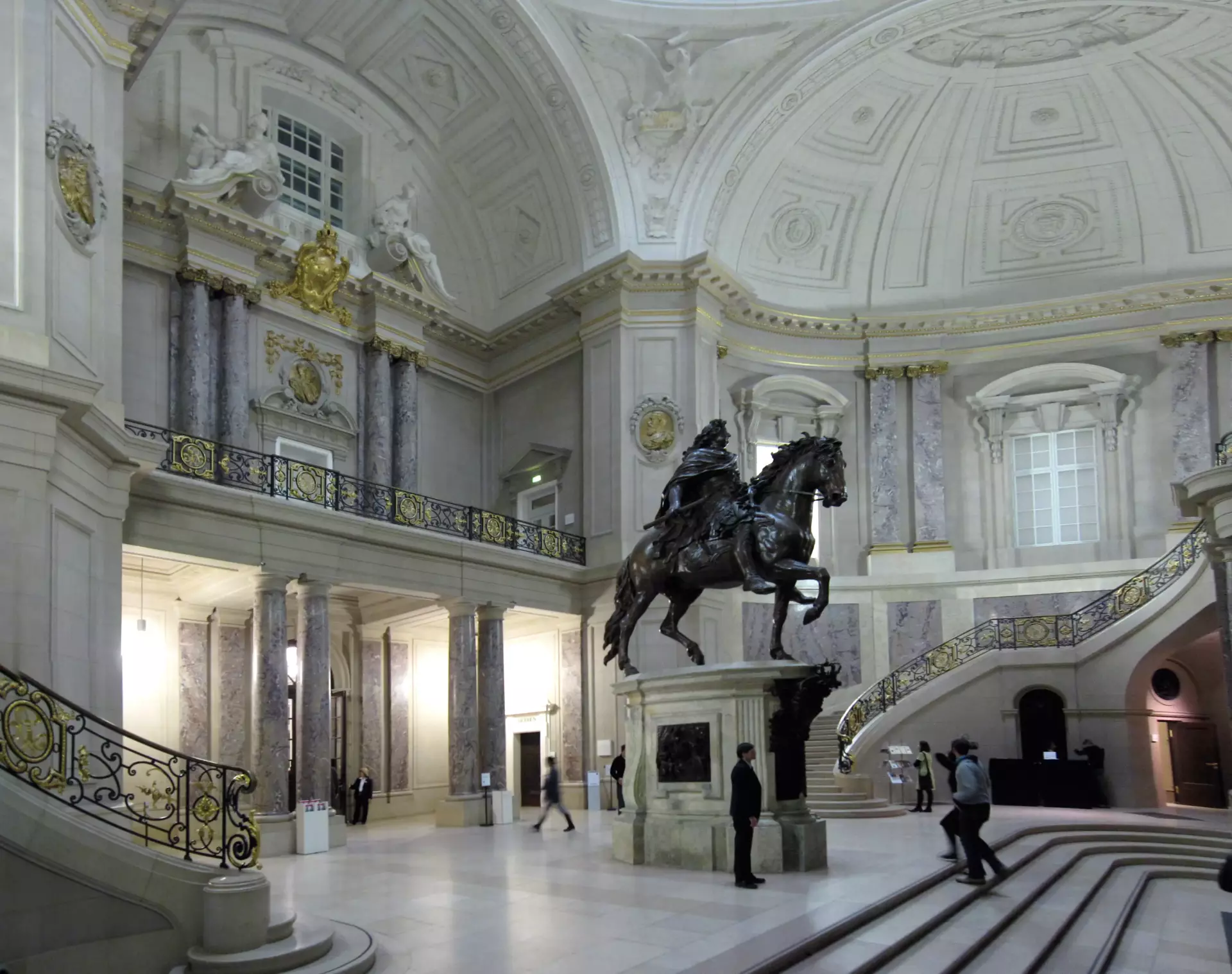
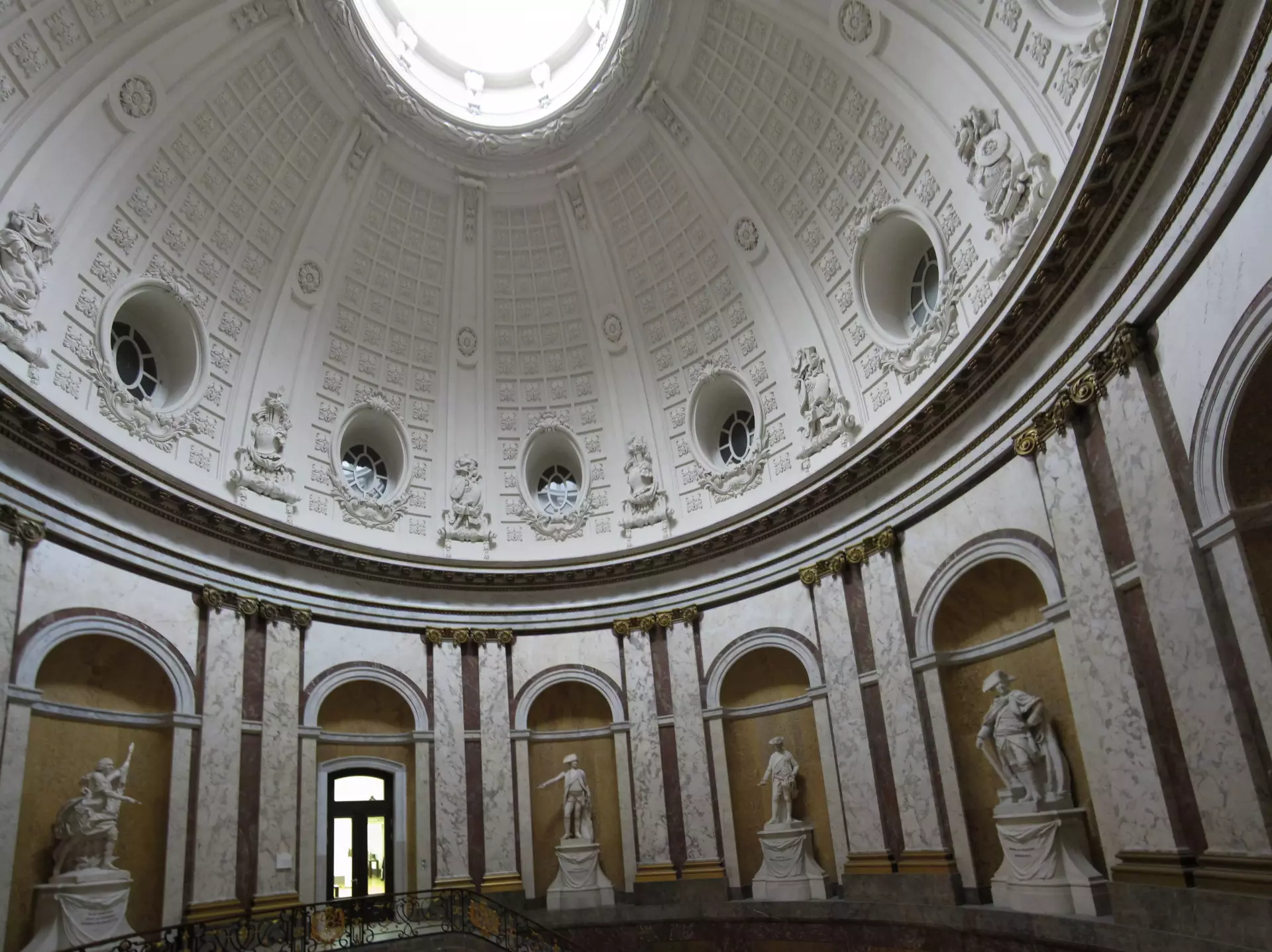
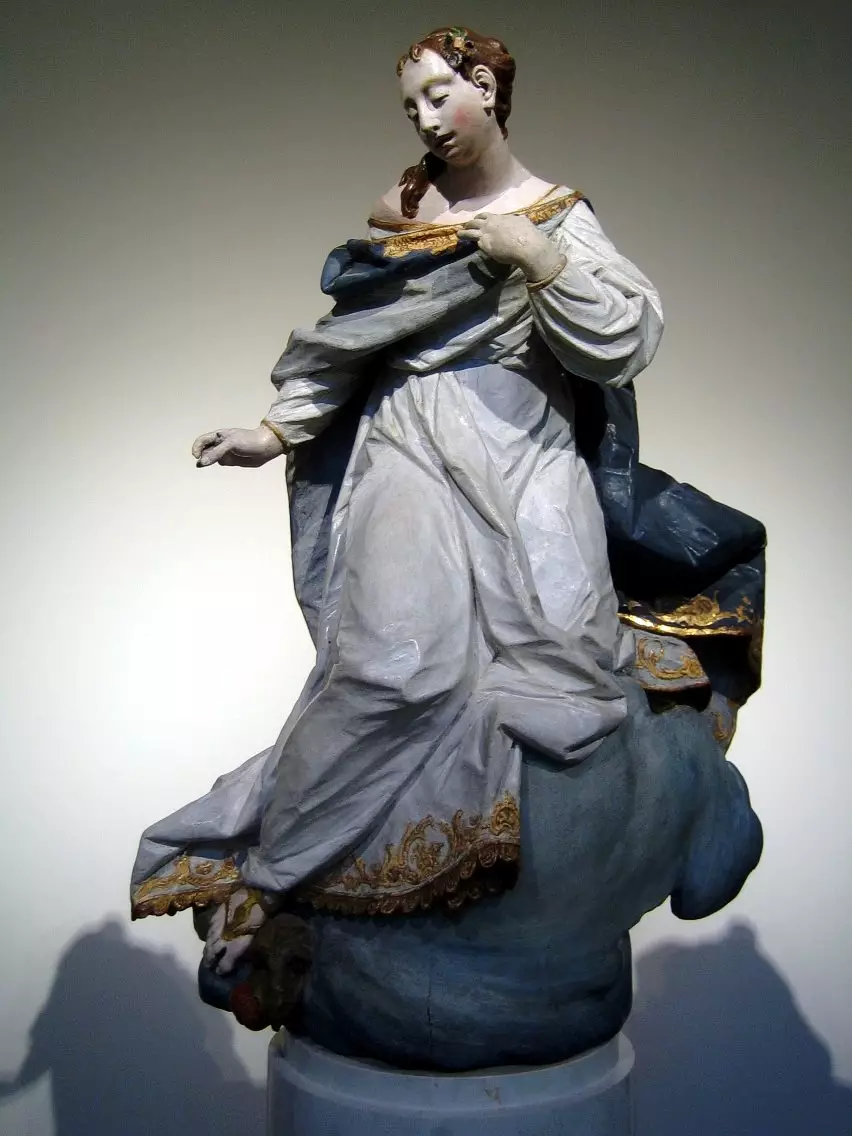
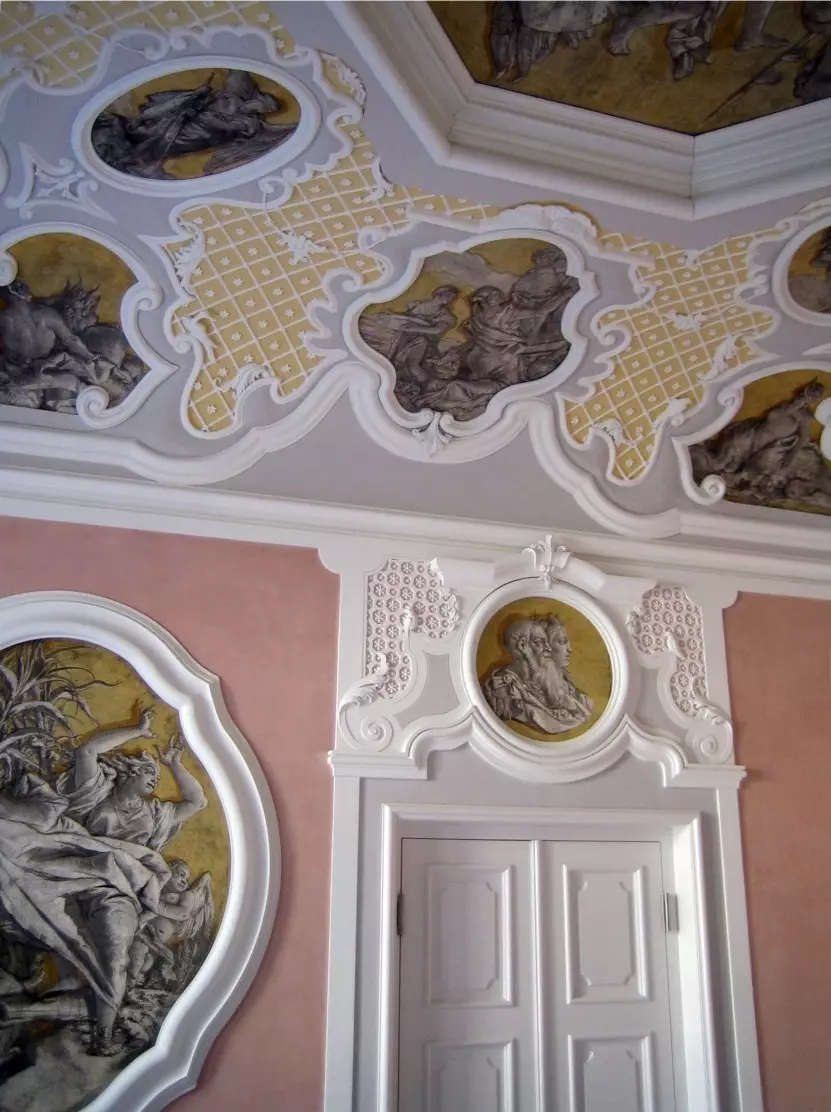
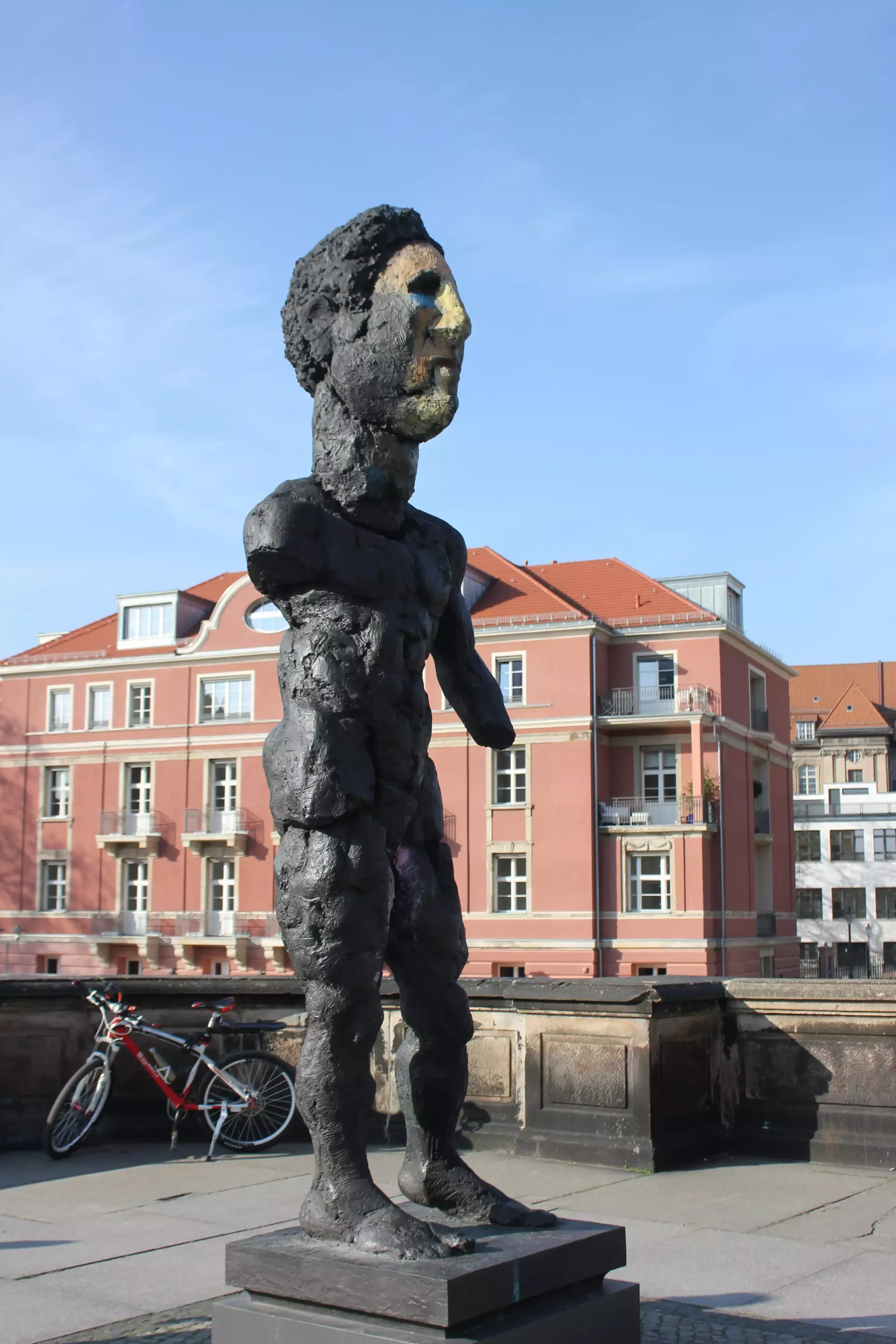
The Bode-Museum presents a rich journey through European art, bringing together centuries of sculpture, sacred objects, and fine craftsmanship. Its galleries trace styles and stories from the Middle Ages up to the 18th century, showing how materials, techniques, and ideas evolved over time.
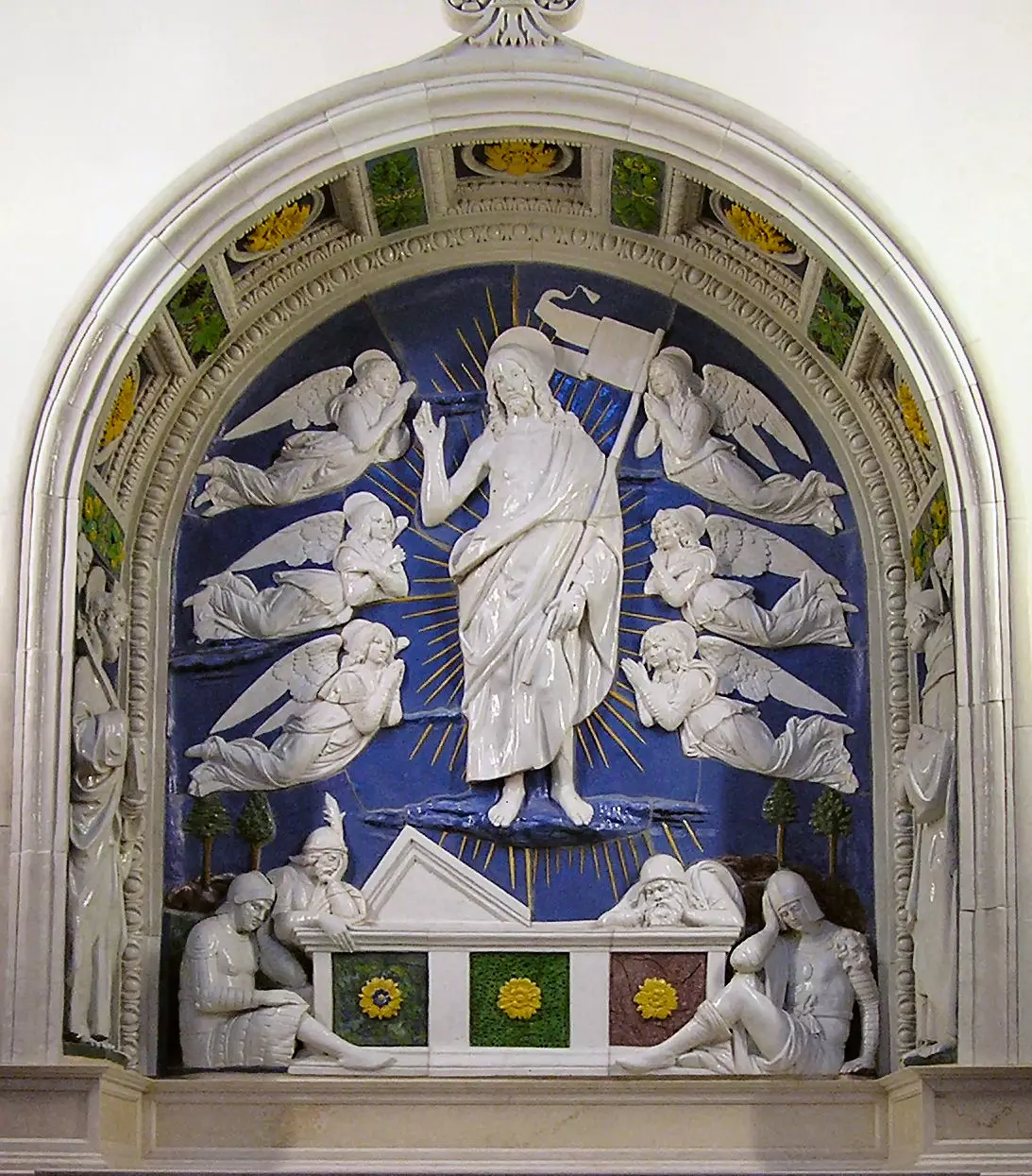
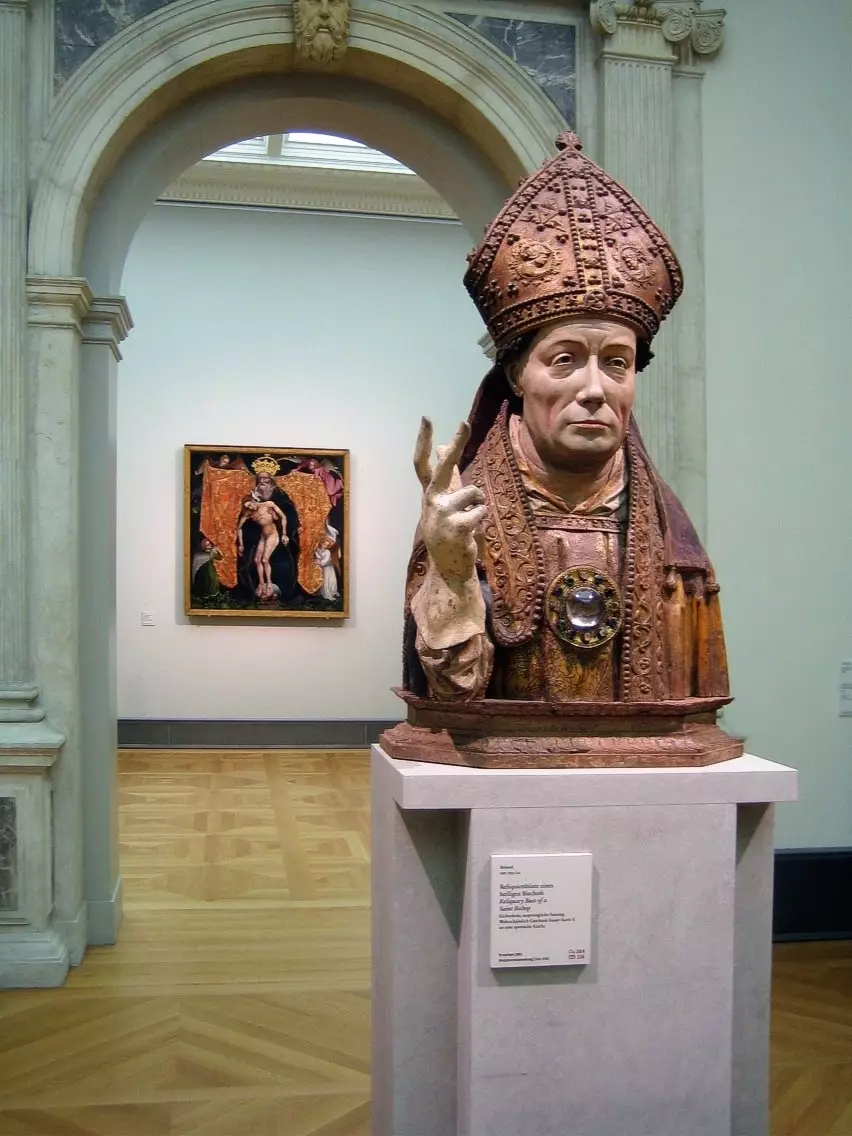
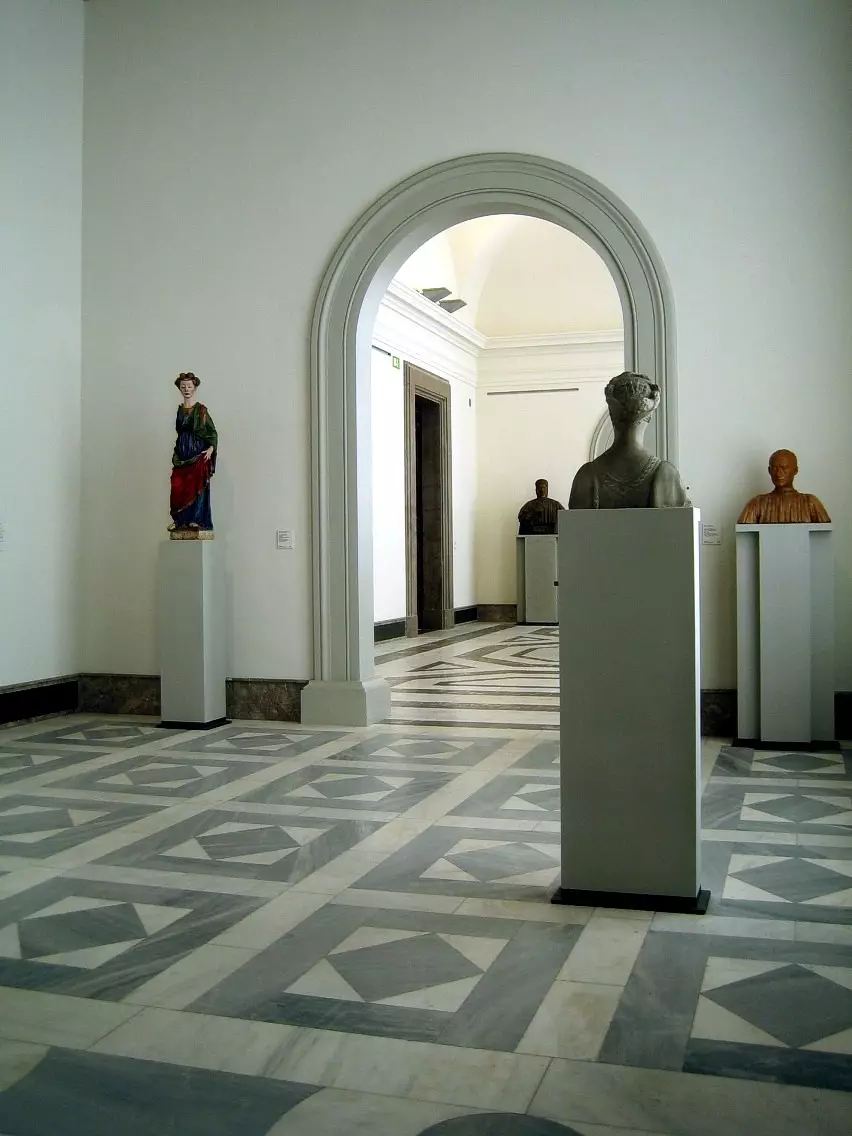
The sculpture collection forms the museum’s core. Marble, wood, and bronze works stand side by side, from medieval religious figures to refined Baroque pieces. Visitors can follow changing expressions and poses, compare regional schools, and see how artists shaped emotion and movement in three dimensions.
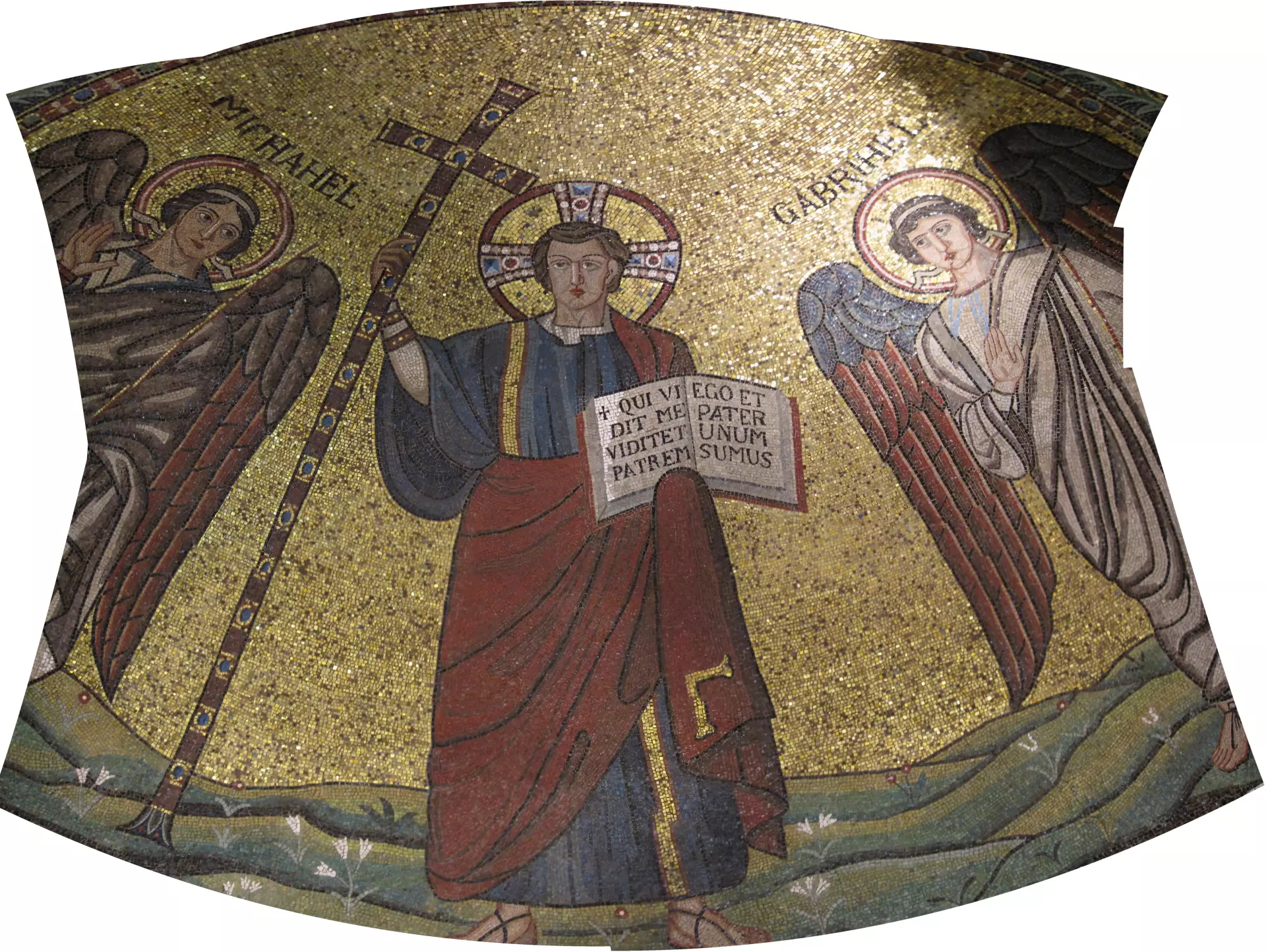
The Bode-Museum is widely recognized for its Byzantine art. Icons, mosaics, and liturgical objects reveal a world of gold backgrounds, solemn faces, and symbolic detail. These works connect the Christian East with wider Mediterranean traditions, highlighting how faith, empire, and image-making intertwined.
The Münzkabinett, or coin cabinet, adds another layer to the museum’s story. Coins, medals, and seals trace political power, trade routes, and artistic trends in miniature. Portraits of rulers, allegorical scenes, and precise inscriptions turn small metal discs into historical documents and finely crafted works of art.
Source - https://en.wikipedia.org/wiki/Bode_Museum
The Bayerischer Platz is the centre of the Bayerisches Viertel ("Bavarian district", with many streets named after Bavarian cities), which was destroyed a lot more during World War II (about 60%). Somewhere around there Albert Einstein lived once. You’ll find several memorial signs providing information about the Nazi regime's persecution of gays and Jews.
A museum dedicated to everyday life in communist East Germany. The museum has very relaxed rules and you are allowed to touch and examine almost every object, which adds greatly to the experience.
In this house the surrender of Germany was signed on May 9th, 1945, ending WWII in Europe. This museum describes the history of the war between Germany and the Soviet Union between 1941 and 1945 and the GDR/German-Russian relationship ever since. Historic rooms, permanent exhibition and special exhibits.
The district town hall was the main town hall for West Berlin during the Cold War. The freedom bell (a present from the American people) and several memorials from that time can be found here. On the main balcony in 1963 U.S. President John F. Kennedy made his famous statement, "All free men, wherever they may live, are citizens of Berlin, and, therefore, as a free man, I take pride in the words ‘Ich bin ein Berliner!’". On 10 November 1989 Helmut Kohl (chancellor (Bundeskanzler) 1982-1998) and Willy Brandt (former Bundeskanzler and mayor of Berlin) cheering the crowd as they saw the end of the Berlin Wall the night before. The town hall is an emotional place for most people in Berlin (especially West Berlin).
This chapel was built on the site of a church built in 1894 which sat on the "death strip" and was thus blown up by the GDR authorities in 1985. The chapel is the site of occasional memorial services for victims of the wall.
The oldest museum of its kind in Germany which, despite great losses during the World War II, still possesses one of the world's primary collections of European applied art. There are two sections to the collection: one located at the Kulturforum in Tiergarten, the other at Köpenick Palace.
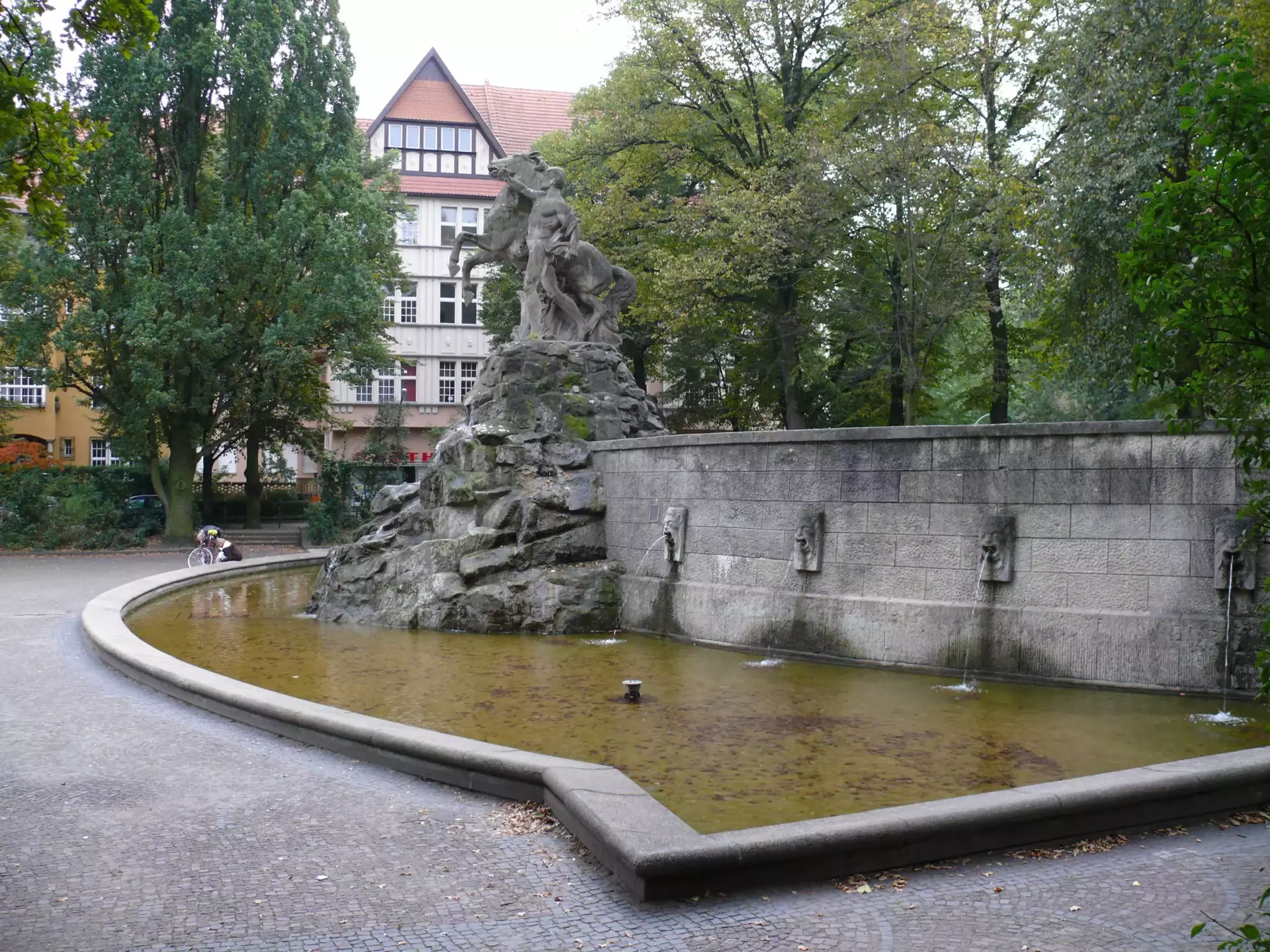
Features a nice fountain, stately old houses and a good night time hot spot. Many people hang out in the platz in good weather.
Closed for renovations; the temporary Bauhaus-Archiv is at Knesebeckstraße 1-2 in Charlottenburg. Building designed by Walter Gropius. Inside a museum, library, cafe and shop.
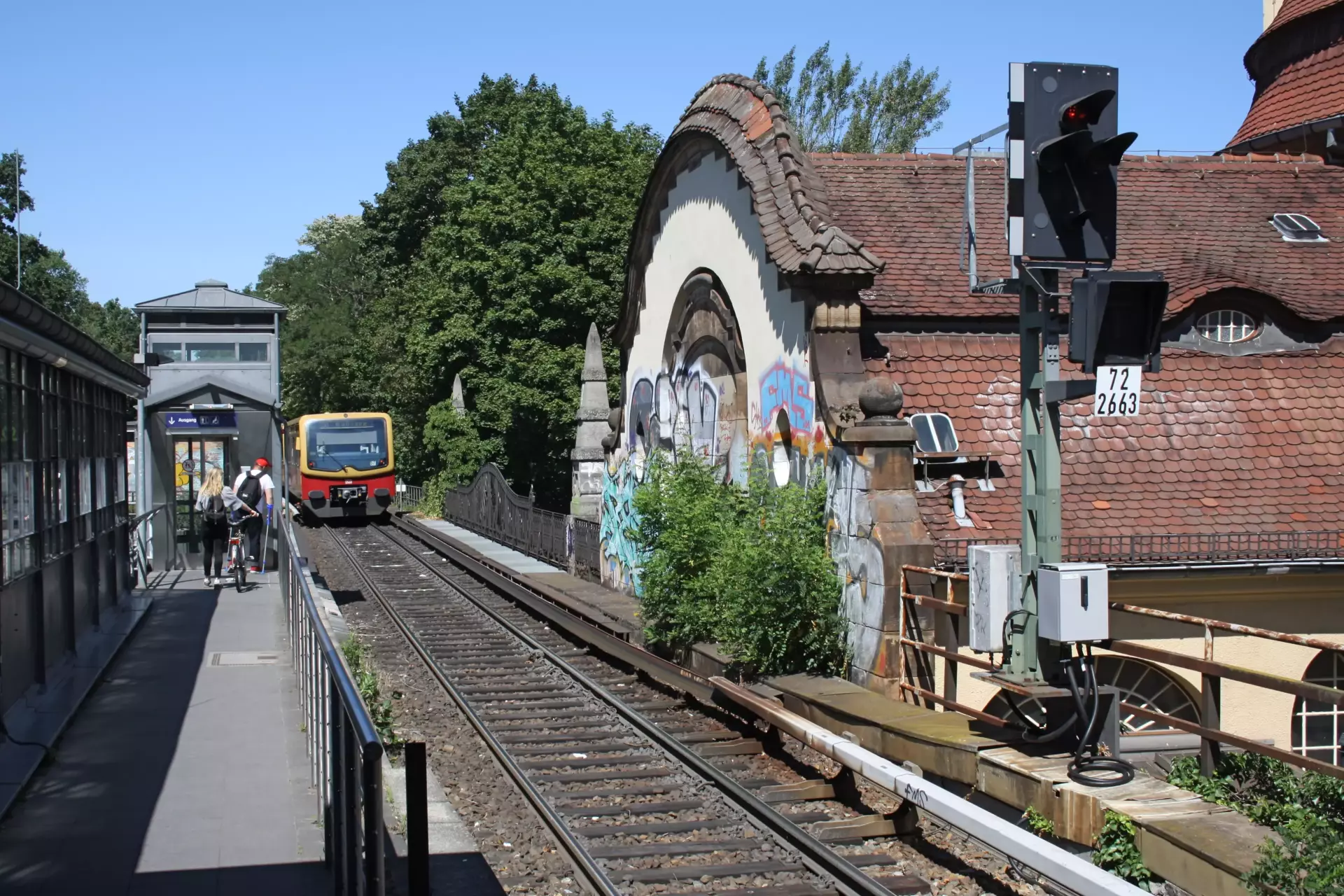
Heritage listed Art Nouveau railway station and charming surrounding city square.
The memorial site stretches along the full 1.5-km length of Bernauer Straße. The listing marker points to the visitor centre. Various monuments can be found along the entire length of the street, documenting nearby escape attempts and tunnels; captions are in German and English. The documentation centre across the street on Bernauer Straße/Ackerstraße is excellent (although most of the documentation is in German). The viewing platform next to the documentation centre gives you a tiny hint of the true scale of the Wall and how terrifying the "no man's land" between the two sections of walls must have been. The monument (that you can see from the platform) is a complete section of 4th generation wall - both inside and outside sections, and you can peer through from the east side to see the remains of the electric fence and anti-tank devices in the death strip. It really helps you understand what an incredible feat it was to get from one side to the other -- and why so many died doing it. The memorial site is often missed by tourists but an absolute must for anyone interested in this part of the city's history. It's a memorial to those who died crossing, so you won't, fortunately, get the tackiness of the Checkpoint Charlie area; instead you will be left with a haunting feeling of what life with the wall may have been really like.Bernauer Straße is a street with a great deal of Wall history: it came to tragic prominence on August 13, 1961 when East German authorities closed the border and the street (with houses in the East but the street in the West). Border guards walled the doors and windows shut to keep Easterners from escaping by jumping out the window while Westerners (including police and fire brigades who brought life nets to help catch refugees) looked on in horror. The first recorded Wall-related death - the notorious Peter Fechter case (he bled to death in the "no-man's-land" with both sides unwilling or unable to help him) - was here, as was one of the famous tunnels and the famous photograph of the GDR border guard leaping over the barbed wire.
Not far away from Schloss Tegel (at the "große Malche") you can take a look at the oldest tree in Berlin, an oak which has been growing there since about 1192 (so it's actually older than Berlin itself). The name ("fat Mary") allegedly stems from the brother Humboldt who named the tree after their overweight cook.
Museum established in 1888, with a collection of 3,500 instruments.
This museum is perhaps something you wouldn't expect in a major metropolis and truth be told it owes its existence in part to partition (when West Berlin schoolkids couldn't go to the surrounding Brandenburg countryside to experience rural life). Opened in 1975 it is an attempt to recreate as faithfully as feasible a medieval farming village from roughly the era of Berlin's founding (12th or 13th century). The village that existed at this place 800 years ago was not called "Düppel" back then as that name was only applied in the 1860s after the Prussian victory over Denmark at Dybbøl which was rendered into German as "Düppel" and applied to the area to honor a member of the Prussian royal family who owned land there.