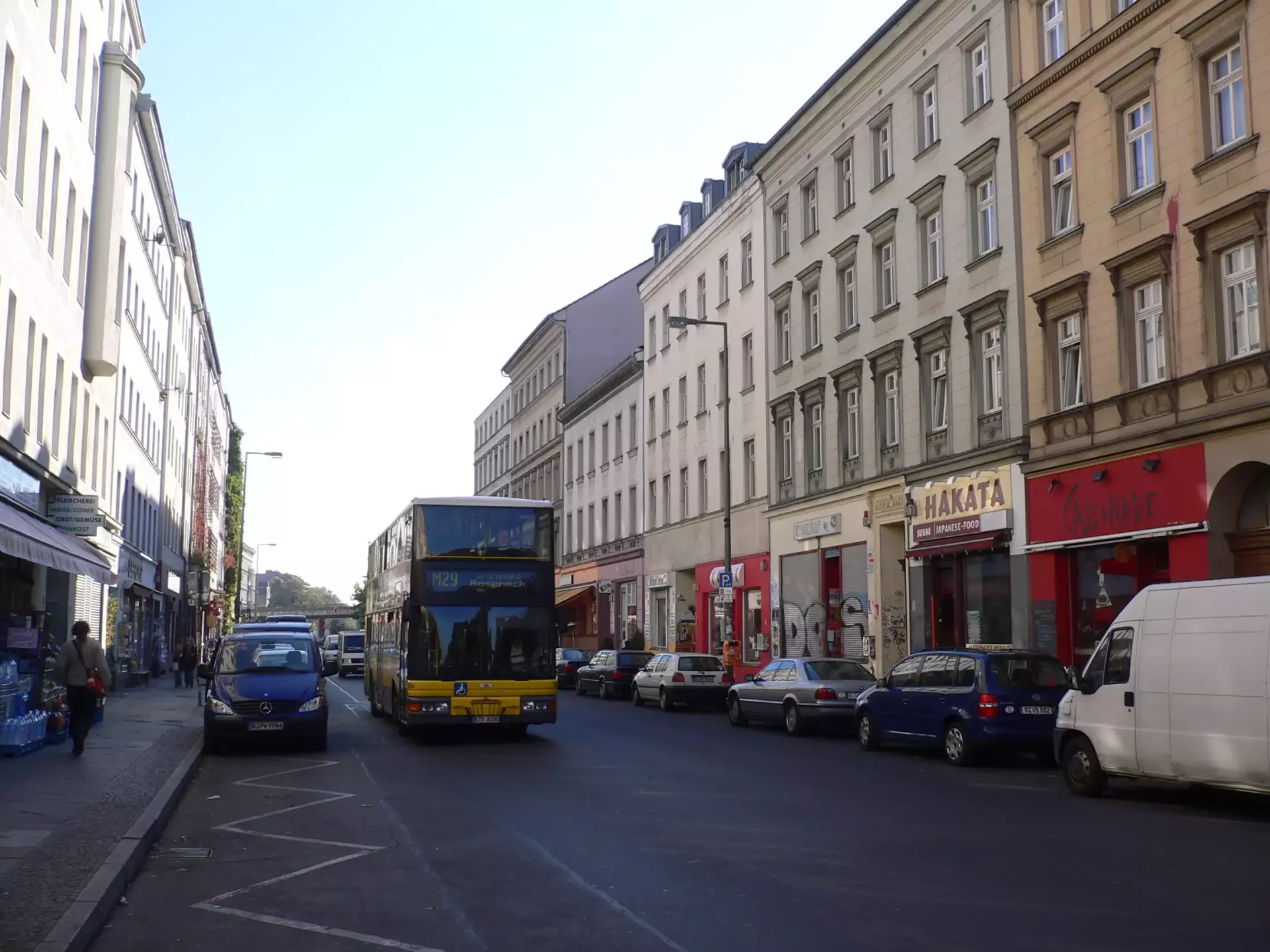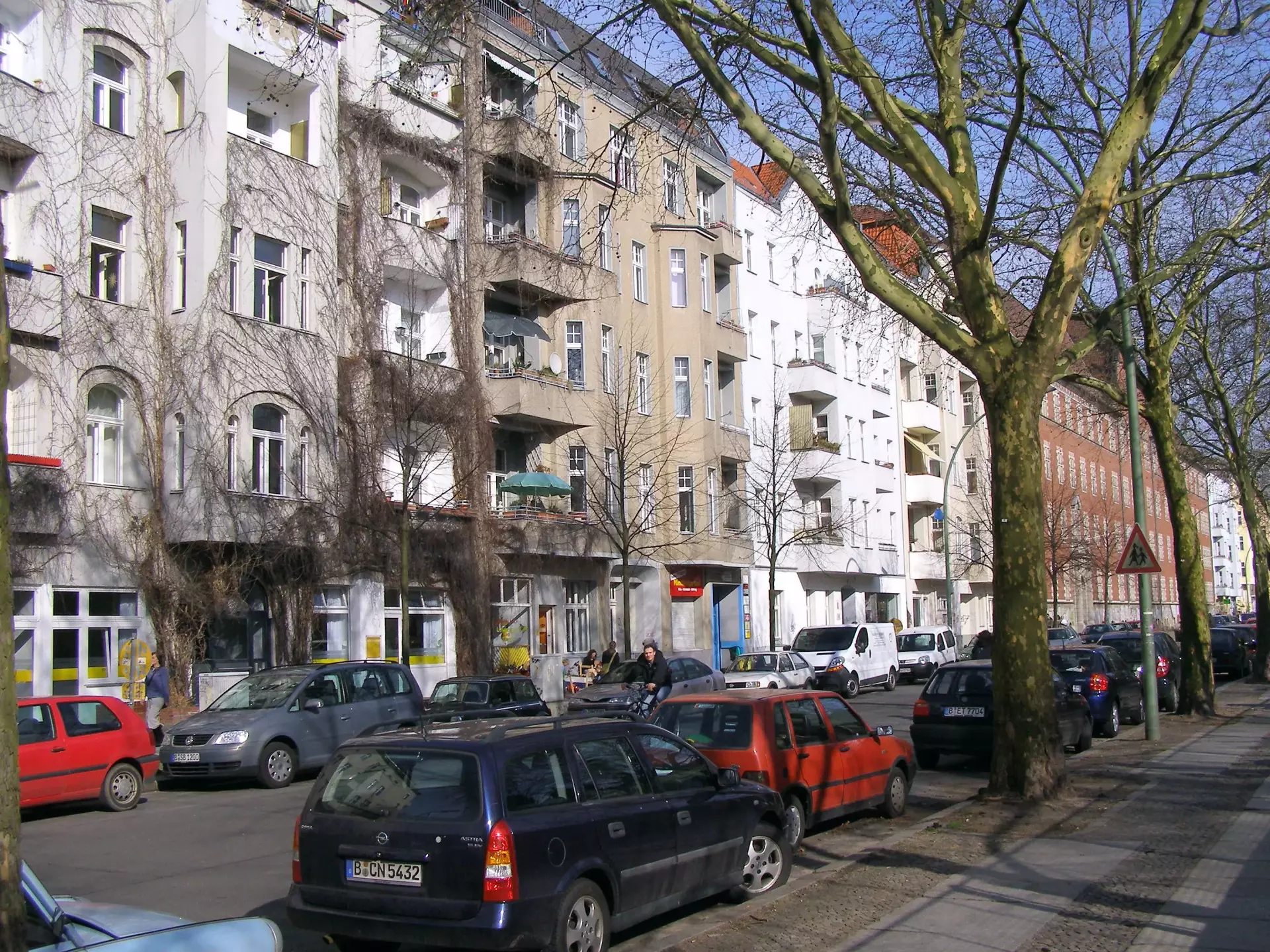
Bergmannstraße is a lively street in Berlin’s Kreuzberg district, known for its many shops, cafes, and restaurants. It offers a relaxed, local atmosphere and a more middle-class feel compared to other parts of the area. The pace is unhurried, the storefronts are varied, and the sidewalks are busy with people browsing, chatting, and lingering over coffee.
The street stretches past boutique clothing stores, bookshops, and specialty food markets. Windows display handmade goods and curated finds, while bakeries and delis invite passersby with fresh scents. Cafes set out small tables, creating pockets of conversation and quiet reading. Restaurants range from casual to refined, with menus that reflect both international flavors and Berlin comfort food.
Unlike the edgier vibe of Oranienstraße, Bergmannstraße feels polished yet approachable. Residential buildings with classic facades line the street, and tree shade softens the city noise. Families, students, and longtime residents share the space, giving it a lived-in quality. The rhythm here is steady: morning errands, midday coffee breaks, and evening dinners that spill into the night.
Bergmannstraße shows another side of Kreuzberg’s identity. It maintains the district’s creative spirit while leaning toward comfort and routine. Independent businesses set the tone, and the street functions as both a neighborhood hub and a destination. It mirrors Oranienstraße in energy and choice, while offering a calmer, more settled backdrop.
The only surviving Berlin city gate and a potent symbol of the city. This is the point where Straße des 17. Juni becomes Unter den Linden. The gate was designed by Carl Gotthard Langhans in 1791 and was intended to resemble the Acropolis in Athens. The Brandenburg Gate now symbolizes reunification, after dividing East and West Berlin for decades. This is the site of Reagan's "Mr. Gorbachev open this gate, Mr. Gorbachev tear down this wall" speech.
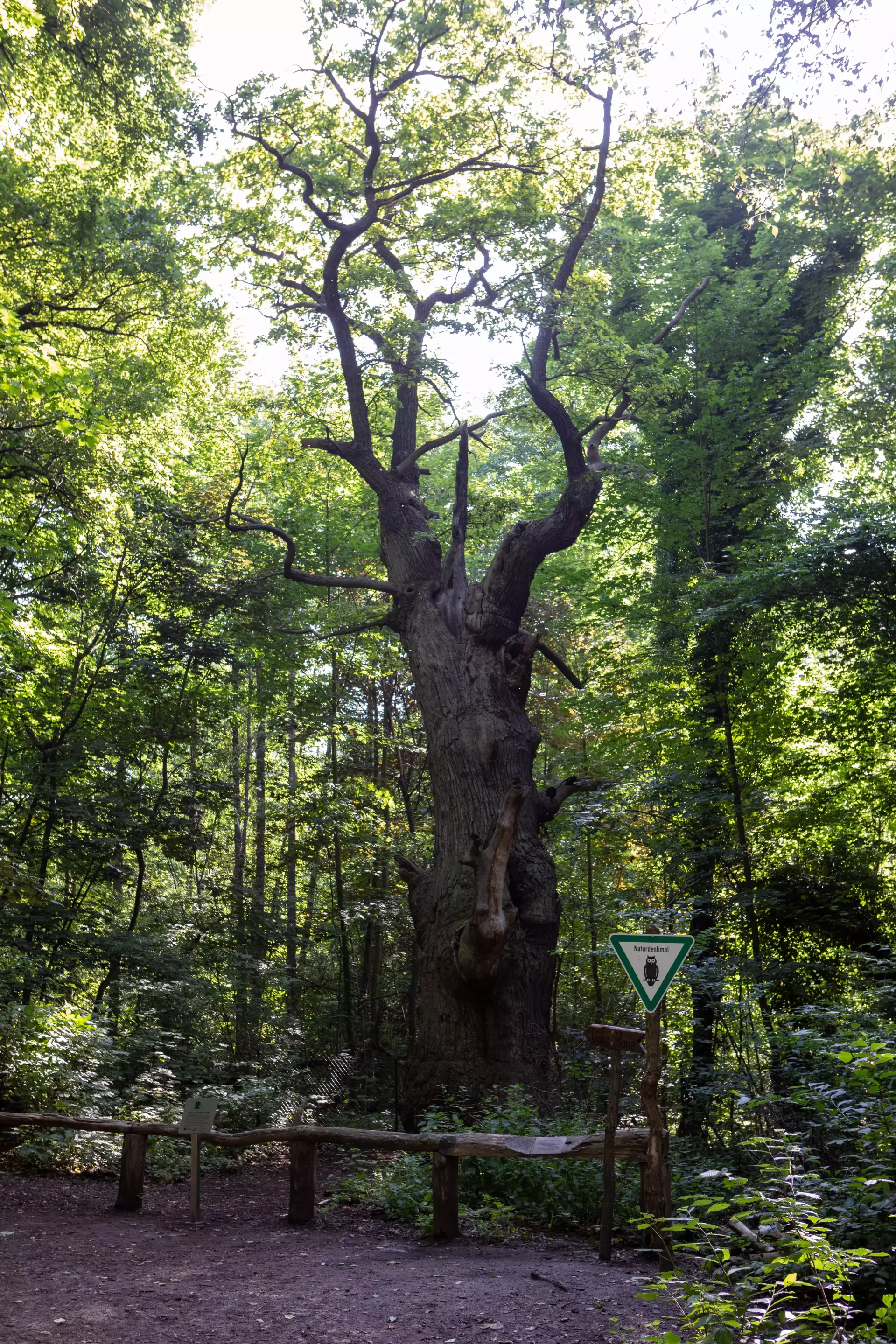
Built in 1542. An impressive traditional country estate with stately architecture, it is an enclave of untouched regional cultural history and architectonic epochs. The 80-hectare mixed forest also provides a wide network of paths for walking and rambling.
The longest stretch of the Berlin Wall still in existence, painted by artists in 1991 and restored in 2009, after years of decay. At Mühlenstraße, next to the river Spree. The murals are painted on the east side of the wall after the fall of Communism; so they are not from the Cold War, during which murals could only be painted on the west side. Make sure not to miss the famous mural of a car seemingly crashing through the wall with Leonid Brezhnev and Erich Honecker kissing above it. It is actually on the back side of the gallery (it is facing away from the street.) It is just inside the entrance of the Eastern Comfort Hostel, near the east end of the gallery.
The building of one of Berlin’s oldest breweries is a ravishingly beautiful and heritage-protected industrial monument.
A museum dedicated to everyday life in communist East Germany. The museum has very relaxed rules and you are allowed to touch and examine almost every object, which adds greatly to the experience.
The Bierpinsel ("beer brush") is a building in Steglitz which resembles an observation tower and is famous for its pop-art appearance. The futuristic, landmarked building was built from 1972 to 1976 and has since been used as restaurant, night club, bar, radio station and art café.
The synagogue in the backyard of an apartment house is one of the biggest in Germany.
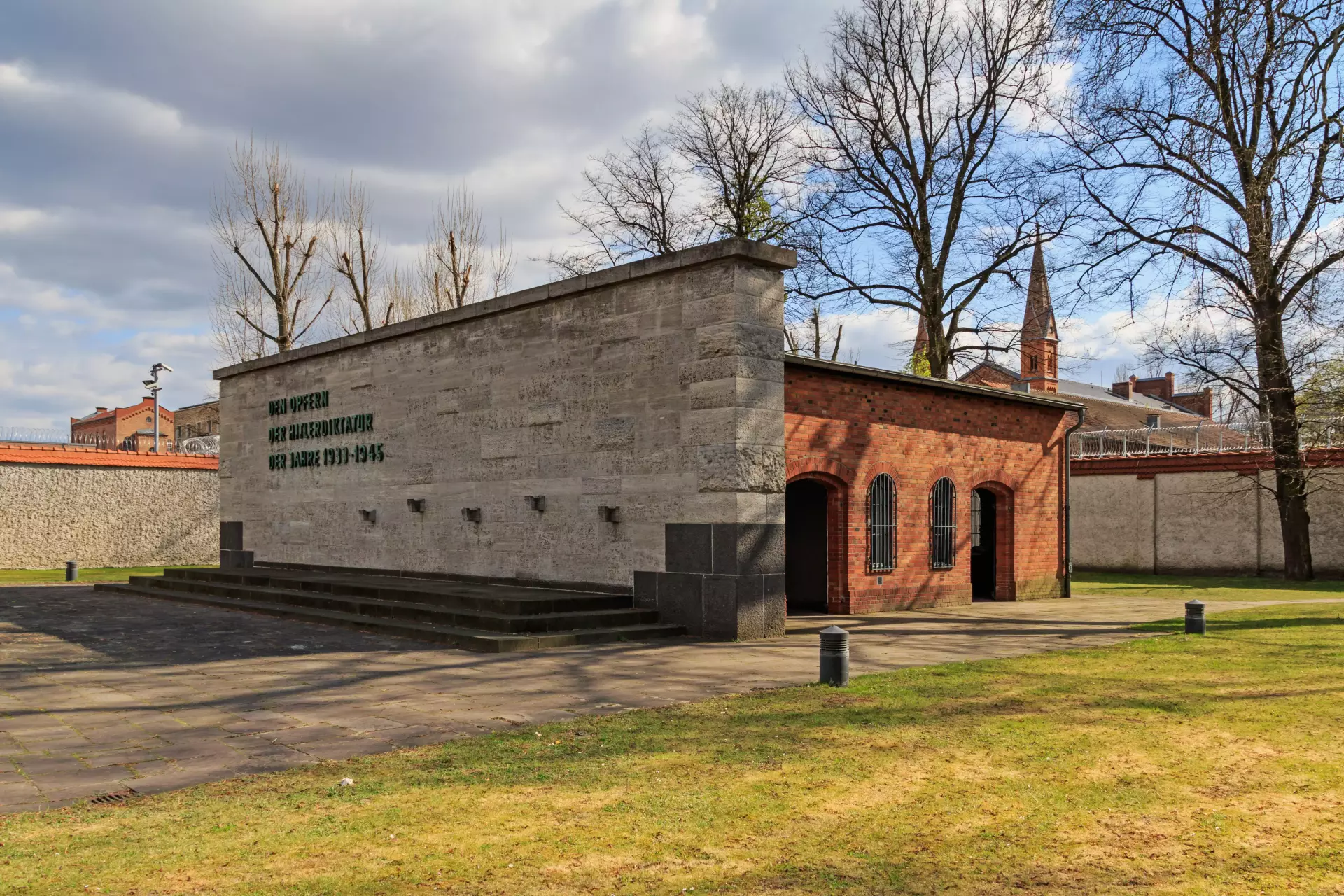
An eerie memorial to victims of the Nazi regime built on the place of a former execution room, where nearly 2900 people where put to death between 1933 and 1945.
One of the oldest buildings in Charlottenburg and actually the reason for the whole city to be built.
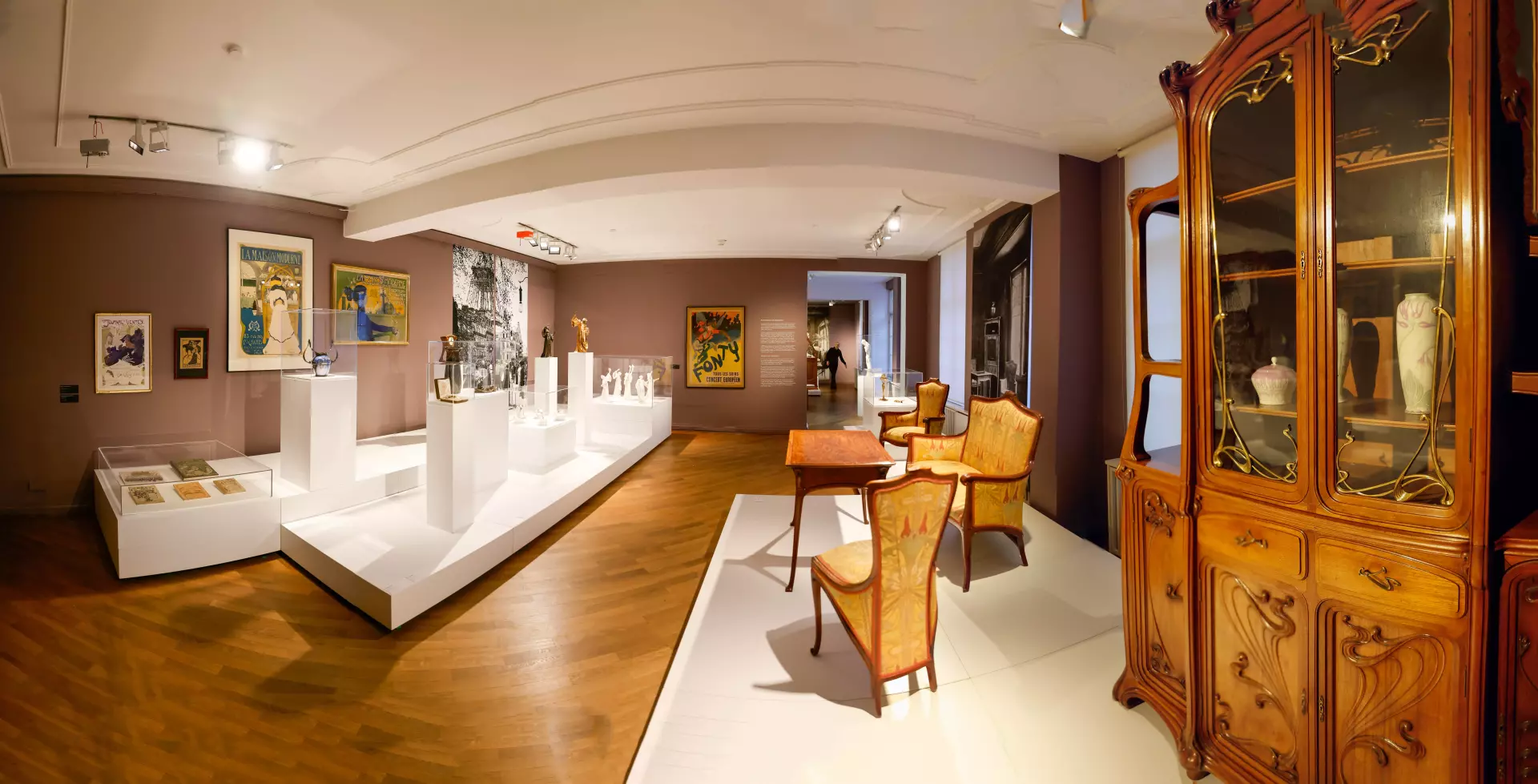
It was a museum of applied arts and a listed historical monument since 1966, and it is now a well-known Berlin exhibition hall.