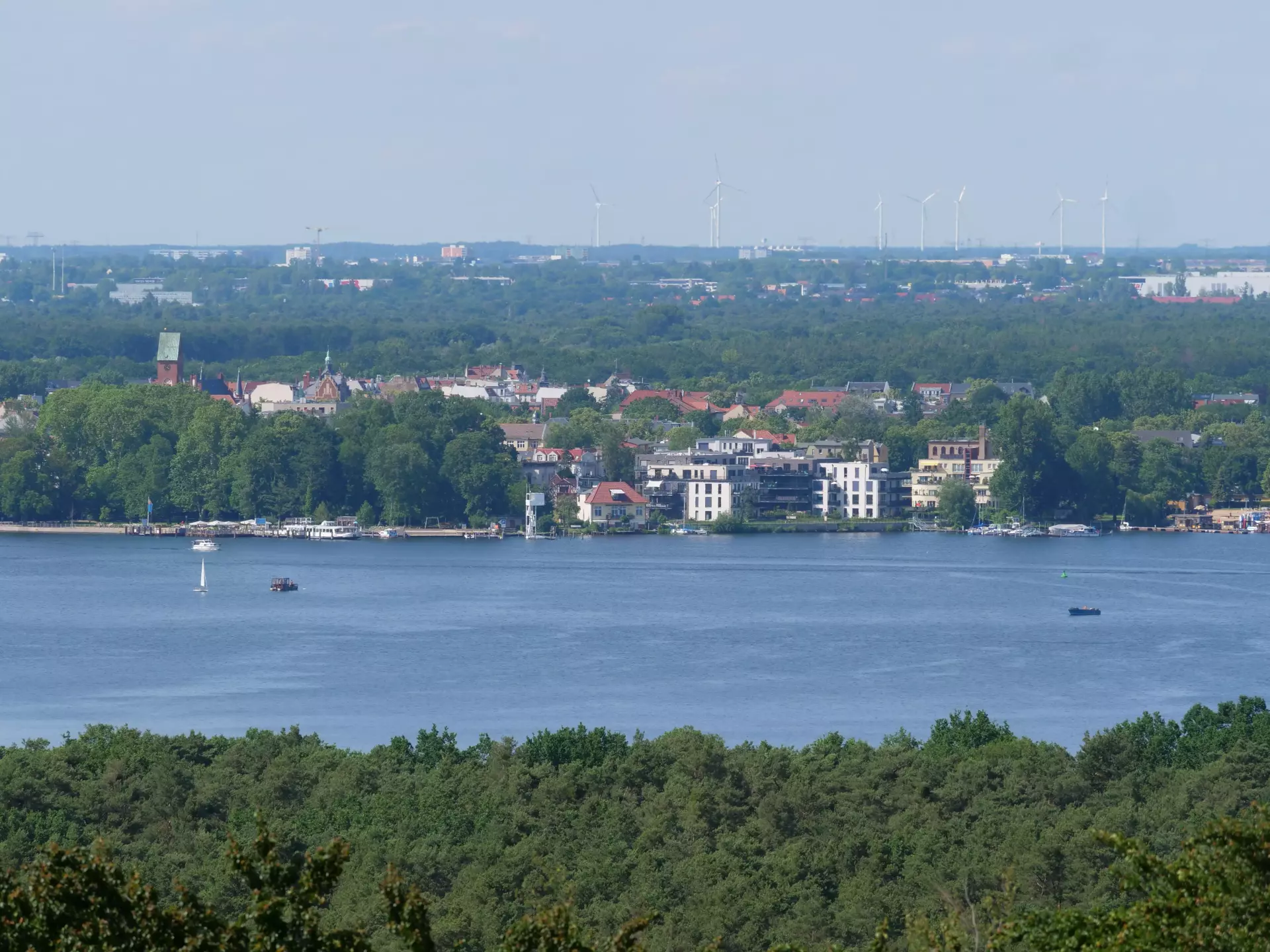
Berlin’s largest lake offers wide horizons, sandy bays, and long reed-lined shores. It draws swimmers, paddlers, and sailors through the warm months, and its open water and forested edges bring a calmer rhythm to a busy city day.
Müggelsee stretches broad and shallow, which means summer water warms quickly and winds often carry small sailboats across the surface. Families spread towels along small beaches, while swimmers follow marked zones near the shore. Stand-up paddleboards and kayaks drift past fishing jetties, and rowers trace steady lines at sunrise. On breezier afternoons, windsurfers skim the chop as tour boats cut gentle arcs between piers.
Quiet coves around the inlets suit beginner paddlers, and rental spots operate near the main bathing areas when the season opens. Lifeguard stations monitor popular sections during peak times, and lakeside kiosks serve cold drinks and snacks with views back toward the city skyline.
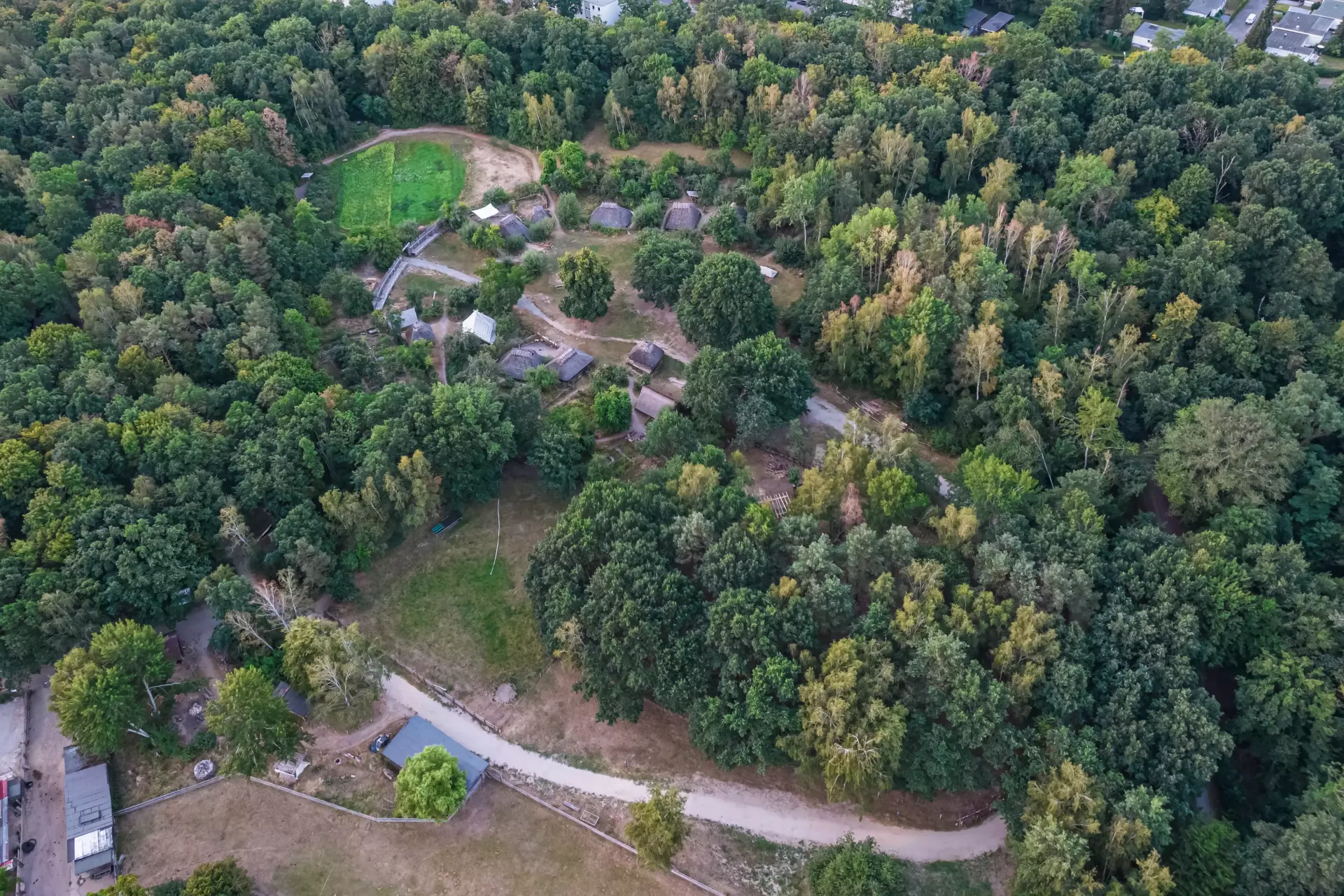
A ring of trails follows the water’s edge and slips into the Müggelwald, a dense forest of pine and birch. Cyclists take the flat lakeside route, while walkers step onto sandy tracks that lead to small lookout points and wooden docks. Birdsong carries over the reeds, and in late afternoon the light reflects off the water onto the tree trunks, giving the paths a soft glow.
Between stretches of forest, small marinas appear with moored boats and creaking masts. Occasional clearings open to swimming spots, making it easy to switch between a shoreline stroll and a dip in the lake.
Reaching Müggelsee by public transport is straightforward, and the tram ride adds to the day. Lines running through the southeast pass quiet residential streets and allotment gardens before arriving near the water. From the final stops, short walks lead to beaches, piers, and rental stands. The steady click and glide of the tram sets a relaxed pace that continues on arrival at the lake.
Source - https://en.wikipedia.org/wiki/M%C3%BCggelsee
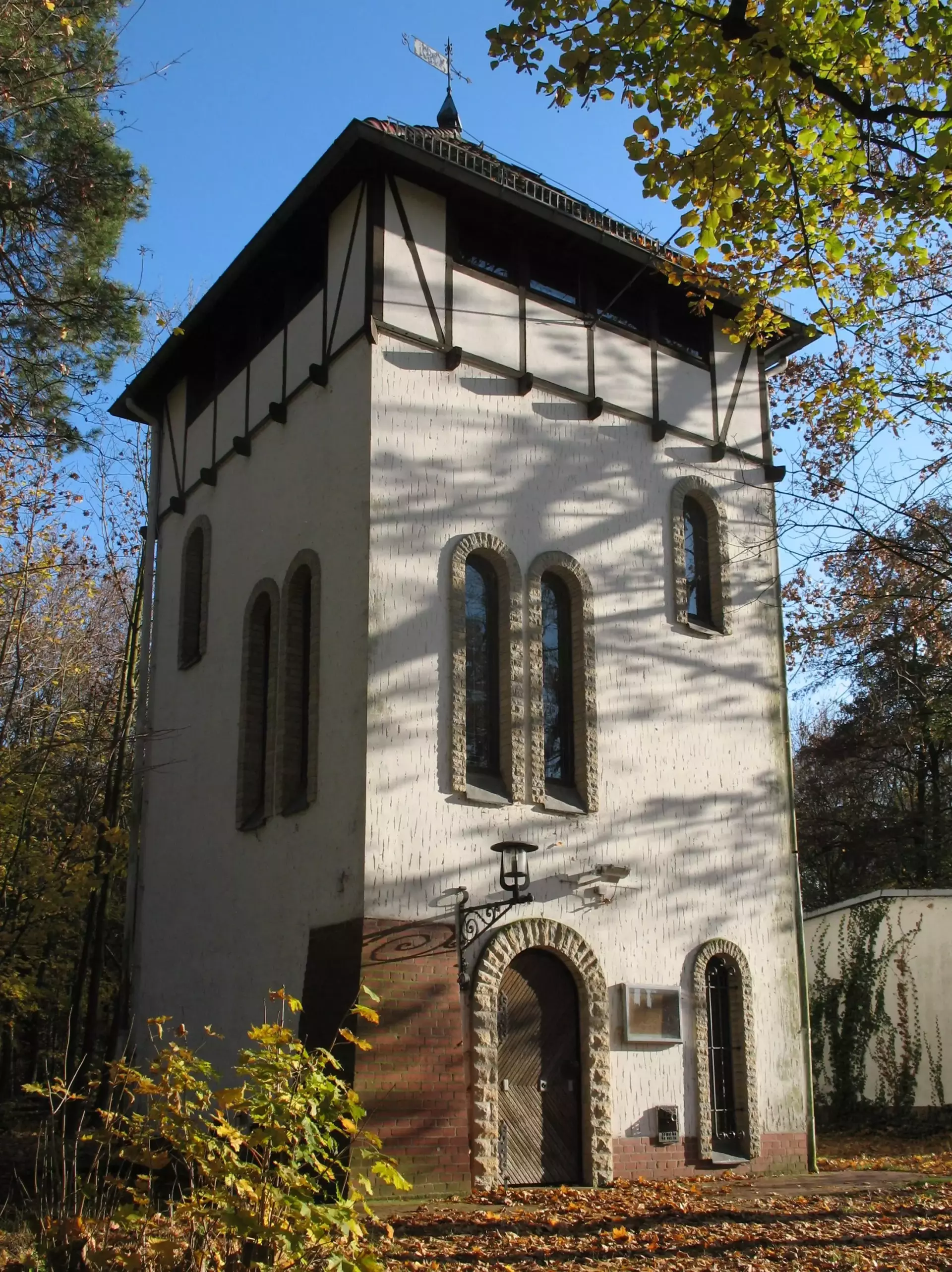
An observation tower without an elevator in Southeast Berlin, from which you can see that there is a great deal of forest around Berlin. There is a cafe at the tower.
The old town of Köpenick is surrounded by water. Especially noteworthy are the Köpenick Palace which houses a museum of applied art and the Neogothic town hall.
Designed by Hans Poelzig in 1929, it is the first self-contained broadcasting house in the world and it is still in use today.
German historical museum covering everything from pre-history up to the present day. One can spend many, many hours here! The building from 1695/1730 was the Zeughaus (Arsenal) until 1876.
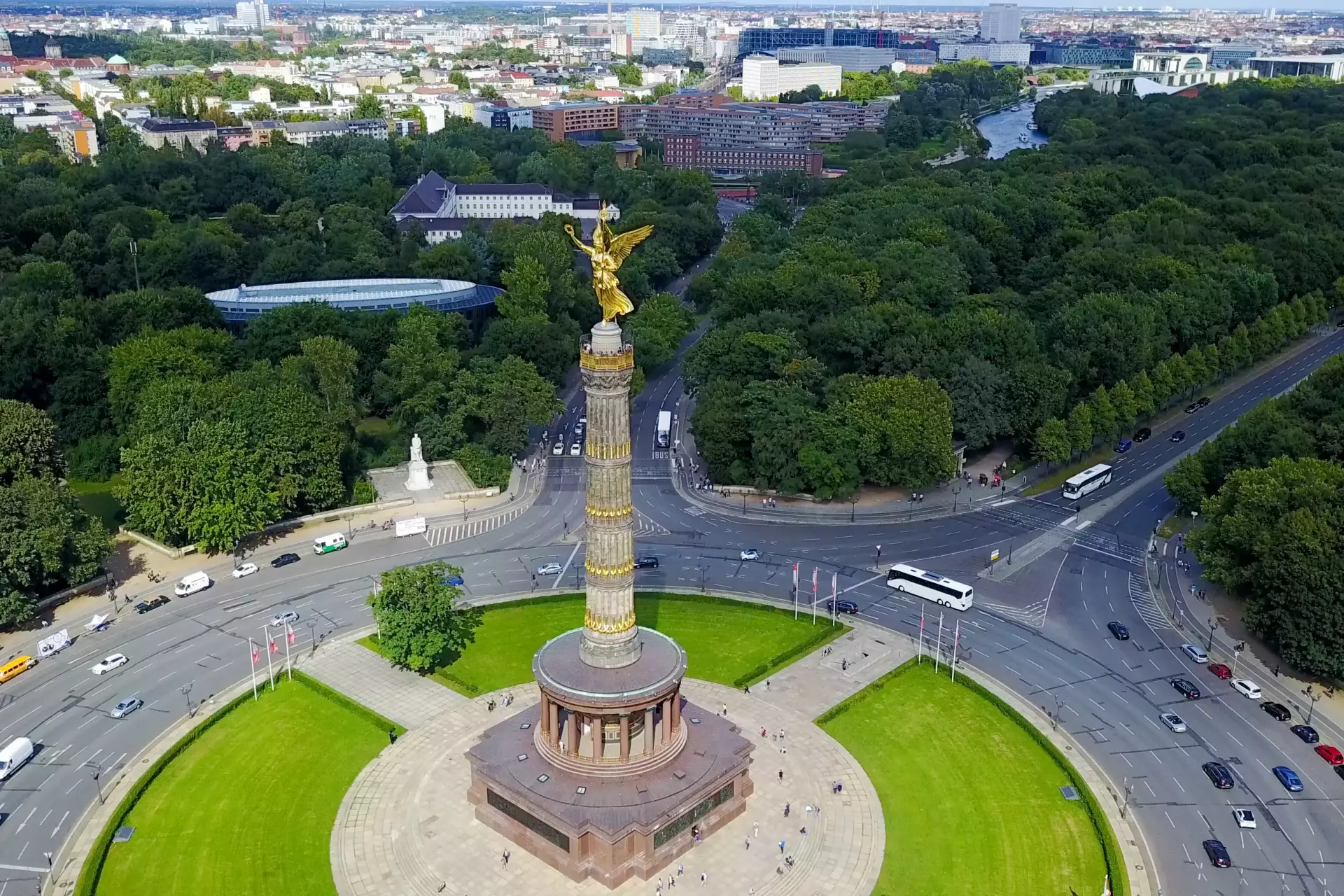
The area to the north of Tiergarten, along the bow of the river Spree (Spreebogen), is home to the German federal institutions such as the parliament (Bundestag, in the historic Reichstag building) and the federal government, as well as the new central train station (Hauptbahnhof) across the river.
Museum of Contemporary Art located in former Hamburger Bahnhof train station. Big halls filled with artworks made since 1960s. In 2004 Rieckhallen, former Lehrter Bahnhof, was opened and now provides exhibition space for the Friedrich Christian Flick Collection. Free public guided tours (in English): Sa and Su at 12:00.
Gothic church, the second oldest (built in late 13th century) of the historical centre of Berlin. It's the highest church tower of Berlin (about 90 m), but seems rather small beneath the gigantic TV tower. The church tower was built in the late 18th century by Carl Gotthard Langhans, the architect of the Brandenburg Gate.
The only surviving Berlin city gate and a potent symbol of the city. This is the point where Straße des 17. Juni becomes Unter den Linden. The gate was designed by Carl Gotthard Langhans in 1791 and was intended to resemble the Acropolis in Athens. The Brandenburg Gate now symbolizes reunification, after dividing East and West Berlin for decades. This is the site of Reagan's "Mr. Gorbachev open this gate, Mr. Gorbachev tear down this wall" speech.
With the Kreuzberg, a hill in Kreuzberg 61, the Prussian National Monument by Schinkel and a waterfall. Superb panoramic views across south Berlin.
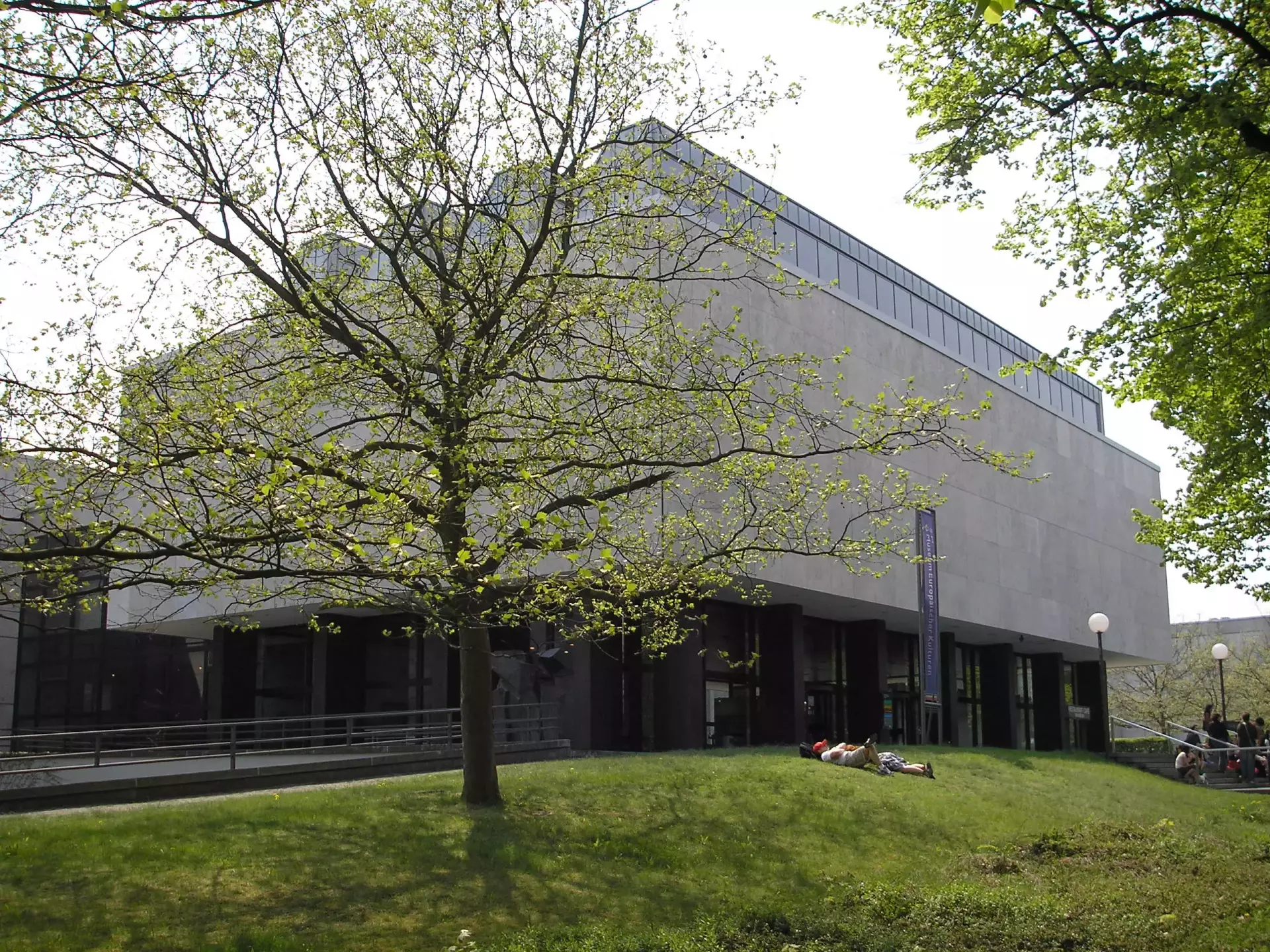
Germany's national centre for contemporary non-European art. The house is a leading centre for the contemporary arts and a venue for projects breaking through artistic boundaries. This architectural landmark was an American contribution to the international building exhibition INTERBAU 1957 as an embodiment of the free exchange of ideas. Colloquially called Schwangere Auster (Pregnant Oyster).
The district town hall was the main town hall for West Berlin during the Cold War. The freedom bell (a present from the American people) and several memorials from that time can be found here. On the main balcony in 1963 U.S. President John F. Kennedy made his famous statement, "All free men, wherever they may live, are citizens of Berlin, and, therefore, as a free man, I take pride in the words ‘Ich bin ein Berliner!’". On 10 November 1989 Helmut Kohl (chancellor (Bundeskanzler) 1982-1998) and Willy Brandt (former Bundeskanzler and mayor of Berlin) cheering the crowd as they saw the end of the Berlin Wall the night before. The town hall is an emotional place for most people in Berlin (especially West Berlin).
Take a stroll for a few kilometers along this canal which runs right through the heart of Kreuzberg. It's peaceful and mostly traffic-free, but full of life in summer. Some parts are lined with bars and restaurants with terraces. Sit on a bench or terrace and watch the world go by on a summer evening.
It was a museum of applied arts and a listed historical monument since 1966, and it is now a well-known Berlin exhibition hall.