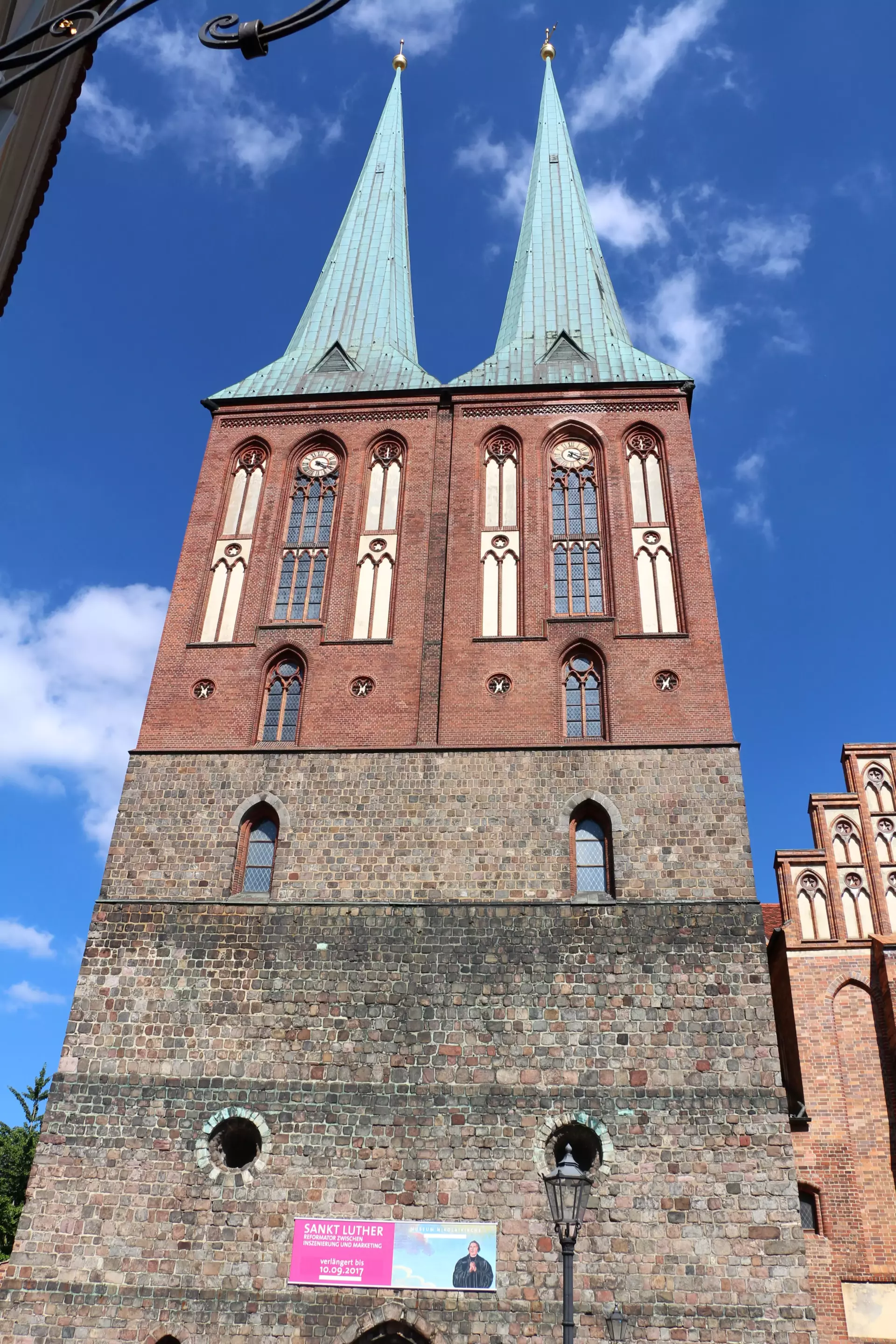
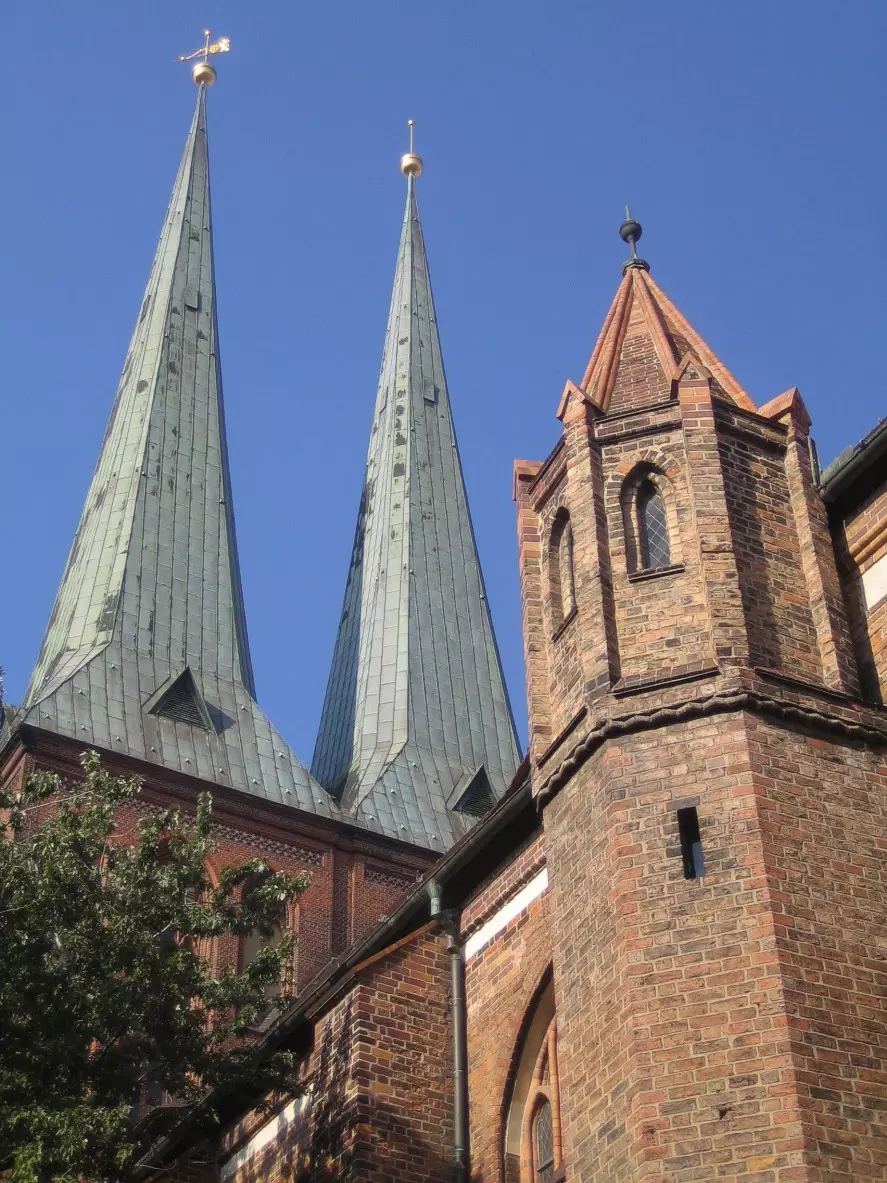
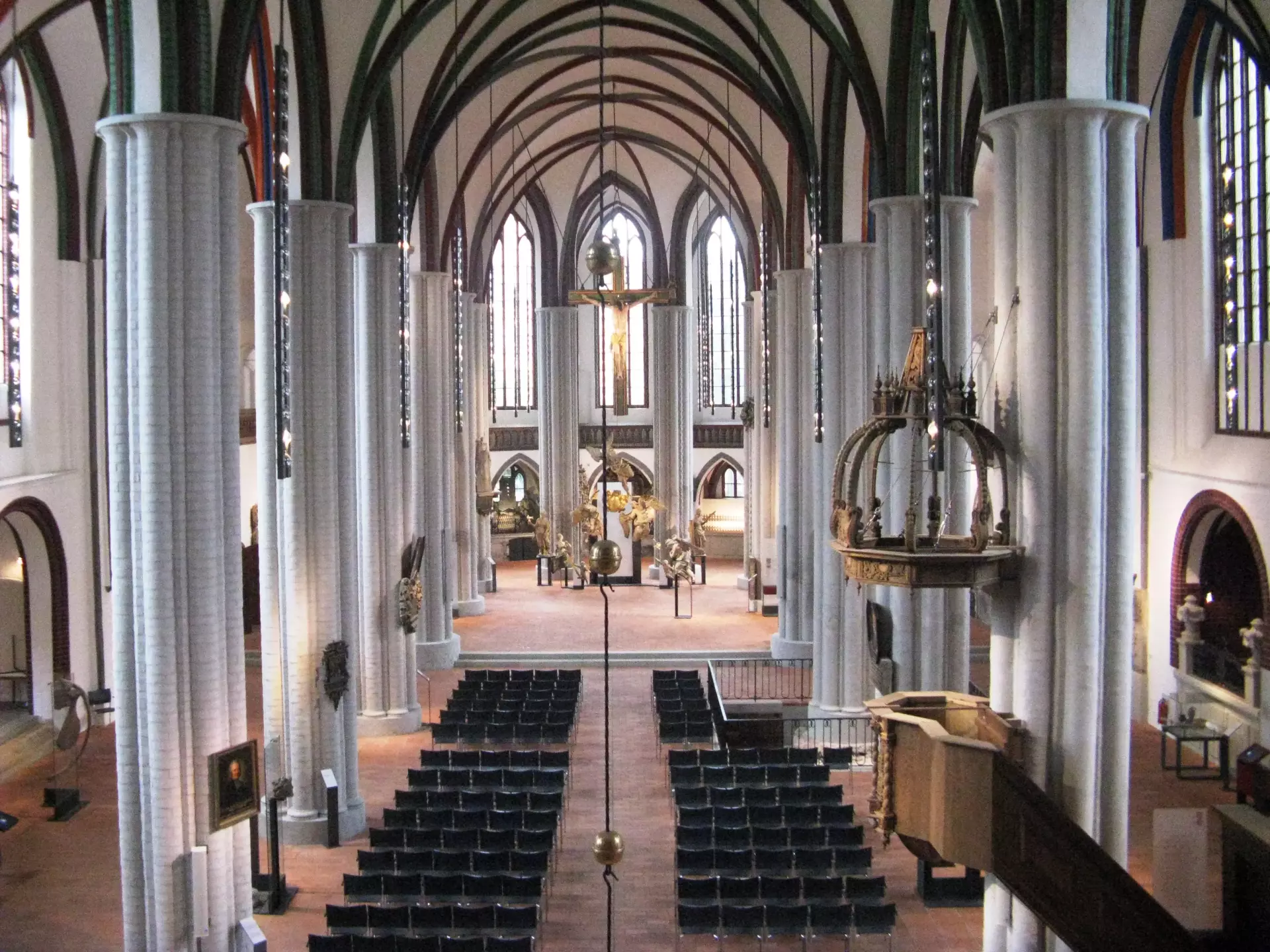
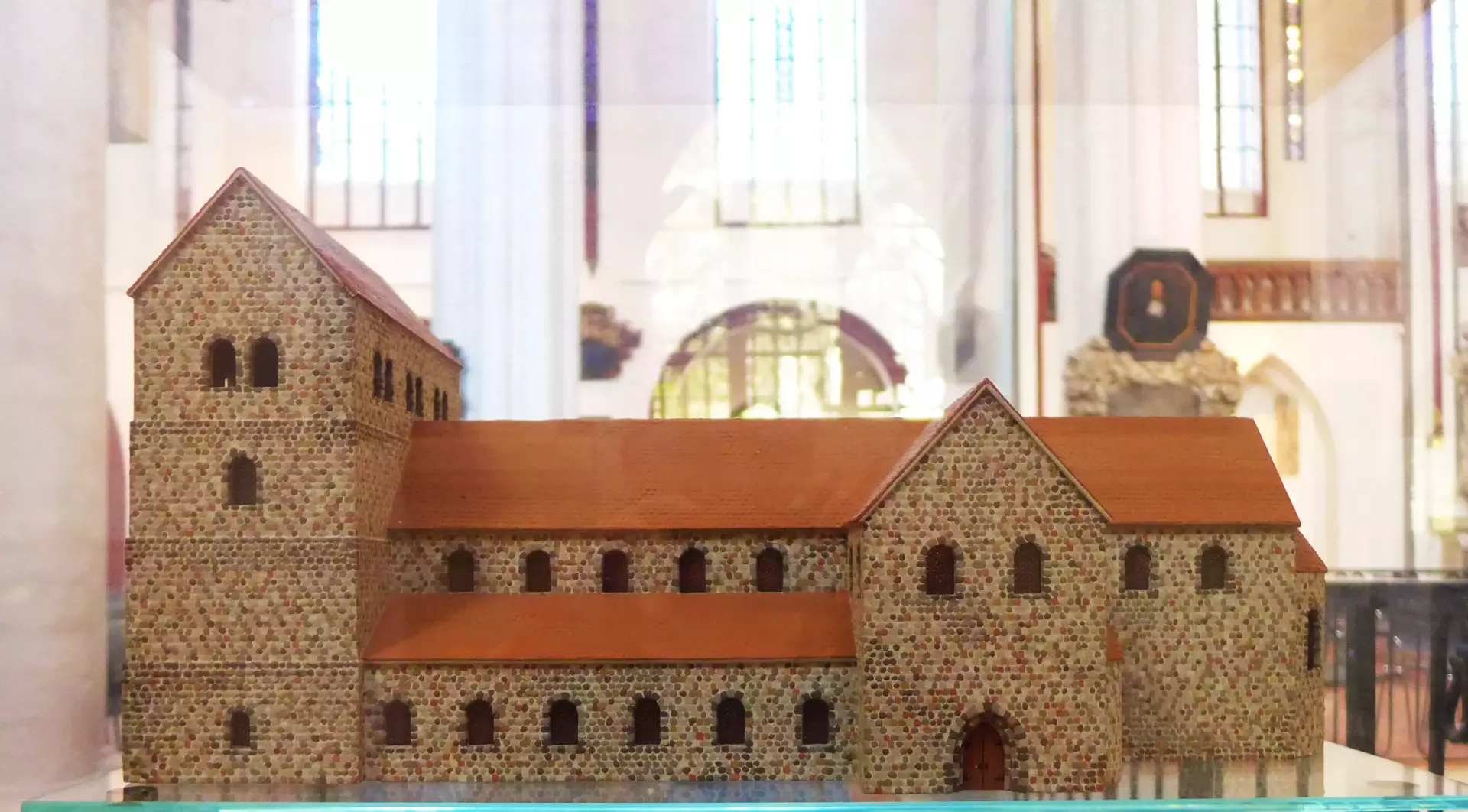
Berlin’s oldest church dates to 1230 and stands as a three-nave hall church. It rises at the heart of Nikolaiviertel, an area heavily damaged during the Second World War and later reshaped by East German planners. Rather than a faithful reconstruction of the medieval quarter, the district became a patchwork of relocated historic buildings and new structures. Apartment blocks completed in 1988 were designed to blend in with the past, with results that often feel awkward beside genuinely old facades.
Unlike much of its surroundings, the Nikolaikirche was renovated rather than rebuilt from scratch. After destruction in 1938 and decades of neglect, it was reconstructed in the 1970s under the GDR, not as a place of worship but as a museum—a role it finally assumed in 1987. Today, the building’s restored brickwork and soaring interior tell a layered story of Berlin’s past: medieval origins, wartime loss, and socialist-era reinterpretation.
The church is known for the Spandauer Madonna, a sandstone sculpture dated around 1290, which draws attention for its graceful form and early Gothic character. The museum collection reaches beyond this single piece, displaying sacred textiles and religious sculptures spanning the fourteenth to the sixteenth centuries. Together, these works offer a close view of craftsmanship and devotion across late medieval northern Europe.
Within Nikolaiviertel, the church functions as the marquee landmark, anchoring a district whose origin story remains debated. Between relocated historical fragments and 1980s infill designed to “harmonize” with the old, the atmosphere reflects the period’s urban ambitions as much as the city’s deeper history. In this setting, the Nikolaikirche stands out as an authentic survivor amid a reconstructed stage.
Source - https://en.wikipedia.org/wiki/St._Nicholas_Church,_Berlin
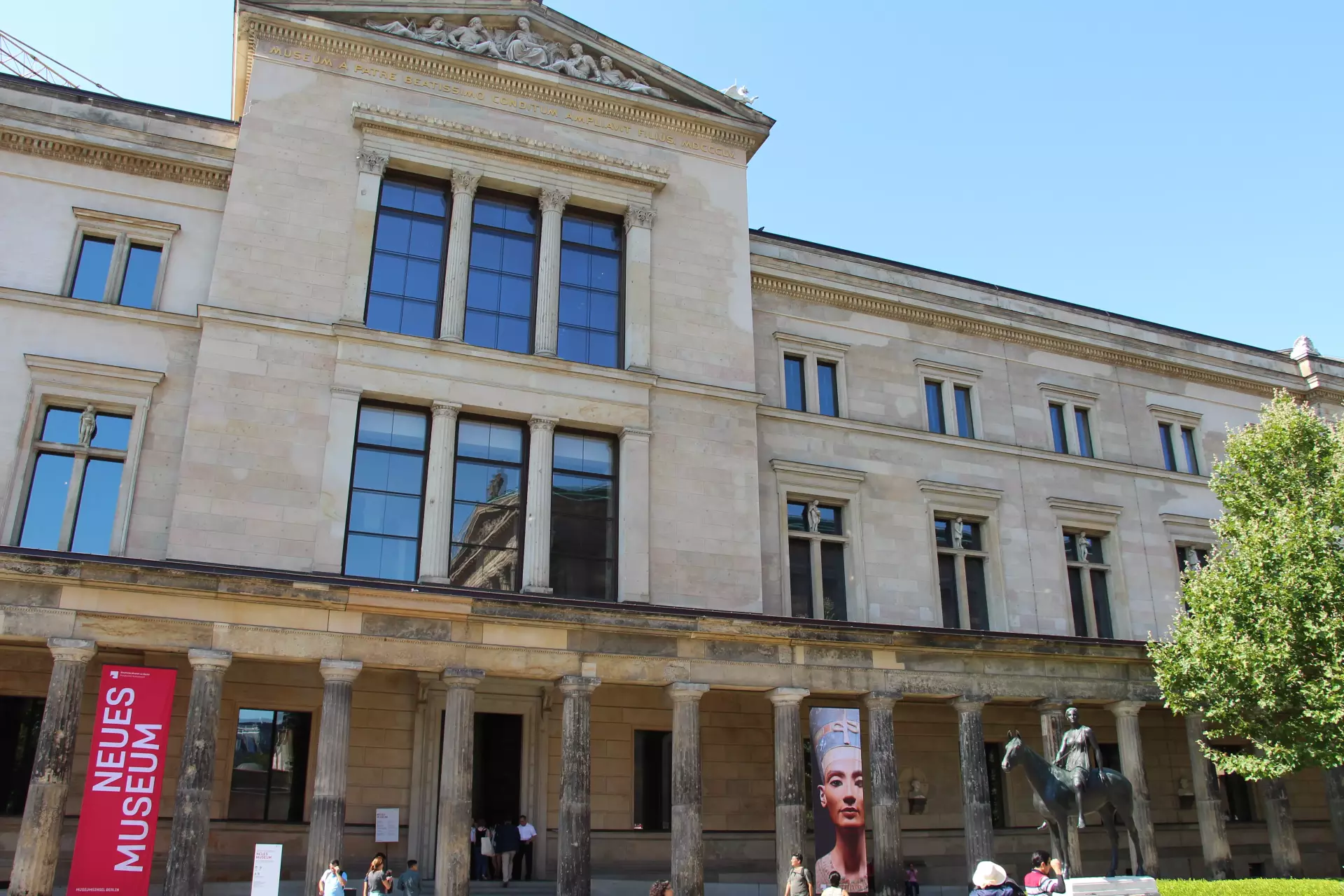
The main floor houses the antiquities collection in an ongoing exhibit called "Neue Antike im Alten Museum" (New Antiquities in the Old Museum). Directly through the front door, entering from the Lustgarten (Pleasure Garden, now under reconstruction), there is a domed rotunda with red and white cameos, Greek-style, with statues of the gods. To reach the Hildesheim silver collection, go to the back of the rotunda, turn left, walk through the long gallery and turn left into a small room at the end.
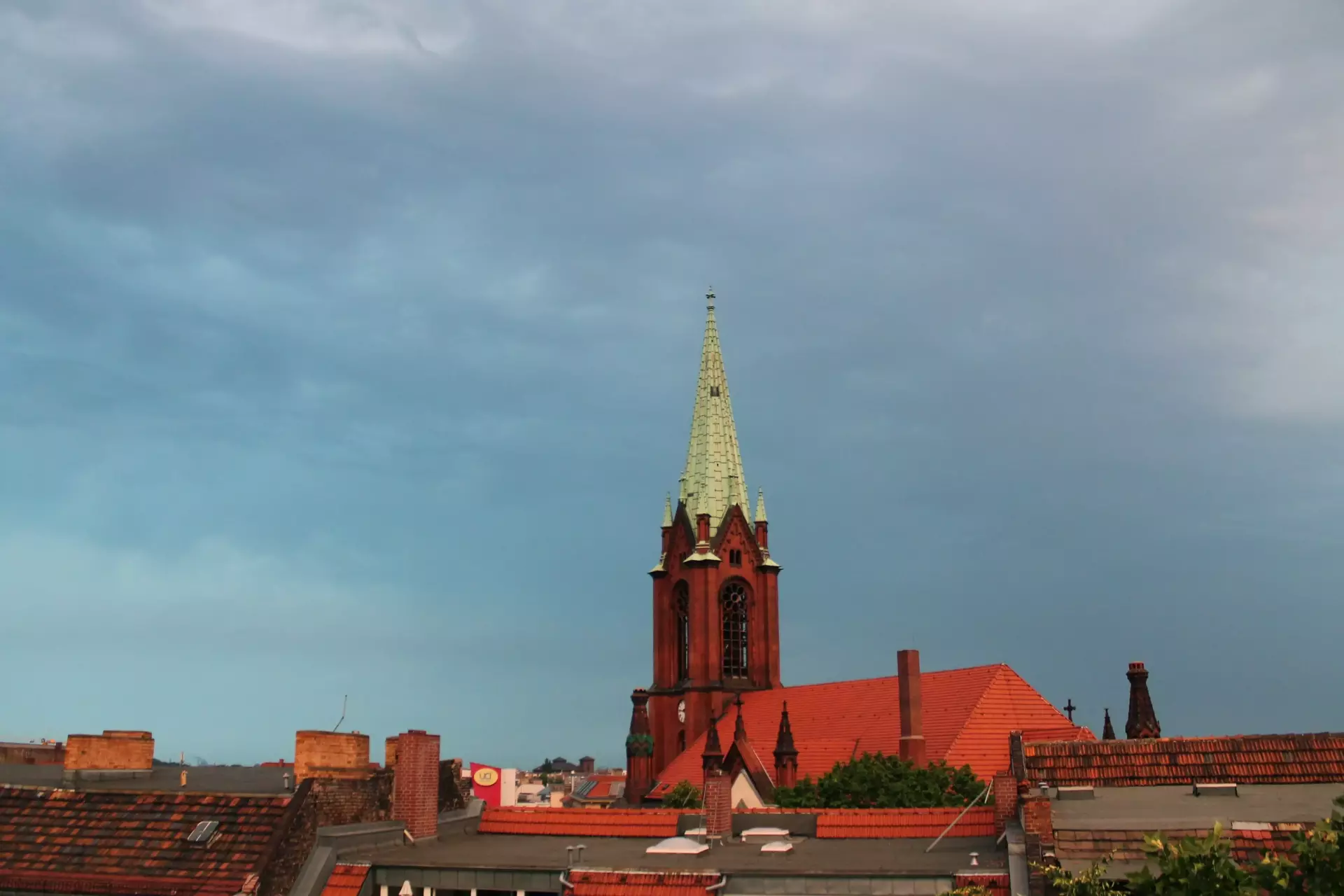
The meeting point of one of the leading oppositions against the GDR regime and is a great Neogothic church. Also the only ecumenical Lord's supper with Protestants and Catholics together took place in the Gethsemanekirche (2003).
Again one of the world's most comprehensive ones. At the museum district of Dahlem.
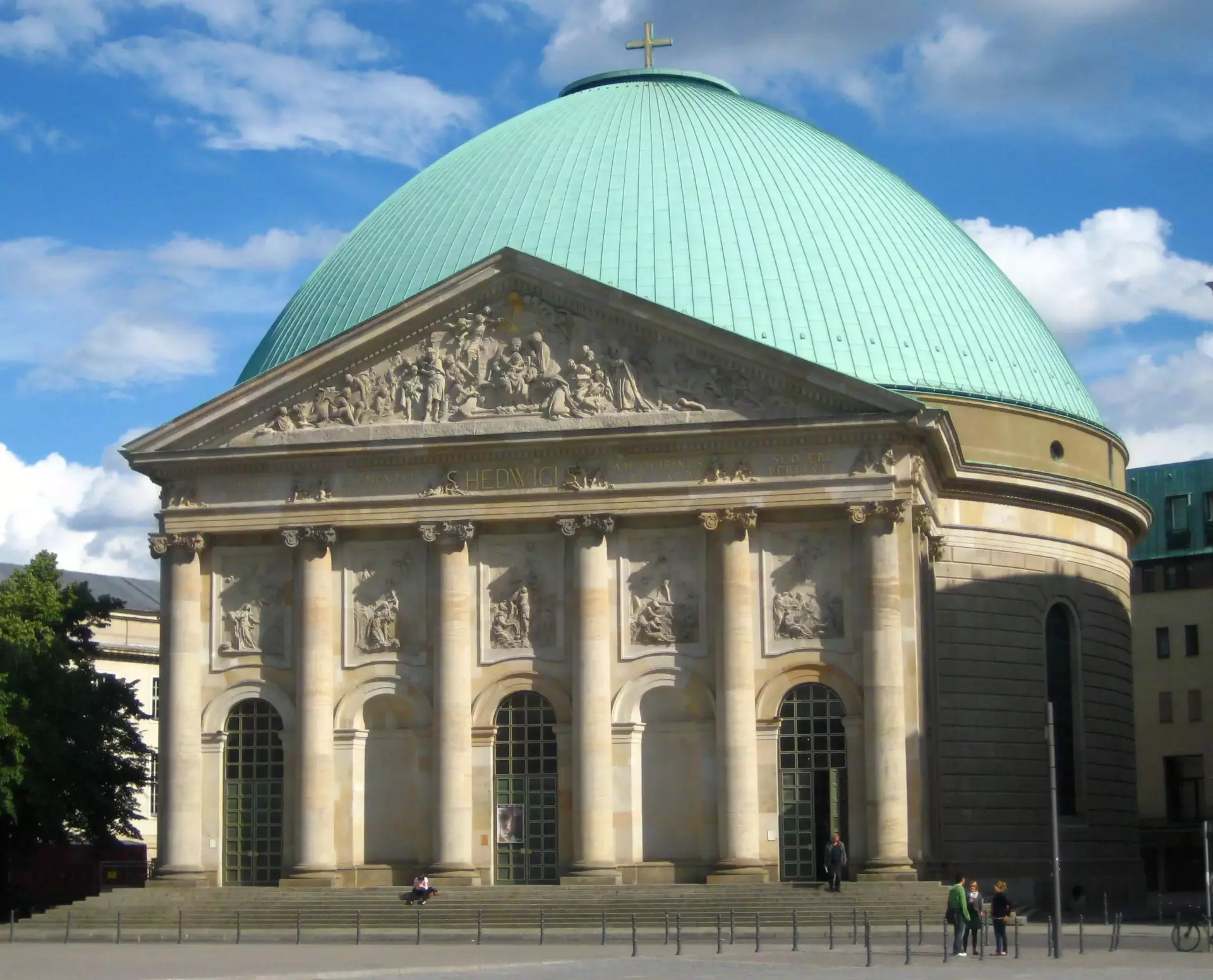
A domed church at Bebelplatz/Unter den Linden, the oldest (mid-18th century) and one of the biggest Catholic churches in Berlin. Interior was redesigned in a modern style in the 1950s, but there are still many treasure chambers in the basement.
Includes the Panoramapunkt, the viewing terrace located 101 metres above ground, accessible by Europe's fastest elevator.
A museum dedicated to everyday life in communist East Germany. The museum has very relaxed rules and you are allowed to touch and examine almost every object, which adds greatly to the experience.
With the Kreuzberg, a hill in Kreuzberg 61, the Prussian National Monument by Schinkel and a waterfall. Superb panoramic views across south Berlin.
Built 1859-1866 this is one of the most architecturally stunning synagogues in Germany to survive both the Nazi era and the war.
This imposing building houses the Federal German Parliament or "Bundestag" and was completed in 1894 to meet the need of the newly-unified German Empire of the Kaisers for a larger parliamentary building. The Reichstag was intended to resemble a Renaissance palace, and its architect, Paul Wallot, dedicated the building to the German people. The massive inscription in front still reads: "Dem Deutschen Volke" - 'For the German people'. The Nazi leader Adolf Hitler exploited the fire which gutted the Reichstag building in 1933 by blaming the Communists for the arson and for attempted revolution. There is good evidence to suggest, however, that his followers were actually responsible and that this was a manufactured crisis. The iconic photo symbolizing the Soviet victory over Nazi Germany shows a Soviet soldier planting the Soviet flag on top of the building and there are to this day graffiti left by Soviet soldiers on some walls of the Reichstag which were deliberately preserved by the new Germany as a memento of the war. It's perhaps the only national parliament to have traces left by a foreign army deliberately preserved. When German reunification became a reality, the new republic was proclaimed here at midnight on 2 October 1990. The Reichstag building is well-known in the art world thanks to Paris-based Bulgarian artist Christo's mammoth 'Wrapped Reichstag' project in 1995. The entire building was swathed in silver cloth for two weeks that summer.The Reichstag has undergone considerable restoration and alteration, including the addition of a spectacular glass dome designed by the British architect Norman Foster completed in 1999. You can visit the Reichstag building proper and even listen to a parliamentary debate but you need to book on their website sometimes weeks or even months in advance. Fortunately its much easier to visit the glass dome. You can reserve a visiting time and date on their website or in the small building across Scheidmannstrasse, except during the high season you should be able to arrange a time later the same day or the next day. Photo ID or passport is required to make the booking. A passsport is required during your visit. This is a very popular tourist attraction in Berlin and can get quite crowded however it is worth the effort. The helical path up the inside of the dome is a lot of fun and the 360 degree views at the top are splendid.
At a former Luftwaffe and Royal Air Force (RAF) airfield, RAF Gatow. The museum's focus is on military history, particularly the history of the Luftwaffe of the Bundeswehr, with a collection of more than 200,000 items, including 155 aeroplanes, 5,000 uniforms and 30,000 books. There are also displays (including aeroplanes) on the history of the airfield when it was used by the RAF. Aircraft include reproductions of Otto Lilienthal's gliders, of World War I planes such as the Fokker E.III, and World War II planes such as the Bf 109 and Me-262, as well as at least one aircraft of every type ever to serve in the air forces of East and West Germany. Most of those postwar aircraft are stored outside on the tarmac and runways, however, and many are in bad condition. There are long term restoration projects, including a Focke-Wulf Fw 190. RAF Gatow is notable as the "missing third airport" of West Berlin. Each sector used to have its own airport; the French sector had Tegel, the American sector had Tempelhof and the British had Gatow. However, RAF Gatow never saw much traffic of any kind, was more kept as a political statement than for transportation value, and thus was shut down after reunification. Tempelhof, after having been shut down for civilian traffic from 1975 to 1981, closed for all flights in 2008, while Tegel shut down in November 2020.
This aeronautical experimental park on the grounds of Germany's first air field Johannisthal consists of a group of several individual technical monuments such as the walkable Großer Windkanal (High-speed wind channel, 1932–34), the Trudelturm (Fatty tower), a vertical wind tunnel for spinning tests (1934–36), the Schallgedämpfter Motorenprüfstand (Sound-insulated engine test bed, 1933–35) and the Isothermische Kugellabore (Adlershofer Busen, Isothermal spheric laboratories, 1959–1961), which are about 500 metres away from the other monuments.
150-200 m along the Wiener Straße (bypassing the fire house and the public swimming pool) from U-Bahn Görlitzer Bahnhof, the park is famous for the Turkish families barbecuing on summer weekends, failed contemporary art and relaxed atmosphere of students. It does have a reputation of being full of pickpockets and drug dealers though and the police makes regular visits to this place to check on the situation.
The district town hall was the main town hall for West Berlin during the Cold War. The freedom bell (a present from the American people) and several memorials from that time can be found here. On the main balcony in 1963 U.S. President John F. Kennedy made his famous statement, "All free men, wherever they may live, are citizens of Berlin, and, therefore, as a free man, I take pride in the words ‘Ich bin ein Berliner!’". On 10 November 1989 Helmut Kohl (chancellor (Bundeskanzler) 1982-1998) and Willy Brandt (former Bundeskanzler and mayor of Berlin) cheering the crowd as they saw the end of the Berlin Wall the night before. The town hall is an emotional place for most people in Berlin (especially West Berlin).
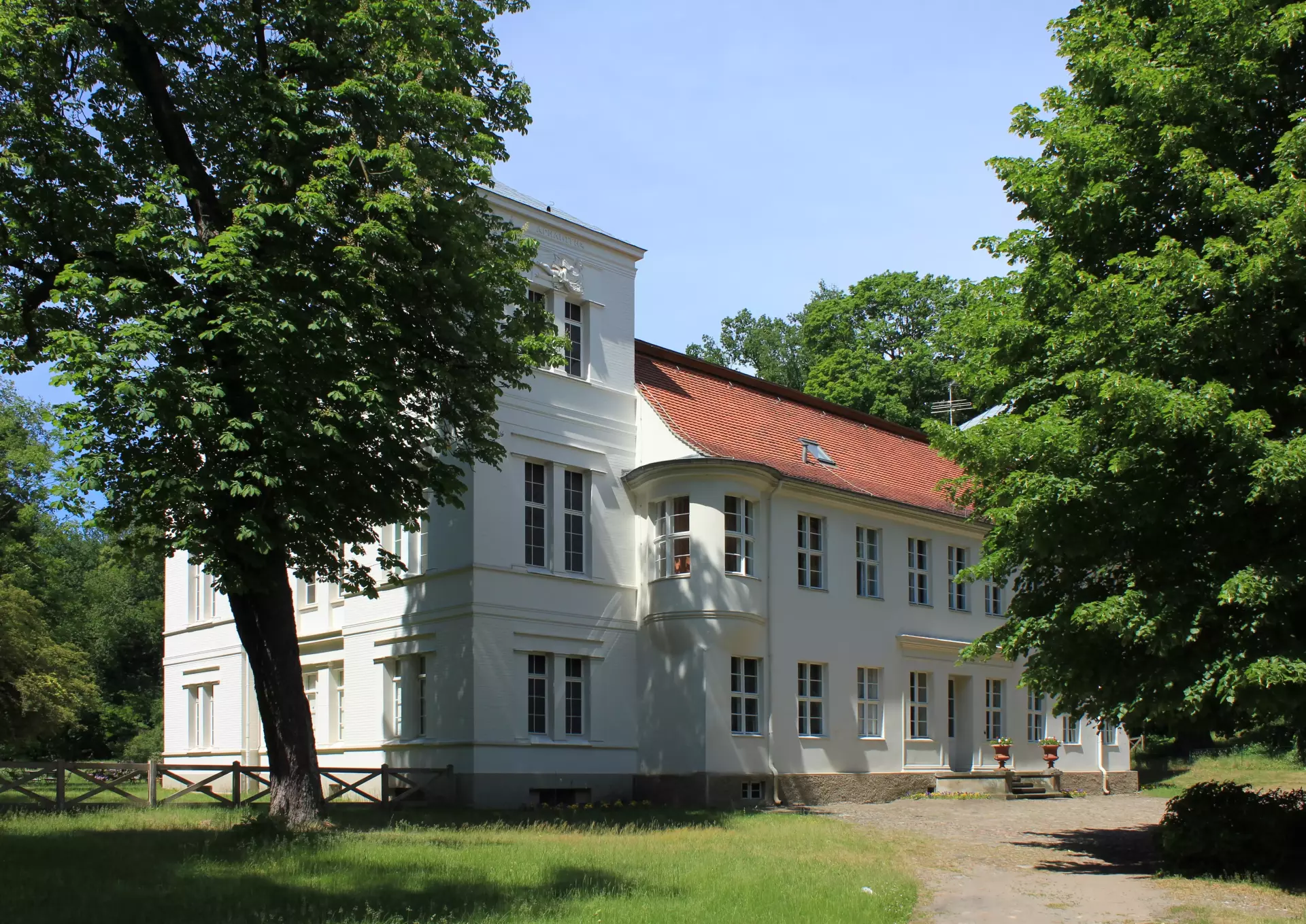
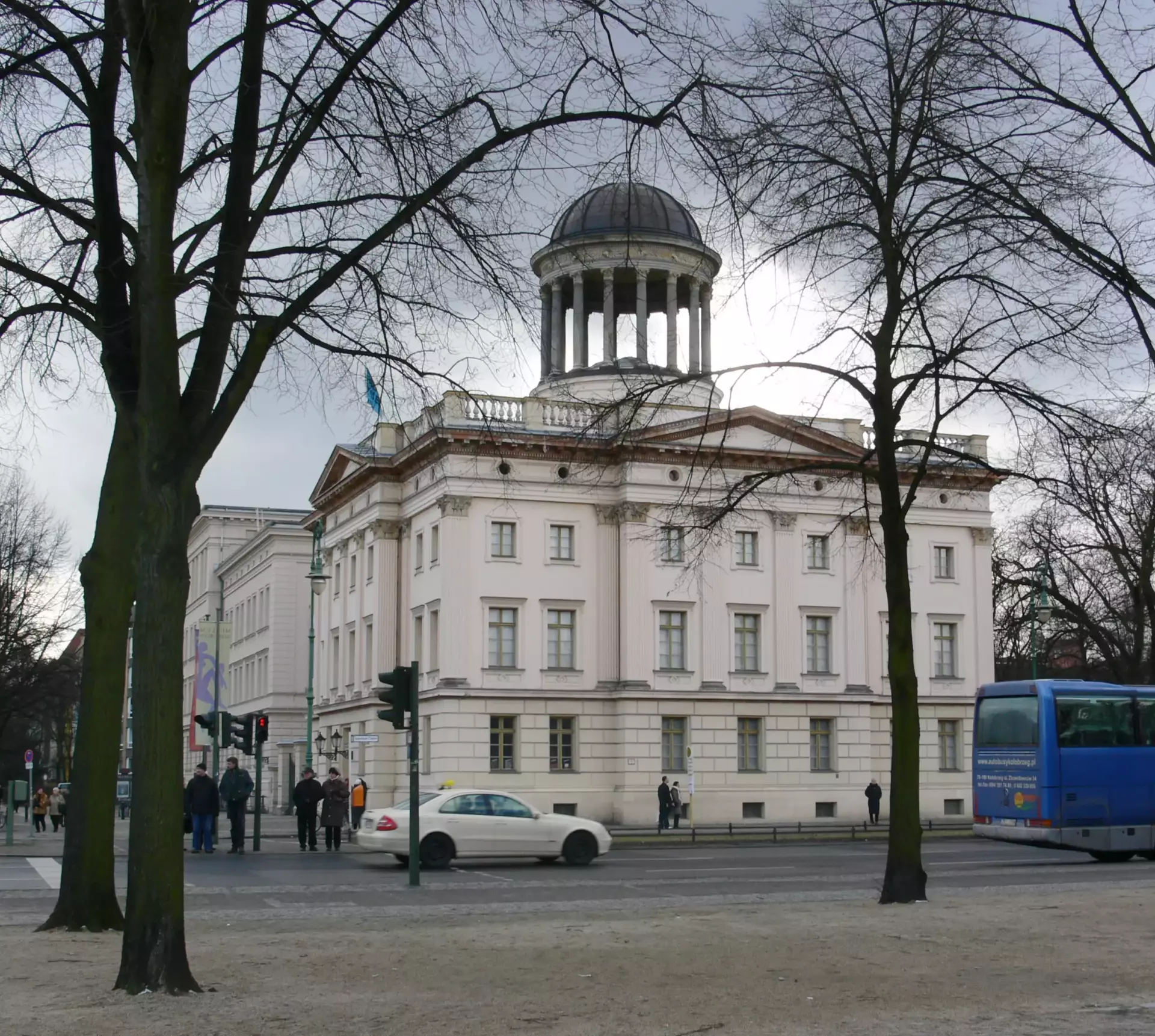
A remarkable medium-sized classical castle by the famous K.F. Schinkel built 1820 to 1824, also called "Humboldtschlösschen", because Alexander and Wilhelm von Humboldt (and their family) lived here once. Still privately owned.
Gothic church, the second oldest (built in late 13th century) of the historical centre of Berlin. It's the highest church tower of Berlin (about 90 m), but seems rather small beneath the gigantic TV tower. The church tower was built in the late 18th century by Carl Gotthard Langhans, the architect of the Brandenburg Gate.