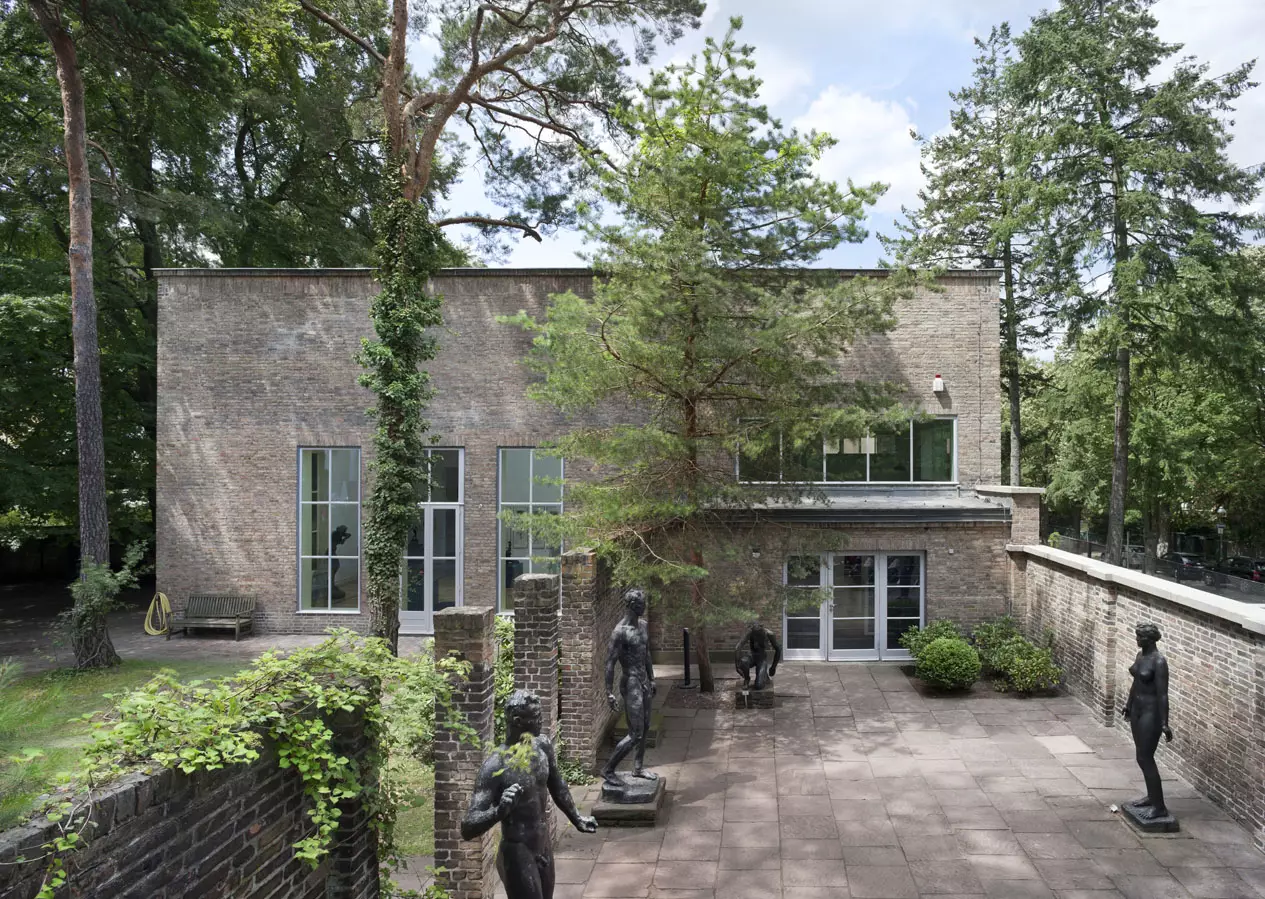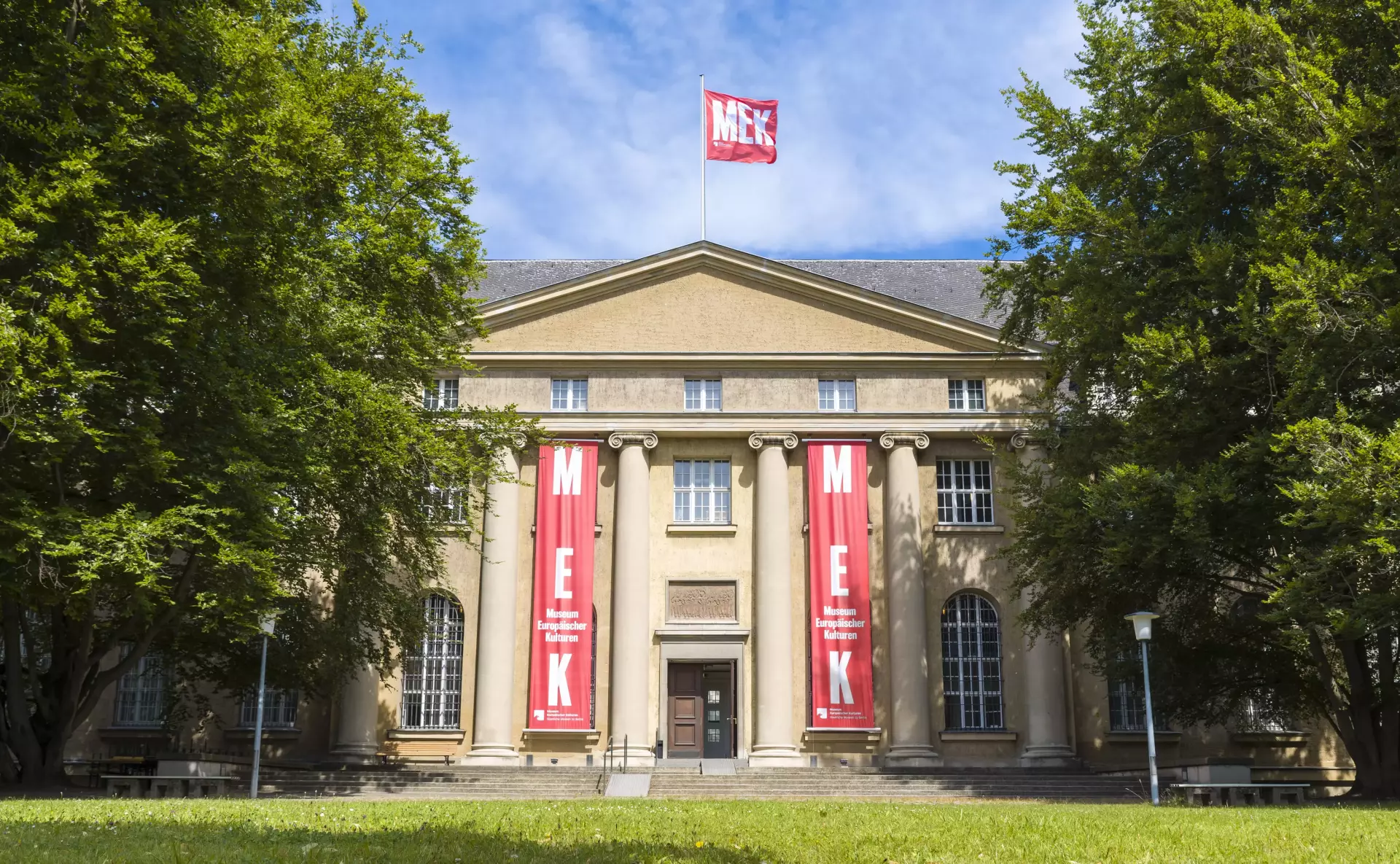
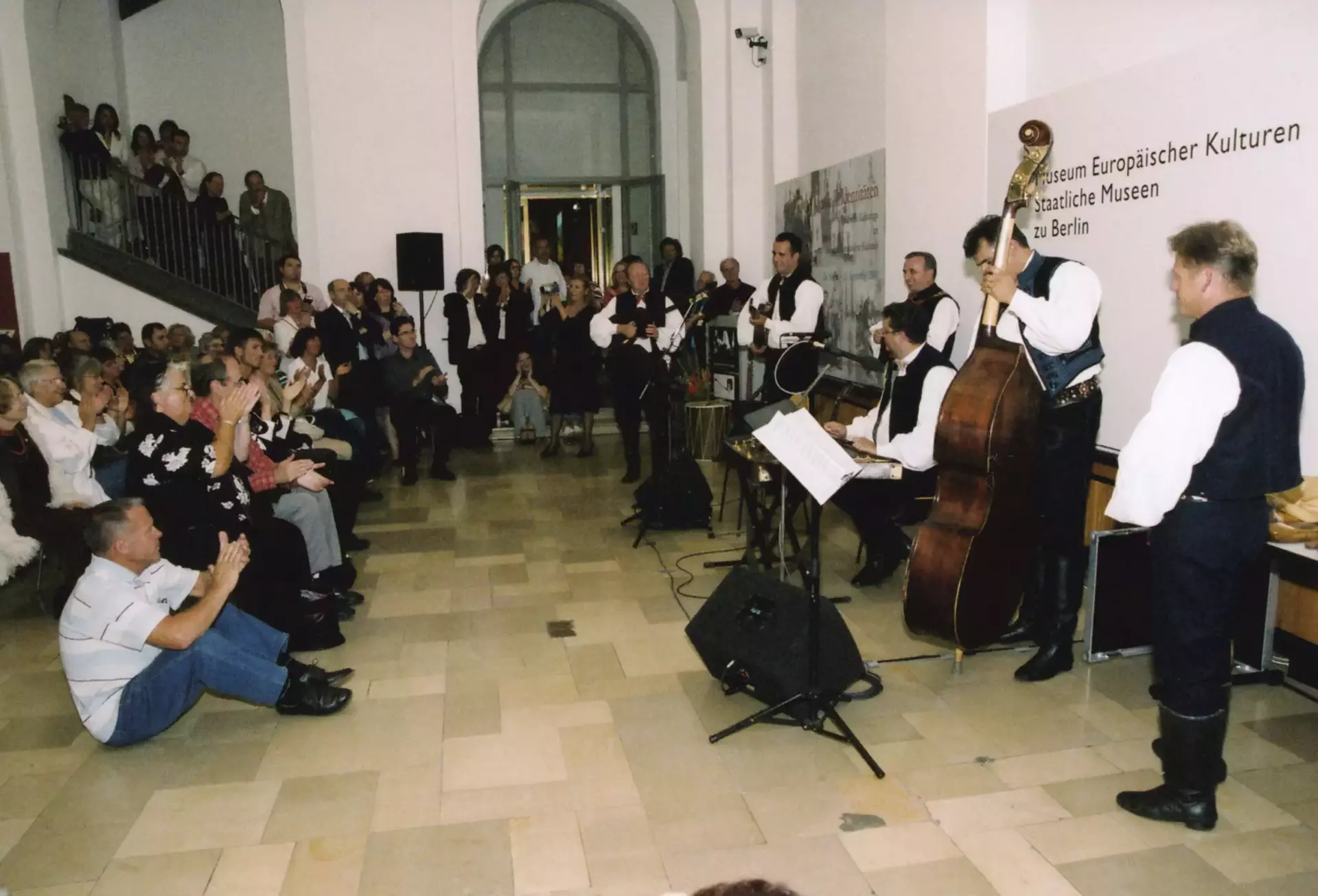
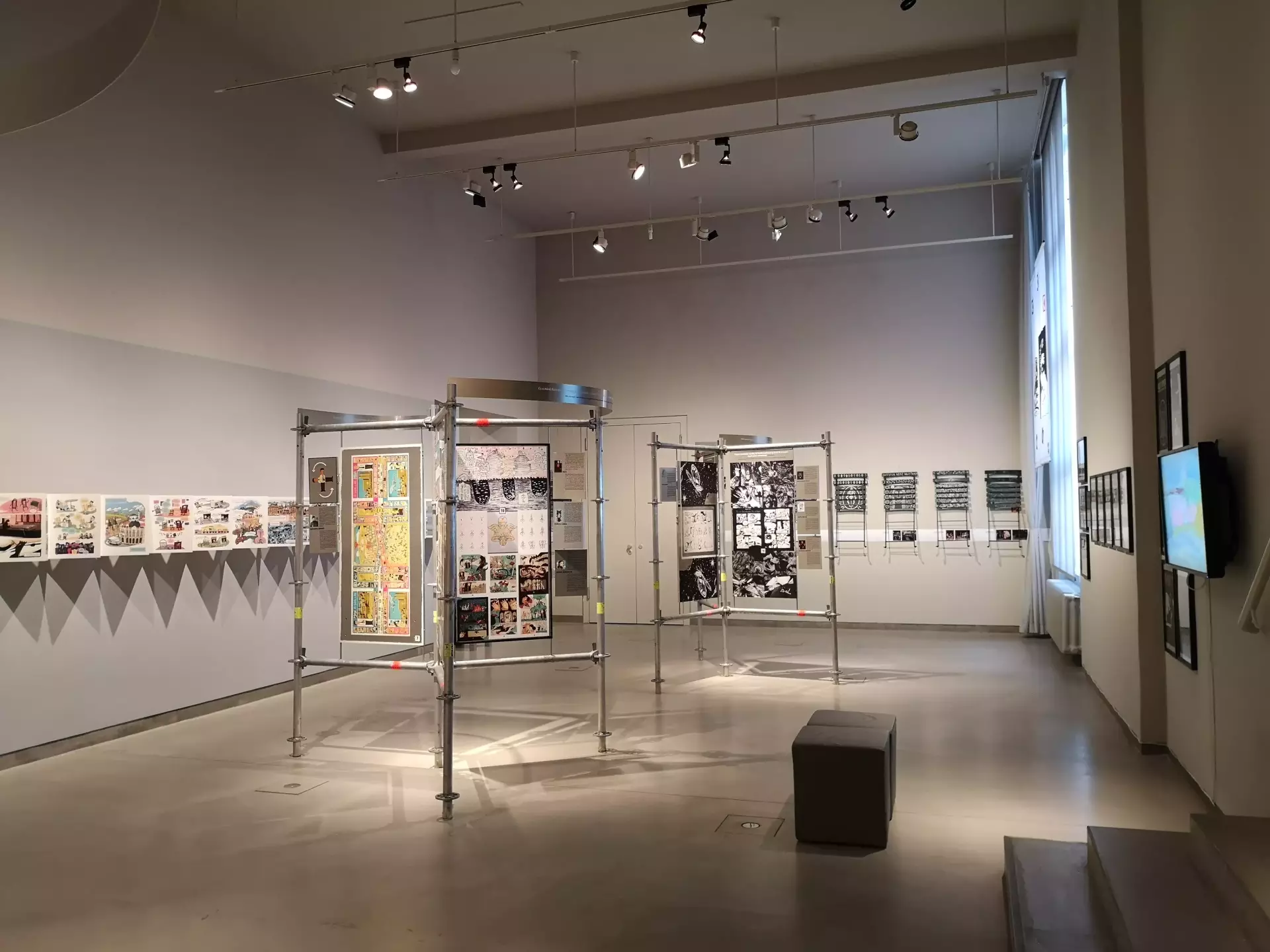
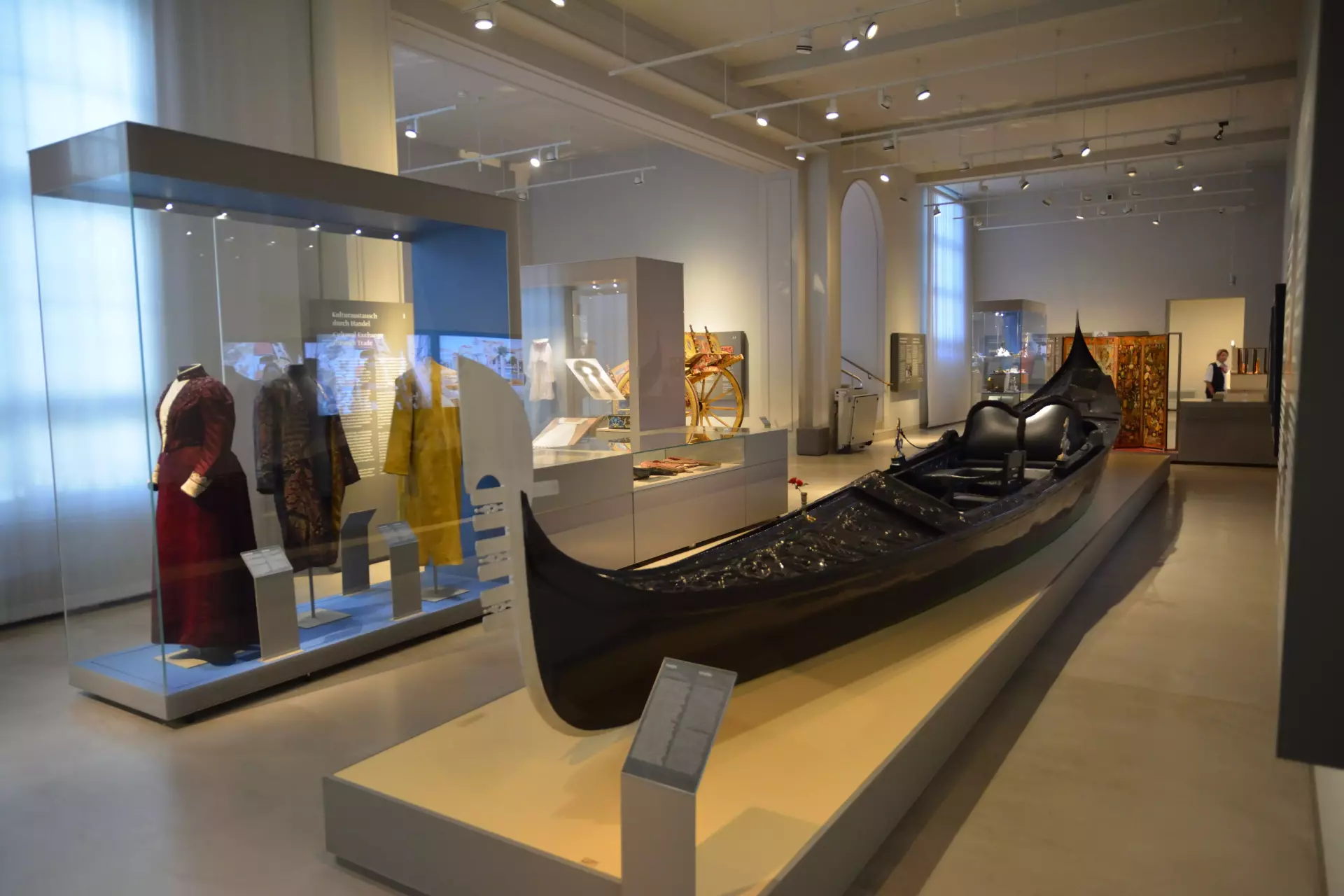
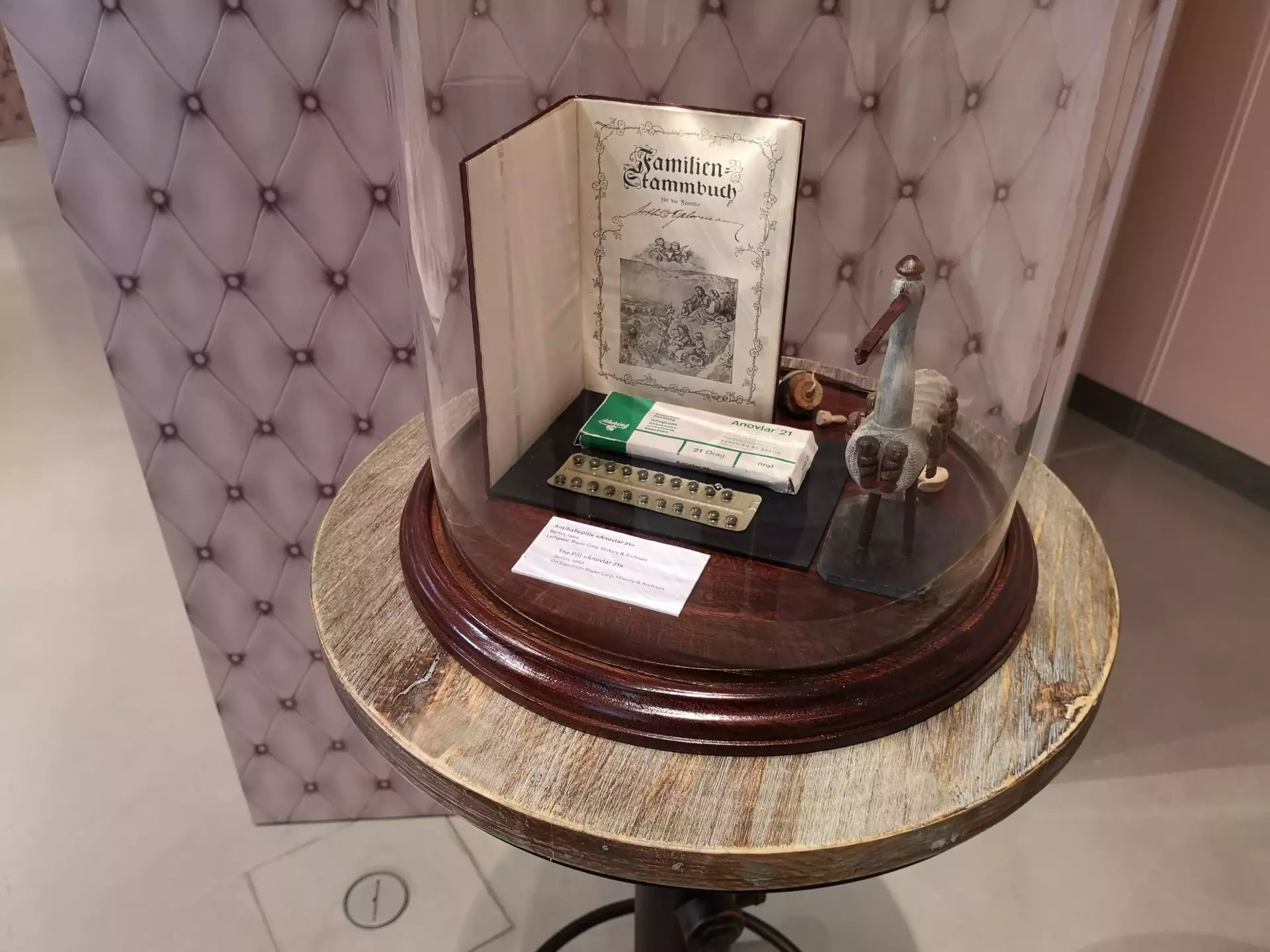
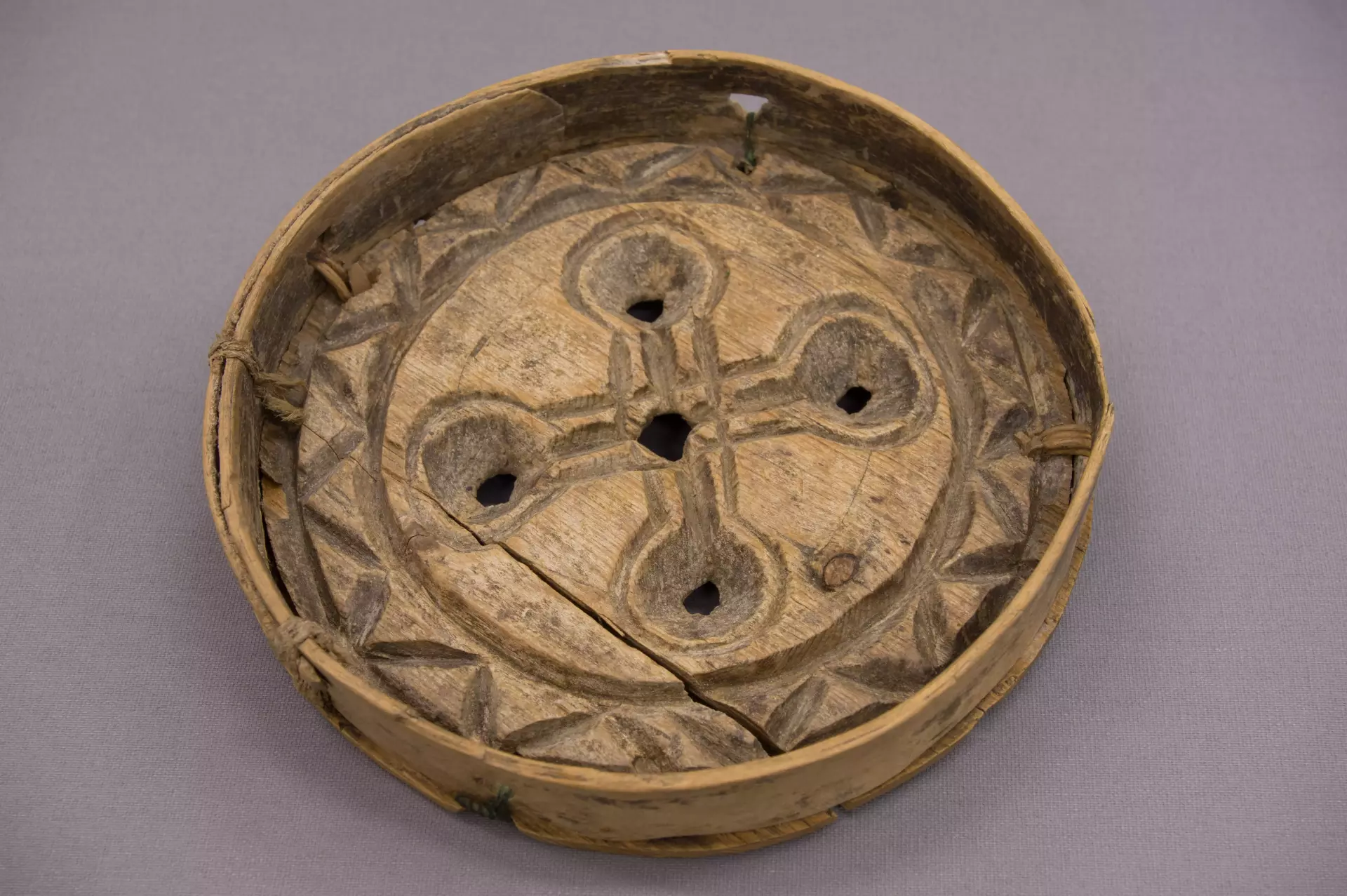
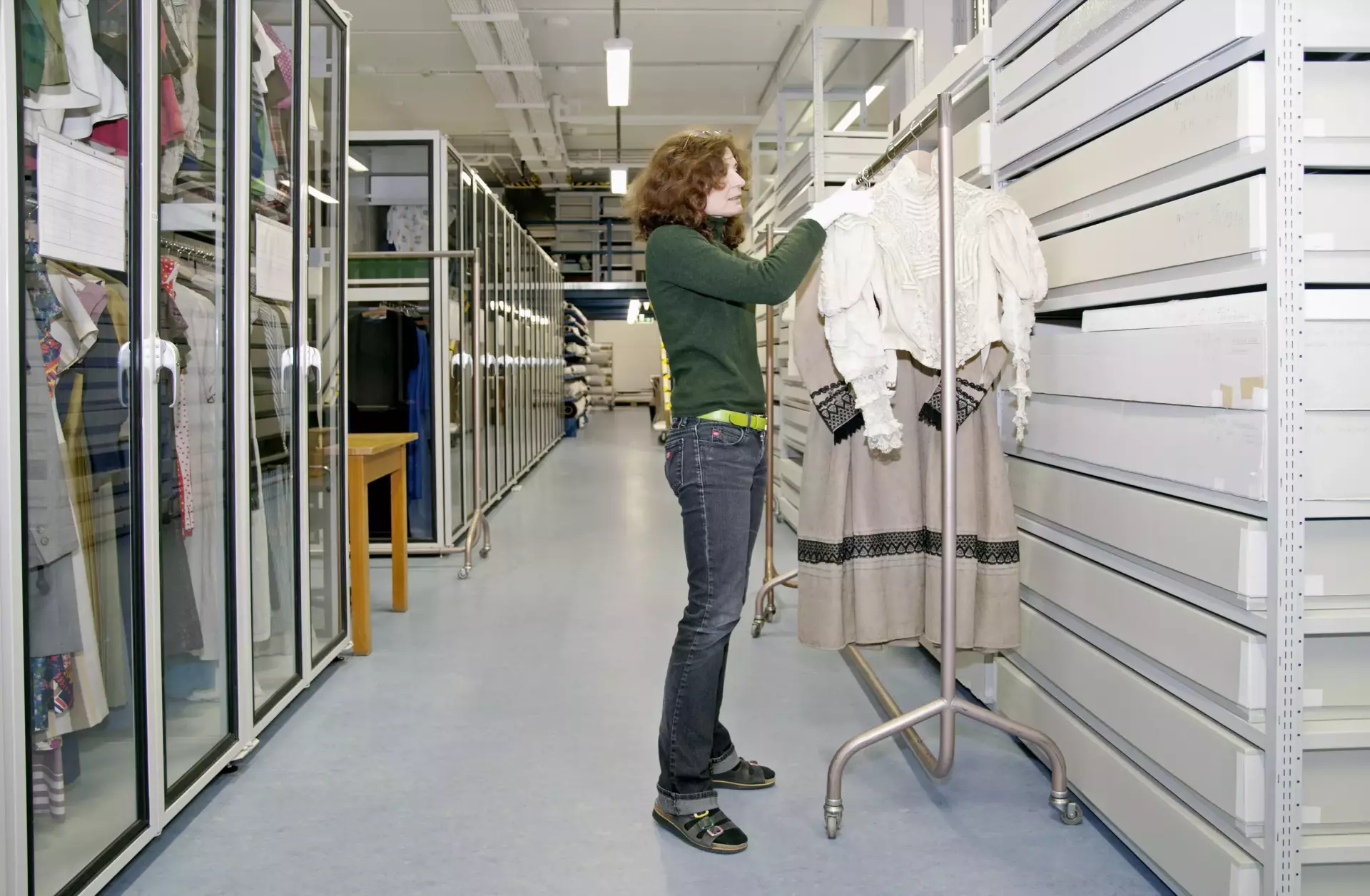
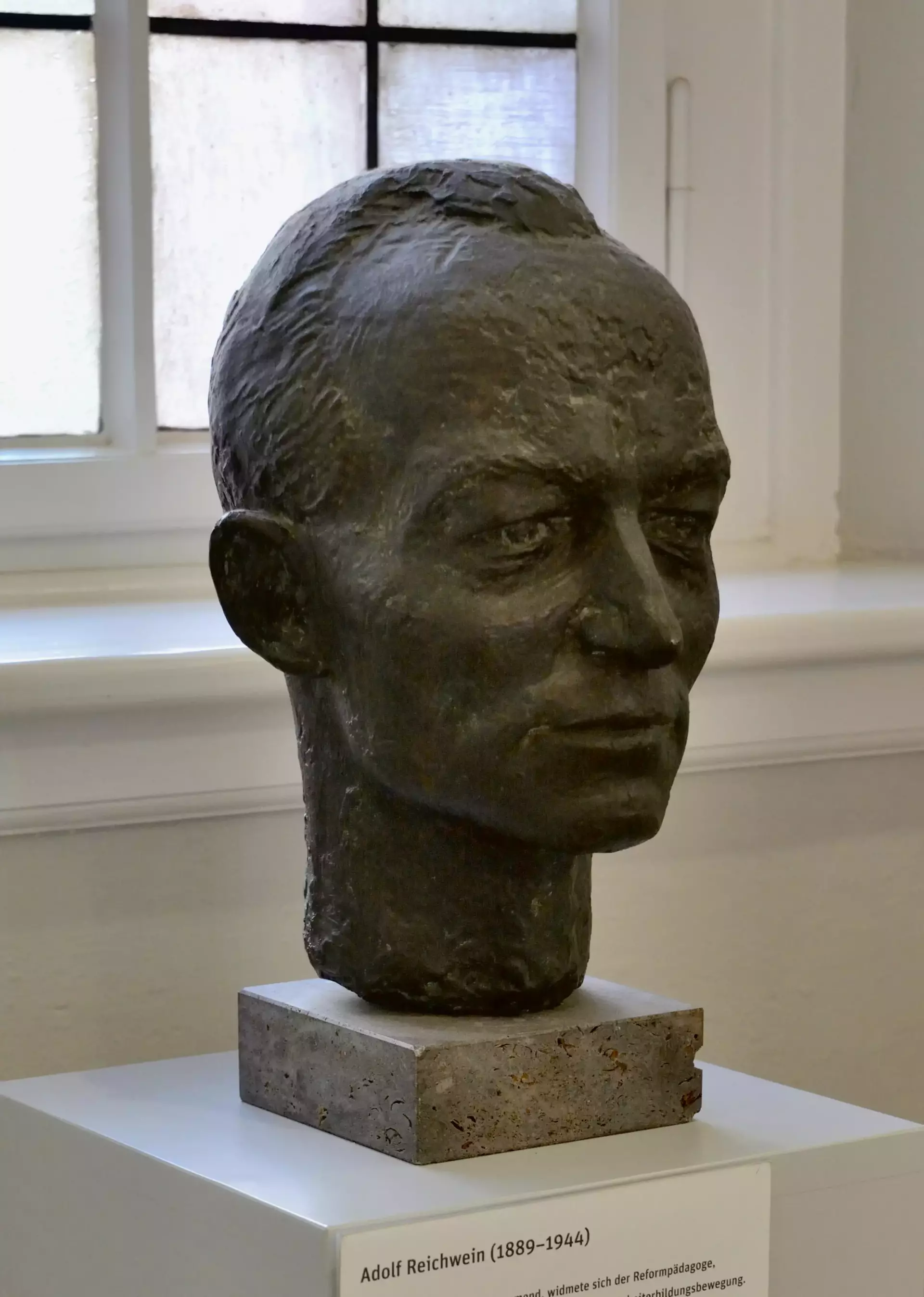
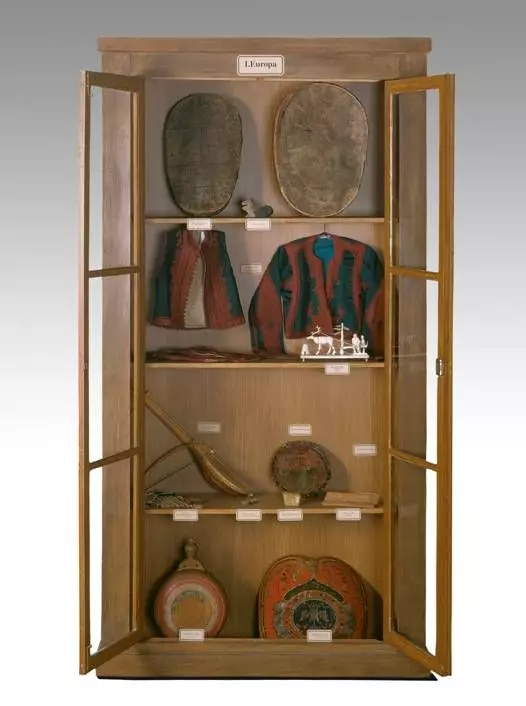
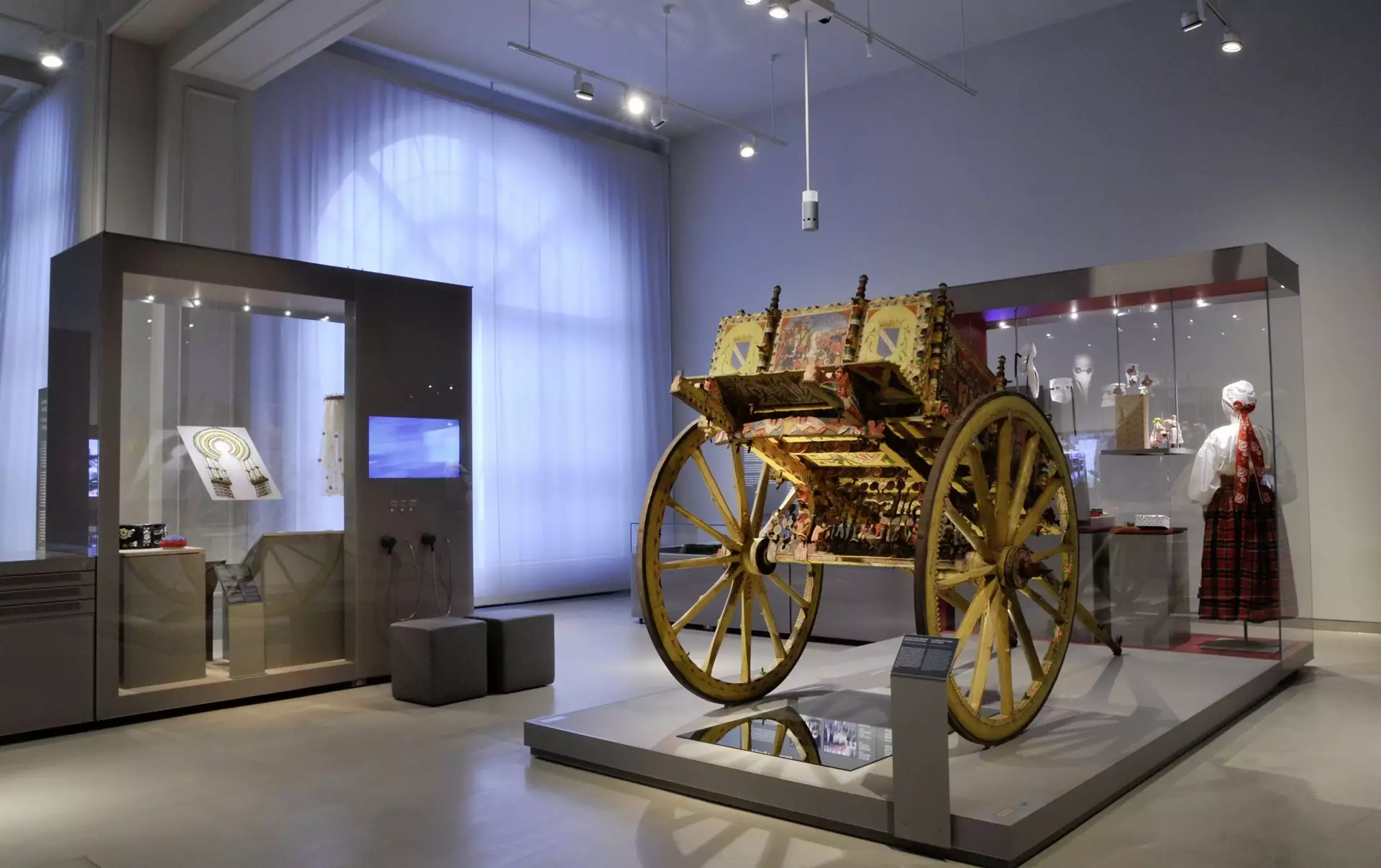
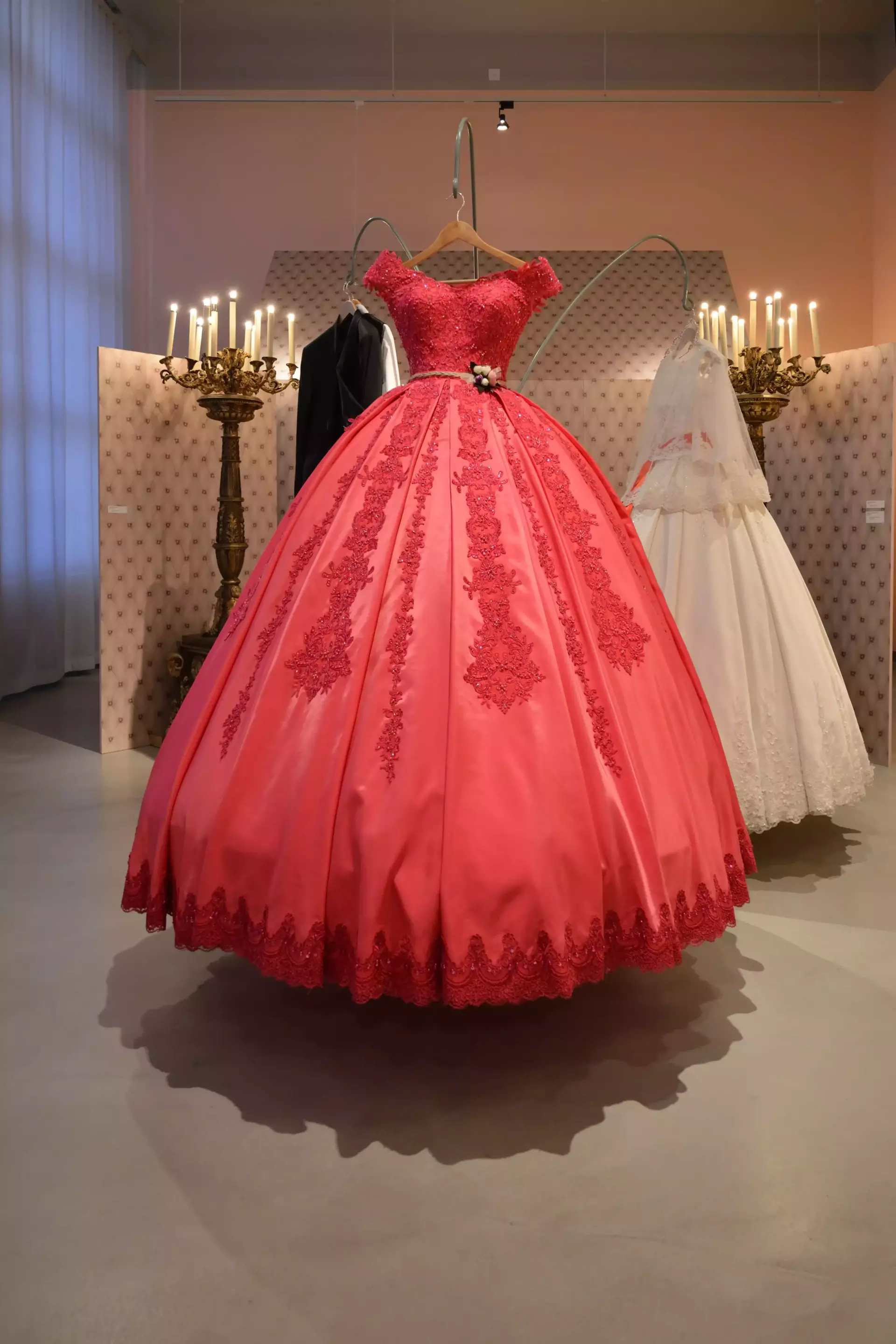
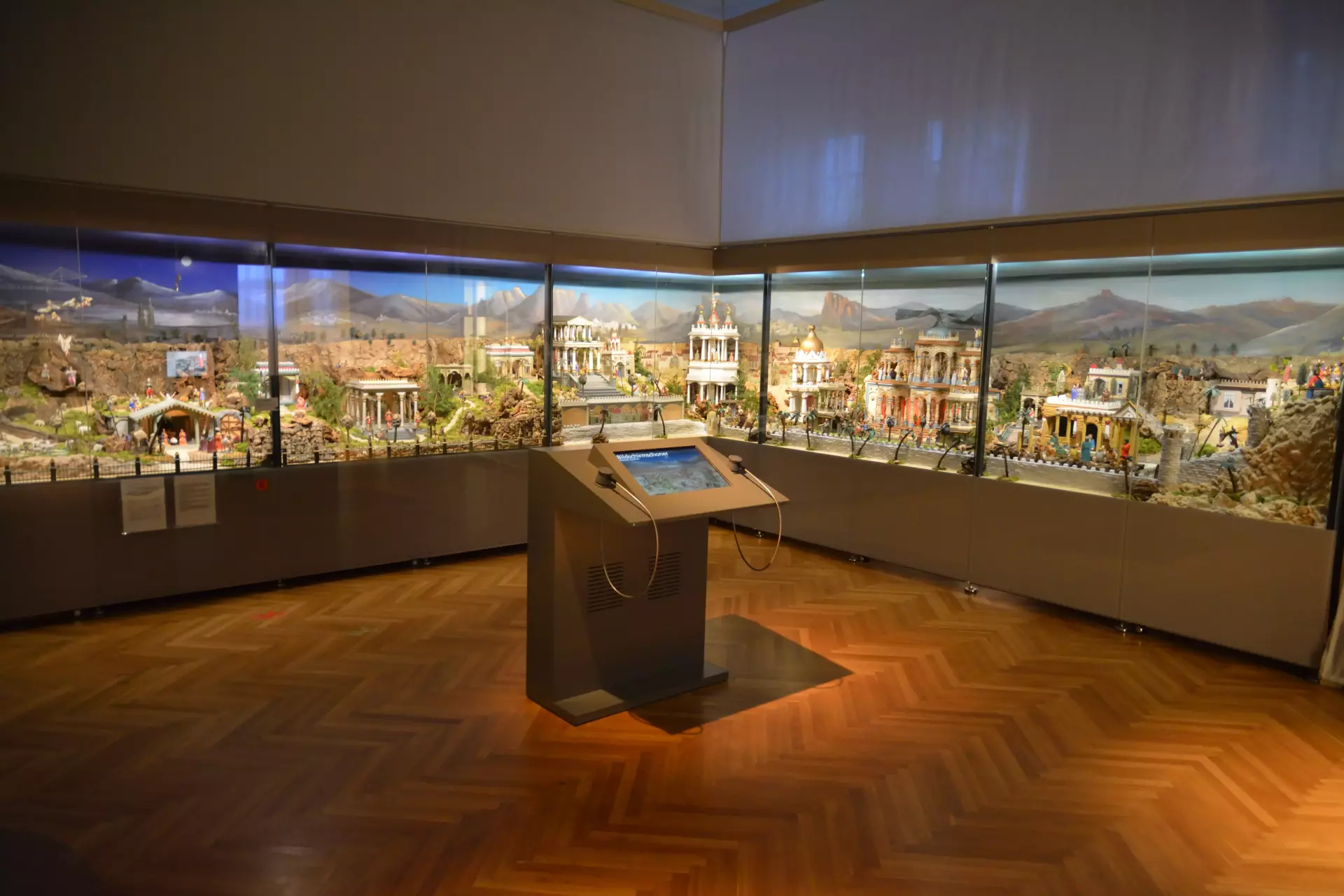
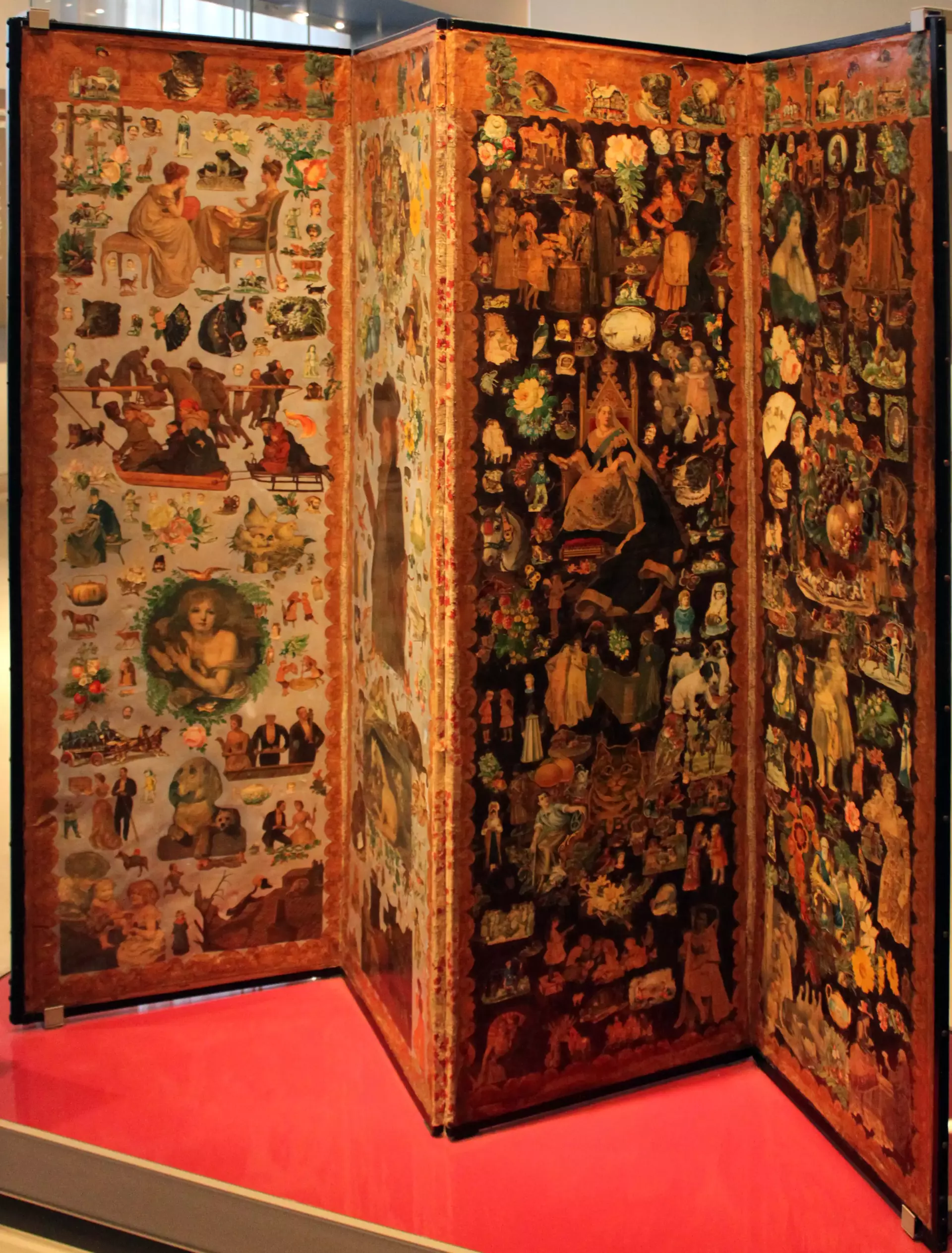
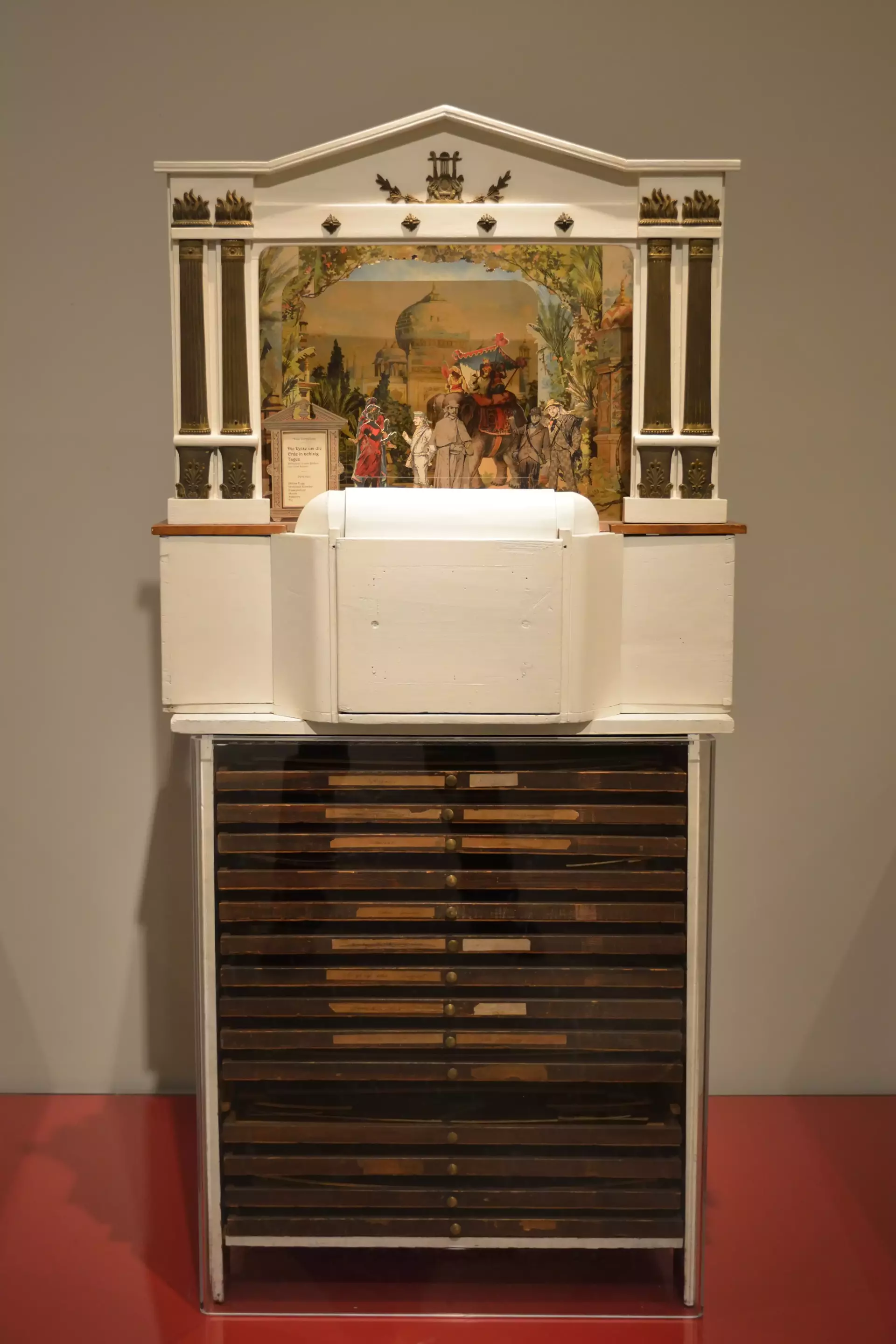
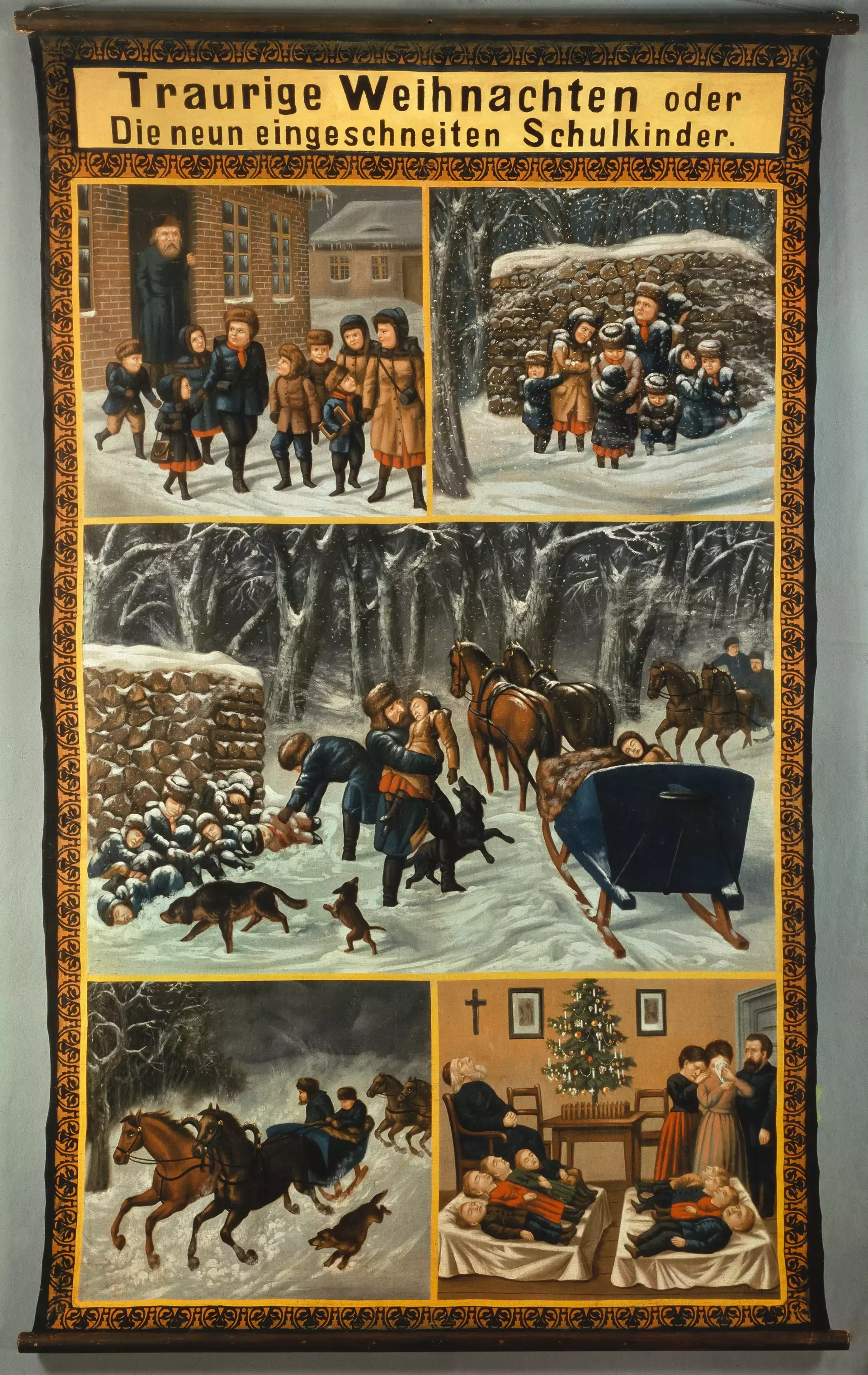
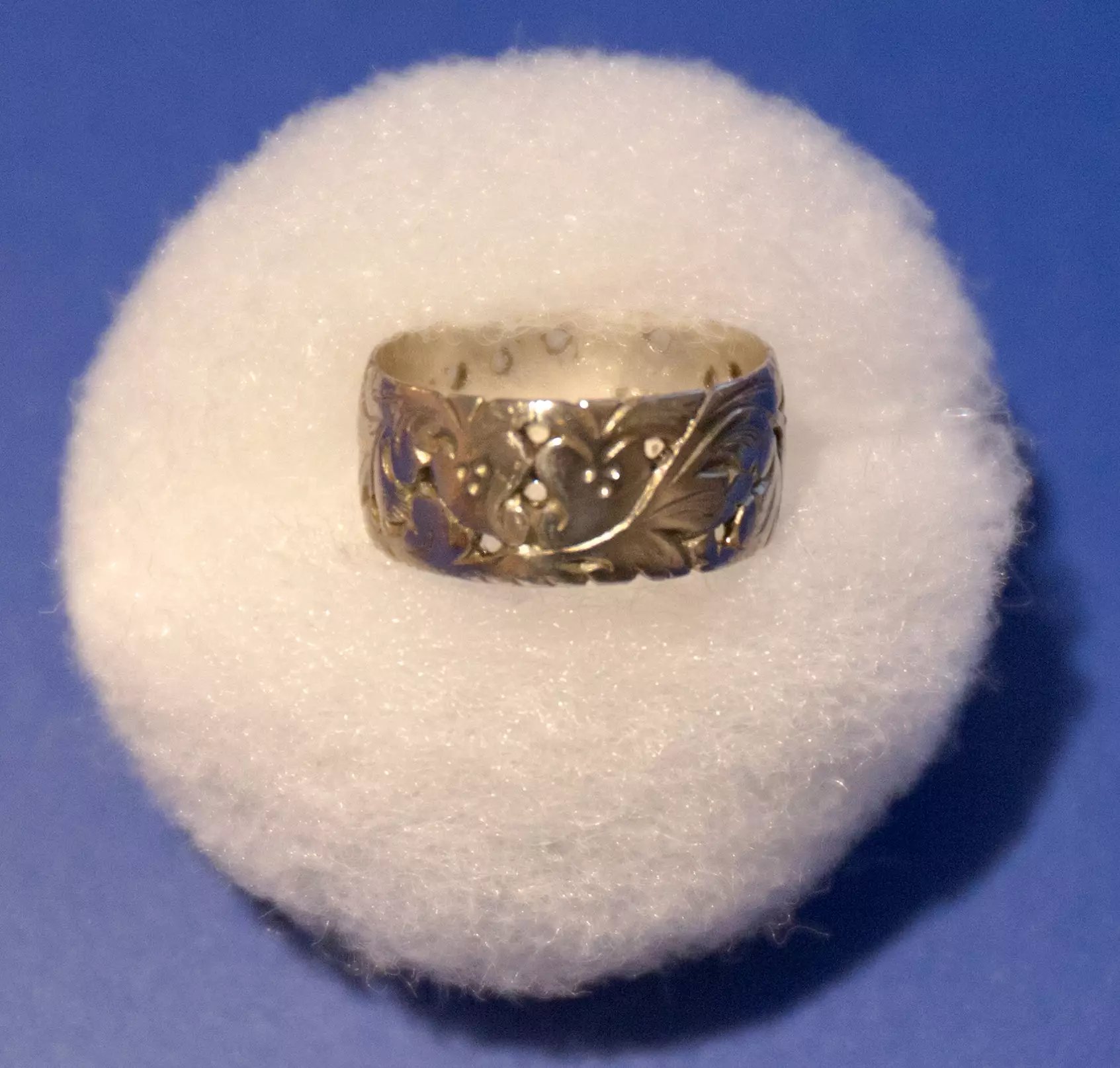
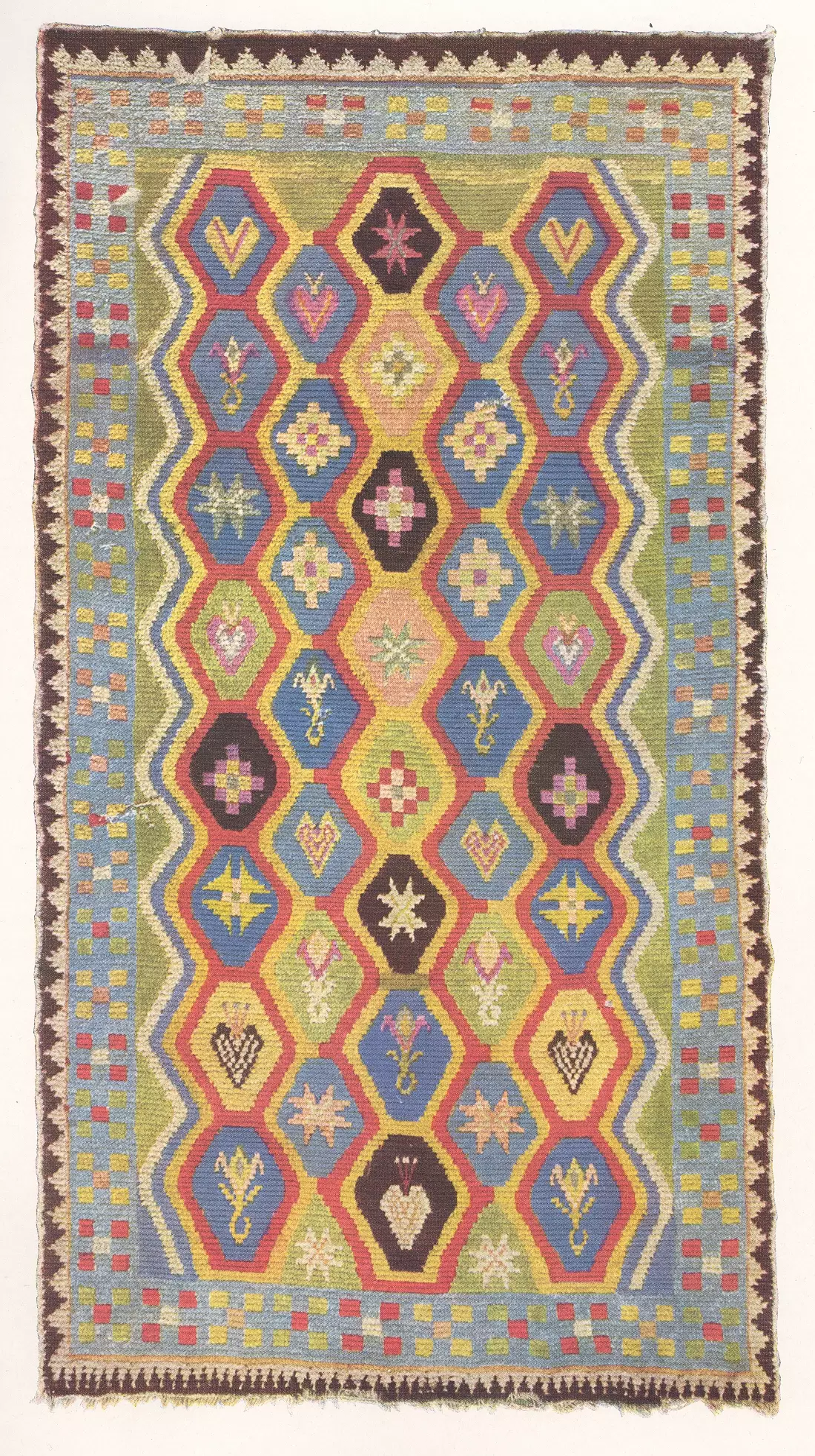
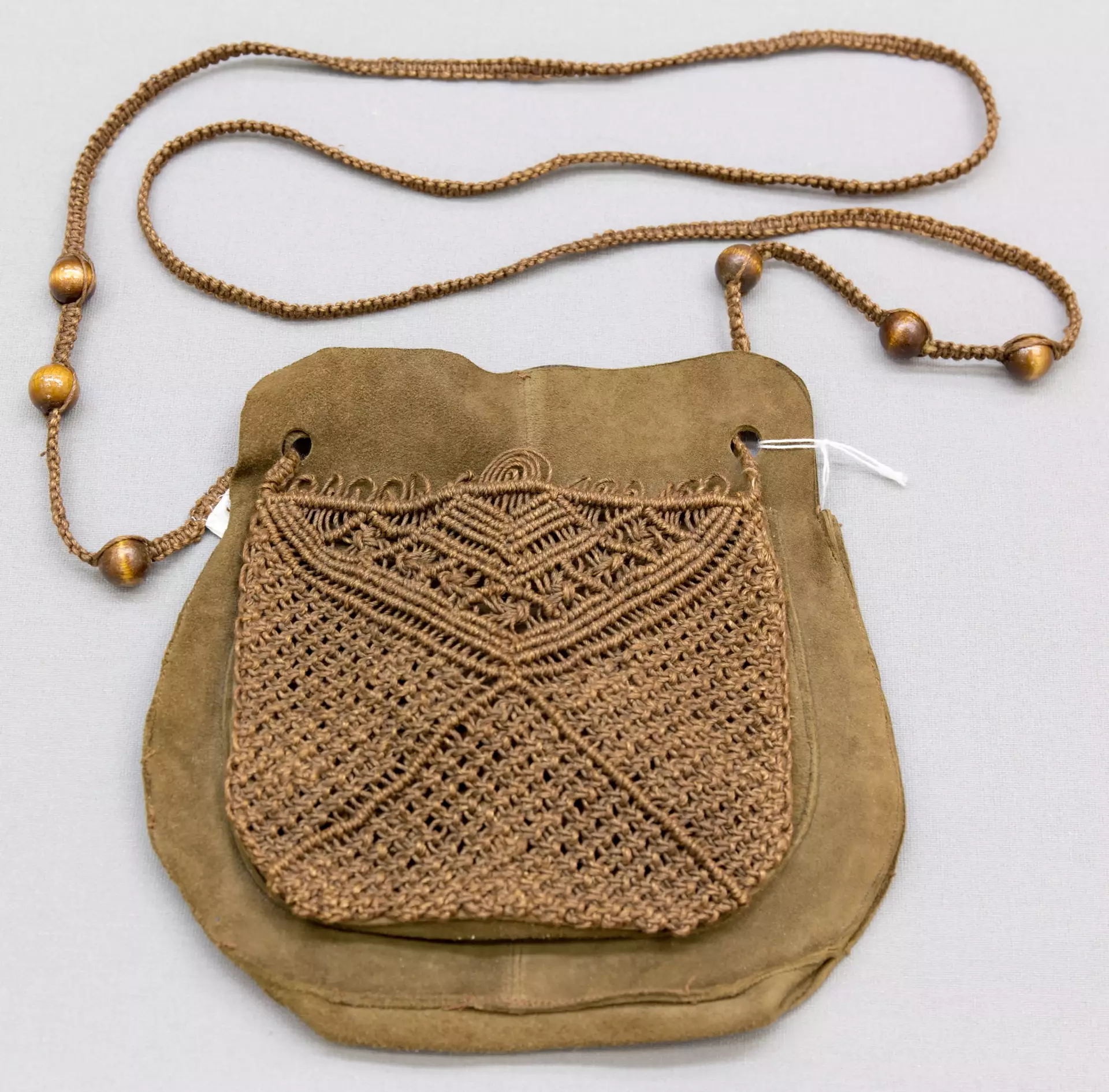
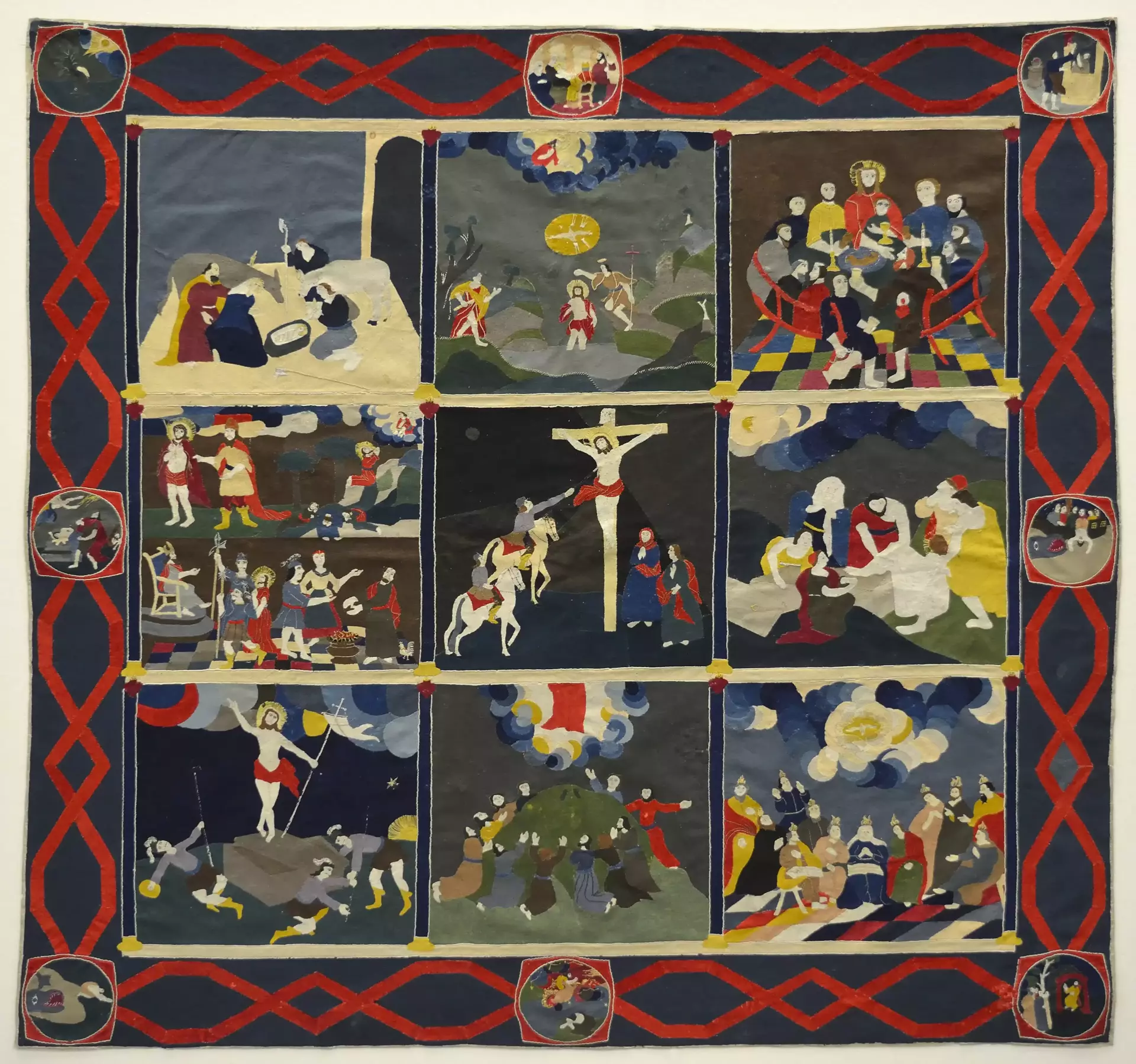
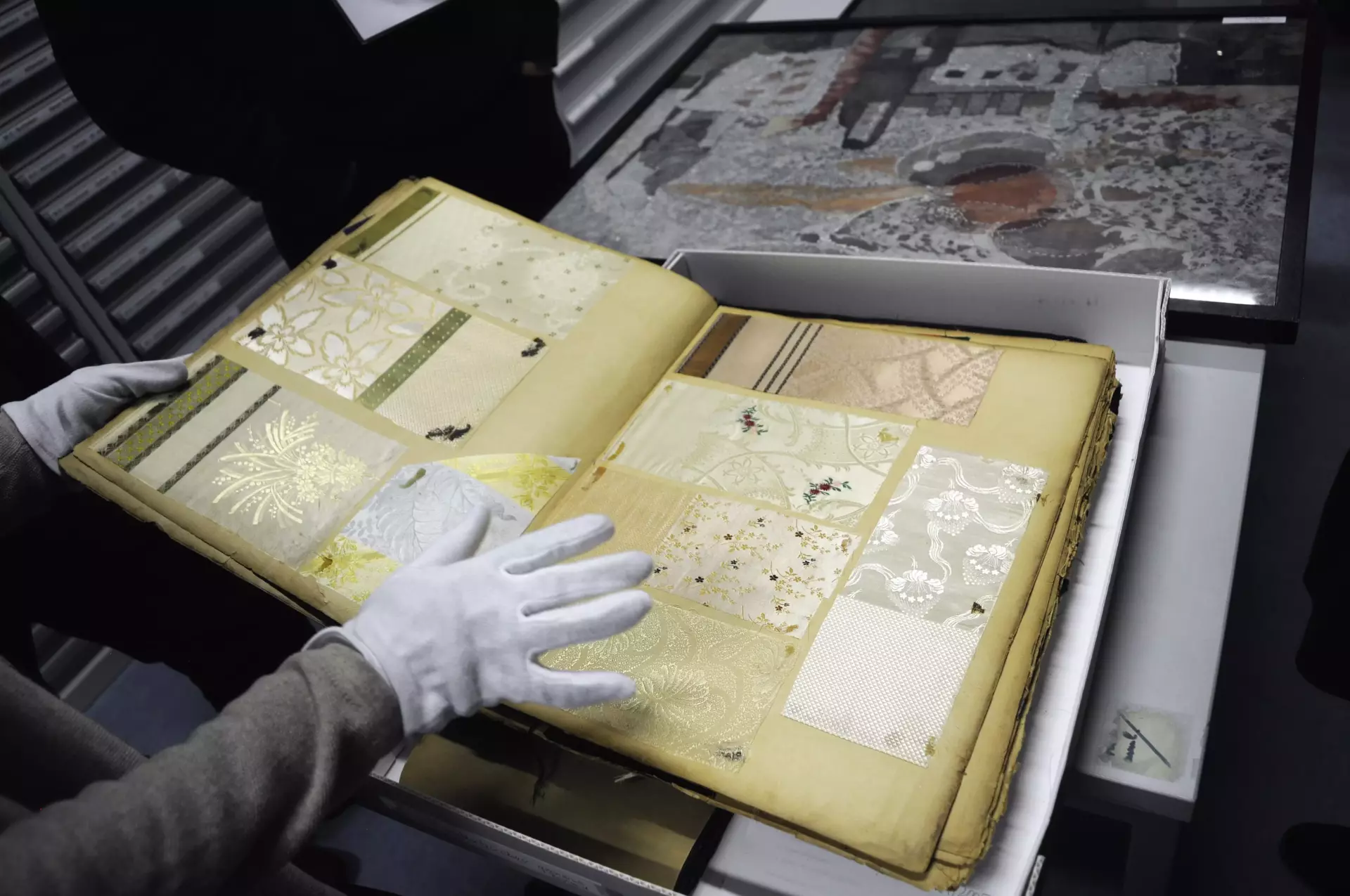
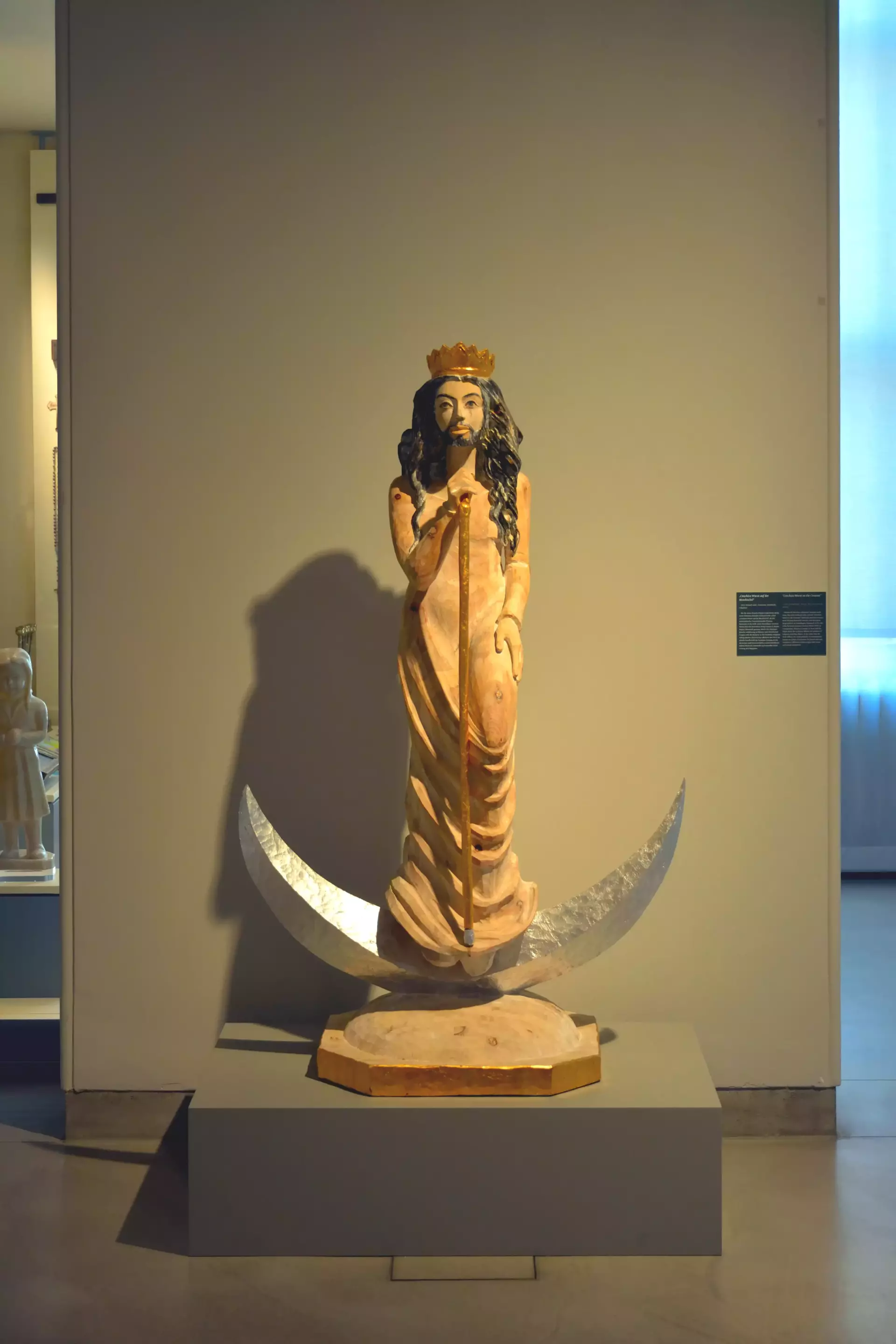
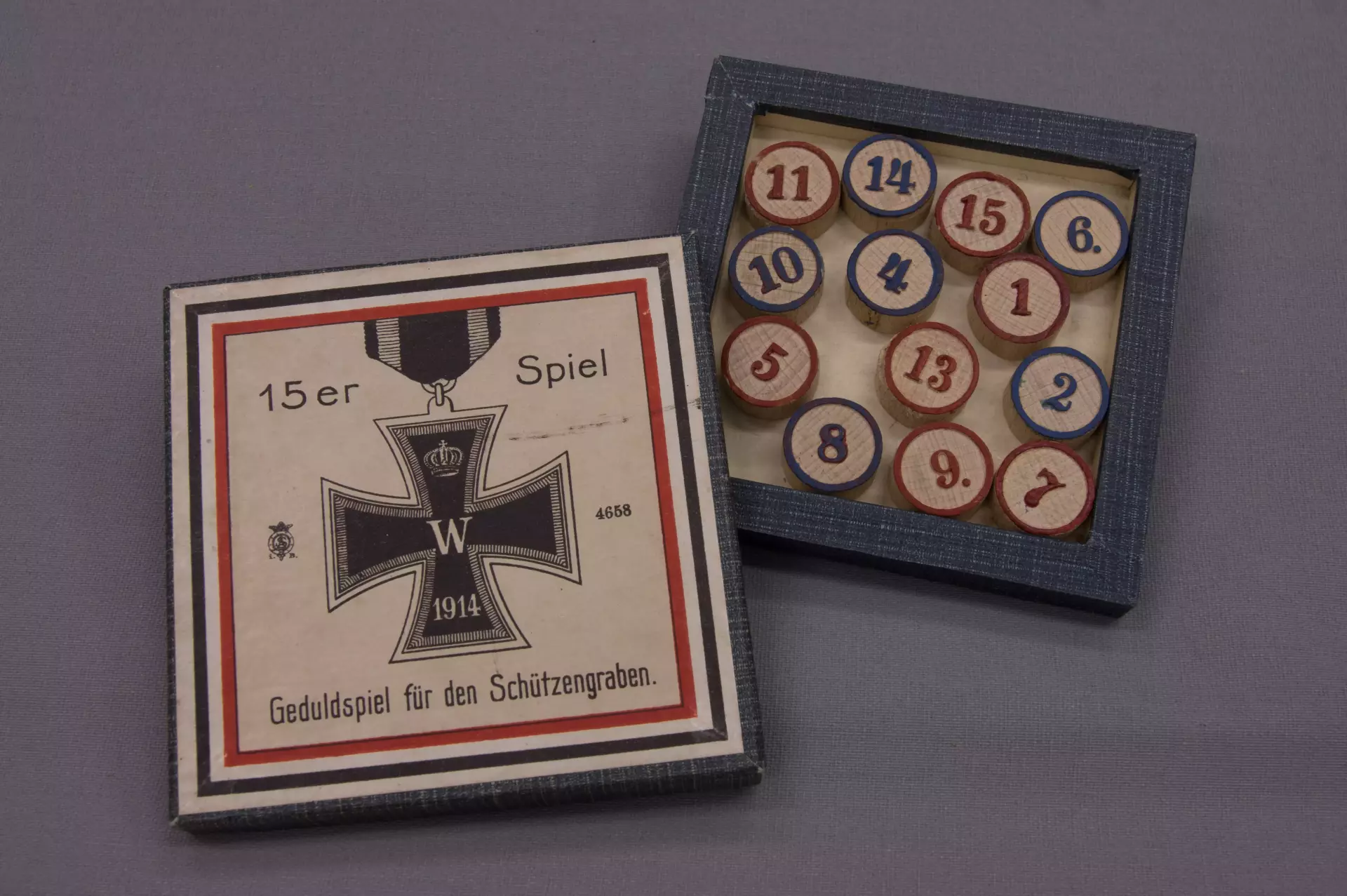
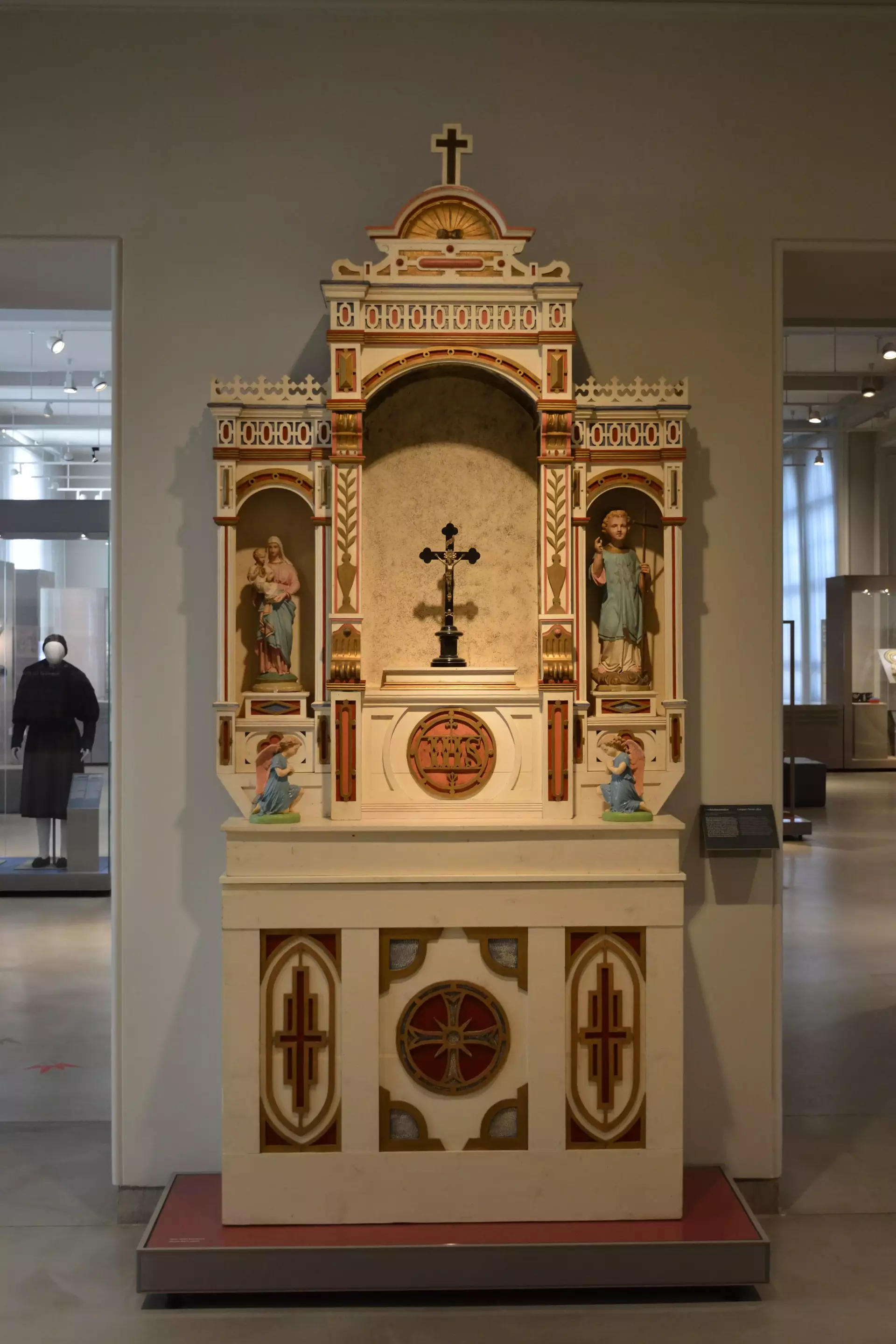
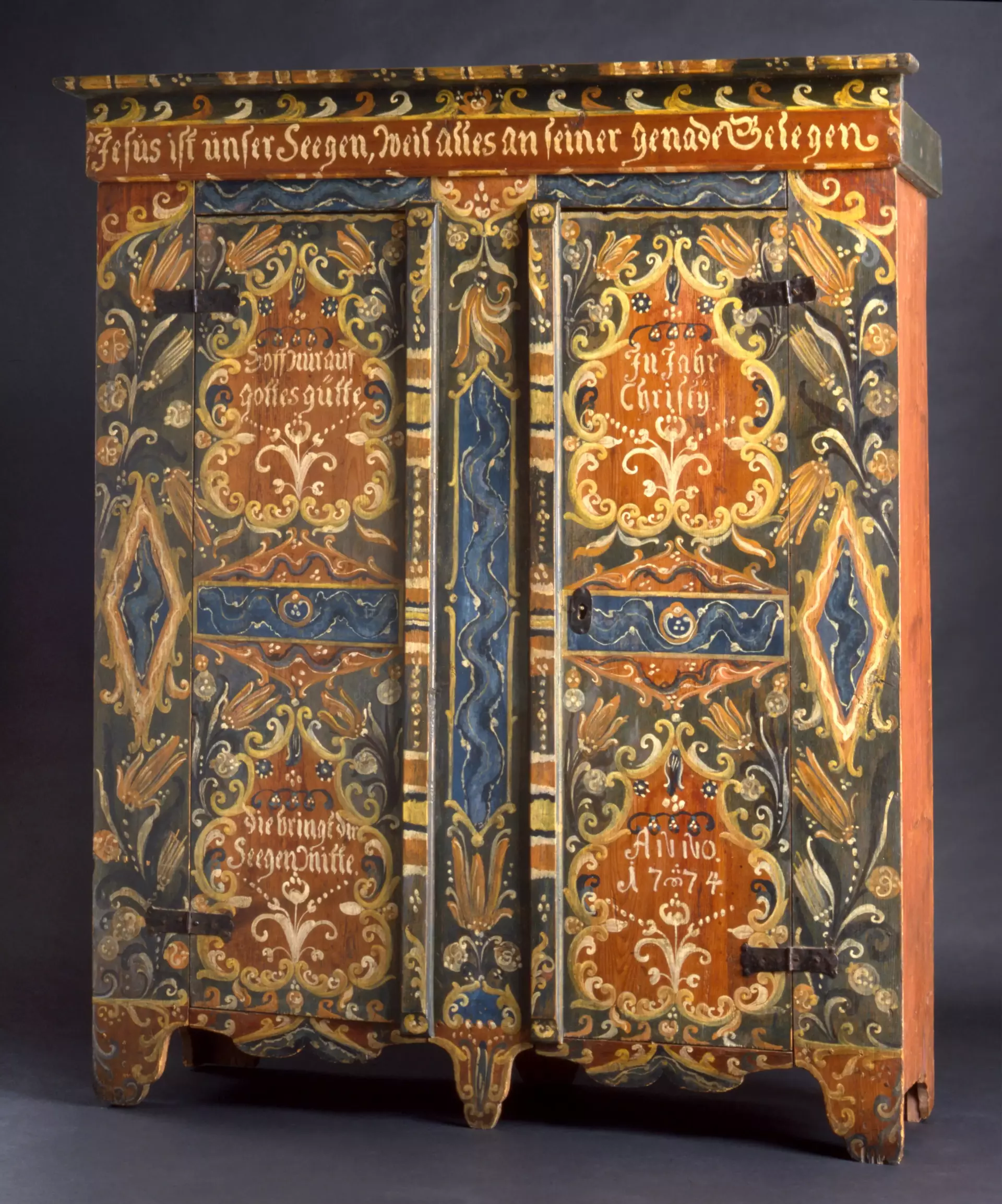
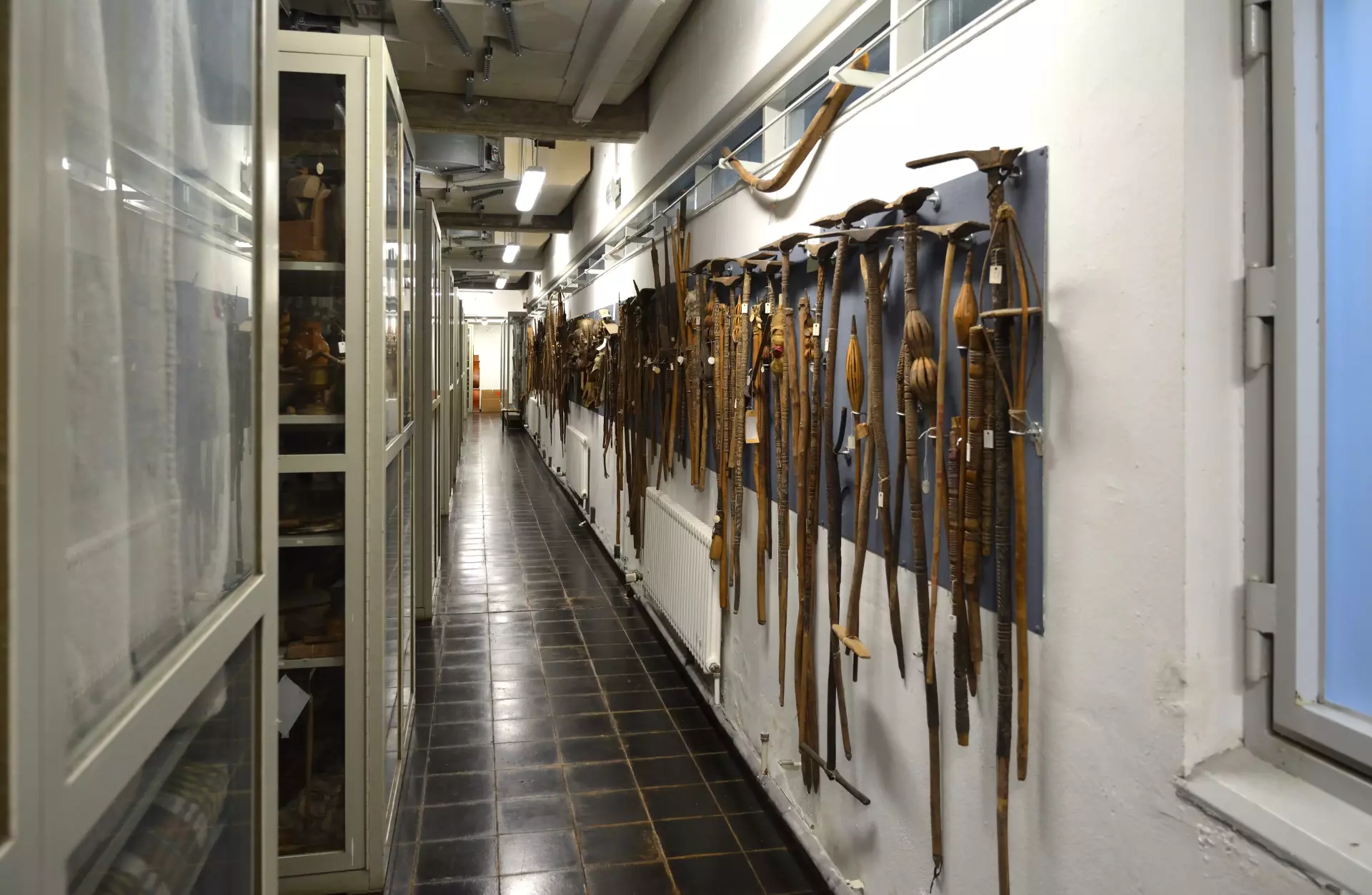
The Museum of European Cultures is the largest institution of its kind in Europe, dedicated to everyday life, traditions, and social change across the continent. Its collections explore how people live, celebrate, work, and express identity, from historic crafts to contemporary culture.
The museum sits in the Dahlem museum district in southwestern Berlin, an area known for its academic institutes, leafy streets, and a cluster of cultural venues. The surrounding neighborhood offers a calm setting, with easy links to other museums and research centers.
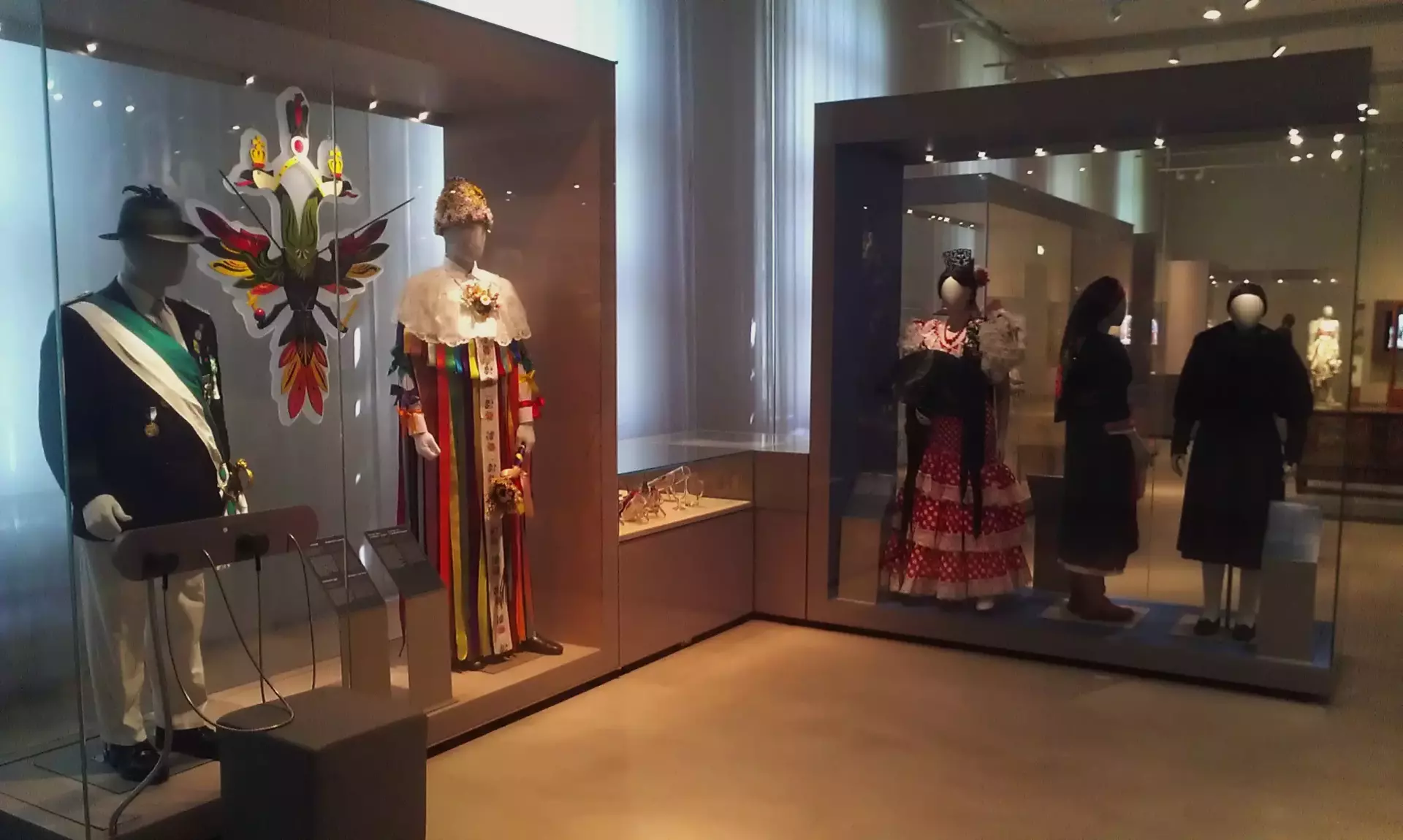
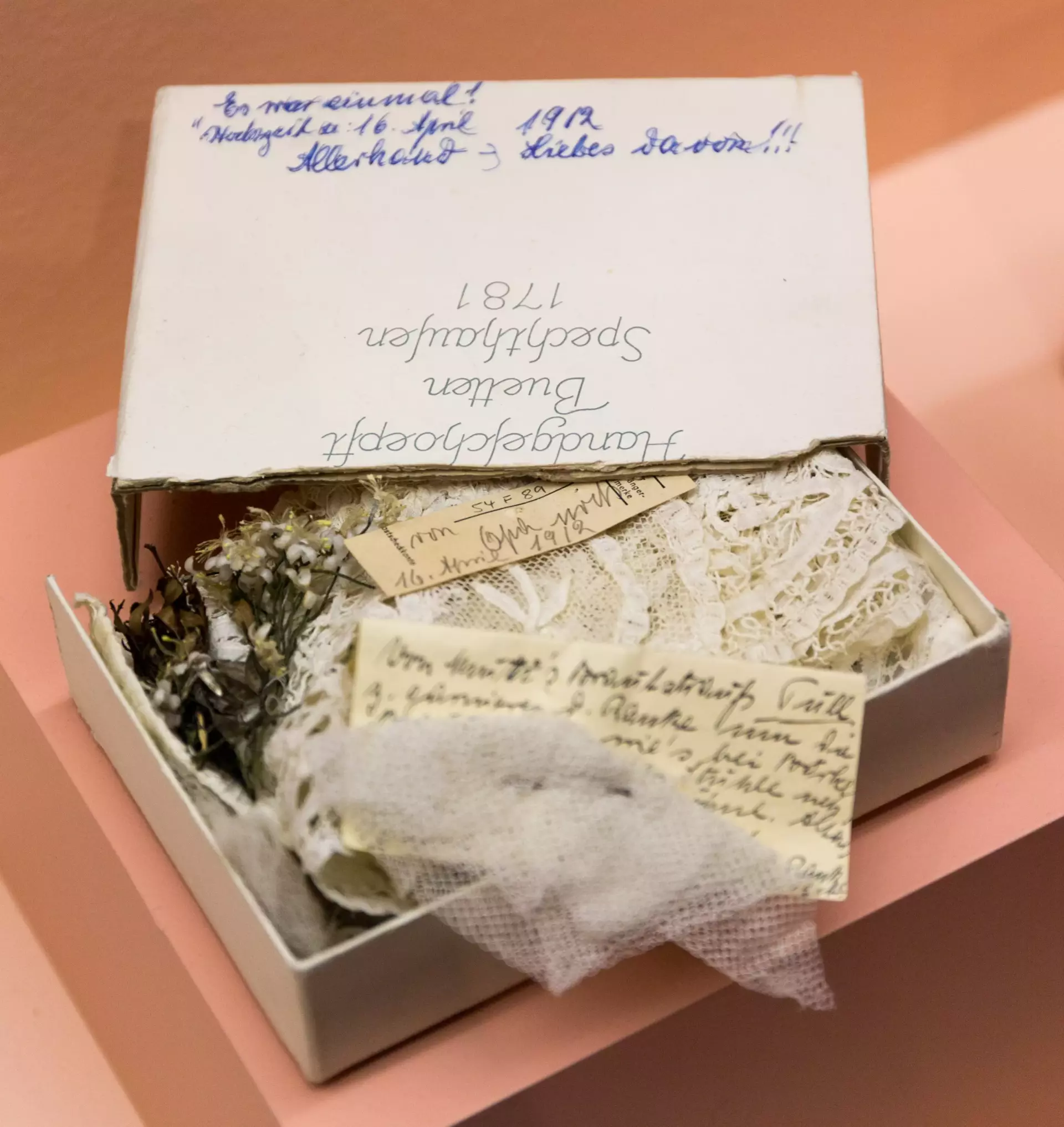
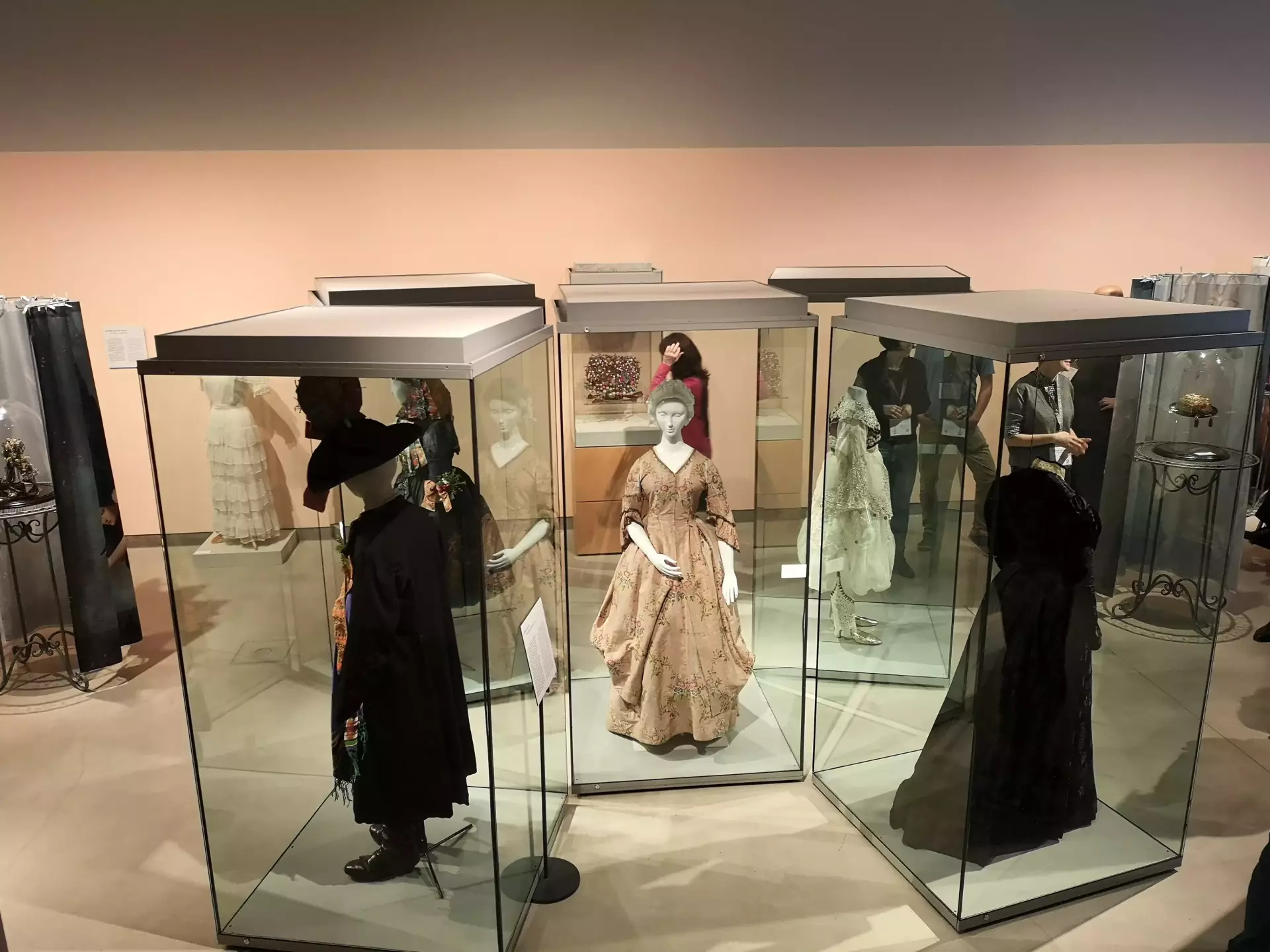
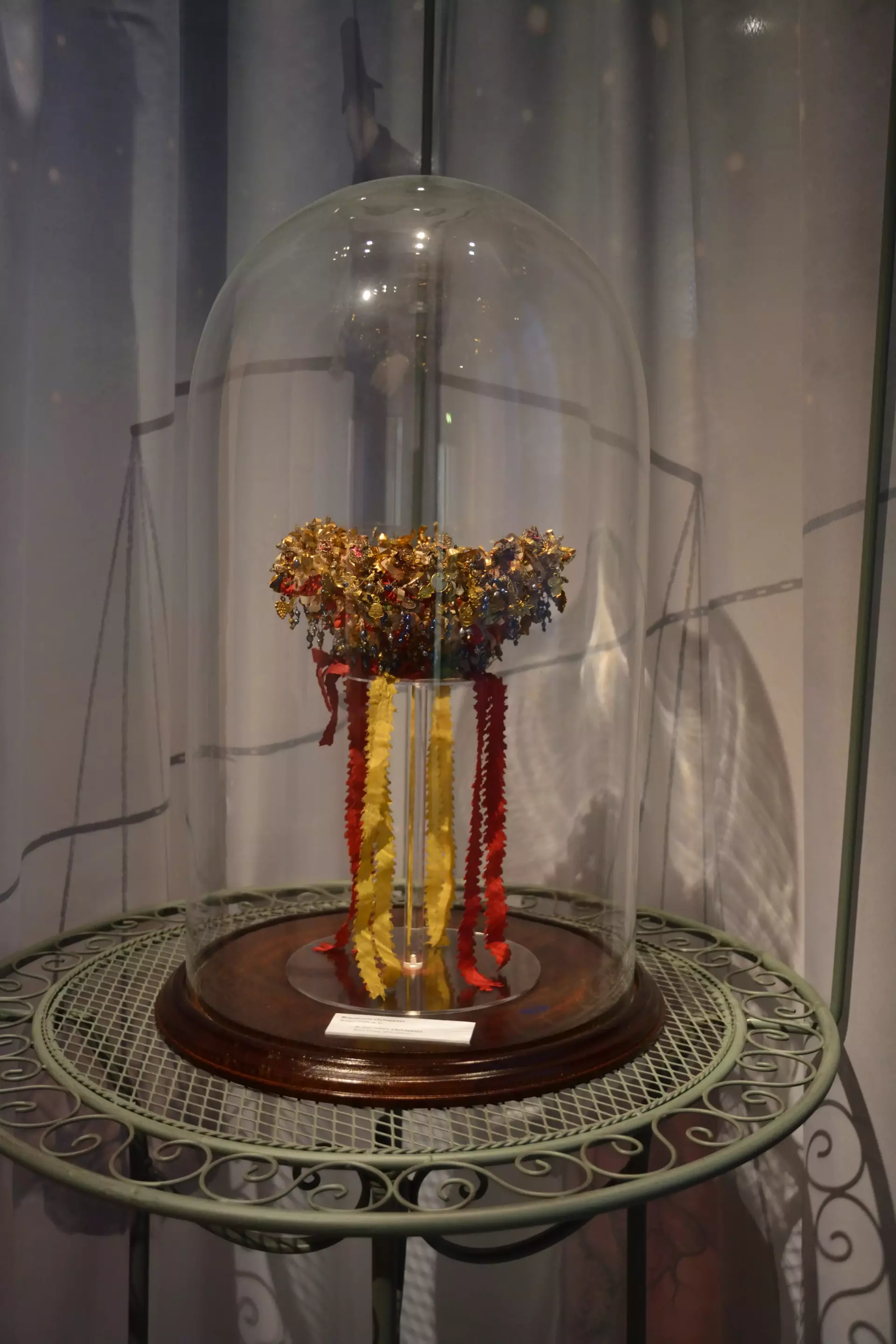
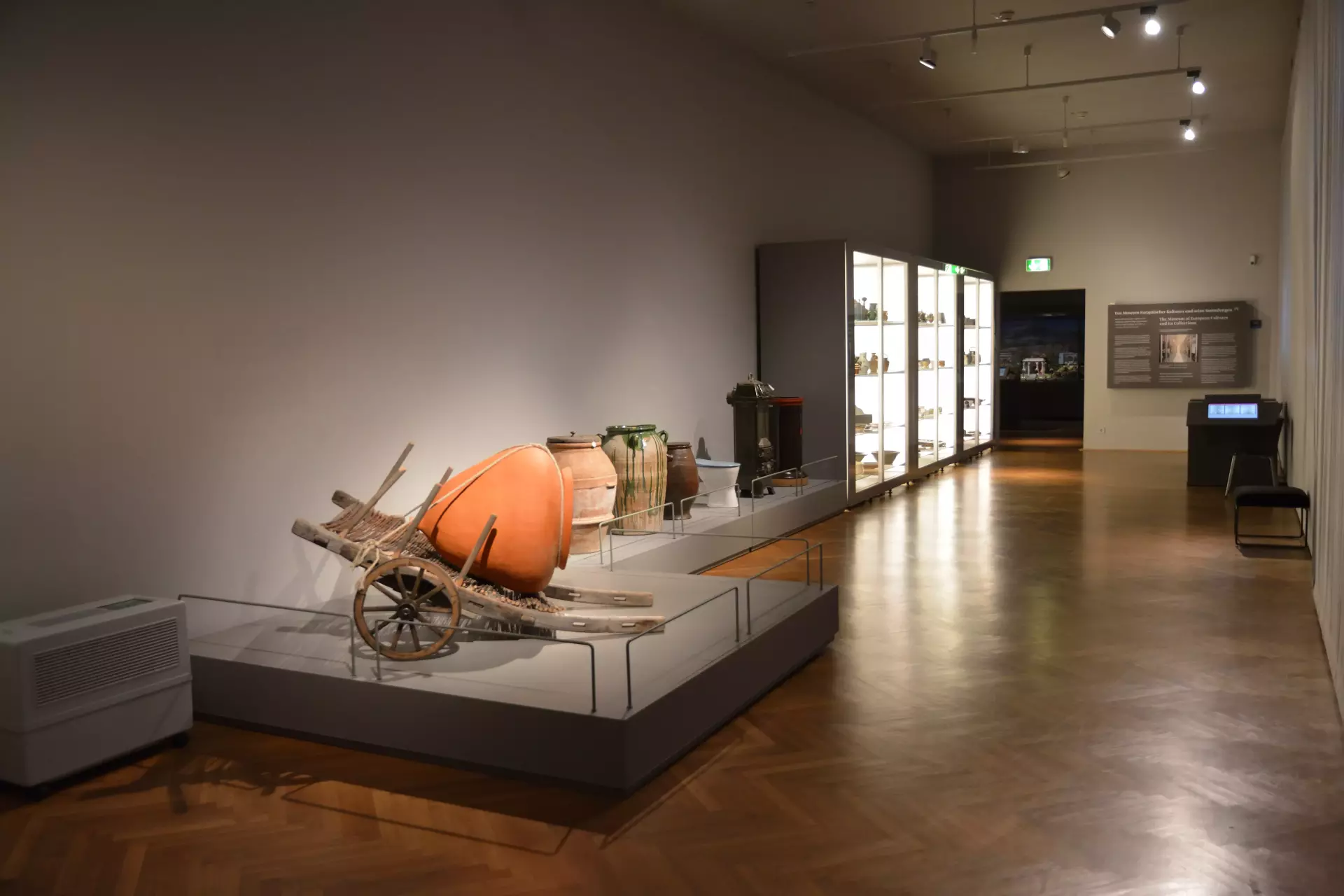
Exhibitions focus on daily life and shared experiences: clothing and textiles, household objects, festival costumes, religious displays, and items linked to migration and modern city living. Displays often combine historic artifacts with multimedia, photographs, and sound to show how customs continue or change over time.
Key themes include seasonal festivals, food traditions, craftsmanship, and the ways people form communities. Special sections highlight moments of transition—moving to a new country, starting a family, or adapting to new technologies—showing how these shifts shape personal and collective identity.
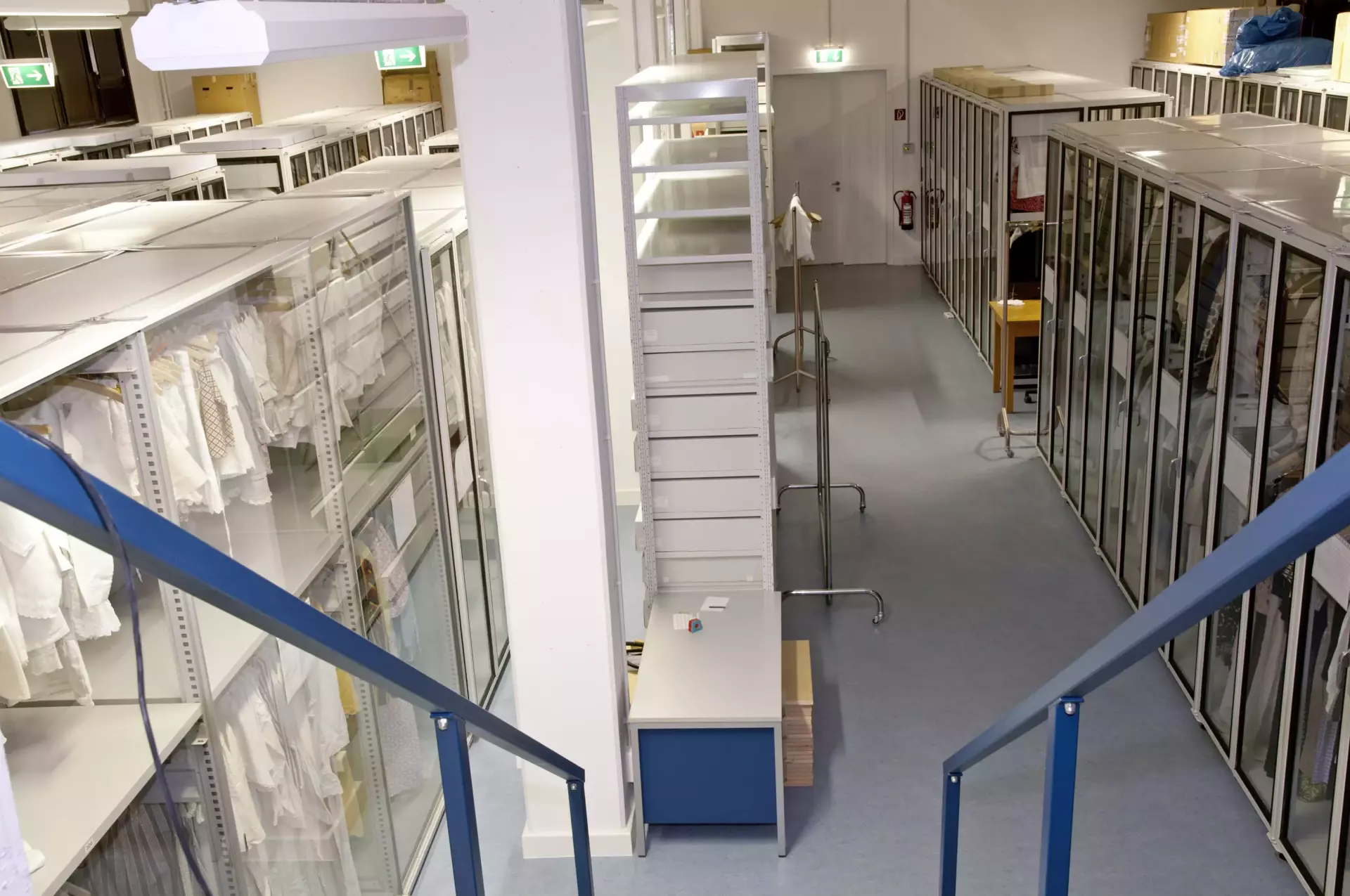
As part of Berlin’s museum network, the Museum of European Cultures supports research, archives, and educational programs. Workshops, talks, and family-friendly activities invite visitors to look closely at objects and connect them with present-day experiences.
Source - https://en.wikipedia.org/wiki/Museum_Europ%C3%A4ischer_Kulturen
Designed by Daniel Libeskind with an excellent exposition on the Jewish life in Berlin and the impact of the Holocaust. You can easily spend a day here. There is a metal scanner and other security features you'd rather expect at an airport than a museum.
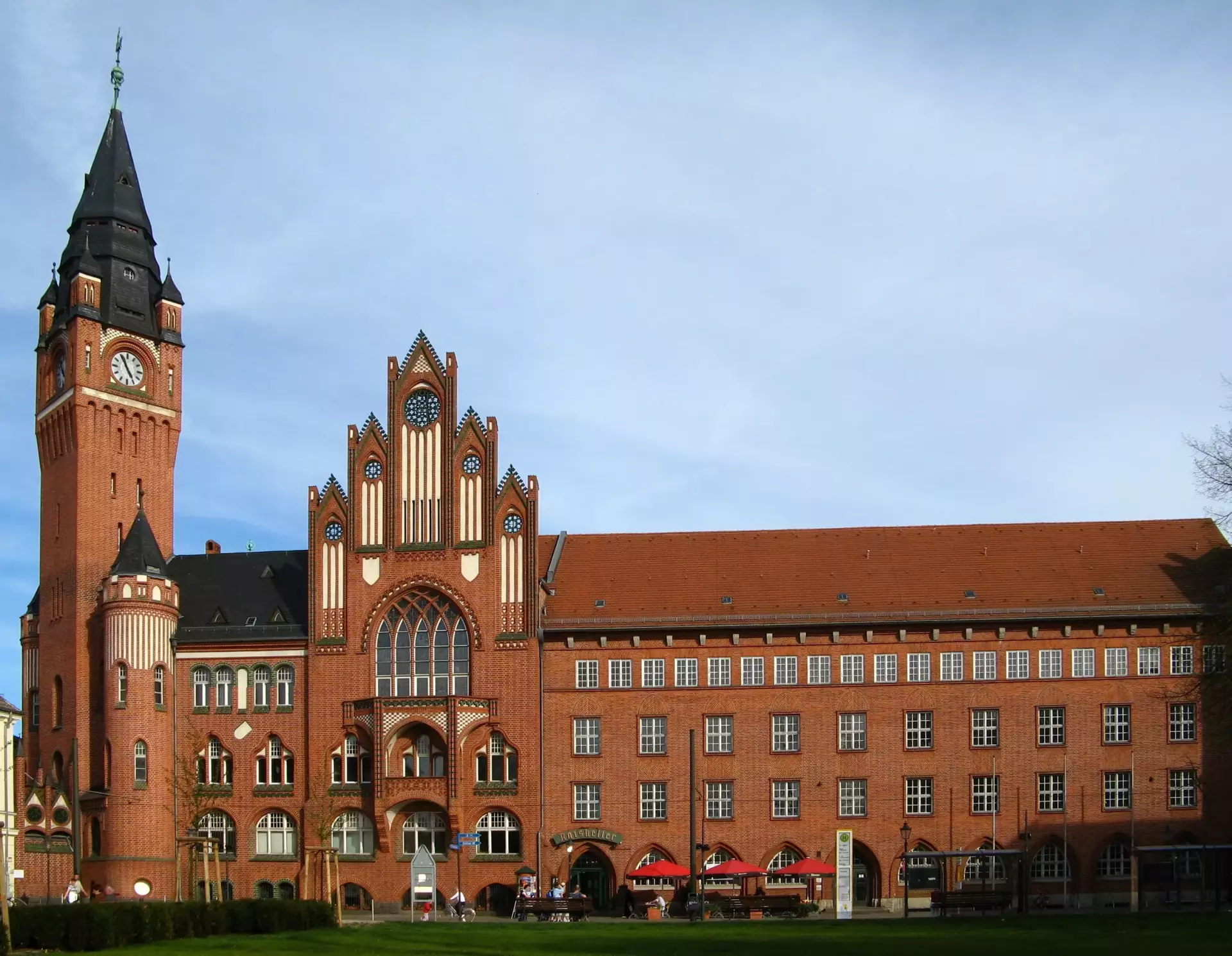
The old town of Köpenick is surrounded by water. Especially noteworthy are the Köpenick Palace which houses a museum of applied art and the Neogothic town hall.
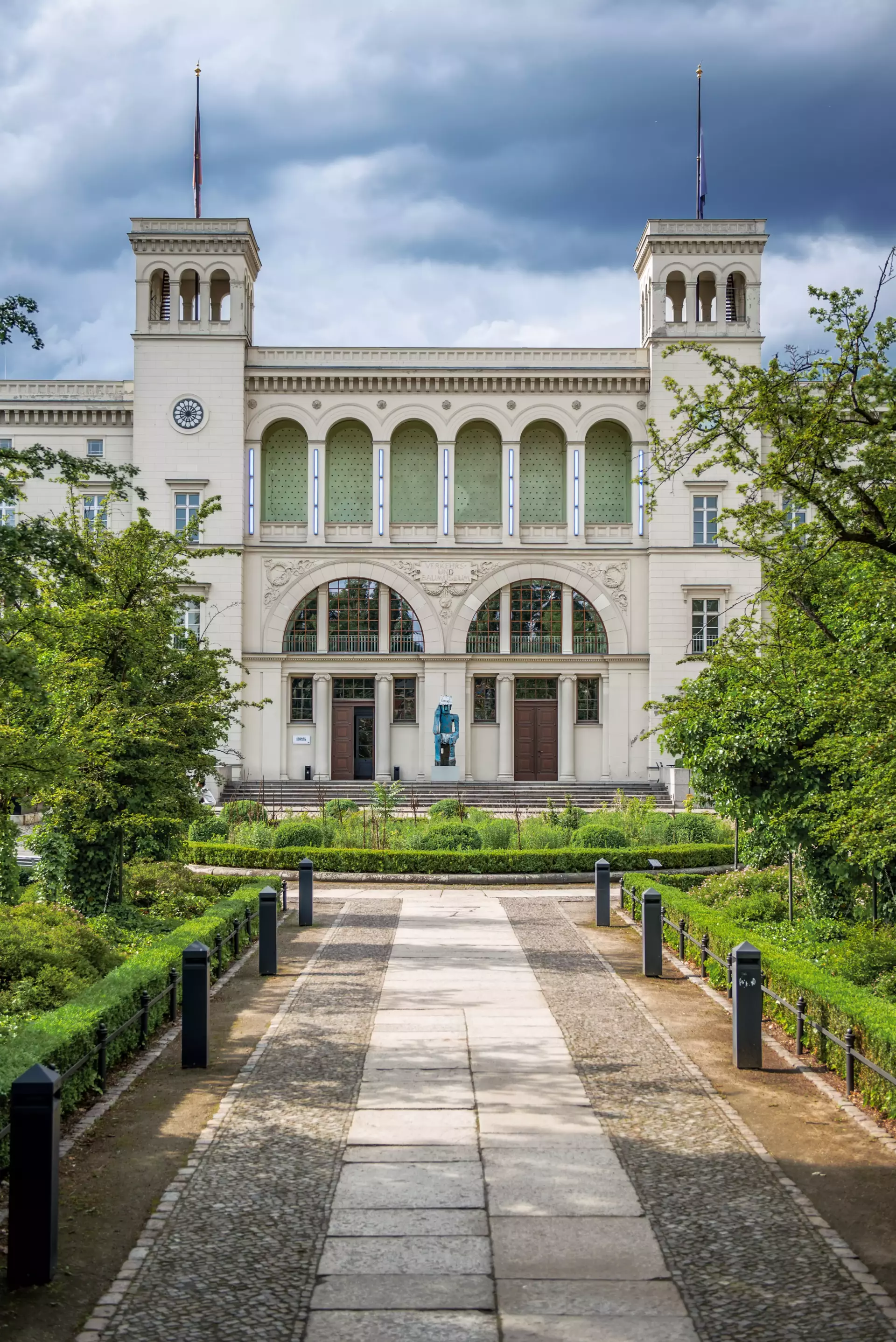
Museum of Contemporary Art located in former Hamburger Bahnhof train station. Big halls filled with artworks made since 1960s. In 2004 Rieckhallen, former Lehrter Bahnhof, was opened and now provides exhibition space for the Friedrich Christian Flick Collection. Free public guided tours (in English): Sa and Su at 12:00.
150 m high lattice tower with open-air observation deck 124 m above ground.
The Gendarmenmarkt is a square in the Friedrichstadt with the Konzerthaus (concert hall) and in front of the statue of Germany's poet Friedrich Schiller, the Neue Kirche (New church) and the Französischer Dom (French cathedrals). Berlin’s Deutscher Dom on the magnificent Gendarmenmarkt square is not to be confused with the Berliner Dom. It was built in 1708. Since 1992 a German Parliament exhibition can be seen here entitled “Paths, Loosing Track and Detours” or the development of parliamentary democracy in Germany – ways and roundabouts. No religious services are held here. The French cathedral houses the Hugenottenmuseum. It represents the ongoing influence on Berlin by the Huguenots who emigrated from France after the revocation of the Edict of Nantes. Crown Prince Friedrich William encouraged them to settle here because most of them were skilled workers or otherwise useful to the kingdom. One memorable artwork, in room nine of the museum, pictures Crown Princess Dorothea exclaiming "But he's a refugee!" upon being presented a very valuable set of jewels by Pierre Fromery. The generally agreed-upon view of refugees as poor, without resources let alone diamonds, was blown apart by the talented French Protestants forced to leave their country due to religion. One of the most notable effects of having such a large French population was their influence on the infamous Berlin dialect. Berlinerisch words such as Kinkerlitzchen (from French "quincaillerie" - kitchen equipment) and Muckefuck (from French "mocca faux" - artificial coffee, though that etymology is not universally accepted) are unique to the area. The Französischen Dom (cathedral) itself was built to resemble the main church of the Huguenots in Charenton, France, destroyed in 1688. It has housed the museum since 1929. Closed till 2019
Started in the 15th century and finished in the mid-18th century, the baroque palace was the residence of electors, kings and emperors until 1918, when it became a museum. The palace was badly damaged during World War II and later razed in 1950, replaced by the GDR with a modernist Palast der Republik. The Palast was in turn gradually dismantled at the turn of the century, as it was discovered to contain asbestos and its former function of housing the GDR parliament became obsolete. Berlin has started in June 2013 construction on a new version of its historic Stadtschloss. The Schlüterhof, an inner courtyard, was also rebuilt. The building opened with a delay in 2021 with museums inside and a roof terrace with a good view. Among the Berlin museums this is perhaps the most controversial due to reconstruction of a monarchist palace being seen as a questionable political statement and due to the fact that many of the exhibits were sourced from German colonies under ethically questionable circumstances leading to demands to return some or all of them to their places of origin.
A domed church at Bebelplatz/Unter den Linden, the oldest (mid-18th century) and one of the biggest Catholic churches in Berlin. Interior was redesigned in a modern style in the 1950s, but there are still many treasure chambers in the basement.
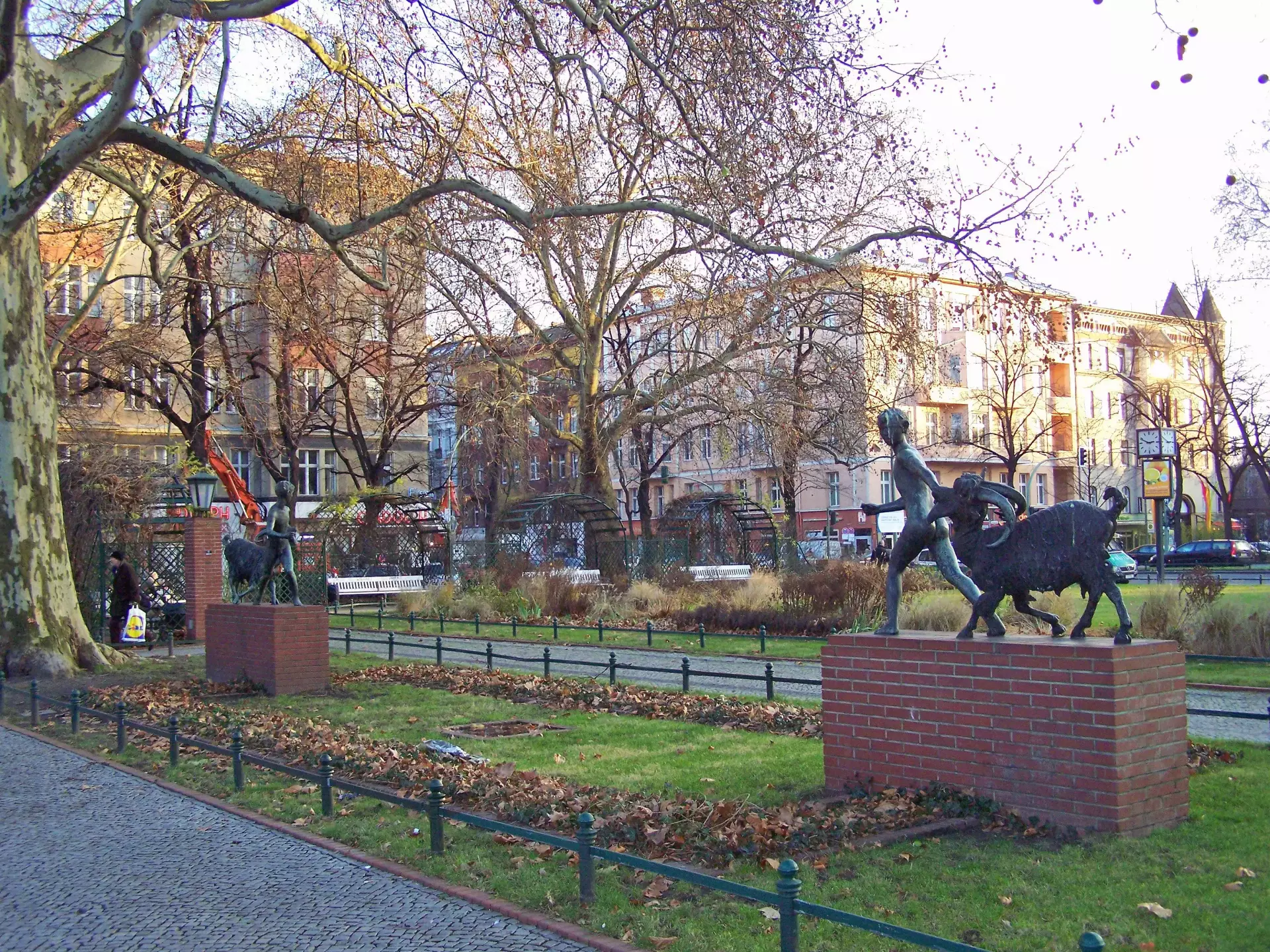
Small park in the heart of West Berlin. Great place to chill on a sunny day. There are many great cafés and restaurants nearby. Linger over a coffee here and watch people passing by.
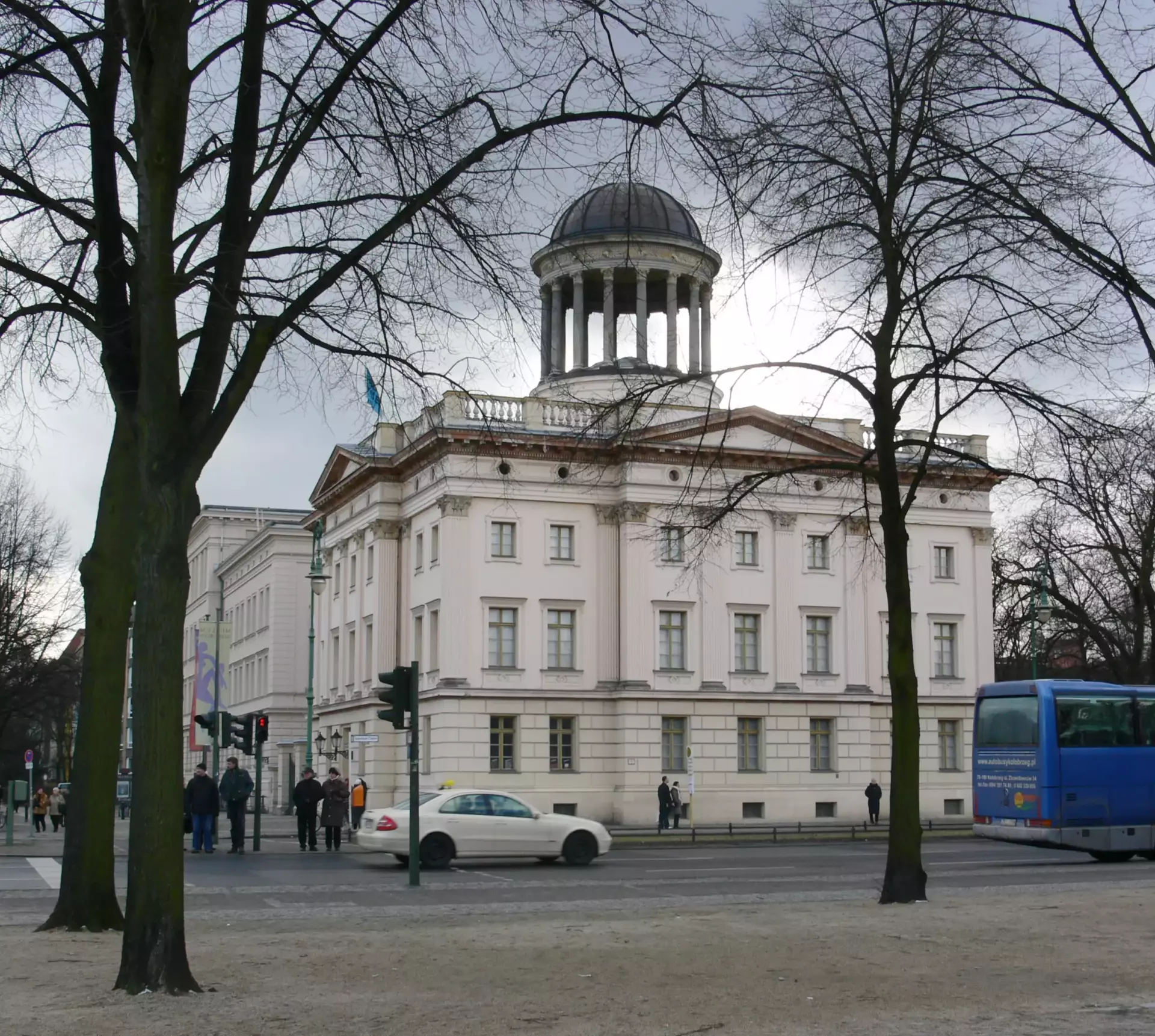
This castle is one of Berlin's oldest castles and where Prince Carl used to reside. Be sure to check out Glienicke Bridge, the bridge that became renowned for the exchange of Western and Eastern secret agents. You can also visit Glienicke Park.
The longest stretch of the Berlin Wall still in existence, painted by artists in 1991 and restored in 2009, after years of decay. At Mühlenstraße, next to the river Spree. The murals are painted on the east side of the wall after the fall of Communism; so they are not from the Cold War, during which murals could only be painted on the west side. Make sure not to miss the famous mural of a car seemingly crashing through the wall with Leonid Brezhnev and Erich Honecker kissing above it. It is actually on the back side of the gallery (it is facing away from the street.) It is just inside the entrance of the Eastern Comfort Hostel, near the east end of the gallery.
More than 30 million objects in the scientific collection and a fascinating exhibition in one of the most significant institutions of its kind in the world. Some parts still under construction.
The zoo in the former East Berlin is more spacious than its West Berlin counterpart, the historic Berlin Zoo and has been open for some 50 years. The Tierpark has nearly as many animals, but fewer reptiles and aquatic animals. It appears rather like a park with animals than a classic zoo, in fact it is one of the biggest zoos in Europe. There is an old castle from the late 17th century in the northeast of the Tierpark (Schloss Friedrichsfelde).