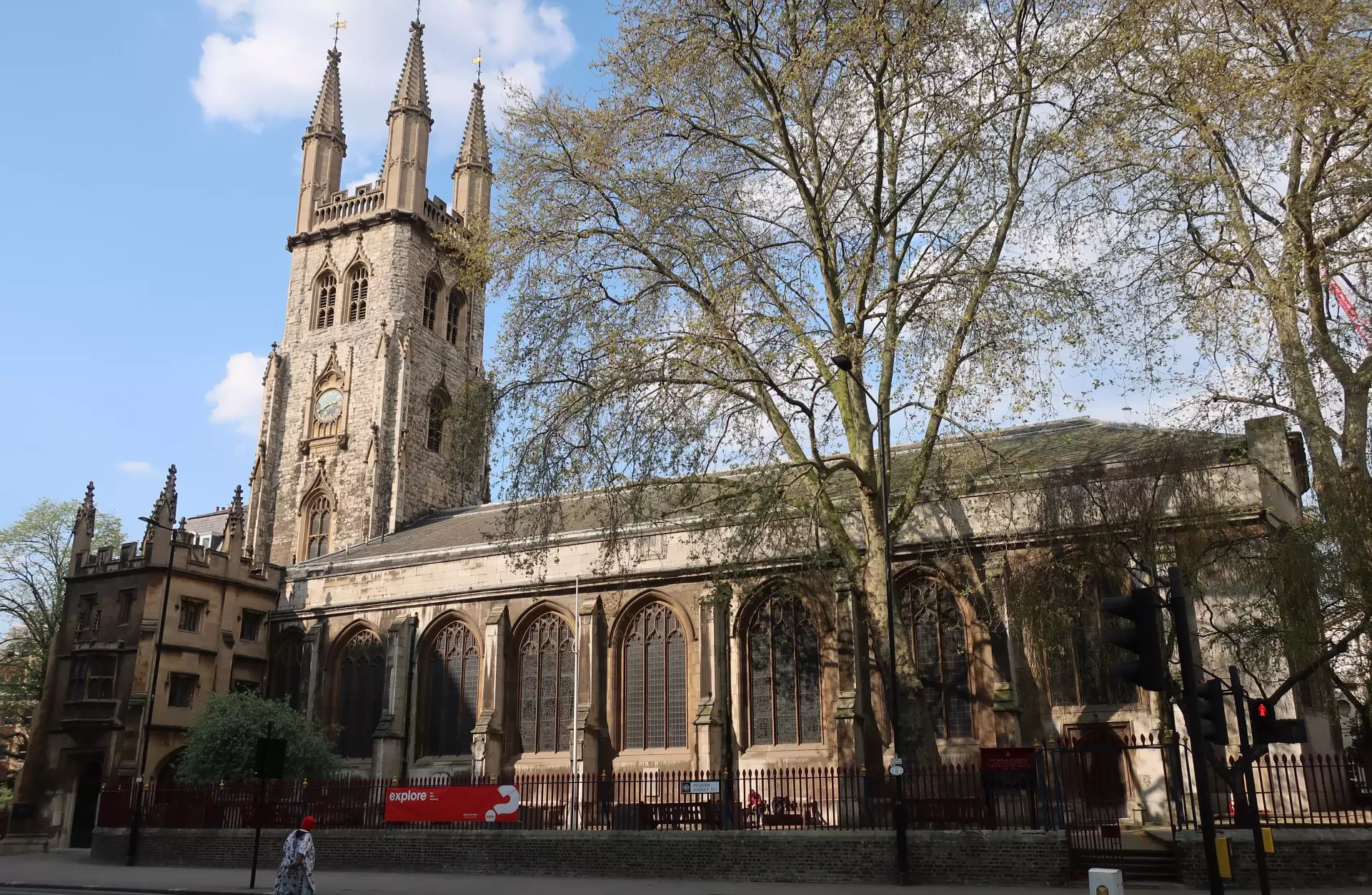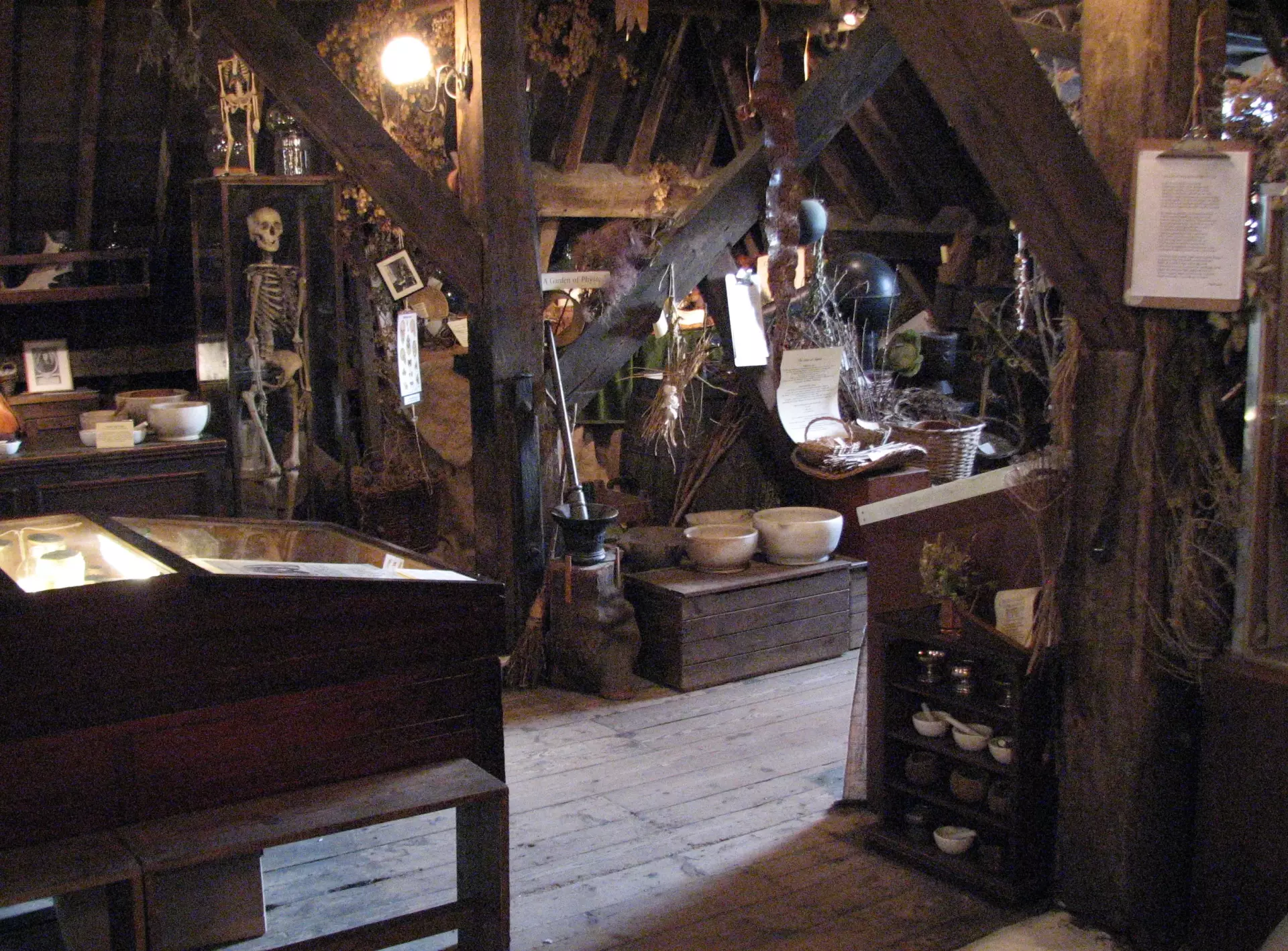
In London, Britain's oldest operating theatre offers a unique glimpse into medical history. This intriguing tourist attraction is tucked away in the roof space of St. Thomas's Church. Alongside it is the herb store, once used by the apothecary of St. Thomas's Hospital.
Source - https://en.wikipedia.org/wiki/Old_Operating_Theatre_Museum_and_Herb_Garret
A small realm of serenity in the midst of the typical turmoil. It used to be the court of the Knights Templar. You can still visit the beautiful Romanesque church, which is one of the oldest ones in London (opened in 1185) and has connections to the order of Templars. The chancel of the church was built by Henry III. The church still serves the members of Gray's Inn and Lincoln's Inn and has frequent services open to the public. Fans of Dan Brown's The Da Vinci Code will recognise the church from both the novel and the film.
Designed by Sir Christopher Wren, this tall column (which can be ascended to get a great view) marks the alleged site where the Great Fire of London broke out in September 1666.
Charts the history of the bank from 1694 to the present day. A highlight is the opportunity to handle a genuine bar of gold. Photography allowed, but no flash.
This small tower across the road from the Houses of Parliament is the only part of the original Palace of Westminster still standing. While it is overshadowed in splendour by the surrounding buildings, it's well worth a visit, and has good displays about the early history of Westminster.
As with any Merlin attraction, it is arguably overpriced for what it is. Brings to life the gorier elements of London's past both real life and fictional. Including the execution of Charles I after the English Civil War, the bubonic plague, Jack the Ripper, Mrs. Lovett's pie shop and Sweeney Todd's barber shop with faithful recreations of disaster, disease, and torture using live actors. Younger children may be scared.
The second biggest greenhouse in London, containing over 2,000 species of tropical plants as well as birds and fish.
Completed in 1823, this attractive church near Broadcasting House is one of John Nash's masterpieces, with a prominent spire and circular vestibule. As of May 2025, it accessible only for worship.
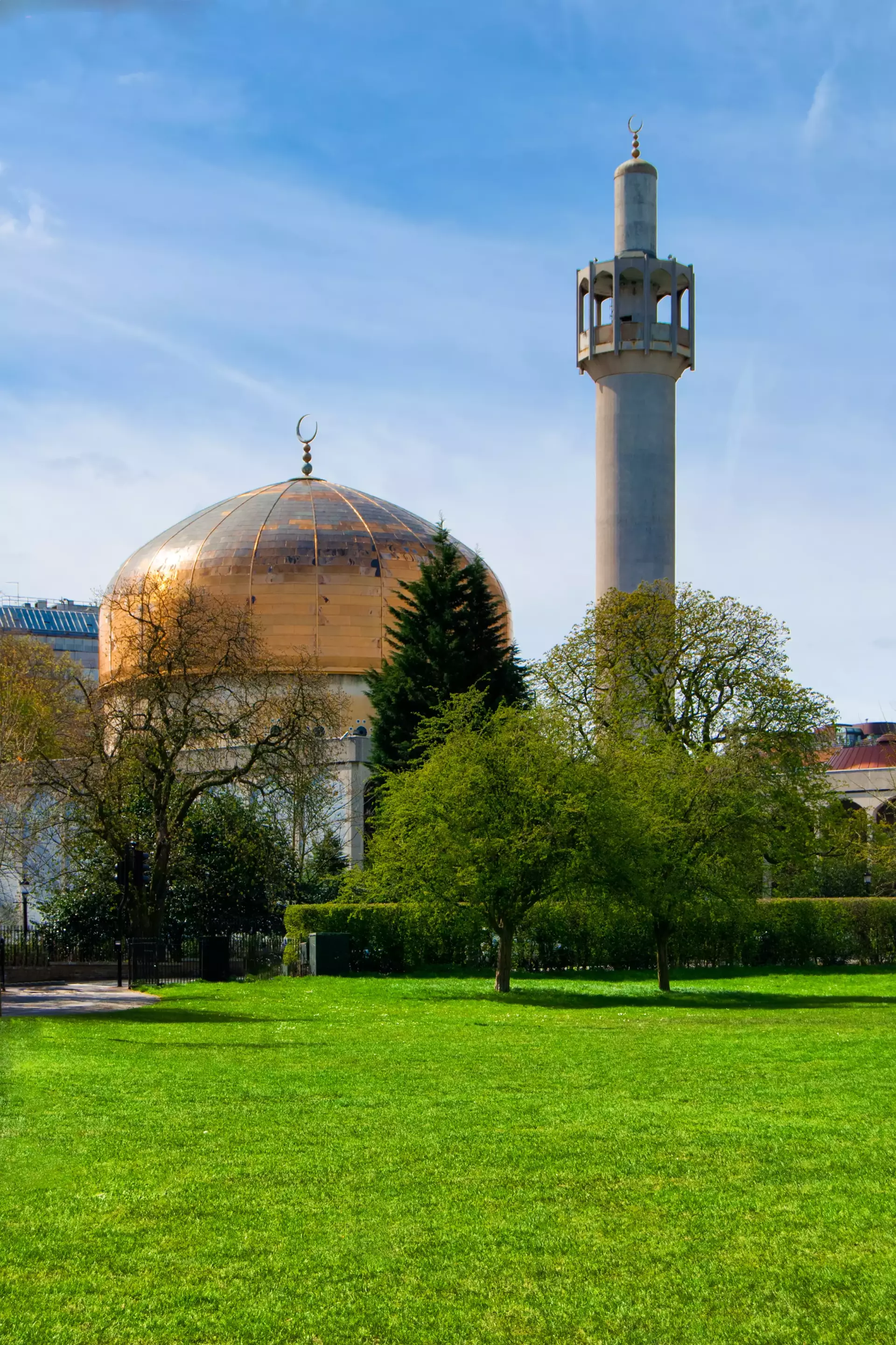
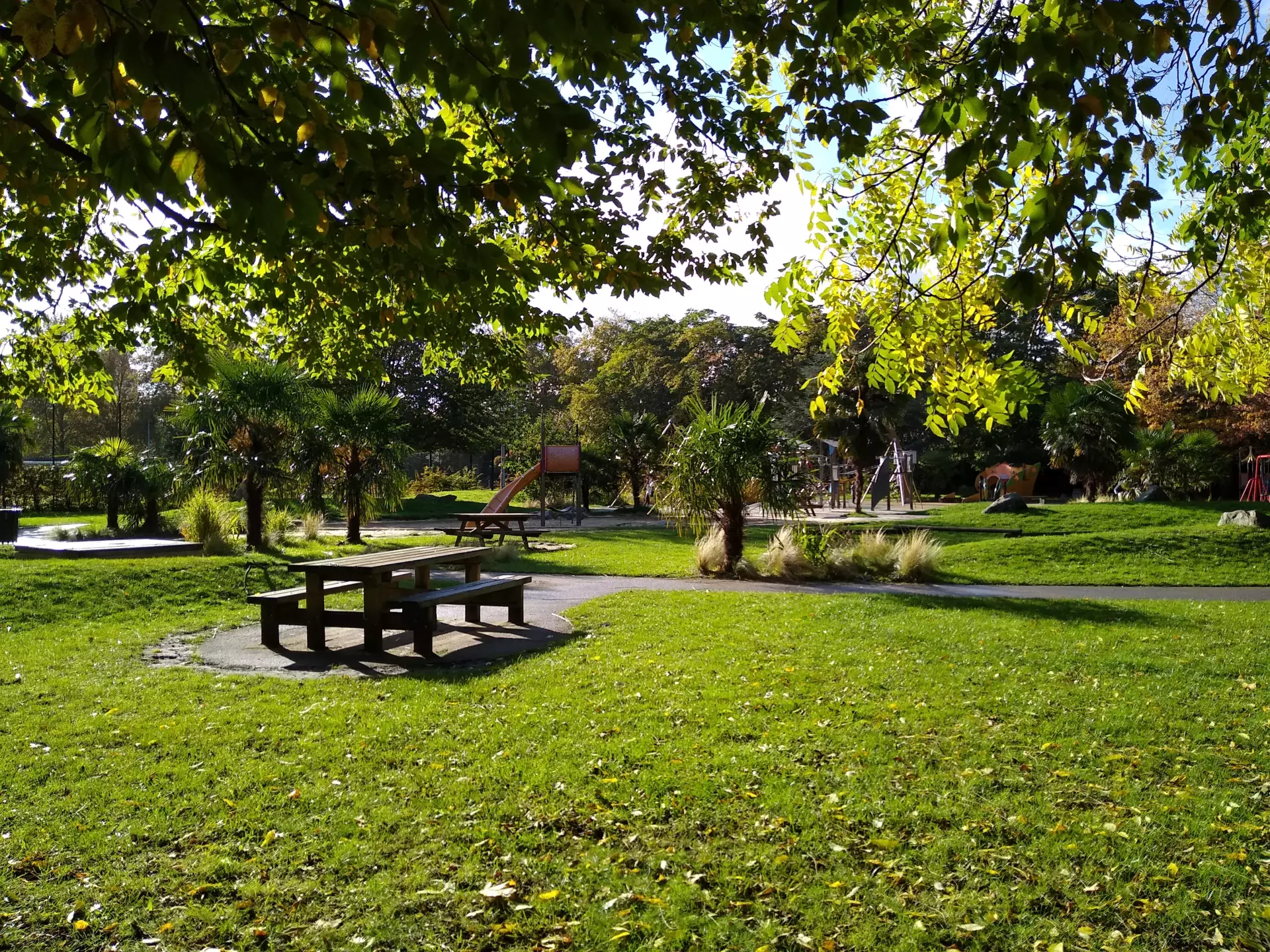
Large open space very popular with Londoners and less visited by tourists than the other great city parks. A number of lovely lakes, an open air theatre, regular puppet shows, various sporting activities and some splendid ancient trees. There is also a cafe and play area next to the boating pond. London's main zoo is in the northern reaches of Regent's Park. Takes a very conservation-driven approach these days and always has great exhibits aimed at children. Opened in 1828 for scientific study, then to the public in 1847. Islamic Cultural Centre and the main mosque in London. Visitors are welcome but must be suitably attired. The Mosque runs classes, prayers, talks and events.
Designed and built in 1619-1622 by the Neo-Classical architect Inigo Jones, The Banqueting House is now all that remains of Whitehall Palace, the sovereign's principal residence from 1530-1698 when most of it was destroyed by fire. Renowned for its architecture and paintings (by Rubens, among others), the building is also famous for being the scene of Charles I's execution in 1649 at the end of the English Civil War.
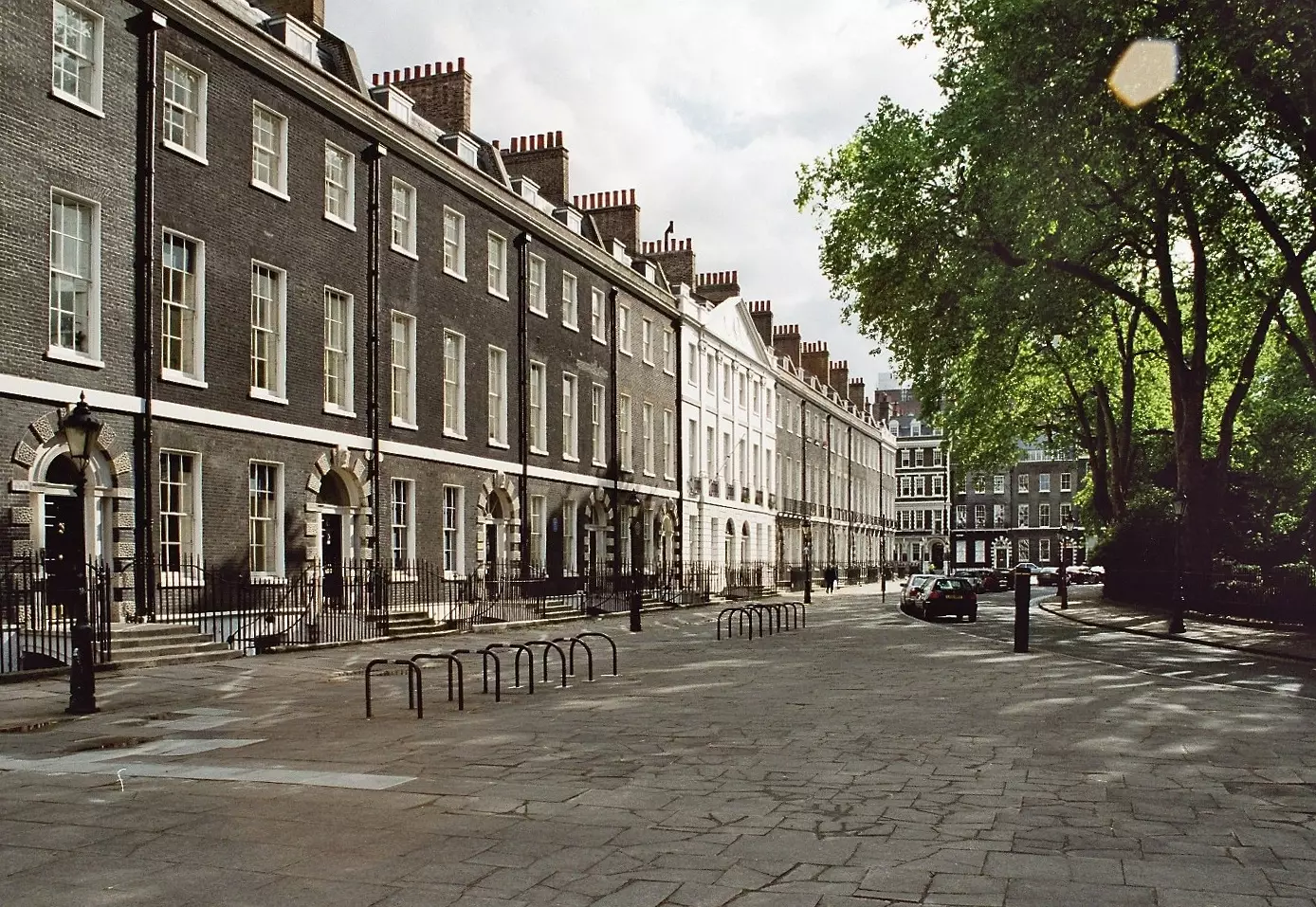
The largest square in London. It was established in 1806 by the 5th Duke of Bedford and his statue can still be seen in the square. There is also a café.
The Royal Academy no longer has a permanent exhibition space, instead hosting art exhibitions. Notable exhibitions have included the paintings of Monet, contemporary art associated with the theme of apocalypse, and Aztec art. Each Summer, the Royal Academy plays host to a Summer Exhibition, displaying 1,200 new works by established and new artists selected by the academy, most of which are available for visitors to buy. Each member has to donate a work of art, so over the years, the academy has built a sizable collection. Exhibitions are invariably excellent, and it is worth paying for audio guides, if they are not included. Visitors should book tickets in advance, as exhibitions are often very popular – particularly shortly after opening.
A splendid Regency house with enormous gardens and woodlands. The gardens alone are worth the visit and are a superb example of 18th-century landscaping. On show at the house is art by masters such as Rembrandt, Turner, Reynolds and Vermeer, and the gardens have a very notable sculpture by Henry Moore. A regular program of outdoor opera takes place here every summer. Movie buffs will recognise Kenwood from Mansfield Park among other famous films. Administered by English Heritage, separately from the rest of Hampstead Heath.
Official residence of the Lord Mayor of the City of London, completed in 1753.