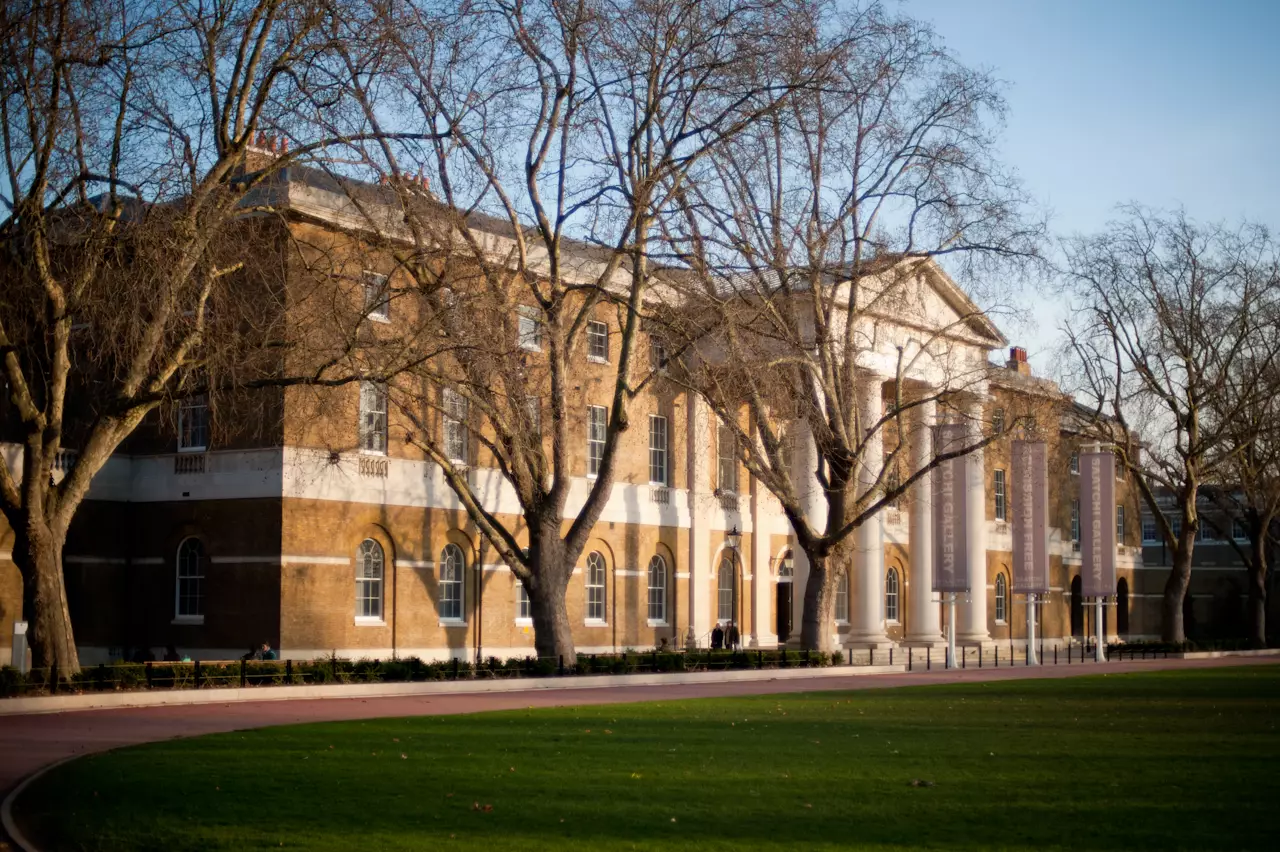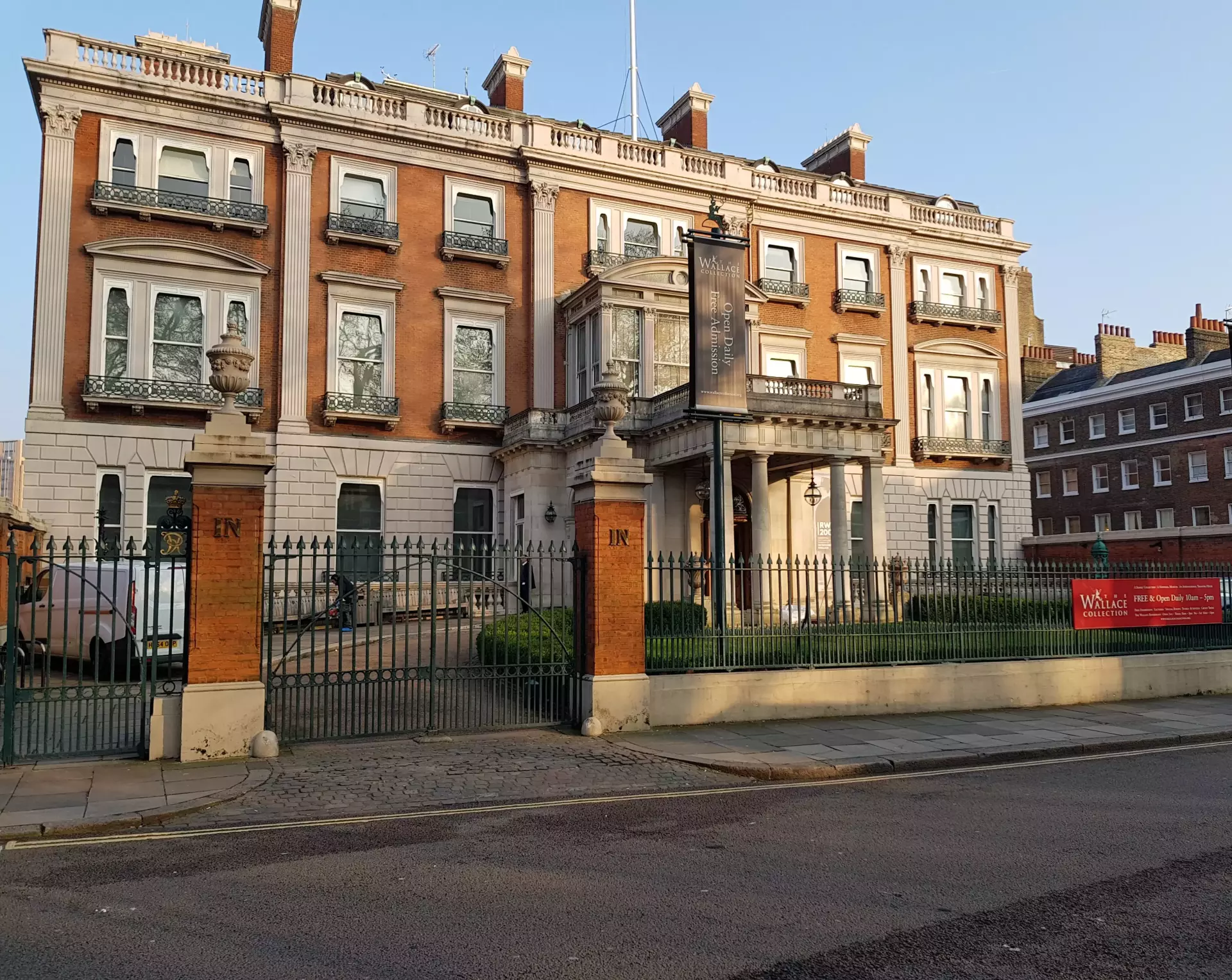
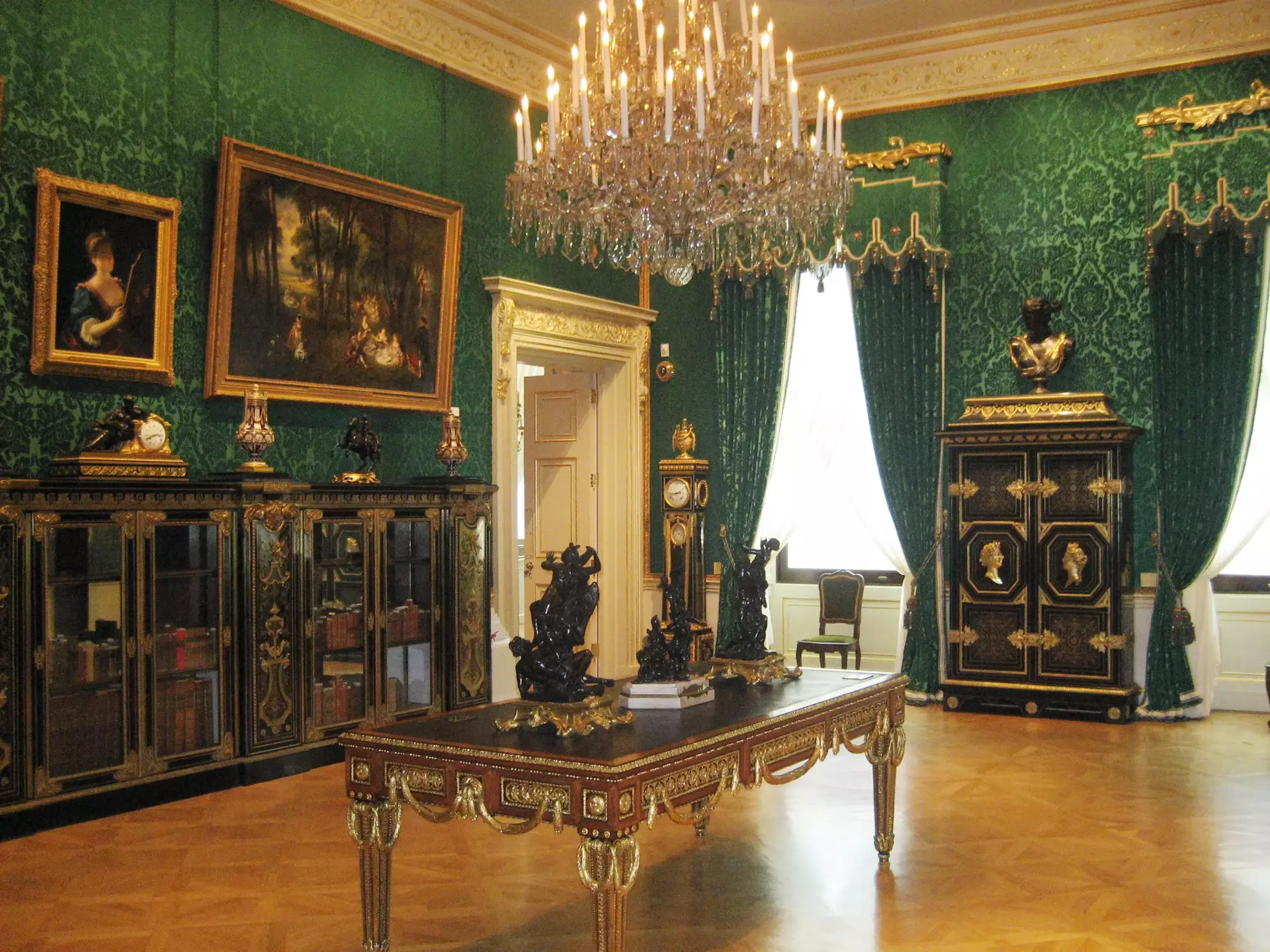
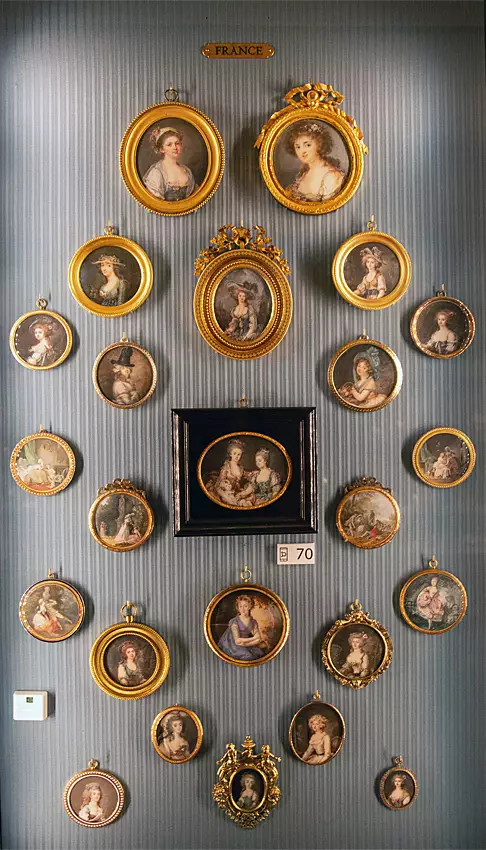
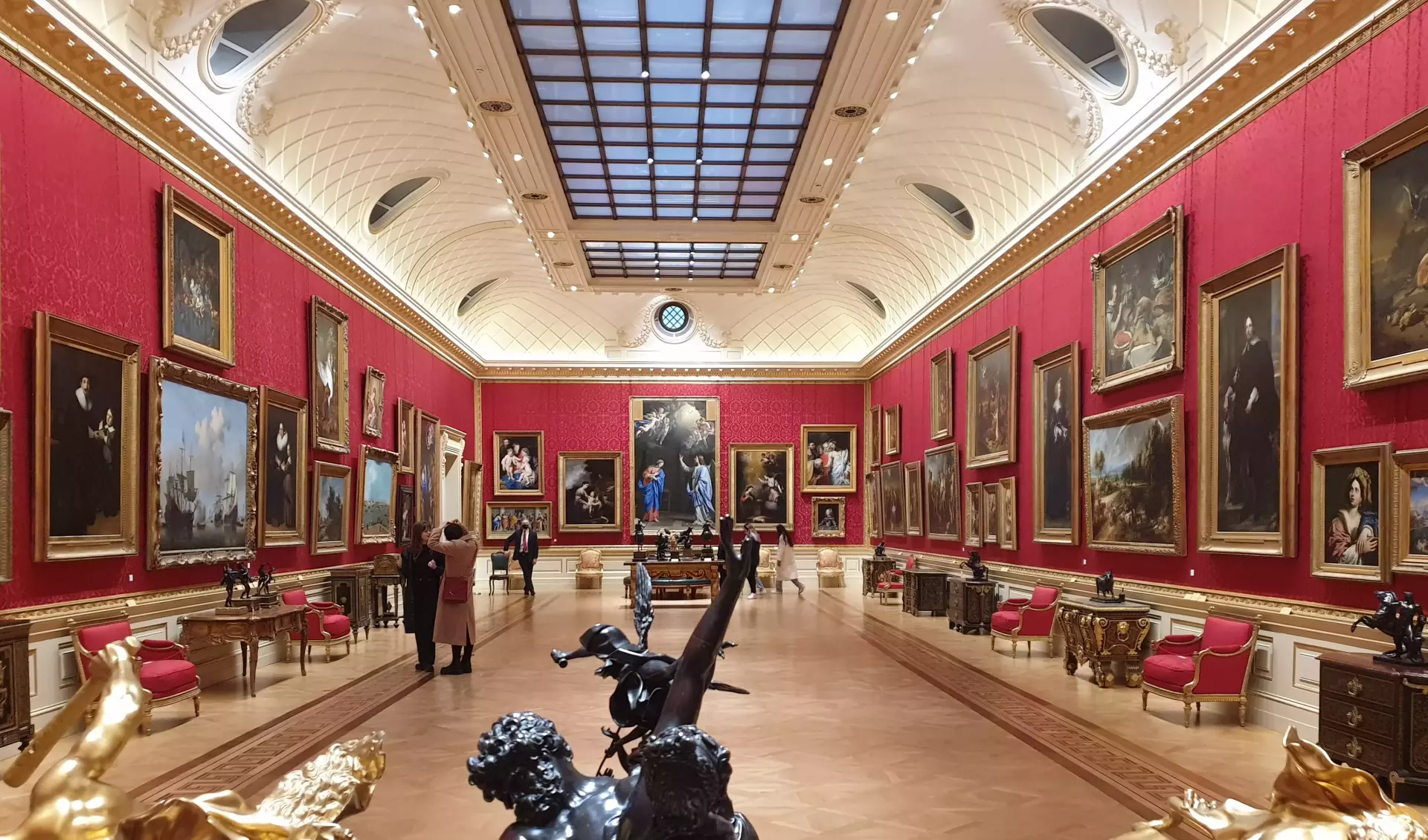
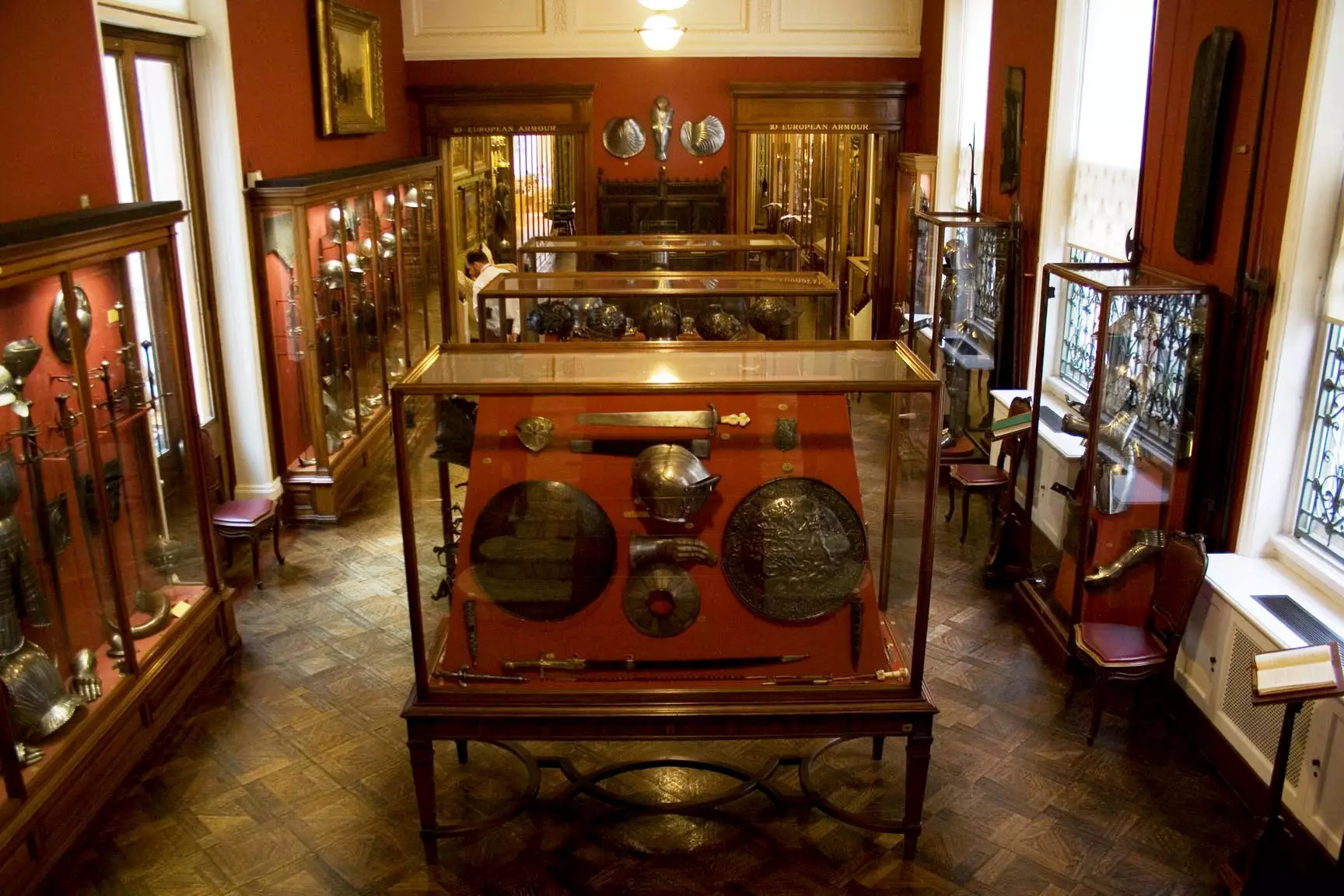
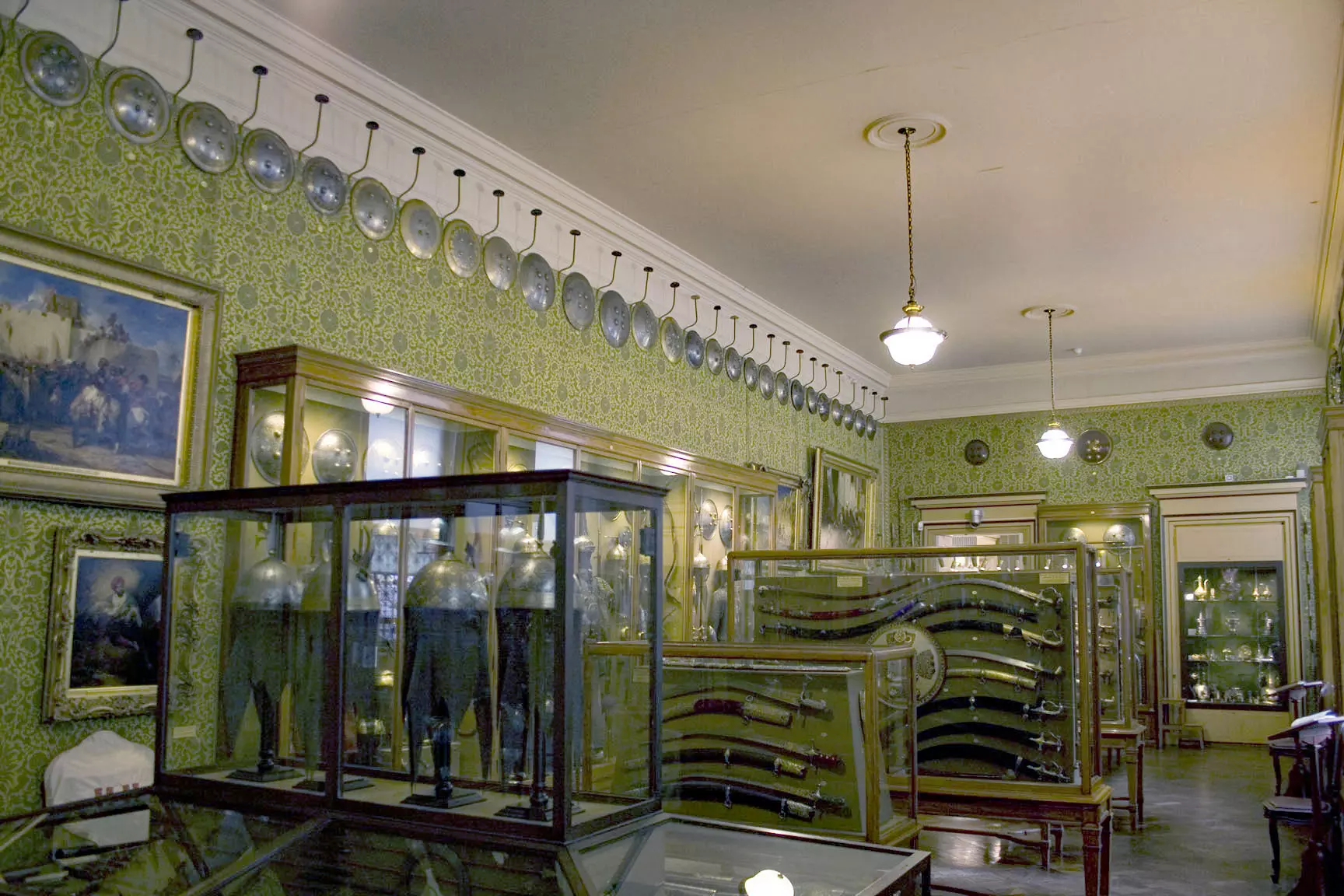
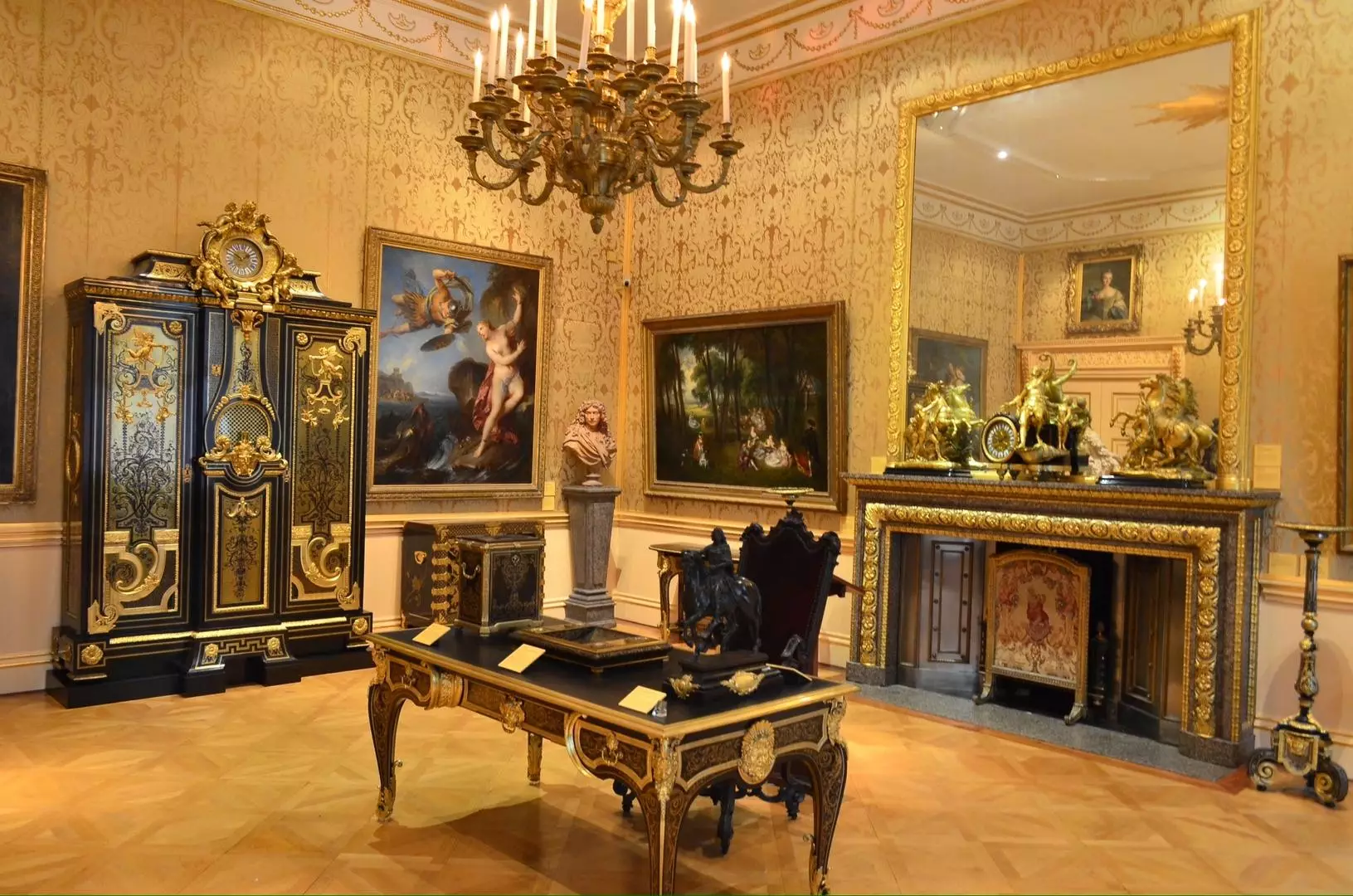
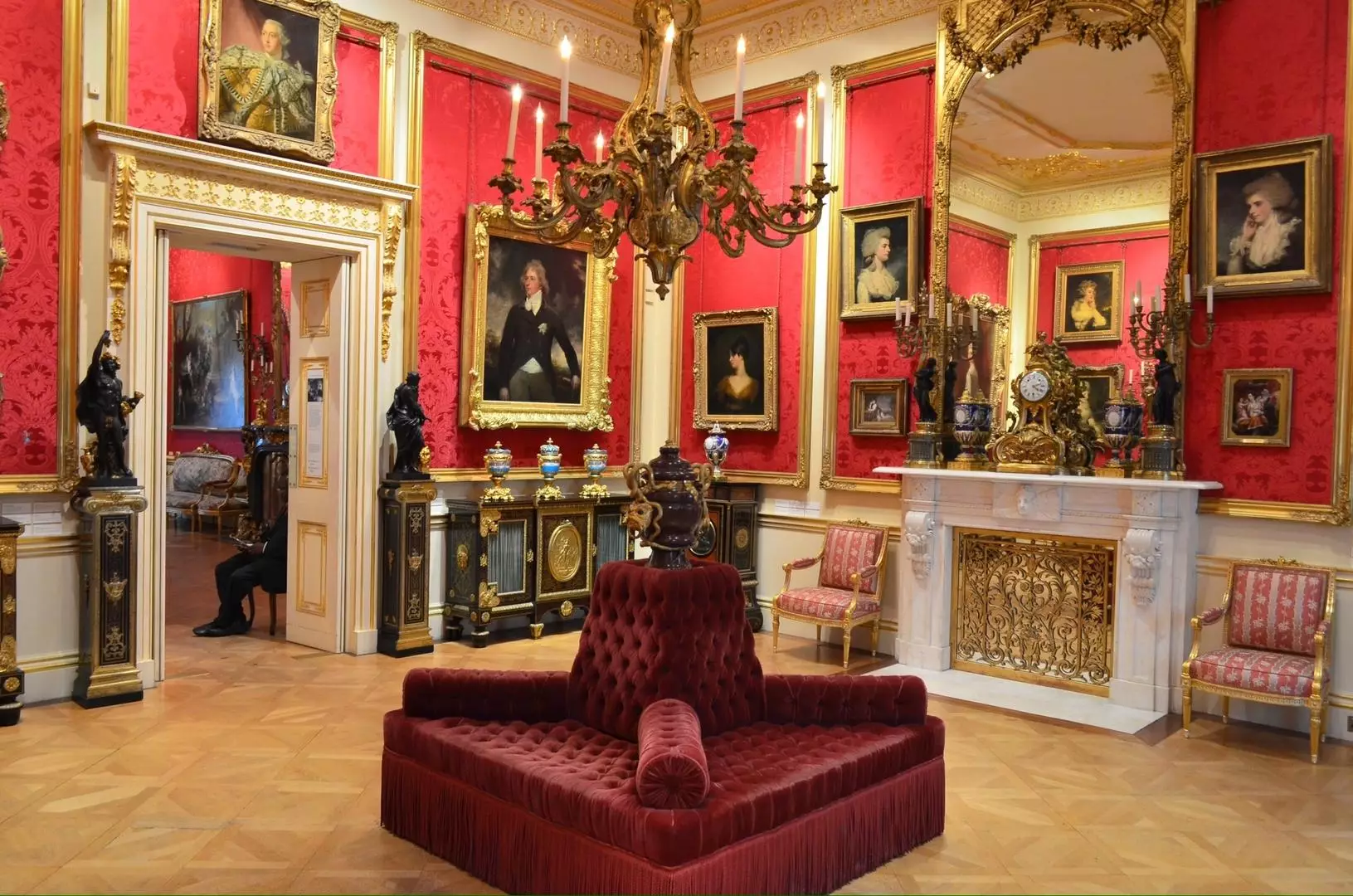
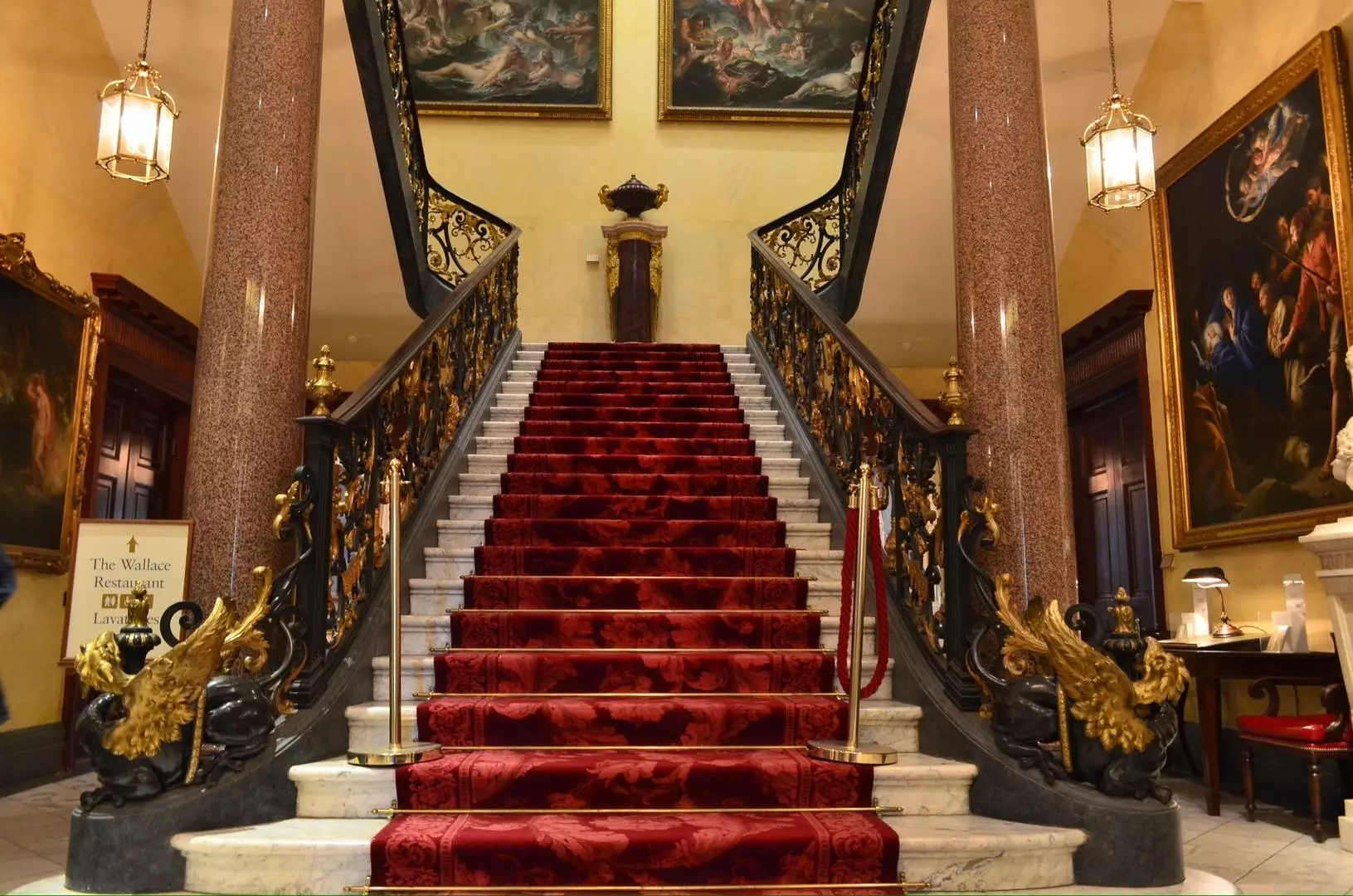
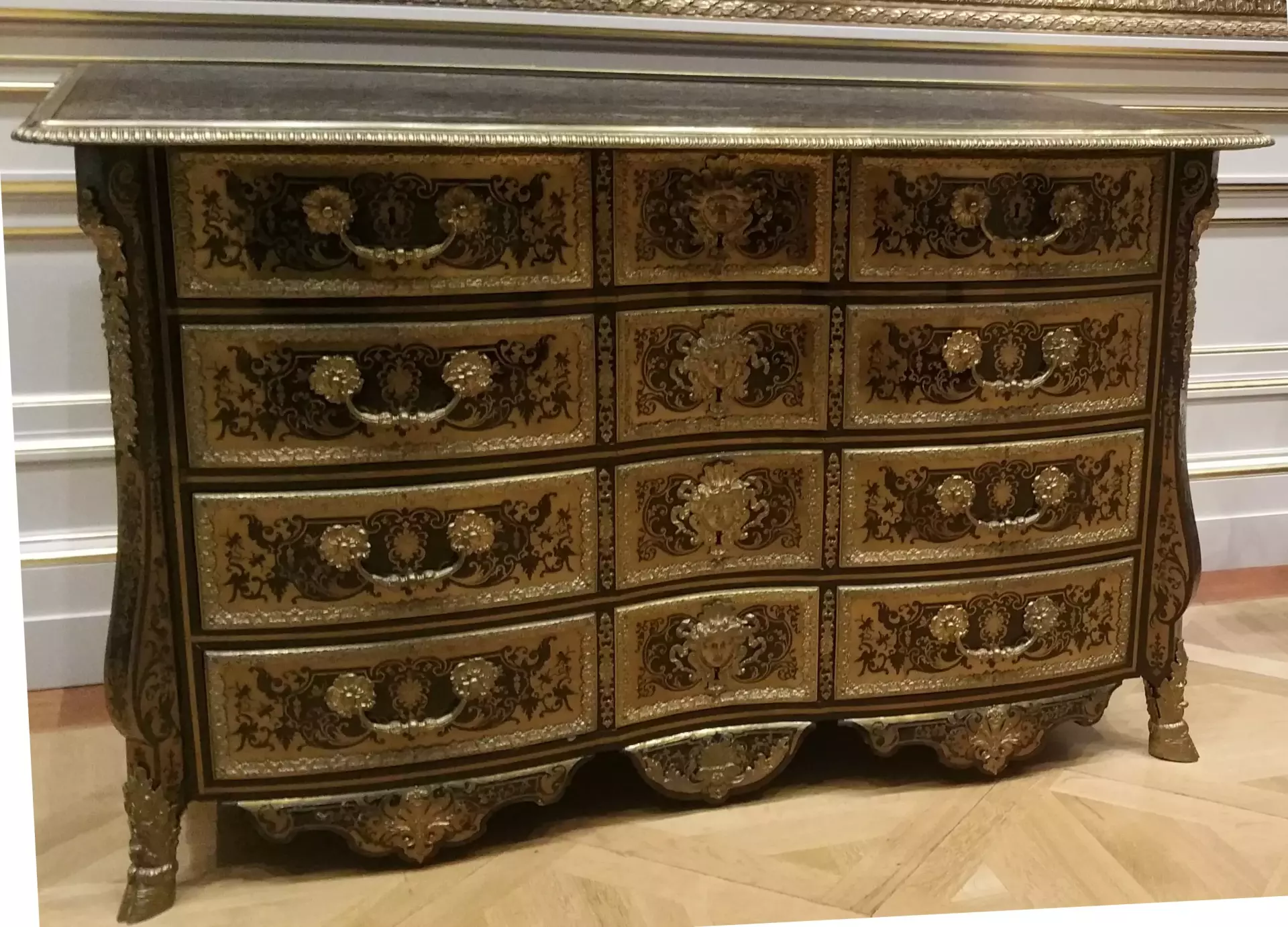
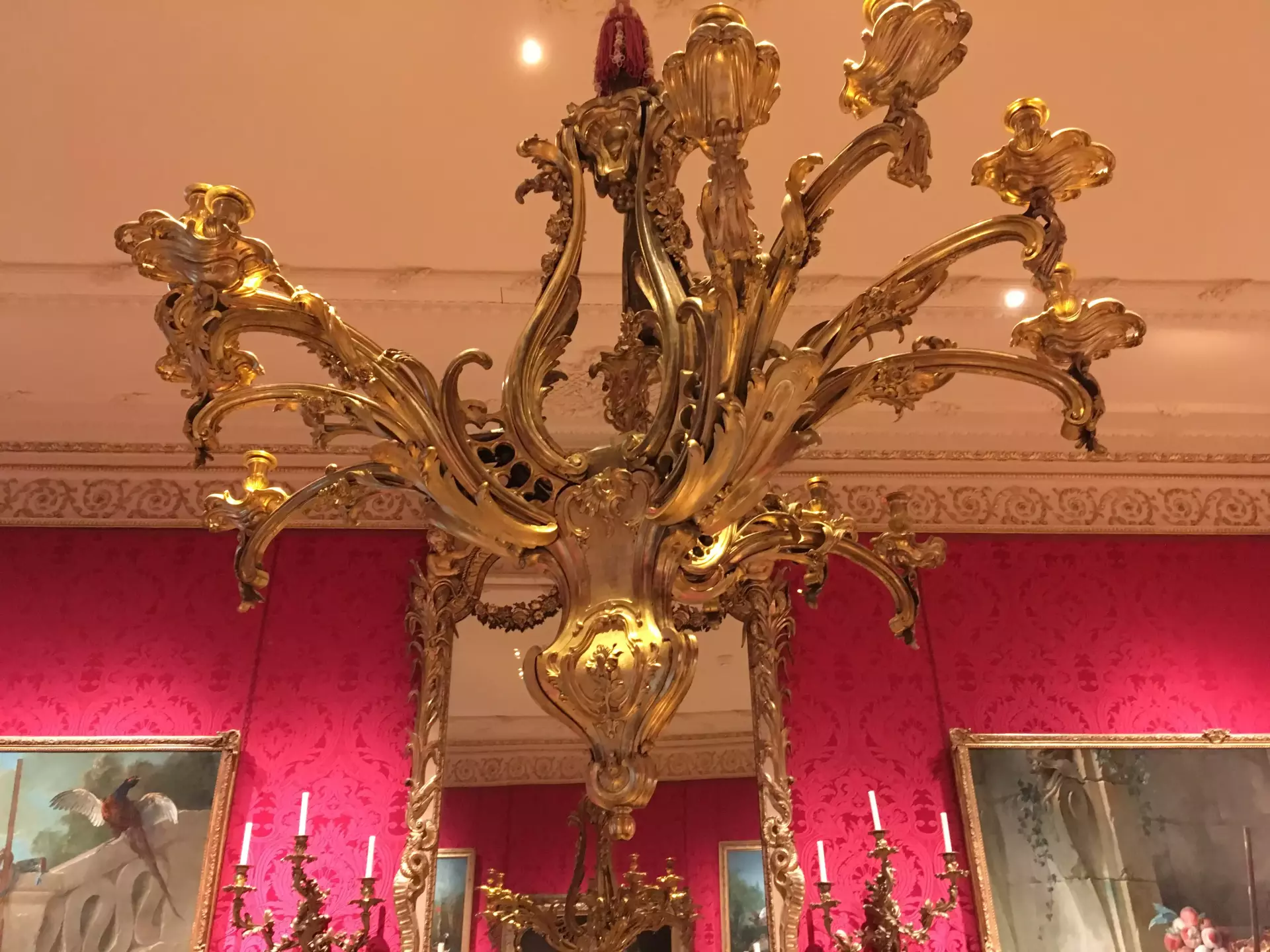
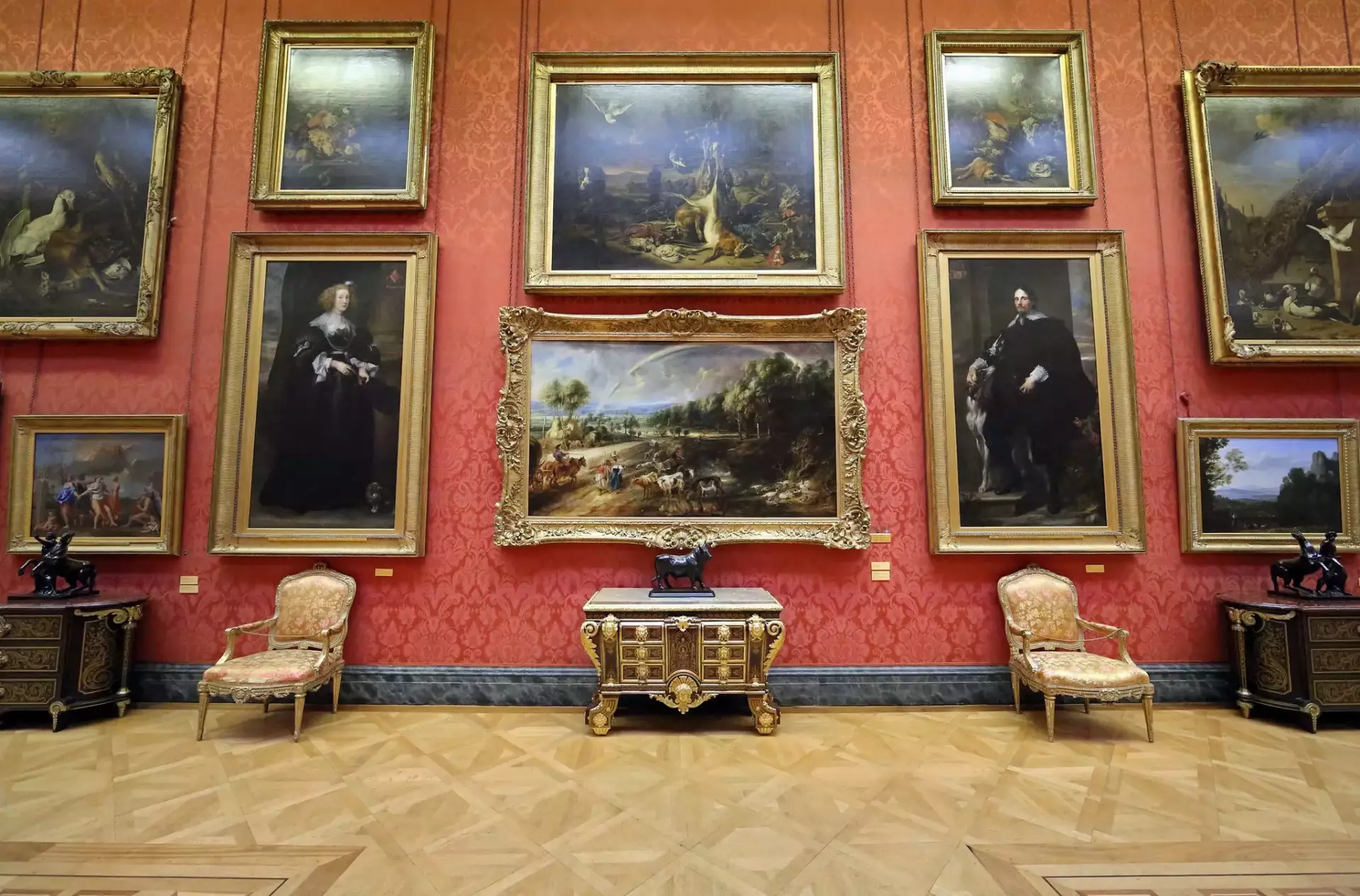
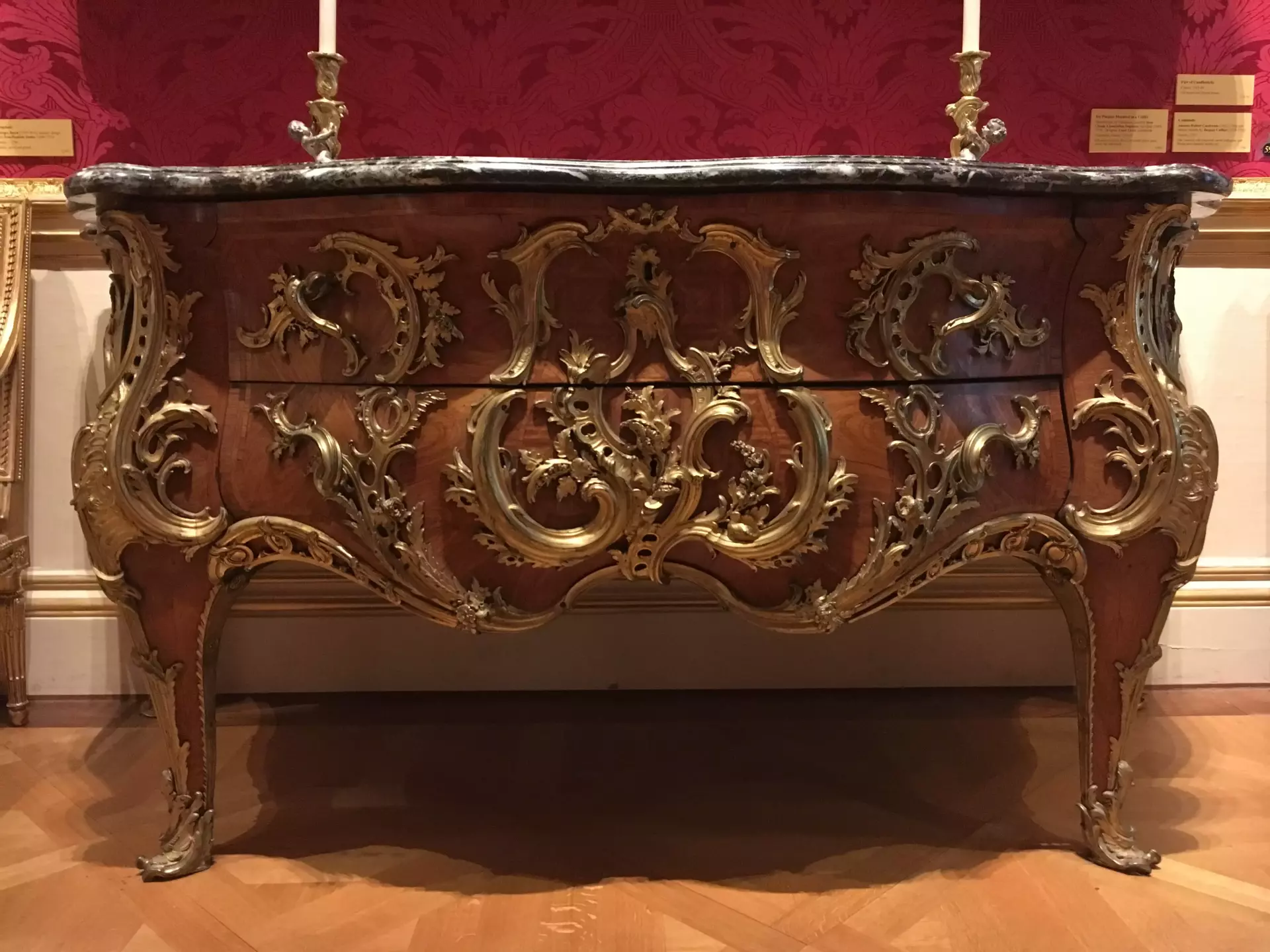
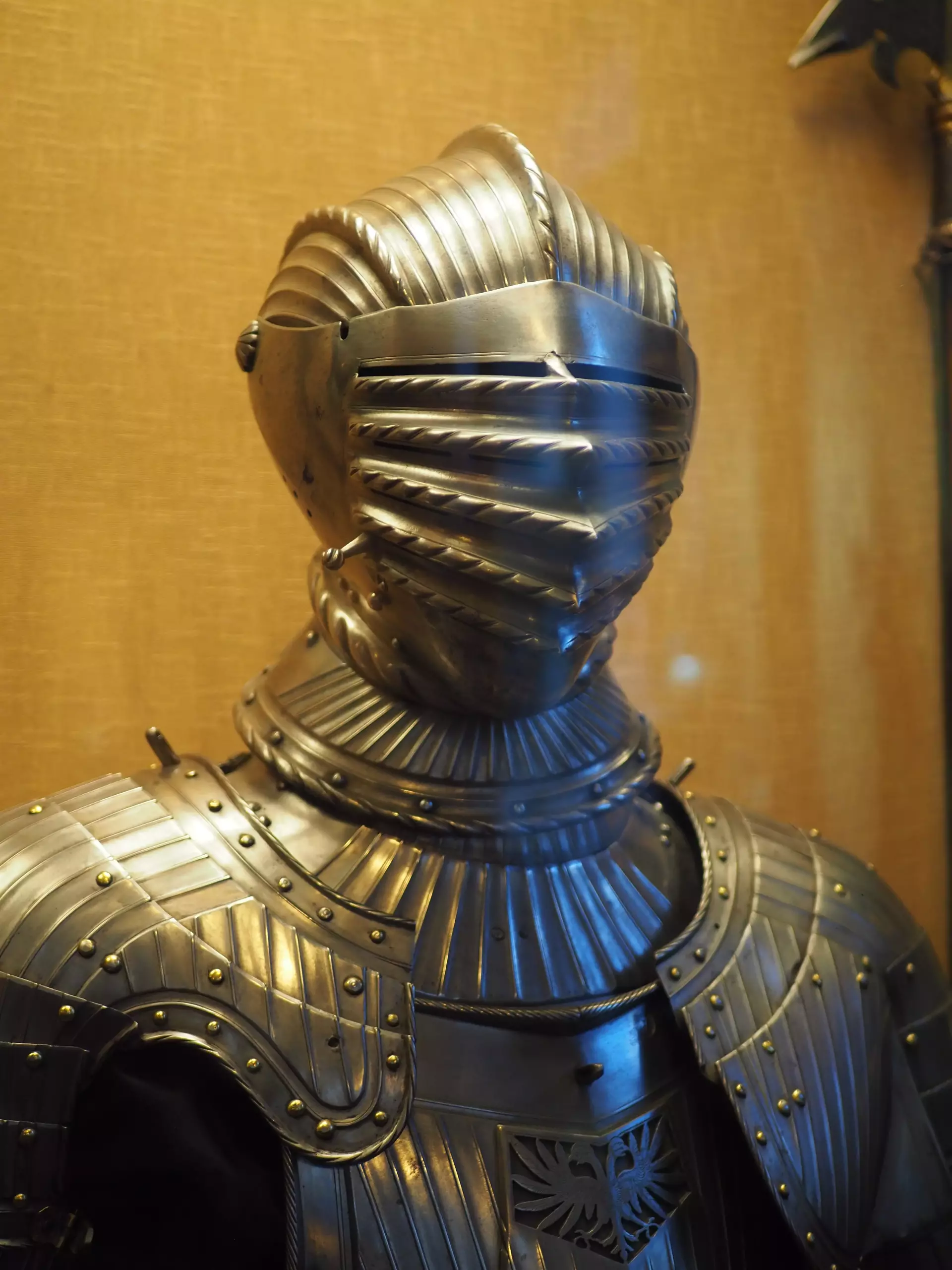
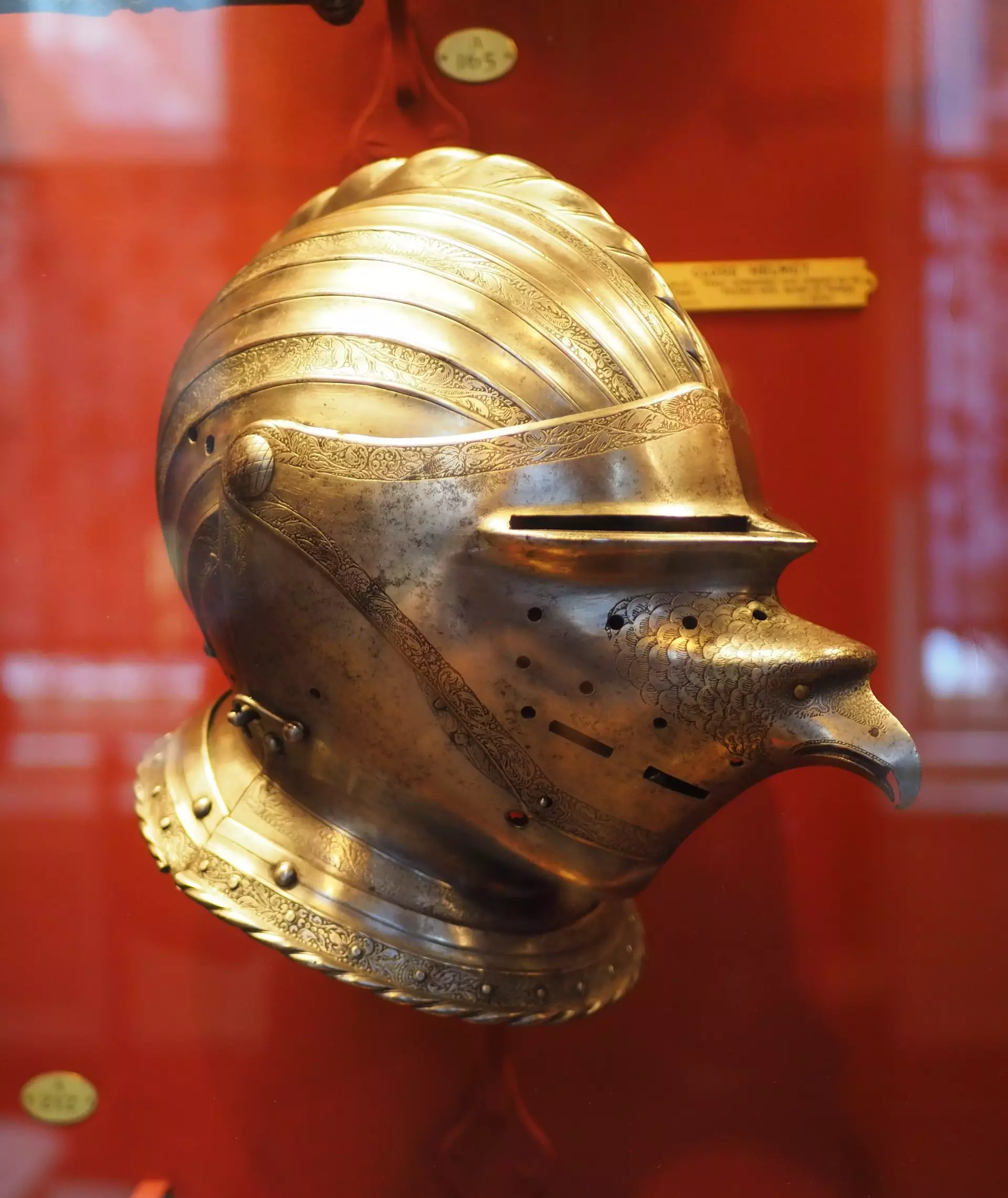
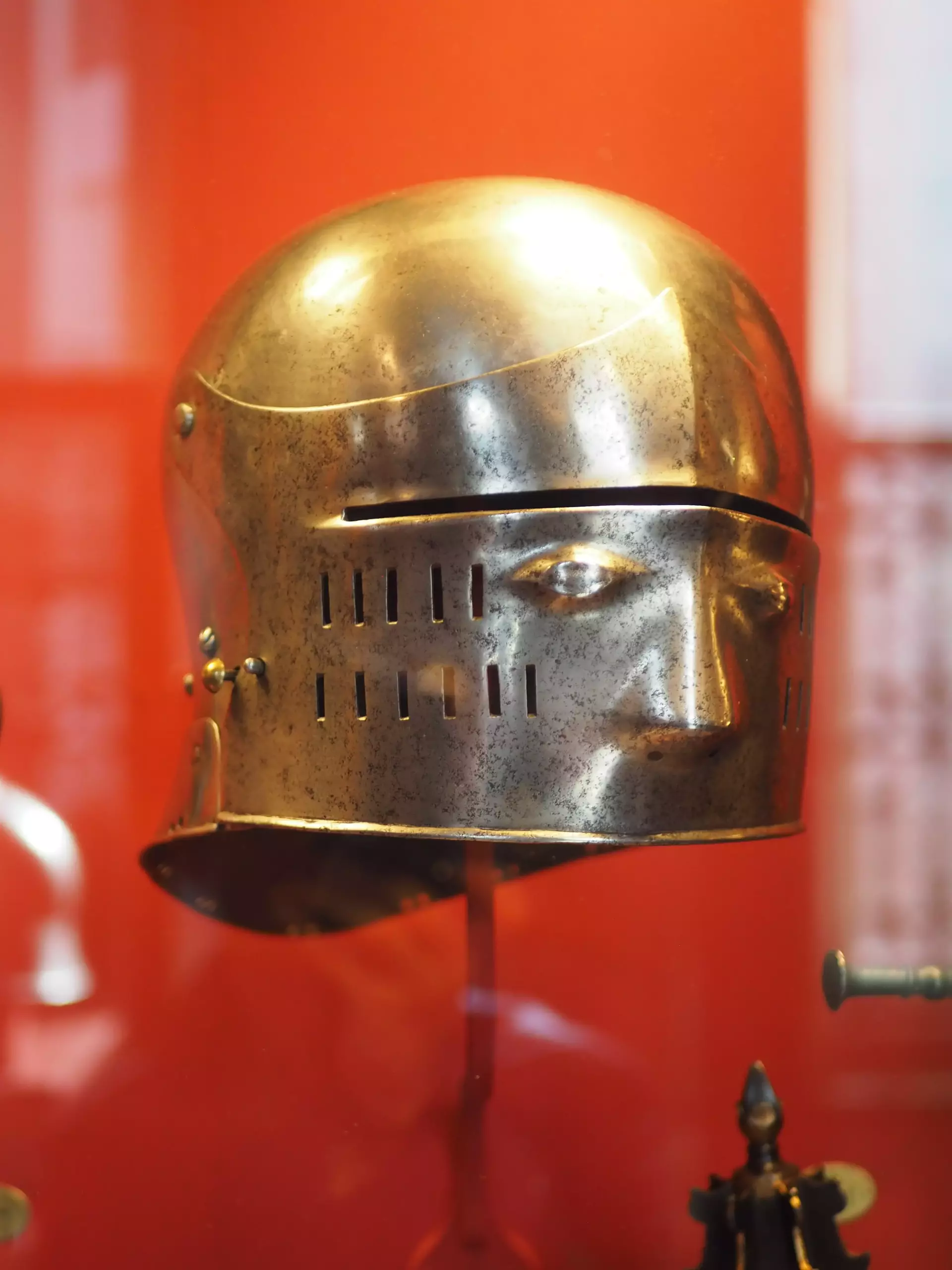
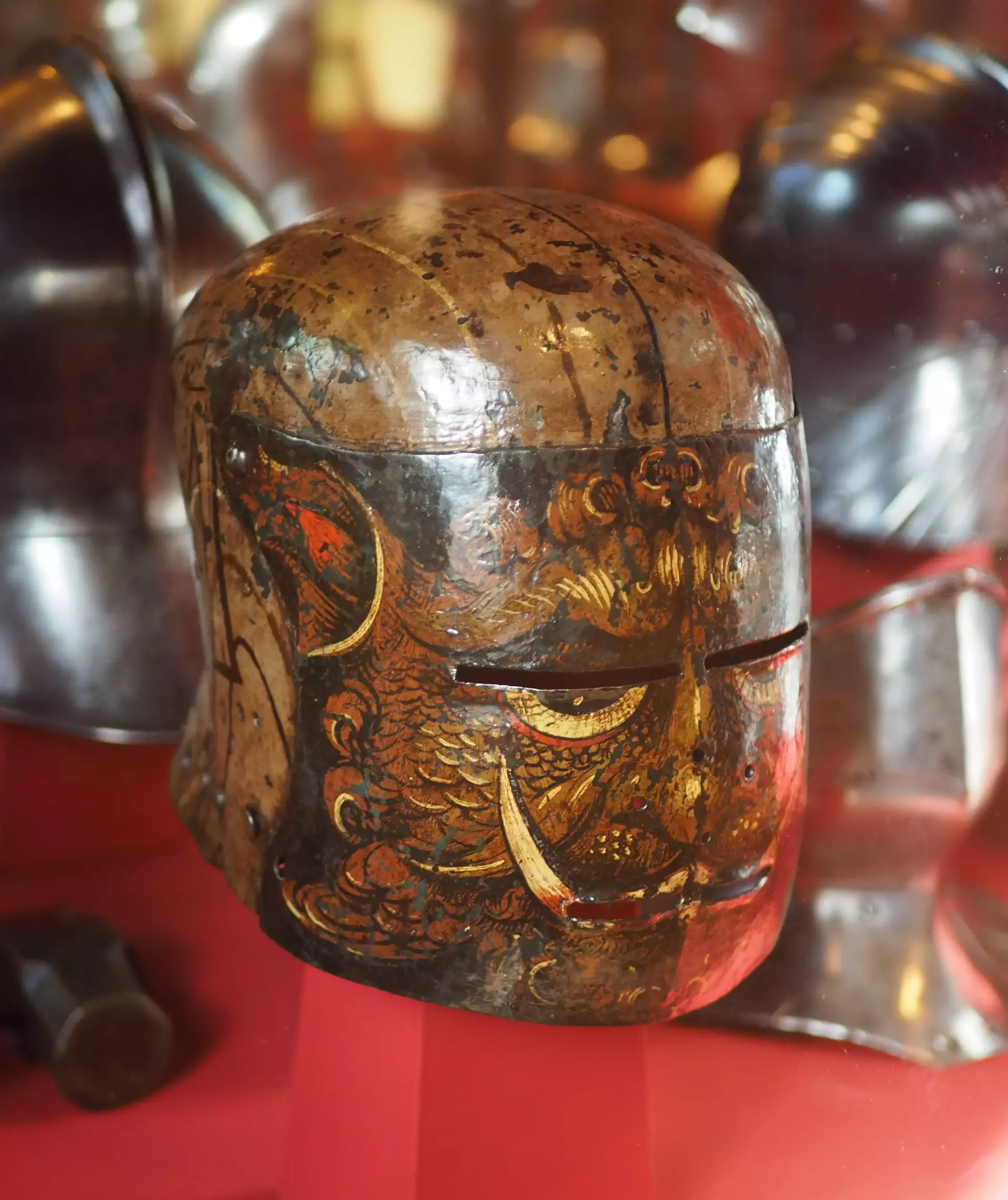
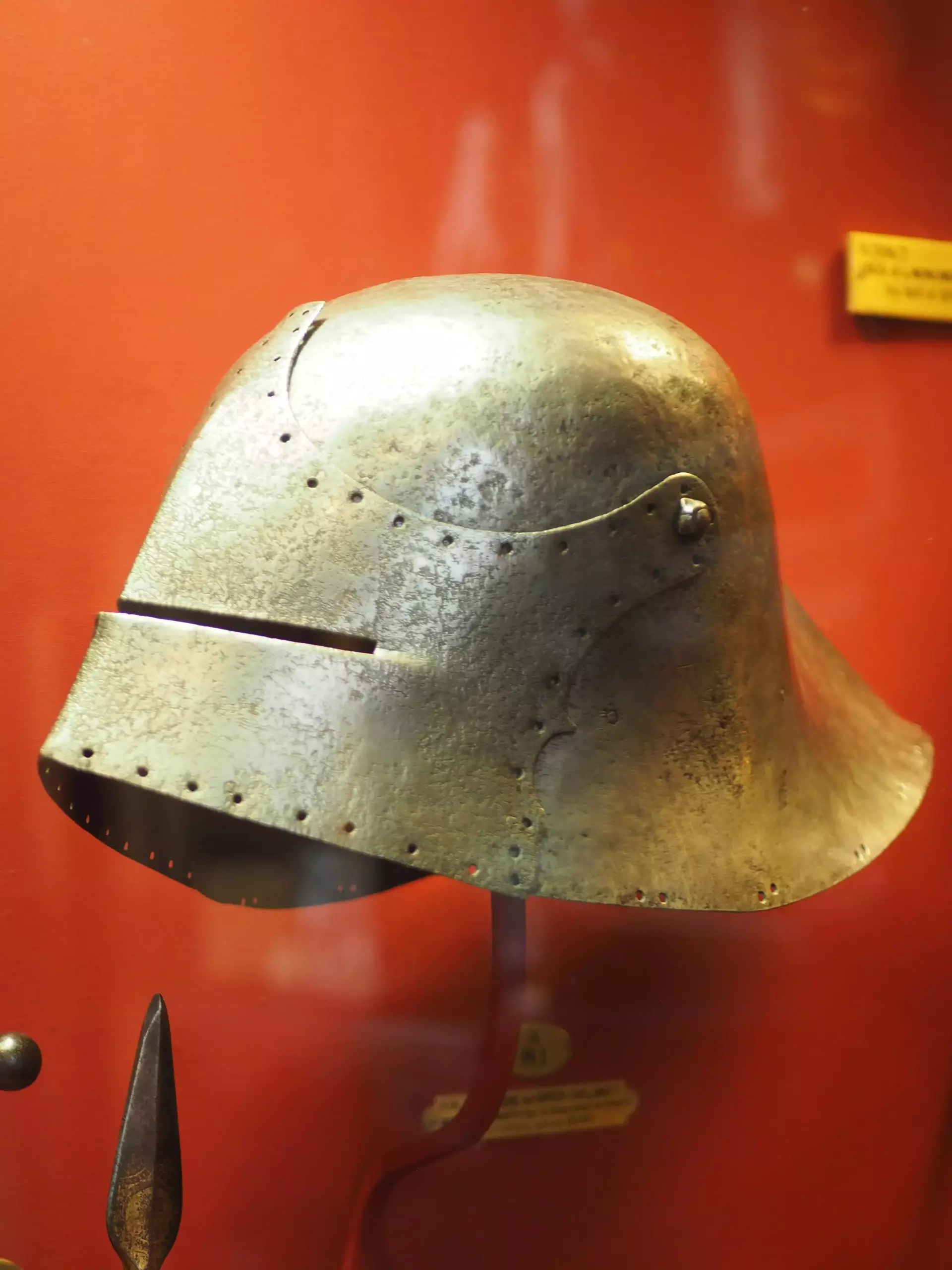
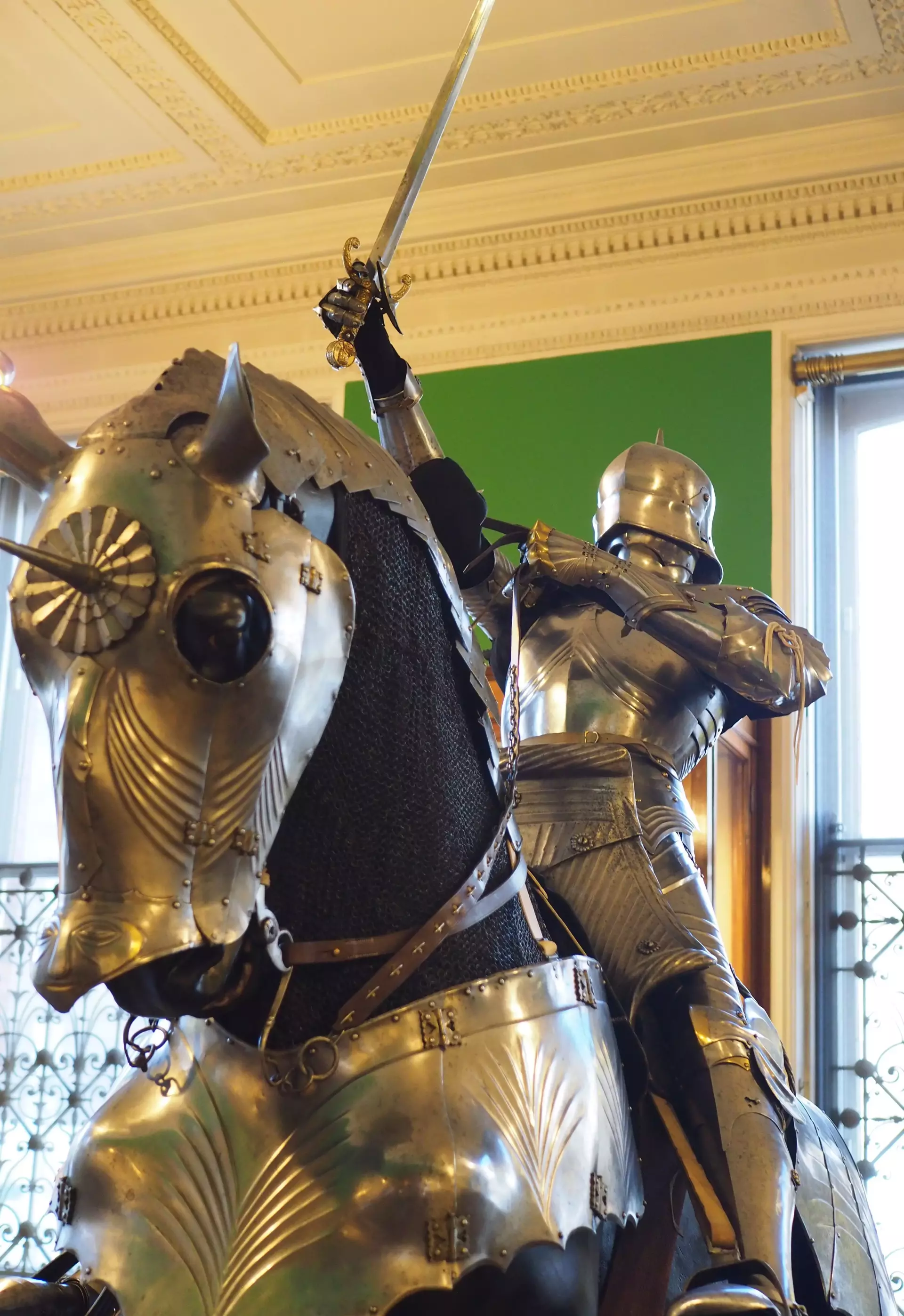
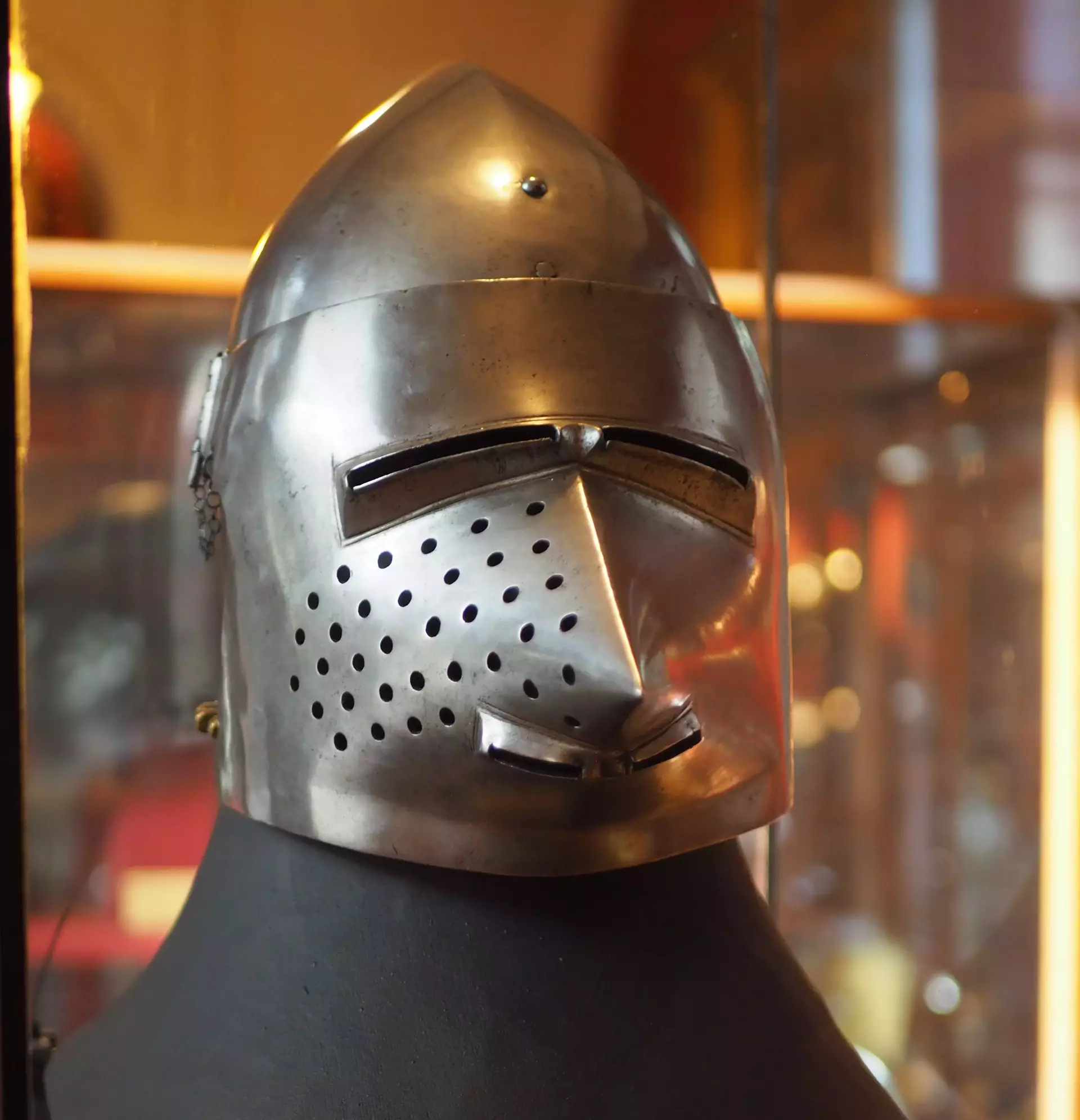
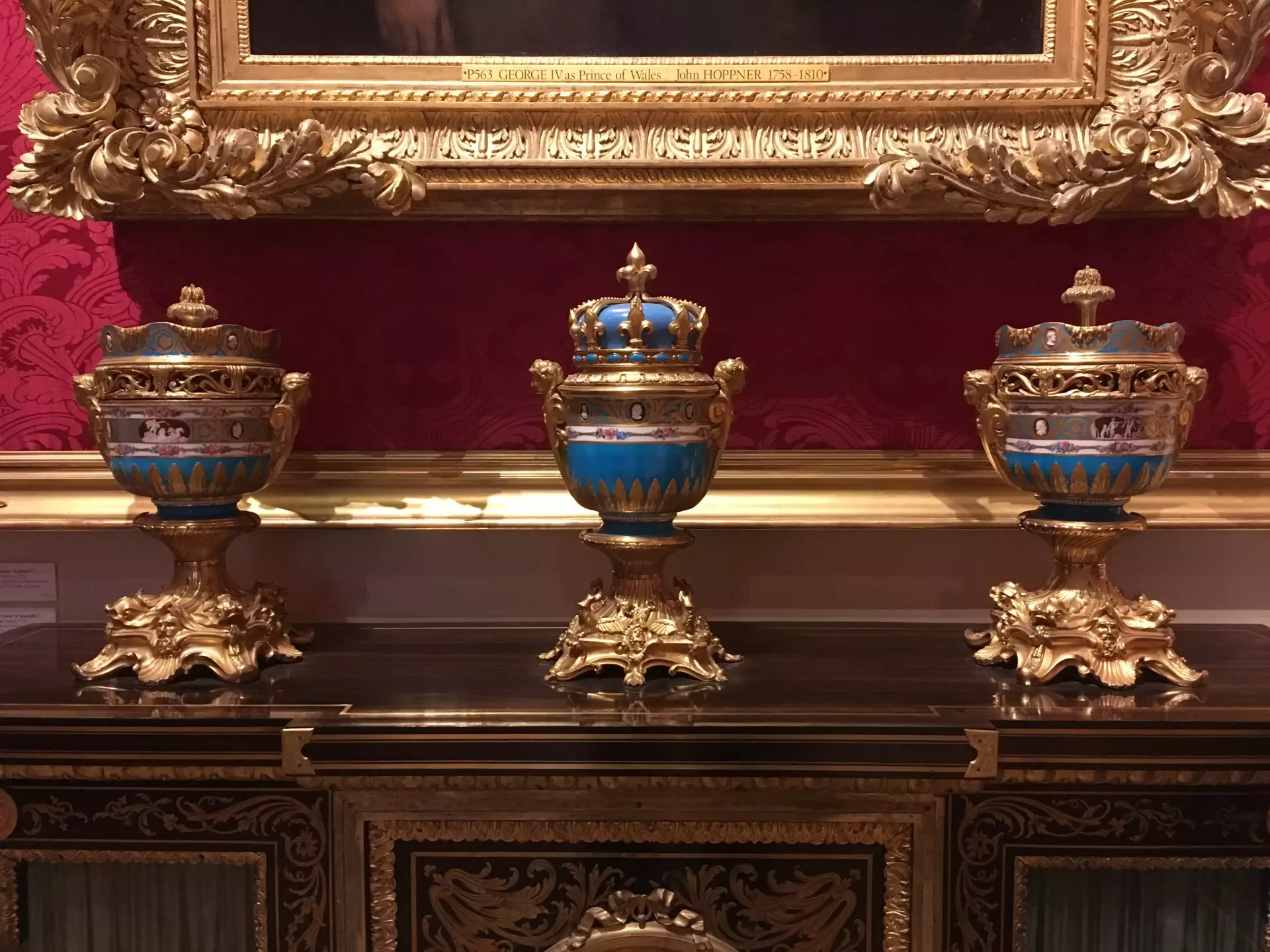
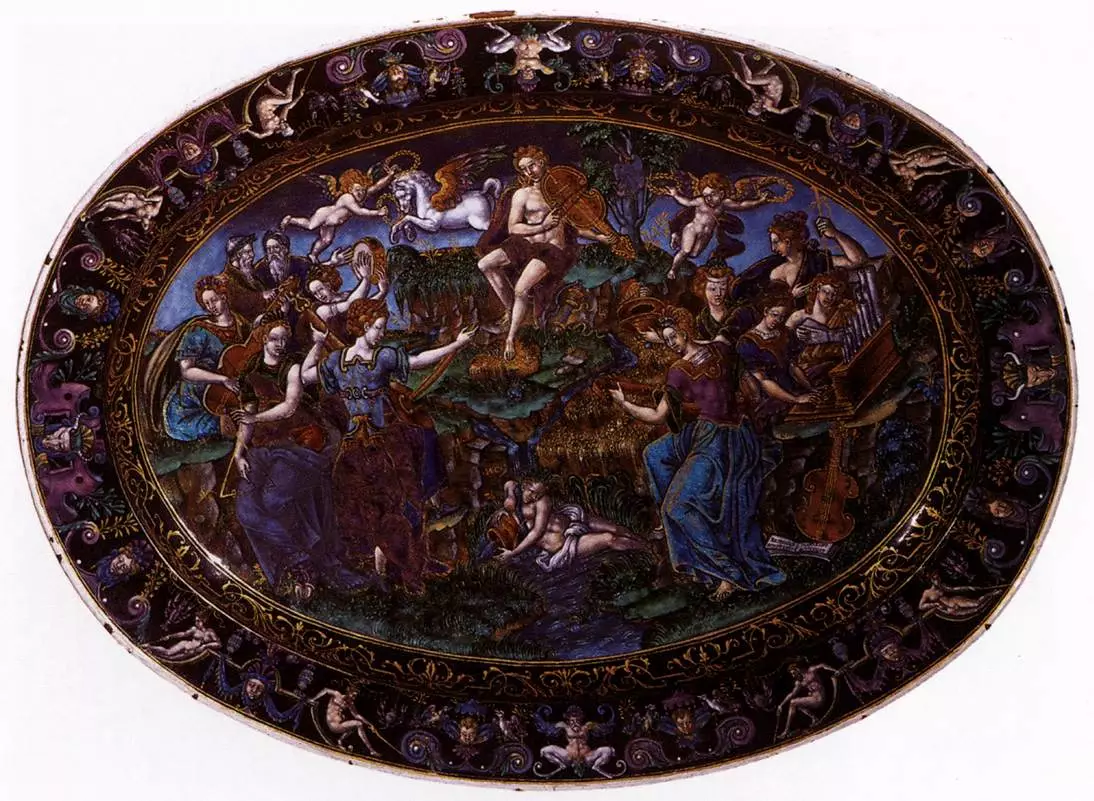
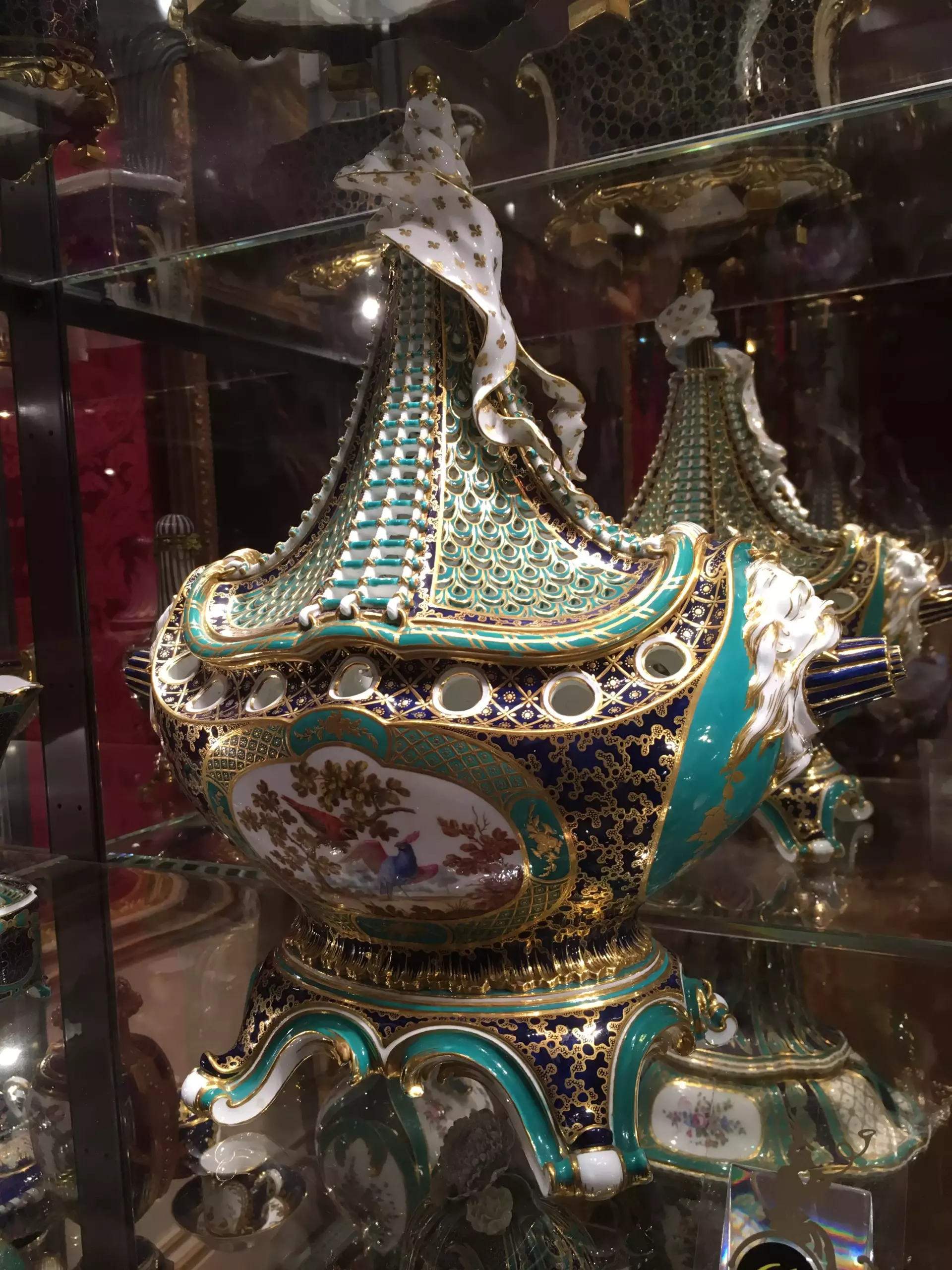
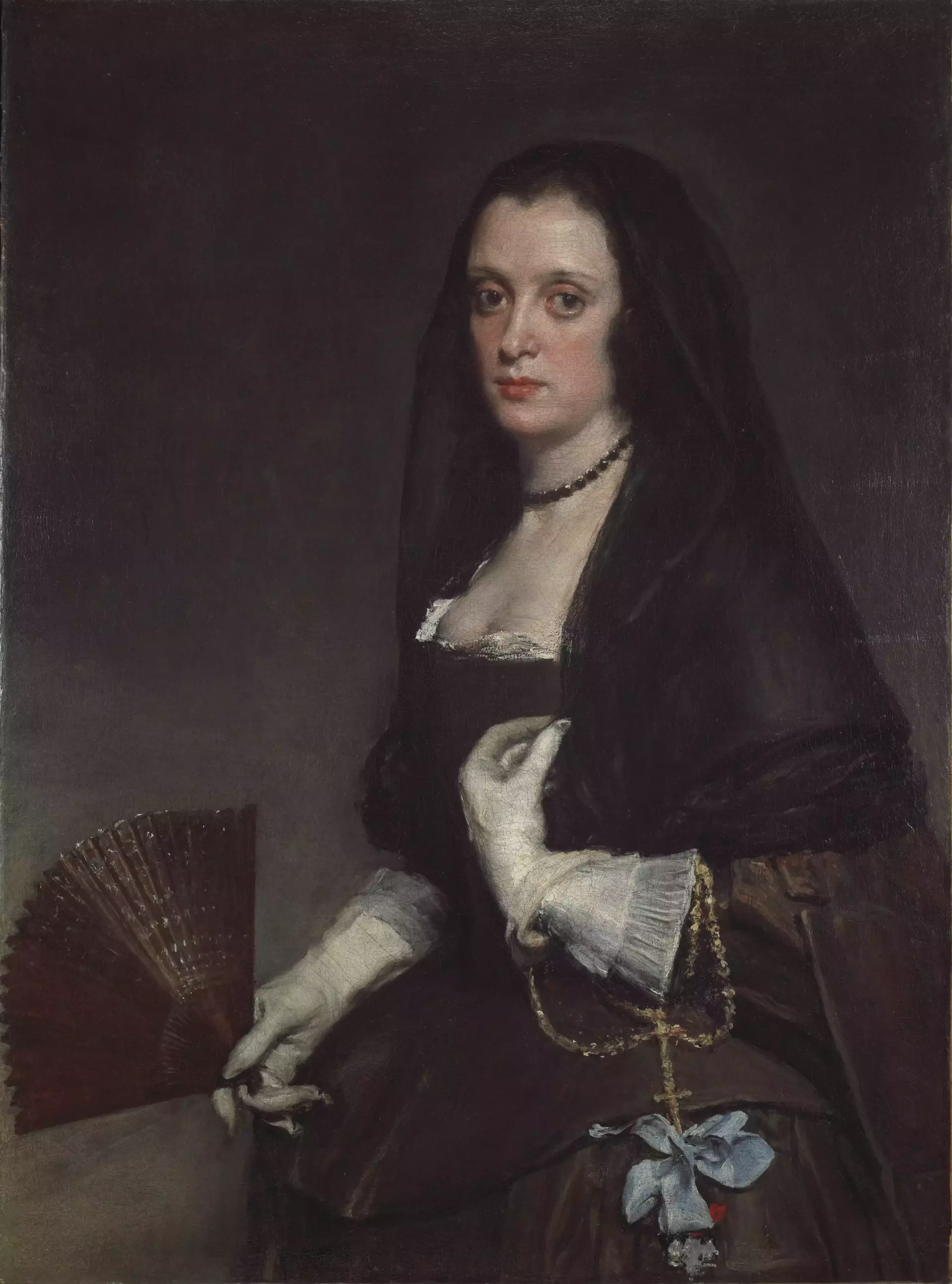
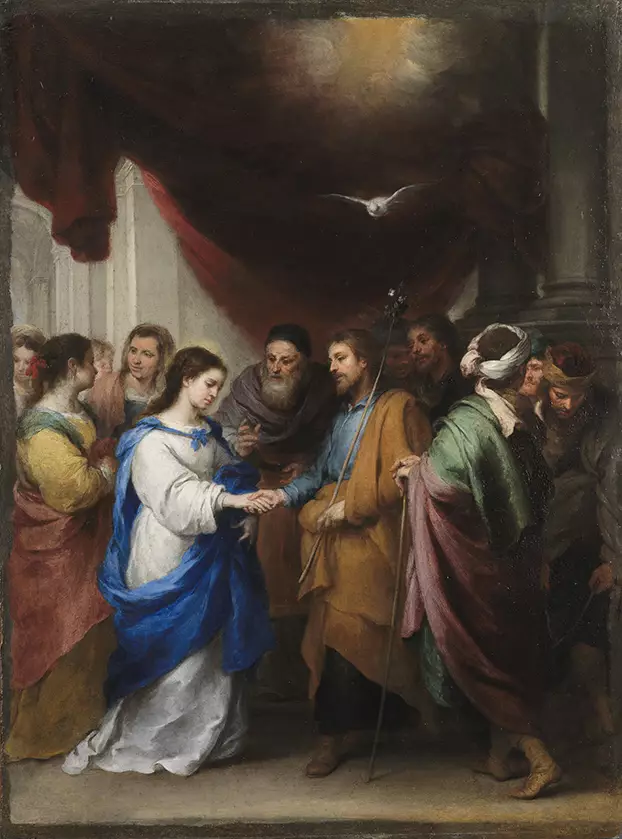
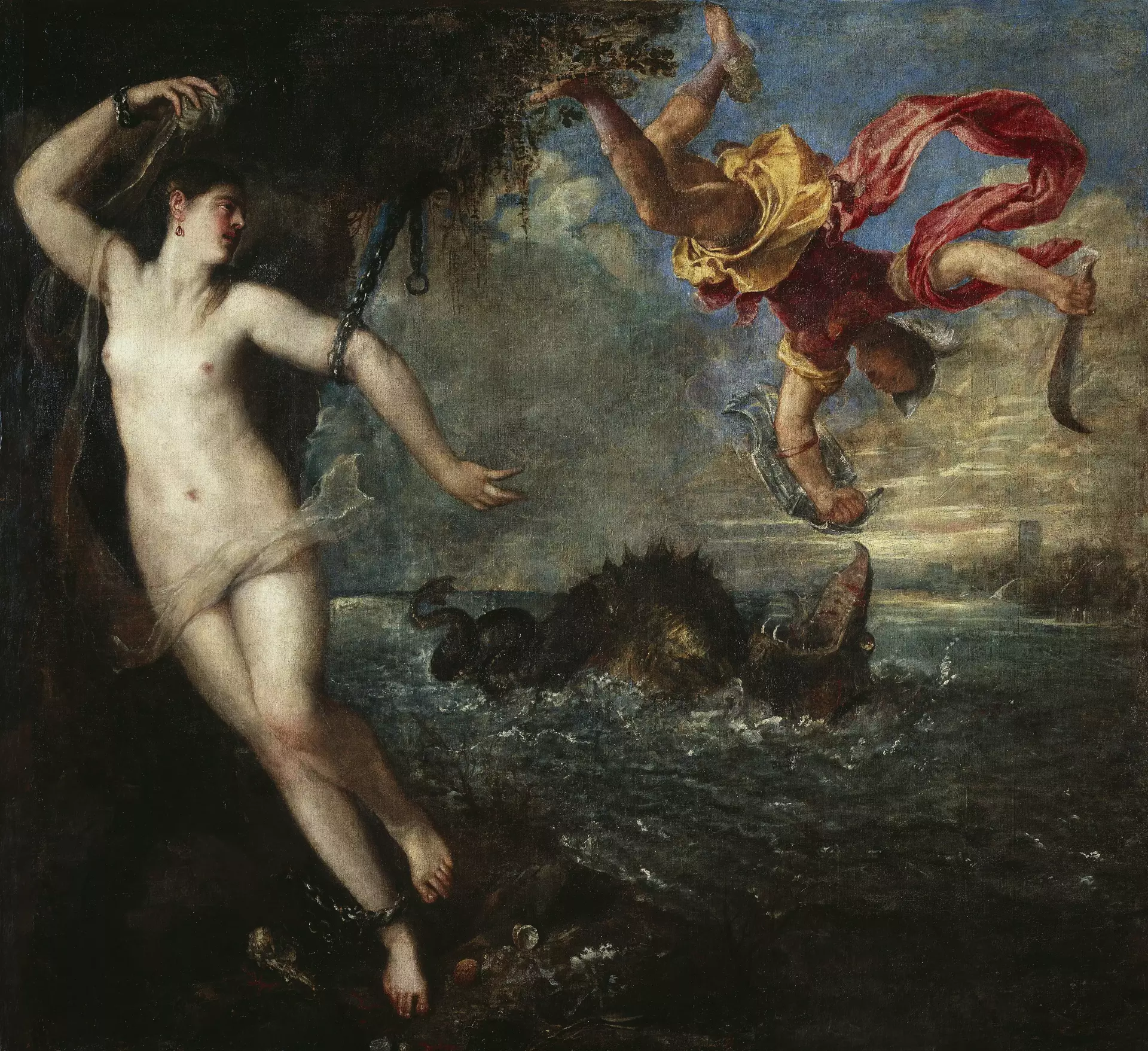
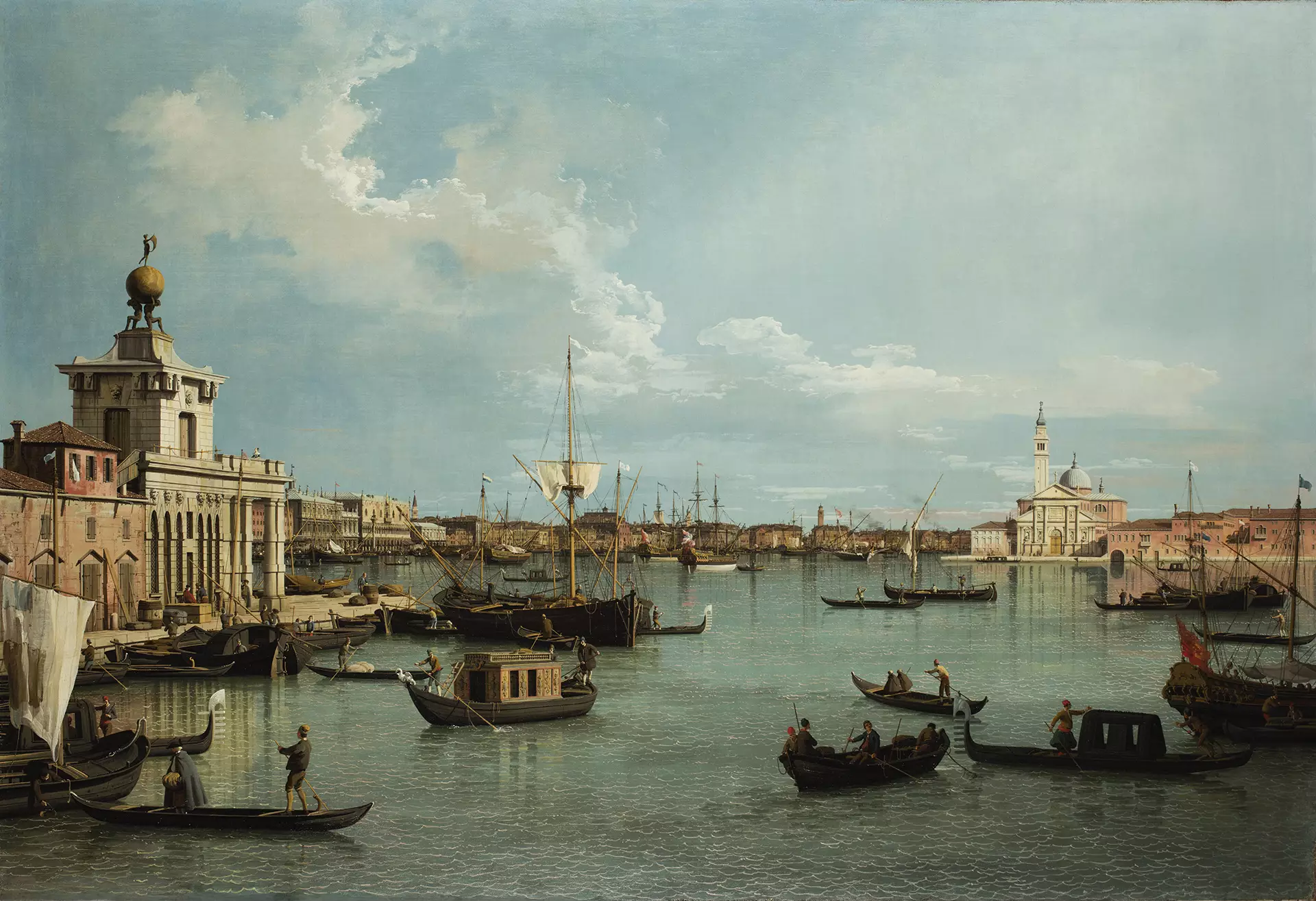
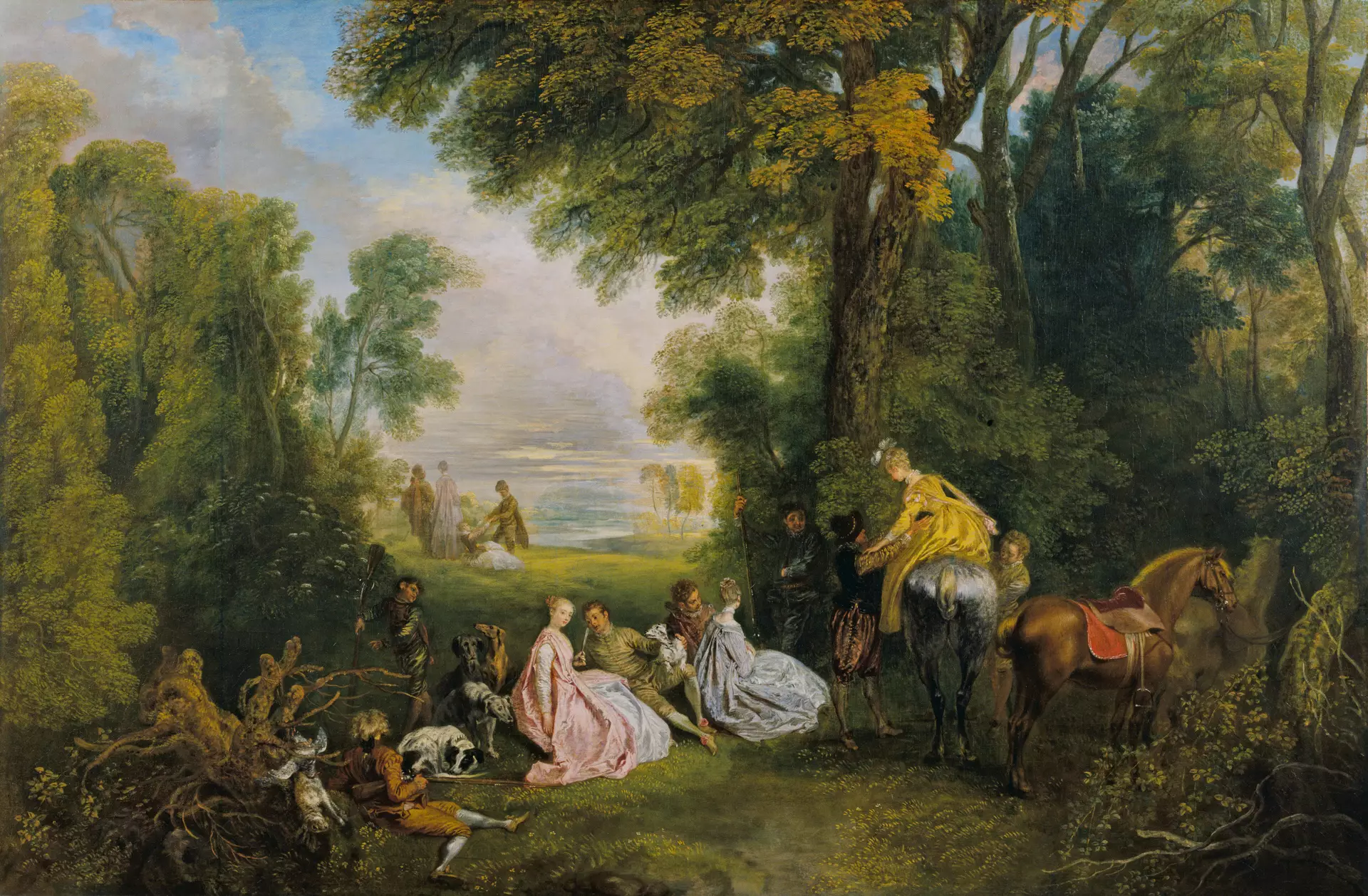
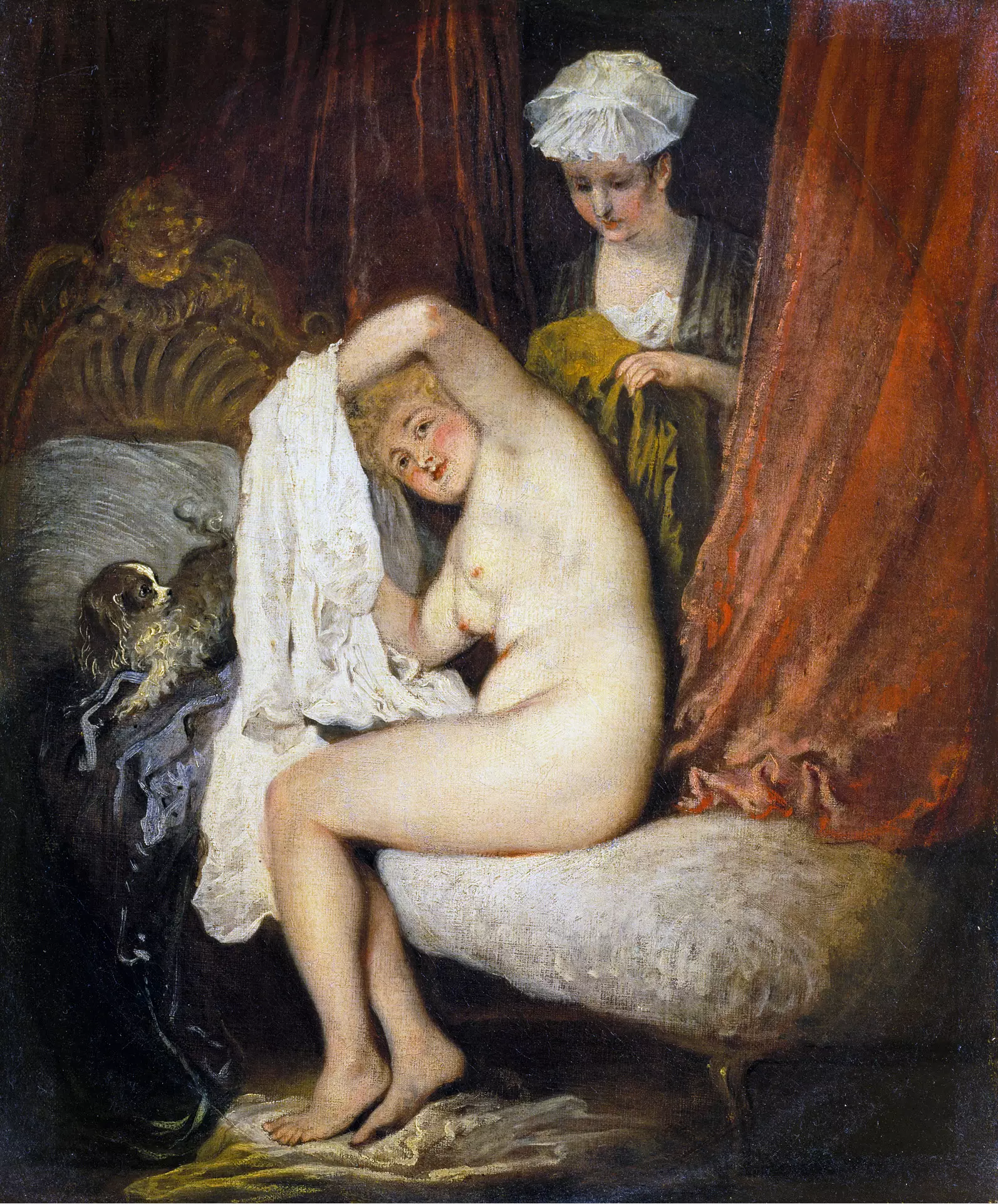
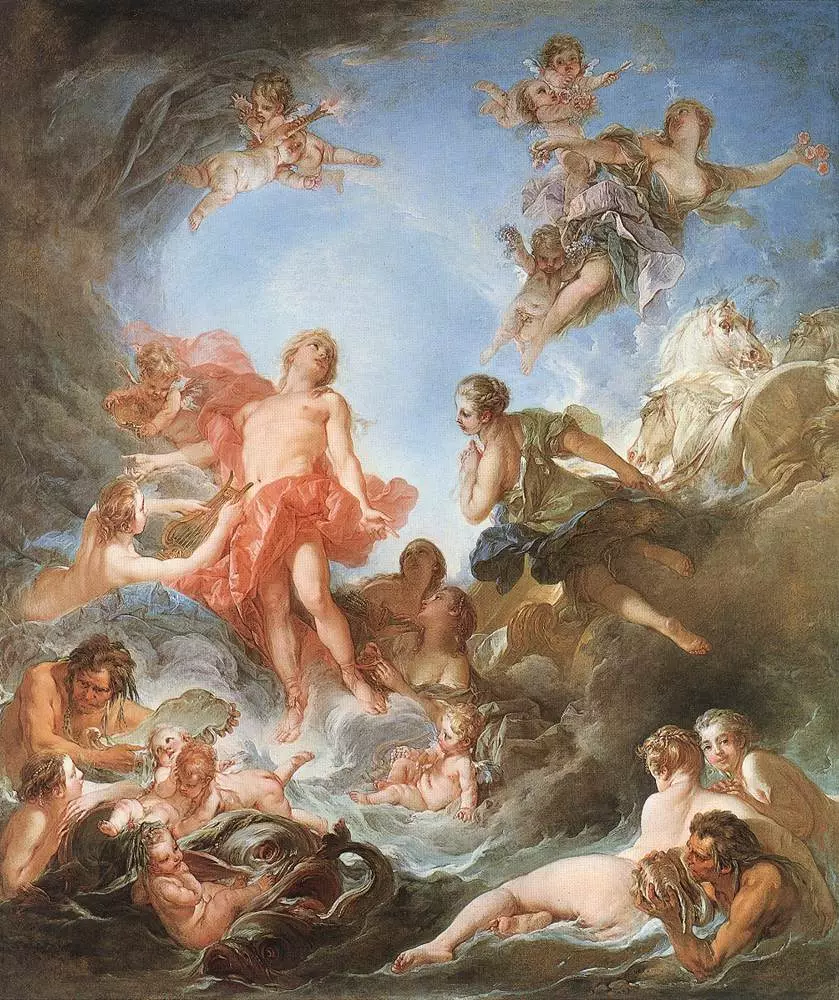
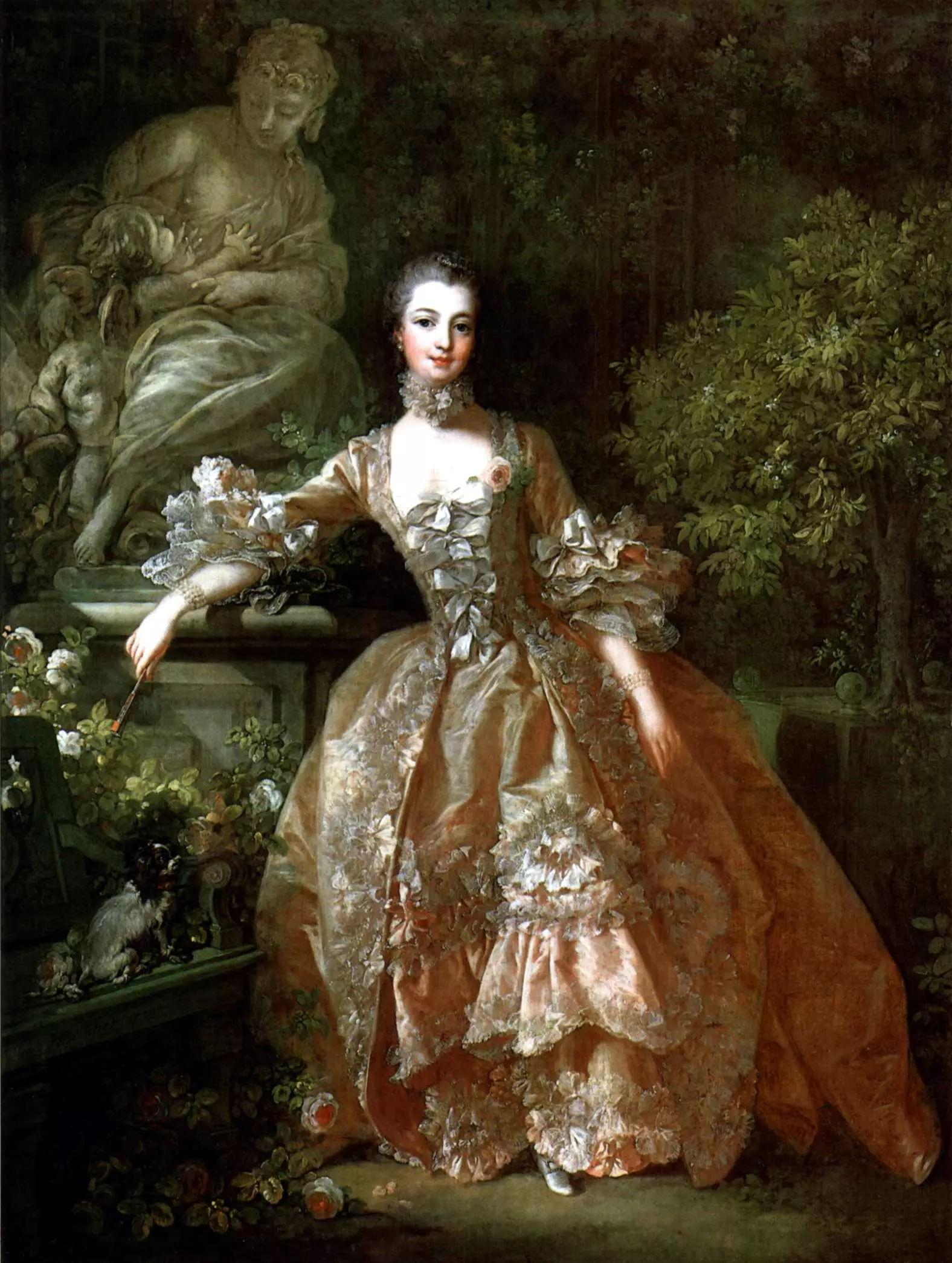
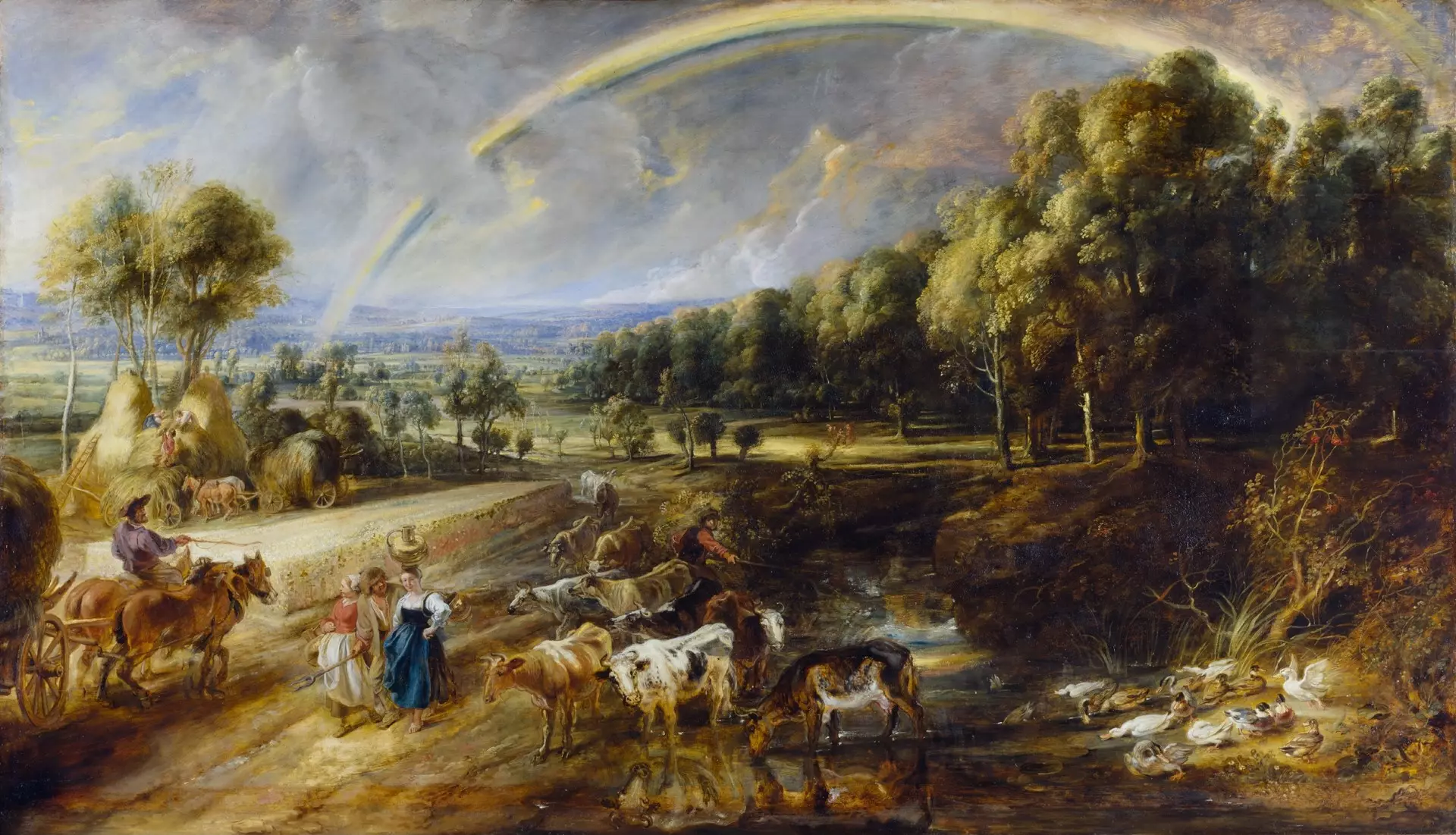
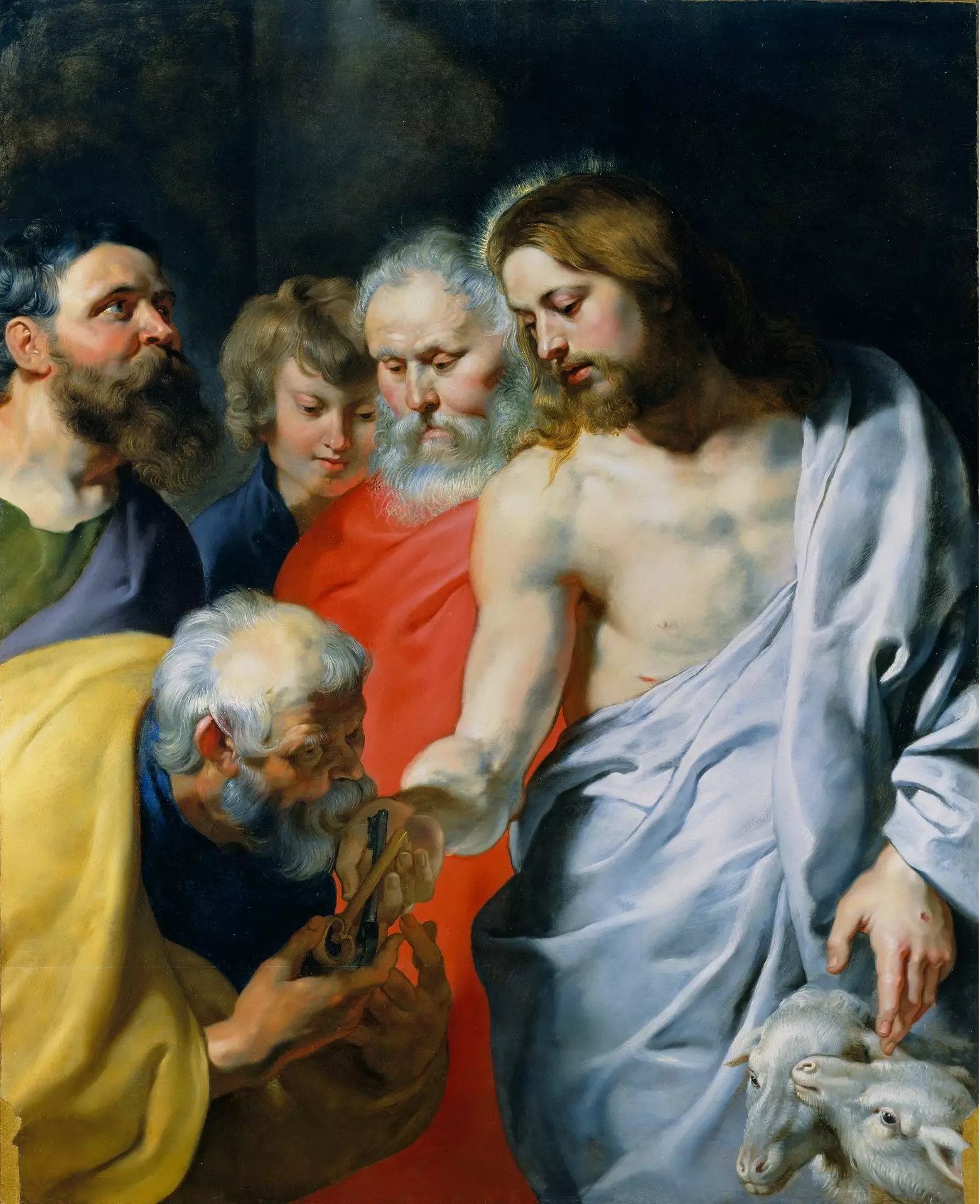
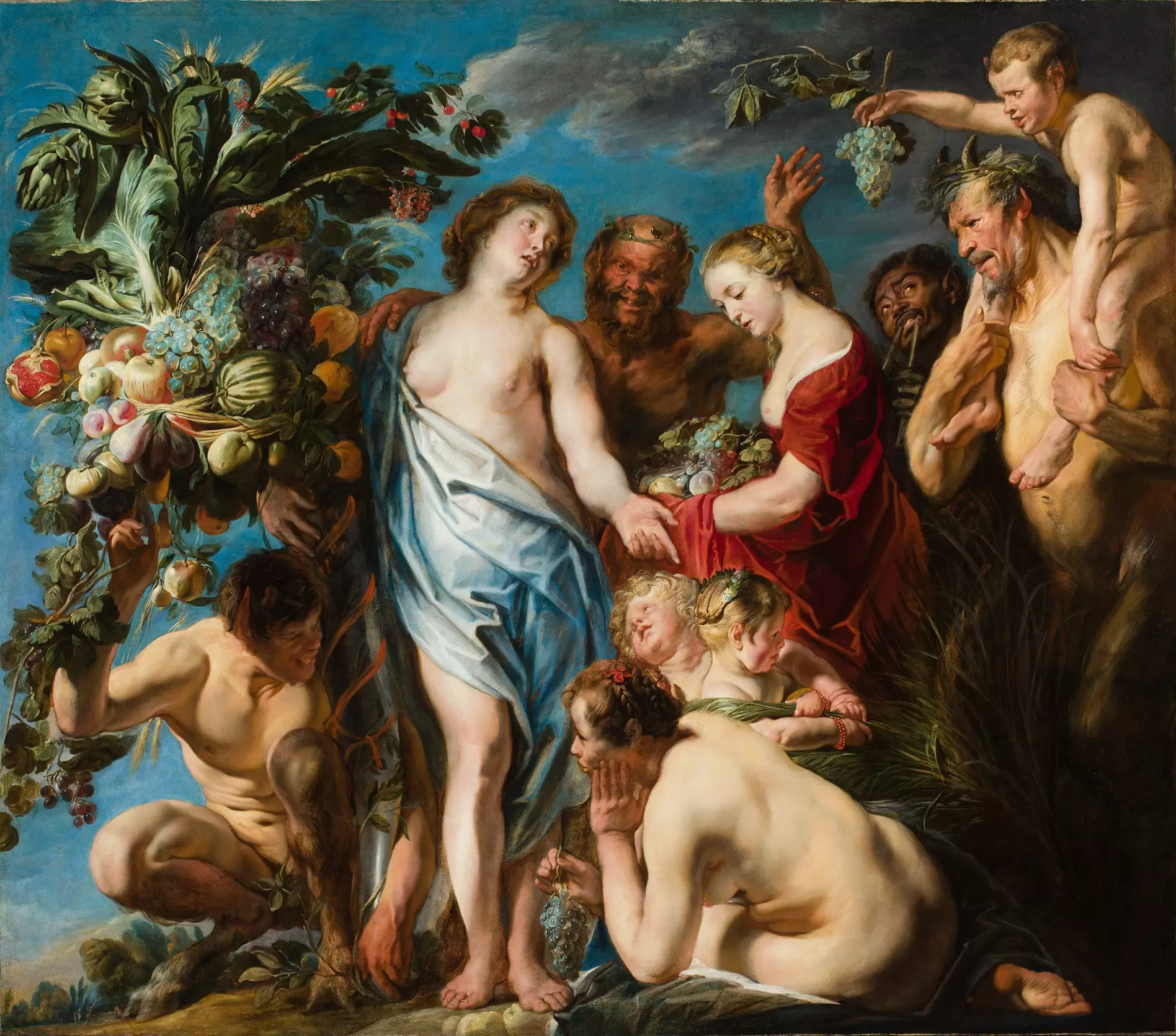
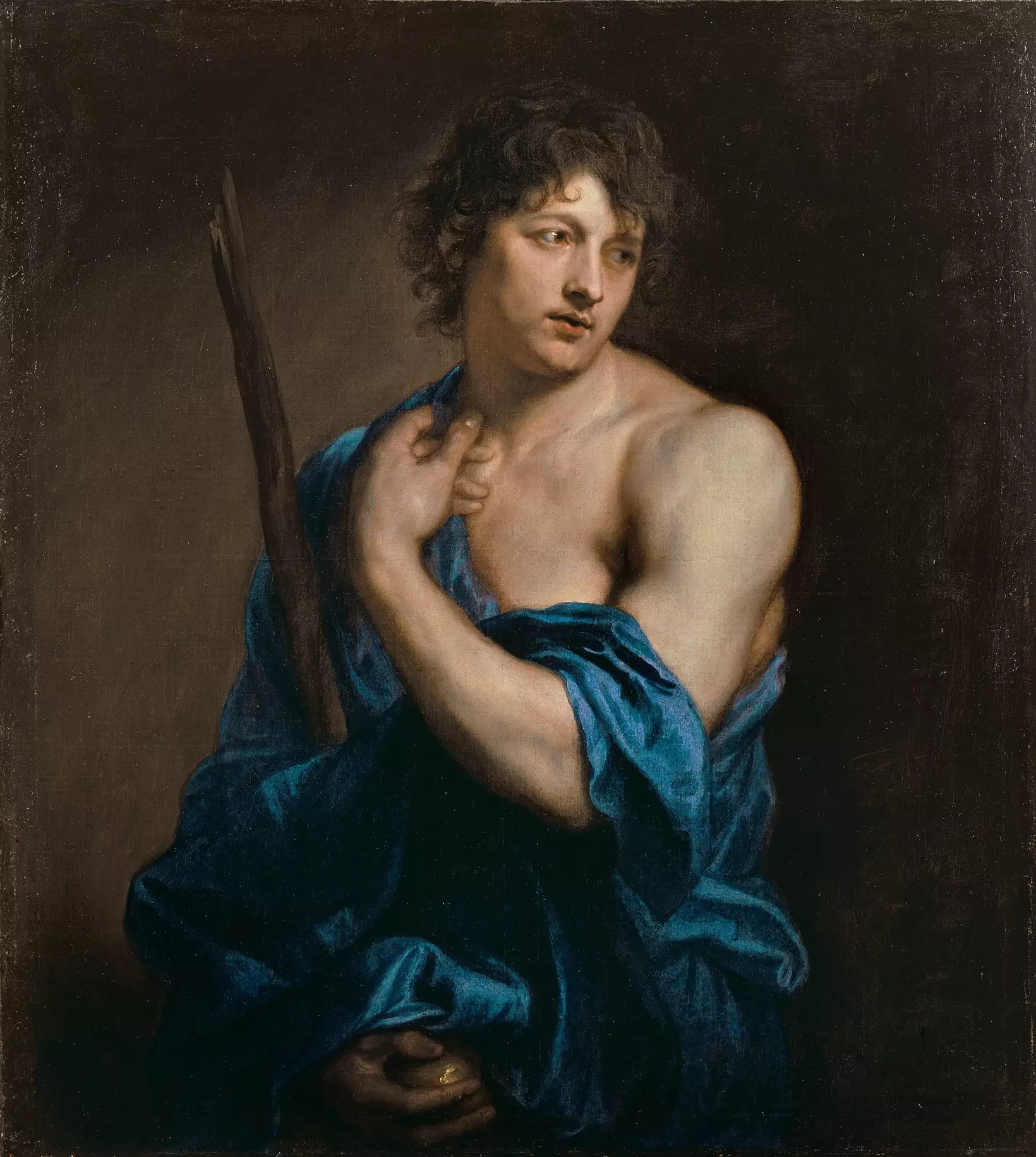
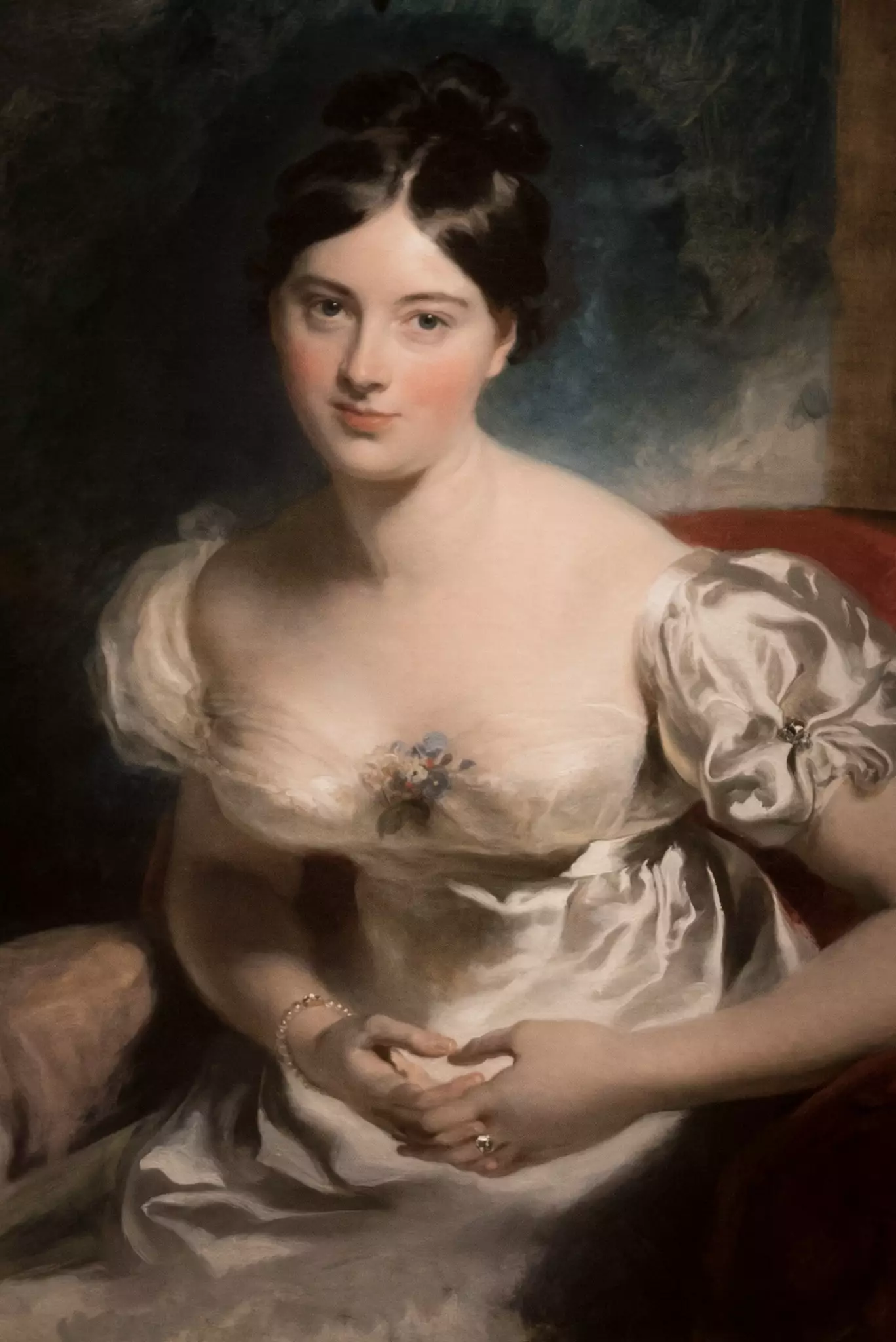
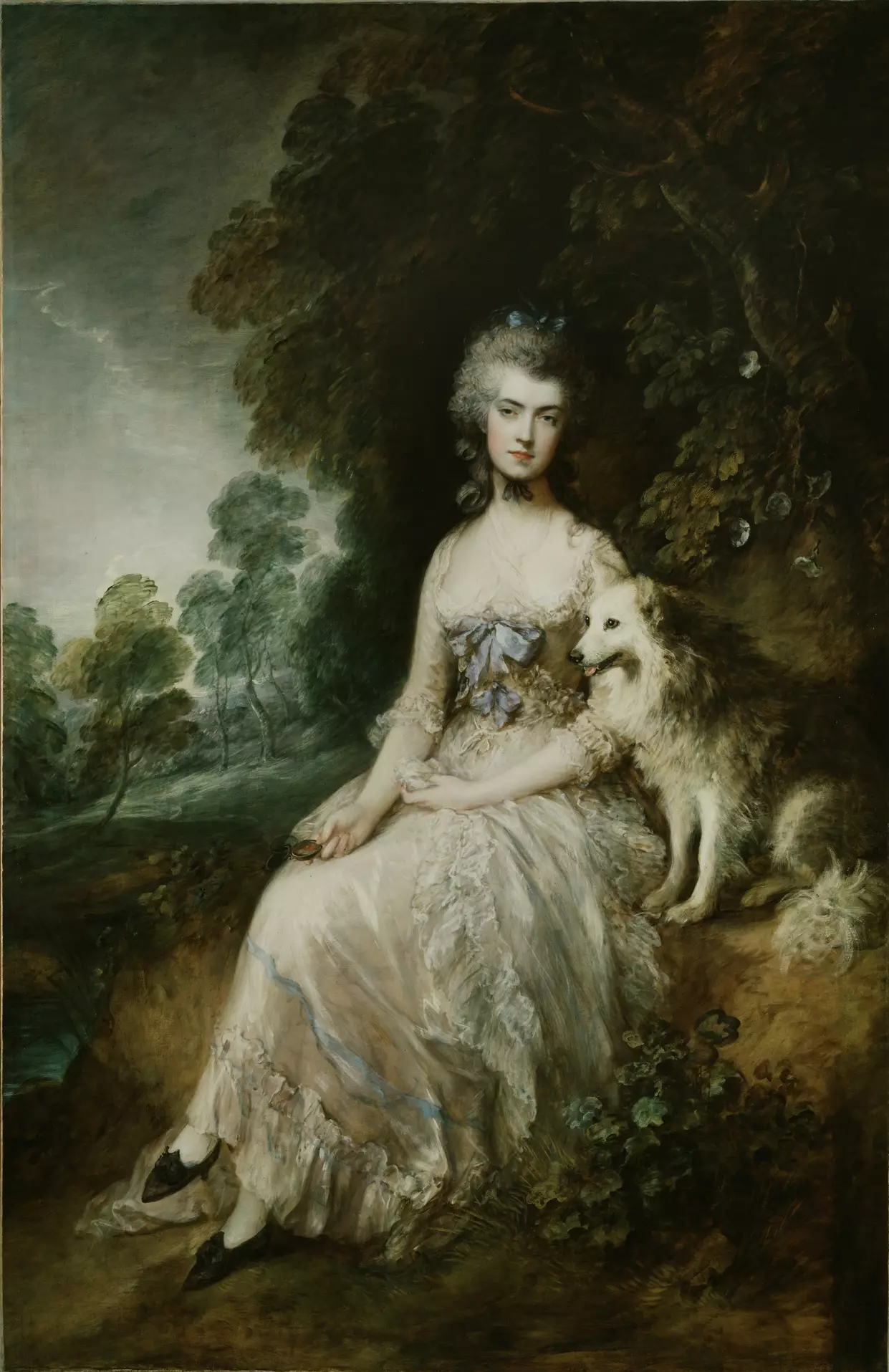
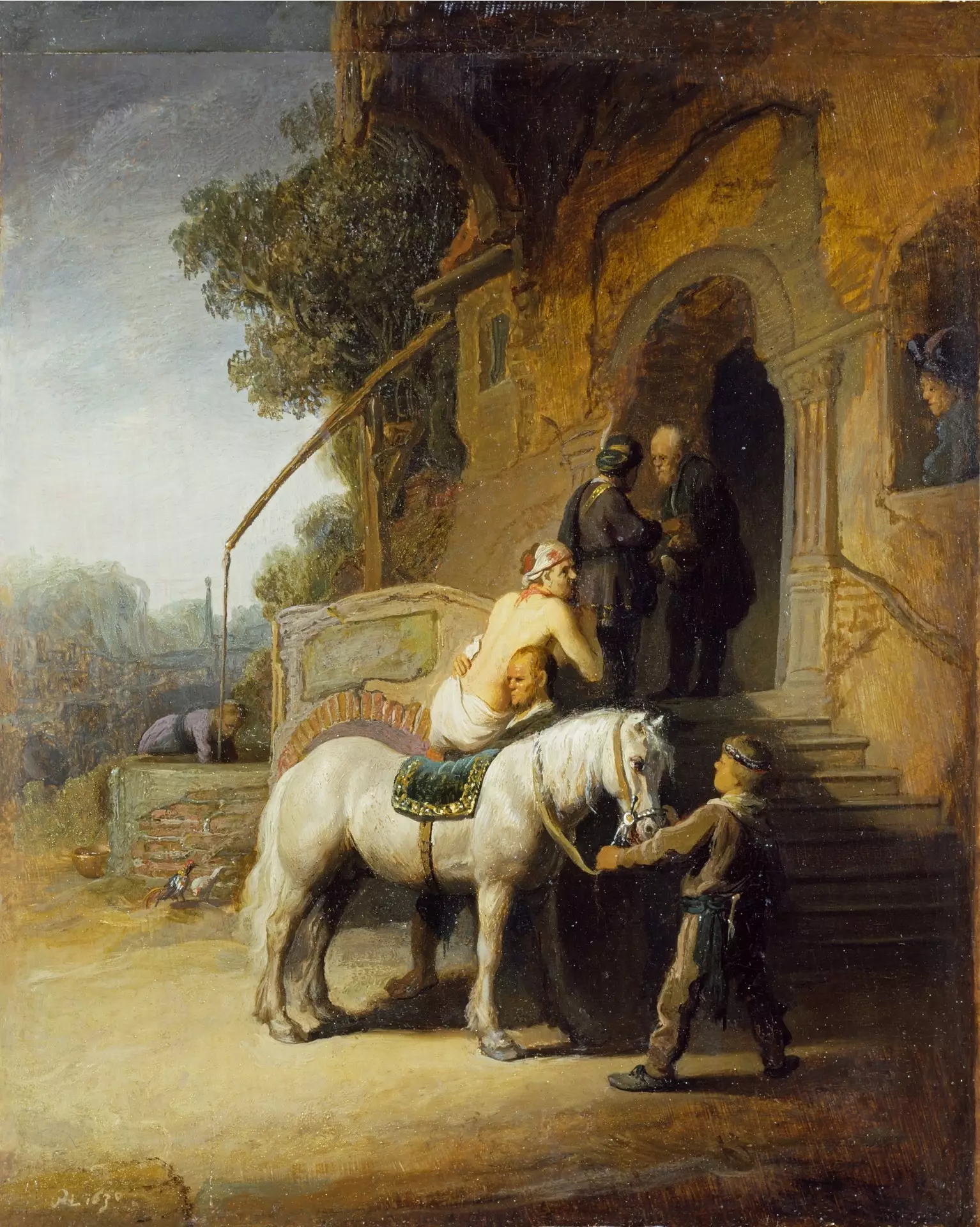
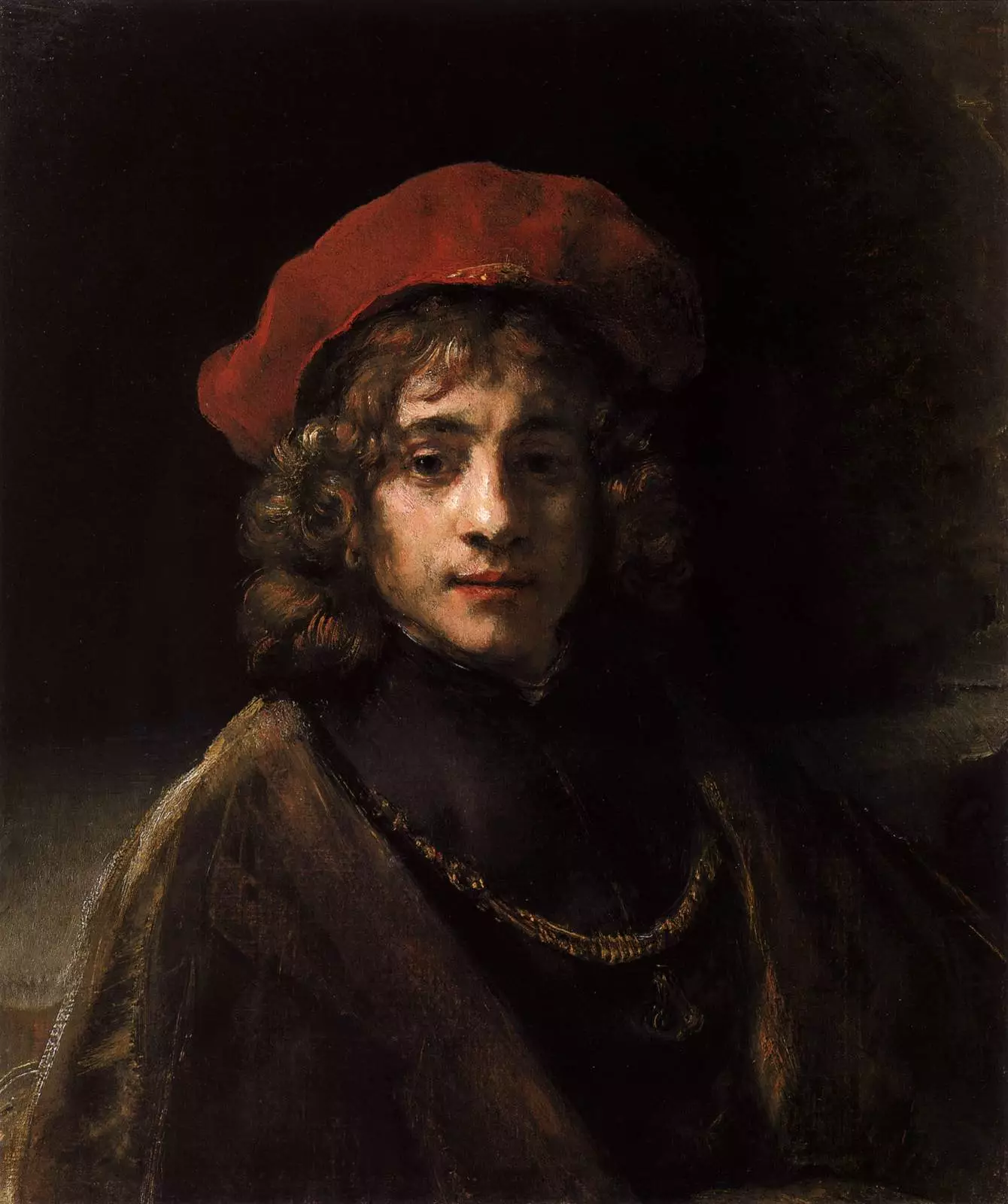
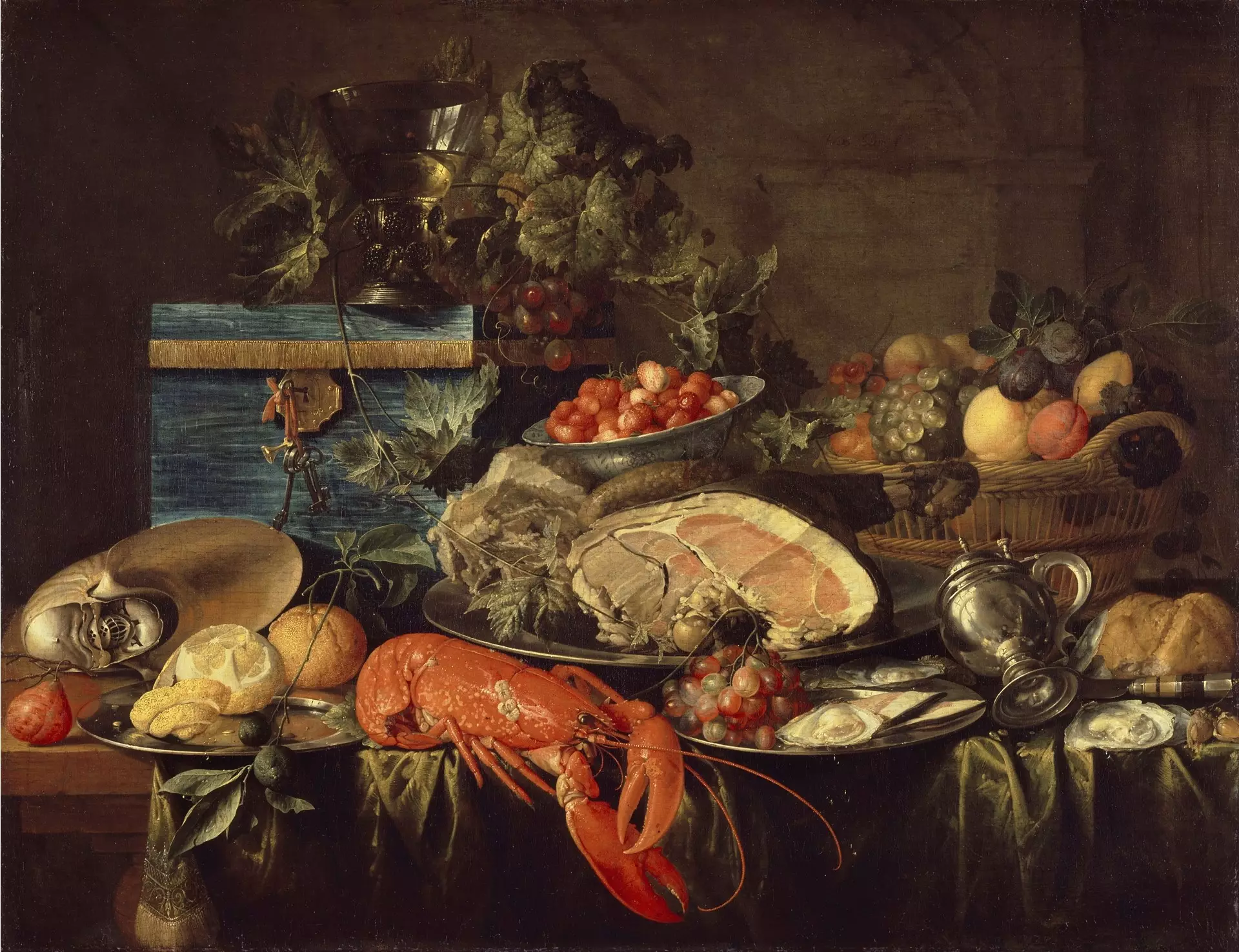
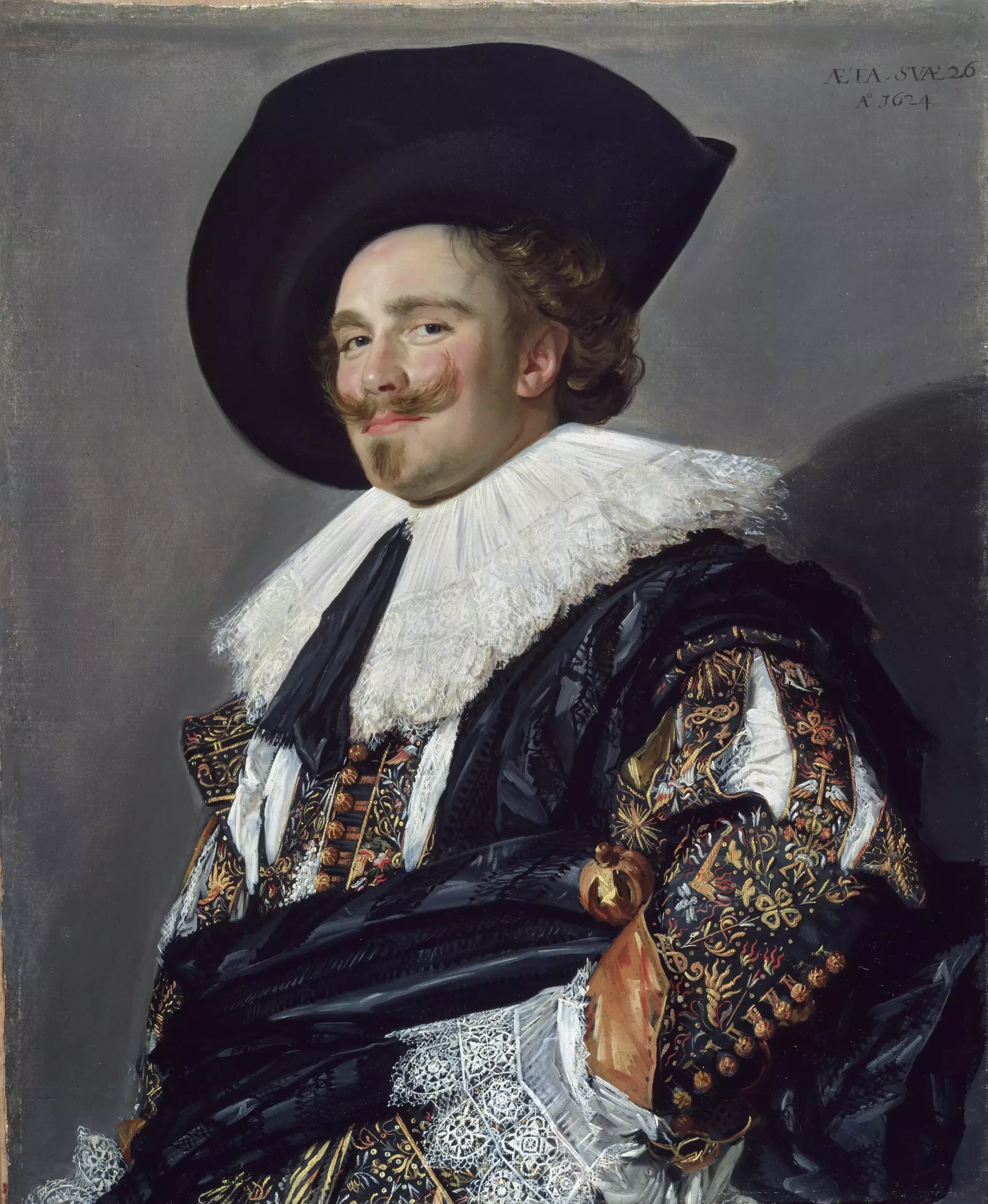
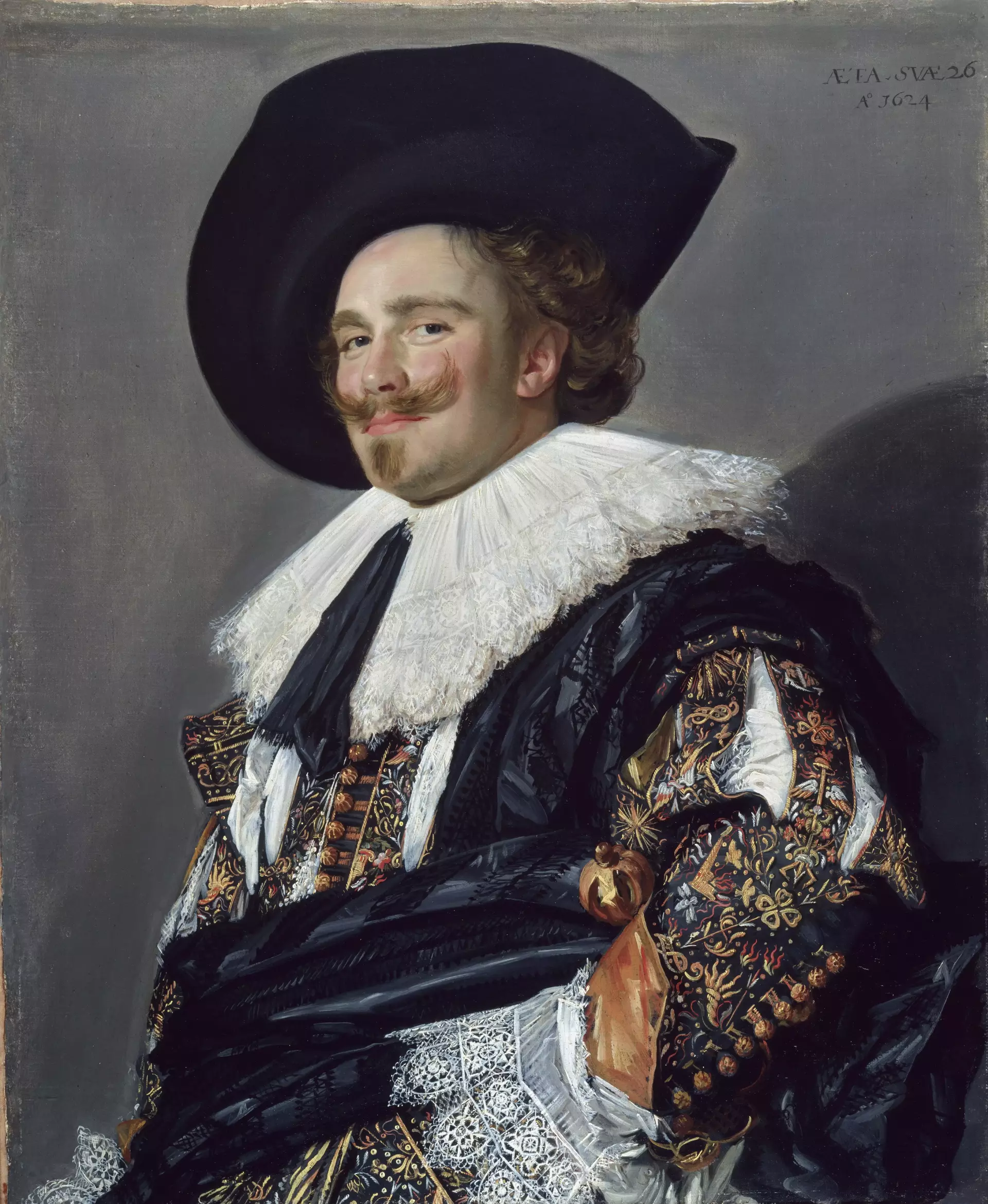
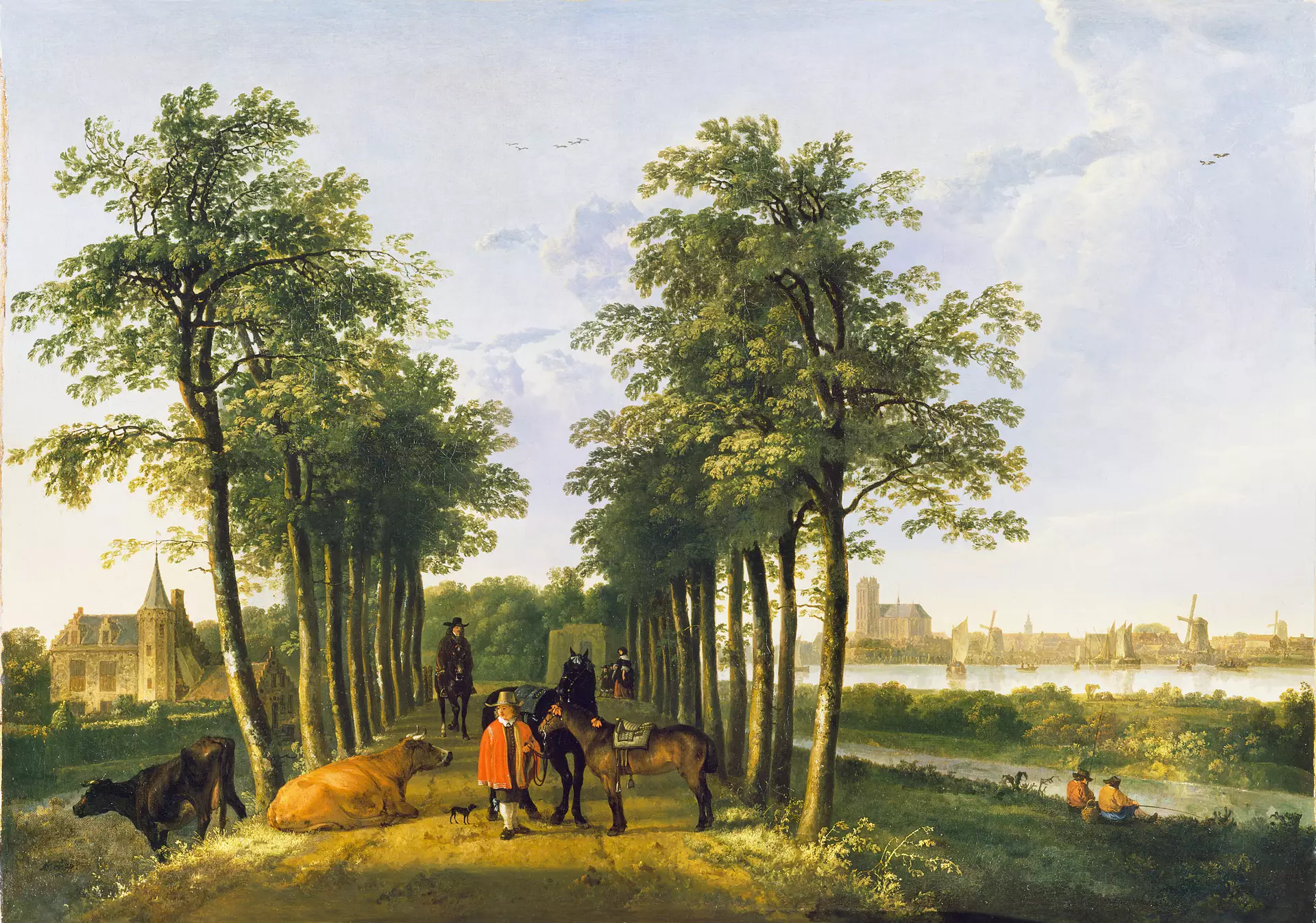
The Wallace Collection stands as one of the premier private art collections globally, renowned for its exquisite assemblage of masterpieces. Among the treasures housed here is Frans Hals's famous painting, The Laughing Cavalier, which draws art enthusiasts from near and far.
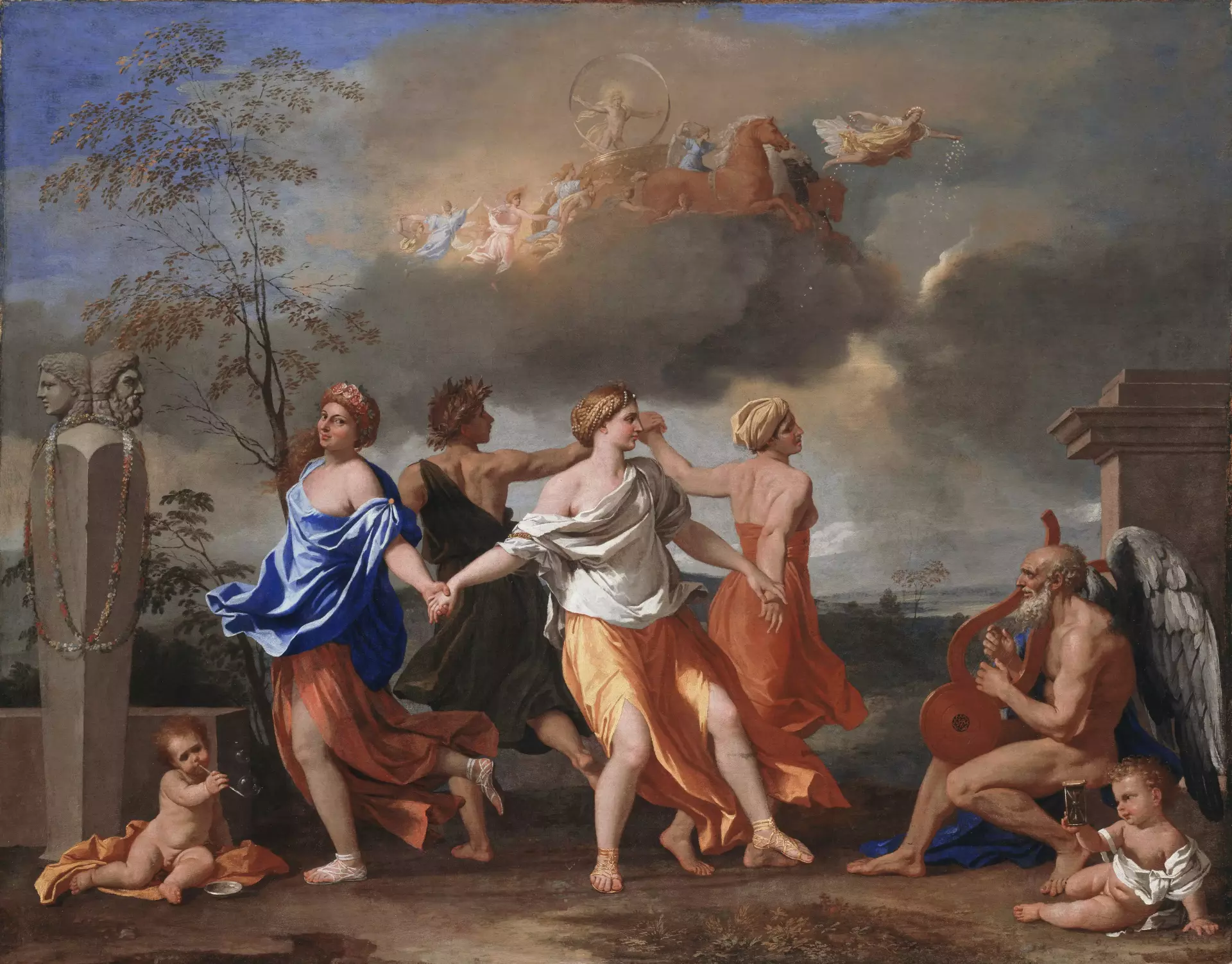
Visitors can marvel at works by some of history's greatest artists, including Rembrandt and Titian. The collection also features pieces by Poussin and Reynolds, offering a diverse array of styles and subjects. Each artwork tells its own story, inviting guests to journey through time and artistic expression.
Located a short distance from the bustling activity of Oxford Street, the Wallace Collection provides a peaceful haven for those seeking a moment of quiet reflection. Its elegant galleries offer a serene environment to appreciate art away from the city's lively atmosphere.
Source - https://en.wikipedia.org/wiki/Wallace_Collection
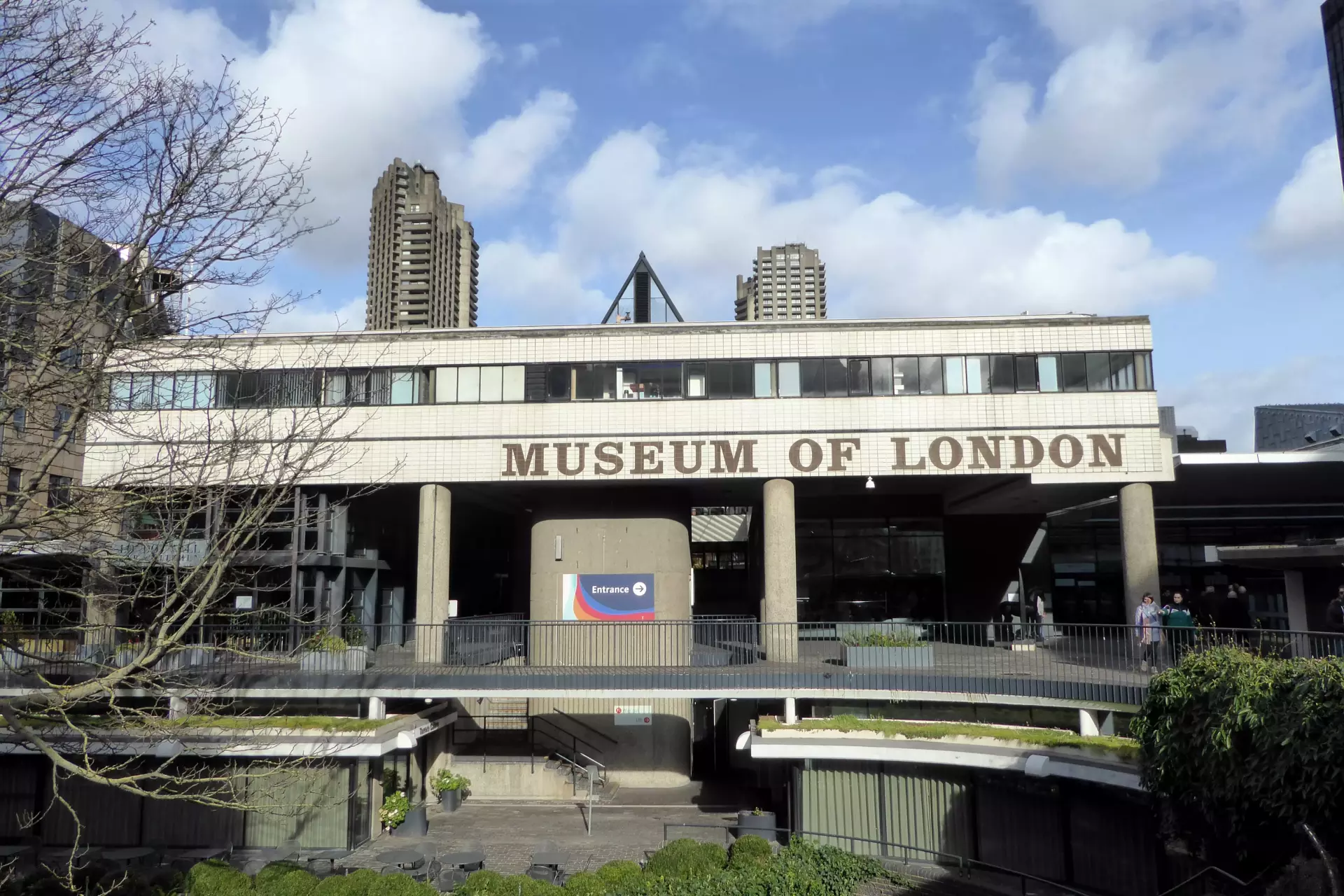
Now permanently closed, will be replaced by new museum at the former Smithfield market site in 2026. The Museum of London Docklands remains open.
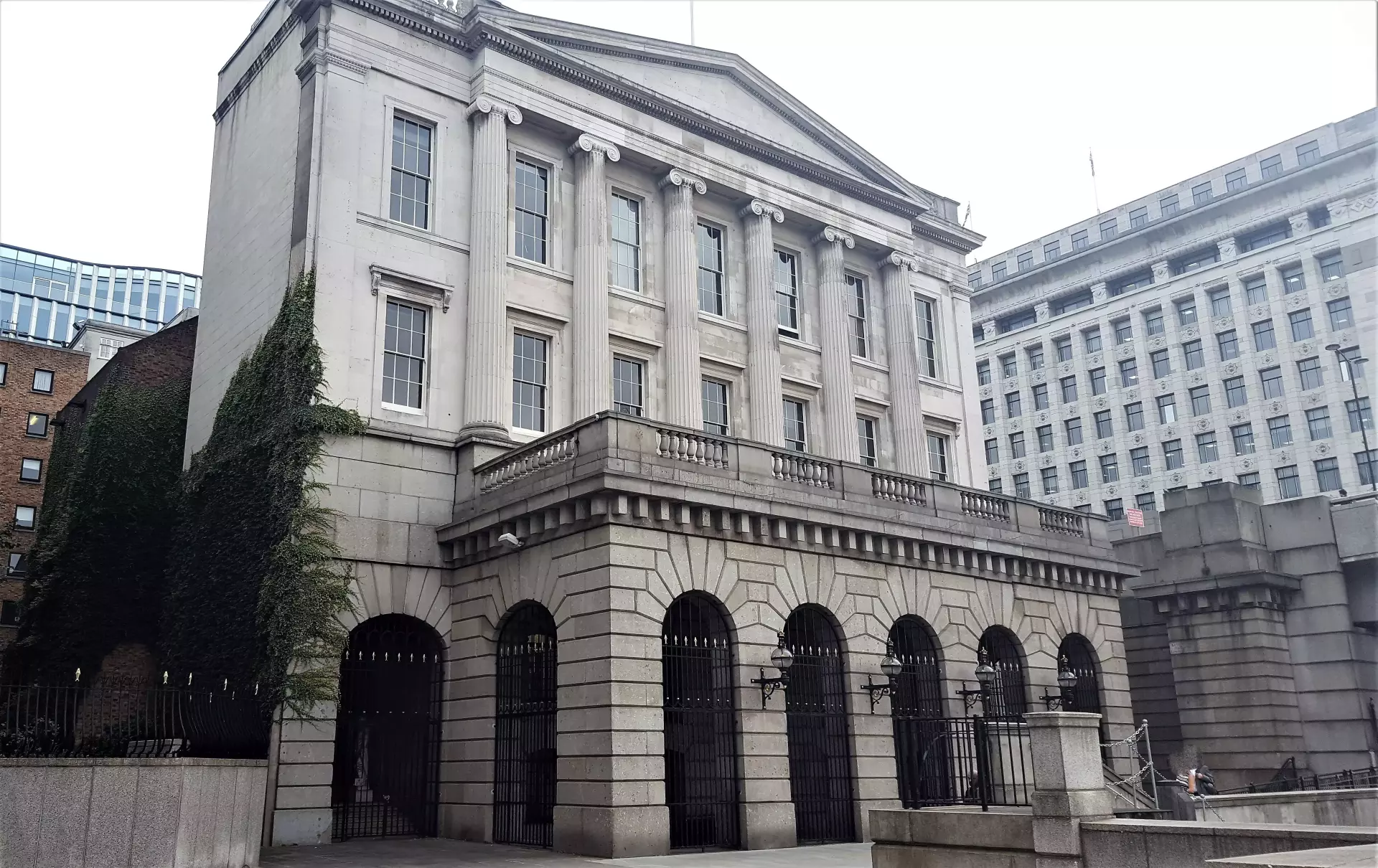
The main headquarters of the Worshipful Company of Fishmongers and a Grade II* listed building.
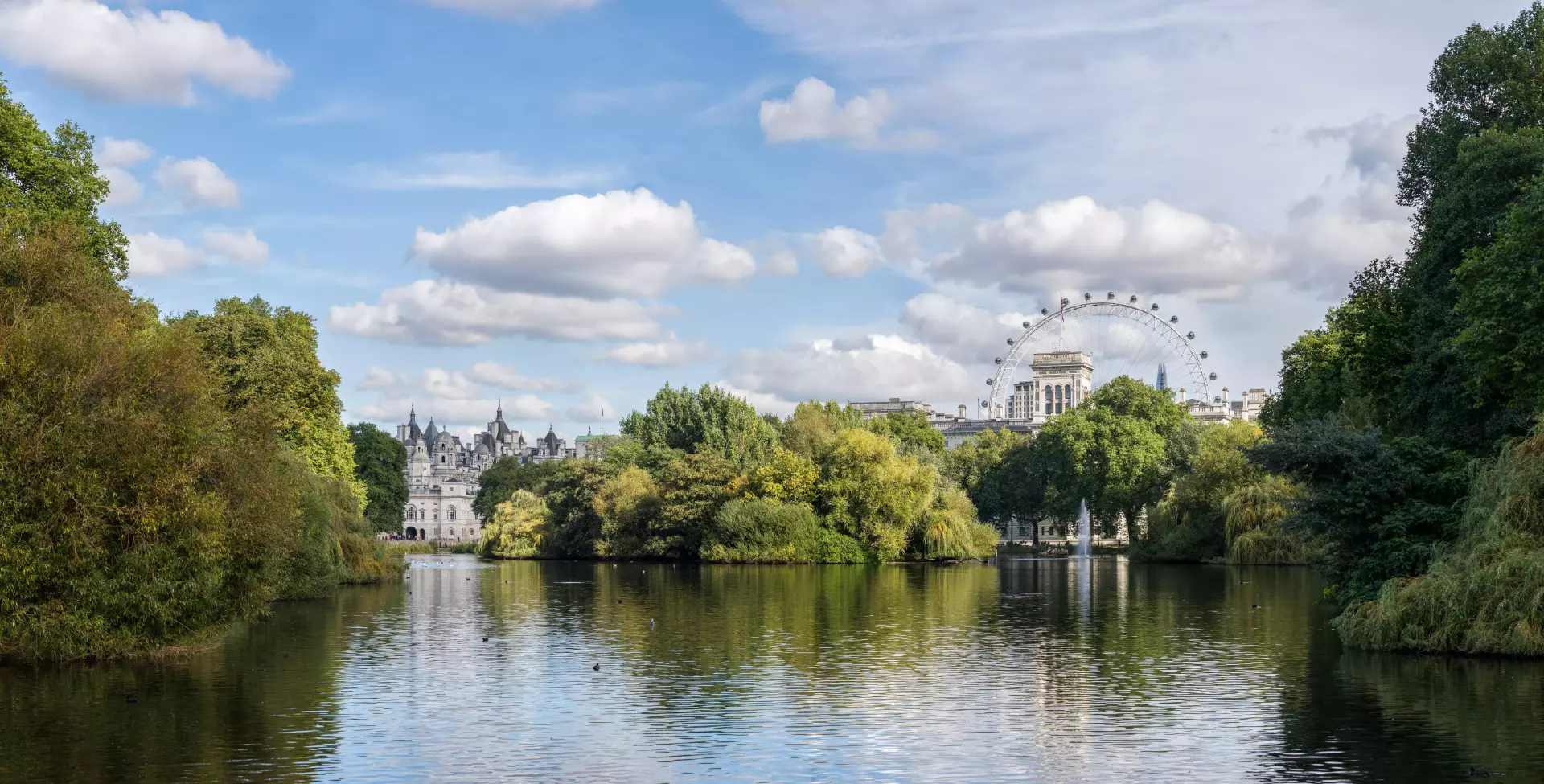
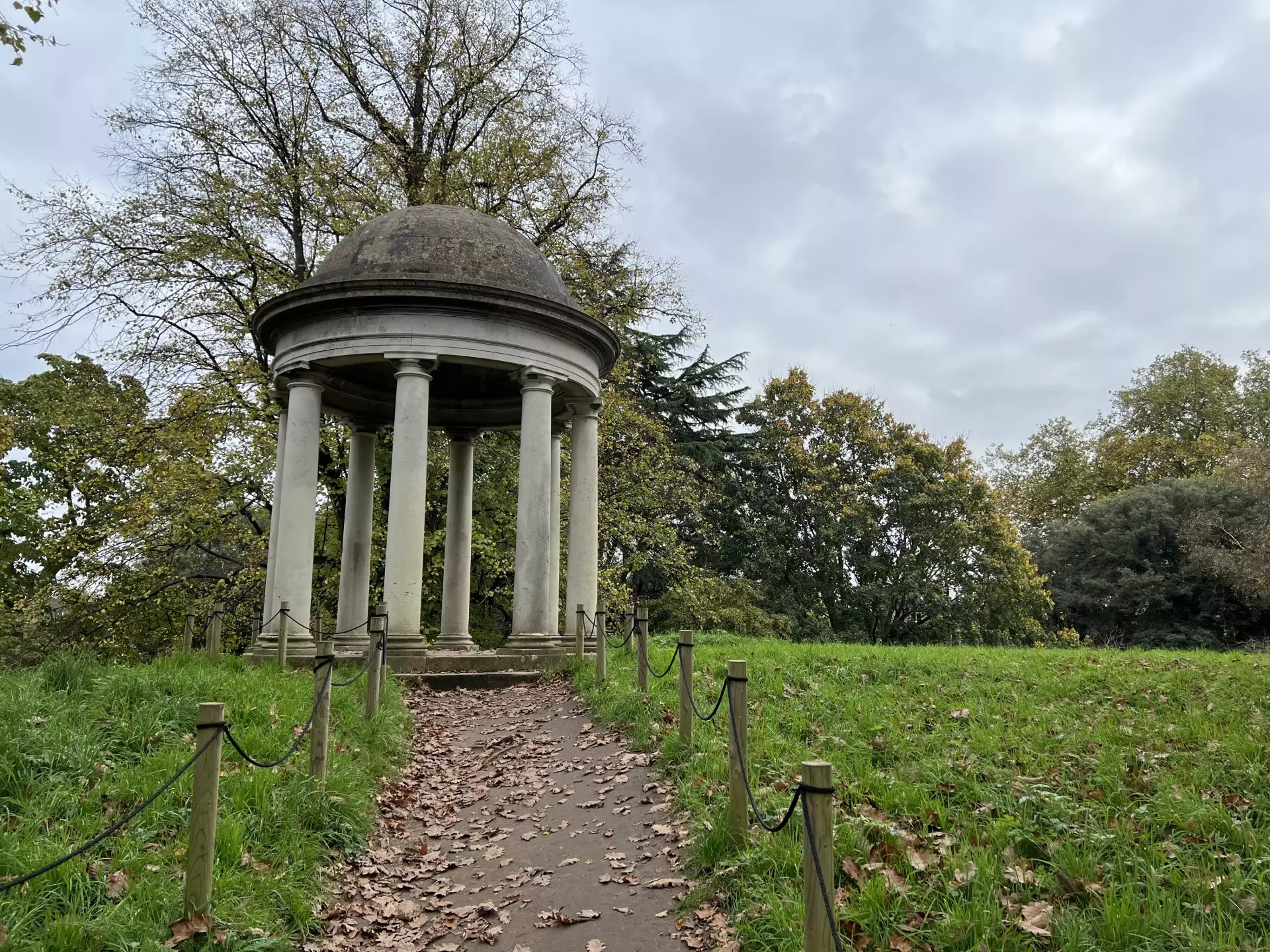
Large open space very popular with Londoners and less visited by tourists than the other great city parks. A number of lovely lakes, an open air theatre, regular puppet shows, various sporting activities and some splendid ancient trees. There is also a cafe and play area next to the boating pond. London's main zoo is in the northern reaches of Regent's Park. Takes a very conservation-driven approach these days and always has great exhibits aimed at children. Opened in 1828 for scientific study, then to the public in 1847. Islamic Cultural Centre and the main mosque in London. Visitors are welcome but must be suitably attired. The Mosque runs classes, prayers, talks and events.
After visiting the two Houses, visitors pass back through St. Stephen's Hall, and through Westminster Hall. Westminster Hall is one of the few areas of Parliament in which photography is permitted, and it is a very impressive place, dating back to the 9th century. Plaques on the floor mark where the bodies of deceased members of the royal family and other distinguished individuals granted the privilege by the British government lay in state (most recently Queen Elizabeth II in 2022), and significant events which took place in the hall (such as the trial of King Charles I).
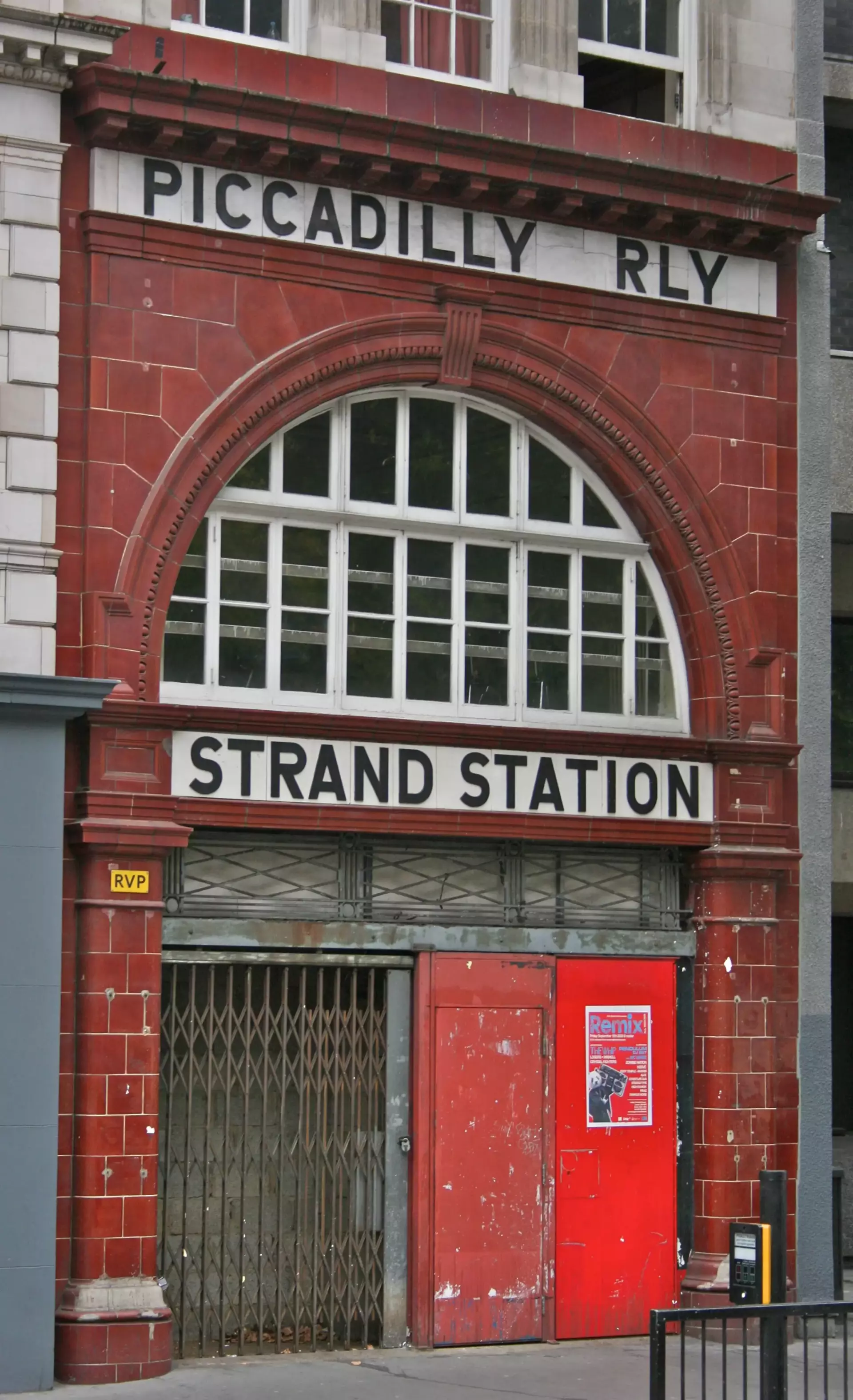
The TfL-backed Hidden London offers tours around the disused Aldwych tube station which had its own branch on the Piccadilly line. The tour explains the station's unusual history including its use for protection (for both people and historical artefacts held by the British Museum) from the Blitz during WWII. More recently, it was used as a filming location and for testing station equipment and decor. Of note, it was used for filming James Bond: Die Another Day, V for Vendetta and the Prodigy music video for Firestarter. Tours are roughly an 1 hour and 15 minutes long, wear sturdy shoes (not sandals).
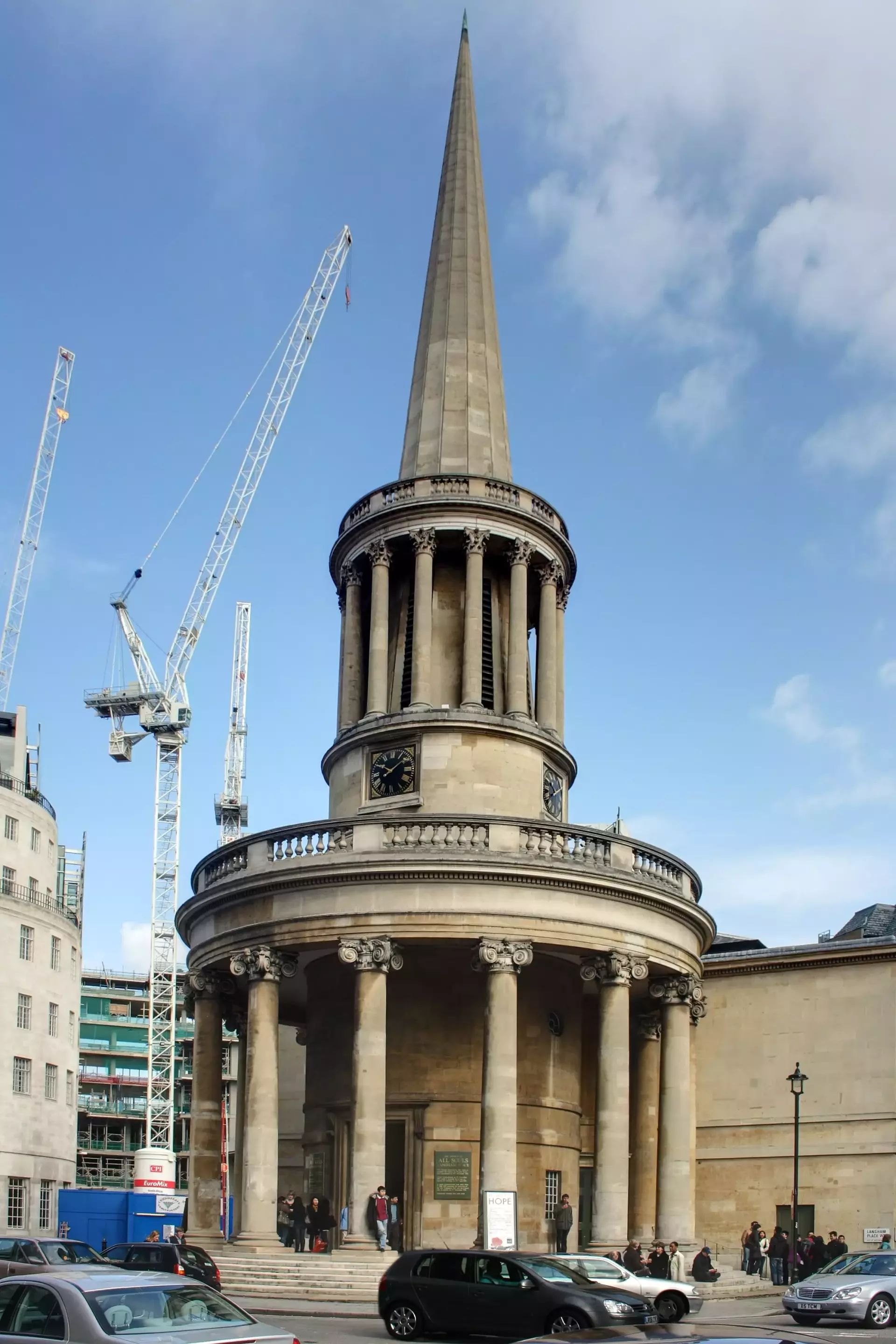
Completed in 1823, this attractive church near Broadcasting House is one of John Nash's masterpieces, with a prominent spire and circular vestibule. As of May 2025, it accessible only for worship.
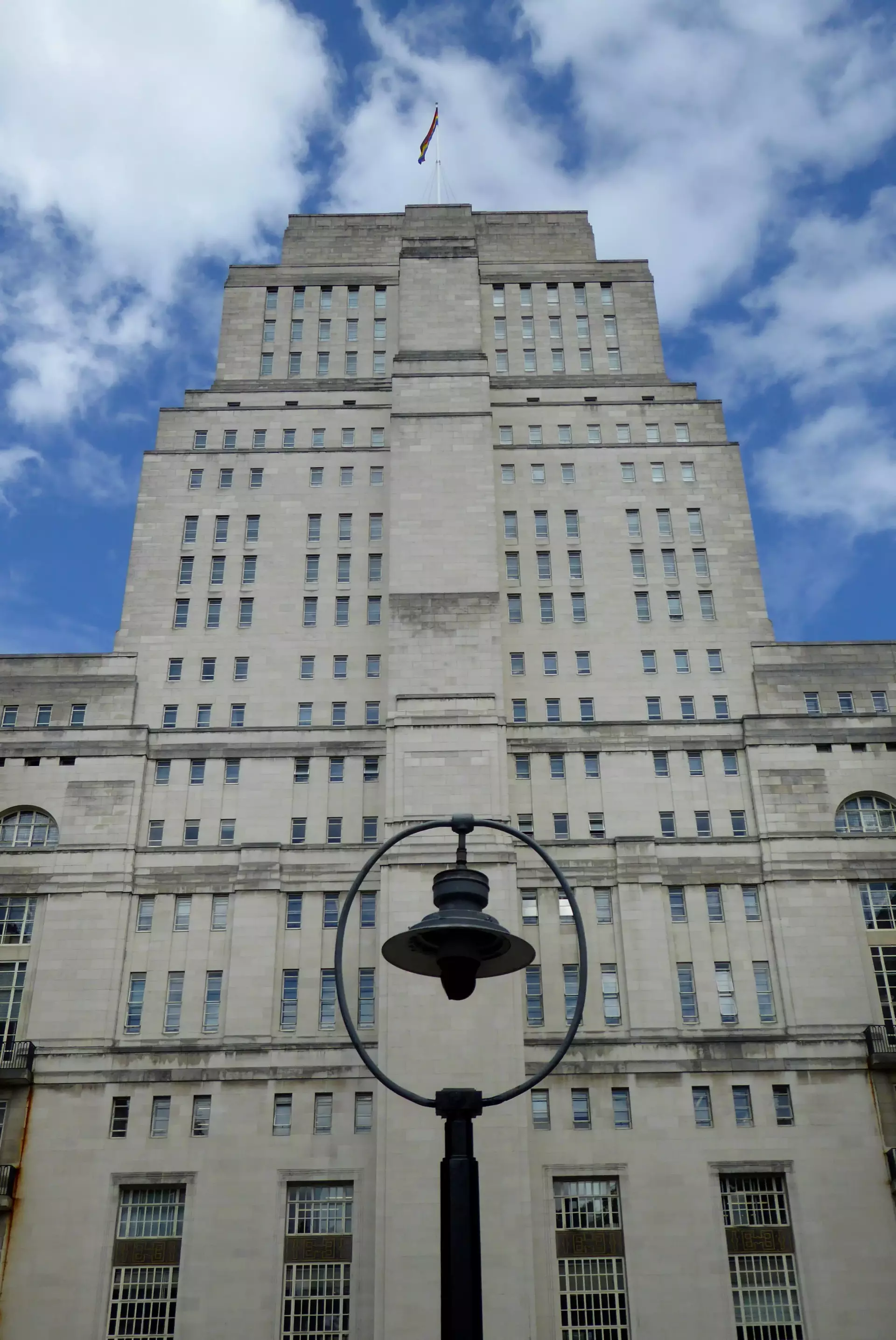
Art deco headquarters of University of London featured in the film Nineteen Eighty-Four.
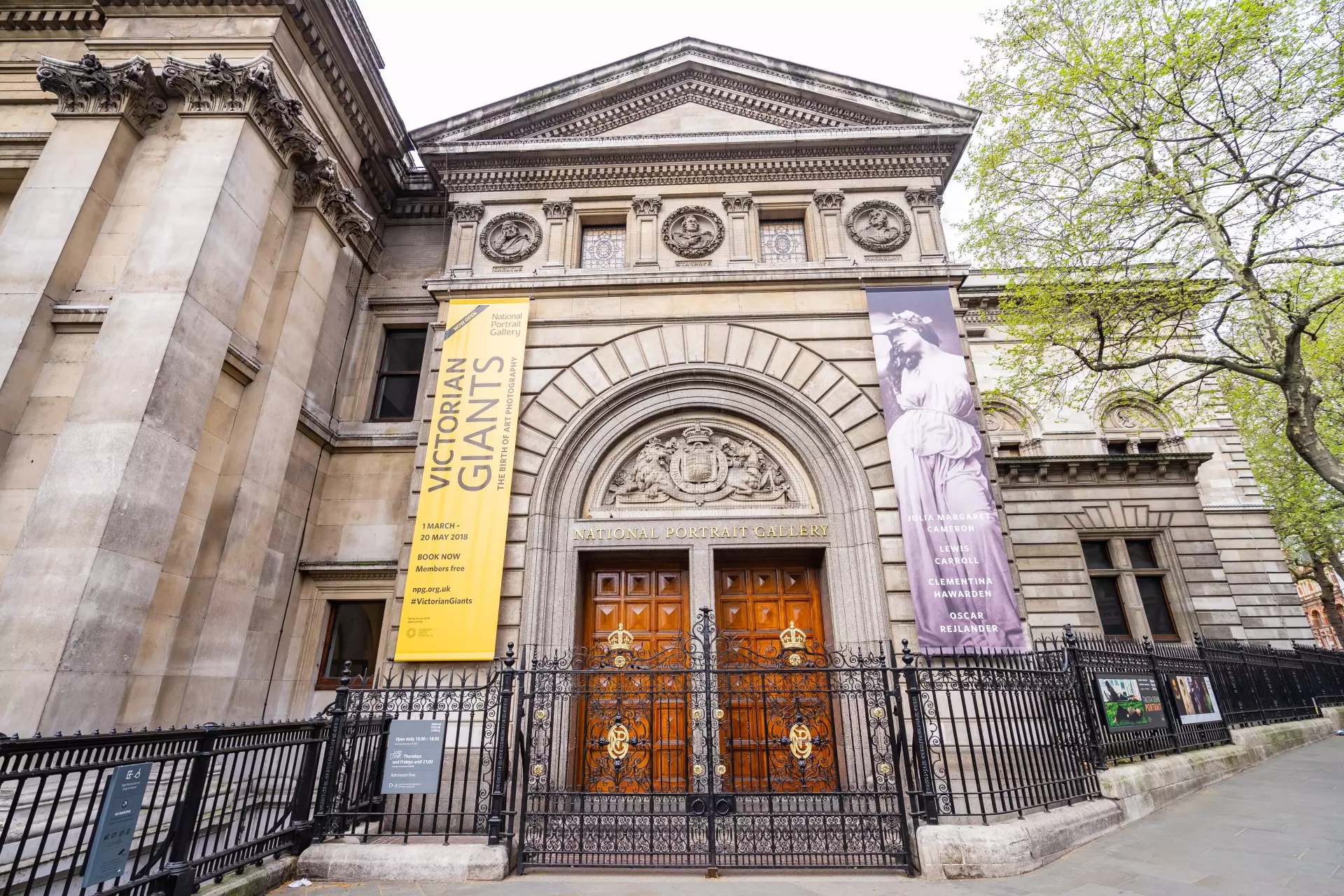
The National Portrait Gallery is just around the corner from the National Gallery and is an entertaining way to learn about British history since the Tudors. Visitors walk around the gallery chronologically, viewing portraits of notable figures from British history - from Henry VII, painted by Hans Holbein, to Blur, painted by Julian Opie.
The remains of the once-magnificent palace, home to English kings since Edward I, adjoin Richmond Green, a pleasant open green space and historic cricket ground. Only the Gate House and Wardrobe, now converted into flats, remain.
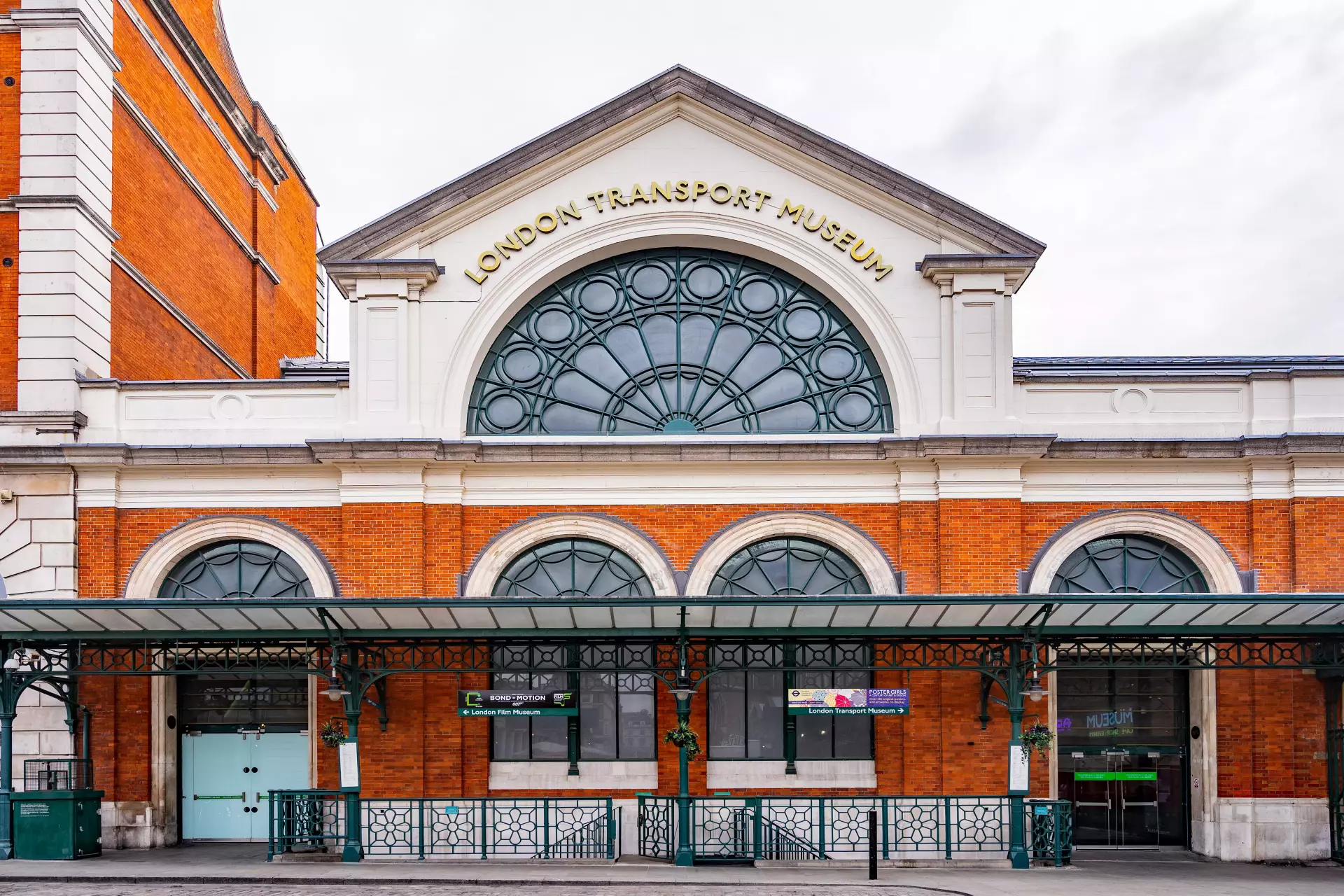
In many cities a local transport museum would be of very narrow interest - not London, however! London's public transport is iconic, and the story of how it developed from horse and cart through early buses, Tube trains and trolleybuses to the present day is well worth coming to find out about. There is plenty of opportunity to clamber aboard the historic buses and Tube trains on display. Also, because London's transport is so well known, the museum shop contains plenty of items that make interesting and original gifts and souvenirs.
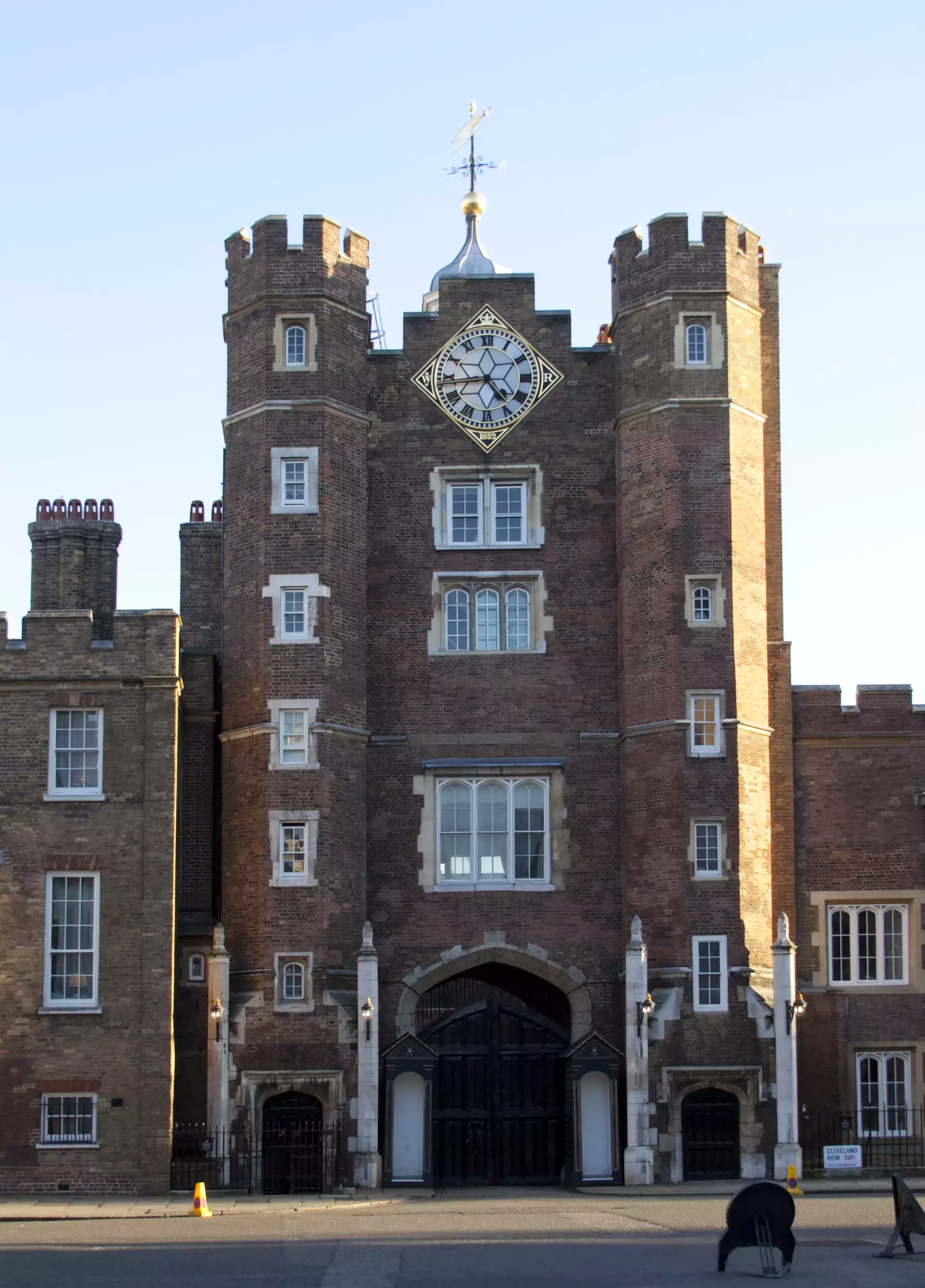
The most senior of the Royal palaces in London (built between 1531 and 1536) and the official seat of the monarch.
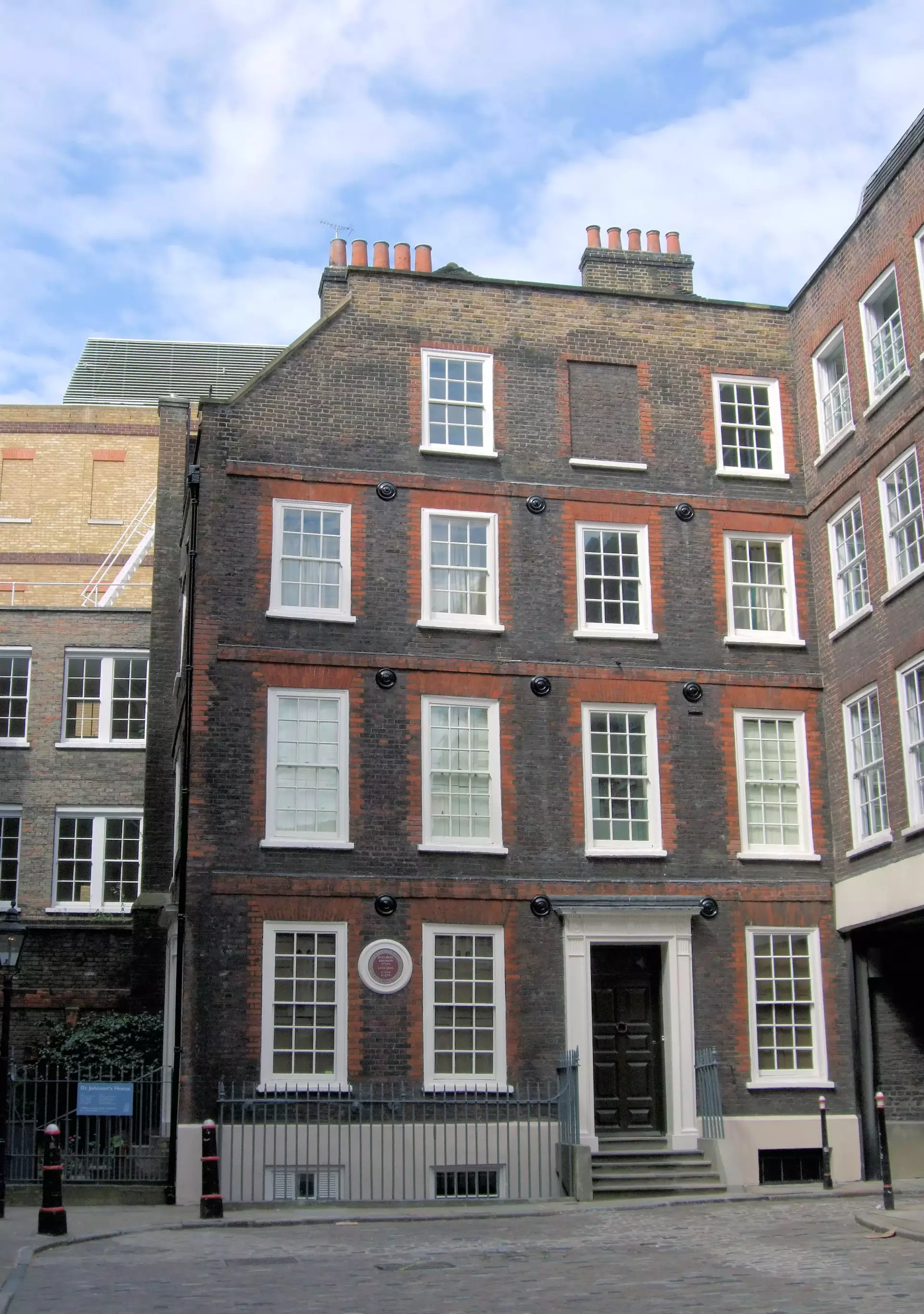
Dr Samuel Johnson was the highly distinguished 18th-century "man of letters", best known for his comprehensive English Dictionary of 1755, but also for his prolific output of poems, essays and novels. Something of a "hidden gem", this small, independent museum is dedicated to him—and, with its historic interiors, paintings and prints, personal effects and other exhibits—gives an impression of what it might have been like during his occupancy from 1748 to 1759. Built in 1700, this impressive period building—a rare example of its kind in the area—survived the brutal onslaught of the Blitz during World War II and is now maintained in excellent condition.
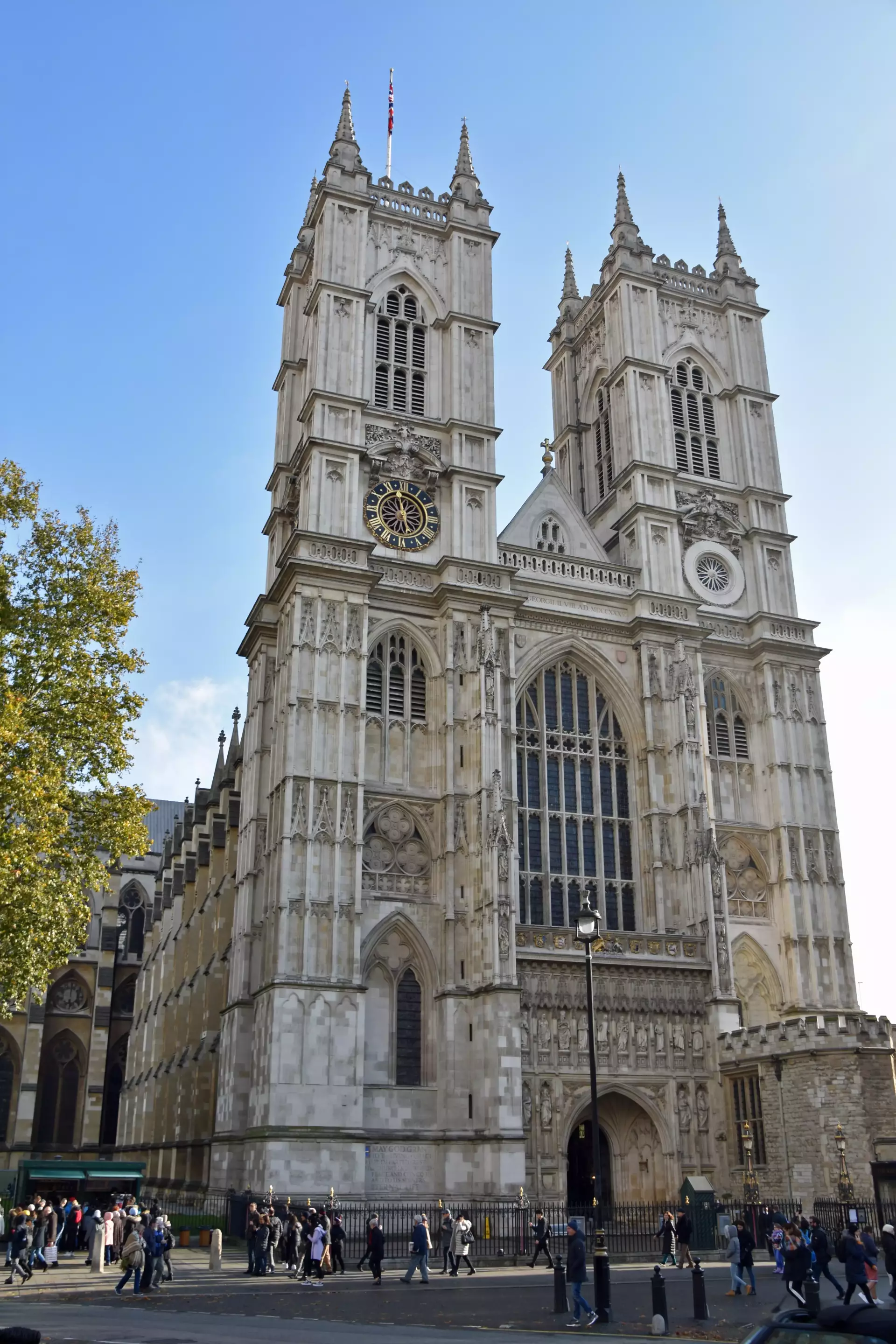
The Abbey charges tourists for entry, but not for worshippers. Attend a church service for free and enjoy some of the finest choral music in London from the choir. Choral Evensong at 3pm (Sa Su) or 5pm (weekdays), depending on time of year, is an especially good bet. The Abbey is the traditional scene for the coronation of British monarchs and the burial place of many past kings and queens. The Abbey contains a good gift shop and the Cellarium Café, which traces its history to the 14th century, is a good place to buy a noontime meal. Westminster Abbey is usually open to visitors from Monday to Saturday throughout the year. On Sundays and religious holidays such as Easter and Christmas, the Abbey is open for worship only. All are welcome and it is free to attend services. Visitor access to the Abbey is via the West Gate of the North Green.
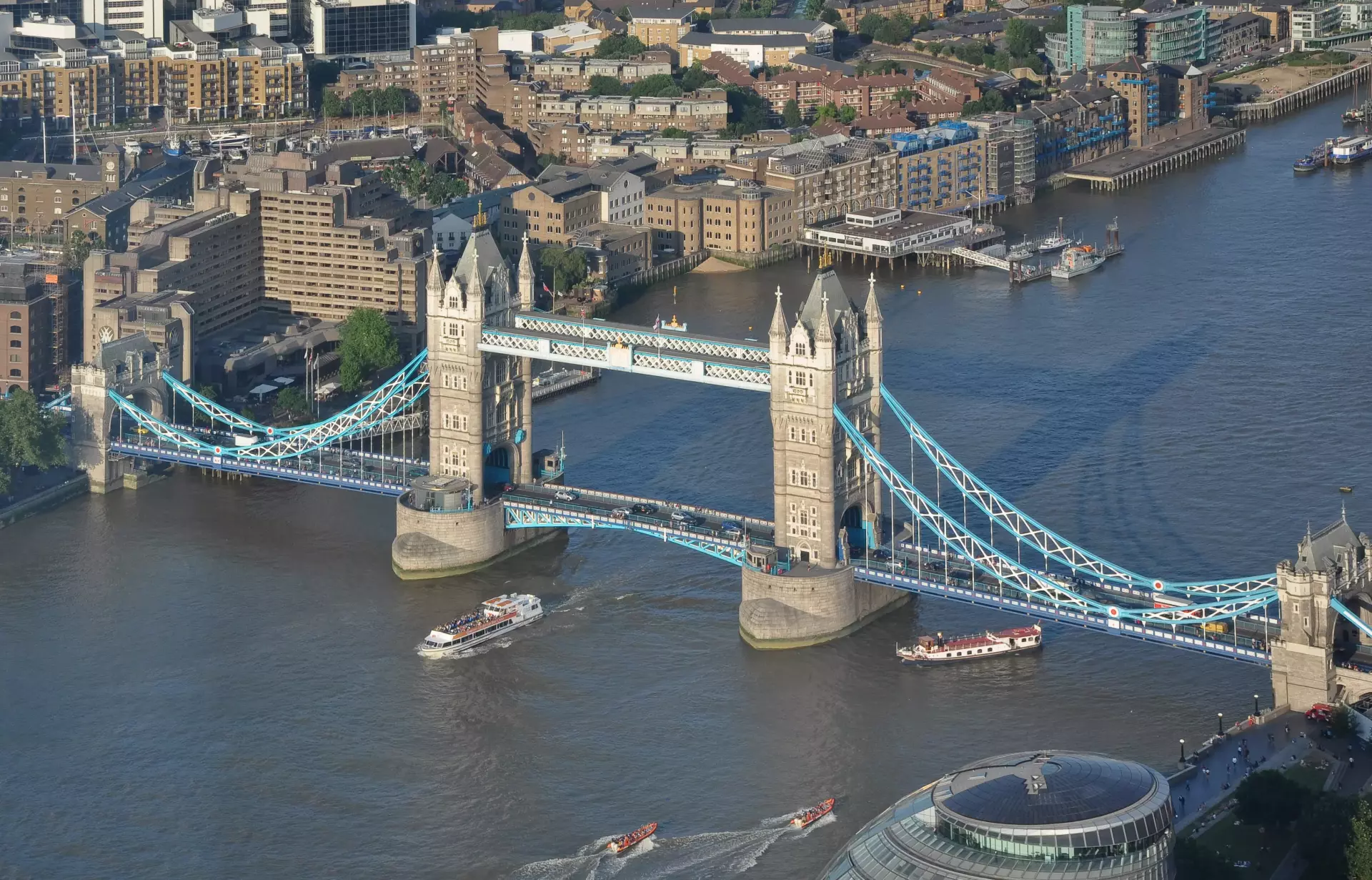
Magnificent 19th-century bridge, decorated with high towers and featuring a drawbridge. The bridge opens several times each day to permit ships to pass through – timings are dependent on demand, and are not regularly scheduled. When Tower Bridge was built, the area to the west of it was a bustling port – necessitating a bridge that could permit tall boats to pass. Now the South Bank area sits to its west, and the regenerated Butler's Wharf area of shops and riverside restaurants lie to its east. You can get the lift to the top level of the bridge and admire the view. Glass floors provide an interesting perspective for the brave. The museum highlights the bridge's history and engineering, and there are photographic exhibitions along the walkways between the towers.