The Archives Nationales hold one of the largest and most significant archival collections in the world. Their vast holdings reflect the long and complex history of the French state, which has existed for more than twelve centuries.
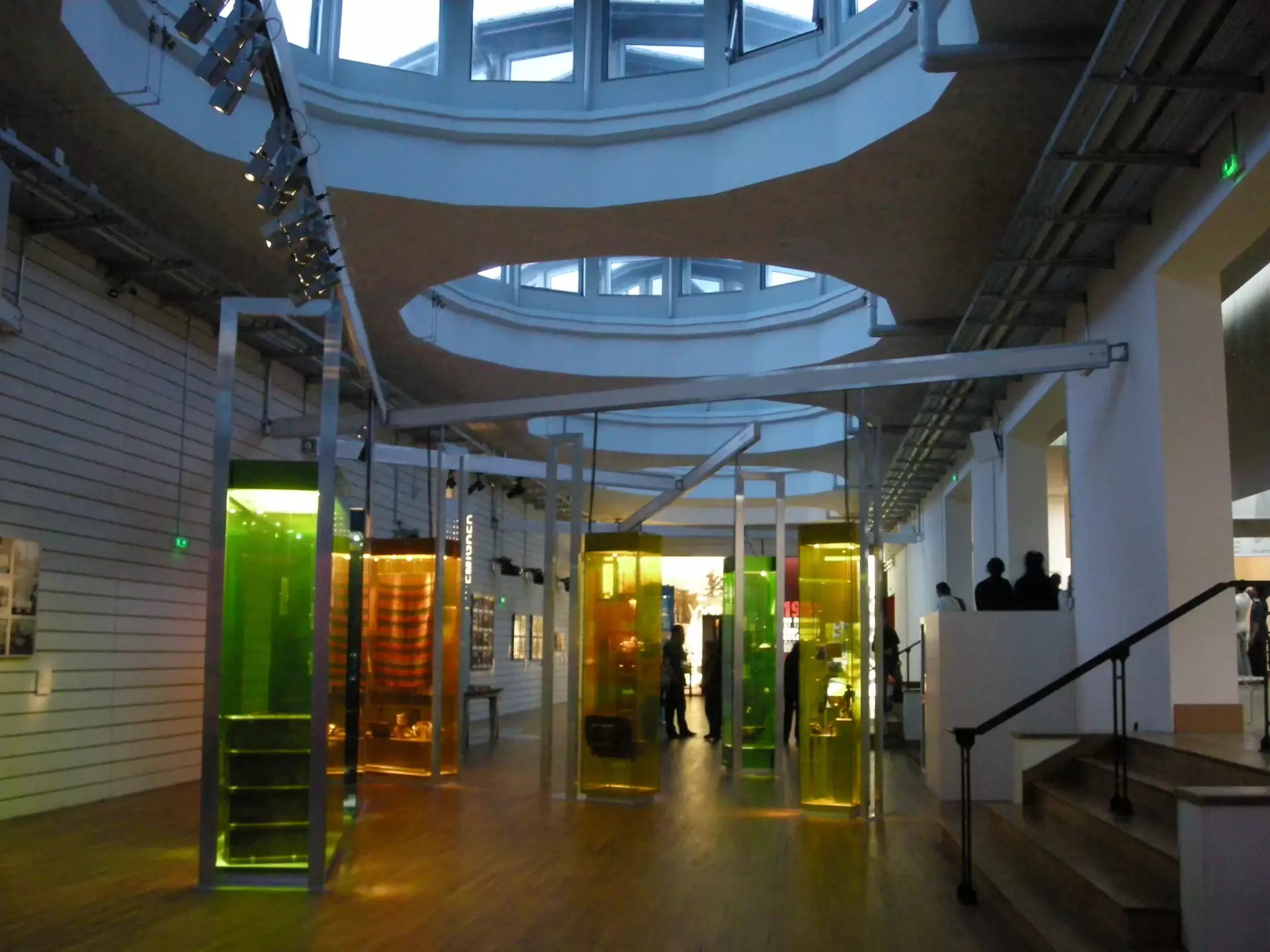
Founded to preserve records that document the nation’s past, the Archives Nationales safeguard official documents and historic materials. These archives are a vital source for historians, researchers, and anyone interested in the story of France. Their contents range from medieval manuscripts and royal decrees to modern administrative documents, offering insight into every period of French history.
The collections housed at the Archives Nationales serve as evidence of the evolution of the French government and society. Each document reveals part of the country’s journey, from its earliest kingdoms to the present day. The archives are not just a storage site—they are a living resource for understanding France’s heritage.
Source - https://en.wikipedia.org/wiki/Archives_Nationales_(France)
Considered one of the most colourful Parisian parks, a local favourite, the Parc Montsouris was opened in 1878, having been designed by Alphand for Baron Haussmann. A large man-made lake and waterfalls are surrounded by long stretches of gently sloping lawns. Bronze statues are to be found studding the grounds, amongst the 1,400 trees, including such exotic varieties as the giant sequoia and the ginkgo. The park is featured in the film Cléo de 5 à 7. It is popular among families (there are two playground areas for children) and students.
Housed in a former Beaux-Arts railway station (completed in 1900 for the Exposition Universelle, later saved from demolition and converted to its present use), the rambling, open-plan museum is home to the works of the great artists of the 19th century (1848-1914) - Impressionists, post-Impressionists, and the rest - that were formerly displayed in the l'Orangerie. This is perhaps the most spectacular collection of European impressionism in the world—breath-taking rooms full of Manet, Renoir, Monet, Van Gogh, and many others. Impressionist represent the biggest draw, but there is much more to explore.
For a taste of the French countryside, a visit to Bercy Village brings to life the spirit of market shopping inside Paris.
Ordered by Cardinal de Richelieu (1585-1642), King Louis XIII's prime Minister in 1629 (completed in 1636); originally called Palais Cardinal; it became Le Palais Royal when Anne d'Autriche, Louis XIII's wife, came to live here to get away from the Louvre palace. It eventually housed Louis XIV until the move to Versailles. It includes also a beautiful garden Les jardins du Palais Royal, enclosed by the buildings. It's been the theatre of one of the seminal events of the French Revolution (Camille Desmoulins made a famous declaration here in 1789). The Théatre Français nearby was built in 1716. There are numerous restaurants inside the garden , including famous Le Grand Véfour. There's also the controversial Colonnes de Buren, striped columns installed within the inside yard amid the 17th century architecture.
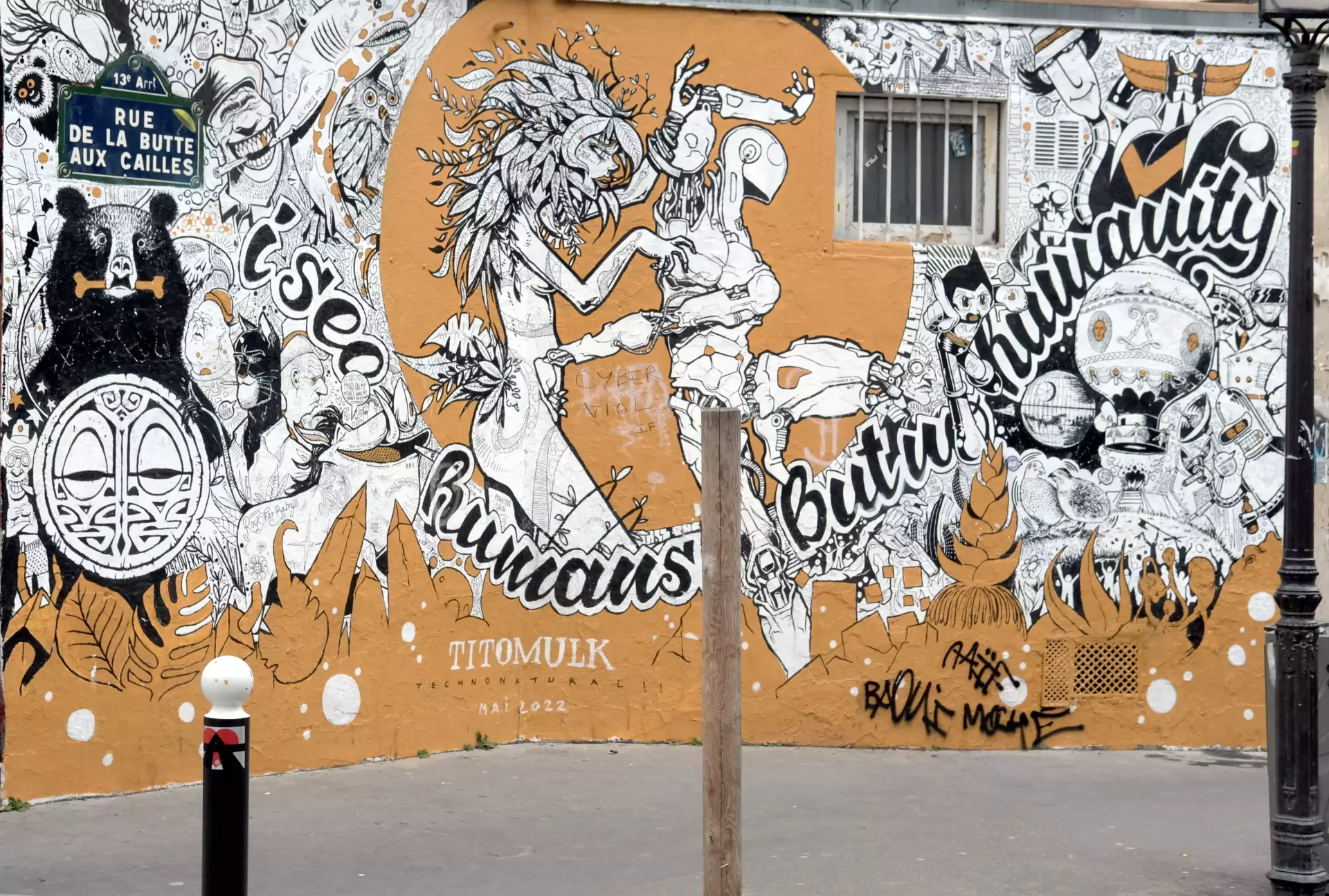
A little district within the district. Very charming little streets on a hill on the west end of the 13 district. Nice for lunching/dining activities. This is the place where the band "Mano Negra" was hanging around.
Try to visit the cabinet des Médailles.
Enter Bastille station through any entrance or on any train and then make your way to the Bobigny/Pablo Picasso-bound platform. All that's left of the fortress whose front steps used to lead up from place de la Bastille are some foundation stones which you can see while waiting for a north bound train on this metro platform. There are maps and explanations showing where the fortress used to be relative the place and surroundings (basically the location of the old front steps are now occupied by Café des Phares).
For many visitors one of the must-see places in Paris is the Avenue des Champs-Elysées which was first created in 1667 by Louis XIV's gardener, Andre Le Nôtre, in order to improve the view from the Tuileries garden. This elegant and broad avenue was extended towards the end of the 18th century, now running from the place de la Concorde to the Arc de Triomphe. It is noted today as one of the most prestigious shopping boulevards of Paris.
A monument to the French art de vivre, housed in a 19th-century wing of the Louvre that has been restored to beaux-arts splendour, its galleries and period rooms showcase eight centuries of Gallic taste in interior decoration.
The Stade Charlety is a massive multi-sport arena, hosting football (soccer), tennis, rugby and squash matches.
The Palais de Tokyo is Paris's largest specialist contemporary art exhibition venue, owned and operated by the national government. The building dates to 1937 and also includes the Museum of Modern Art of the City of Paris.
One of Paris's best kept secrets, painted by Monet numerous times. It is a very elegant centre of green in the middle of cosmopolitan Paris. Make sure you check out the statues, entrance rotunda and the surrounding mansions. Thanks to Haussmann himself this precious slice of parkland was reserved for the enjoyment and leisure of the people of Paris. It is unusual in France due to its casual, informal "English" style planning, and is a contrast to other Parisian parks such as the classically laid out and formal Luxembourg Gardens and the Tuileries. Randomly placed throughout the park are scaled-down architectural replicas including an Egyptian pyramid, Dutch windmill, and a Chinese fort. Free Wi-Fi in the park.
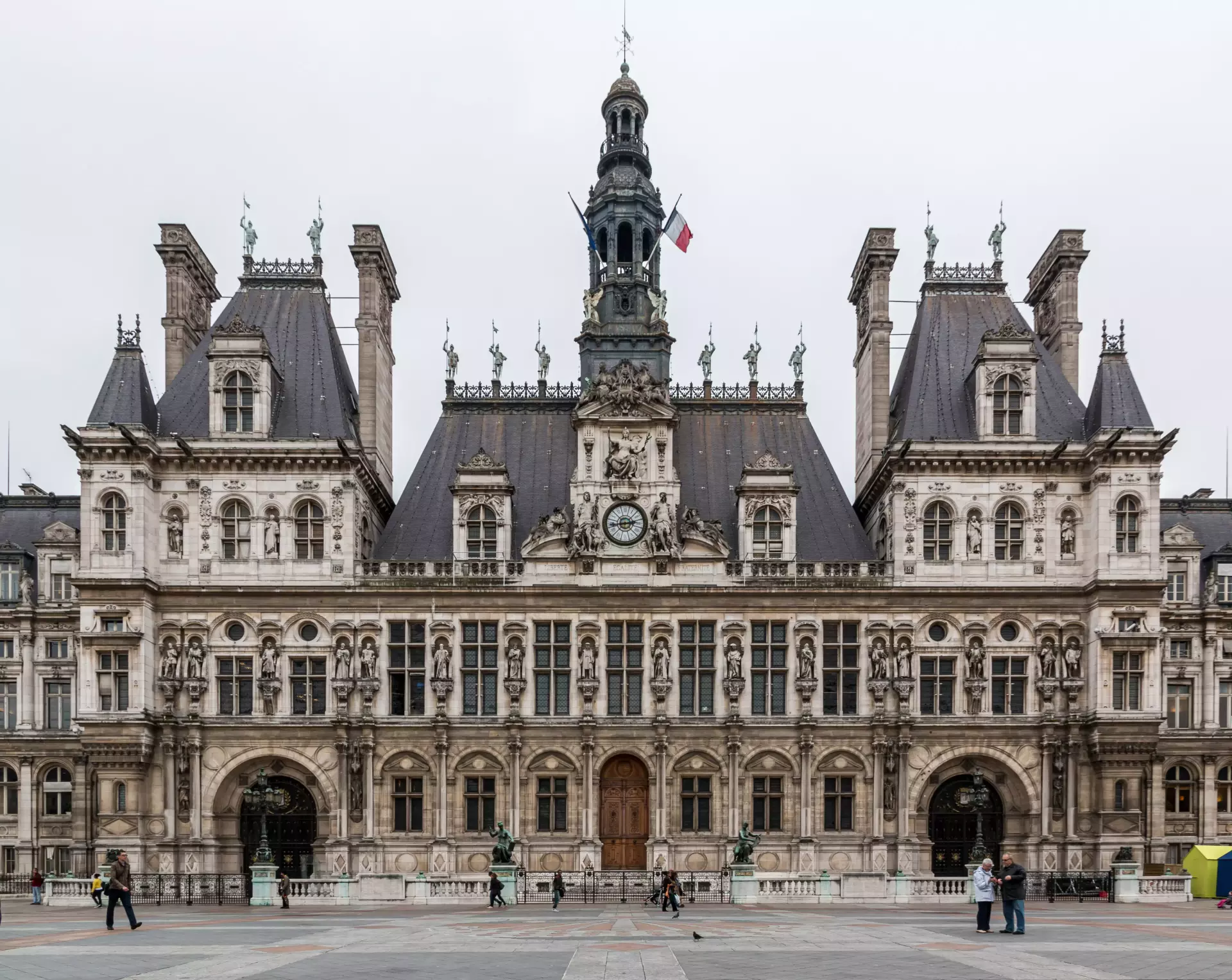
Many feel that this, Paris' town hall, is one of the loveliest buildings in the city. You might not get that from the front view, but try watching the light change on its roofs and towers during sunset from one of the cafés on the Ile de St. Louis, the Lutece for instance. Alternatively, go to the top floor of the Bazar de l'Hôtel de Ville (BHV) department store opposite, on rue de Rivoli and walk up a flight of stairs to the roof terrace (terrasse), from which there is a dramatic view of both the roof of the Hôtel de Ville and the immediate surroundings and river. The present Hôtel de Ville replaced the 16th century original which was burned down during the Commune in 1871. A pastiche of its predecessor, but on a far larger scale, it was designed by the architects Ballu and Deperthes, chosen after a competition, and was mostly completed by 1882. The building is lavishly, and some would say heavy-handedly, decorated both inside and out, and finished in an arrestingly white stone, similar to that used for the even more eye-catching Sacre-Coeur basilica. The statue on the garden wall on the south side is of Etienne Marcel, the most famous holder of the post of "prevôt des marchands" (provost of merchants) which pre-dated the office of mayor. Marcel came to a sticky end, lynched in 1358 by an angry mob after trying to assert the city's powers a little too energetically. The Hôtel de Ville was for many years the private fiefdom of Jacques Chirac, France's president before Sarkozy, and was the site of a scandal centring on both illegal jobs given to Chirac's party members and an immense entertainment budget. General de Gaulle greeted the crowds from a front window in 1944 when Paris was liberated from the Germans and Robespierre was shot in the jaw and arrested in the original building in 1794. Admirers of Hôtel de Ville's architecture will want to know that Ballu also built the Church of La Trinité in the 9th arrondissement and the belfry of the town hall of the 1st arrondissement, opposite the Louvre's east façade. Ballu also restored the Tour St Jacques (see below), which was uncovered after restoration work lasting over a decade.
Numerous artists paint portraits of tourists and also sell their paintings.
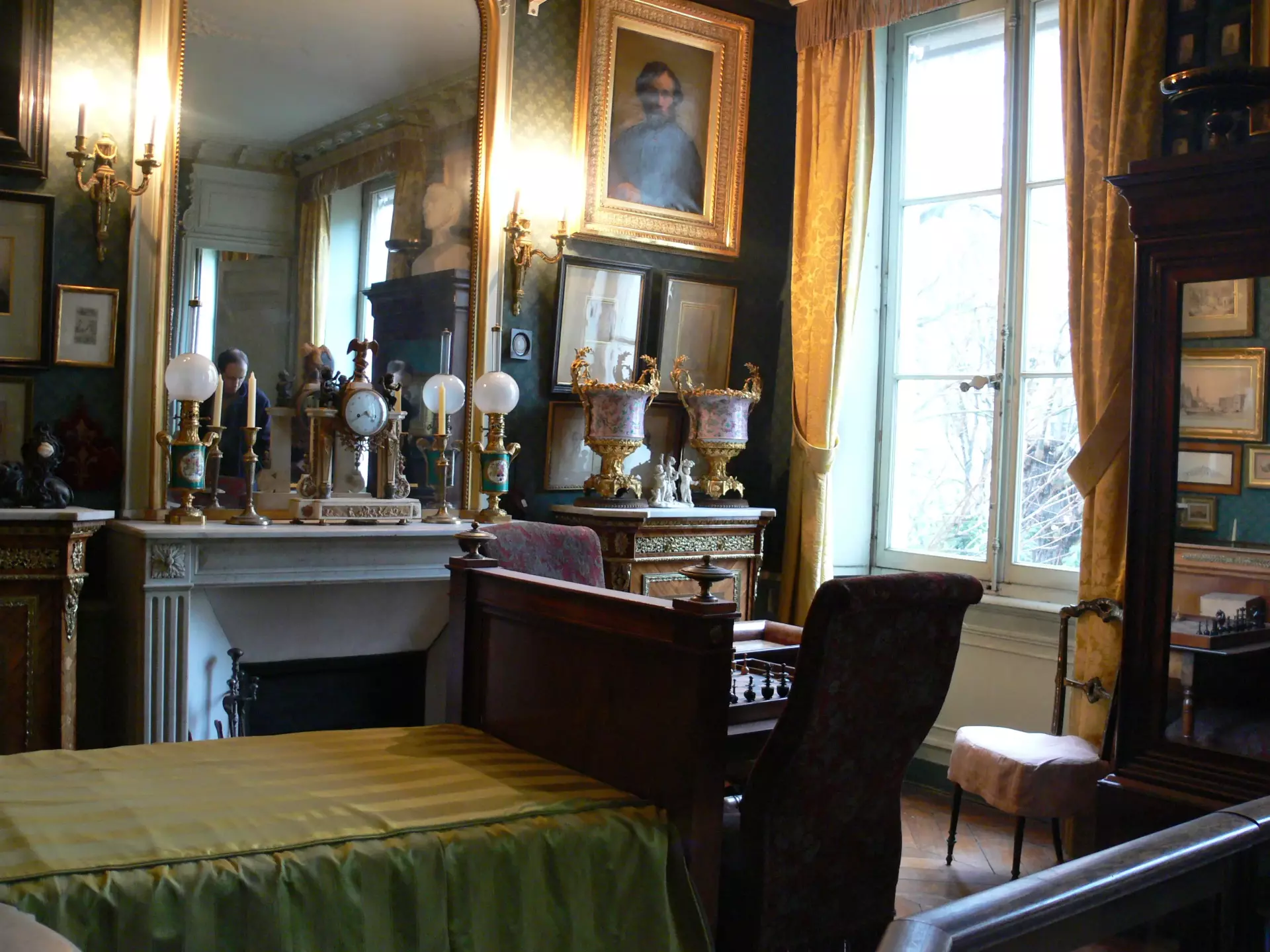
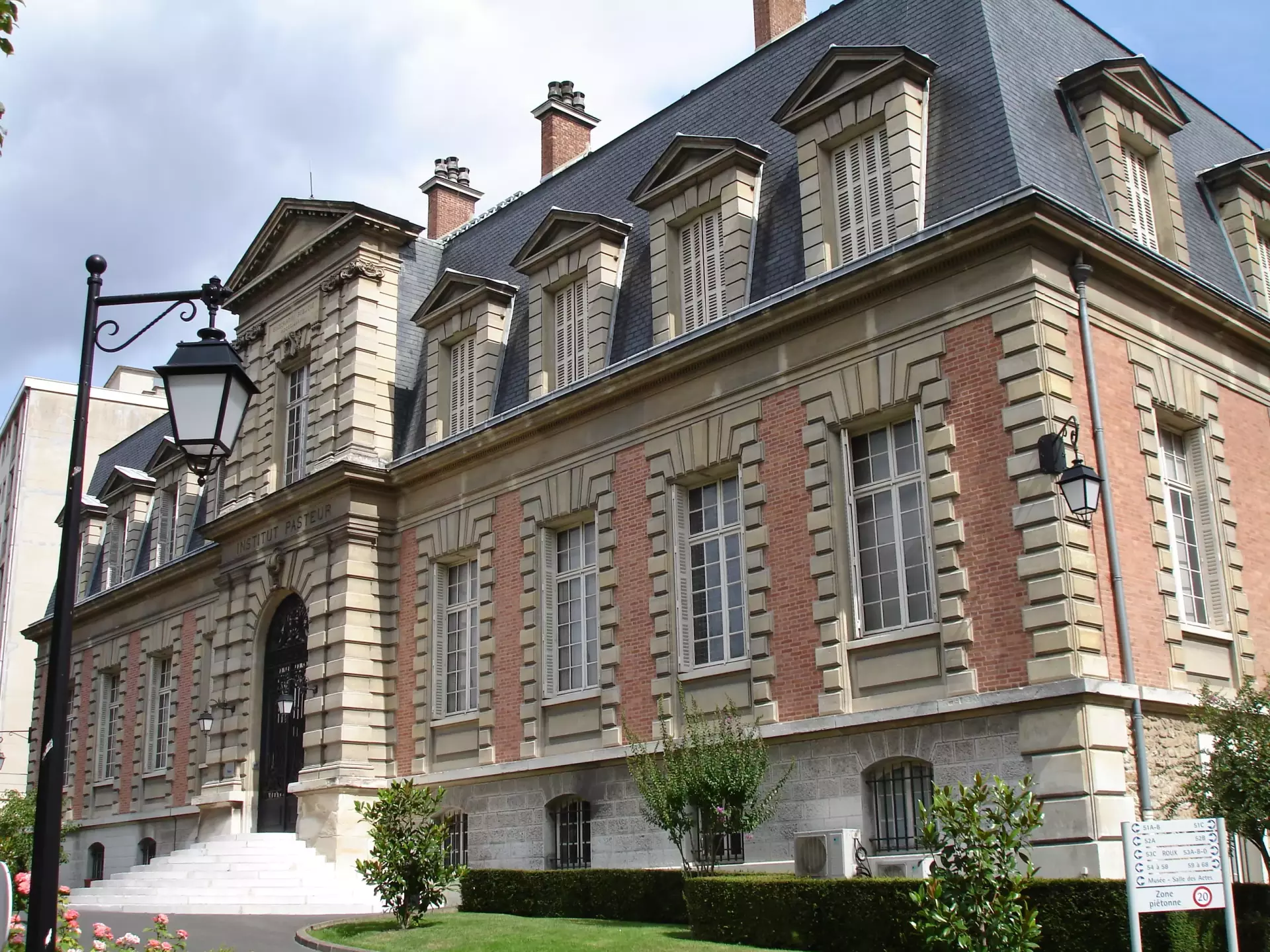
The Pasteur Museum is housed in the apartment where the great scientist spent the last 7 years of his life. Hardly touched since that time, the museum is full of personal memorabilia and scientific instruments. Pasteur is buried on the grounds in a flamboyant mosaic-decorated mausoleum. The museum was closed to individual visitors for security reasons after the 13th November 2015 Paris terrorist attacks.
If the queues at the Eiffel Tower are just too much for you and your time is limited, consider a trip up the Montparnasse Tower. This is an office building with an observation and shopping area on the 56th floor, where the elevators stop, and an open viewing area on the roof. Arguably the view is better than from the Eiffel Tower: you are not so high up so things are more visible, and you can see the Eiffel Tower!
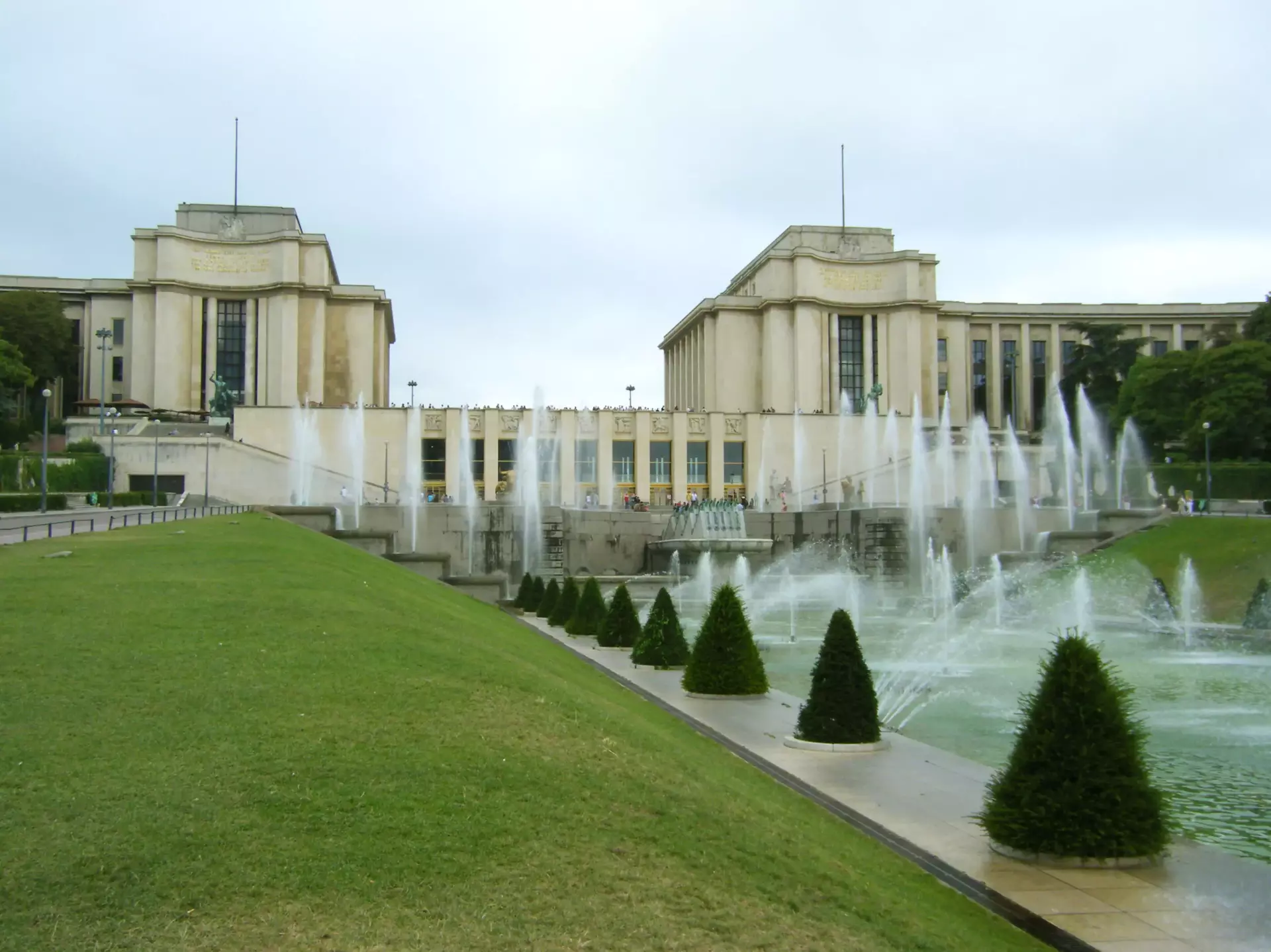
Recently reconstructed, the Paris branch of the National Maritime Museum, one of the three museums in the Palais du Chaillot, cannot accommodate any full-size ships, but has a wide range of smaller artifacts, artworks and models, covering both the Navy and commercial shipping.
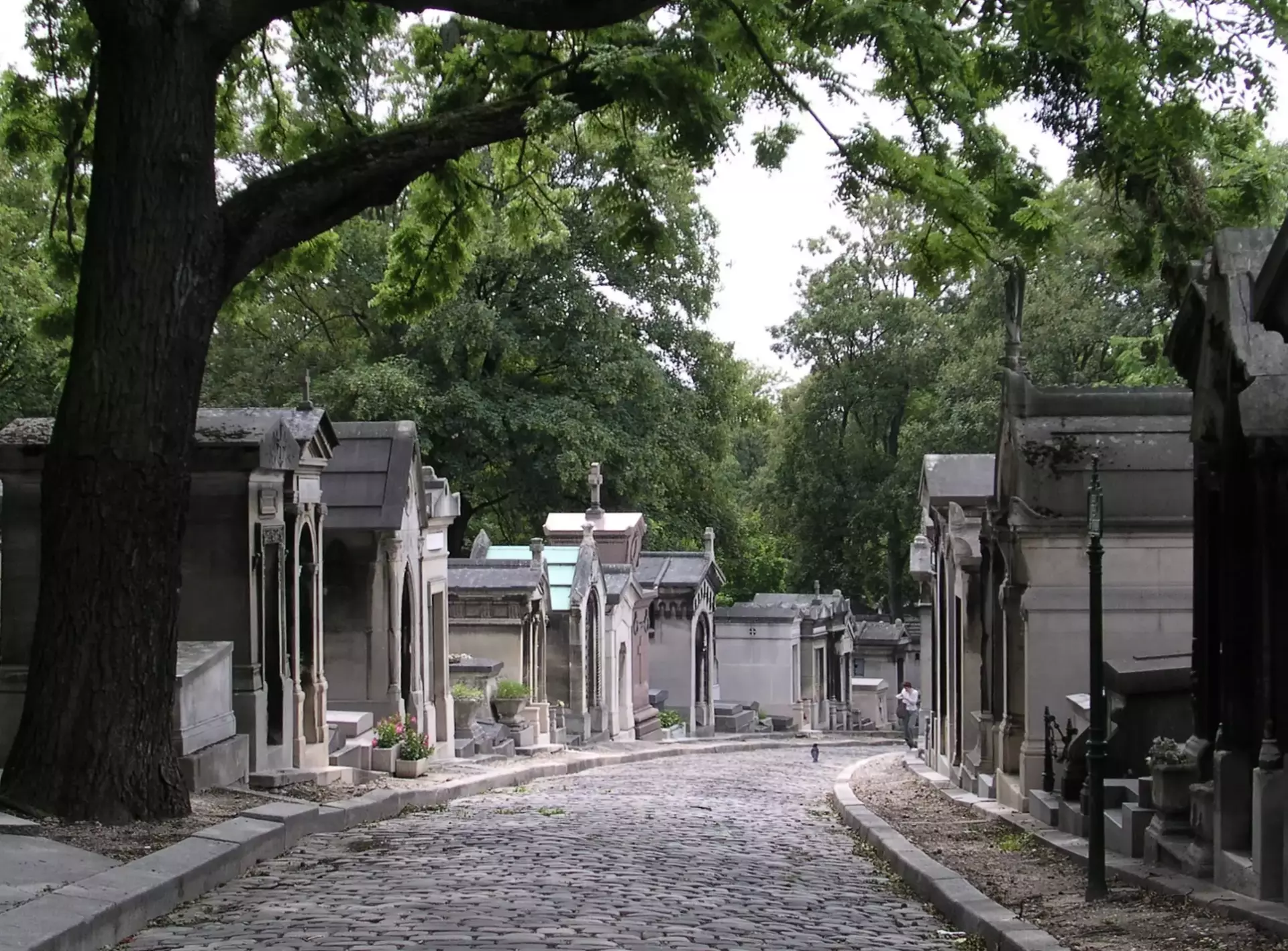
A must for anyone interested in the history of the American Revolution. This small cemetery includes three mass graves from the French Revolution, plus a section that includes many of France's most noble families that lost members during the French Revolution and consequently have a continuing right to be buried there. In the farthest right hand corner is the tomb of General Lafayette, the friend and fellow soldier of George Washington. Beside him is his beloved wife plus other members of her family, the de Noailles, who were almost completely wiped out during the French Revolution because of their closeness to the Court. Since 1834 the American flag has apparently flown continuously over his grave, even during the German occupation of Paris during World War II. Well worthy of a visit.
Reopened after extensive renovations, this small museum near the Louvre houses the Jean Walter and Paul Guillaume Collection, sold to the French Republic on very generous terms and numbering 143 paintings from the late 19th century and the first half of the 20th century (15 Cézannes, 24 Renoirs, 10 Matisses, 12 Picassos, 28 Derains, 22 Soutines). The collection joined the eight immense Water Lilies that Monet gave France in 1922 and which have been displayed since 1927 in two huge oval rooms purpose-built on the artist's instructions.