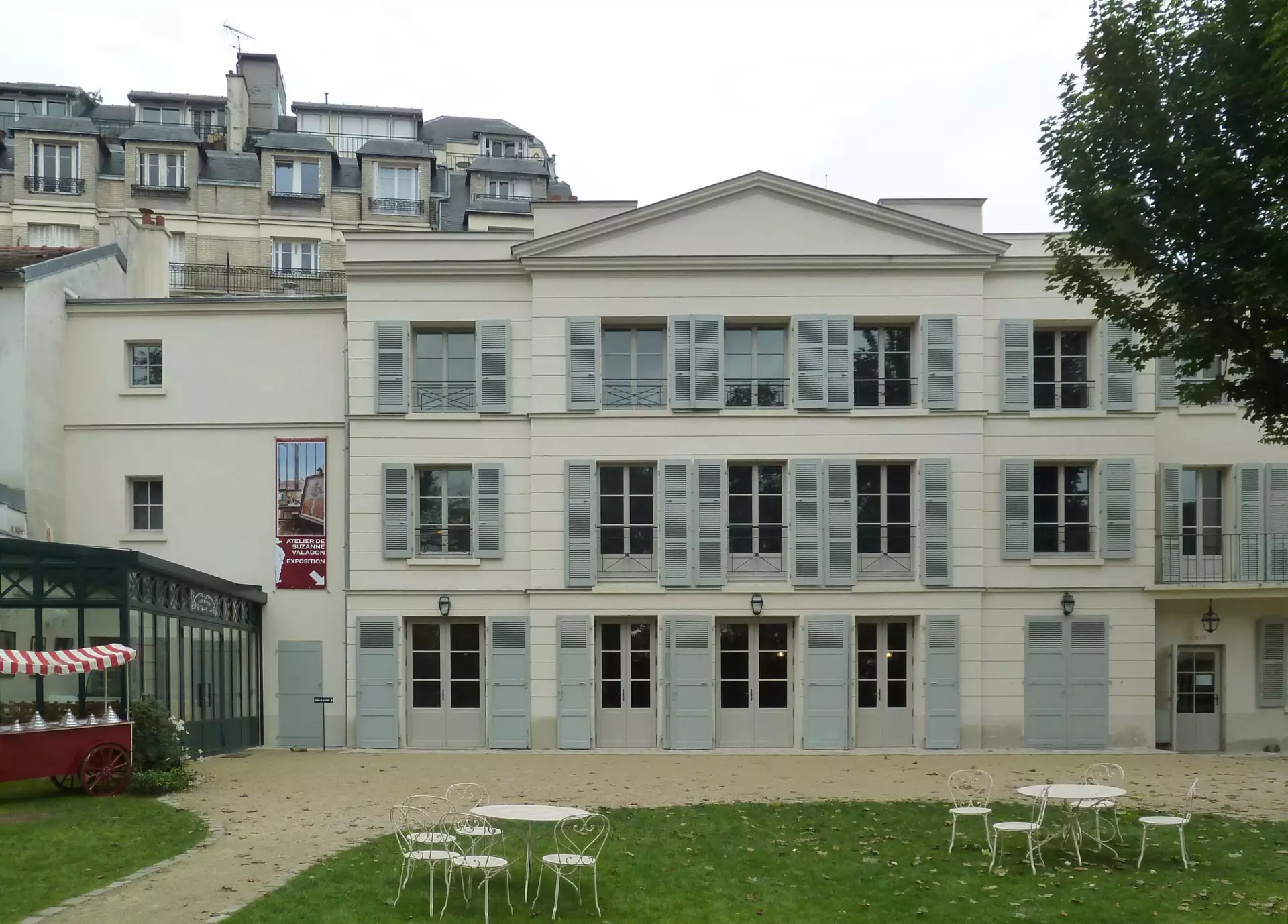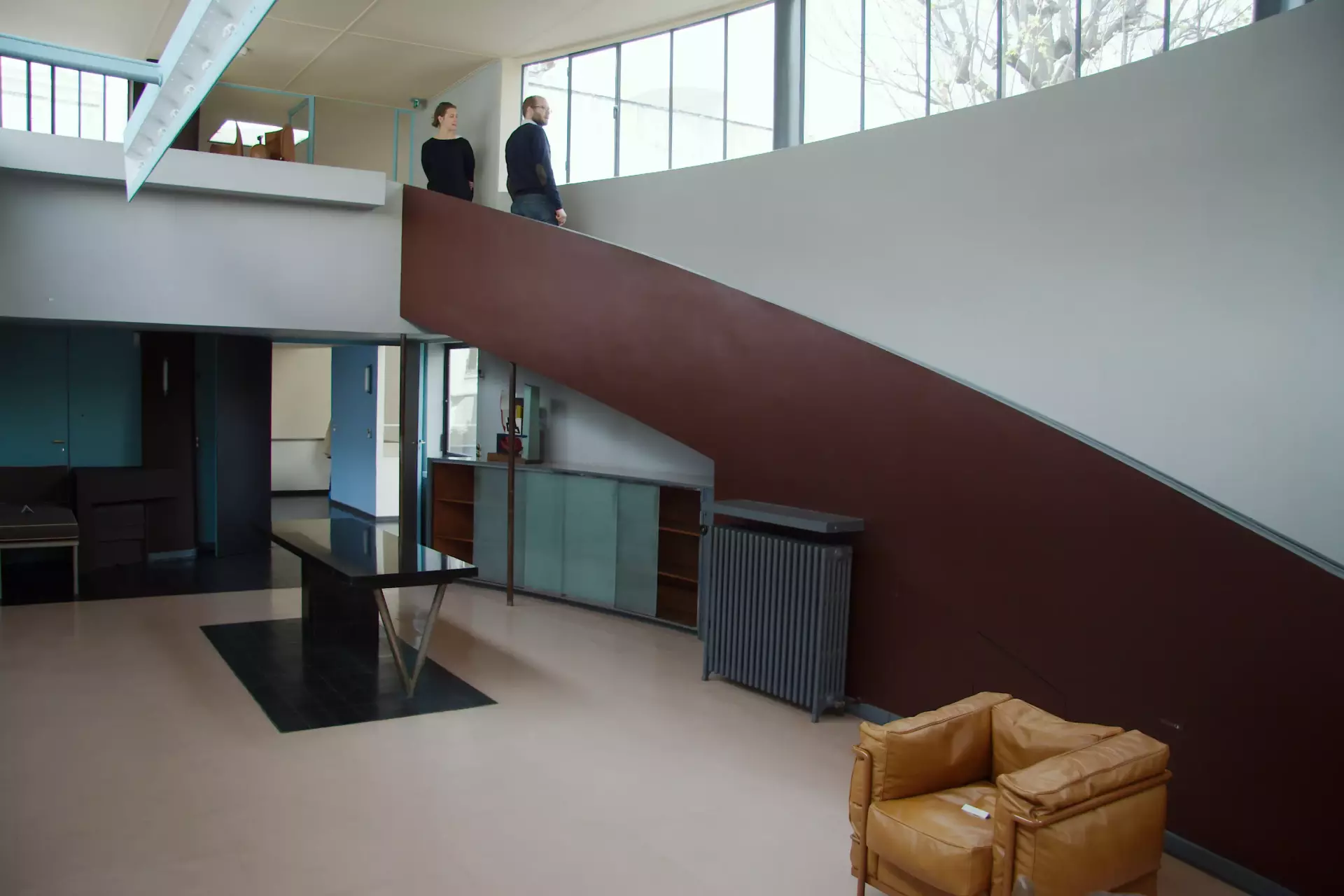
Villa La Roche is an architectural landmark located in Paris, France. Designed by the famous architect Le Corbusier in the early 1920s, the villa is recognized for its innovative use of space, light, and form. Built as a private home and art gallery for the Swiss banker and art collector Raoul La Roche, the building is a prime example of early modernist architecture.
The villa stands out for its simple, geometric lines and white façade. Inside, visitors can find open-plan rooms filled with natural light. The interior layout features ramps and split levels instead of traditional staircases, creating unique perspectives and movement throughout the house. Large windows and glass blocks were used to maximize sunlight, while built-in furniture and minimalist décor reflect the modernist philosophy.
Villa La Roche was designed not only as a residence but also as a gallery to display Raoul La Roche’s impressive collection of avant-garde paintings. Works by artists such as Fernand Léger and Juan Gris were once exhibited throughout the villa. Over time, the villa became a gathering place for artists, intellectuals, and architects interested in new ideas and design. Today, Villa La Roche is managed by the Fondation Le Corbusier and is open to the public as a museum, showcasing both original furnishings and architectural drawings.
Source - https://en.wikipedia.org/wiki/Villa_La_Roche
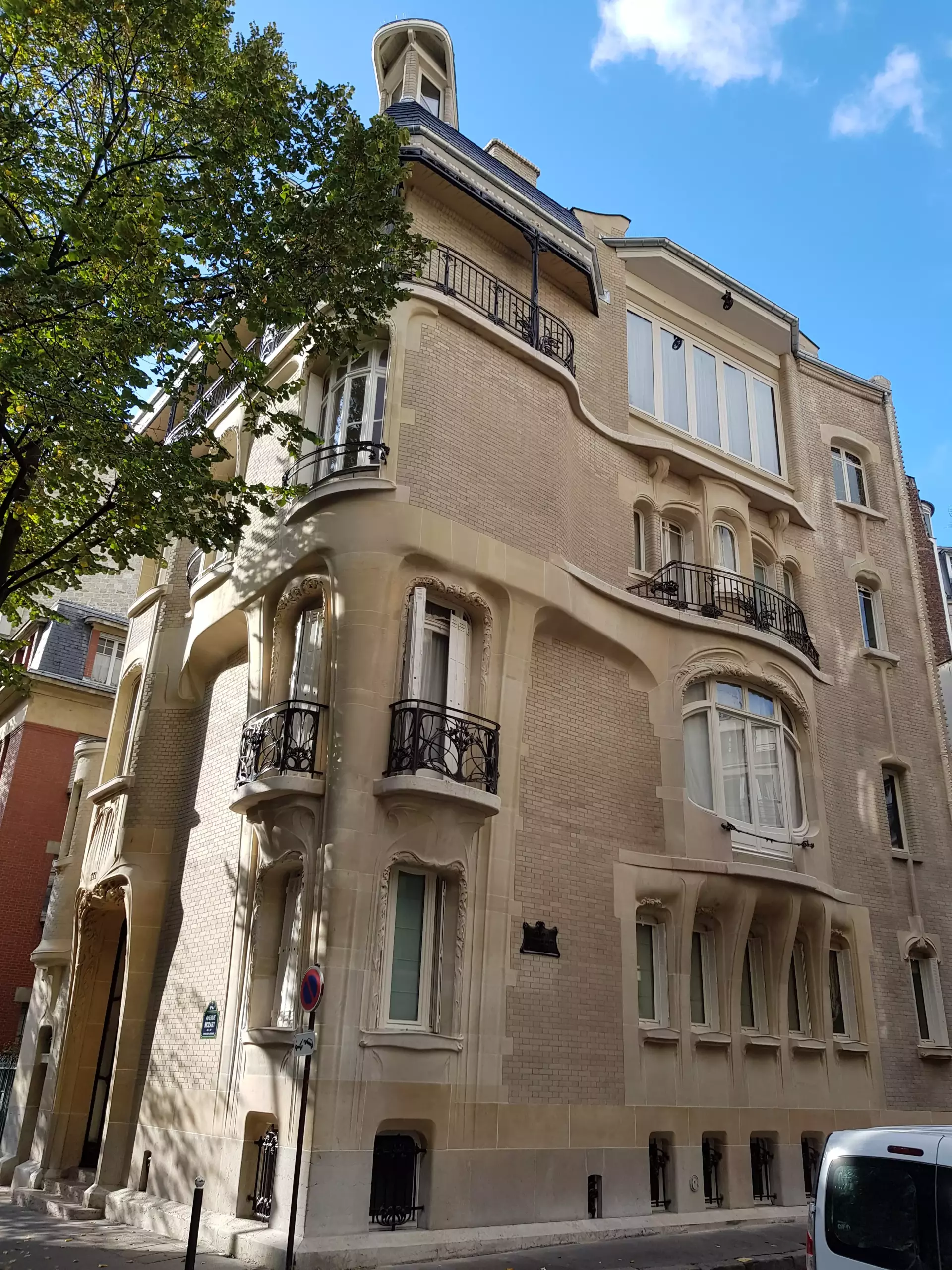
Castel Béranger is an apartment building that was the first entirely art nouveau building in Paris, insulted at the time as "Castel Derangé". Its richly decorated facade won a city competition in 1898. It contains 36 apartments, all of which are still privately owned and not open to the public.
The bridge is widely regarded as the most ornate, extravagant bridge in the city. It is classified as a French Monument historique.
One of Paris's best kept secrets, painted by Monet numerous times. It is a very elegant centre of green in the middle of cosmopolitan Paris. Make sure you check out the statues, entrance rotunda and the surrounding mansions. Thanks to Haussmann himself this precious slice of parkland was reserved for the enjoyment and leisure of the people of Paris. It is unusual in France due to its casual, informal "English" style planning, and is a contrast to other Parisian parks such as the classically laid out and formal Luxembourg Gardens and the Tuileries. Randomly placed throughout the park are scaled-down architectural replicas including an Egyptian pyramid, Dutch windmill, and a Chinese fort. Free Wi-Fi in the park.
Try to visit the cabinet des Médailles.
Reopened after extensive renovations, this small museum near the Louvre houses the Jean Walter and Paul Guillaume Collection, sold to the French Republic on very generous terms and numbering 143 paintings from the late 19th century and the first half of the 20th century (15 Cézannes, 24 Renoirs, 10 Matisses, 12 Picassos, 28 Derains, 22 Soutines). The collection joined the eight immense Water Lilies that Monet gave France in 1922 and which have been displayed since 1927 in two huge oval rooms purpose-built on the artist's instructions.
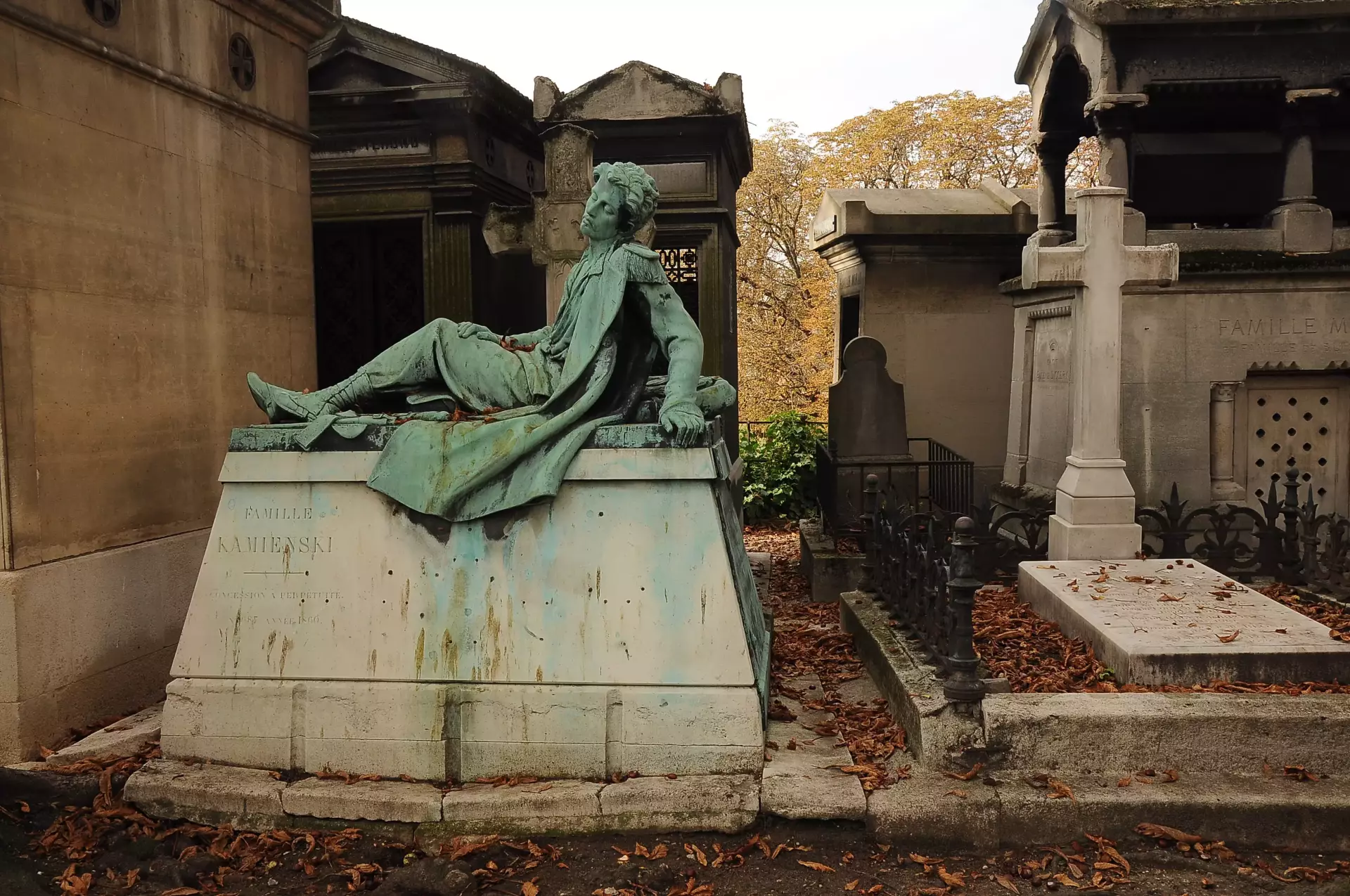
Probably the most visited graveyard in any Western city, the vast Père-Lachaise features literally thousands of often elaborately decorated graves separated by narrow lanes and avenues. The roll call of famous burials includes: Chopin, Champollion, Sarah Bernhardt, Edith Piaf, Oscar Wilde, Delacroix, Bizet, Proust, Balzac, Colette, Molière, and Jim Morrison of The Doors.
The sleaze of boulevard de Clichy between place Pigalle and place Blanche can provide a moment of distraction. Be warned if you are male it is better to do this in the company of a female fellow traveller, as the clubs often send the girls outside to attempt to physically drag passing men off of the street. These strip clubs are big ripoffs. They tempt you with a free drink for €10 entry; once in the girl who starts dancing orders a couple of drinks (Red Bull) and then before you realise you are presented with a bill ranging from €500-700. They have these big bouncers who threaten/manhandle you till you arrive at some settlement with them. The whole of Pigalle is a rip off, best avoided. The police know about these places but nothing is done.
Suspended above the train tracks this garden is surprisingly calm and chilled-out.
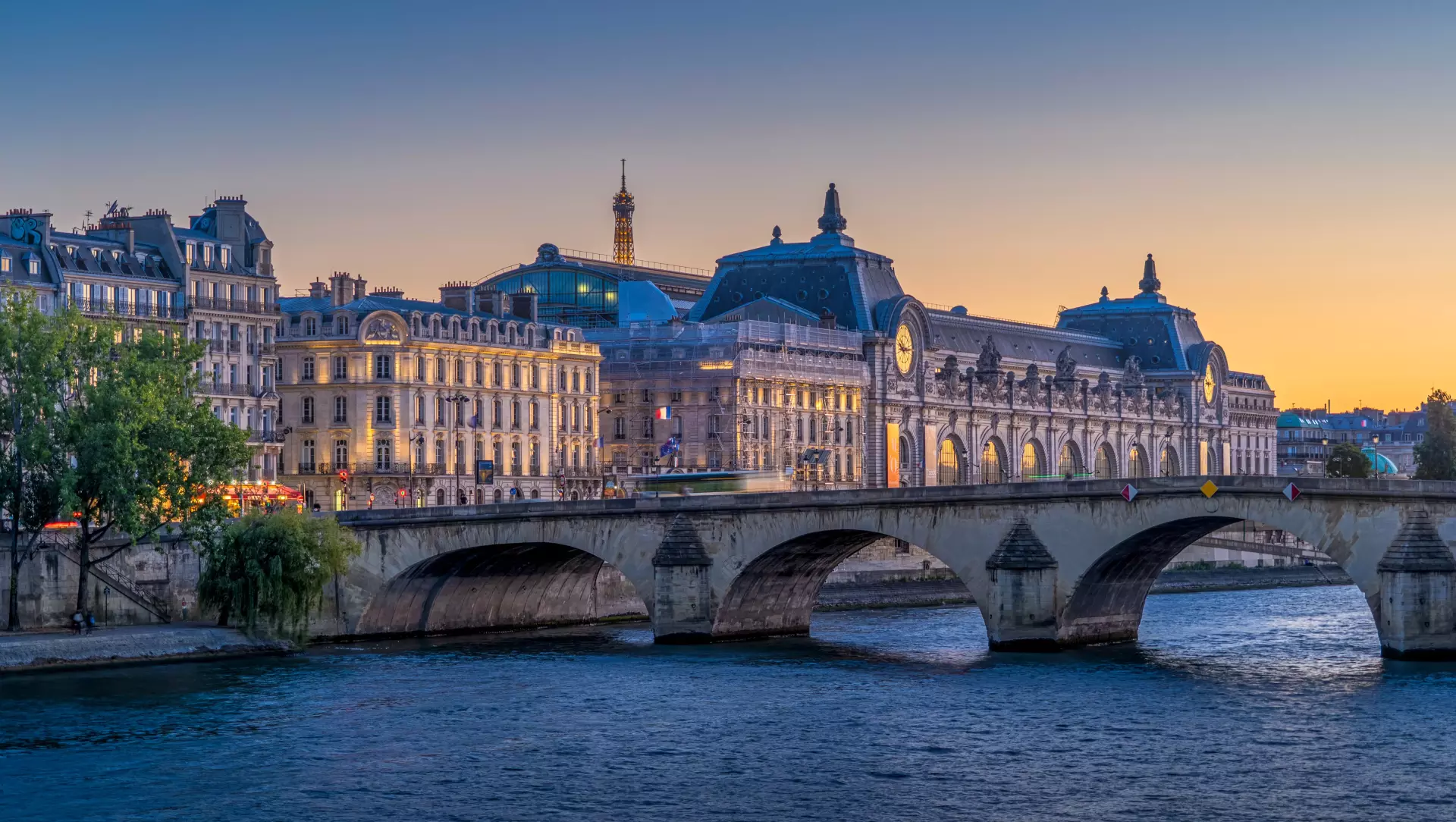
Housed in a former Beaux-Arts railway station (completed in 1900 for the Exposition Universelle, later saved from demolition and converted to its present use), the rambling, open-plan museum is home to the works of the great artists of the 19th century (1848-1914) - Impressionists, post-Impressionists, and the rest - that were formerly displayed in the l'Orangerie. This is perhaps the most spectacular collection of European impressionism in the world—breath-taking rooms full of Manet, Renoir, Monet, Van Gogh, and many others. Impressionist represent the biggest draw, but there is much more to explore.
Numerous artists paint portraits of tourists and also sell their paintings.
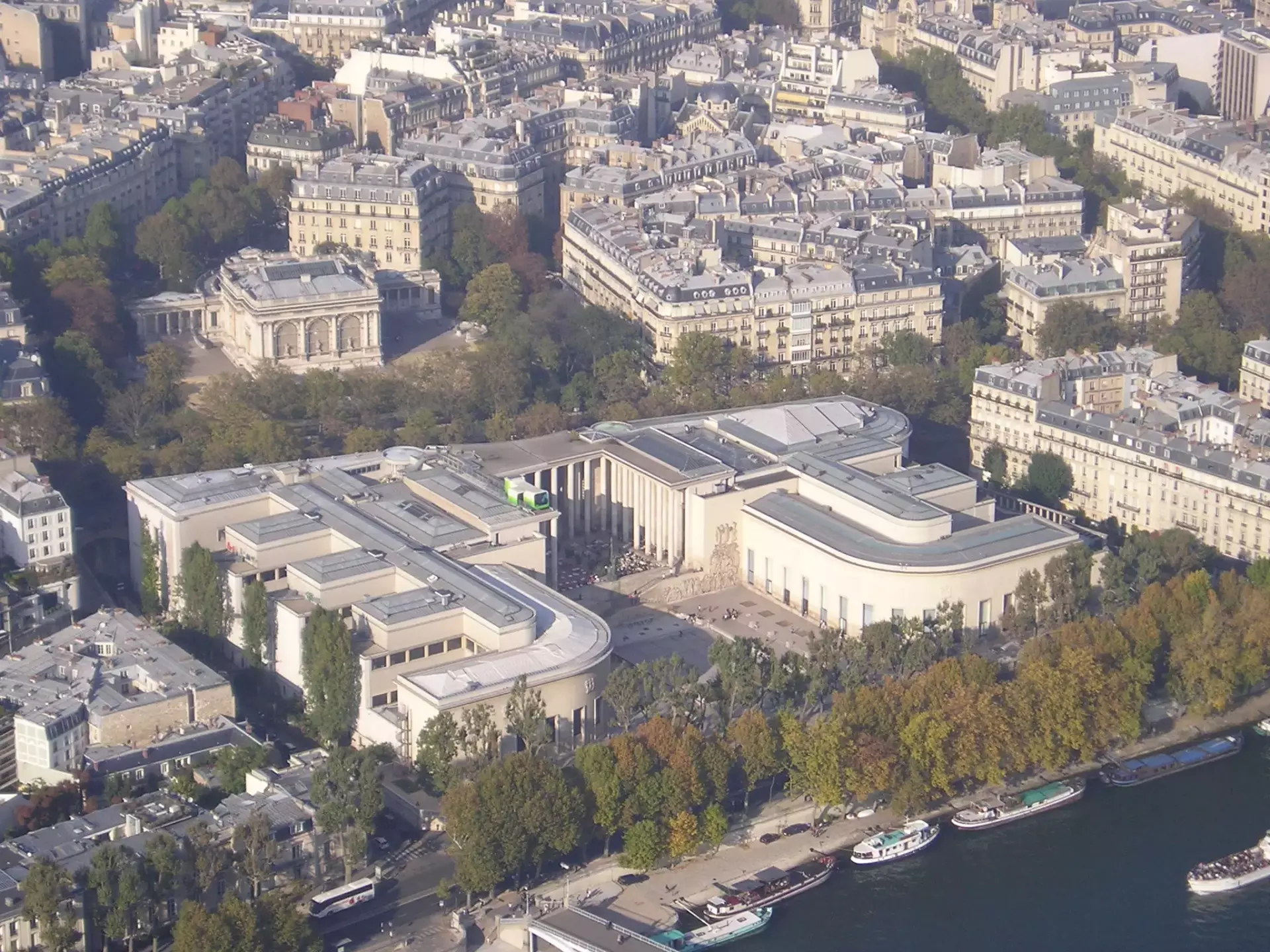
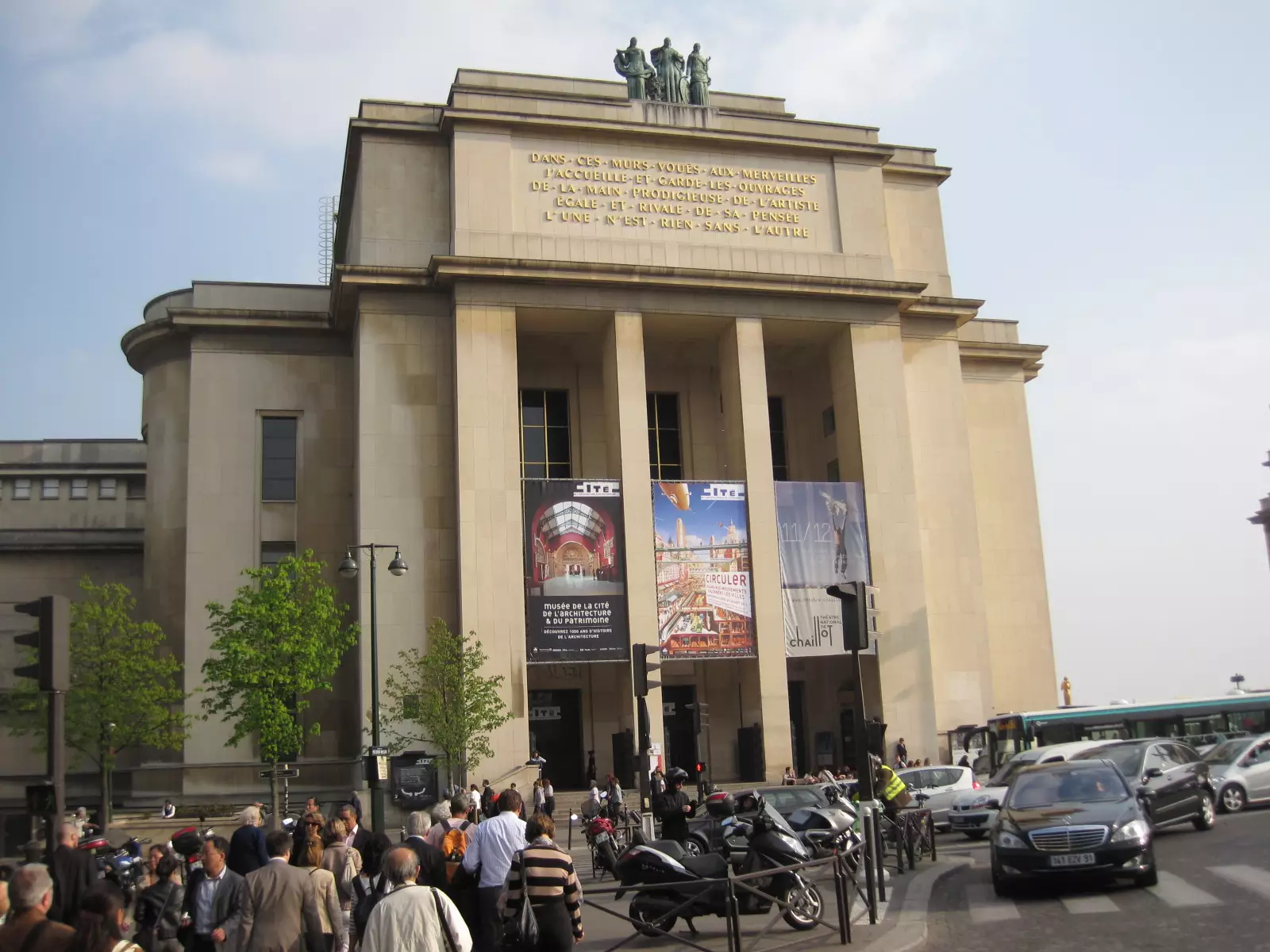
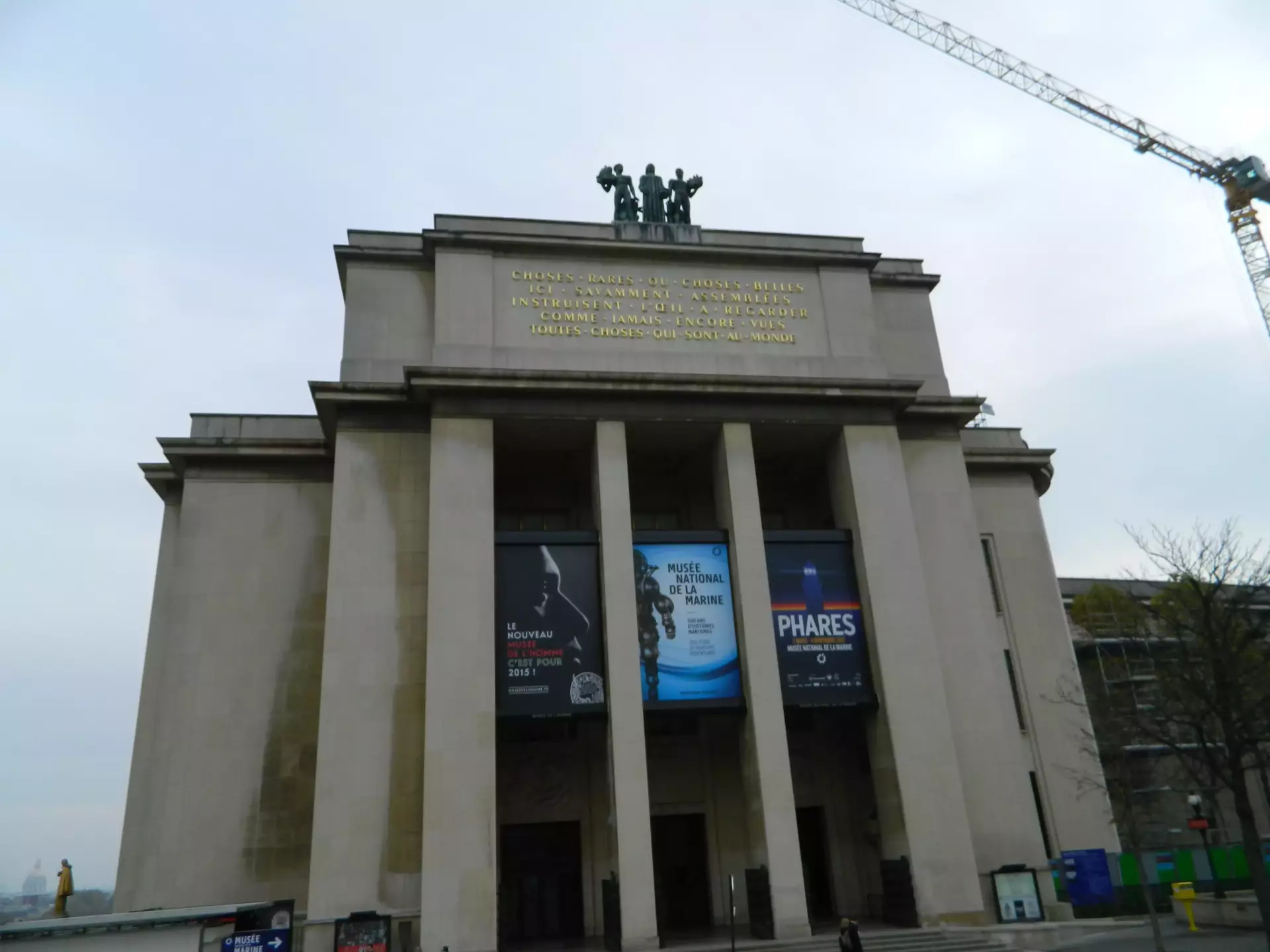
Housed in an amazing Art Deco building, purpose-built for the 1931 Colonial Exhibition, featuring an elaborate frieze across the front facade that depicts the achievement of French overseas territories. It houses an Aquarium and an Immigration Museum. The aquarium can be seen in about an hour and is popular with families with small children.
Beautiful round "square" with an equestrian statue of King Louis XIV and matching 17th century buildings.
This charming museum is owned by the French Académie des Beaux-Arts. Its main collection areas, the result of several large donations, include: First Empire art and furnishings; illuminated manuscripts; and Impressionist art, including the largest Monet collection in the world and works by Renoir, Manet, Morisot, Caillebotte and Gauguin.
Between the River Seine and the rail yards attached to Gare de Lyon and Gare de Bercy is a green space which would seem pretty huge if the 12th weren't also the home of the Bois de Vincennes. The park is a good place to hang out waiting for the line to form for sporting events and concerts at AccorHotels Arena.
A Gothic church tower in a square 150m to the west of the Hôtel de Ville was restored by Ballu, is all that remains of Eglise Saint-Jacques-de-la-Boucherie, which was the meeting place in Paris for pilgrims heading to Santiago de Compestela. As such it is included on the UNESCO World Heritage List as part of the Routes of Santiago de Compostela in France.
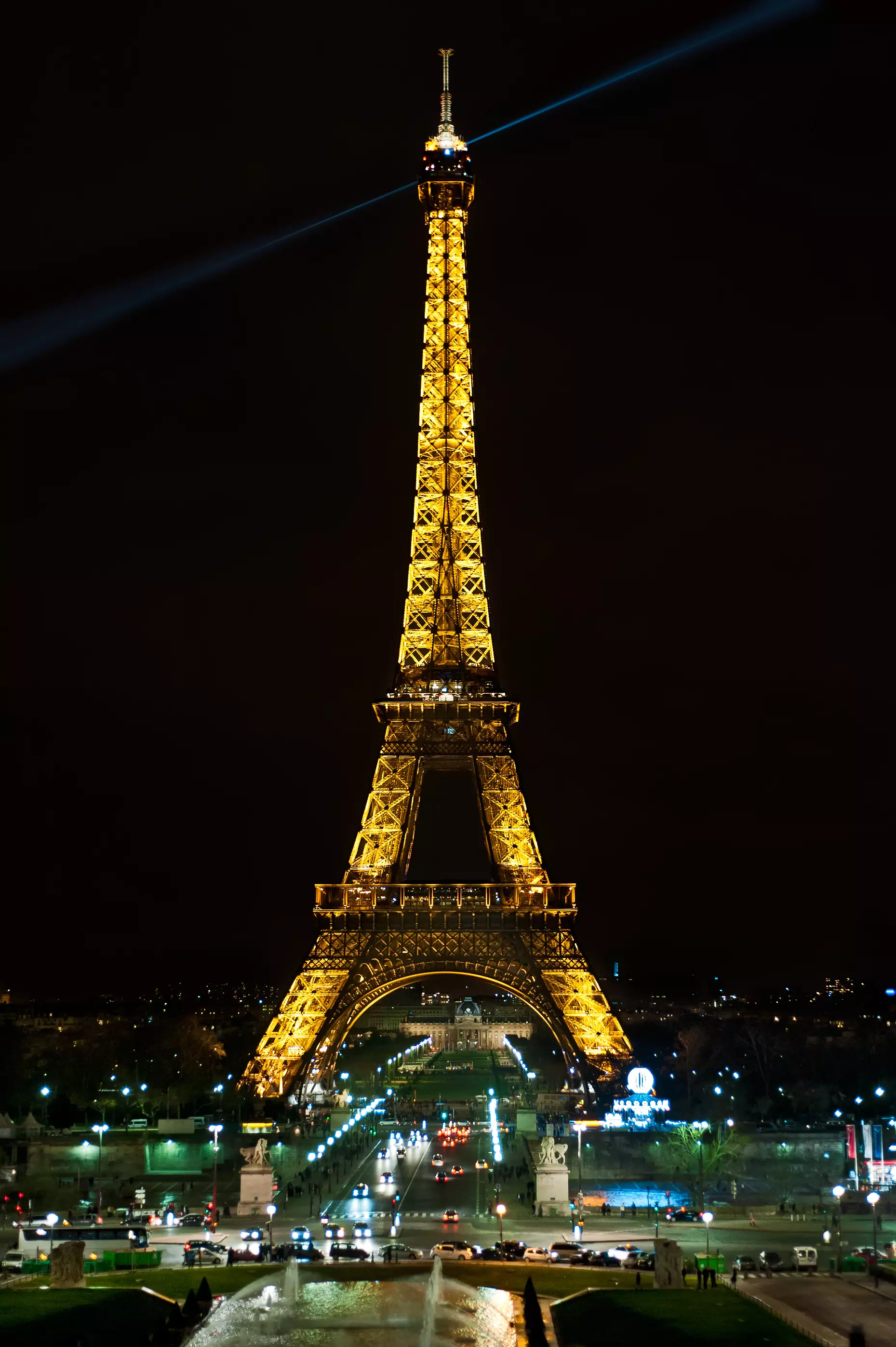
A symbol of Paris and one of the most famous landmarks in the world. Built by Gustave Eiffel in 1887-1889, the tower was almost torn down in 1909 and only saved due to its use as a telegraphy antenna. The queues can be very long. The tower allows online reservations at its website. You can select a date and time frame. If you miss the time on your ticket, you have lost your money. The north, west, and east pillars have elevators that go to the first and second floors; the south pillar has stairs that can be climbed to the second floor. To reach the top floor, an additional elevator ride is required, and the wait for this can be very long as well. Disabled visitors are not allowed beyond the second floor due to safety concerns. Taking the Métro as far as Ecole Militiare and then strolling up the Champ de Mars is a lovely way to arrive at the tower. Another phenomenal approach is to exit the Metro at Trocadero and see the Eiffel Tower from the other side of the Ecole Militaire.
This museum is in the historic Invalides complex and presents the history of the French Army. It is co-located with Napoleon Bonaparte's tomb (entry to which is included in the ticket price). Most of the exhibitions are very old fashioned, and the coverage of the First World War is surprisingly limited. A highlight is the Musée des Plans-Reliefs, which displays painstakingly accurate models of French fortresses and includes its own shop.