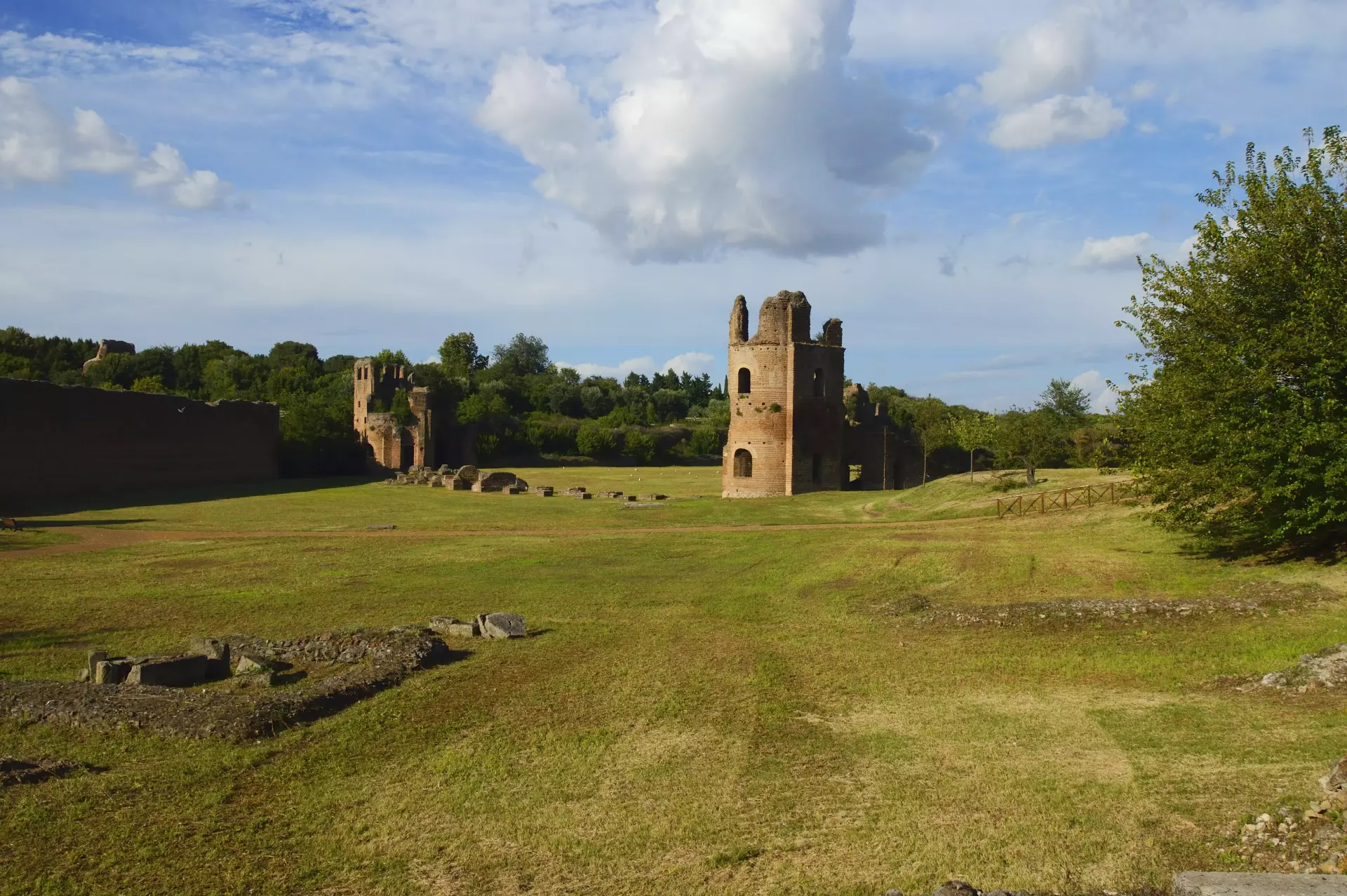
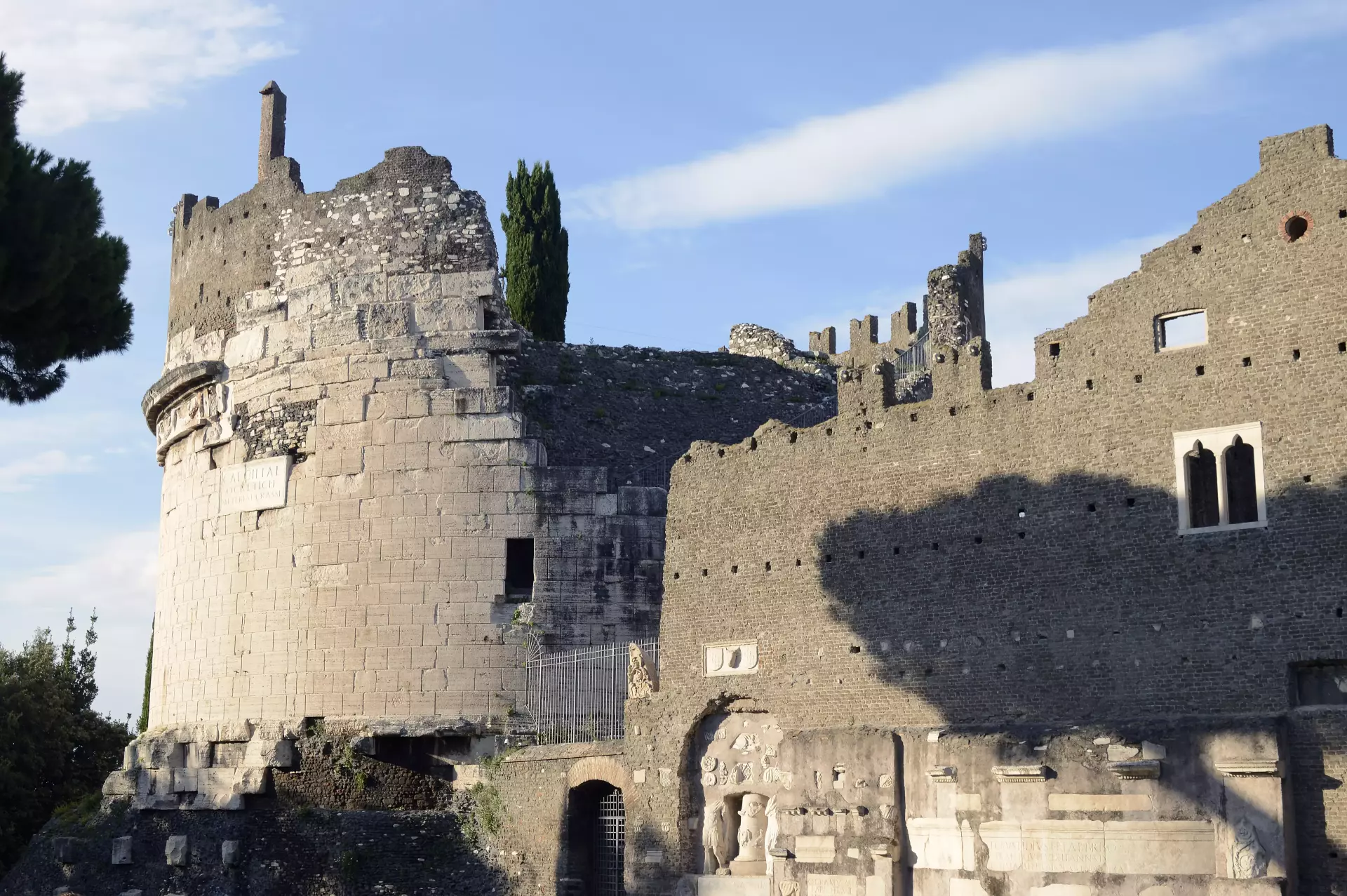
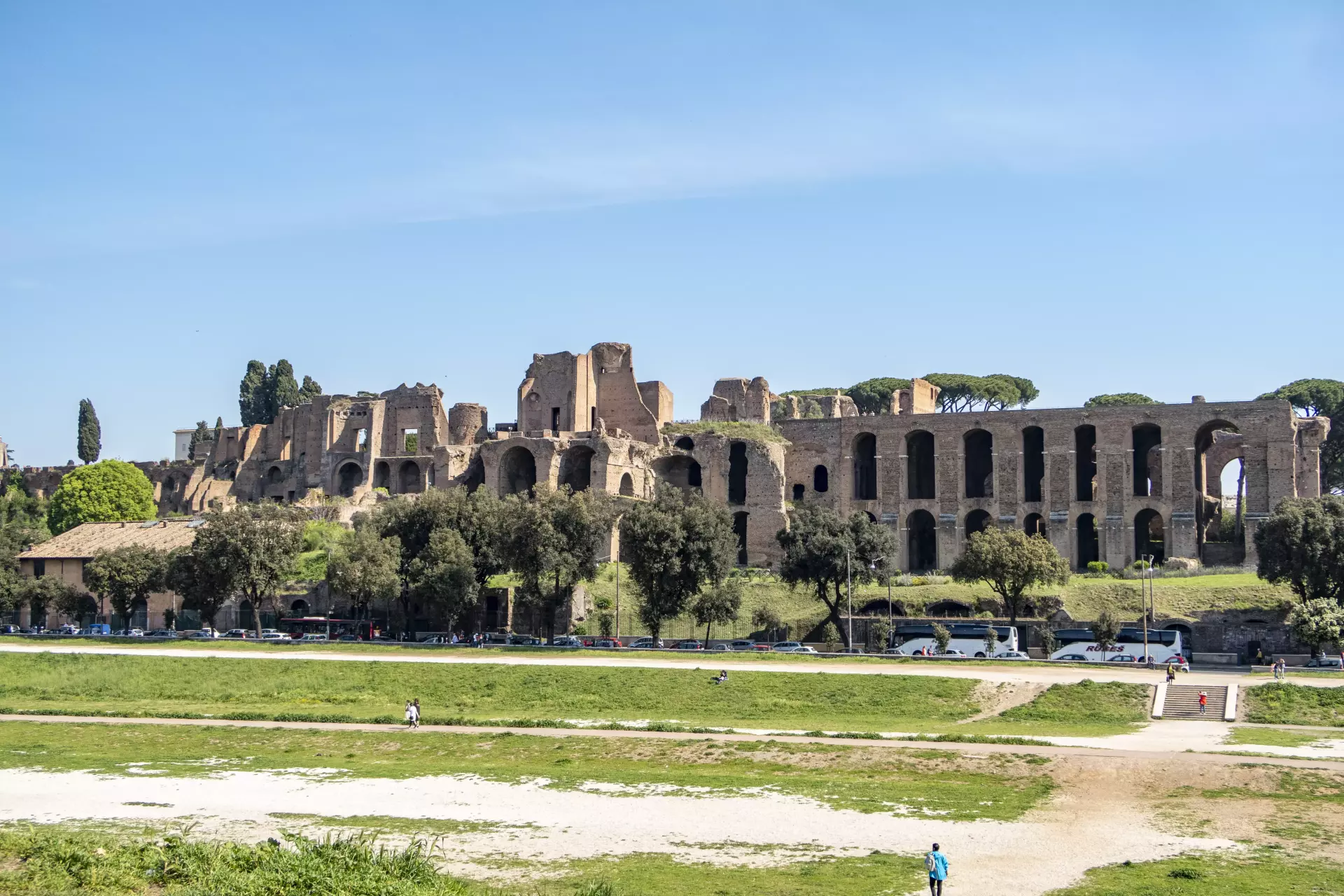
The Circus of Maxentius is a remarkably well-preserved example of Roman architecture, built at the start of the fourth century. This ancient stadium was once part of an impressive complex constructed by the emperor Maxentius on the Appian Way, one of Rome’s most famous roads.
The circus was not a standalone structure. It formed the centerpiece of Maxentius’s imperial villa, which was designed to reflect the power and prestige of the emperor. The site also includes the Mausoleum of Romolo, the son of Maxentius, adding a personal and historical significance to the area.
Visitors to the complex can see the layout of the circus, where crowds would have gathered to watch thrilling chariot races. The remains of the mausoleum, with its circular design, stand as a testament to the importance the emperor placed on commemorating his family.
Source - https://en.wikipedia.org/wiki/Circus_of_Maxentius
By Bernini, in the very centre of Piazza Navona. Incorporates an Egyptian obelisk and symbolises four of the world's great rivers (the Ganges, the Nile, the Danube and the Plata), representing the four continents known at the time.
Underground burial place of an ancient Roman family and of seven early popes.
A magnificent patrician house with beautiful gardens. It was built by order of Cardinal Alessando Albani in 1743-1763 in order to accommodate his collection of art. The collection was taken care of by the Winkelmann, adviser and friend of the cardinal. In Rome, Winkelmann wrote his "Geschichte der Kunst des Altertumns (HIstory of the Art of Antiquity)", which made him the founder of classical archaeology. The painted ceiling of the great hall depicting Mount Parnassus is by the German painter Anton Raphael Mengs who was considered as the greatest painter in Rome in the 18th century. A permission to visit is to be requested by email or fax from Principi Torlonia's administration where you'd need to indicate date and time desired, your name and number of people in your party (max. 10).
A pleasant fountain in an out-of-the-way square. It was originally meant to have four dolphins rather than turtles, but the dolphins proved to be too large for the water pressure, so the turtles were added as an afterthought.
According to an inscription Emperor Augustus dedicated the obelisk to the sun in the 11th year of his consulate (10BC), after he had annexed Egypt to Rome. The obelisk is 24 m high. It was erected in Heliopolis in Egypt and was dedicated to Pharao Sethos I (1313-1292 BC) and Pharoa Ramses II (1292-1275 BC). Augustus brought the obelisk to the Circus Maximus, where it was rediscovered in 1587, broken into three pieces and was relocated to Piazze del Popolo on the orders of Pope Sixtus V in 1589.
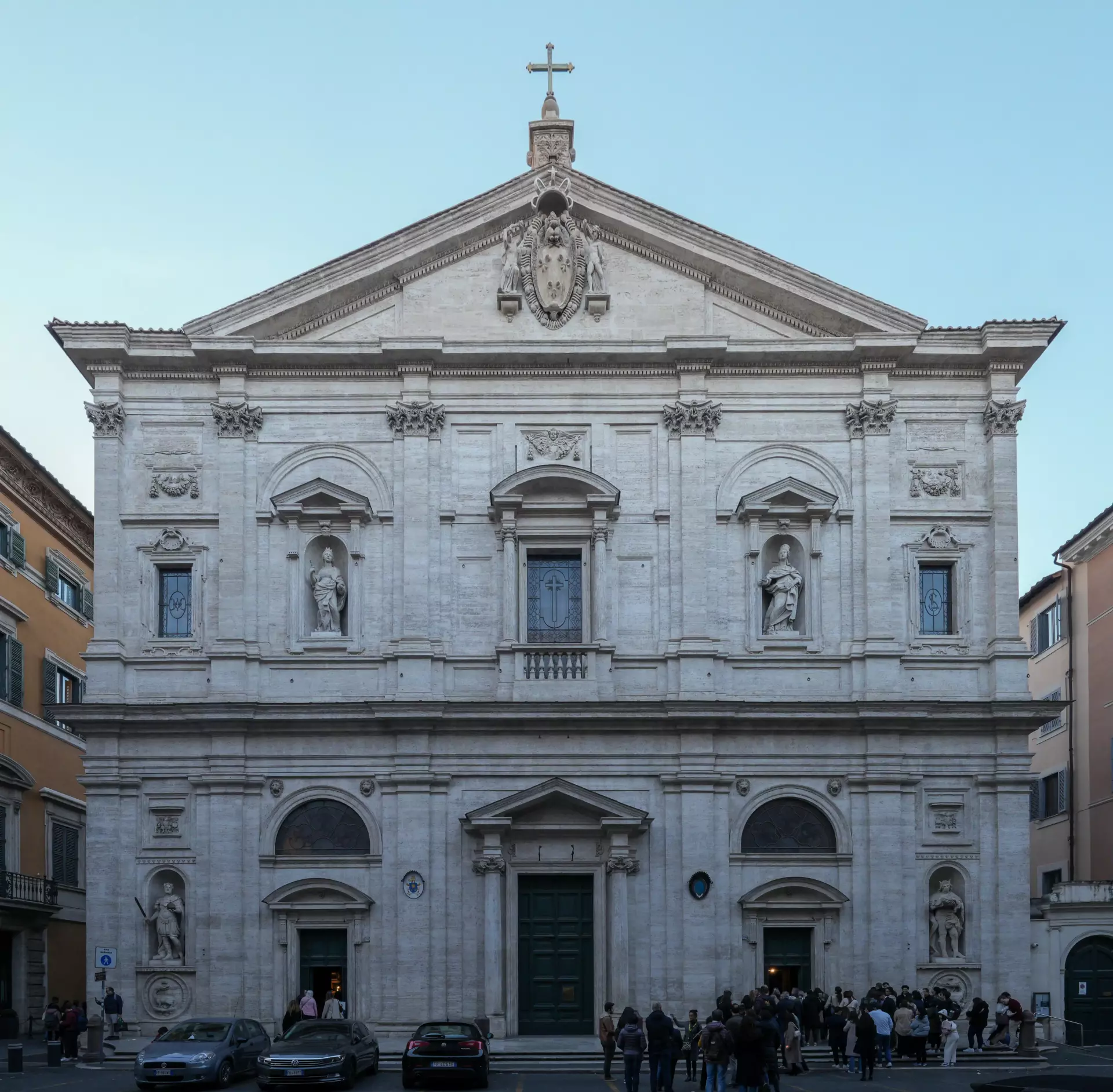
Minor basilica in 17th-century baroque style with good art inside. In a smaller Italian city, this might be a prime attraction, but in Rome, with its abundance of great churches, this is merely a pleasant church of secondary interest to visit if you are in the area.
Good collection of Renaissance and Baroque art, including by Velasquez, Titian, Raphael, and Bernini, all owned by the Doria Pamphilj family. Excellent audio guides really bring the paintings to life.
Borghese Gallery and Museum is a lovely display in a beautiful villa setting, which concentrates on the quality rather than the size of its collection. There are some very notable works by Antonio Canova and Gian Lorenzo Bernini here, Bernini's Apollo and Daphneis quite amazing. It also houses some of Caravaggio paintings, well worth the admission charge. Originally, the gallery was one of the most magnificent private art collections in the world. It was founded by Cardinal Scipione Borghese. At the beginning of the 19th century, Prince Camillo Borghese sold great parts of the collections to Paris where today they belong to the most valuable exhibits of the Louvre. Since 1902 the villa and the gallery are owned by the Italian state. The number of people admitted is limited to 360 every 2 hours, so it is best to make a well in advance for the time slot you want. Cameras and photography are allowed. Plan to arrive at the museum at least 15 minutes prior to your entry time, to obtain your ticket from Will Call and to deposit purses, strollers, backpacks, bottles, and other bulky items in the cloak room. If you are late for your reservation the museum may not allow you to use your ticket.
A lovely, if somewhat run-down park (parts of it are blocked due to the poor state of the roads) with statues and a great view on the city.
Home of the Abbot Primate of the Benedictine Confederation and Benedictine monks studying in Rome. Visit the monastic produce shop and listen to the best Gregorian chant in Rome during Vespers (19:15 each evening).
This building housed the University of Rome from the middle of the 15th century until 1935. The splendid interior courtyard was created by Giacomo della Porta. The inside church of Sant'Ivo (see above) is one of the masterpieces of the architect Borromini.
This is the largest square in Rome. It sometimes hosts pop concerts and is the focal point for Rome's New Year's Eve celebrations. The twin churches Santa Maria dei Miracoli (1681) and Santa Maria in Montesanto (1679) used to provide a clear welcome to Rome for those coming from the north. Much older, to the north of the piazza is yet another Santa Maria (see below). The Piazza del Popolo is considered as one of the most beautiful squares in Europe. It was enlarged and two streets, the Via di Ripetta and the Via del Babuino were added by order of Pope Sixtus V. In the middle of the square is an obelisk (see below). In 1809-1816, Giuseppe Valadier, Roman architect of French origin, gave the square its characteristic oval shape.