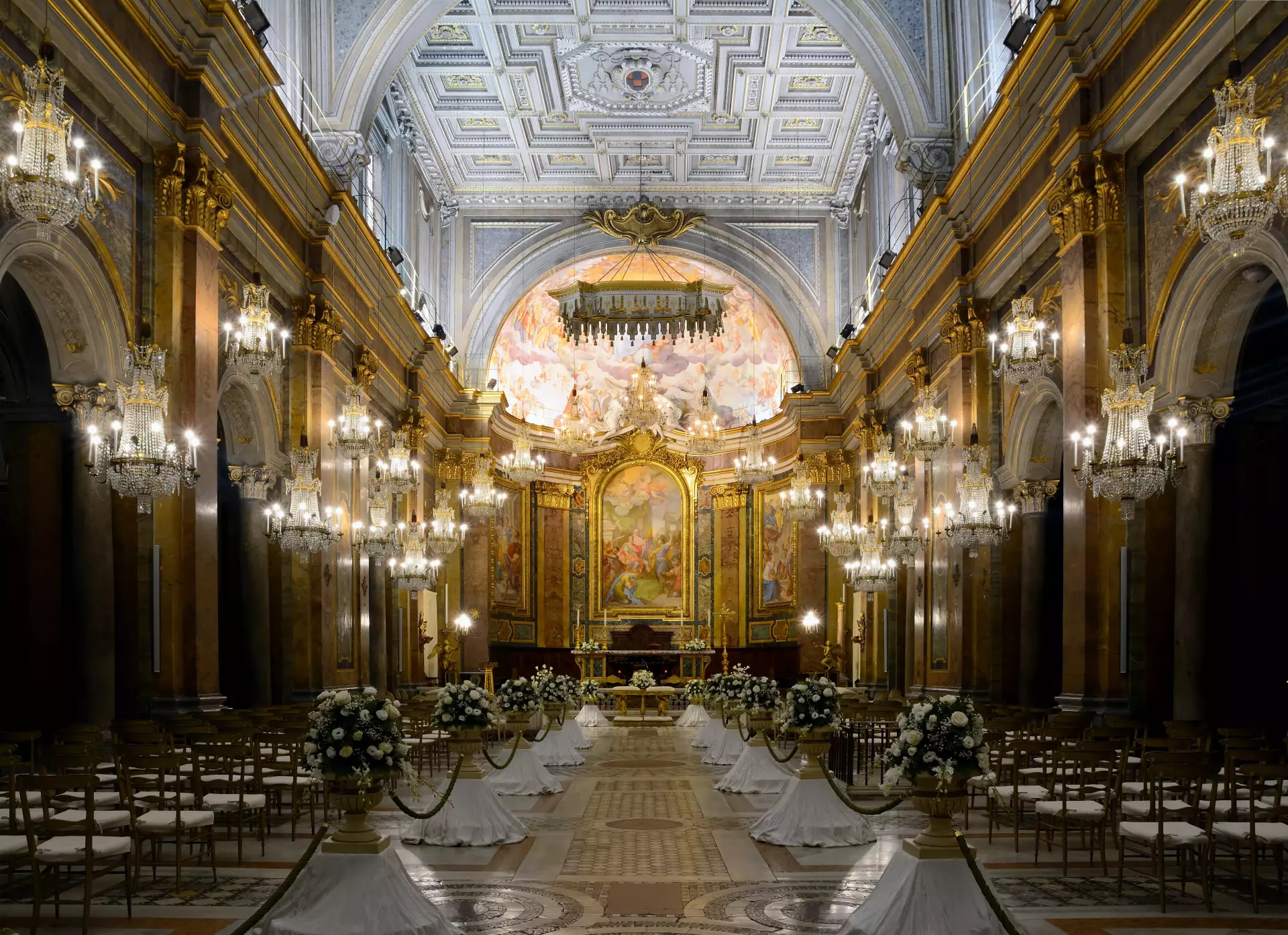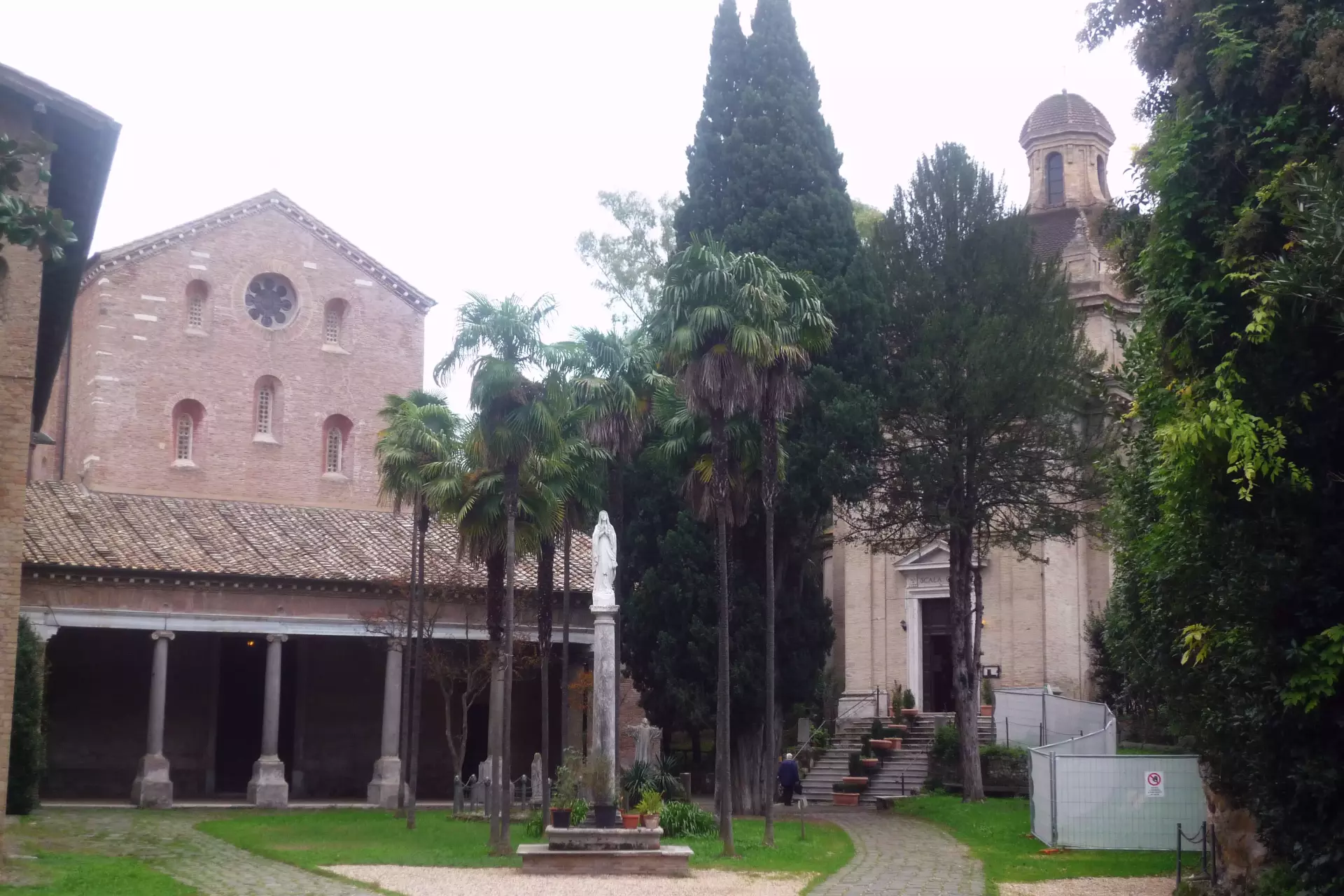
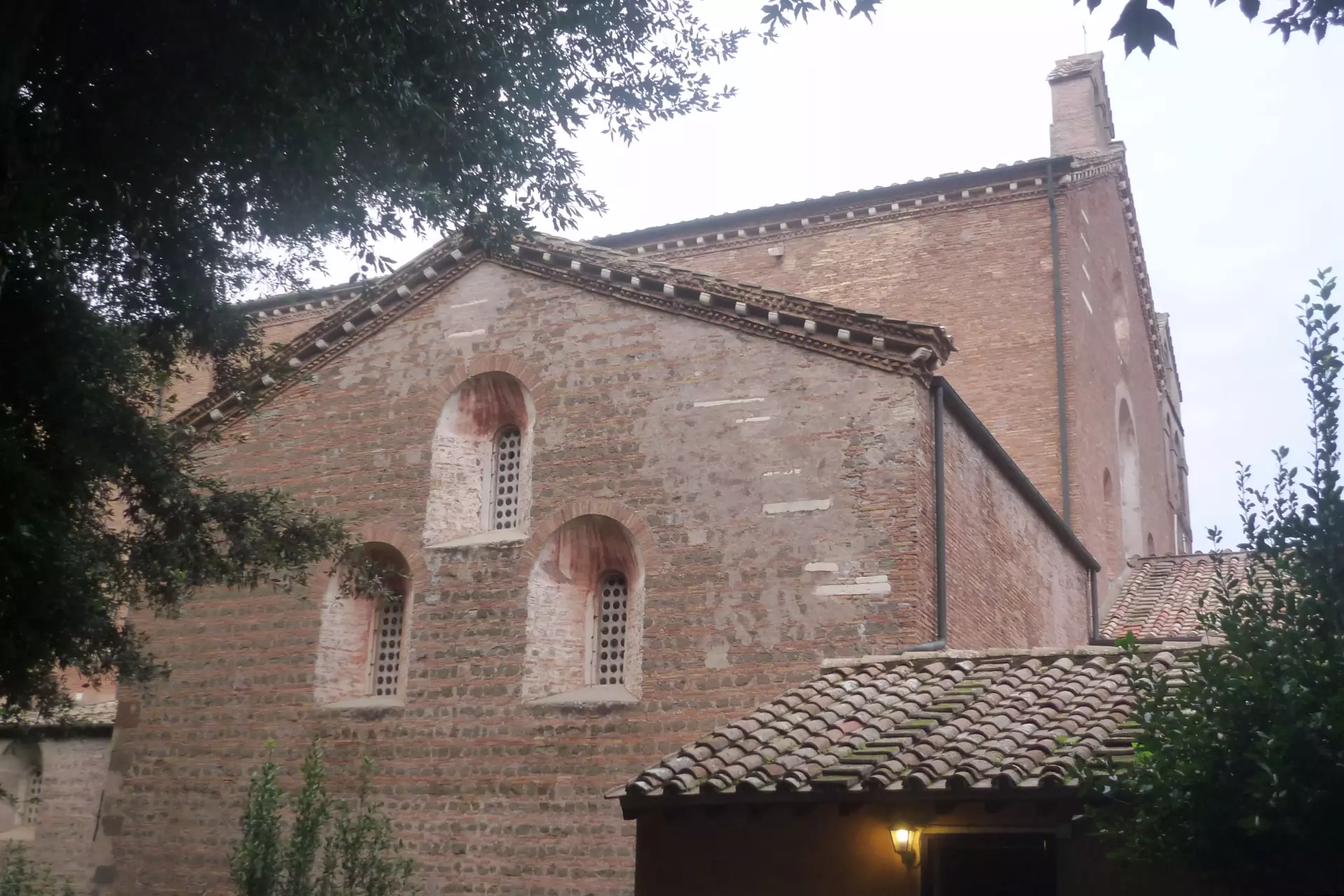
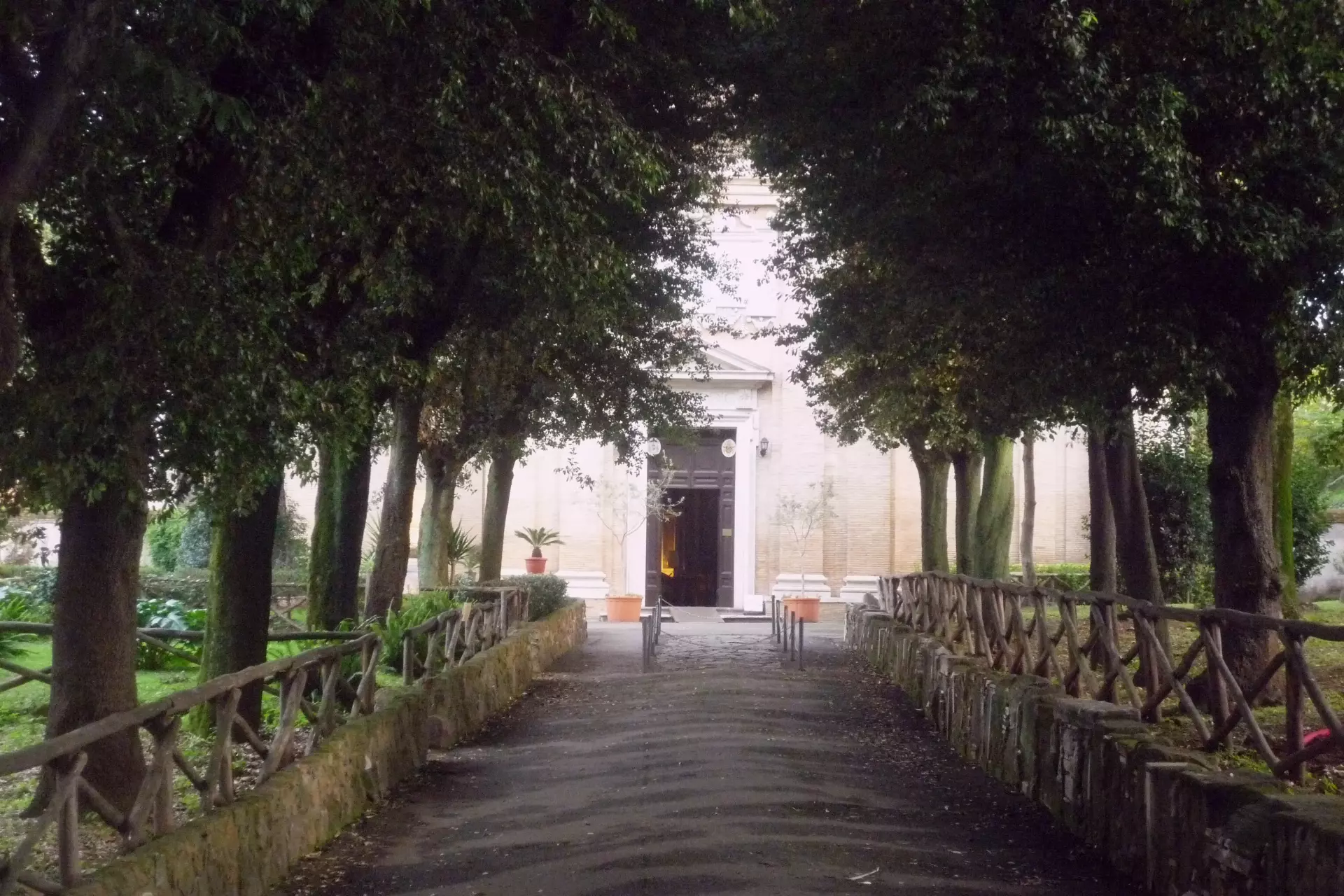
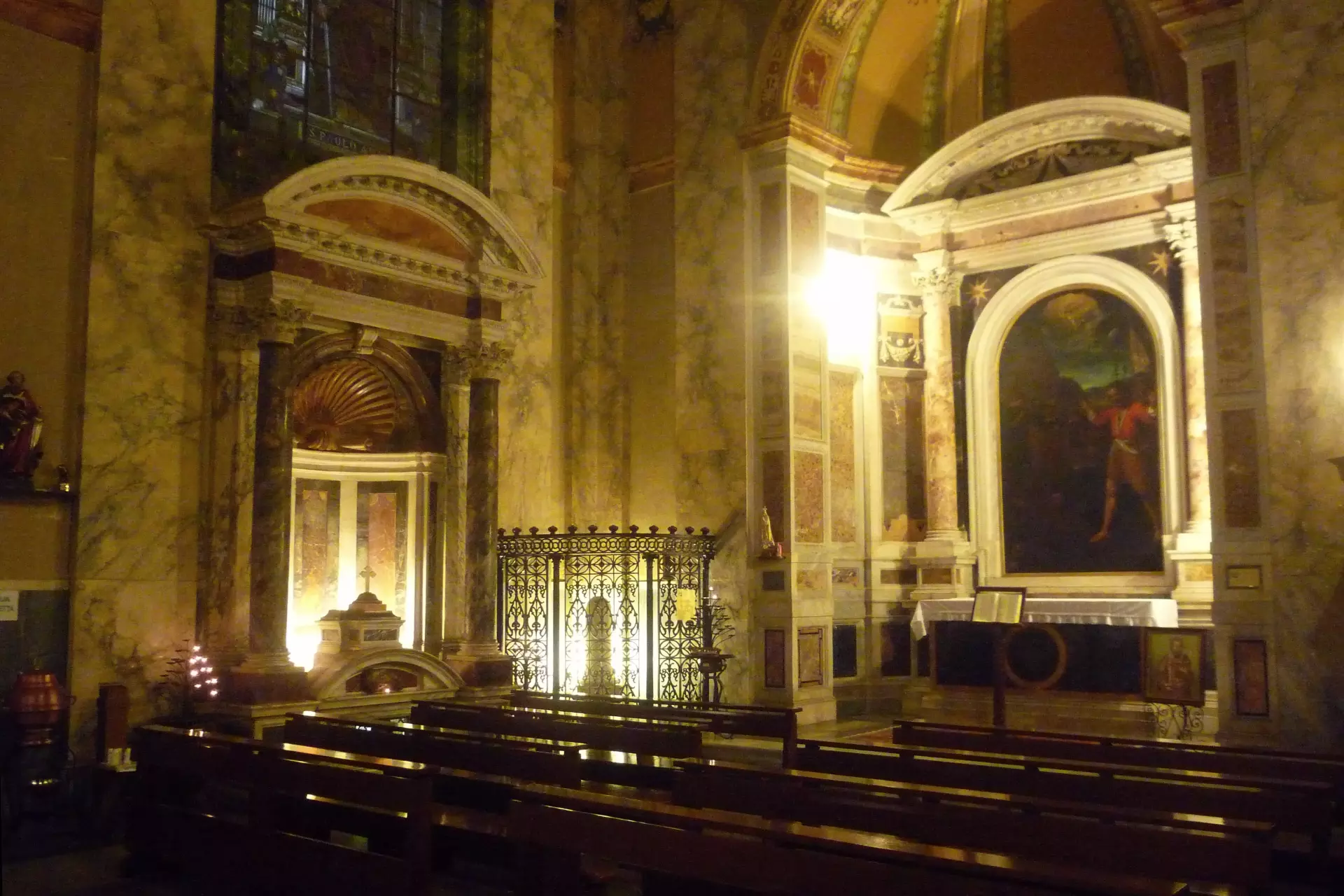
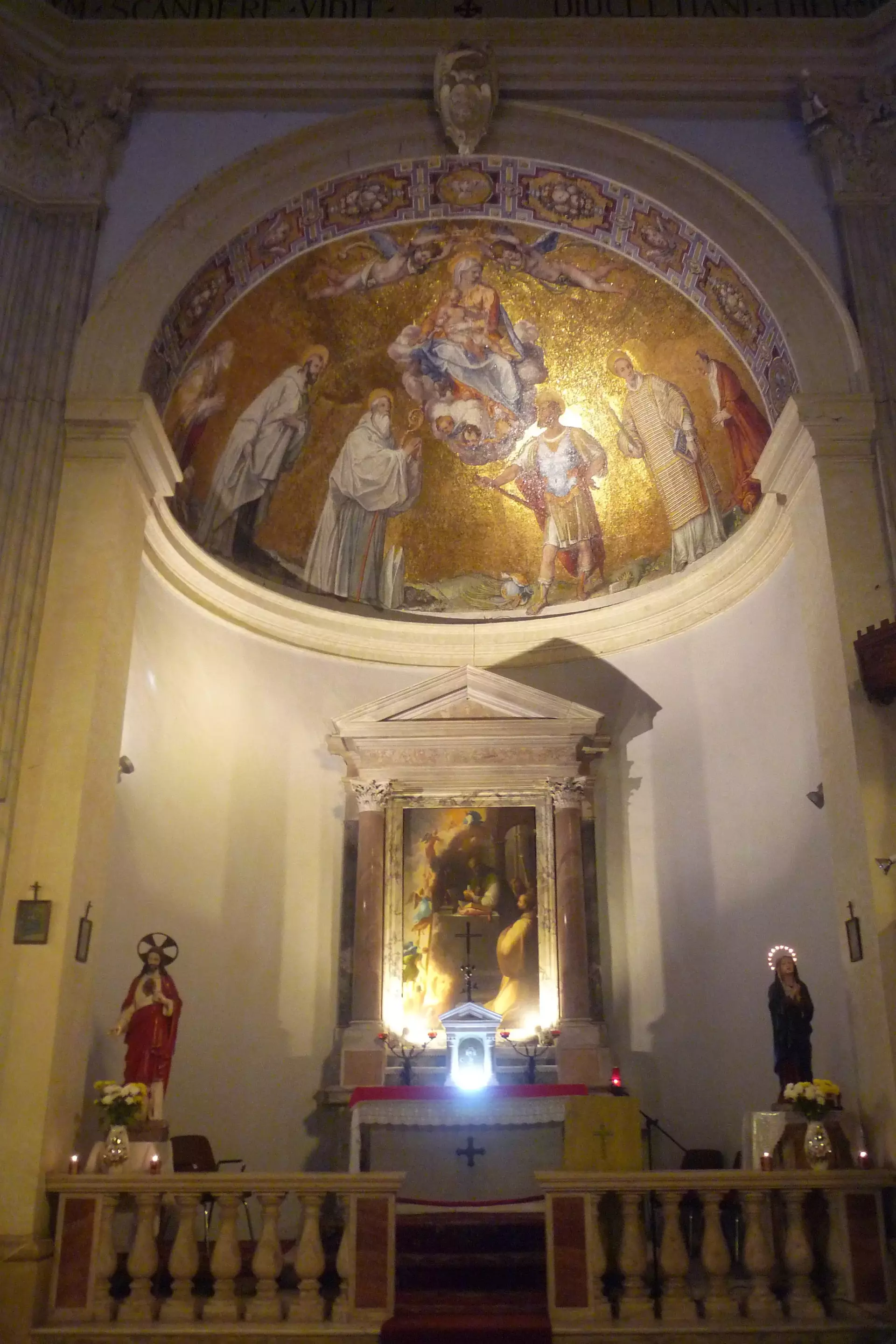
Set apart from the energetic pace of EUR, Tre Fontane Abbey offers a peaceful escape. The complex is home to three churches, each welcoming visitors throughout the day. Unlike many churches in the city that close during certain hours, these doors remain open, inviting calm and reflection at any time.
The monks of Tre Fontane Abbey are known for their dedication not just to prayer, but also to craftsmanship. They create a variety of products using traditional methods. Shelves in the Abbey shop are filled with handmade liqueurs, rich chocolates, and natural honey. A special remedy produced by the monks is also available, designed to help locals cope with the effects of the Scirocco wind, which sometimes sweeps in from the Sahara and causes discomfort among Romans.
Source - https://en.wikipedia.org/wiki/Tre_Fontane_Abbey
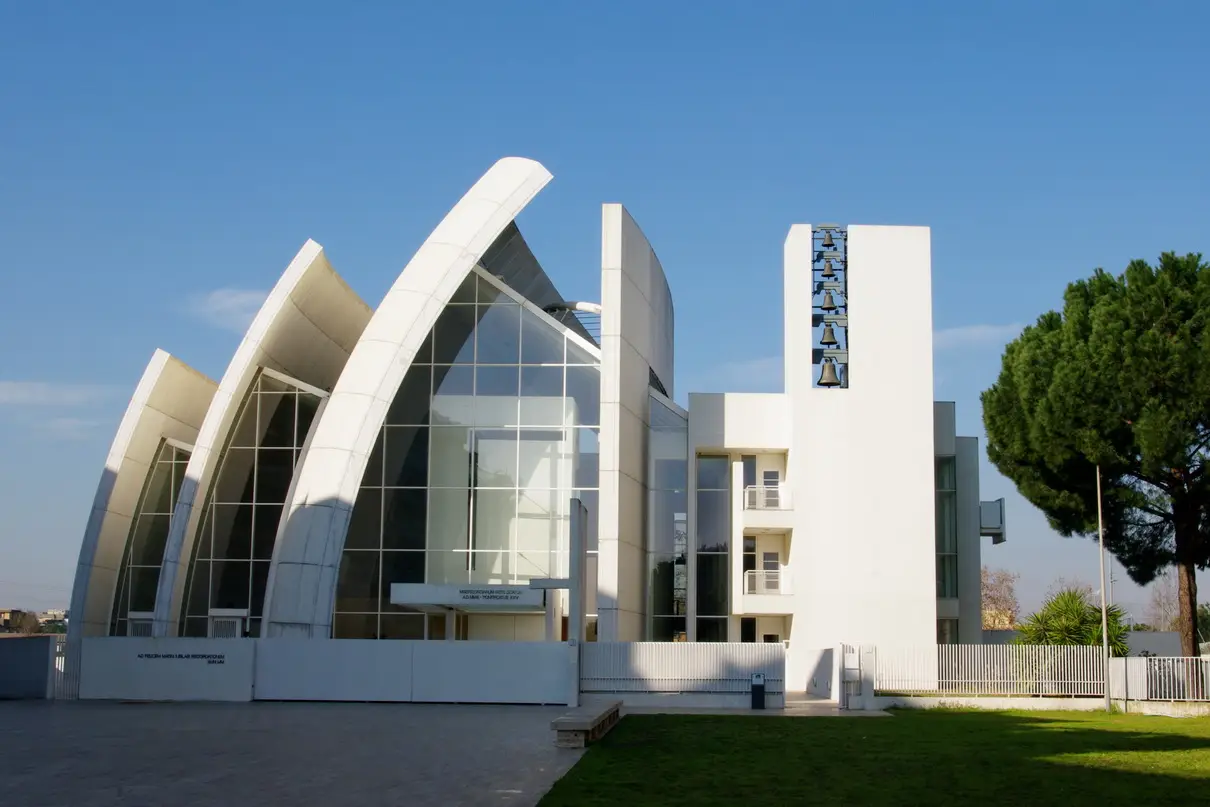
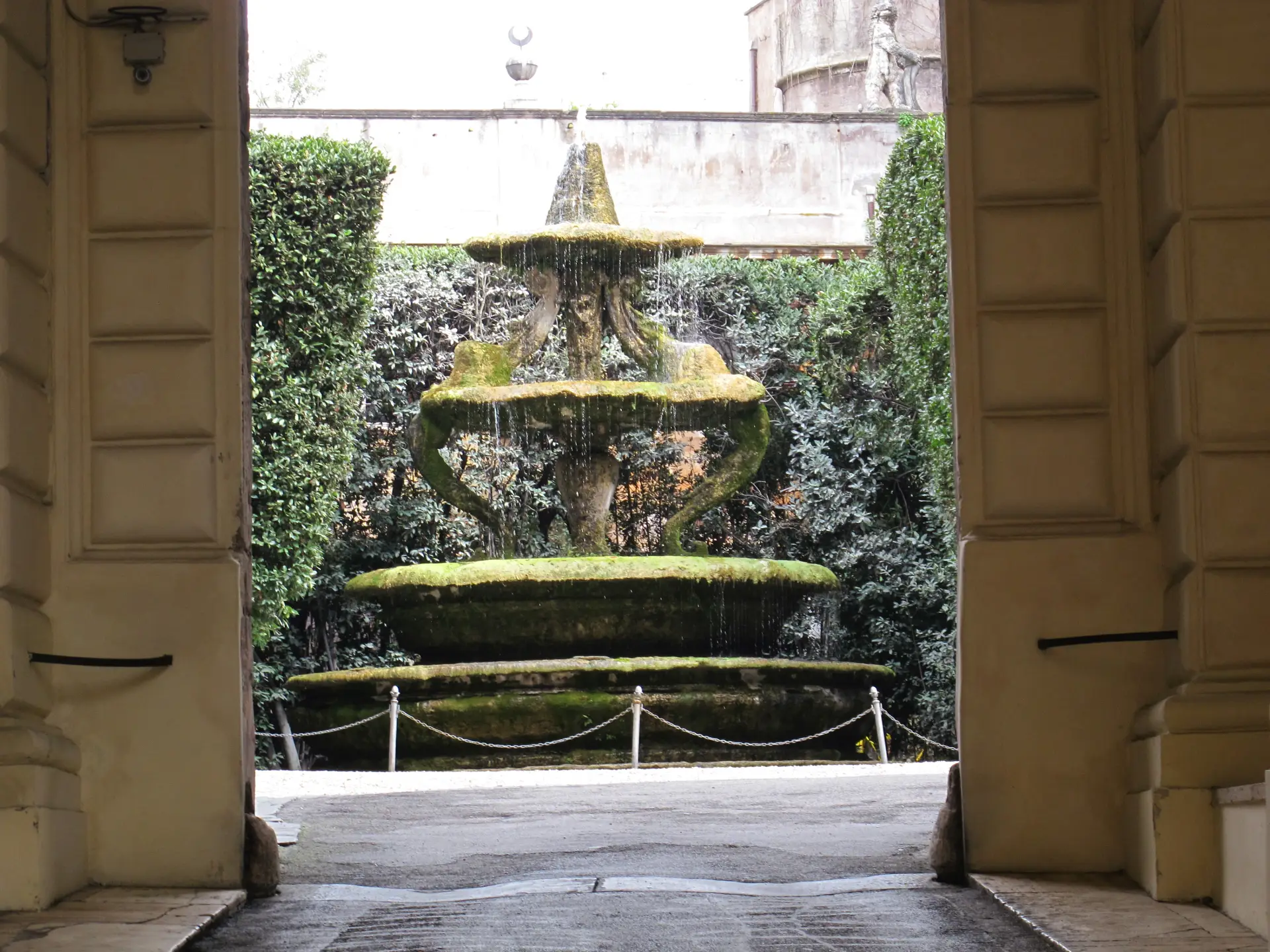
Also based on a Michelangelo architectural plan, this compact gallery is well endowed in classical sculpture and paintings. Highlights include the small 1st-century-BC bronze Lo Spinario, a Greek statue of a little boy picking a thorn from his foot; the Lupa Capitolina (Capitoline Wolf), a rare Etruscan bronze statue probably dating from the 5th century BC; and (in the entrance courtyard), the massive head, hands, foot and kneecap from a colossal statue of Constantine the Great. The palace also contains a Pinacoteca (Picture Gallery) with paintings mainly from the 16th and 17th centuries - highlights include: Caravaggio's Fortune-Teller and his curious John the Baptist; The Holy Family, by Dosso Dossi; Romulus and Remus, by Rubens; and Titian's Baptism of Christ.
An example of urban planning that goes back to Pope Julius II, who, in 1508, envisioned it as a street that would connect all major government buildings. It is around a kilometer long and is in a straight line, an unusual feature for the time. It is lined with some interesting palaces but these days is more known for its antique shops. Via Giulia runs parallel with and one block from the River Tiber.
Perhaps the most fascinating building in Rome. The core of the structure began life as the mausoleum of Emperor Hadrian, built between 135 and 139 AD. Subsequent strongholds built on top of the mausoleum were in turn incorporated into a residence and castle by medieval Popes. The building was used as a prison until 1870 but now houses a museum. Opera buffs will be exhilarated to visit the balcony from which Tosca leaps to her death. Film buffs will recognise it as a setting from Angels and Demons.
An underrated way to see fantastic art made after the Renaissance. Mainly Italian artists, notably De Chirico, but Cézanne, Degas, Kandinsky, Man Ray, Modigliani, Monet, Pollock and Van Gogh are also represented.
The Scala Sancta (Holy Stairs) is, according to Roman Catholic tradition, the staircase used by Jesus Christ to approach Pontius Pilate to be sentenced to death. Attracts numerous pilgrims who climb the stairs on their knees.
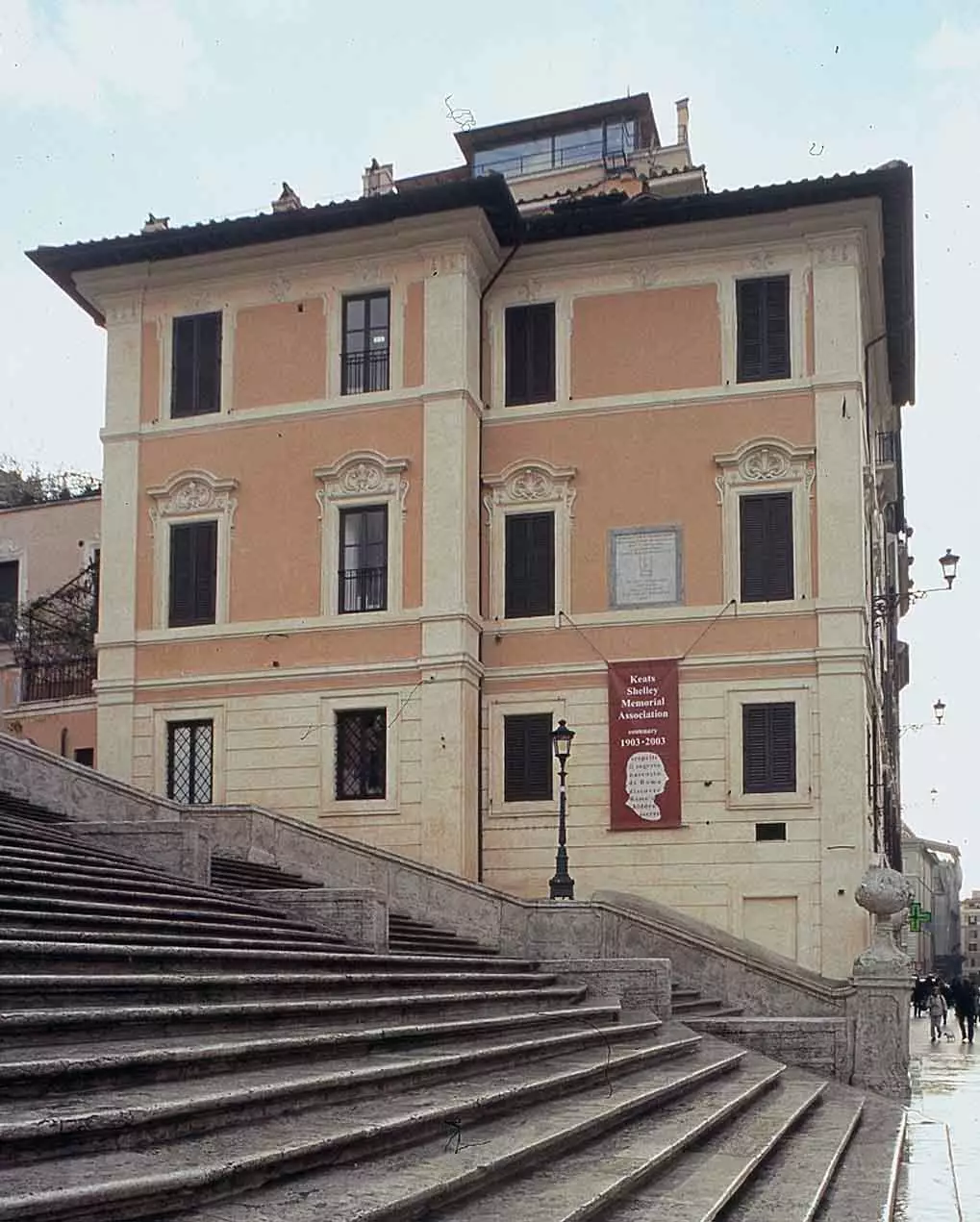
Baroque church more noted for its position at the top of the Spanish Steps than it is for the church. Backdrop for numerous movies including Audrey Hepburn and Gregory Peck in Roman Holiday.
Small collection of railway carriages and related stuff. Really just for those with special interest in the topic. Entrance through the station if the main entrance is closed.
Contains the tomb of Pope Hadrian IV, the last non-Italian pope before Pope John Paul I.
By Bernini, in the very centre of Piazza Navona. Incorporates an Egyptian obelisk and symbolises four of the world's great rivers (the Ganges, the Nile, the Danube and the Plata), representing the four continents known at the time.
Underground burial place of an ancient Roman family and of seven early popes.
This is one of the two main Jesuit churches in Rome, the other being the nearby Sant'Ignazio. The interior is Baroque art on steroids. Simply astounding.
The chains that allegedly held St. Peter are displayed in a case before the altar. More importantly, contains the impressive statue of Moses by Michelangelo. It's close to the Colosseum, but a little hard to find. Take the steps opposite the Colosseum on Via dei Fori Imperiali, cross the road at the top and seek directions. Also reachable through steps to the right leading off Via Cavour.
Parco Savello is the name of the grounds and orange grove next to the Santa Sabina church at the top of the Aventino and also where you have one of the best views of the city. Families gather here to sit under the dozens of orange trees. The "Giardino degli Aranci" is also a well known spot for lovers at night. The best views are arguably from Janiculum hill, just across the Tevere (Tiber) river. Immediately below you, the Tiber snakes its way through the city, and directly beyond it you can see the lively medieval quarter of Trastevere. Beyond that is the majestic dome of St. Peter's Basilica, with the historic centre of Rome visible to the right.
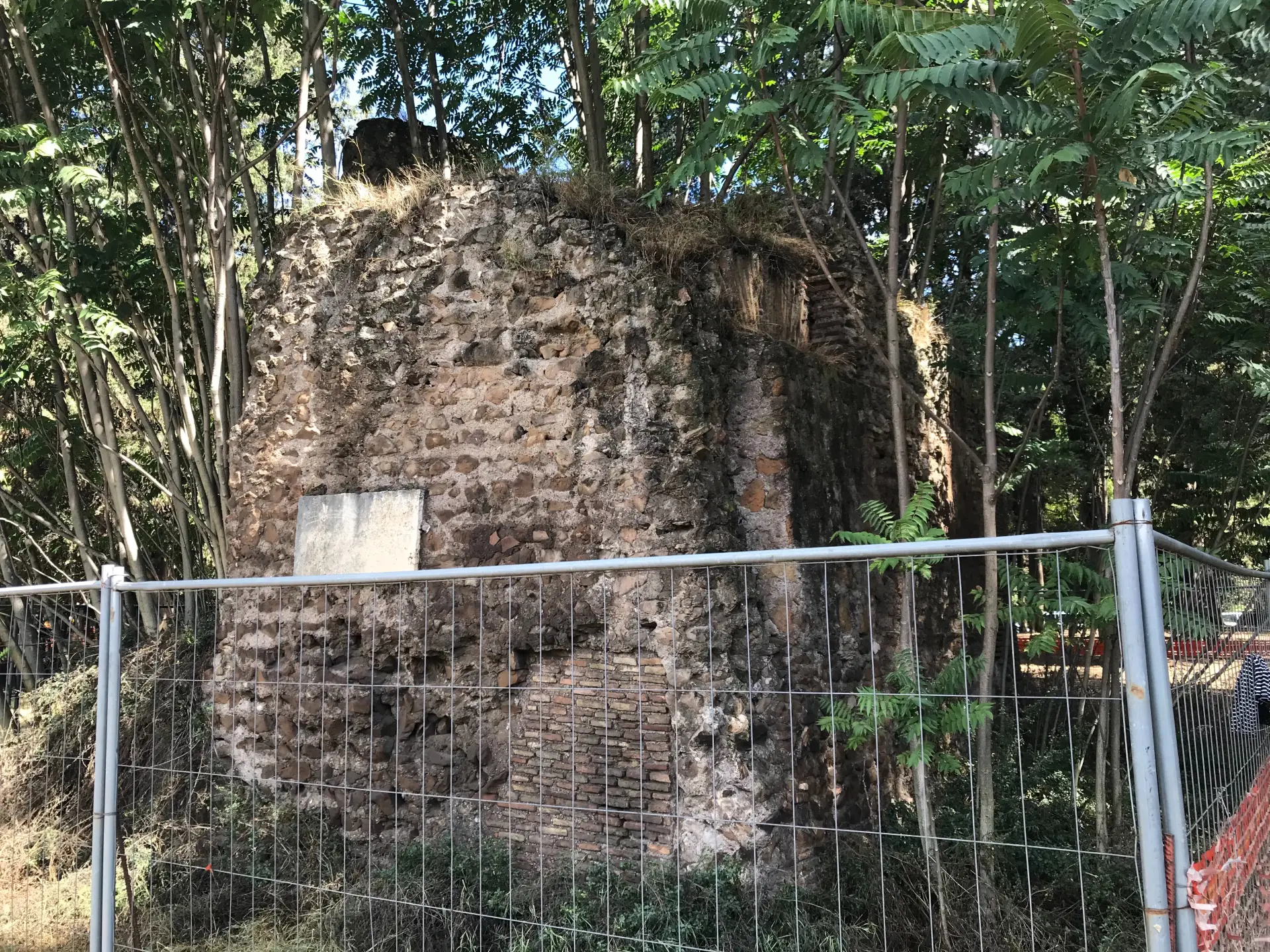
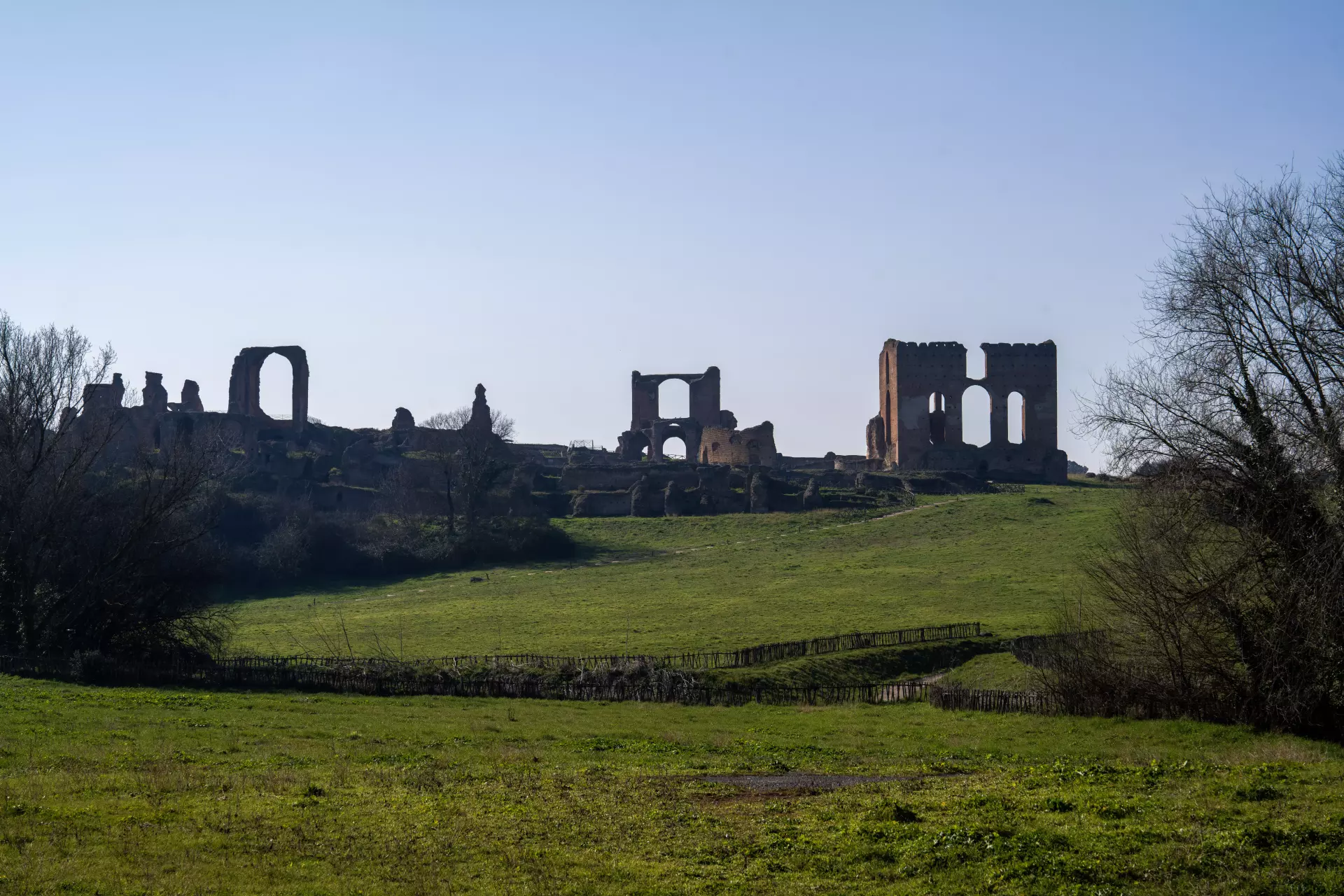
This archaeological site displays the thermal baths of the villa of the wealthy Herod Atticus. Also in the complex is a restored villa, until 2002 a private residence, that has an exterior completely covered with pieces from Roman ruins, including pipes used in the baths. There are some very helpful staff to show you around, although they only speak Italian. An interesting photographic exhibition in the house traces the development of the Appian Way over the last century. Almost opposite the entrance to the baths is a ruined tower known as the Torre di Capo di Bove.
The Celian Hill is one of the seven hills of Rome. You immediately see the church of San Gregorio Magno. On this site monks were trained before setting off as missionaries to England at the end of the 6th Century. Further up the hill is Santi Giovanni e Paolo. At this point it is difficult to believe you are in the middle of a major city. This church was built in 398 over the home of two Roman soldiers, John and Paul, who were martyred for their Christian beliefs in 362. Excavations show that there were several burials on the site, a risky business as burials were illegal at that time. After the church you come to the back entrance of the Villa Celimontana park (jazz festival nightly in late June-August). The modern buildings before you reach the park are owned by Silvio Berlusconi’s television company. By the main entrance of the park note the boat-like fountain known as the “Navicella”. As you exit the main entrance to the left is the church of S. Maria in Domnica, which has some interesting mosaics. Next to this church is the Porta Esquilina, one of the gates from the original Servian walls of Rome. It dates back to the 4th century BC.
Regular shows plus an excellent astronomical museum.