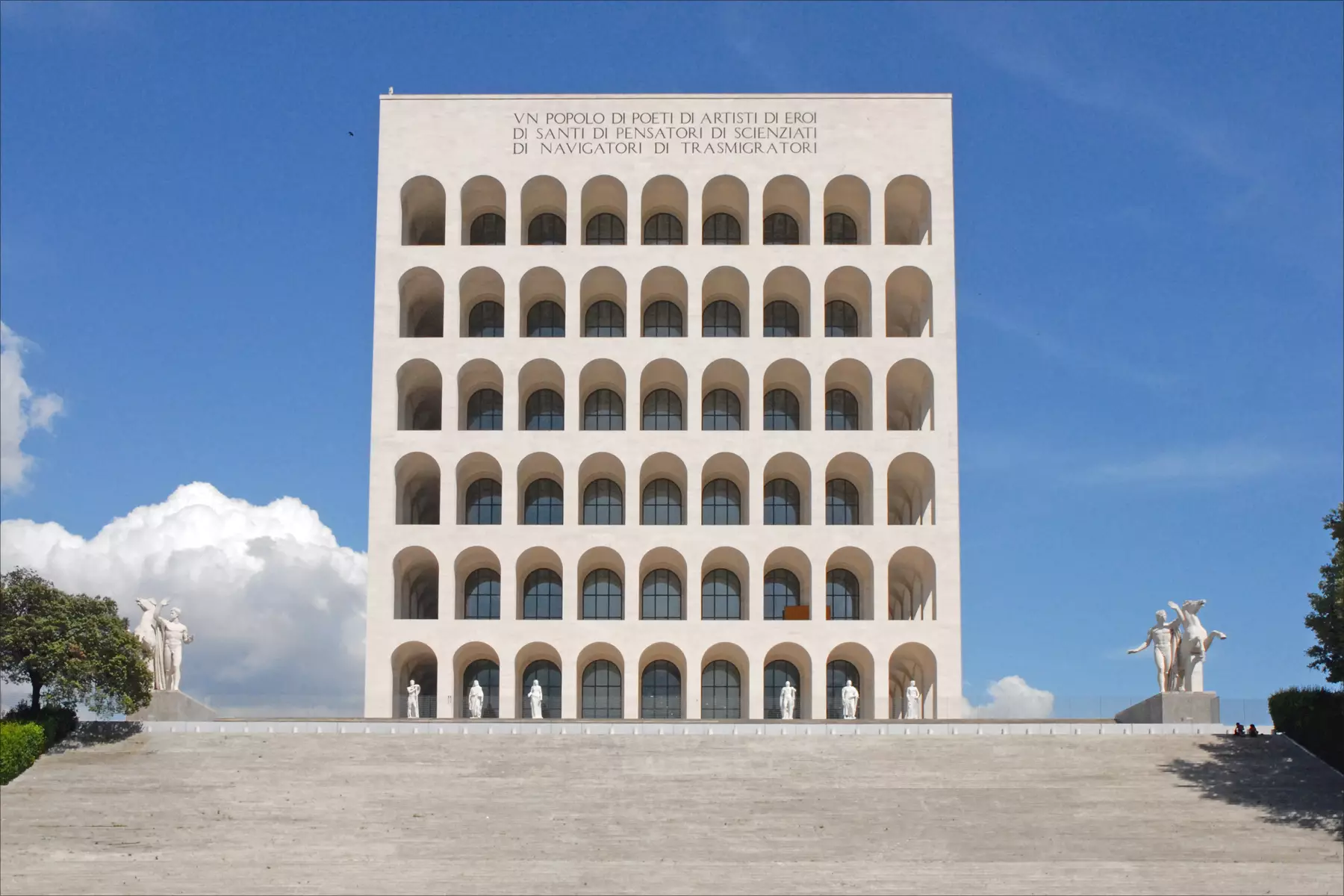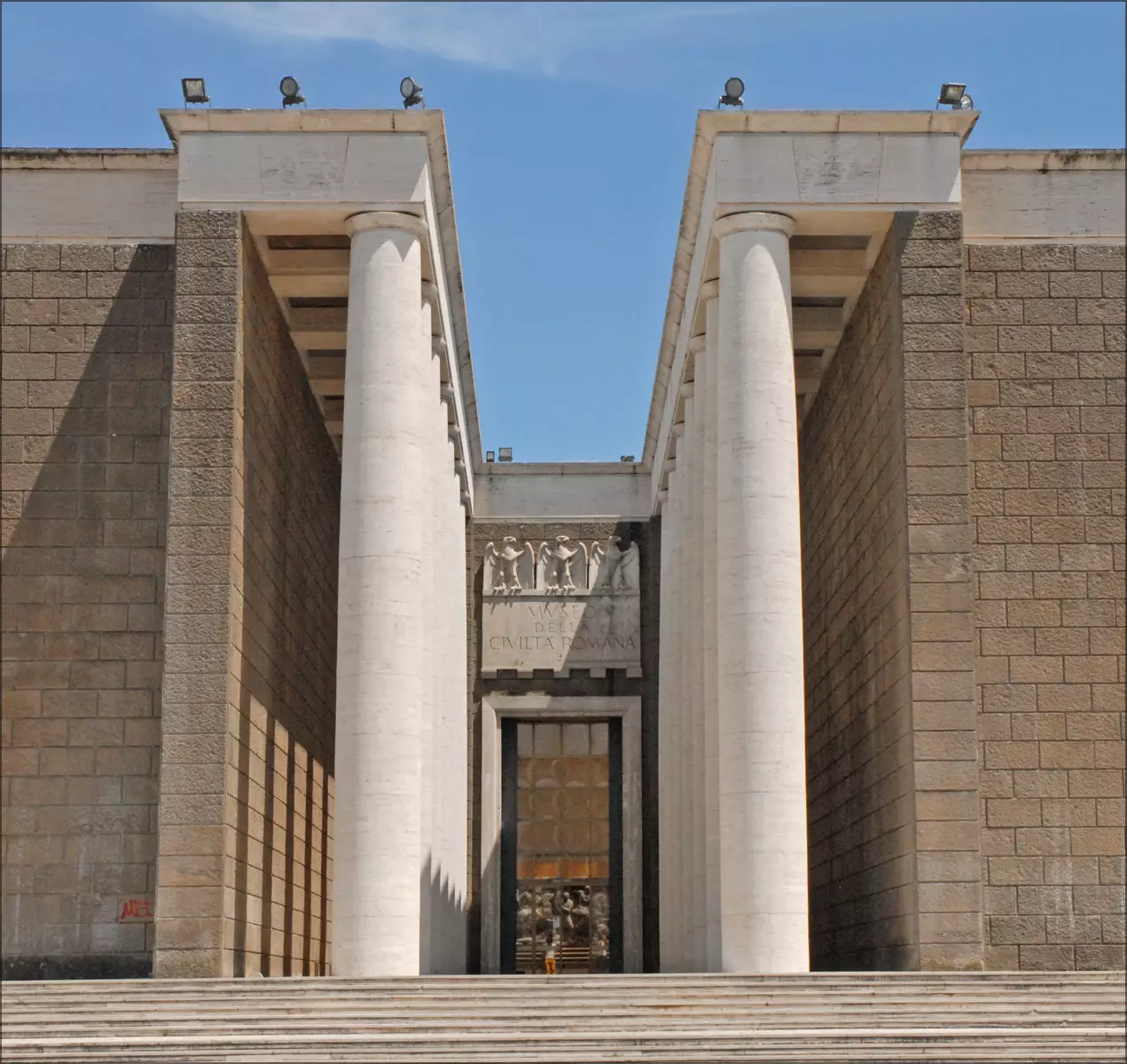
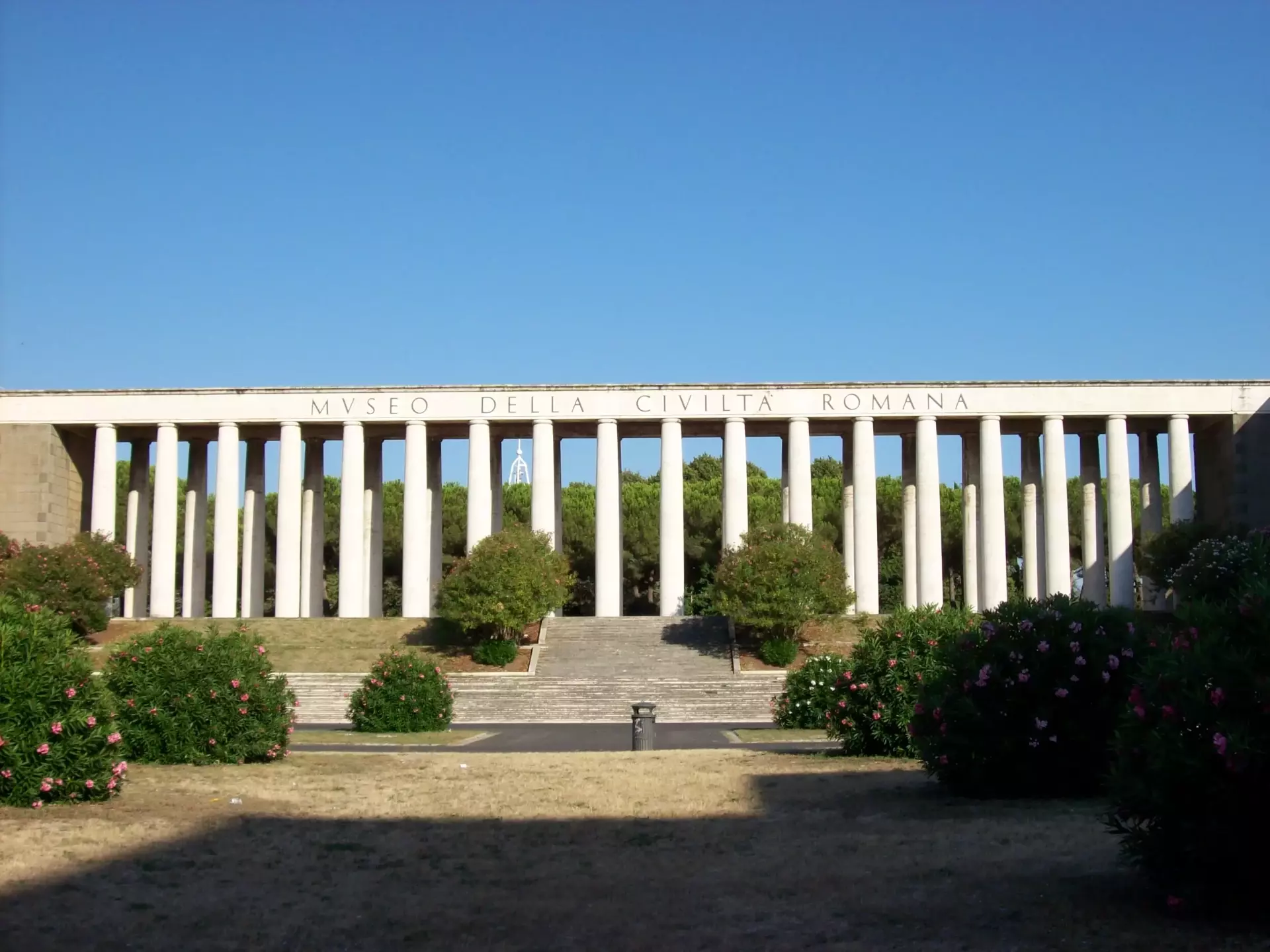
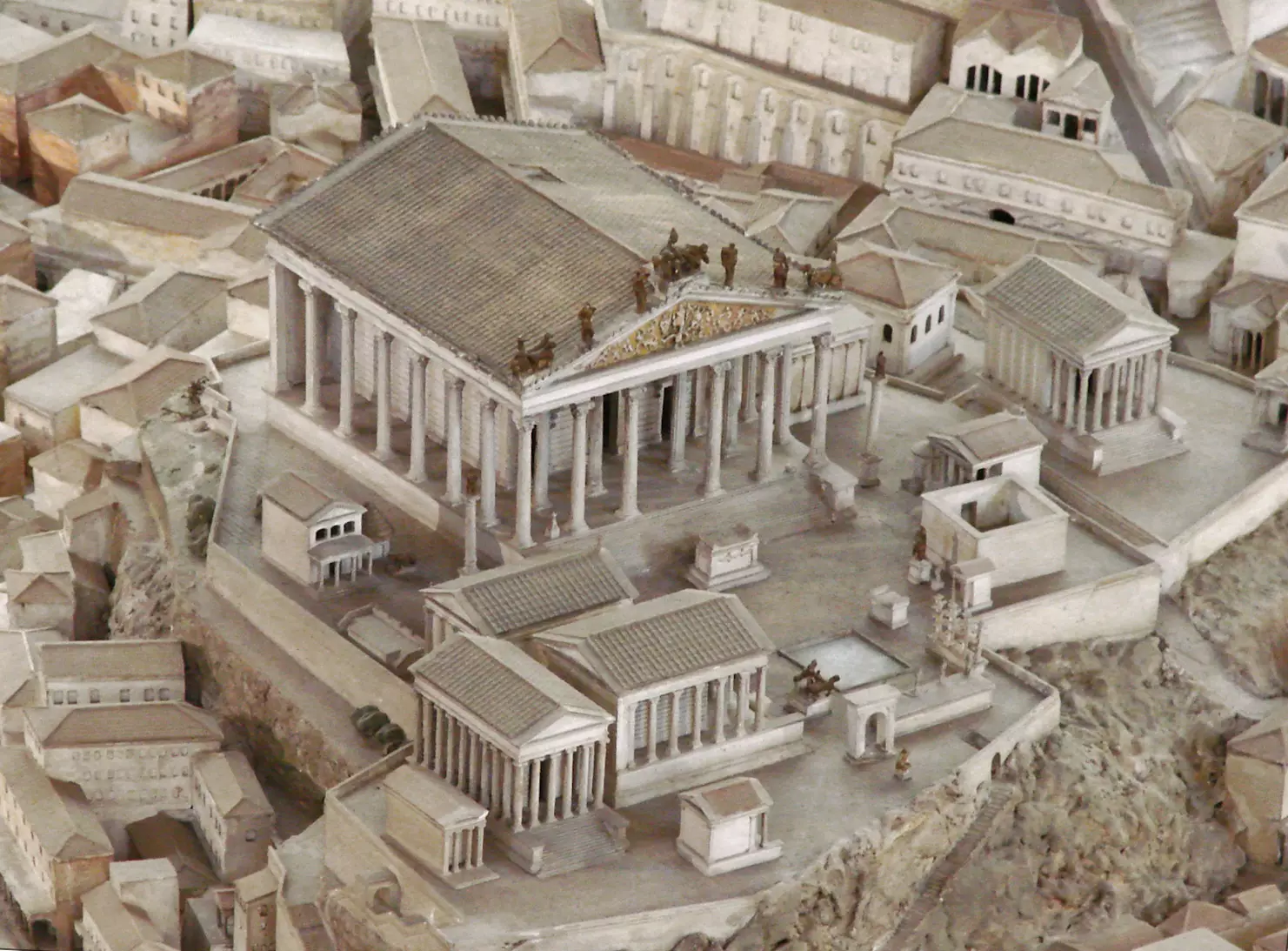
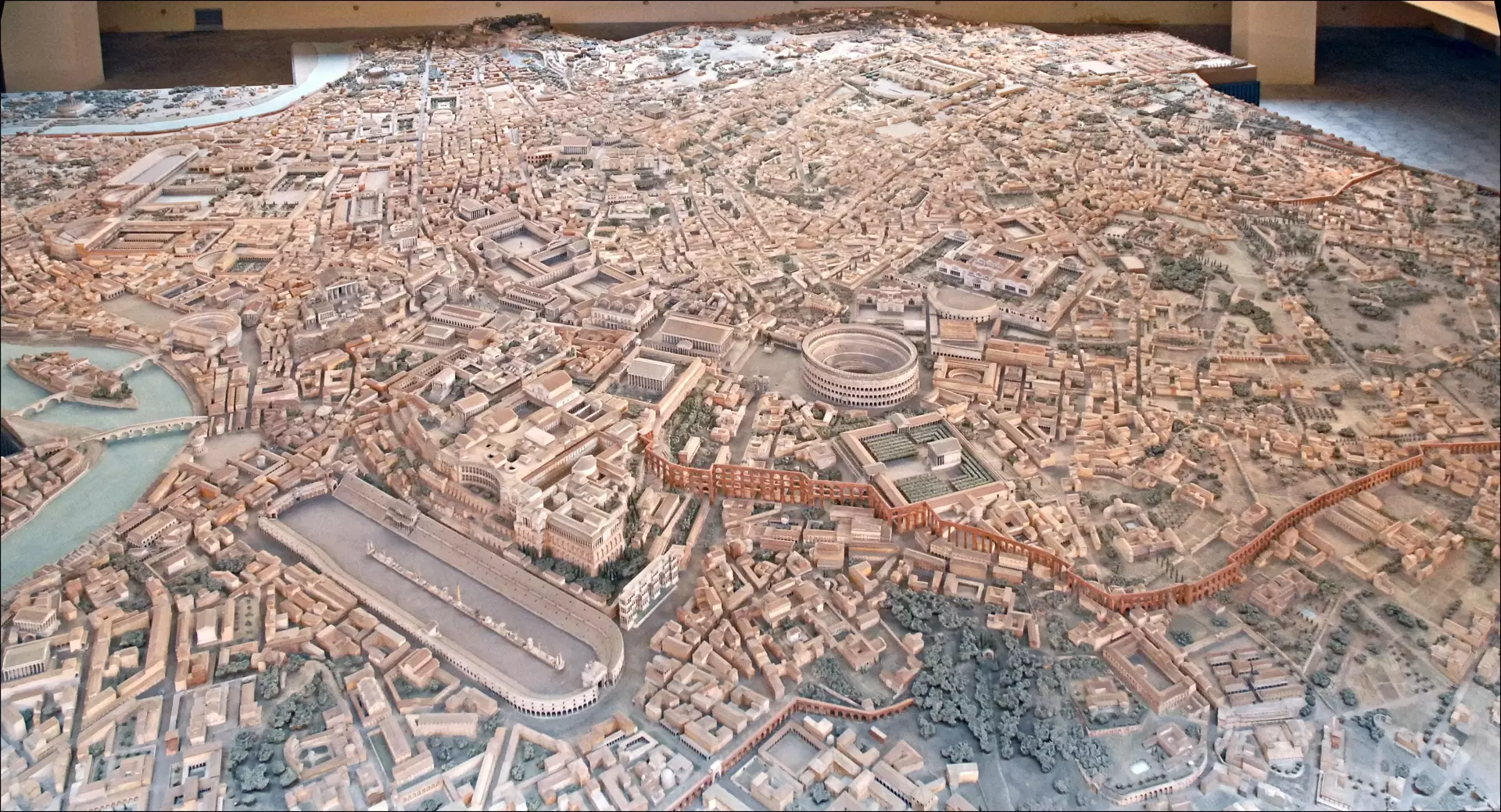
The Museum of Roman Civilization is well known for its massive model of imperial Rome. This detailed replica gives visitors a unique view of the city as it looked at the height of its power. Every street, building, and monument is carefully recreated, offering a fascinating perspective on ancient urban life.
The museum features extensive exhibits that showcase many aspects of ancient Roman life. Visitors find a wide range of displays, including plaster casts, intricate models, and reconstructions of famous works. These pieces are based on originals found in museums around the globe, allowing guests to experience the grandeur of Roman civilization in one place.
Source - https://en.wikipedia.org/wiki/Museum_of_Roman_Civilization
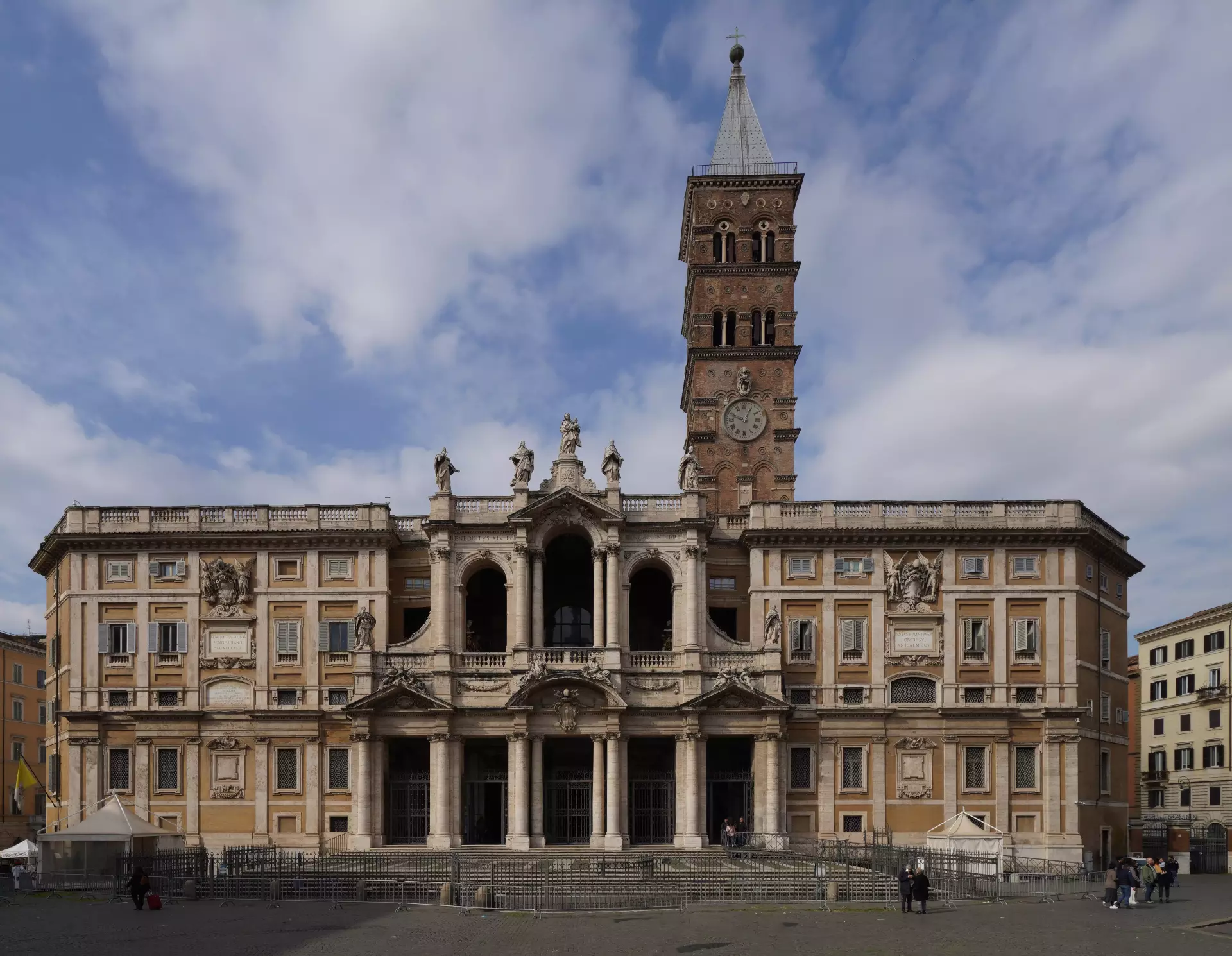
A very ancient church named after a saint who was in 1969 removed from the Roman Catholic calendar of saints for the lack of details of her life. But the church retains the name and is well worth visiting for an excellent 4th-century mosaic and attractive decorations on the facade. Visiting hours are short, but if you arrive close to 11:30, try talking to the attendant if you see him, and he might let you visit for a few minutes. The church is small, so 15 minutes should be long enough to see and absorb everything.
The most extensive collection of Etruscan art and artifacts anywhere. Fantastic collection and well worth the admission charge. A difficult museum to find, but a lovely display in a beautiful villa setting.
Baroque church more noted for its position at the top of the Spanish Steps than it is for the church. Backdrop for numerous movies including Audrey Hepburn and Gregory Peck in Roman Holiday.
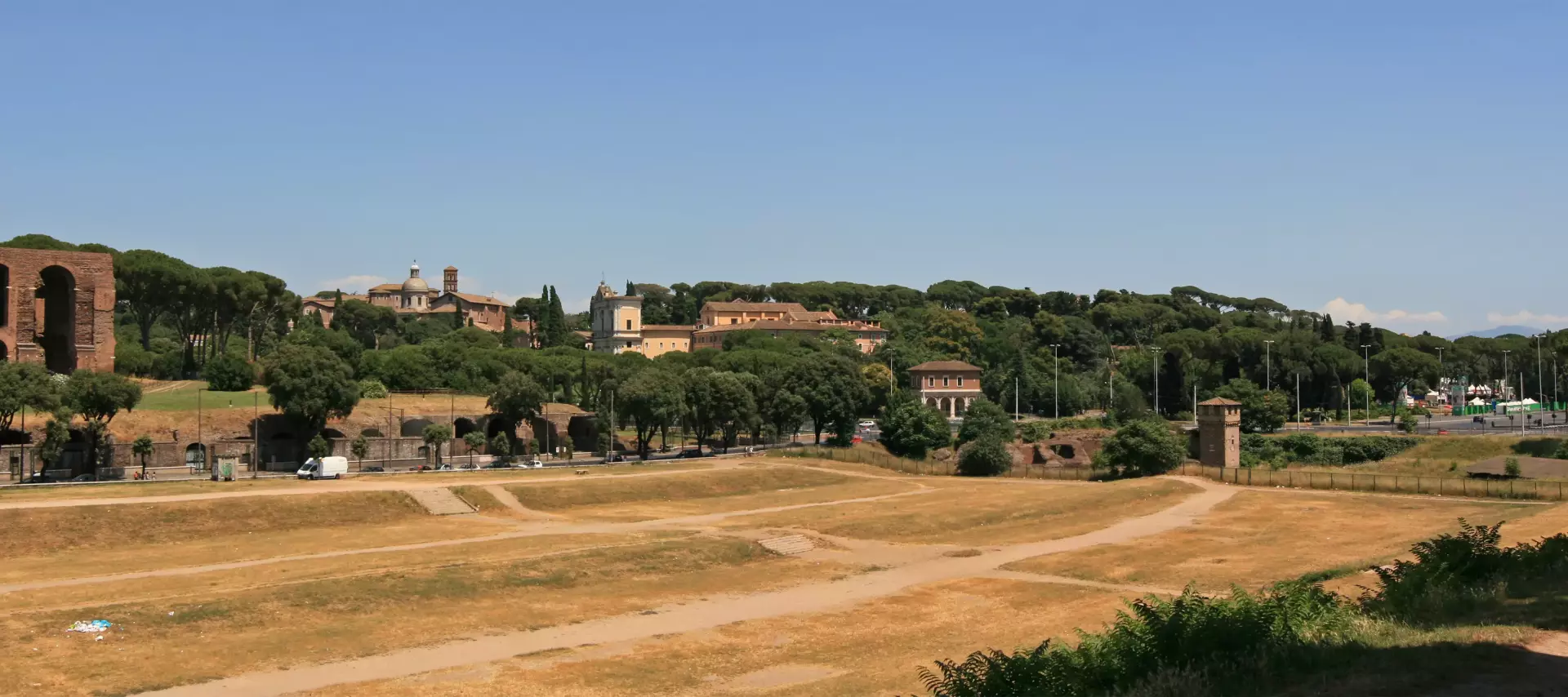
The contours of the ancient stadium, built in the 6th Century B.C., are still visible in what is now a park in the shadow of the Palatine. Circus Maximus was primarily devoted to chariot races and was used for this purpose until around 550 AD. The stadium could seat up to 150,000 people. Originally built of wood, it burnt down twice, on the second occasion starting the great fire when the Emperor Nero was said to fiddle while Rome burned. It was in one of the tunnels here that Caligula met his end. Excavations began in 2009 at the east end of the circus and are likely to go on for some years.
Contains the tomb of Pope Hadrian IV, the last non-Italian pope before Pope John Paul I.
This is one of the two main Jesuit churches in Rome, the other being the nearby Sant'Ignazio. The interior is Baroque art on steroids. Simply astounding.
Next door to Santa Croce. A collection of around 3000 pieces, although only a third of these are displayed.
This is not, contrary to popular belief, one of the original seven hills that Rome was founded on. It is the second highest after Monte Mario, though, and offers incredible panoramic views of the city as long as the authorities remember to prune the trees on the hillside (if they are too tall you can walk a few meters down the hill for views that are just as good). On the other side of the piazza there is also a nice view of the dome of St. Peter's. The Piazza and the street leading up the hill are dedicated to Giuseppe Garibaldi who led Italian troops against the French here in 1849. There are also several commemorative statues.
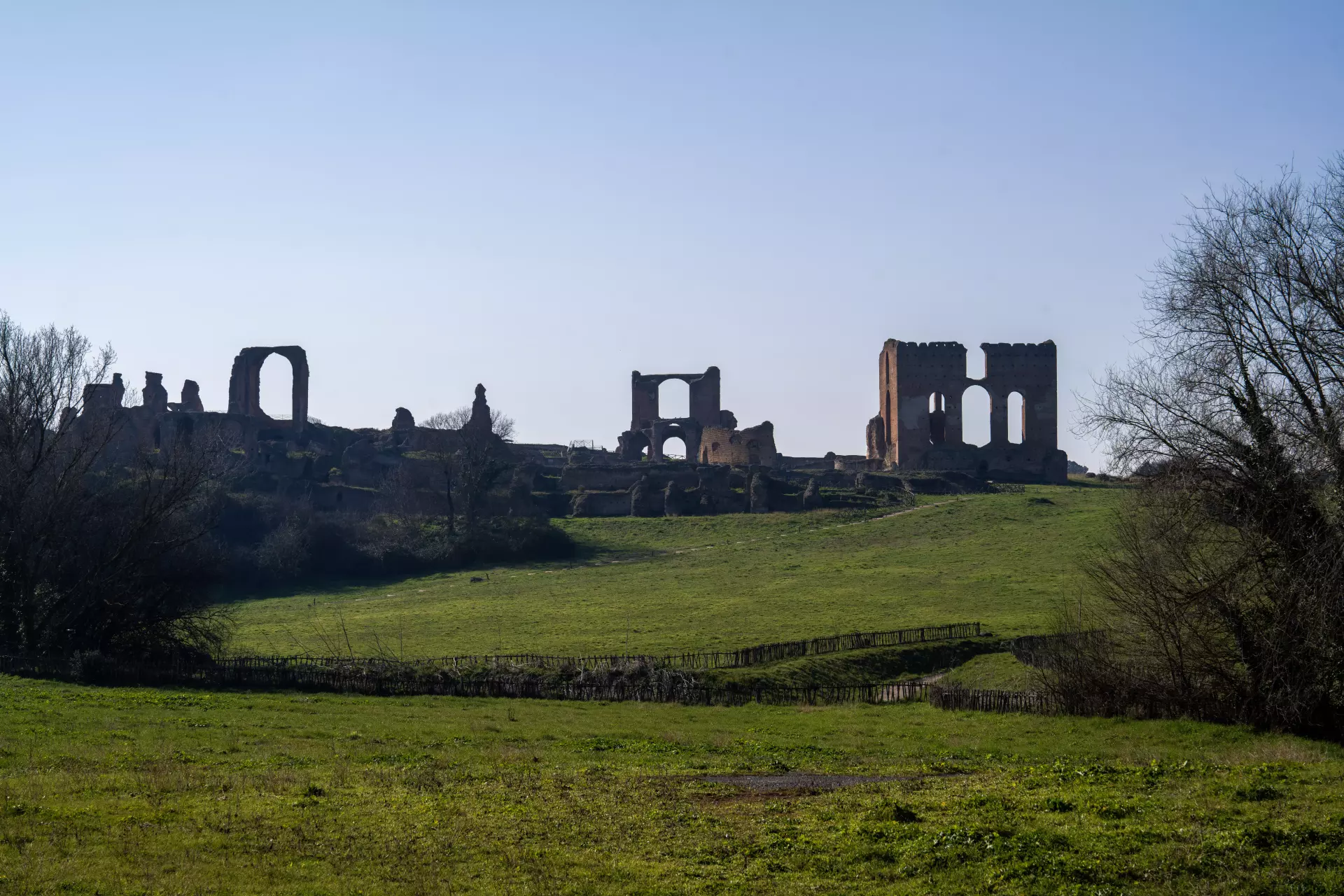
Contains the ruins of several large villas that belonged to wealthy Roman families. You can buy a combined ticket for the Palatine Hill, the Roman Forum and the Colosseum here, avoiding the long lines at the Colosseum. While the Imperial and Roman Fora are probably more spectacular, overall, there are amazing sights on the Palatine Hill, so unless you are terribly short on time or find it too challenging to climb the hill, allow an hour or more for these sights, too.
Brand new museum designed to celebrate the art and architecture of the 21st century.
This church can be an interesting deviation if you are passing through its neighbourhood. It is believed to be the grave of the Saints Ciro and Giovanni, killed during the time of the Emperor Diocletian. The original name was Abba Cyrus and through Appaciro and then Appacero it finally became Pacera, very close to today's Passera. The building is on top of a 3rd century building still visible in the lower floor and in the underground. The main part of the building dates back to the 9th century as do the frescoes on the higher floor. Some of the frescoes have been restored. Downstairs there is a small quadrangular room and the underground, where the remains of the two Saints are supposed to be. There are still visible 3rd century traces of Roman frescoes; in front of the stair you can enjoy a small bird, the Justice, and an athlete while in the vault some eight apex stars. Bus 128,780,781,775 (first stop in Via della Magliana).
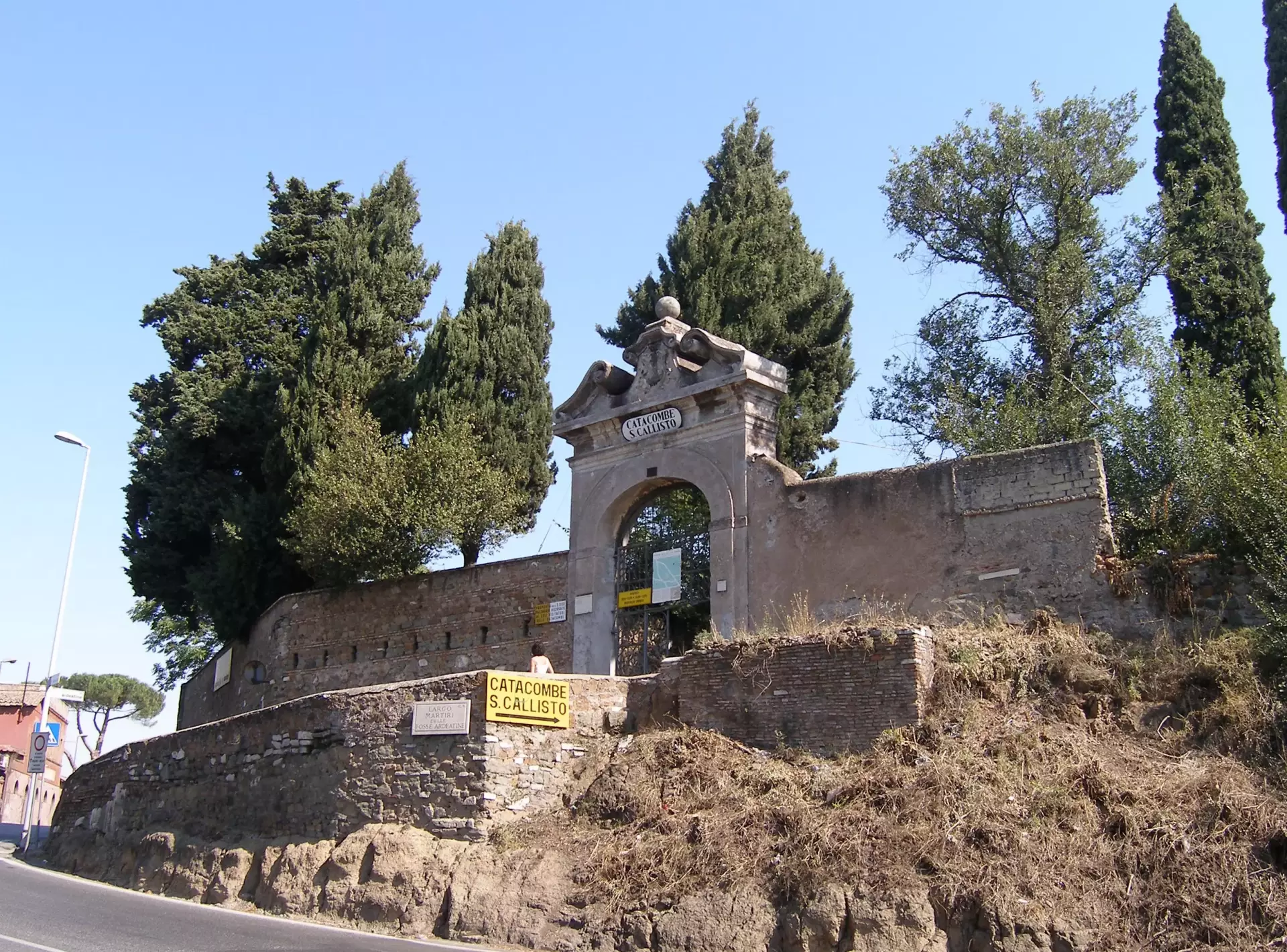
Underground burial place of an ancient Roman family and of seven early popes.
Early Roman houses dating back to the 1st century, believed to be homes of early Christians. Well-preserved frescoes and a small museum.
A relaxing place to sit and recover from the exertions of sightseeing. Permanent collection plus annual competition.