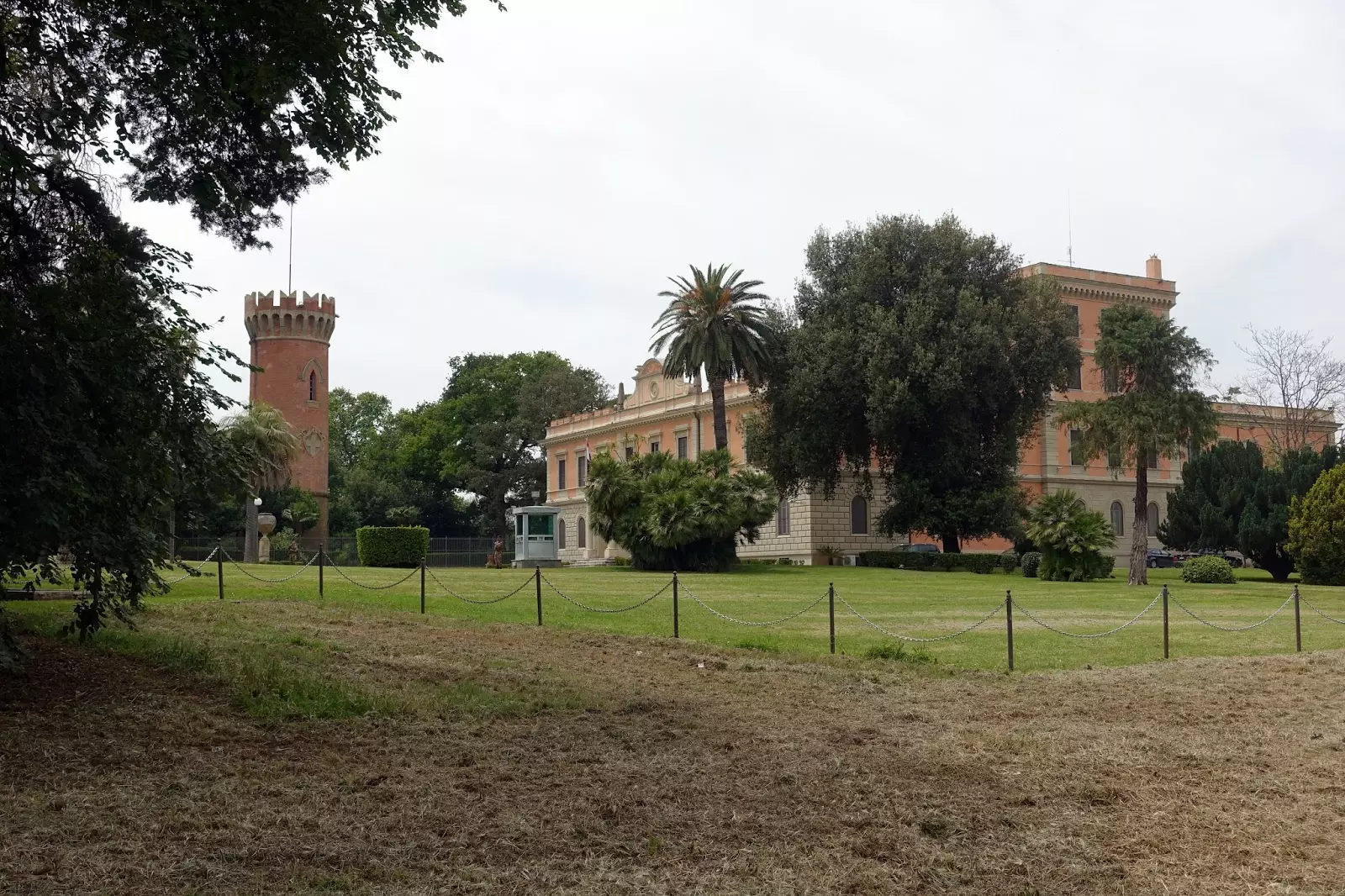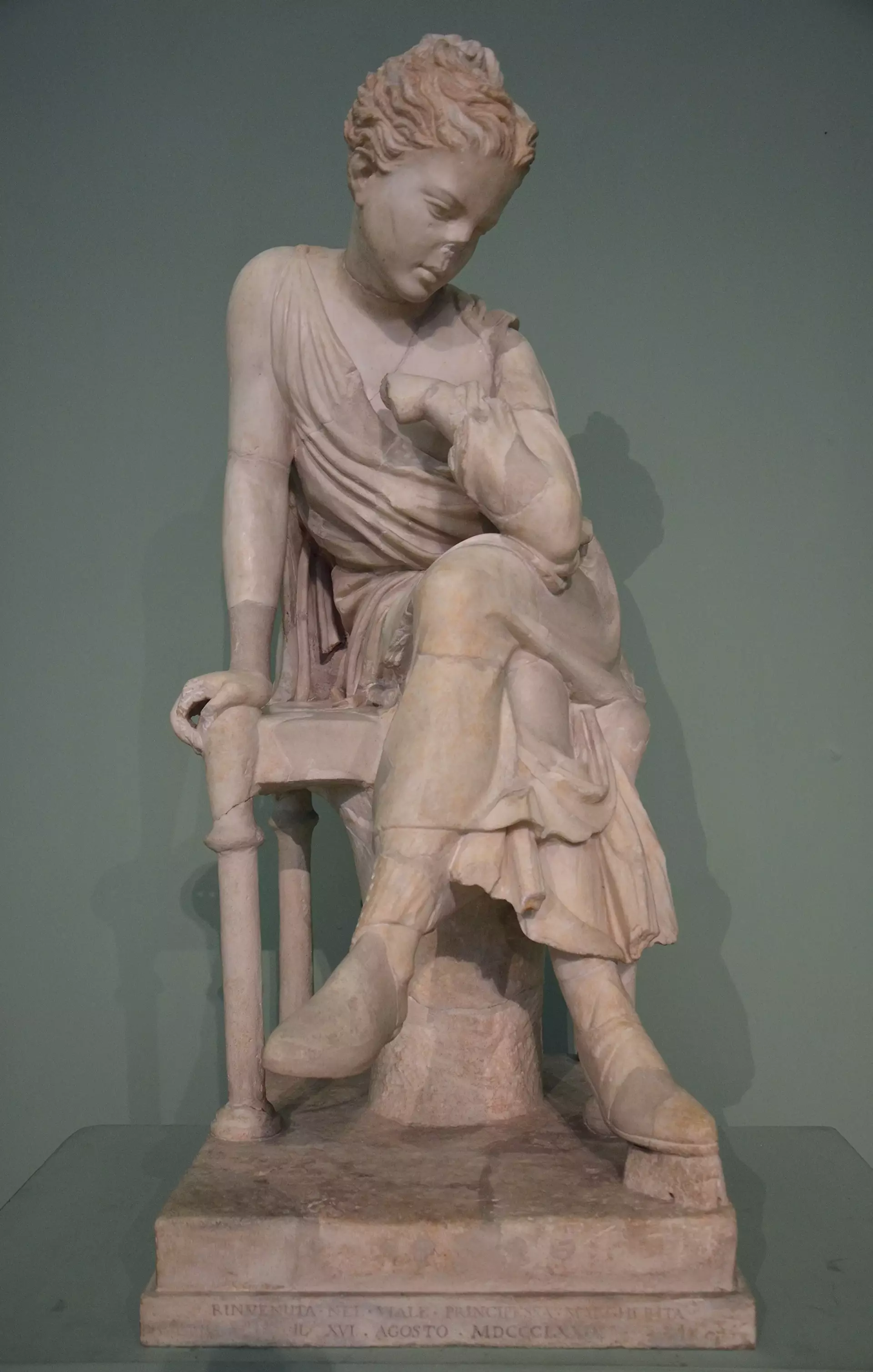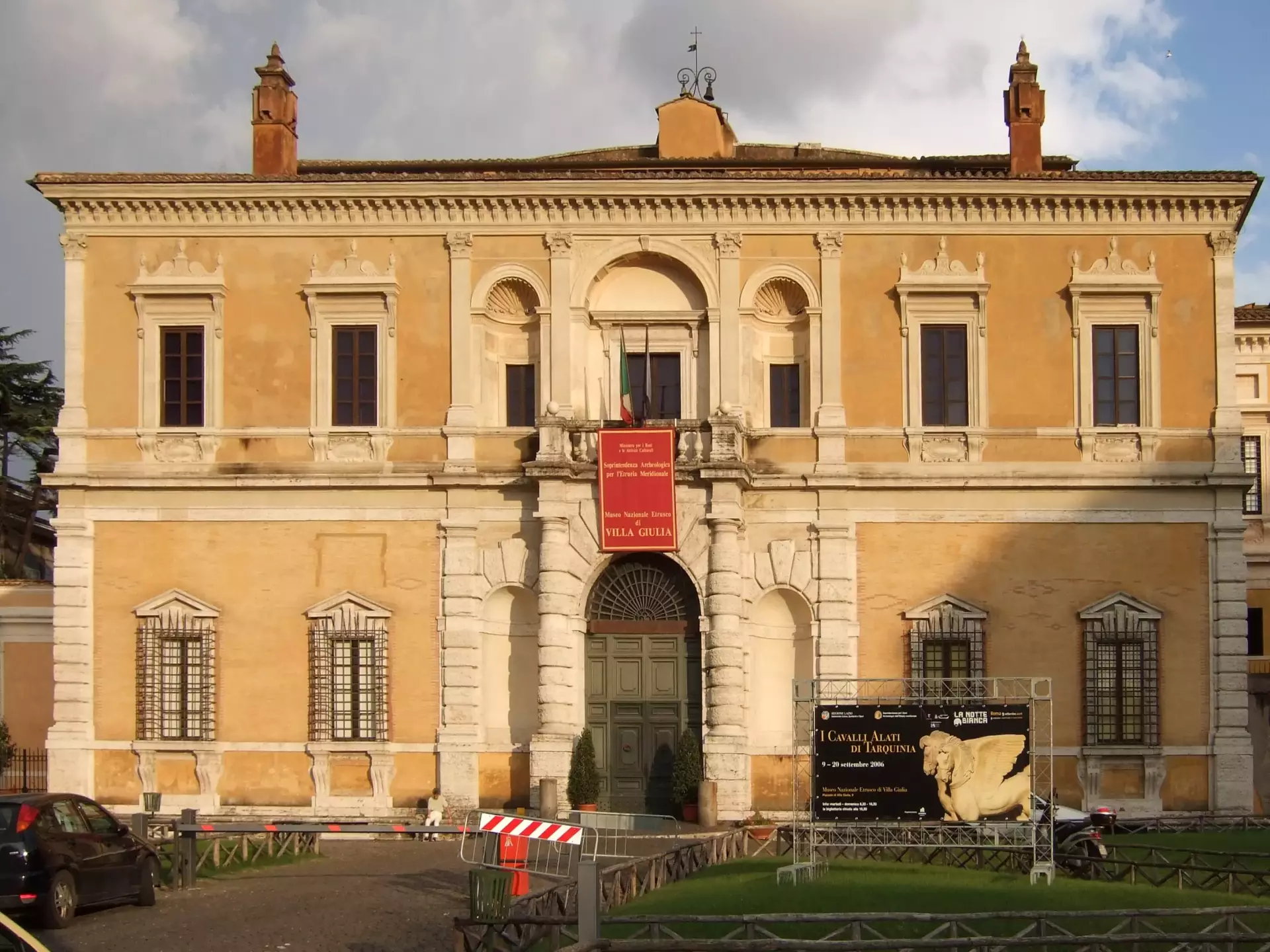
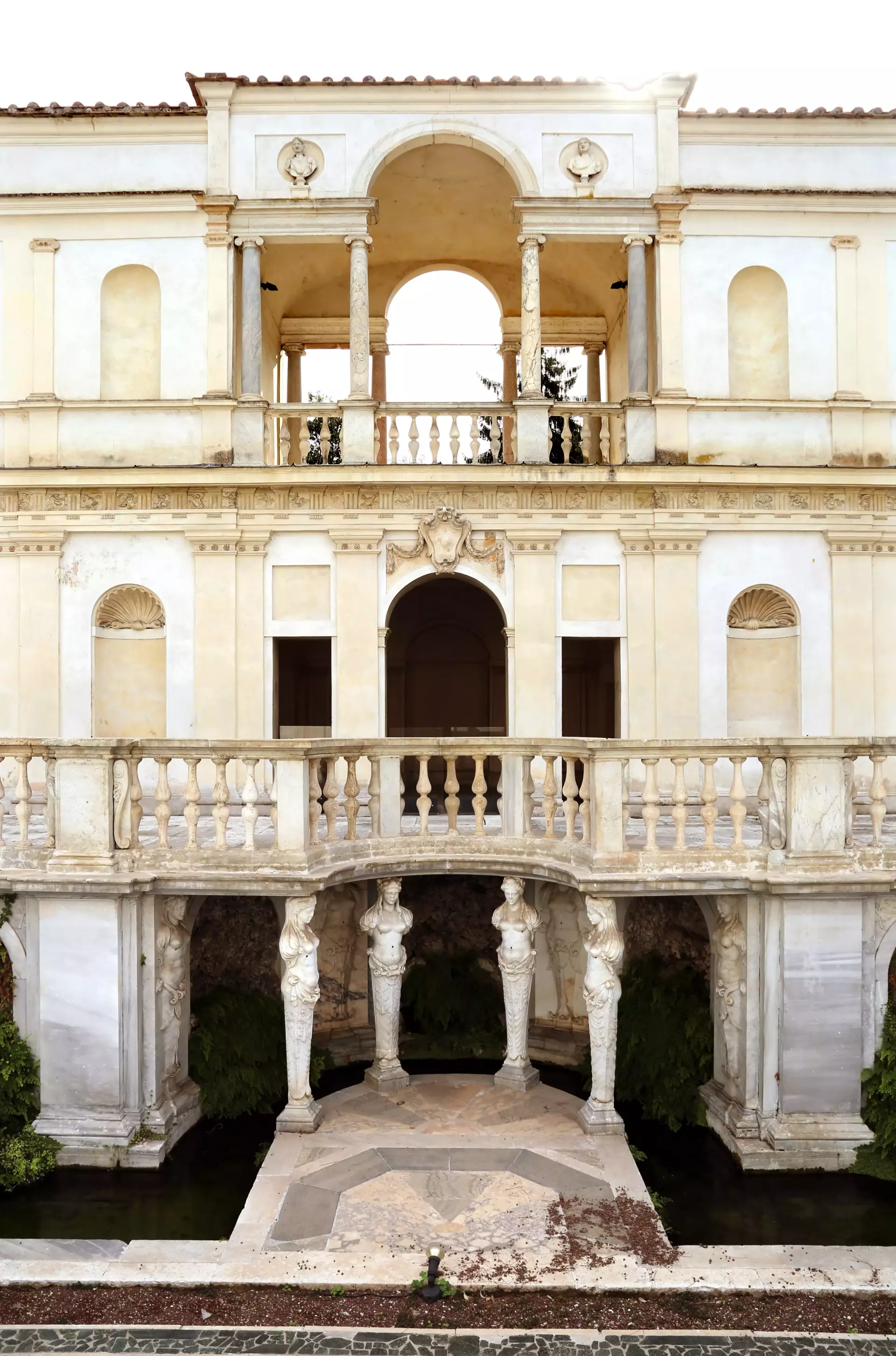
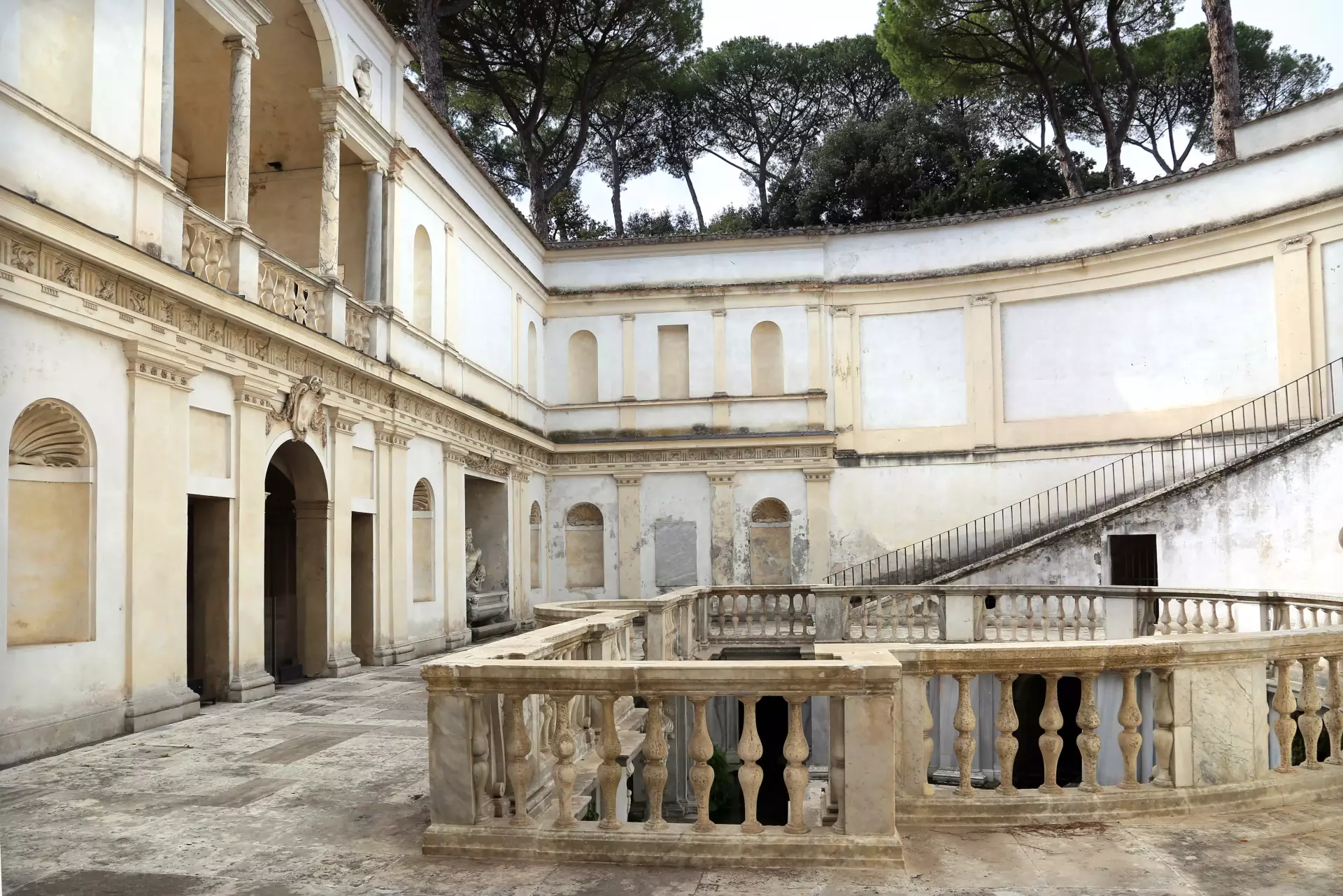
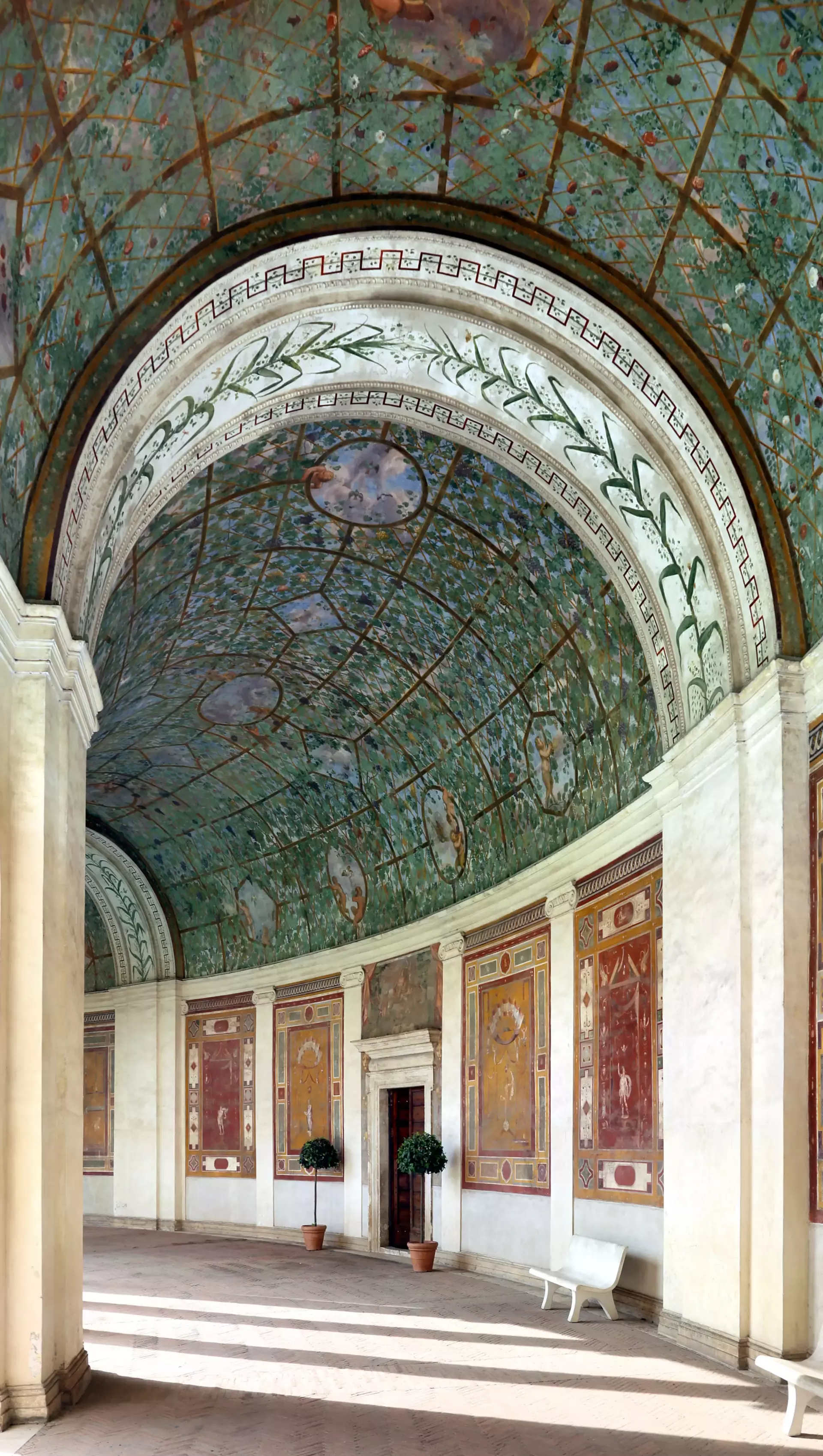
Villa Giulia is known for having the most extensive collection of Etruscan art and artifacts in the world. The museum offers an impressive range of items, providing a deep look into the life and culture of the ancient Etruscan civilization.
Inside, visitors can discover a fantastic selection of Etruscan statues, ceramics, jewelry, and everyday objects. The displays are thoughtfully arranged to help people understand the rich history behind each piece. Many rare and well-preserved artifacts fill the galleries, making the experience both educational and visually stunning.
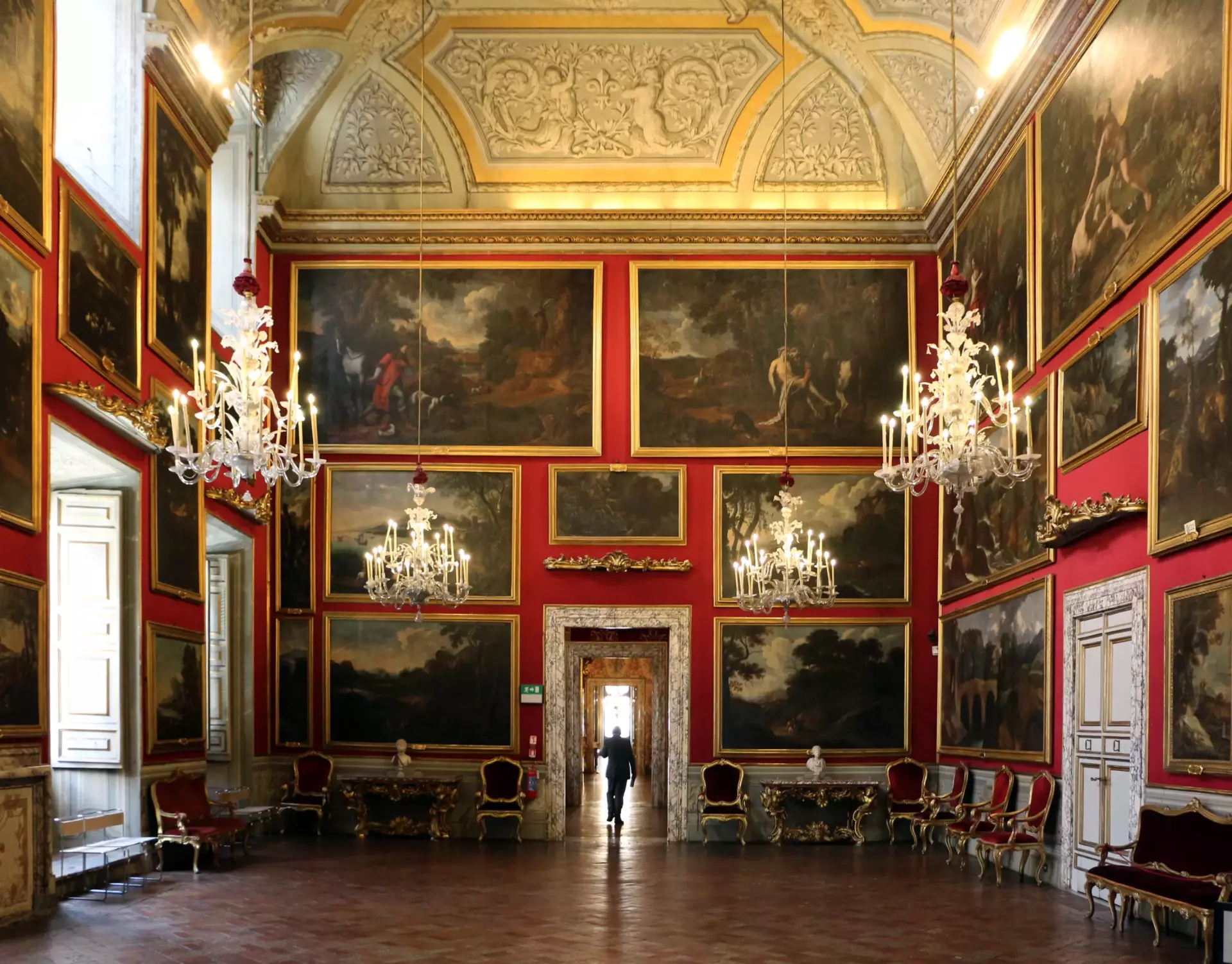
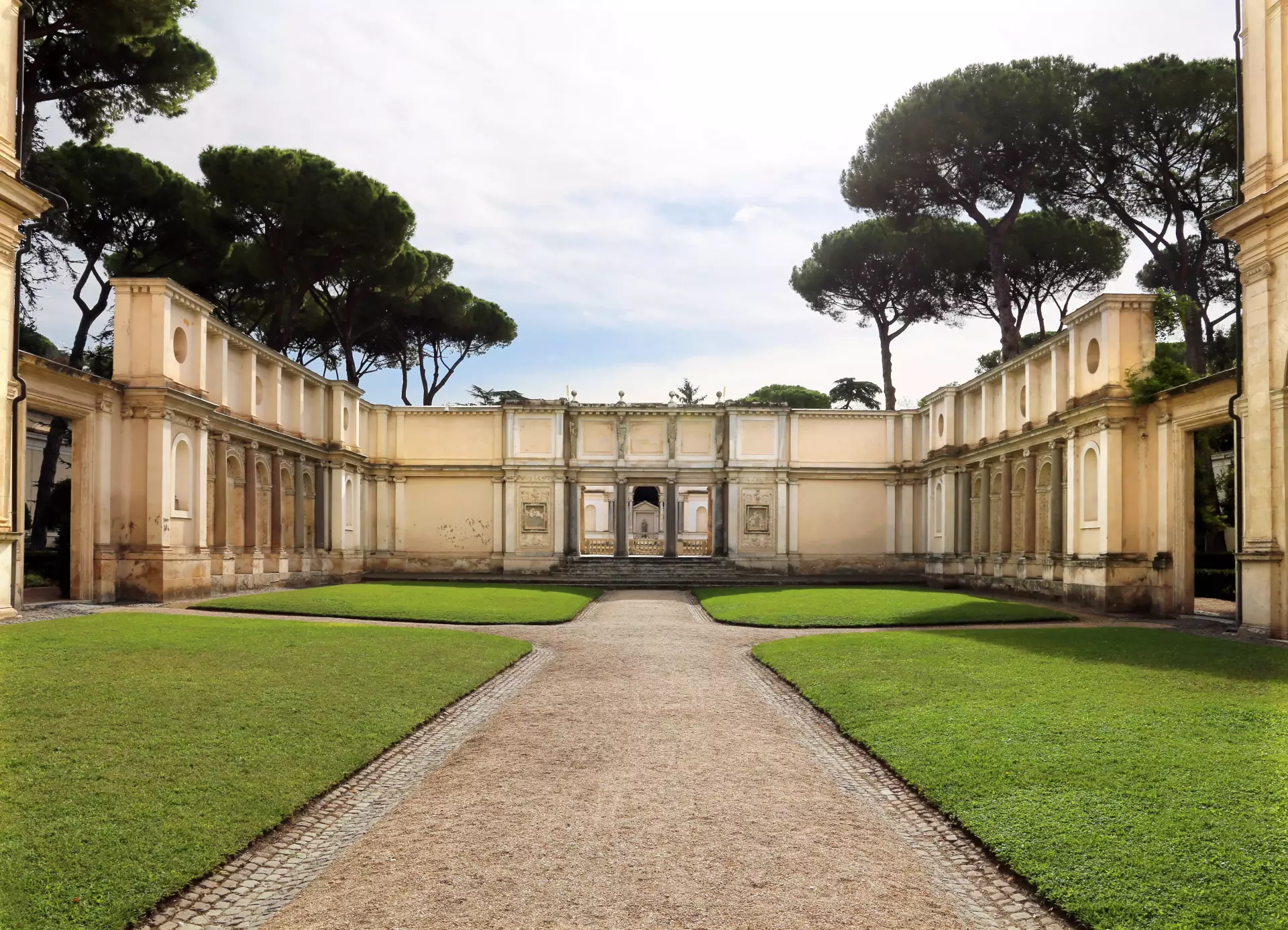
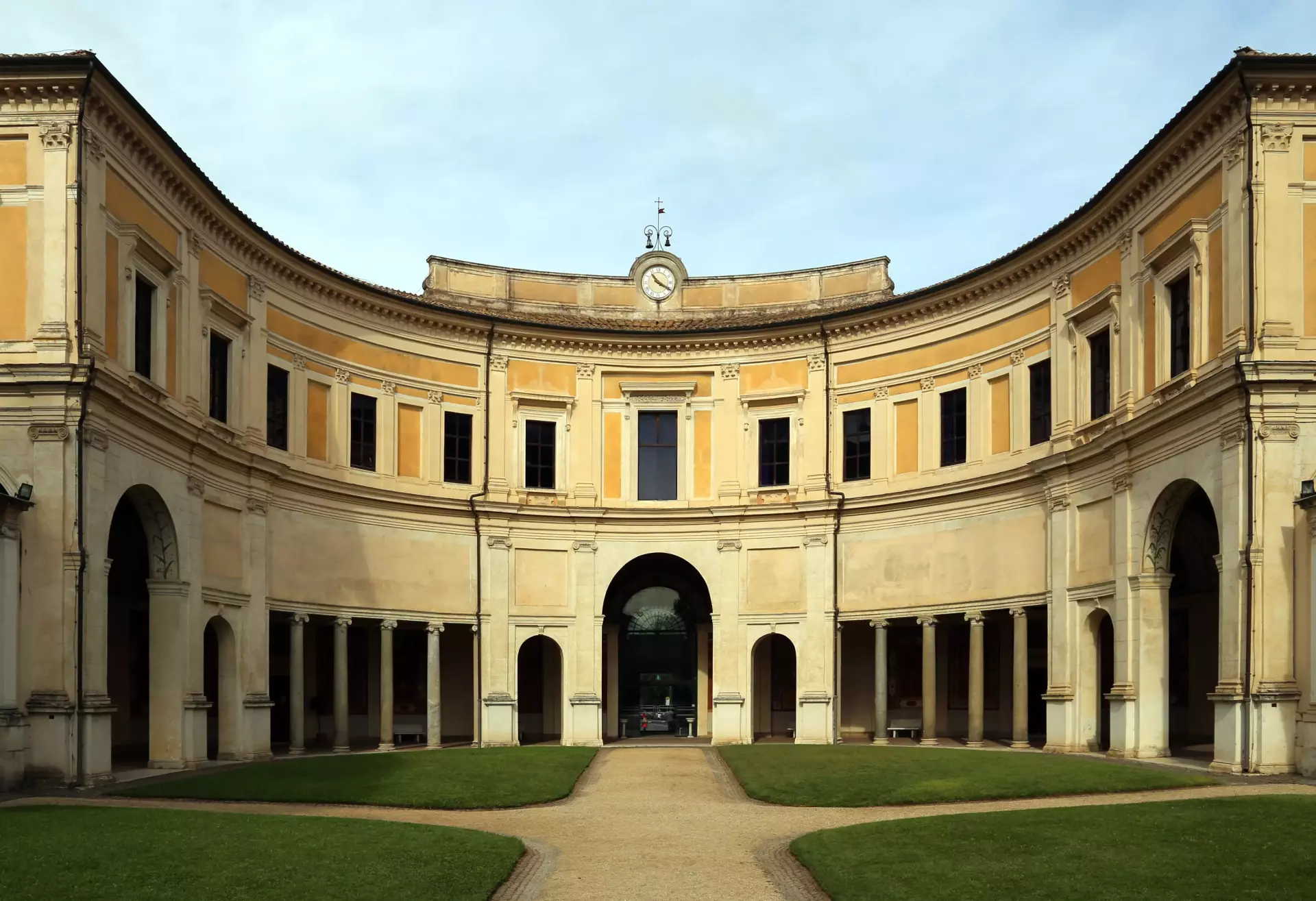
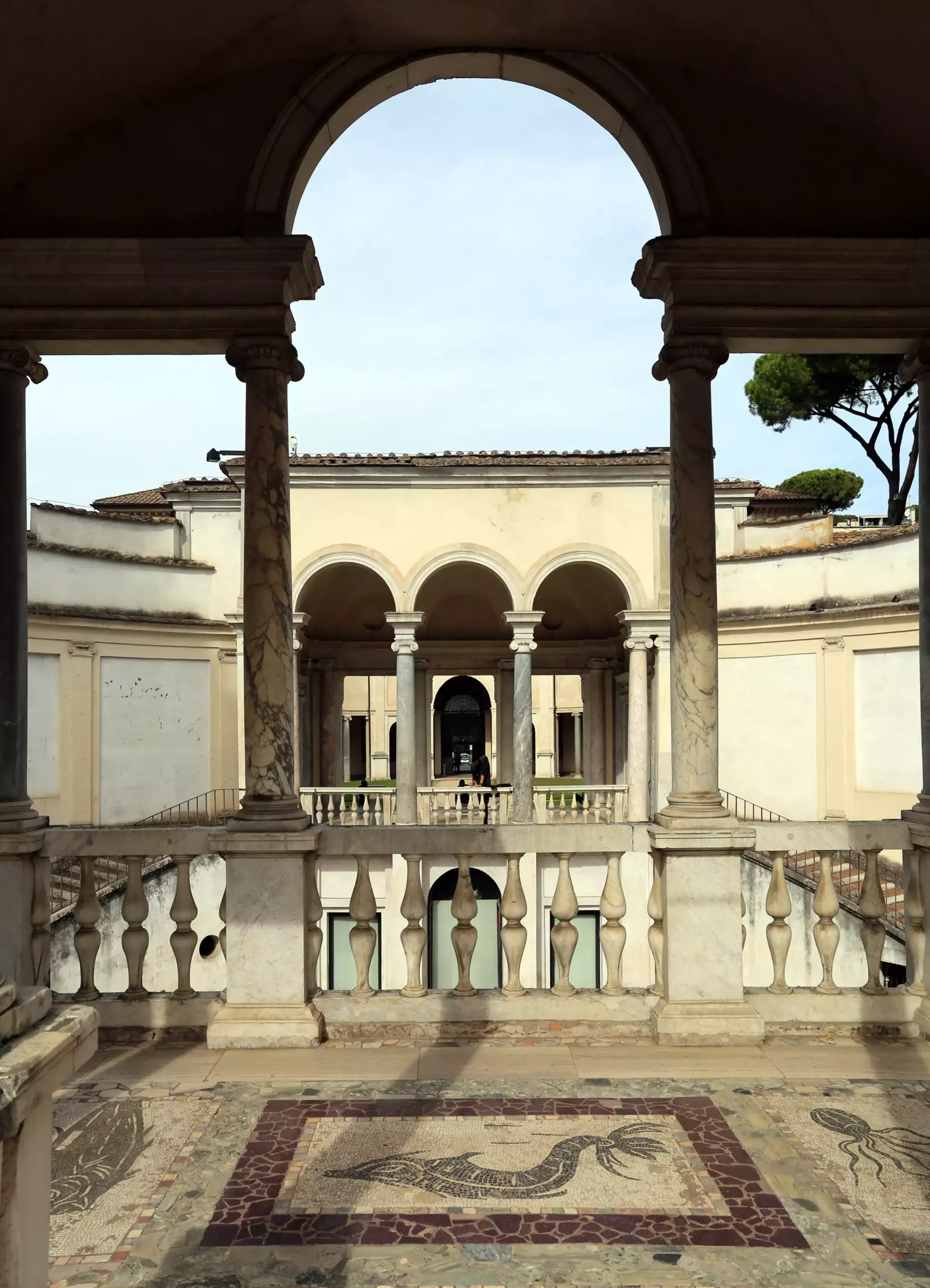
Although Villa Giulia can be a bit hard to find, its beautiful villa setting adds to the charm. The museum is housed in a historic building surrounded by peaceful gardens, creating a serene backdrop for exploring the ancient collections. The villa’s architecture and scenic location provide an inviting atmosphere for all visitors.
The museum’s admission fee is considered reasonable, especially given the vast array of treasures on display. Visitors often find the experience rewarding, as the collection offers a unique glimpse into the past within a lovely and elegant environment.
Source - https://en.wikipedia.org/wiki/Villa_Giulia
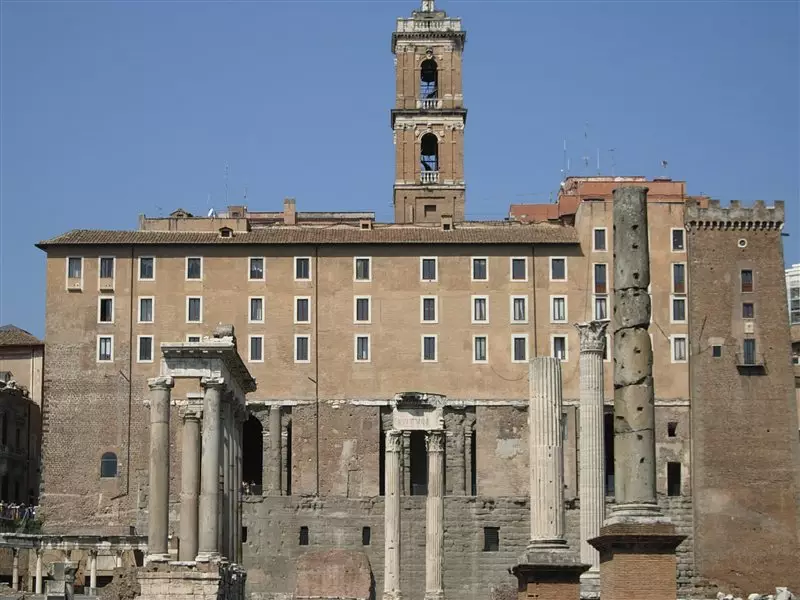
Built in the 17th century to a design based on an architectural sketch by Michelangelo. Highlights include the ancient Colossus of Constantine statue (the Colosseum was probably named for another giant statue, the Colossus of Nero which stood near the Flavian Amphitheatre as the Colosseum was originally known), The Dying Gaul, a magnificent marble sculpture that copies a bronze Greek original of the 3rd century BC and the Capitoline Venus. It also contains the remarkable original gilt bronze equestrian statue of emperor Marcus Aurelius (the one in the piazza is a replica).
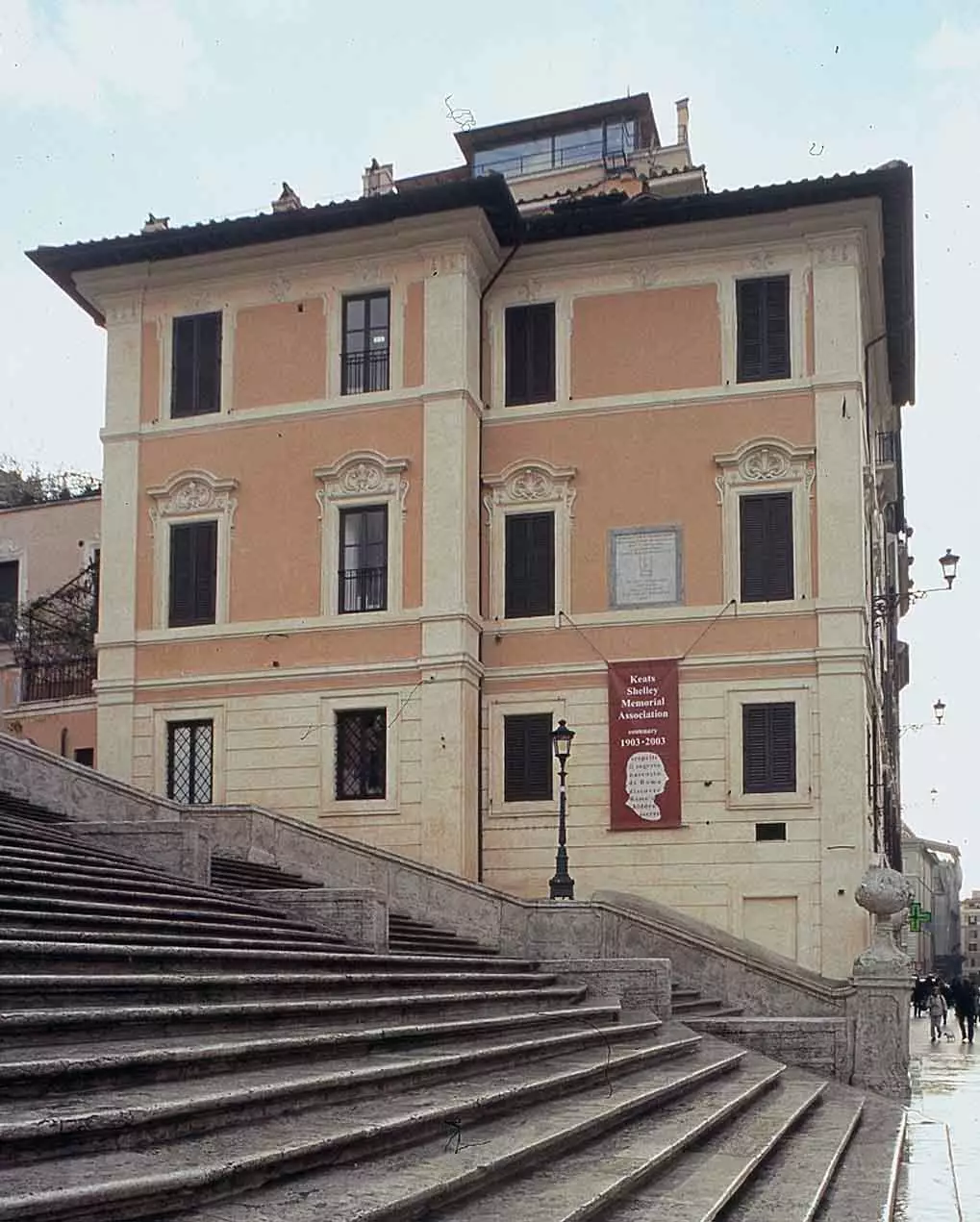
The house in which the famous English poet John Keats succumbed to consumption, now preserved as a memorial to his life and that of his friend Shelley, both of whom are buried in Rome's Protestant Cemetery (see Testaccio).
The chains that allegedly held St. Peter are displayed in a case before the altar. More importantly, contains the impressive statue of Moses by Michelangelo. It's close to the Colosseum, but a little hard to find. Take the steps opposite the Colosseum on Via dei Fori Imperiali, cross the road at the top and seek directions. Also reachable through steps to the right leading off Via Cavour.
Built in 141 AD and dedicated to the Empress Faustina; after her husband emperor Antoninus Pius died in 161 AD the temple was rededicated to the couple.
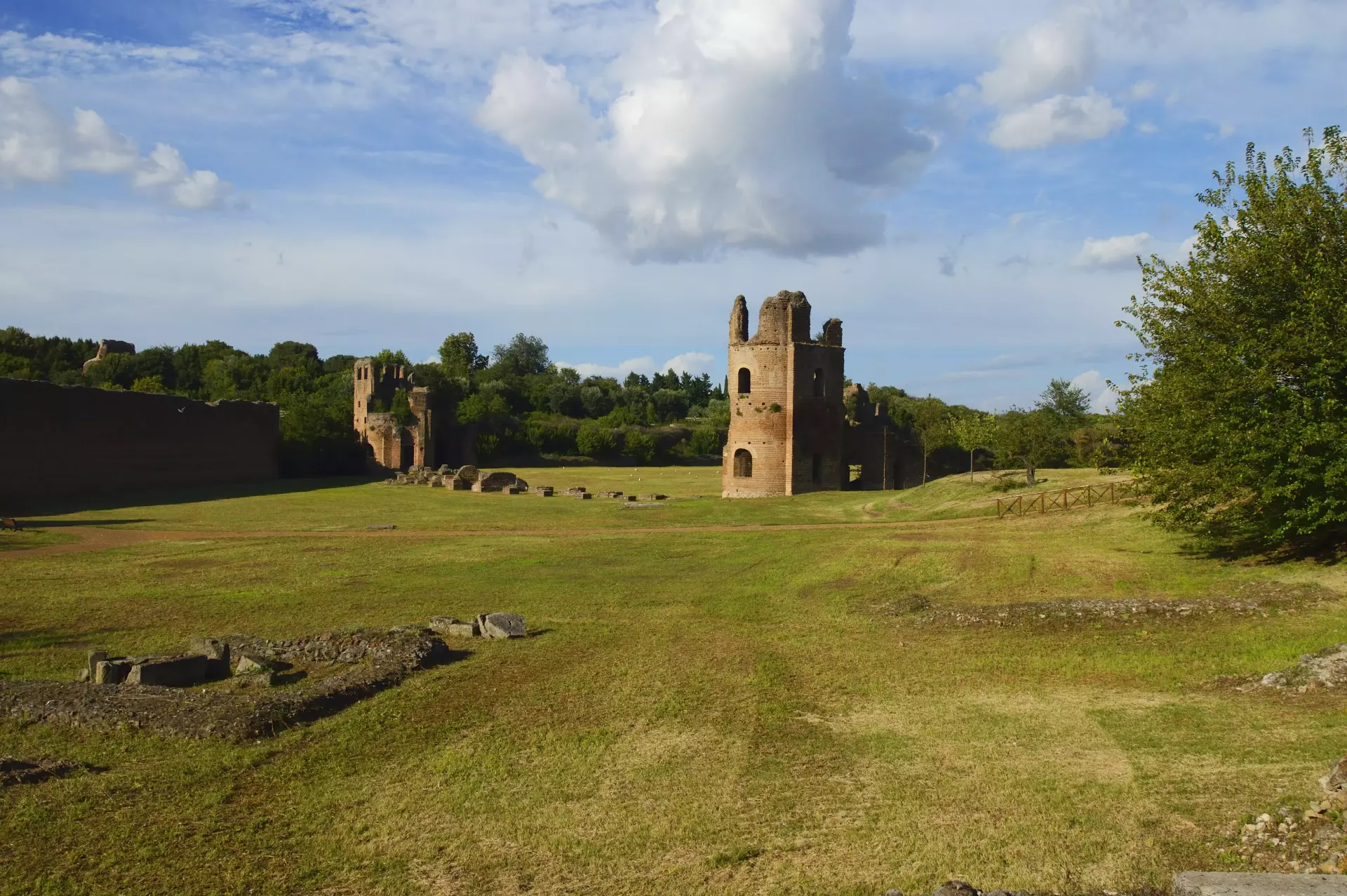
The contours of the ancient stadium, built in the 6th Century B.C., are still visible in what is now a park in the shadow of the Palatine. Circus Maximus was primarily devoted to chariot races and was used for this purpose until around 550 AD. The stadium could seat up to 150,000 people. Originally built of wood, it burnt down twice, on the second occasion starting the great fire when the Emperor Nero was said to fiddle while Rome burned. It was in one of the tunnels here that Caligula met his end. Excavations began in 2009 at the east end of the circus and are likely to go on for some years.
Rome's museum of contemporary art, housed in a former industrial complex. Rotating exhibitions, each one usually lasting about 4 months. The MACRO Testaccio exhibition space is located in Aventino-Testaccio.
A magnificent patrician house with beautiful gardens. It was built by order of Cardinal Alessando Albani in 1743-1763 in order to accommodate his collection of art. The collection was taken care of by the Winkelmann, adviser and friend of the cardinal. In Rome, Winkelmann wrote his "Geschichte der Kunst des Altertumns (HIstory of the Art of Antiquity)", which made him the founder of classical archaeology. The painted ceiling of the great hall depicting Mount Parnassus is by the German painter Anton Raphael Mengs who was considered as the greatest painter in Rome in the 18th century. A permission to visit is to be requested by email or fax from Principi Torlonia's administration where you'd need to indicate date and time desired, your name and number of people in your party (max. 10).
With its strange Liberty- style buildings with influence from the Art Nouveau of the 1920s this small bunch of blocks is one of the most interesting, and less known, landmarks of the city. A must see.
The two museums are on opposite sides of the Piazza del Campidoglio, It is recommended to book tickets online Built in the 17th century to a design based on an architectural sketch by Michelangelo. Highlights include the ancient Colossus of Constantine statue (the Colosseum was probably named for another giant statue, the Colossus of Nero which stood near the Flavian Amphitheatre as the Colosseum was originally known), The Dying Gaul, a magnificent marble sculpture that copies a bronze Greek original of the 3rd century BC and the Capitoline Venus. It also contains the remarkable original gilt bronze equestrian statue of emperor Marcus Aurelius (the one in the piazza is a replica). Also based on a Michelangelo architectural plan, this compact gallery is well endowed in classical sculpture and paintings. Highlights include the small 1st-century-BC bronze Lo Spinario, a Greek statue of a little boy picking a thorn from his foot; the Lupa Capitolina (Capitoline Wolf), a rare Etruscan bronze statue probably dating from the 5th century BC; and (in the entrance courtyard), the massive head, hands, foot and kneecap from a colossal statue of Constantine the Great. The palace also contains a Pinacoteca (Picture Gallery) with paintings mainly from the 16th and 17th centuries - highlights include: Caravaggio's Fortune-Teller and his curious John the Baptist; The Holy Family, by Dosso Dossi; Romulus and Remus, by Rubens; and Titian's Baptism of Christ.
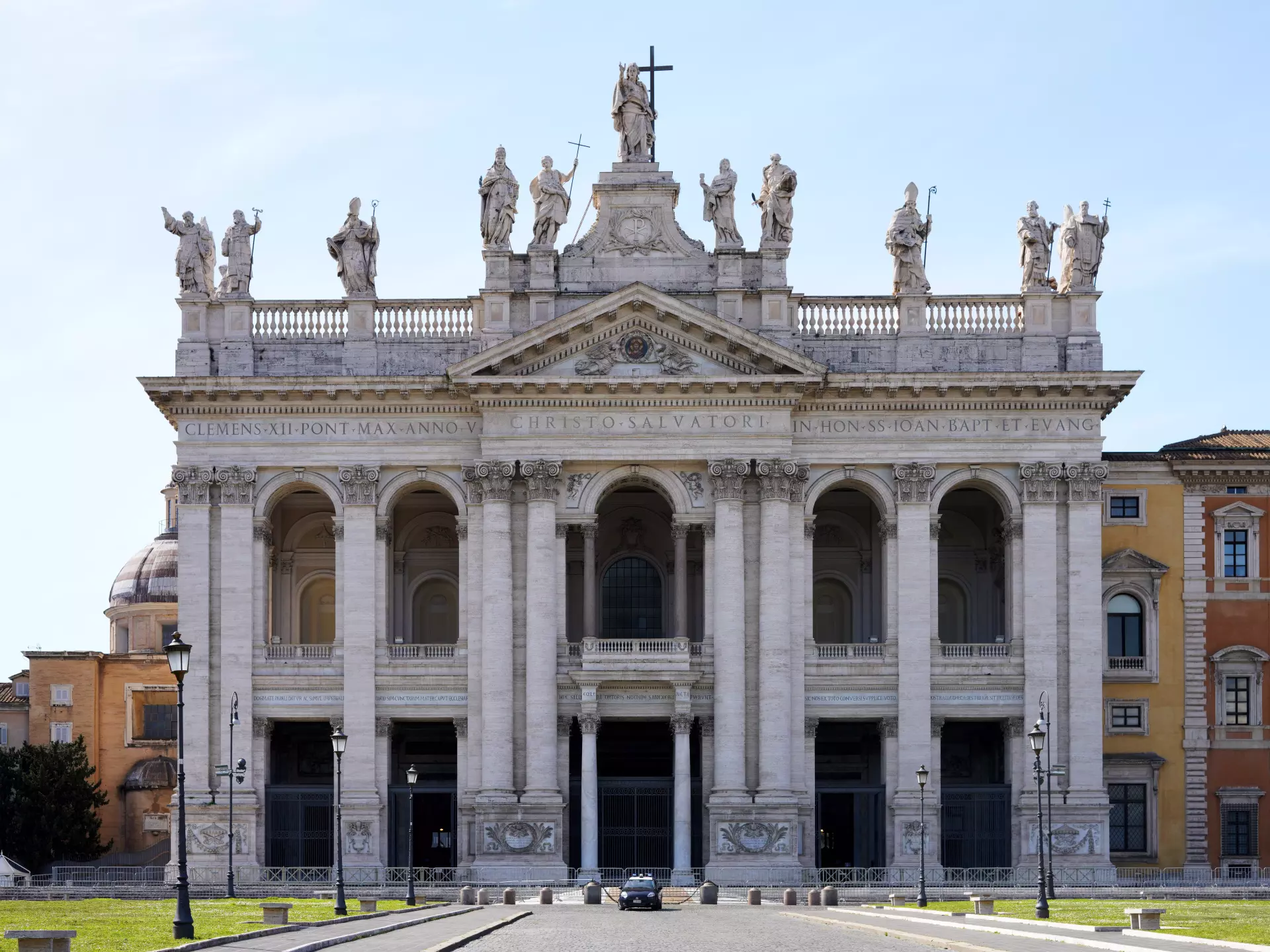
Built in the 9th century, this ancient basilica crowns the top of the Esquiline Hill. Tons of gold decorate the interior together with impressive mosaics (particularly when the floodlights are turned on), and there is a museum on the premises. If you are in Rome on Corpus Christi (Corpus Domini), which is the Thursday after the 8th Sunday after Easter, an early-evening service is held in San Giovanni by the Pope followed by a procession along Via Merulana to Santa Maria. Good opportunity for a close up view of the Pope. This is a very large church with lots to see, as for example, the main part of the church has two layers of mosaics and paintings high on the walls, the altar and apse are spectacular, and then there are several more or less large chapels you won't want to miss, including the one with the amazing golden baptismal font. Allow at least an hour if not an hour and a half or more to visit the interior, even if you do not take any special tours, and also allow time to view the exterior from all sides. Overall, at least 2 hours would not be too much time to allot.
In the Middle Ages pilgrims on their way to St. Peter's had to pass through the Via dei Coronari in order to cross the Tiber at Ponte St. Angelo. The street got its name from the people who sold rosaries to the pilgrims. It follows the ancient Via Recta which led from what is today Piazza Colonna to the Tiber. In the 15th century Pope Sixtus IV initiated the construction of private buildings. Today, several houses dating back to the 15th and 16th century may be seen. House nr. 156/157 is said to have been the House of Fiametta, the mistress of Cesare Borgia.
Built in 81 AD by the emperor Domitianus in dedication to his brother Titus, who died earlier that year and reigned as emperor from 79-81, overseeing the opening of the Colosseum in 80 and the eruption of Mt Vesuvius the previous year.