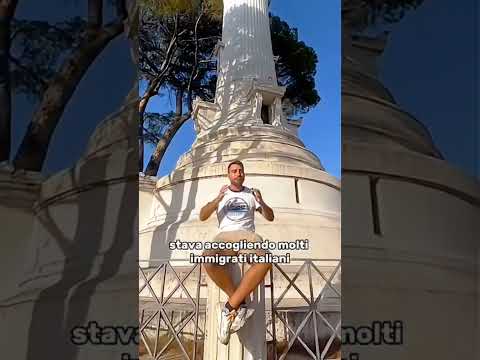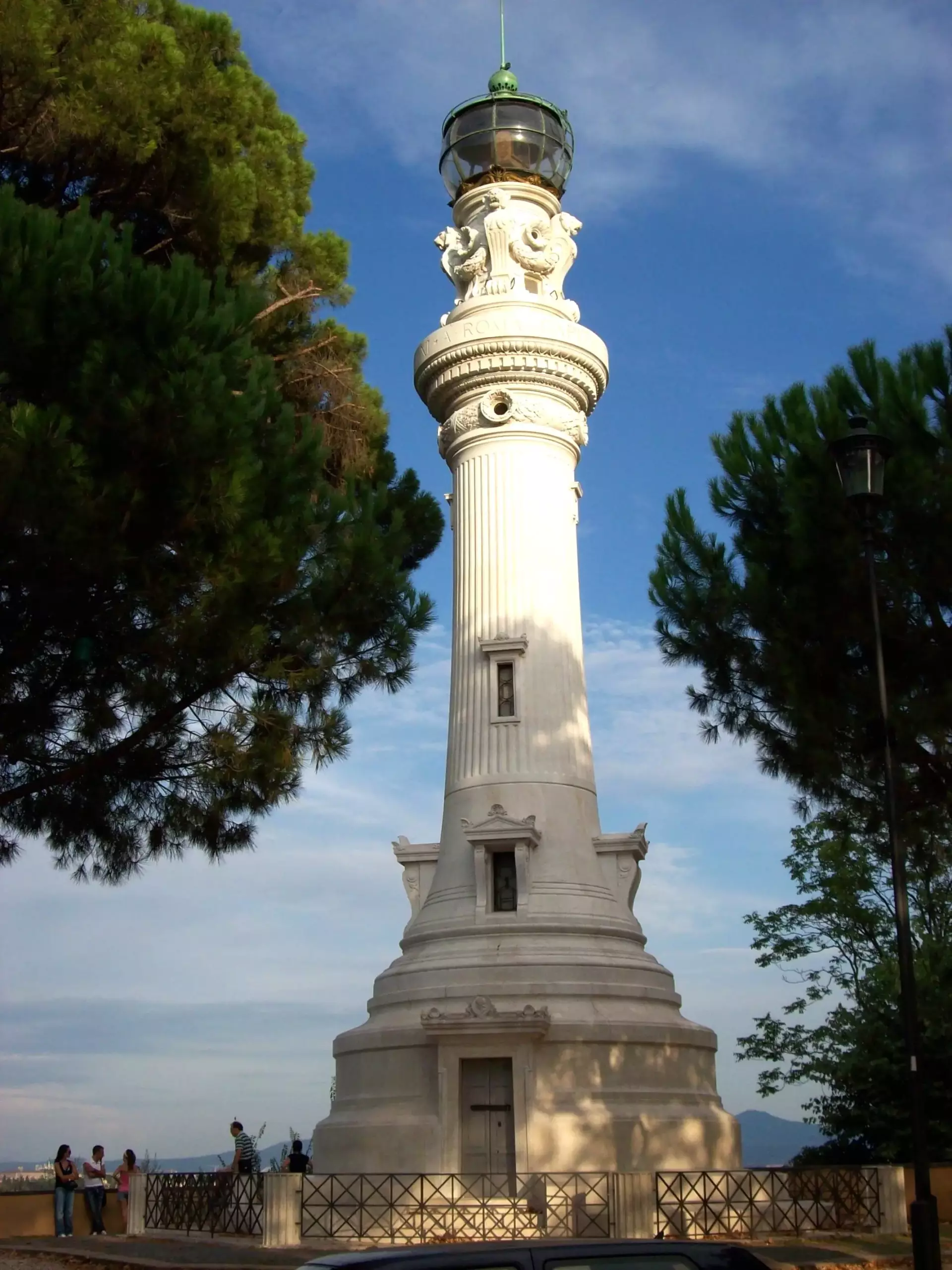
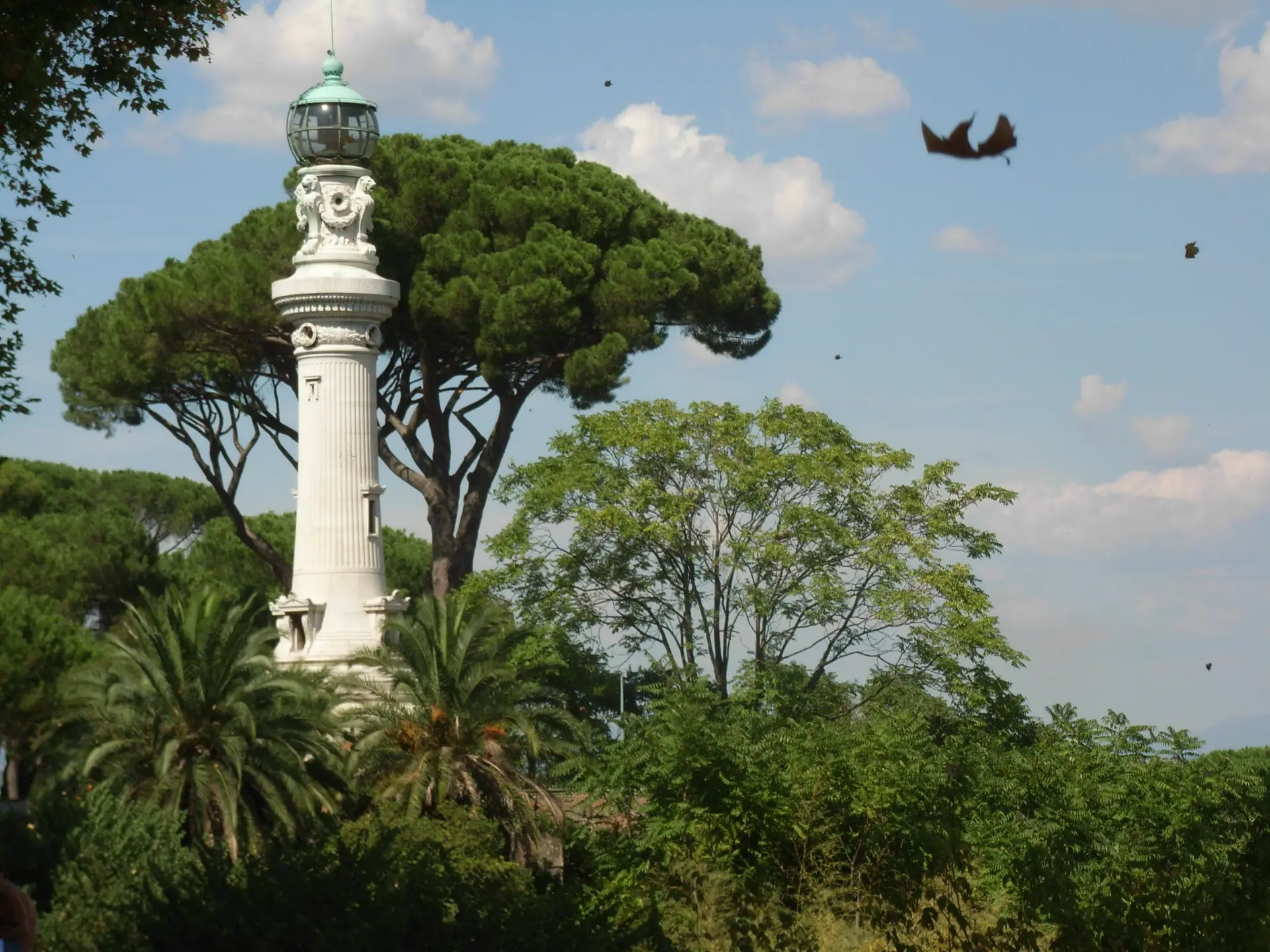
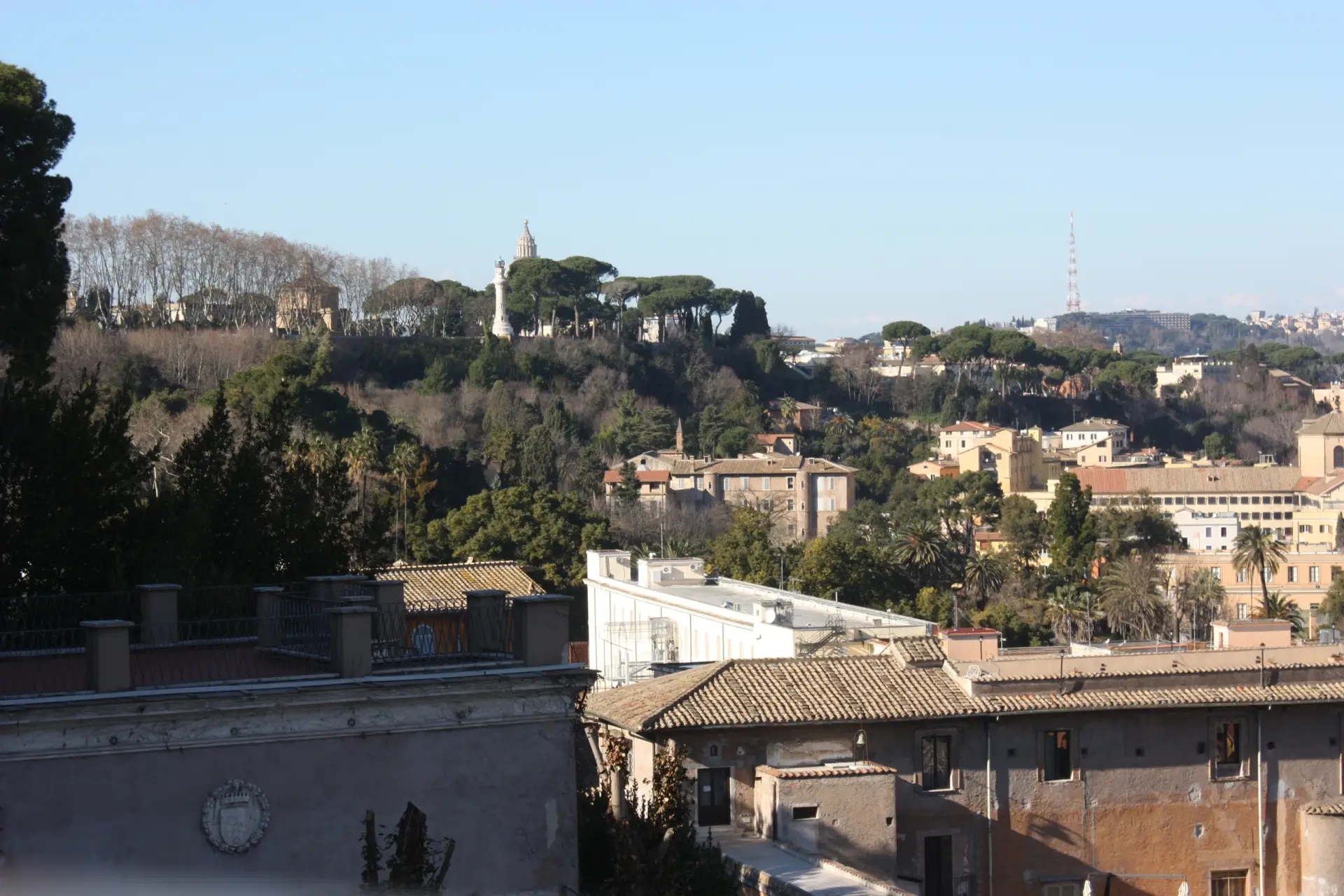
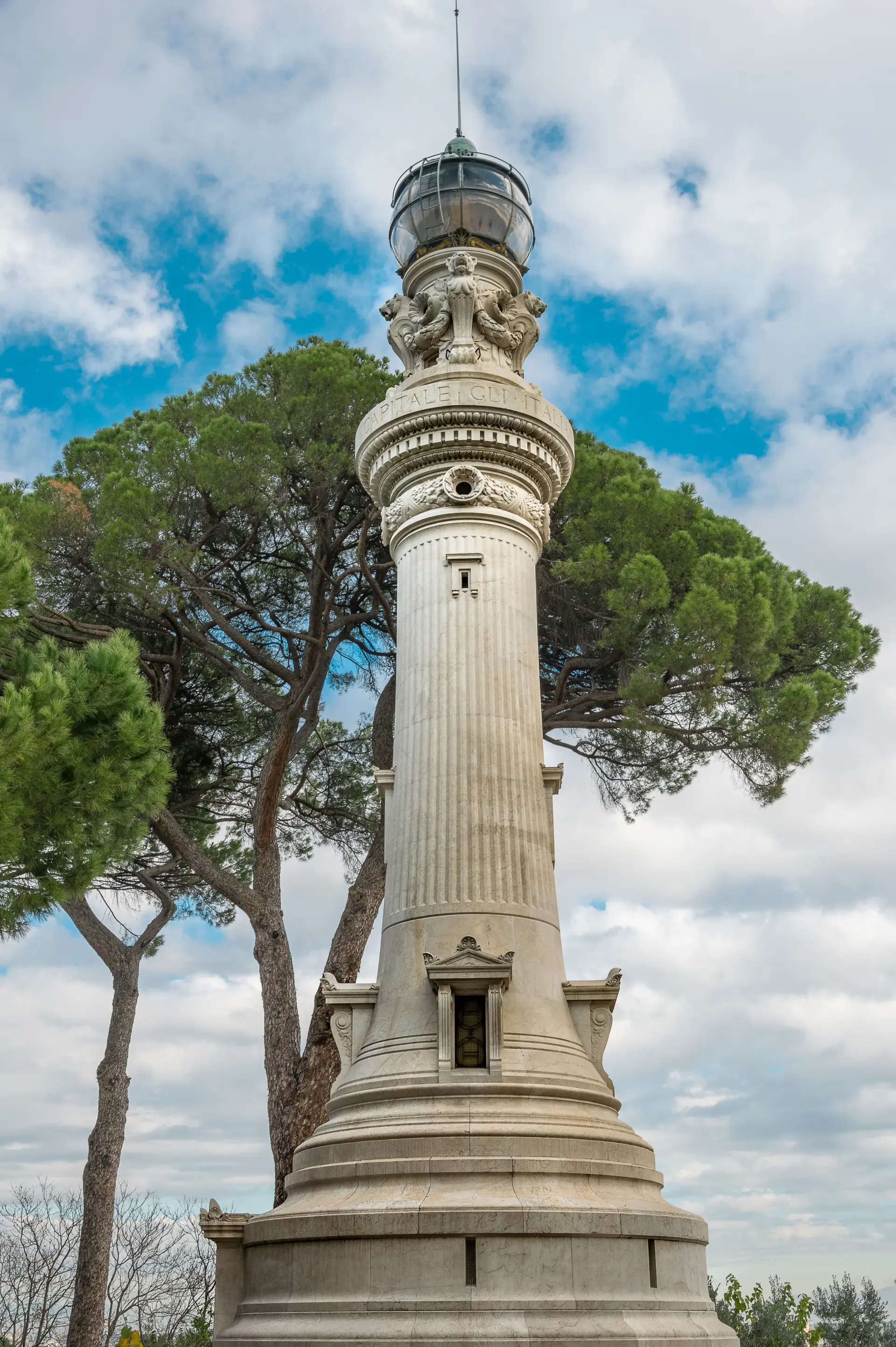
A lighthouse stands high on a hill in Rome, an unexpected sight far from the sea. Built in 1911, this structure was a special gift to the city from the Italian community living in Argentina. The lighthouse serves as a reminder of the strong connection between Italians at home and those who had moved abroad.
From the lighthouse, the path leads down the slope, passing by Bambino Gesù. This hospital is known as Rome's largest and holds a special place as Italy's most important children's hospital. The route continues, offering glimpses of the hospital's historic buildings and the quiet neighborhoods surrounding it.
Eventually, the walk reaches the River Tiber, not far from the famous Vatican City. The journey from the hilltop lighthouse down to the riverside is filled with views that connect Rome’s past and present.
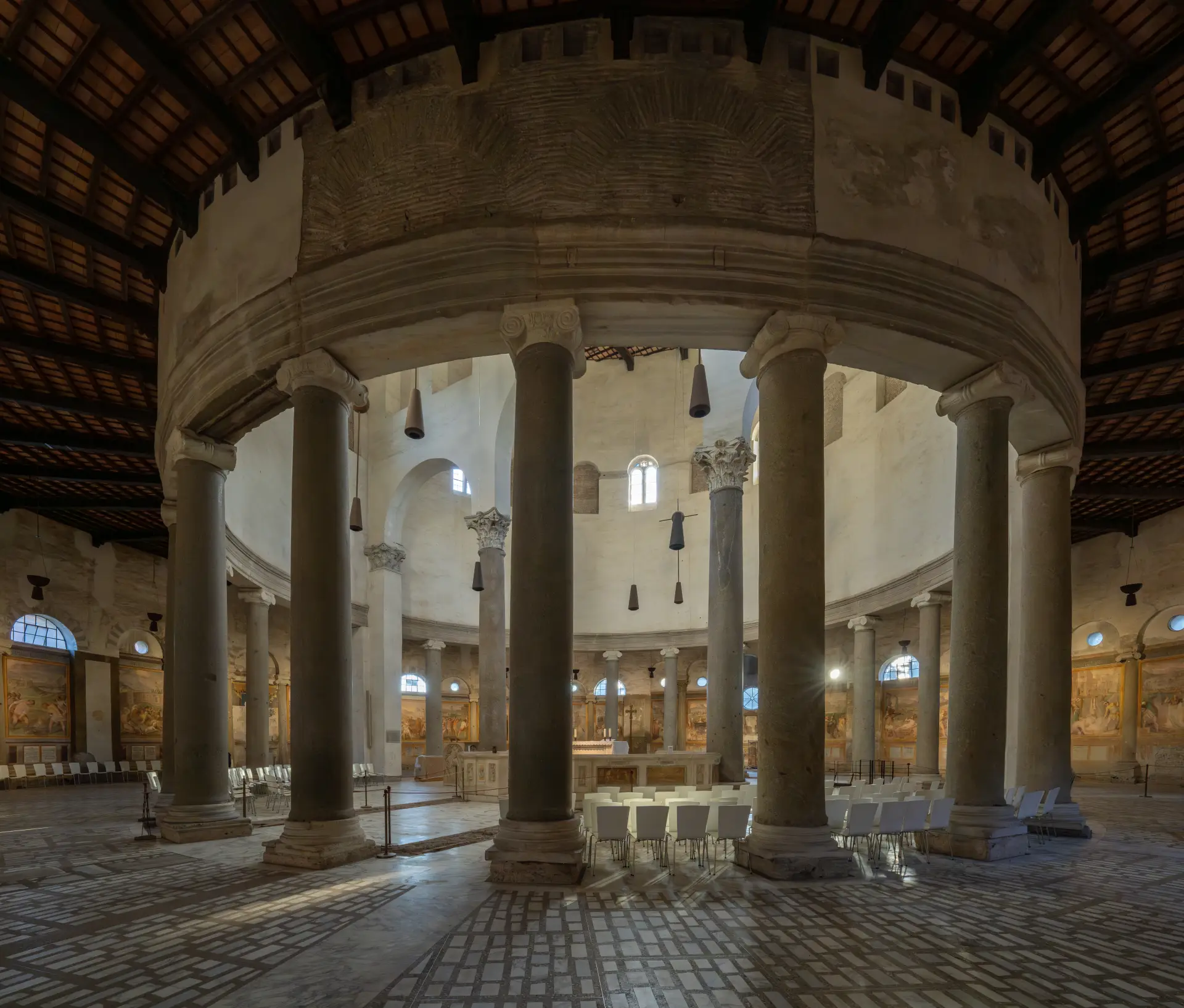
Early Roman houses dating back to the 1st century, believed to be homes of early Christians. Well-preserved frescoes and a small museum.
More modern than most Roman churches: it was not started until 1873. This is Rome’s Episcopalian church. Some very interesting artwork, particularly the mosaics by Edward Burne-Jones of the Pre-Raphaelite school.
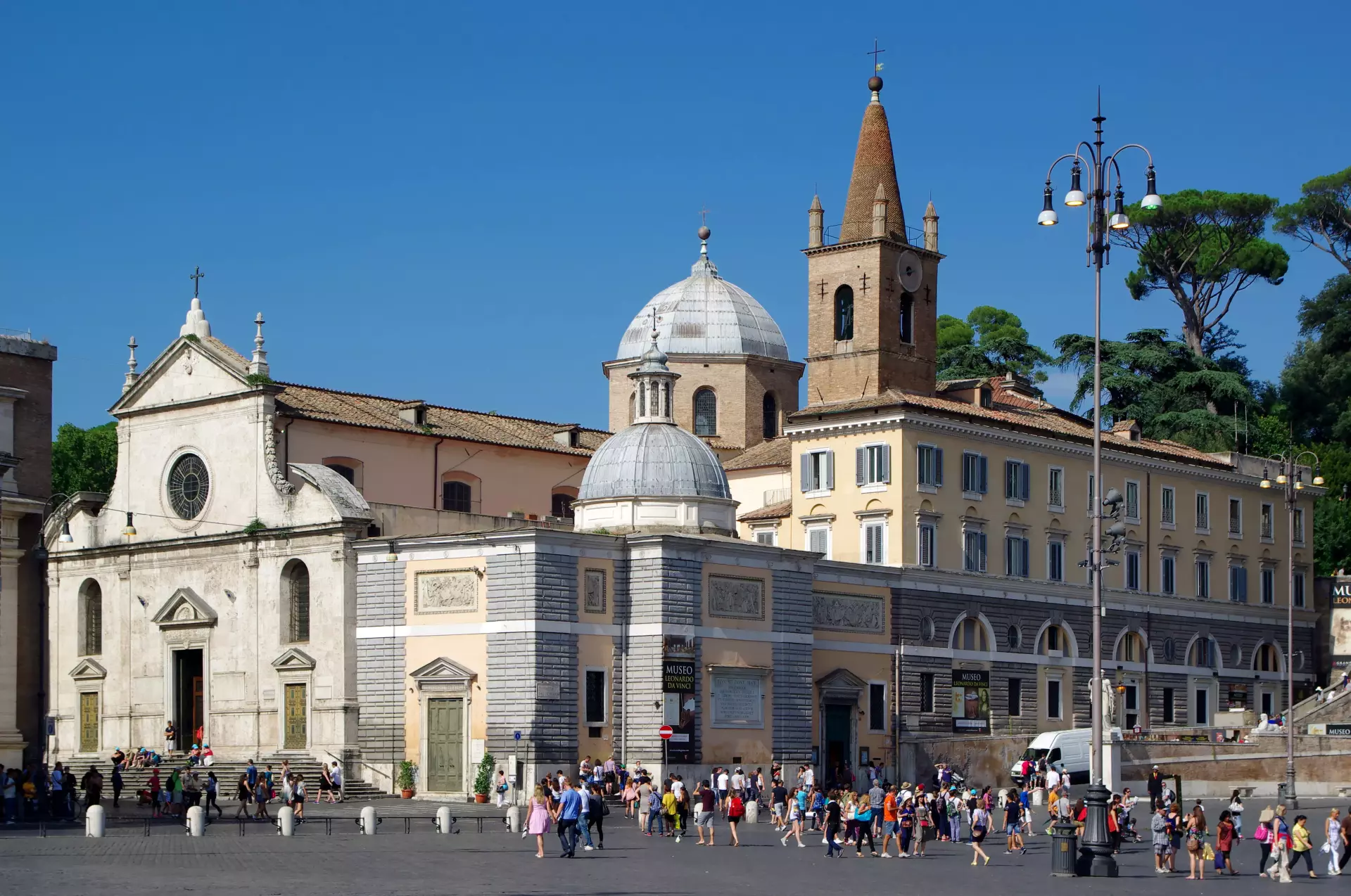
This is the largest square in Rome. It sometimes hosts pop concerts and is the focal point for Rome's New Year's Eve celebrations. The twin churches Santa Maria dei Miracoli (1681) and Santa Maria in Montesanto (1679) used to provide a clear welcome to Rome for those coming from the north. Much older, to the north of the piazza is yet another Santa Maria (see below). The Piazza del Popolo is considered as one of the most beautiful squares in Europe. It was enlarged and two streets, the Via di Ripetta and the Via del Babuino were added by order of Pope Sixtus V. In the middle of the square is an obelisk (see below). In 1809-1816, Giuseppe Valadier, Roman architect of French origin, gave the square its characteristic oval shape.
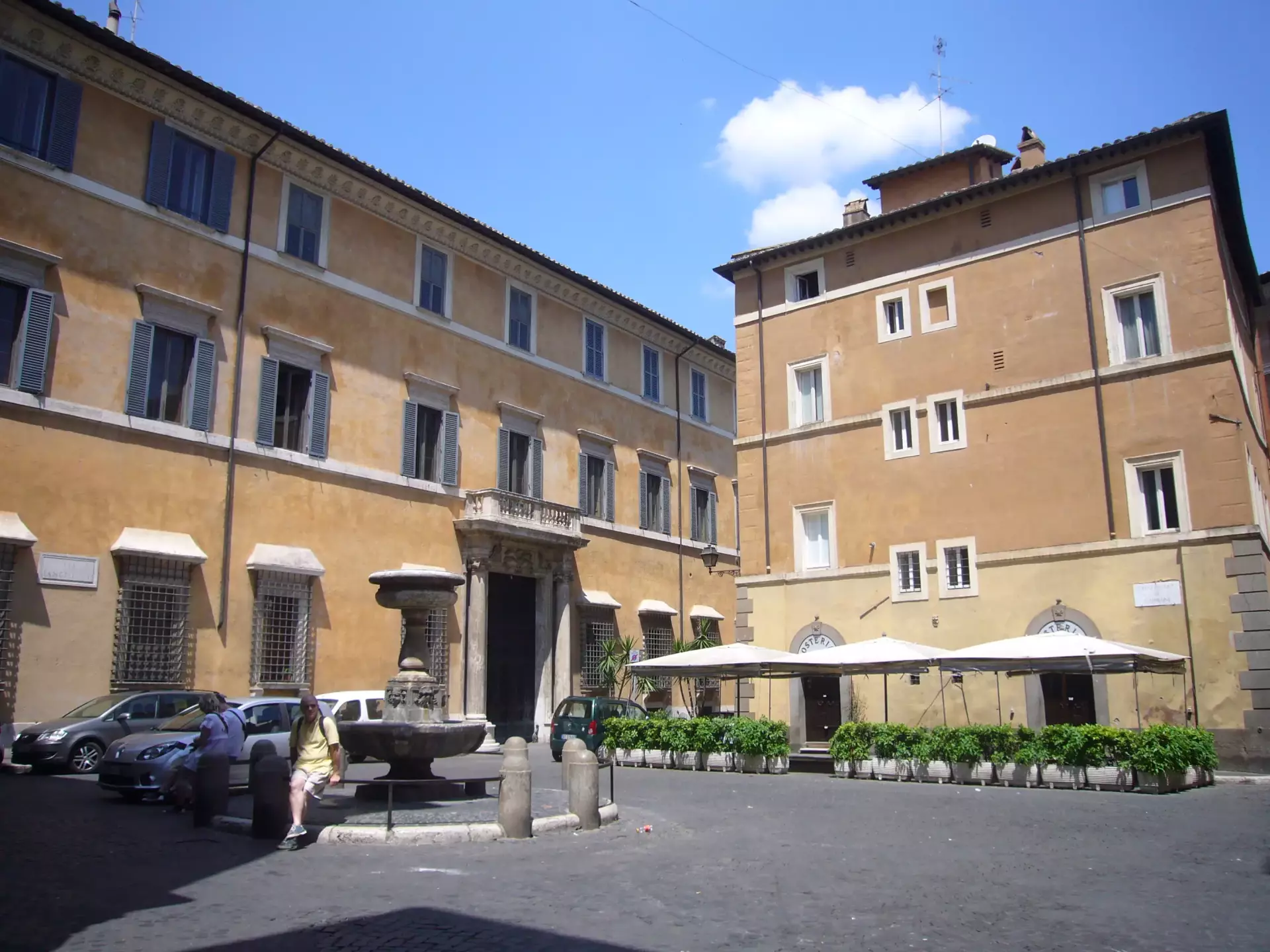
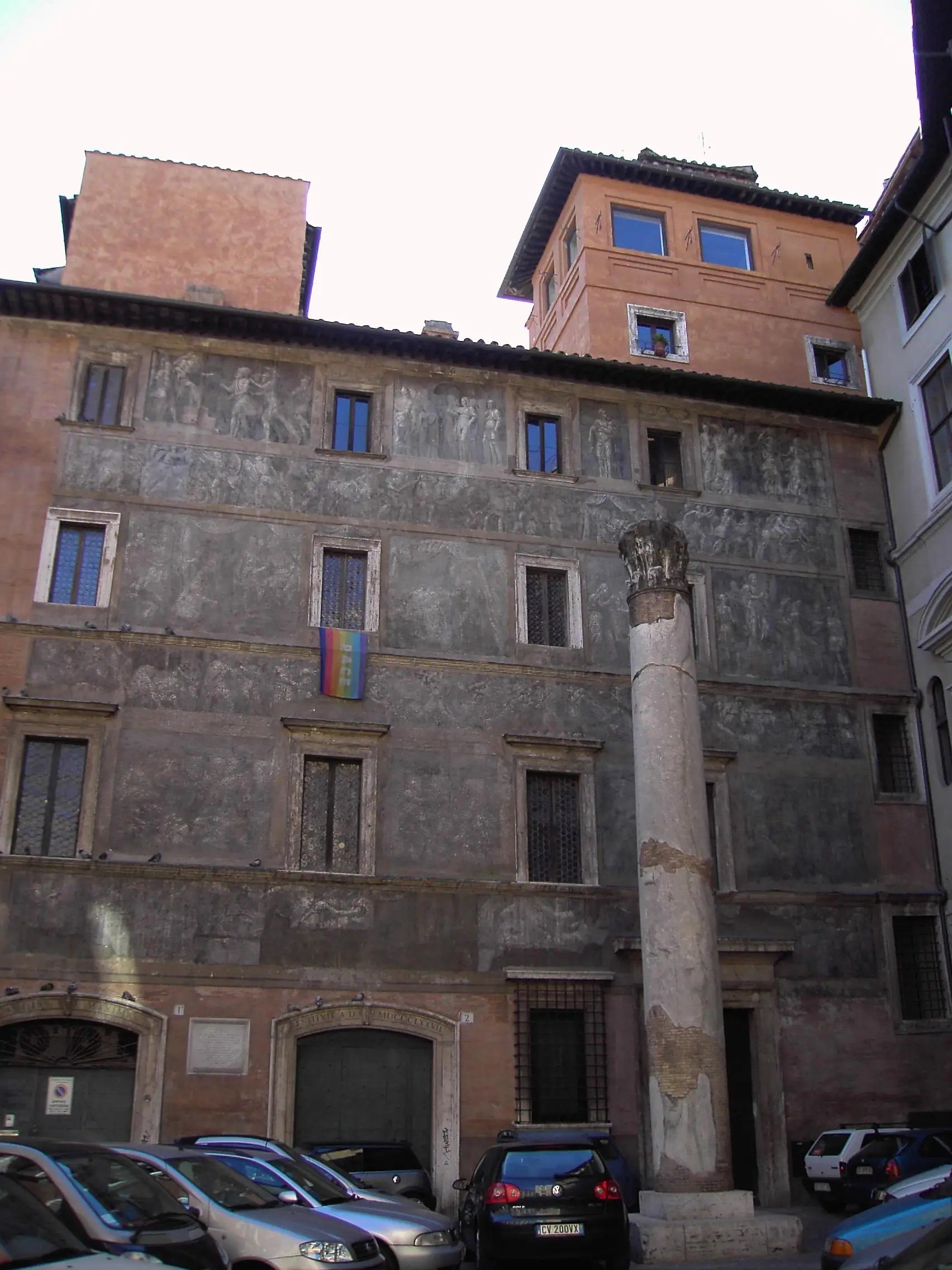
The building is in one of the most hidden corners of the city center among Piazza Navona and Castel Sant'Angelo. It served as residence for the Orsini family. Nowadays it is private property and one can only glance at the courtyard and the amazing fountain inside, erected in 1618 by architect Antonio Casoni. However, the brief moment is worth it.
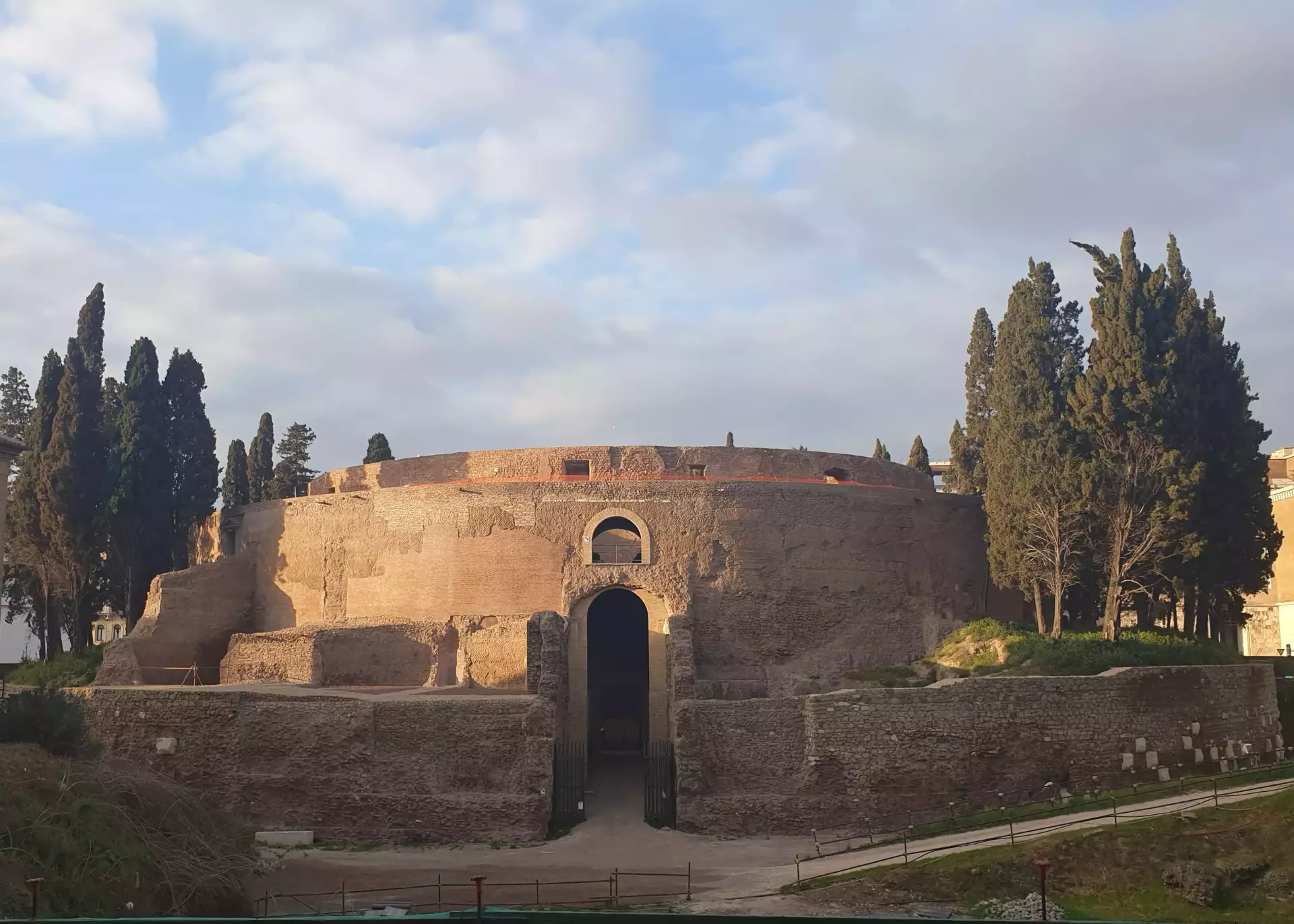
A 1st-century tomb surrounded by two farmhouses from the Middle Ages, one of which used to be a cheese store. Rather hidden behind a high wall, the tomb is rarely open to the public. You might be lucky on a Sunday: on the third Sunday of every month there is a guided tour at 11:00.
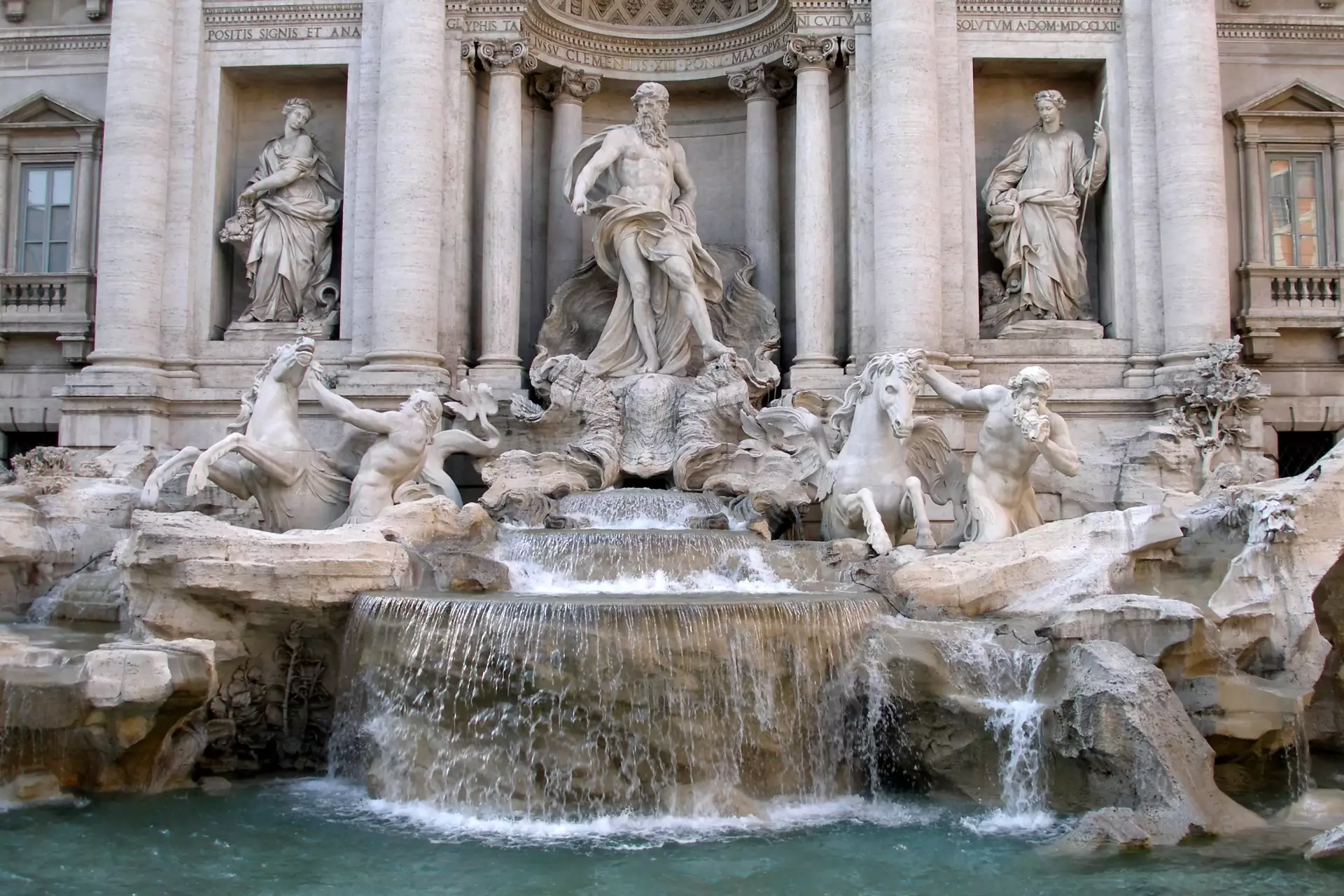
Completed in 1762 to a design by Nicola Salvi, this spectacular Baroque fountain features a mythological sculptural composition of Neptune, god of the sea, flanked by two Tritons: one Triton labours to control a violent sea-horse, the other controls a pacified creature, both symbolising the dual nature of the world's oceans. The location of the Trevi fountain marks the terminus of the ancient Aqua Virgo aqueduct, completed in 19 BCE in order to supply the Baths of Agrippa, and is so named on account of its position at the junction of three roads (tre vie). The legend says that one who throws a coin in the fountain shall one day return to Rome. The coins in the fountain are regularly collected to finance charities. The fountain has been made even more famous by the 1954 film, Three Coins in the Fountain, and by a famous scene in Federico Fellini's film La Dolce Vita. According to popular superstition and custom, throwing coins with one's right hand over one's left shoulder into the Trevi Fountain is a practice endowed with good luck. Throwing one coin ensures that the thrower will return to Rome; throwing two coins will ensure that the thrower will fall in love with a beautiful Roman girl (or handsome boy); throwing three coins, finally, ensures that the thrower will marry that girl or boy in Rome itself. The fountain is one of Rome's most famous attractions, but the square isn't exactly as large as St. Peter's, therefore it might be packed with crowds almost like at a rock festival. For this reason it's reportedly also a pickpocket hotspot, so do watch your pockets and bags here!
This is the attractive park on the hillside directly west of the Colosseum. Visible ruins in the area come from the Baths of Trajan. These baths were built on the top of the ruins of Domus Aurea - the Golden House of Nero (the Colosseum was built on the drained site of Nero's lake). The area underneath the park contains an enormous area from Nero's villa. It was restored at great expense in the 1980s and 1990s, opened to the public, and then closed again after a few years when it began to leak!
Perhaps most famous for a large model of imperial Rome, but also has a large display of various aspects of ancient Rome, using plaster casts, models and reconstructions of works found in museums throughout the world.
More of an enormous traffic circle than a piazza, but a good central location. The centerpiece is the enormous Vittorio Emanuele Monument (aka the Wedding Cake or the Typewriter) with the Capitoline hill next door. Mussolini used to harangue Romans from the first floor balcony of Palazzo Venezia (see under Museums), to the west of the square.
The mausoleum of Cecilia Metella, who died in 69 BC, is the best preserved monument on the Appian Way and dominates the surroundings. In the Middle Ages it was transformed into a fortress and battlements were added. At that time there was considerable competition for ownership because of its strategic location.
A magnificent patrician house with beautiful gardens. It was built by order of Cardinal Alessando Albani in 1743-1763 in order to accommodate his collection of art. The collection was taken care of by the Winkelmann, adviser and friend of the cardinal. In Rome, Winkelmann wrote his "Geschichte der Kunst des Altertumns (HIstory of the Art of Antiquity)", which made him the founder of classical archaeology. The painted ceiling of the great hall depicting Mount Parnassus is by the German painter Anton Raphael Mengs who was considered as the greatest painter in Rome in the 18th century. A permission to visit is to be requested by email or fax from Principi Torlonia's administration where you'd need to indicate date and time desired, your name and number of people in your party (max. 10).