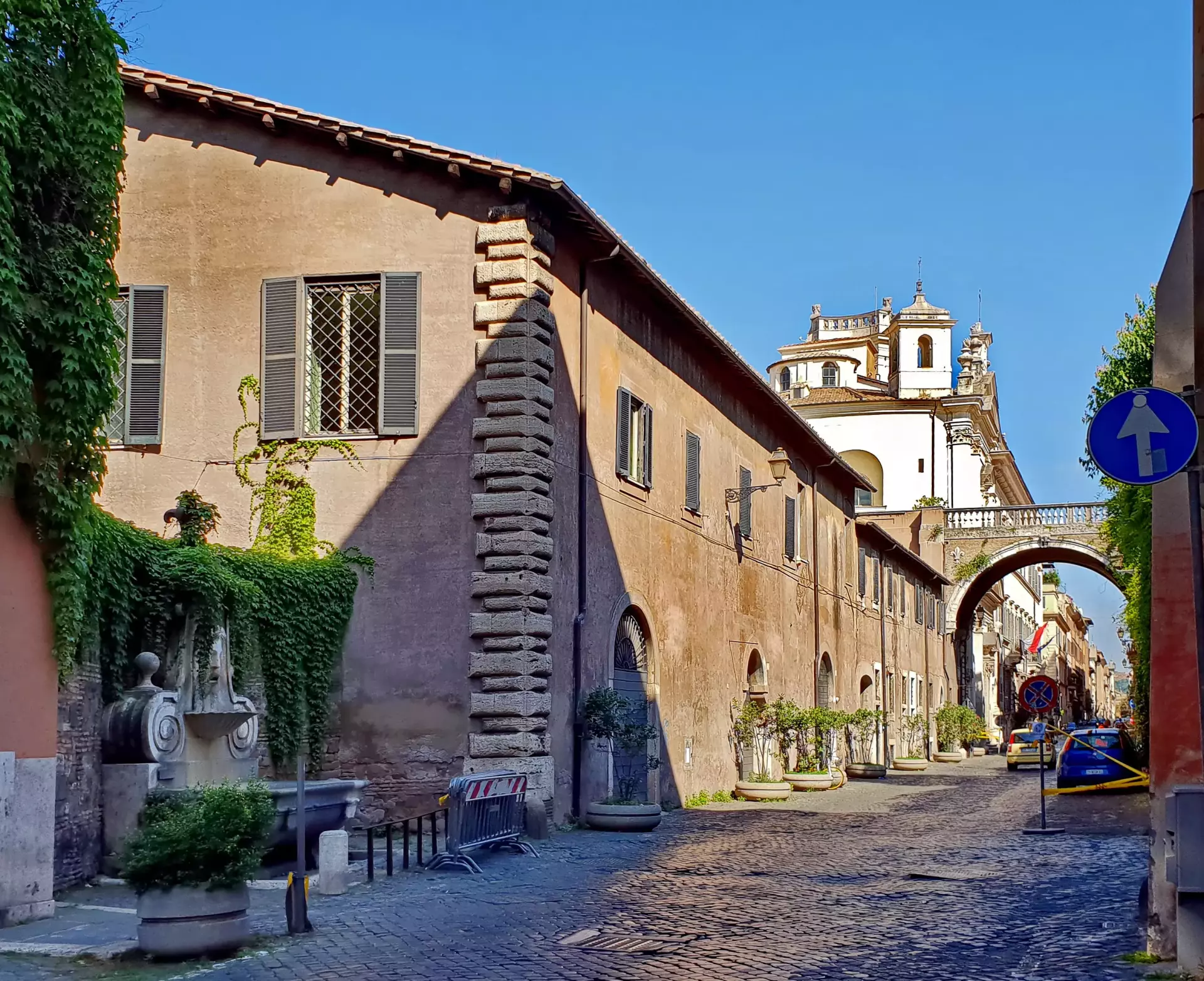
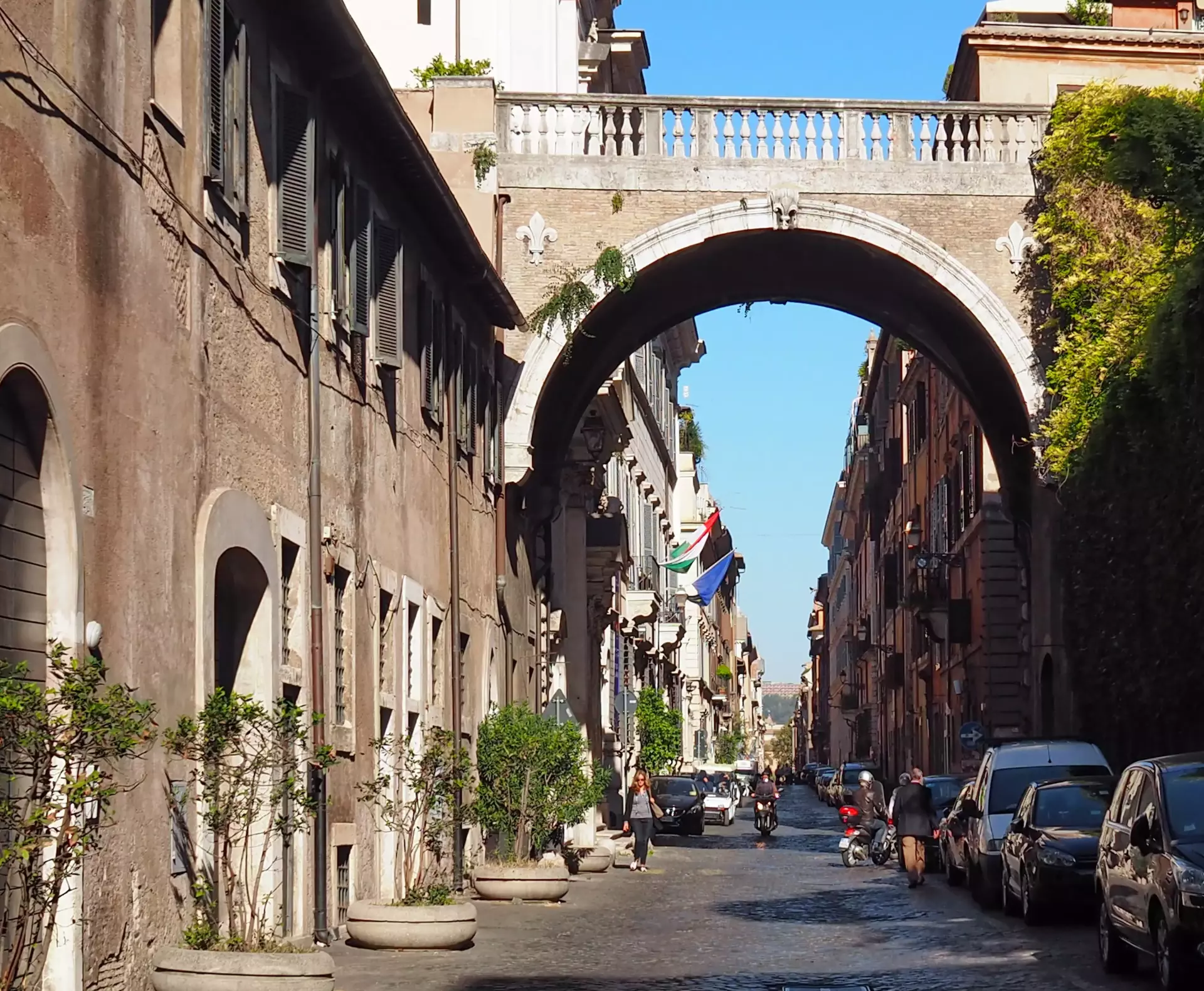
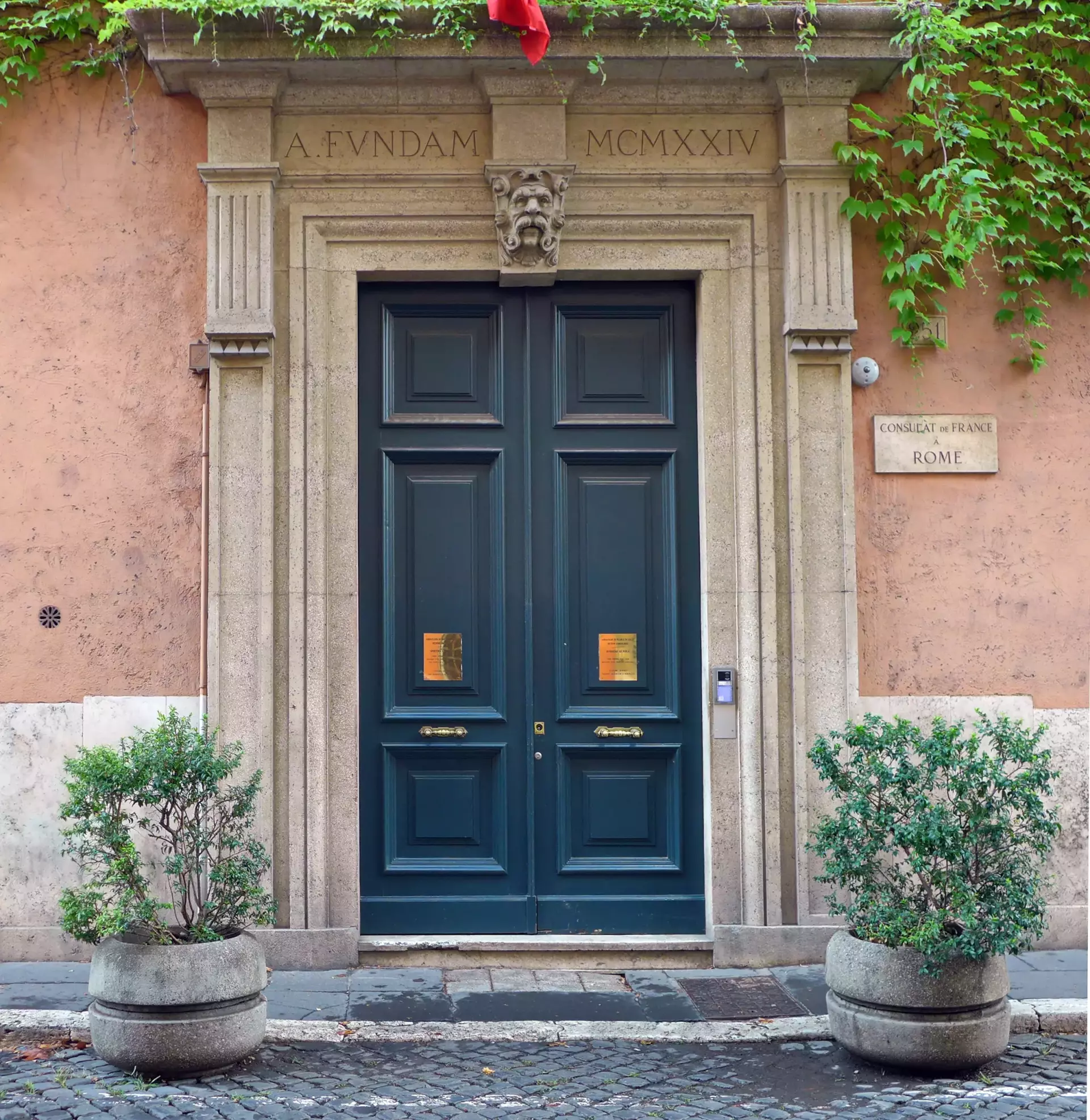
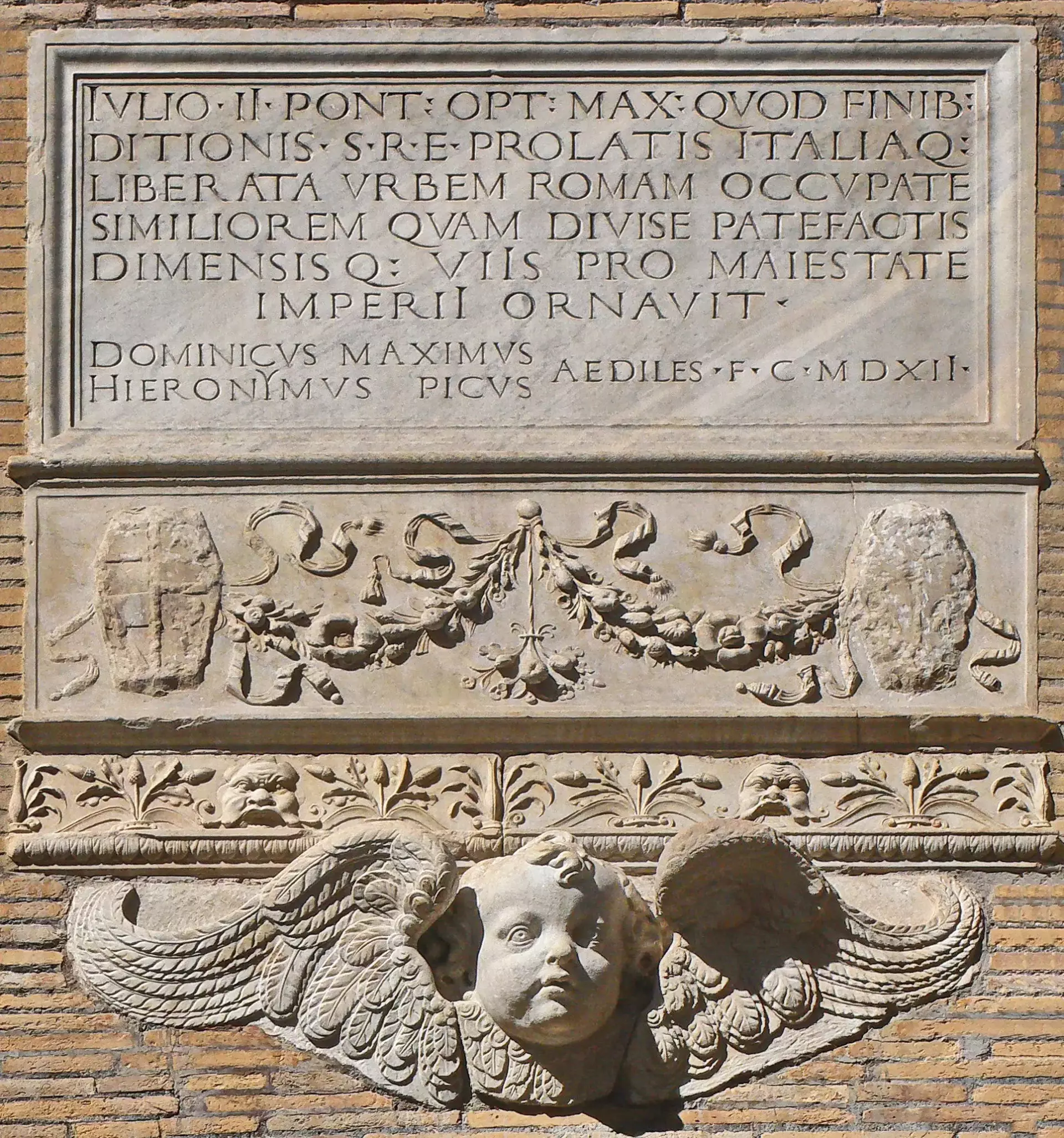
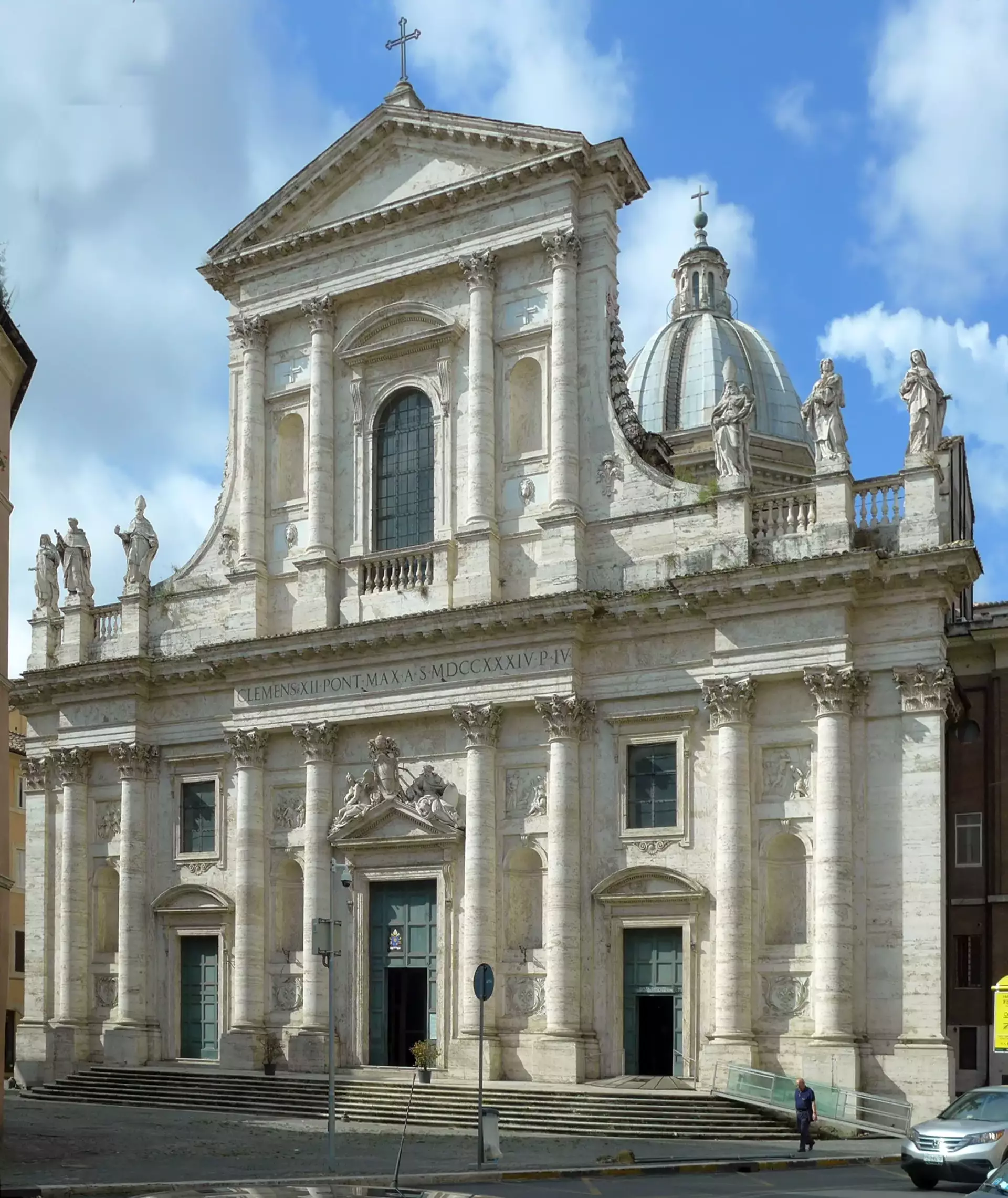
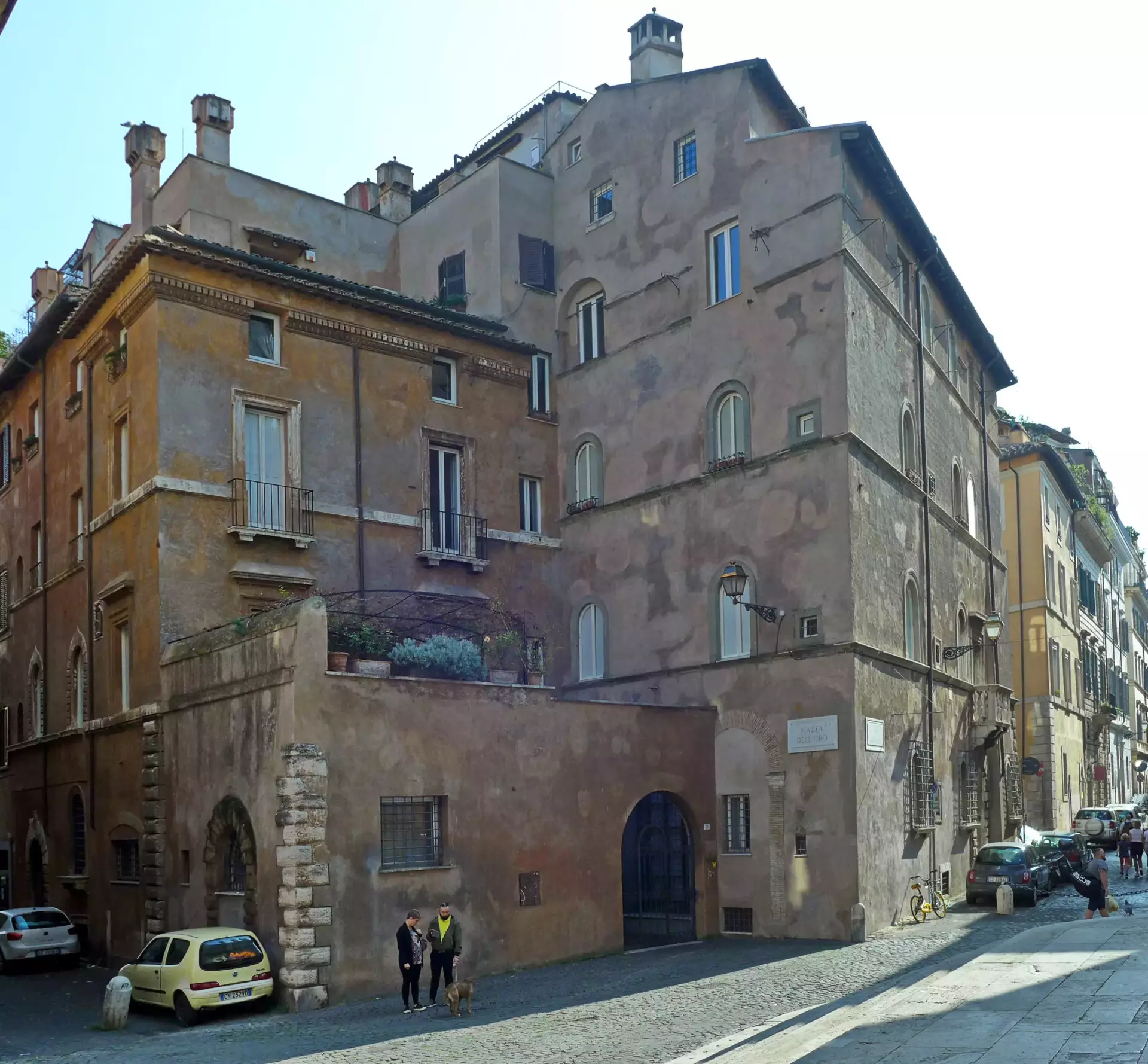
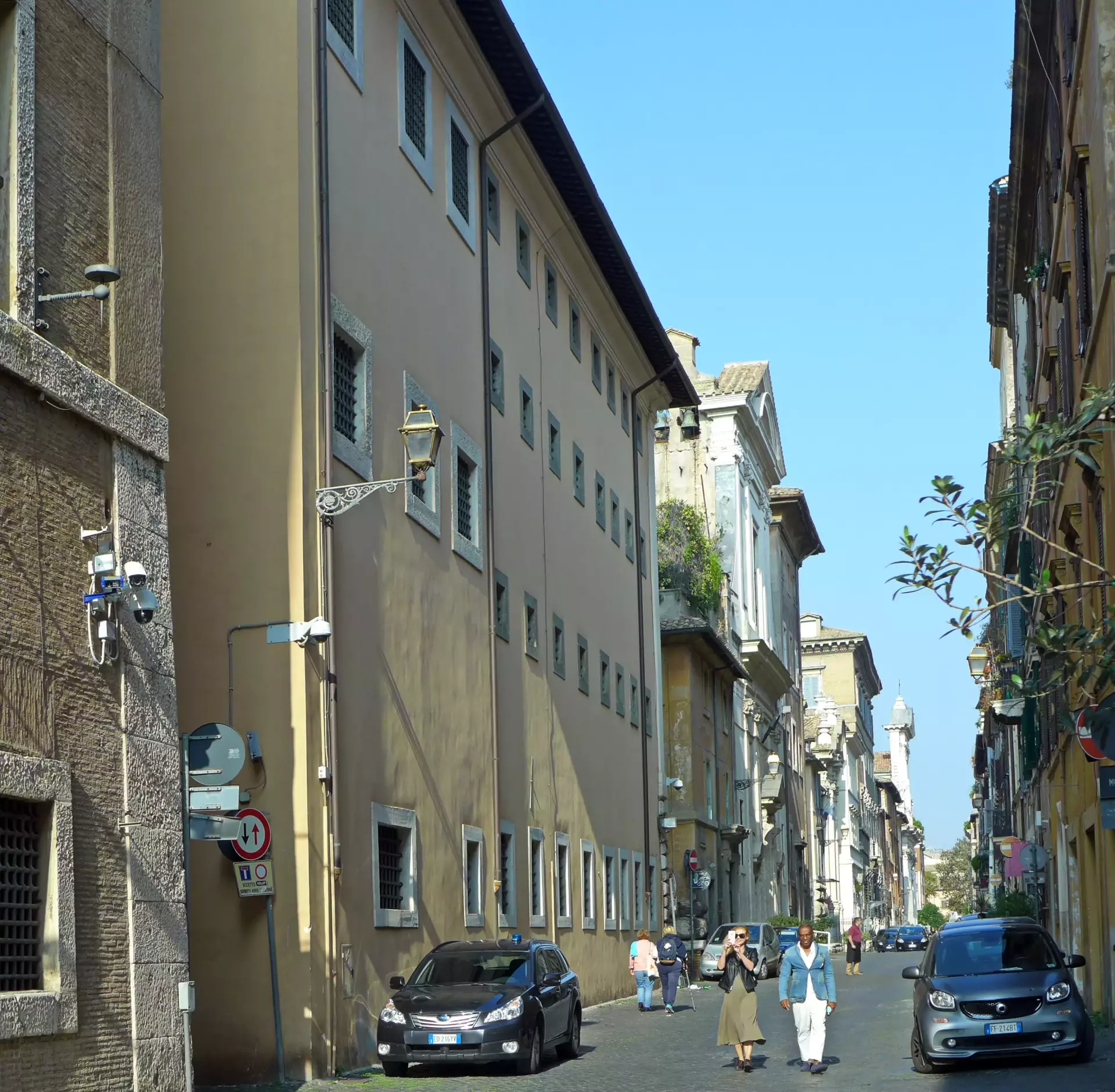
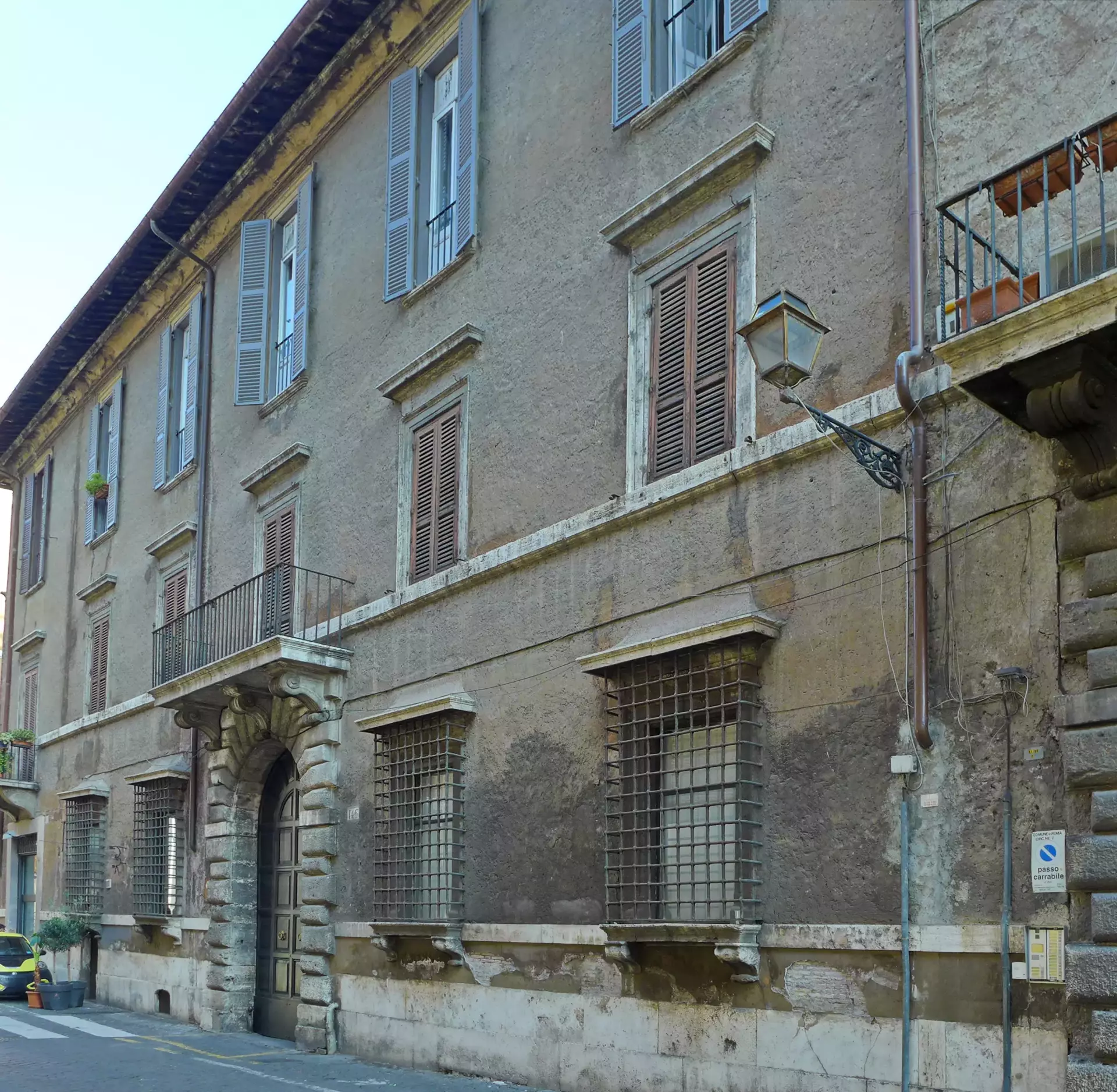
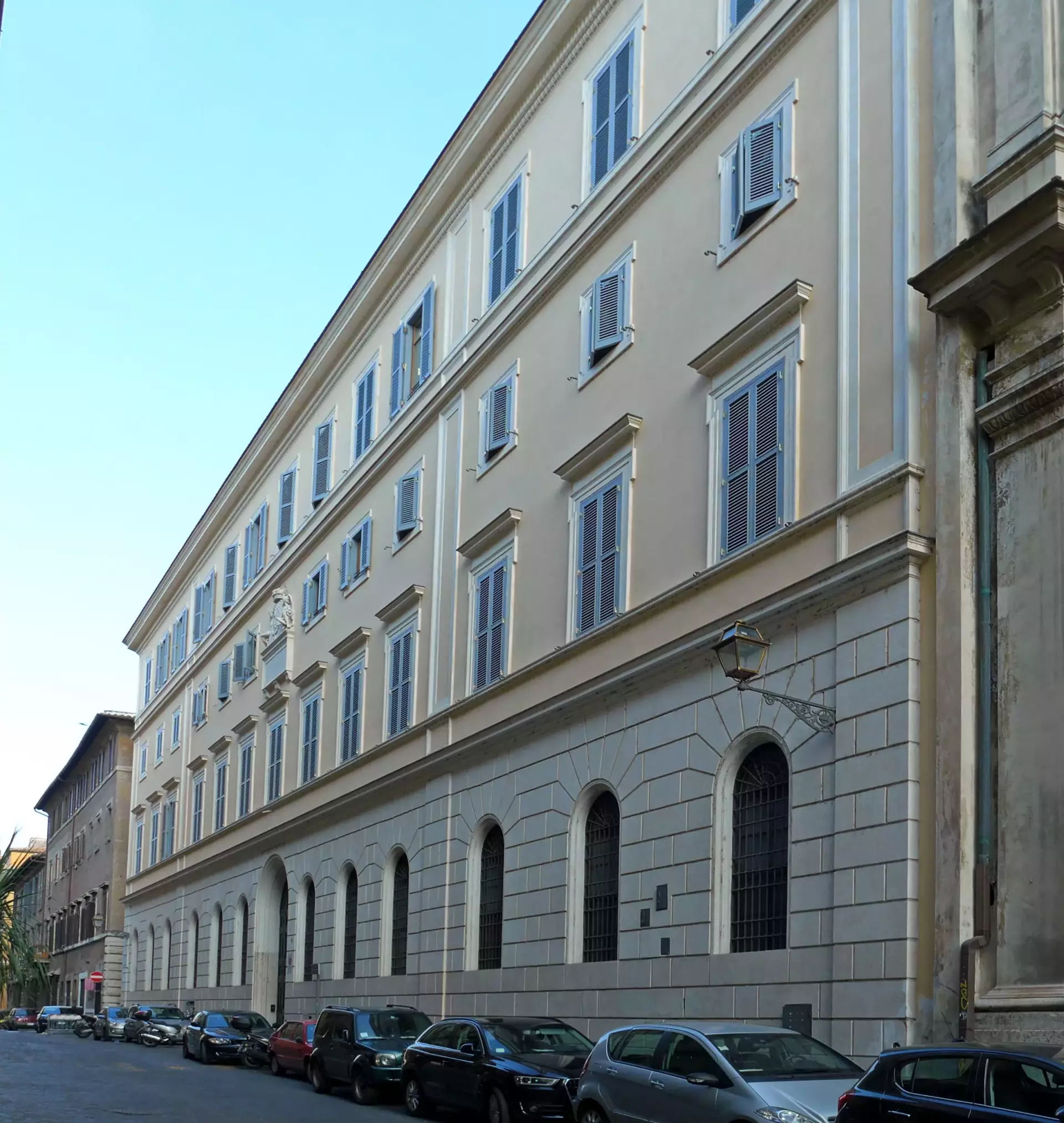
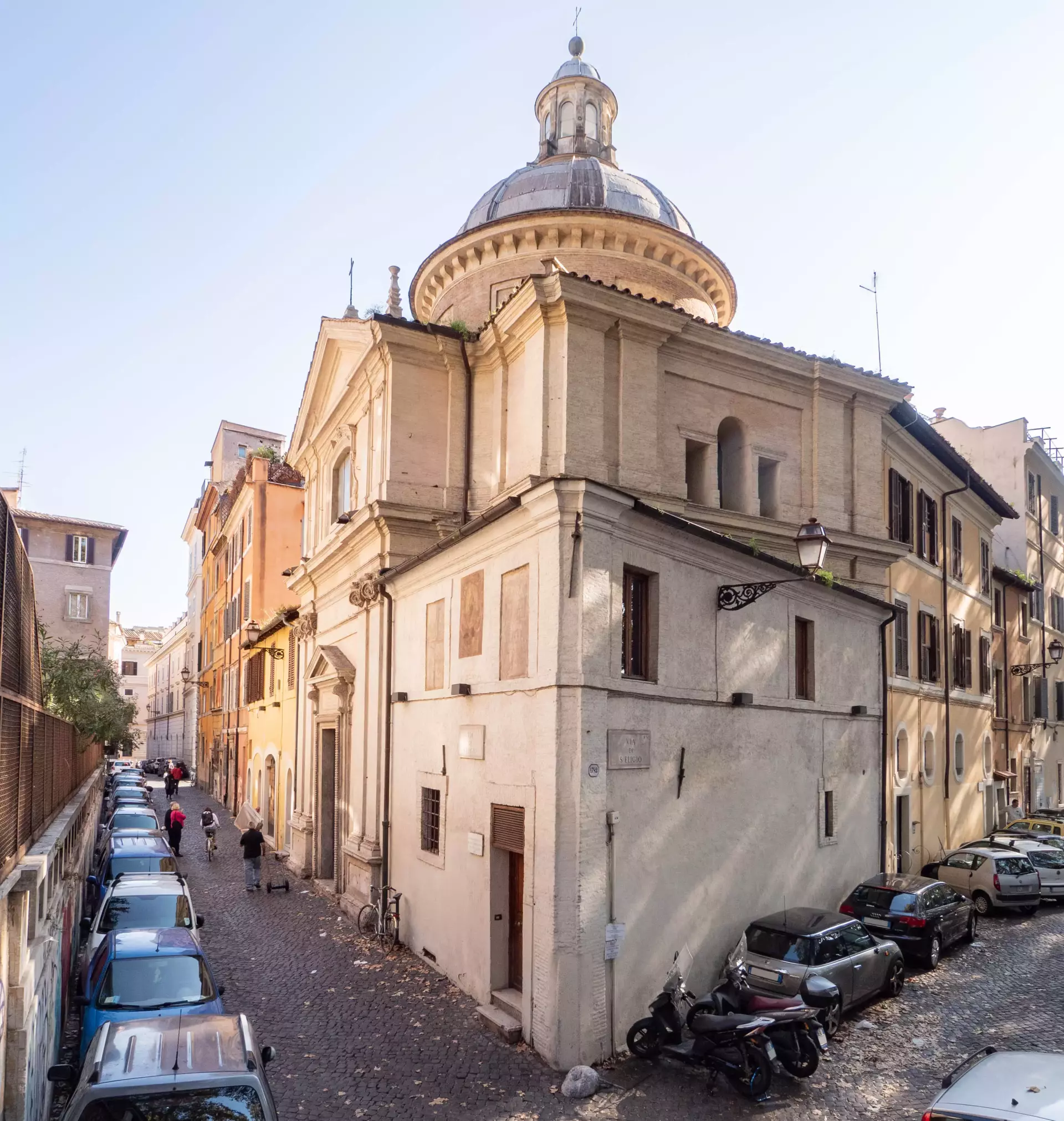
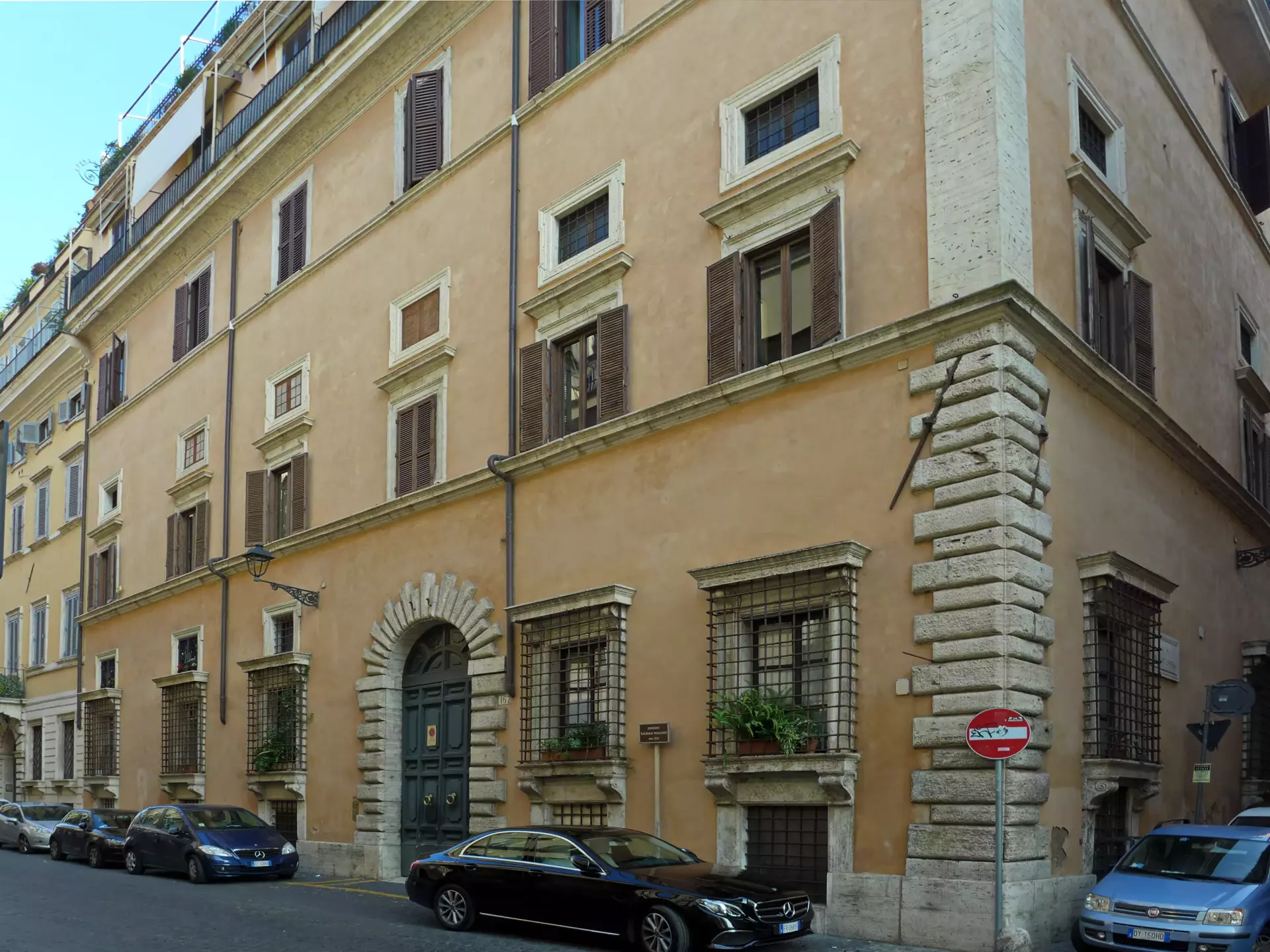
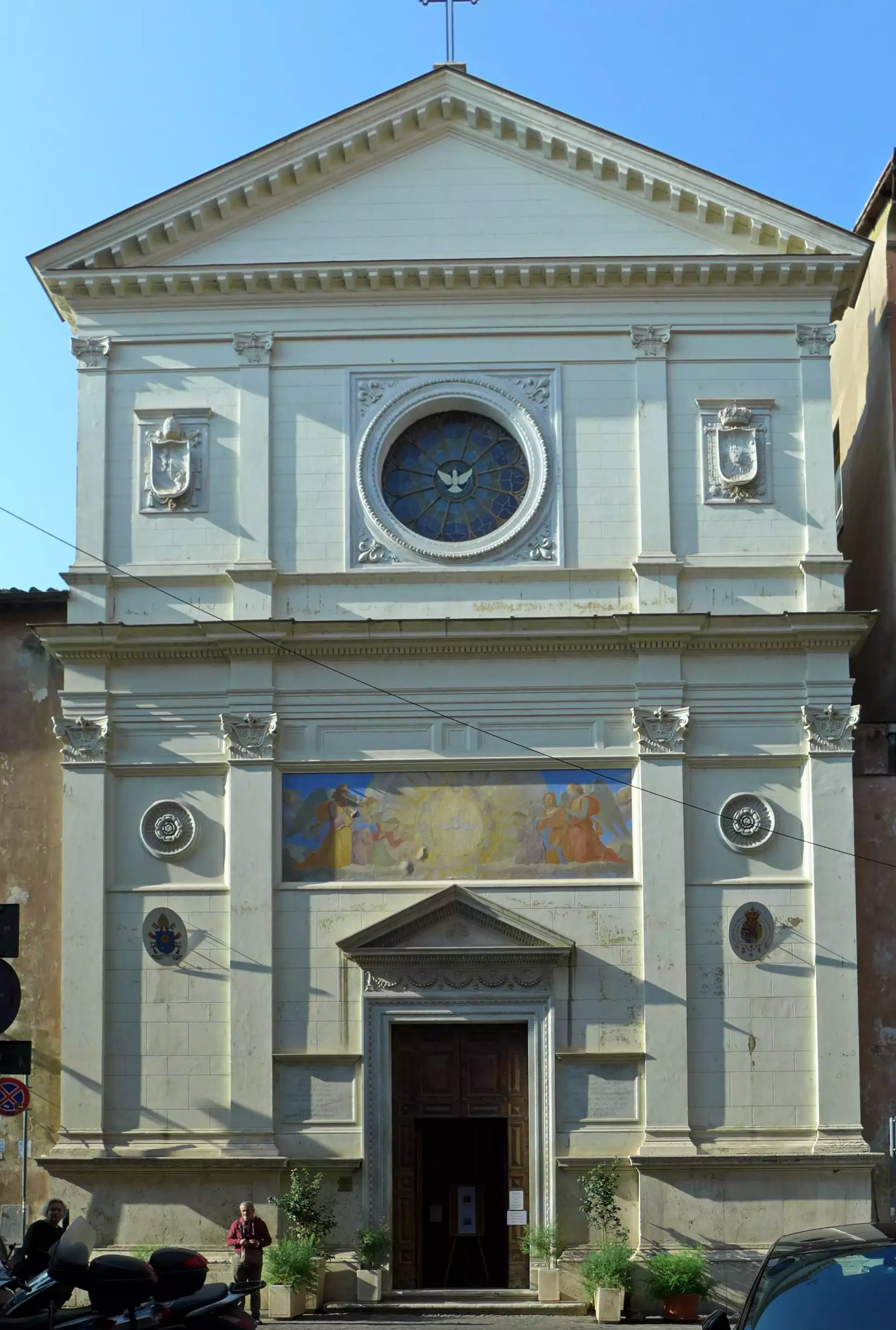
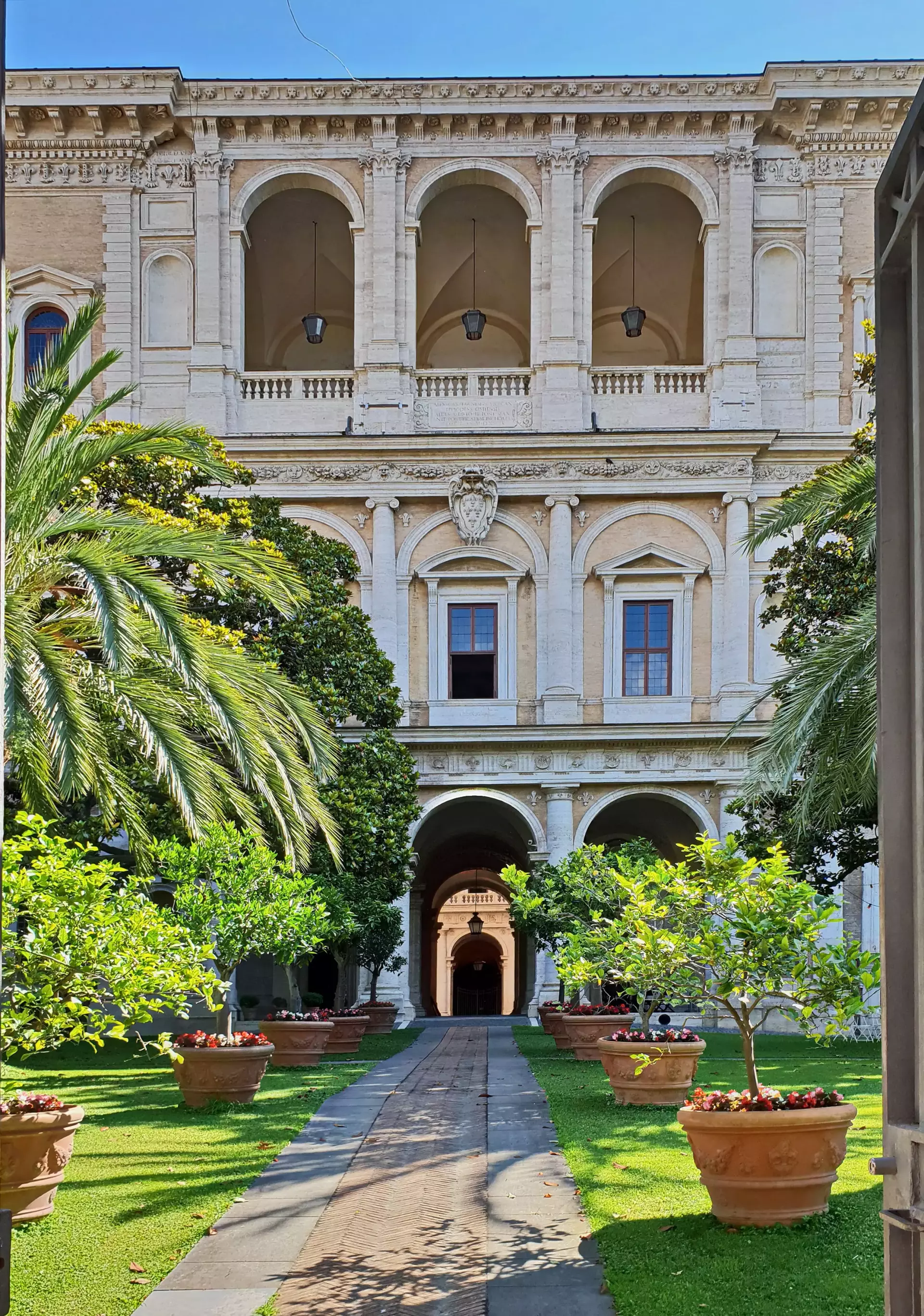
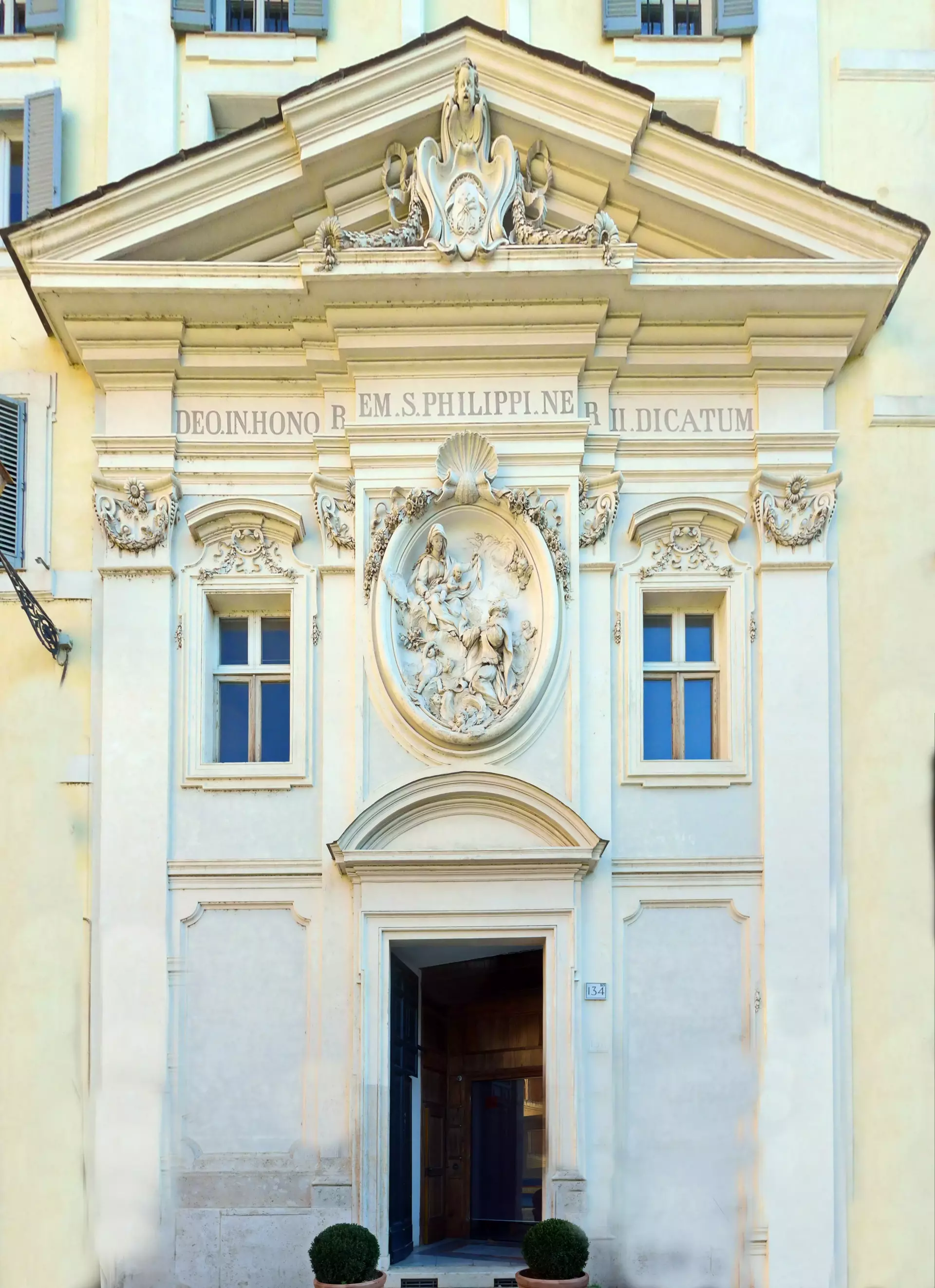
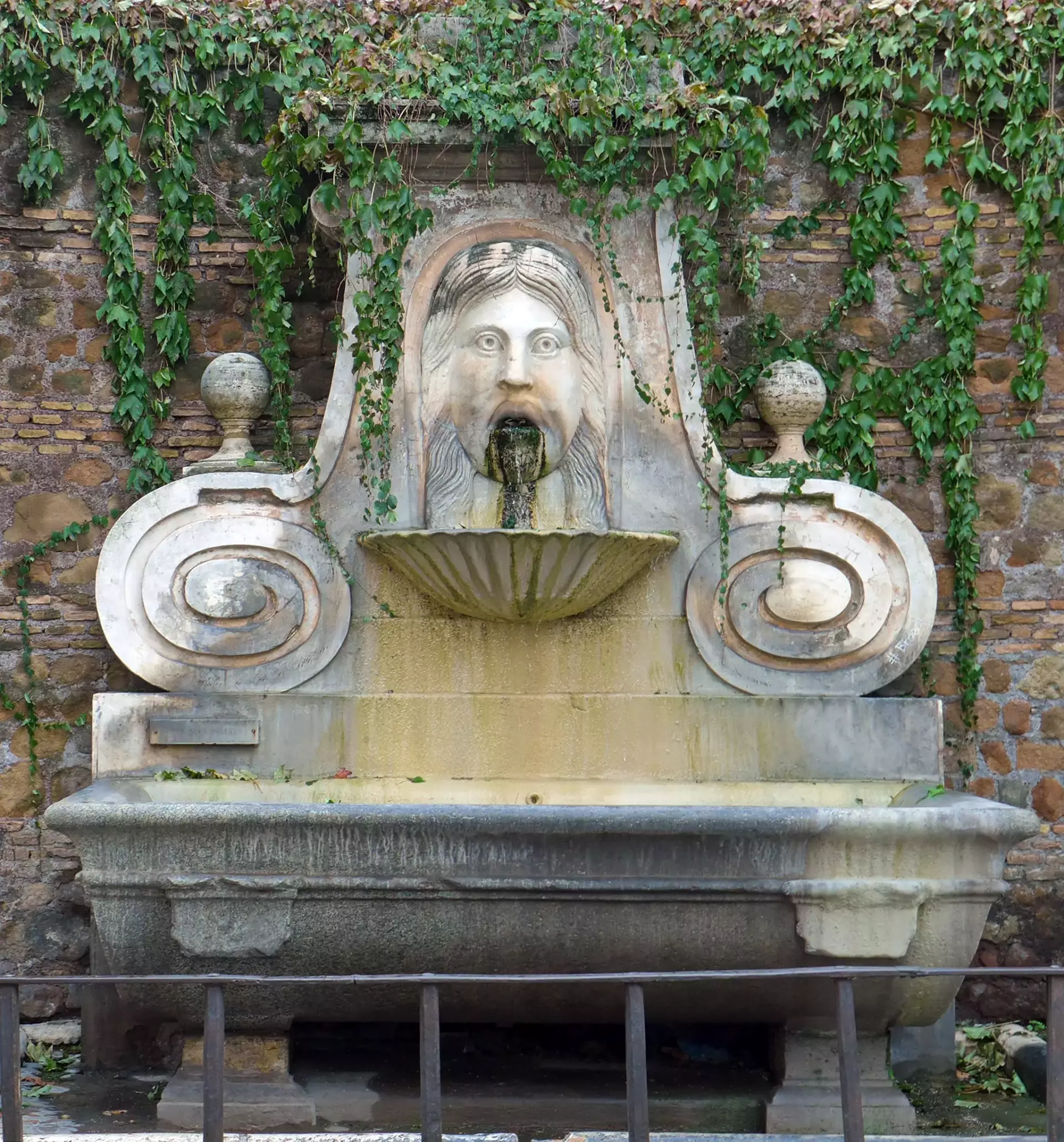
Via Giulia is a remarkable street in Rome, originally planned in 1508 under Pope Julius II. His vision was to create a direct route linking the city's important government buildings, which was a bold idea for the time. Stretching for about a kilometer, Via Giulia stands out for its perfectly straight path—something rarely seen in the winding streets of Renaissance Rome.
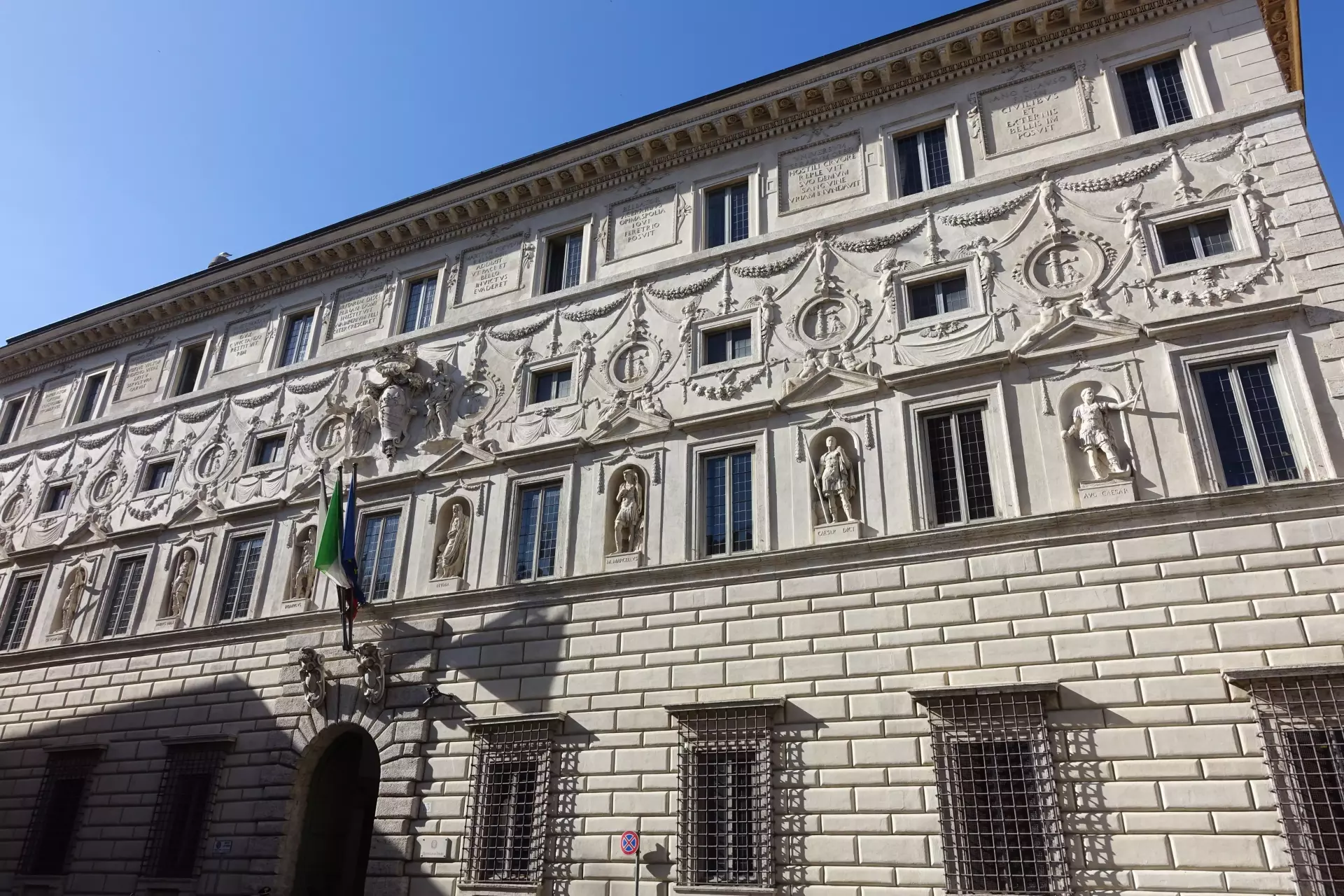
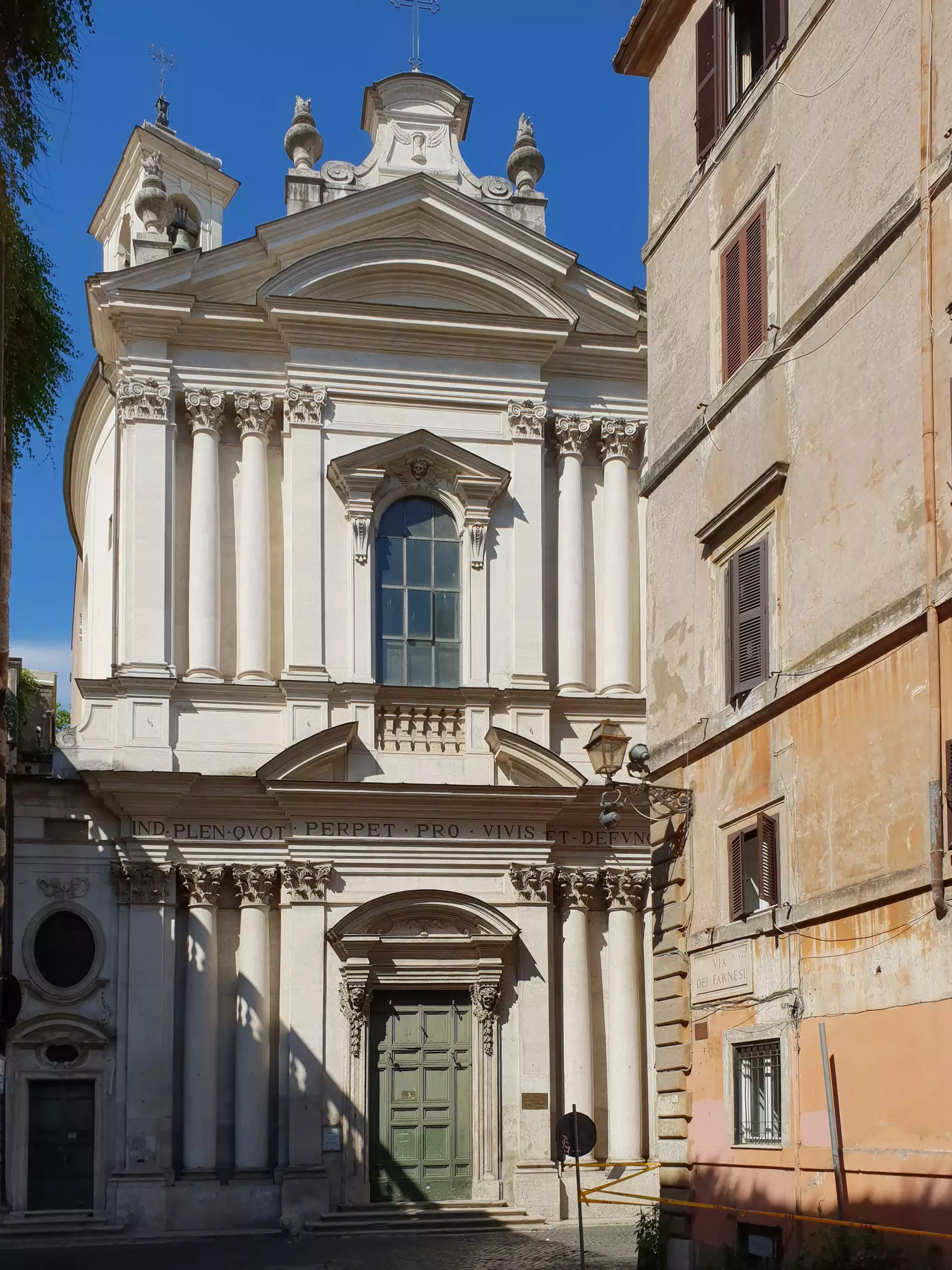
The street is lined with elegant palaces, reflecting centuries of history and architectural beauty. Each building adds a unique character, telling stories of the families and nobility who once lived there. Walking along Via Giulia offers a glimpse into the past, where grand facades and ornate details capture the spirit of the Renaissance.
Today, Via Giulia is best known for its antique shops. Locals and visitors wander the street, browsing through collections of art, vintage furniture, and rare collectibles. The atmosphere is calm and refined, away from the busier tourist routes.
Via Giulia runs just one block parallel to the Tiber River, offering both a picturesque stroll and a sense of Rome's historic layers. It remains a unique part of the city, blending old-world elegance with the charm of discovery.
Source - https://en.wikipedia.org/wiki/Via_Giulia
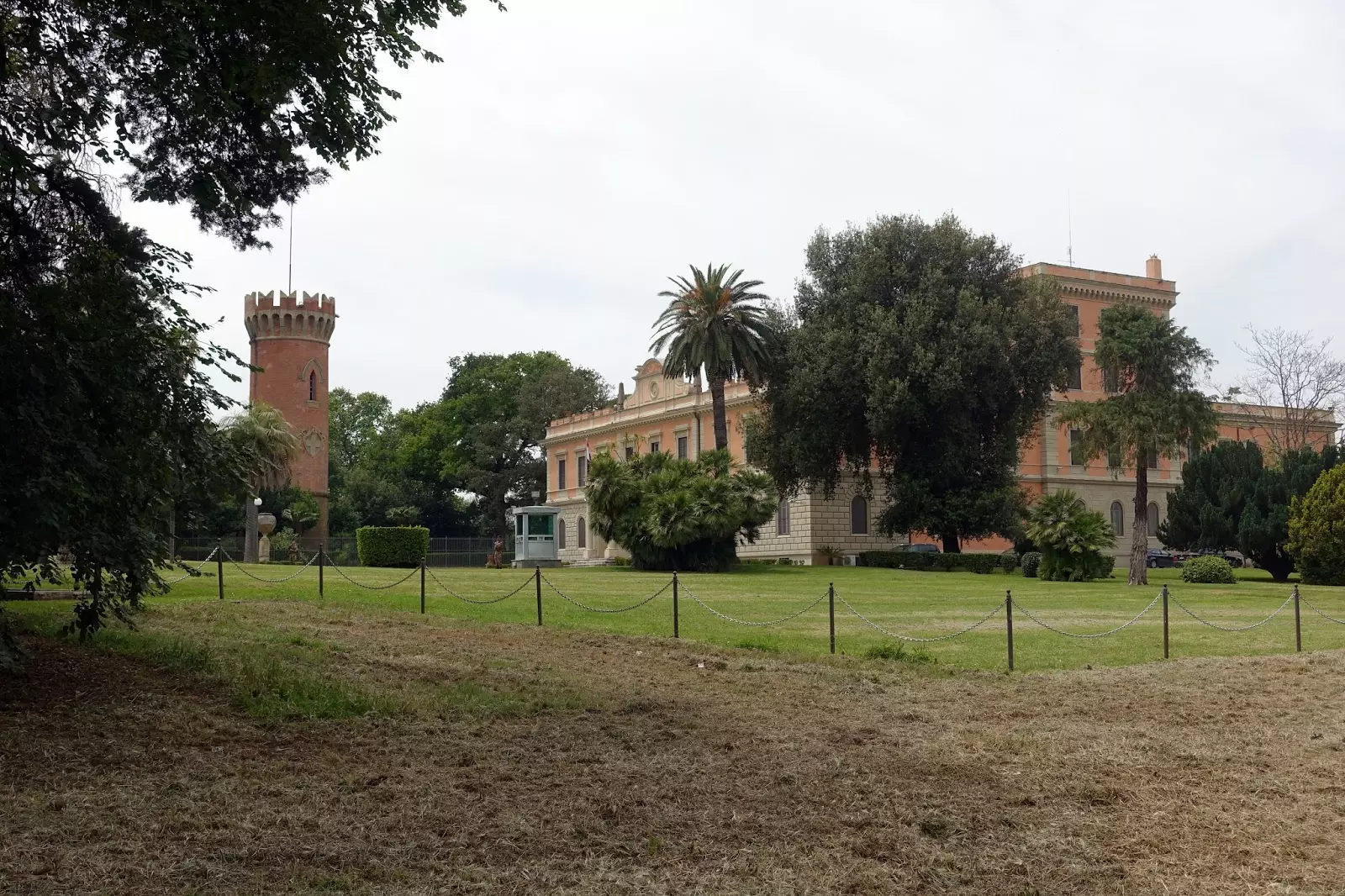
Beautiful park, the 2nd largest in Rome (after Villa Doria Pamphili) at 450 acres/182 hectares. Hosts concerts on summer evenings. former summer residence of Italian monarchs. Also known for it's bunker.
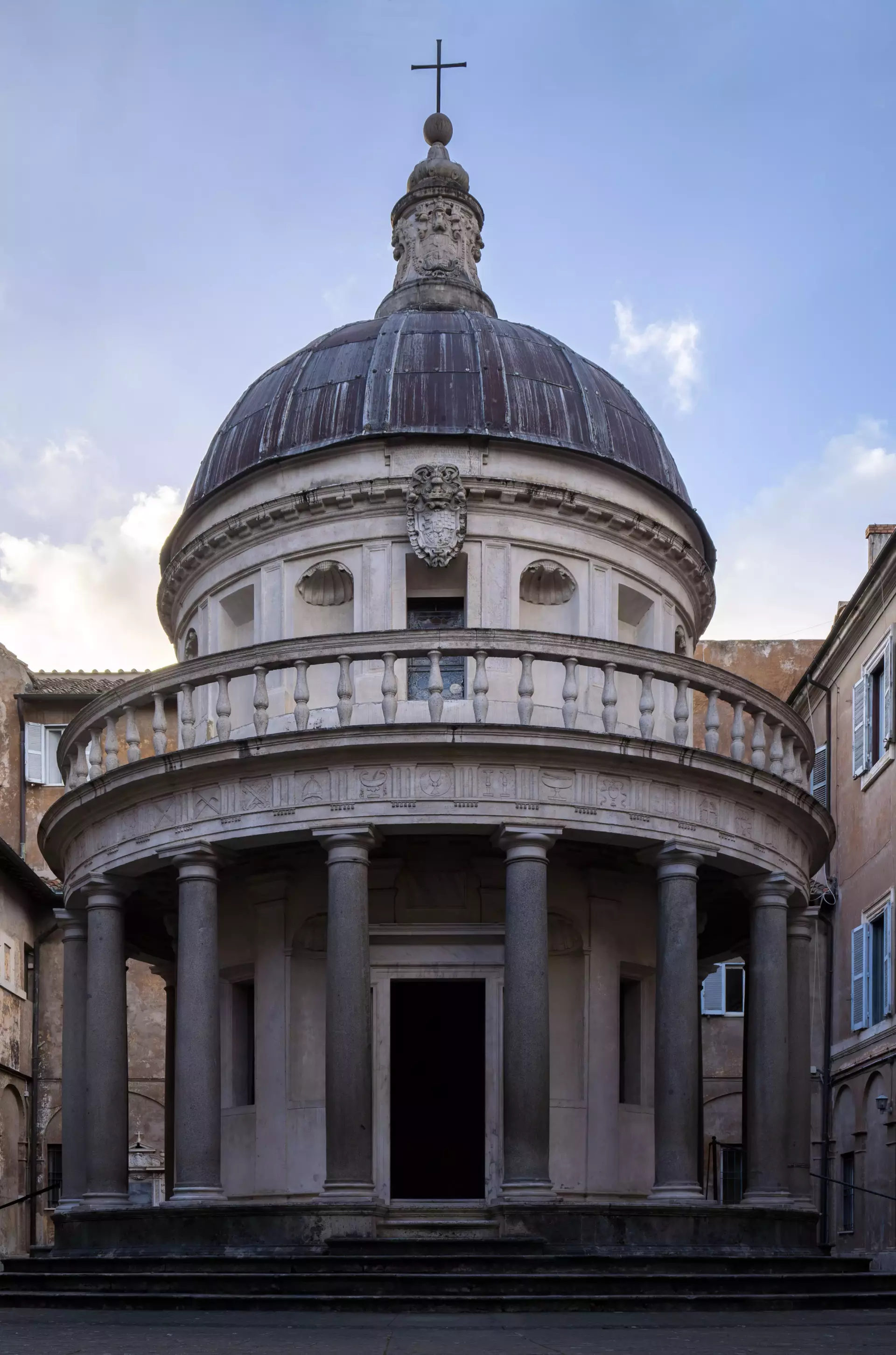
Designed by Bramante to mark the spot of St. Peter's martyrdom, this delightful miniature building is considered a masterpiece of Renaissance architecture. Open to the public.
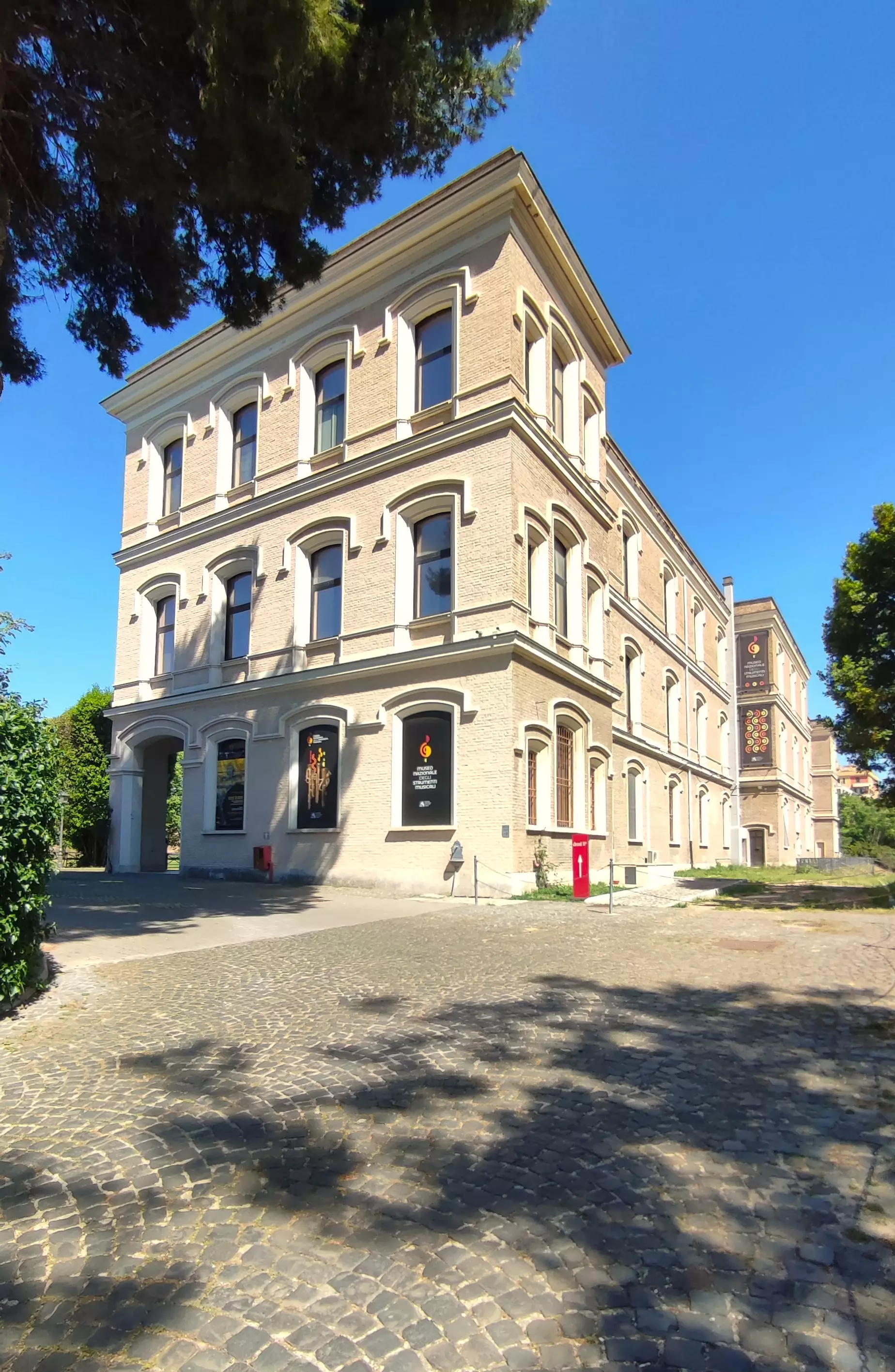
Next door to Santa Croce. A collection of around 3000 pieces, although only a third of these are displayed.
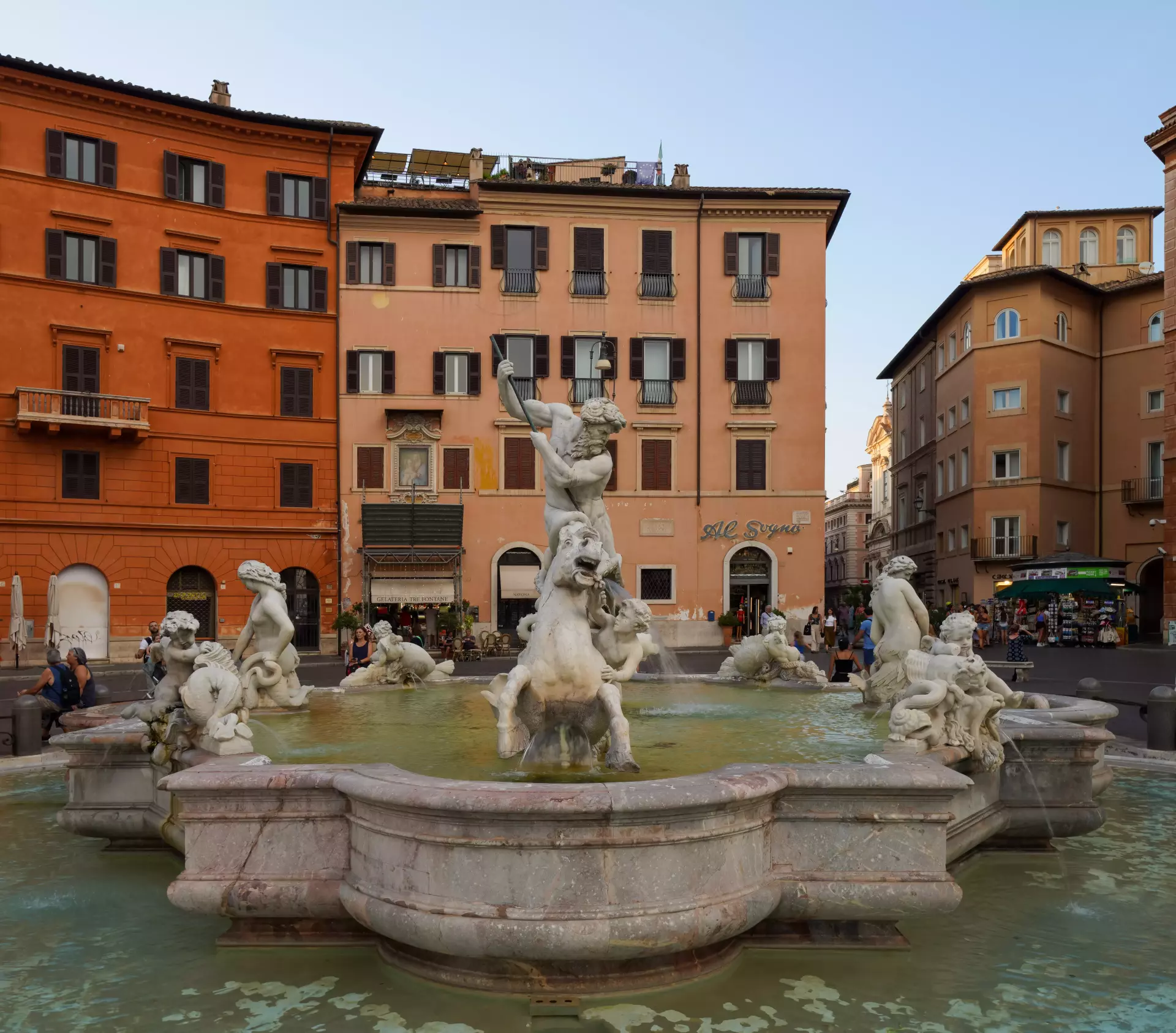
A 19th-century addition to the square, made to balance the Fontana del Moro.
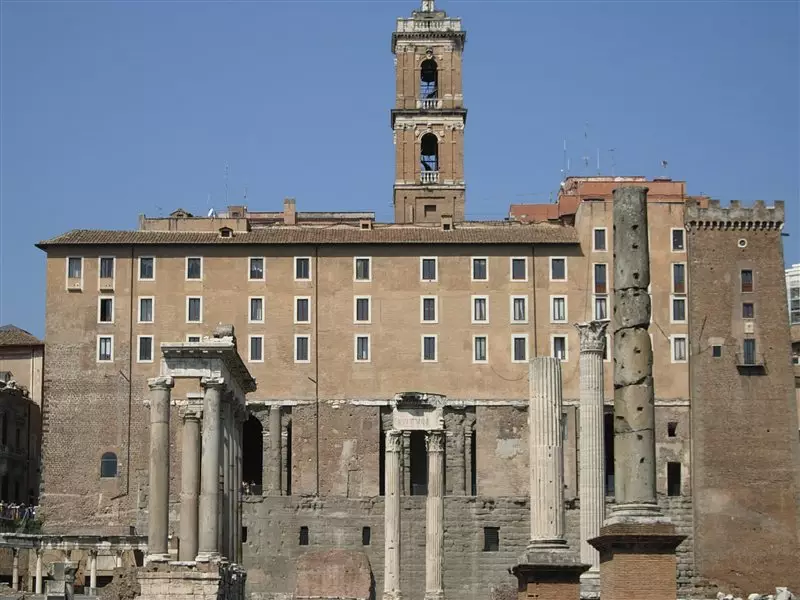
The remains of the ancient Roman archives, where Cicero and Seneca did research. Visible from the Forum and accessible through the Capitoline Museum.
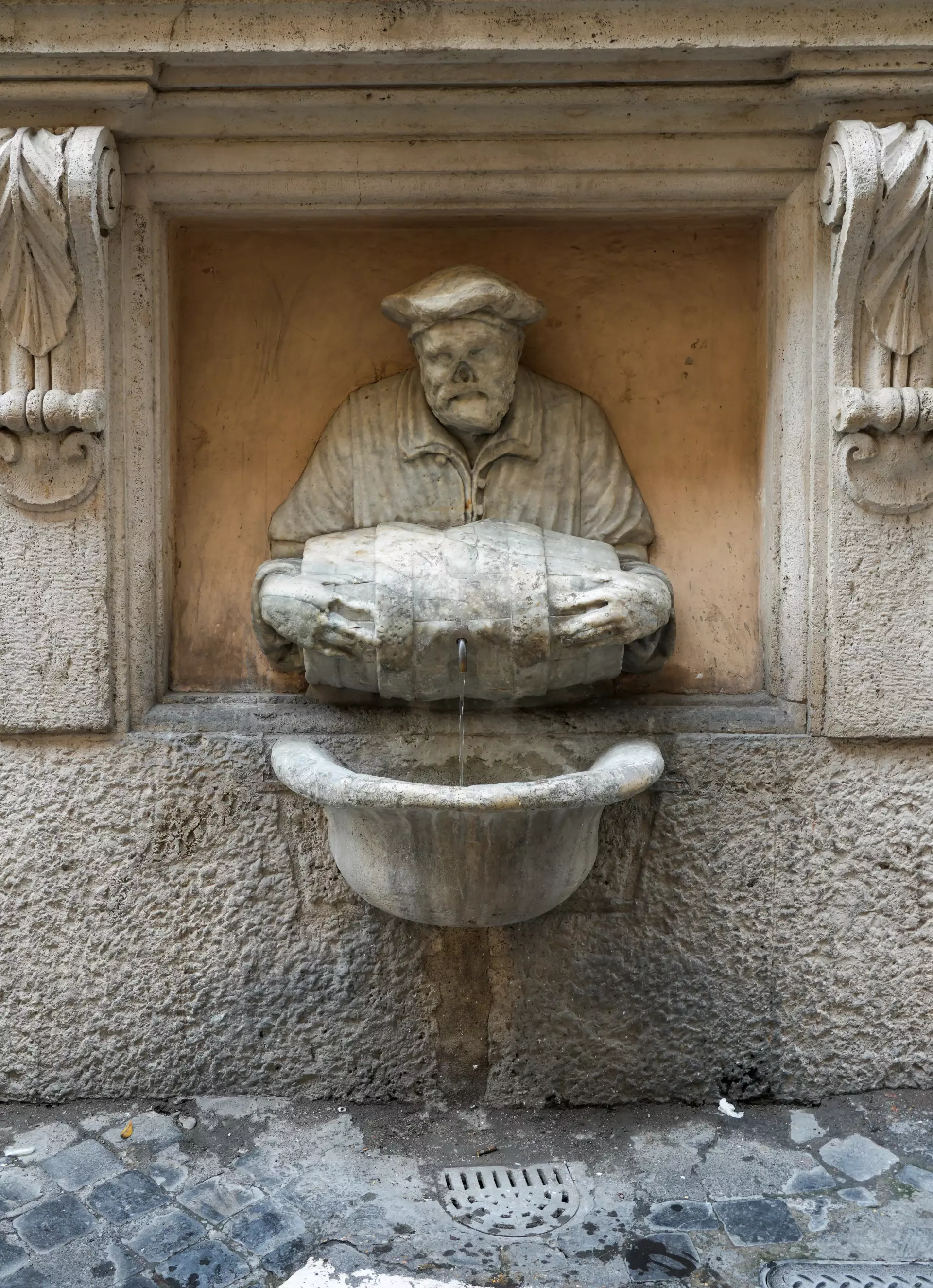
Like Pasquino, the Facchino is one the so-called "speaking figures" which are peculiar to Rome. He is looking out of the Banco di Roma building. The man depicted is holding a barrel in his hands and is carrying water. It is sometimes said that he is looking similar to Martin Luther, but more probably a porter who died while carrying a barrel is depicted here.
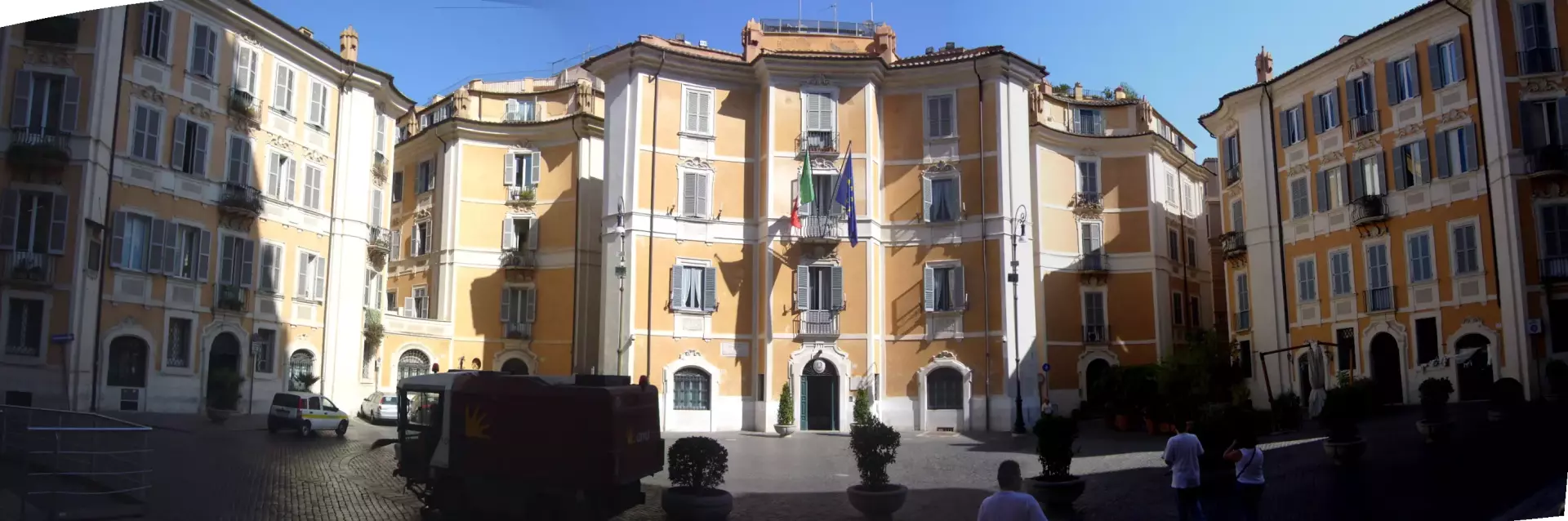
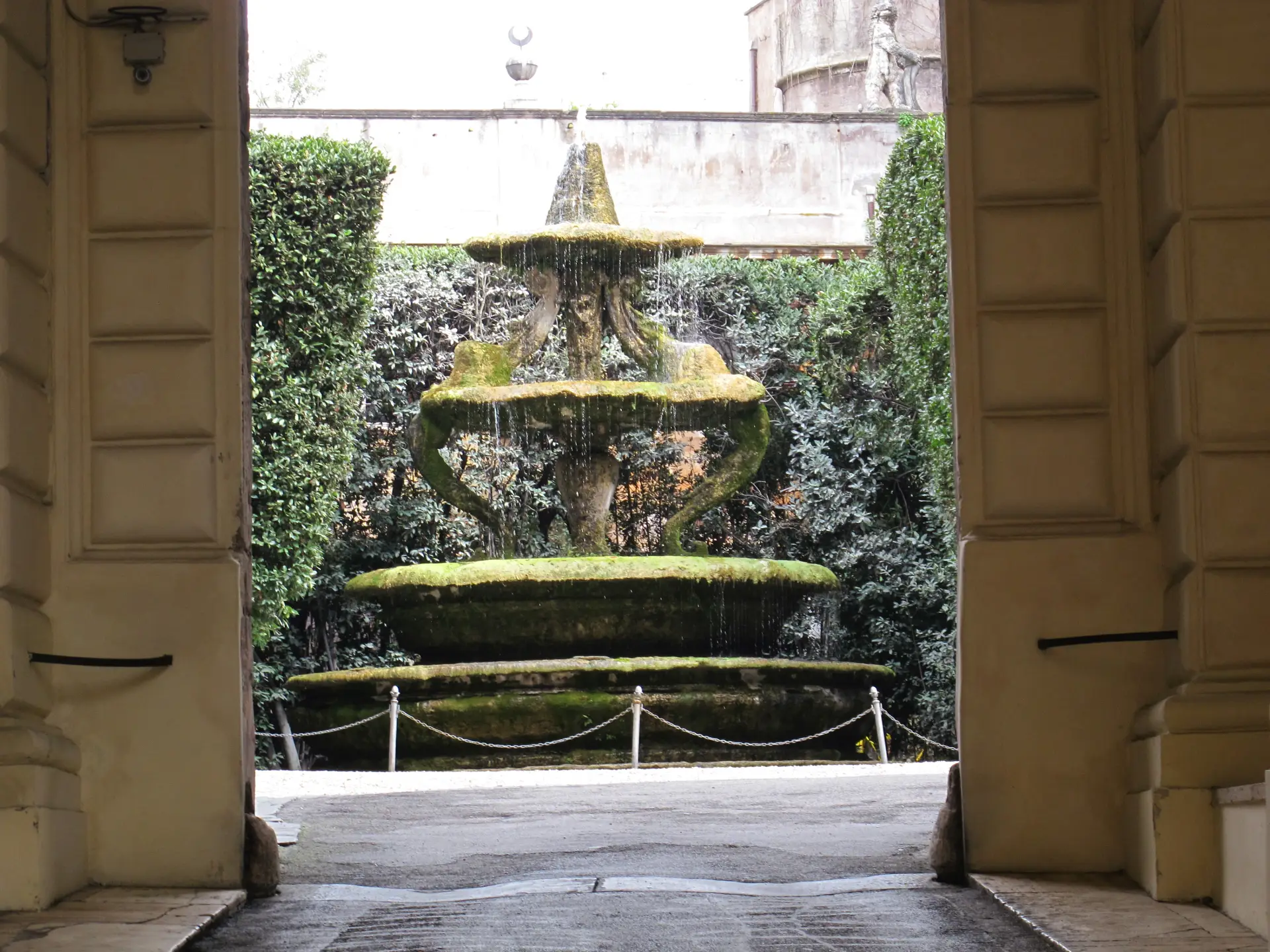
The building is in one of the most hidden corners of the city center among Piazza Navona and Castel Sant'Angelo. It served as residence for the Orsini family. Nowadays it is private property and one can only glance at the courtyard and the amazing fountain inside, erected in 1618 by architect Antonio Casoni. However, the brief moment is worth it.
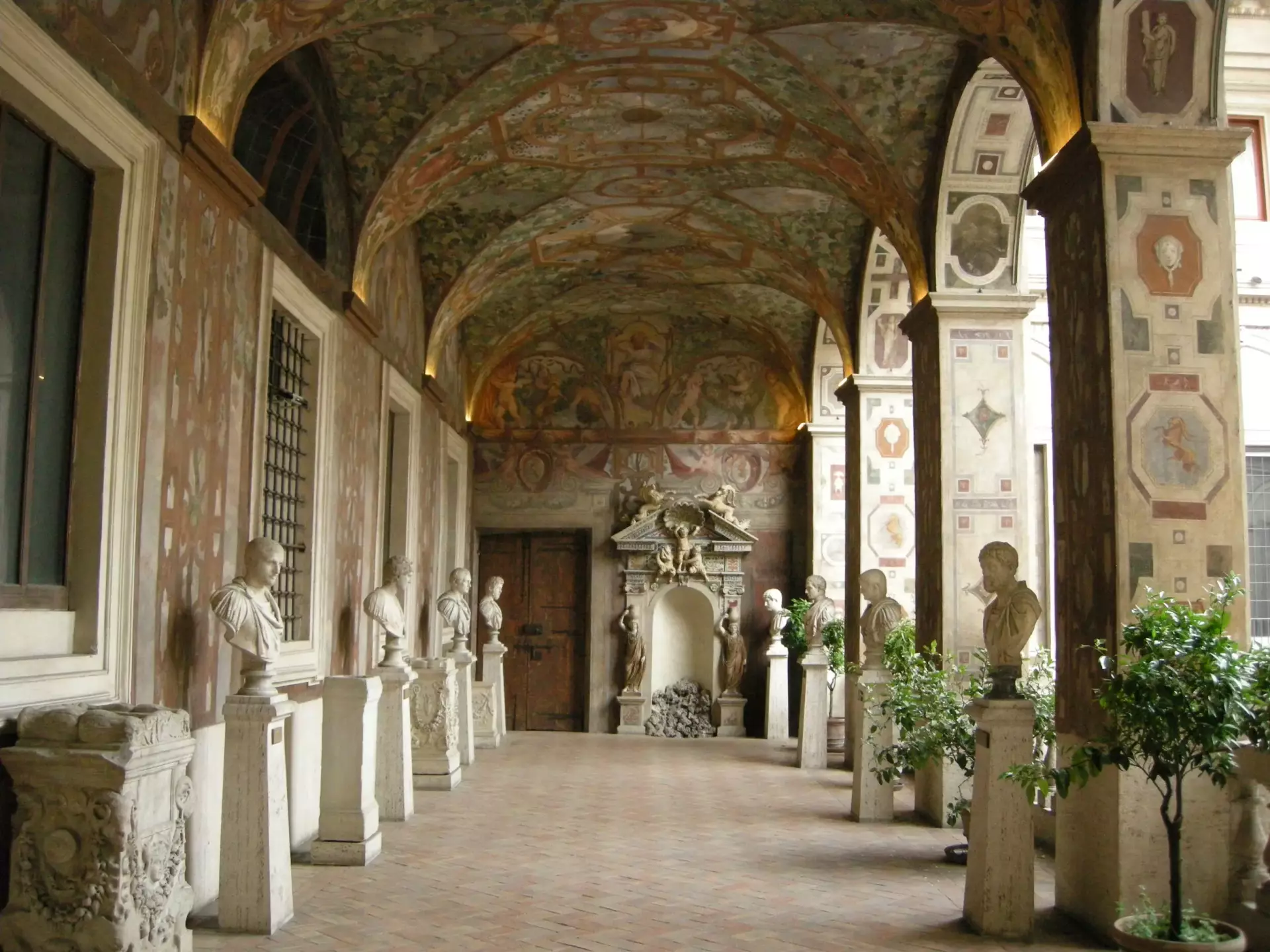
Simple and elegant lines make up this building, whose construction began in 1480 for Count Girolamo Riario, nephew of Papa Sisto IV, and was taken up by architect Martino Longhi for the new owner, Cardinal Marco Sittico Altemps. Today it houses one of the branches of the National Museum of Rome, showcasing ancient and Renaissance sculptures, and the results of the 16th/17th-century fashion for 'completing' ancient sculptures missing heads or arms.
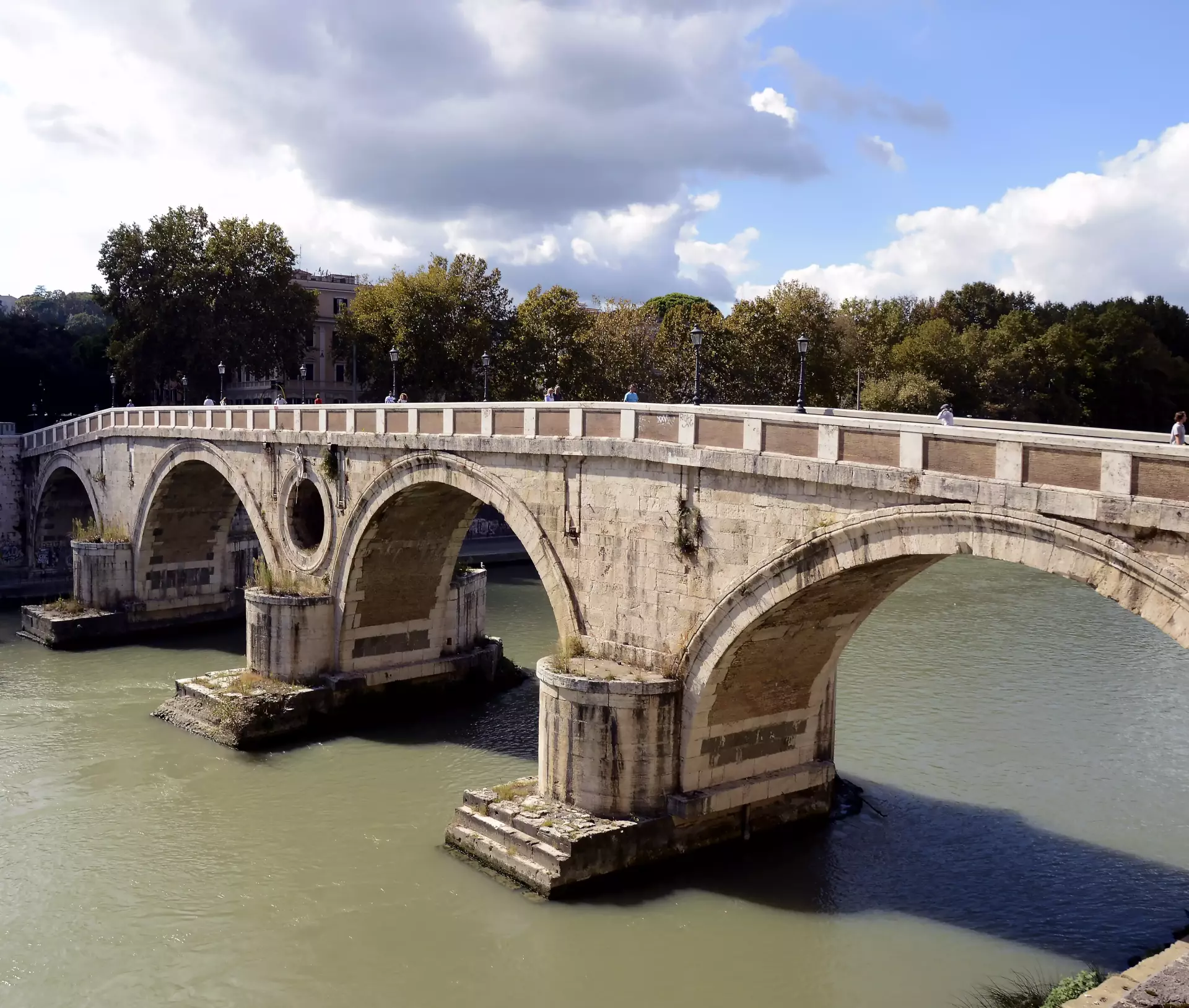
This is the island located in the middle of the Tiber River (Il Fiume Tevere) that separates Central Rome and Trastevere. It boasts both a major hospital, called Fatebenefratelli, and a small synagogue that was secretly used in the Second World War when Rome's main synagogue nearby was closed down. It also has a café and gelateria on the Rome side. It is a nice way of getting to and from Trastevere. Be sure to get photos from Ponte Garibaldi as Isola Tiberina truly is beautiful. The island is 270 m long and up to 67 m broad. According to the legend envoys were sent to the temple of Asklepius in Epidauros in Greece in 291BC in order to get relief from an epidemic in Rome. The envoys brought one of the holy snakes back with them. The snake swam to the Tiber Island thus determining the place where a temple for Asklepius was built. The successor of the Asklepius sanctuary is the Church San Bartolomeo which was built by the German Emperor Otto III around the year 1000. The Ponte Rotto is what is left from the ancient Pons Aemilius, the oldest stone bridge over the Tiber erected around 180 BC. The bridge was partly destroyed during a flood in 1557, re-erected by Pope Gregor XIII and finally pulled down in 1598. In 62 BC the Senatorial road construction office replaced the wooden footbridge by the Ponte Fabricio.
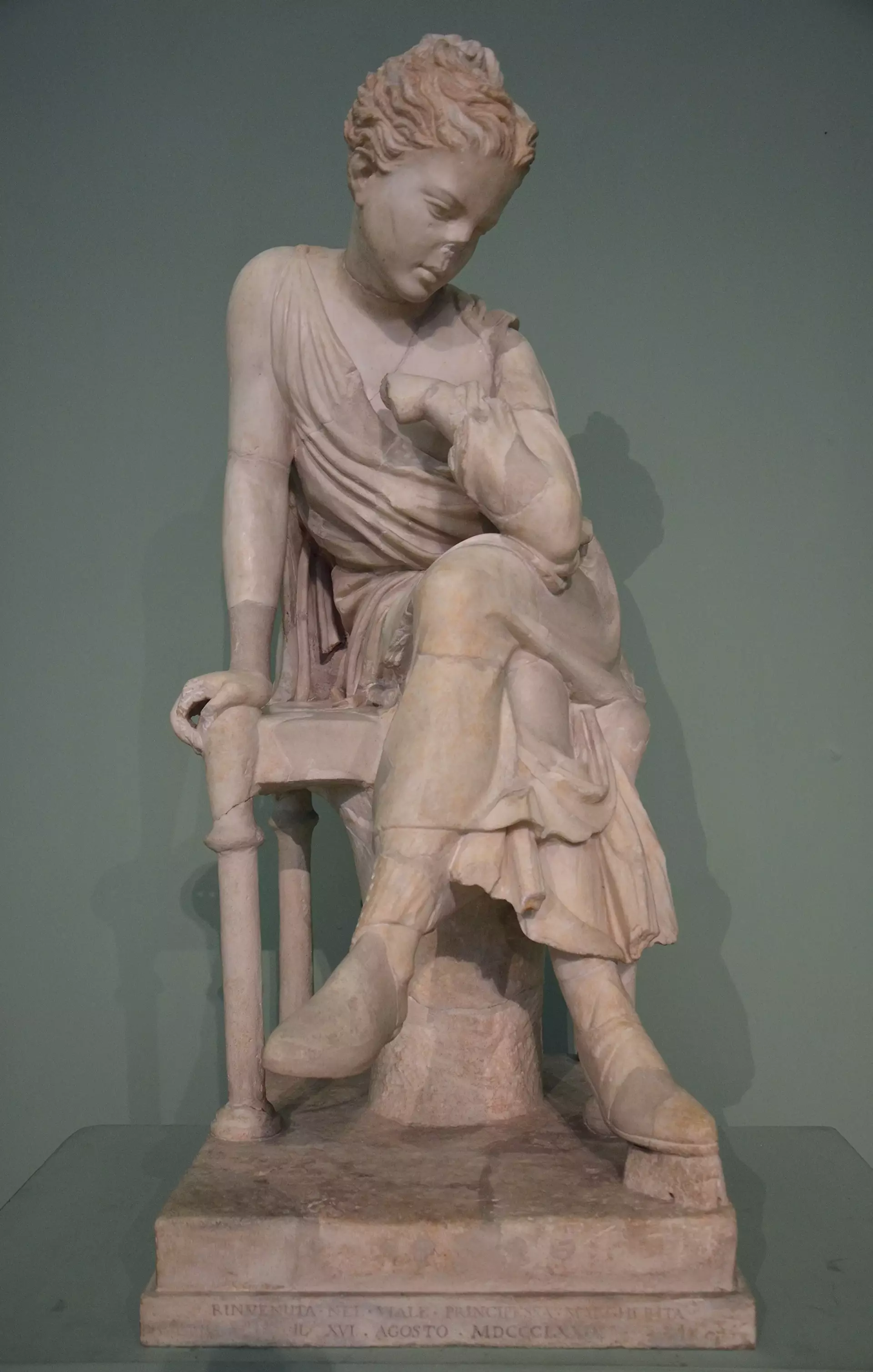
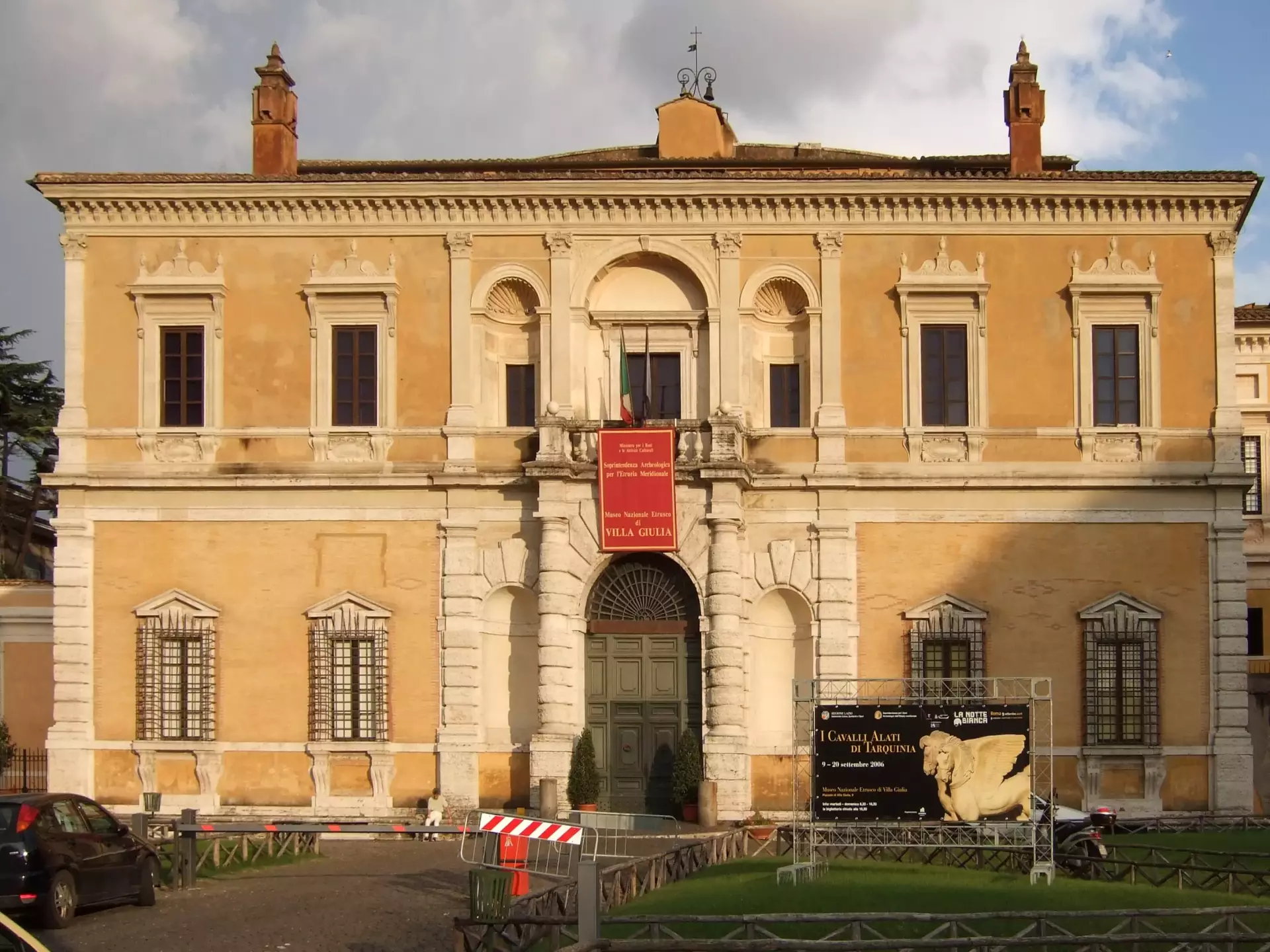
The most extensive collection of Etruscan art and artifacts anywhere. Fantastic collection and well worth the admission charge. A difficult museum to find, but a lovely display in a beautiful villa setting.