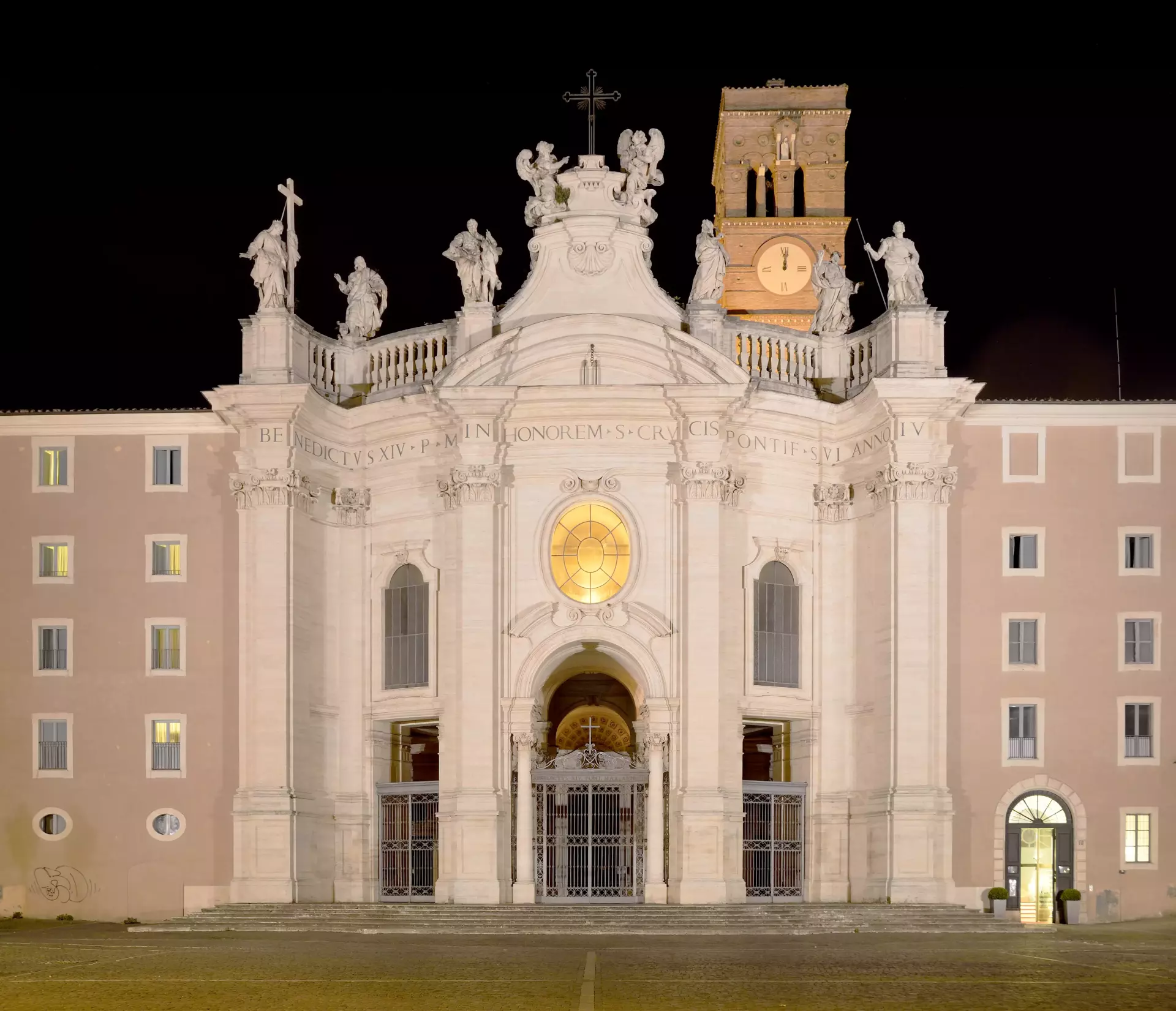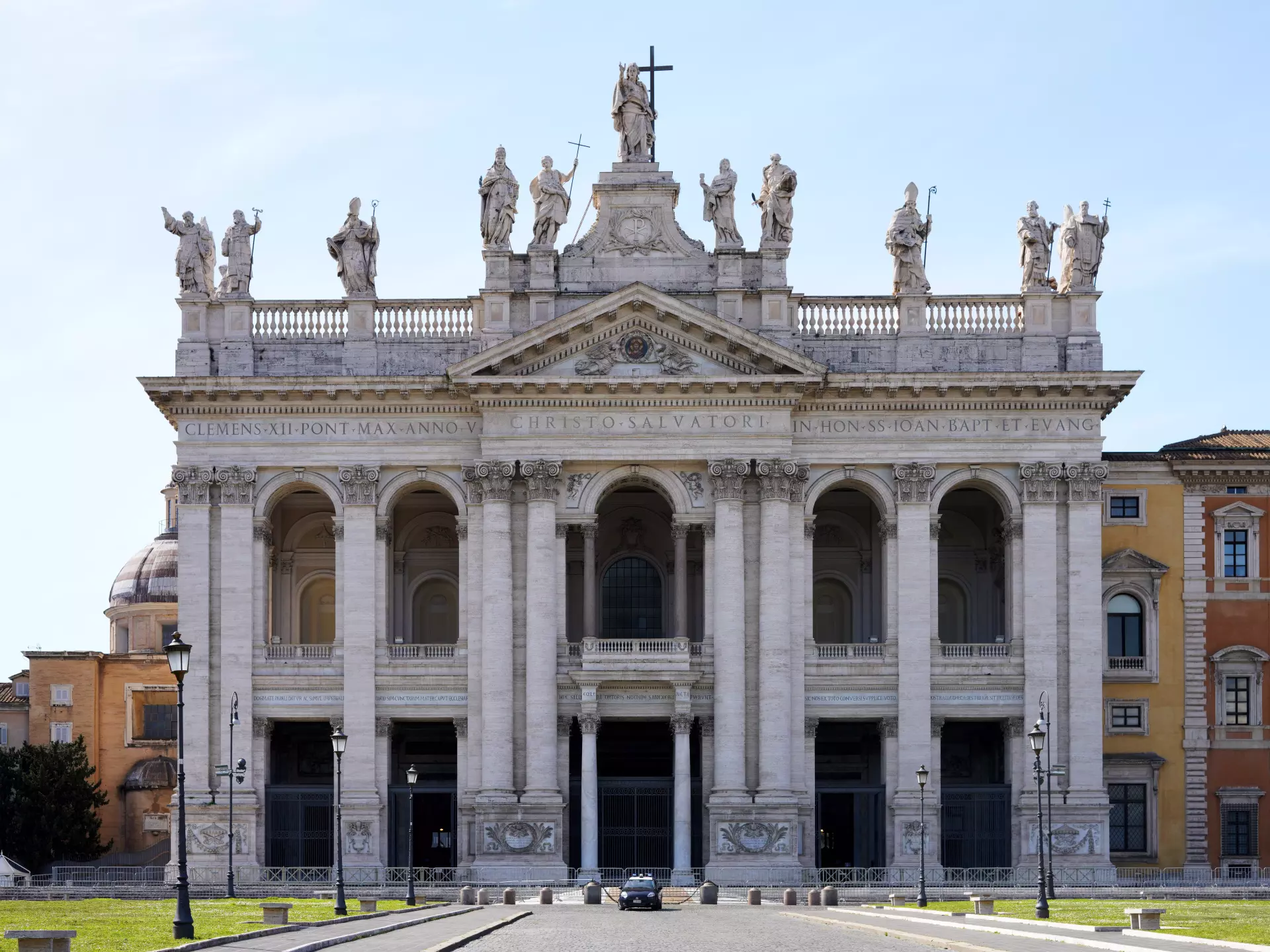
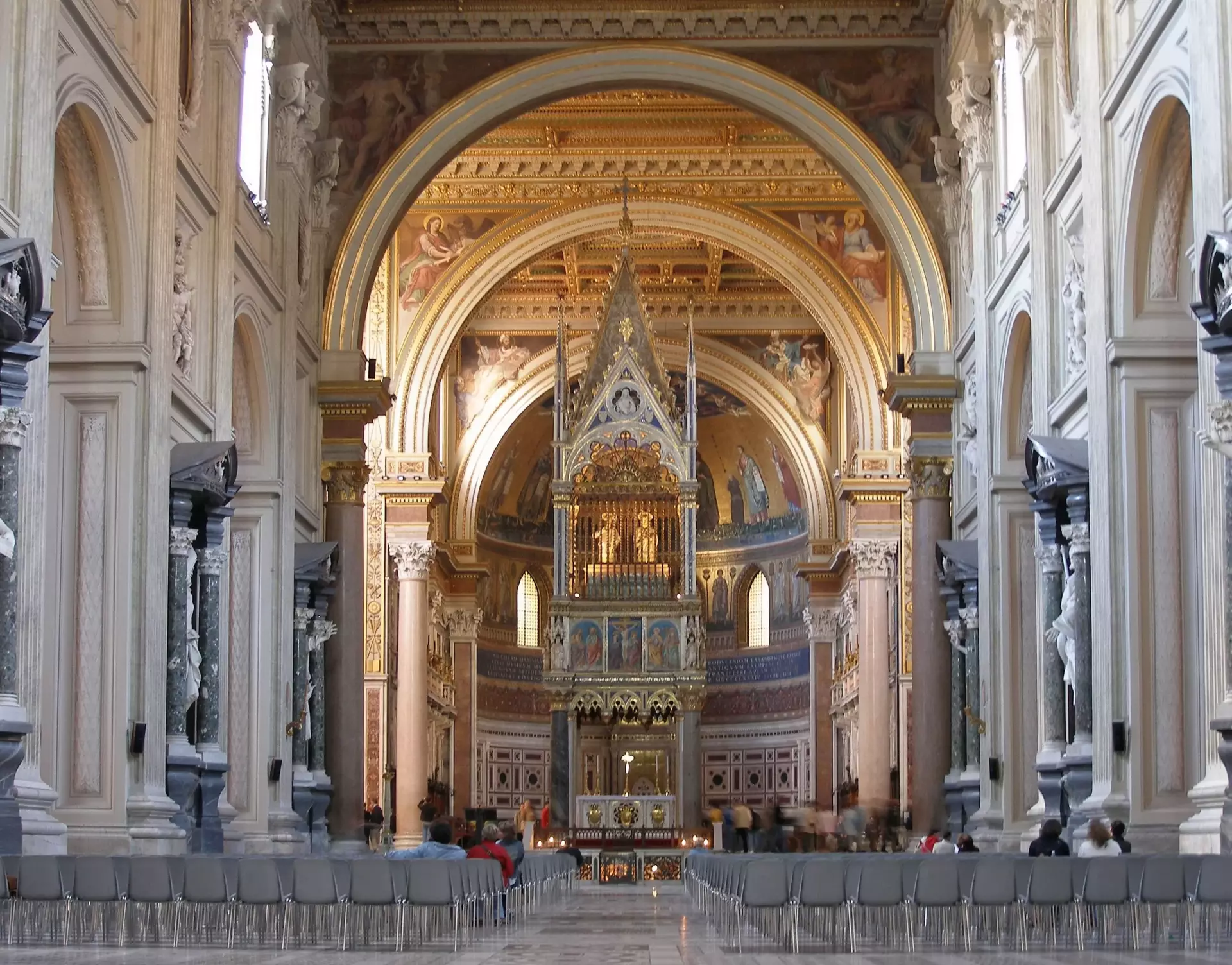
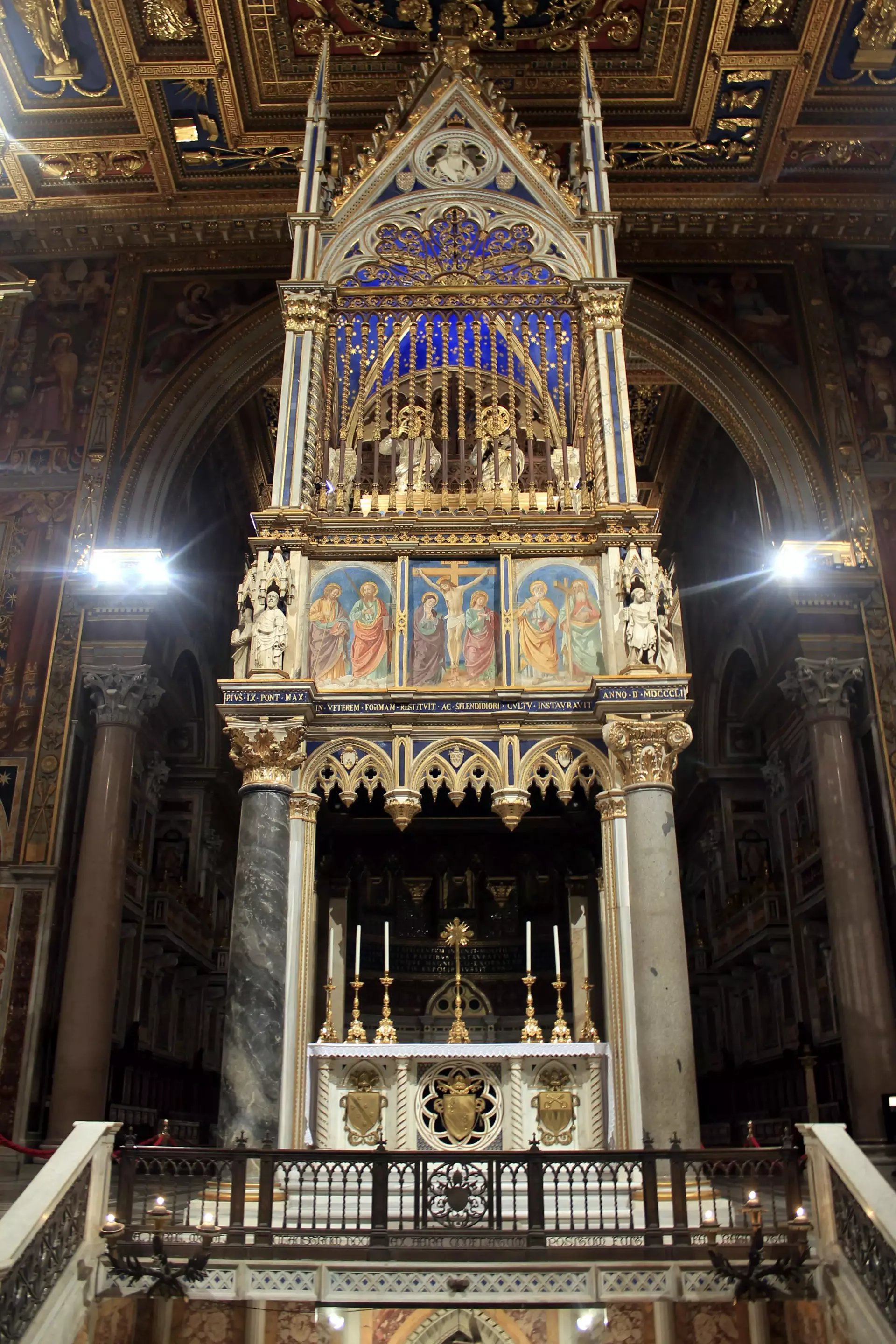
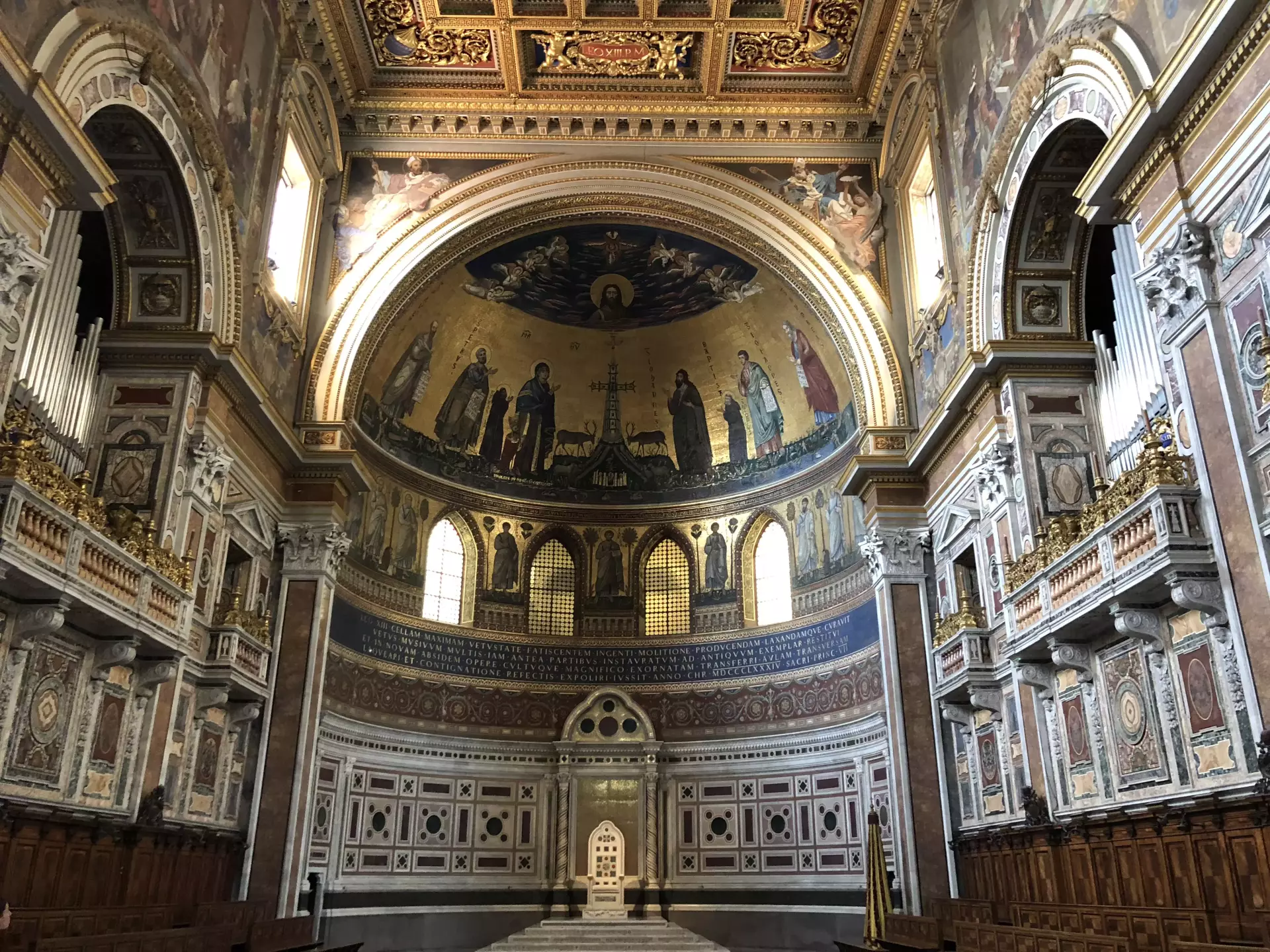
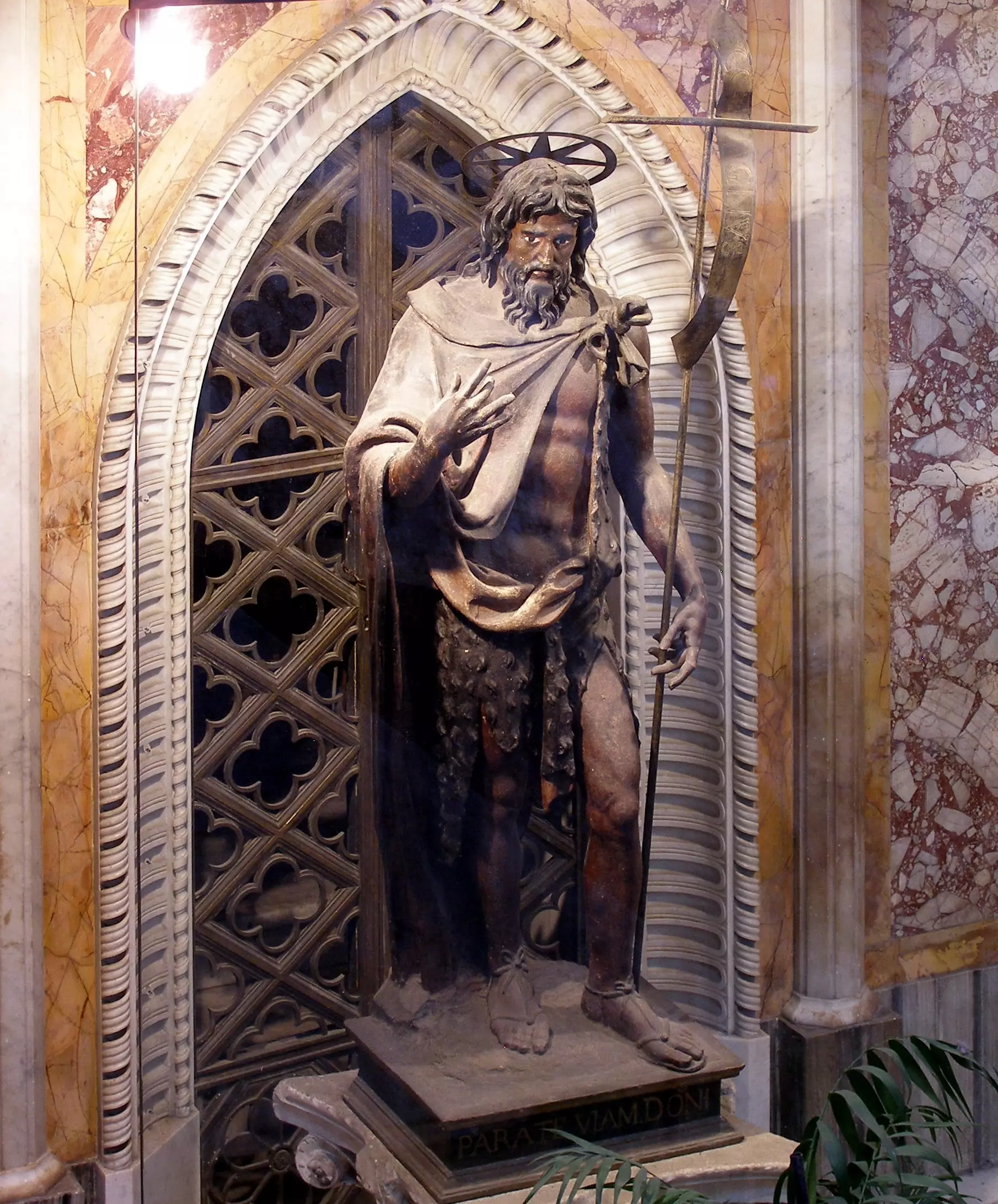
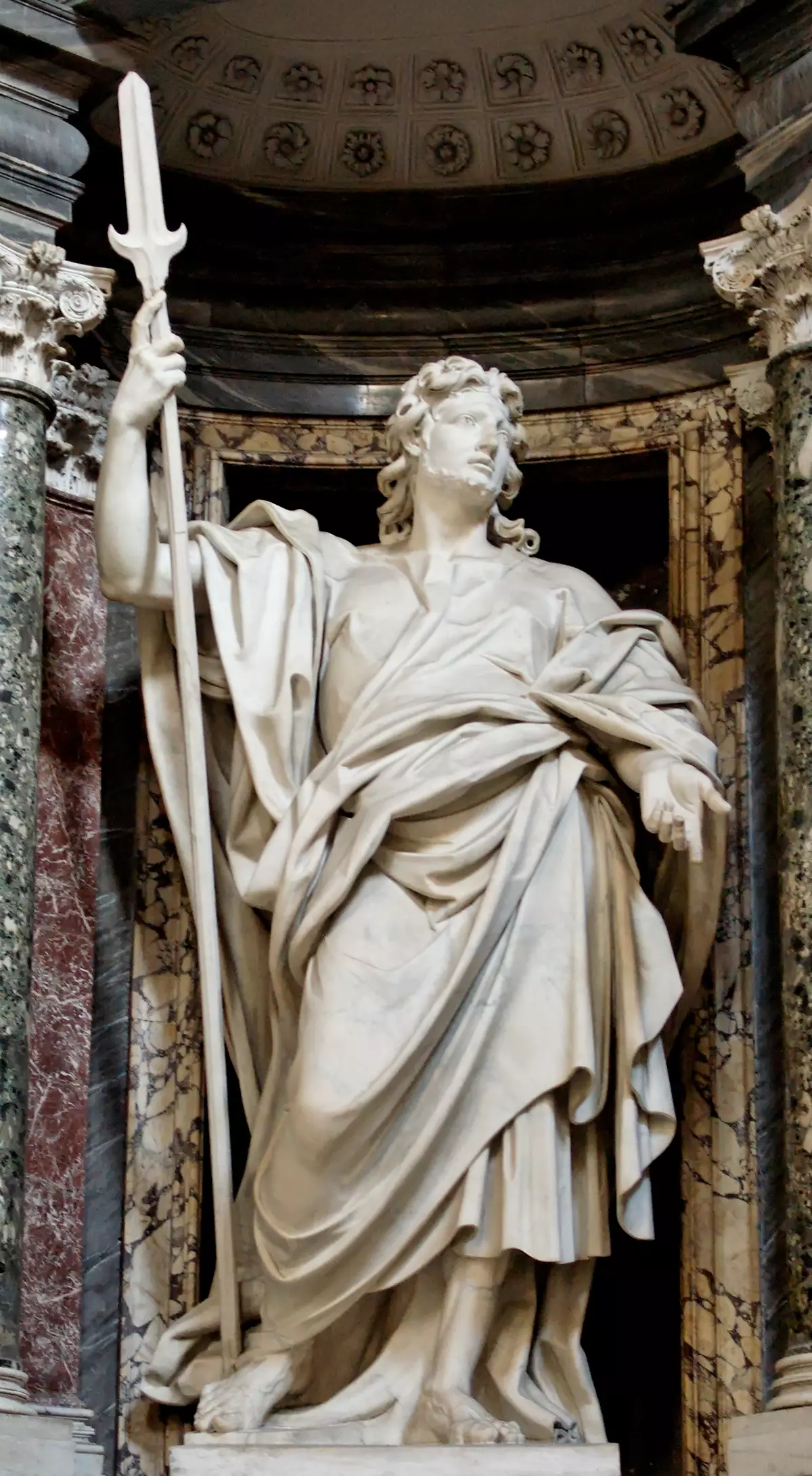
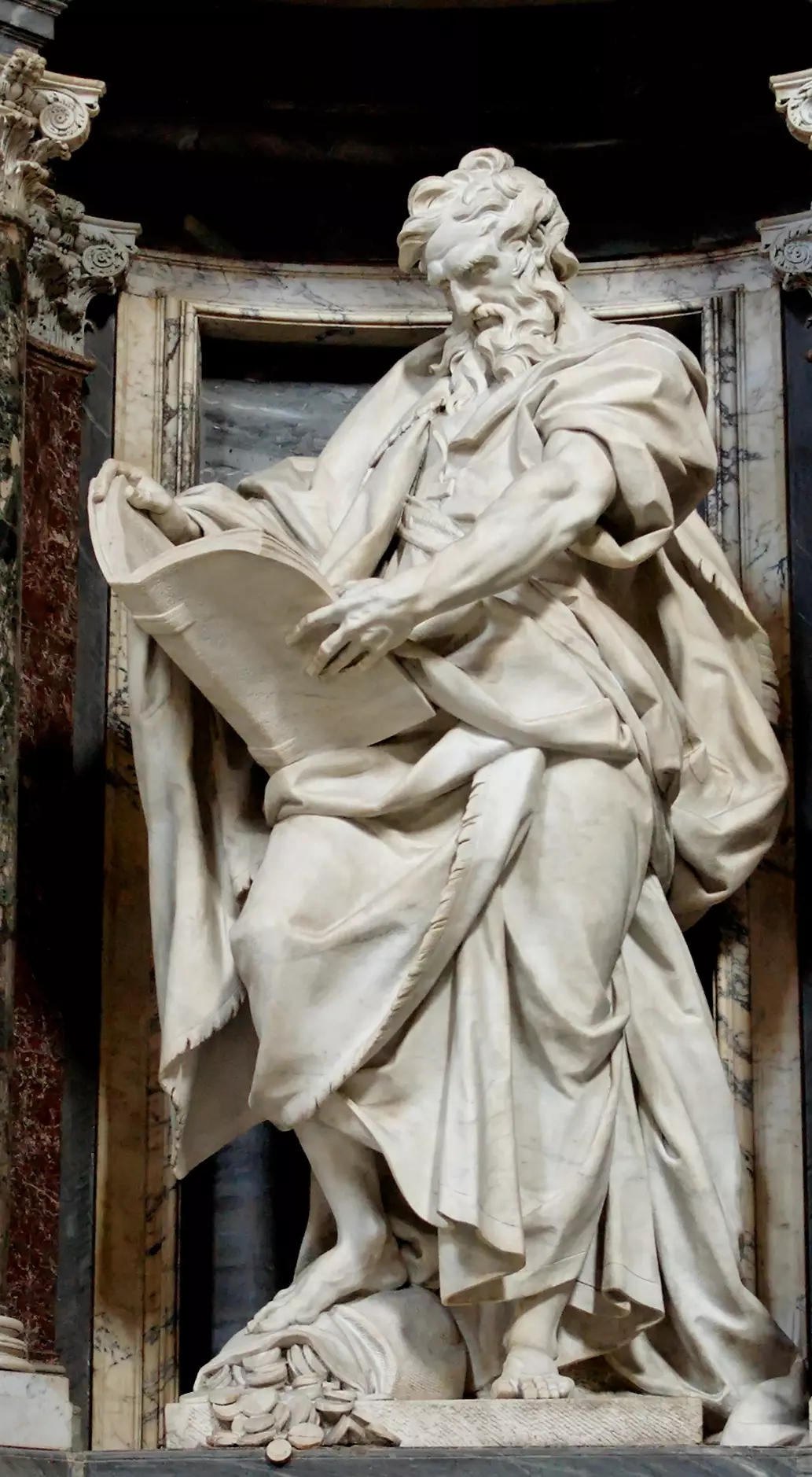
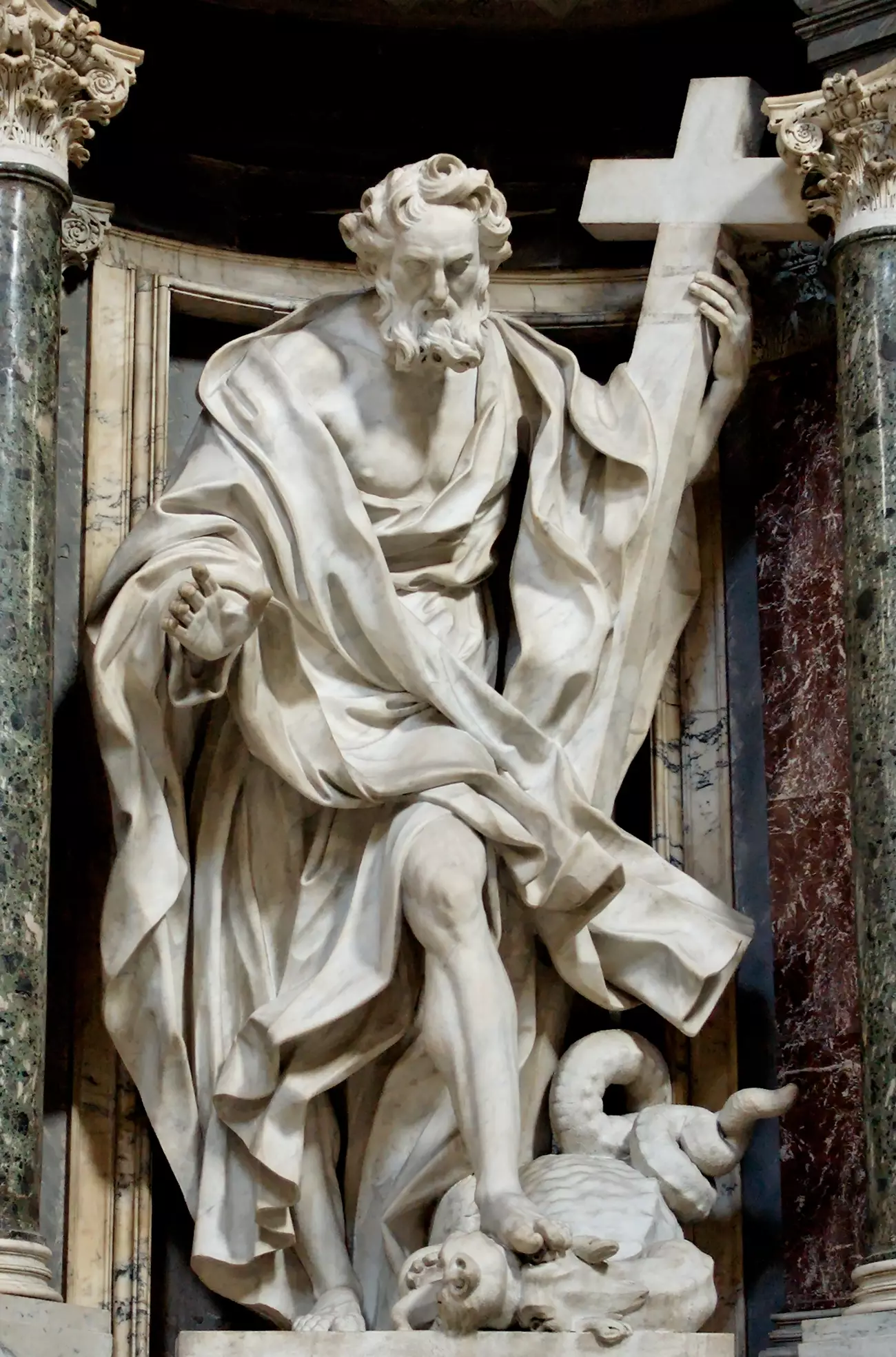
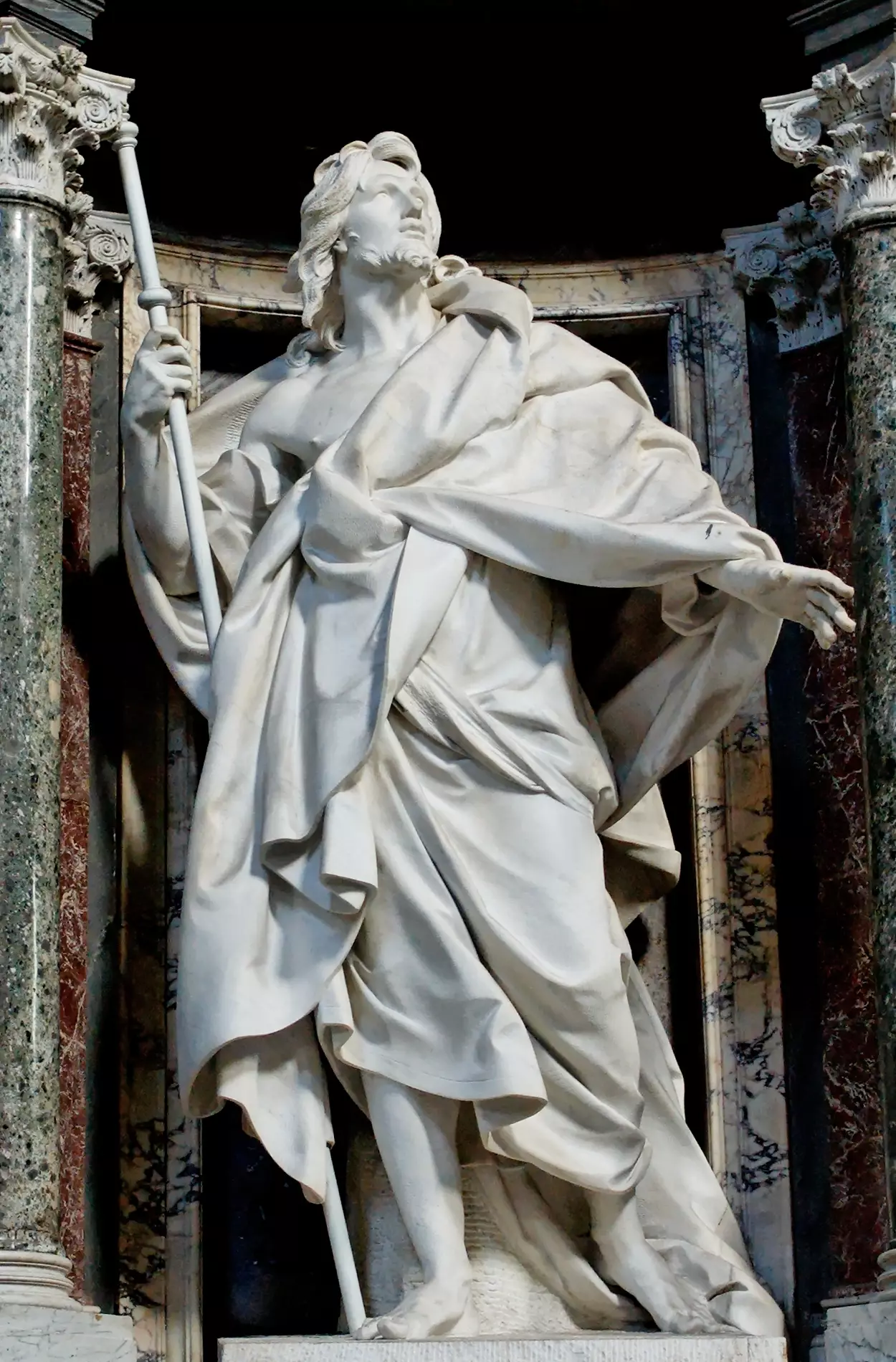
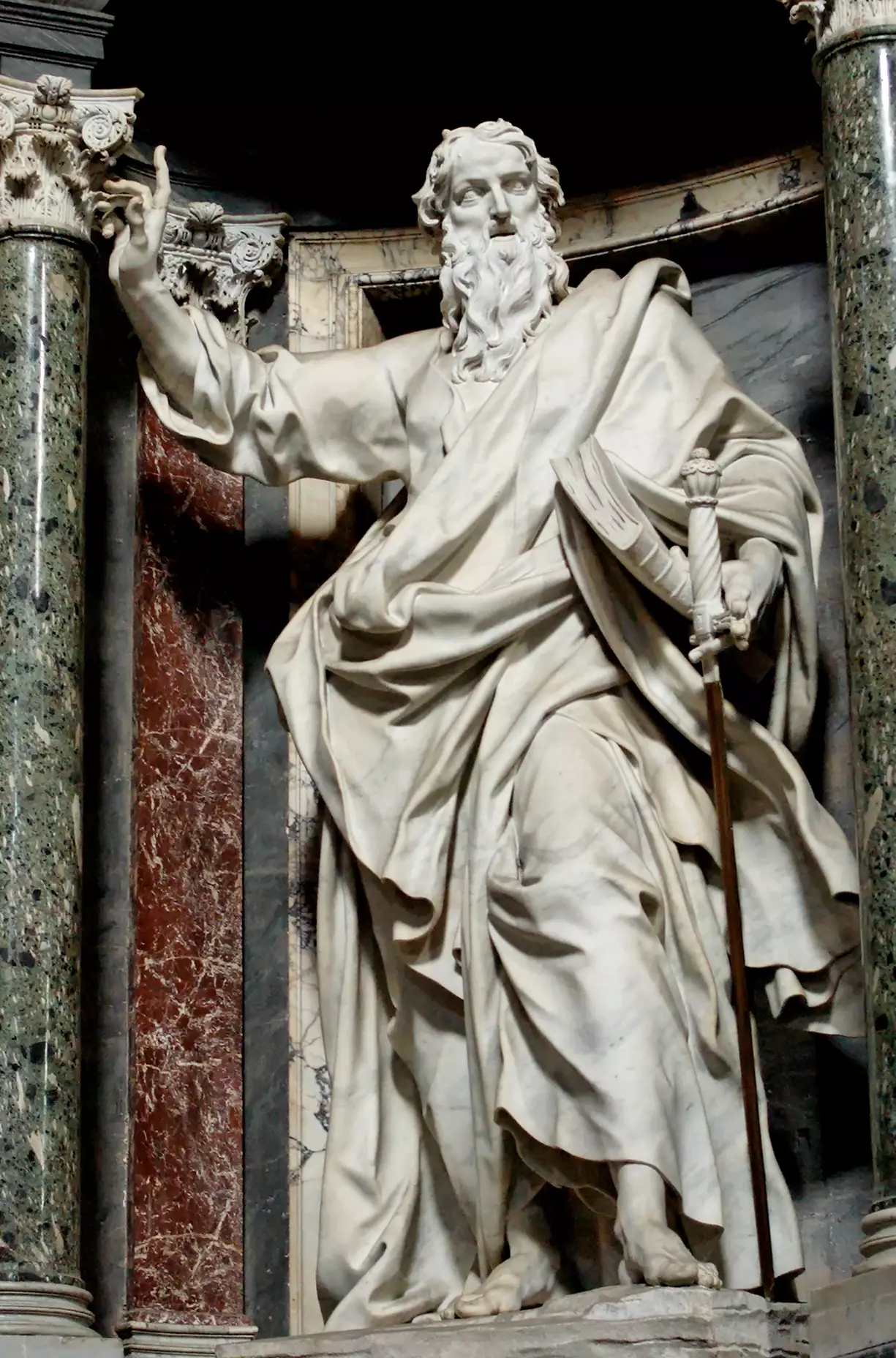
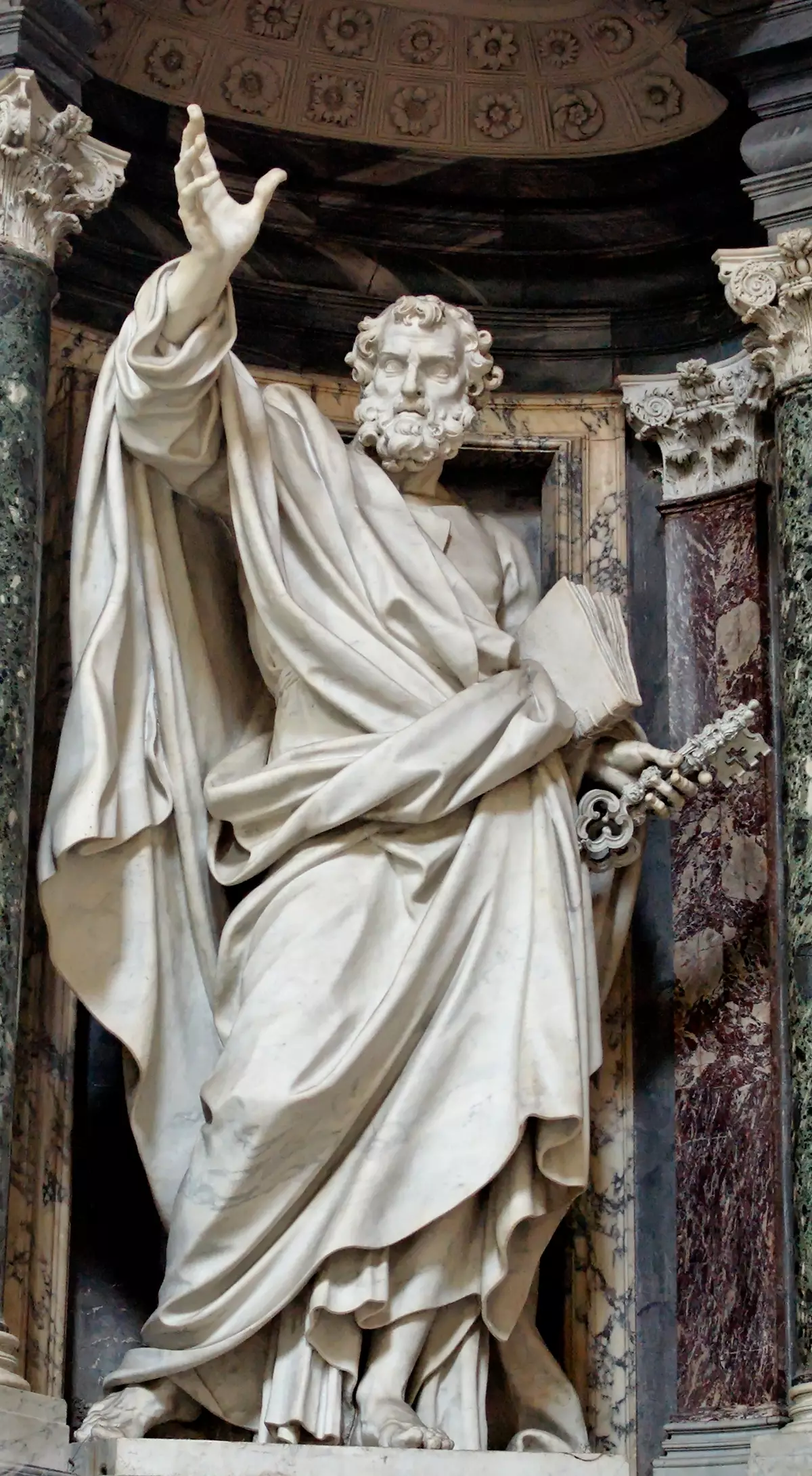
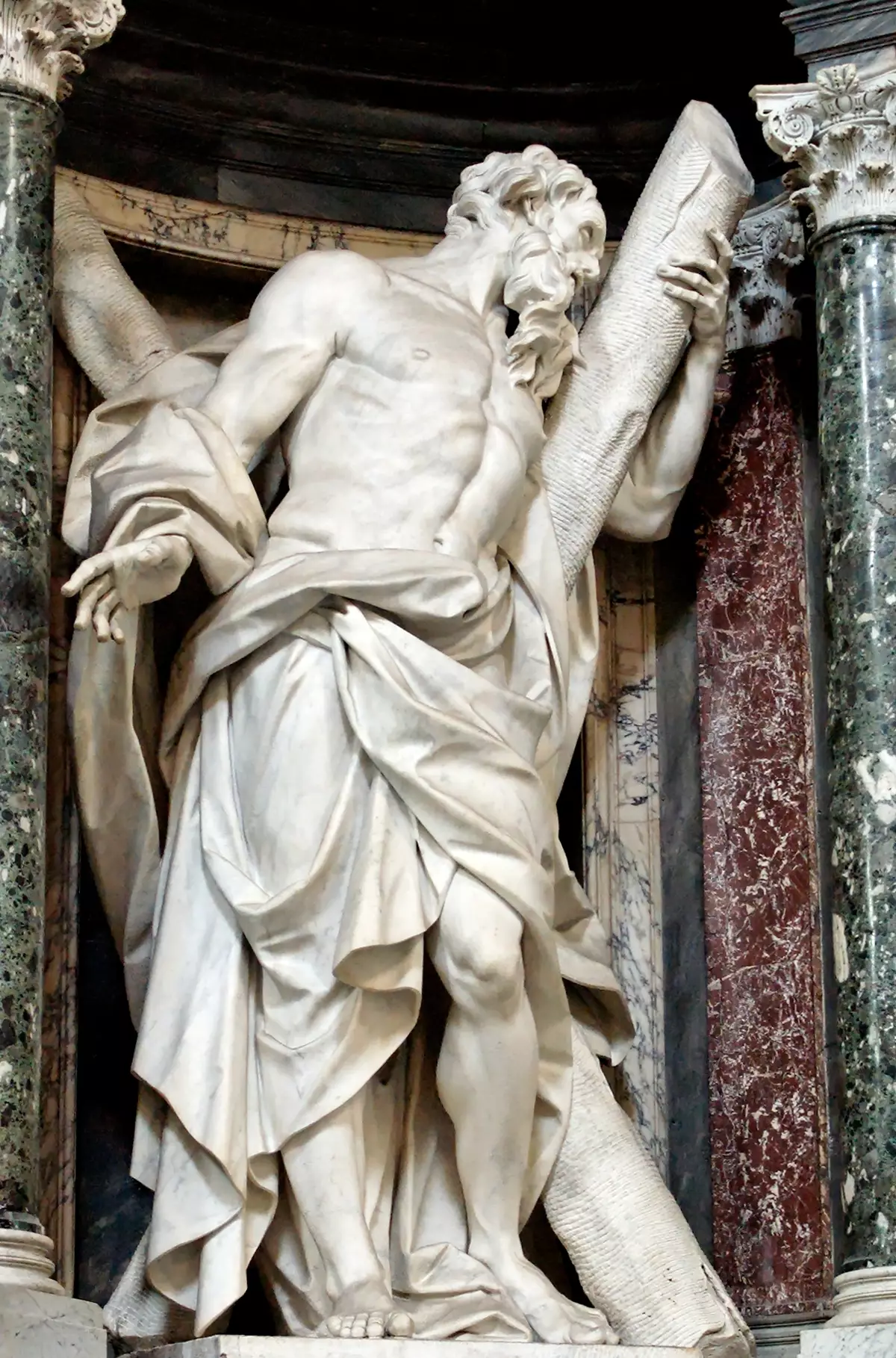
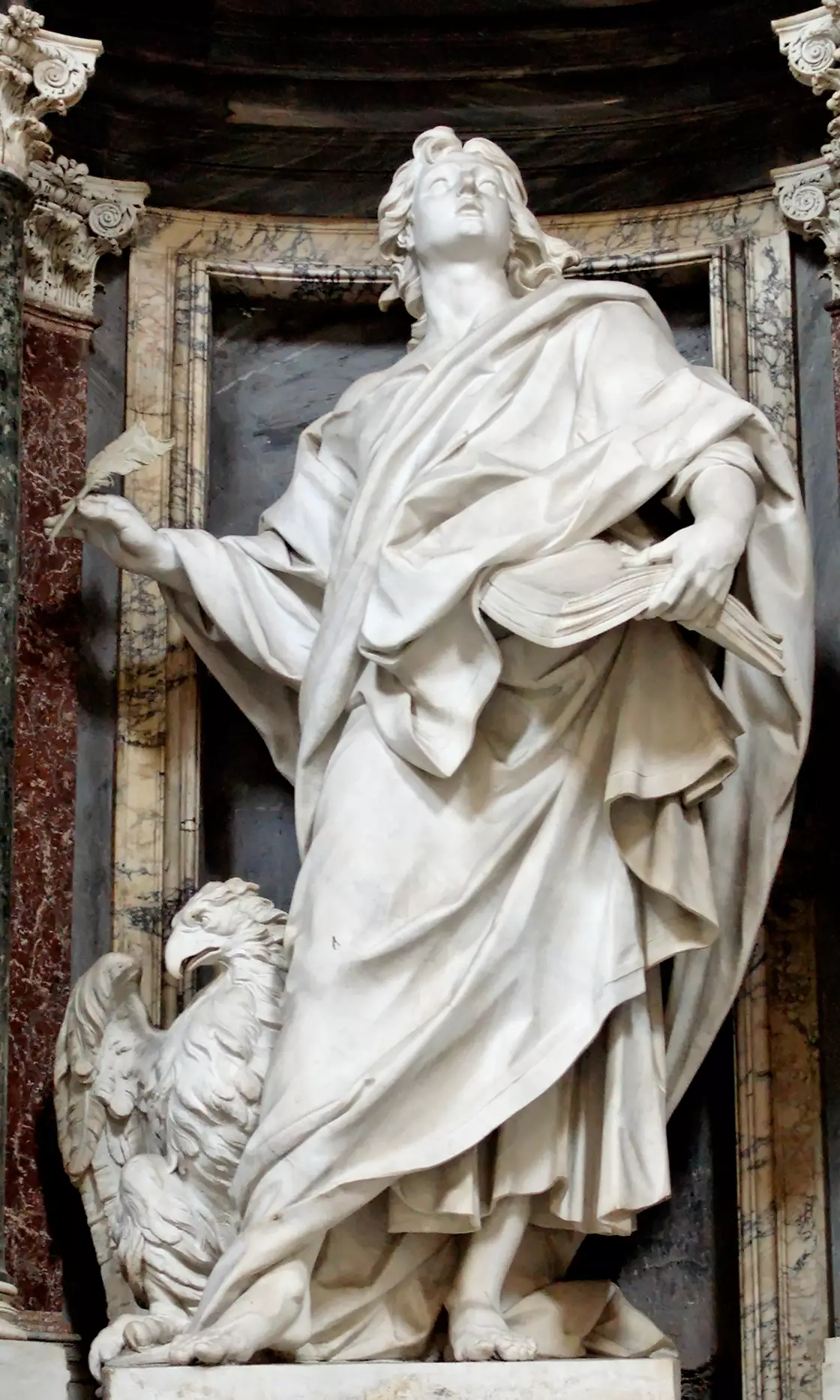
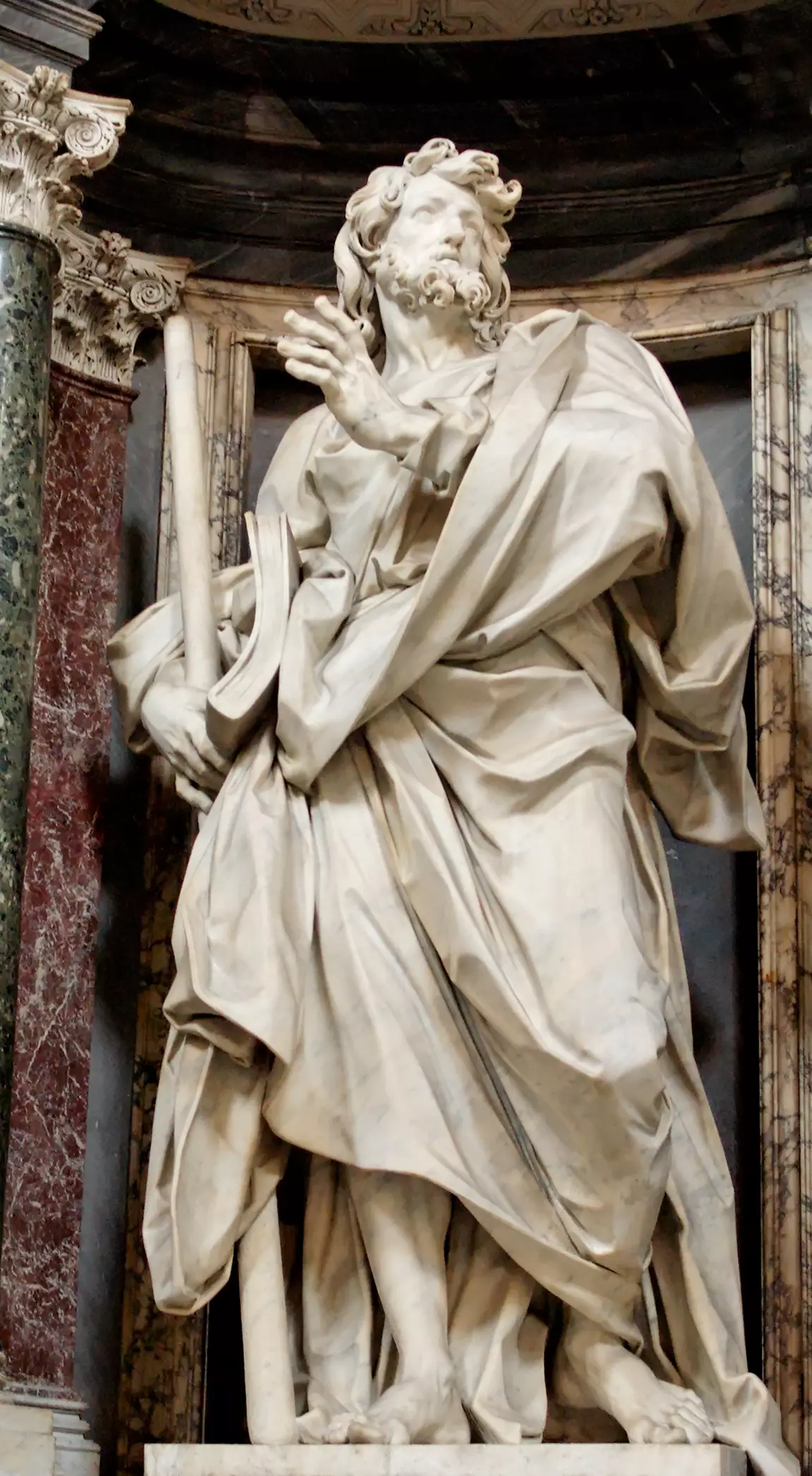
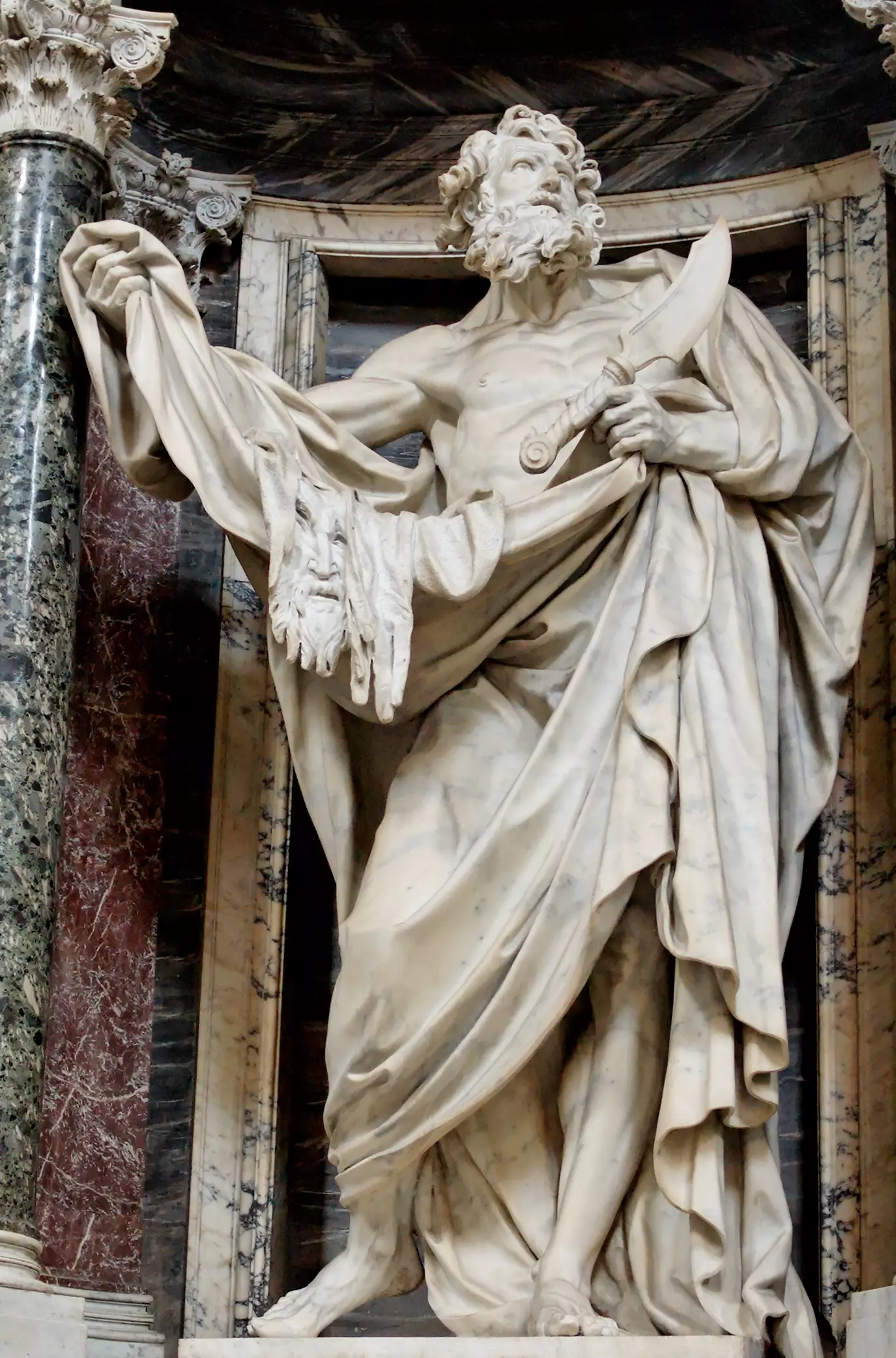
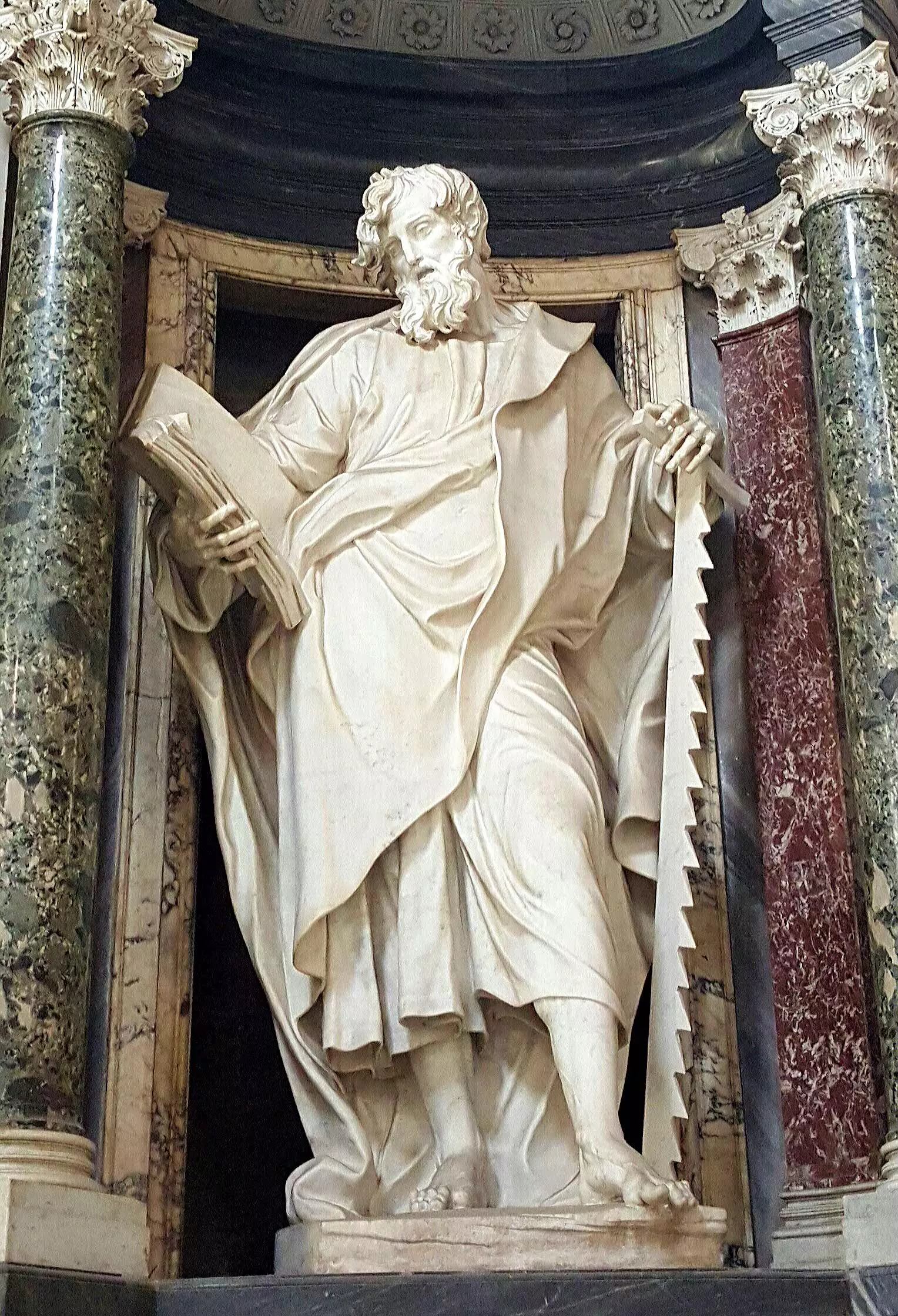
The Archbasilica of St. John Lateran holds a special place in the history of Christianity. It is recognized as the cathedral church of Rome, making it the official ecclesiastical seat of the Pope in his role as Bishop of Rome. This distinction gives the Archbasilica a unique status above all other churches in the Roman Catholic tradition, including the more widely known St. Peter’s Basilica.
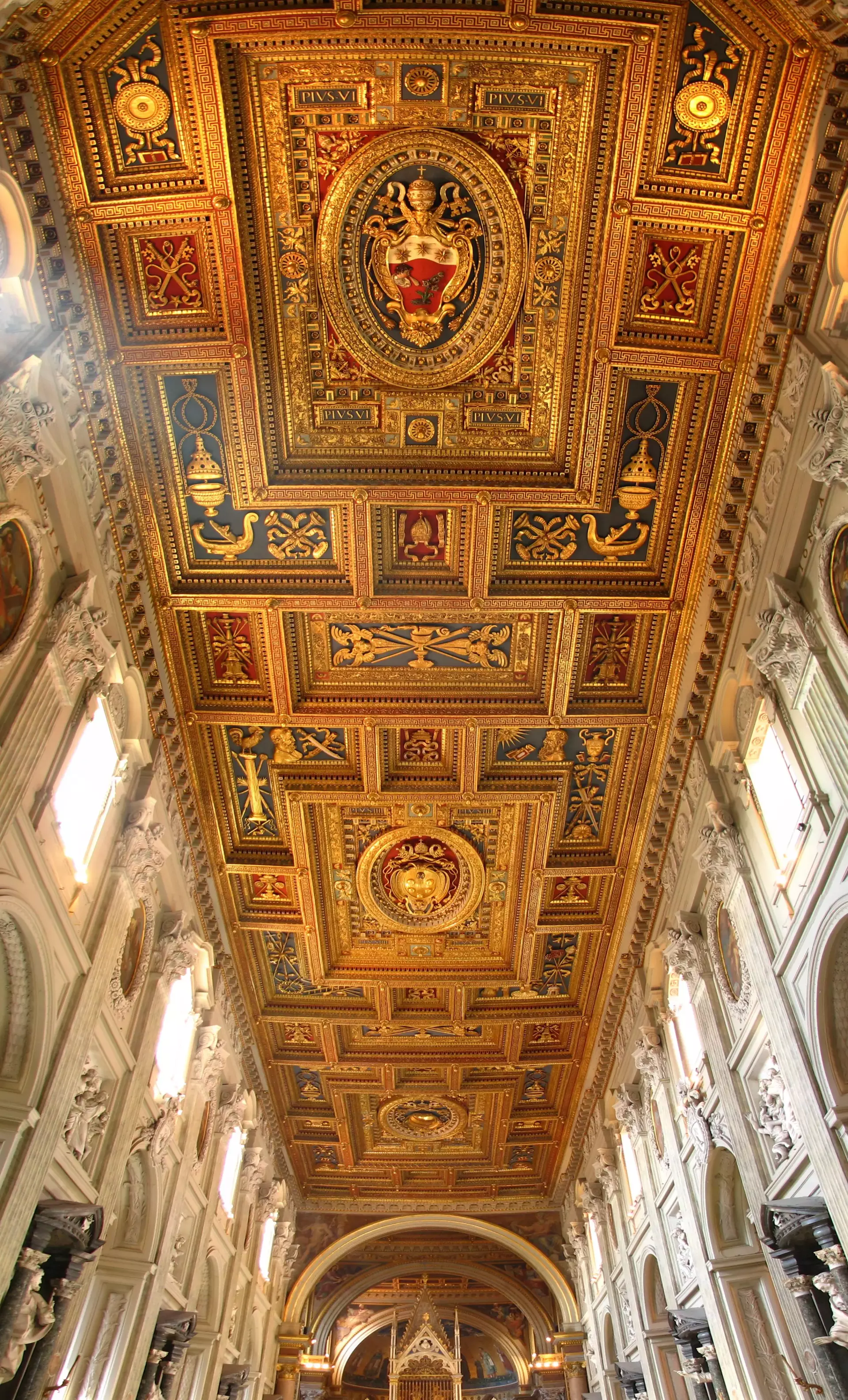
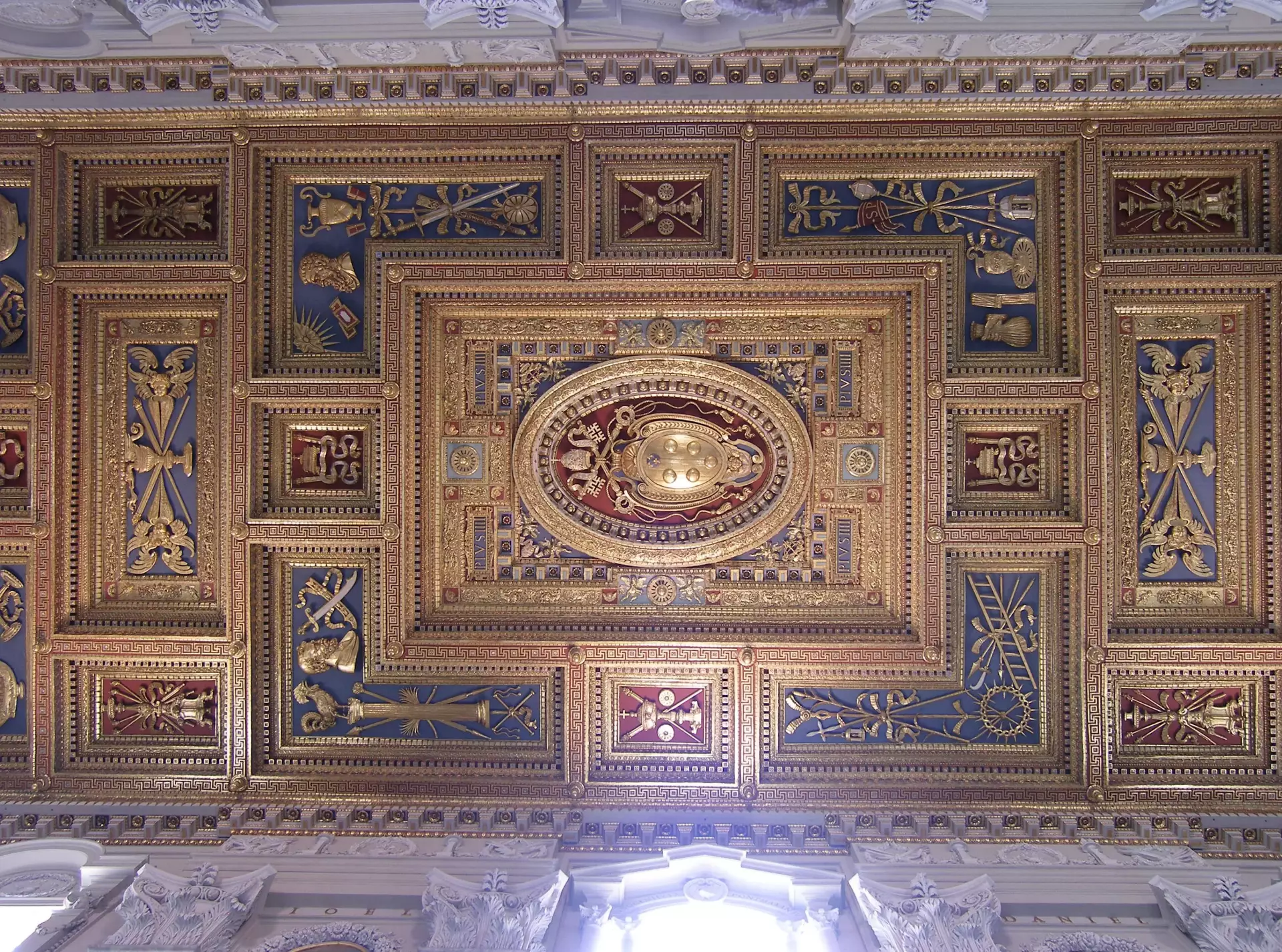
St. John Lateran is not only a cathedral but also the first among the four major basilicas of Rome. Its grand architecture and rich history attract visitors and pilgrims from all over the world. The basilica’s impressive façade, spacious nave, and ornate chapels offer a striking example of Christian art and architecture through the centuries.
Adjacent to the main basilica, in Piazza di San Giovanni, is a remarkable 4th-century baptistery. This ancient structure is still used for religious ceremonies today, connecting modern worshippers with centuries of tradition. The site provides visitors with a glimpse into early Christian rituals and church life.
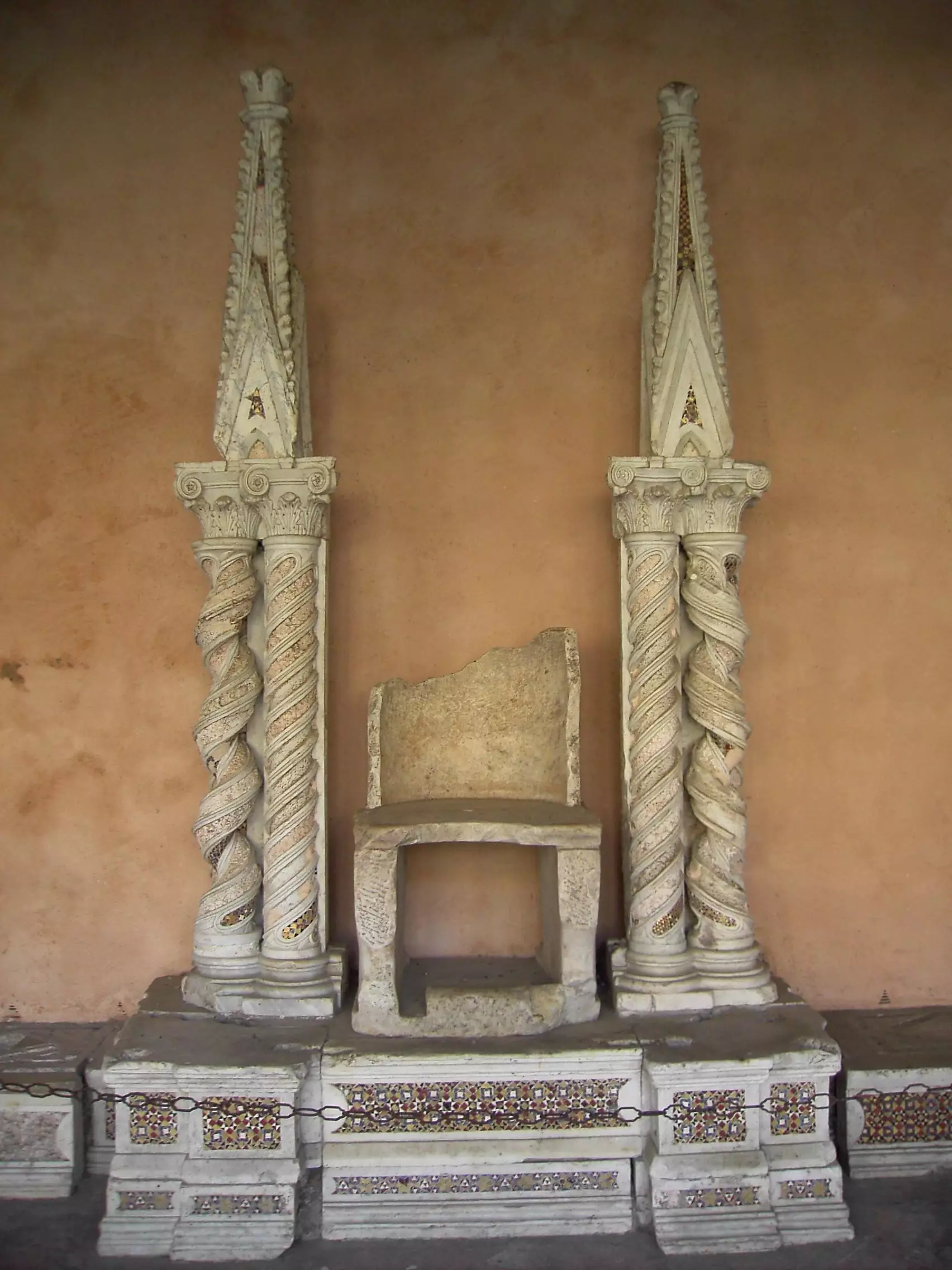
Another highlight is the medieval cloister, famous for its beautifully decorated Cosmati columns. These mosaic-adorned columns showcase the skill and artistry of medieval craftsmen, creating an atmosphere of peace and reflection. The cloister offers a quiet escape from the bustle of the city and a chance to appreciate the basilica’s historic ambiance.
Source - https://en.wikipedia.org/wiki/Archbasilica_of_Saint_John_Lateran
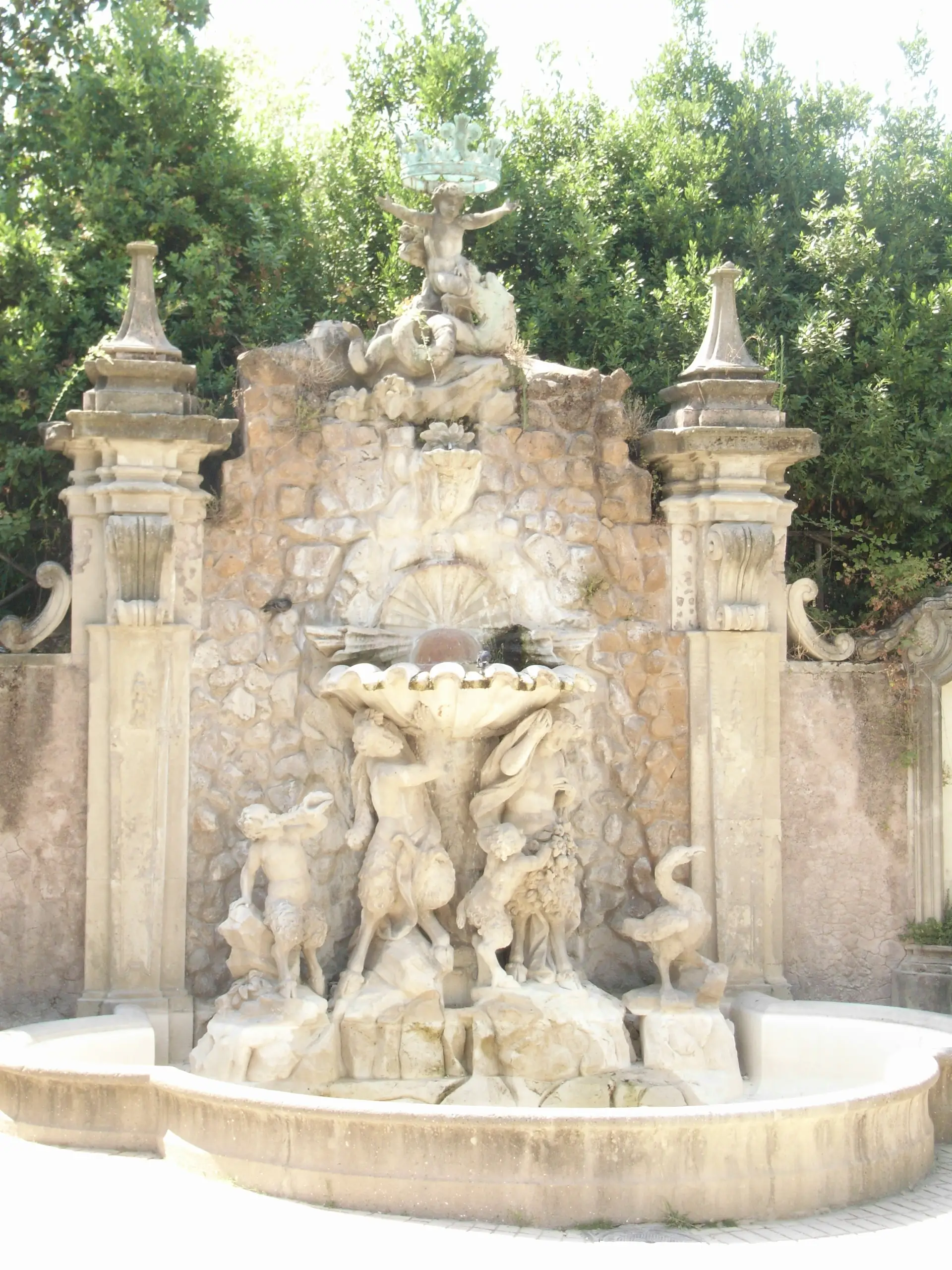
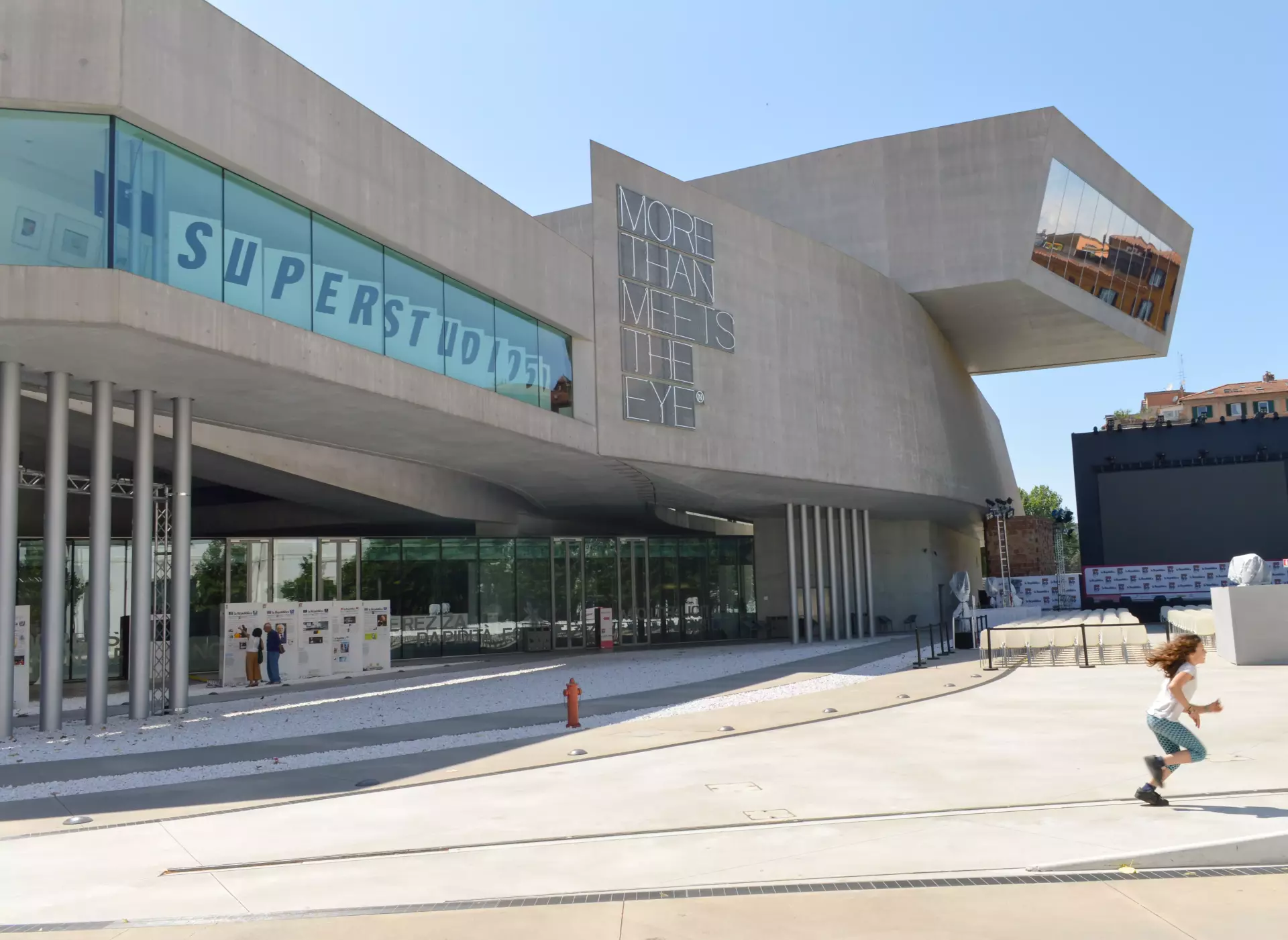
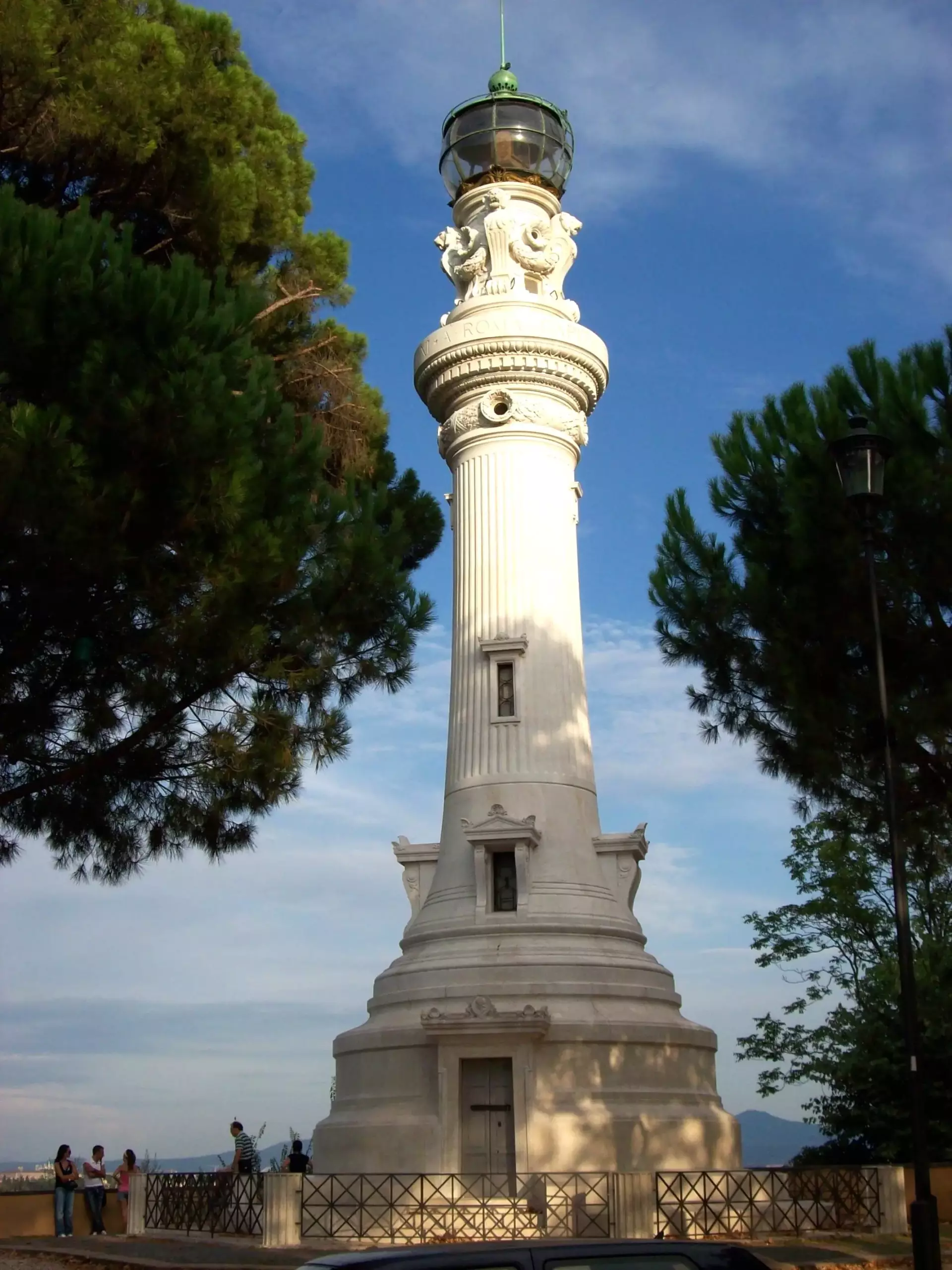
This is not, contrary to popular belief, one of the original seven hills that Rome was founded on. It is the second highest after Monte Mario, though, and offers incredible panoramic views of the city as long as the authorities remember to prune the trees on the hillside (if they are too tall you can walk a few meters down the hill for views that are just as good). On the other side of the piazza there is also a nice view of the dome of St. Peter's. The Piazza and the street leading up the hill are dedicated to Giuseppe Garibaldi who led Italian troops against the French here in 1849. There are also several commemorative statues.
A truly monumental stairway of 135 steps (similar to climbing eight flights of stairs), built with French funds between 1721 and 1725 in order to link the Bourbon Spanish embassy to the Holy See (still located in the piazza below), with the Bourbon French church (its monastery founded in 1495) above. Don't sit on them though, or eat, or push a baby stroller on them, or do anything else that might obstruct pedestrians, make them dirty, or cause additional wear and tear, or else you will have to pay a fine that ranges from €250 to €400.
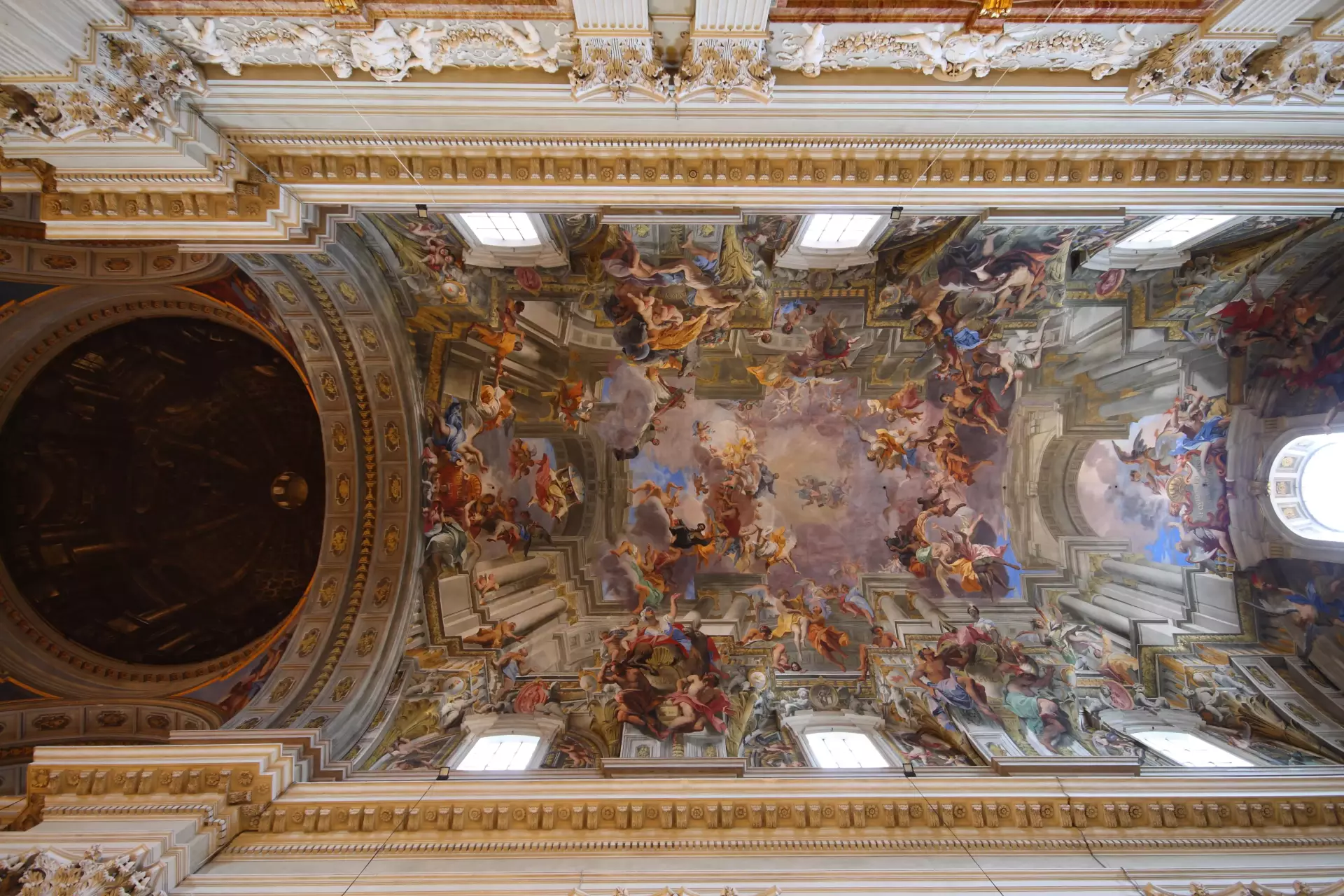
Between the Pantheon and Via del Corso. A stunning example of Baroque art. The ceiling frescoes are especially fine, including a trompe l'oeil dome by the master Andrea Pozzo.
Unusual and fascinating round church dedicated to St. Stephen. It is the national church of Hungary in Rome. Dating from the 5th Century this is believed to be the largest round church in the world. Charles Dickens described its wall paintings of martyrdom and butchery as "hideous". A good starting point to visit the attractions of the Celio Hill (see Rome/Aventino-Testaccio).
Built in 141 AD and dedicated to the Empress Faustina; after her husband emperor Antoninus Pius died in 161 AD the temple was rededicated to the couple.
On the other side of the Via dei Fori Imperiali to the Roman Forum. Well-preserved market area that doubled as a way of stopping the Quirinal Hill from collapsing. Below in the Forum is Trajan's Column, built in 113 with reliefs depicting the Emperor Trajan's vistories in battle.
Finished in 29 BC, marks the spot of Caesar's spontaneous cremation and Mark Antony's funeral speech, made famous by Shakespeare in his play Julius Caesar ("Friends, Romans, Countrymen, lend me your ears ...").
This church, which was commissioned by Ferdinand and Isabella of Spain, marks the point where, according to tradition, St. Peter was crucified. Particularly interesting for Irish visitors as it contains the graves of three Gaelic Chiefs who fled Ireland in 1607.
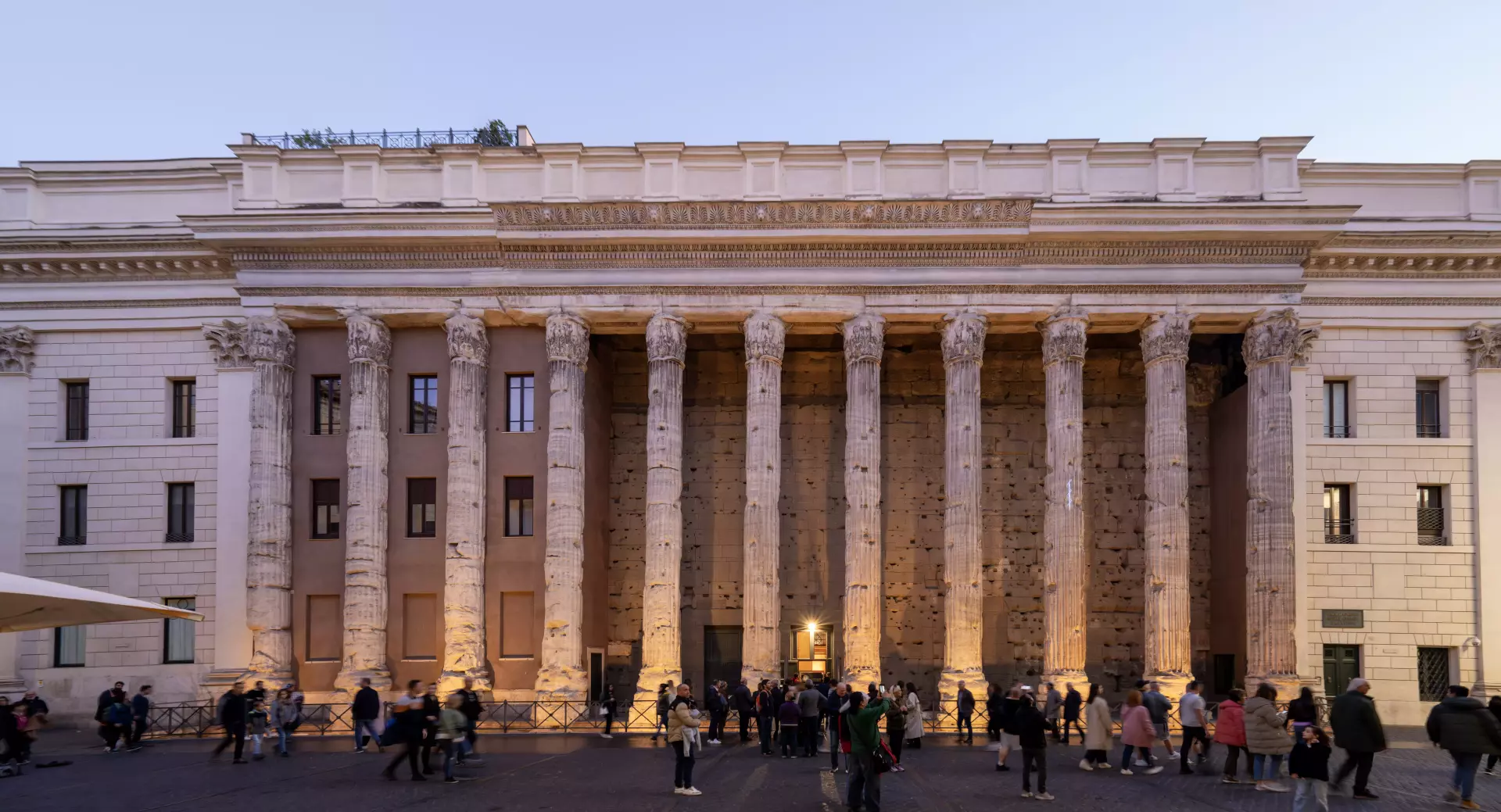
The temple of the Emperor Hadrian was consecrated in 145 AD by Emperor Antoninus Pius. The remains of the antique temple were incorporated into a new building that served as the Papal Customs House. It was finished around 1690 and today accommodates the Stock Exchange (Borsa).
Home of the Abbot Primate of the Benedictine Confederation and Benedictine monks studying in Rome. Visit the monastic produce shop and listen to the best Gregorian chant in Rome during Vespers (19:15 each evening).
Perhaps the most fascinating building in Rome. The core of the structure began life as the mausoleum of Emperor Hadrian, built between 135 and 139 AD. Subsequent strongholds built on top of the mausoleum were in turn incorporated into a residence and castle by medieval Popes. The building was used as a prison until 1870 but now houses a museum. Opera buffs will be exhilarated to visit the balcony from which Tosca leaps to her death. Film buffs will recognise it as a setting from Angels and Demons.
The Collegio Romano was a college of the Jesuit order. Many popes, cardinals and bishops were educated here. Since 1870 it has been a secular (non-monastic) school. The coat of arms on the doorway is that of Pope Gregory XIII (1572–1585). The tower was erected in 1787 and served as an observatory. Until 1925 all clocks in Rome were set after that of the Collegio Romano.
The western end of the ancient Via Appia road connecting Rome to Brindisi in the heel of Italy, and as such the third world heritage site in Rome together with the Old Center and the Vatican. As such it's an important historical location, even if the remains of the gate aren't as impressive as the city's major sites. As Via Appia heads southeast out of Rome, and after a few kilometers the route is officially named Via Appia Antica and starts looking more historical: it gets narrow as a city street, the asphalt is replaced by a rock surface and the road is lined with parks and park-like areas and walled old buildings. This section has been described as the world's longest museum.
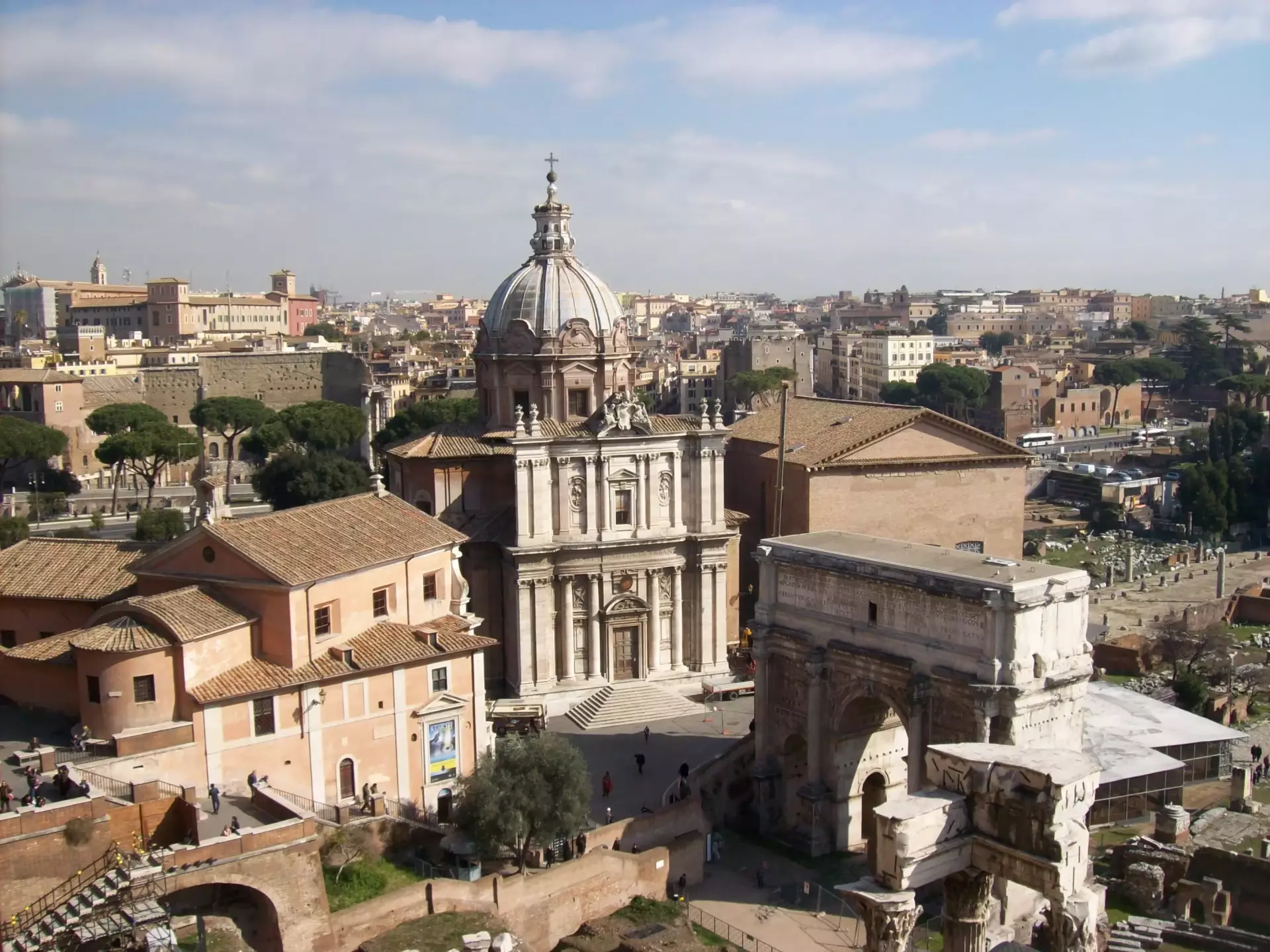
The 4th rebuilding of the meeting place for the Roman Senate, once converted into a church during the Middle Ages, but now restored since the 1930s.
More of an enormous traffic circle than a piazza, but a good central location. The centerpiece is the enormous Vittorio Emanuele Monument (aka the Wedding Cake or the Typewriter) with the Capitoline hill next door. Mussolini used to harangue Romans from the first floor balcony of Palazzo Venezia (see under Museums), to the west of the square.