In the quiet outskirts of Rome, there is an underground burial site that holds centuries of history. This is the Catacomb of Priscilla, an ancient resting place that once served a prominent Roman family and some of the earliest leaders of the Christian church.
The Catacomb of Priscilla is known for being the burial ground of seven early popes. These leaders of the Christian faith found their final resting place here during times when Christianity was not yet fully accepted in Roman society. The tunnels of the catacomb show both the secrecy and devotion of early believers, who gathered to honor their dead away from public view.
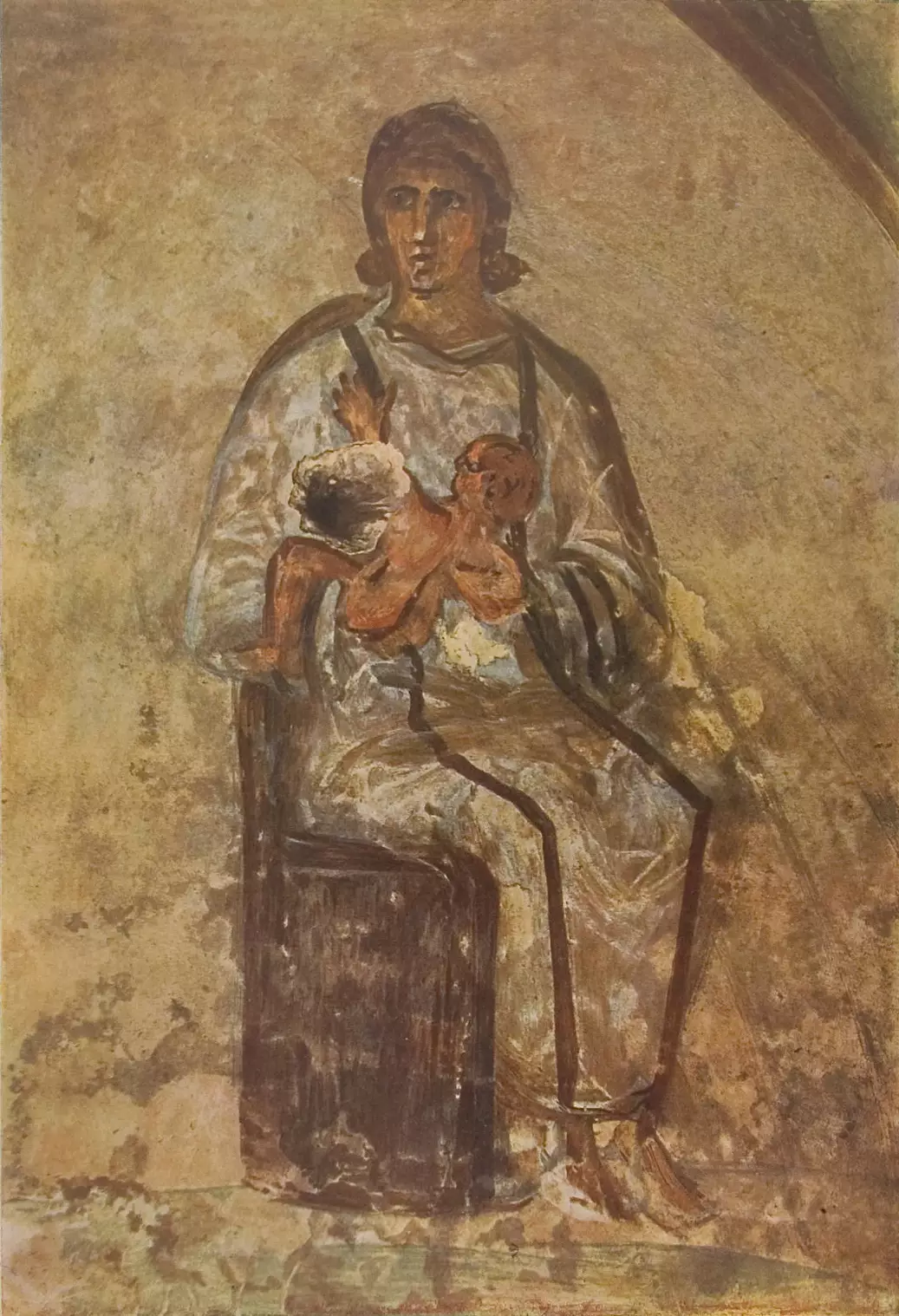
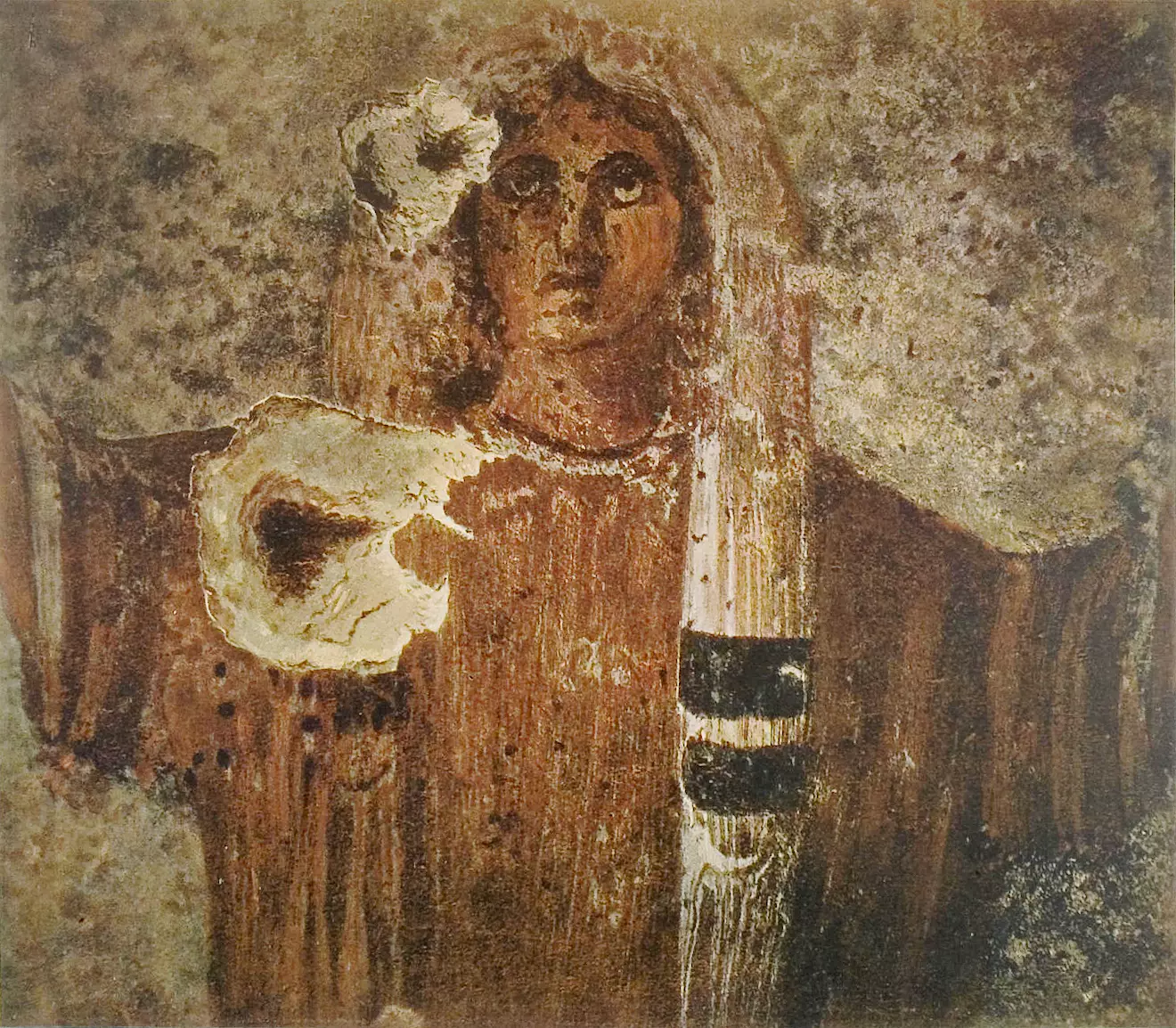
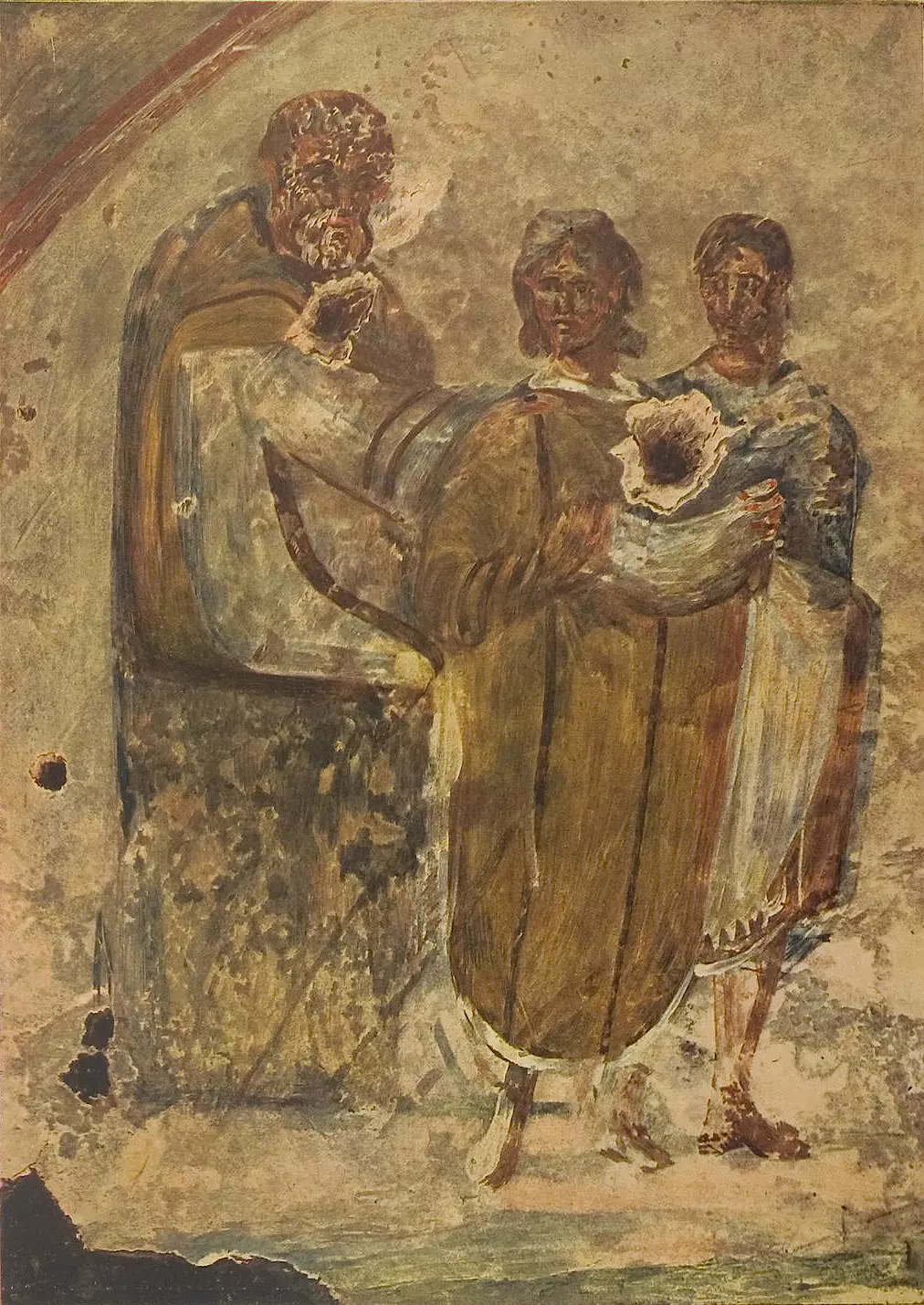
Visitors to the Catacomb of Priscilla can see winding corridors and small rooms carved into the soft volcanic rock. Some walls are decorated with ancient Christian symbols and artwork, offering a glimpse into the hopes and beliefs of people from nearly two thousand years ago. The peaceful silence and cool, dim air make the experience a solemn reminder of Rome’s layered history.
Source - https://en.wikipedia.org/wiki/Catacomb_of_Priscilla
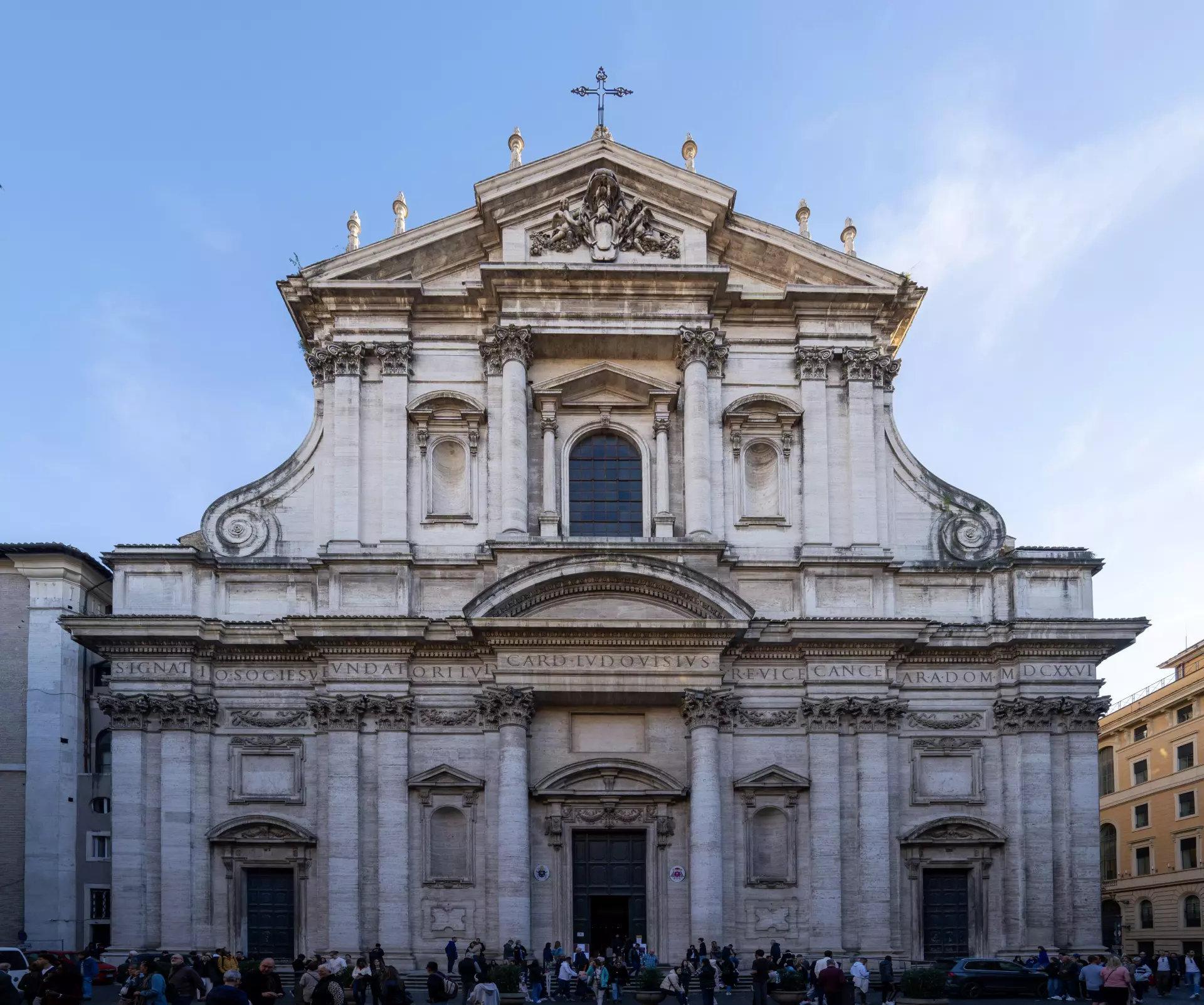
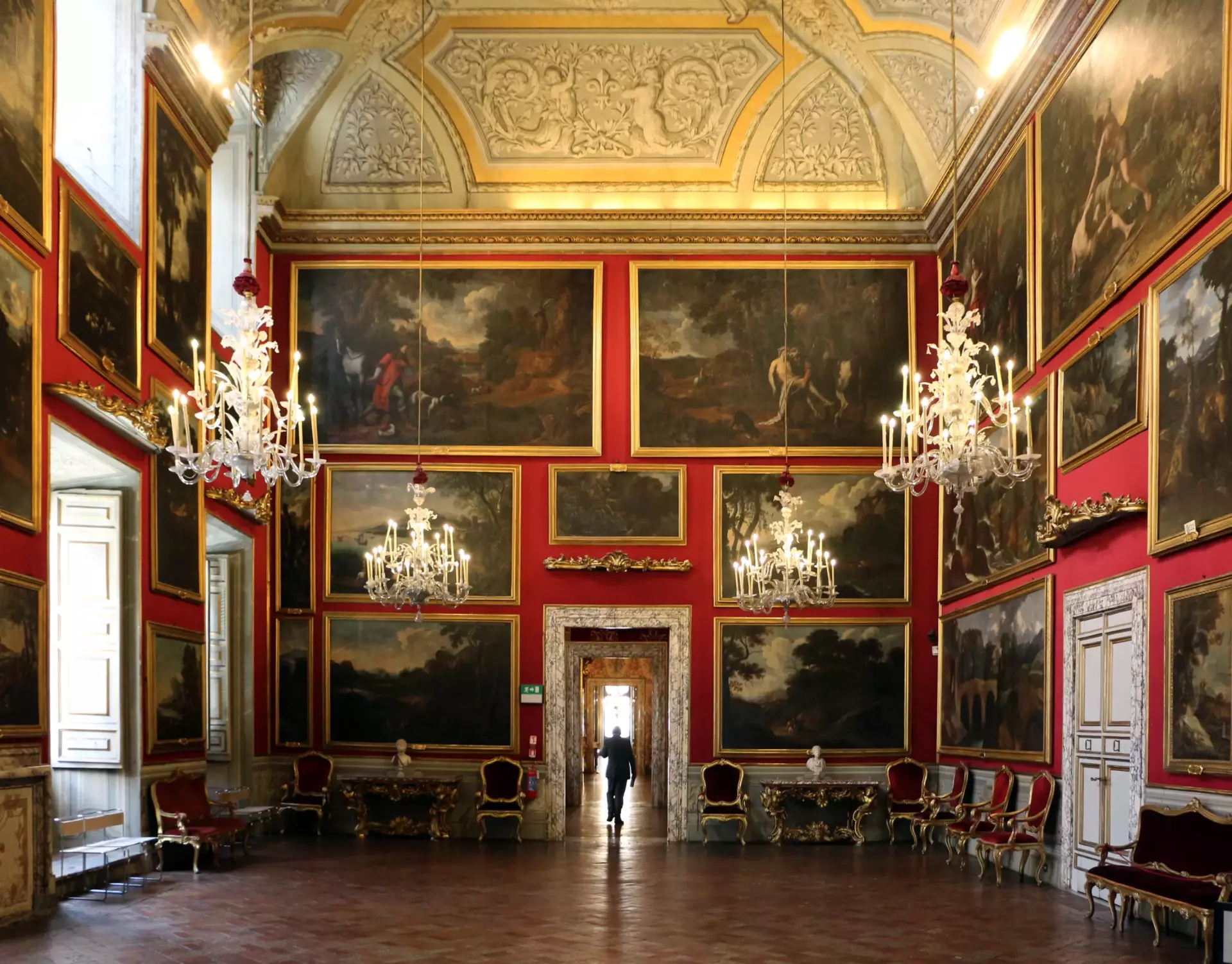
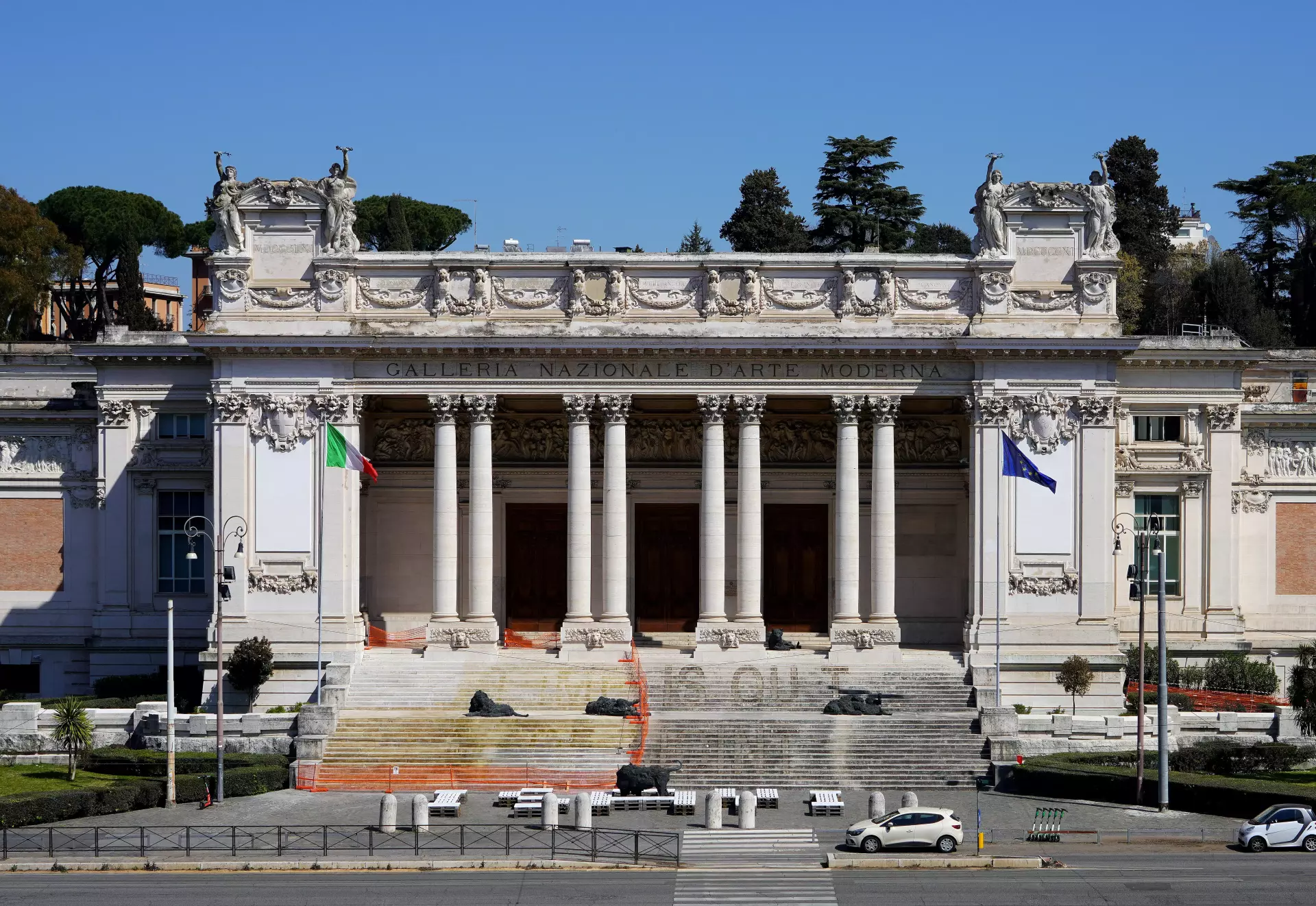
Brand new museum designed to celebrate the art and architecture of the 21st century.
Parco Savello is the name of the grounds and orange grove next to the Santa Sabina church at the top of the Aventino and also where you have one of the best views of the city. Families gather here to sit under the dozens of orange trees. The "Giardino degli Aranci" is also a well known spot for lovers at night. The best views are arguably from Janiculum hill, just across the Tevere (Tiber) river. Immediately below you, the Tiber snakes its way through the city, and directly beyond it you can see the lively medieval quarter of Trastevere. Beyond that is the majestic dome of St. Peter's Basilica, with the historic centre of Rome visible to the right.
Borghese Gallery and Museum is a lovely display in a beautiful villa setting, which concentrates on the quality rather than the size of its collection. There are some very notable works by Antonio Canova and Gian Lorenzo Bernini here, Bernini's Apollo and Daphneis quite amazing. It also houses some of Caravaggio paintings, well worth the admission charge. Originally, the gallery was one of the most magnificent private art collections in the world. It was founded by Cardinal Scipione Borghese. At the beginning of the 19th century, Prince Camillo Borghese sold great parts of the collections to Paris where today they belong to the most valuable exhibits of the Louvre. Since 1902 the villa and the gallery are owned by the Italian state. The number of people admitted is limited to 360 every 2 hours, so it is best to make a well in advance for the time slot you want. Cameras and photography are allowed. Plan to arrive at the museum at least 15 minutes prior to your entry time, to obtain your ticket from Will Call and to deposit purses, strollers, backpacks, bottles, and other bulky items in the cloak room. If you are late for your reservation the museum may not allow you to use your ticket.
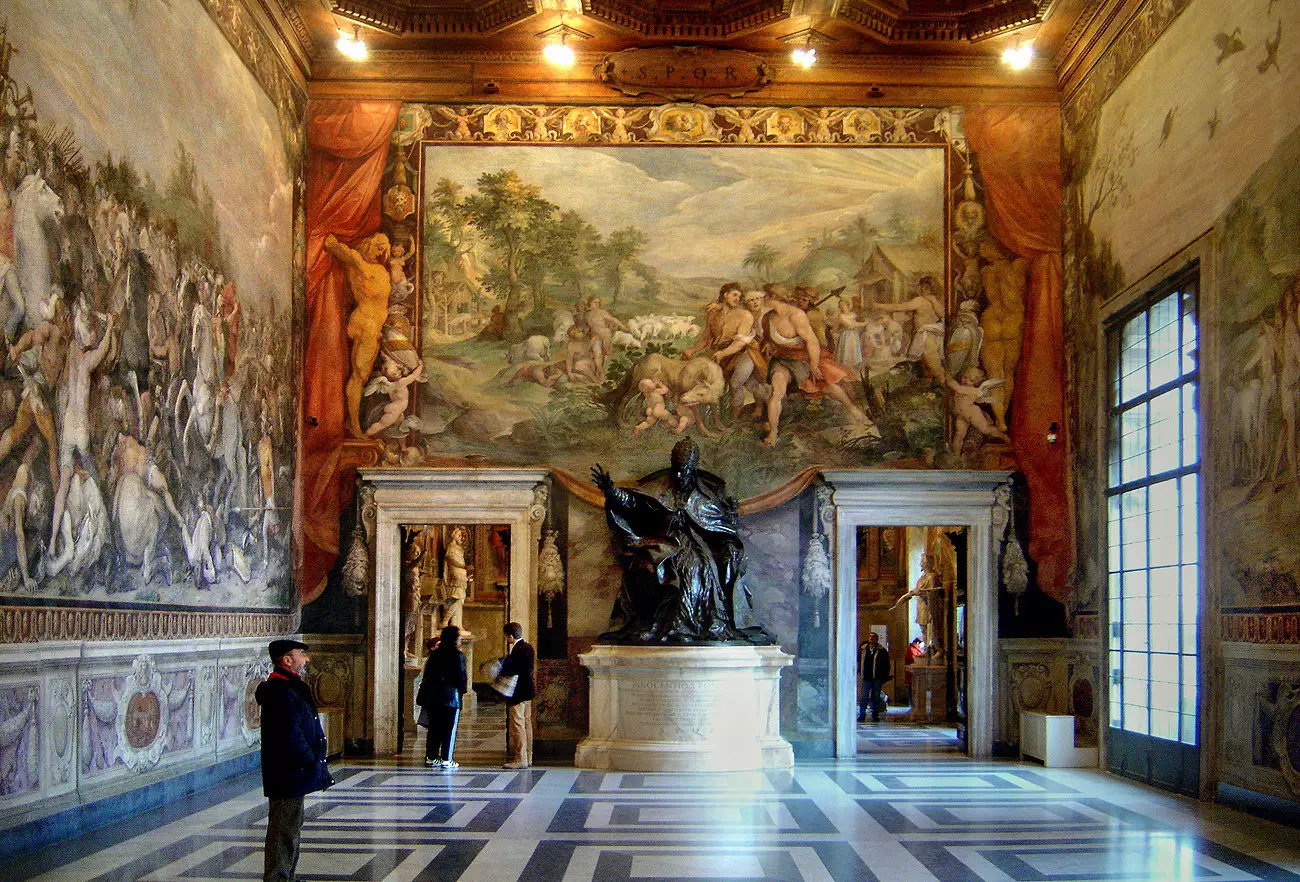
Also based on a Michelangelo architectural plan, this compact gallery is well endowed in classical sculpture and paintings. Highlights include the small 1st-century-BC bronze Lo Spinario, a Greek statue of a little boy picking a thorn from his foot; the Lupa Capitolina (Capitoline Wolf), a rare Etruscan bronze statue probably dating from the 5th century BC; and (in the entrance courtyard), the massive head, hands, foot and kneecap from a colossal statue of Constantine the Great. The palace also contains a Pinacoteca (Picture Gallery) with paintings mainly from the 16th and 17th centuries - highlights include: Caravaggio's Fortune-Teller and his curious John the Baptist; The Holy Family, by Dosso Dossi; Romulus and Remus, by Rubens; and Titian's Baptism of Christ.
Designed by Bramante to mark the spot of St. Peter's martyrdom, this delightful miniature building is considered a masterpiece of Renaissance architecture. Open to the public.
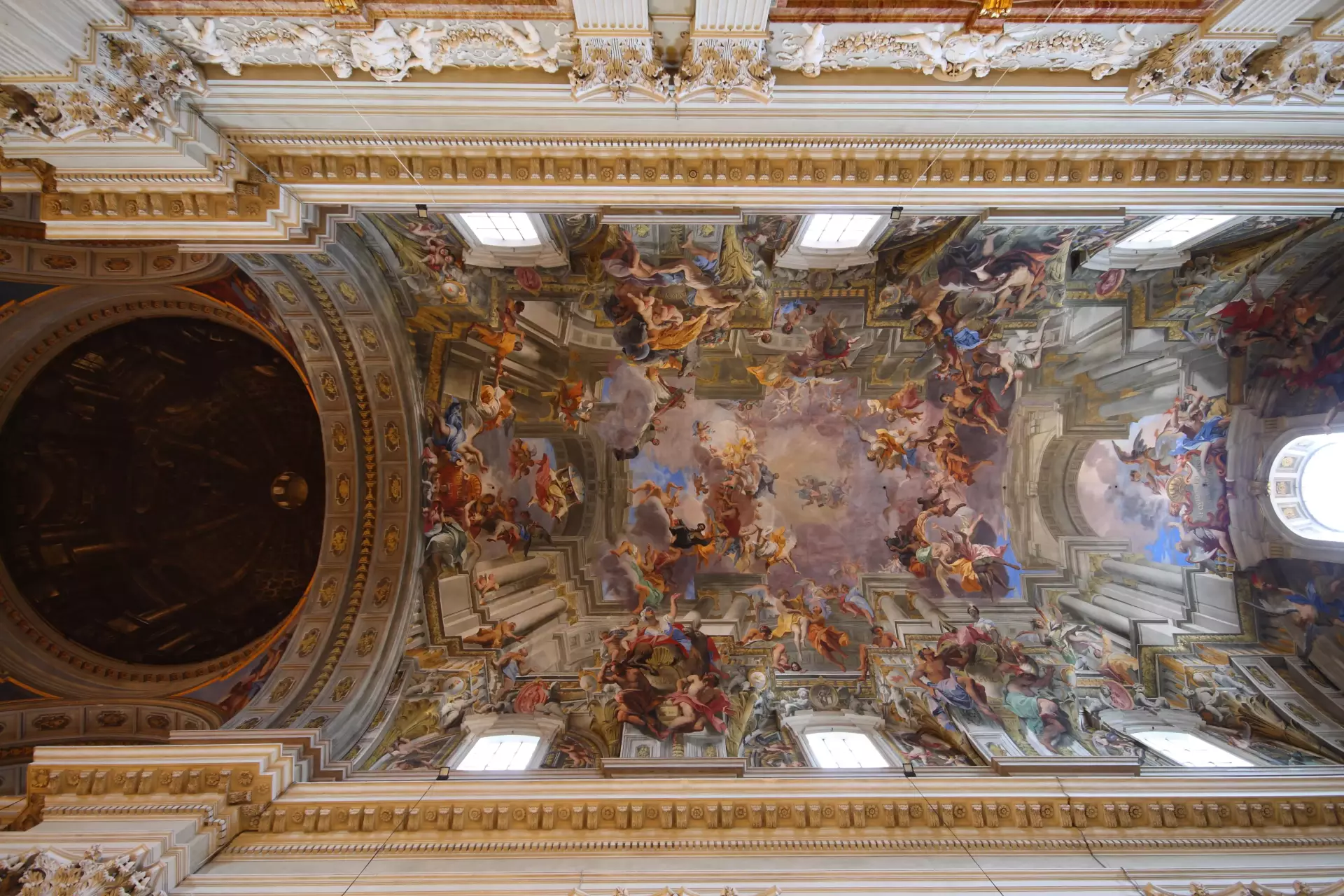
Between the Pantheon and Via del Corso. A stunning example of Baroque art. The ceiling frescoes are especially fine, including a trompe l'oeil dome by the master Andrea Pozzo.
This is the island located in the middle of the Tiber River (Il Fiume Tevere) that separates Central Rome and Trastevere. It boasts both a major hospital, called Fatebenefratelli, and a small synagogue that was secretly used in the Second World War when Rome's main synagogue nearby was closed down. It also has a café and gelateria on the Rome side. It is a nice way of getting to and from Trastevere. Be sure to get photos from Ponte Garibaldi as Isola Tiberina truly is beautiful. The island is 270 m long and up to 67 m broad. According to the legend envoys were sent to the temple of Asklepius in Epidauros in Greece in 291BC in order to get relief from an epidemic in Rome. The envoys brought one of the holy snakes back with them. The snake swam to the Tiber Island thus determining the place where a temple for Asklepius was built. The successor of the Asklepius sanctuary is the Church San Bartolomeo which was built by the German Emperor Otto III around the year 1000. The Ponte Rotto is what is left from the ancient Pons Aemilius, the oldest stone bridge over the Tiber erected around 180 BC. The bridge was partly destroyed during a flood in 1557, re-erected by Pope Gregor XIII and finally pulled down in 1598. In 62 BC the Senatorial road construction office replaced the wooden footbridge by the Ponte Fabricio.
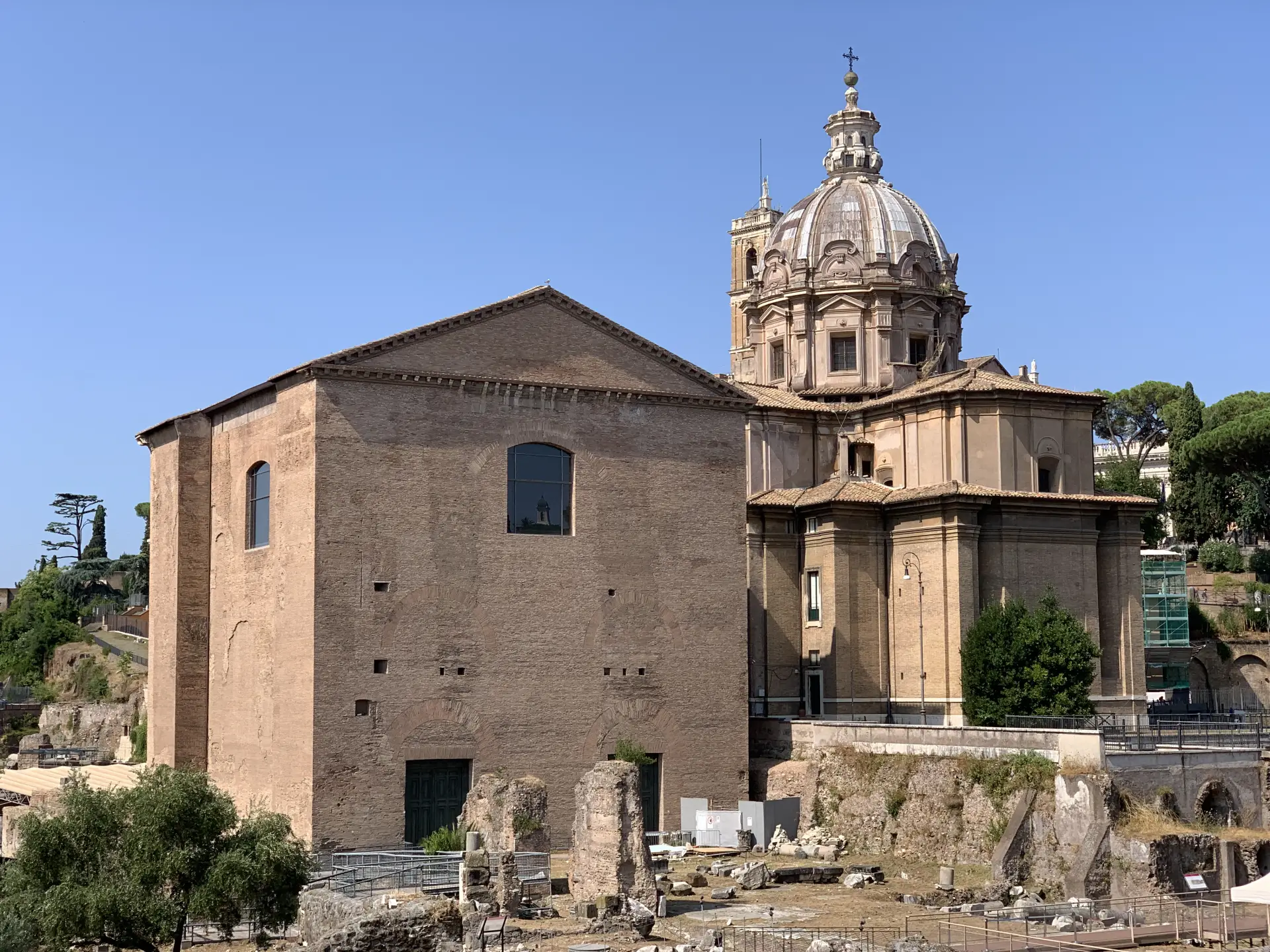
The remains of the ancient Roman archives, where Cicero and Seneca did research. Visible from the Forum and accessible through the Capitoline Museum.
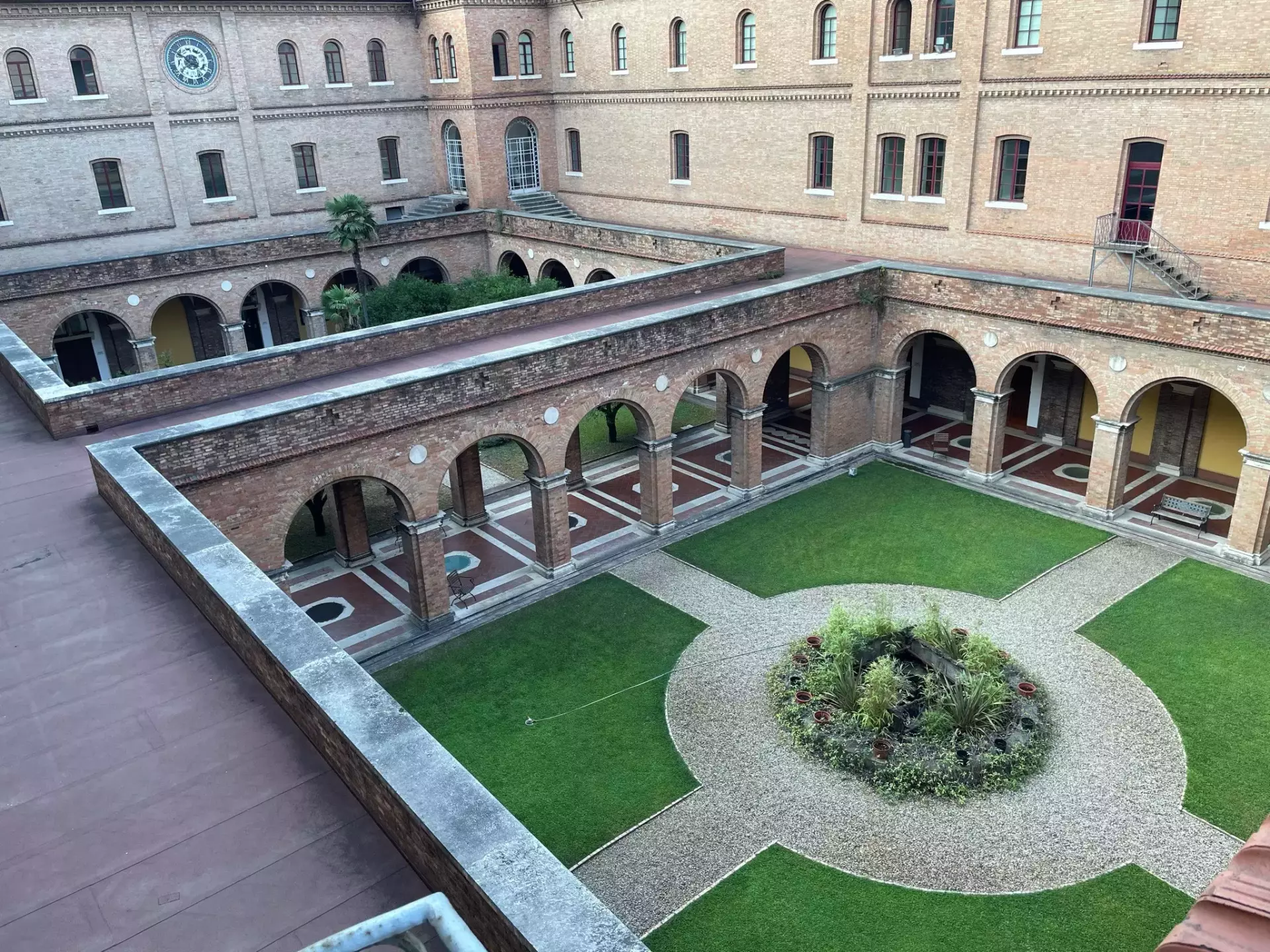
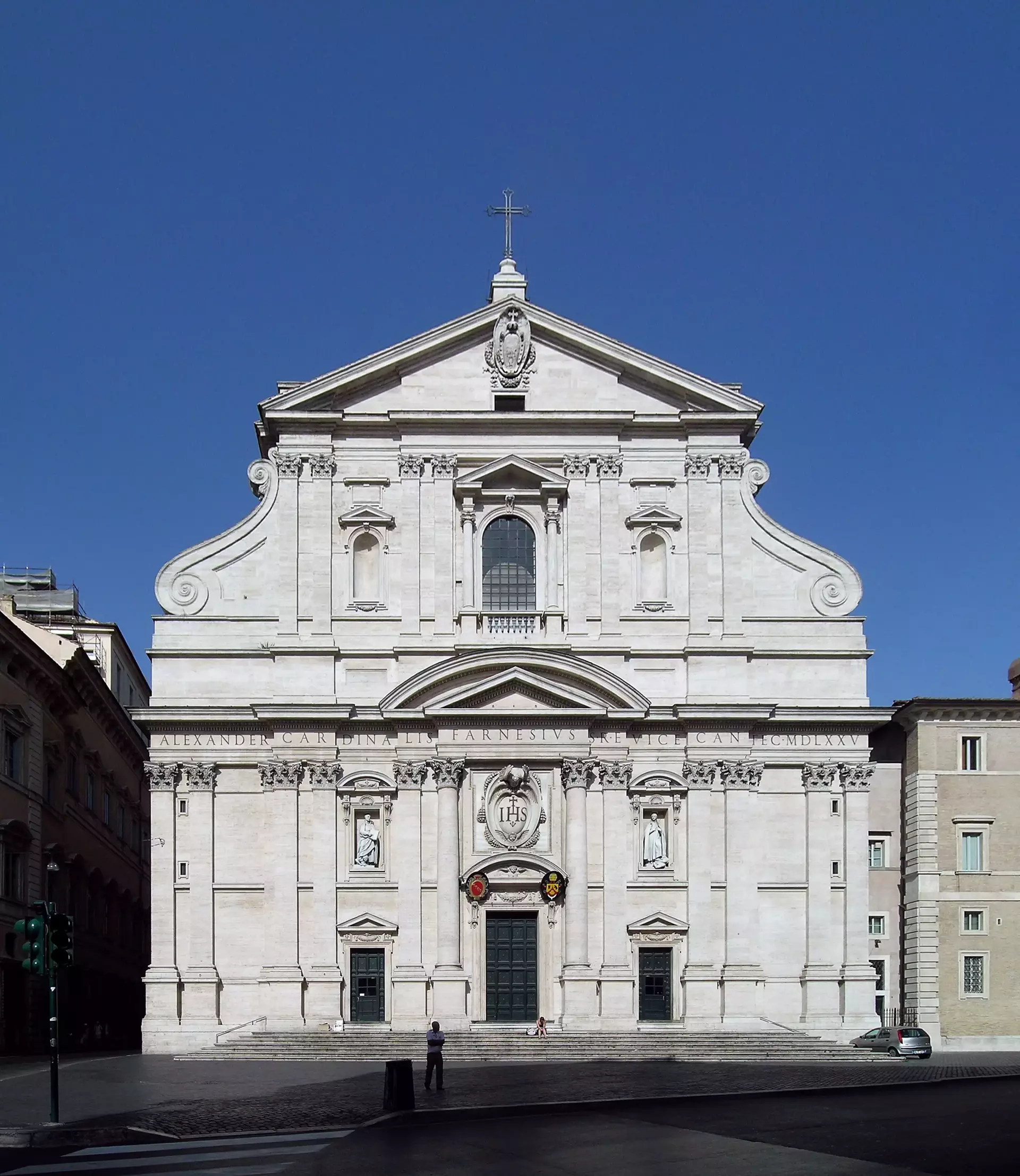
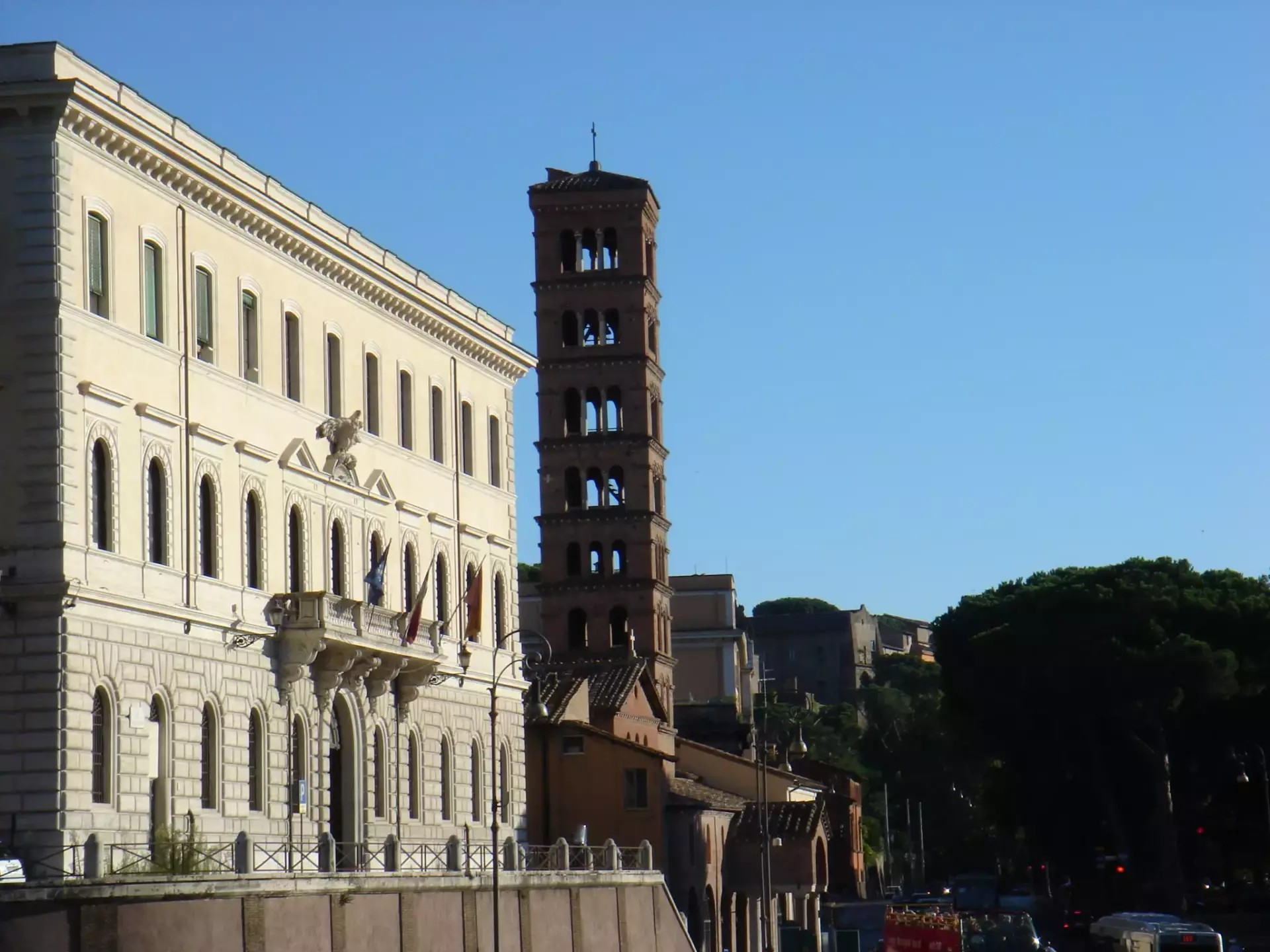
The Collegio Romano was a college of the Jesuit order. Many popes, cardinals and bishops were educated here. Since 1870 it has been a secular (non-monastic) school. The coat of arms on the doorway is that of Pope Gregory XIII (1572–1585). The tower was erected in 1787 and served as an observatory. Until 1925 all clocks in Rome were set after that of the Collegio Romano.
A relaxing place to sit and recover from the exertions of sightseeing. Permanent collection plus annual competition.
Rome's museum of contemporary art, housed in a former industrial complex. Rotating exhibitions, each one usually lasting about 4 months. The MACRO Testaccio exhibition space is located in Aventino-Testaccio.
Built in honour of Victor Emmanuel, the first king of a unified Italy, this vast structure may appear to be solid white marble but actually contains many rooms inside. There are two permanent museums, one on Italian Reunification and one on emigration from Italy, as well as other spaces that host rotating exhibitions. A walk through the Flag Room leads to the tomb of the unknown soldier. Good views from half-way up but you can also pay €10 (€2 concessions) and take a lift all the way to the top.
Known properly as the Flavian Amphitheatre, this most famous of Roman landmarks takes its name from the giant statue of the emperor Nero that once stood near this location. The amphitheatre was capable of seating 50,000 spectators for animal fights and gladiatorial combats. It was a project started by the Emperor Vespasian in 72 and completed by his son Domitian sometime in the 80s. The Colosseum when completed measured 48 m high, 188 m in length, and 156 m in width. The wooden arena floor was 86 m by 54 m, and covered by sand.;Expect a long queue and an even longer wait. You can skip the queue if you decide to take a tour, but if you don't want a tour, you can STILL skip the queue. If you walk to the entrance for the Roman Forum, you can buy tickets there which allow you to bypass the queues. You can also buy tickets online. There are lots of people offering tours in English just outside the entrance to the Colosseum. Inside you can take a tour (English, Spanish, or German) every 30 minutes or so for an additional fee. The tours are given by knowledgeable archeologists, but they don't take you to any areas you couldn't visit on your own.
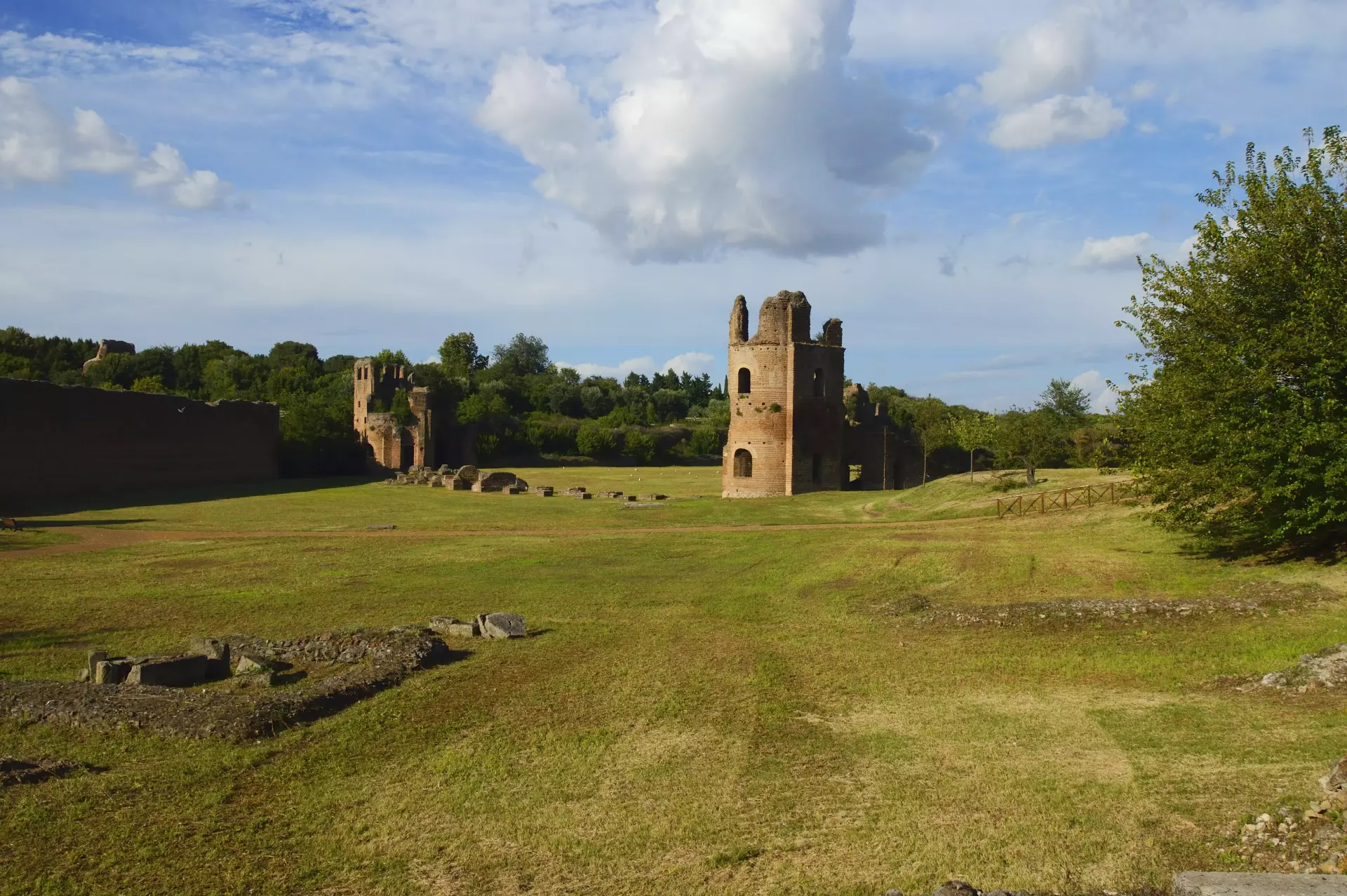
This archaeological site displays the thermal baths of the villa of the wealthy Herod Atticus. Also in the complex is a restored villa, until 2002 a private residence, that has an exterior completely covered with pieces from Roman ruins, including pipes used in the baths. There are some very helpful staff to show you around, although they only speak Italian. An interesting photographic exhibition in the house traces the development of the Appian Way over the last century. Almost opposite the entrance to the baths is a ruined tower known as the Torre di Capo di Bove.
This is an important place of pilgrimage for Catholics because of the supposedly miraculous powers of an image of the Virgin Mary. The first miracle was in 1740 when a traveller being attacked by a pack of dogs called out to the Virgin’s image for rescue and the dogs calmed down. The image was moved to Rome in the Second World War and is credited with saving the city from destruction, as a result of which Romans vowed to construct this new sanctuary.