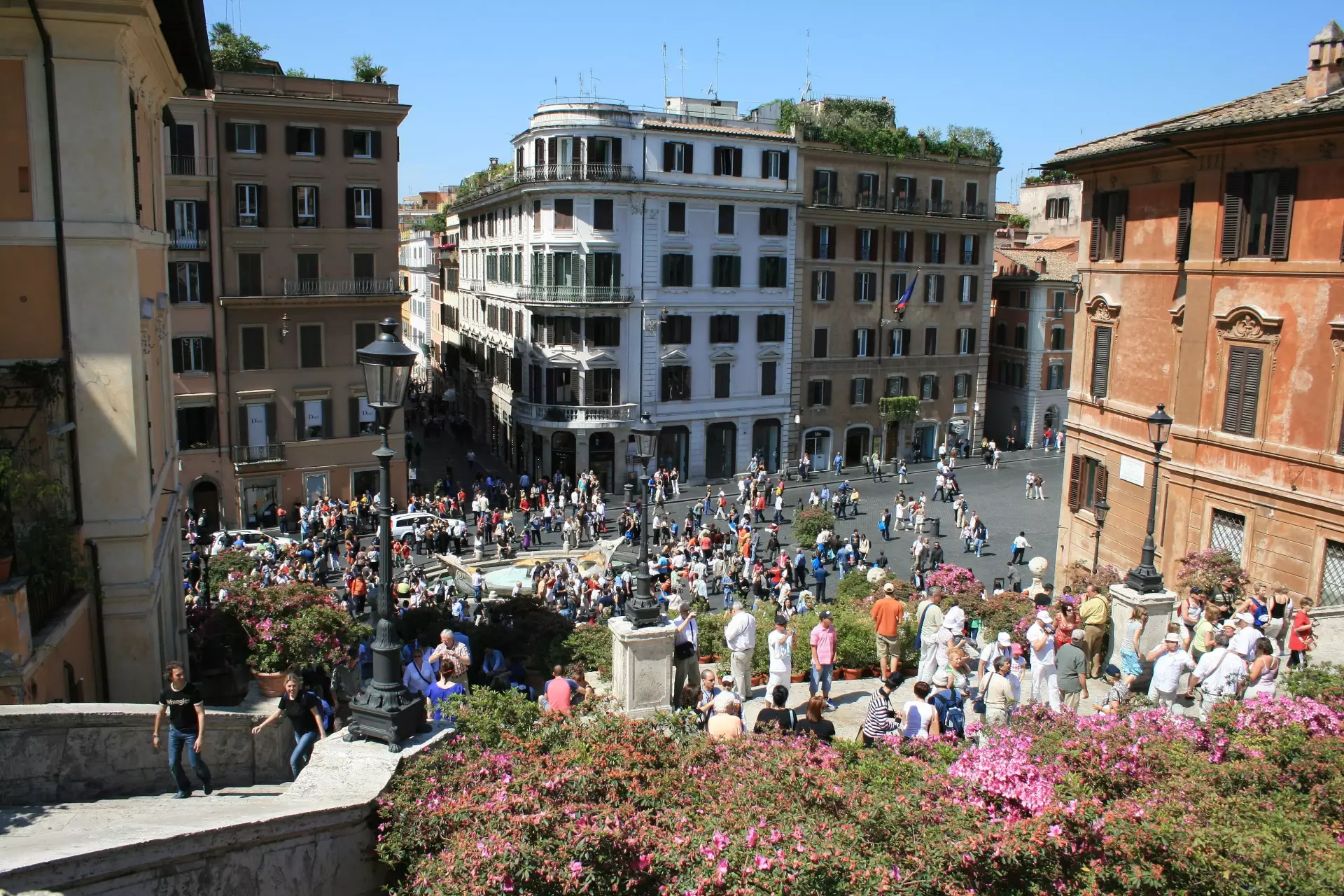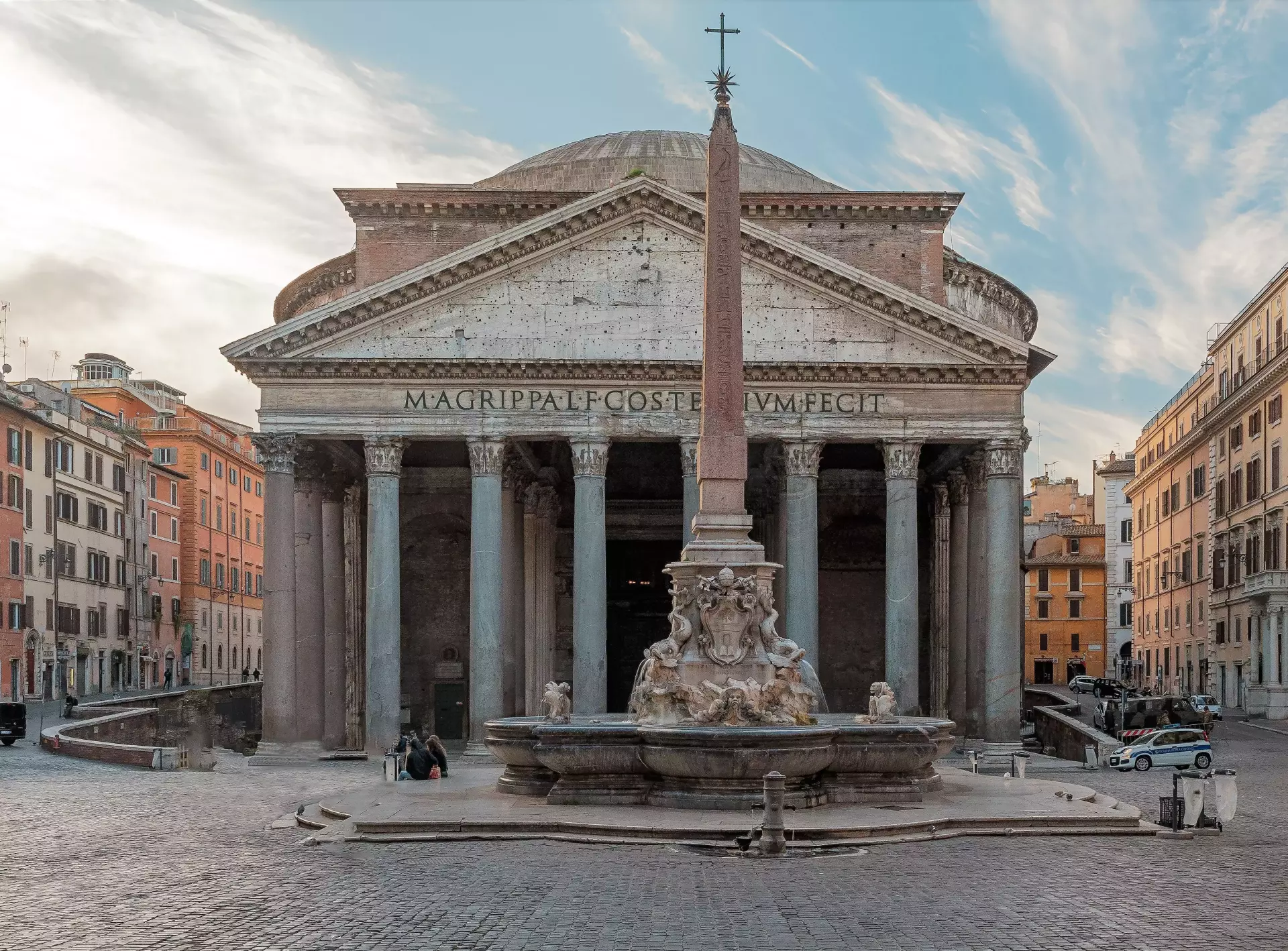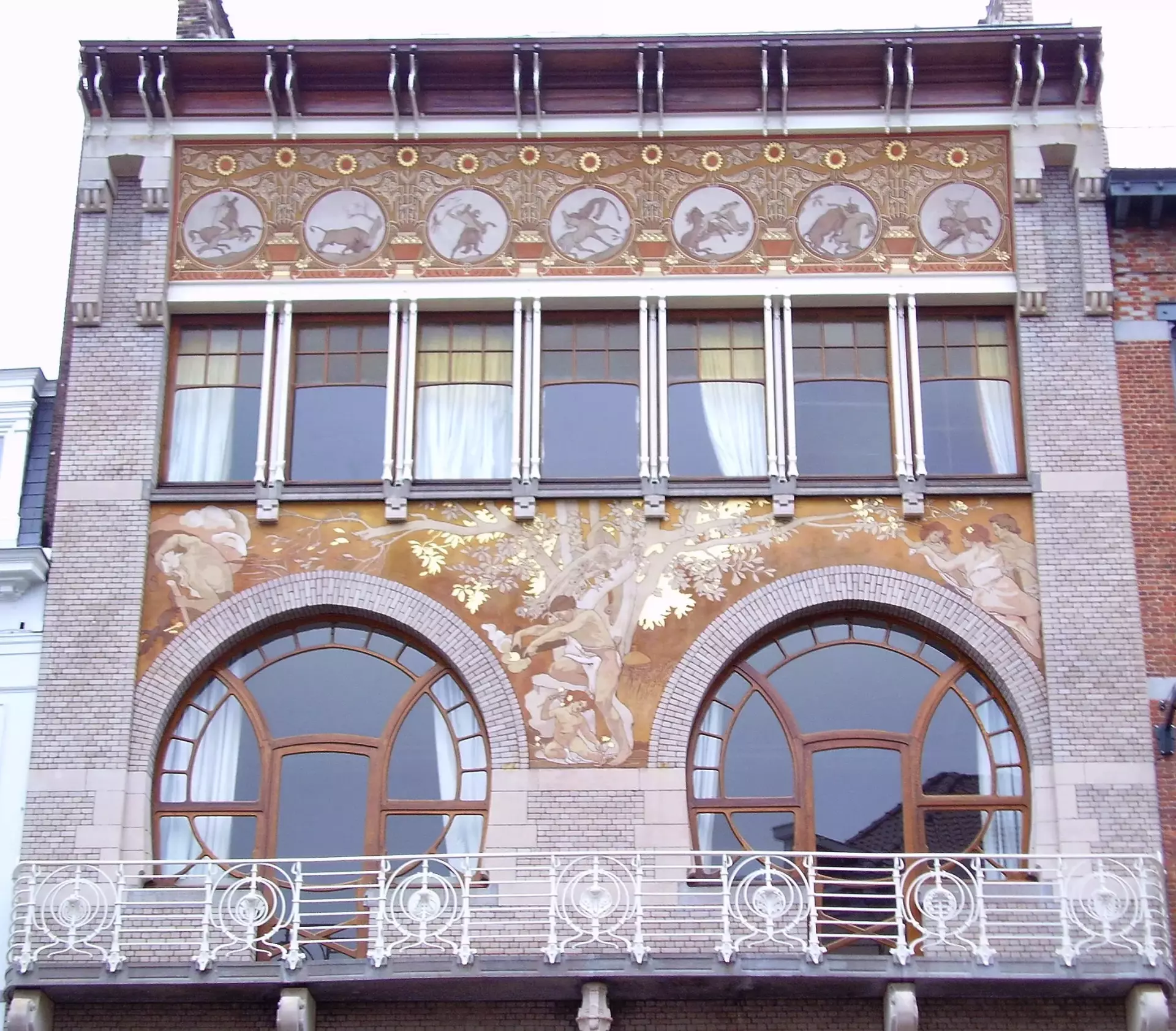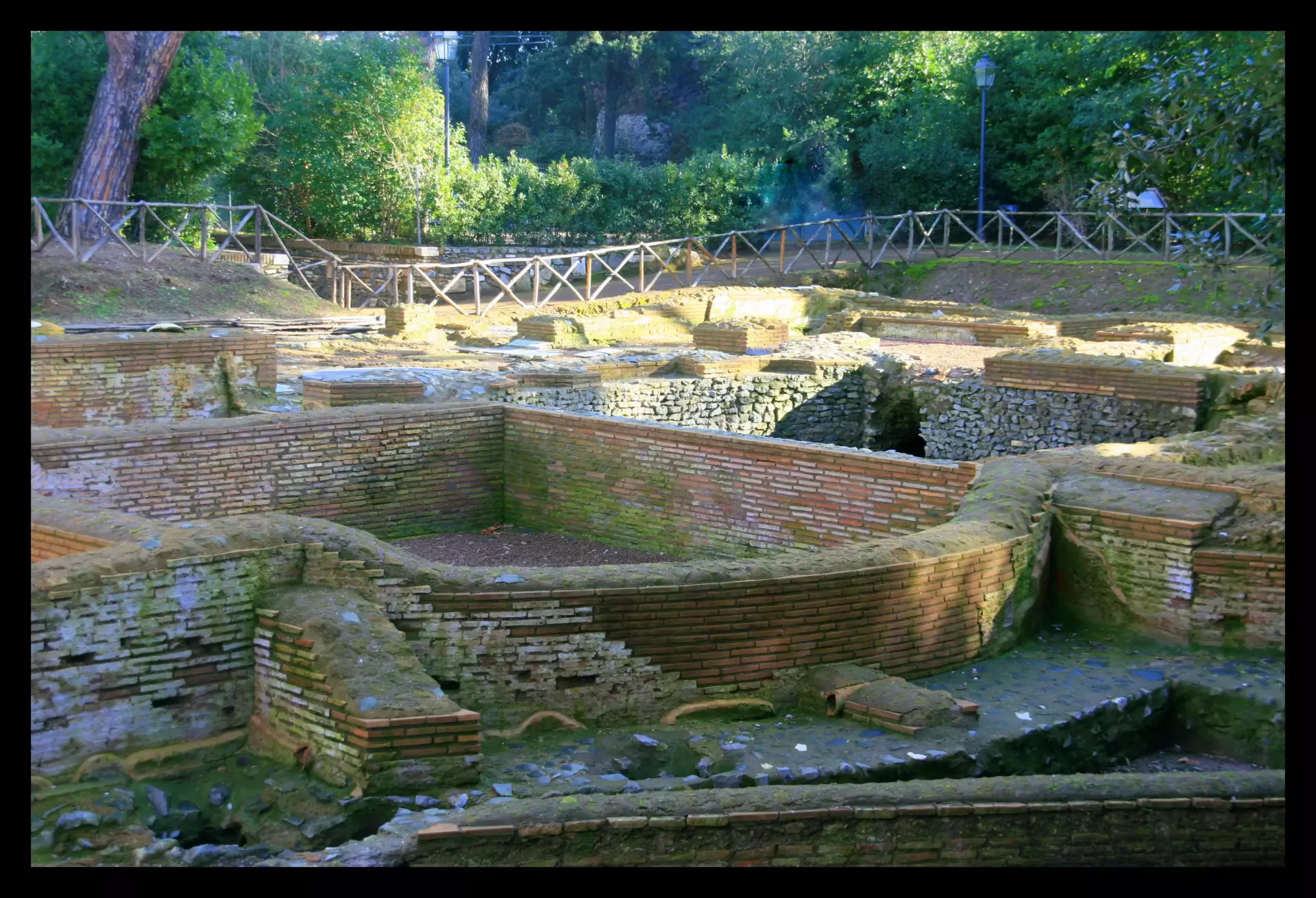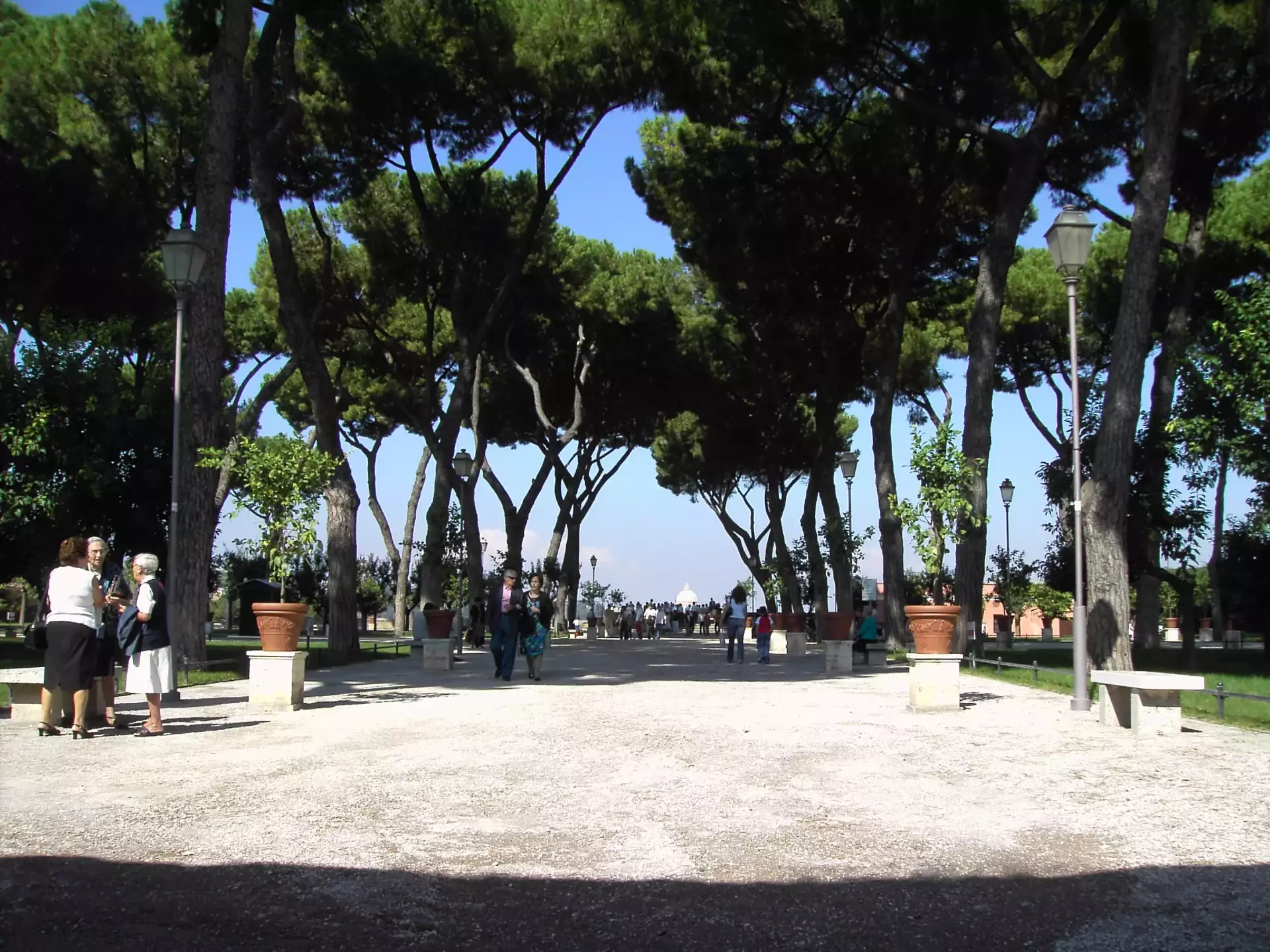
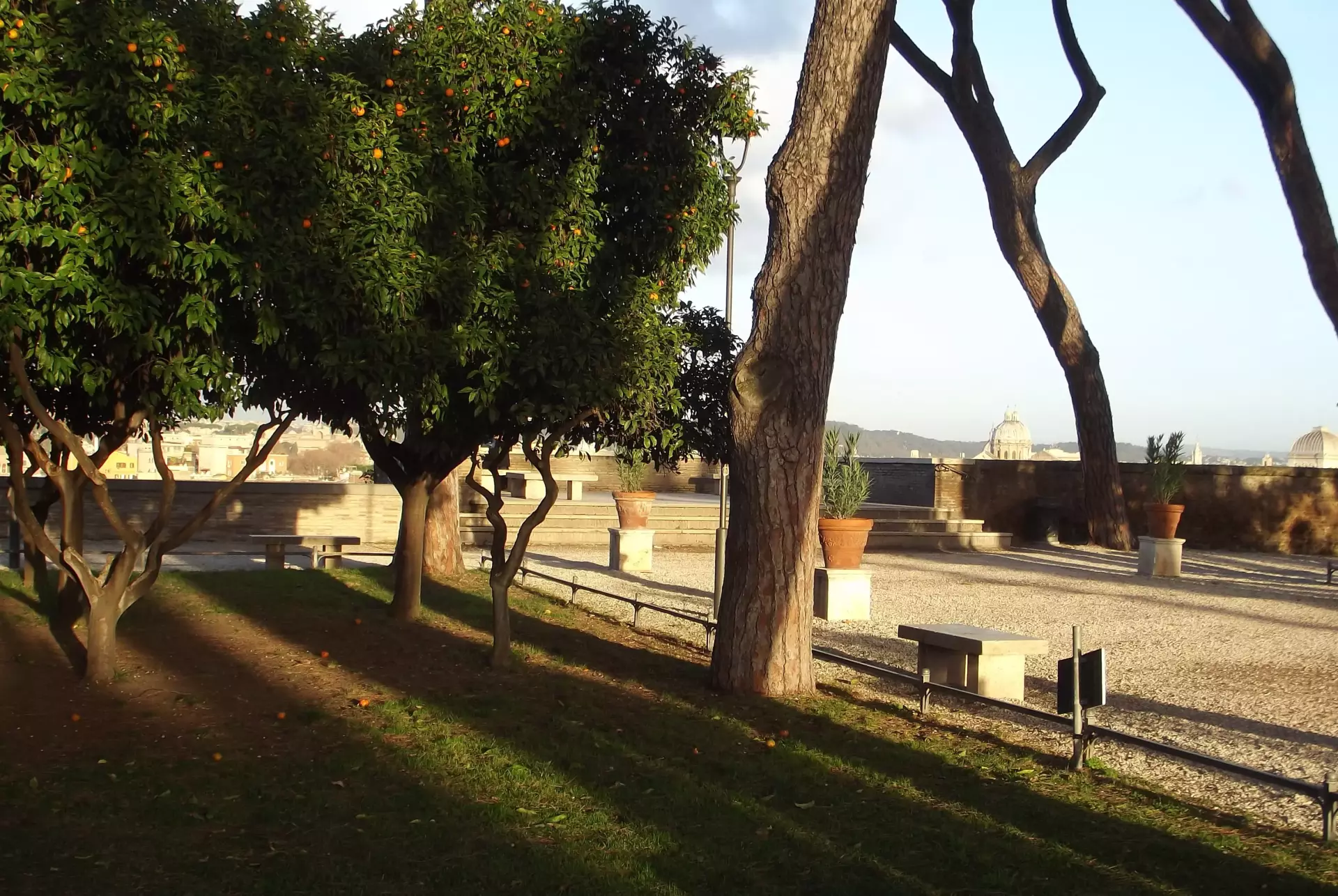

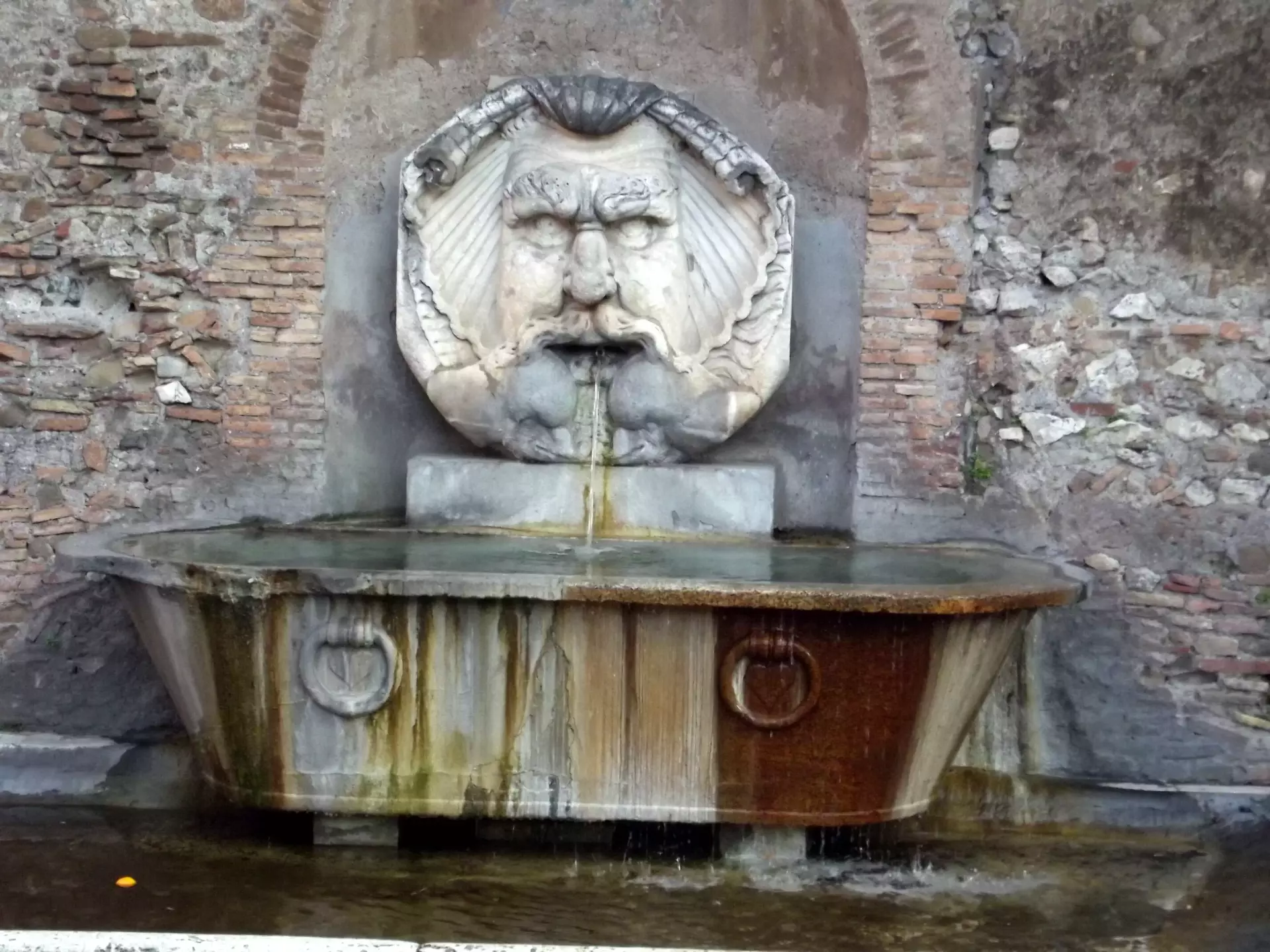
Parco Savello, also known as the Orange Garden or "Giardino degli Aranci," is found beside the ancient Santa Sabina church on top of the Aventino hill. The peaceful grounds are famous for their rows of fragrant orange trees, offering a cool and shady retreat high above Rome.
The Orange Garden is more than just a scenic park; it’s a cherished meeting place for locals and visitors alike. By day, children play and families picnic in the shady groves, while by night, the garden transforms into a romantic destination for couples drawn by the magic of its softly lit pathways and panoramic views. The mood is unmistakably intimate and inviting, making it a favorite spot for anyone seeking a quiet moment amid nature.
One of the park’s greatest attractions is its breathtaking view over the Eternal City. Standing at the edge of the terrace, visitors can watch as the Tiber River winds its way through Rome, snaking below the gardens. Directly across the river lies the vibrant medieval quarter of Trastevere, its narrow streets and lively squares easily visible from above. Just beyond, the majestic dome of St. Peter’s Basilica rises high, anchoring a skyline that also features the historic heart of Rome unfurling to the right.
While the Janiculum Hill, located just across the Tiber, is often hailed as the best vantage point for sweeping cityscapes, the Orange Garden’s outlook holds its own special charm. From here, visitors can not only appreciate a unique perspective of Rome’s layered history but also experience the serenity that makes the Aventine Hill so beloved.
Whether visiting for a quiet afternoon beneath the orange trees or an unforgettable sunset over the city, Parco Savello offers a blend of beauty, history, and romance that leaves a lasting impression on all who wander its shaded paths.
Source - https://en.wikipedia.org/wiki/Orange_Garden,_Rome
The western end of the ancient Via Appia road connecting Rome to Brindisi in the heel of Italy, and as such the third world heritage site in Rome together with the Old Center and the Vatican. As such it's an important historical location, even if the remains of the gate aren't as impressive as the city's major sites. As Via Appia heads southeast out of Rome, and after a few kilometers the route is officially named Via Appia Antica and starts looking more historical: it gets narrow as a city street, the asphalt is replaced by a rock surface and the road is lined with parks and park-like areas and walled old buildings. This section has been described as the world's longest museum.
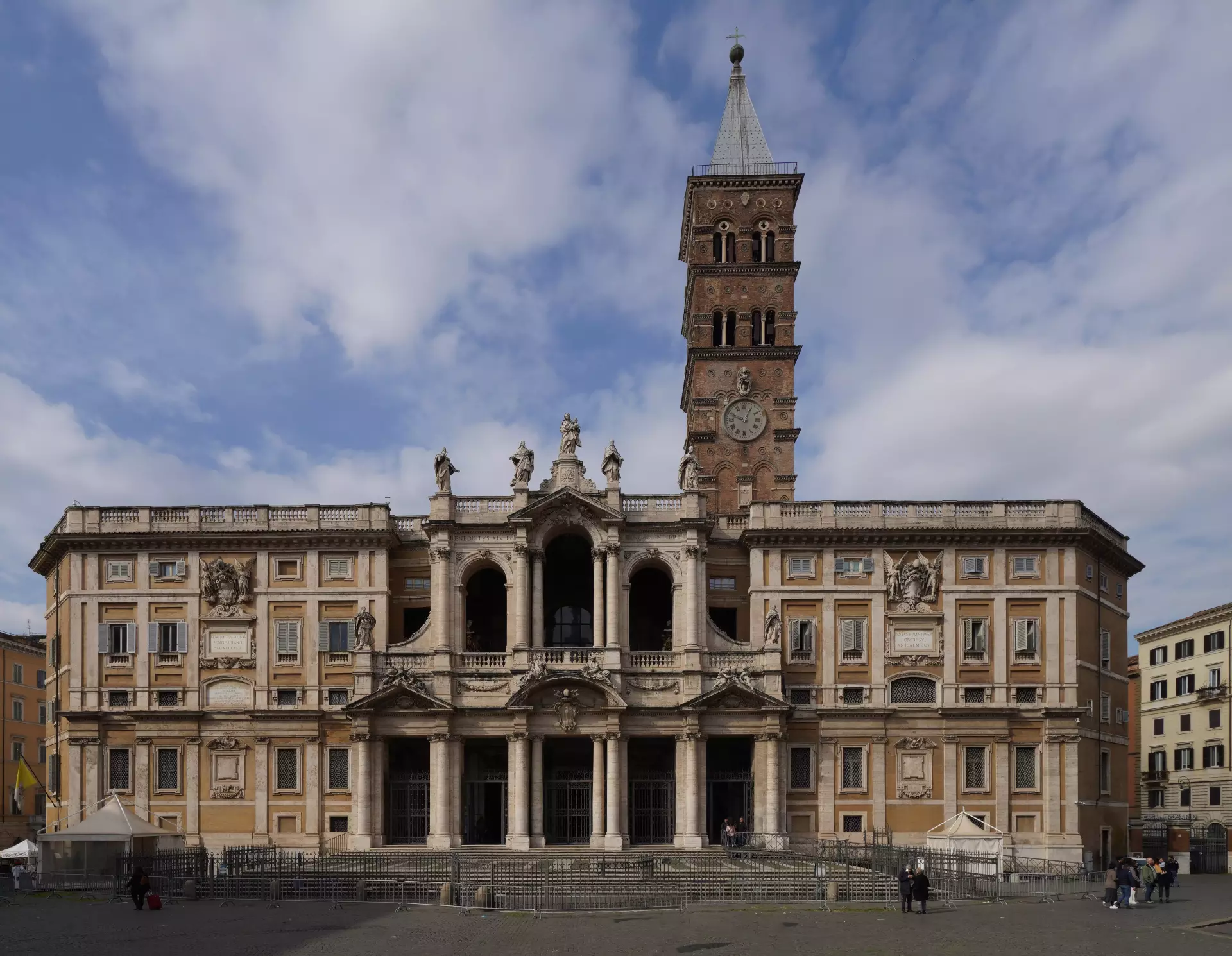
Minor basilica in 17th-century baroque style with good art inside. In a smaller Italian city, this might be a prime attraction, but in Rome, with its abundance of great churches, this is merely a pleasant church of secondary interest to visit if you are in the area.
A relaxing place to sit and recover from the exertions of sightseeing. Permanent collection plus annual competition.
The chains that allegedly held St. Peter are displayed in a case before the altar. More importantly, contains the impressive statue of Moses by Michelangelo. It's close to the Colosseum, but a little hard to find. Take the steps opposite the Colosseum on Via dei Fori Imperiali, cross the road at the top and seek directions. Also reachable through steps to the right leading off Via Cavour.
The contours of the ancient stadium, built in the 6th Century B.C., are still visible in what is now a park in the shadow of the Palatine. Circus Maximus was primarily devoted to chariot races and was used for this purpose until around 550 AD. The stadium could seat up to 150,000 people. Originally built of wood, it burnt down twice, on the second occasion starting the great fire when the Emperor Nero was said to fiddle while Rome burned. It was in one of the tunnels here that Caligula met his end. Excavations began in 2009 at the east end of the circus and are likely to go on for some years.
This archaeological site displays the thermal baths of the villa of the wealthy Herod Atticus. Also in the complex is a restored villa, until 2002 a private residence, that has an exterior completely covered with pieces from Roman ruins, including pipes used in the baths. There are some very helpful staff to show you around, although they only speak Italian. An interesting photographic exhibition in the house traces the development of the Appian Way over the last century. Almost opposite the entrance to the baths is a ruined tower known as the Torre di Capo di Bove.
Underground burial place of an ancient Roman family and of seven early popes.
A lovely, if somewhat run-down park (parts of it are blocked due to the poor state of the roads) with statues and a great view on the city.
Although started in the 2nd century, San Callisto has had many more recent burials, including 16 popes. The burial arcades are almost 20 km long.
It was constructed to hold relics of the Passion of Jesus. They include two thorns of his crown, part of a nail and three small wooden pieces of the Cross. The authenticity of these relics is much disputed, however.
The temple of the Emperor Hadrian was consecrated in 145 AD by Emperor Antoninus Pius. The remains of the antique temple were incorporated into a new building that served as the Papal Customs House. It was finished around 1690 and today accommodates the Stock Exchange (Borsa).
Small collection of railway carriages and related stuff. Really just for those with special interest in the topic. Entrance through the station if the main entrance is closed.