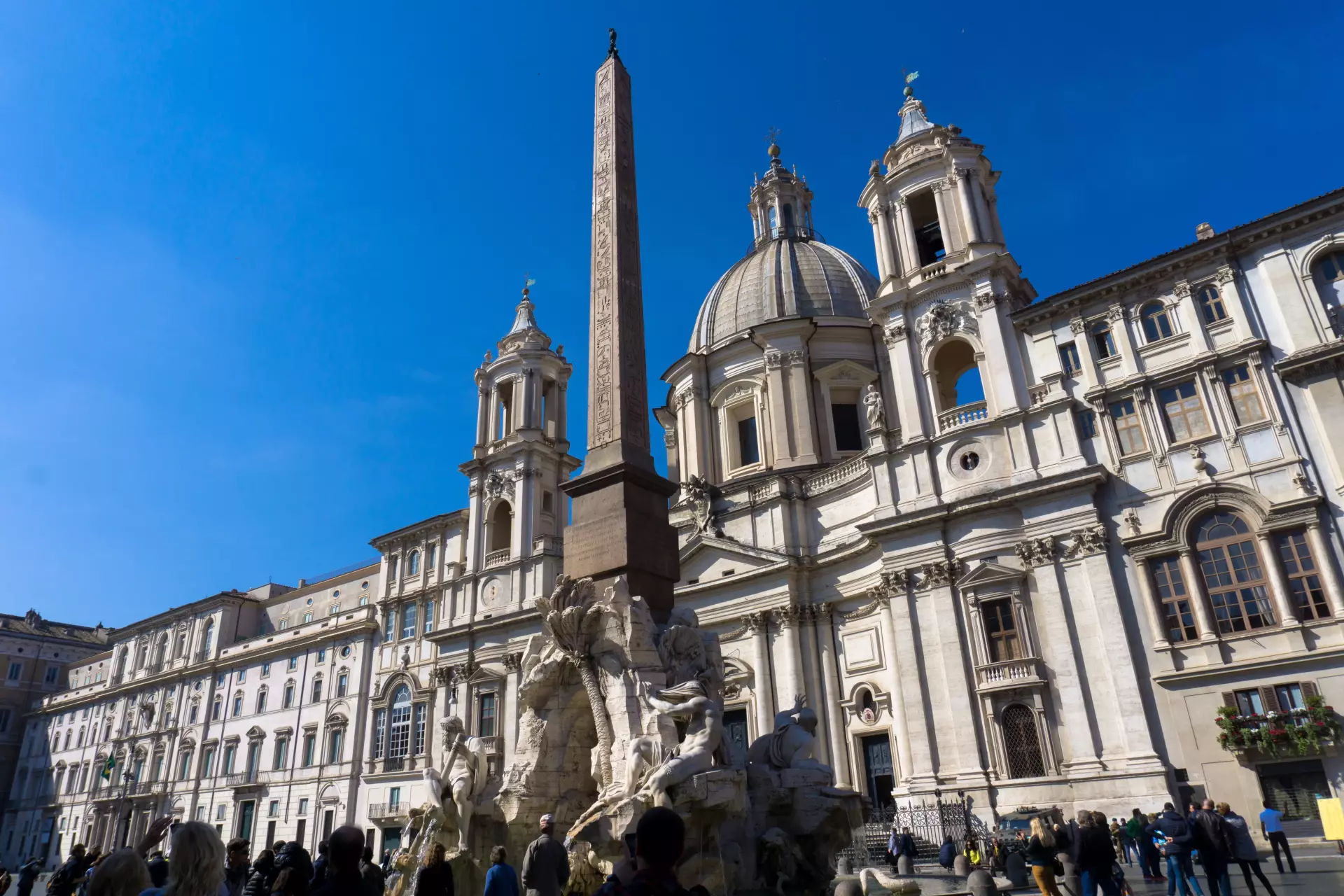
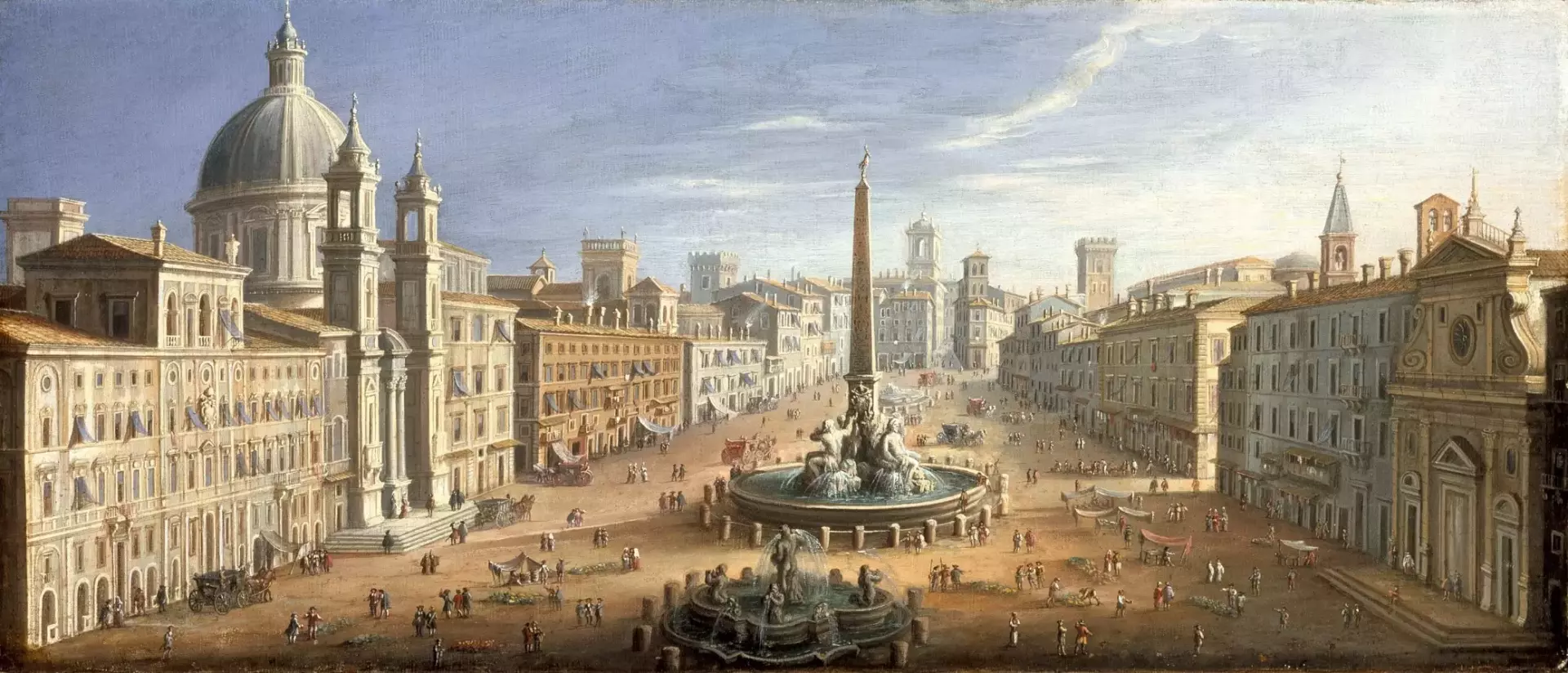
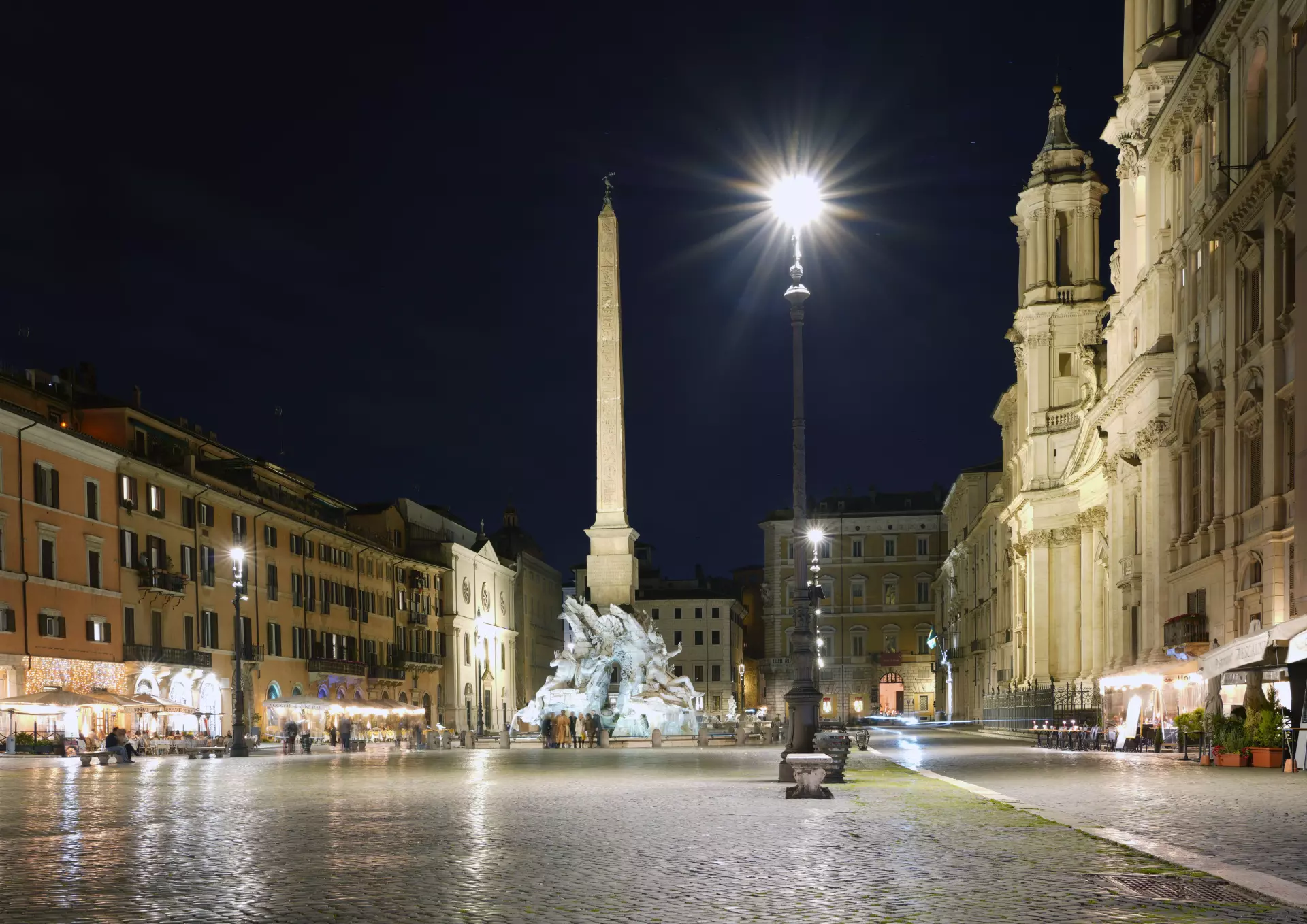
Piazza Navona stands as one of the most celebrated squares from the Baroque era in Rome. Established near the end of the 15th century, the square still keeps the unique oval shape of the ancient Stadium of Domitian. The grand buildings lining the edges of Piazza Navona occupy the very spots where Roman spectators once gathered to watch dramatic events, including the famous naumachiae, or staged naval battles with ships.
Unlike many city spaces, Piazza Navona remains untouched by heavy traffic and modern construction. This preservation allows visitors to enjoy its lively, open character, much as people have for centuries. Today, the square is a favorite spot for those looking to enjoy a cappuccino at a café, browse local shops, or take in the talents of street performers who bring energy and artistry to the area.
At the northern end of Piazza Navona, the past feels especially close. Here, remains of the original Roman stadium sit well below the current ground level, offering a glimpse into the history that lies beneath the bustling square.
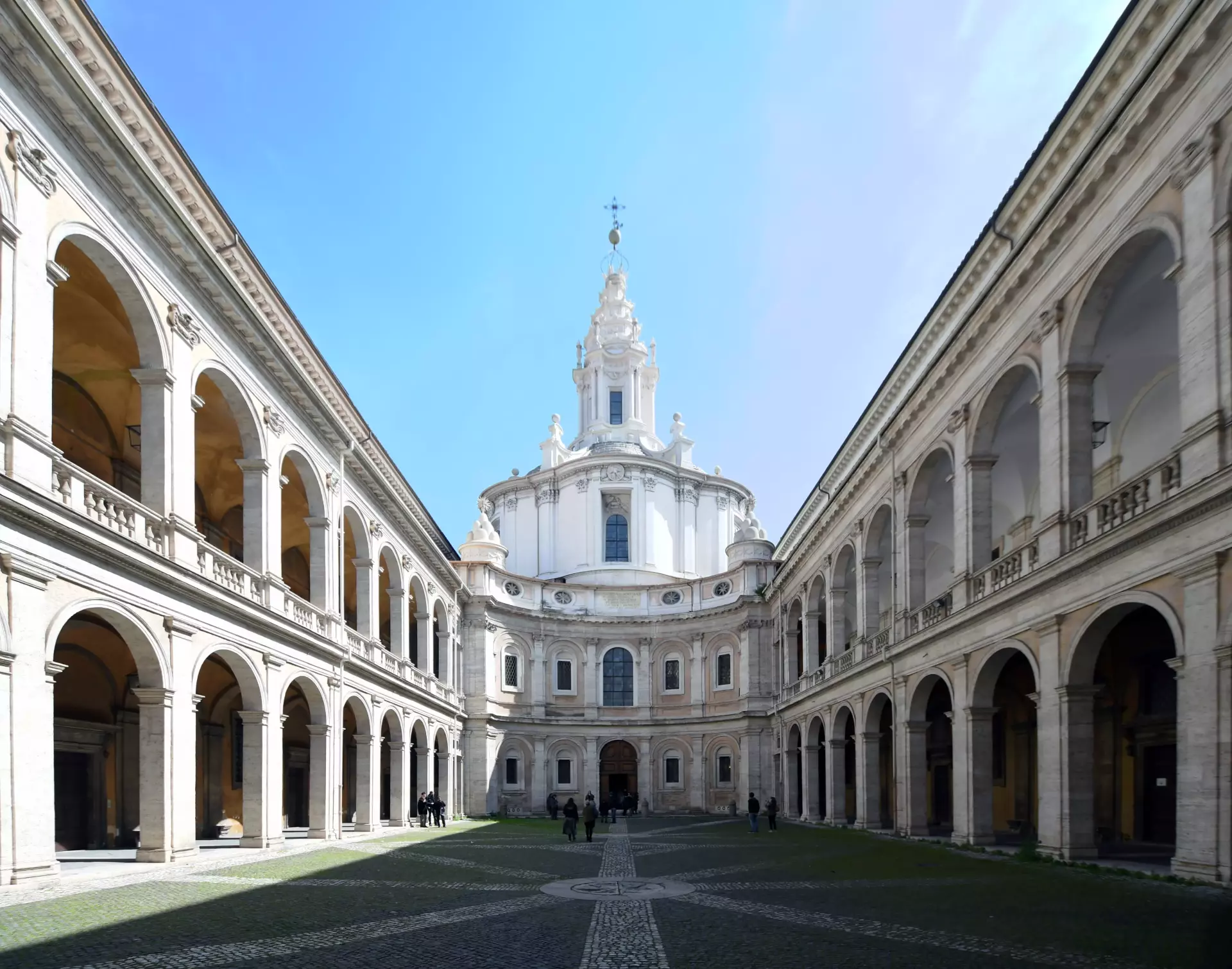
Piazza Navona is home to famous works from two of the Baroque period’s most important artists. Among the monuments around the square, two masterpieces stand out: the creations of Bernini and Borromini. Their works add a striking artistic touch to the already dramatic setting, making the square a remarkable showcase of Roman art and architecture.
Source - https://en.wikipedia.org/wiki/Piazza_Navona
At the southern end of the Piazza, designed by Bernini but the main statue of the Moor was done by Giacomo della Porta and the other statues are 19th-century copies of the originals.
Designed by Bramante to mark the spot of St. Peter's martyrdom, this delightful miniature building is considered a masterpiece of Renaissance architecture. Open to the public.
The palace was built by the architect Baldassare Peruzzi on behalf of the Massimo family. The former palace was destroyed during the pillage of Rome in 1527. The Massimo family can be traced back to Quintus Fabius Maximus who defeated Hannibal in the 3rd century BC. The building is open to the public on March 16, only in order to commemorate the miraculous reanimation of Paolo Massimo by St. Philip Neri in 1538.
A pleasant fountain in an out-of-the-way square. It was originally meant to have four dolphins rather than turtles, but the dolphins proved to be too large for the water pressure, so the turtles were added as an afterthought.
This small museum records the liberation of Rome from German occupation during the Second World War. During the occupation the building was used as a prison. Stair lifts and chair lifts available for wheelchair users (call ahead).
According to the legendary passio, two brothers, John and Paul, who were officials at the imperial court, suffered martyrdom in 362 in their home on the Caelian hill, during the reign of emperor Flavius Claudius Julianus. This basilica dedicated to these two Roman officers was erected starting from 398 and was used first as a domus ecclesiae by the Christian community.
The most extensive collection of Etruscan art and artifacts anywhere. Fantastic collection and well worth the admission charge. A difficult museum to find, but a lovely display in a beautiful villa setting.
Although started in the 2nd century, San Callisto has had many more recent burials, including 16 popes. The burial arcades are almost 20 km long.
On top of the Capitoline hill. The piazza was designed by Michelangelo. The Capitoline Museum is housed in the palaces flanking the piazza. You can walk behind the Palazzo Senatorio, where Rome's government meets, to a wonderful viewpoint which overlooks the entire Roman Forum. In the centre of the square you can admire an exact copy of the Statue of Marcus Aurelius on horseback; the original is kept in one of the two museums, to preserve it from pollution.