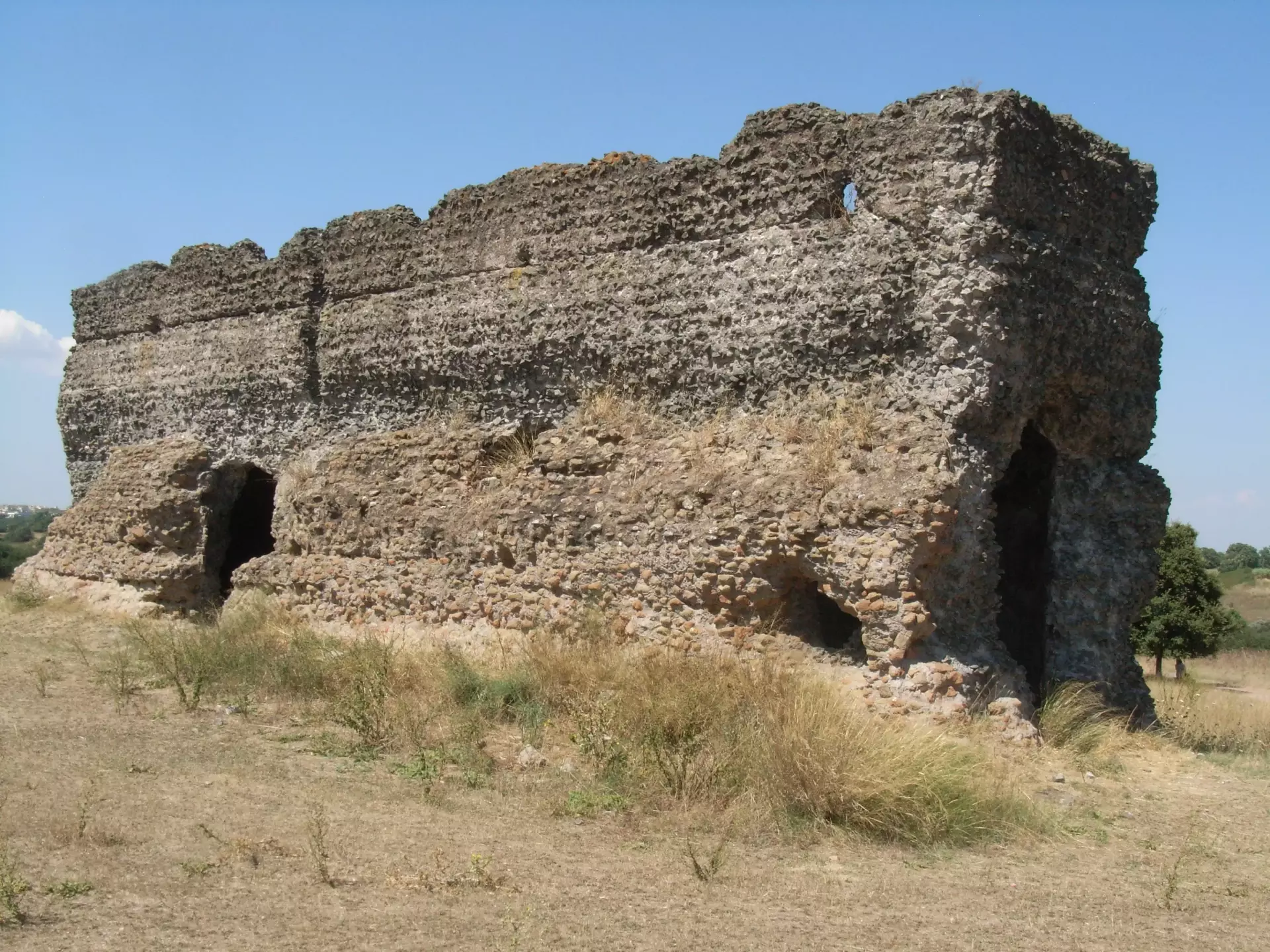
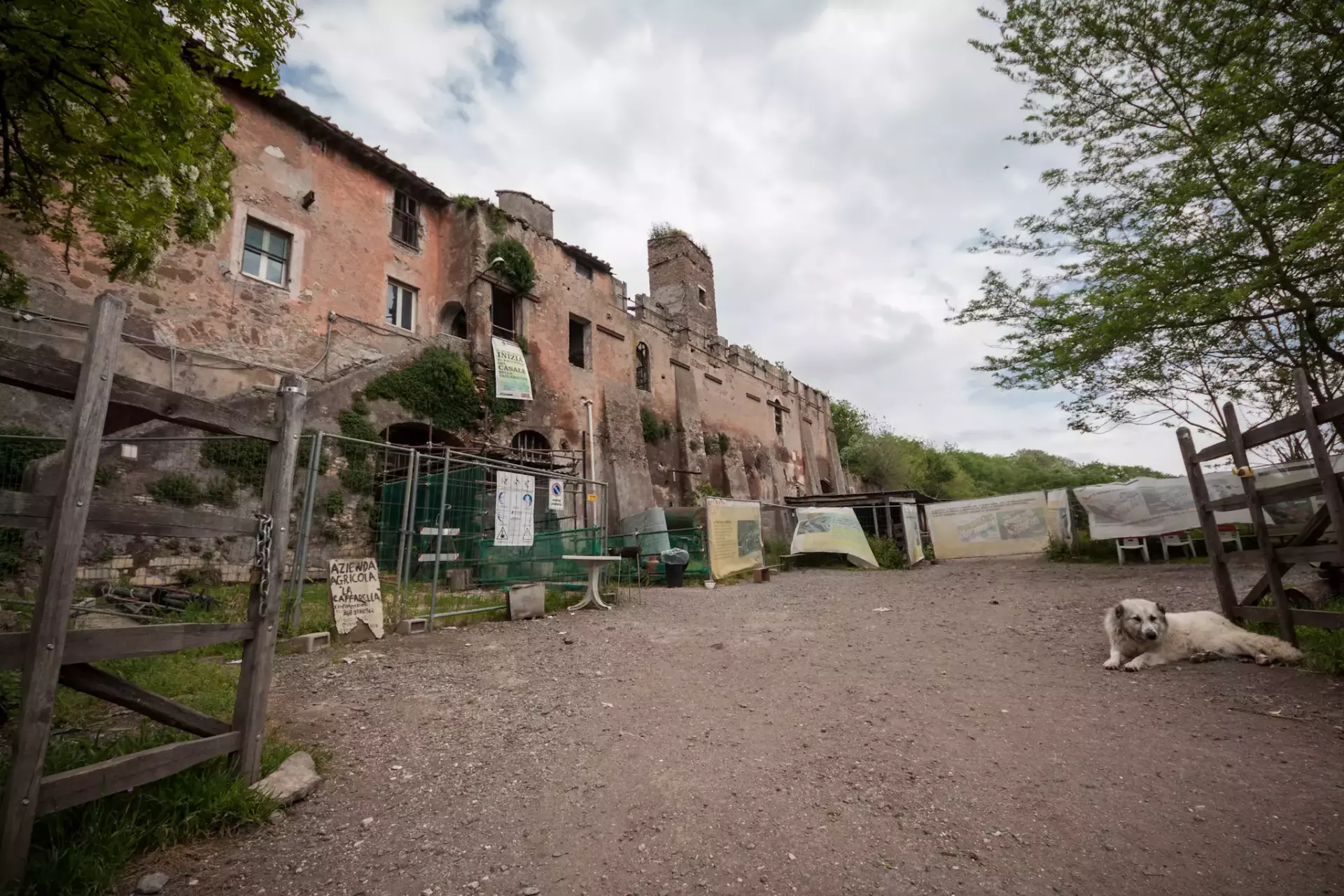
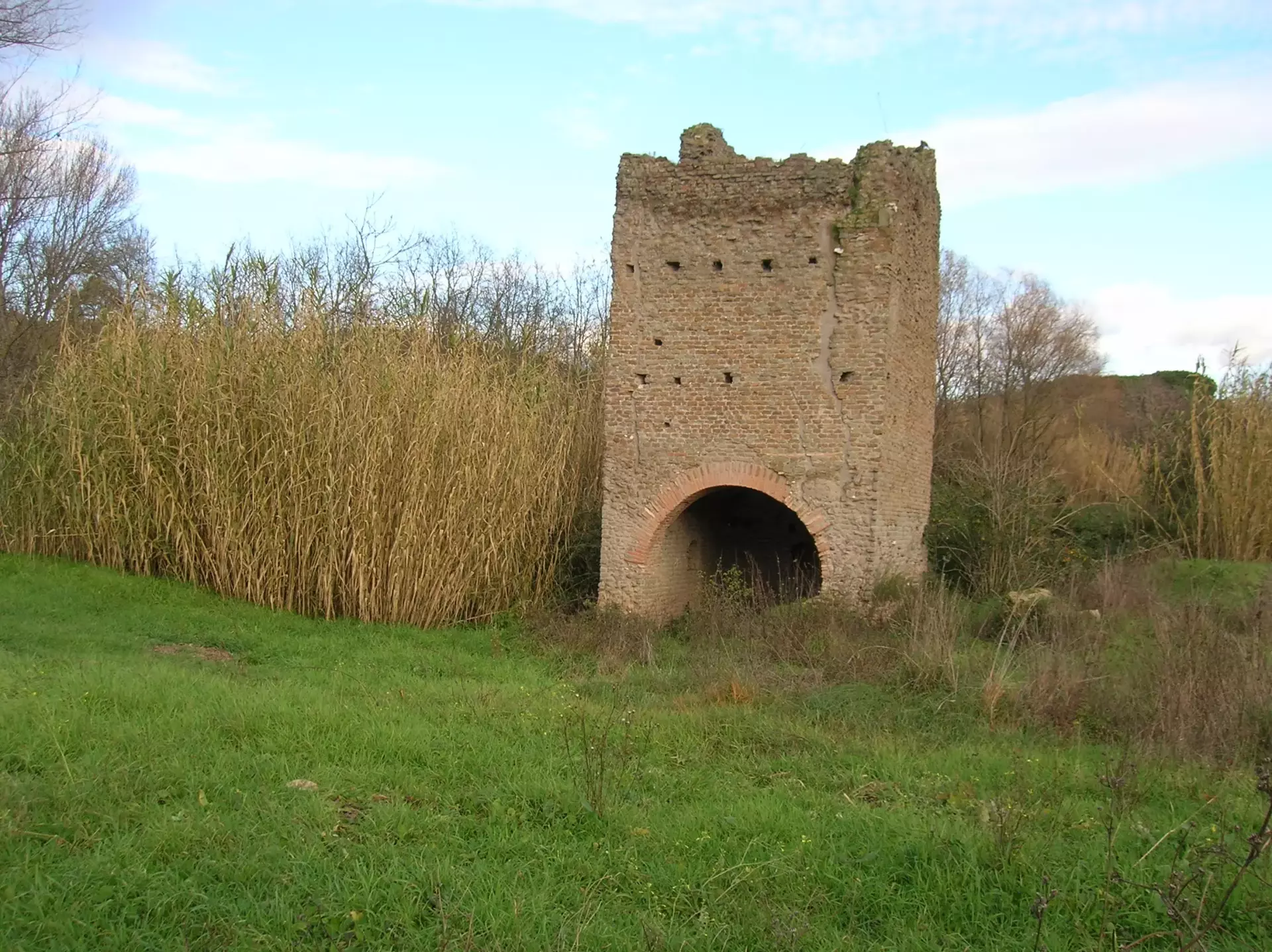
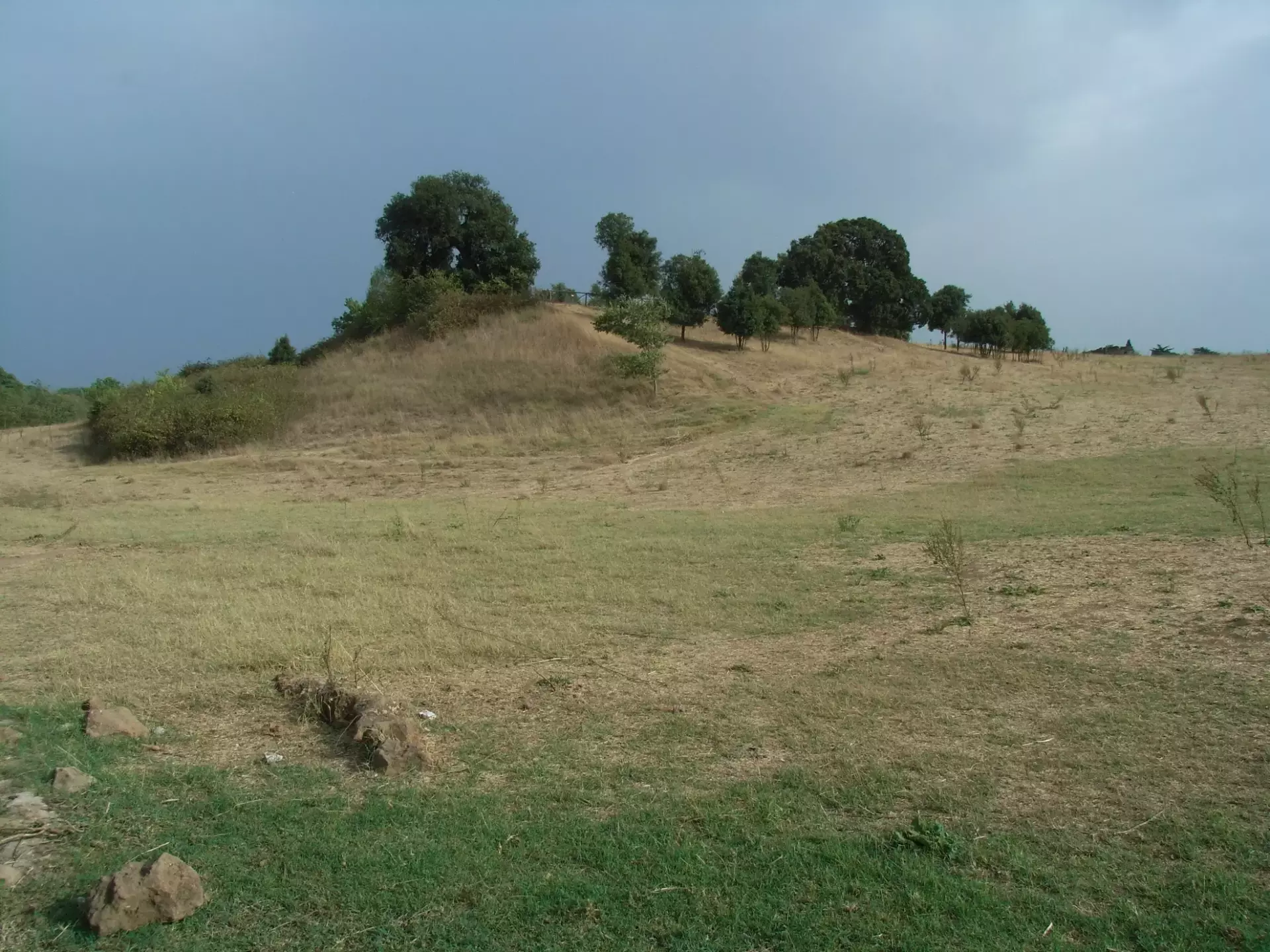
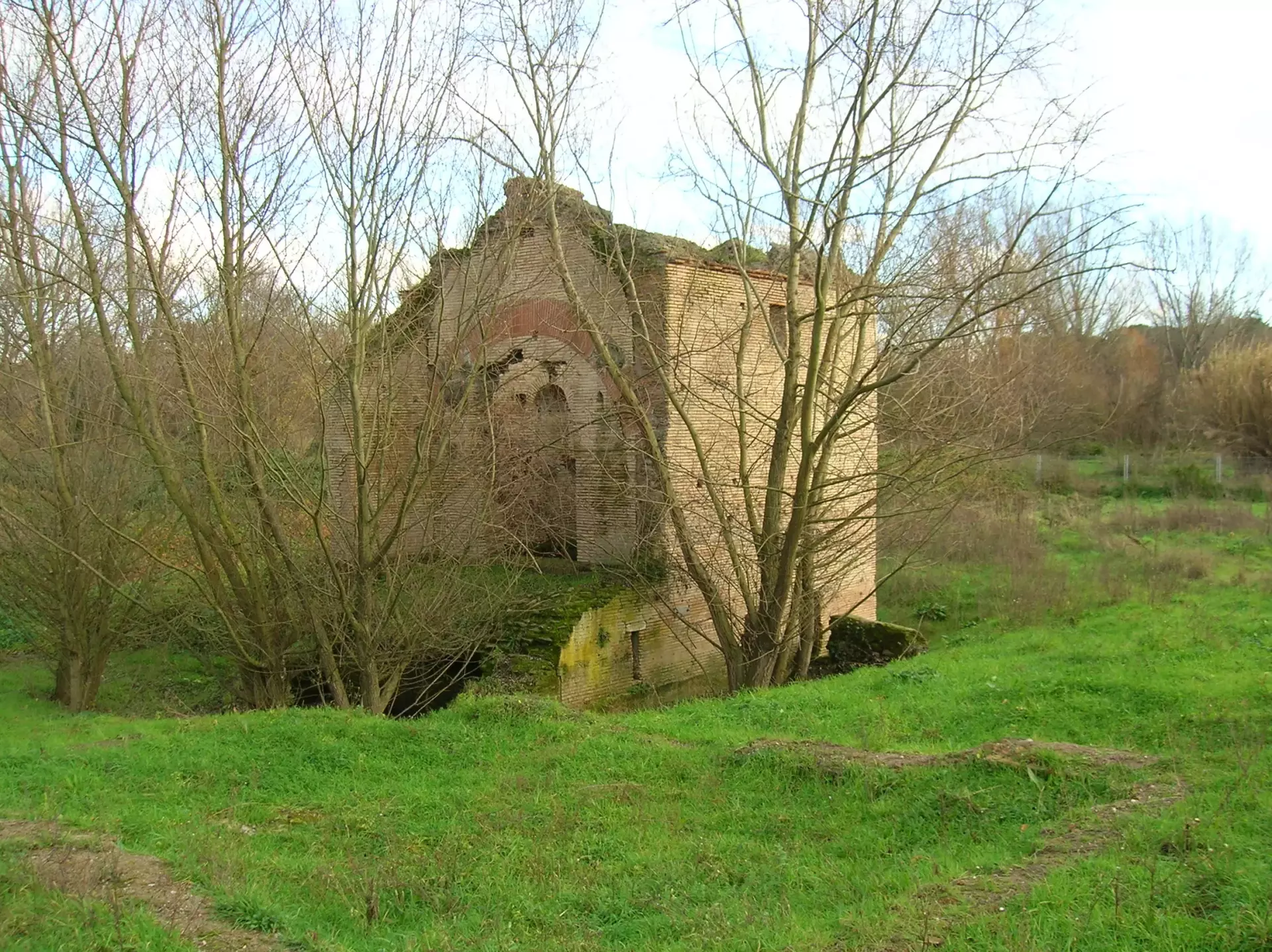
Caffarella Park stretches across 339 hectares and forms a section of the expansive Appia Antica Park. Situated on the southern edge of Rome, this green space offers a welcome escape from the city's busy streets.
The park features both a working farm and a collection of ancient Roman ruins. Some of these archaeological remains are impressively well preserved, giving visitors a sense of the area's long and varied history. Walking or cycling along the park’s paths, people can find centuries-old structures surrounded by fields and trees.
Caffarella Park provides a peaceful environment, combining natural beauty with fascinating glimpses into Rome’s past. It is a popular spot for strolls, picnics, and outdoor activities, far from the usual traffic and noise of the city.
Source - https://en.wikipedia.org/wiki/Park_of_the_Caffarella
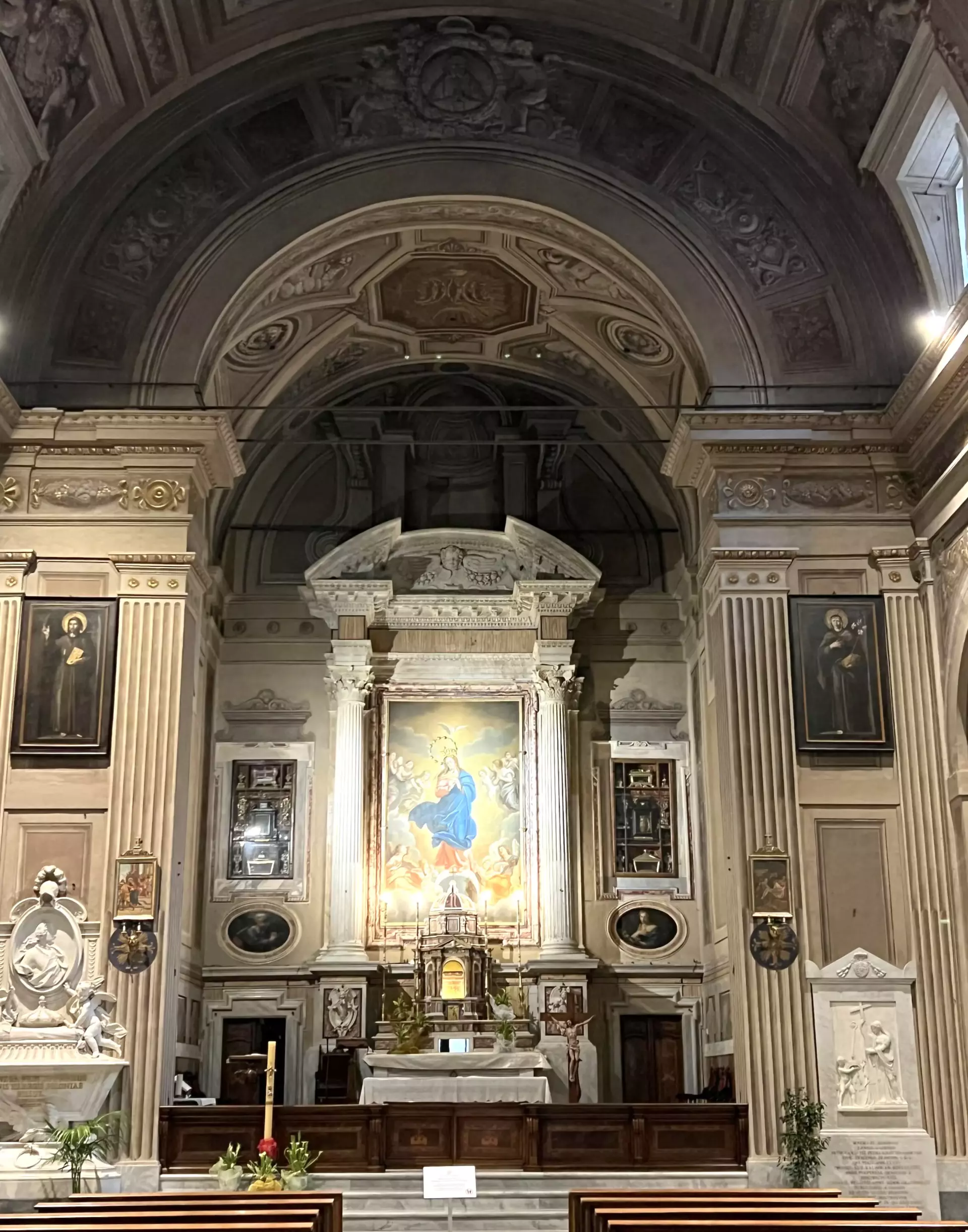
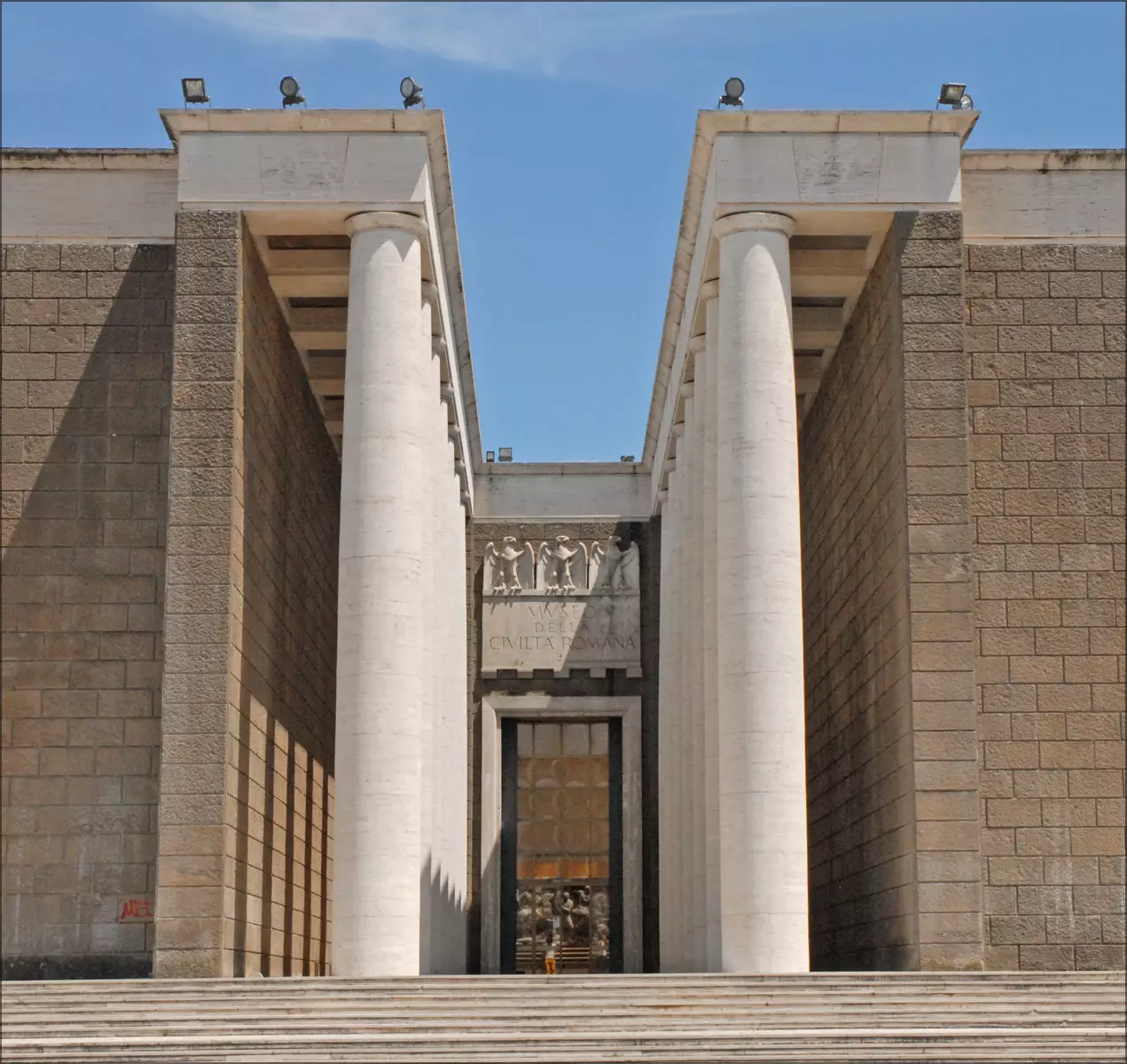
A relaxing place to sit and recover from the exertions of sightseeing. Permanent collection plus annual competition.
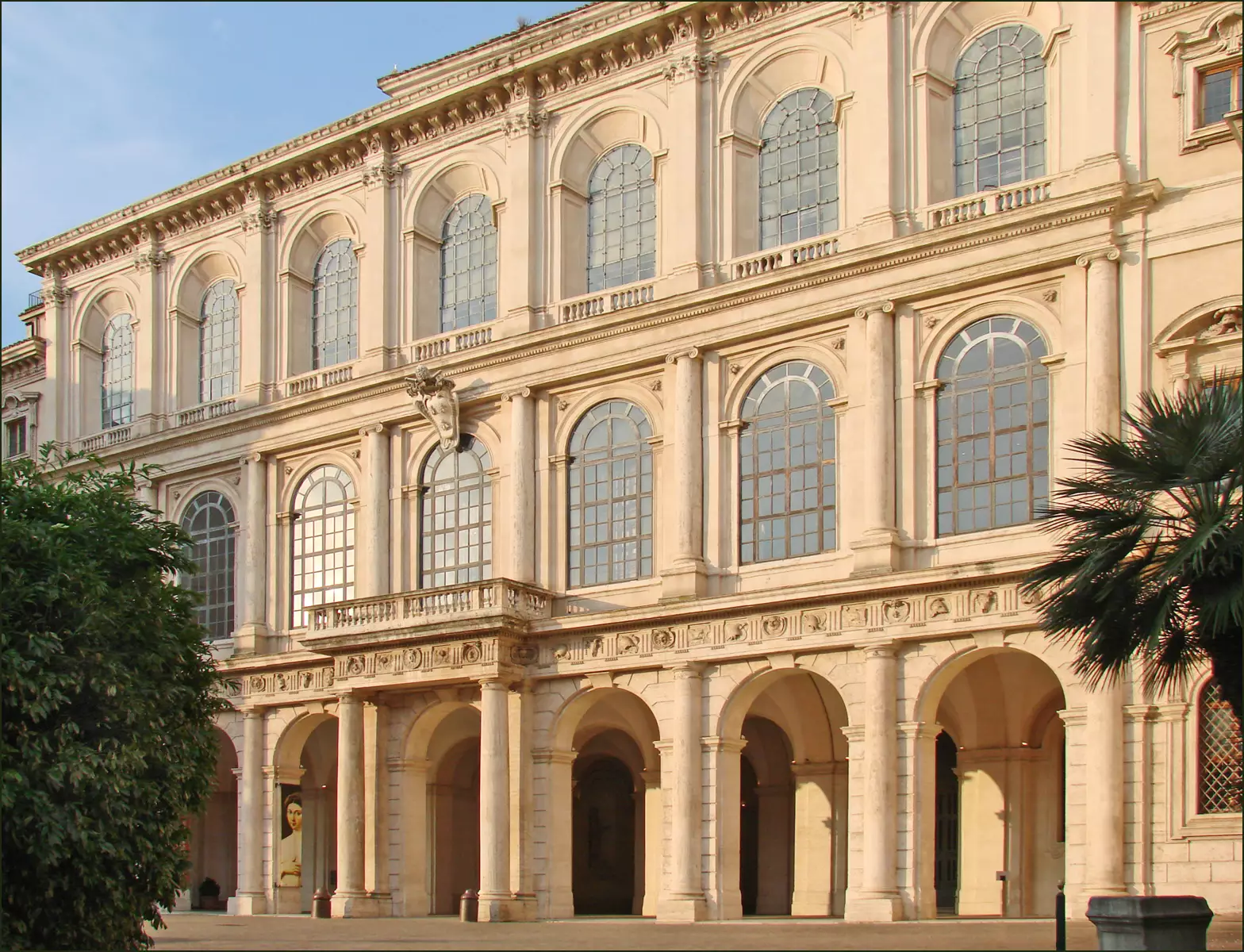
Good collection of Renaissance and Baroque art, including by Velasquez, Titian, Raphael, and Bernini, all owned by the Doria Pamphilj family. Excellent audio guides really bring the paintings to life.
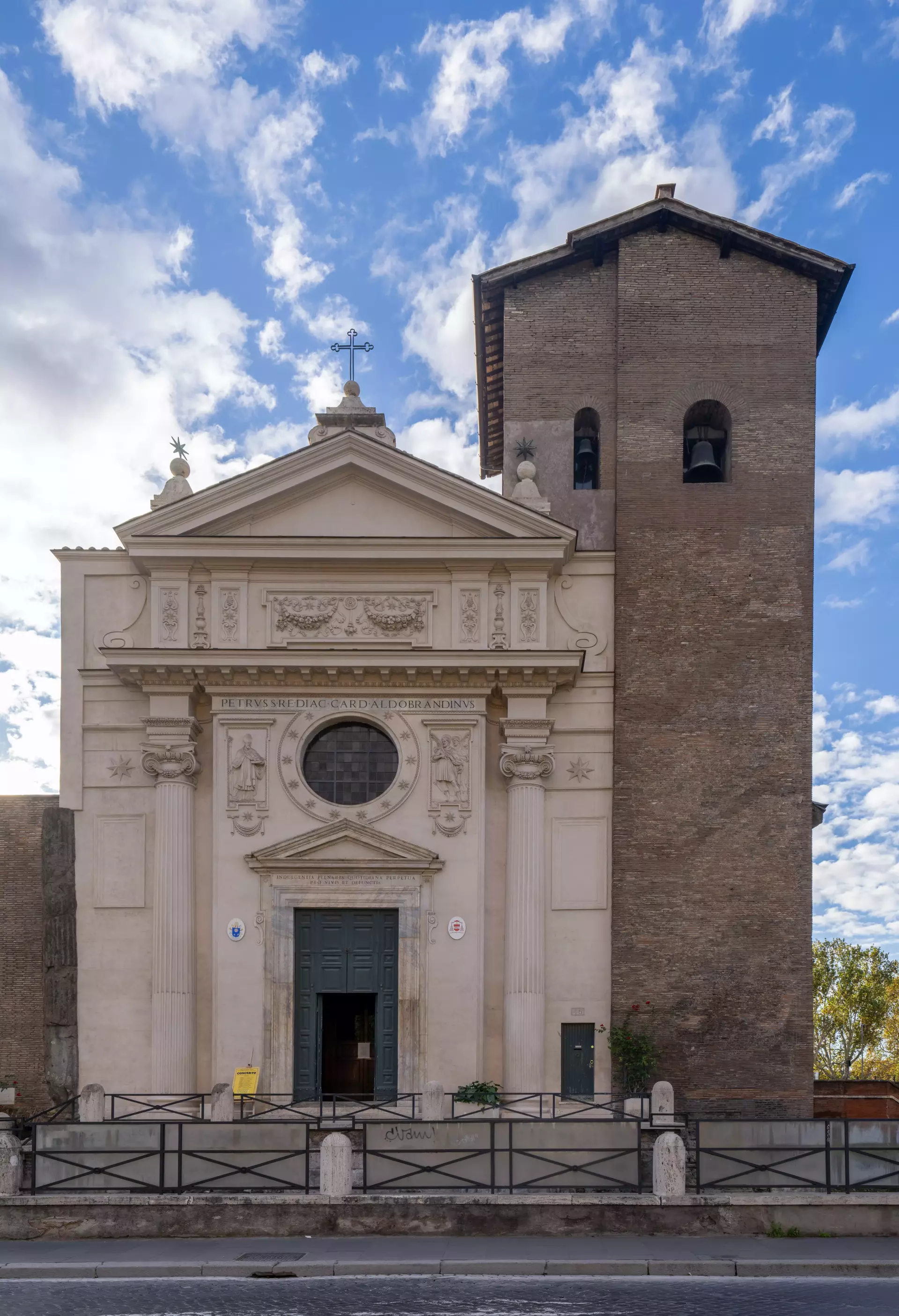
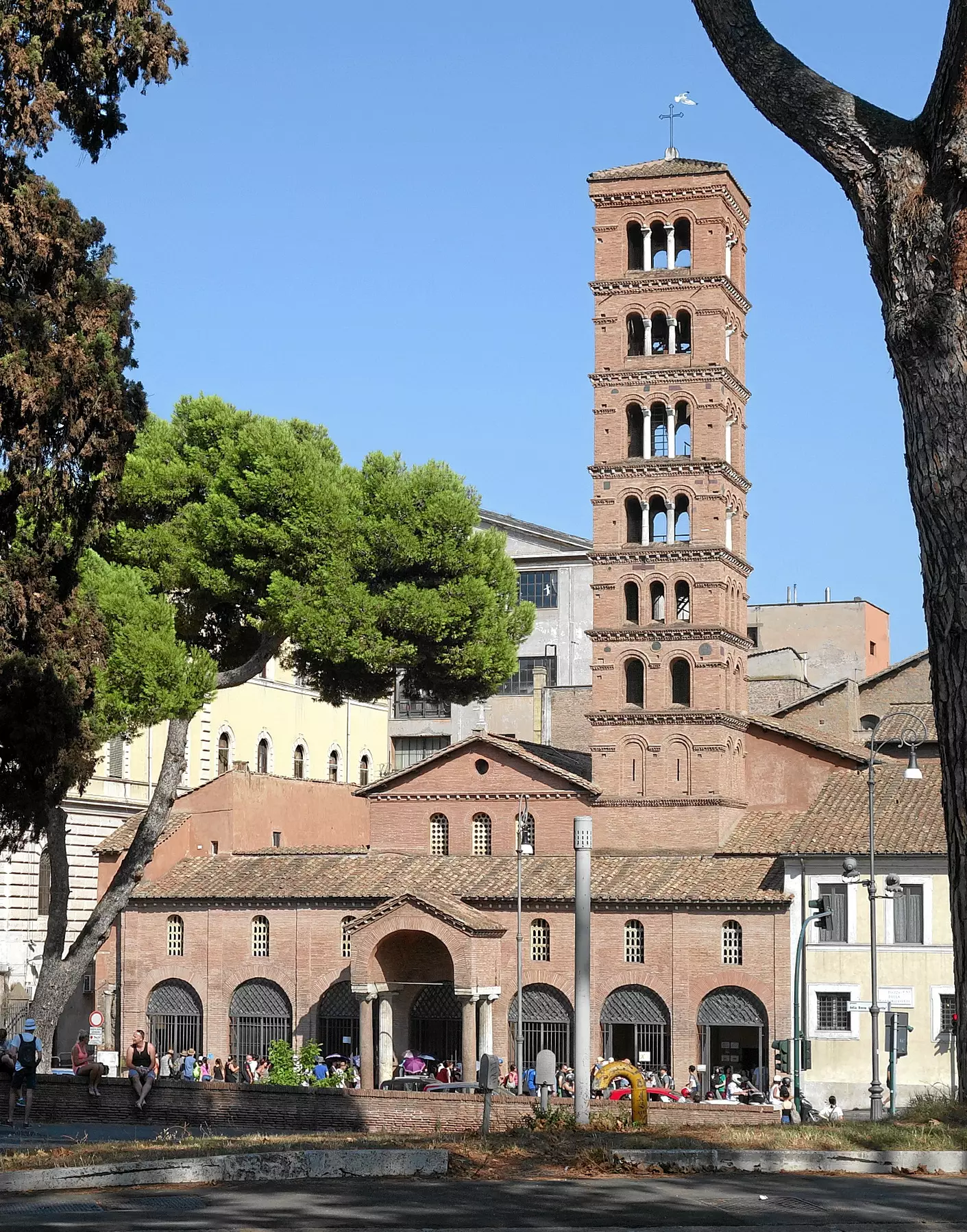
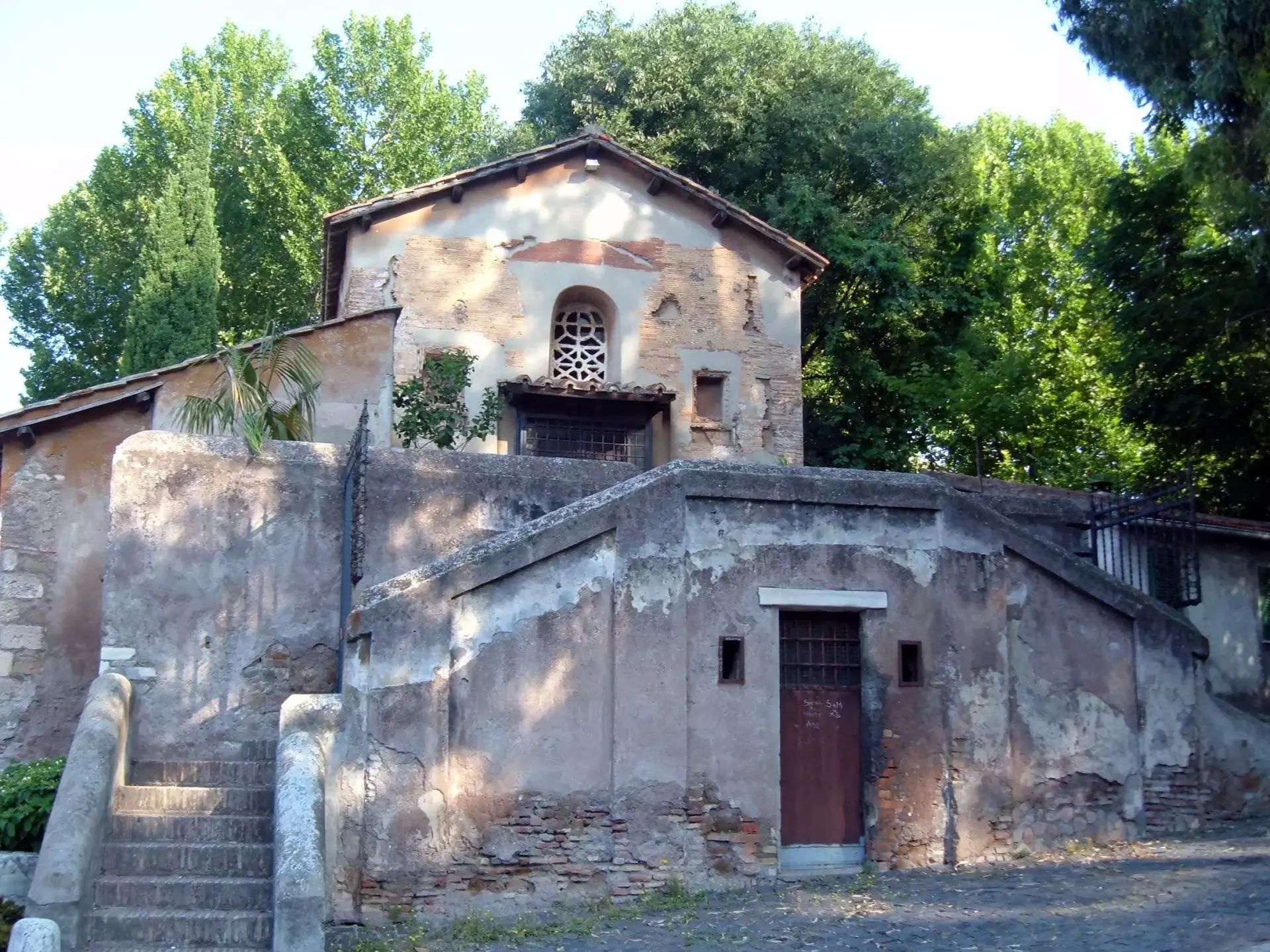
According to the legendary passio, two brothers, John and Paul, who were officials at the imperial court, suffered martyrdom in 362 in their home on the Caelian hill, during the reign of emperor Flavius Claudius Julianus. This basilica dedicated to these two Roman officers was erected starting from 398 and was used first as a domus ecclesiae by the Christian community.
The remains of the ancient Roman archives, where Cicero and Seneca did research. Visible from the Forum and accessible through the Capitoline Museum.
Erected in 203. You can see it close up from Via della Curia also (without entering the Forum).
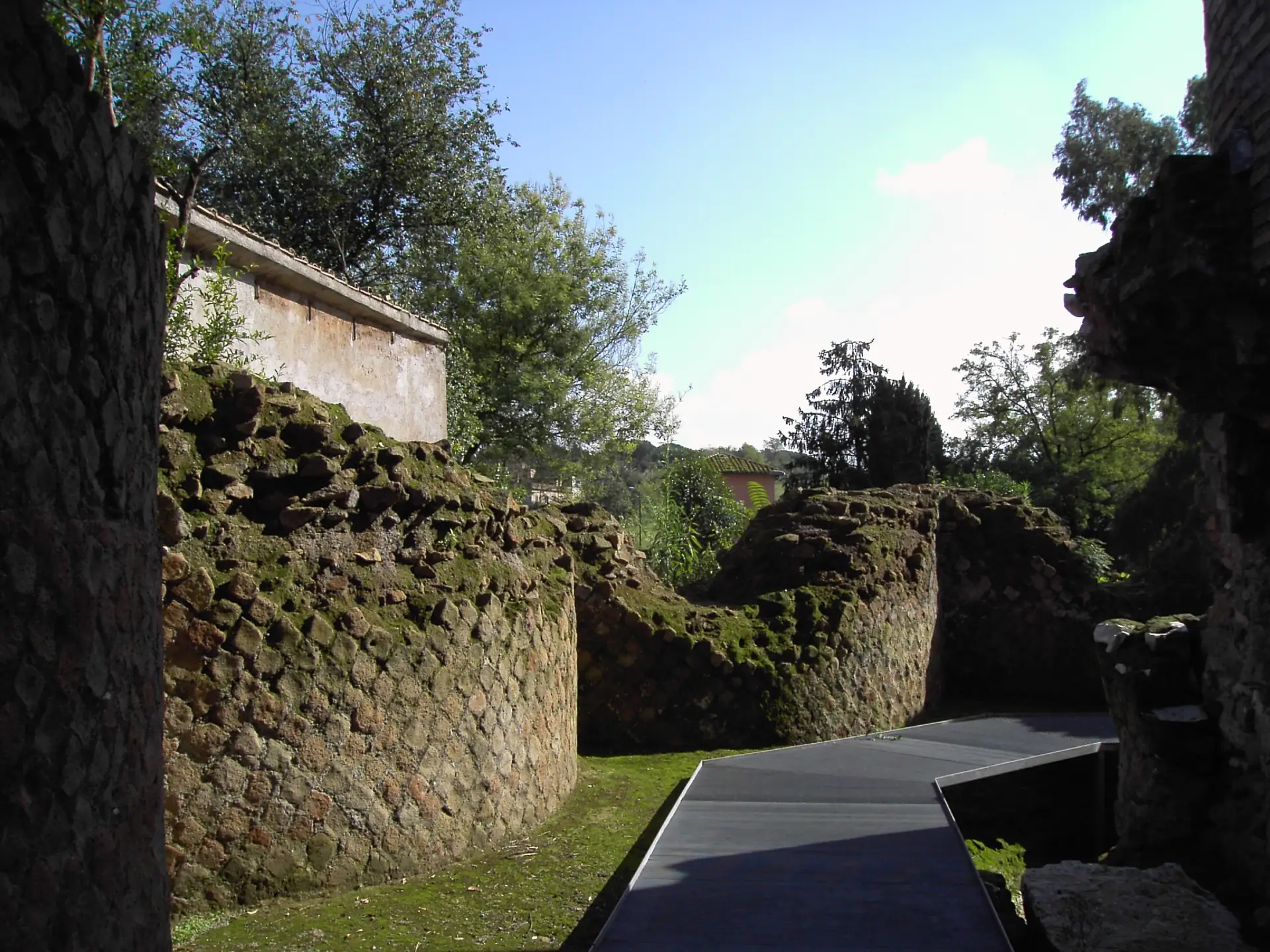
The Servian Wall was the first wall around Rome, built around the 3rd century BC. This well-preserved section provides a good opportunity to observe the construction methods of that time, particularly the use of tufa rock blocks
Built in honour of Victor Emmanuel, the first king of a unified Italy, this vast structure may appear to be solid white marble but actually contains many rooms inside. There are two permanent museums, one on Italian Reunification and one on emigration from Italy, as well as other spaces that host rotating exhibitions. A walk through the Flag Room leads to the tomb of the unknown soldier. Good views from half-way up but you can also pay €10 (€2 concessions) and take a lift all the way to the top.
Known properly as the Flavian Amphitheatre, this most famous of Roman landmarks takes its name from the giant statue of the emperor Nero that once stood near this location. The amphitheatre was capable of seating 50,000 spectators for animal fights and gladiatorial combats. It was a project started by the Emperor Vespasian in 72 and completed by his son Domitian sometime in the 80s. The Colosseum when completed measured 48 m high, 188 m in length, and 156 m in width. The wooden arena floor was 86 m by 54 m, and covered by sand.;Expect a long queue and an even longer wait. You can skip the queue if you decide to take a tour, but if you don't want a tour, you can STILL skip the queue. If you walk to the entrance for the Roman Forum, you can buy tickets there which allow you to bypass the queues. You can also buy tickets online. There are lots of people offering tours in English just outside the entrance to the Colosseum. Inside you can take a tour (English, Spanish, or German) every 30 minutes or so for an additional fee. The tours are given by knowledgeable archeologists, but they don't take you to any areas you couldn't visit on your own.
An example of urban planning that goes back to Pope Julius II, who, in 1508, envisioned it as a street that would connect all major government buildings. It is around a kilometer long and is in a straight line, an unusual feature for the time. It is lined with some interesting palaces but these days is more known for its antique shops. Via Giulia runs parallel with and one block from the River Tiber.
Completed in 1762 to a design by Nicola Salvi, this spectacular Baroque fountain features a mythological sculptural composition of Neptune, god of the sea, flanked by two Tritons: one Triton labours to control a violent sea-horse, the other controls a pacified creature, both symbolising the dual nature of the world's oceans. The location of the Trevi fountain marks the terminus of the ancient Aqua Virgo aqueduct, completed in 19 BCE in order to supply the Baths of Agrippa, and is so named on account of its position at the junction of three roads (tre vie). The legend says that one who throws a coin in the fountain shall one day return to Rome. The coins in the fountain are regularly collected to finance charities. The fountain has been made even more famous by the 1954 film, Three Coins in the Fountain, and by a famous scene in Federico Fellini's film La Dolce Vita. According to popular superstition and custom, throwing coins with one's right hand over one's left shoulder into the Trevi Fountain is a practice endowed with good luck. Throwing one coin ensures that the thrower will return to Rome; throwing two coins will ensure that the thrower will fall in love with a beautiful Roman girl (or handsome boy); throwing three coins, finally, ensures that the thrower will marry that girl or boy in Rome itself. The fountain is one of Rome's most famous attractions, but the square isn't exactly as large as St. Peter's, therefore it might be packed with crowds almost like at a rock festival. For this reason it's reportedly also a pickpocket hotspot, so do watch your pockets and bags here!
Baroque church more noted for its position at the top of the Spanish Steps than it is for the church. Backdrop for numerous movies including Audrey Hepburn and Gregory Peck in Roman Holiday.
The Scala Sancta (Holy Stairs) is, according to Roman Catholic tradition, the staircase used by Jesus Christ to approach Pontius Pilate to be sentenced to death. Attracts numerous pilgrims who climb the stairs on their knees.
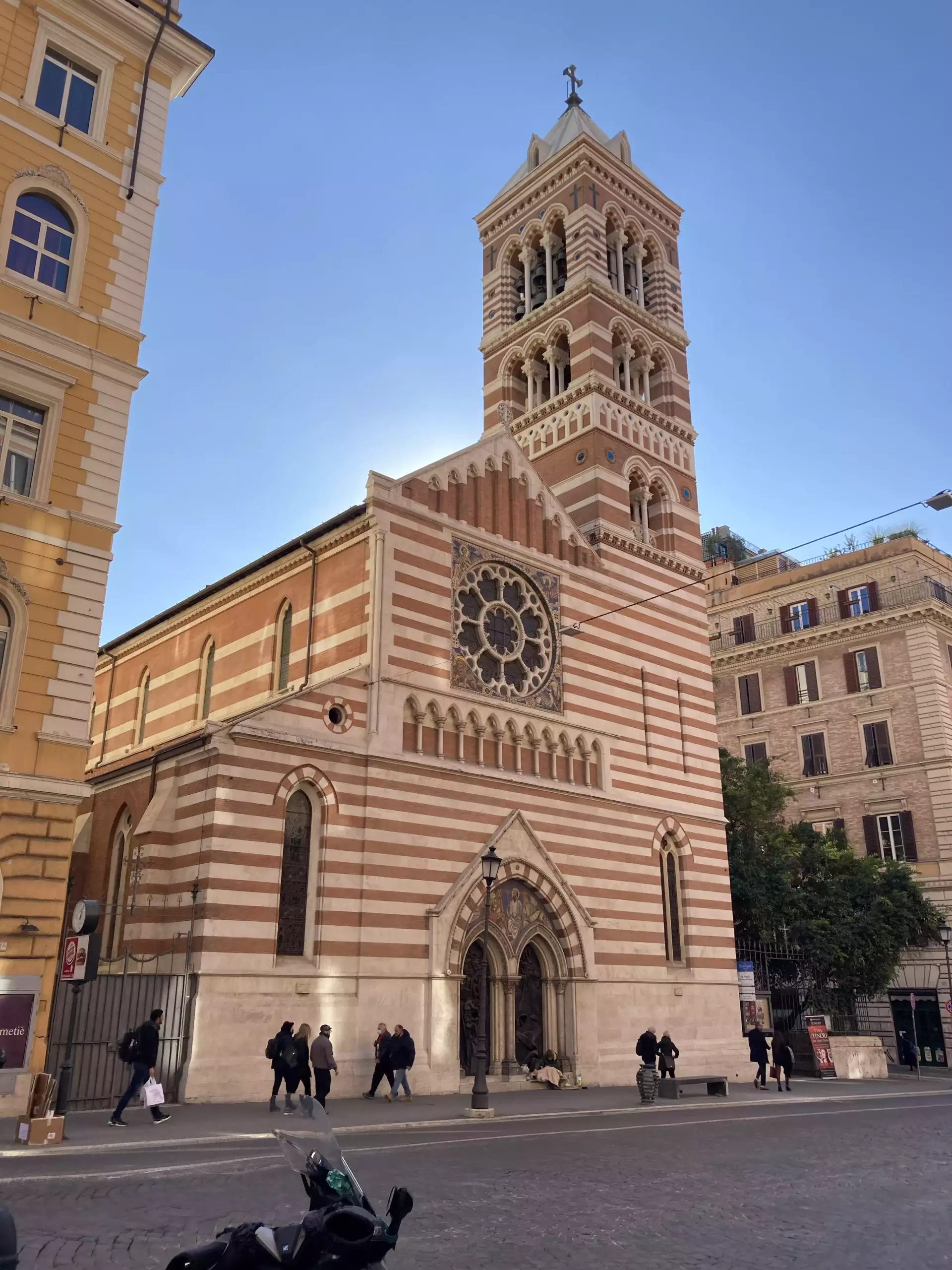
More modern than most Roman churches: it was not started until 1873. This is Rome’s Episcopalian church. Some very interesting artwork, particularly the mosaics by Edward Burne-Jones of the Pre-Raphaelite school.
A magnificent patrician house with beautiful gardens. It was built by order of Cardinal Alessando Albani in 1743-1763 in order to accommodate his collection of art. The collection was taken care of by the Winkelmann, adviser and friend of the cardinal. In Rome, Winkelmann wrote his "Geschichte der Kunst des Altertumns (HIstory of the Art of Antiquity)", which made him the founder of classical archaeology. The painted ceiling of the great hall depicting Mount Parnassus is by the German painter Anton Raphael Mengs who was considered as the greatest painter in Rome in the 18th century. A permission to visit is to be requested by email or fax from Principi Torlonia's administration where you'd need to indicate date and time desired, your name and number of people in your party (max. 10).